Ease Medical Apparatus And Instruments
Ease Medical Apparatus And Instruments
Ease Medical Apparatus And Instruments
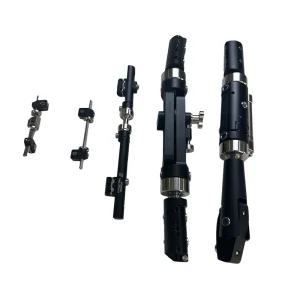
Advanced modular external fixators optimized for clinical deployment in Panama’s regional healthcare grids.
Panama occupies a highly unique geographical and commercial bottleneck in Central America. Due to the high concentration of major infrastructure projects—most notably the Panama Canal expansion, metro rail developments in Panama City, and the continuous expansion of the Inter-American Highway—the demand for acute orthopedic trauma solutions is disproportionately high. Surgical interventions targeting open fractures, severe long-bone segment disruptions, osteomyelitis, and complex malunions require reliable external fixation systems that can be rapidly deployed in both state-funded public medical centers and elite private clinics.
In the public sector, organizations such as the Caja de Seguro Social (CSS) and the Ministerio de Salud (MINSA) manage large volumes of emergency trauma admissions. High-speed highway accidents and deep-sea maritime transit accidents account for severe multi-fragment fractures where internal fixation (such as intramedullary nailing or locked plating) is contraindicated in the primary phase due to soft-tissue degradation or active contamination. This has positioned external fixation systems as the absolute gold standard for "Damage Control Orthopedics" (DCO) throughout Panama's emergency departments.
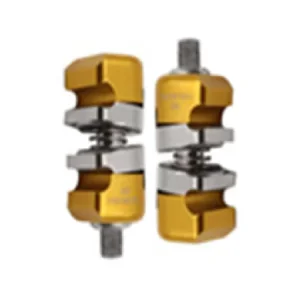
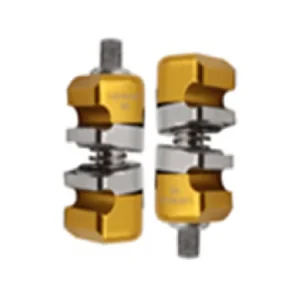
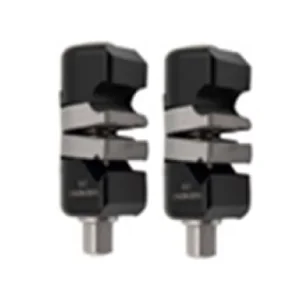
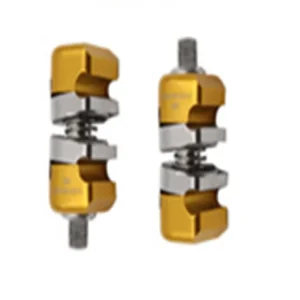
Clinical requirements differ heavily between Panama's provinces. In metropolitan hubs like Panama City (e.g., Hospital Santo Tomás, Complejo Hospitalario Metropolitano Dr. Arnulfo Arias Madrid), orthopaedic departments require versatile rod-to-rod and pin-to-rod clamps capable of rapid alignment corrections under fluoroscopic guidance. In contrast, regional hospitals in Chiriquí or Colón require highly cost-effective, durable stainless steel and carbon fiber hybrid frames that can remain in place for extended periods with minimal maintenance.
A look at the manufacturing scale, machinery investment, and R&D expertise behind our global orthopedic supply chain.
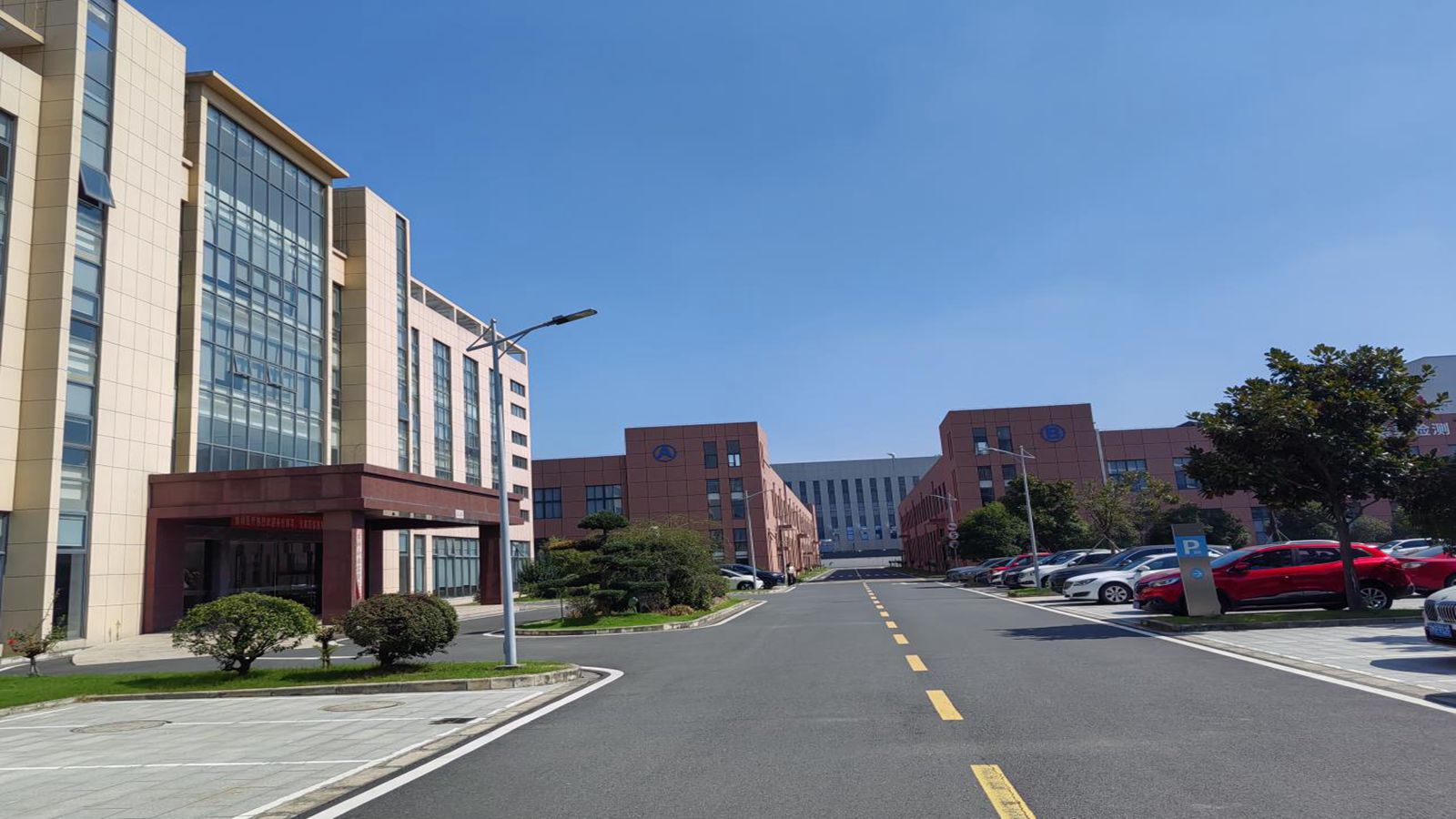
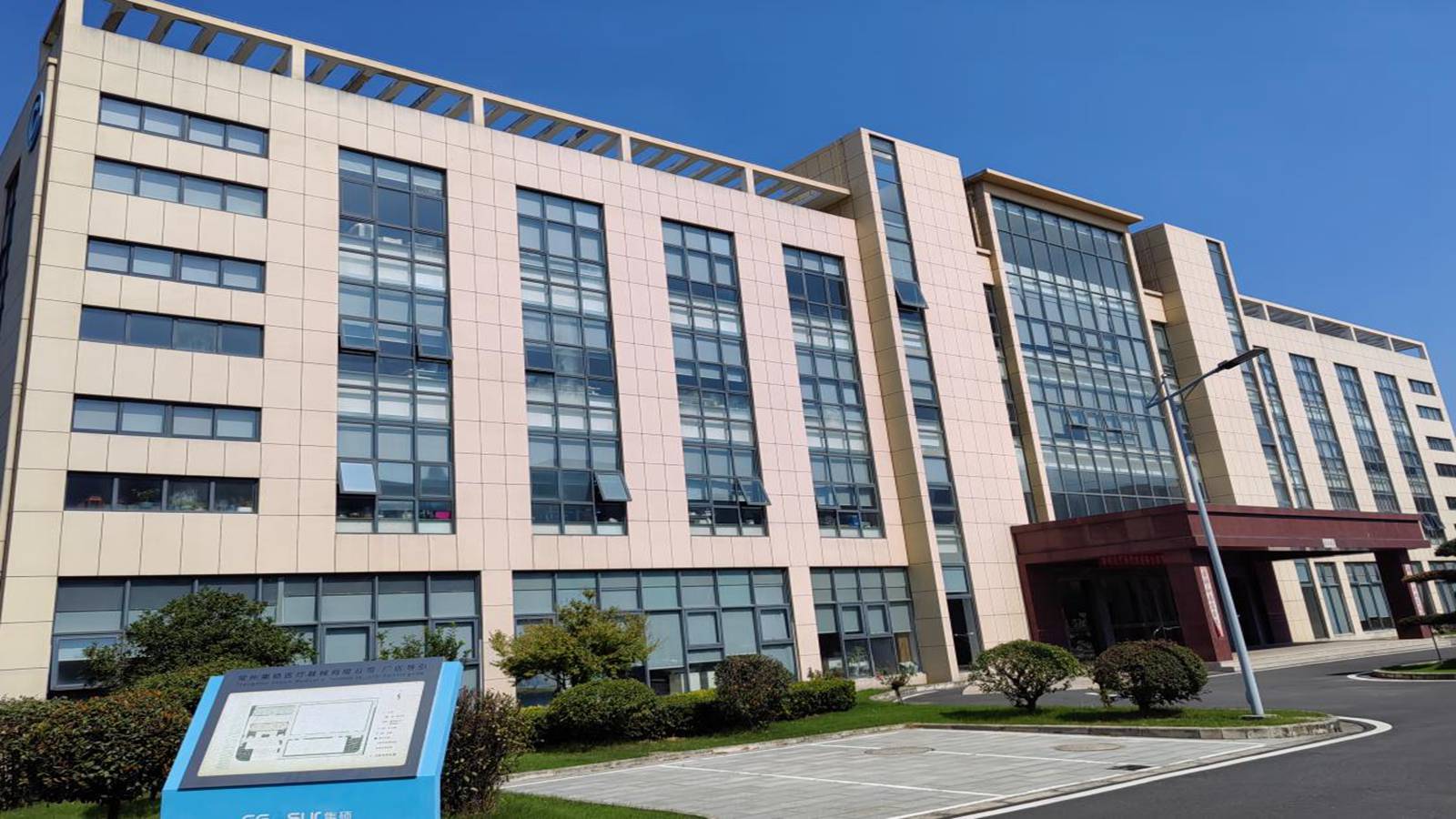
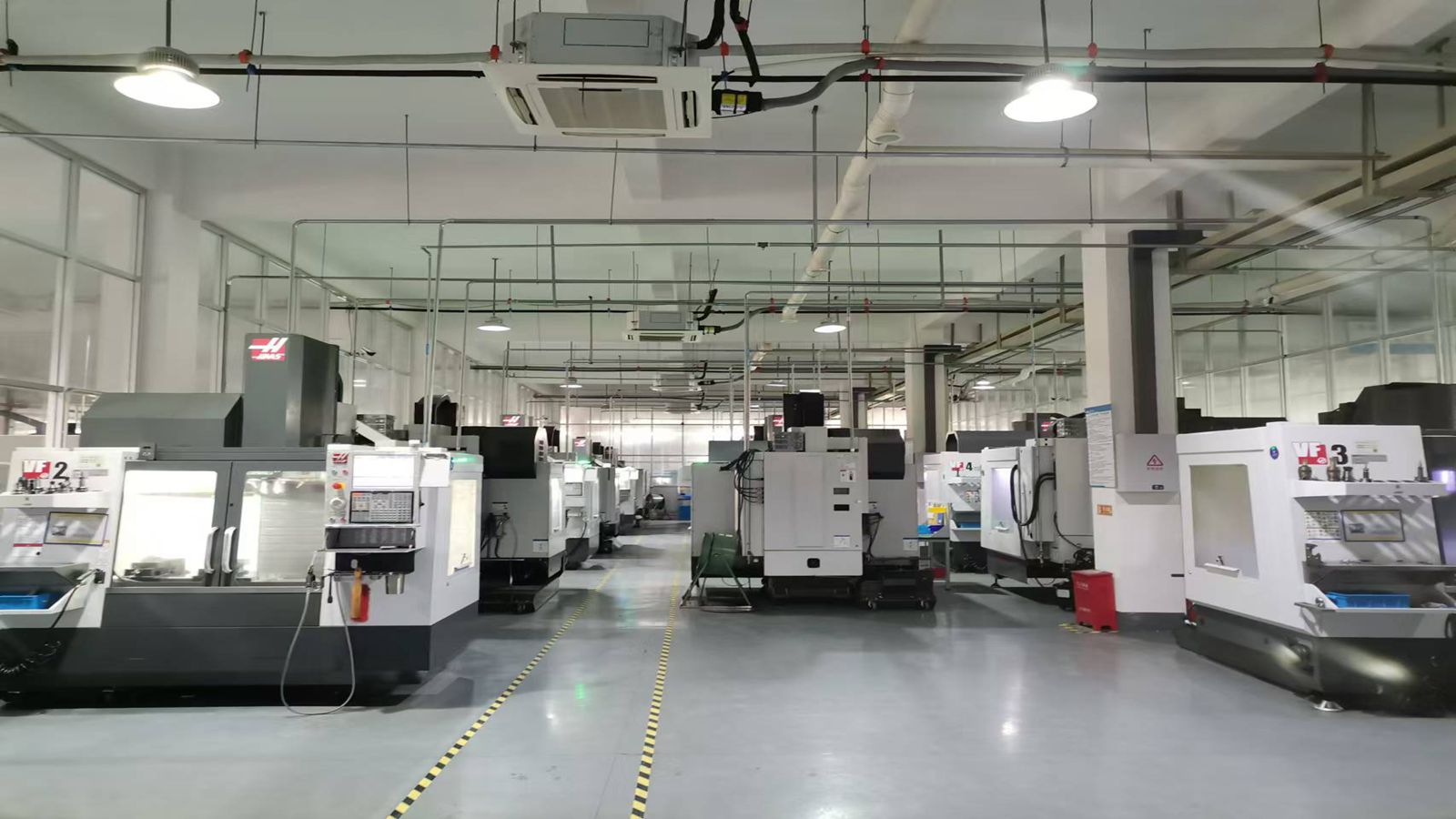
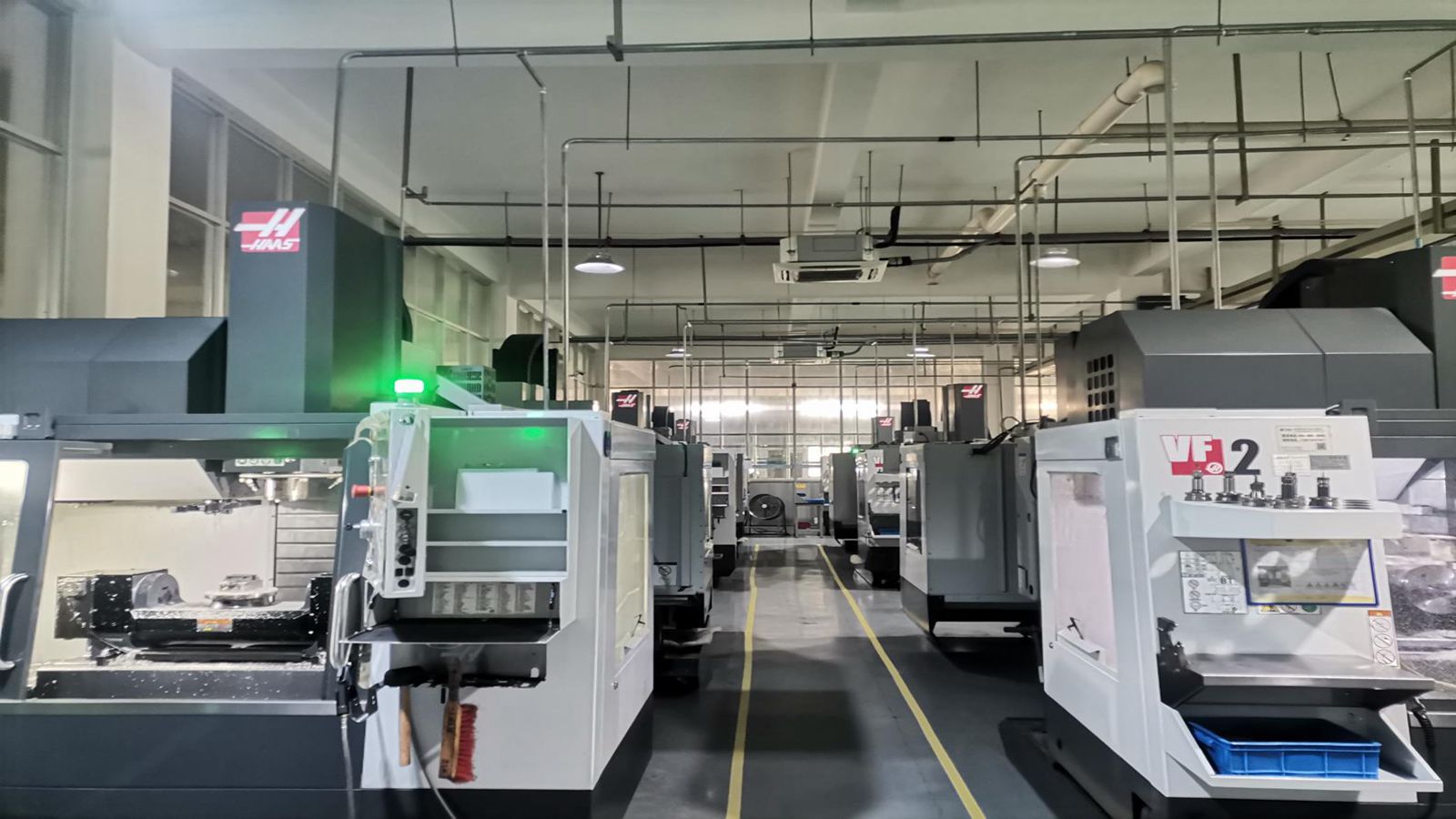
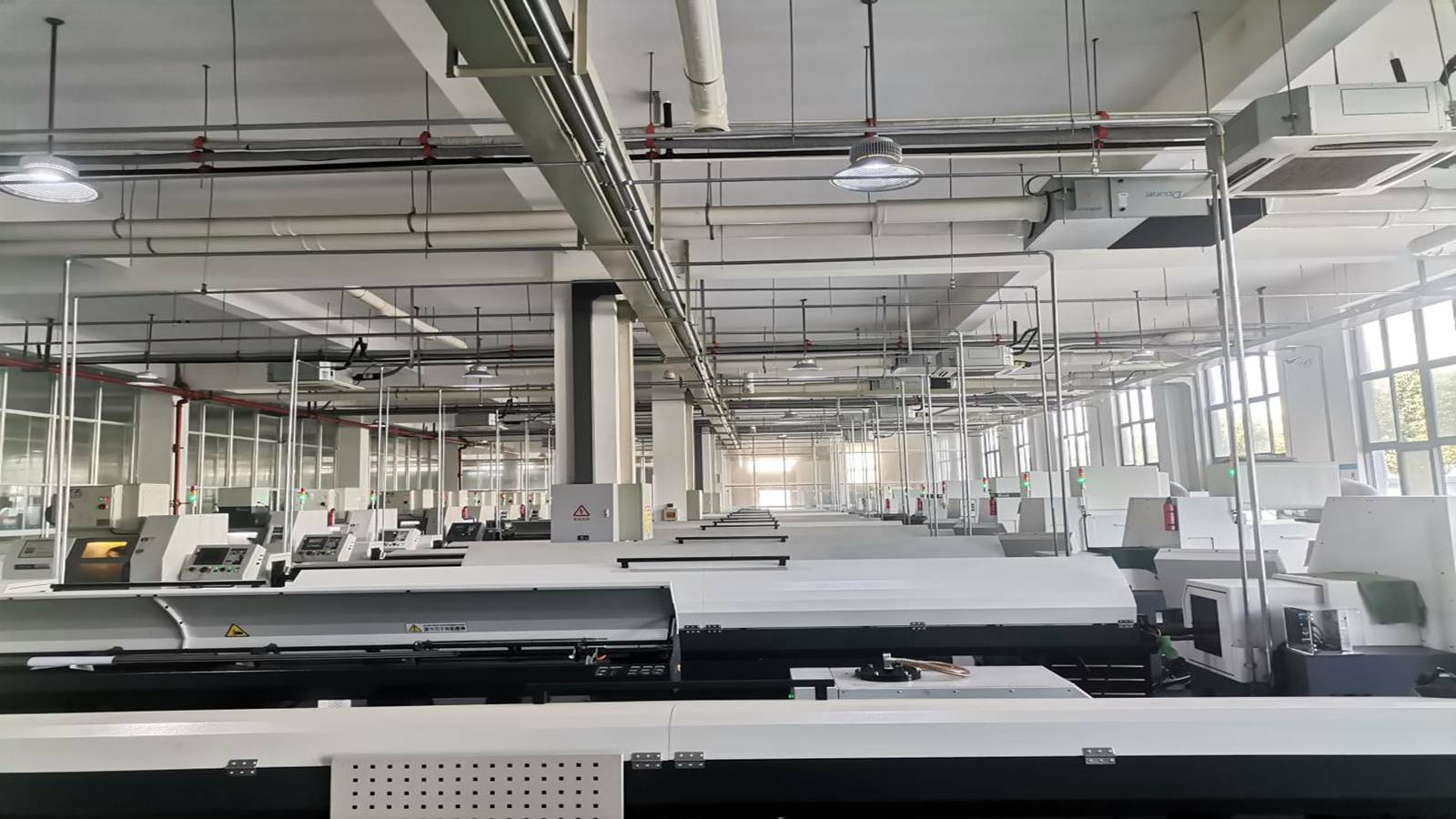
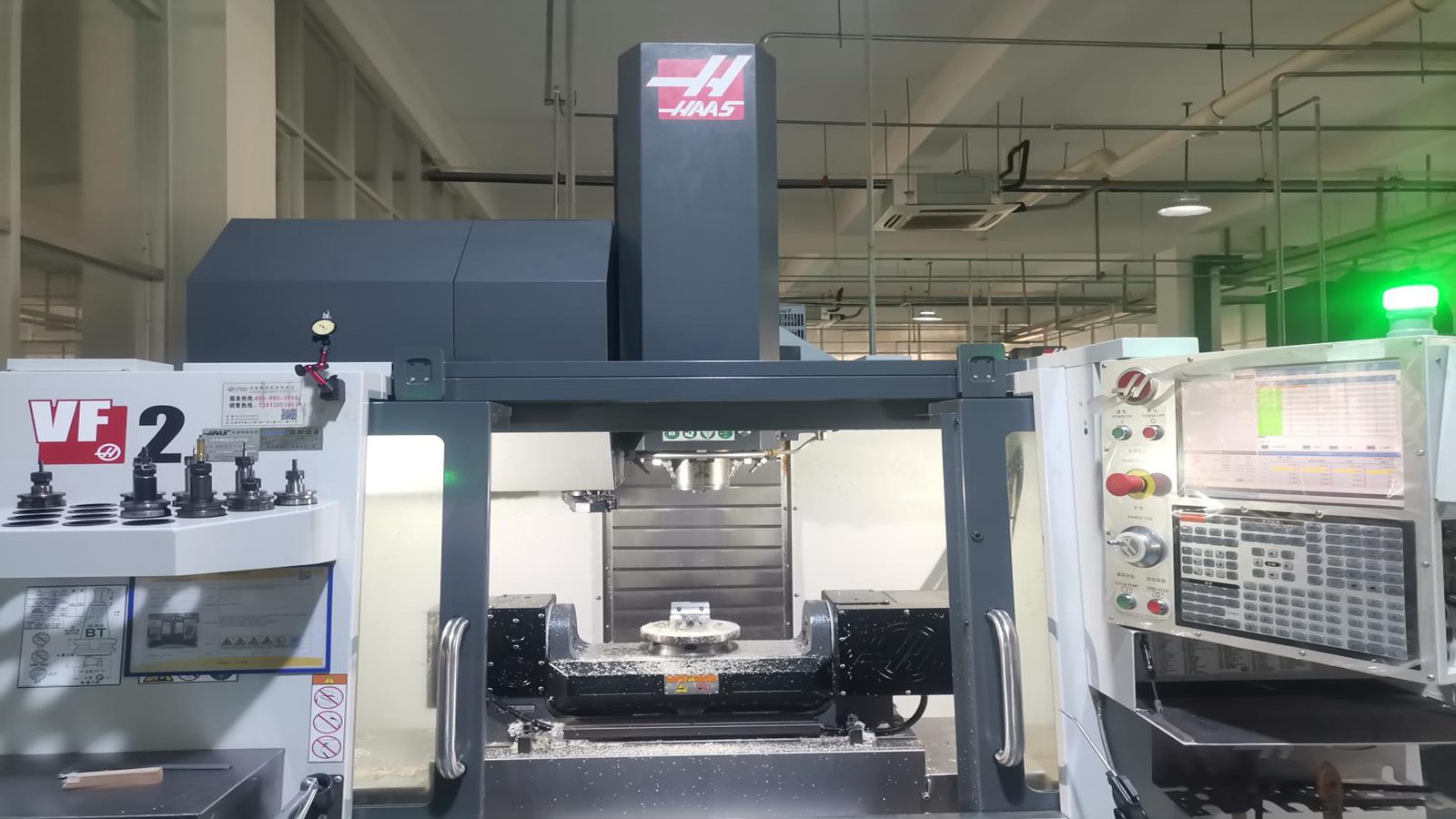
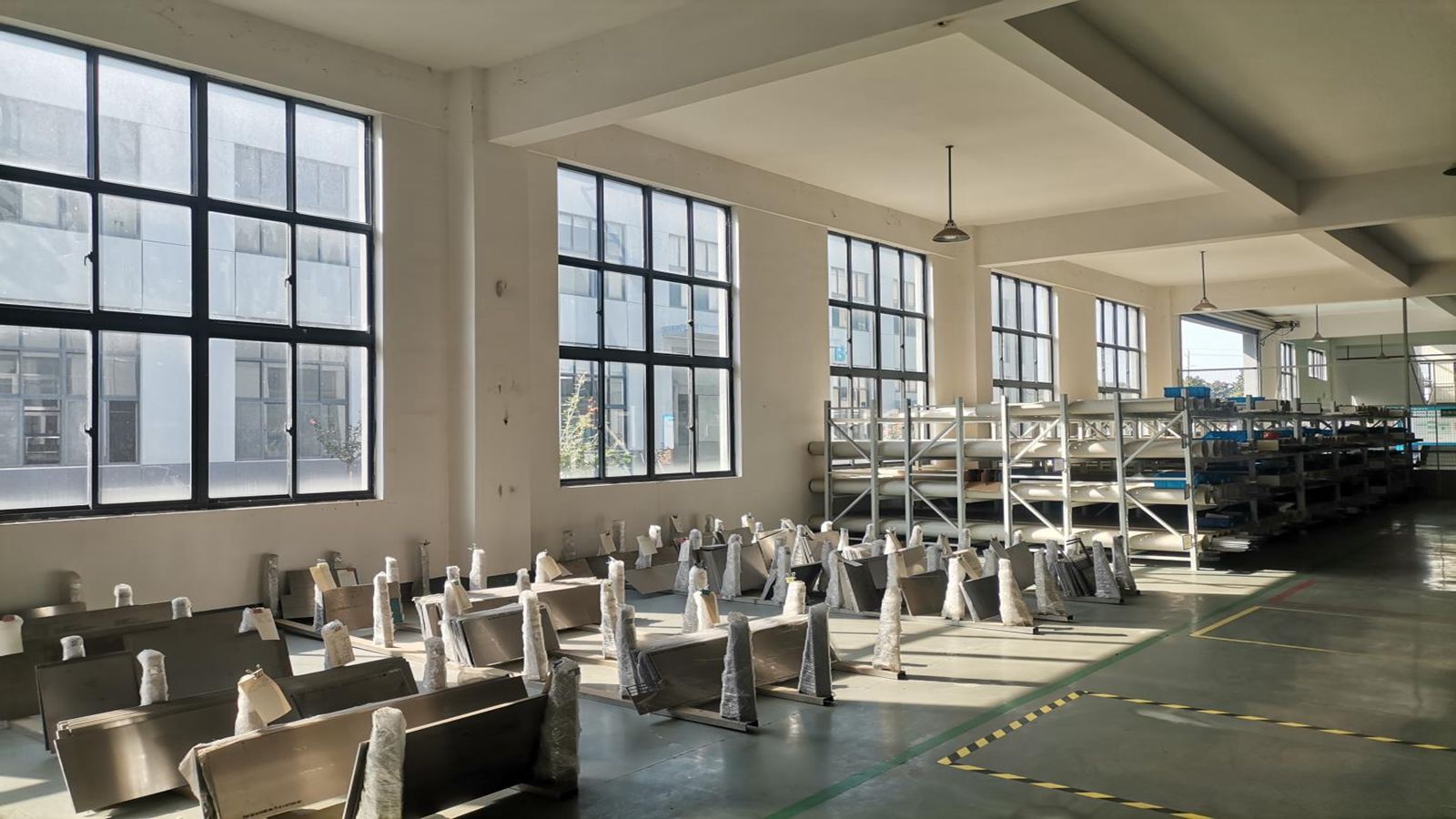
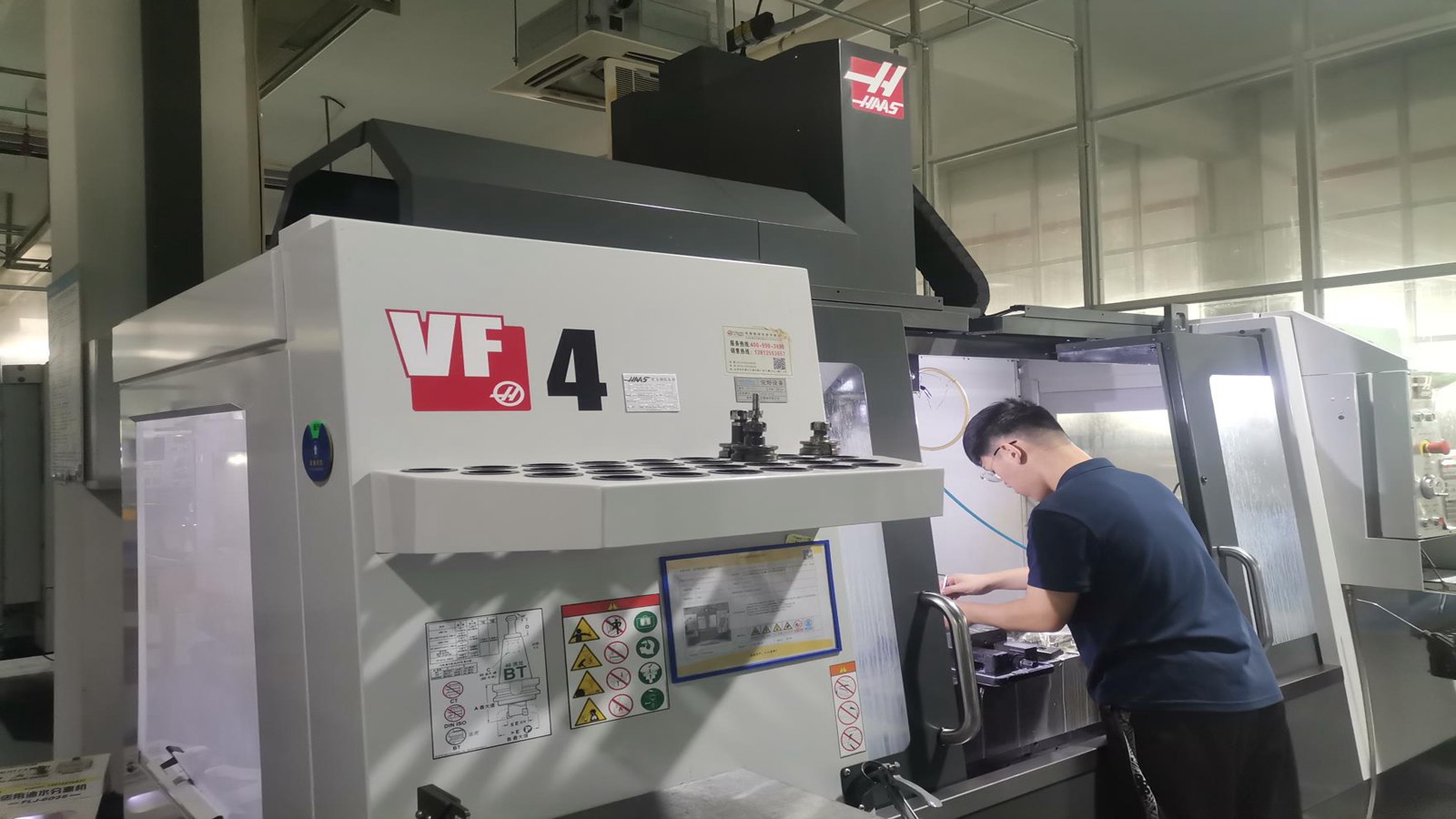
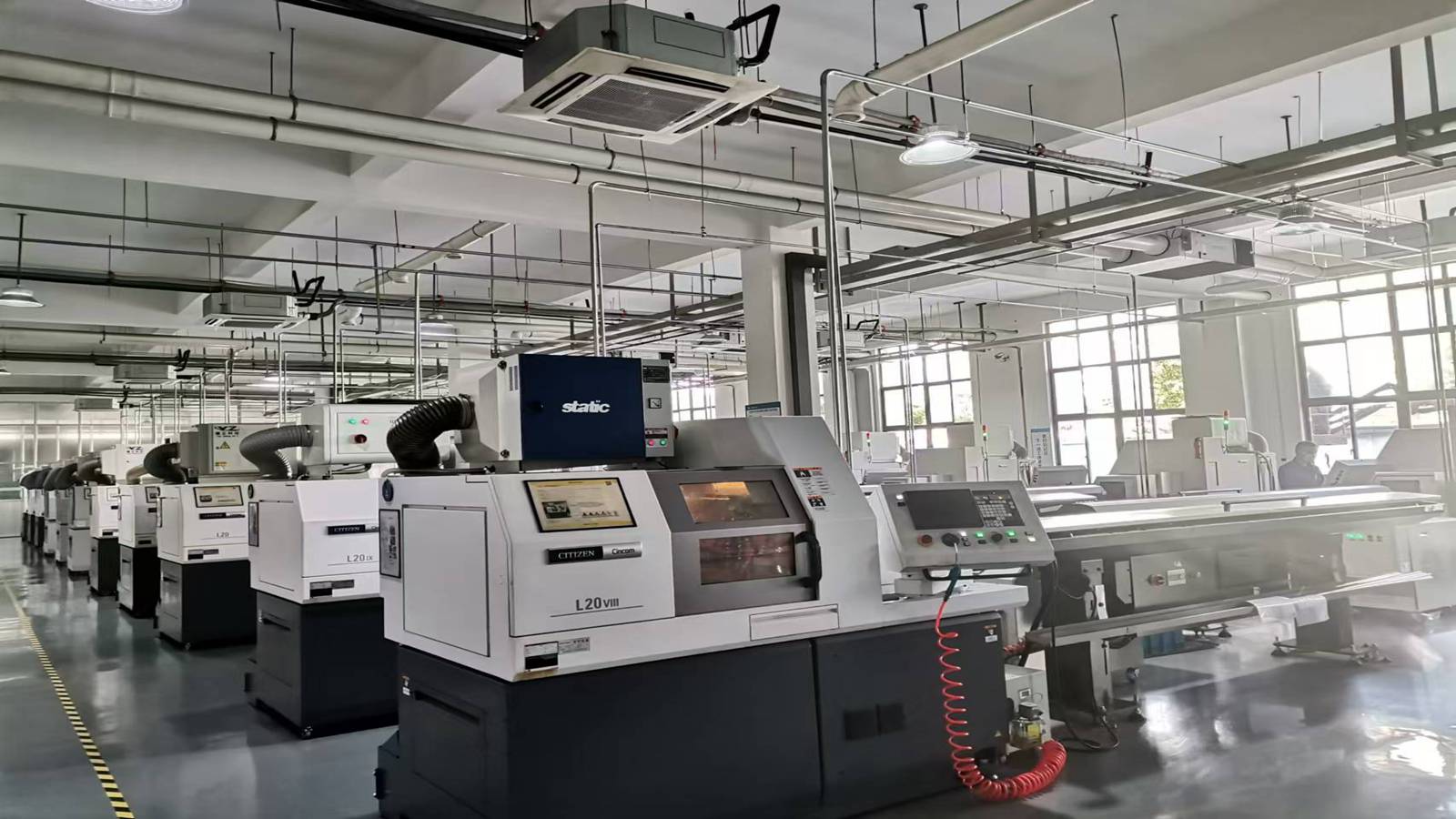
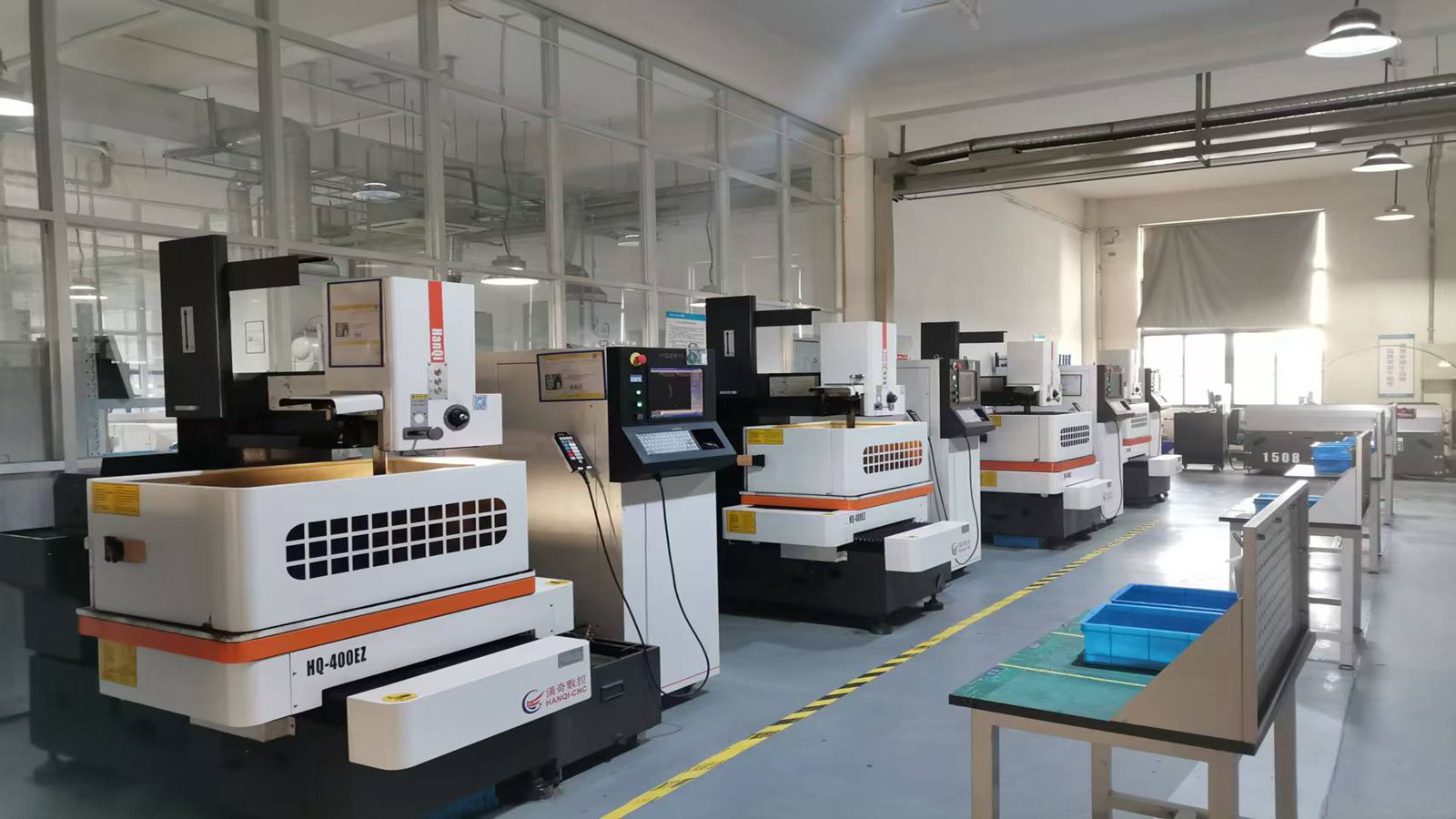
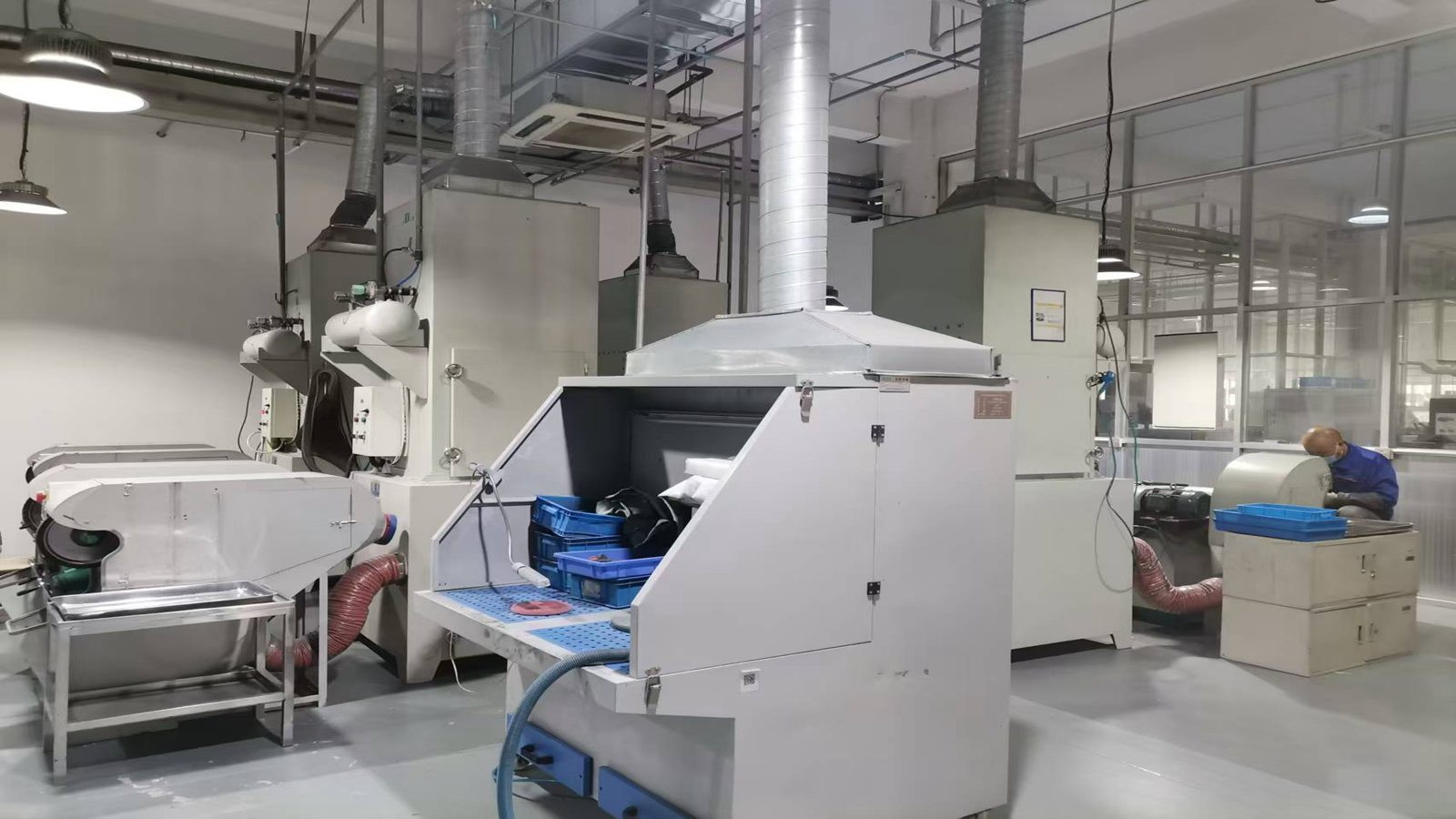
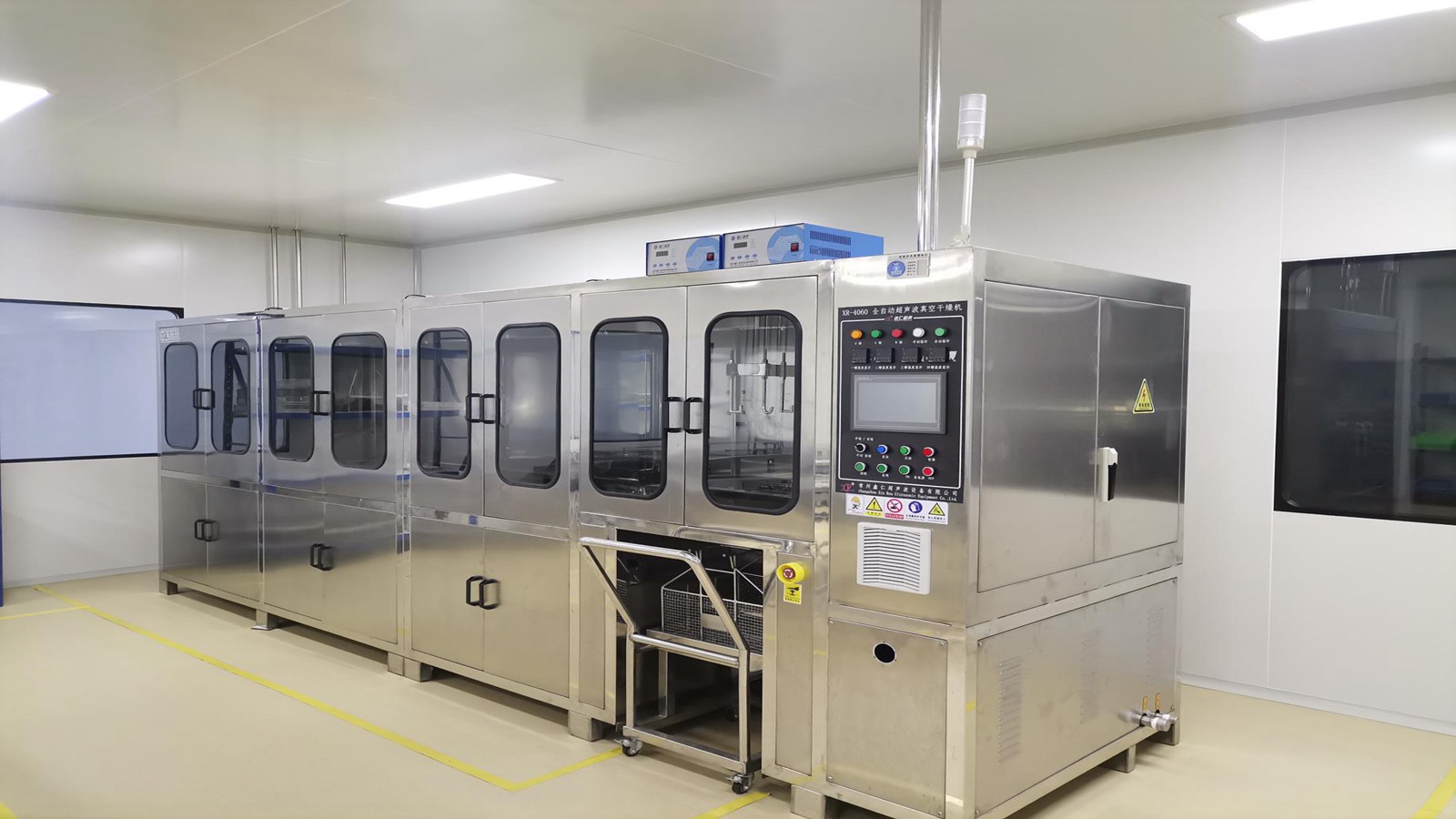
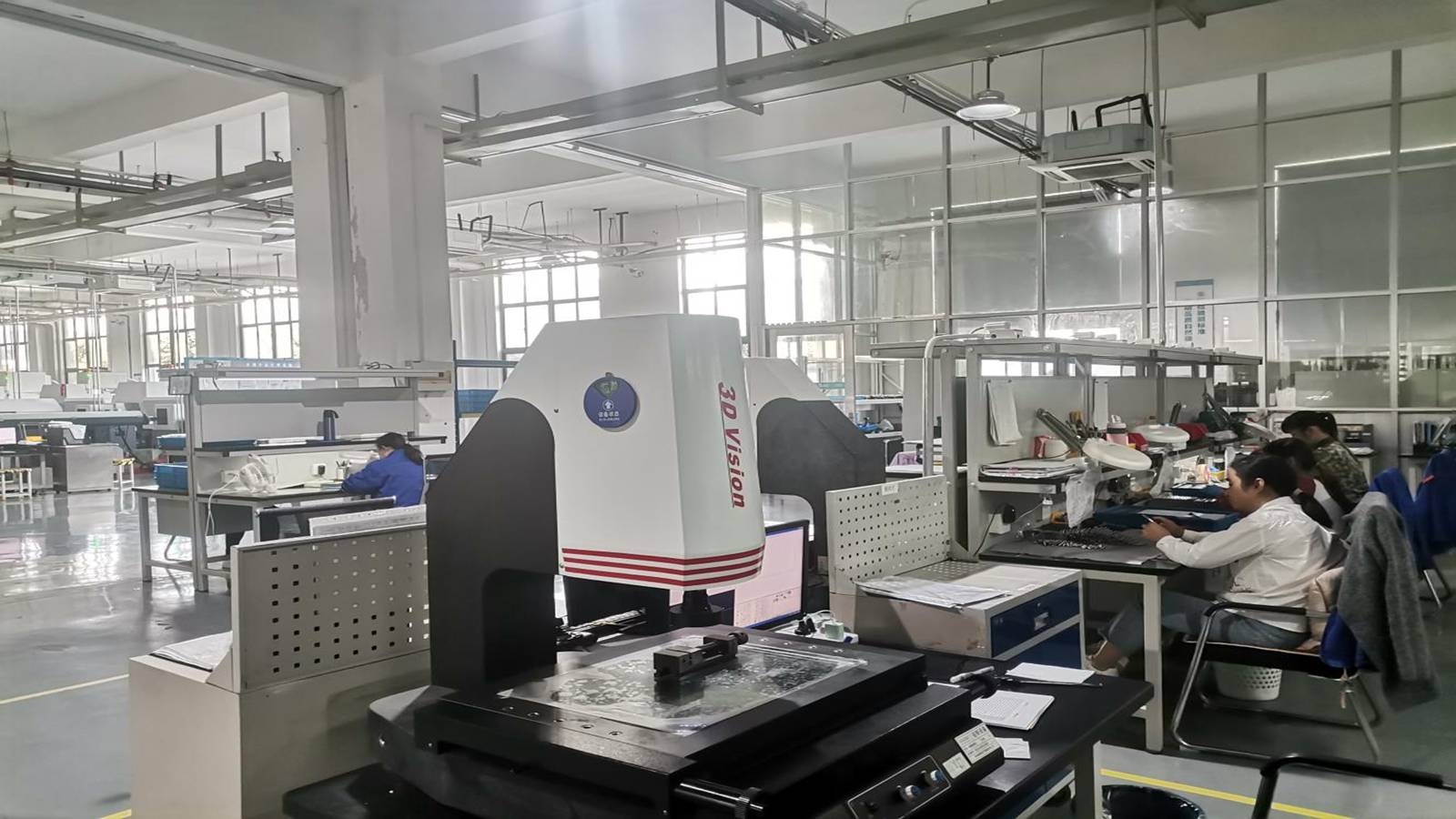
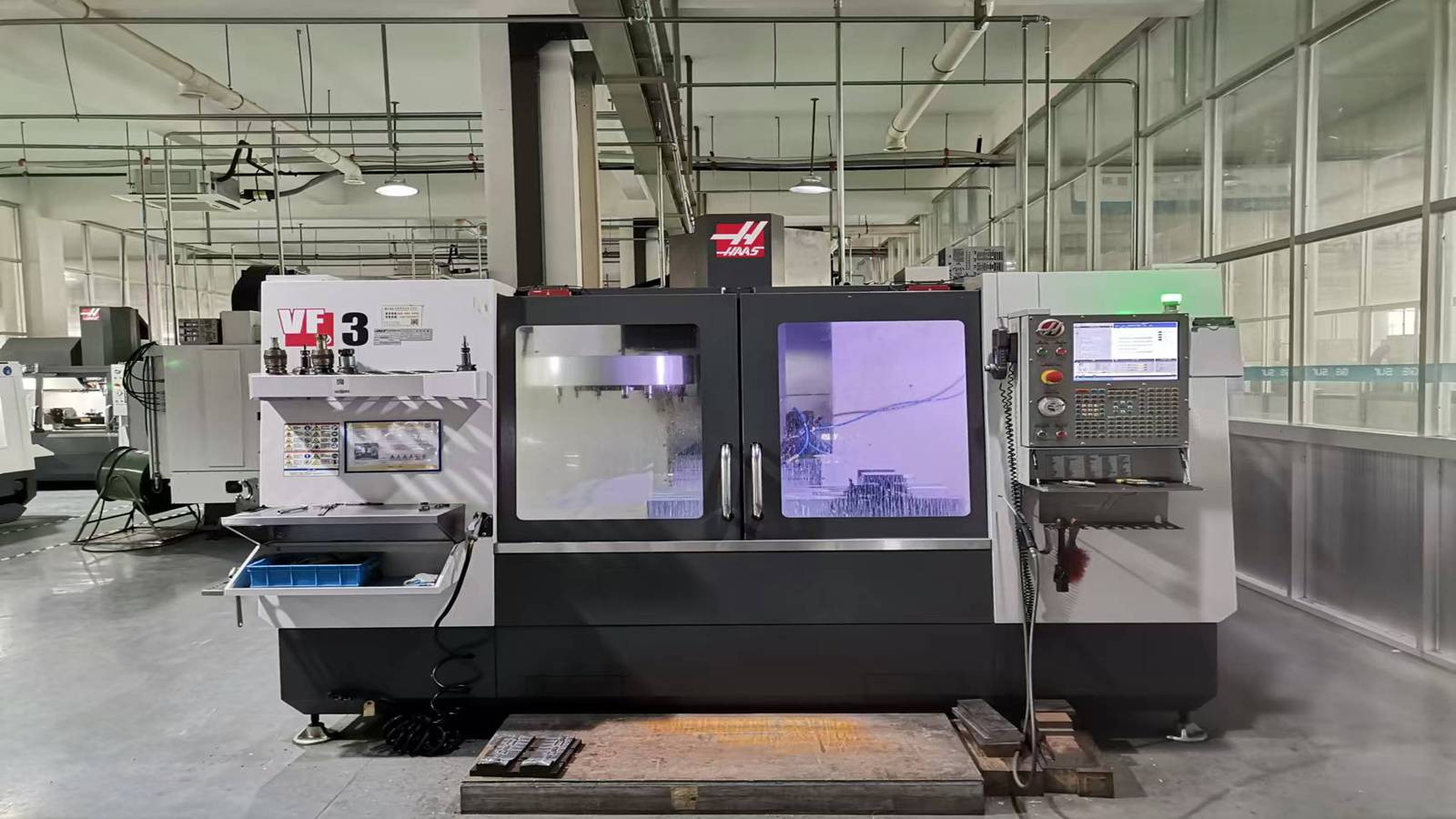
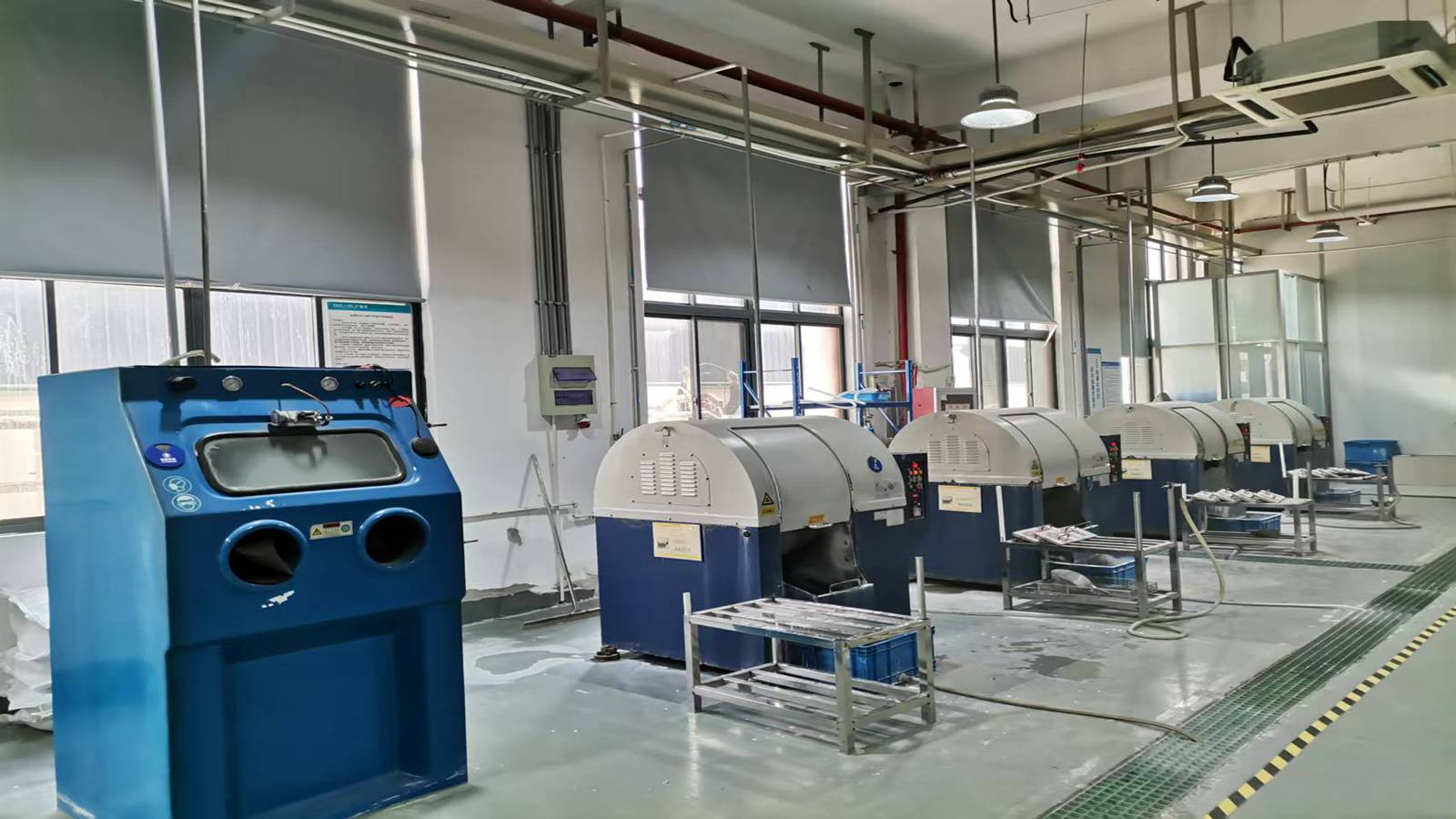
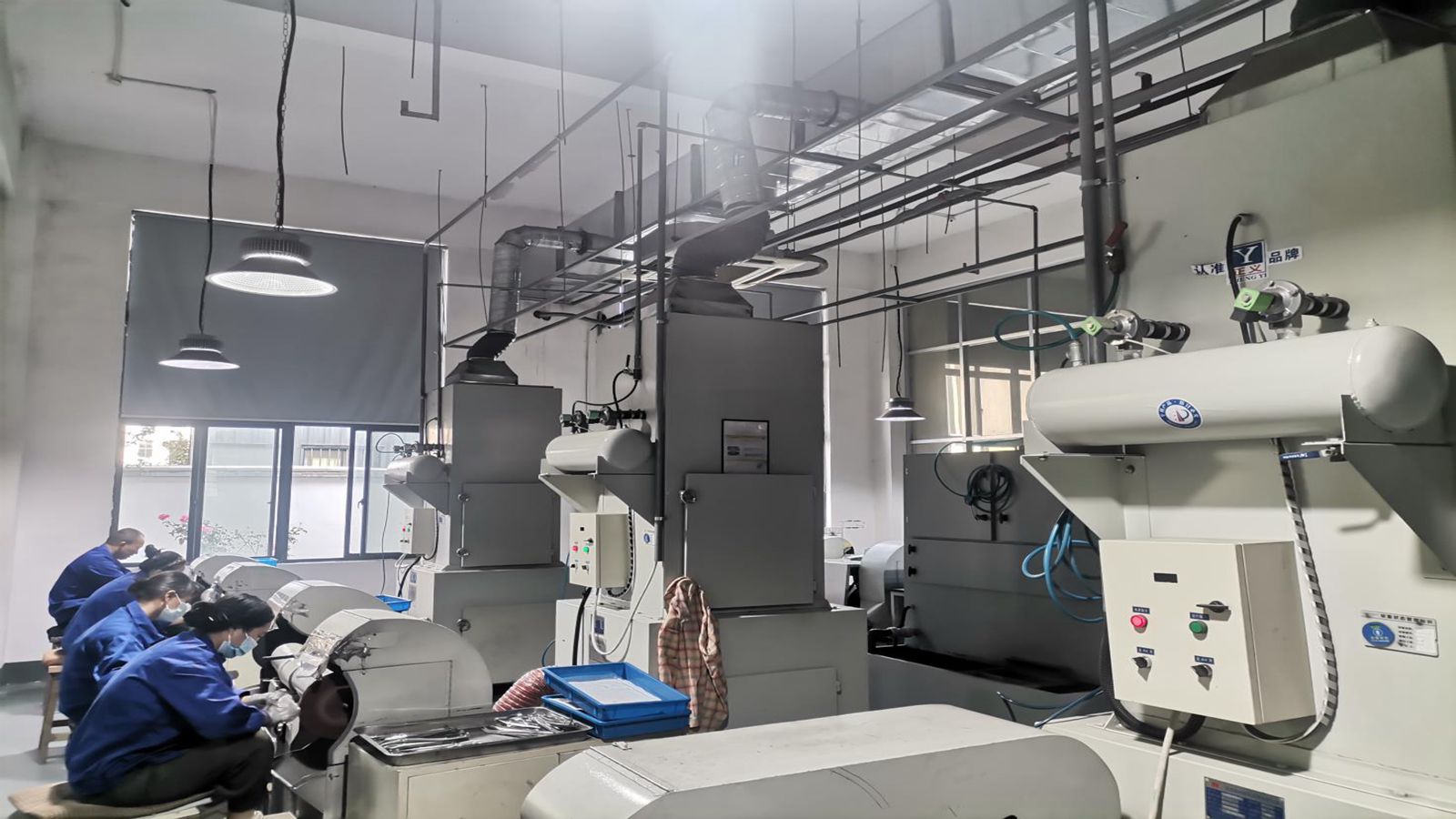
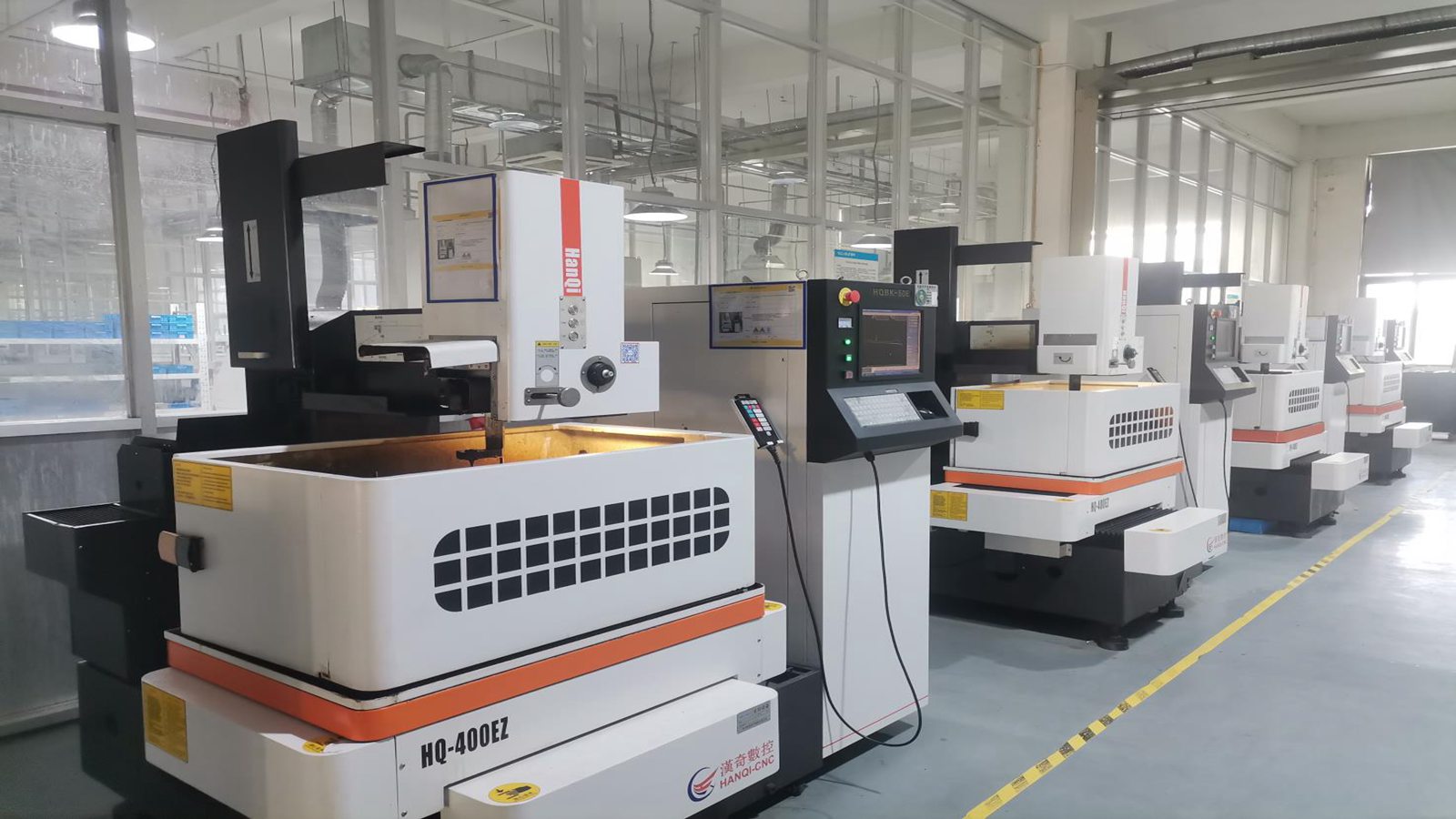
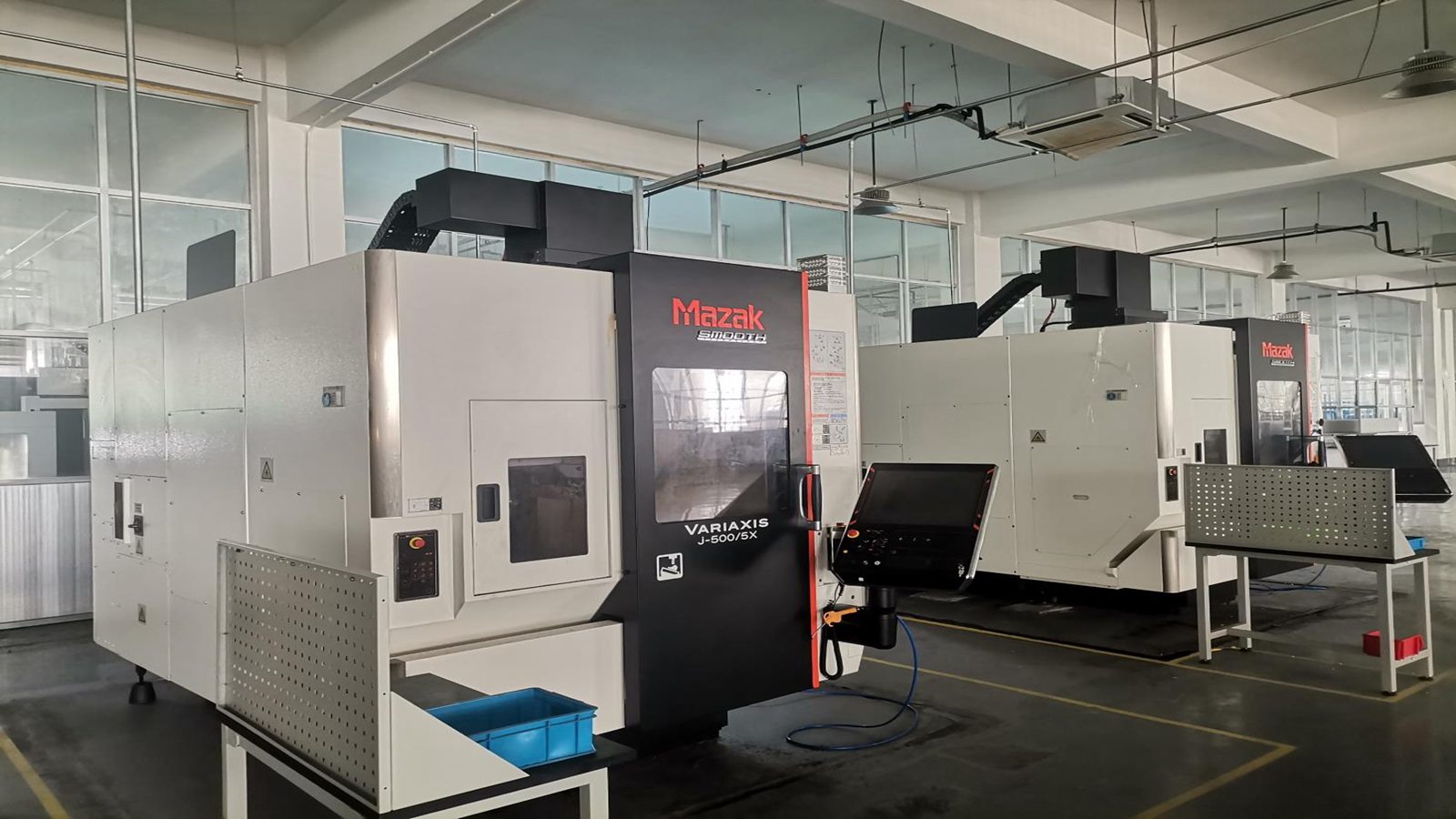
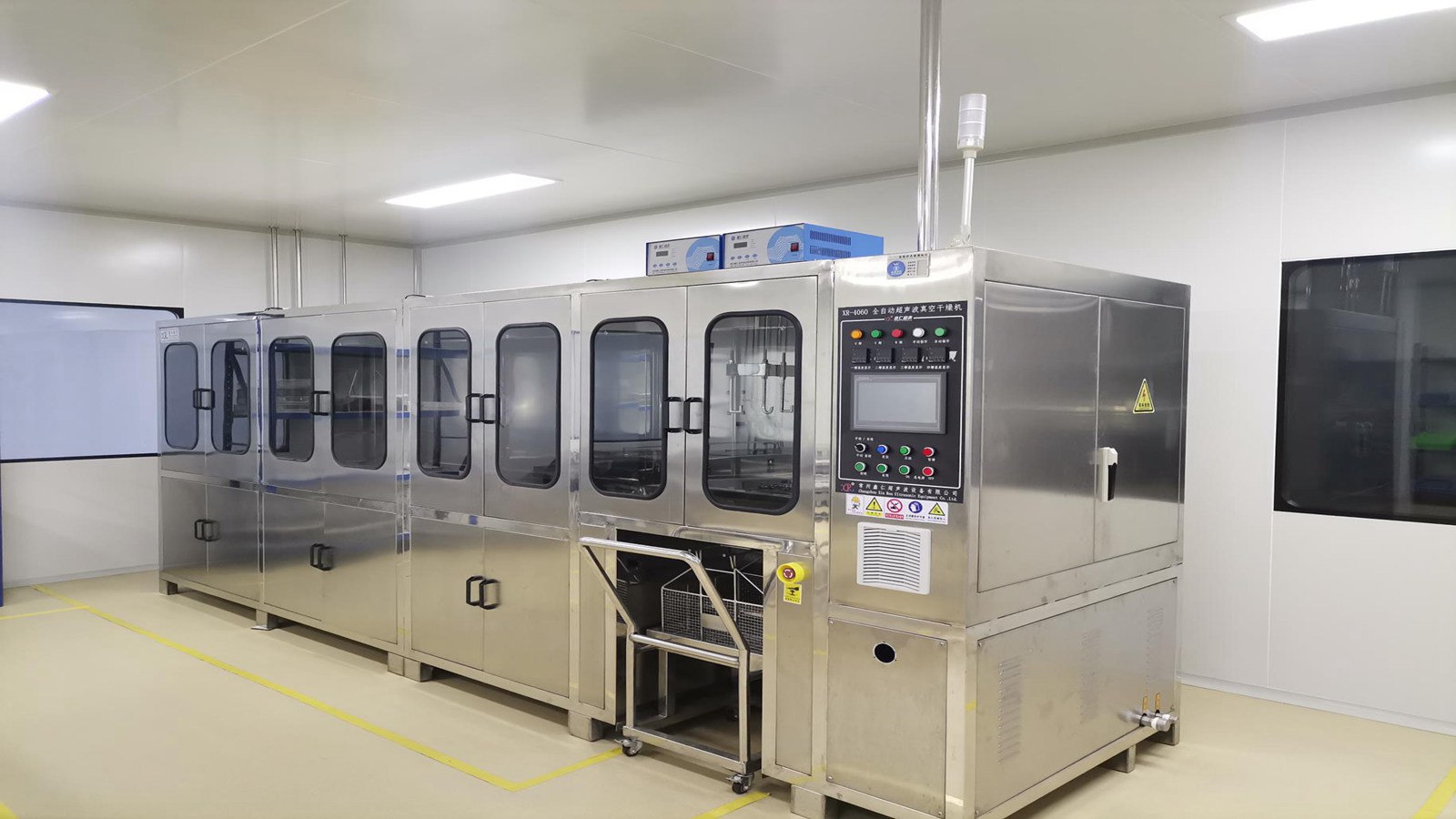
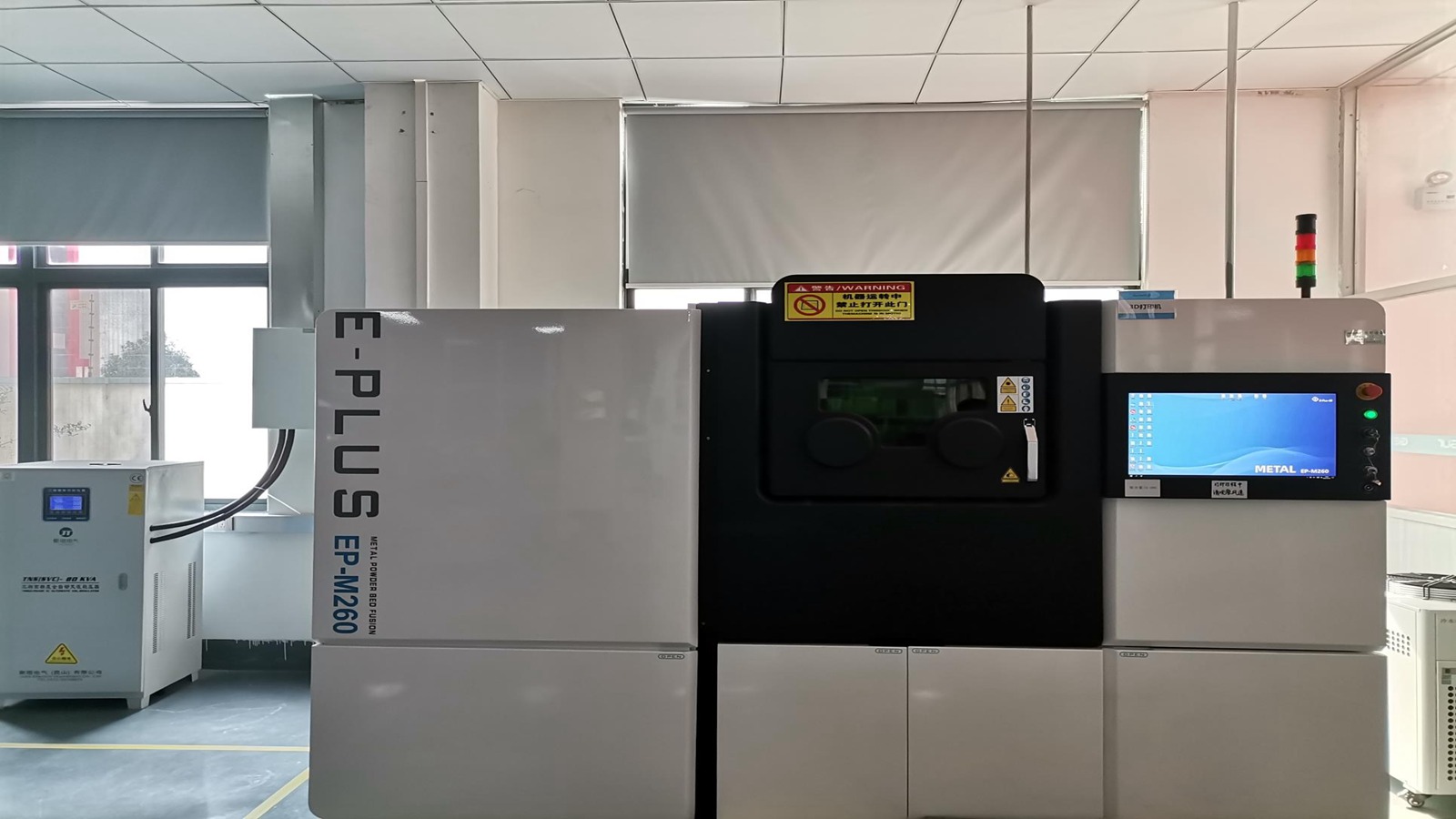
Our manufacturing facility represents the pinnacle of Chinese high-precision medical engineering. Established to support international distributors, the plant operates 12 specialized production lines configured for titanium alloy extrusion, high-tolerance CNC milling, and medical-grade surface treatments (anodizing and electro-polishing). With over 120 precision machines, we achieve structural component tolerances down to ±3 microns, ensuring that every clamp, rod, and coupling interfaces seamlessly with corresponding systems.
Modern external fixation systems are no longer basic mechanical scaffolding; they are highly engineered bio-mechanical constructs designed to allow controlled micro-motion for secondary bone healing (callus formation) while maintaining rigid macroscopic stability.
We employ Medical Grade Titanium Alloy (Ti-6Al-4V ELI) and high-tensile 316L Stainless Steel as our raw materials. Ti-6Al-4V is selected for its high strength-to-weight ratio, excellent biocompatibility, and low MRI artifact profile. This is crucial for Panama's urban trauma centers, where access to high-field MRI scans is standard for soft-tissue assessment. Titanium couplings ensure that surgical sites can be evaluated cleanly without heavy magnetic interference or signal loss.
Conversely, our stainless steel offerings (conforming to ASTM F138 standards) are designed for extreme load-bearing configurations. For major limb lengthening protocols or pelvic ring reconstructions, the higher modulus of elasticity provided by medical-grade stainless steel offers unmatched rigid fixation, avoiding premature frame failure.
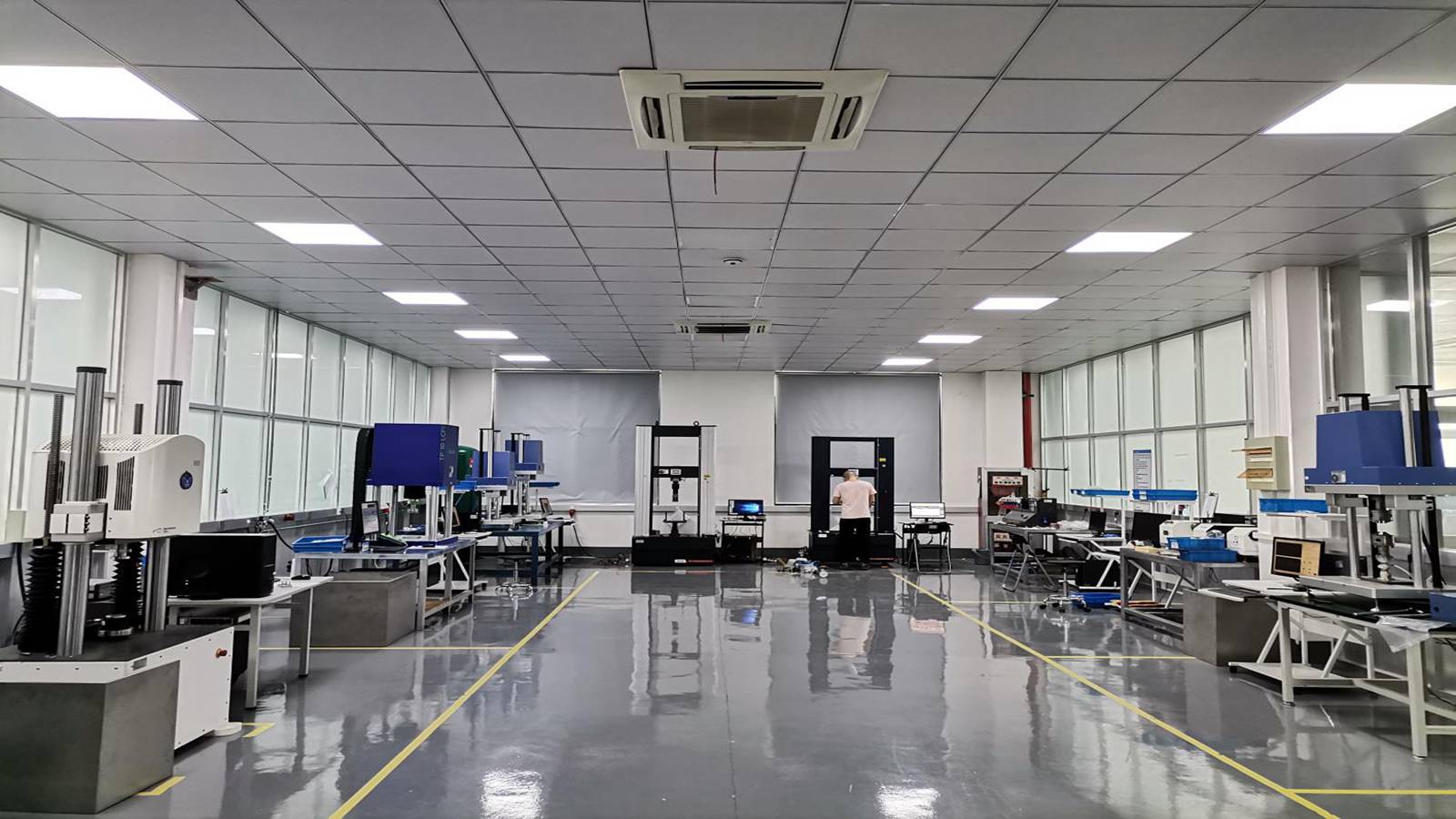
Every batch of external fixators undergoes dynamic biomechanical testing simulating a minimum of 1 million cycles under physiological load conditions. This testing ensures that under the fluctuating moisture and temperature profiles of Panama’s sub-tropical climate, the pin-to-rod clamps do not experience micro-slippage. Micro-slippage results in structural instability, which leads to pin-tract infections, malalignment, and ultimately, non-union of the fracture.
As an established export partner with over 10 years of direct international trade history, we recognize that product availability is just as vital as product quality. The medical procurement model in Panama operates on tight tender deadlines set by the CSS and MINSA. A delay in the supply of orthopedic clamps or pins can postpone critical surgeries, leading to prolonged patient hospitalization.
To mitigate this, our logistics division has optimized the transit pipeline from our Chinese manufacturing base directly to Panama's major cargo entry points—specifically, the Colon Free Zone (Zona Libre de Colón) and the Port of Balboa. By utilizing the Colon Free Zone as a regional distribution hub, local medical suppliers in Panama can maintain low on-hand inventories while securing rapid replenishment cycles.
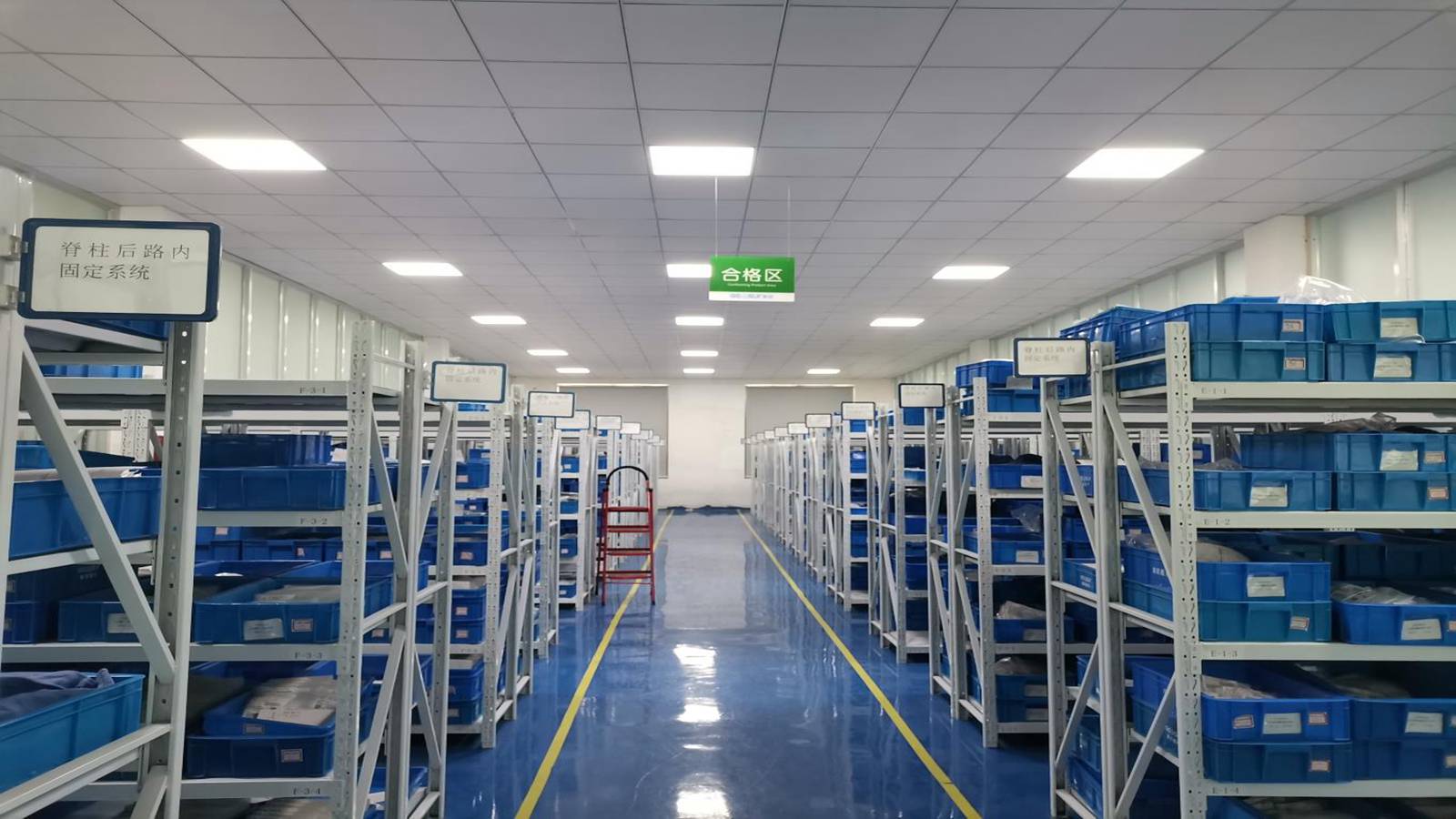
Our manufacturing model leverages automated raw material stock buffers, allowing us to guarantee a 98.5% order fulfillment rate even during periods of global supply chain volatility. By operating 12 highly flexible production lines, we can shift output dynamically from standard pediatric micro-fixators to heavy femoral lengthening assemblies in response to localized surges in demand.
Full traceability and international quality systems engineered to streamline domestic registration and import protocols in Panama.





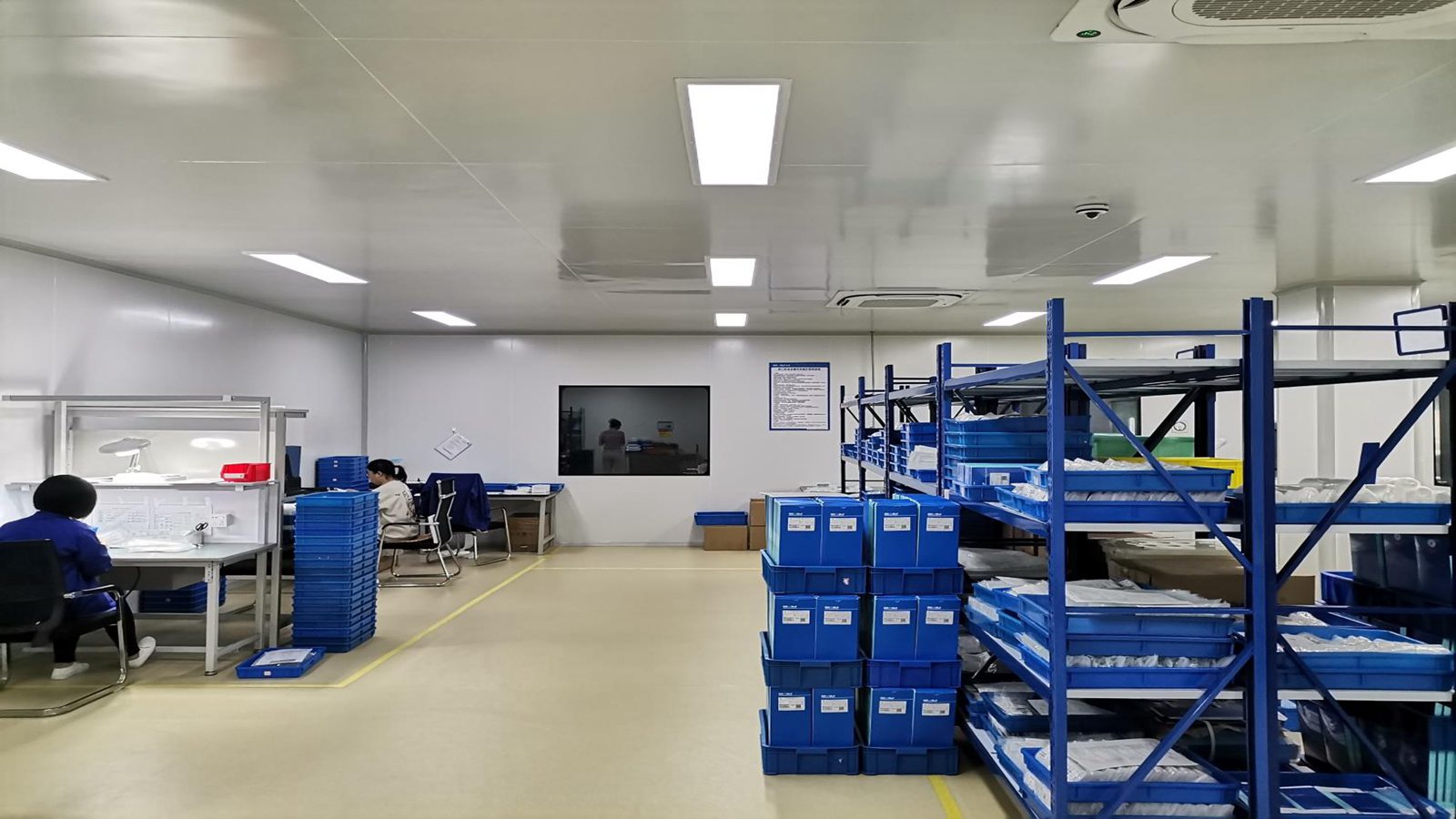
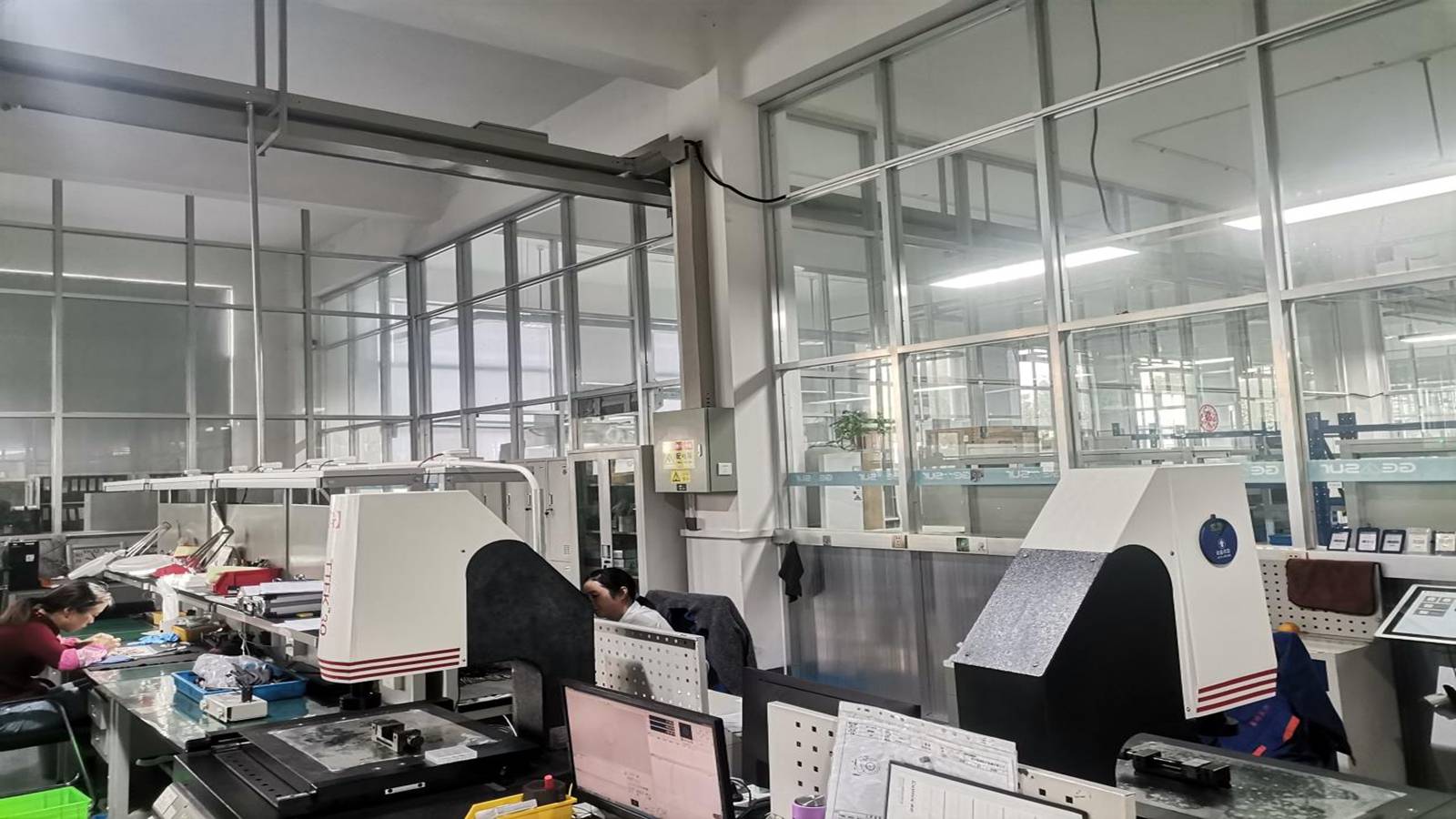
Entering the medical device space in Panama requires strict adherence to MINSA's regulatory frameworks. Our certifications, including MDSAP (Medical Device Single Audit Program), ISO 13485, and the latest European CE MDR standards, guarantee that our technical dossiers contain all the necessary clinical data, biocompatibility reports, and sterilization validation documents needed for rapid approval. Under our QA/QC system, led by 36 dedicated inspectors, every single component is 100% traceable back to the raw material melt batch.
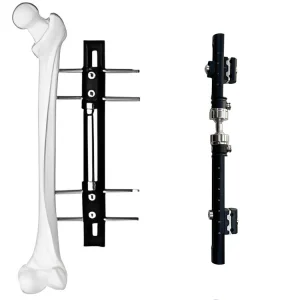
Orthopedic surgeons must adapt their construct styles dynamically based on the mechanical instability of the fracture. Our systems support both modular monolateral structures and advanced circular (hybrid) frameworks.
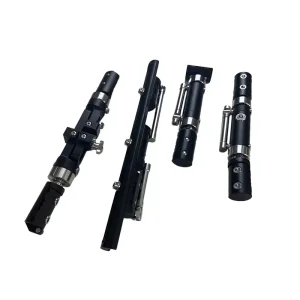
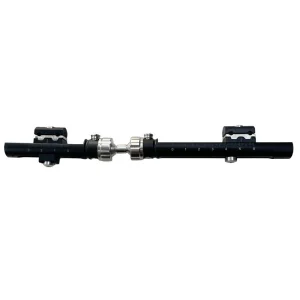
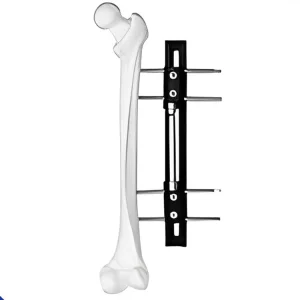
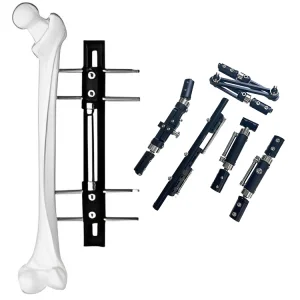
Monolateral systems utilize high-strength rods linked directly to bone pins via modular clamps. These are highly favored in emergency rooms due to their simplicity and speed of application. A standard unilateral configuration for a tibial shaft fracture can be securely constructed in under fifteen minutes, achieving immediate patient stabilization.
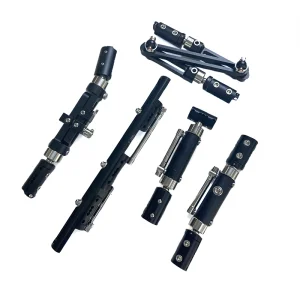
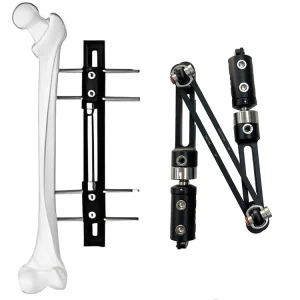
For complex intra-articular injuries near the knee or ankle joint, we supply dynamic joint-bridging fixators featuring built-in articulation axes. These systems allow controlled, early range-of-motion therapy, preventing joint stiffness while maintaining structural distraction.
The future of orthopedic traumatology is shifting toward smart, integrated systems. Our current R&D team, consisting of 31 engineers (including postgraduate and doctoral specialists), is focused on three primary areas:
By positioning our product catalog at the forefront of these technological advancements, we ensure that hospitals in Panama and the wider Latin American region gain access to future-proof surgical systems that reduce patient recovery time and lower hospital re-admission rates.
Full-range surgical kits and specialized components designed for upper limb, lower limb, and pediatric orthopedic reconstruction in Panama.
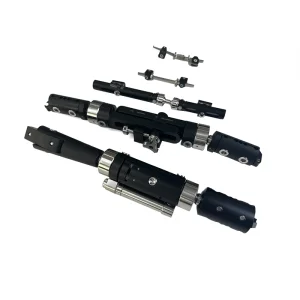
Our precision medical systems undergo intense structural checks throughout the production lifecycle. Raw material certification sheets are validated before any metal enters our high-precision CNC centers. Quality controls are executed after cutting, post-anodization, and directly before packaging to confirm the dimensional tolerances of thread layouts, pin channels, and locking screws.
Comprehensive technical and logistical answers for medical distributors and procurement managers operating in Panama.
Optimize your regional medical supply chain. Get access to MDSAP & CE-certified external fixation systems with direct factory pricing and resilient logistics support for the Panamanian and Latin American markets.
Send Inquiry Now