Ease Medical Apparatus And Instruments
Ease Medical Apparatus And Instruments
Ease Medical Apparatus And Instruments
The global spinal surgery market is undergoing a seismic shift toward Minimally Invasive Surgery (MIS). Interspinous Spacers have emerged as a critical intermediary treatment for patients with Lumbar Spinal Stenosis (LSS) who do not respond to conservative therapy but are not yet candidates for complex fusion surgery. Industry reports suggest a CAGR of 5.8% in the spine system sector, driven by aging populations in North America, Europe, and Asia-Pacific.
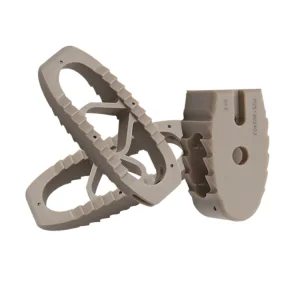
Modern spine systems are moving away from "rigid fixation" toward "dynamic stabilization." Interspinous spacers provide indirect decompression by distracting the spinous processes, effectively increasing the foramen area and reducing ligamentum flavum buckling. Our titanium spacers are designed to preserve the posterior tension band, offering a reversible and less invasive alternative to traditional laminectomy.
As a leading spine system manufacturer, our expertise is backed by a decade of clinical data and ISO-certified production. We provide "Information Gain" by integrating biomechanical research with surgical feedback, ensuring our spacers meet the rigorous MDR (Medical Device Regulation) standards required for global distribution and patient safety.
Years Industry Experience
Floor Space (㎡)
Production Machines
R&D Engineers
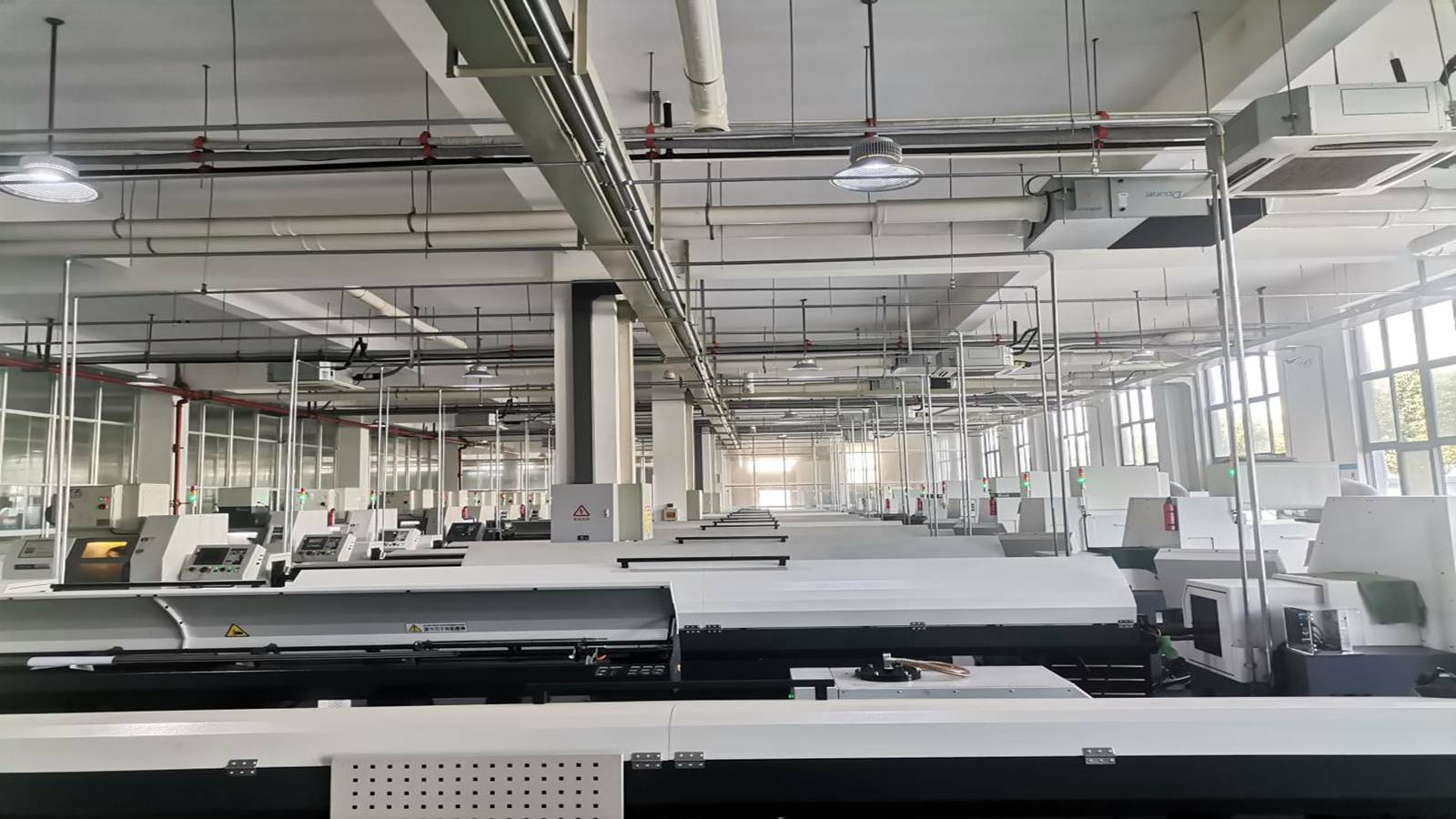
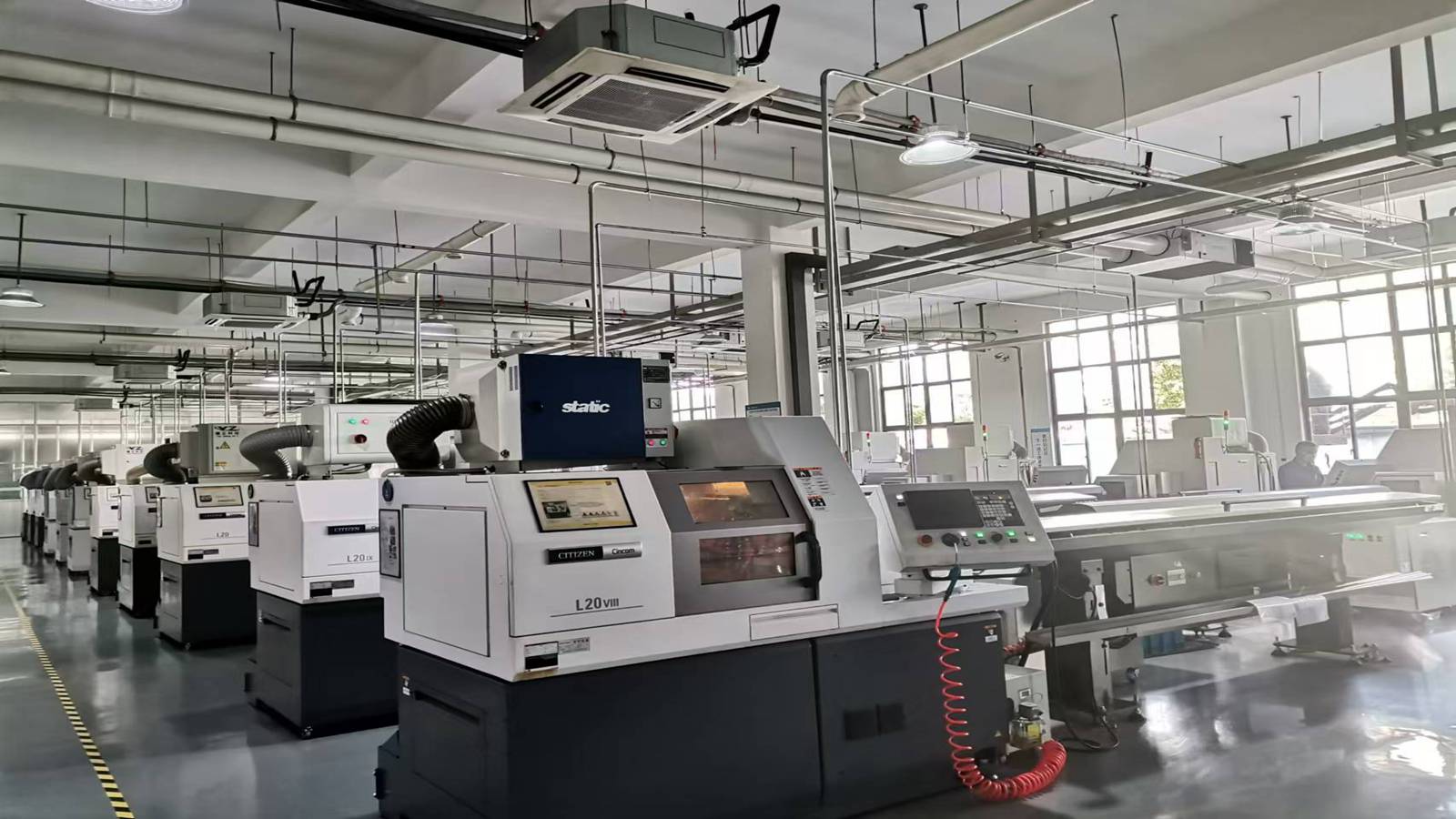
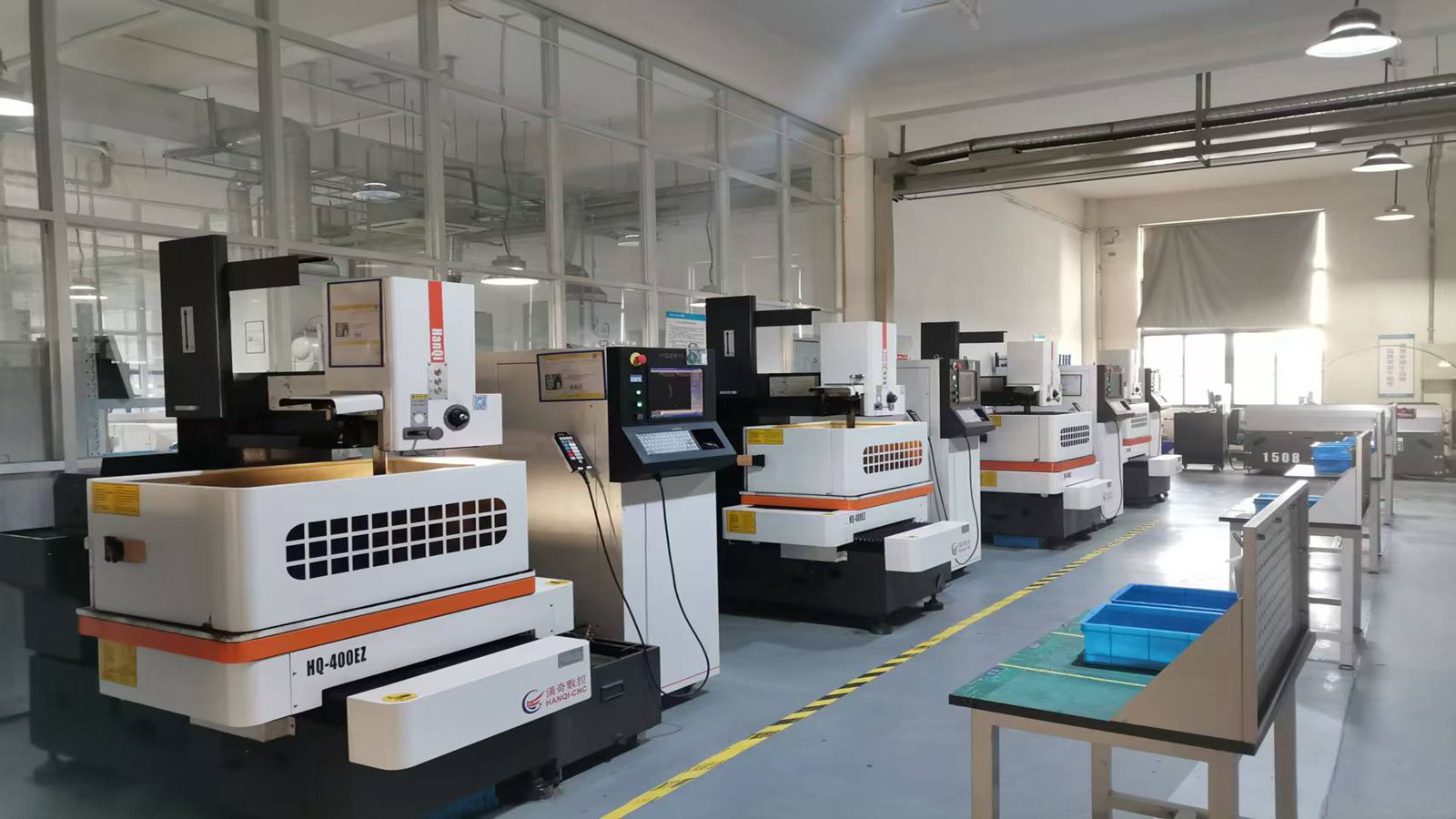
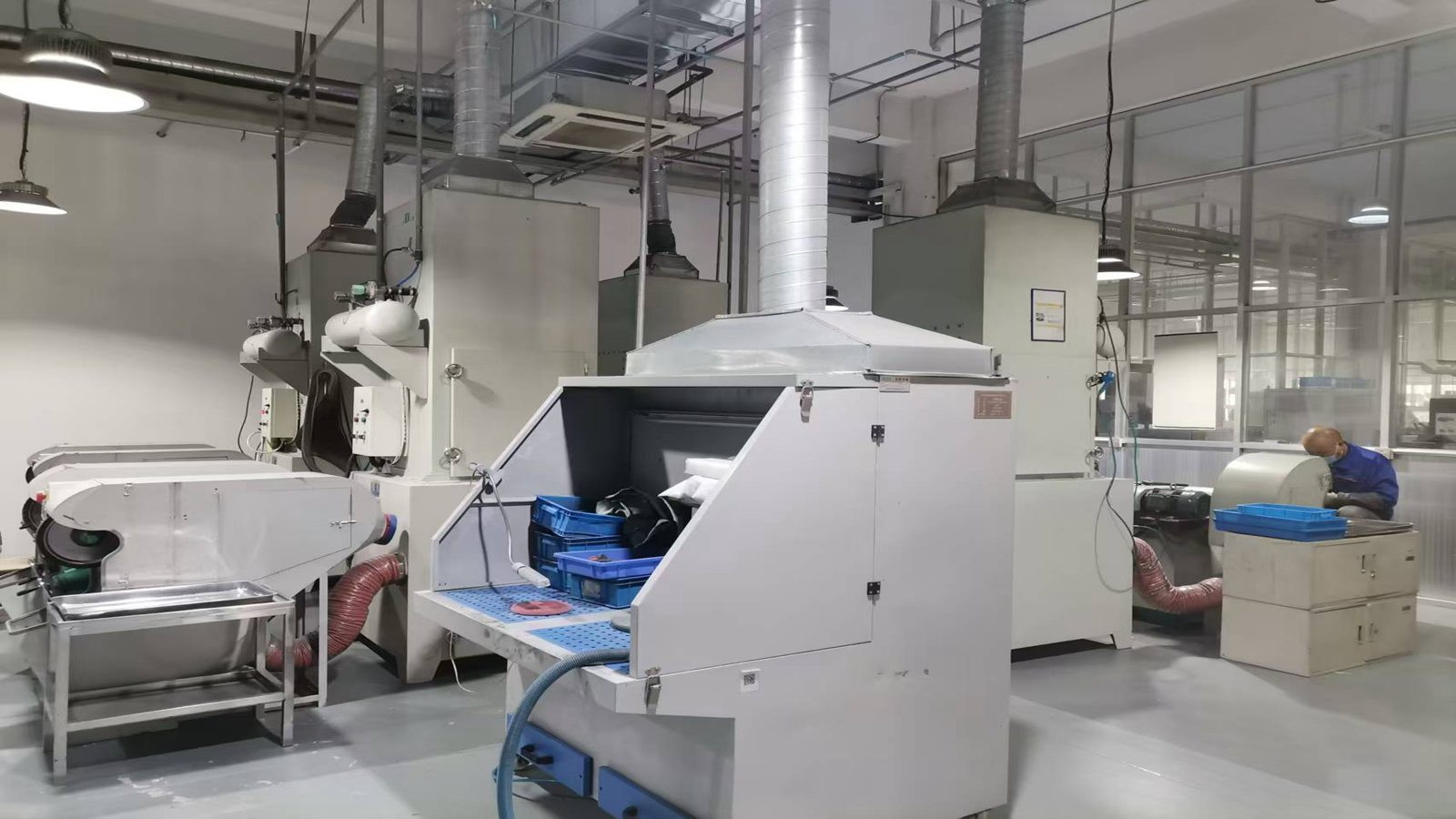
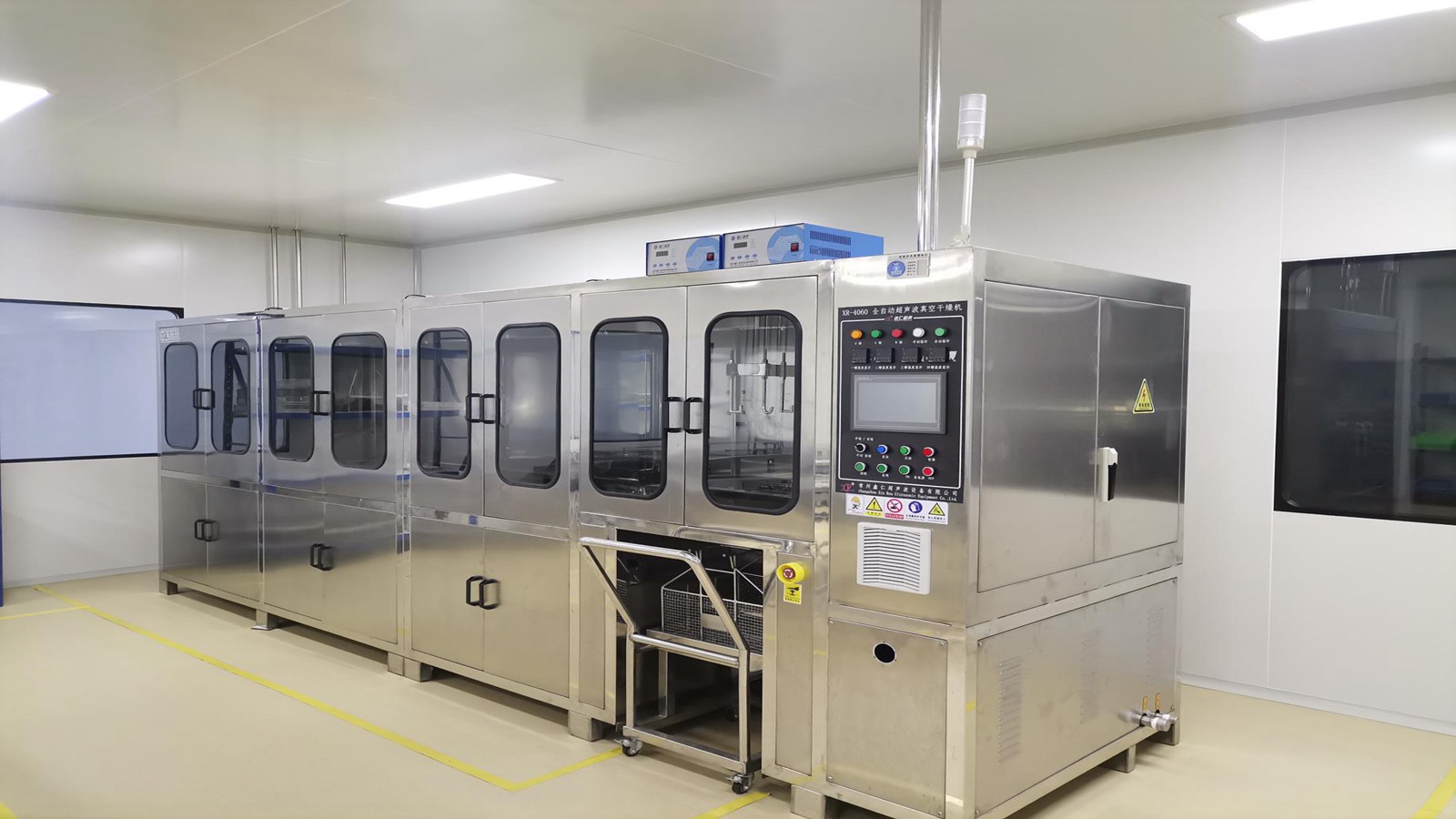
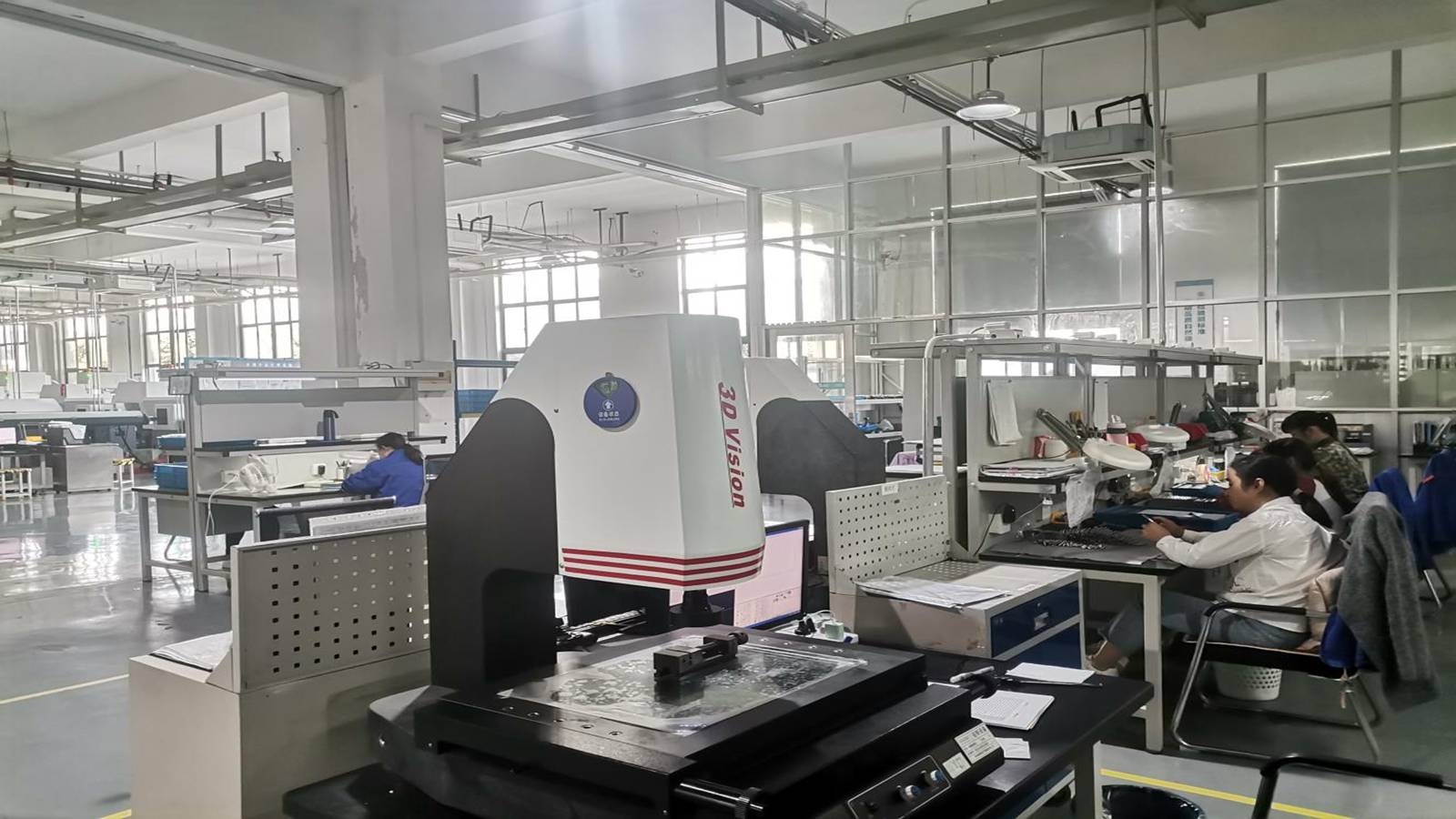
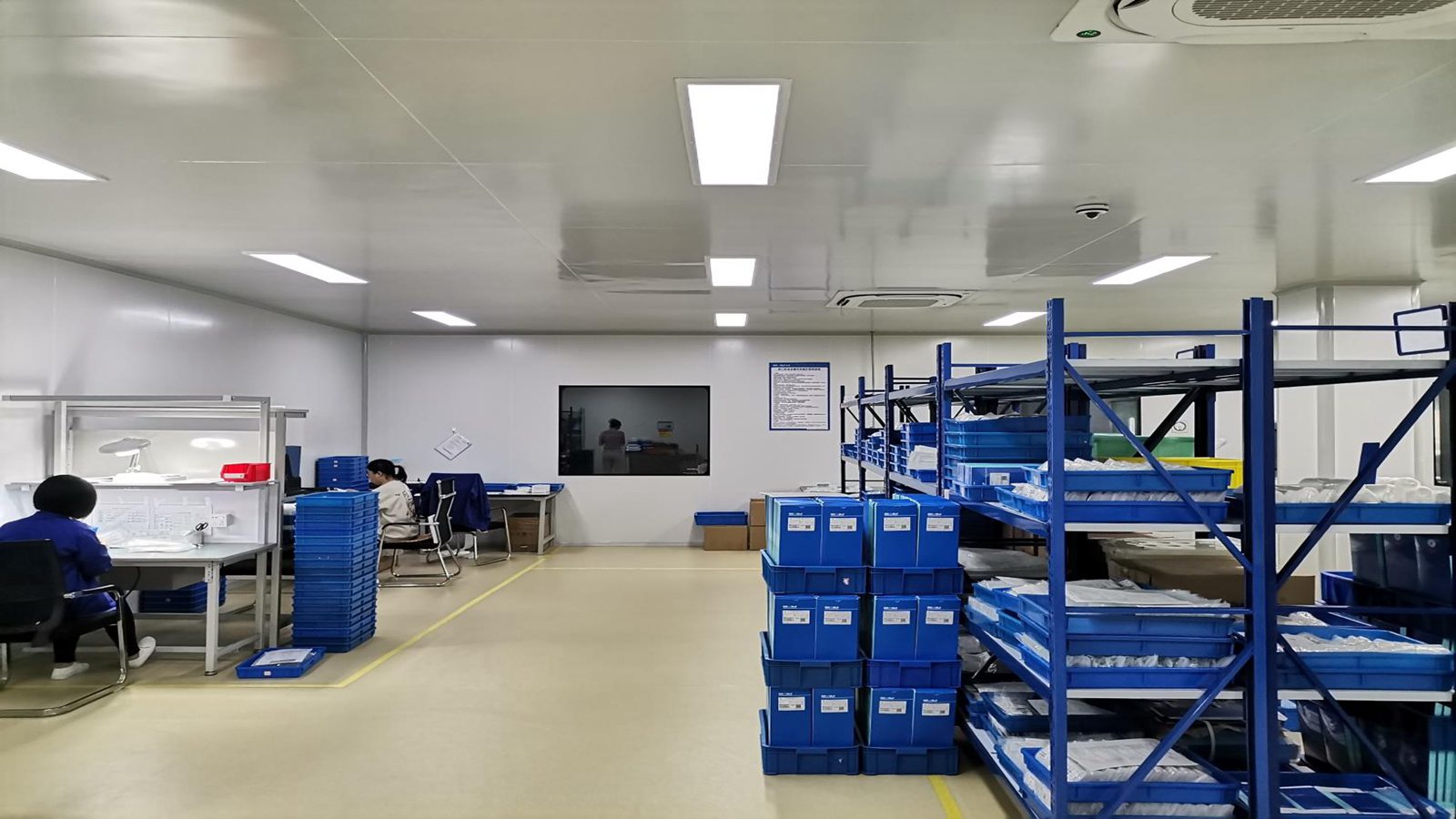
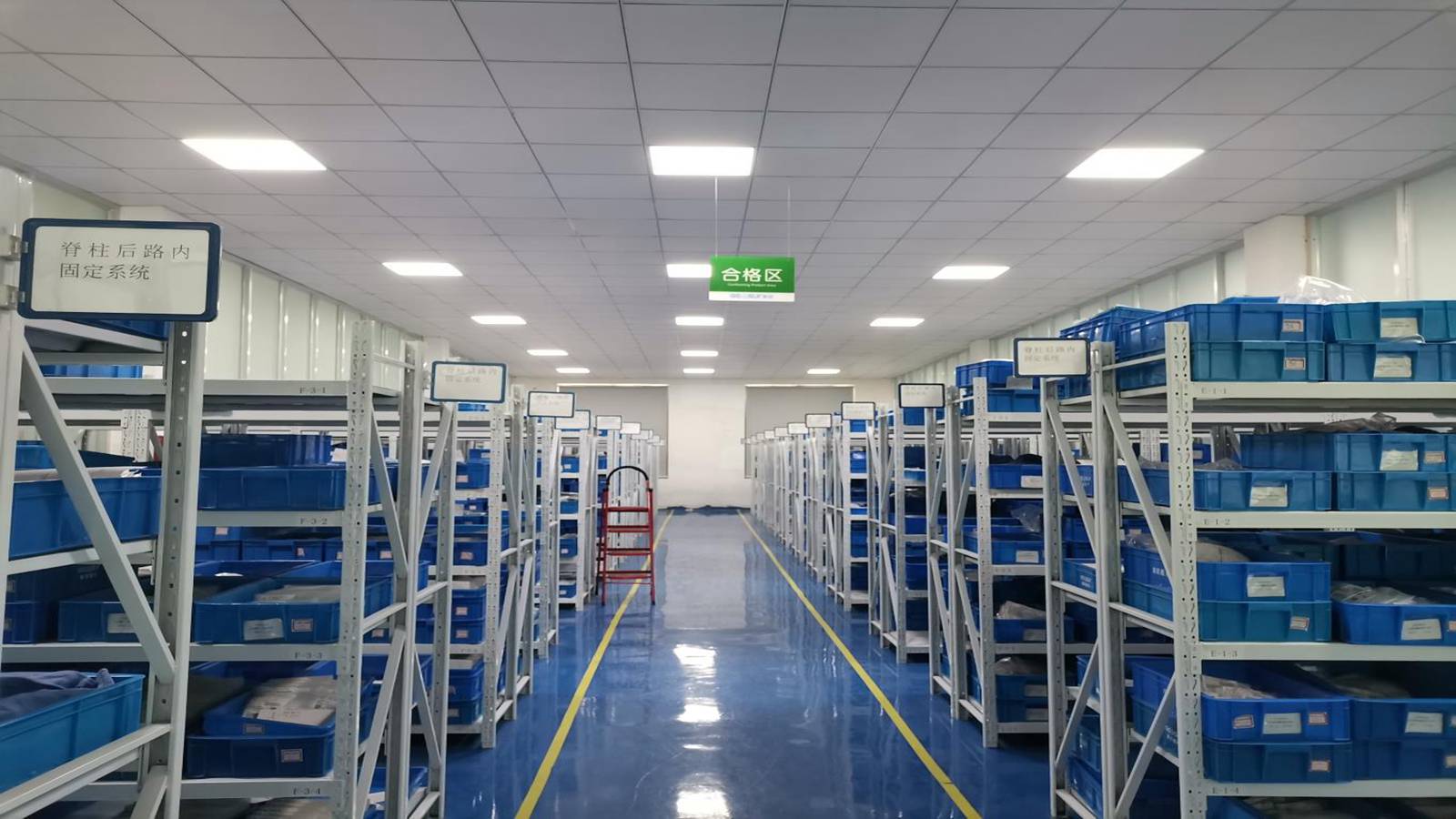
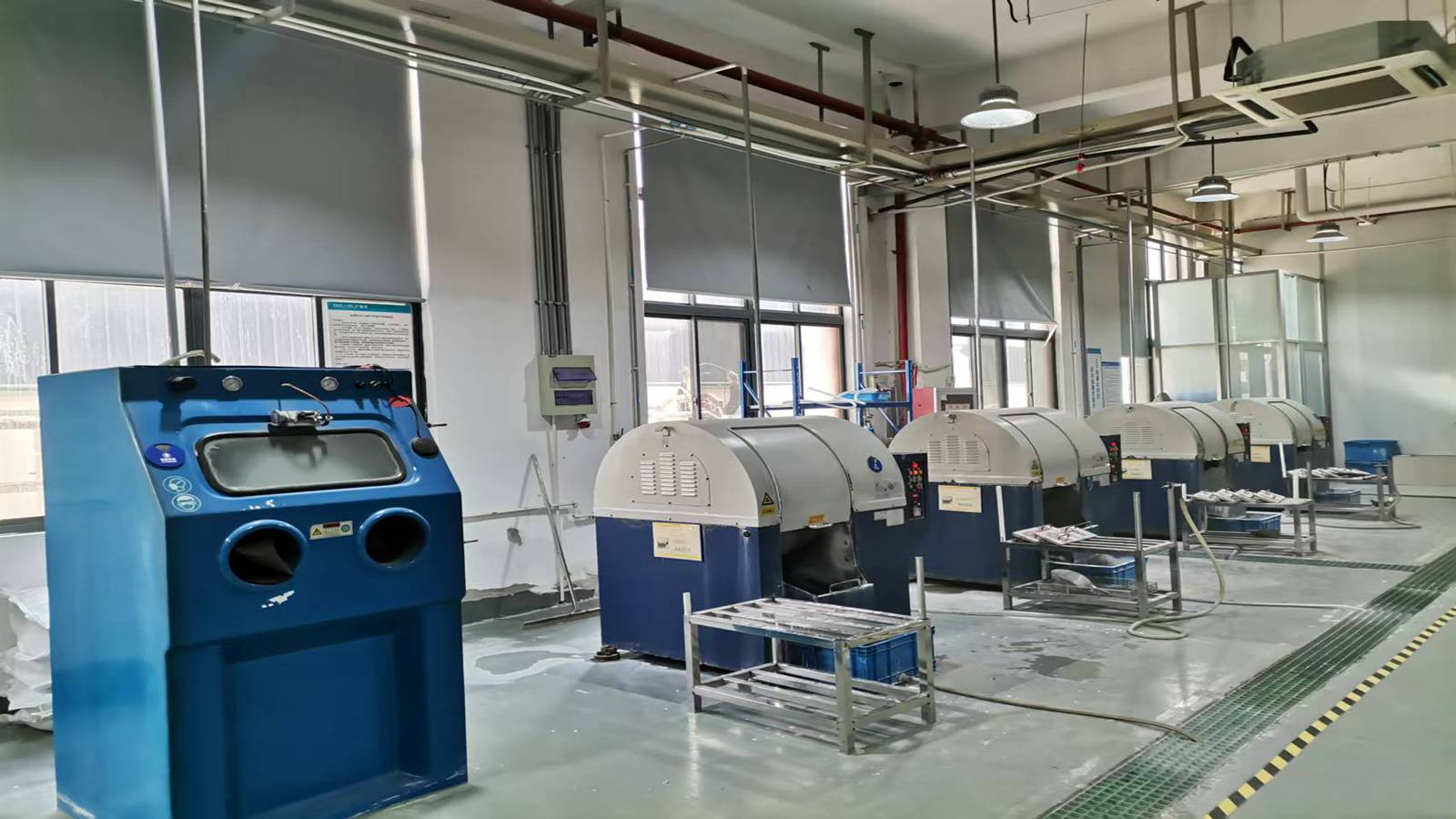
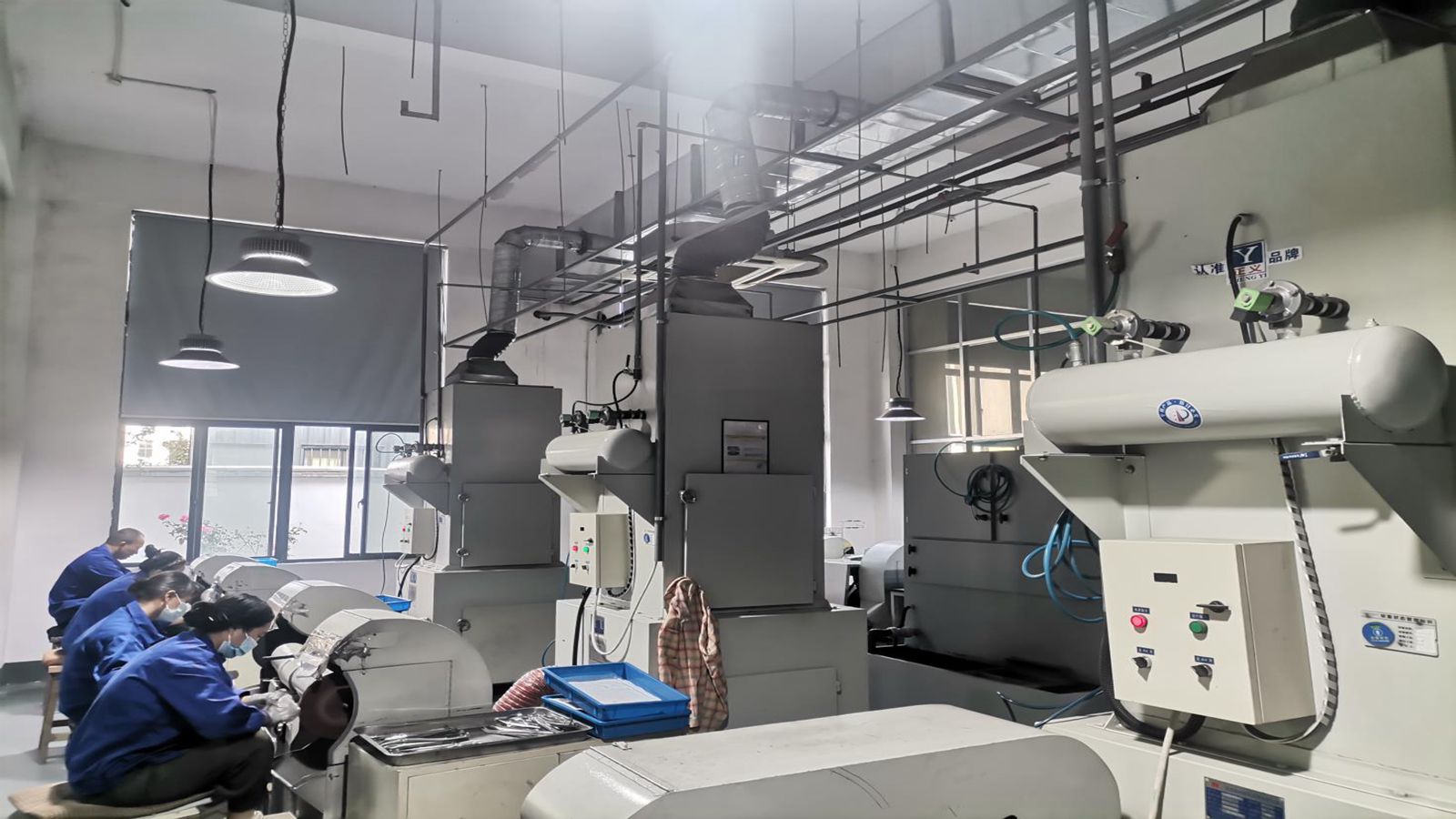
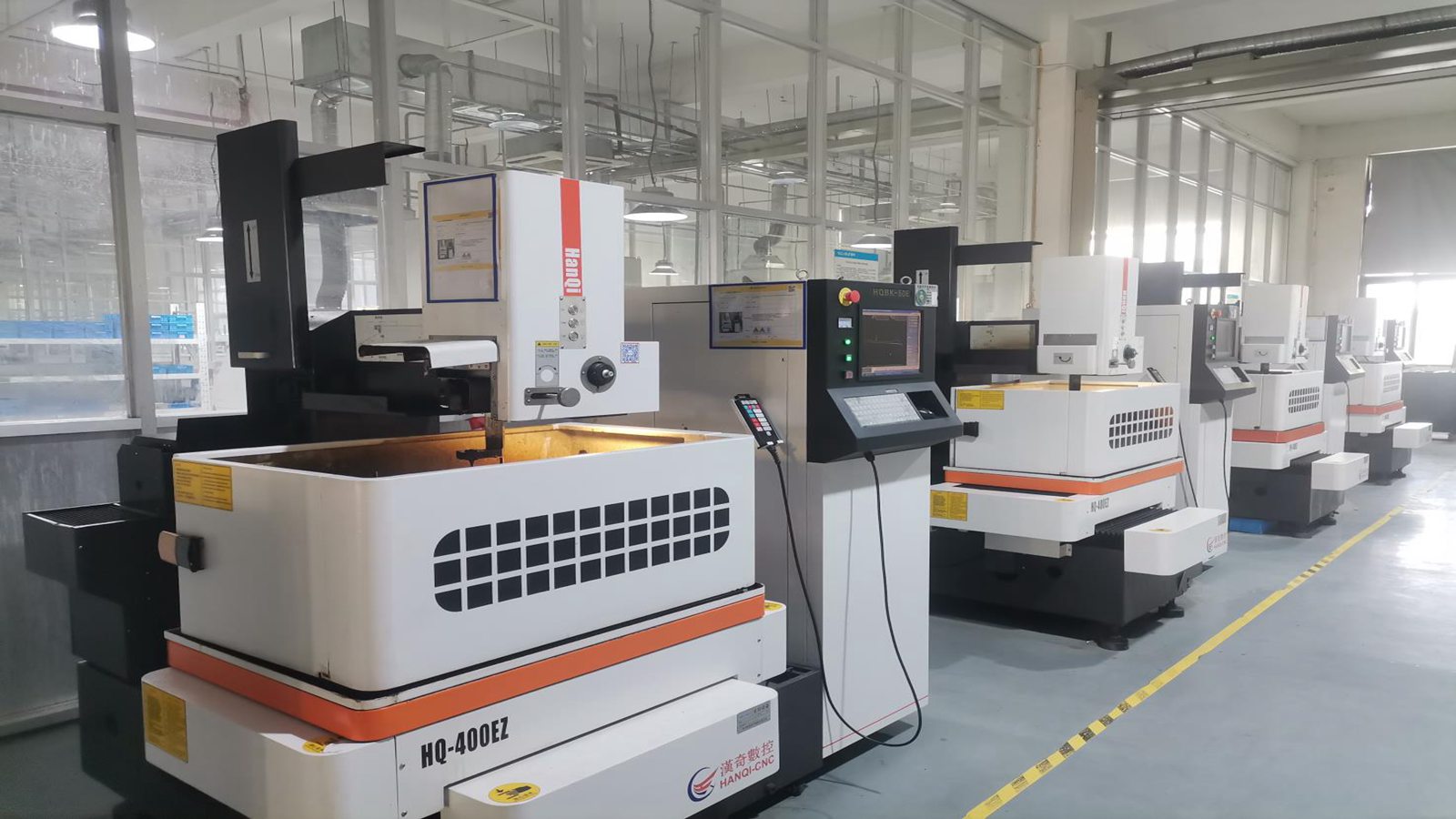
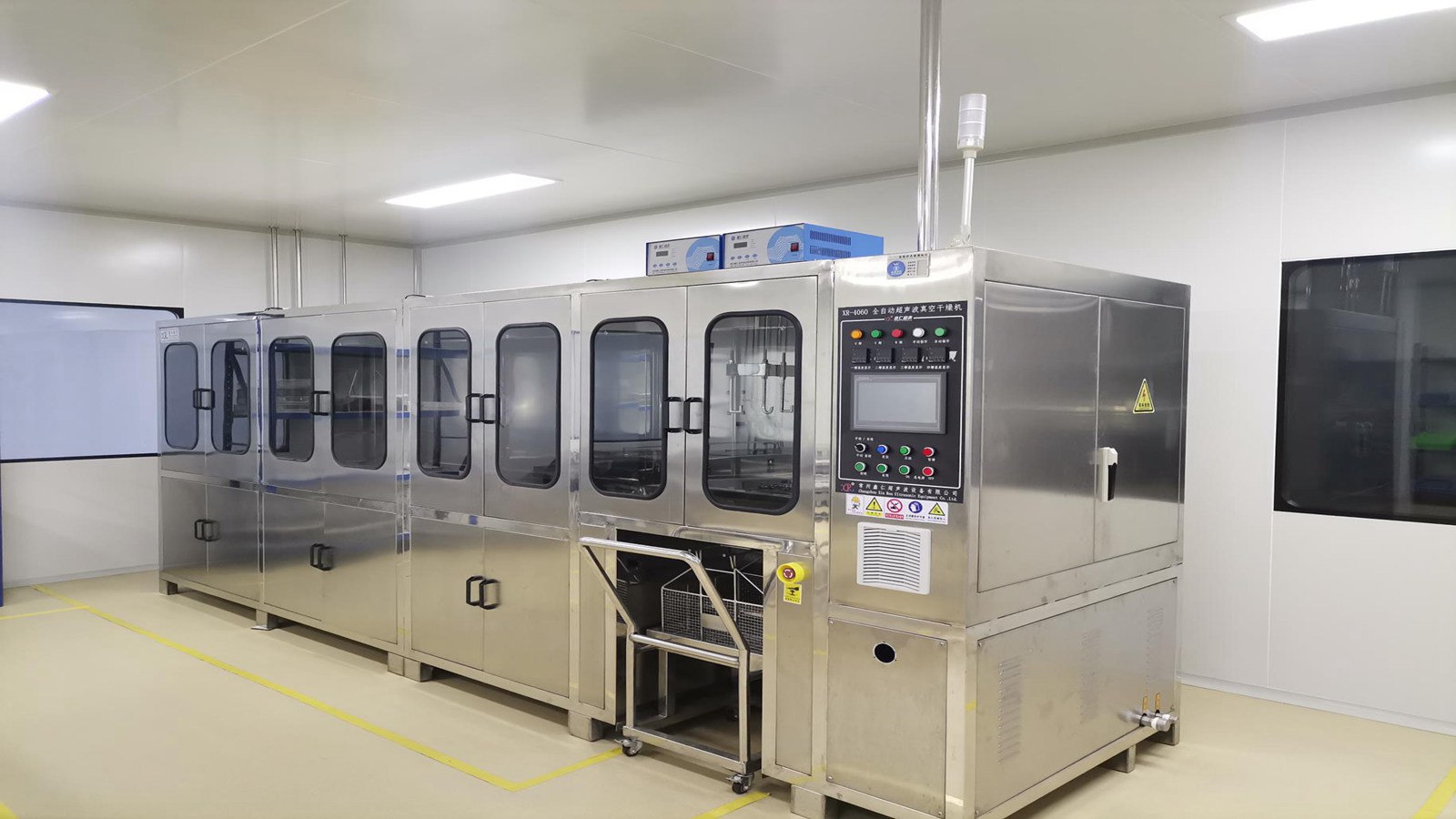
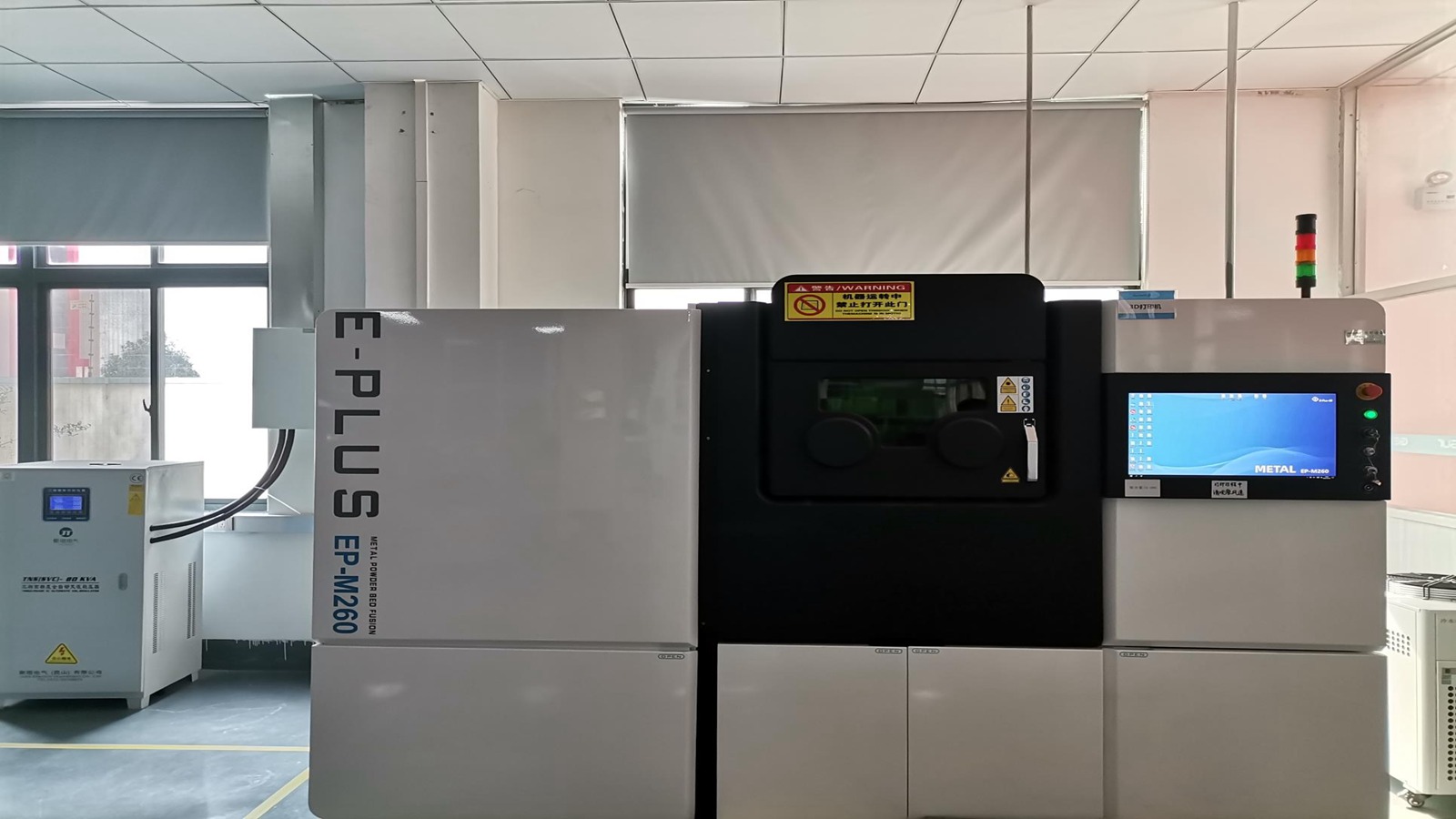
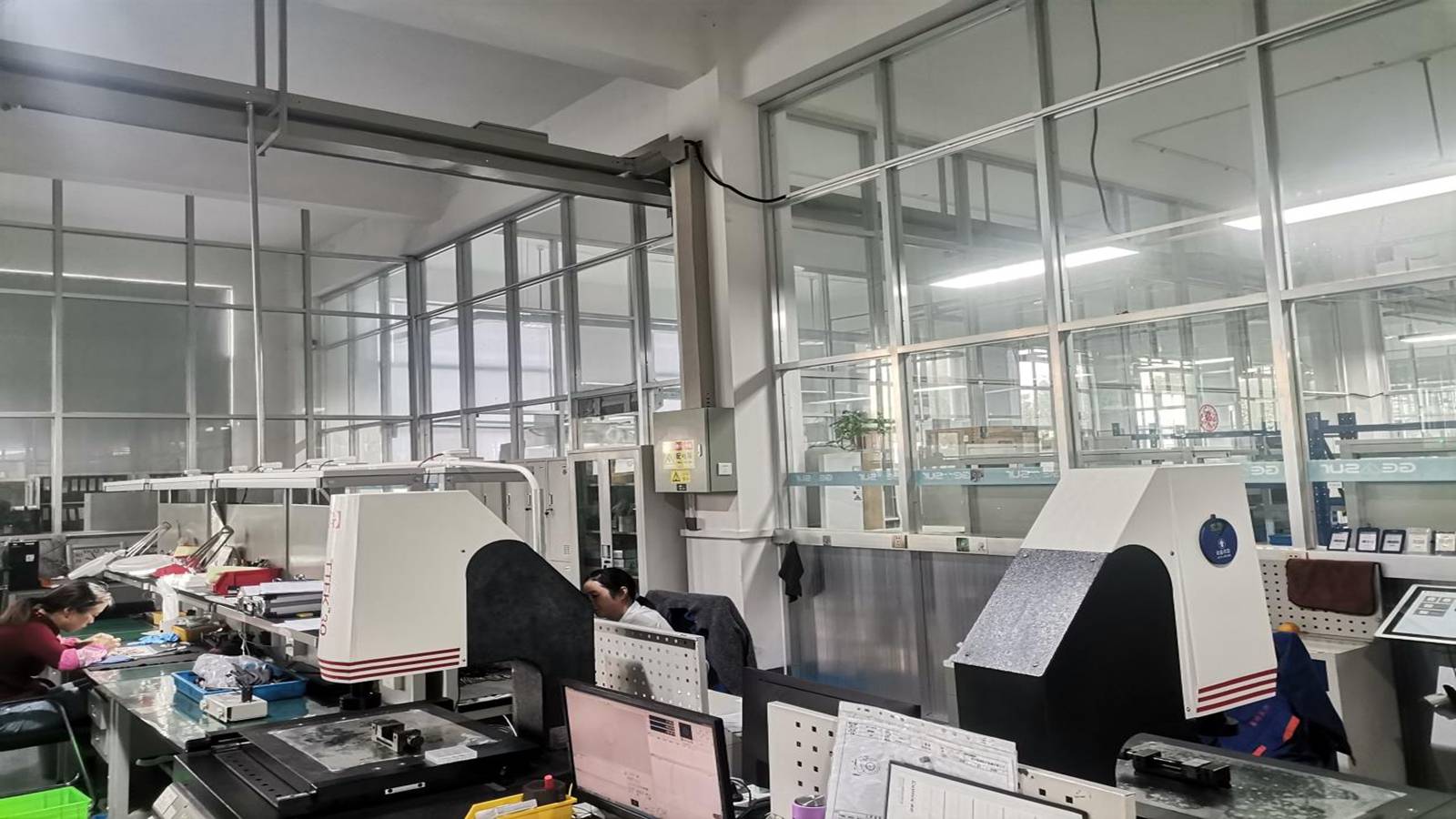
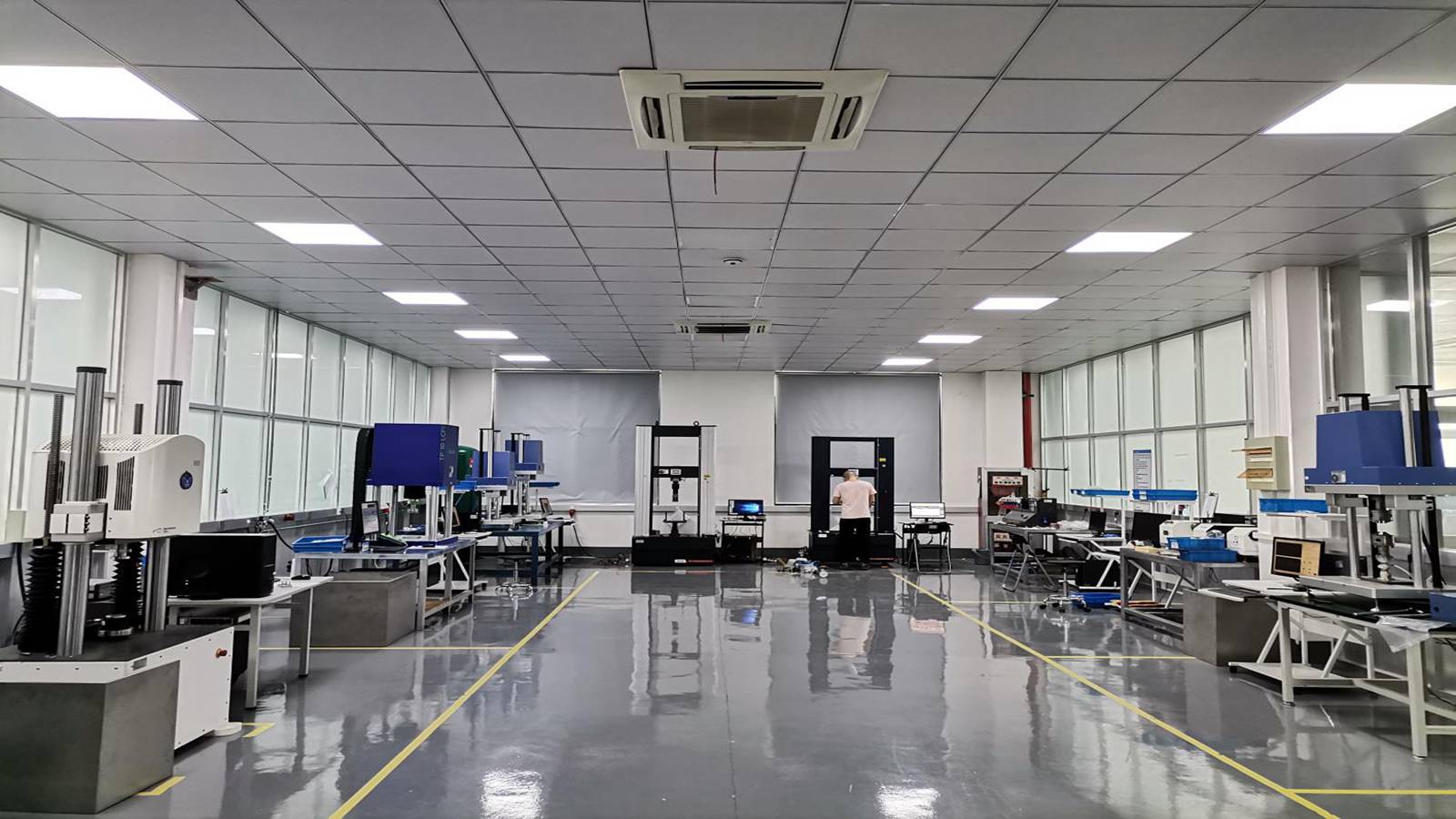
Established in 2015-10-15, our facility represents the pinnacle of Chinese medical manufacturing. With 12 dedicated production lines and 36 QA/QC inspectors, we ensure 100% traceability for all raw materials. Our R&D team includes doctors and post-graduates who launched 25 new products in the last year alone, focusing on 3D printed titanium structures and bio-compatible coatings.
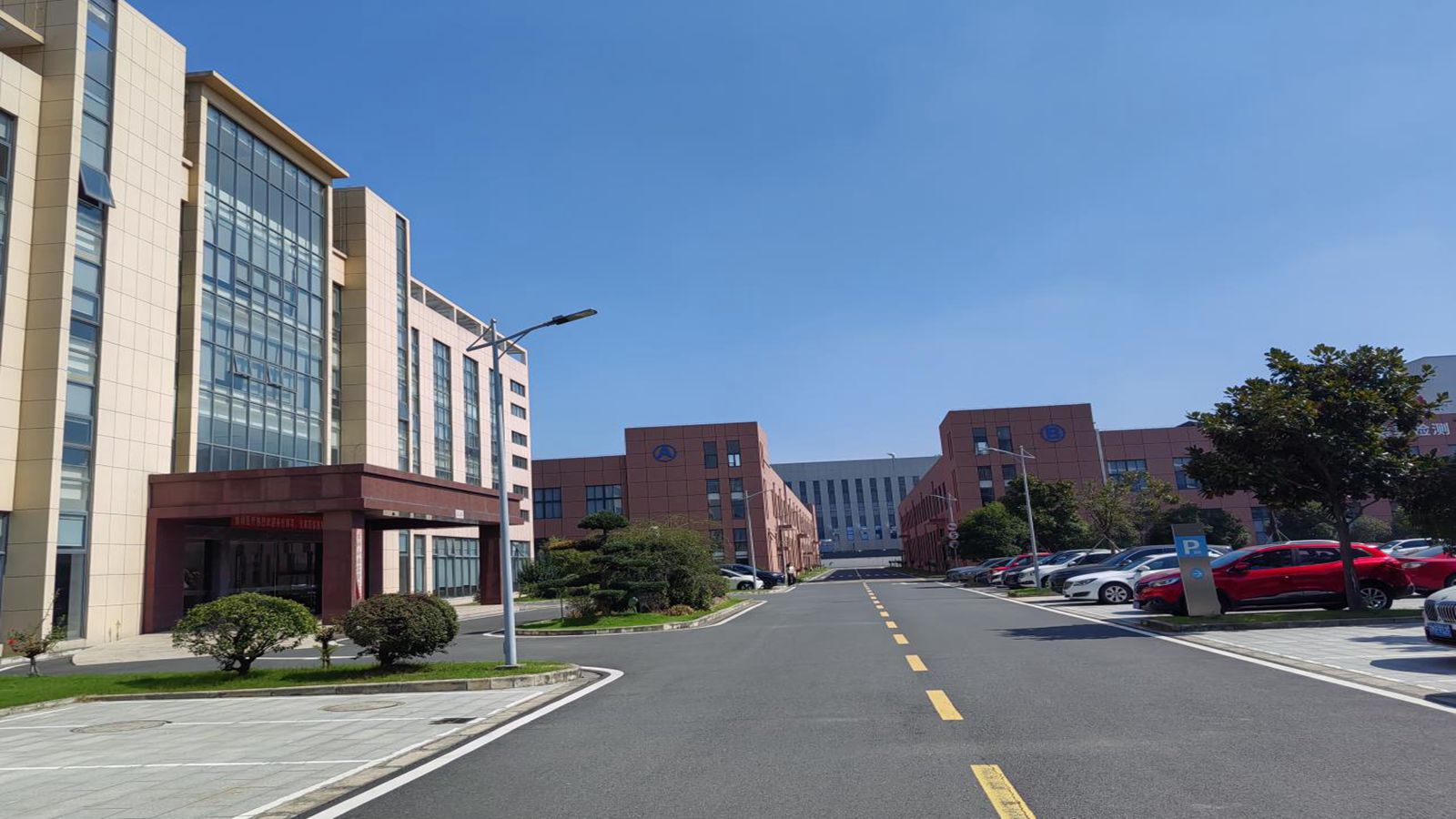

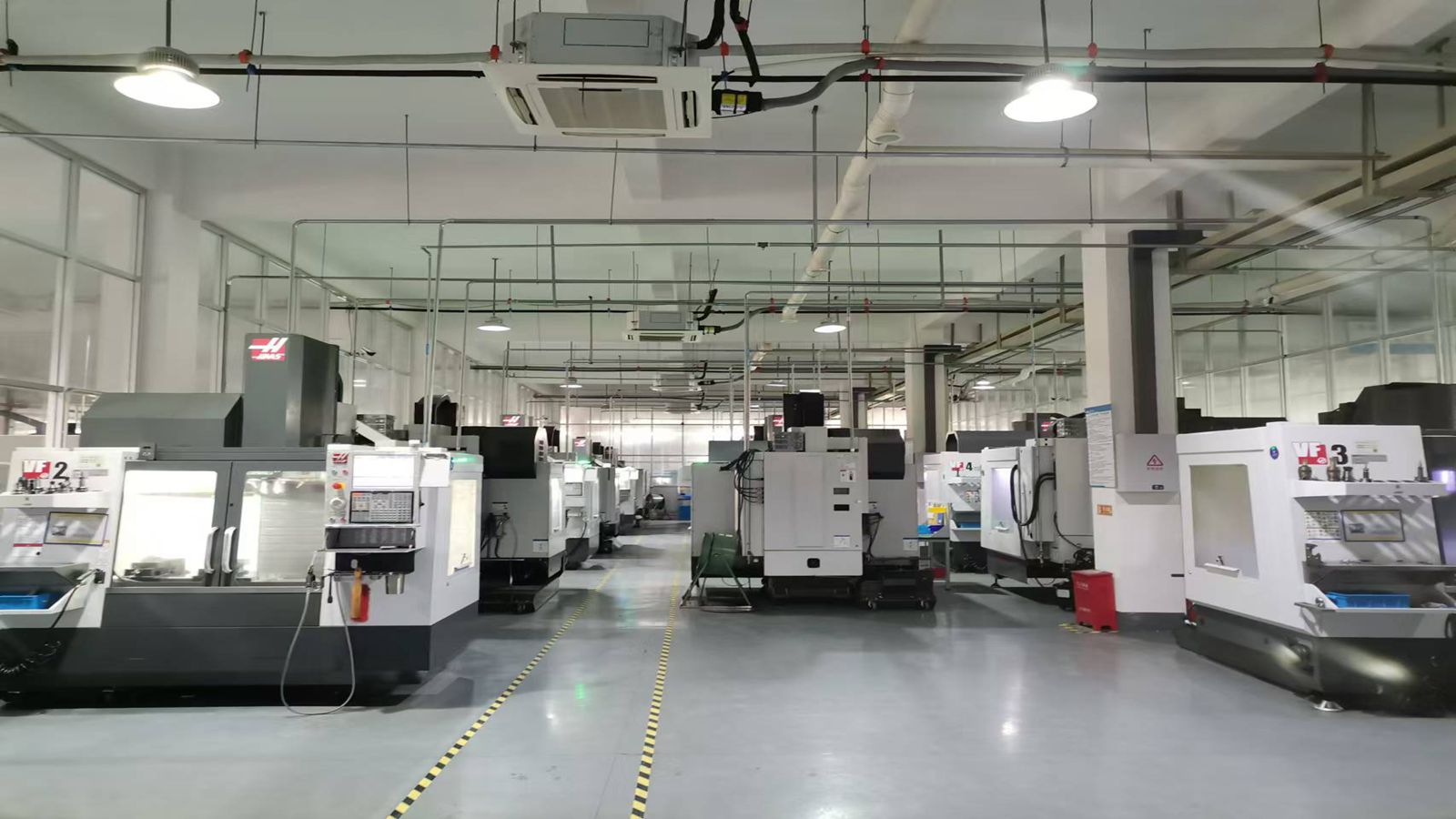
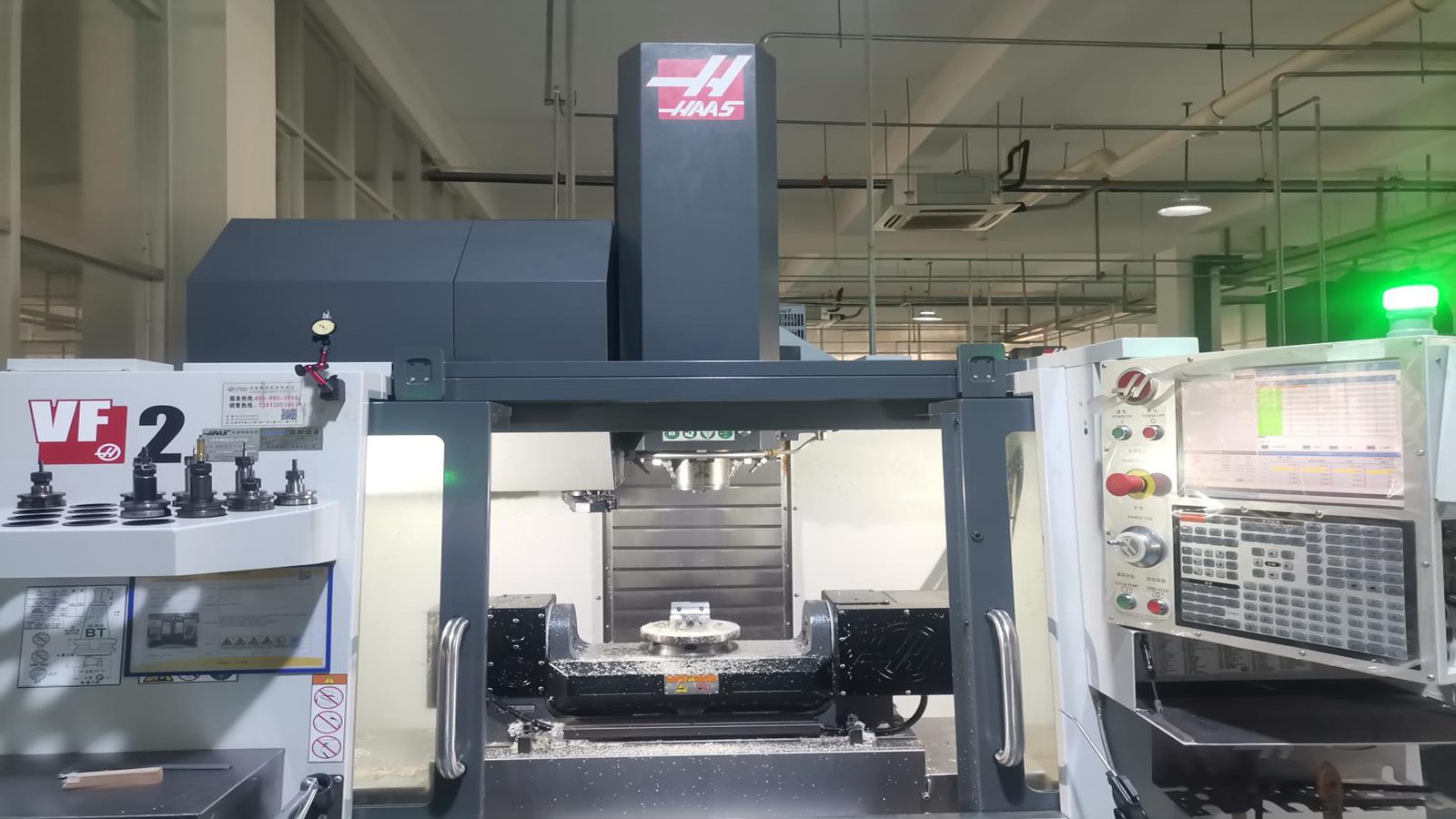
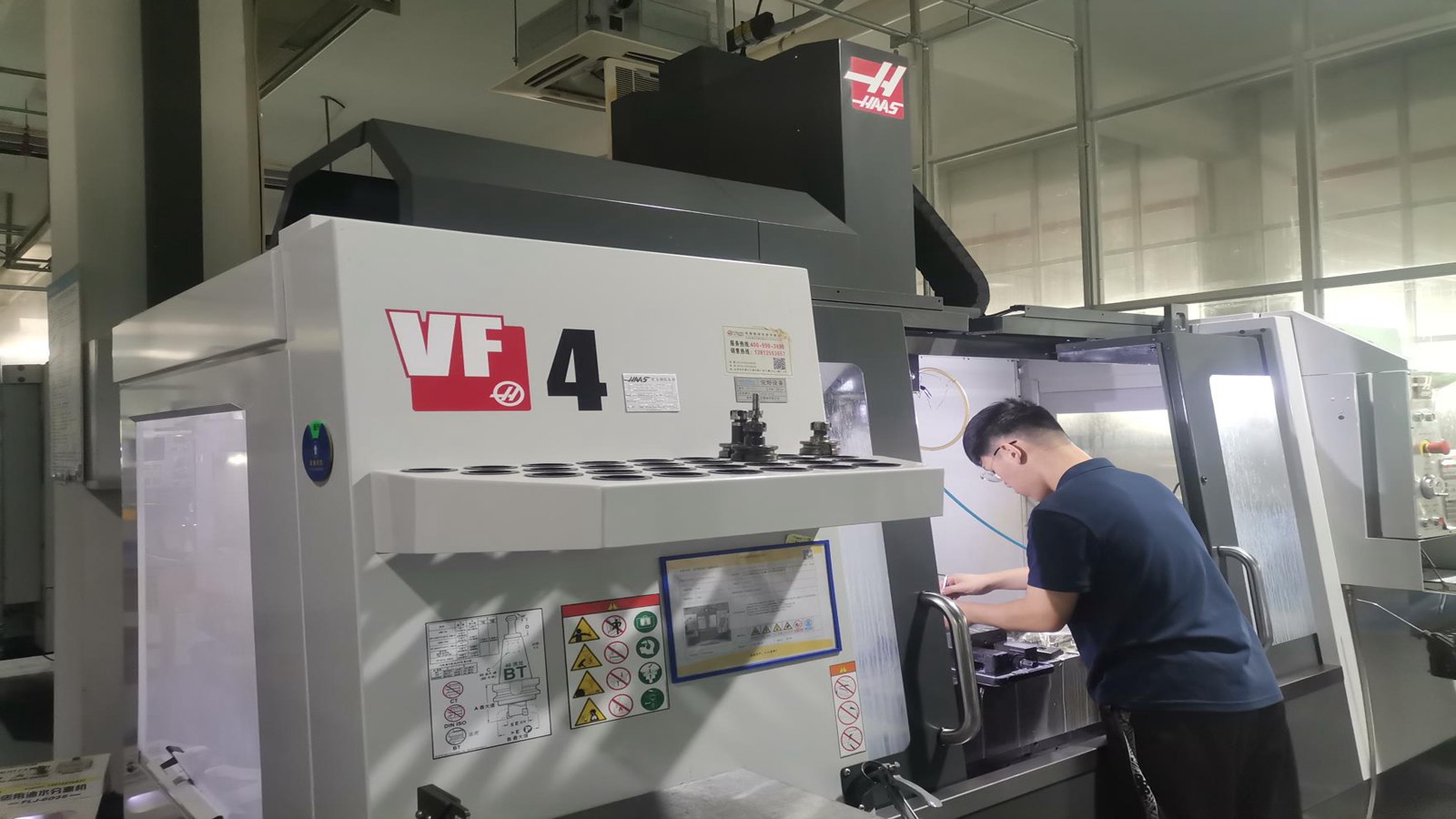
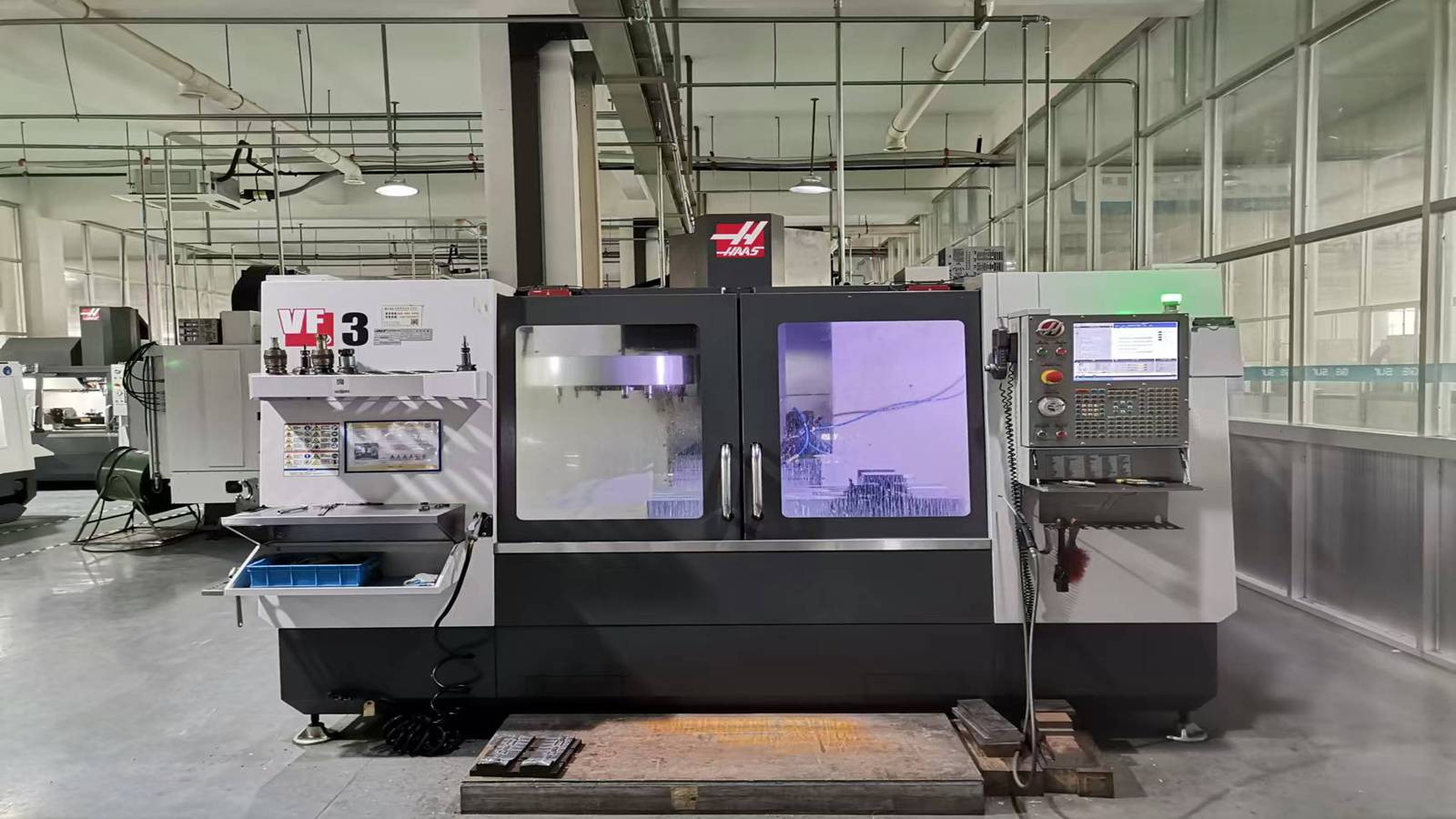
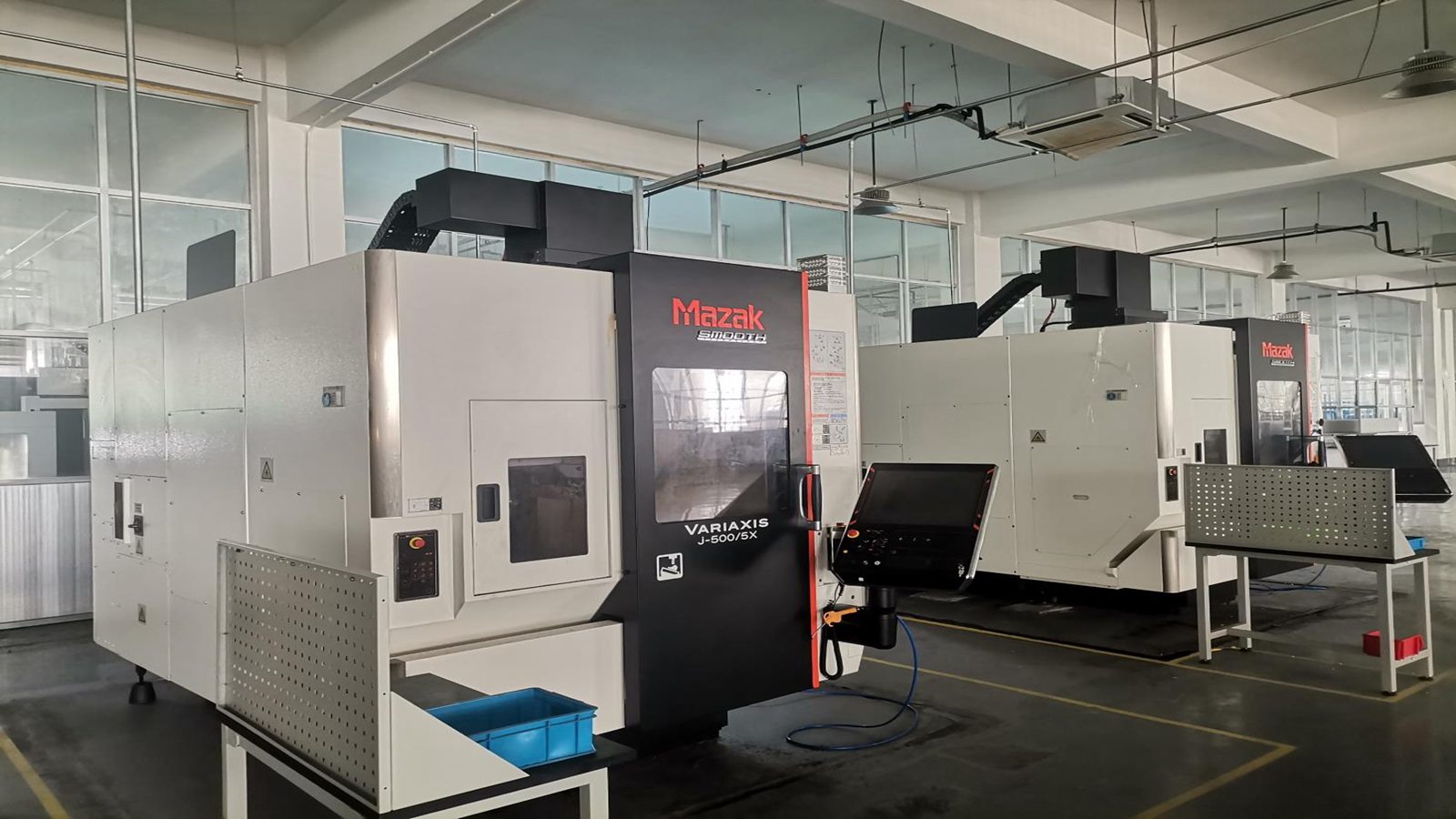
Our Interspinous Spacers are crafted using ultra-precision 5-axis CNC centers, ensuring dimensional tolerances within microns. This level of accuracy is vital for the mechanical integrity of spine systems.
Navigating the global regulatory landscape, we hold ISO13485, EN ISO 13485, MDSAP, and MDR (EPT 0477.MDR.26/6113) certifications. This allows our partners to import with confidence into the EU and beyond.
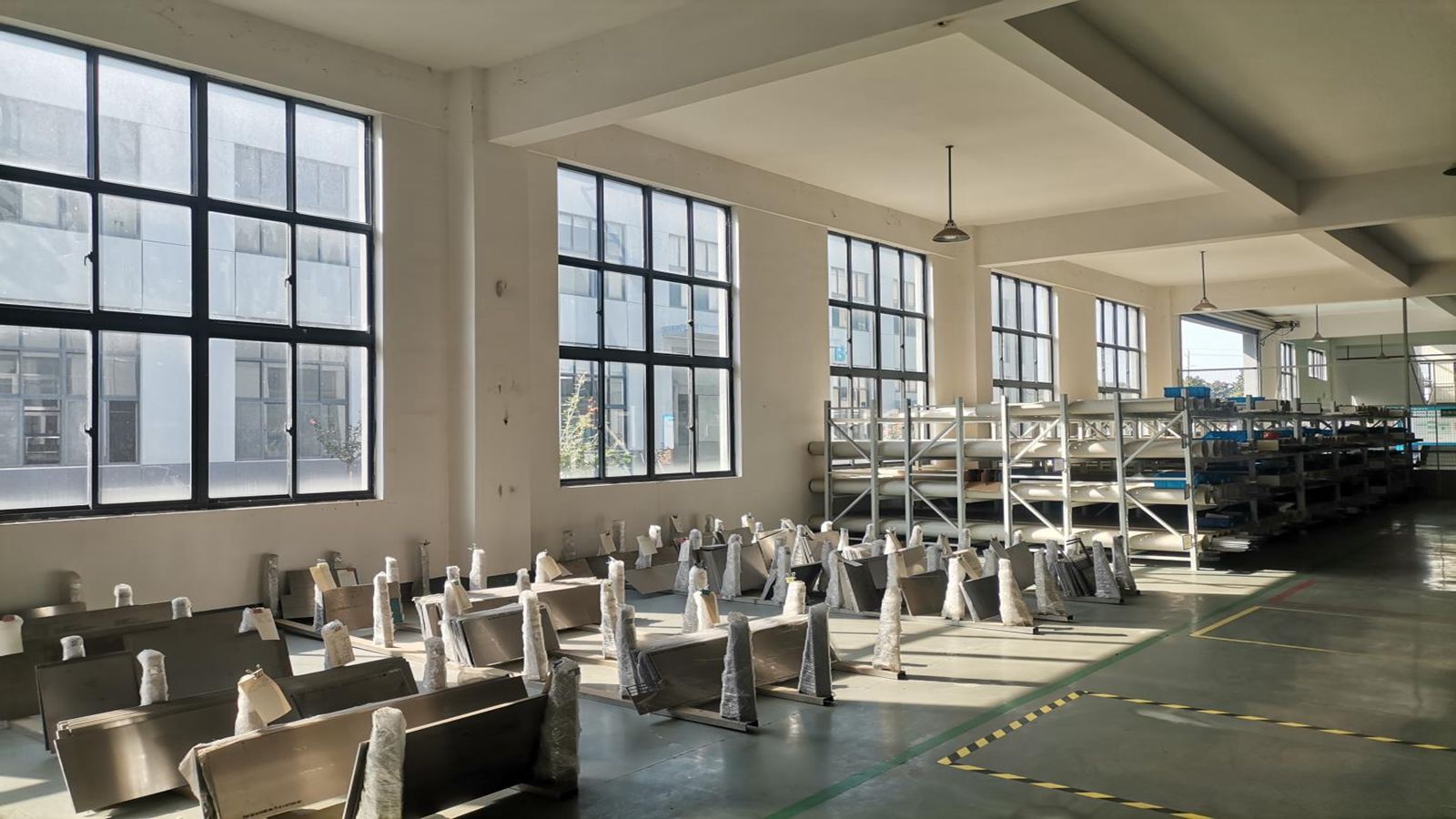
From raw titanium alloy sourcing to final sterile packaging, our end-to-end control reduces lead times by 30% compared to traditional distributed manufacturing models.
Our Interspinous Spacer is optimized for various clinical settings:
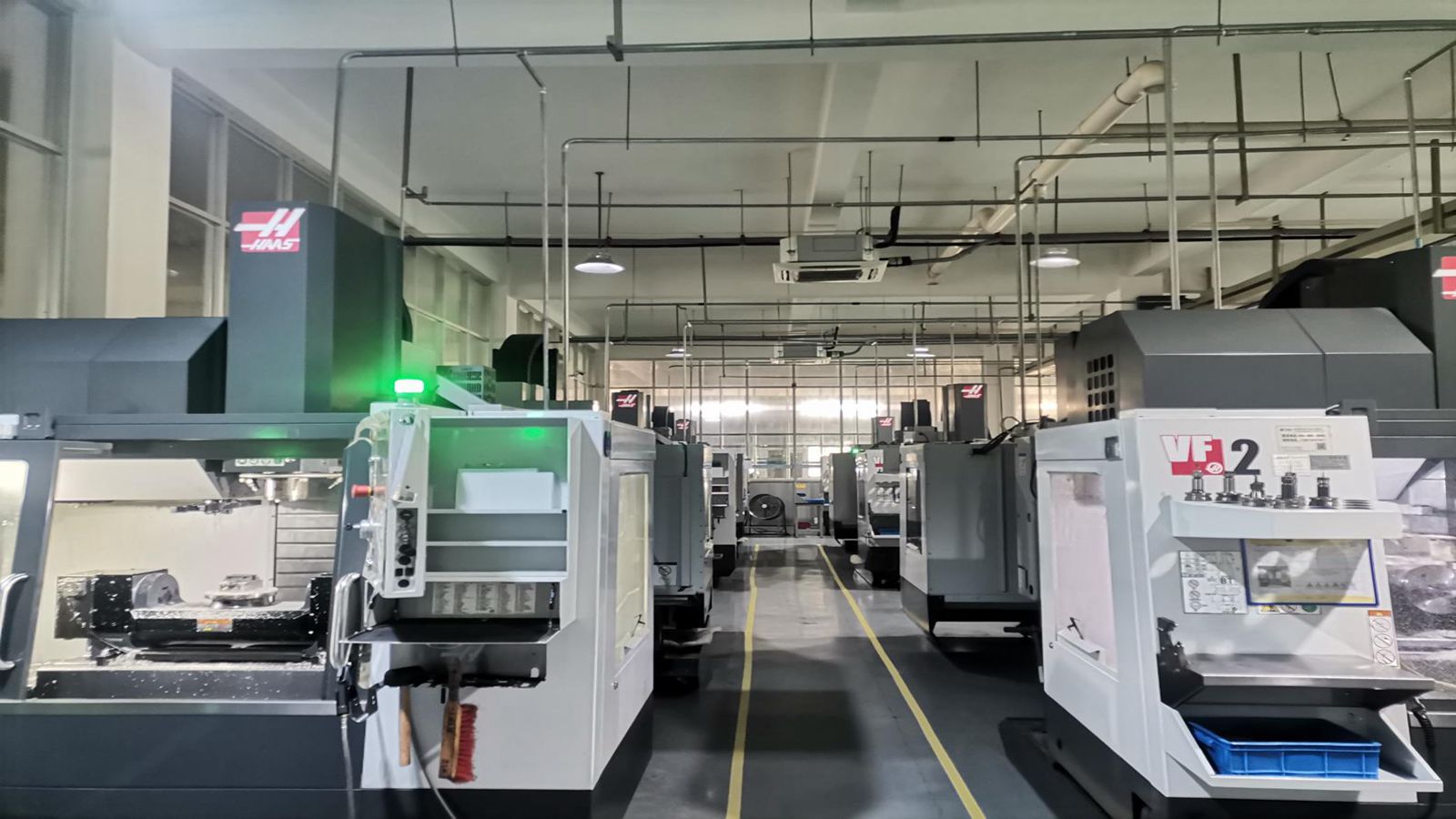
B2B buyers, including wholesalers and hospital engineers, increasingly prioritize "Supply Chain Resilience." In the post-pandemic era, having a China-based Tier-1 supplier offers the advantage of massive scale and rapid prototyping. We support OEM/ODM customized processing to meet specific anatomical requirements of different ethnic populations across our main markets in Europe and Southeast Asia.