Ease Medical Apparatus And Instruments
Ease Medical Apparatus And Instruments
Ease Medical Apparatus And Instruments
Explore our premium clinical-grade spine system implants and interventional components manufactured under strict ISO 13485 & CE MDR regulations.
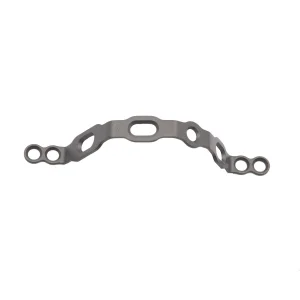
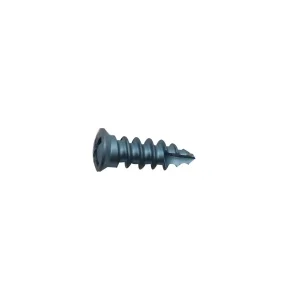
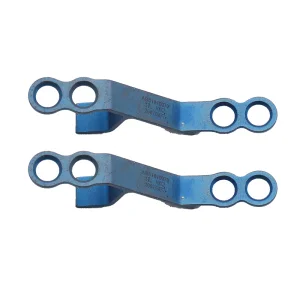
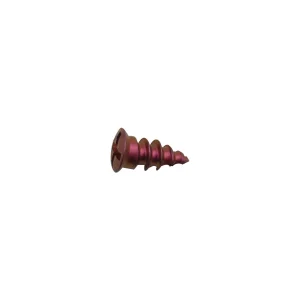
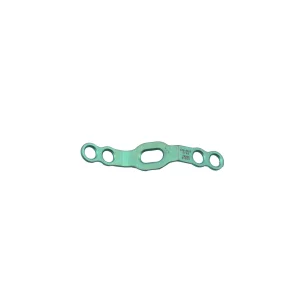
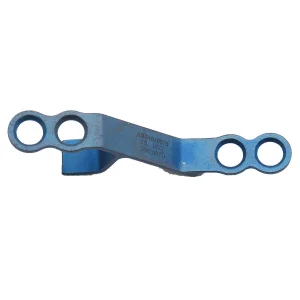
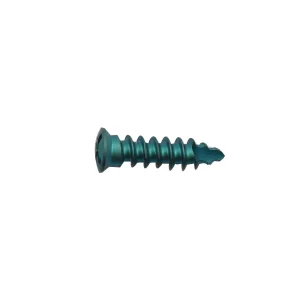
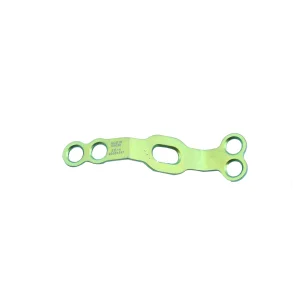
The human spine is a complex mechanical column where dynamic loads and neural pathways coexist. Surgical interventions, specifically posterior cervical laminoplasty, aim to decompress the spinal cord without compromising column stability. For decades, spinal surgeons faced limitations when relying solely on suture-suspension methods, which often resulted in high rates of post-operative closure of the opened lamina, leading to recurrent canal stenosis.
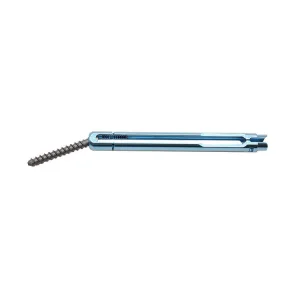
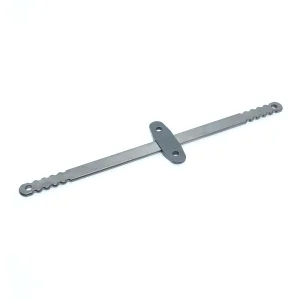
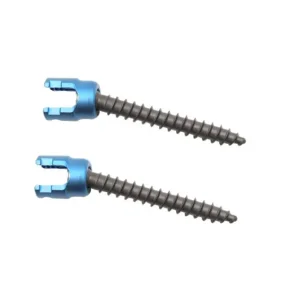
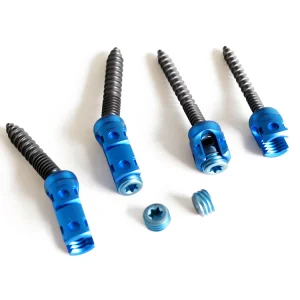
Laminar fixation plates act as rigid biomechanical struts. Engineered from high-strength medical titanium alloys (such as Ti-6Al-4V ELI), these implants secure the expanded dorsal elements. By providing immediate rigid fixation, the plates withstand physiological forces during neck flexion and extension, encouraging rapid bony fusion across the hinge site. Our titanium lamina fixation plates are optimized with varying graft pocket geometries and fixed angles to accommodate individual anatomical variations, ensuring zero-profile constructs that minimize soft-tissue irritation.
“Rigid laminar reconstruction reduces the risk of post-operative kyphosis and eliminates 'door-drop' complications, allowing faster recovery times and better long-term clinical outcomes for patients suffering from multi-level cervical spondylotic myelopathy.”
How surgical centers globally utilize specific laminar fixation systems for complex posterior spine reconstructions.
Used predominantly in East Asia and Europe for managing Ossification of the Posterior Longitudinal Ligament (OPLL). The titanium fixed hinge plate securely maintains the laminar door flap, keeping the cervical canal expanded.
For patients suffering from acute spinal fractures or posterior column disruption, low-profile locking plate systems restore bone continuity after decompression, reducing reliance on long pedicle screw constructs.
Modern plates incorporate integration zones for autologous bone graft or synthetic osteoconductive matrixes. This encourages osteogenesis directly underneath the plate, creating a dynamic biological weld.
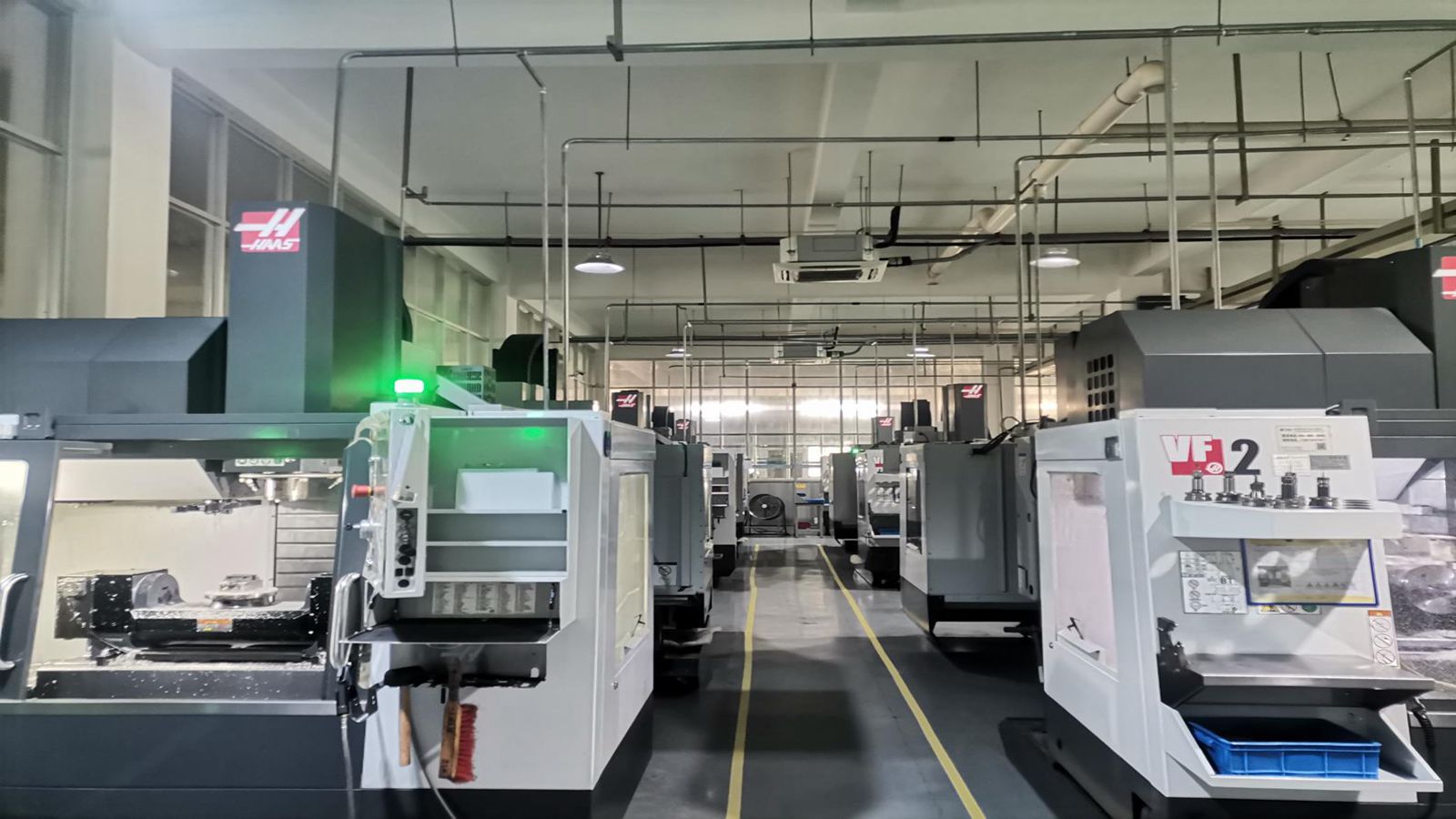
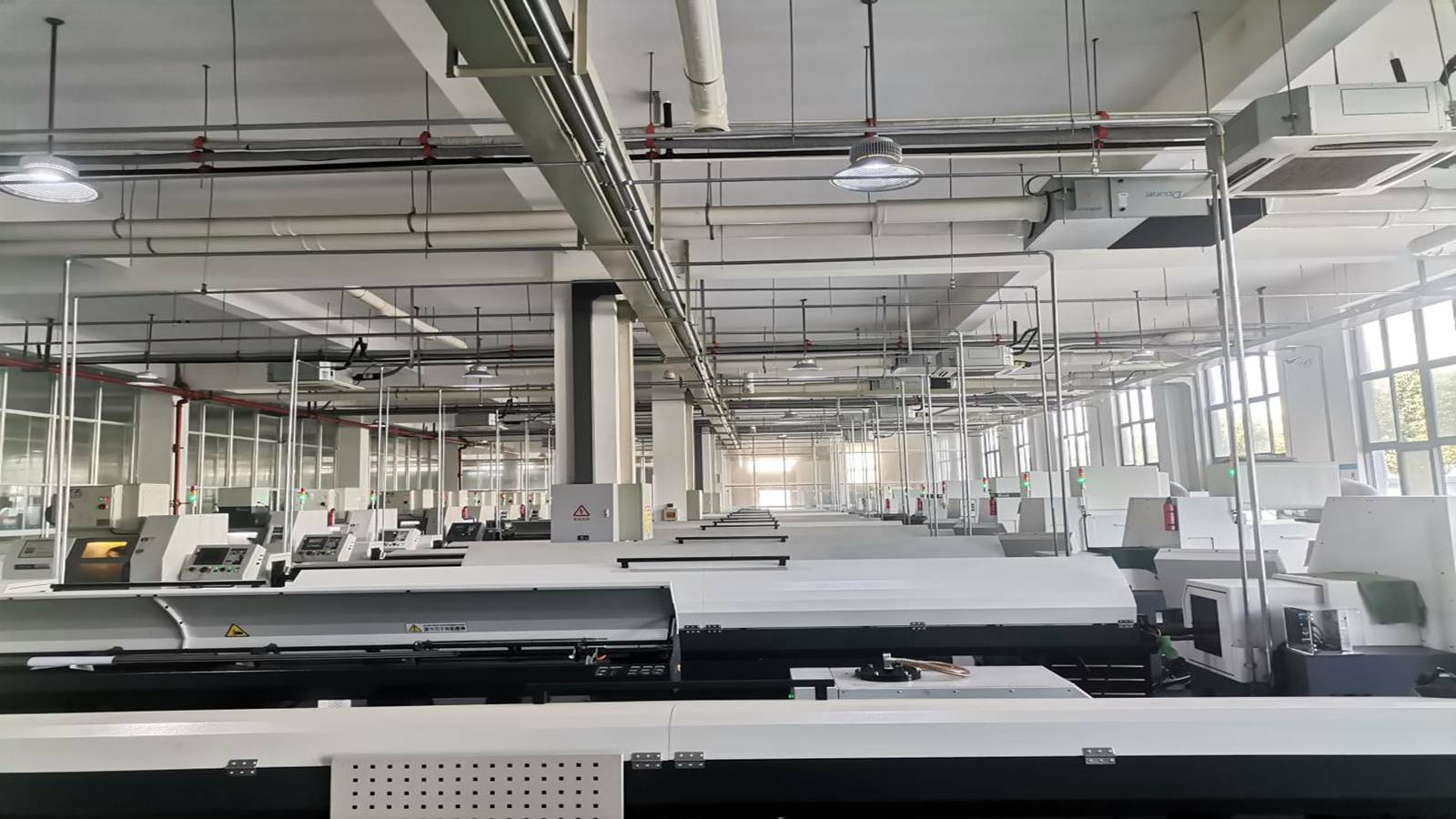
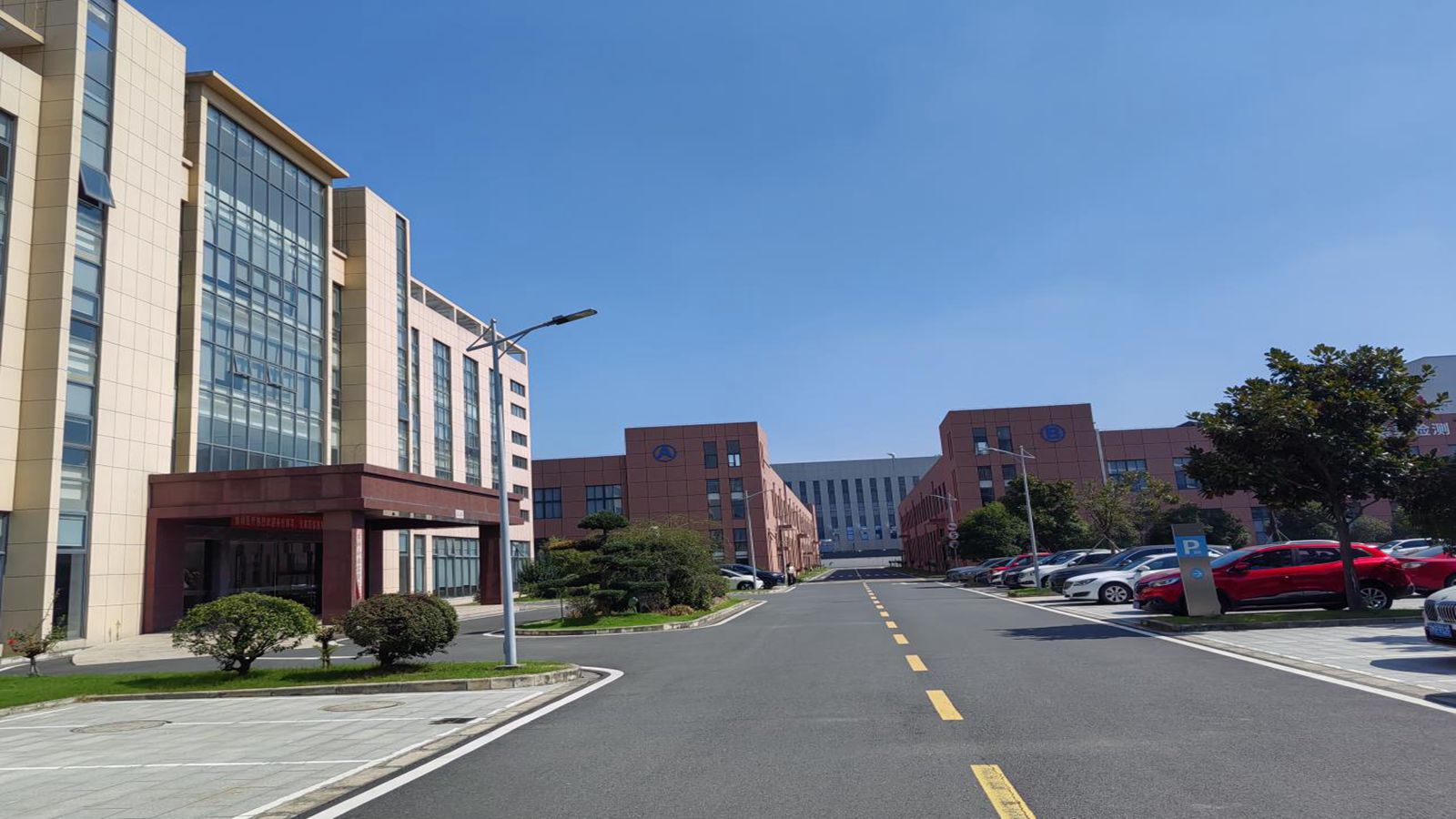
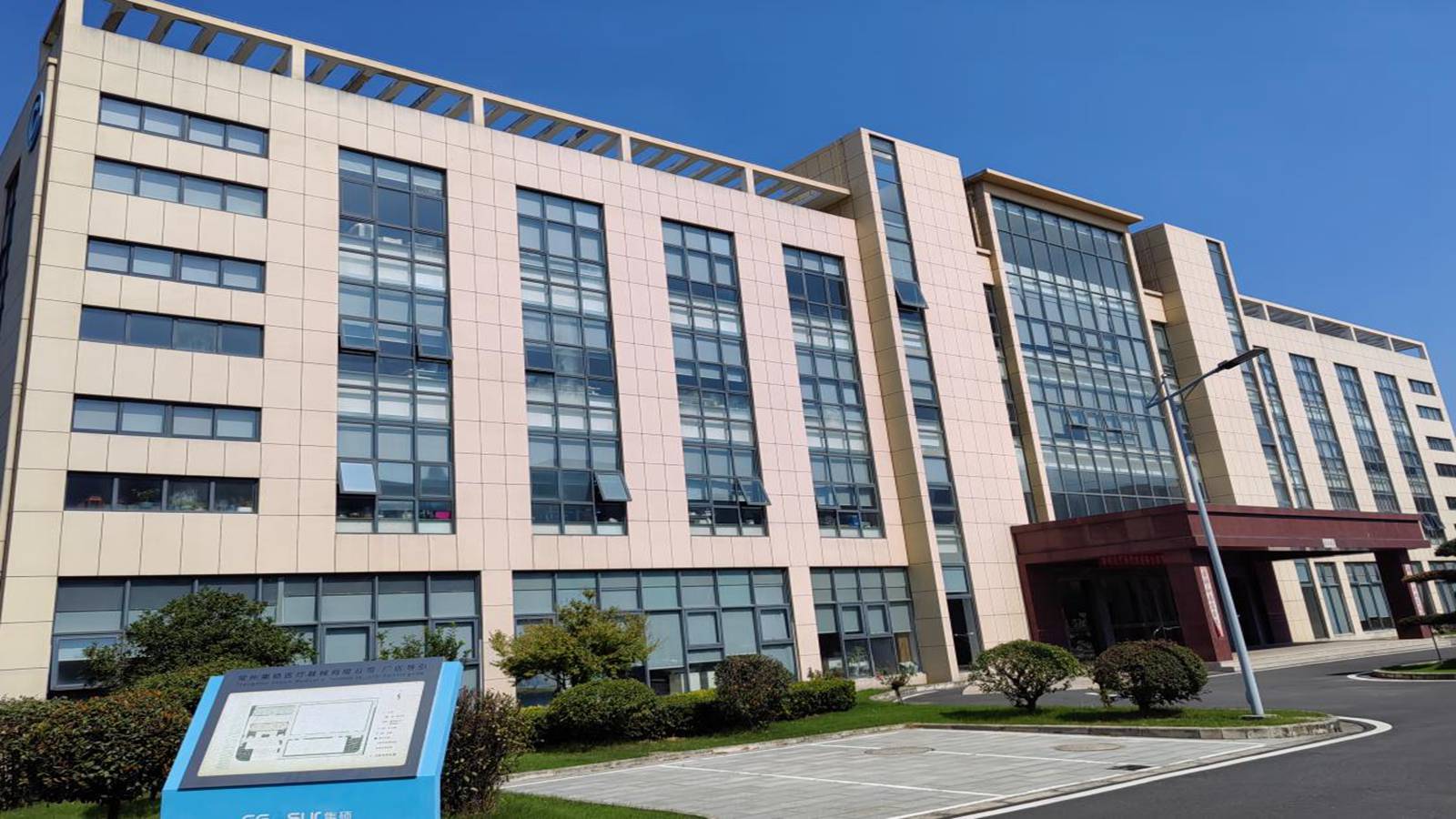
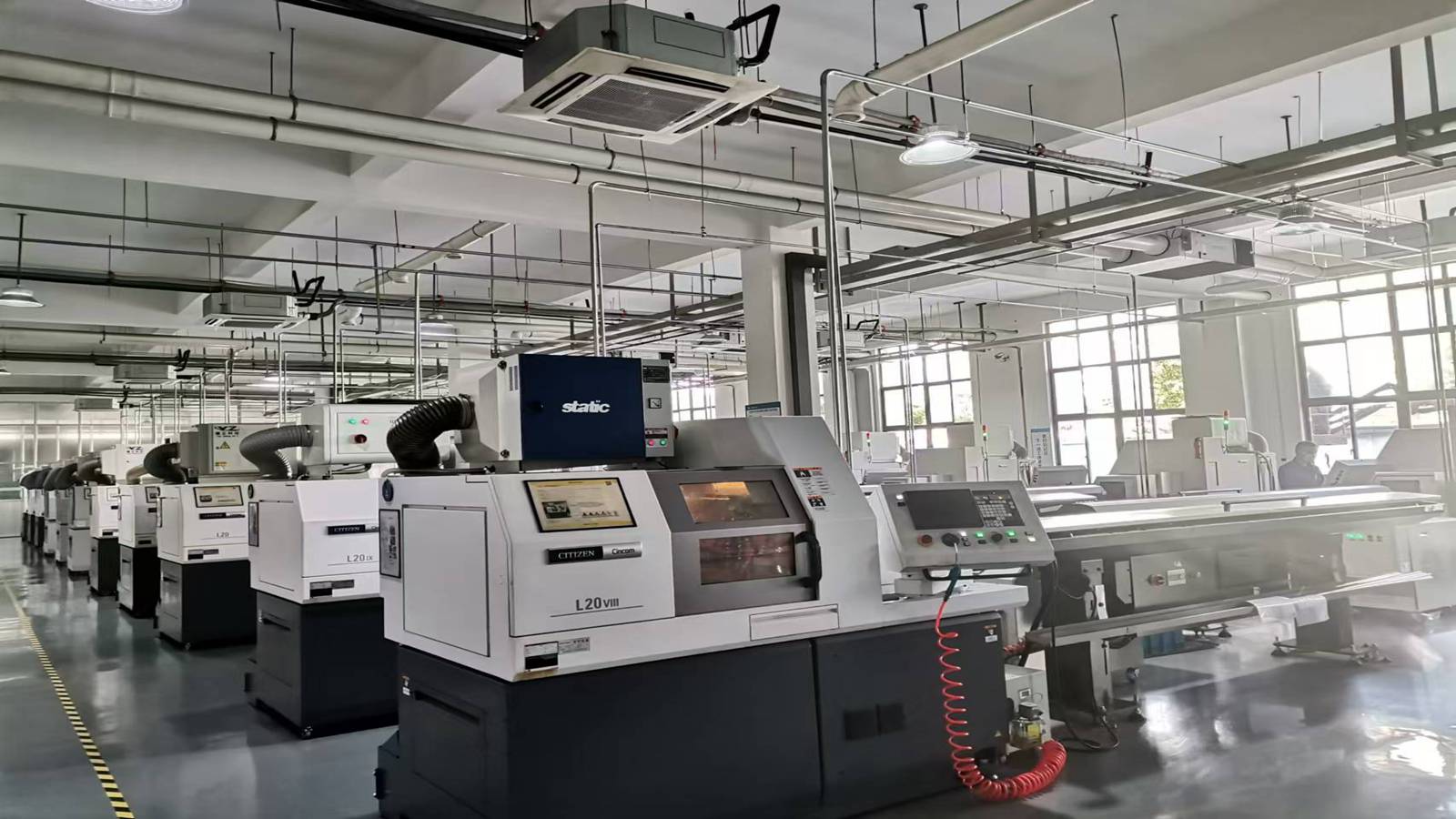
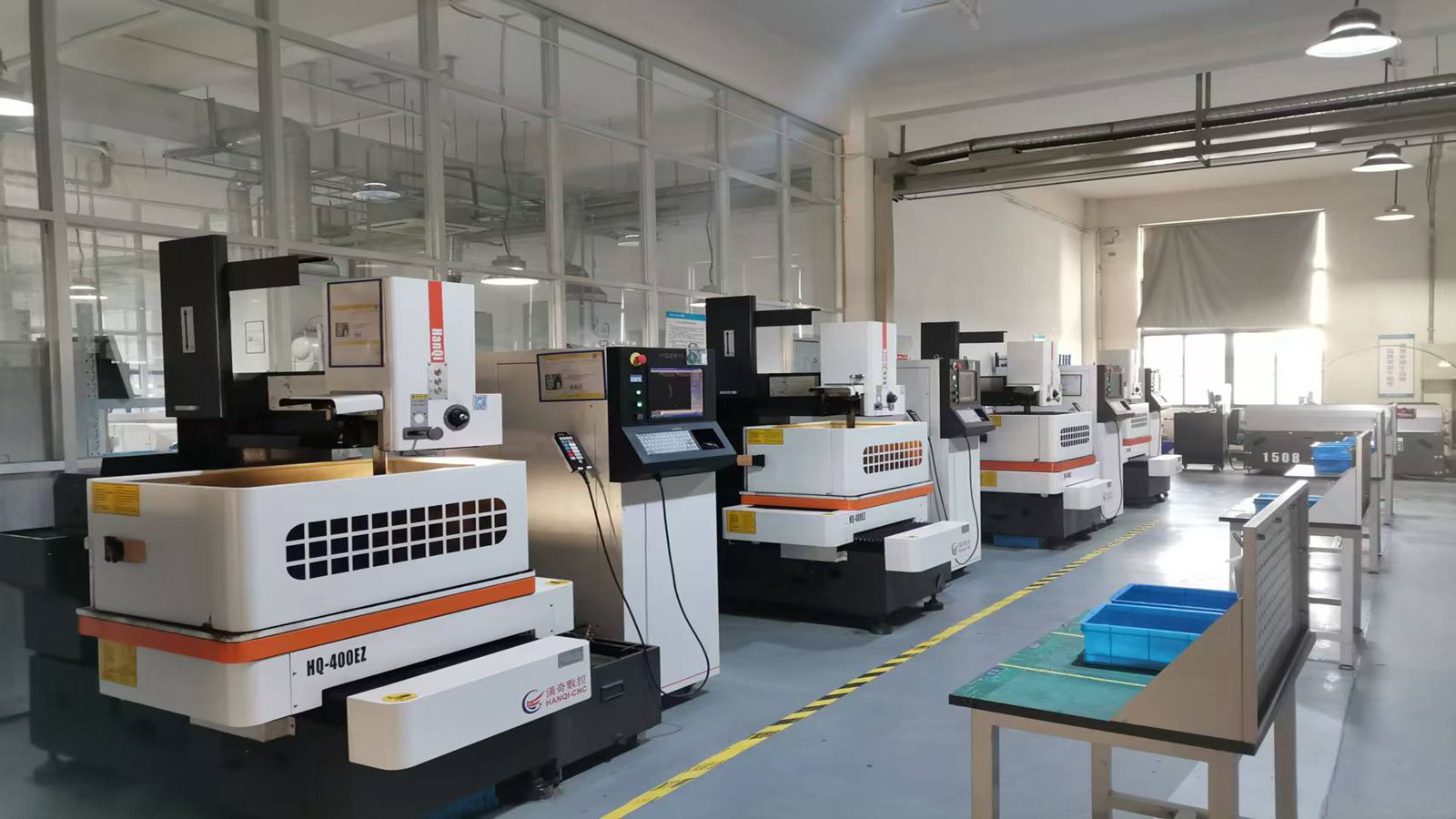
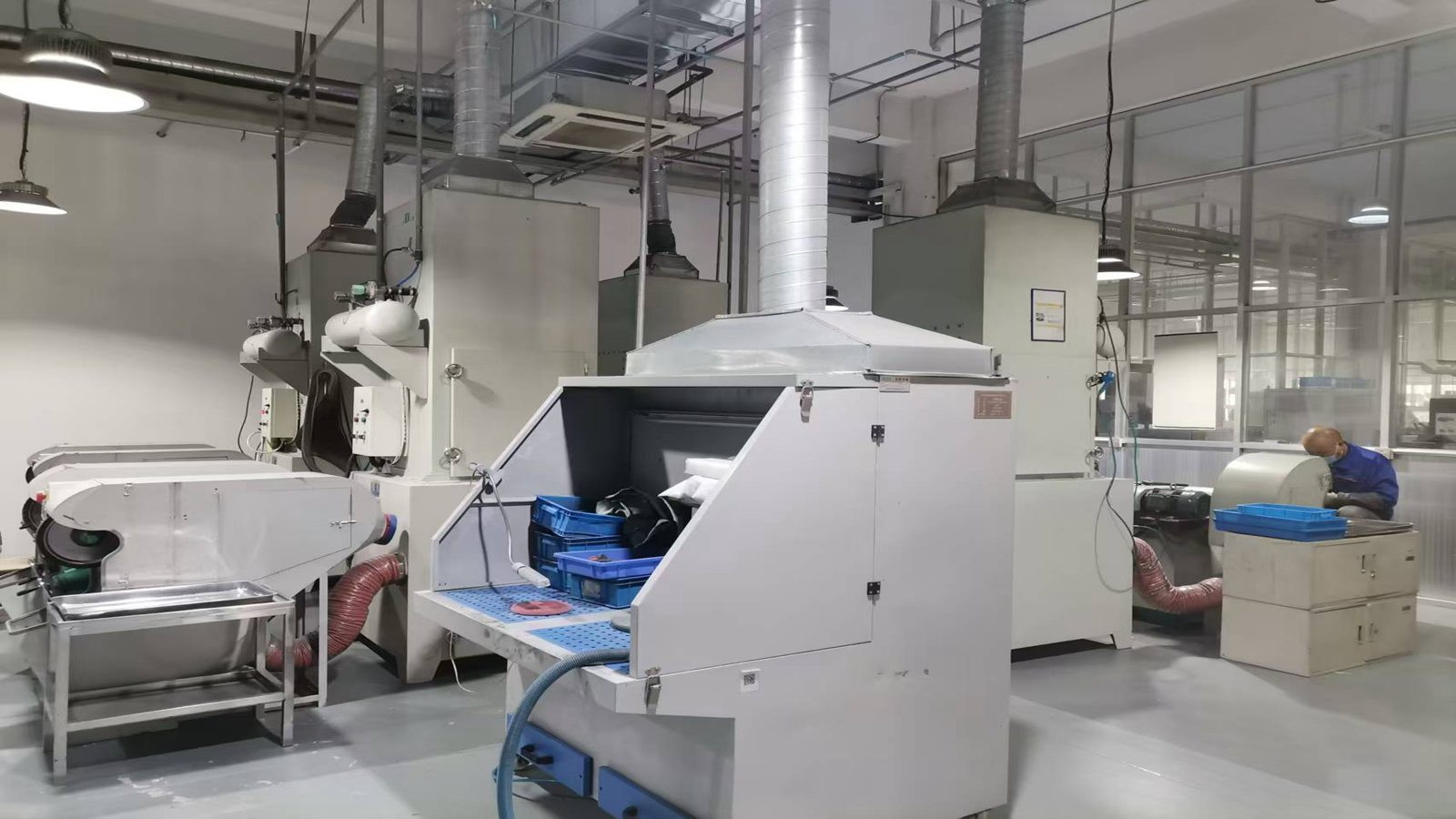
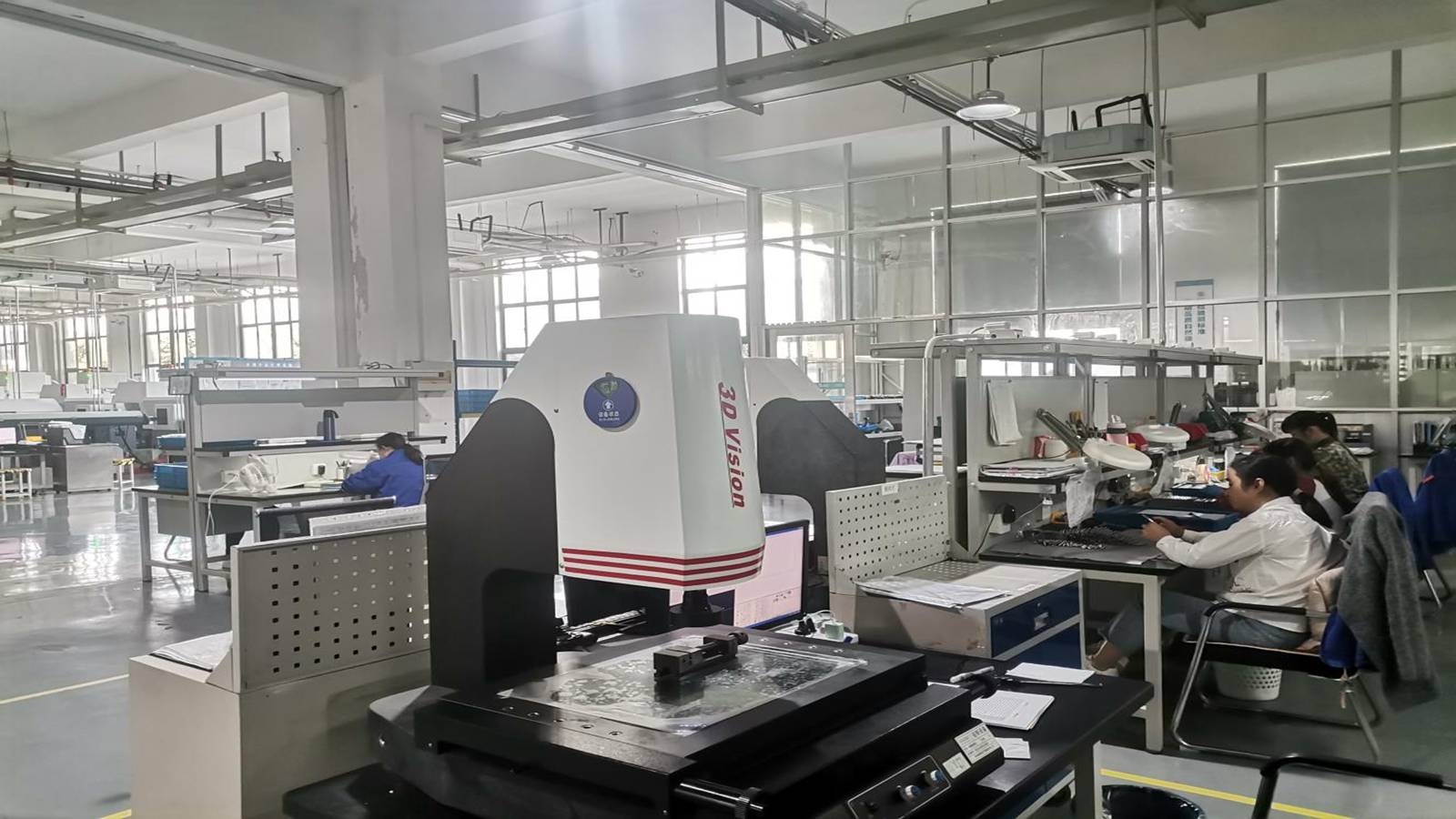
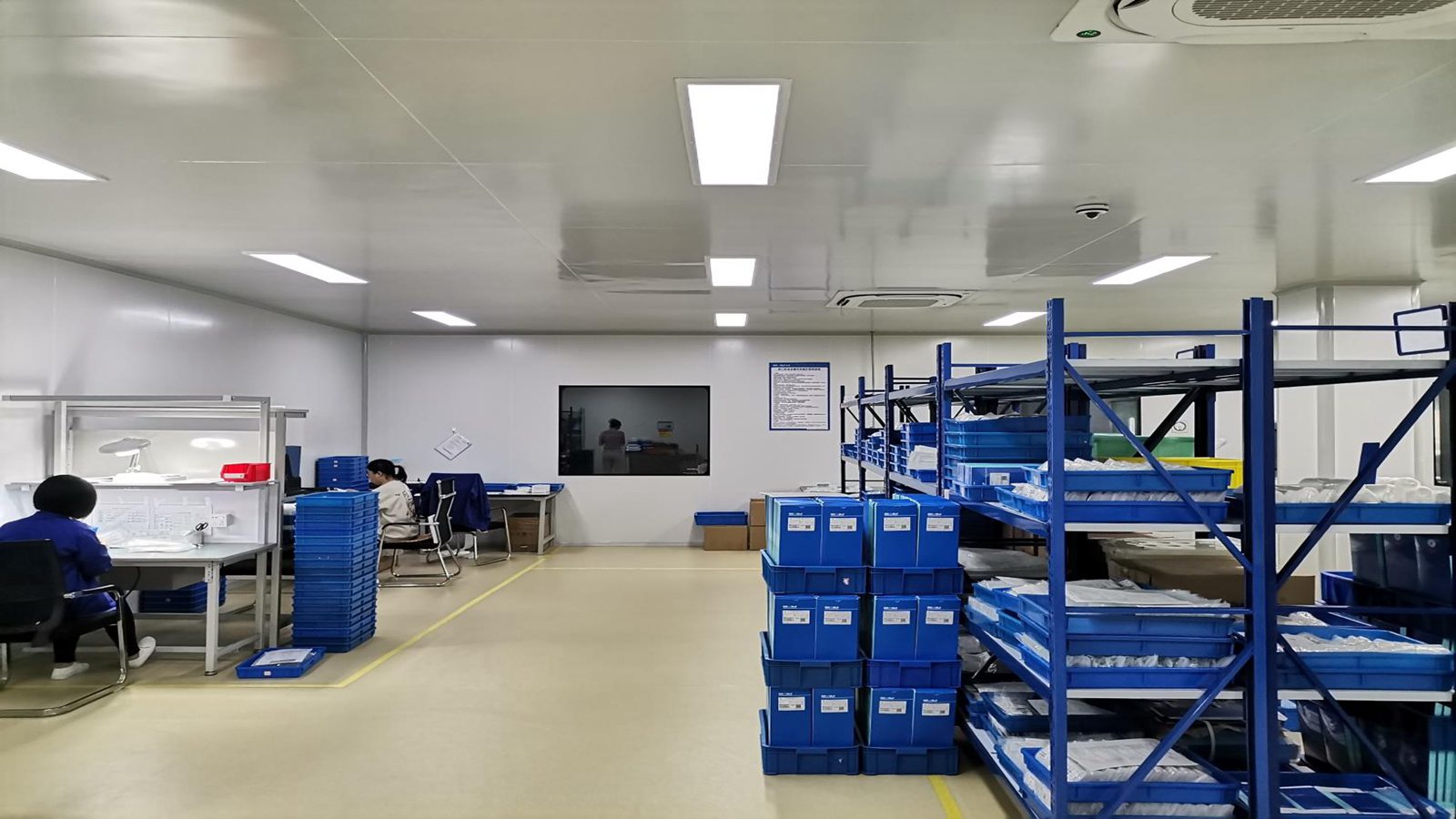
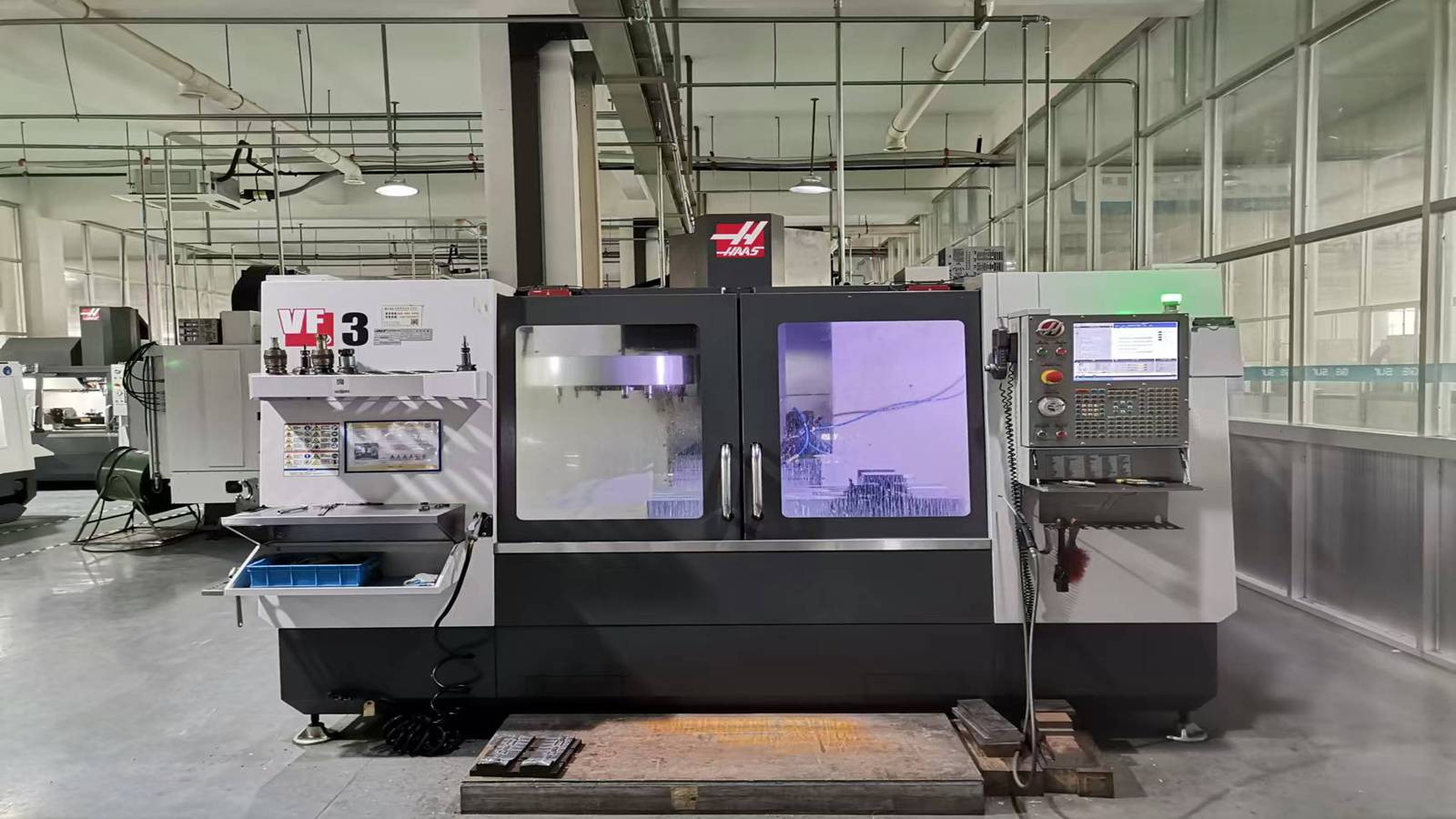
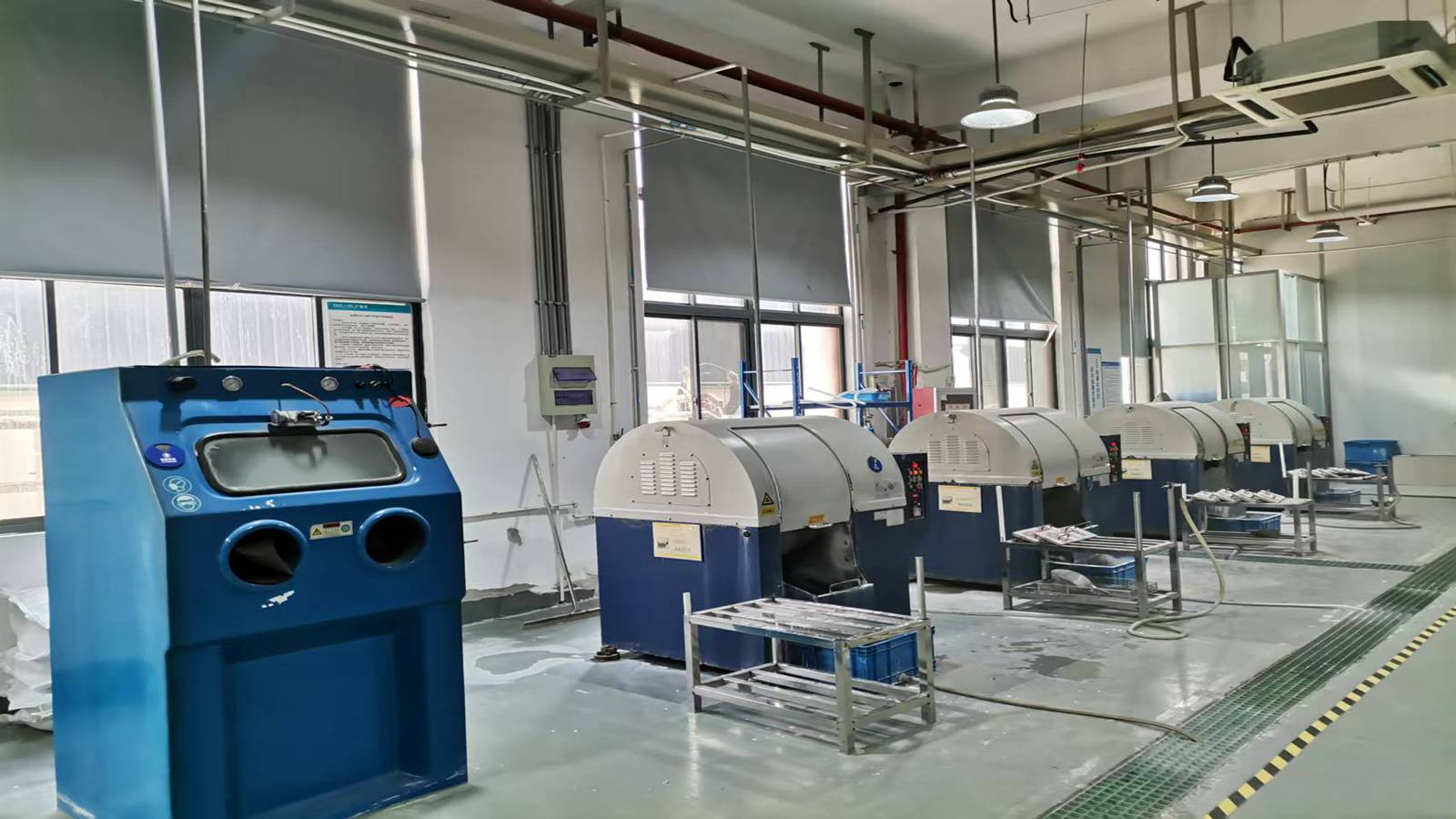
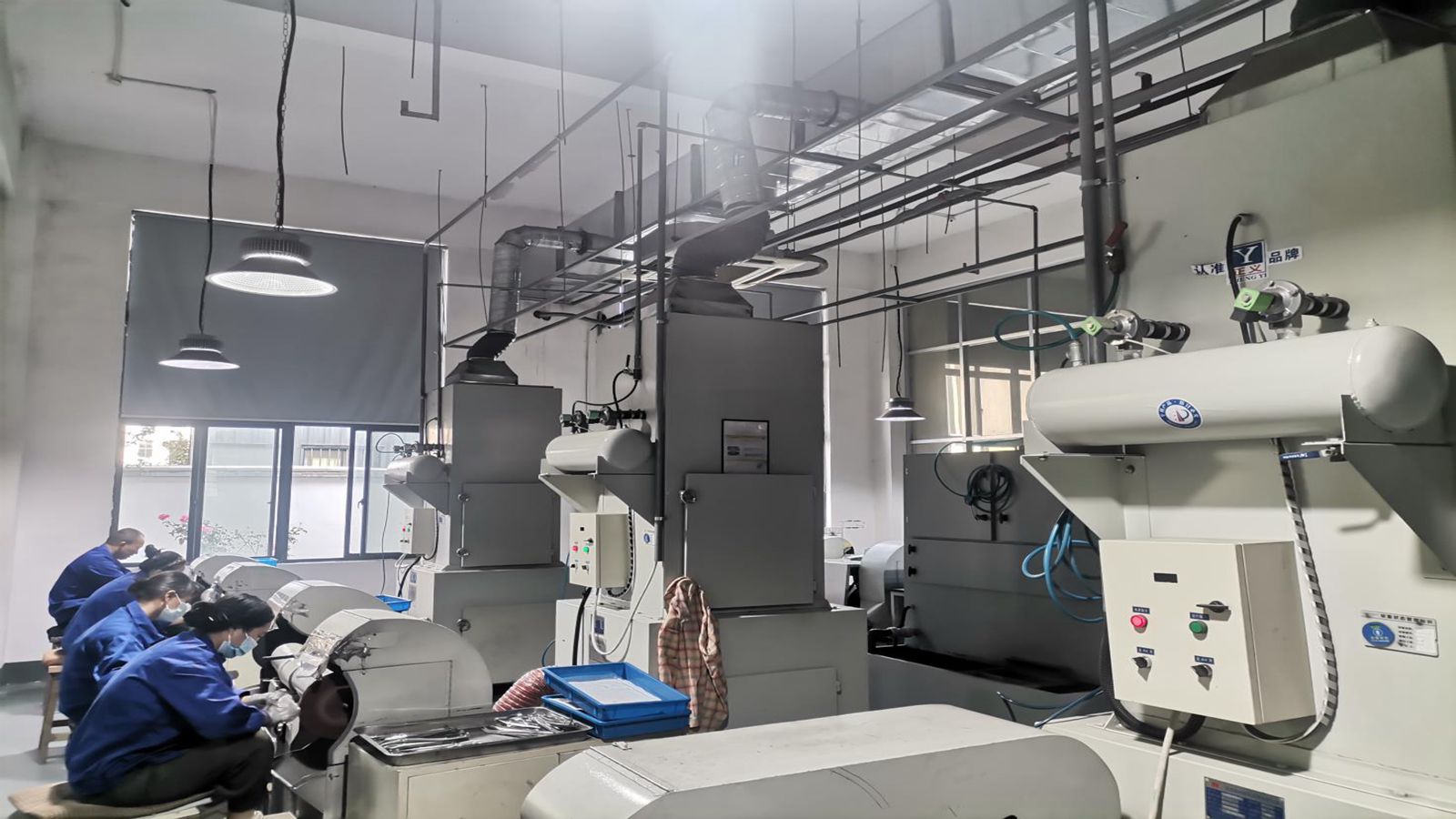
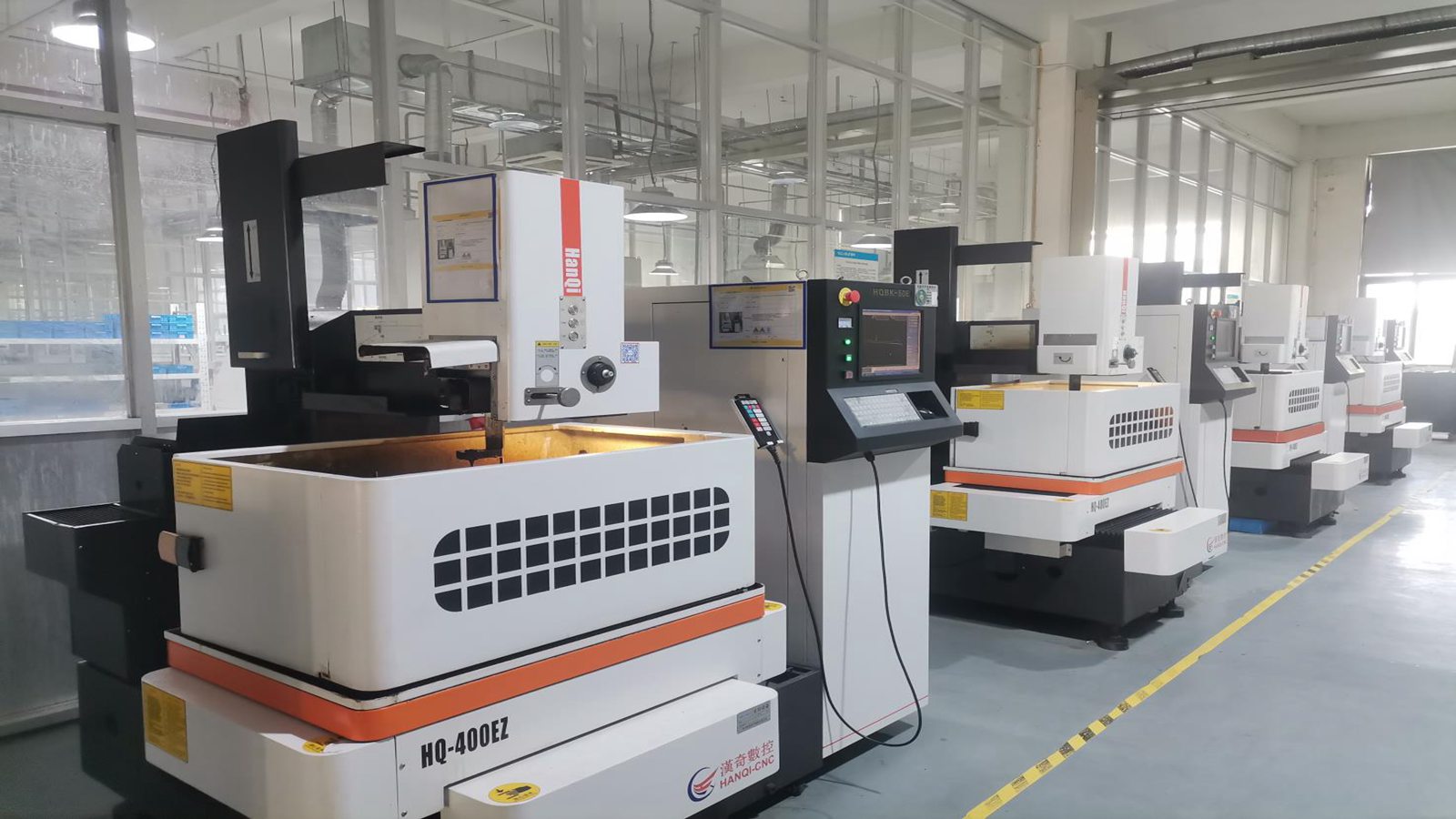
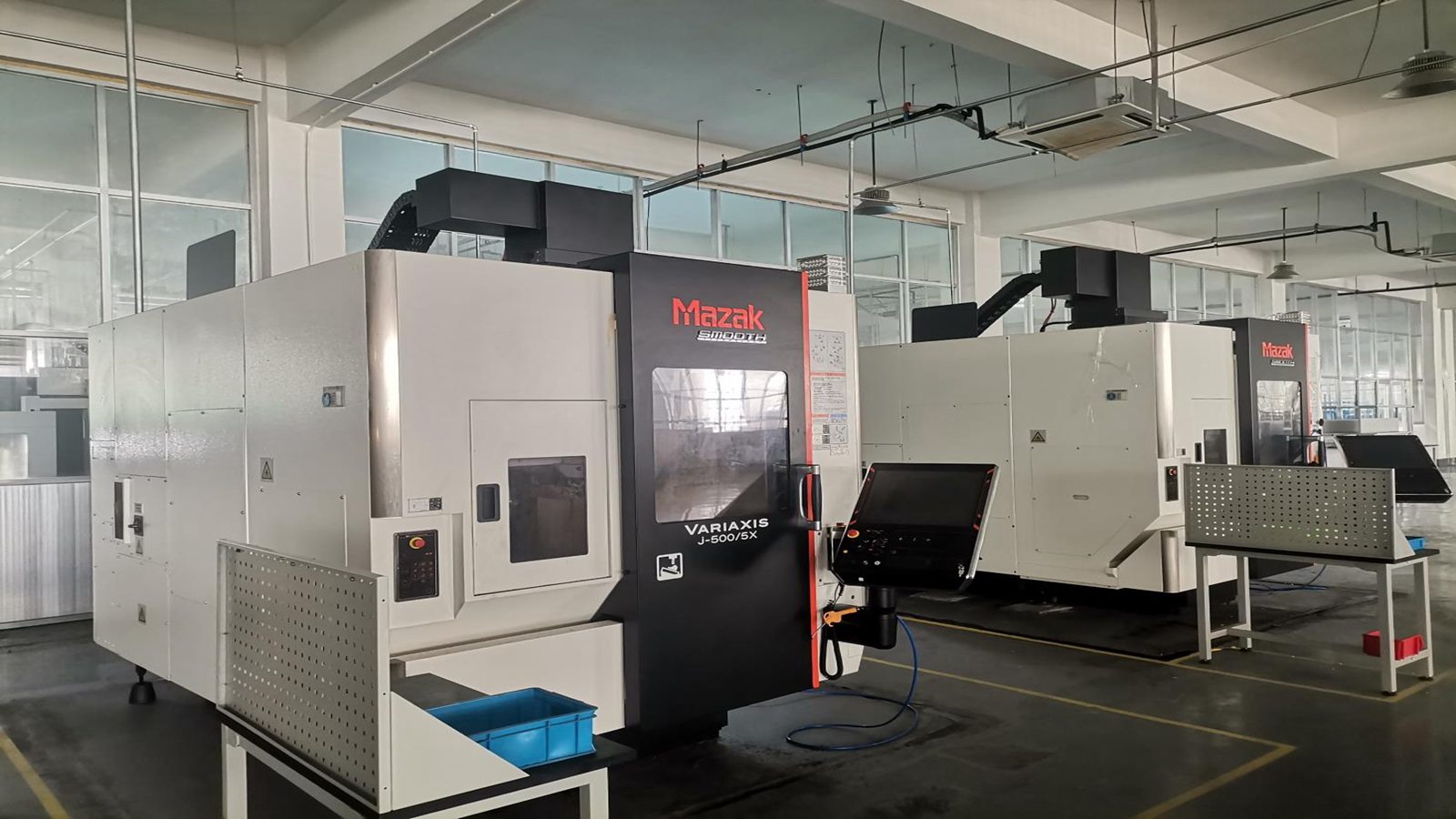
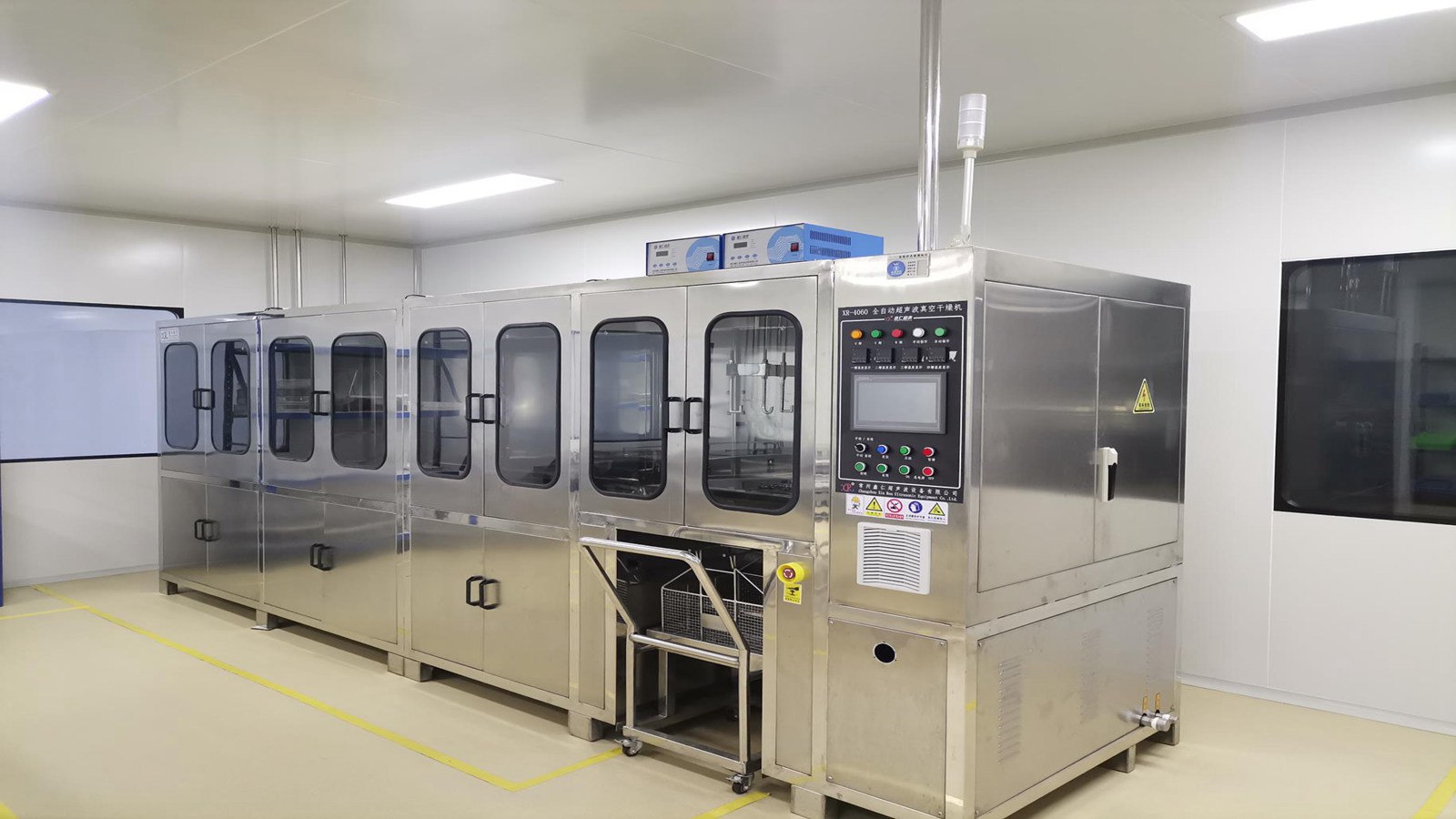
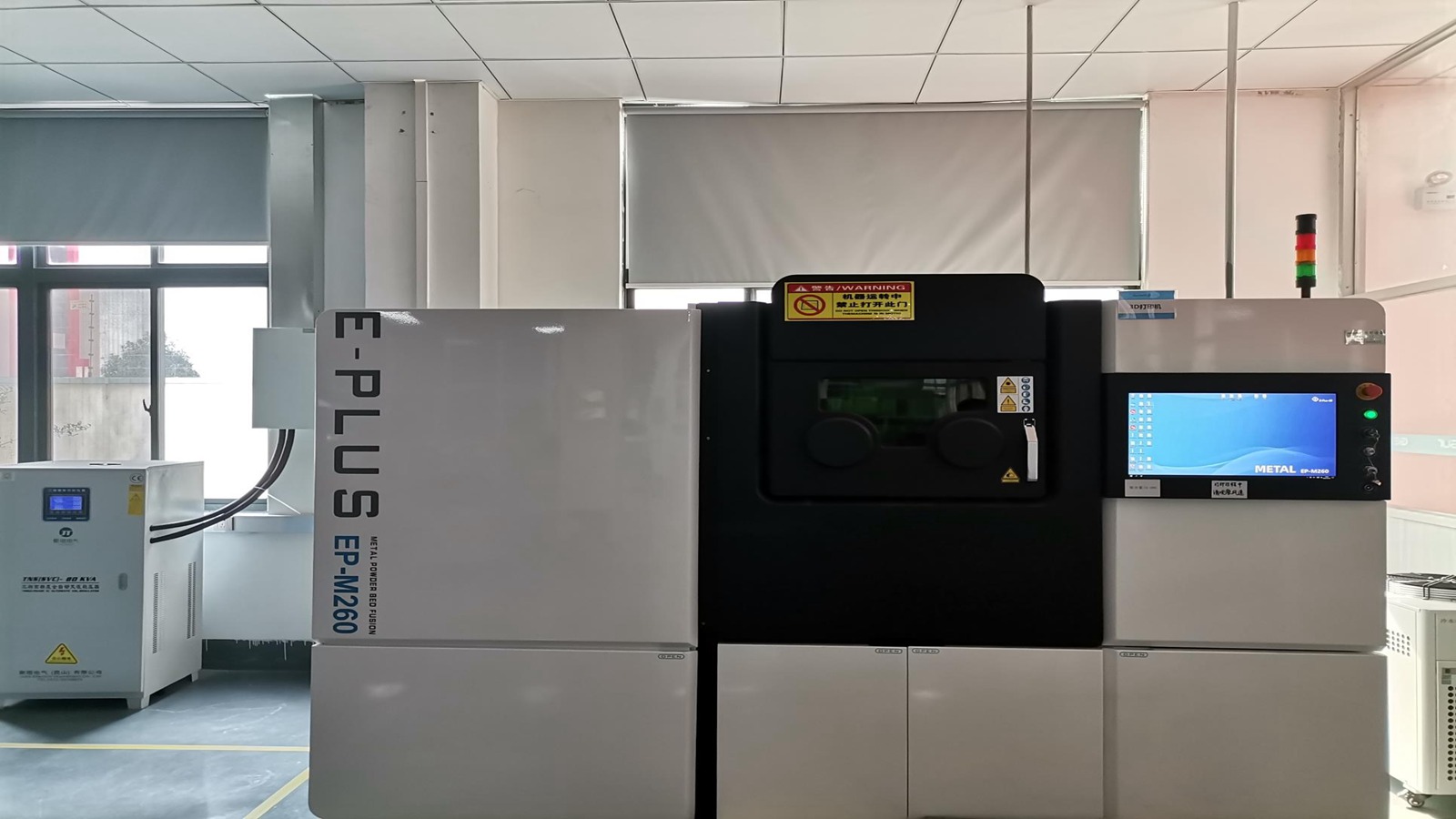
China has grown to become the epicentre of precision medical device manufacturing. Our state-of-the-art facility, established in 2015, covers 30,343 square meters of highly controlled manufacturing space. Operating 12 independent, dust-free production lines equipped with over 120 German and Swiss CNC machining centers, we combine micro-machining with clinical-grade reliability.
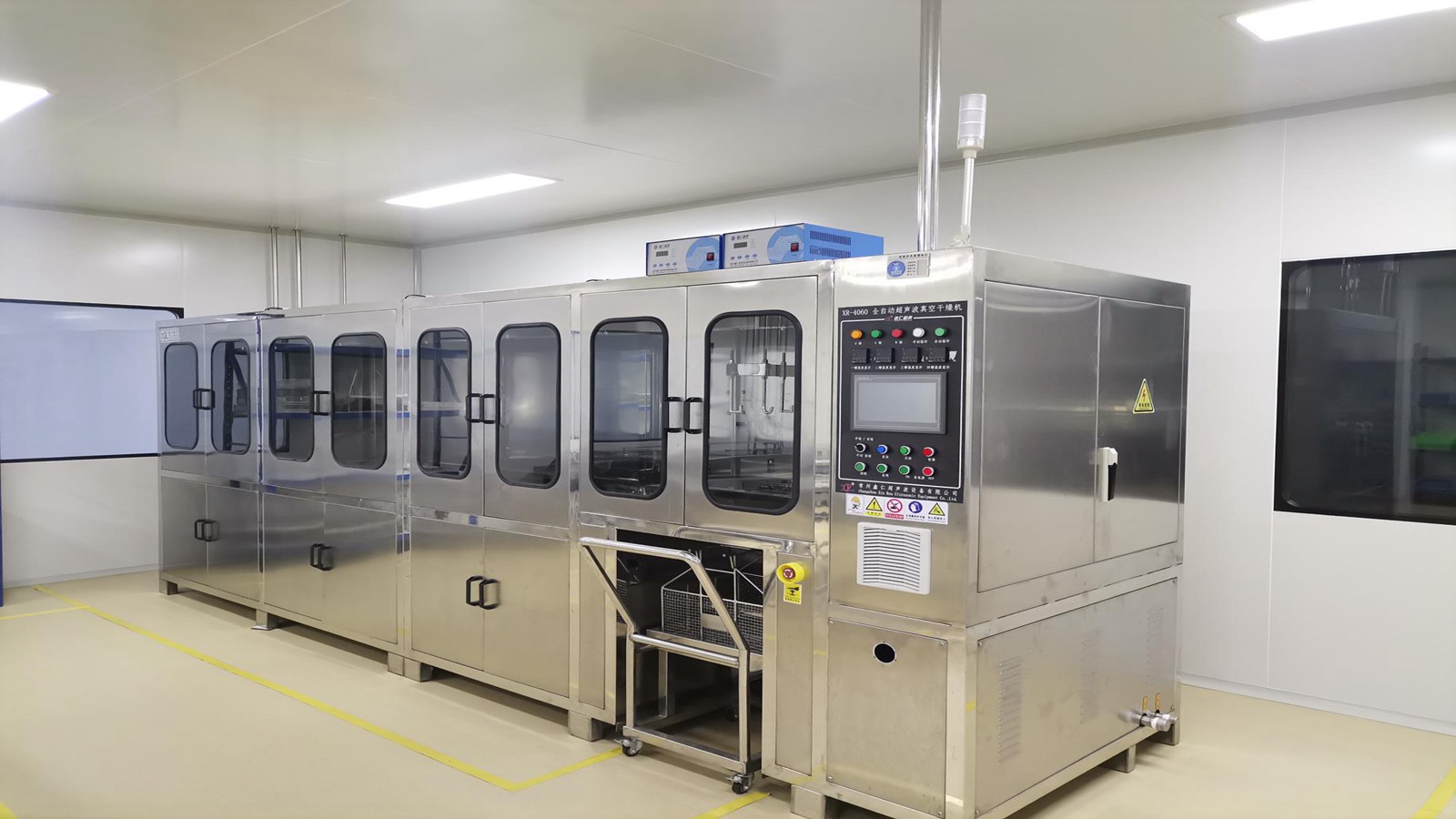
We work exclusively with certified medical grade titanium (ISO 5832-3 / ASTM F136). The production cycle employs advanced surface treatments including Type II anodization to enhance fatigue life, acid etching, and cleanroom packaging (Class 10,000/ISO Class 7 equivalent) to ensure contaminants are minimized prior to sterilization.
Our engineering division consists of 31 dedicated R&D engineers, bringing academic and practical expertise (with 1 Doctorate, 11 Post-graduates, and 17 Graduates). This strong technical core allows us to offer unmatched custom sample processing, graphic-assisted CAD/CAM layout design, and rapid prototyping services to international partners looking for bespoke OEM/ODM solutions.
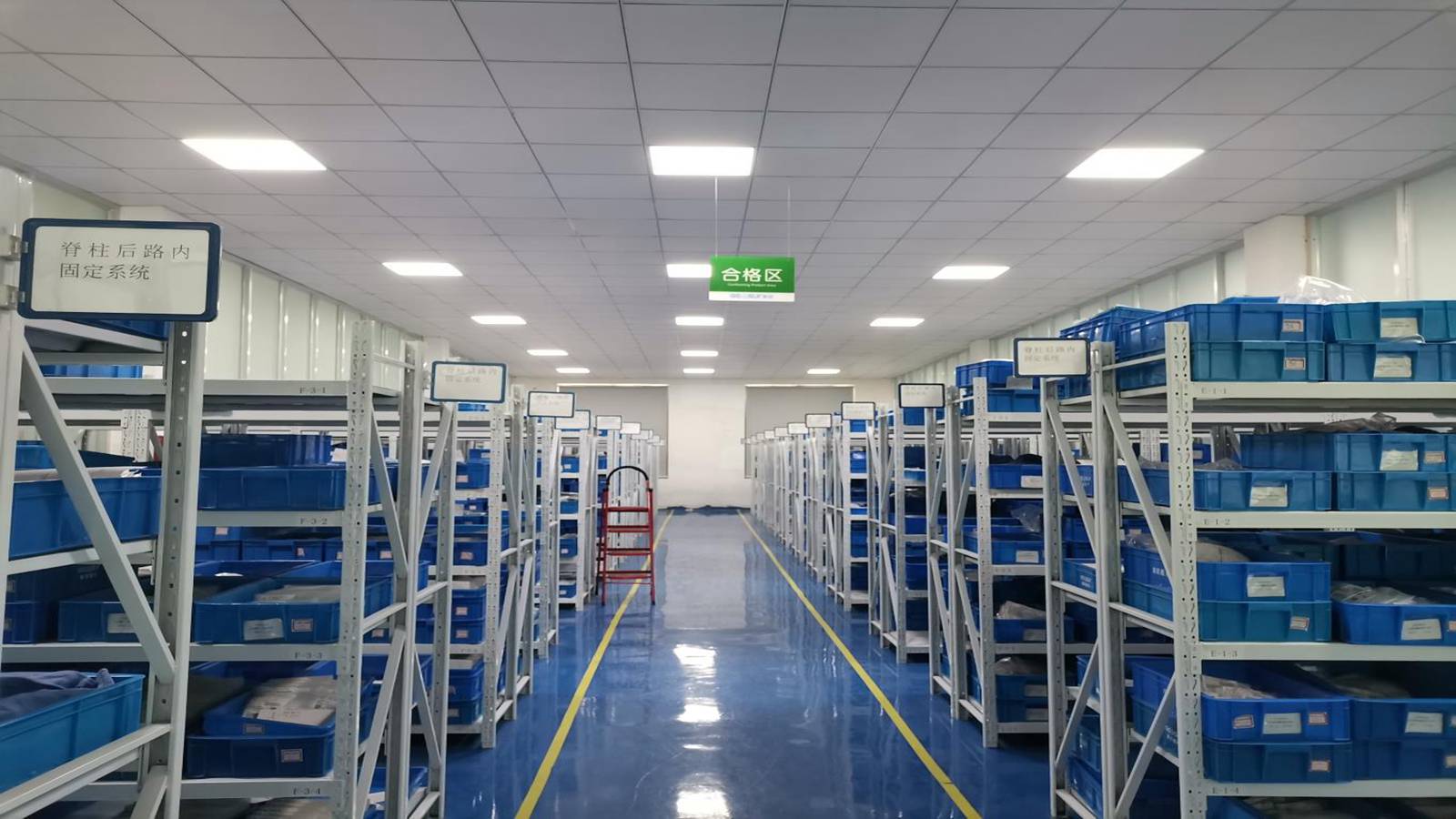
Every single implant produced is tracked from raw material ingot to hospital delivery.
Raw materials are accompanied by chemical and mechanical test certificates (mill sheets). Heat treatment numbers and batch numbers are laser-etched onto every plate and screw.
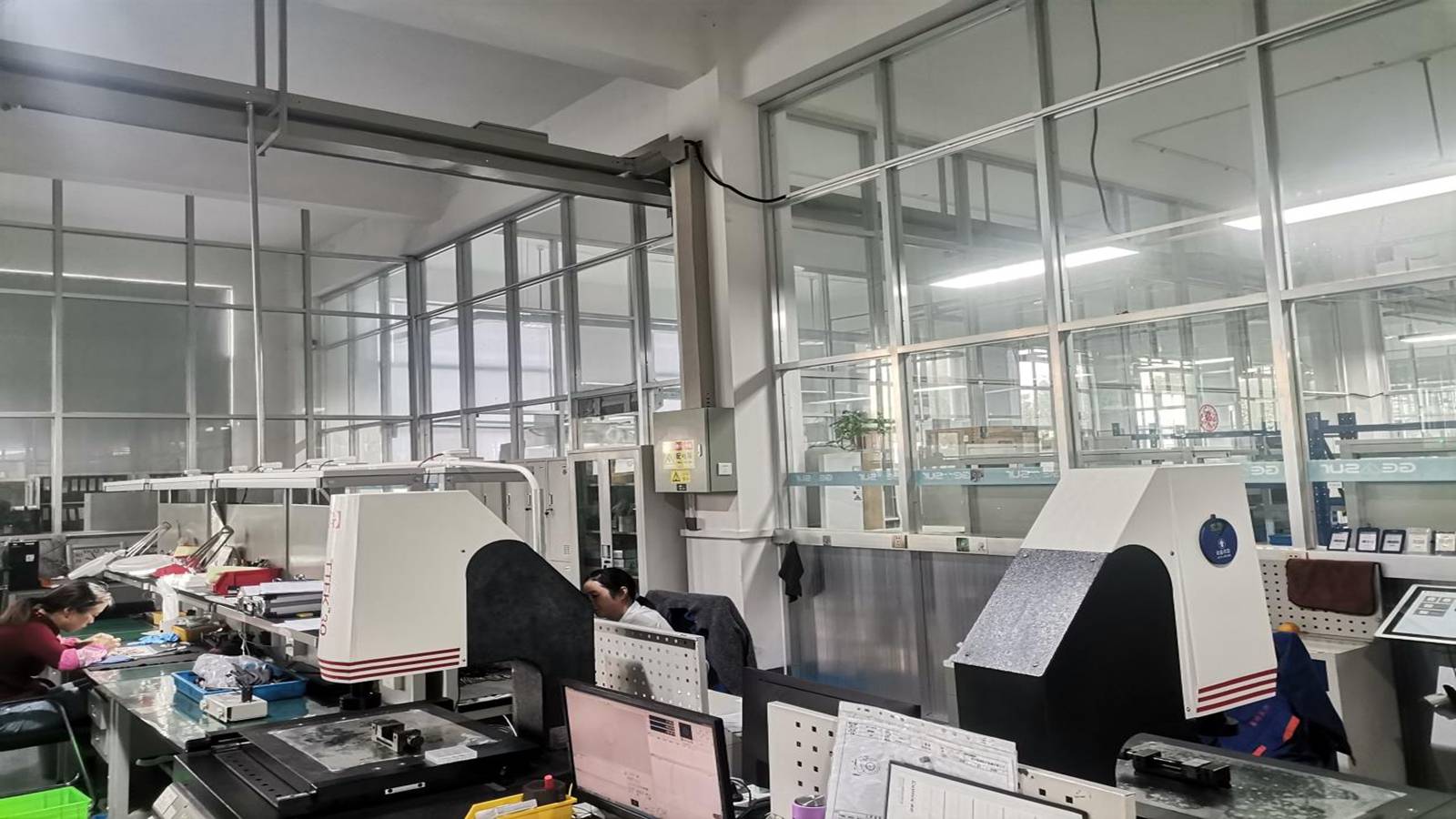
Our inspection team supervises in-process dimensions utilizing optical comparators, CMMs (Coordinate Measuring Machines), and automated digital vision sizing lines.
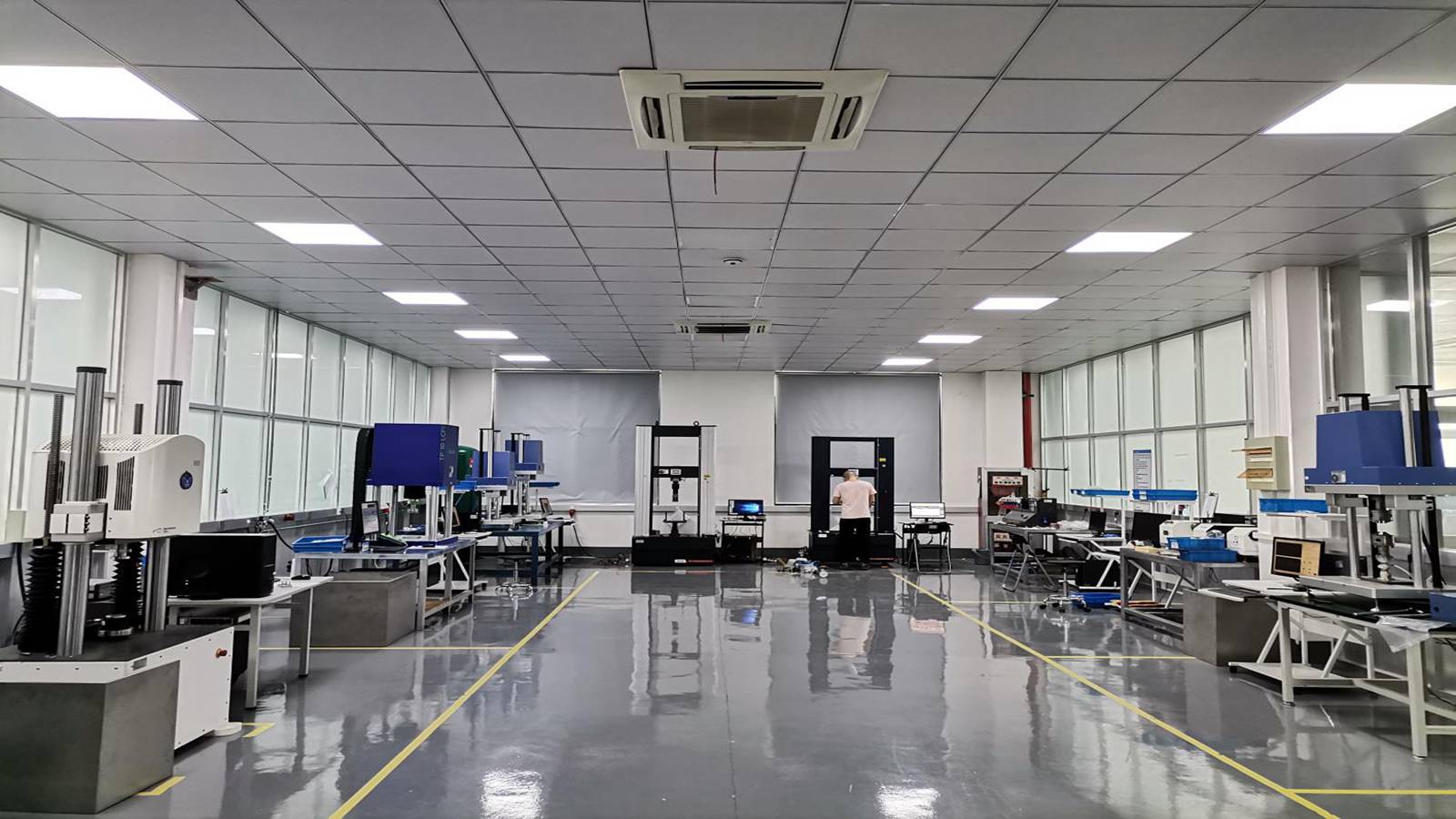
We subject samples to dynamic compression, shear, and fatigue tests mimicking human physical movement over 5 million cycles, ensuring lifelong performance.
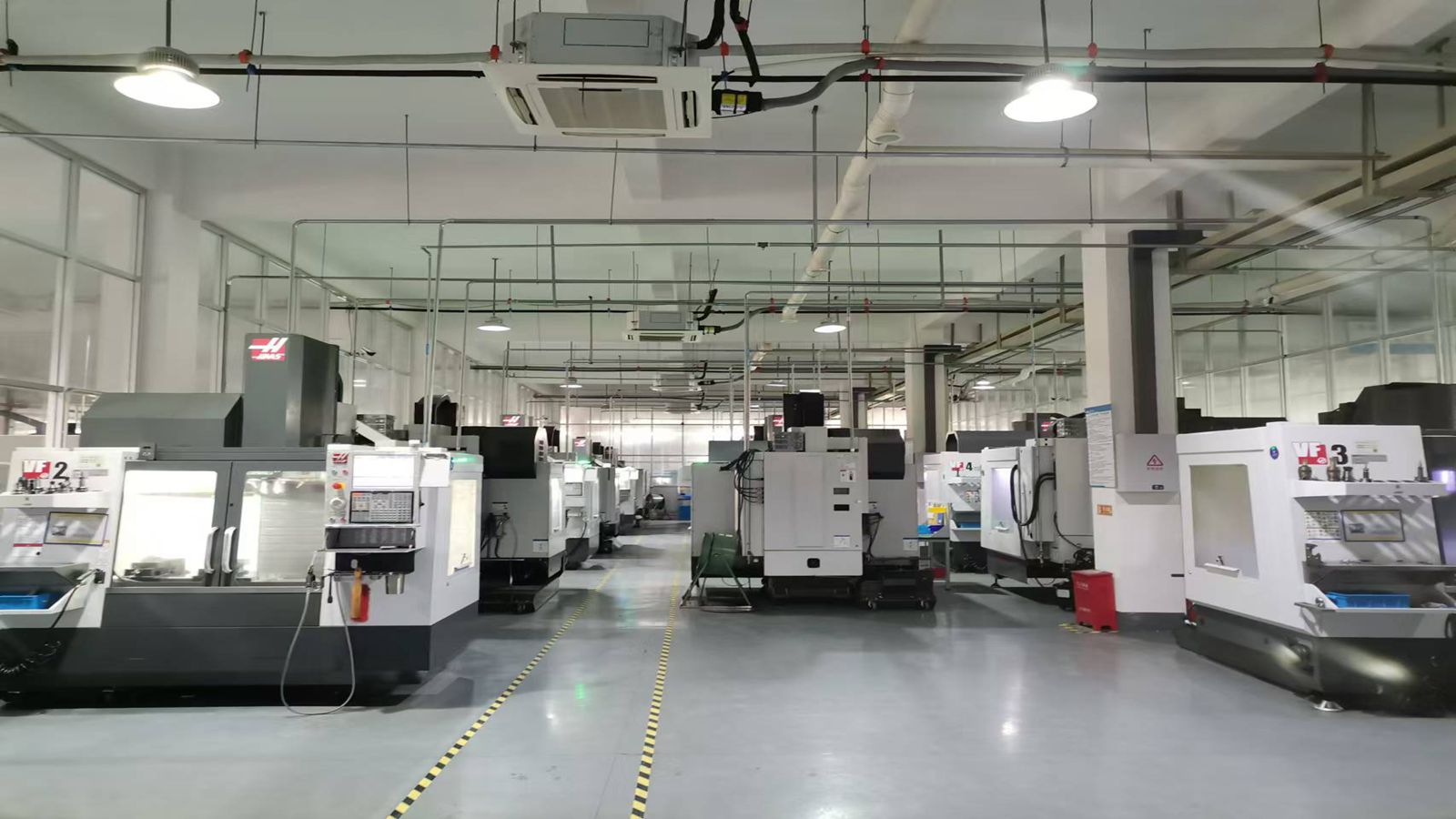
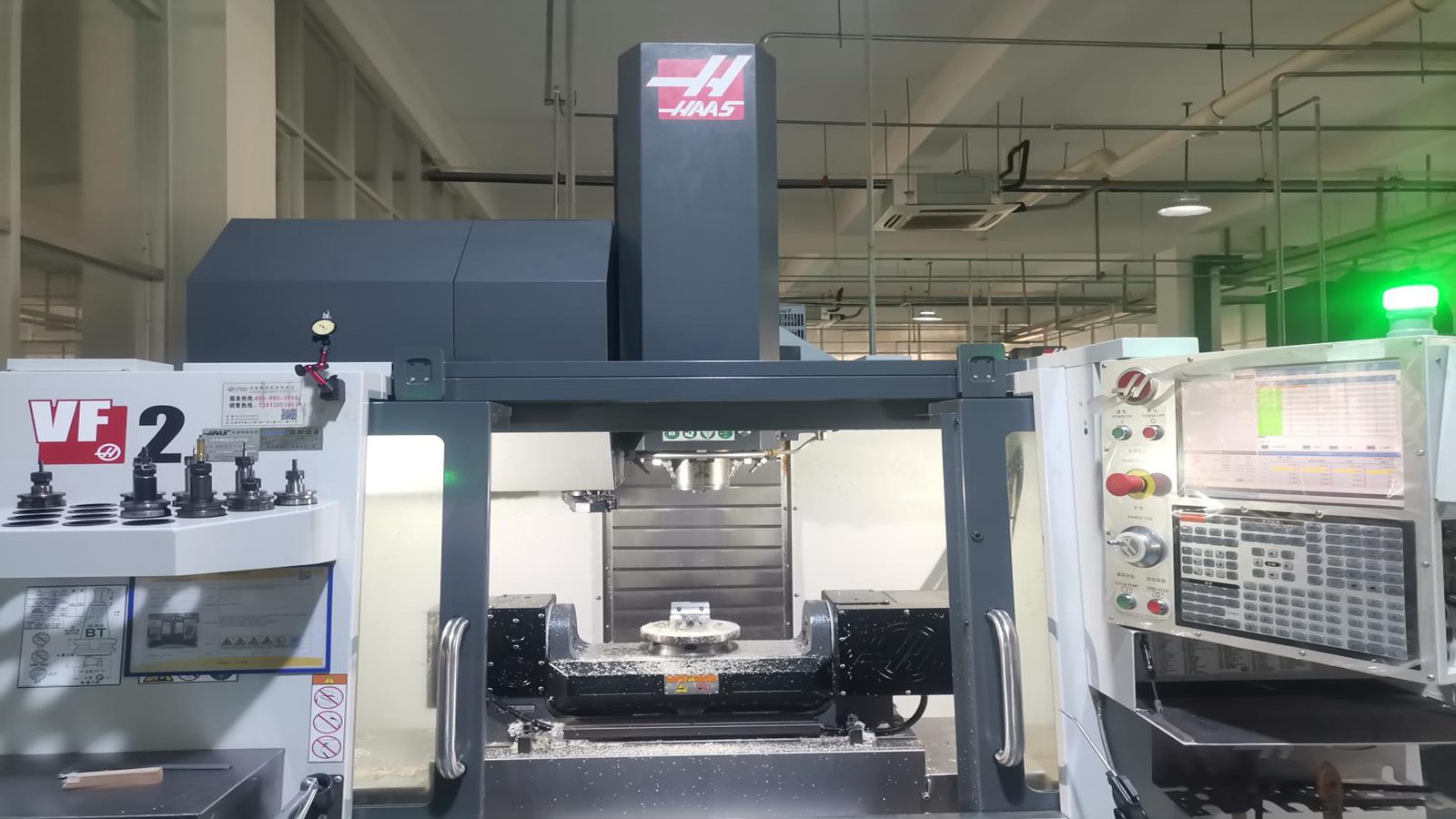
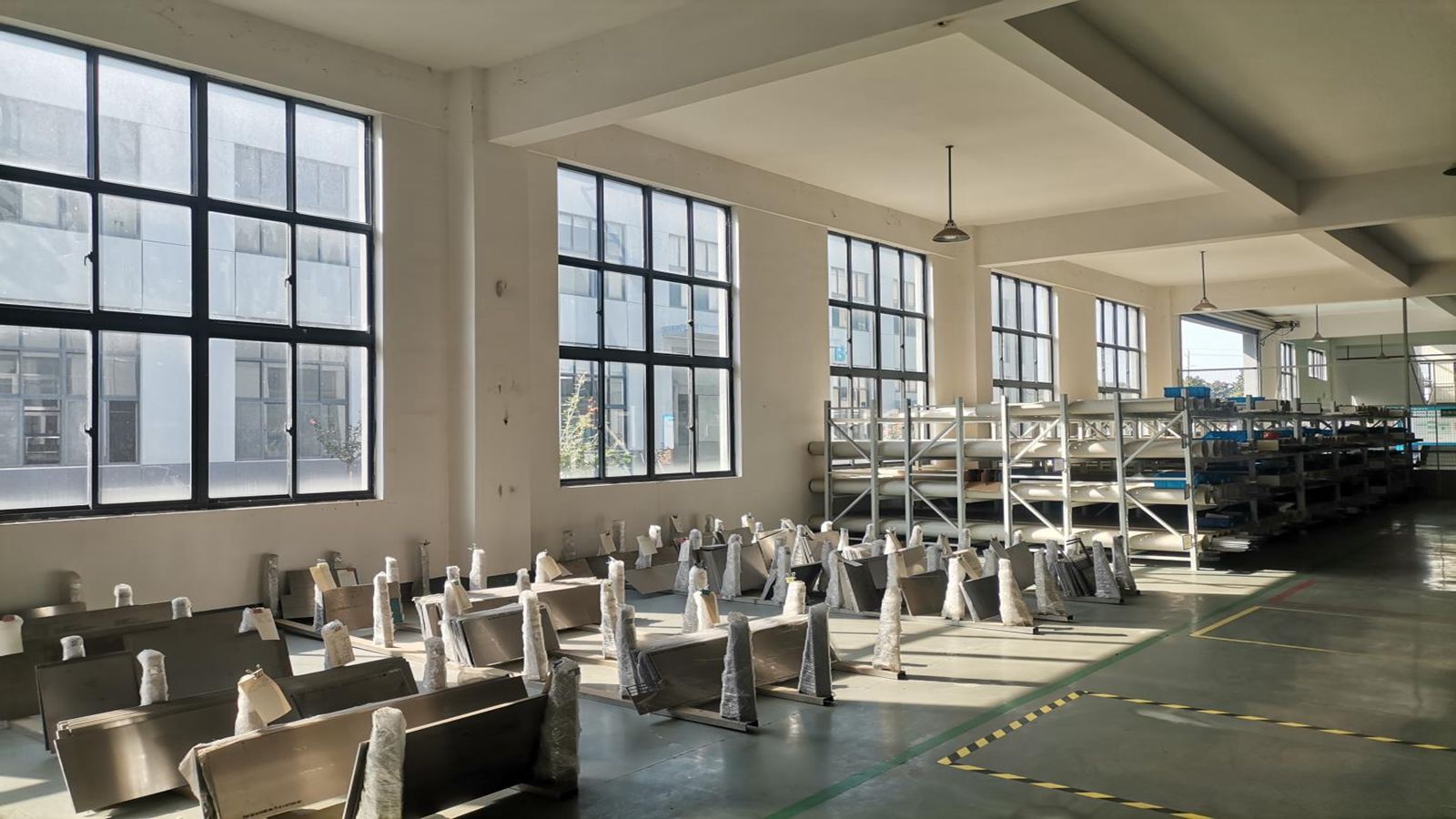
We design, manufacture, and test our products to meet and exceed global medical standards.





The spinal implant sector is undergoing a rapid transition toward patient-specific solutions, minimally invasive surgery (MIS), and smart bioactive surfaces. As global populations age, the incidence of degenerative spine disorders increases, driving demand for more durable, biocompatible fixation devices that can withstand long-term physiological stress.
Key technological advancements include:
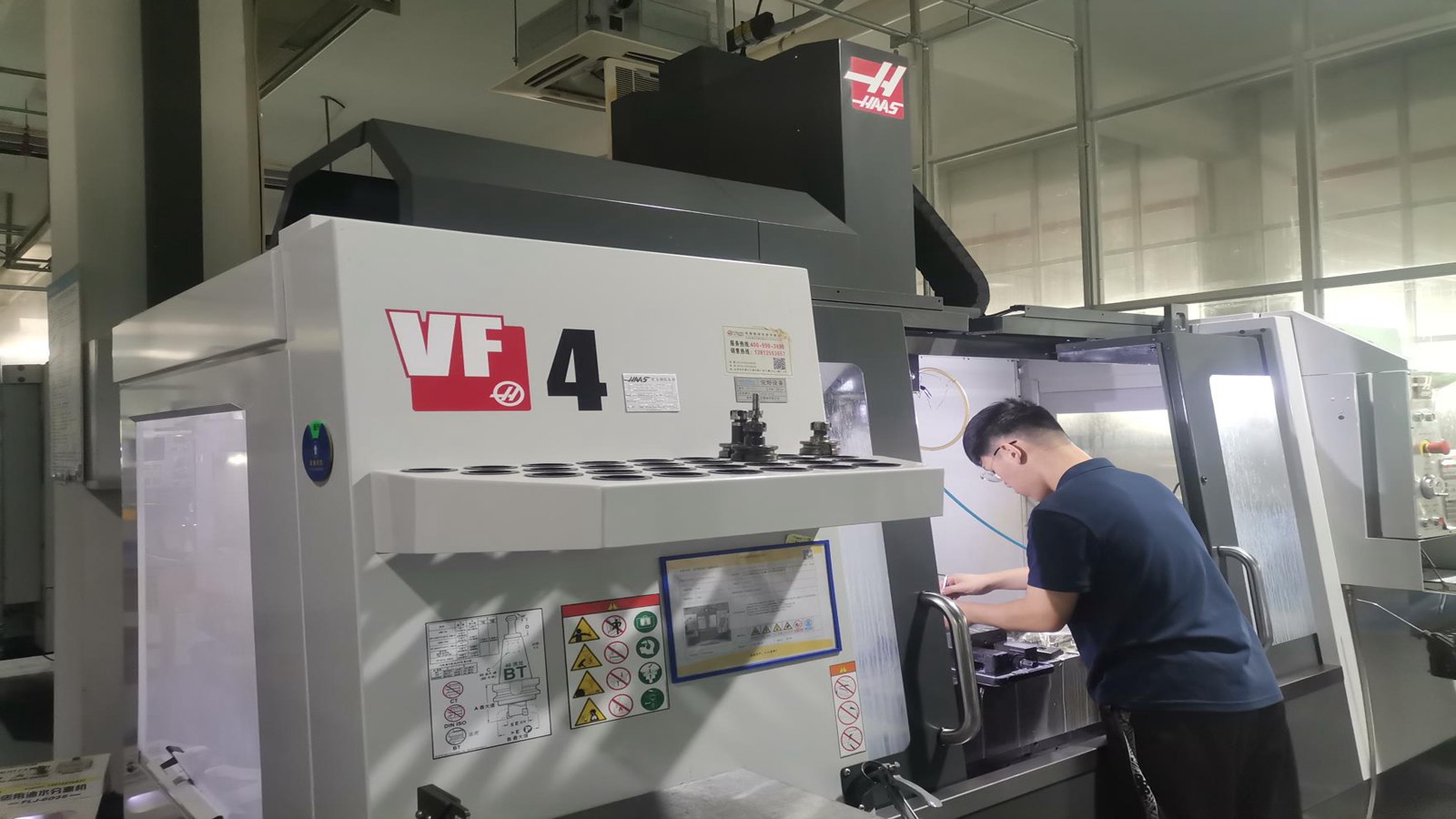
Serving brands, distributors, and surgical centers in over 30 countries with rapid lead times and flexible manufacturing.
We translate custom CAD geometries, sample pieces, and clinical requirements into finished, packaged implants. Perfect for private label distributors looking for customized laminar fixations.
Exporting internationally for over 10 years, we are well-versed in air and sea freight logistics, sterile packaging preservation, and customs clearing documentation.
We assist our global B2B clients by providing complete technical documentation, raw material source reports, cleanroom validations, and biological safety testing dossiers.
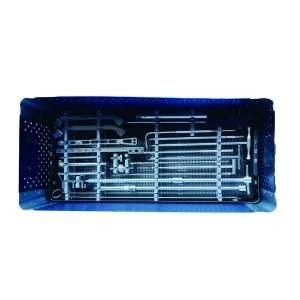
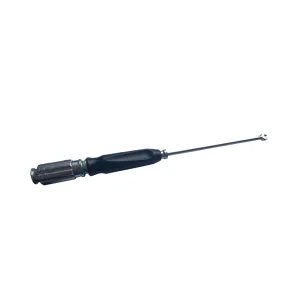
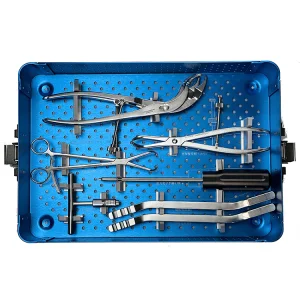
A spinal implant is only as good as the instrumentation system used to deploy it. Surgeons demand tools that reduce surgical time, improve tactile feedback, and ensure consistent screw trajectory. To address this, we produce complete surgical instrument sets, including precise TLIF cage holders, plate benders, drill guides, screw drivers, and trials.
Our complete Laminar Fixation System includes:
By delivering the implants alongside a fully optimized instrument set, we support hospitals in standardizing their operating procedures, minimizing surgeon fatigue, and improving patient outcomes.
Clear answers to technical, mechanical, and regulatory questions commonly asked by orthopedic distributors and procurement managers.
Broaden your orthopedic catalog with our premium trauma fixation, lower limb plates, and precision instrument holders.