Ease Medical Apparatus And Instruments
Ease Medical Apparatus And Instruments
Ease Medical Apparatus And Instruments
Explore our premium clinical systems manufactured at our state-of-the-art orthopedics factory
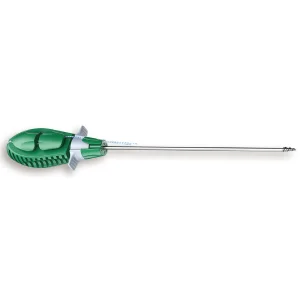
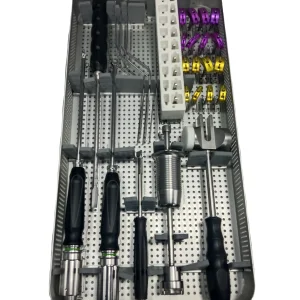
A Comprehensive Analysis of Material Selection, Quality Systems, and Biomechanical Innovations
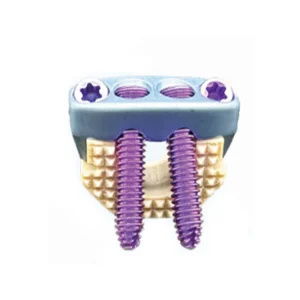
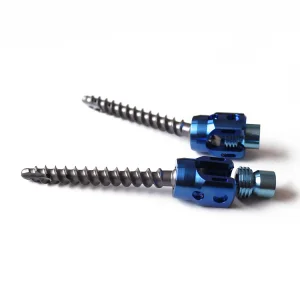
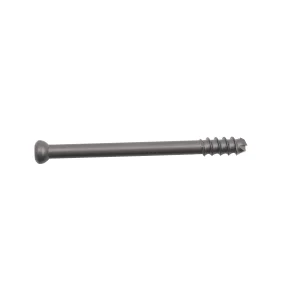
Cannulated screws represent a paradigm shift in orthopedic fixation systems. Characterized by a hollow central shaft (cannulation channel), these specialized implants allow orthopedic surgeons to place them with utmost precision over a pre-positioned guide wire. This design dramatically minimizes tissue disruption, reduces intraoperative fluoroscopy exposure, and significantly increases implant alignment accuracy. As medical device procurement demands shift toward strict compliance and robust supply chain resilience, understanding the capabilities of a dedicated cannulated screw factory is essential for surgical distributors, hospital purchasing directors, and original equipment manufacturers (OEMs).
Historically, fracture fixation required extensive open reduction and internal fixation (ORIF). Today, the integration of high-performance cannulated screws enables percutaneous fixation of fractures in delicate zones like the femoral neck, calcaneus, patella, and ankle syndesmosis. This whitepaper analyzes the manufacturing dynamics, material science, quality oversight, and clinical design considerations defining state-of-the-art orthopedic implants.
The choice of raw materials forms the bedrock of implant safety and clinical performance. Premium cannulated screw factories utilize Grade 5 Titanium (Ti-6Al-4V ELI) according to ASTM F136 standards and high-tensile 316LVM Medical Stainless Steel (ASTM F138). Titanium alloys remain the industry favorite due to their superior biocompatibility, lower elastic modulus closer to cortical bone, and exceptional corrosion resistance.
Innovations in surface topography have ushered in the era of advanced osseointegration. Hydroxyapatite (HA) double coatings are widely used on the thread and shaft interfaces of proximal femoral implants. This dual-coating structure ensures immediate primary stability via precise thread geometry, combined with long-term biological secondary stability as bone grows directly into the HA-coated surface. Factories are also implementing advanced anodization (Type II and Type III) to increase fatigue strength and color-code screw diameters, facilitating rapid, error-free sorting in the sterile surgical field.
| Screw Parameter | Common Range (mm) | Target Indications | Material Preference | Design Characteristics |
|---|---|---|---|---|
| Micro Cannulated Screw | 2.4mm - 3.0mm | Phalangeal, Metatarsal & Scaphoid Fractures | Ti-6Al-4V ELI | Self-tapping, headless configuration |
| Medium Cannulated Compression | 4.0mm - 4.5mm | Malleolar, Talus & Tibial Plateau Fractures | Ti-6Al-4V / 316LVM | Partial thread, high pitch compression |
| Large Cannulated Screw | 6.5mm - 7.3mm | Femoral Neck & Iliosacral Fixations | ASTM F136 Titanium | Reverse-cutting flutes, deep threads |
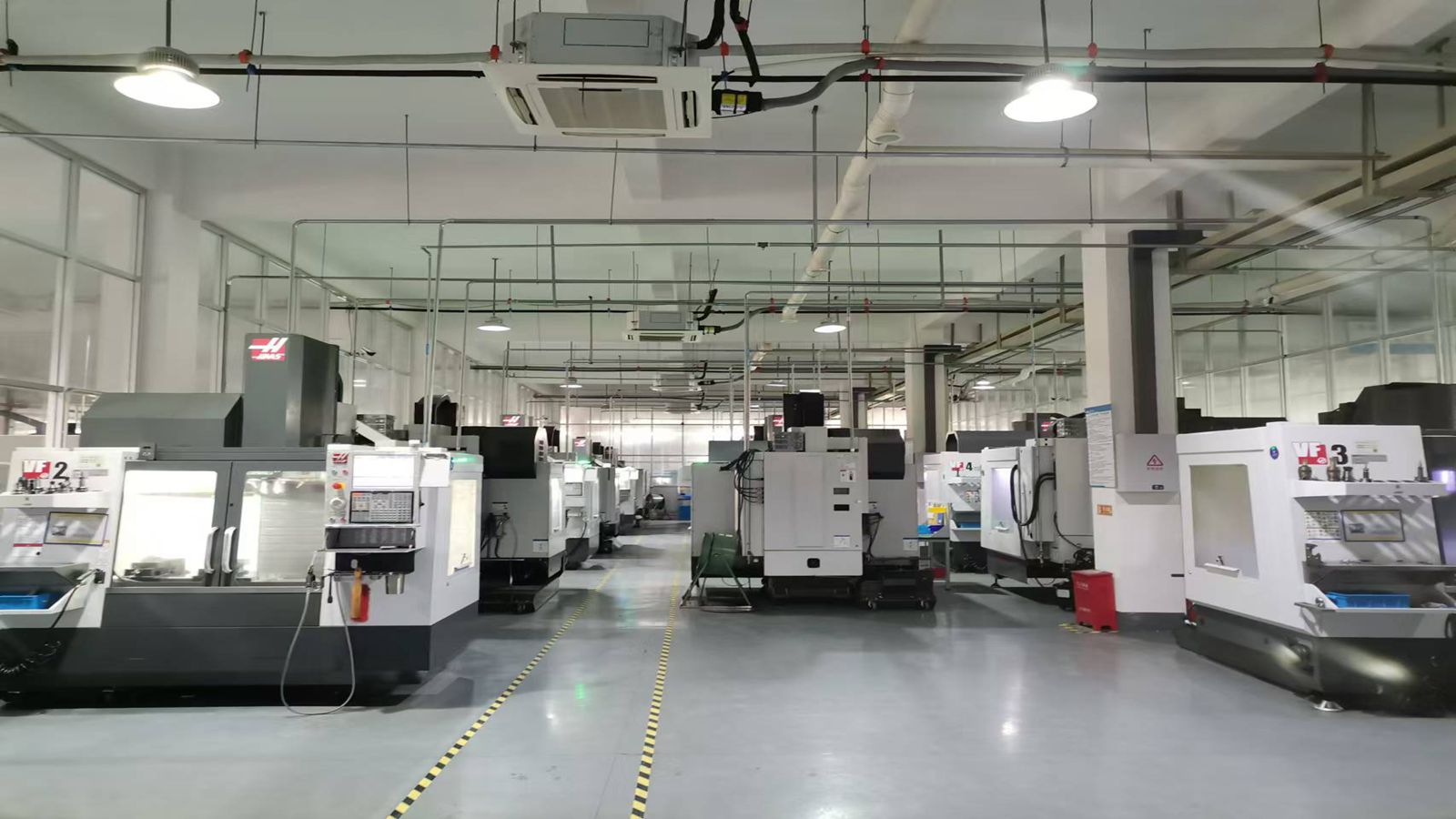
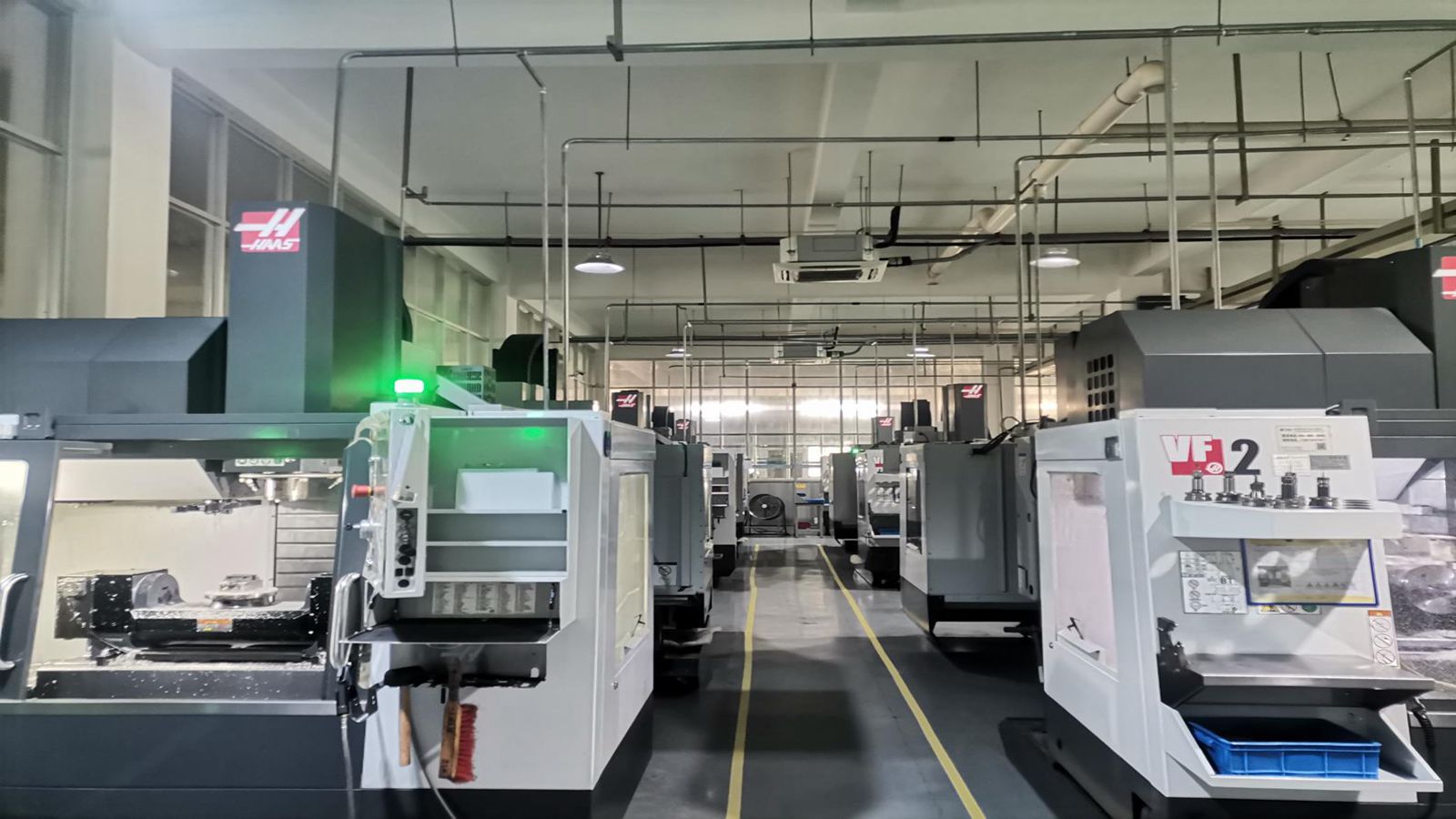
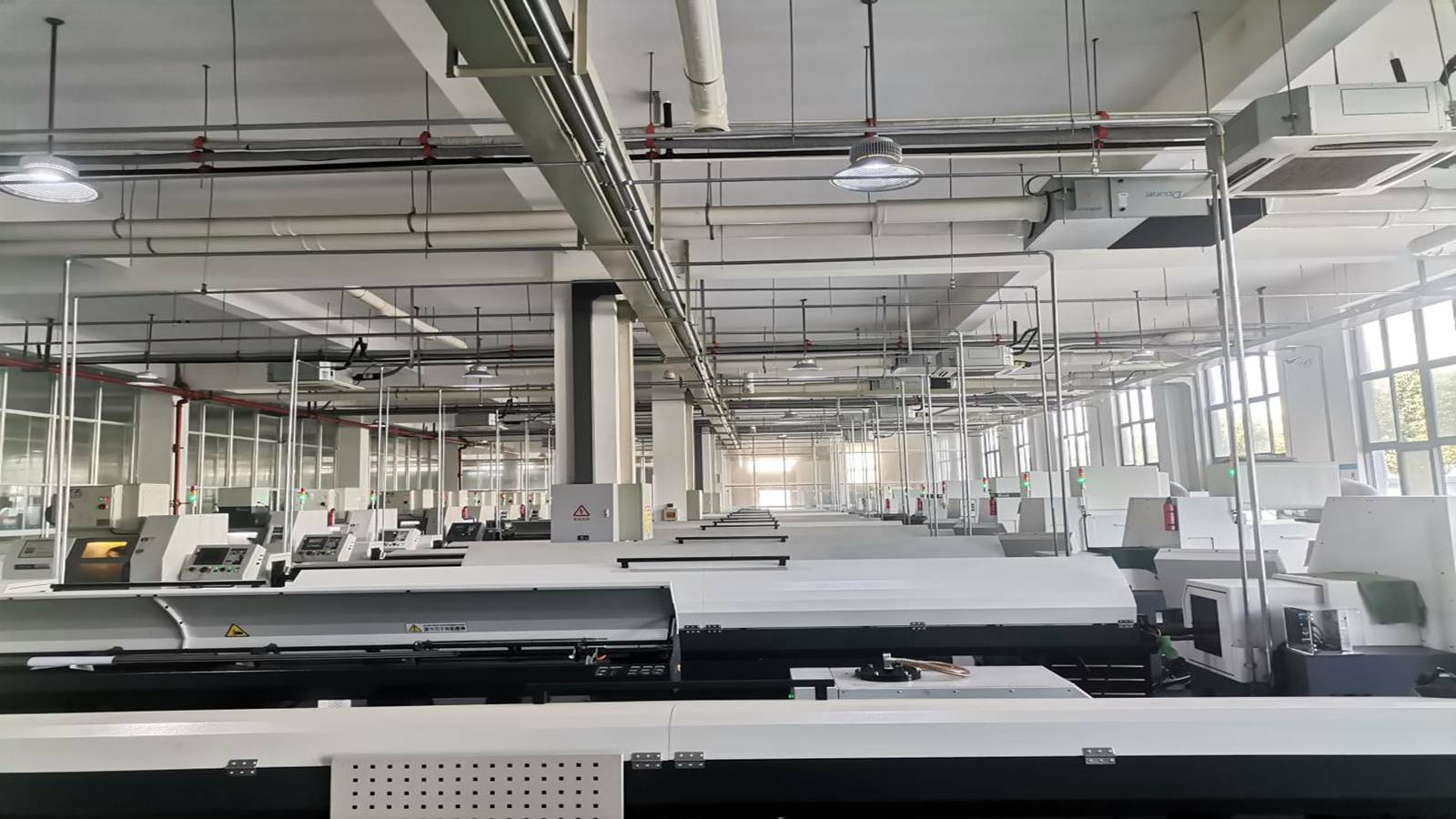
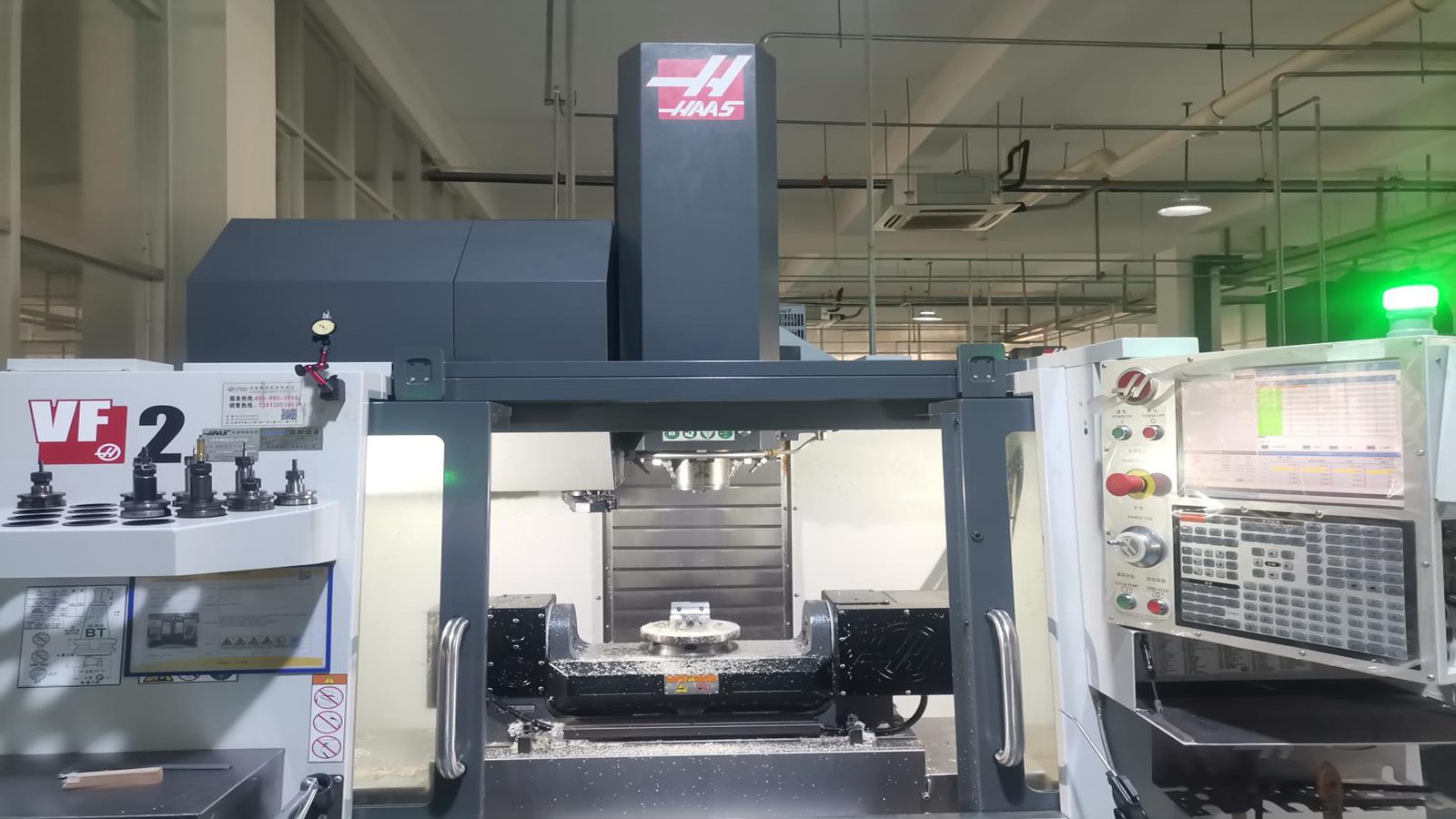
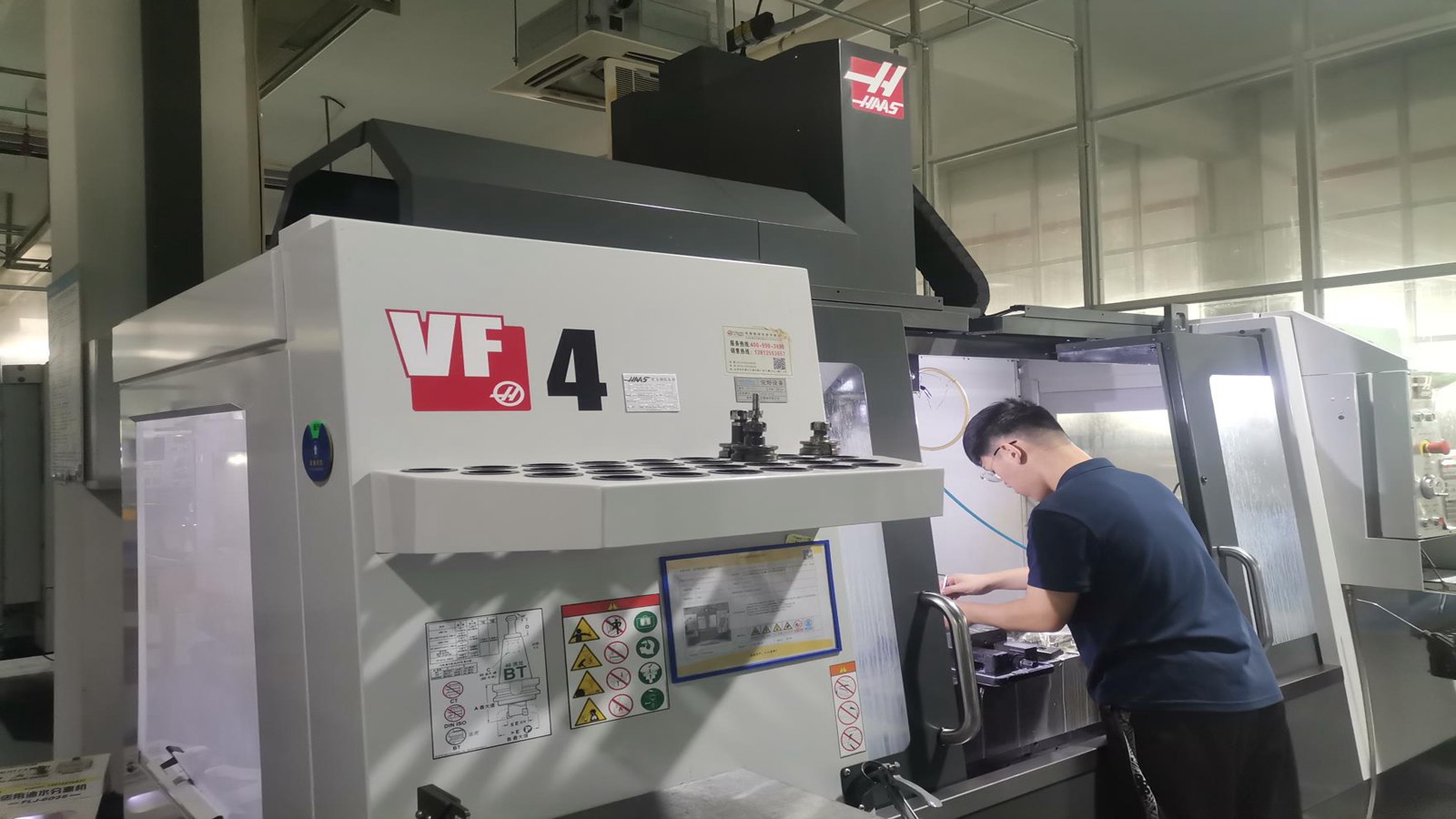
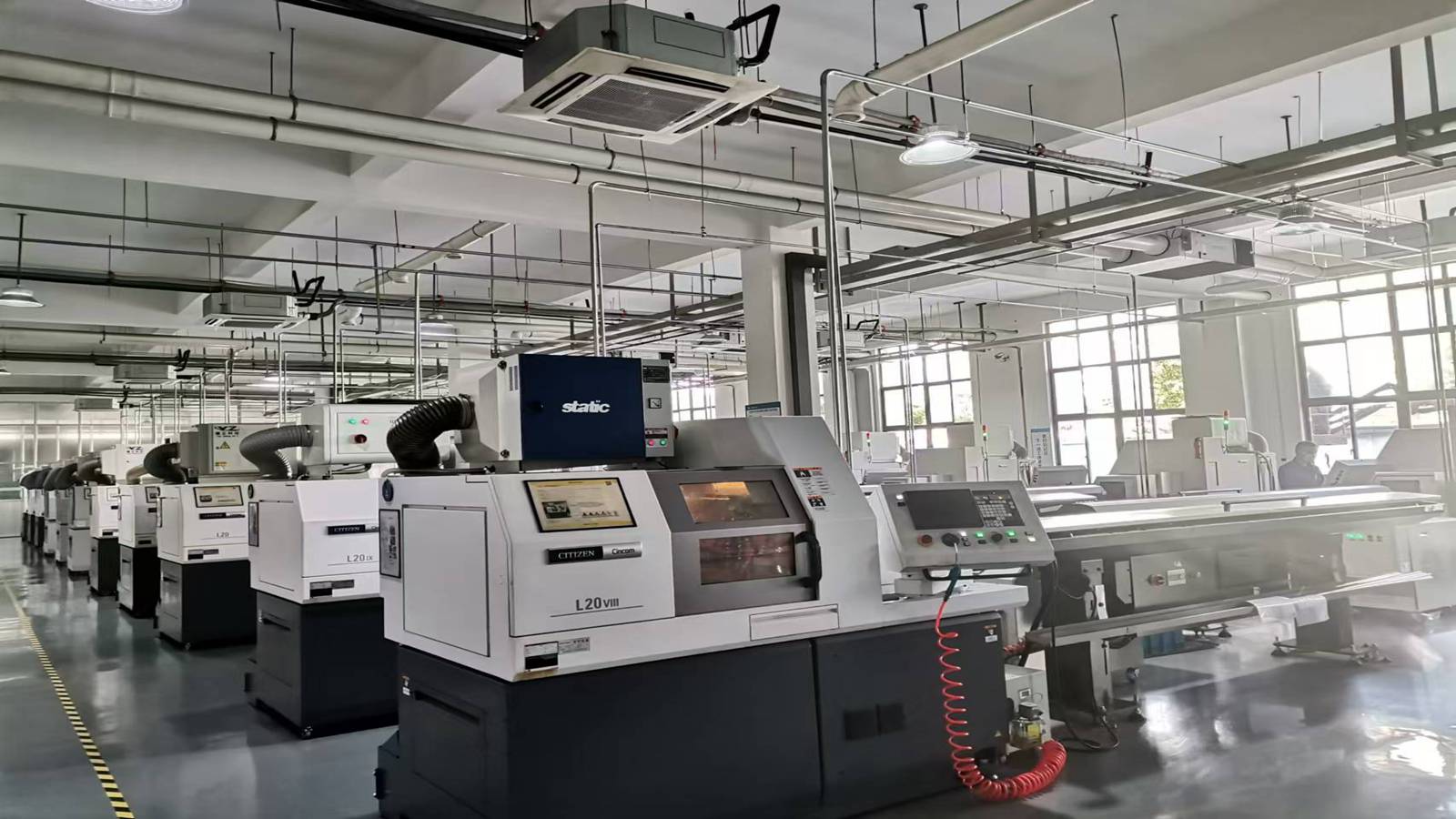
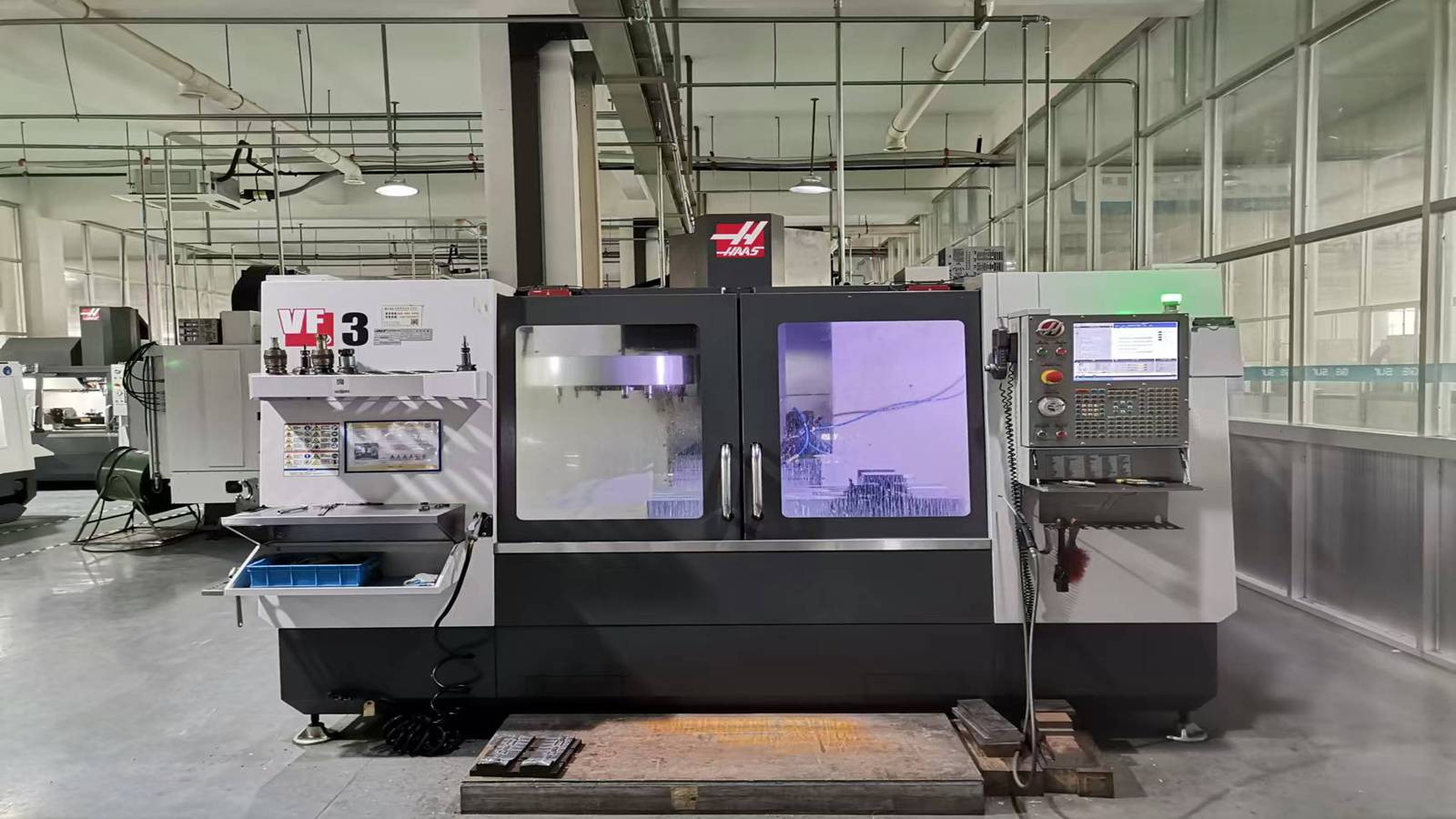
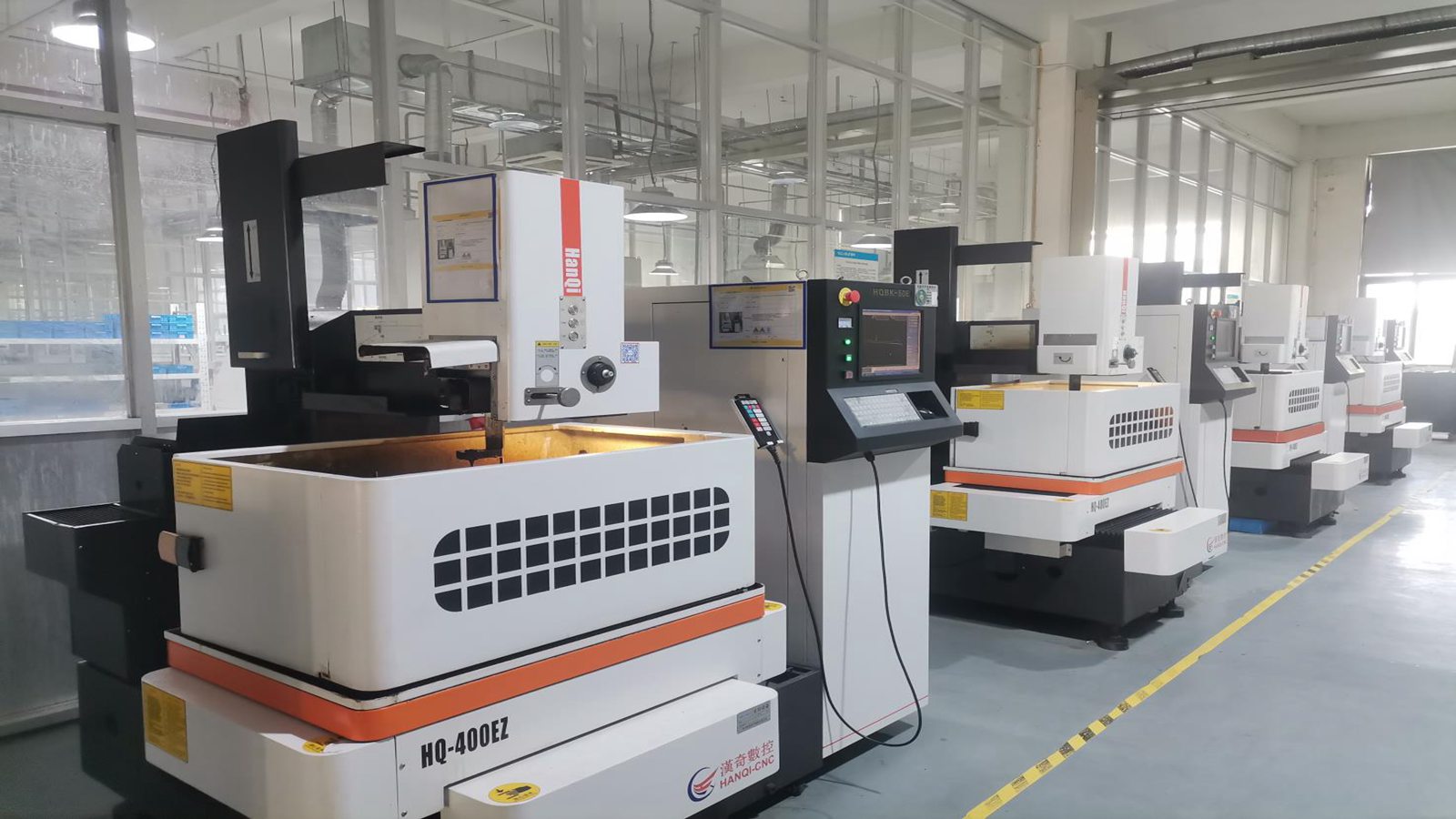
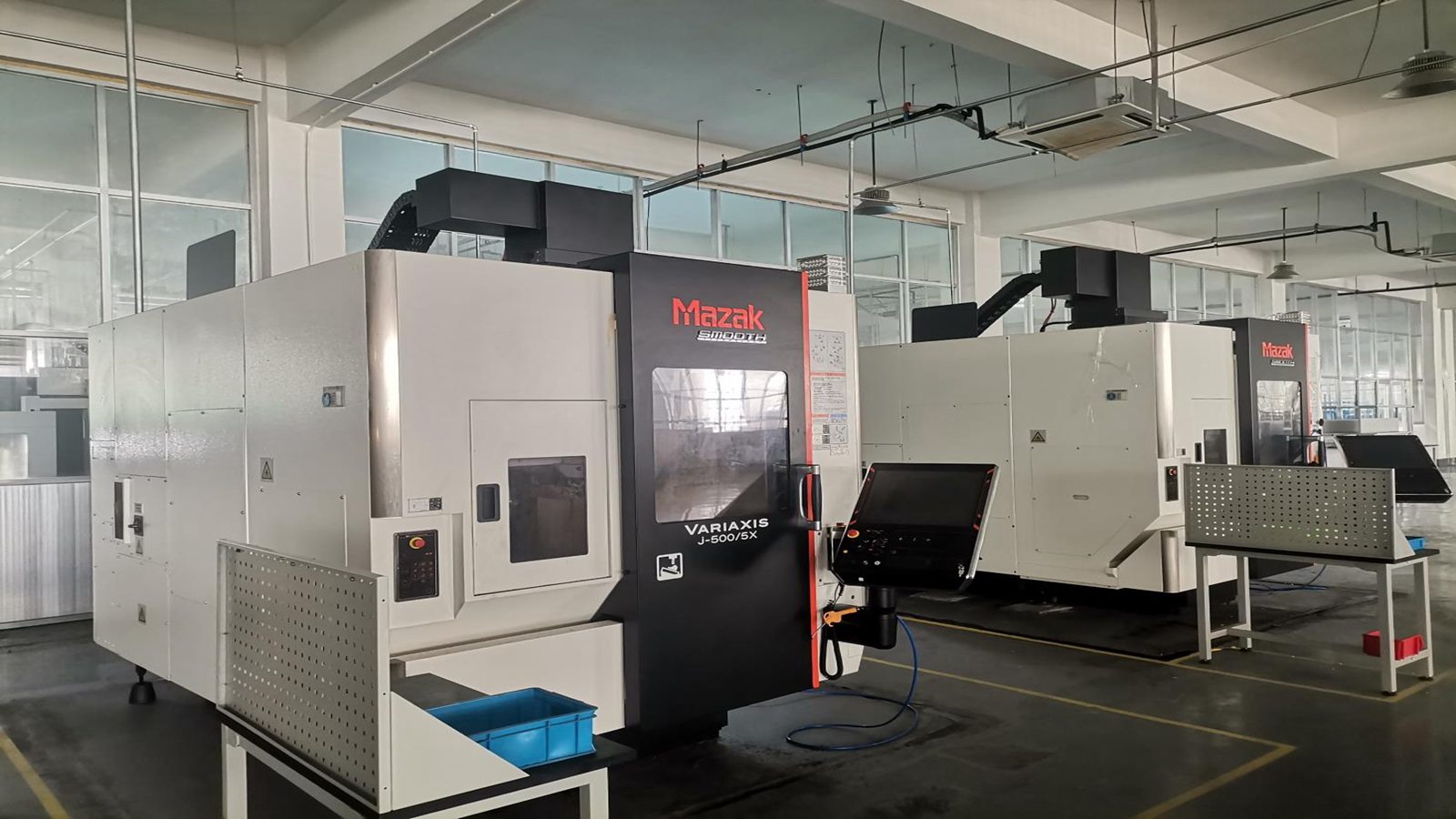
The production of cannulated screws requires high technological sophistication. Unlike solid bone screws, the longitudinal cannulation channel must be completely concentric to prevent drill guide slippage and structural mechanical imbalances. This is achieved through CNC sliding headstock lathes (Swiss-type CNC machines) capable of working along up to 9 axes in a single pass.
First, the titanium bar stock is fed through a guide bushing. Next, high-pressure gun-drilling machinery drills the central channel. During this process, oil coolant is pumped through the drill body at pressures exceeding 70 bar to clear micro-chips and maintain strict heat control, preventing structural grain transformations in the titanium alloy. The thread-cutting phase employs high-speed thread-whirling methods, creating sharp, clean thread peaks and optimized chip-evacuation flutes. This guarantees smooth insertion torque for orthopedists.
Verified manufacturing profiles, capacity indicators, and medical accreditation standards
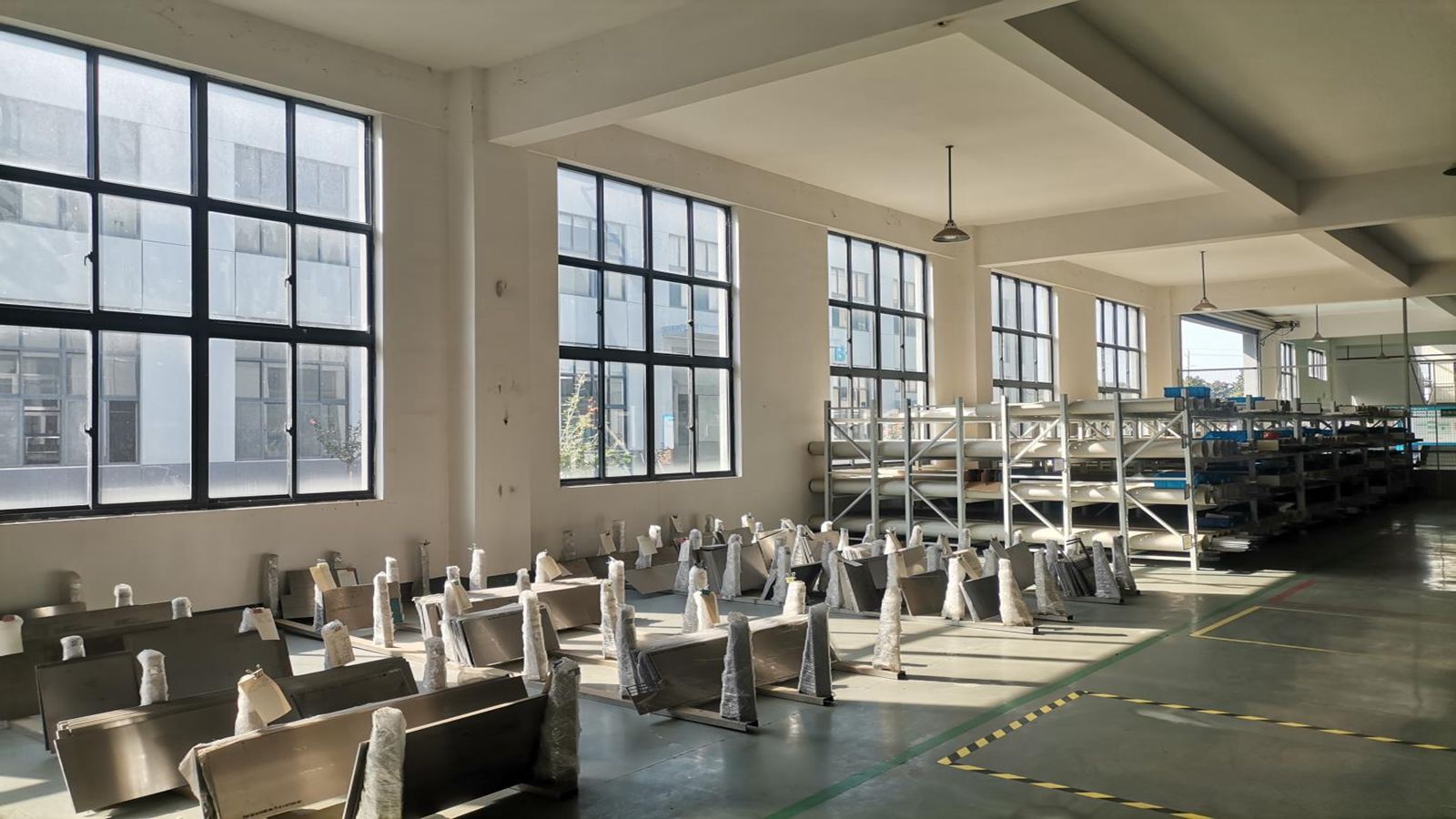
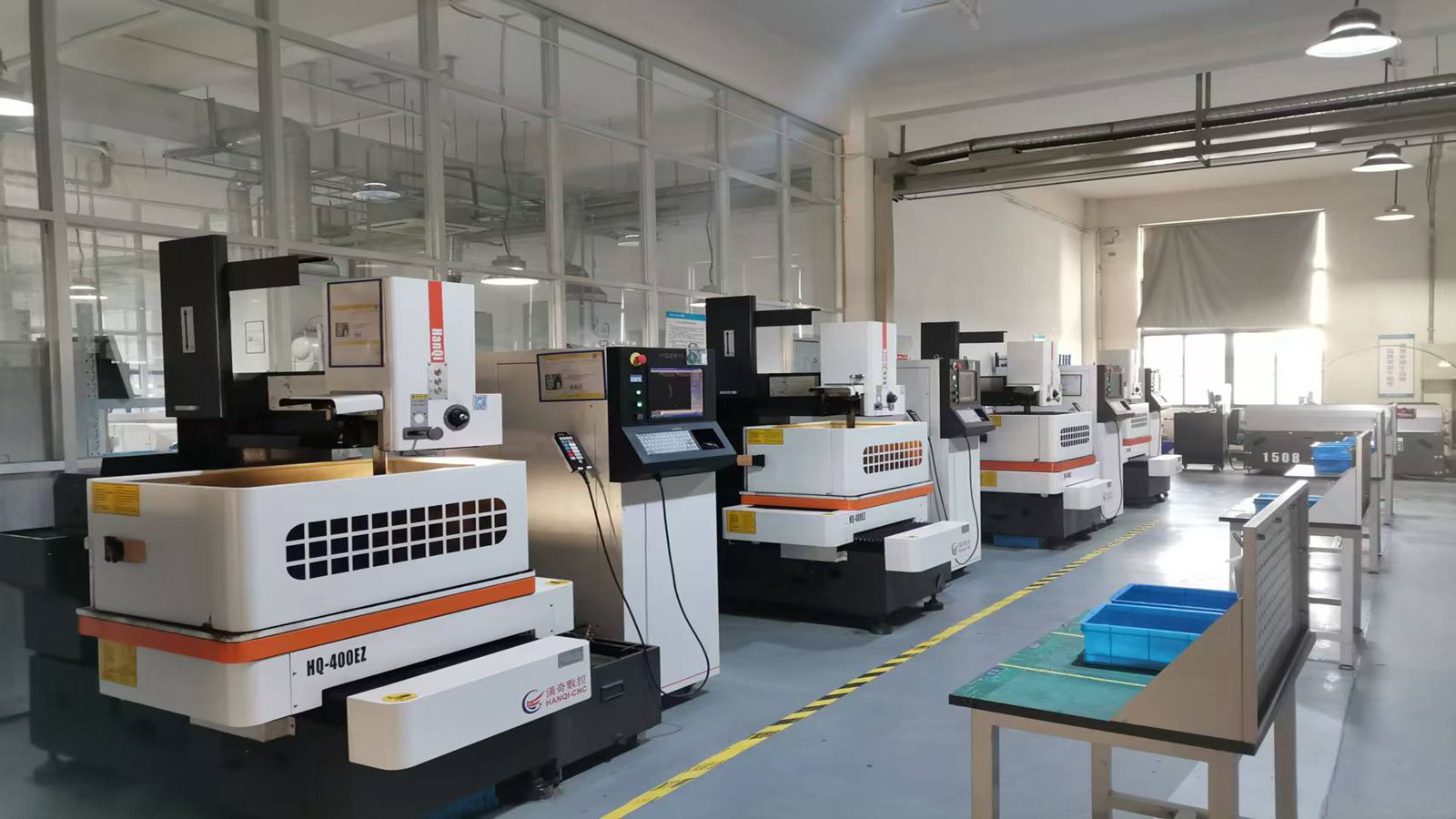
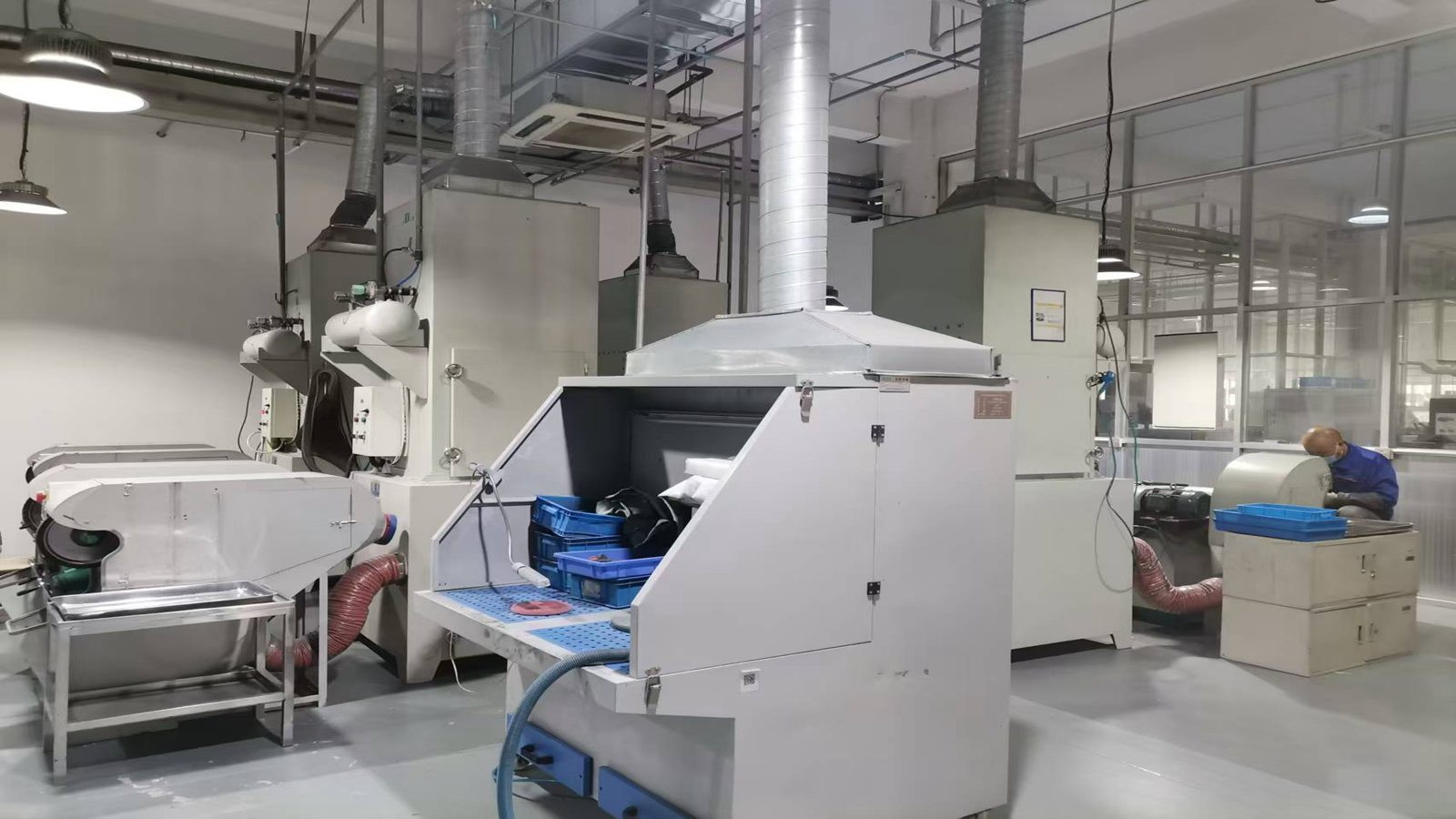
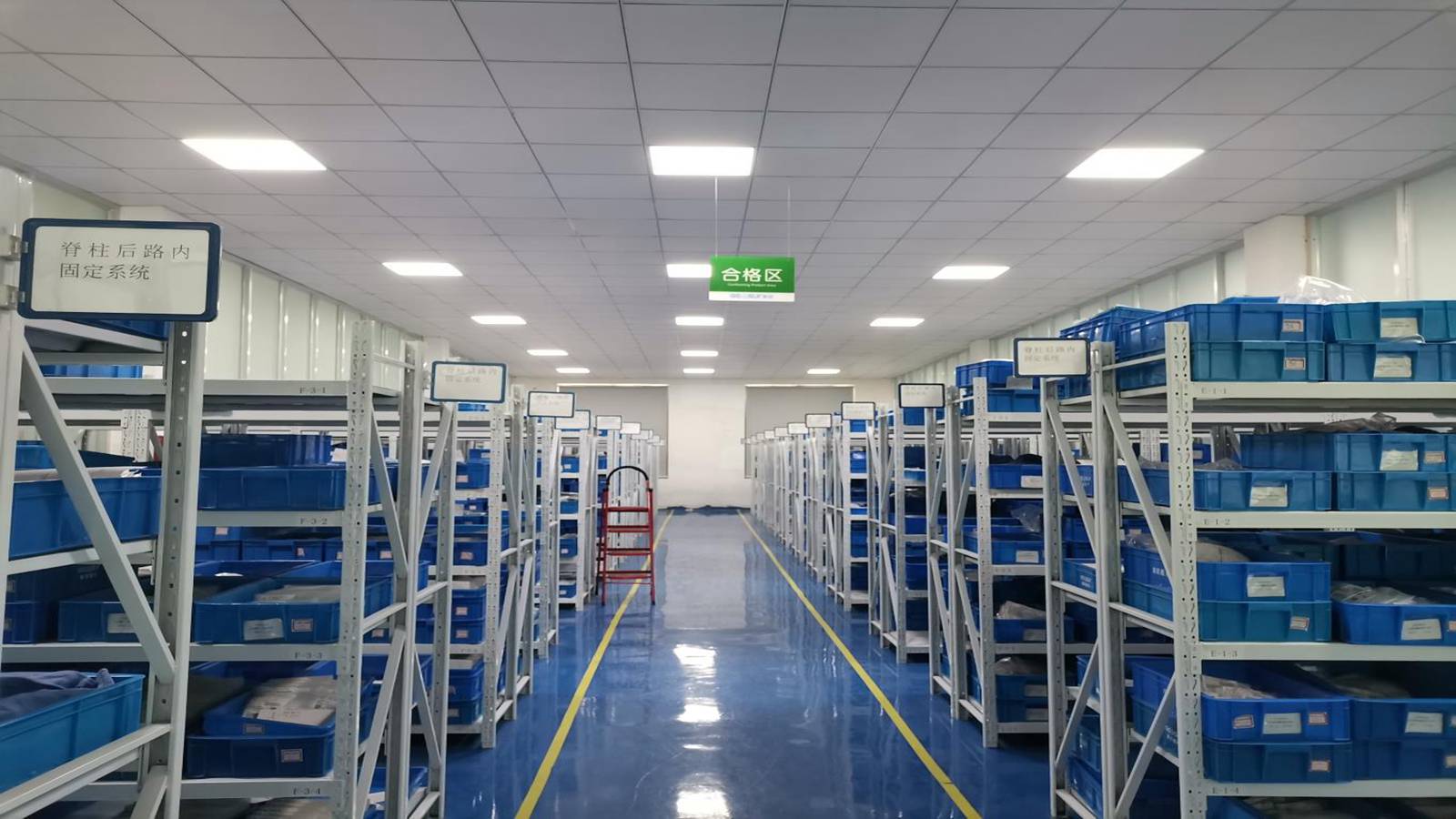
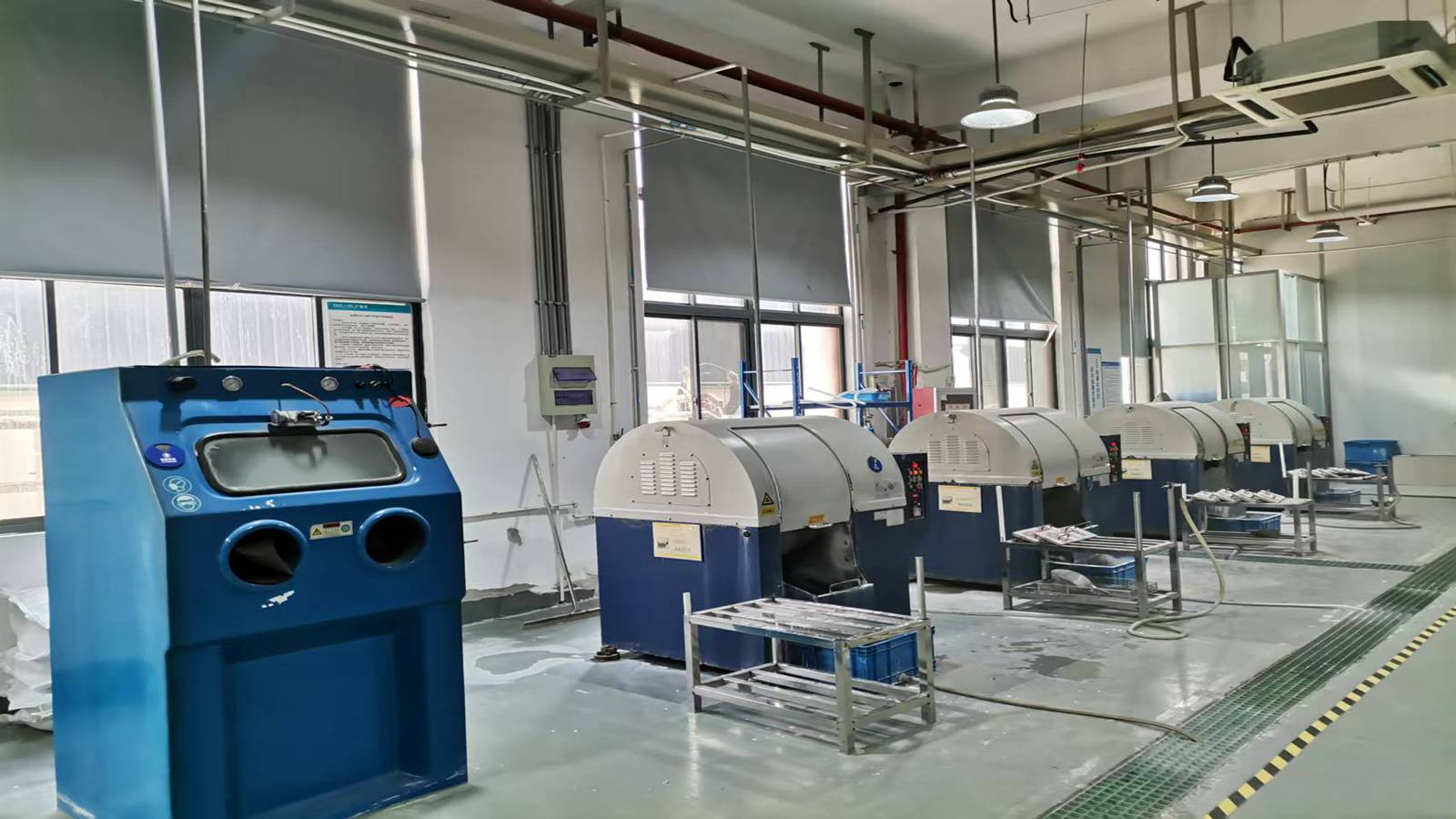
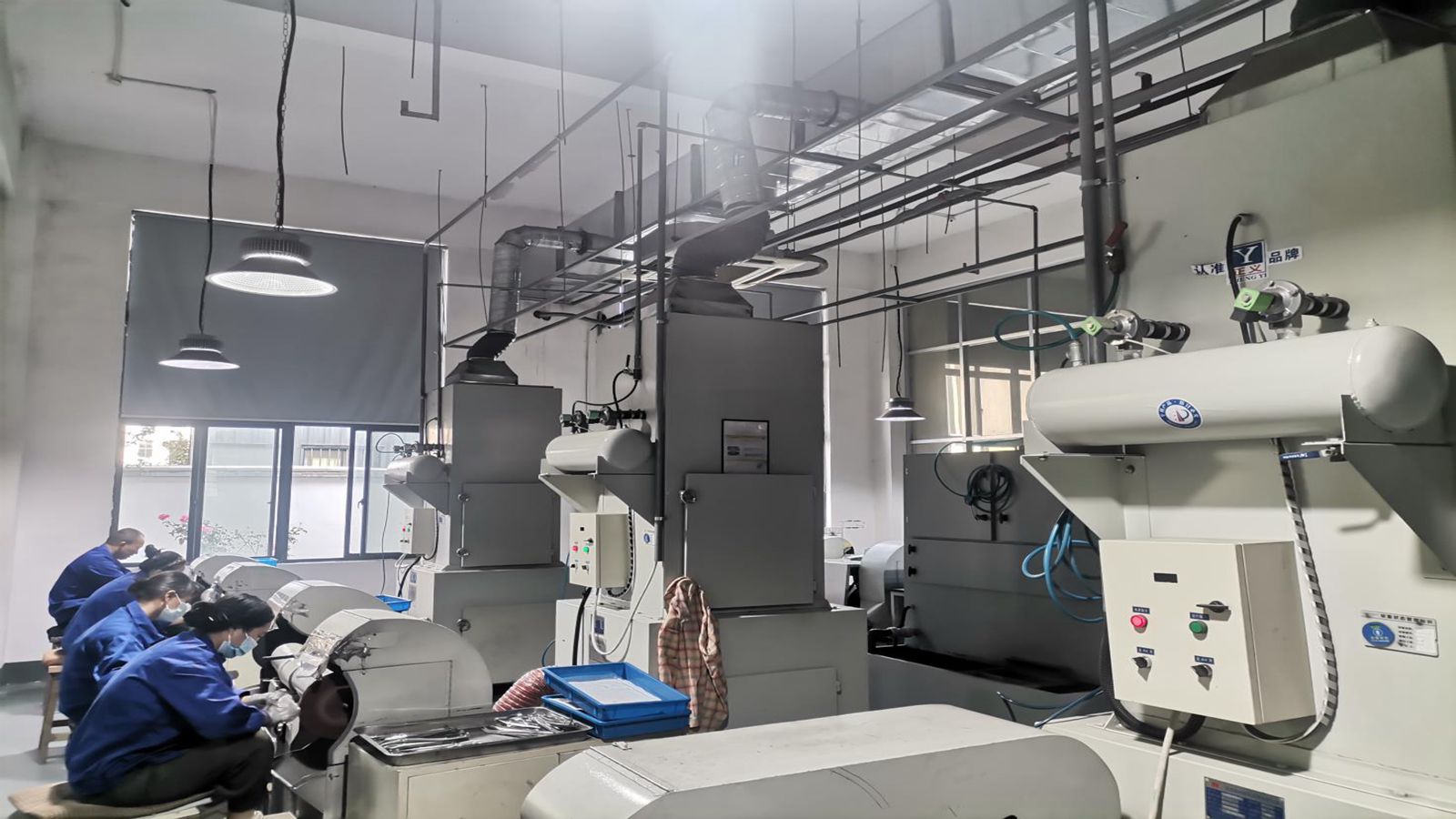
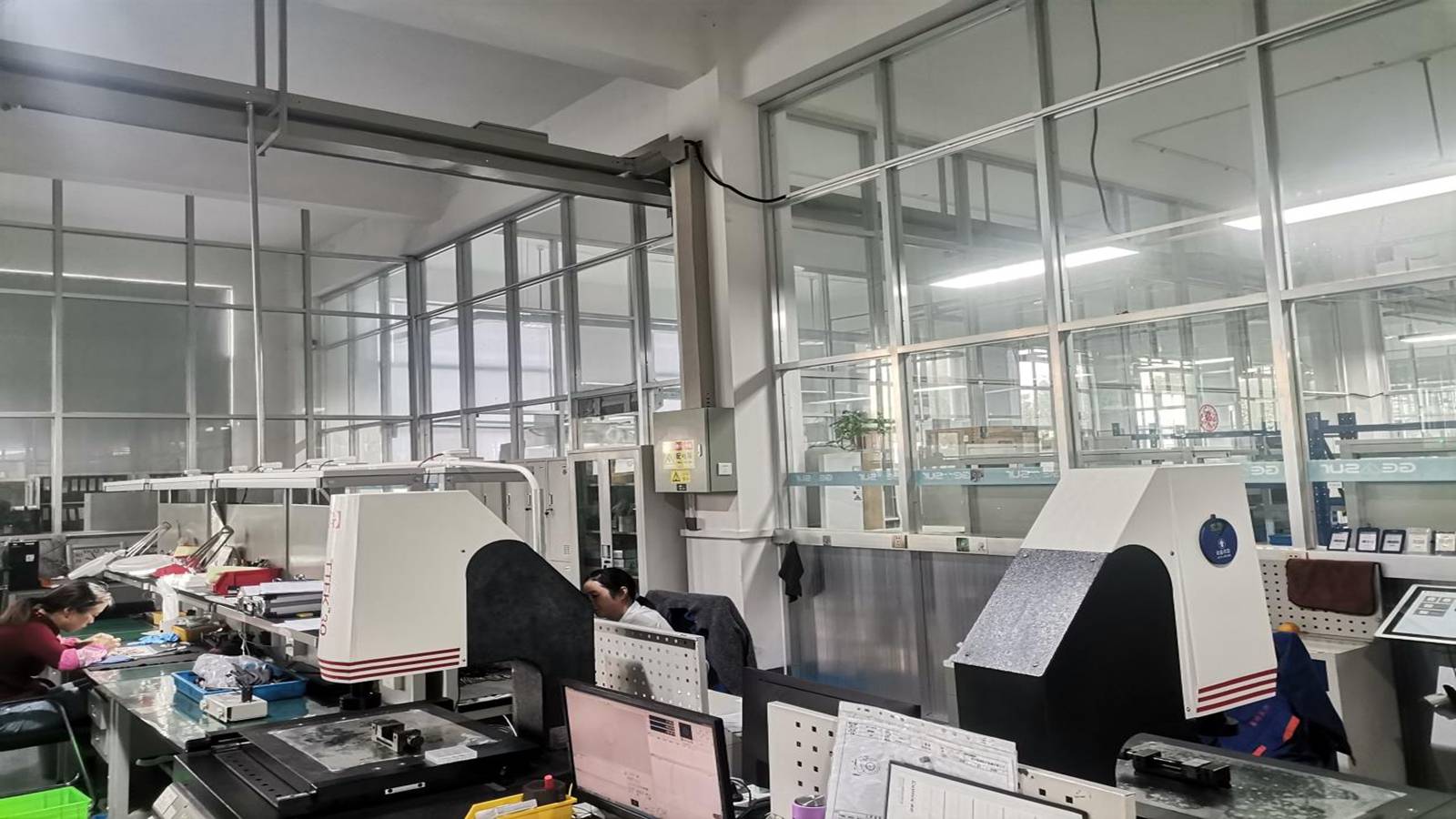
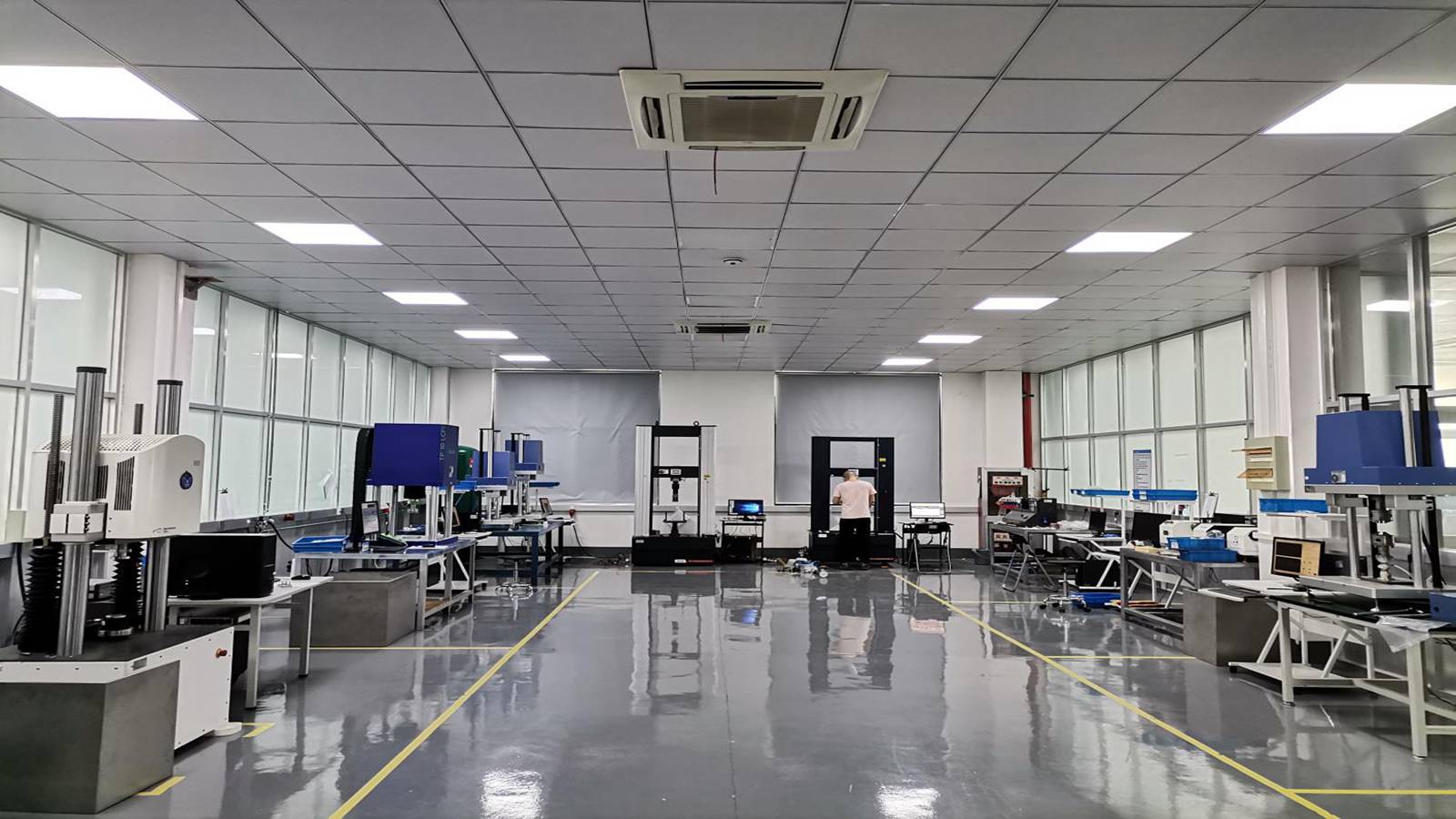
Operating from a state-of-the-art facility spanning 30,343 square meters, our orthopedics factory delivers Class III implants to global distributors. By employing 12 specialized production lines and a massive fleet of 120 precision CNC machines, we offer robust supply chain continuity and high volume output capacity.
With 10 years of exporting experience, our products serve a diverse international clientele, including brand businesses, retail networks, bio-medical engineers, and wholesale partners. Our R&D team consists of 31 specialized engineers (including 1 doctorate holder, 11 postgraduates, and 17 graduates) who launch over 25 new orthopedic systems annually.
100% material traceability from melt logs to direct dispatch.
Supports sample design, technical drawing processing, and custom OEM manufacturing.





Aligning clinical requirements with industry supply chain capacities
Modern medical device procurement professionals face challenges including changing regulatory rules (such as the transitions from MDD to MDR in Europe) and rising requirements for material verification. A reliable cannulated screw factory must provide high product quality along with comprehensive regulatory documentation, testing reports, and certification files.
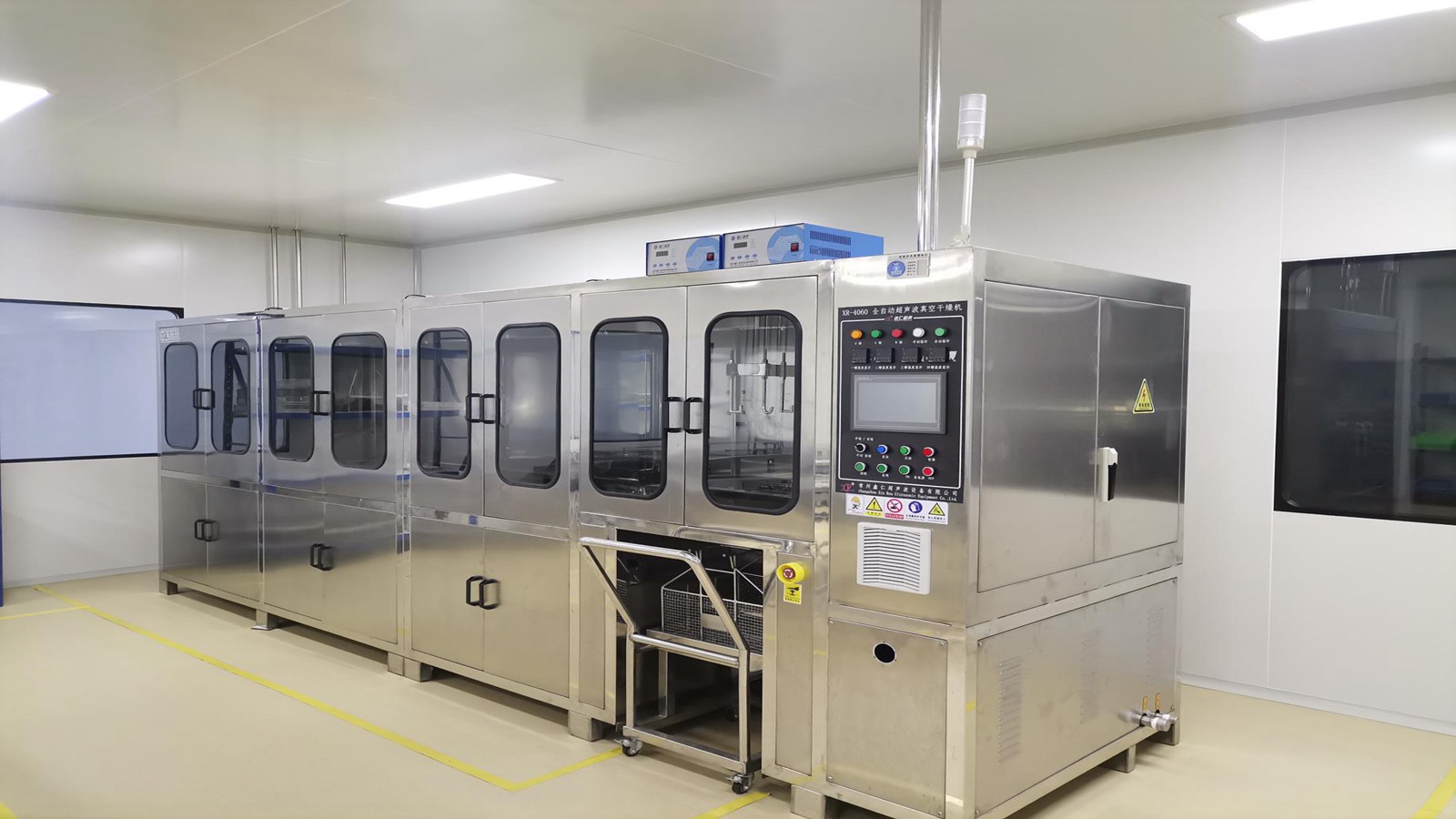
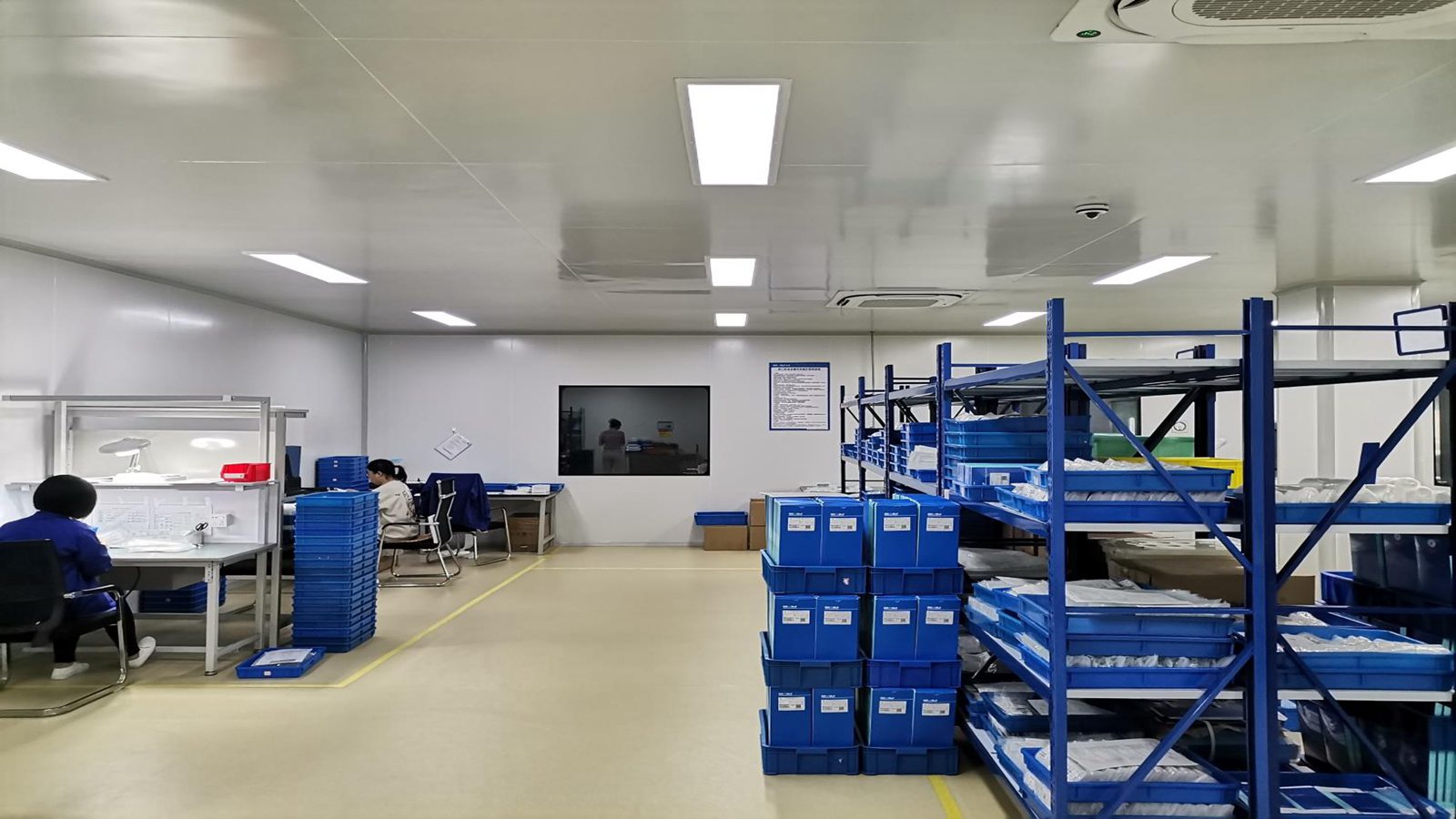
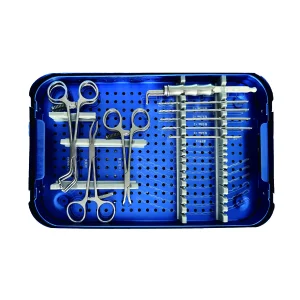
B2B buyers now look beyond price alone. Factors like cleanroom packaging validation, sterile product shelf-life testing, and fast customized prototyping are crucial. To support this, our factory provides direct access to R&D engineers, helping global purchasers modify pitch dimensions, optimize head geometry, and develop dedicated orthopedic instrumentation kits.
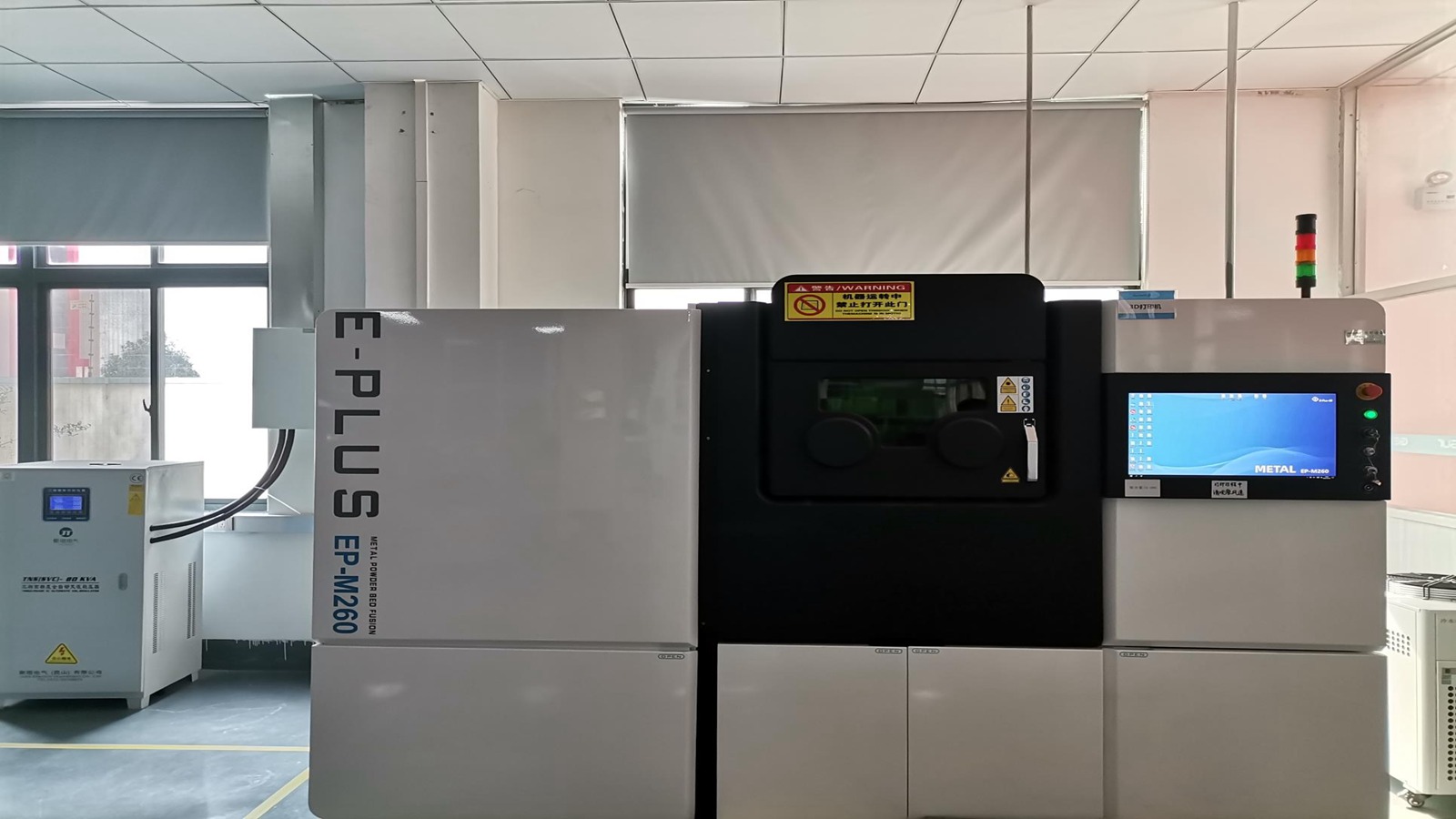
The next step for cannulated systems combines hollow screw structures with 3D-printed porous implants. By using Electron Beam Melting (EBM) and Direct Metal Laser Sintering (DMLS), factories can produce customized porous implants designed for specific patient anatomies.
In addition, the development of bioresorbable polymers and magnesium-based alloys is reshaping trauma surgeries. The goal is to provide temporary structural support that safely degrades as the bone heals, eliminating the need for a second surgery to remove the implant. Our R&D facility continues to run tests on magnesium alloy systems to remain at the forefront of this technology.
Key technical and logistics inquiries regarding cannulated screw manufacturing
Grade 5 Titanium (ELI - Extra Low Interstitial) offers an ideal combination of mechanical strength, fatigue resistance, and biocompatibility. Its reduced oxygen and iron content makes it highly ductile, preventing premature failure under heavy cyclical biomechanical loads within the human skeleton.
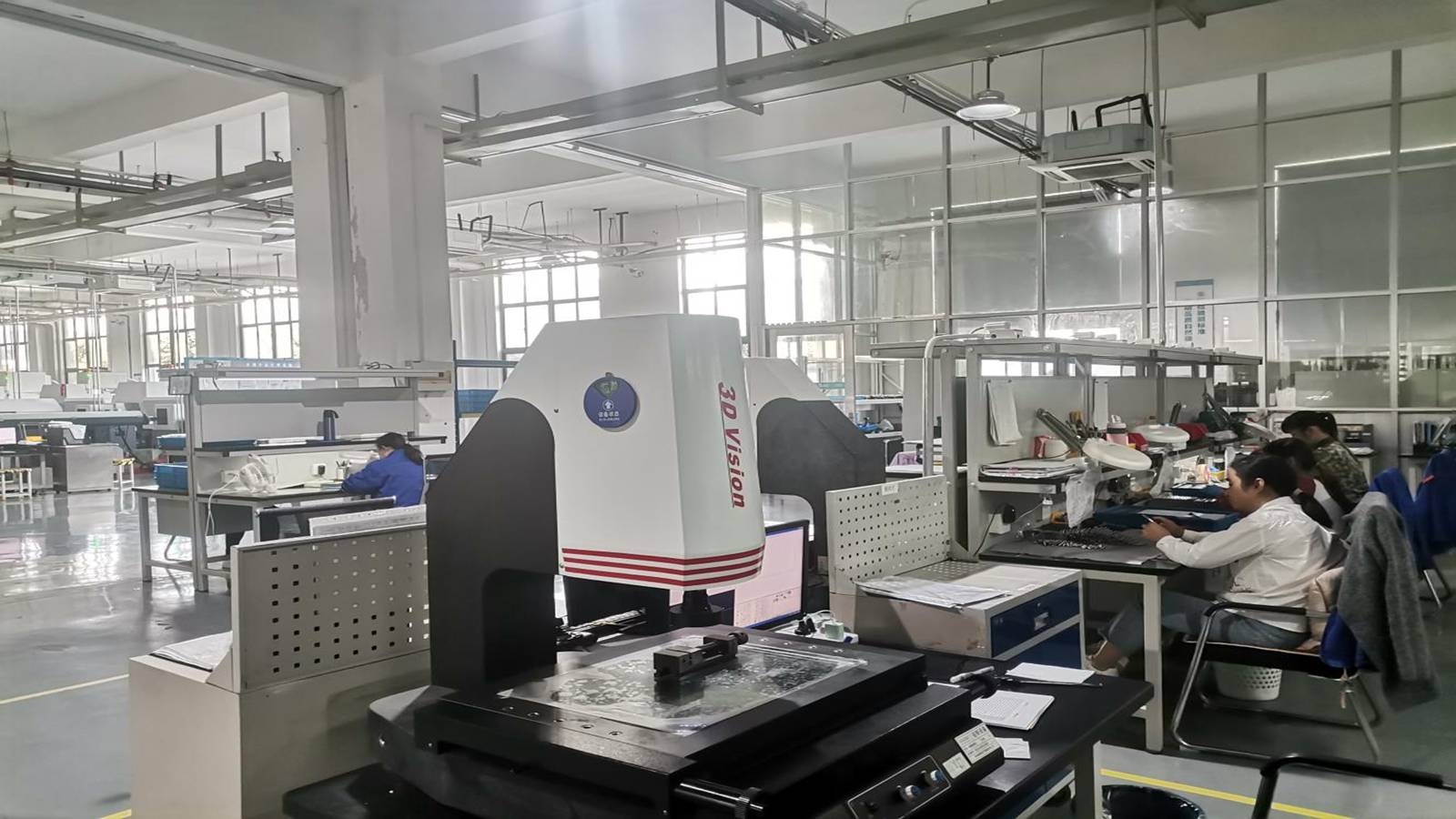
We use advanced Swiss-type sliding headstock CNC lathes combined with high-precision gun-drilling systems. The concentricity is verified down to the micron level using automated optical comparators and non-destructive ultrasonic testing.
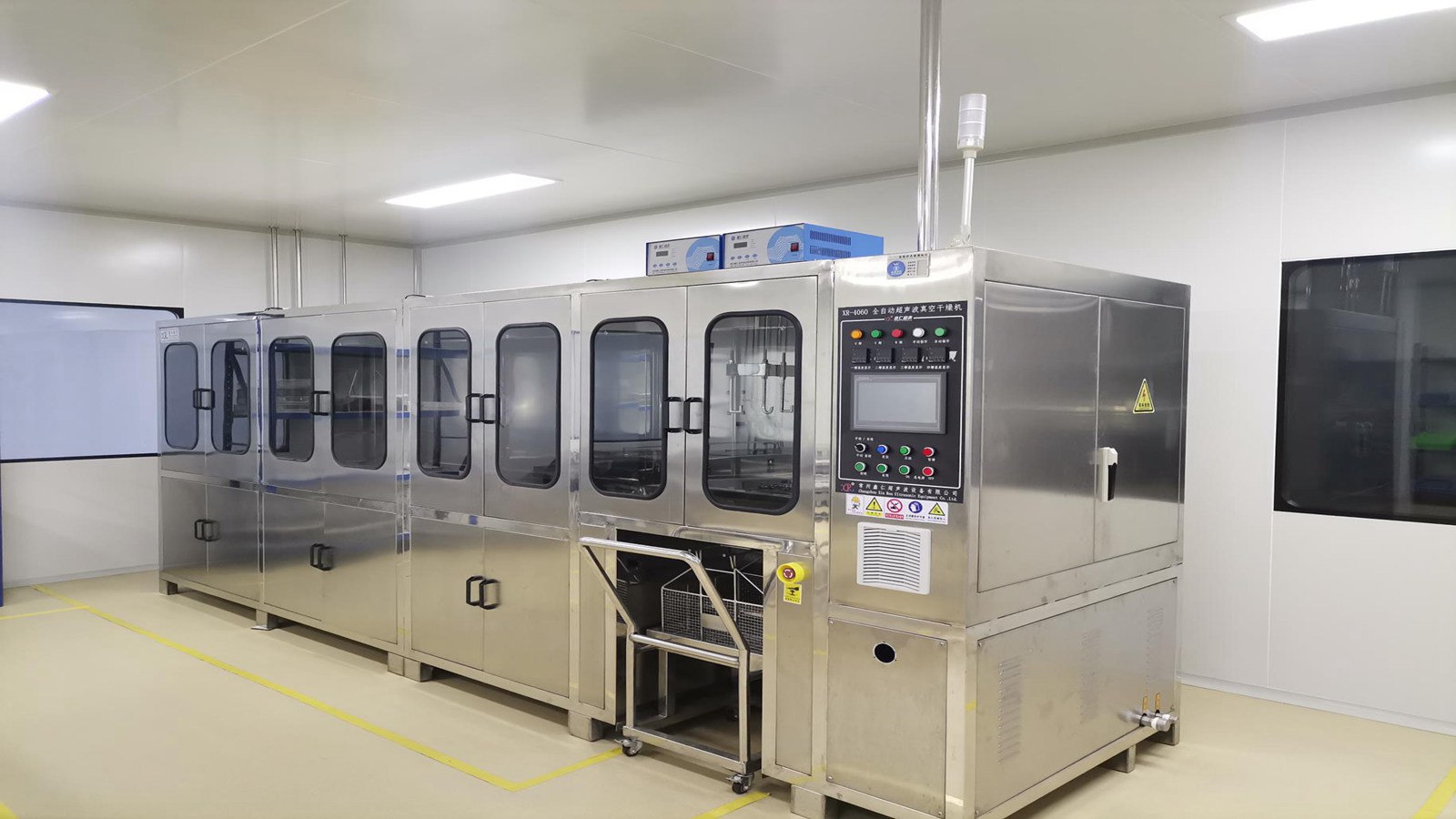
All exports are shipped with complete documentation packs. This includes raw material melt analysis certificates, chemical testing records, dimension verification reports, cleanroom sterilization validations, and copies of CE MDR or ISO 13485 certificates.
Yes. Supported by 31 R&D engineers, our factory can manufacture customized orthopedic implants based on CAD files, technical drawings, or physical samples. We also offer customization options for instrumentation kits.
CE MDR (EU 2017/745) compliance is a strict requirement for importing medical devices into Europe. It verifies that our products meet high safety and clinical performance standards, ensuring a smooth path through customs and regulatory approval.
Explore additional orthopedic hardware and fixation instruments produced by our factory
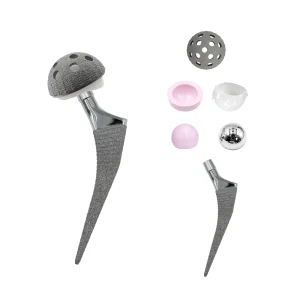
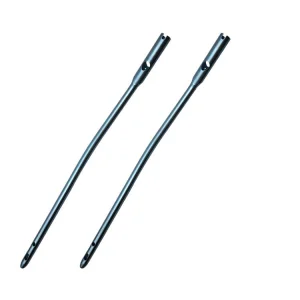
Real-time manufacturing operations, cleanroom setups, and processing inspections