Ease Medical Apparatus And Instruments
Ease Medical Apparatus And Instruments
Ease Medical Apparatus And Instruments
Highly specialized medical consumables engineered for complex spinal surgeries, joint replacements, and sports medicine procedures.
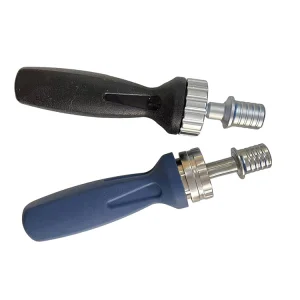
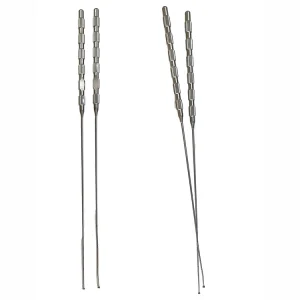
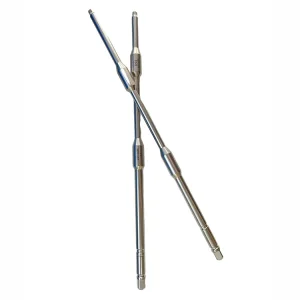
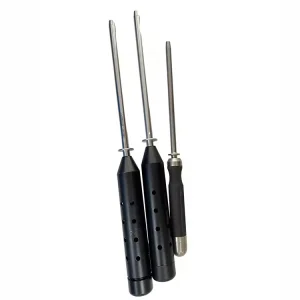
In modern orthopedic surgery, the margin for error is absolute zero. Whether performing complex scoliosis correction using pedicle-screw instrumentation or carrying out a total knee arthroplasty (TKA), orthopedic surgeons depend on the absolute mechanical integrity, biocompatibility, and functional precision of surgical instruments and implant accessories.
As a premier global Orthopedic Accessory Supplier and Exporter, we bridge the gap between advanced medical engineering and clinical practice. Every component—from anatomical locking plates and spinal rod systems to manual torque limiters and quick-coupling ratchet handles—is manufactured through rigorous quality control structures to ensure optimized patient outcomes, seamless biomechanical load distributions, and long-term implant durability.
Orthopedic surgical instrumentation demands materials that withstand repeated autoclave cycles, high torque levels, and exposure to physiological fluids without surface fatigue or structural failure.
Medical-grade Titanium alloys (Ti-6Al-4V ELI) and Ultra-High Molecular Weight Polyethylene (UHMWPE) to prevent bone-implant degradation.
Designed to survive millions of cycles of mechanical stress and rotational forces without yielding.
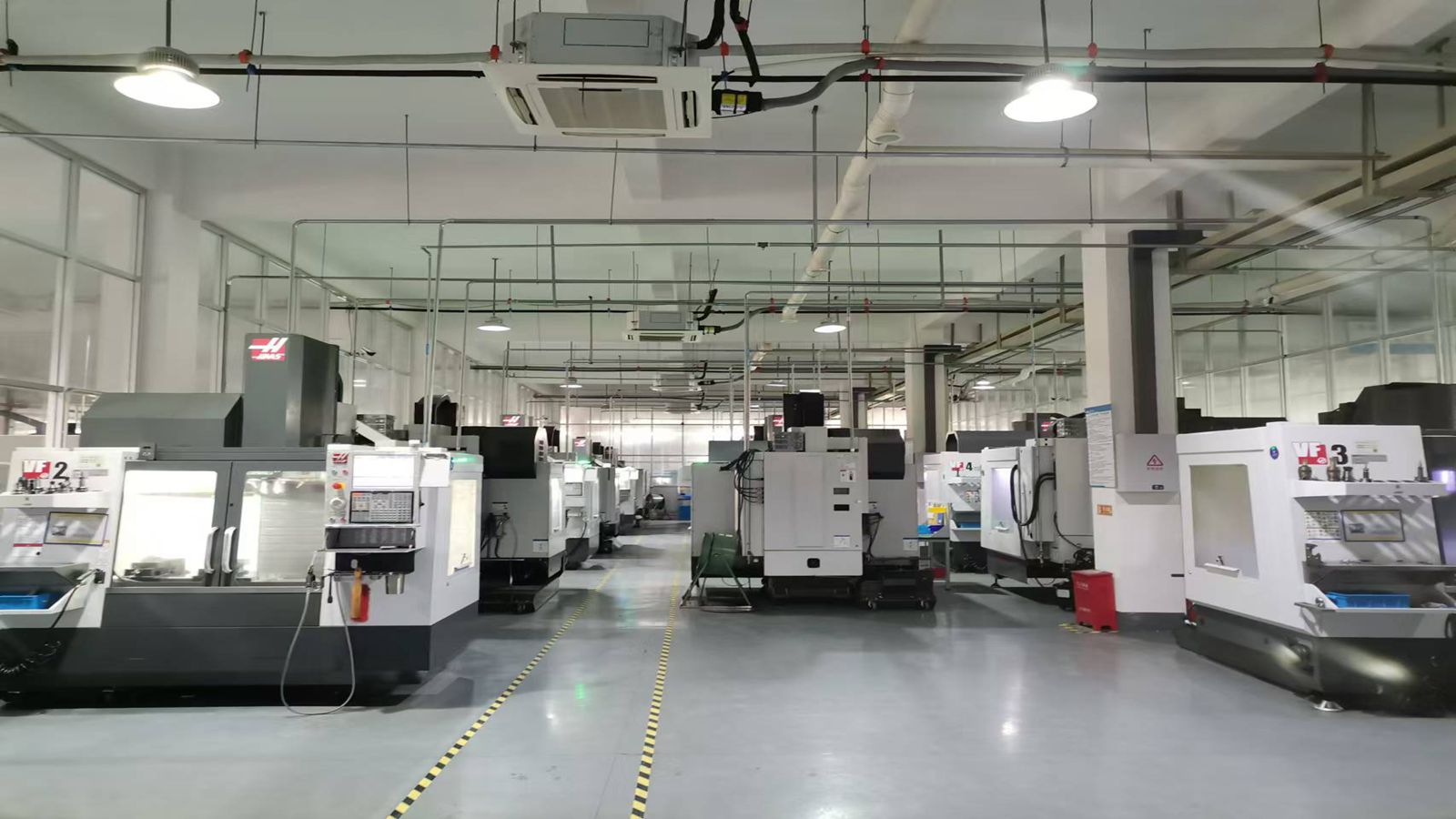
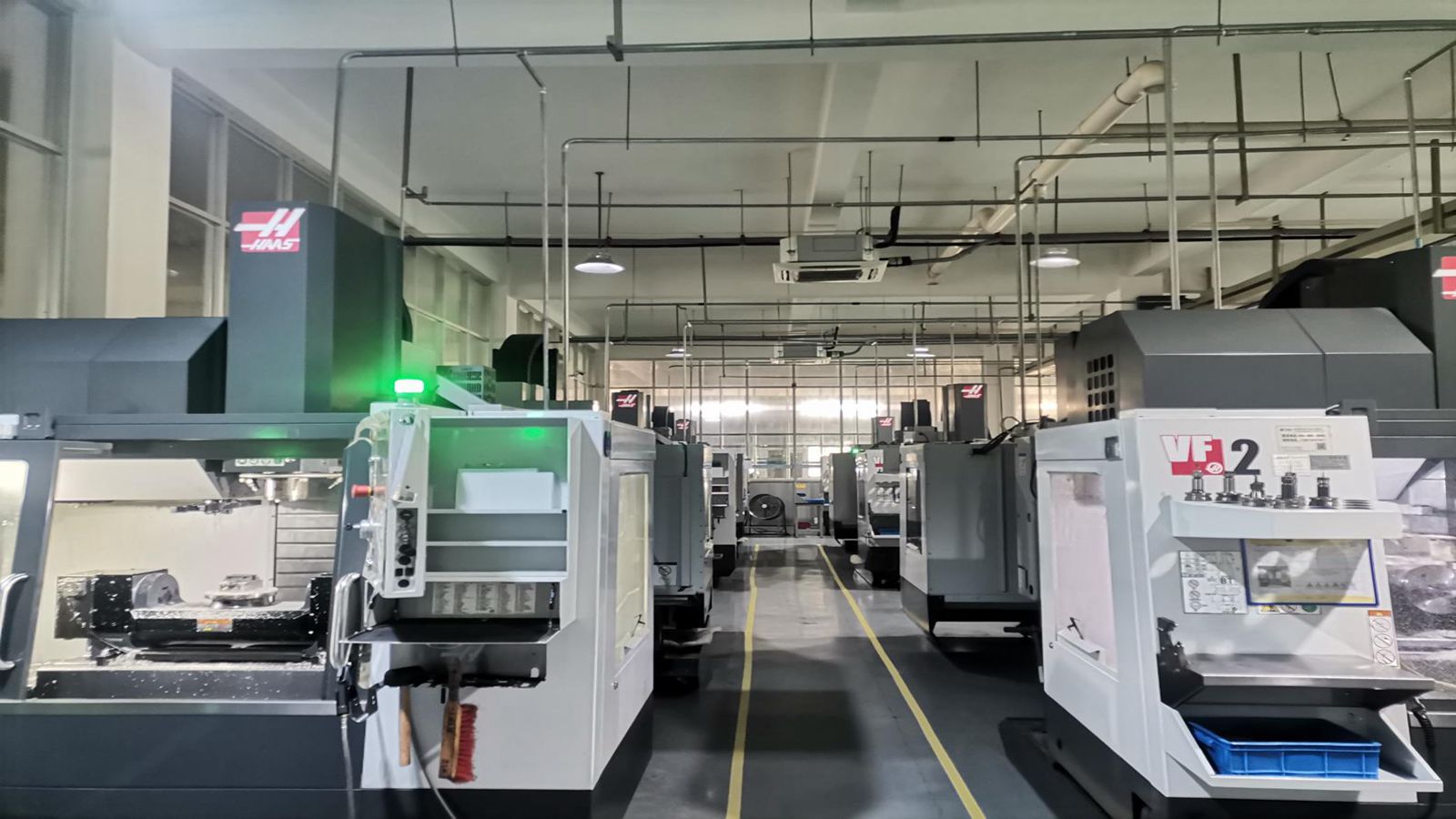
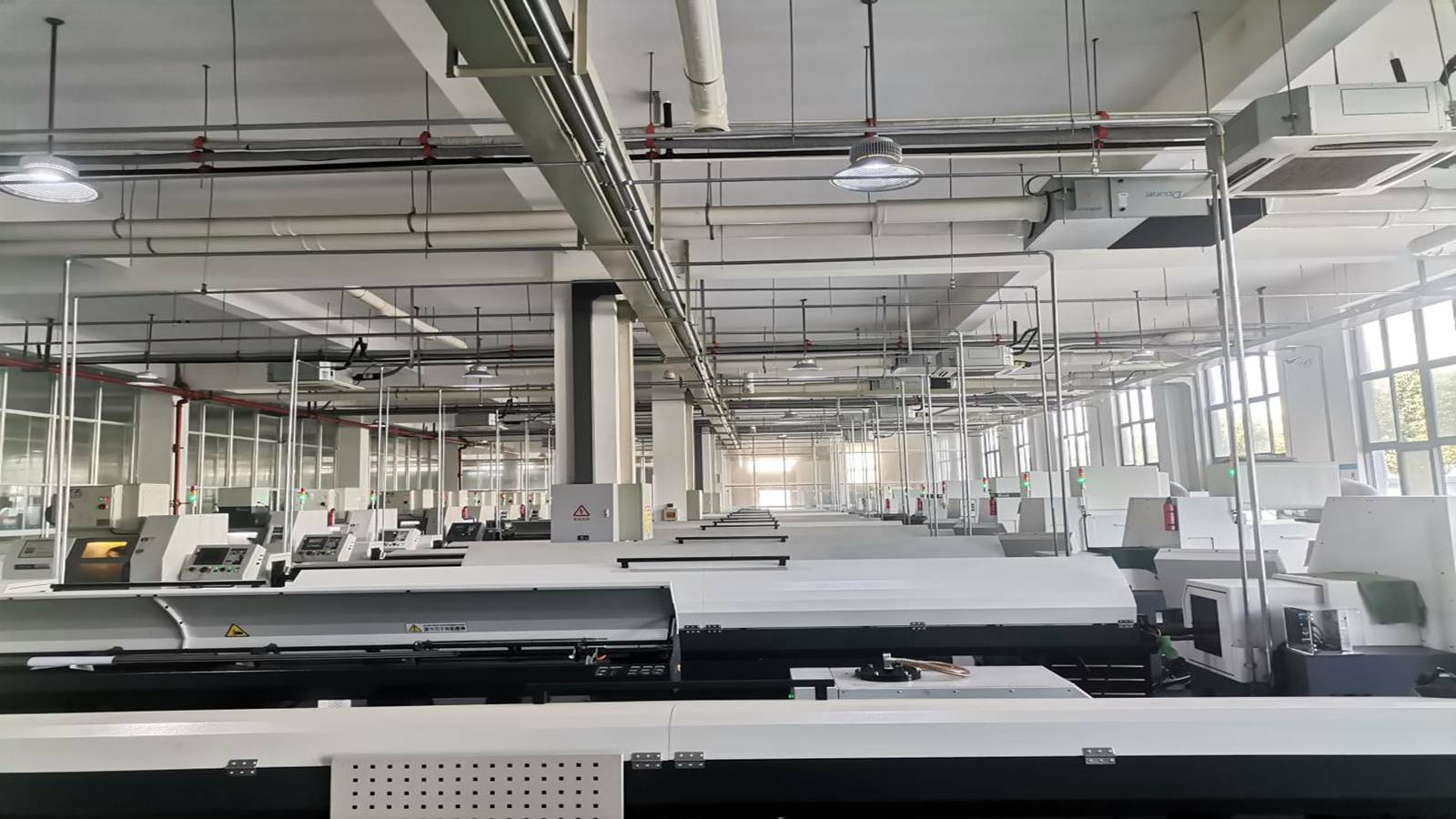
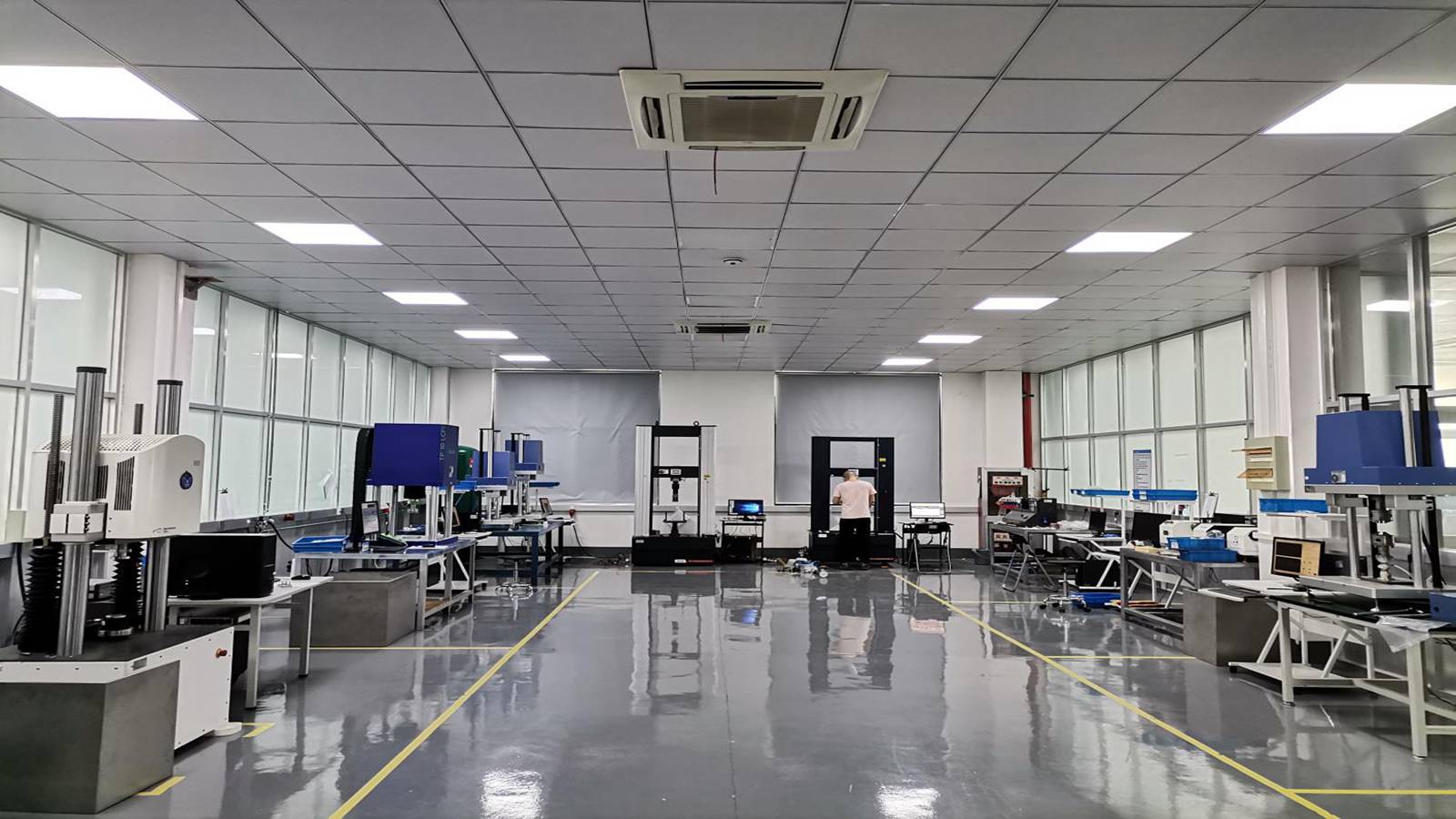
Operating from a highly specialized industrial facility built to support large-scale export orders with full dimensional accountability.
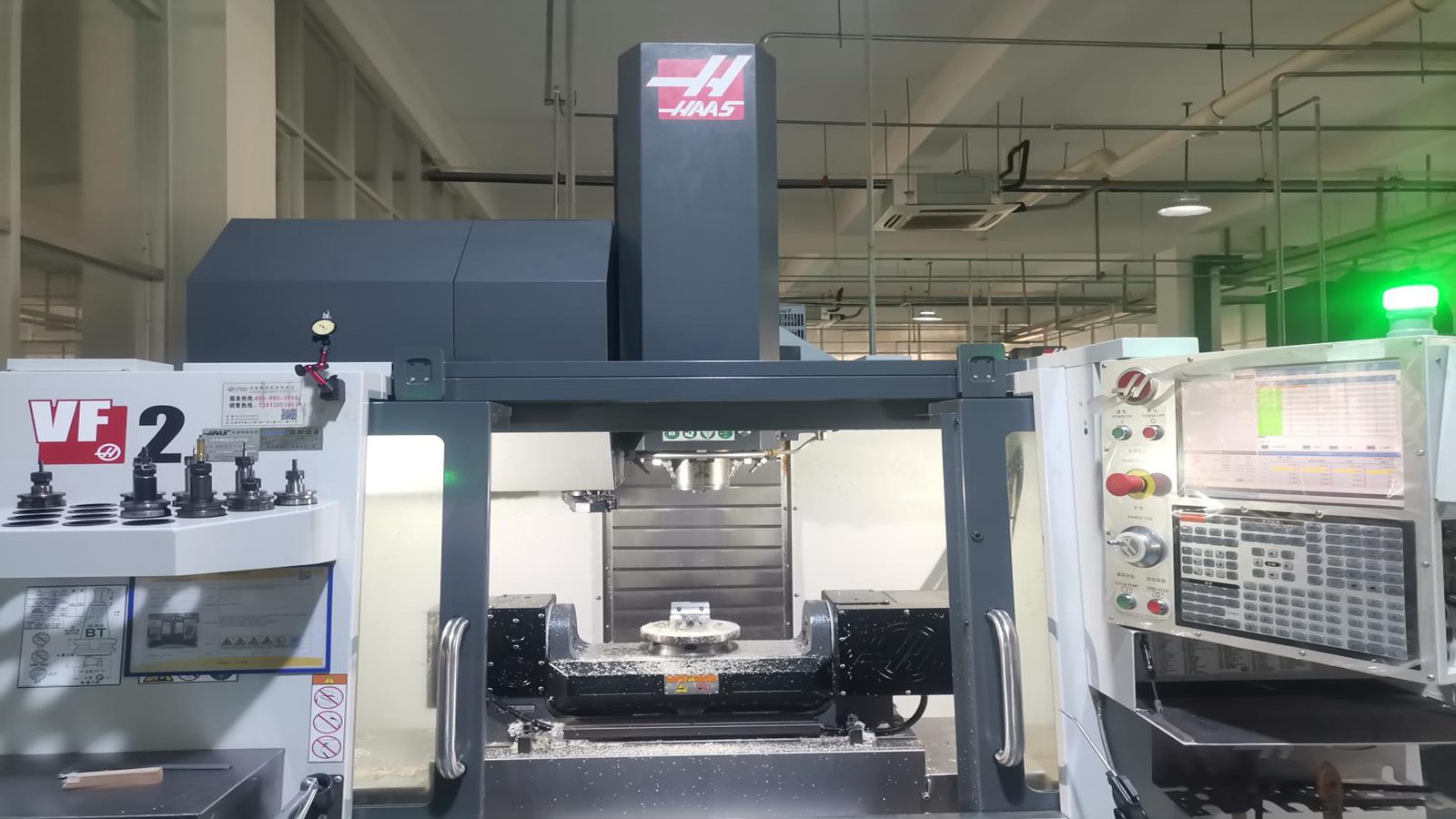
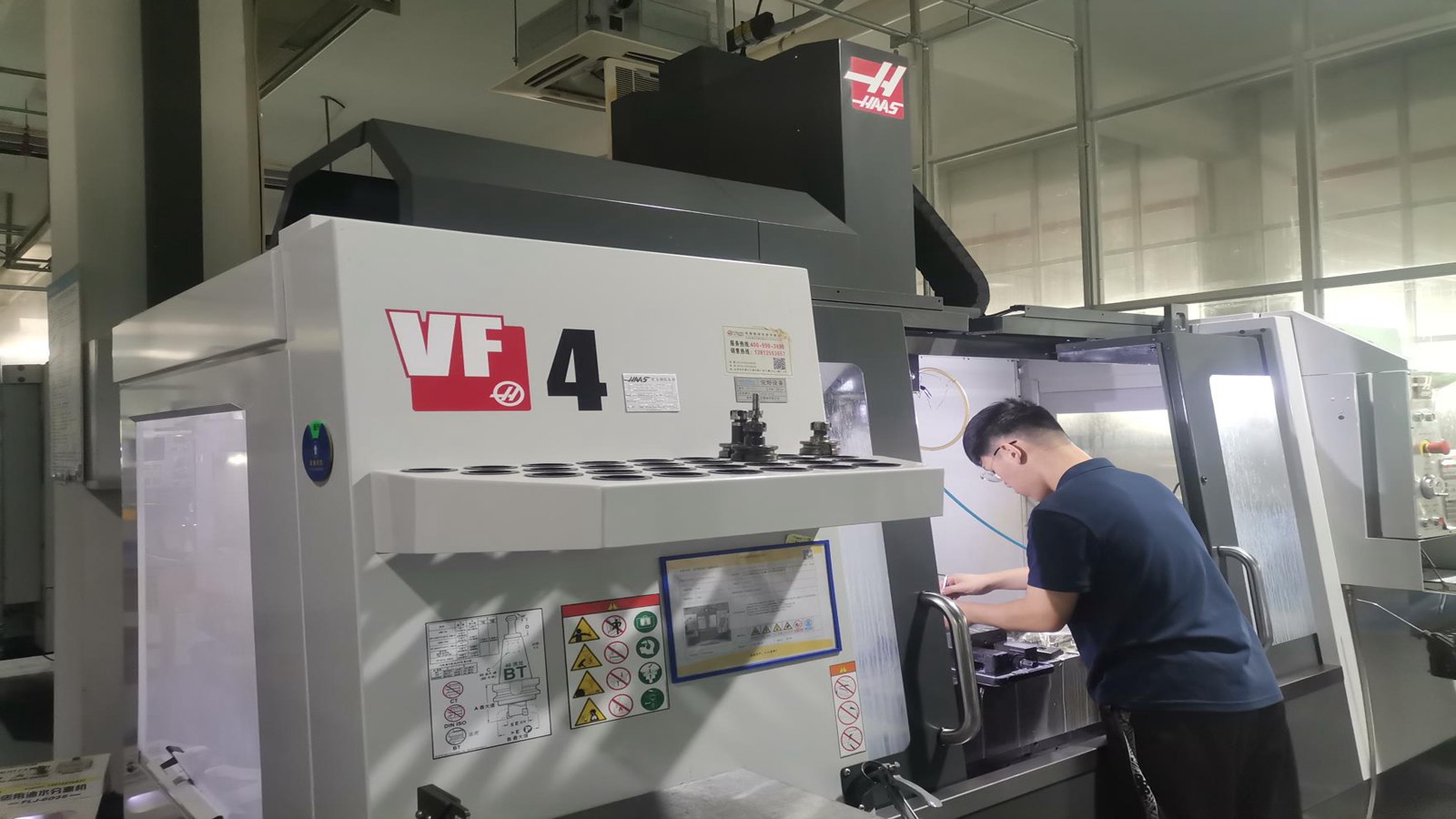
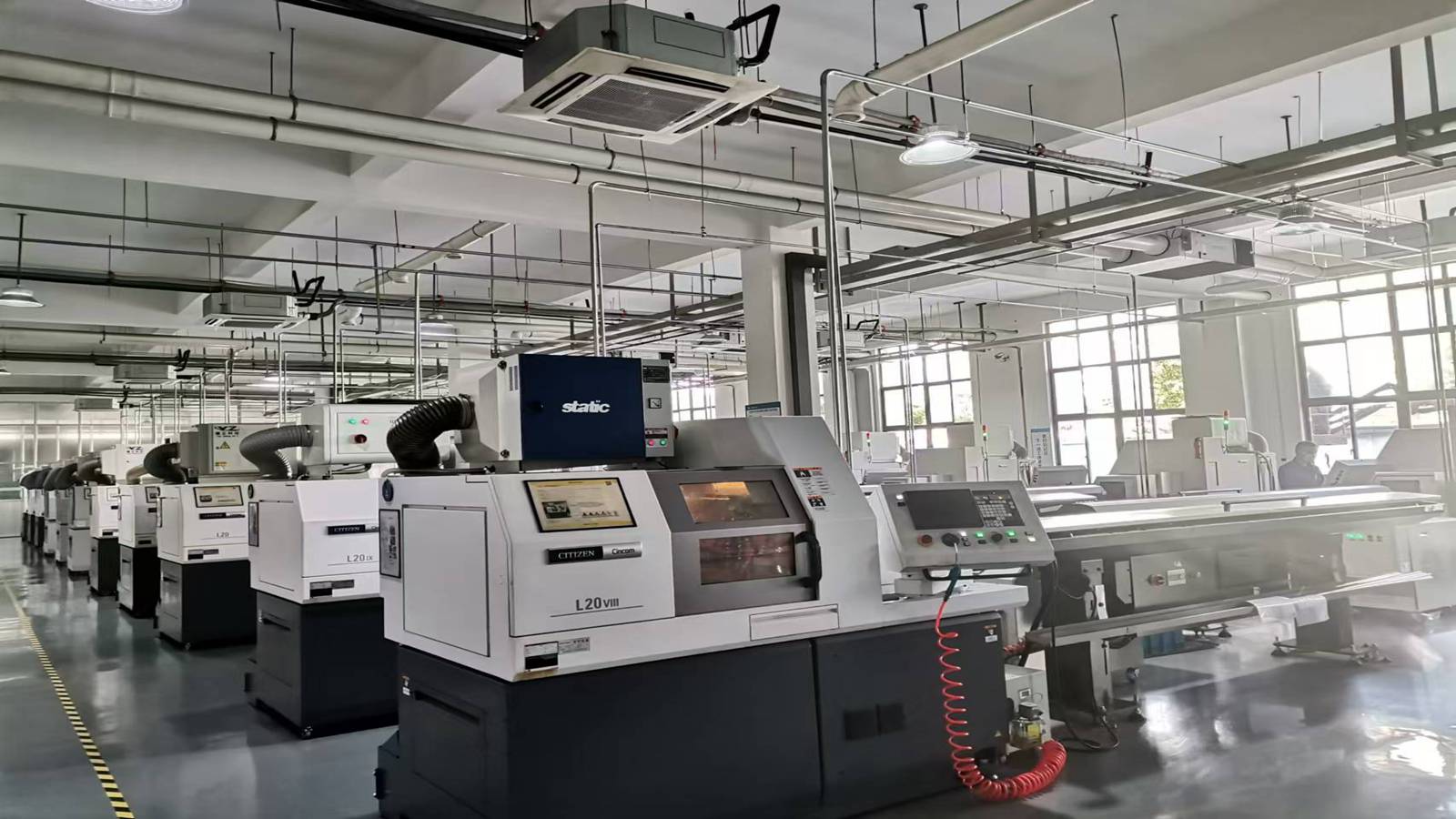
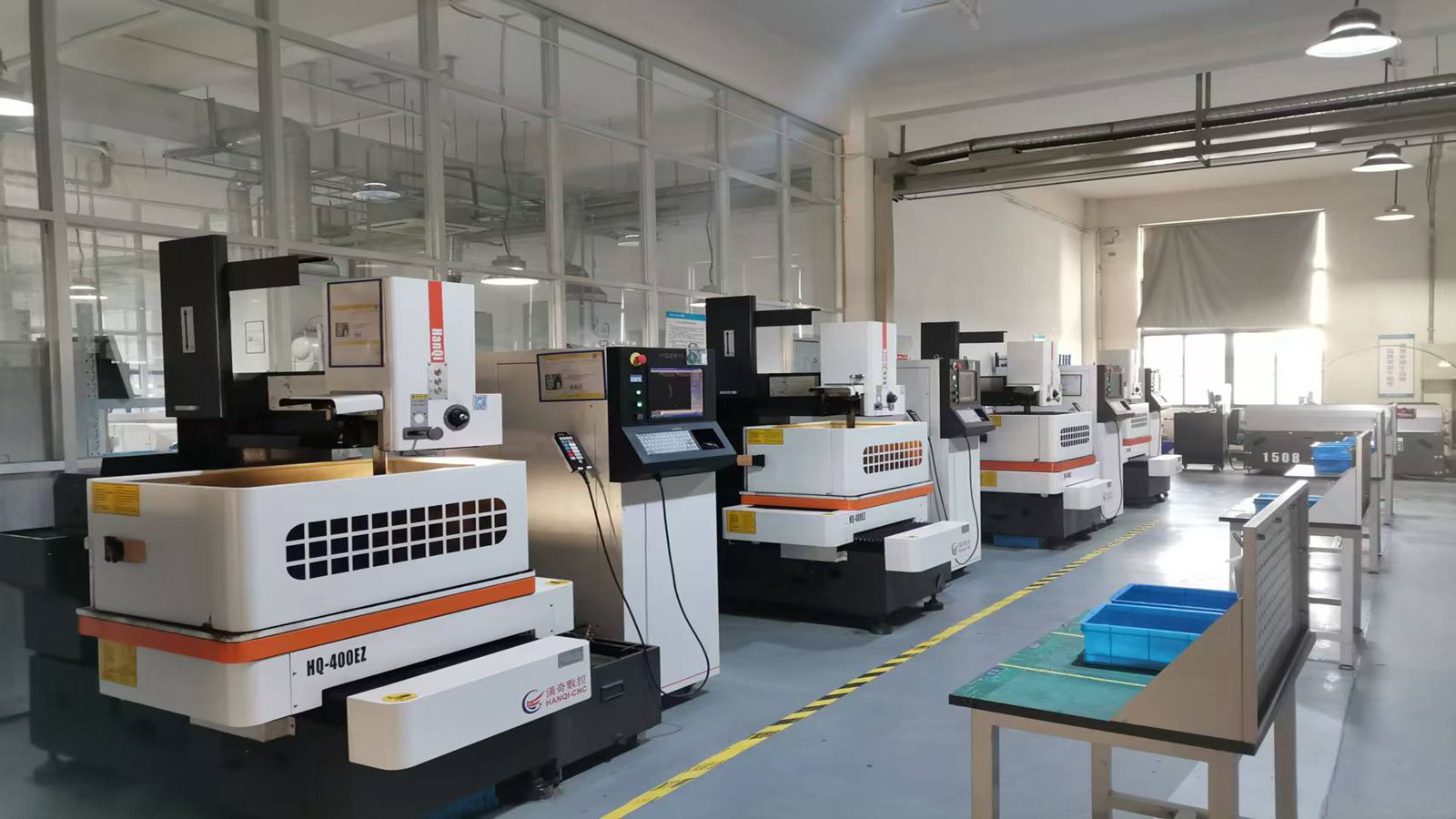
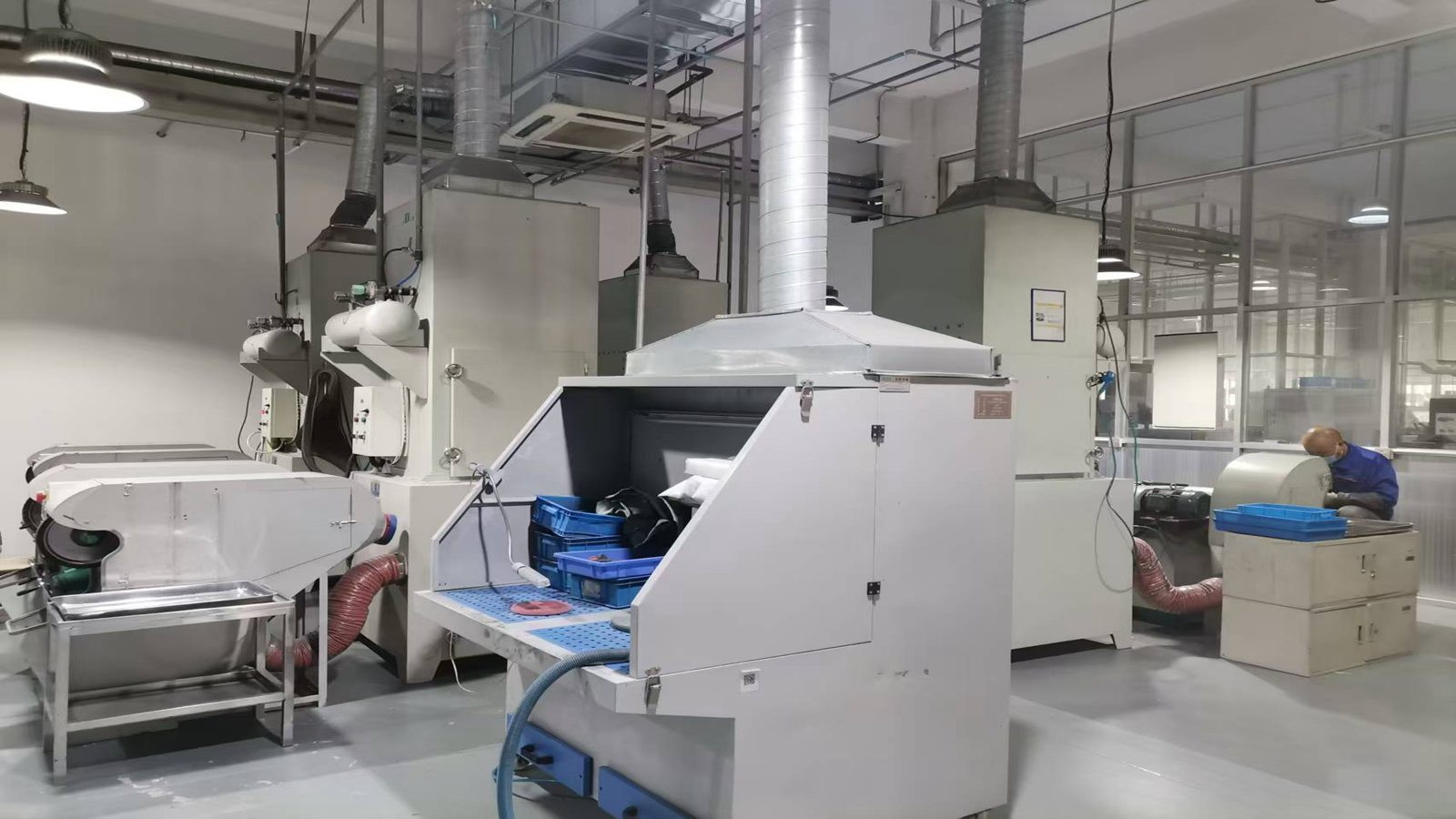
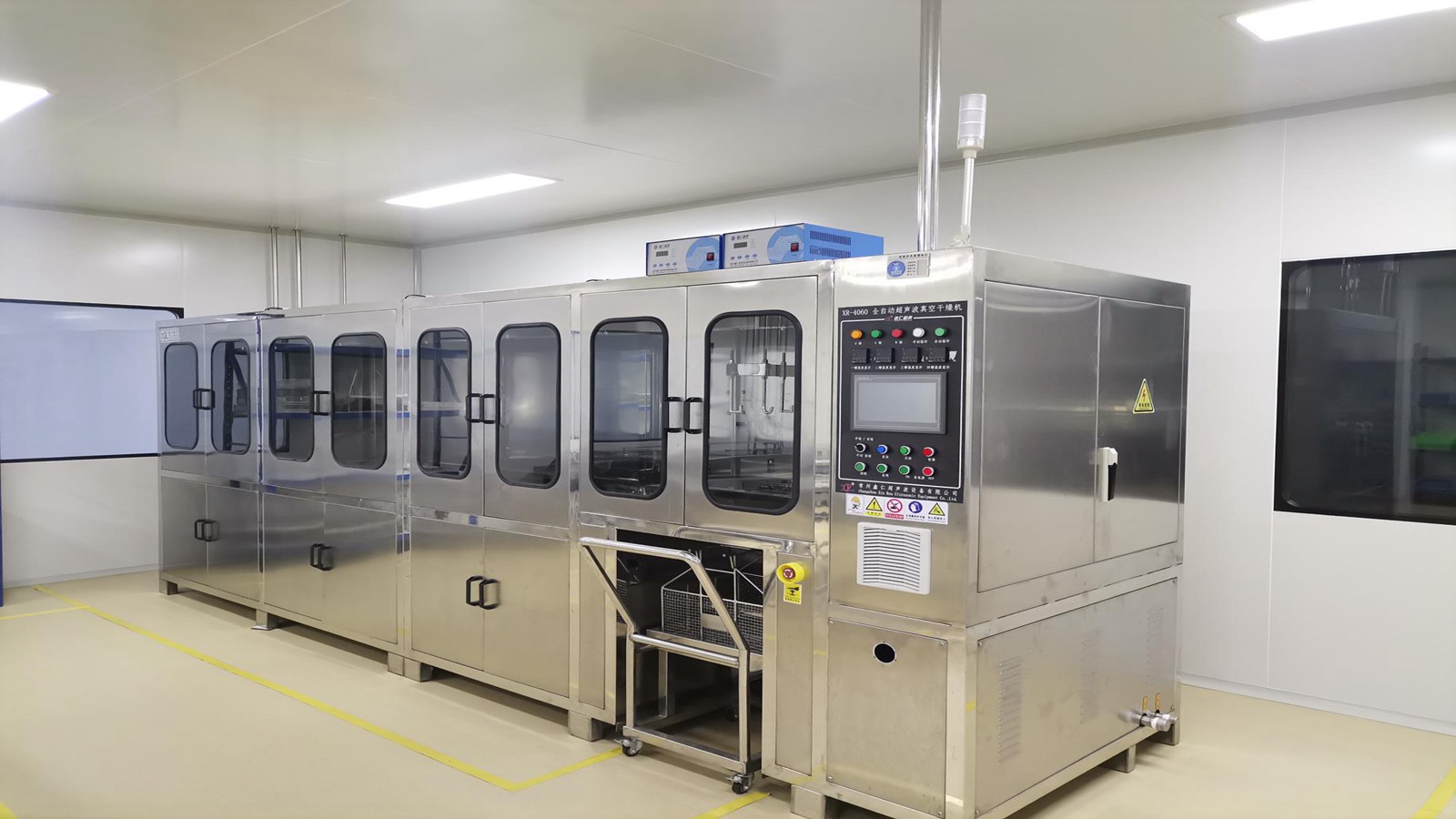
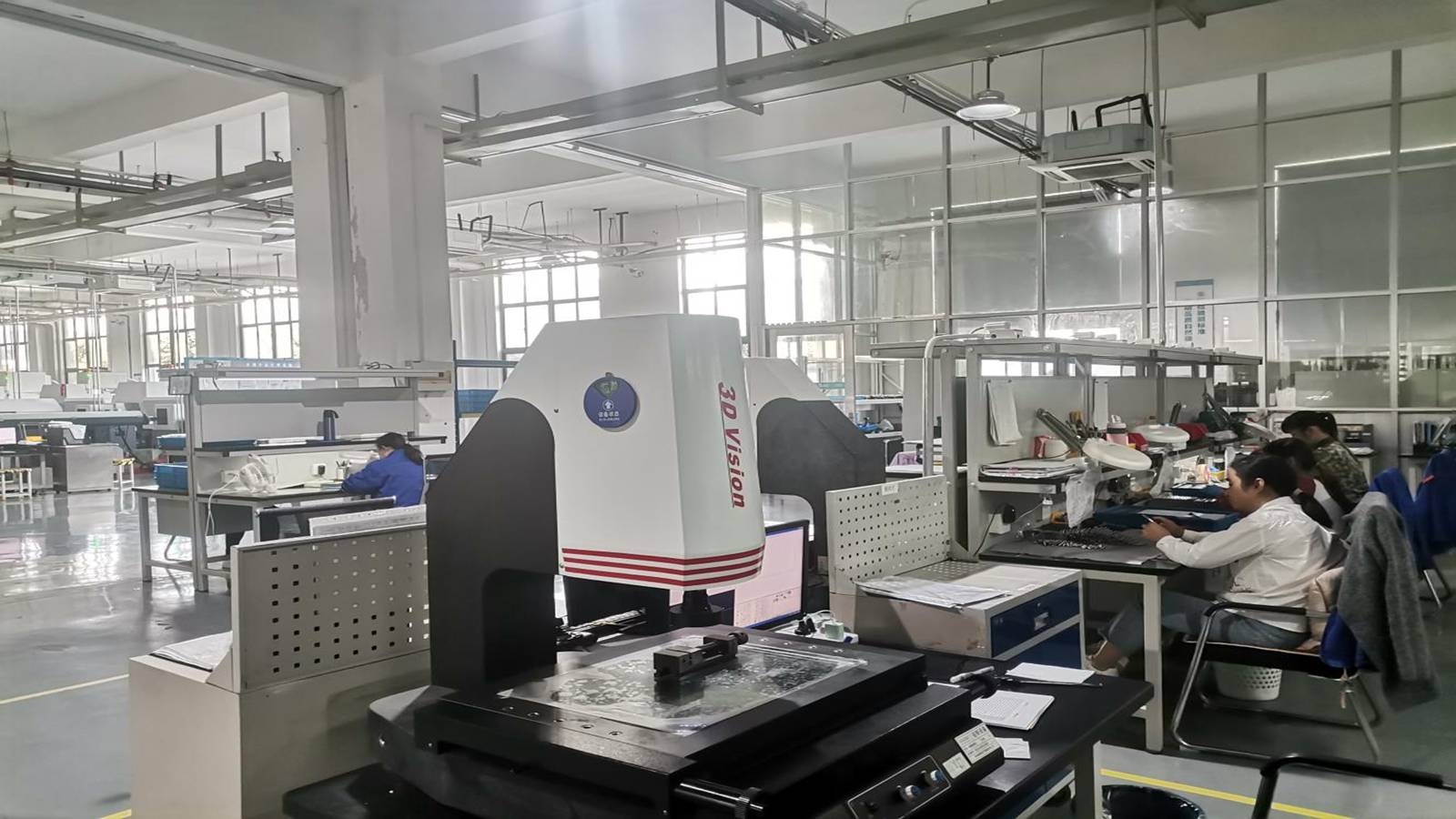
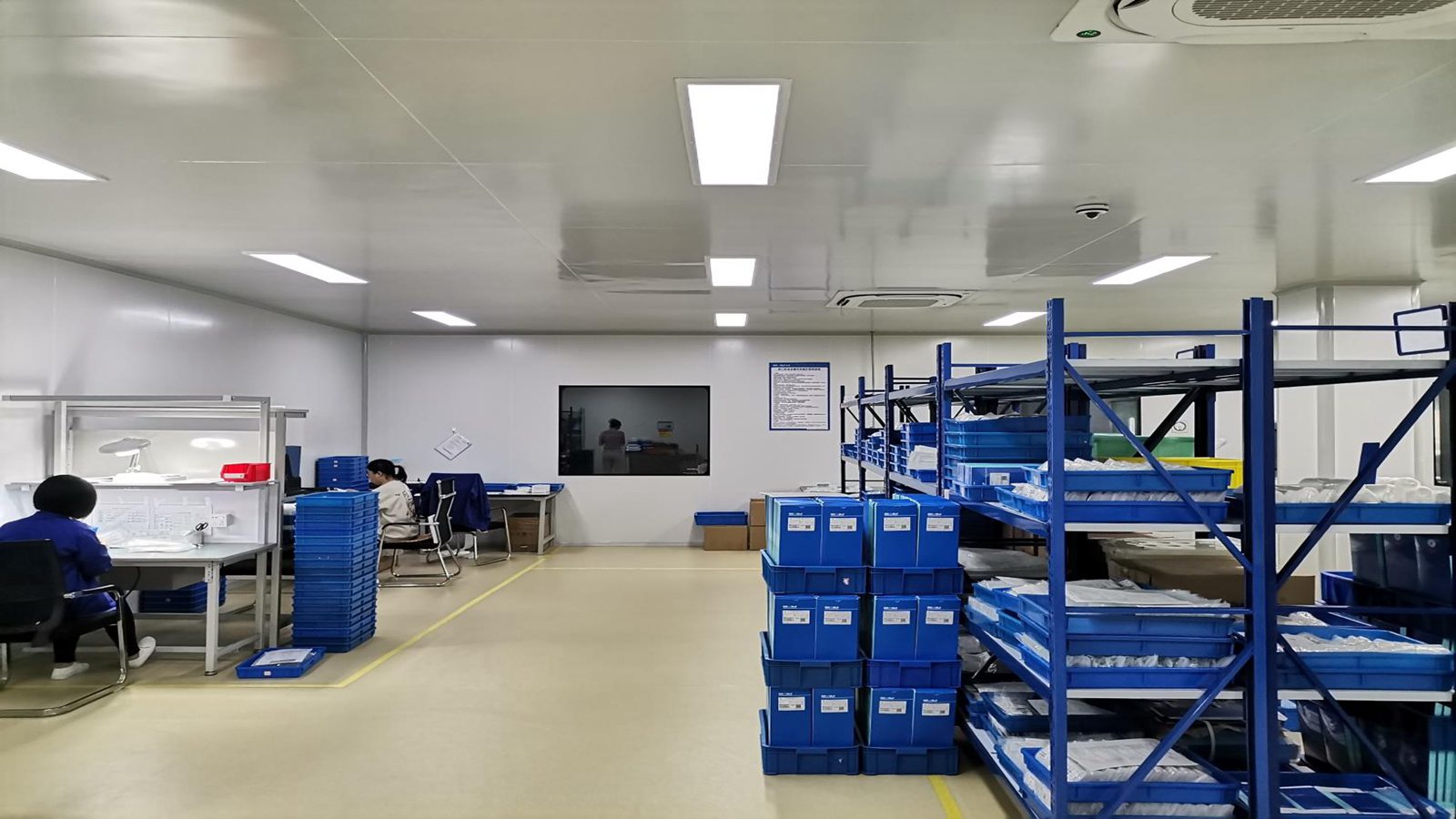
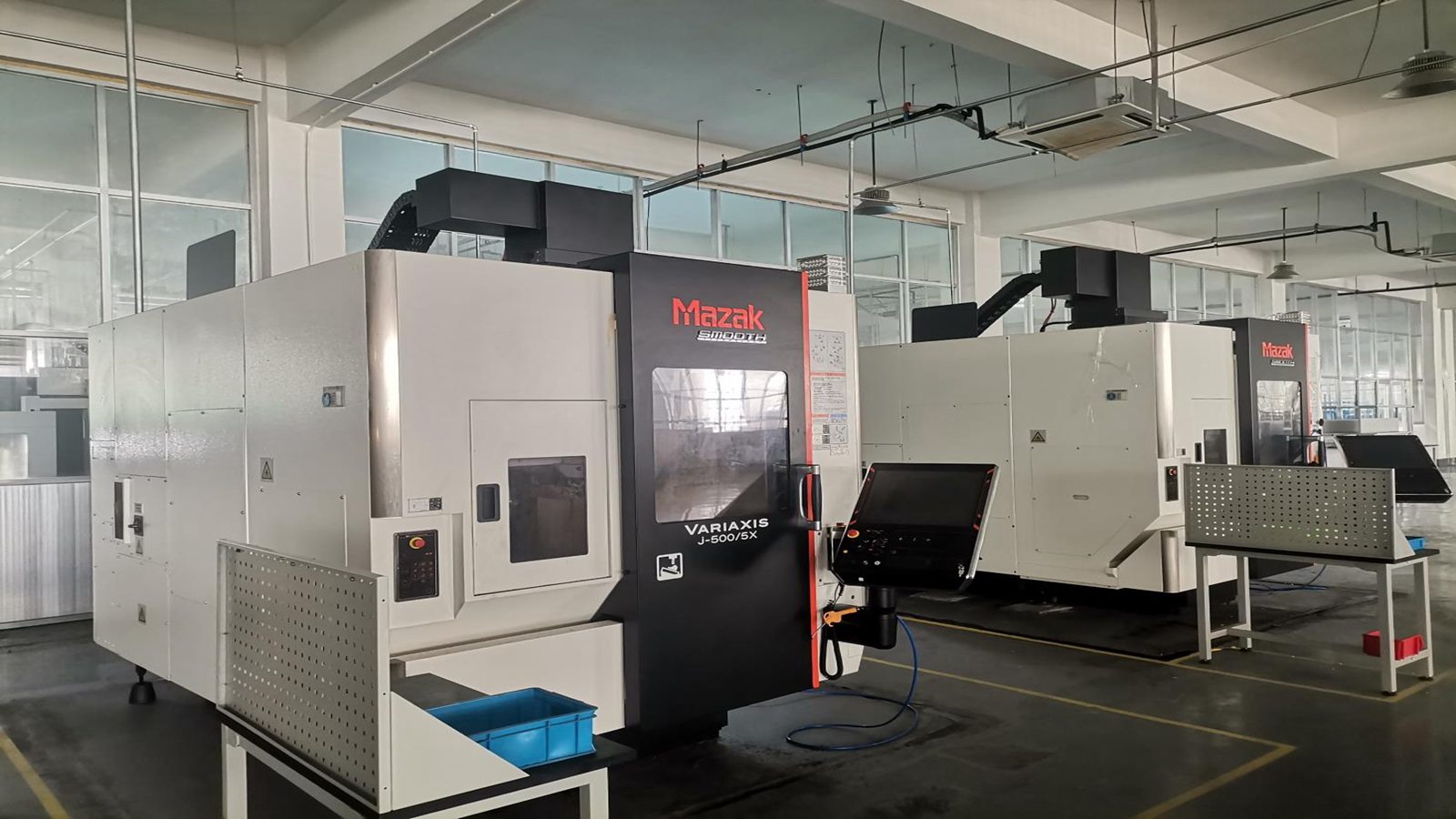
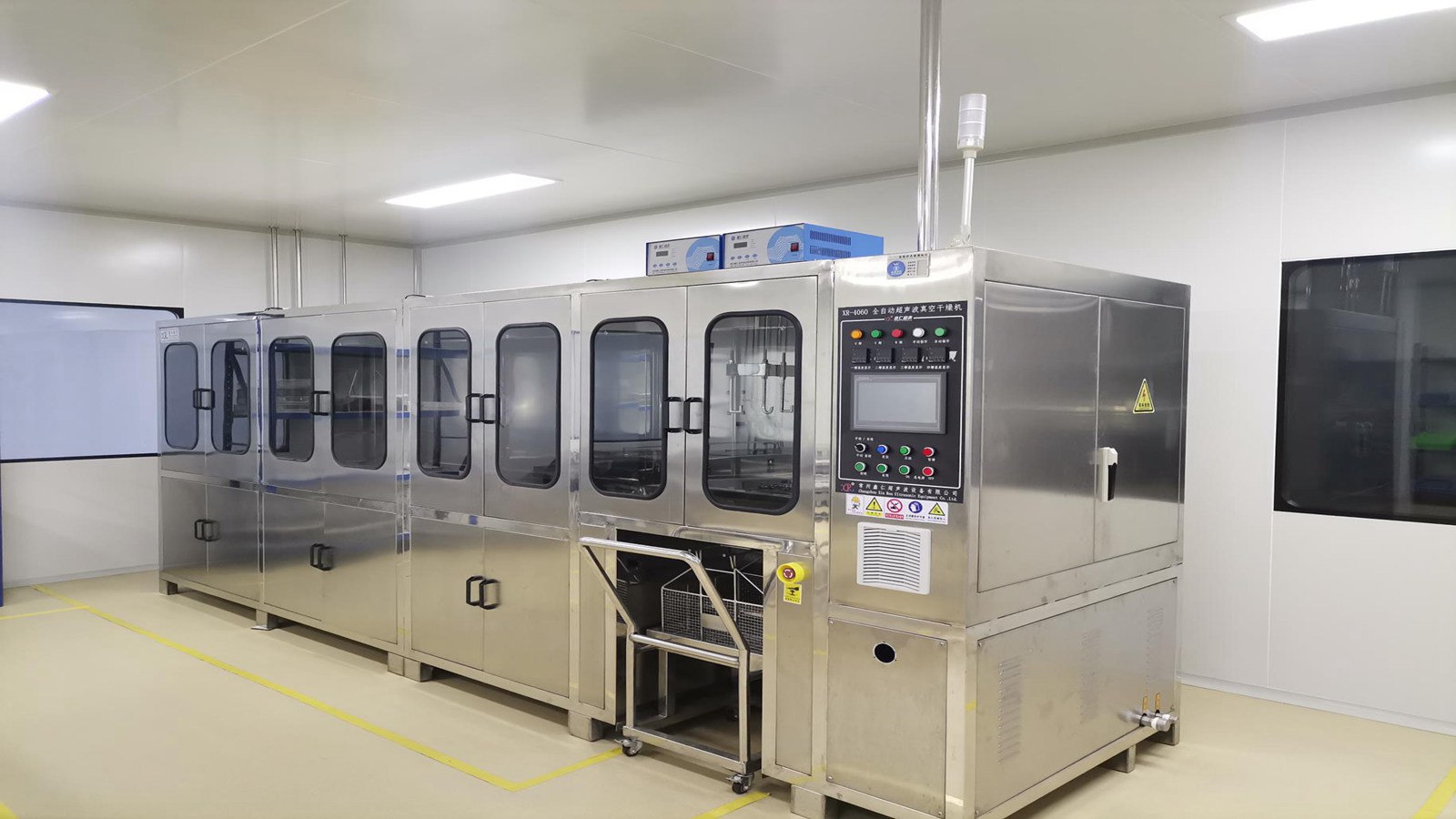
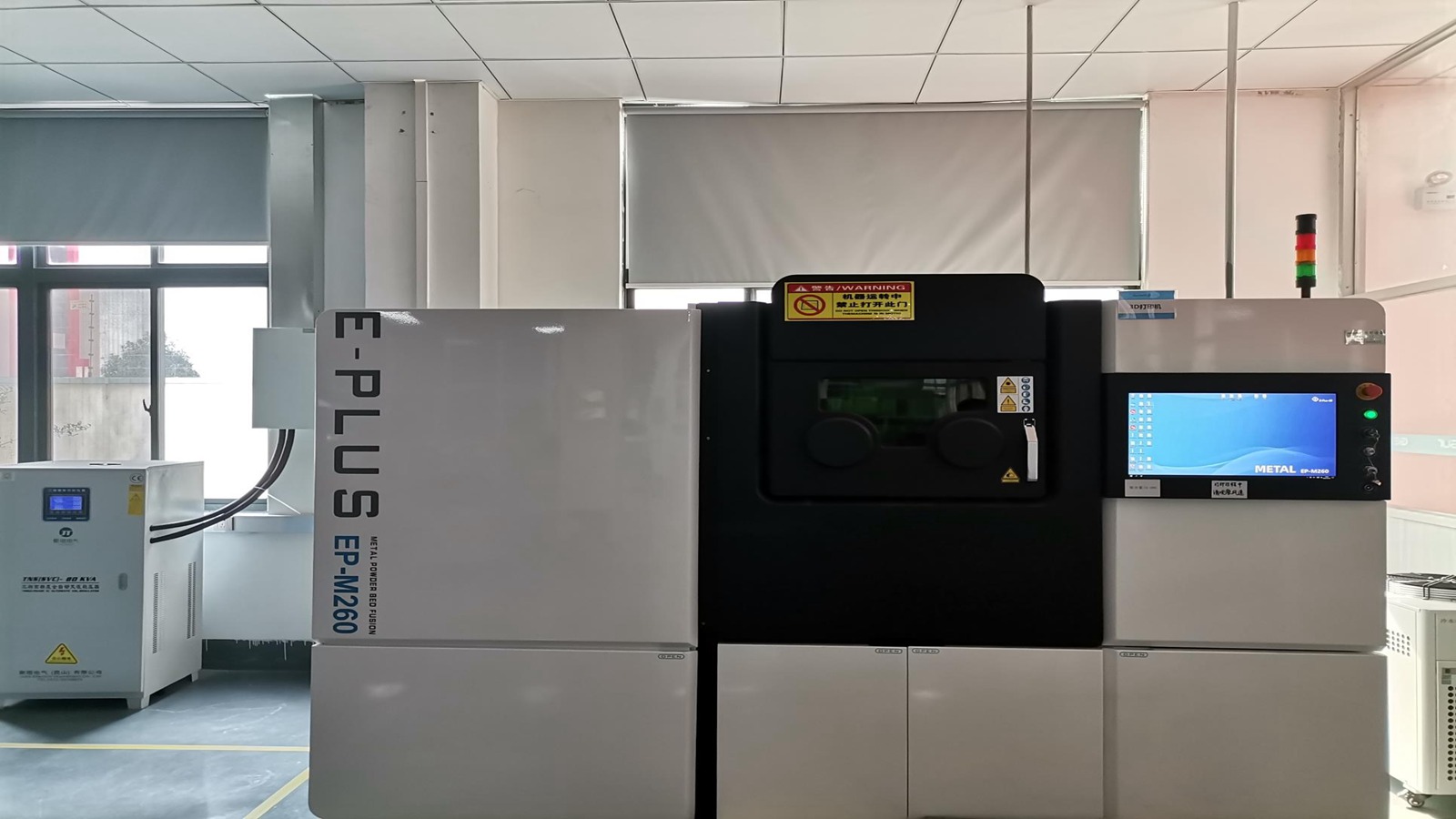
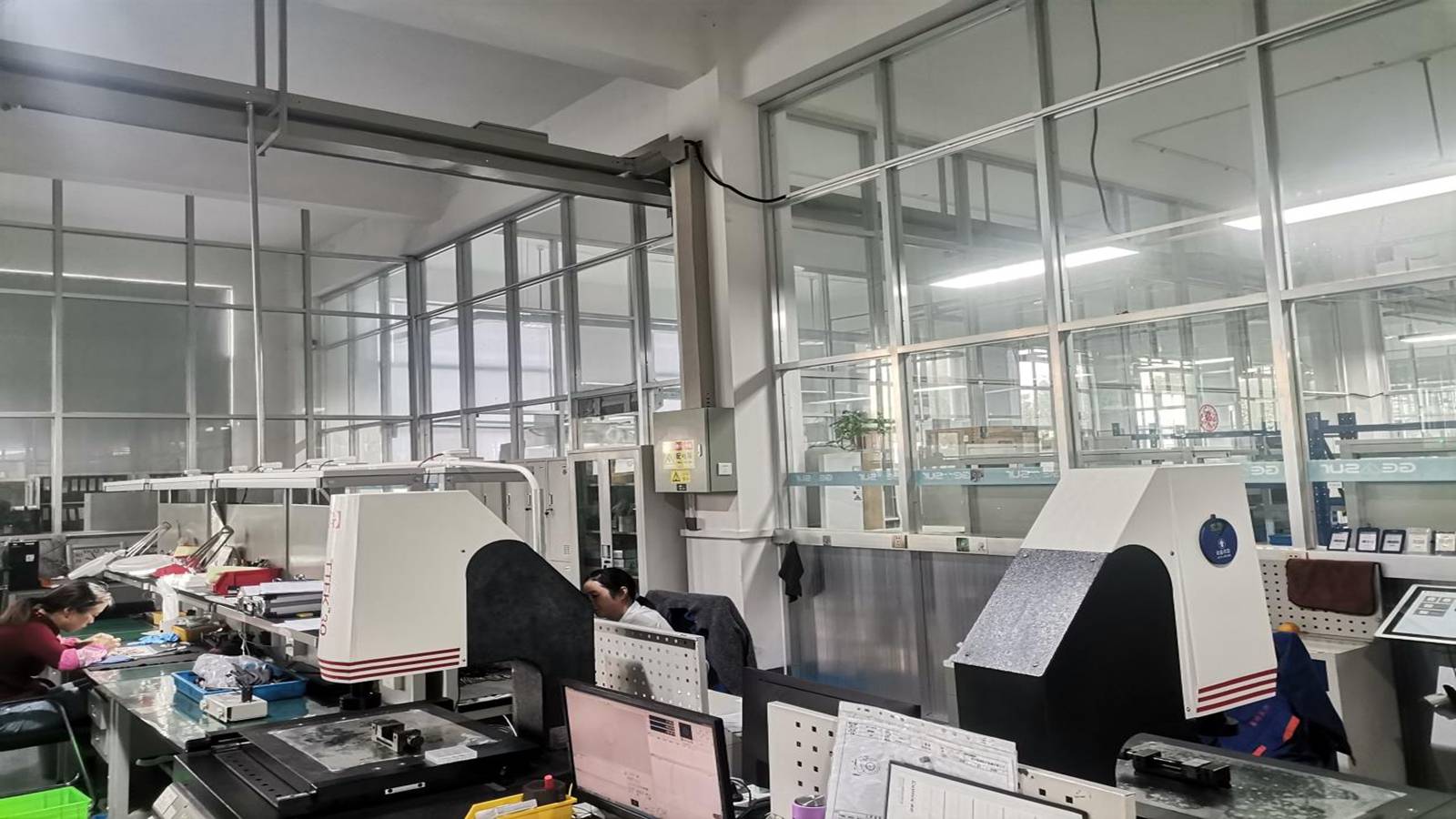
Our infrastructure is optimized for high-end processing of titanium implants, surgical steel adapters, and biocompatible polymers. Under one roof, our facility hosts cleanroom packing areas, multi-axis CNC milling machines, visual tracking equipment, and laser engraving chambers. This extensive capital setup guarantees that from raw feedstock to sterile shipping carton, each batch maintains absolute traceability.
Regulatory alignment is the ultimate barrier of entry in medical device procurement. High-risk Class IIb and Class III devices, such as spinal instrumentation, pedicle positioning systems, and joint implants, must clear rigorous validation processes. Our manufacturing site operates in compliance with EU MDR (Medical Device Regulation 2017/745), MDSAP (Medical Device Single Audit Program), and ISO 13485:2016.
We provide our global distribution partners with full technical documentation (Technical Files), clinical evaluations, biocompatibility certificates (ISO 10993), and sterilization validation files. This comprehensive support expedites registration procedures with local health authorities, such as the FDA, EMA, or local ministries of health.





Why global orthopedic OEMs and medical distributors choose our integrated Chinese supply chain model.
Equipped with 12 parallel lines and 120 production setups, we compress delivery times by 30-40% compared to Western manufacturers. This maintains rapid response to market shortages.
With an R&D unit housing 31 engineers (including postgraduates and doctorates), we specialize in sample processing, blueprint conversion, and custom design generation for target markets.
By using local raw material supplies combined with strict compliance to ASTM standards, we reduce product costs by 25-35% without sacrificing physical and chemical properties.
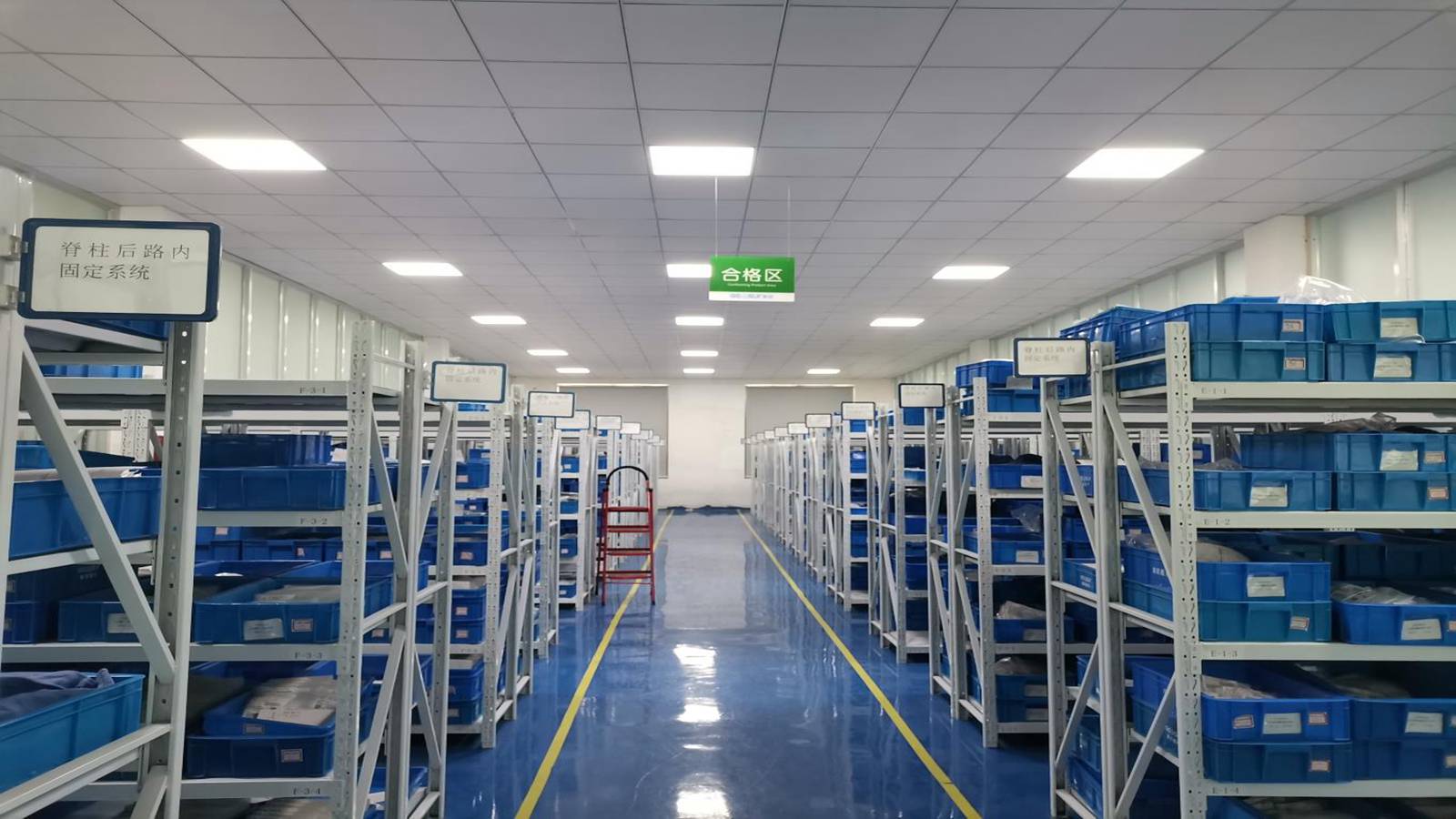
Transparent insight into our manufacturing processes, including CNC operations, quality control testing, and packaging stations.



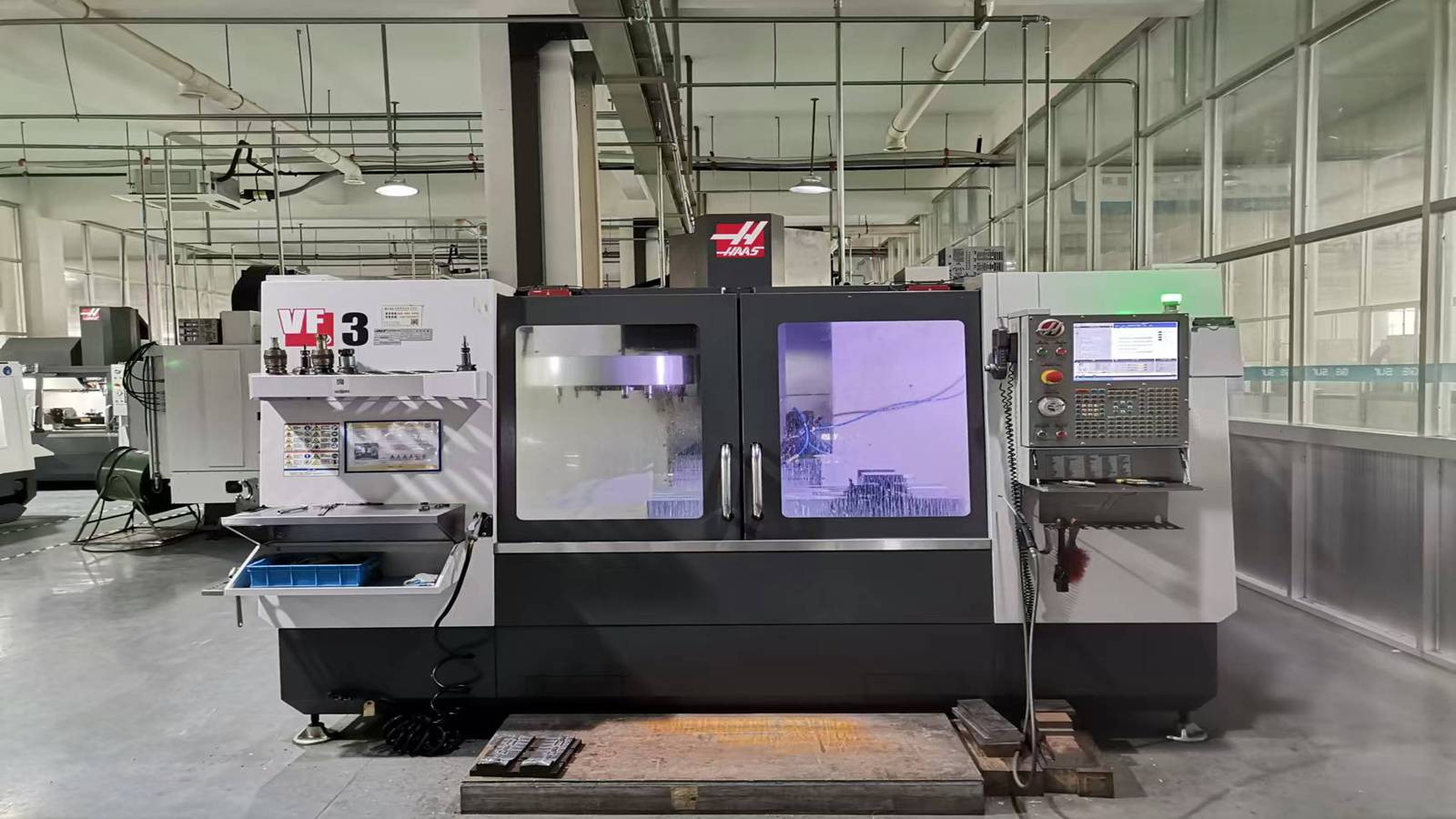
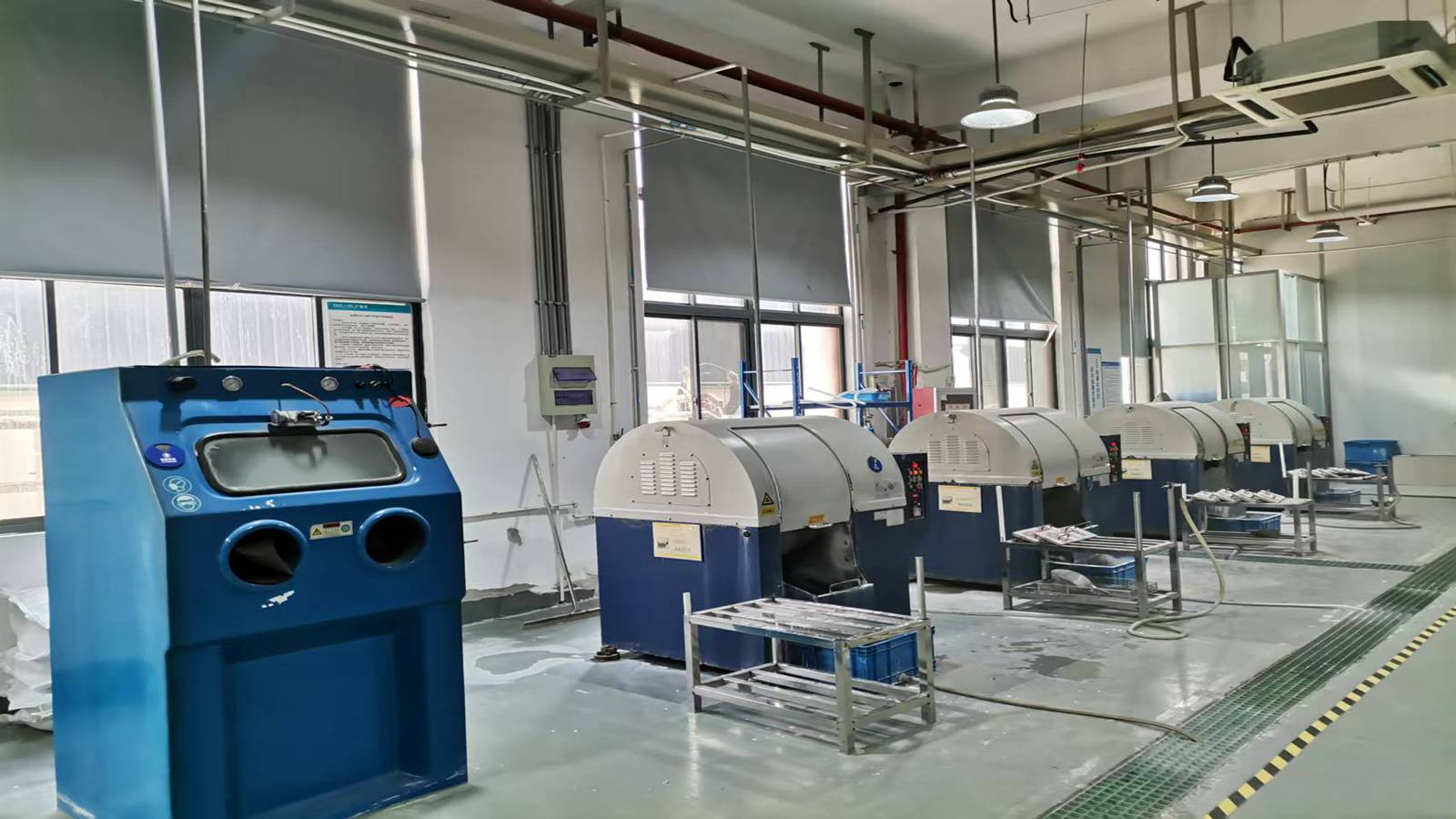
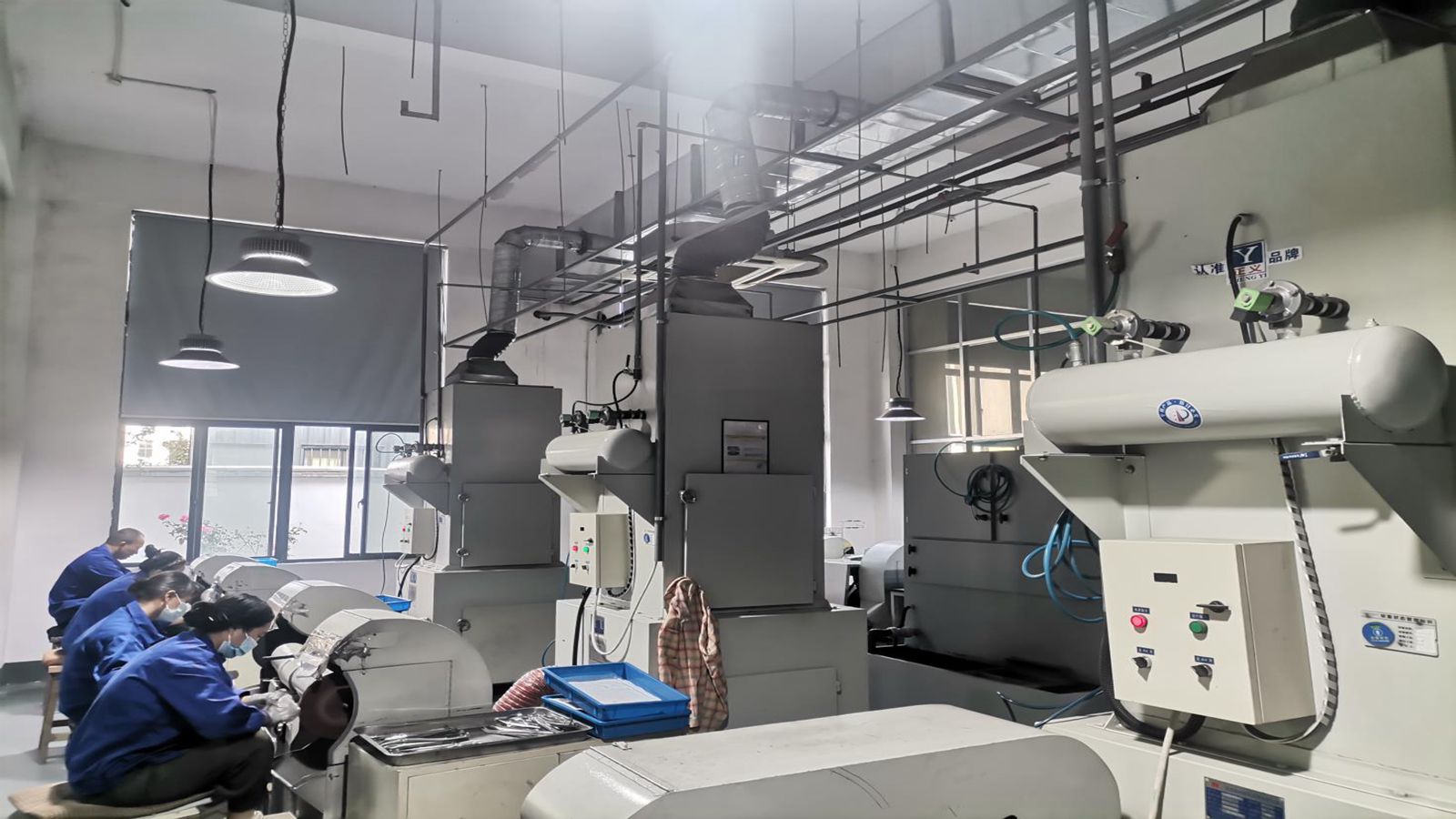
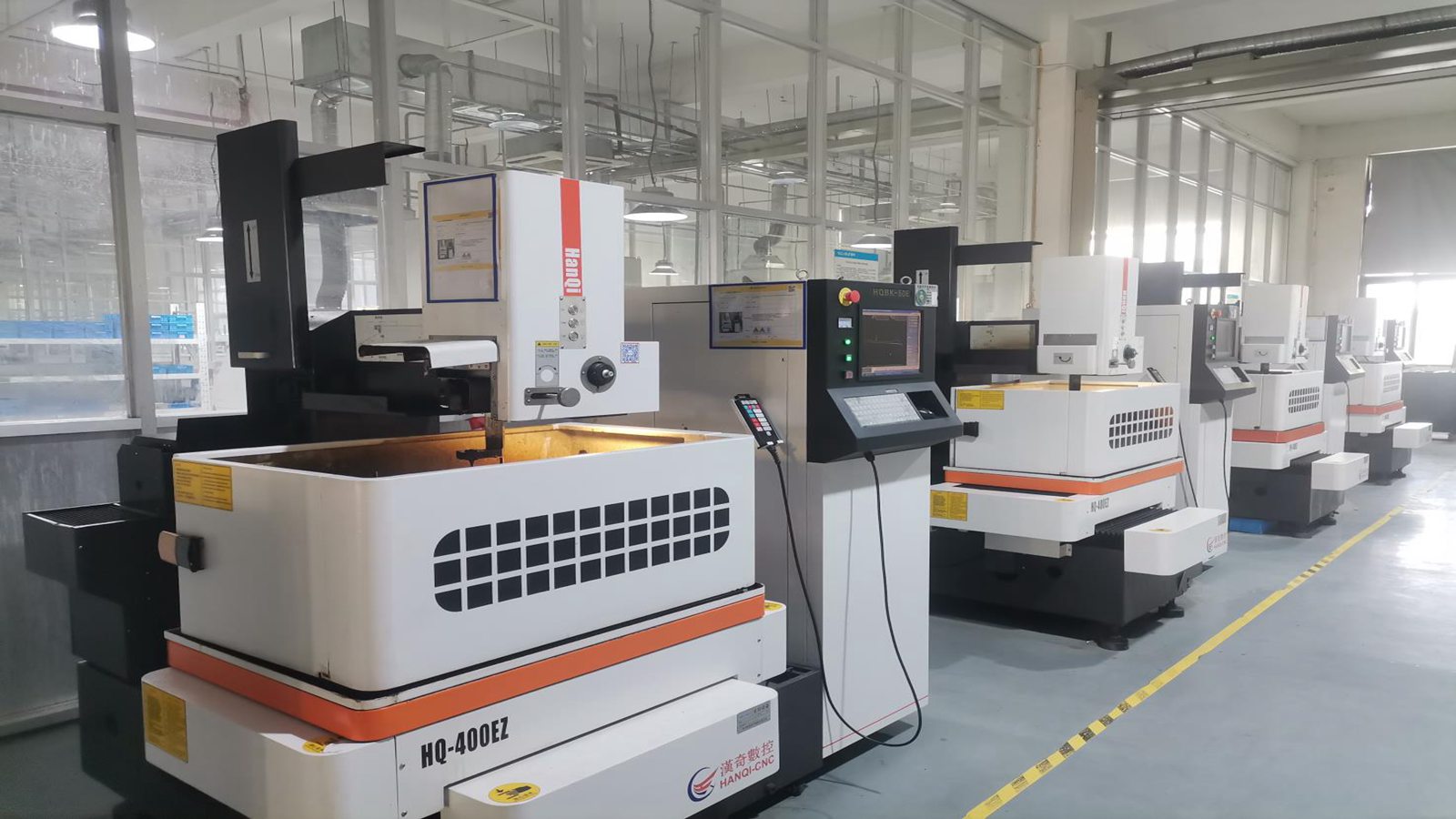
How our orthopedic accessories perform inside critical surgical environments globally.
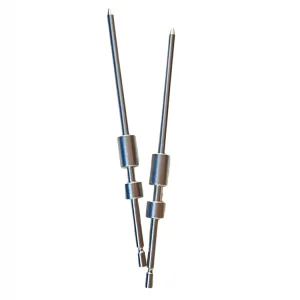
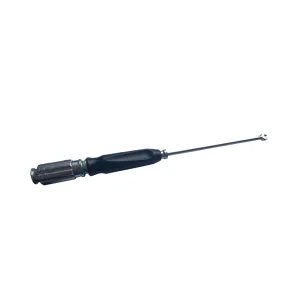
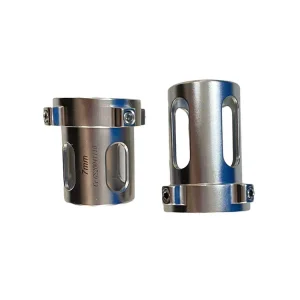
During scoliosis correction surgeries, instruments like our Pedicle Positioning Measuring Device and Reset Sleeve allow surgeons to align the spinal curvature precisely. High mechanical stress is applied to spinal bars, needing instrument sleeves to prevent slips and ensure precise screw placement in the vertebral pedicle.
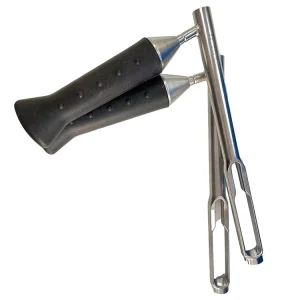
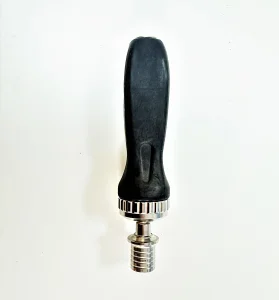
Surgical tools like the TLIF Cage Holder help insert PEEK or titanium interbody fusion cages into the disc space. Precision adjustments on the holder handle ensure the cage is placed correctly relative to the endplates, promoting bone growth and fusion.
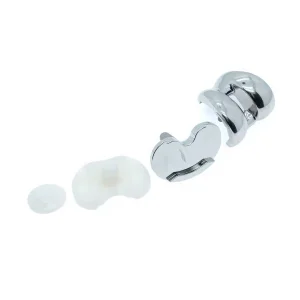
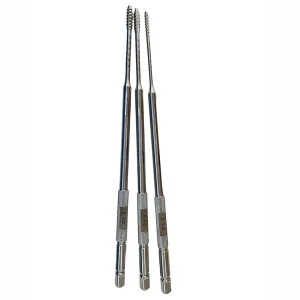
Our artificial knee implants and tibial locking plates restore joint function. Precise torque limiters and screwdrivers prevent over-tightening of locking screws. Over-tightening can strip threads, cause bone fractures, or lead to screw loosening over time.
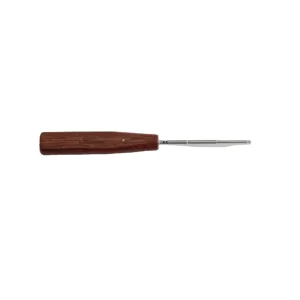
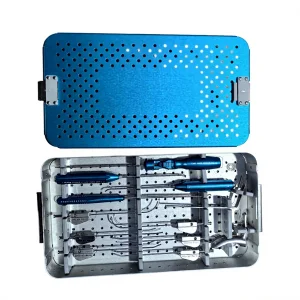
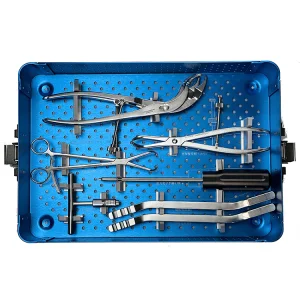
Our Meniscus Revision Instrument Set helps reconstruct torn meniscal tissues and cruciate ligaments. Low-profile, high-strength suture passers and instrumentation permit clean access in tight joint capsules. This reduces surgical trauma and speeds patient recovery.
Technical, compliance, and ordering details for international procurement departments.
We follow a comprehensive Quality Management System (QMS) audited annually by European notified bodies and MDSAP registrars. Every manufacturing step—from chemical composition tests of raw titanium rods to dimensional testing using coordinate measuring machines (CMM)—is documented. We also run cleanrooms validated to ISO Class 7/8 standards for final cleaning and packaging.
Yes. We offer customization options like sample processing, graphic blueprint conversion, and customized design generation. Our R&D team works with CAD/CAM software to prototype your designs. They run test batches to confirm they meet required tolerances before starting full production.
Our surgical implants are made using medical-grade Titanium Alloy (Ti-6Al-4V ELI) conforming to ASTM F136 standards, and high-strength Cobalt-Chromium (Co-Cr) alloys. For spinal cages, we use implantable Polyetheretherketone (PEEK) from premium suppliers. All materials include heat-lot certificates and pass biocompatibility assessments before machining.
We maintain trace records for all raw materials. When steel or titanium enters our facility, it gets a unique batch ID linked to its mill certificate. This ID follows the material through machining, heat treatment, laser markings, and final logistics. If a field issue occurs, we can trace it back to the specific raw metal batch.
Standard instruments and stocked consumables ship within 15–30 days. Complex custom OEM orders or large implant productions take 45–60 days, depending on material needs and custom tooling setups. We provide detailed timeline projections at quotation.
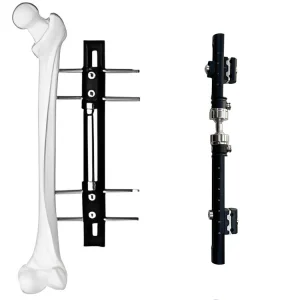
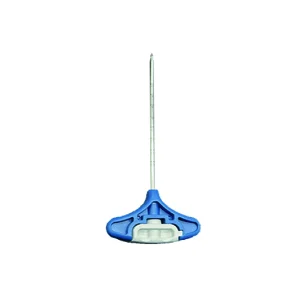
Explore our technical instruments, external fixator hardware, joint implants, and arthroscopic consumables.