Ease Medical Apparatus And Instruments Ease Medical Apparatus And Instruments

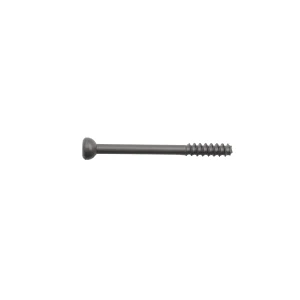
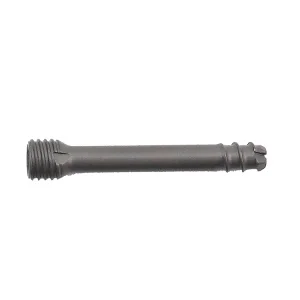
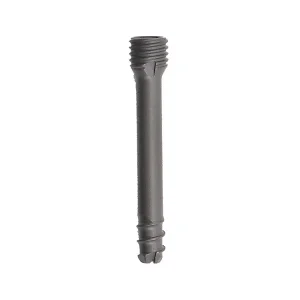
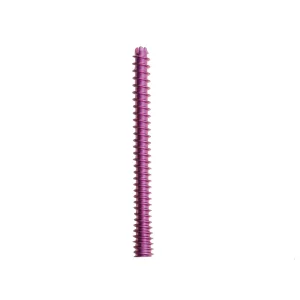
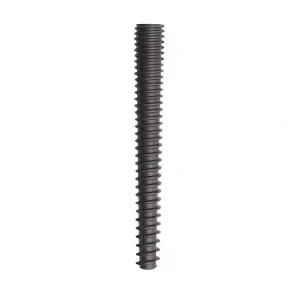
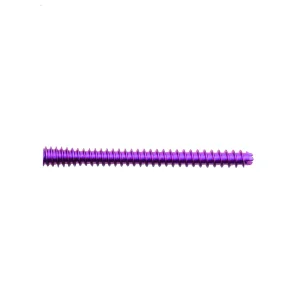
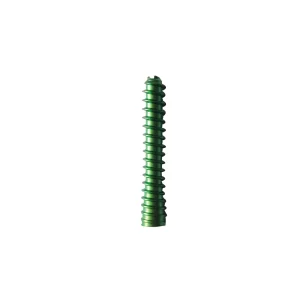
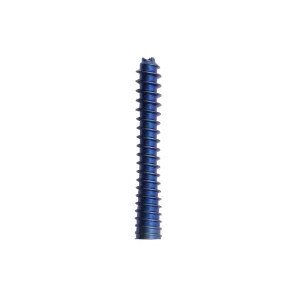
Cannulated Screw Implant Factories & Suppliers

Comprehensive OEM/ODM Medical Trauma Fixation Systems & Clinical Engineering Solutions for Global Healthcare Networks

Industrial Whitepaper: The Evolution & Global Footprint of Cannulated Screw Implants

30,343㎡
Production Space
120+
Advanced CNC Systems
10 Yrs
Global Exporting Track
MDR/CE
Regulatory Approvals

📊Global Commercial & Industrial Status

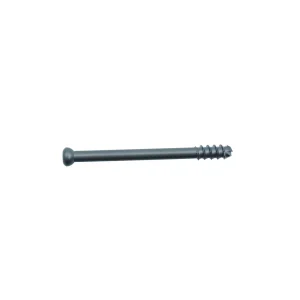
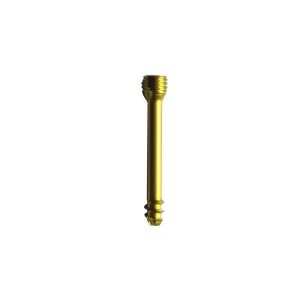
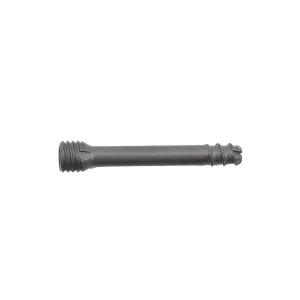
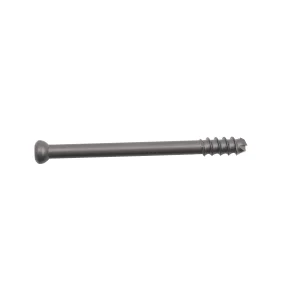
Cannulated compression screws are the cornerstone of modern orthopaedic trauma internal fixation. By integrating a hollow central shaft (cannulation), surgeons can insert a guide wire under fluoroscopic control to precisely locate the optimal trajectory before drilling and inserting the final screw. According to recent clinical orthopaedic market intelligence, the global demand for cannulated screws is growing at an annual rate of 6.2%, driven by the rise in geriatric hip fractures, high-energy trauma incidents, and the rapid shift towards minimally invasive surgery (MIS).

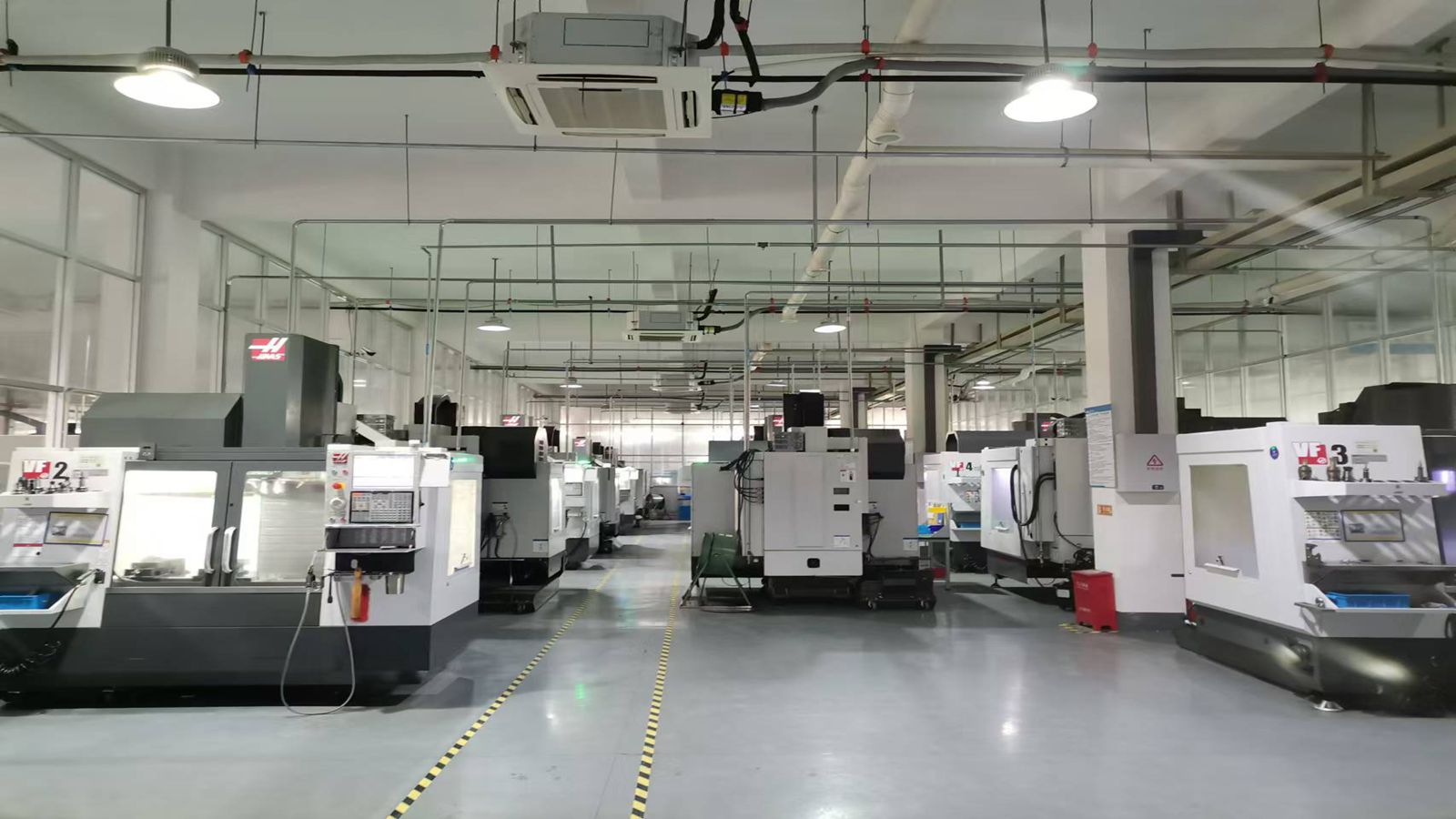
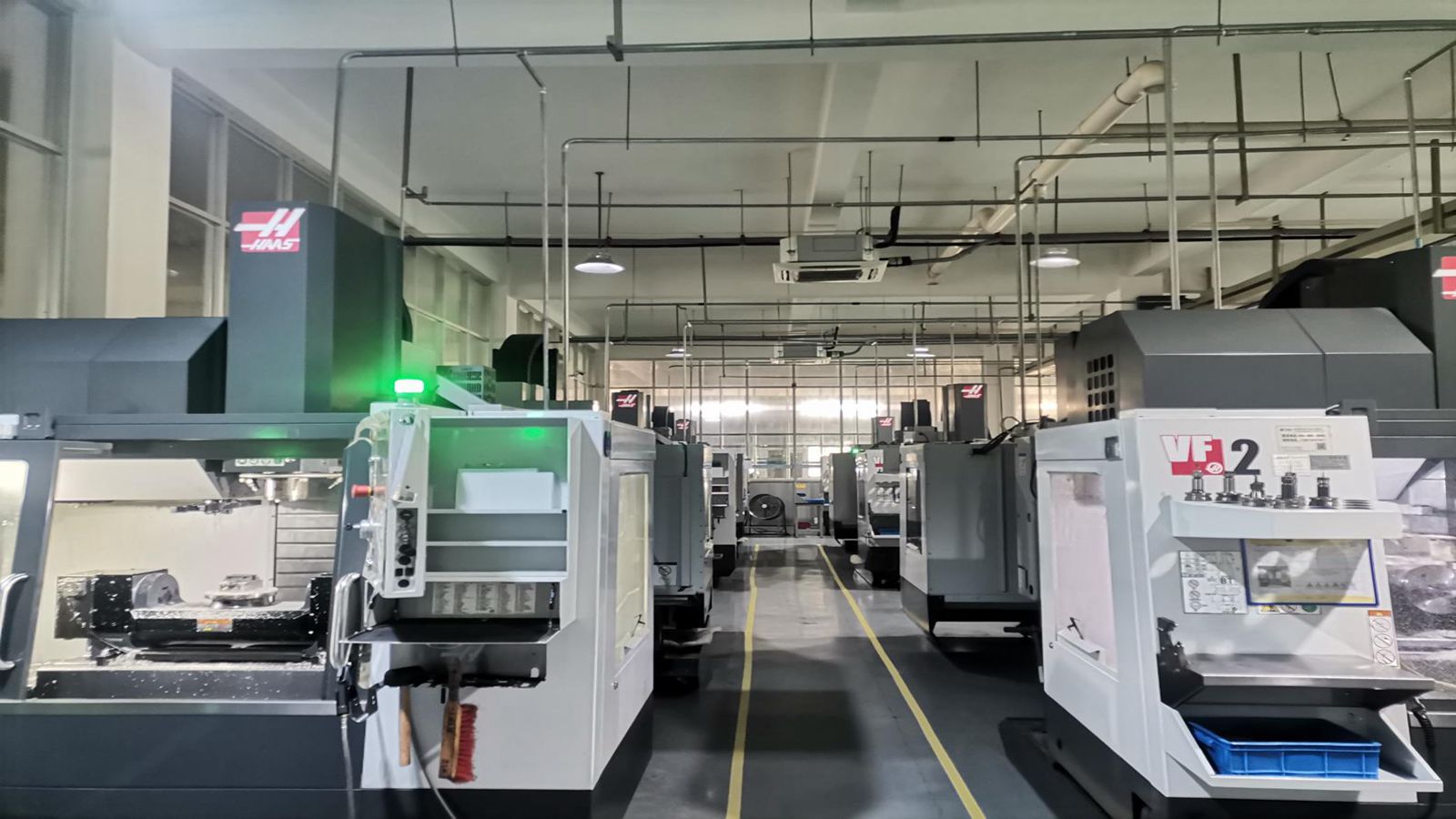
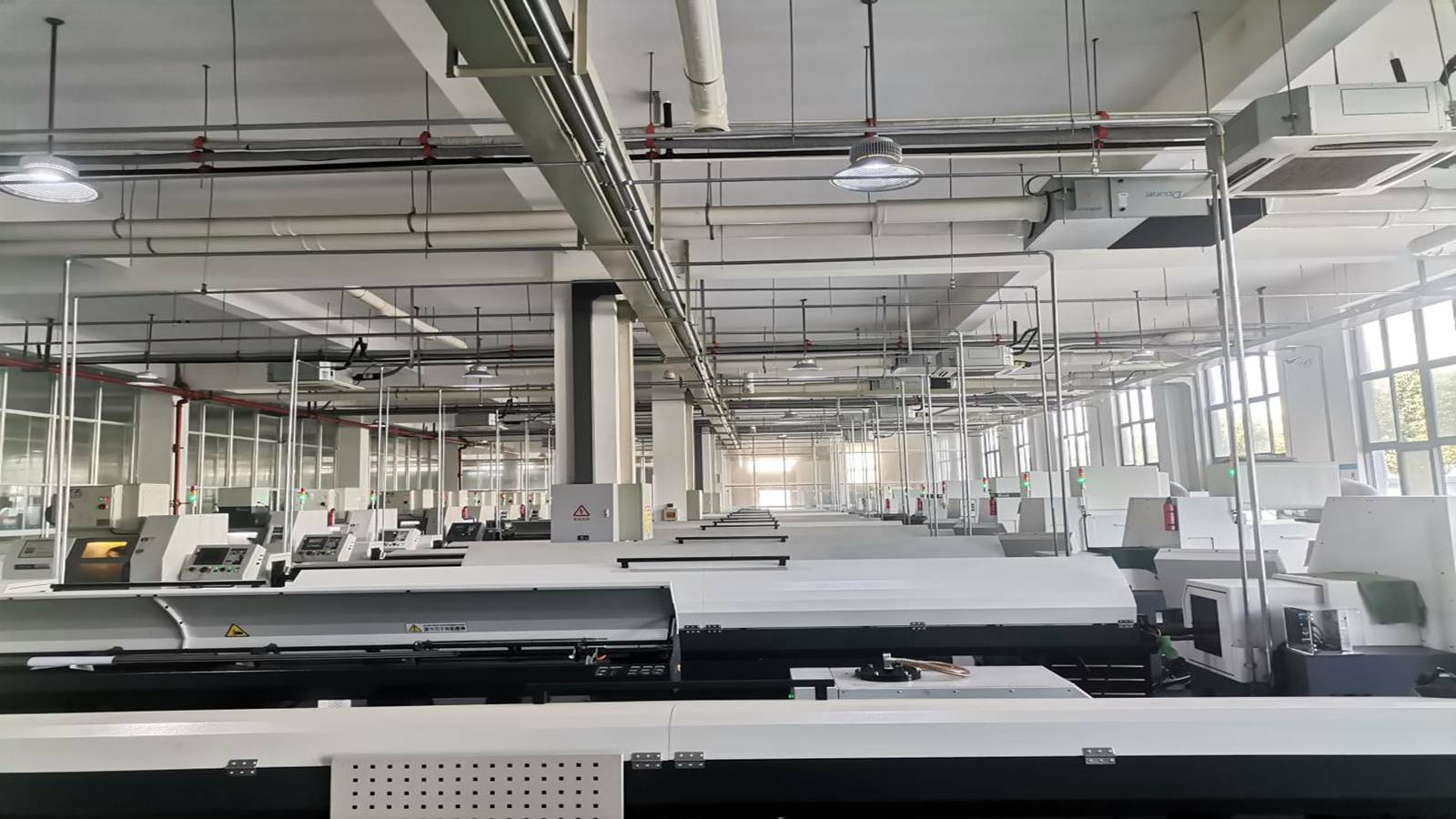
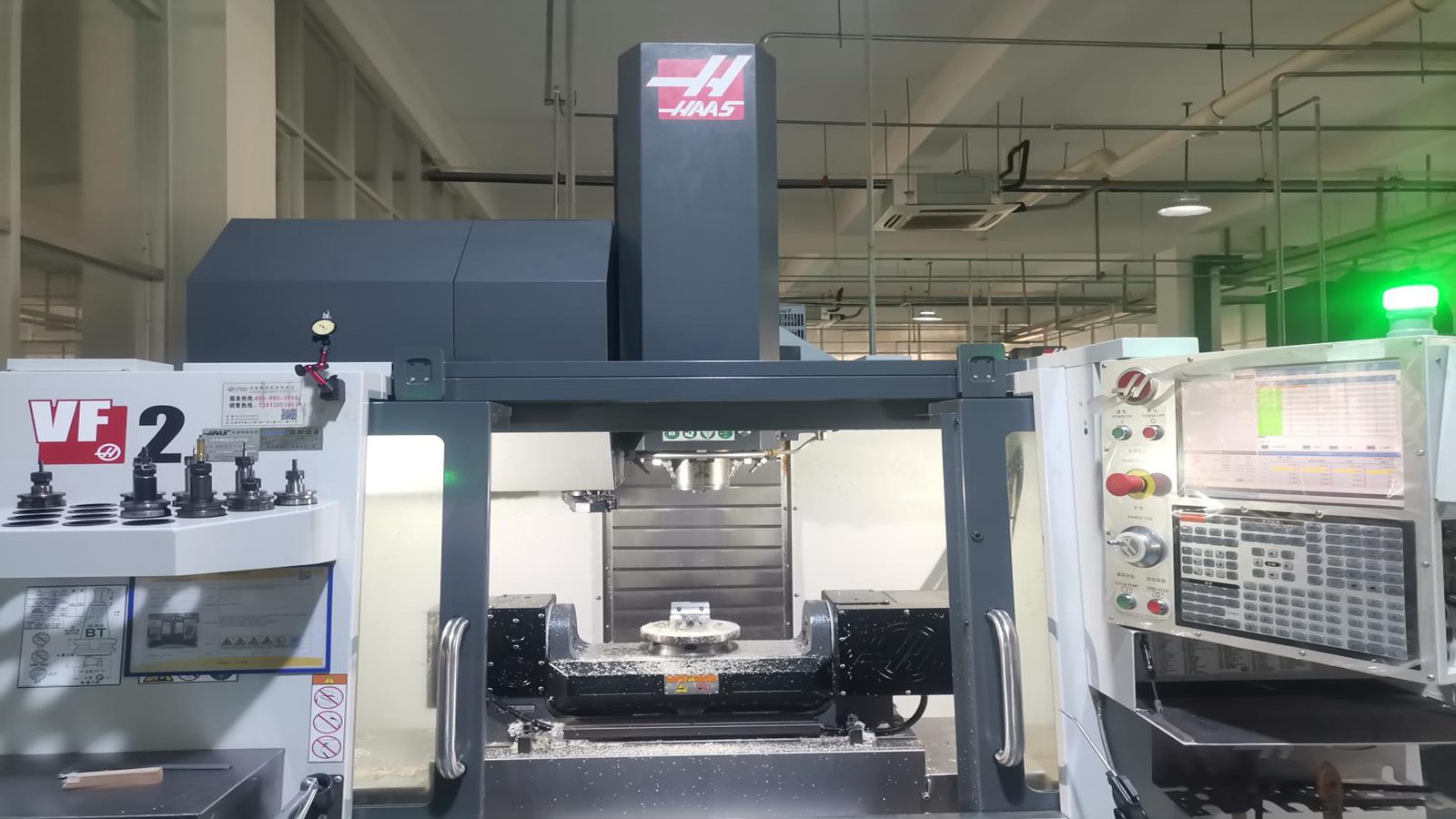
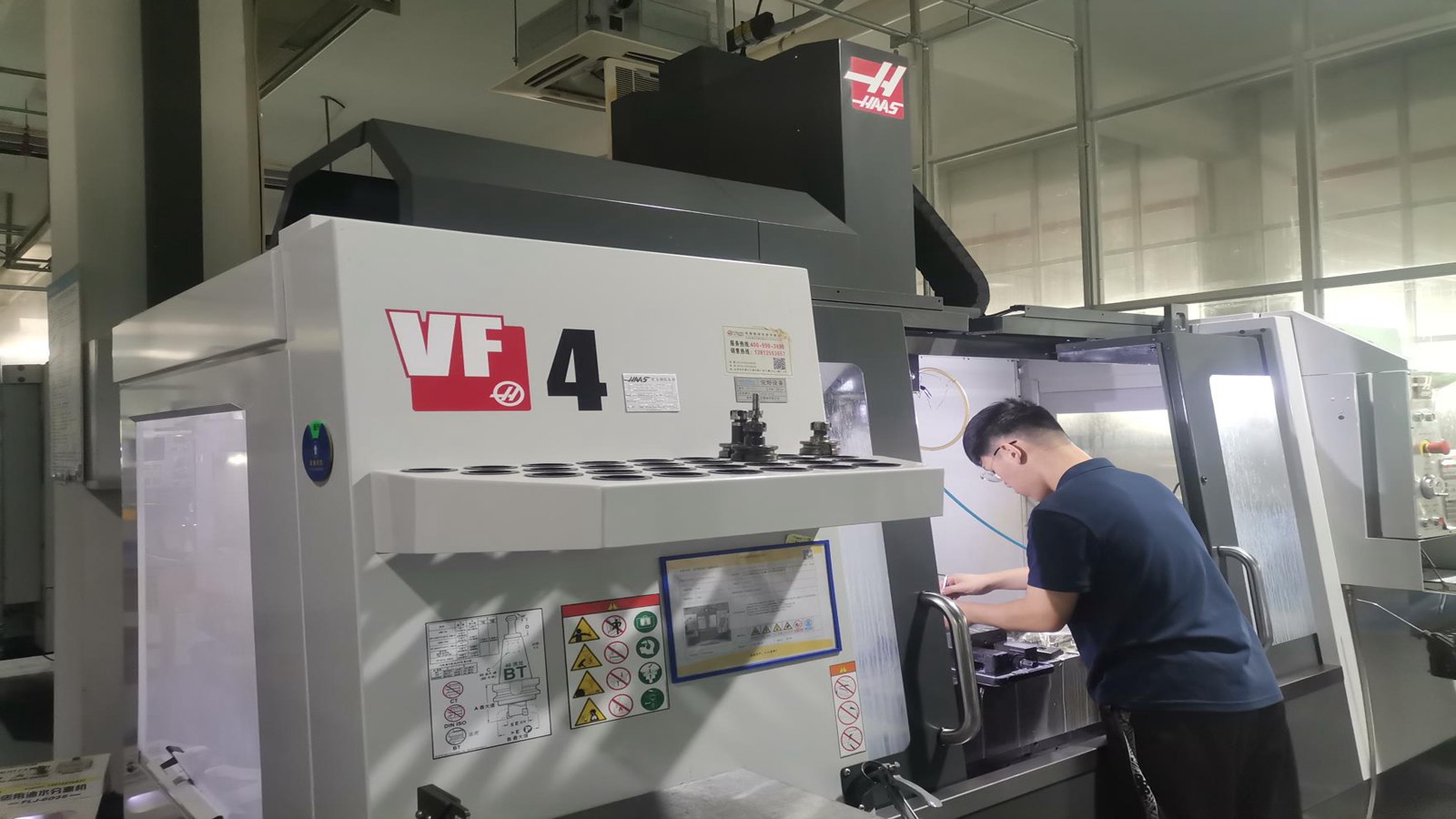
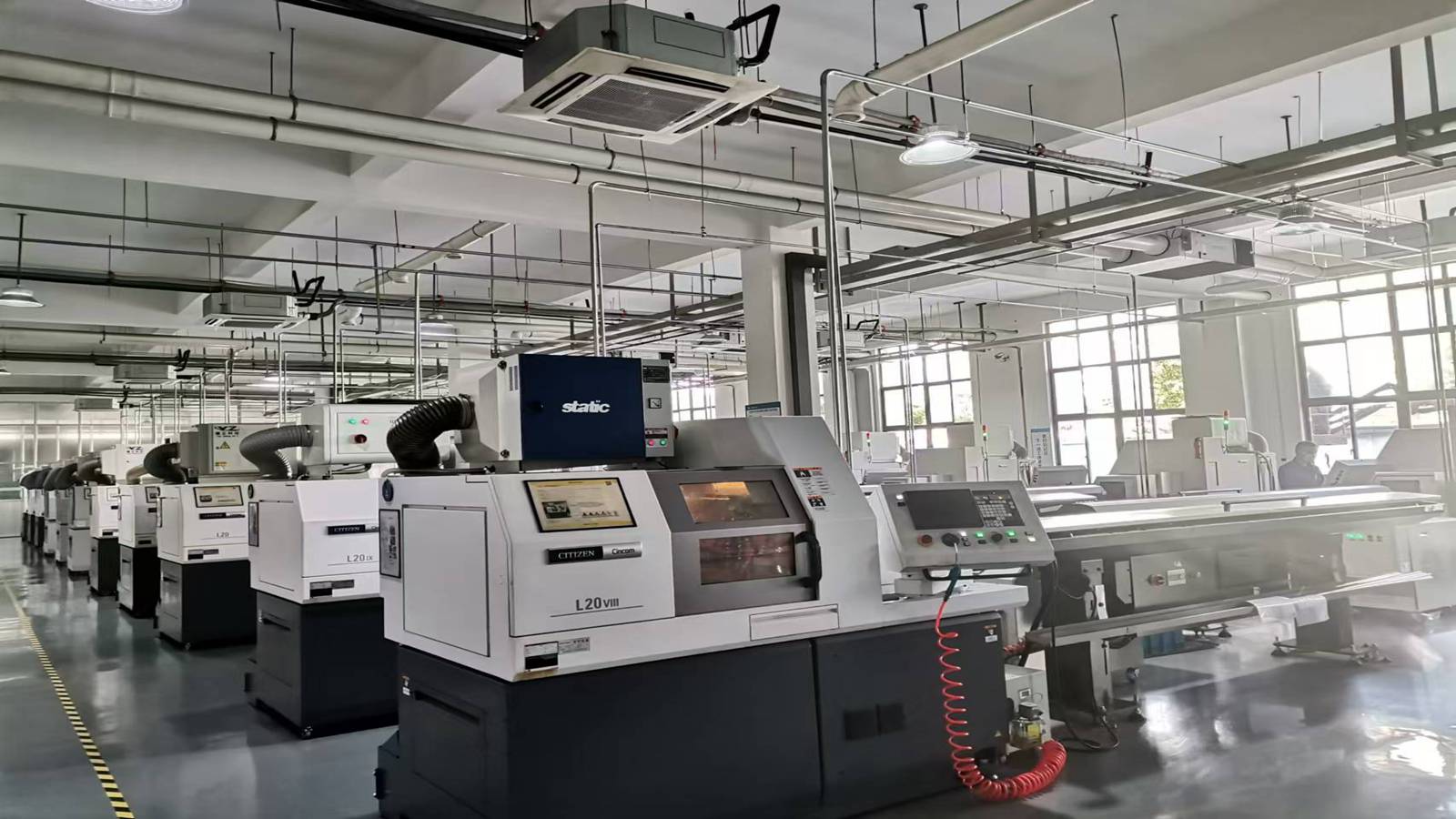
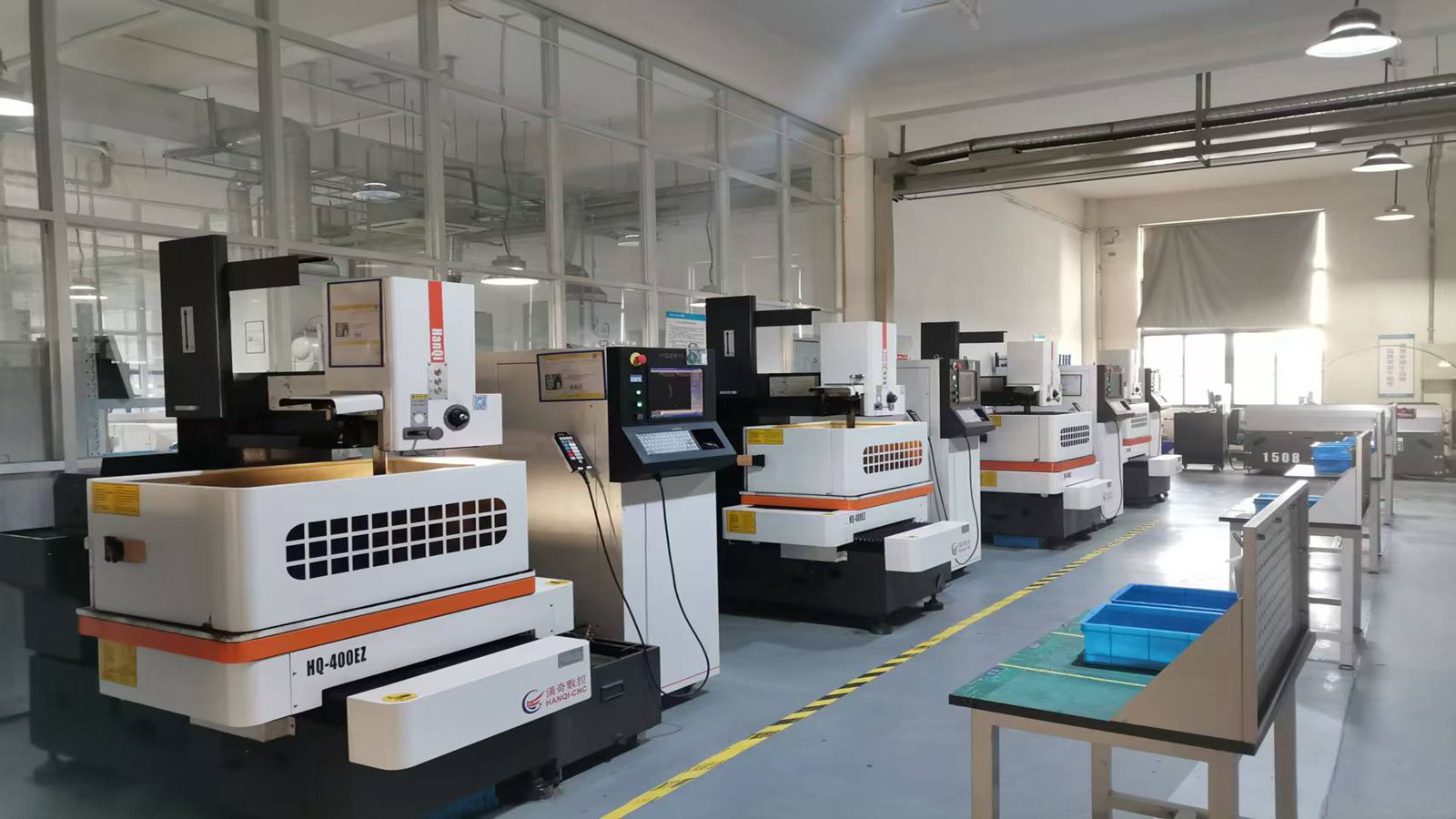
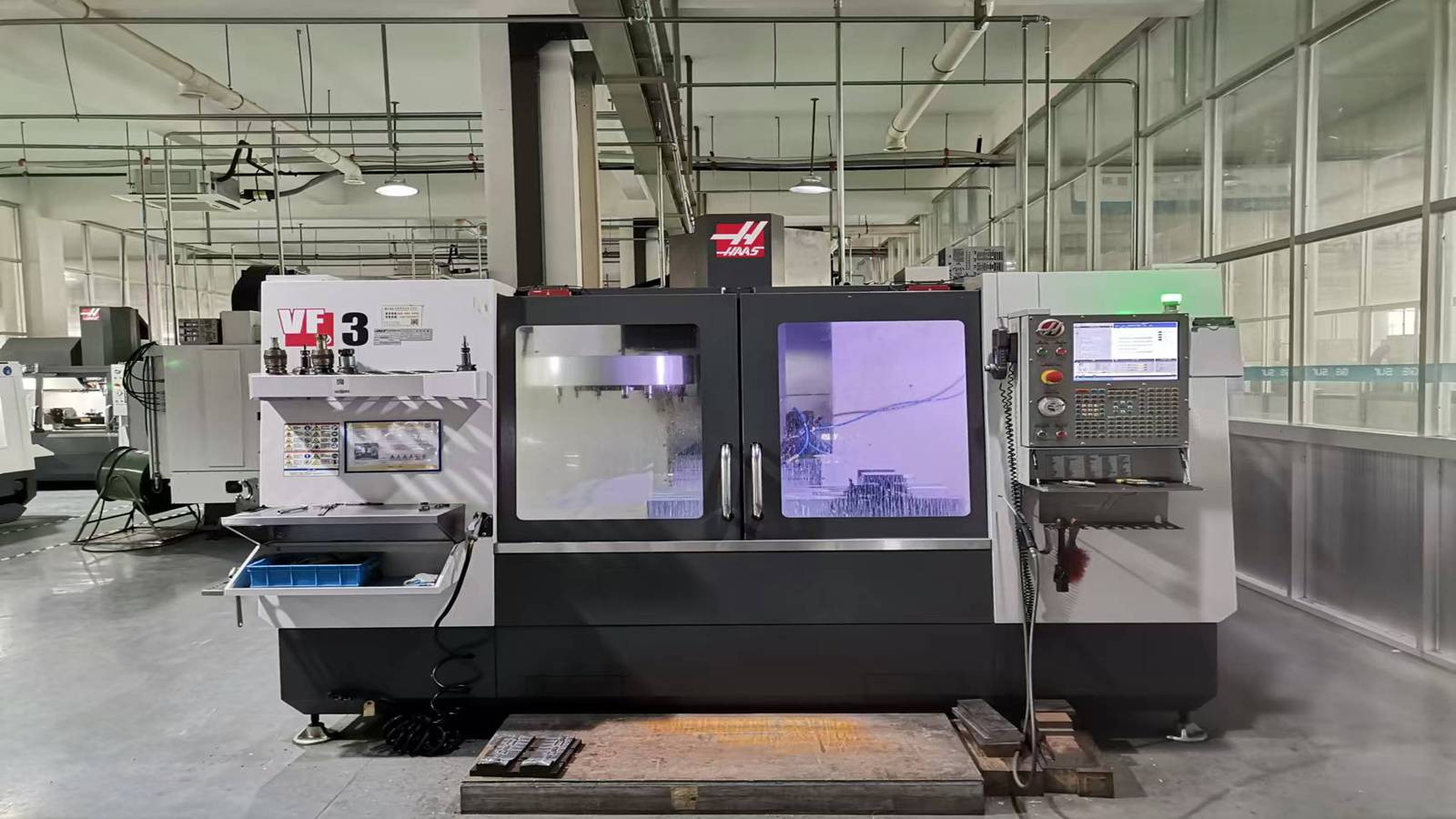
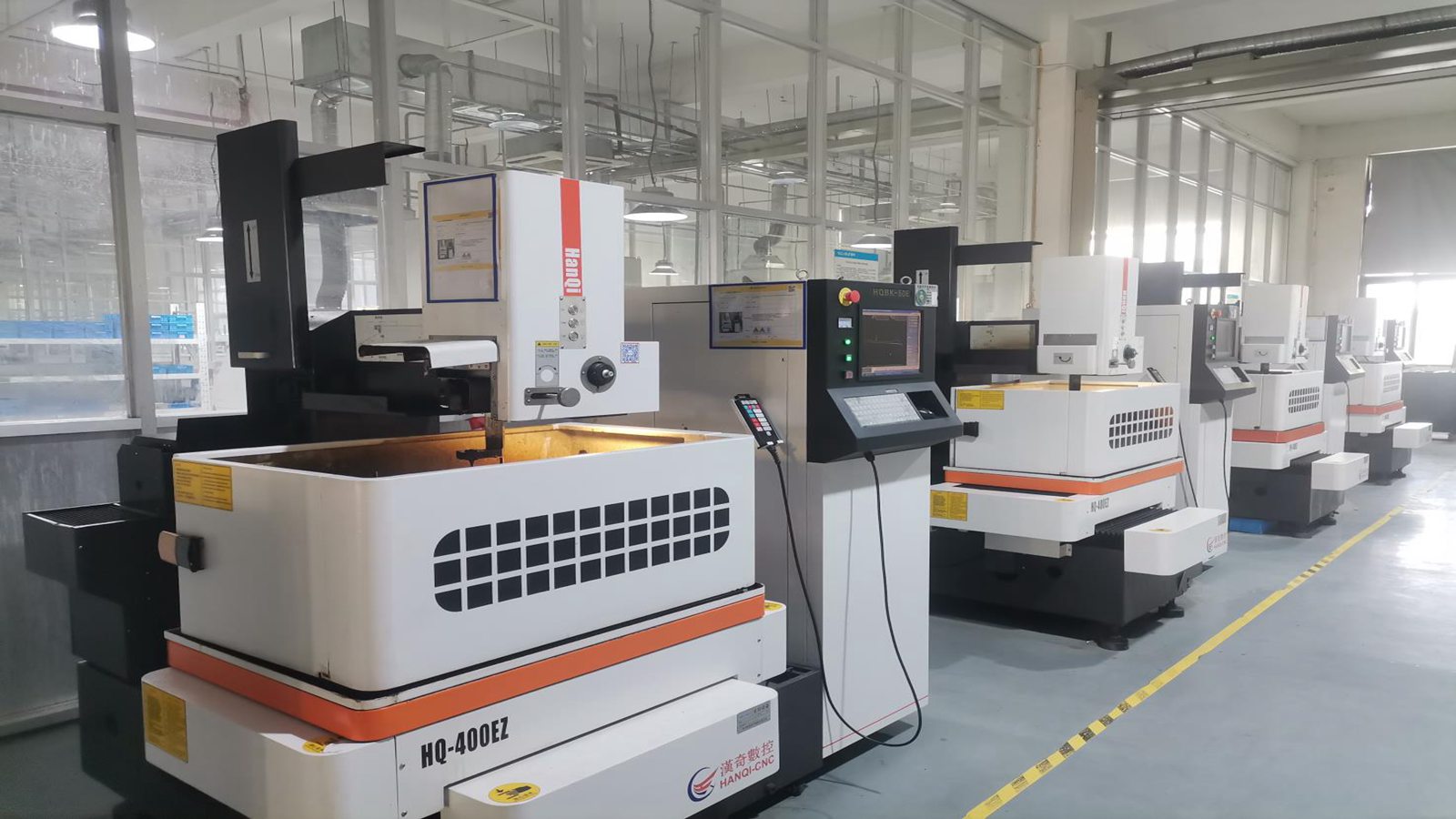
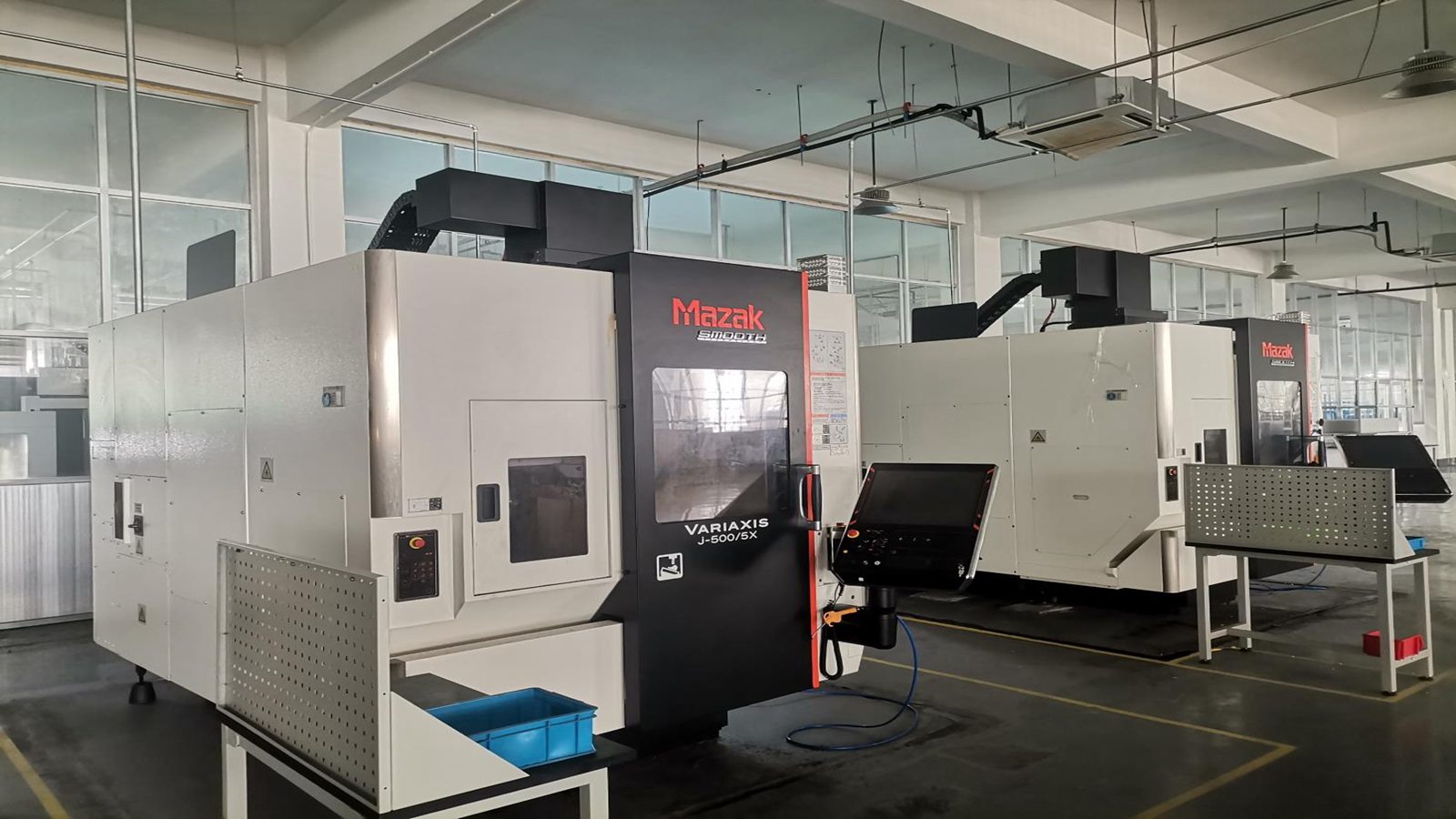
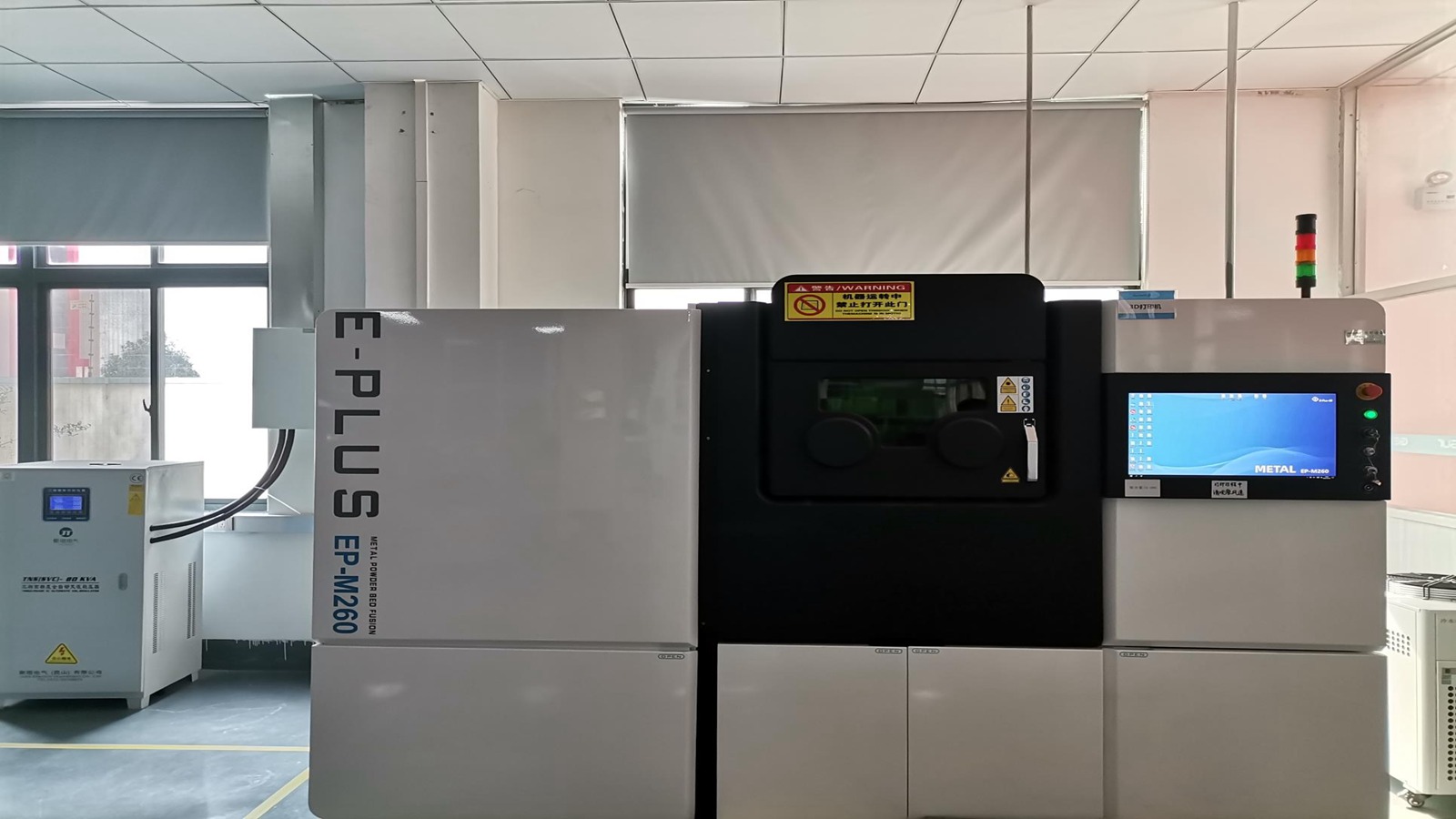
As an established medical manufacturing ecosystem, our industrial structure matches these requirements with a total production floor space of 30,343 square meters, running 12 specialized production lines powered by 120 advanced high-precision Swiss-type CNC lathe machines. With 80% of our capacity dedicated to the domestic market and 10% serving Eastern Europe and Southeast Asia, we maintain rigorous supply chain resilience that accommodates bulk distributor networks, hospital direct purchasing, and international OEM/ODM projects.

⚙️Materials and Engineering Standards (Ti-6Al-4V ELI)

Implant longevity and biocompatibility are non-negotiable. Standard surgical hardware uses medical-grade Titanium Alloy (Ti-6Al-4V ELI) conforming to ASTM F136 and ISO 5832-3 standards. This alloy delivers the optimal combination of high fatigue strength, excellent corrosion resistance, and a low modulus of elasticity that minimizes stress shielding on surrounding bone tissue.

"By controlling the interstitial elements (Oxygen < 0.13%, Iron < 0.25%), the Extra Low Interstitial (ELI) variant provides enhanced fracture toughness and ductile properties, essential for thin-walled cannulated designs under heavy torsional and bending loads during insertion."

Our precision engineering tolerances are held within ±0.005mm. The inner cannulation diameter is concentric to prevent guide wire binding, and the thread pitch ratios are meticulously optimized between cancellous bone interfaces (requiring deep, coarse threads) and cortical bone interfaces (requiring fine threads).

Regulatory Compliance & Enterprise Profile

Verified manufacturing infrastructure, advanced quality management controls, and certified international capabilities.

Overview
2015-10-15Registration Date
30,343 ㎡Floor Space
EnglishAccepted Languages
10 YearsExport Experience
Certifications
ISO 13485
ISO13485 04723Q10000765
EN ISO 13485
EN ISO 13485 EPT 25 ISO 13485 0067
MDSAP
MDSAP C730178
CE Mark
CE Certification EPT 0477.MDR.25/5905
CE MDR
CE MDR EPT 0477.MDR.25/5973
EU MDR
MDR Compliance EPT 0477.MDR.26/6113
Production Capabilities
12 LinesProduction Lines
120 UnitsCNC Production Machinery
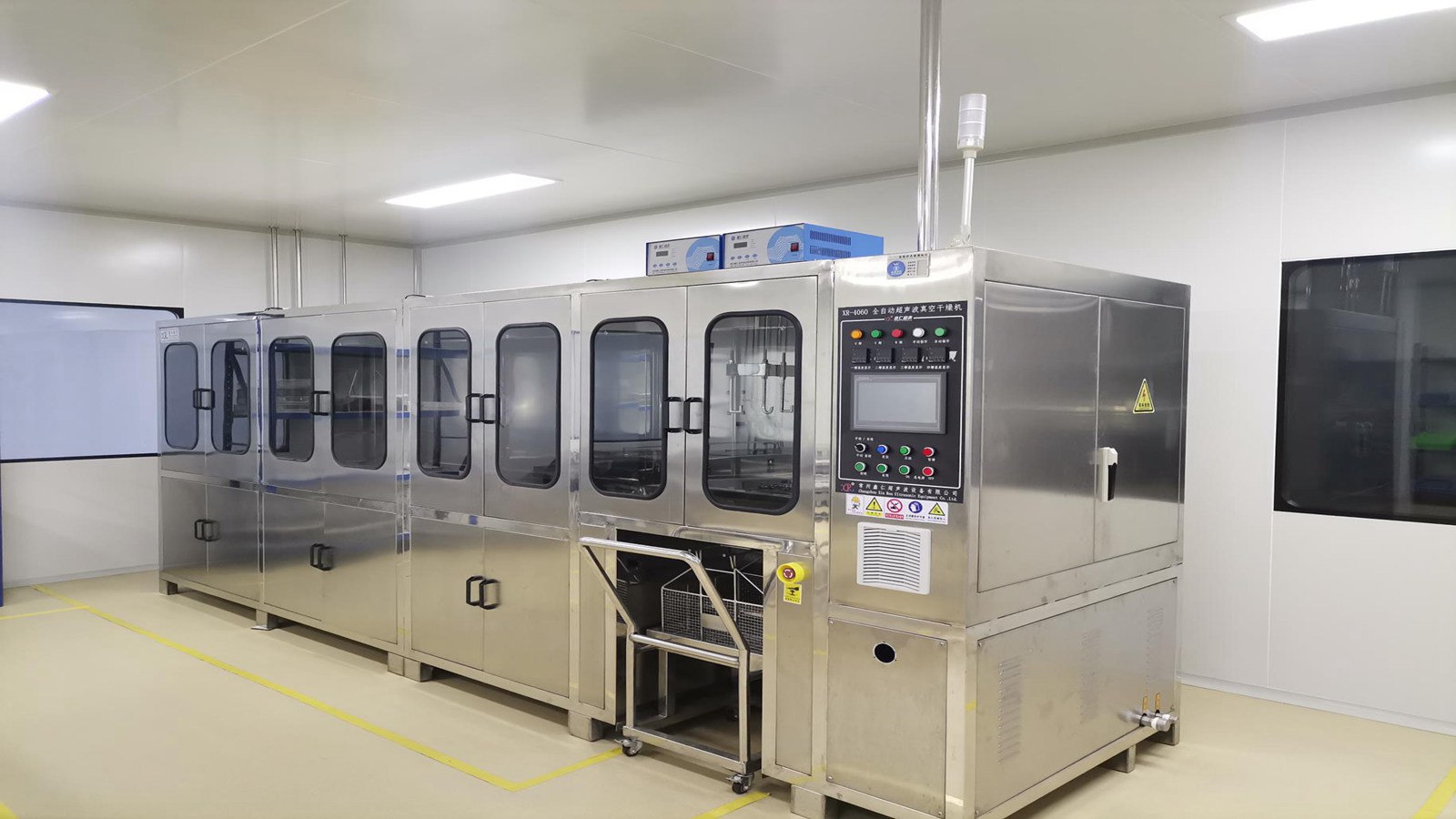
Class 100,000Clean Room Packaging
Quality Control
Full Raw TraceabilityMaterial Certifications Available
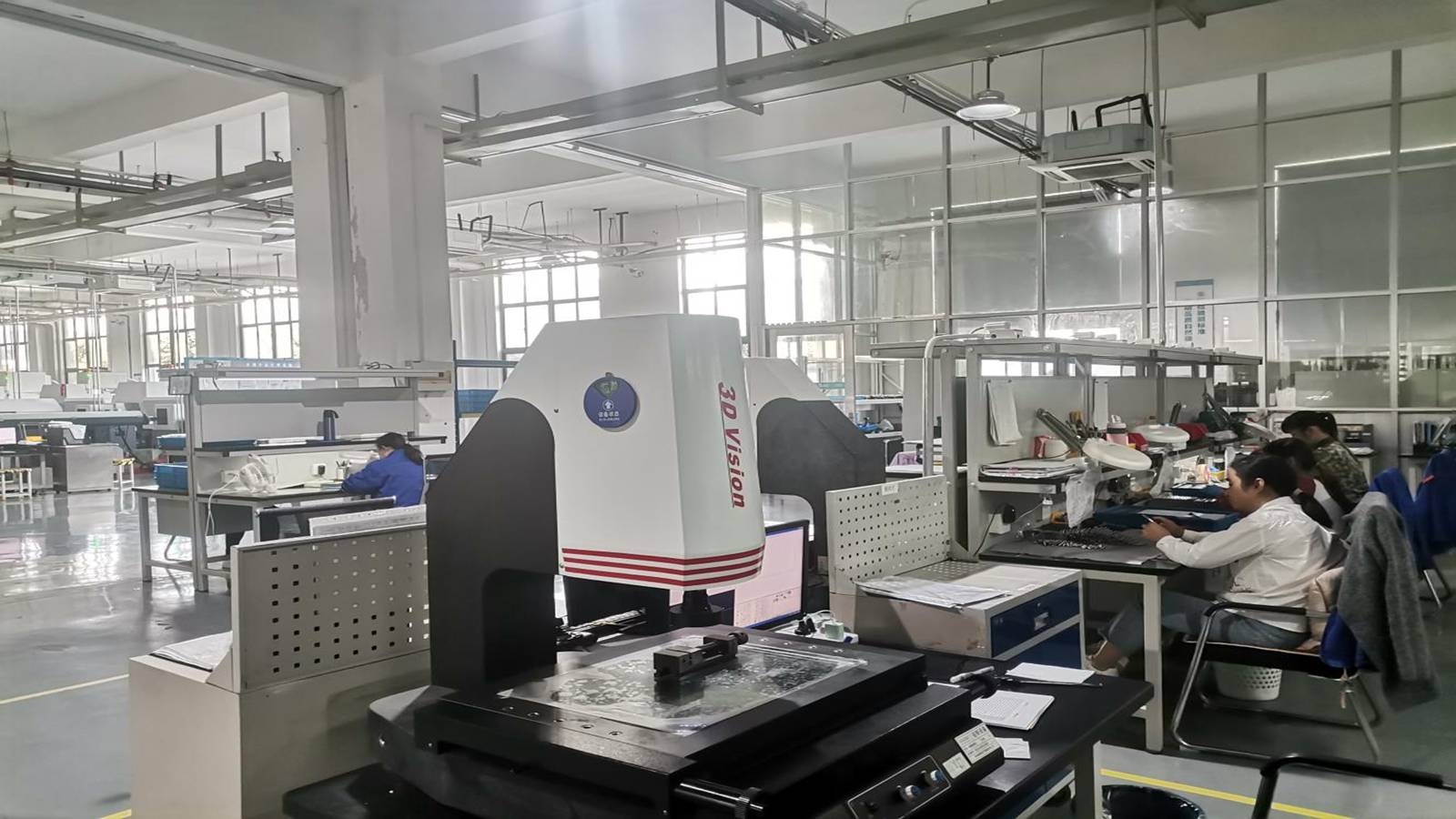
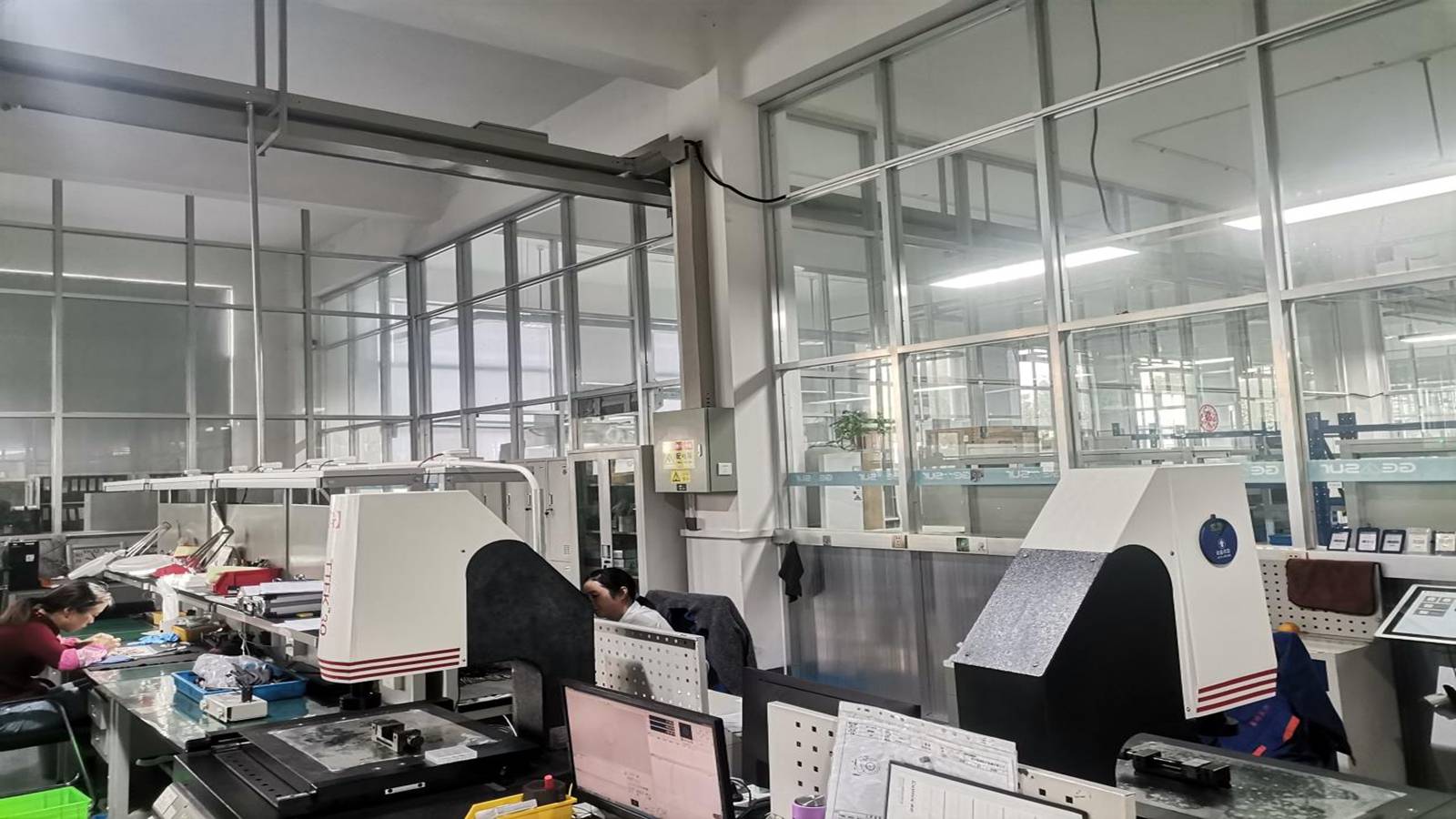
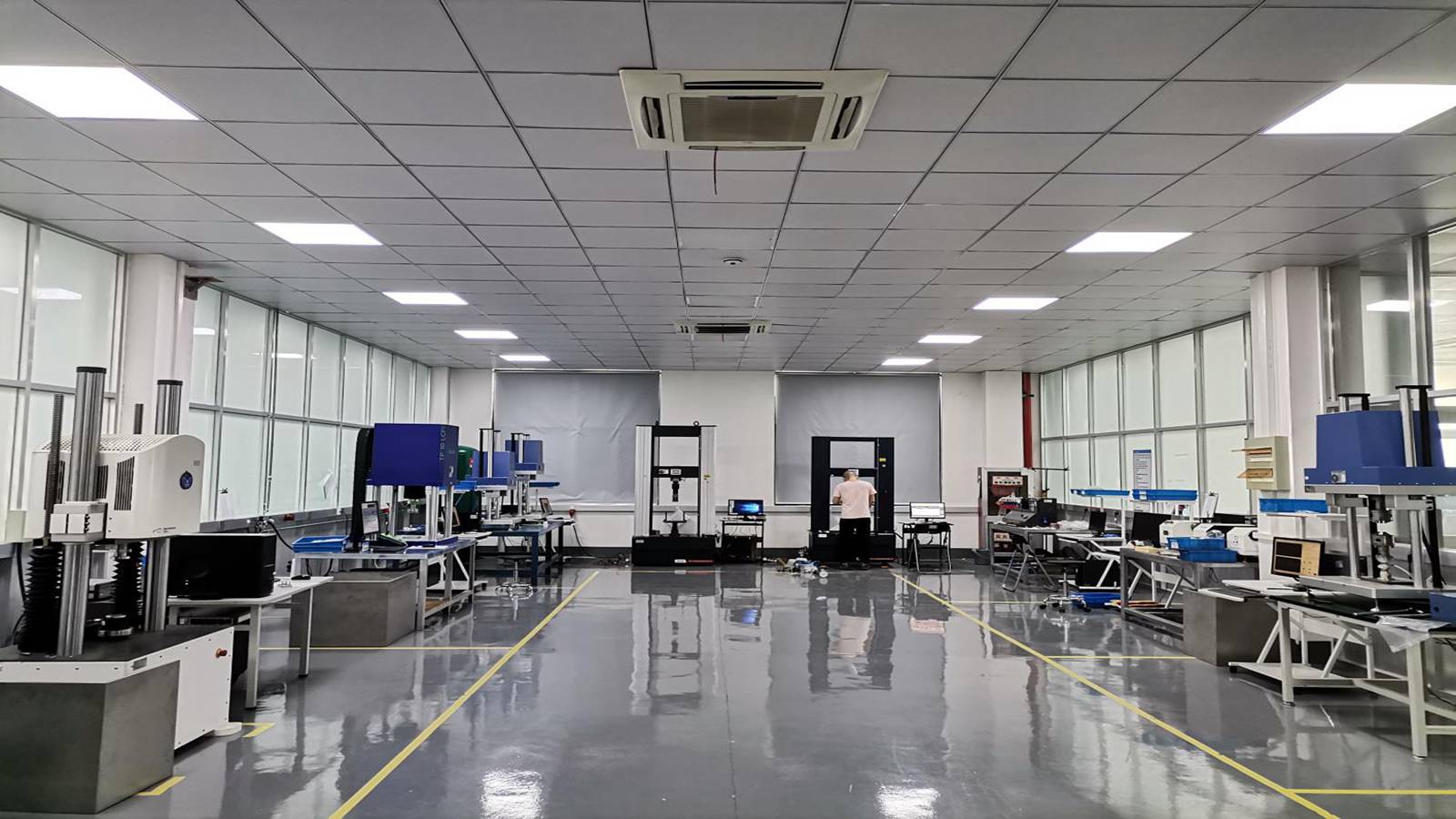
36 QA/QC InspectorsComprehensive Metrology Inspection
100% In-processVisual and dimensional validation
R&D and Engineering
31 SpecialistsR&D Engineers
1 Doctorate / 11 Post-gradAcademic Core Team
25 ProductsLaunched last fiscal year

Technological Roadmap & Future Outlook

🚀1. Surface Modifications (Anodization & Bio-Coatings)

To enhance osseointegration and reduce bacterial colonization risk, our R&D team is advancing surface modification technologies. These include Type II and Type III anodization, which creates a stable, dense titanium oxide layer, and bio-coatings such as hydroxyapatite (HA) or biomimetic calcium phosphate. This surface texturing creates an optimal topography for osteoblasts to adhere to, speeding up fracture stabilization.

🧬2. Biodegradable Alloys (Magnesium & Zinc Systems)

The next major shift in orthopaedic traumatology is the move toward bio-absorbable metal implants. Using magnesium (Mg) alloys (such as Mg-Nd-Zn-Zr systems), surgeons can stabilize a fracture during its healing phase without requiring a secondary removal surgery. As the bone regenerates, the implant gradually degrades into non-toxic ions that easily metabolize. We are actively refining the extrusion and corrosion control profiles of Mg implants to synchronize degradation with bone healing rates.

🏥3. Intelligent Instrument Integration

Modern surgeries rely on surgical navigation and robotic assistance. Our cannulated implants are designed to integrate seamlessly with computer-assisted navigation systems. By calibrating guide wires and instrument sleeves to exact optical tracker configurations, orthopedic surgeons can execute screw placement within fractions of a millimeter, reducing patient radiation exposure from standard fluoroscopy.

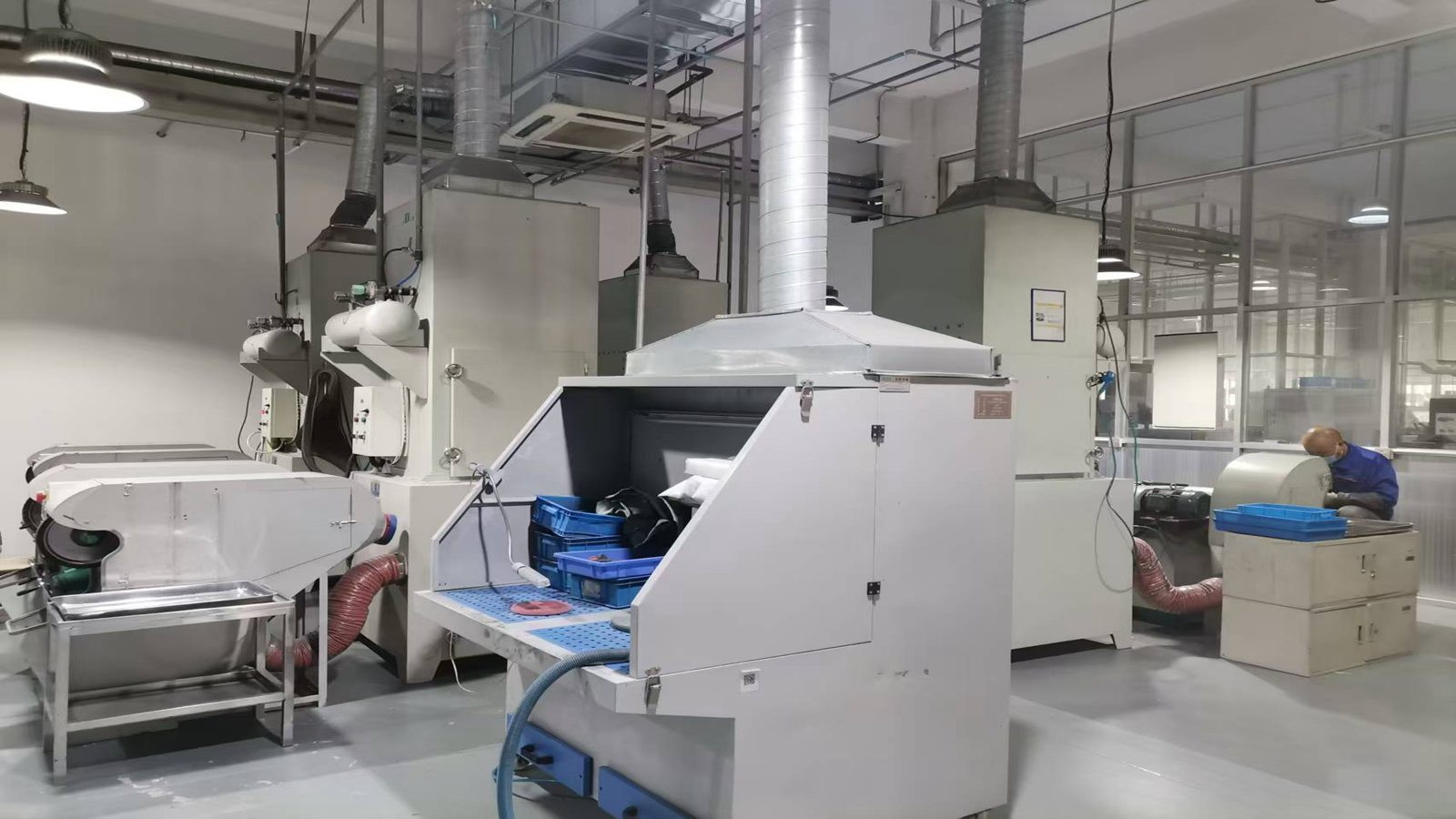
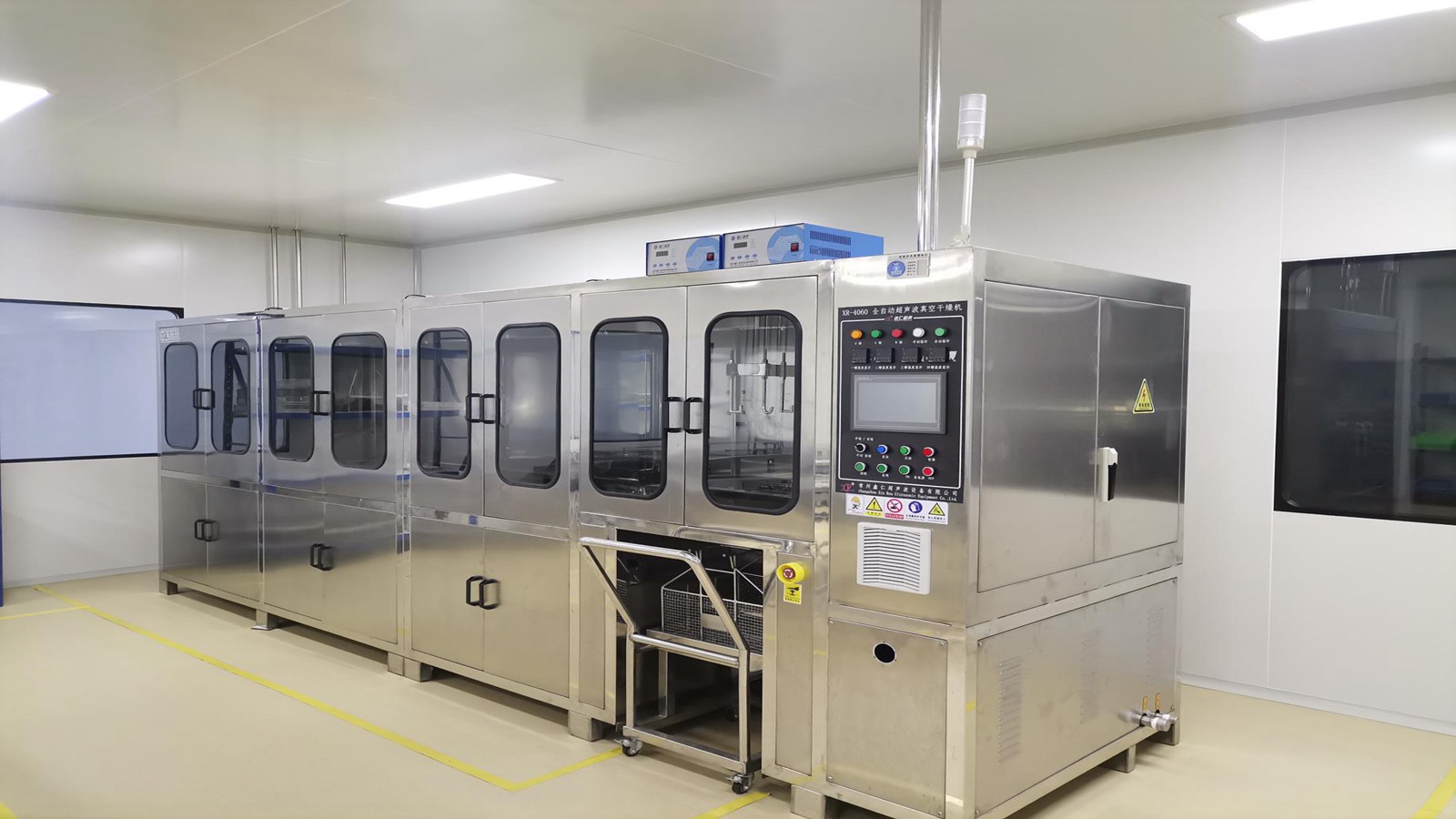
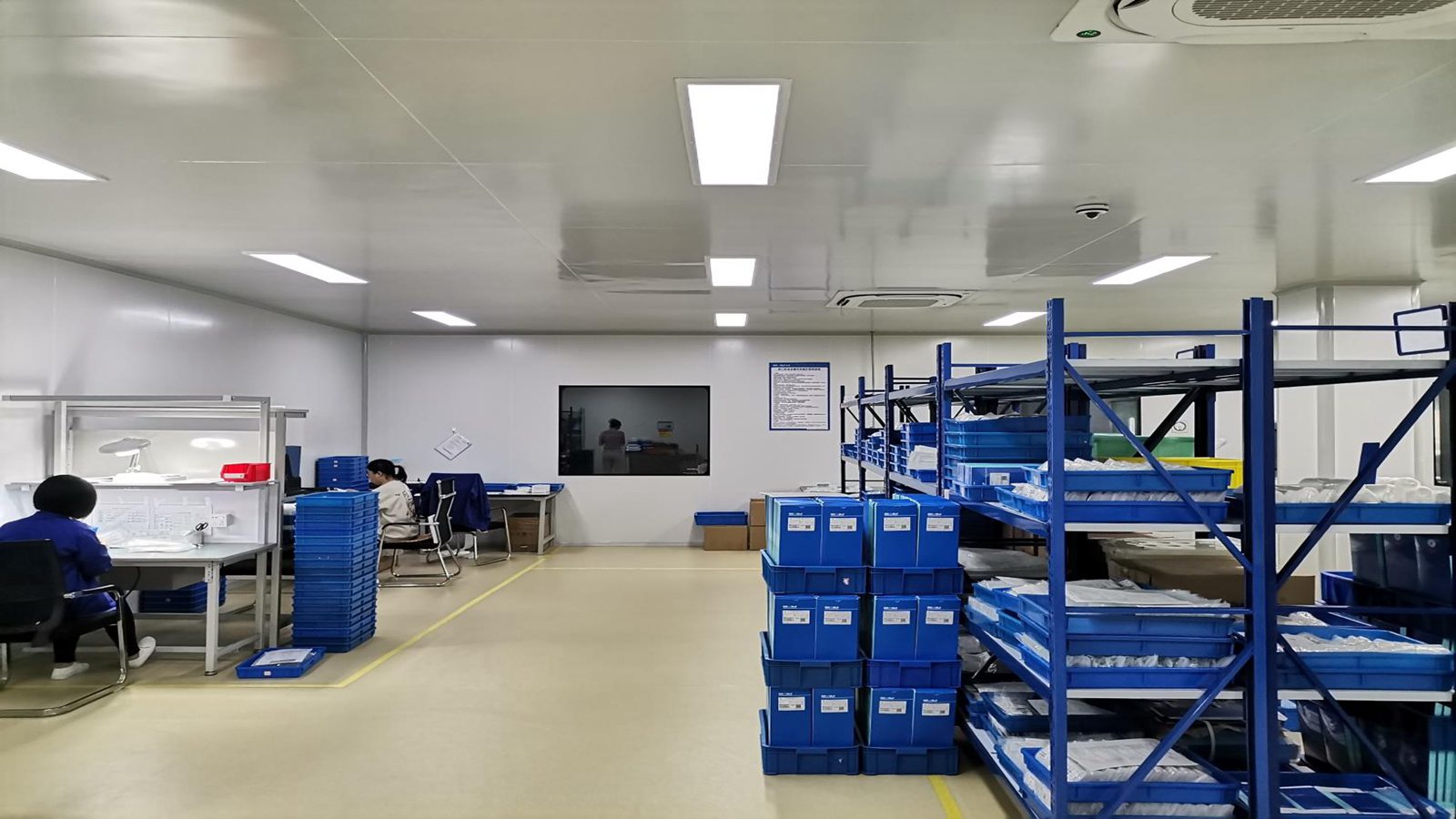
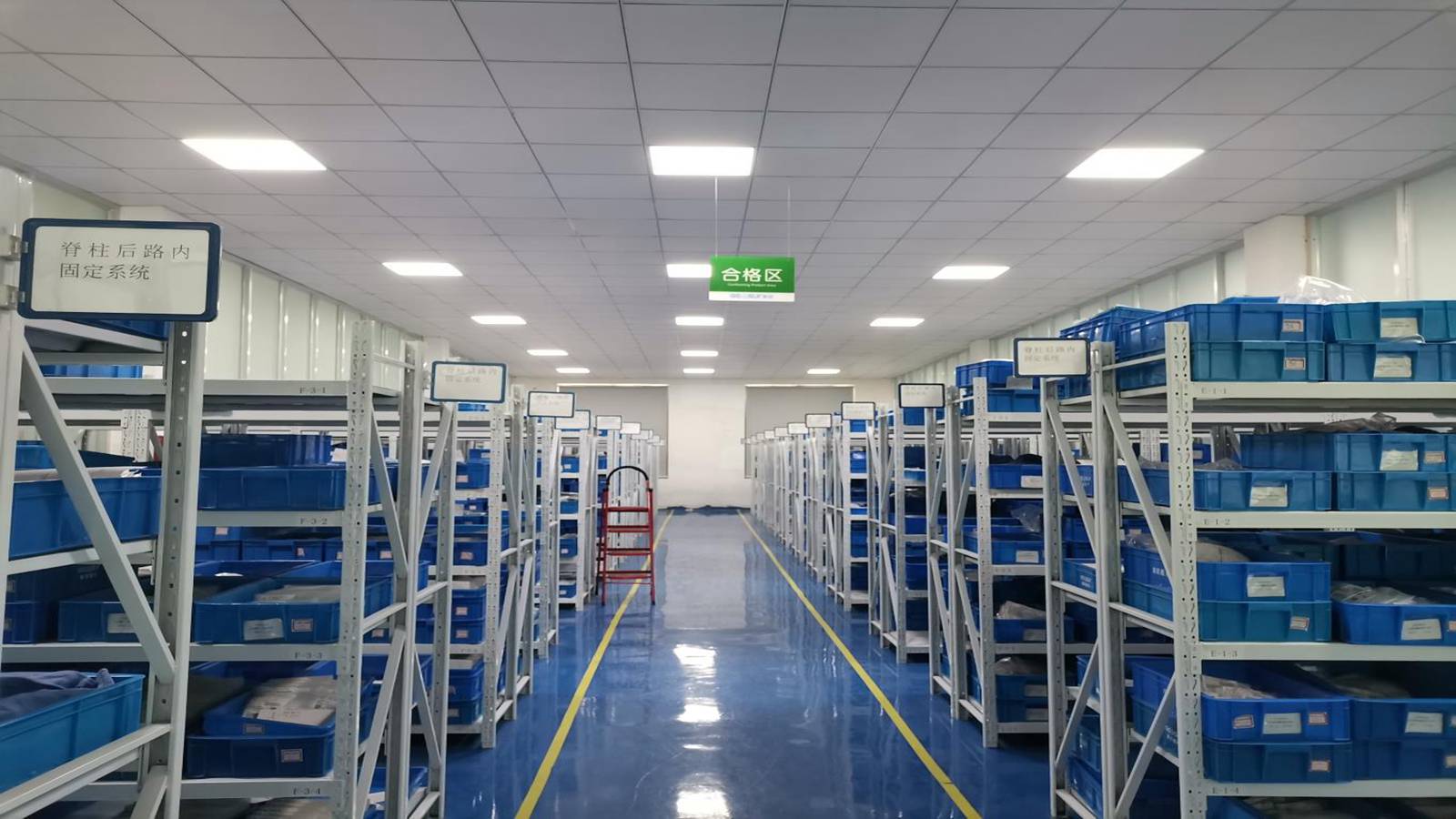
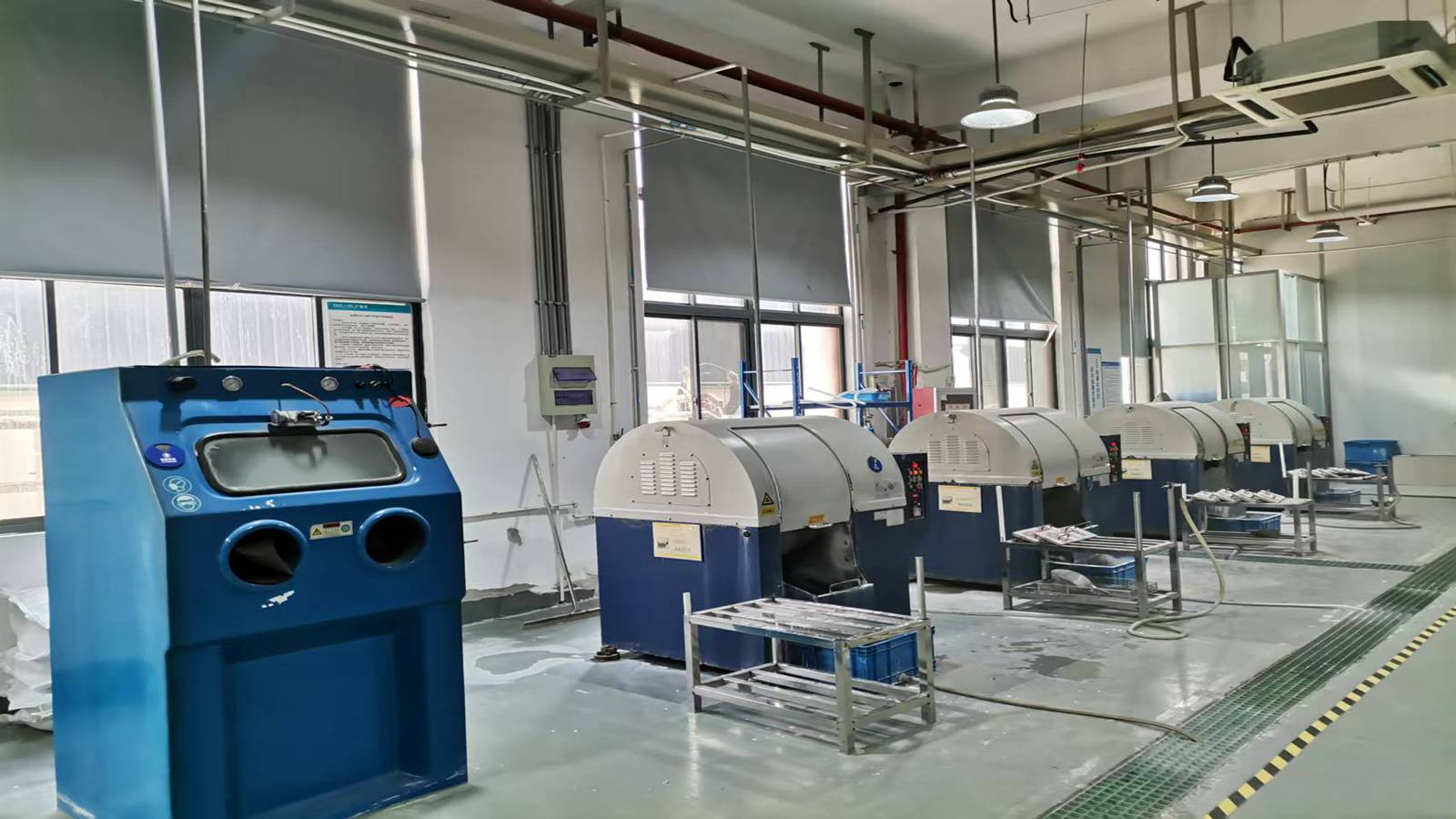
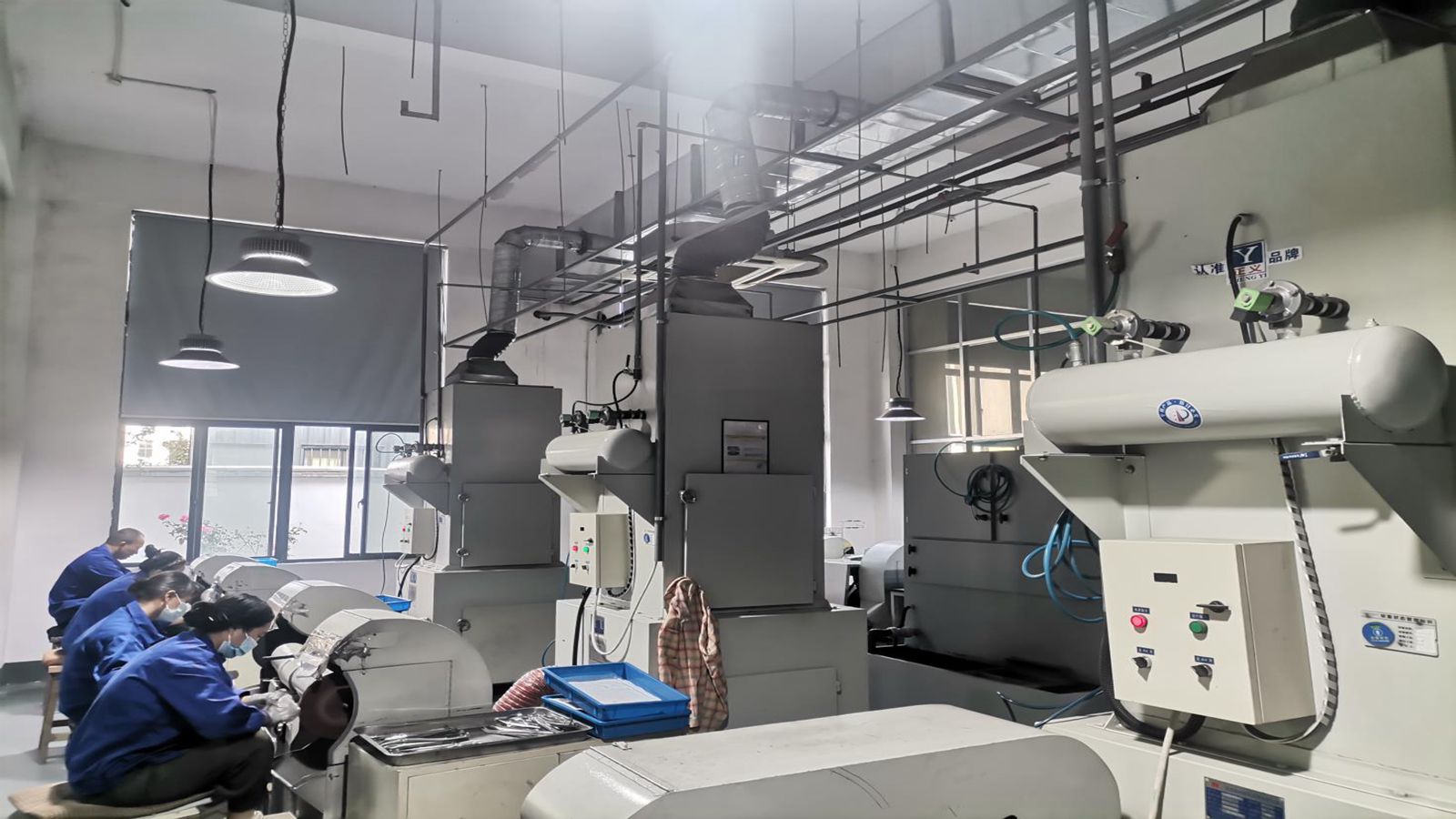
Manufacturing and Quality Control Gallery

A visual tour of our production workshop, CNC centers, packaging clean rooms, and quality inspection labs.


Clinical Applications & Surgical Guidelines

💡Herbert Screw Mechanics & Headless Design

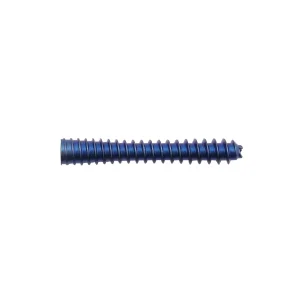
For articular applications like scaphoid fractures or osteochondral defect fixation, standard headed screws can damage joint cartilage. The Herbert screw uses a headless design with differential thread pitches at the leading and trailing ends. Since the trailing thread has a larger pitch than the leading thread, each rotation pulls the bone fragments together, providing strong compression without leaving a proud screw head.

🩹Anatomical Reconstruction Solutions

  • Femoral Neck Fractures: Standard construct utilizes parallel 6.5mm or 7.3mm cannulated screws in an inverted triangle pattern to maximize biomechanical stability and prevent rotational displacement.
  • Ankle Arthrodesis: Rigid fixation using double or triple 6.5mm/7.3mm screws across the tibiotalar joint interface, optimized for high load-bearing capacity.
  • Symphysis Pubis Disruption: Utilizing 4.0mm / 4.5mm partial-threaded compression screws to stabilize pelvic ring disruptions.
  • Scaphoid Fixation: Utilizing 2.4mm / 3.0mm mini headless compression screws placed along the central third axis of the scaphoid.

Technical Q&A / Frequently Asked Questions

Clinical and manufacturing queries addressed directly by our senior R&D engineers.

Why choose Titanium Alloy (Ti-6Al-4V ELI) over Stainless Steel (316LVM) for trauma cannulated implants?
Titanium Alloy (Ti-6Al-4V ELI) provides a much higher strength-to-weight ratio, superior fatigue resistance, and a lower elastic modulus (approx. 110 GPa) compared to Stainless Steel (approx. 200 GPa). This lower modulus reduces stress shielding, promoting faster physiological remodeling. Furthermore, titanium exhibits superior long-term biocompatibility and artifact reduction in postoperative MRI imaging.
What are the mechanical differences between fully threaded and partially threaded cannulated screws?
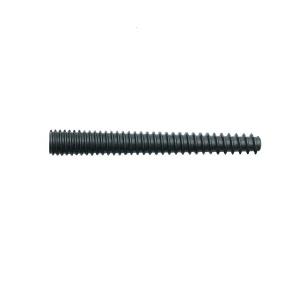
Partially threaded screws are designed for compression (lag screw effect). The thread must cross the fracture line completely, allowing the smooth shank to slide through the near fragment while the threads engage the far fragment, pulling them together. Fully threaded screws do not compress the fracture on their own but are ideal for maintaining spacing, resisting shear forces, or anchoring plates to bone.
How does your factory ensure the quality and dimensional accuracy of the internal cannulation hole?
Our Swiss-type CNC automatic lathes use advanced deep-hole gun drilling technology. Every production lot undergoes laser coordinate measurement and pin gauge checks to verify inner wall smoothness and concentricity (tolerance within ±0.02mm). This prevents guide wire friction or binding during surgical procedures.
What certifications do your implants carry for international imports?
Our production facilities are certified under EN ISO 13485 and MDSAP (Medical Device Single Audit Program). Our trauma implant lines are registered under European Union CE MDR (certificates EPT 0477.MDR.25/5905, 25/5973, and 26/6113), allowing smooth regulatory compliance and distribution throughout Europe and global markets.
Do you offer OEM custom instrumentation sets for hospitals and brand distributors?
Yes, our 31-member R&D team provides complete customization options, including sample and graphic processing. We design and manufacture matching instrument sets (screwdrivers, drills, taps, guide wires, parallel guides, and depth gauges) packed in anodized sterilization containers with custom branding options.
What is the shelf life and sterilization protocol for Class III titanium implants?
Our implants are typically shipped non-sterile in double-layer protective peel-packs or sterile-packaged via EO (Ethylene Oxide) or Gamma irradiation. Non-sterile titanium implants have an indefinite material shelf life, though they must undergo autoclaving (steam sterilization at 121°C/250°F for 30 minutes, or 134°C/273°F for 15 minutes) prior to surgical use.
All Cannulated screw implant Products