Ease Medical Apparatus And Instruments
Ease Medical Apparatus And Instruments
Ease Medical Apparatus And Instruments
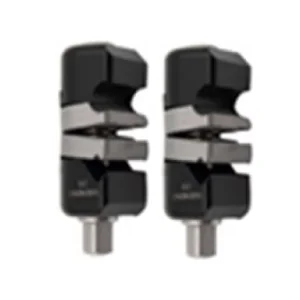
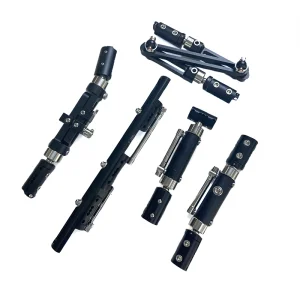
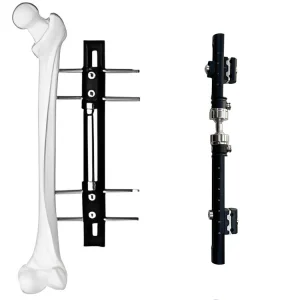
Highly stable configurations designed for rapid deployment in emergency setups. Manufactured using Class III medical materials to guarantee maximum biocompatibility and reliable mechanical rigidity.
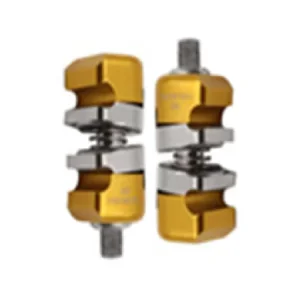
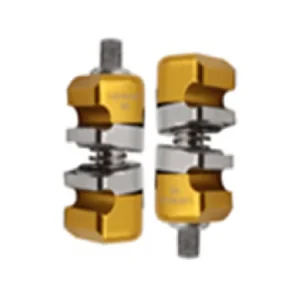
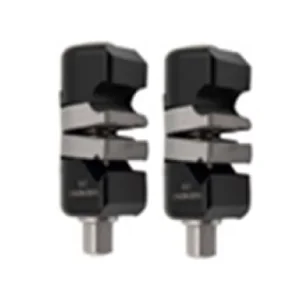
Kiribati, a nation consisting of 32 atolls and one raised coral island, faces unique healthcare delivery challenges due to its extreme geographic dispersion across the Pacific Ocean. Tarawa, the administrative capital, hosts the main tertiary referral hospital, Tungaru Central Hospital. With limited specialized surgical centers on the outer islands, the management of complex fractures, high-energy trauma from road traffic accidents, and severe orthopedic infections requires highly reliable, adaptable, and easy-to-apply external fixation technologies.
Unlike urban surgical settings with instantaneous access to intraoperative fluoroscopy and unlimited inventory, surgeons working in remote Micronesian environments depend heavily on mechanical modularity. An external fixator must serve multiple purposes: it must temporarily stabilize high-energy compound fractures, serve as a definitive construct for complex soft-tissue reconstructions, and remain unaffected by the high humidity and hyper-saline maritime atmospheric conditions characteristic of atolls like Tarawa, Kiritimati, and Abemama.
Furthermore, Kiribati has a high prevalence of metabolic and endocrine issues, specifically Type II Diabetes. This translates to a elevated clinical incidence of diabetic foot complications, osteomyelitis, and Charcot arthropathy. Conventional internal plating in these patient demographics carries an unacceptable risk of surgical site infections (SSI) and non-union. Rigorous external fixation systems represent the gold standard intervention, enabling stable percutaneous bone stabilization away from active soft-tissue pathology while facilitating aggressive local wound care and limb-salvage protocols.
As a leading developer of orthopedic solutions, we focus specifically on supplying Class III titanium alloy and surgical-grade stainless steel constructs that withstand corrosion, require minimal surgical tools for configuration, and optimize surgeon efficiency. By utilizing versatile pin-to-rod clamps and Hoffmann-compatible layouts, medical facilities across Kiribati can minimize their inventory footprint while retaining 100% preparedness for any incoming skeletal trauma emergency.
Our ISO-certified manufacturing facility operates under the highest international medical device standards. Every component, from high-tensile connecting rods to self-drilling transfixion pins, undergoes rigorous multi-phase quality inspections to ensure mechanical performance when it matters most.
 ISO13485 (Reg: 04723Q10000765)
 EN ISO 13485 (Reg: EPT 25 ISO 13485 0067)
 MDSAP Certification (Reg: C730178)
 CE MDR Approved (EPT 0477.MDR.25/5905)
 EU MDR 2017/745 (EPT 0477.MDR.26/6113)
In high-humidity, marine-saturated locations such as the Gilbert Islands, orthopedic hardware is susceptible to aggressive localized corrosion. Interfacial crevice corrosion between clamping mechanics and connection shafts can compromise stability. We resolve this by strictly utilizing medical-grade Ti-6Al-4V ELI (Extra Low Interstitial) titanium alloys (Class III) and premium passivated 316LVM stainless steels. This ensures that even during prolonged osteotaxis treatments lasting up to 12 months, the hardware maintains absolute structural integrity without metallic particulate shedding or local tissue reactions.
Modern clinical studies indicate that while absolute rigidity prevents construct failure, controlled micro-motion (dynamic compression) accelerates secondary healing via callus formation. Our adjustable external fixation clamps feature precise tooth profiles that prevent slippage under dynamic physiological loads while permitting strategic adjustment by orthopedic surgeons to gradually shift load bearing from the fixator to the remodeling bone cortex during the rehabilitation phase.
Many hospitals in developing countries inherit hardware from various international donors. This often leads to compatibility issues in the operating room. To mitigate this clinical risk, our external fixator clamp systems are engineered with a universal acceptance range. They interface seamlessly with standard 4.0mm, 5.0mm, and 6.0mm bone screws (Schanz pins), as well as both carbon-fiber and stainless steel rods ranging from 8.0mm to 11.0mm in diameter, making them fully cross-compatible with Hoffmann and other standard systems.
Our dedicated R&D division consists of 31 expert engineers (including 1 Doctorate, 11 Post-Graduates, and 17 Graduates) who continuously optimize bone-screw interfaces and clamp geometry. Last year alone, we launched 25 new clinical designs, addressing challenges such as distal radius fractures, pediatric limb reconstruction, and custom ankle arthrodesis constructs suitable for remote surgical environments.
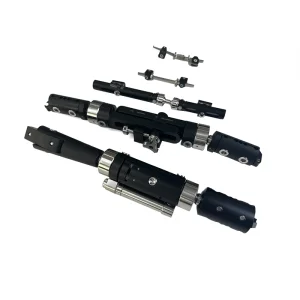
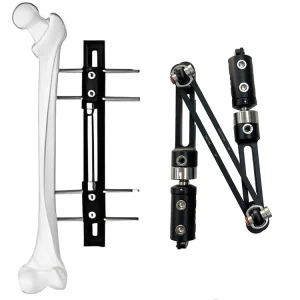
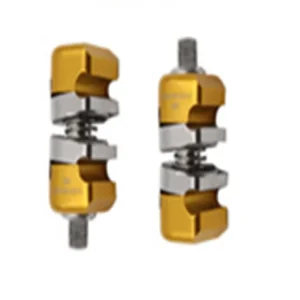
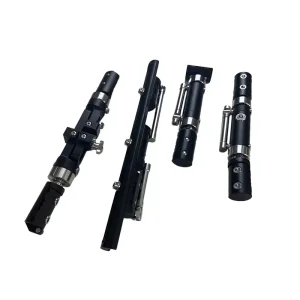
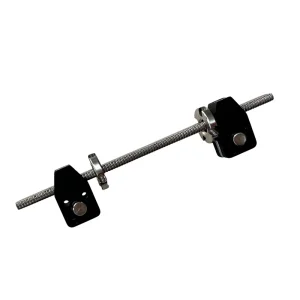
Specialized orthopedic clamps and external frameworks engineered for micro-reconstruction, dynamic bone lengthening, and targeted anatomic restoration.
Developing viable medical procurement frameworks for remote countries like Kiribati requires a deep understanding of maritime transport routes and international sterile packaging regulations. Many bulk medical shipments experience delays at global transshipment hubs. To ensure hospitals can maintain continuous clinical operation, we have structured specialized supply chain solutions tailored specifically for the Pacific region.
All of our orthopedic shipments to Kiribati are double-sterilized and vacuum-packaged in high-barrier Tyvek sleeves. This prevents micro-perforations during transport and guards against the extreme atmospheric humidity and high ambient temperatures characteristic of sub-equatorial shipping lanes. Furthermore, we provide exhaustive documentation, customs pre-clearance certificates, and complete material analysis profiles to ensure smooth transit through regional customs controls.
We work in close cooperation with international non-governmental organizations (NGOs), development agencies, and Ministries of Health. By offering customized implant sets tailored for specific regional needs—such as prioritizing lower-limb fixators for vehicle trauma and wrist/hand fixators for occupational injuries—we help procurement officers optimize their inventory spend while guaranteeing a reliable backup supply of critical trauma care components.
Additionally, we provide detailed digital manuals, three-dimensional surgical simulation maps, and comprehensive step-by-step videos to assist surgical departments. These educational resources ensure that local surgical staff, surgical technicians, and nursing personnel can successfully assemble, adjust, clean, and autoclave the fixator components without requiring on-site manufacturer technicians.
Our commitment to patient safety is backed by a fully traceable manufacturing lifecycle. Every raw bar of titanium and steel is matched to its corresponding batch certificate, guaranteeing compliance with global implant regulations.
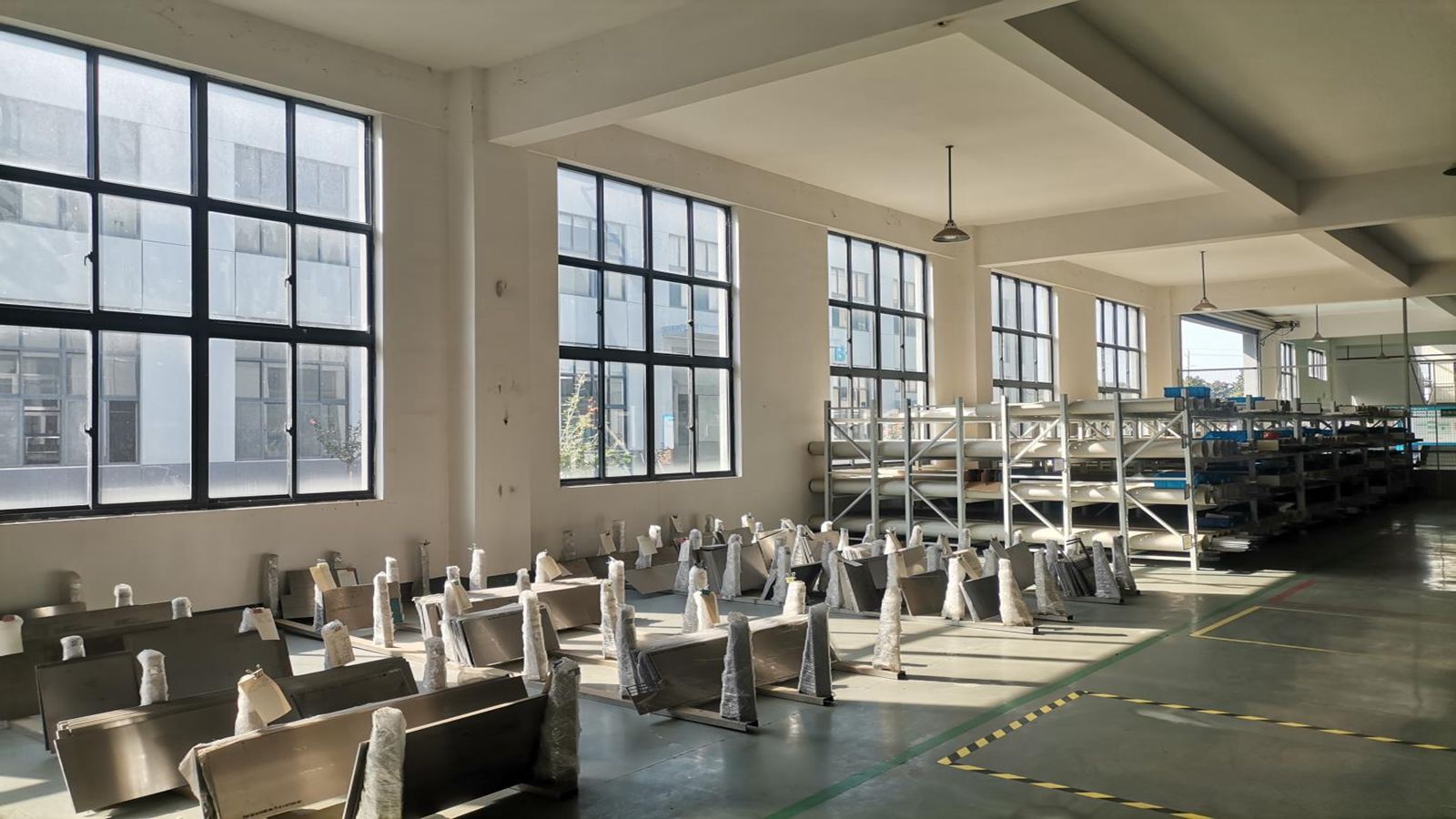
Before machining begins, spectral analysis verifies the exact carbon, nitrogen, and oxygen levels of the metal stock. This process ensures that only materials conforming to strict ASTM F136 (Titanium) and ASTM F138 (Stainless Steel) standards enter the production pipeline.
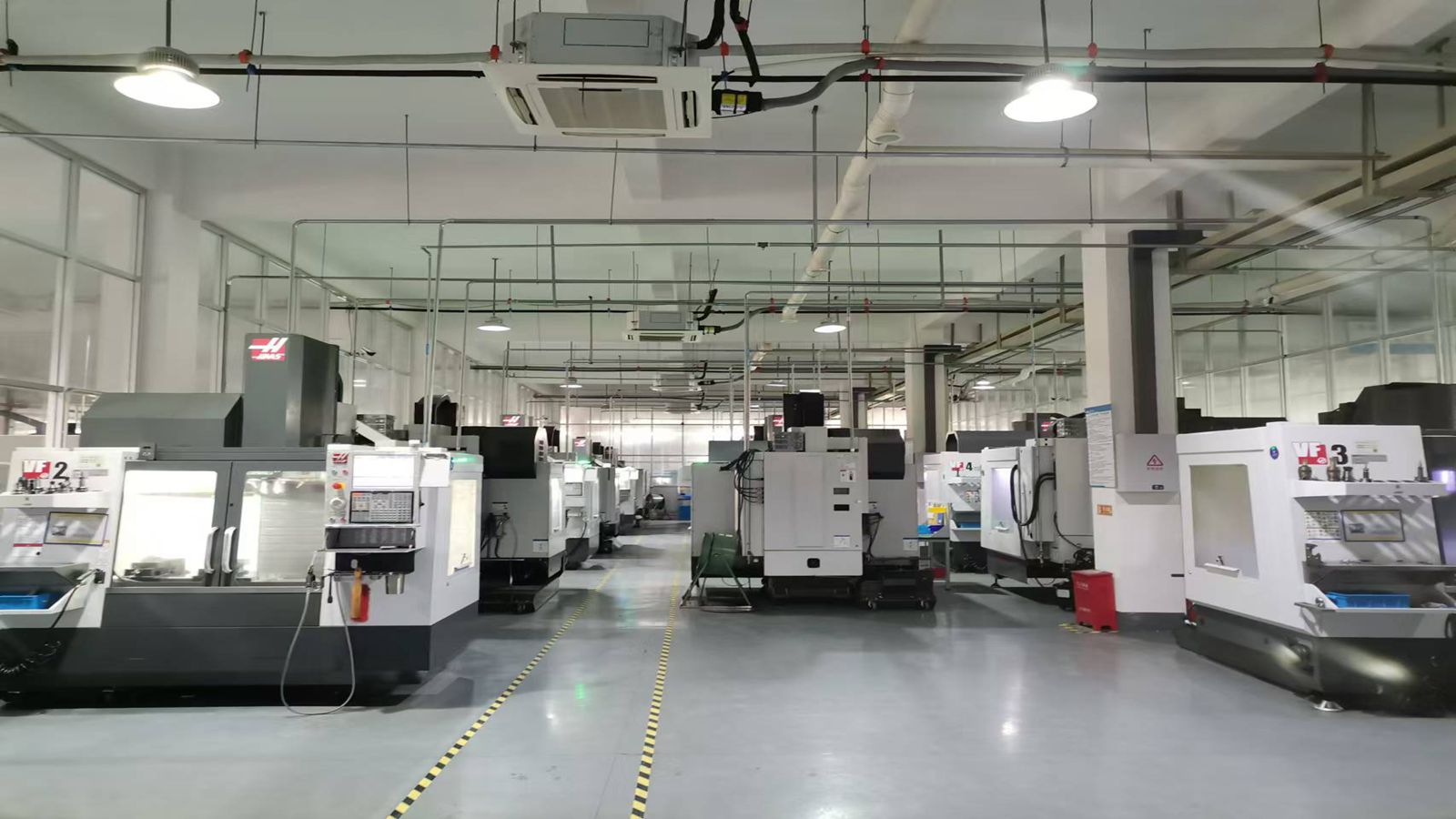
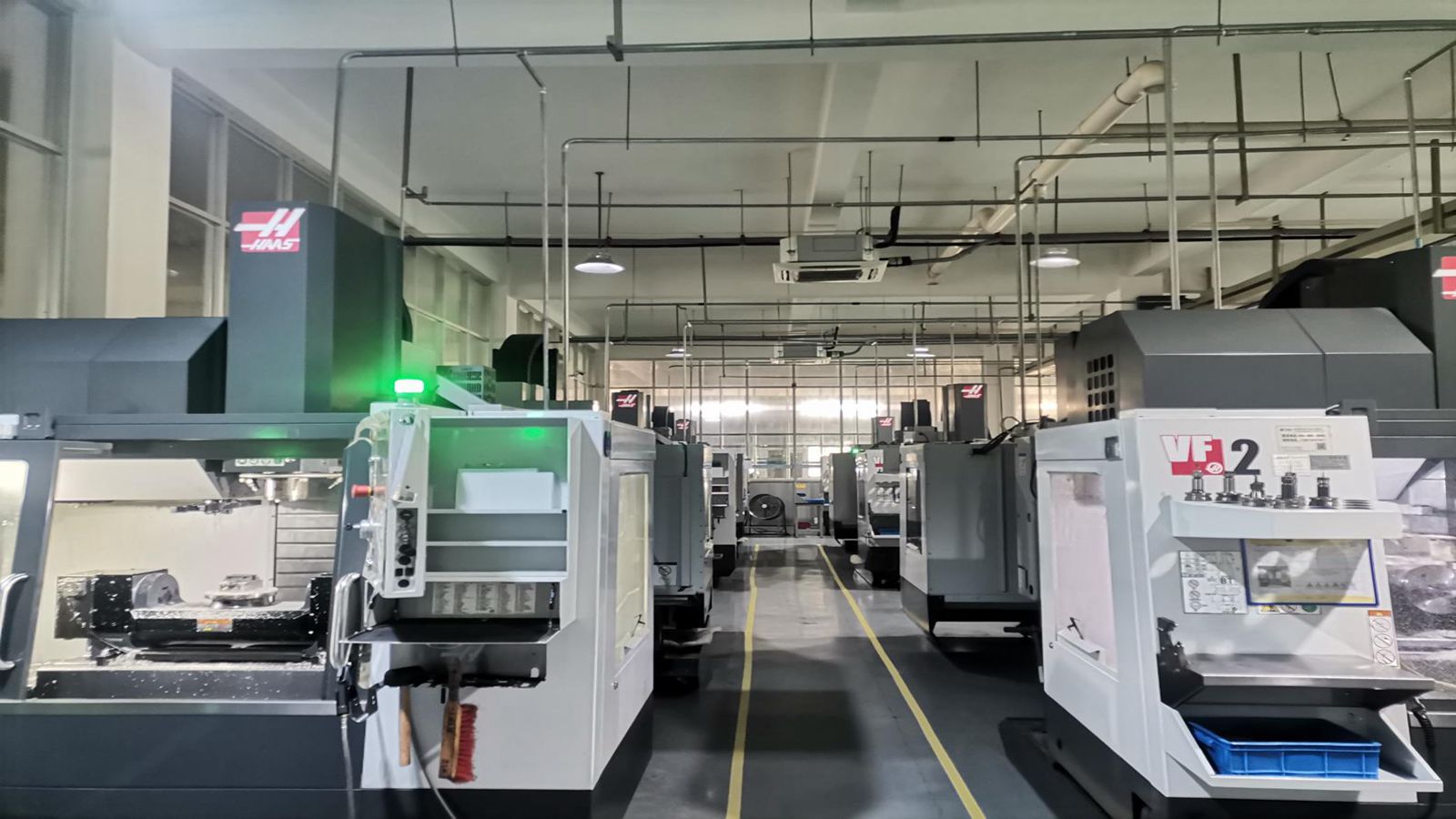
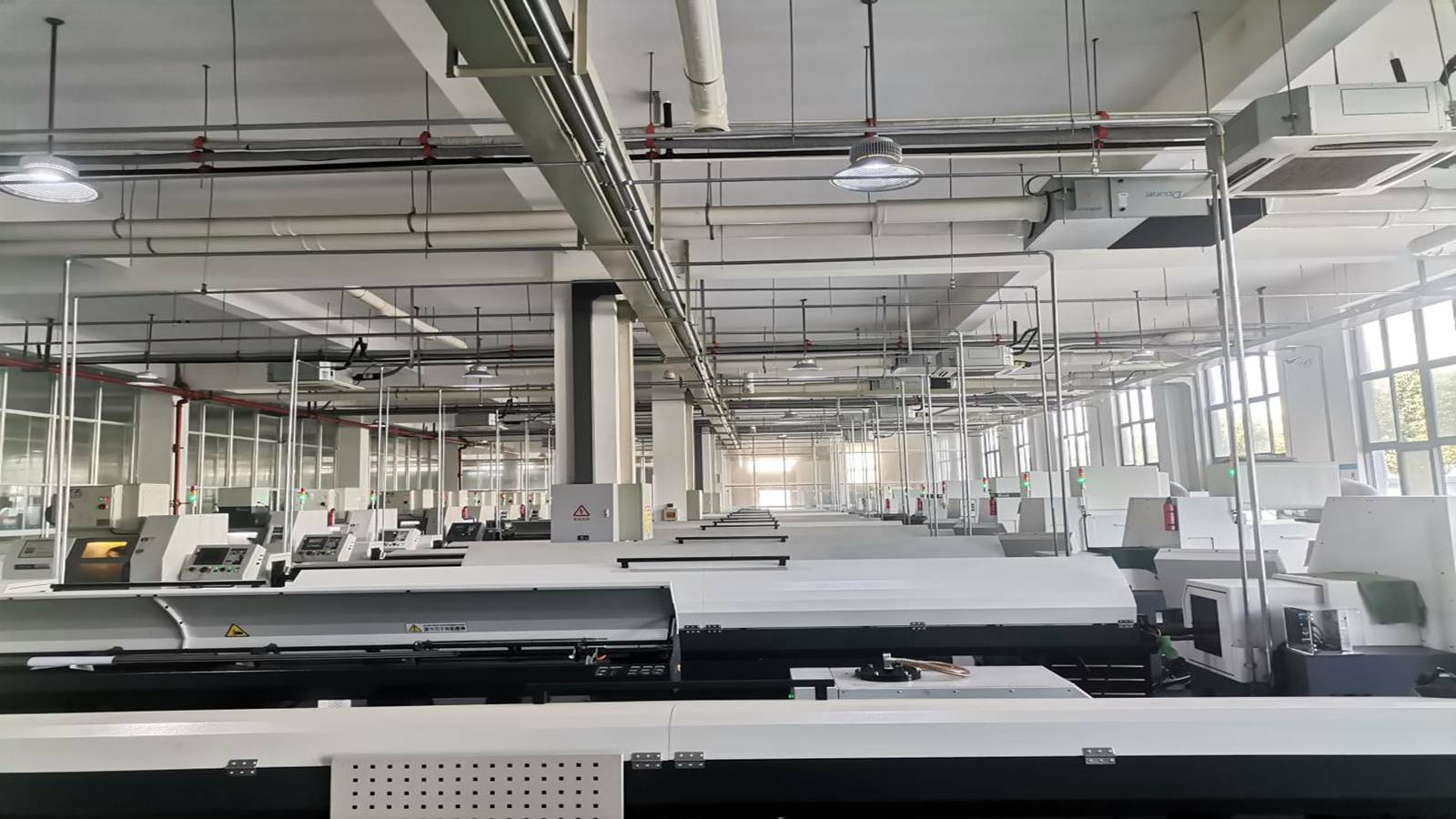
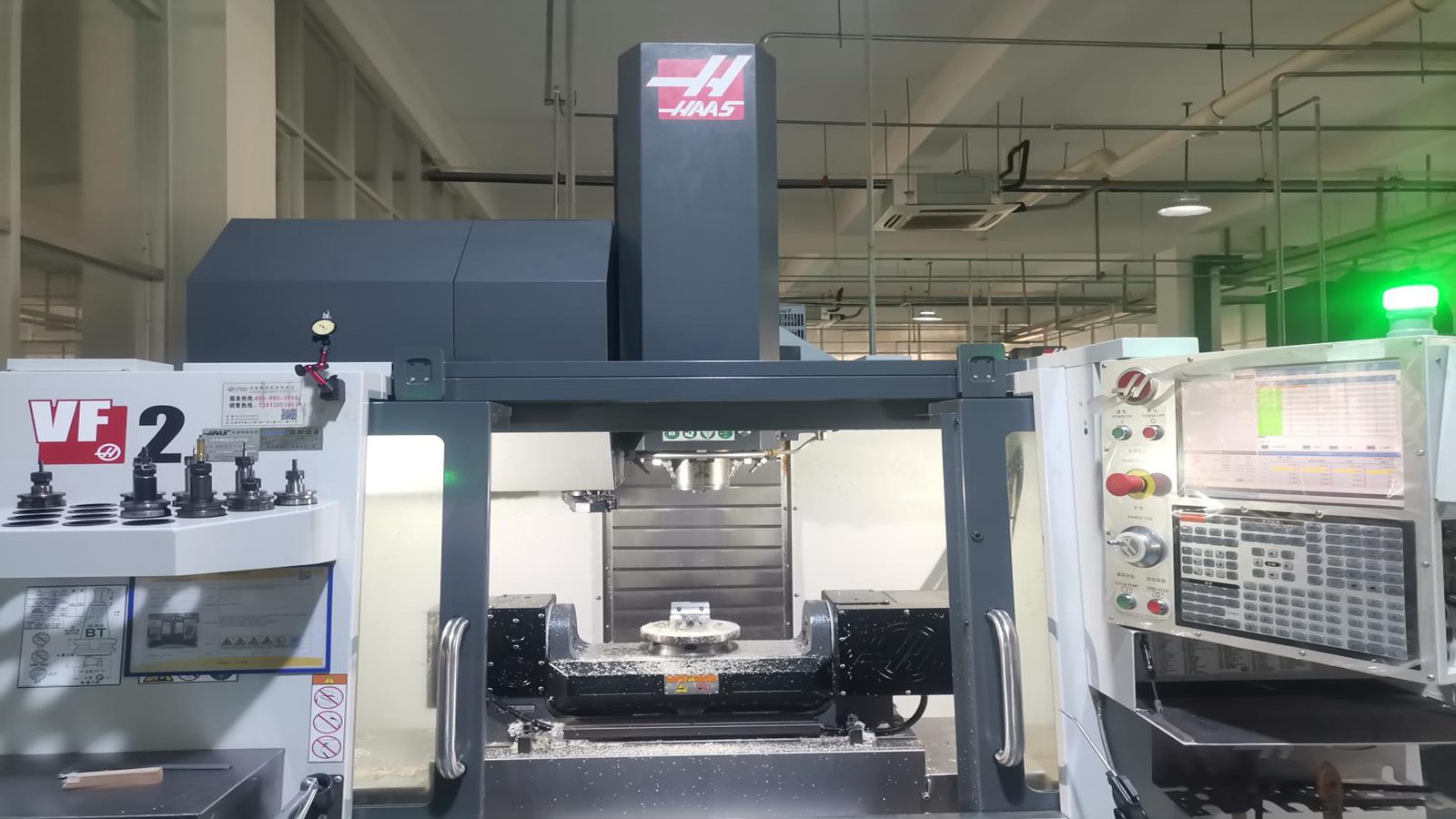
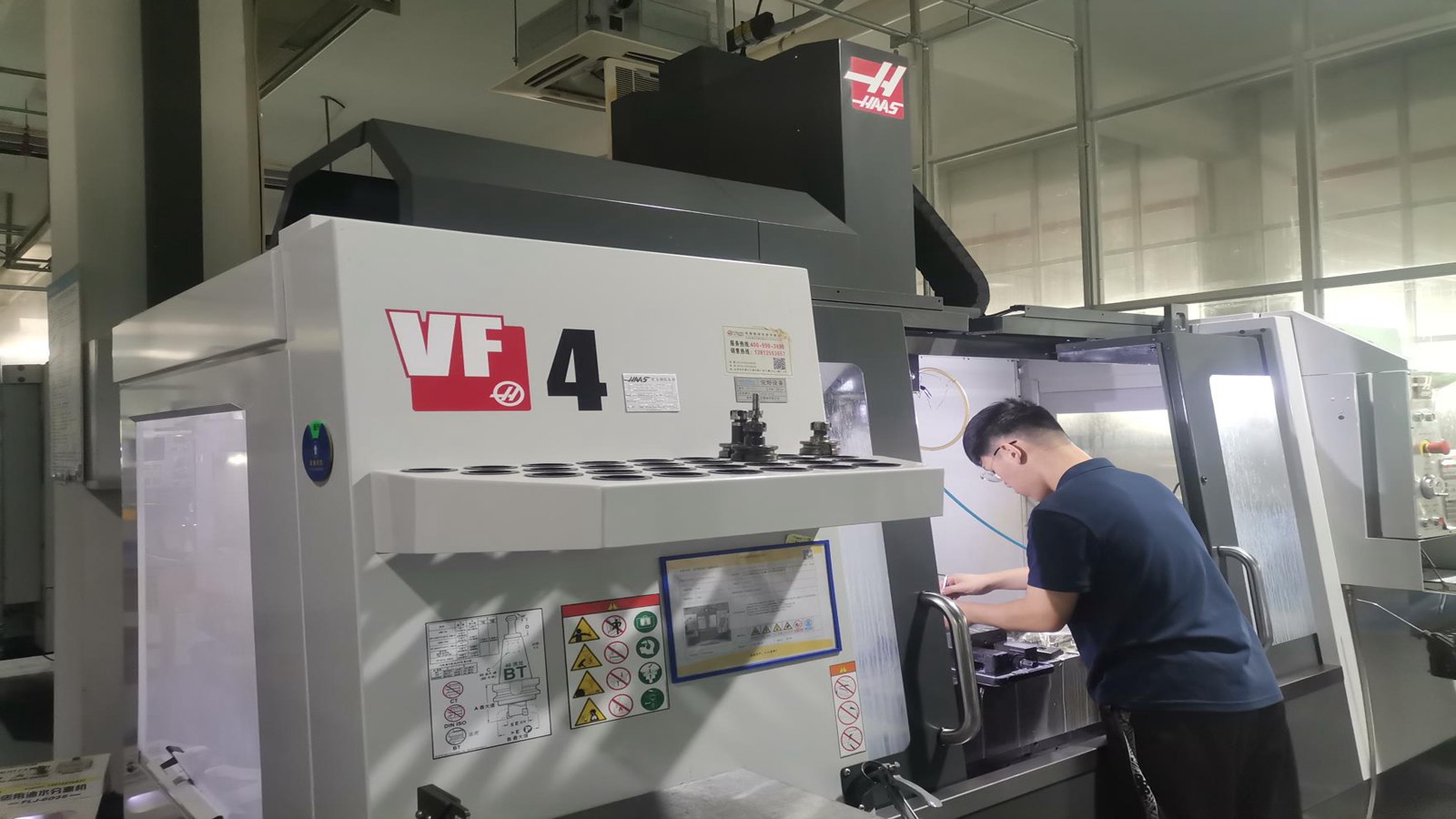
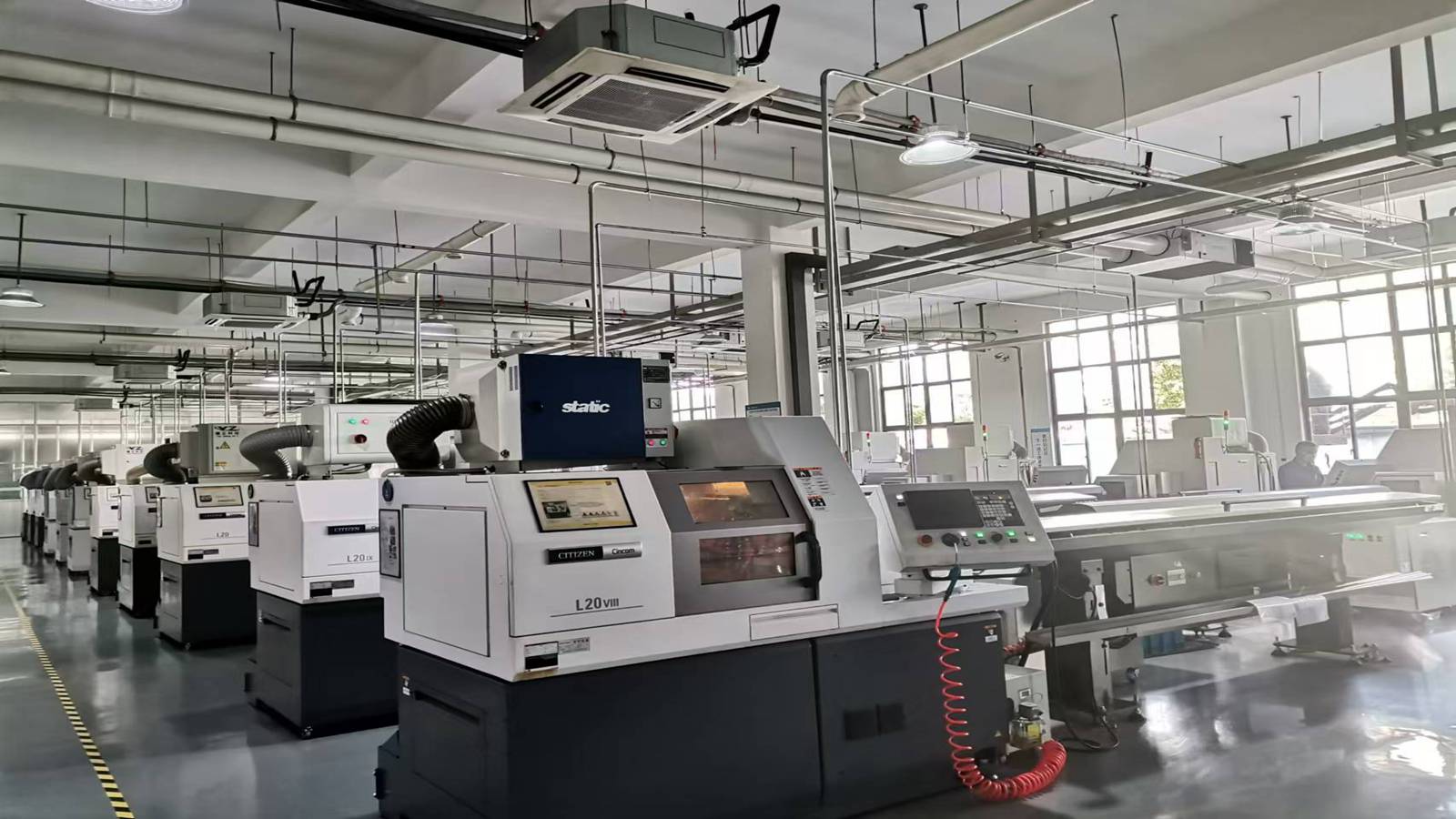
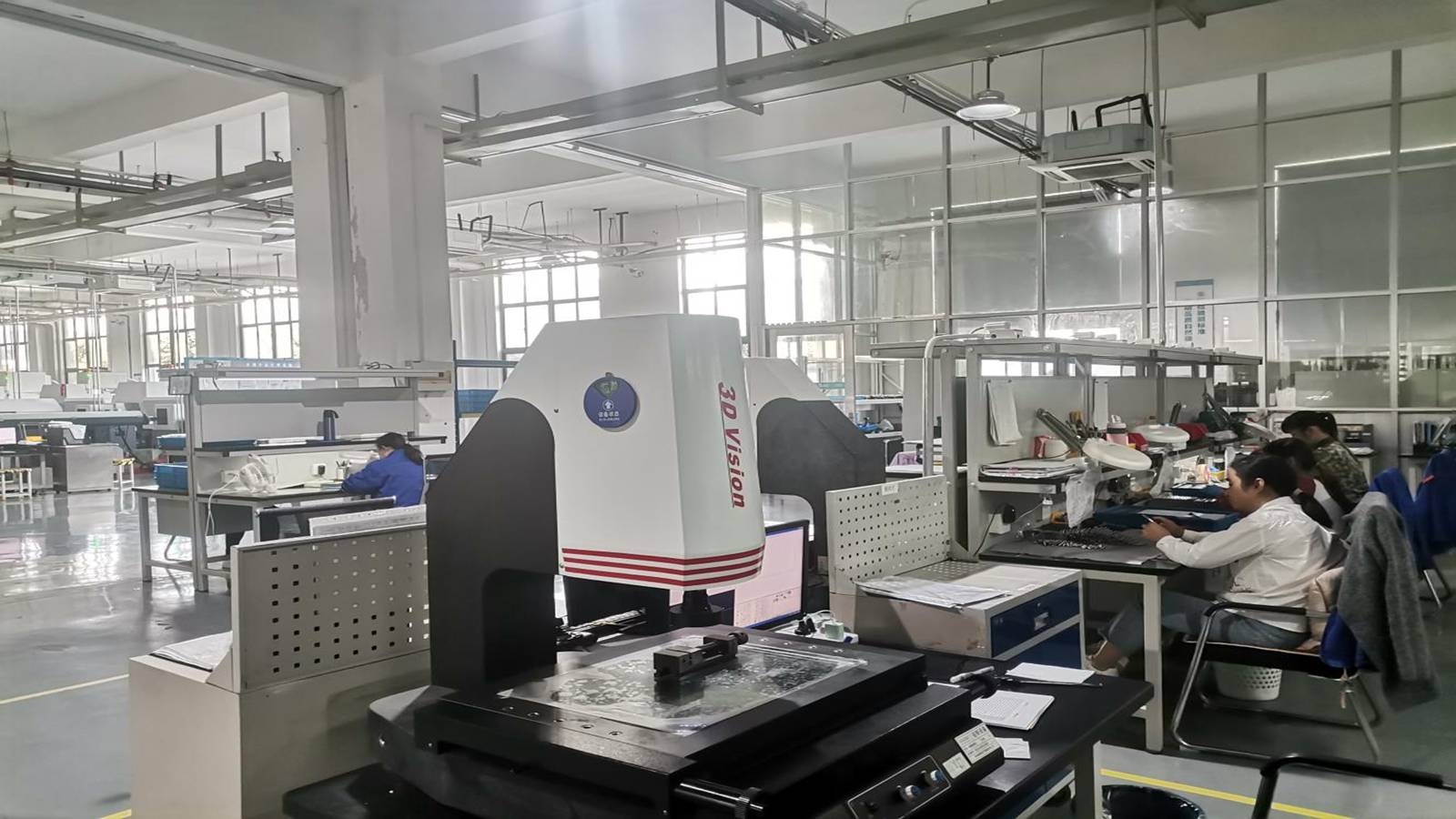
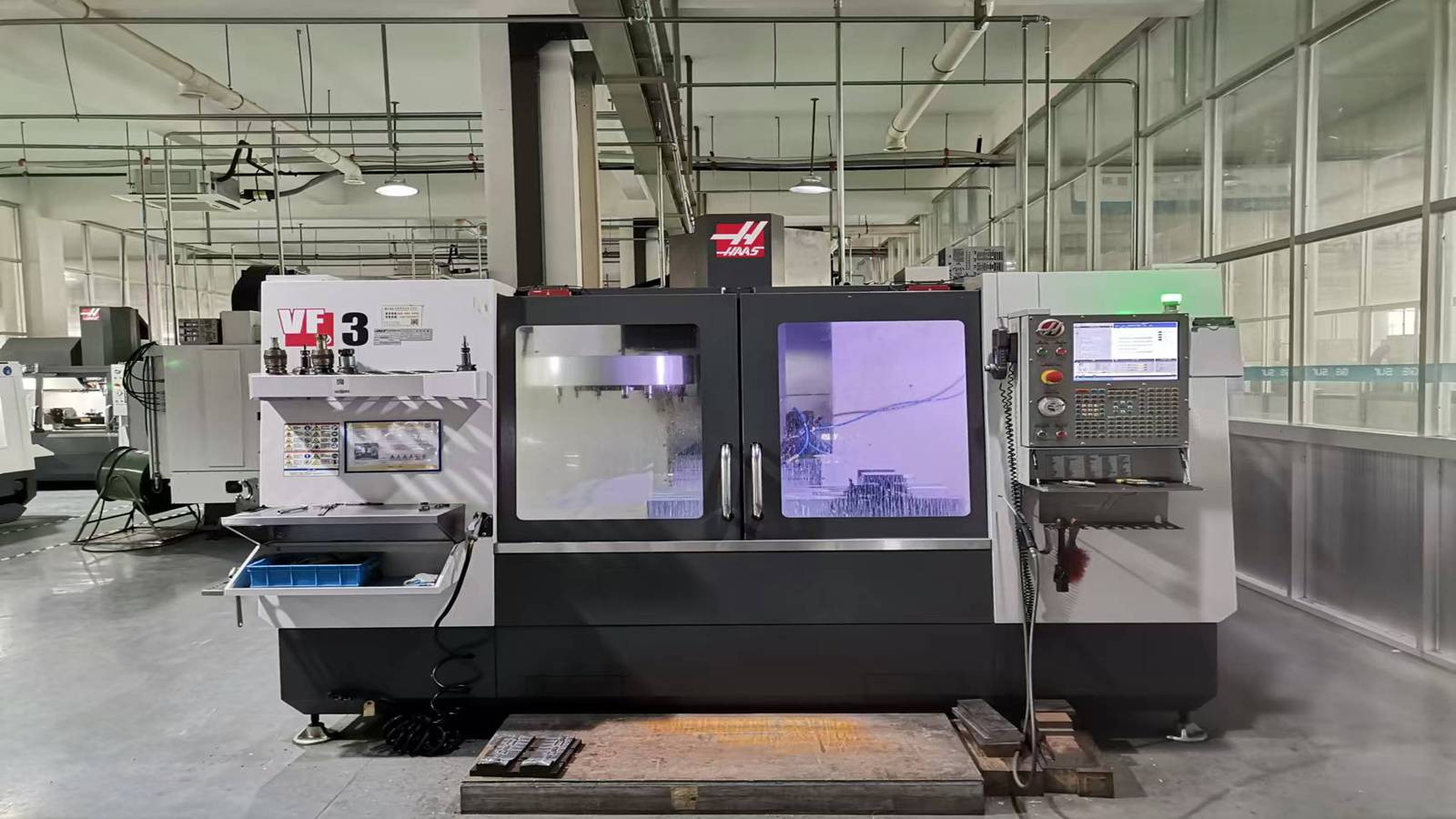
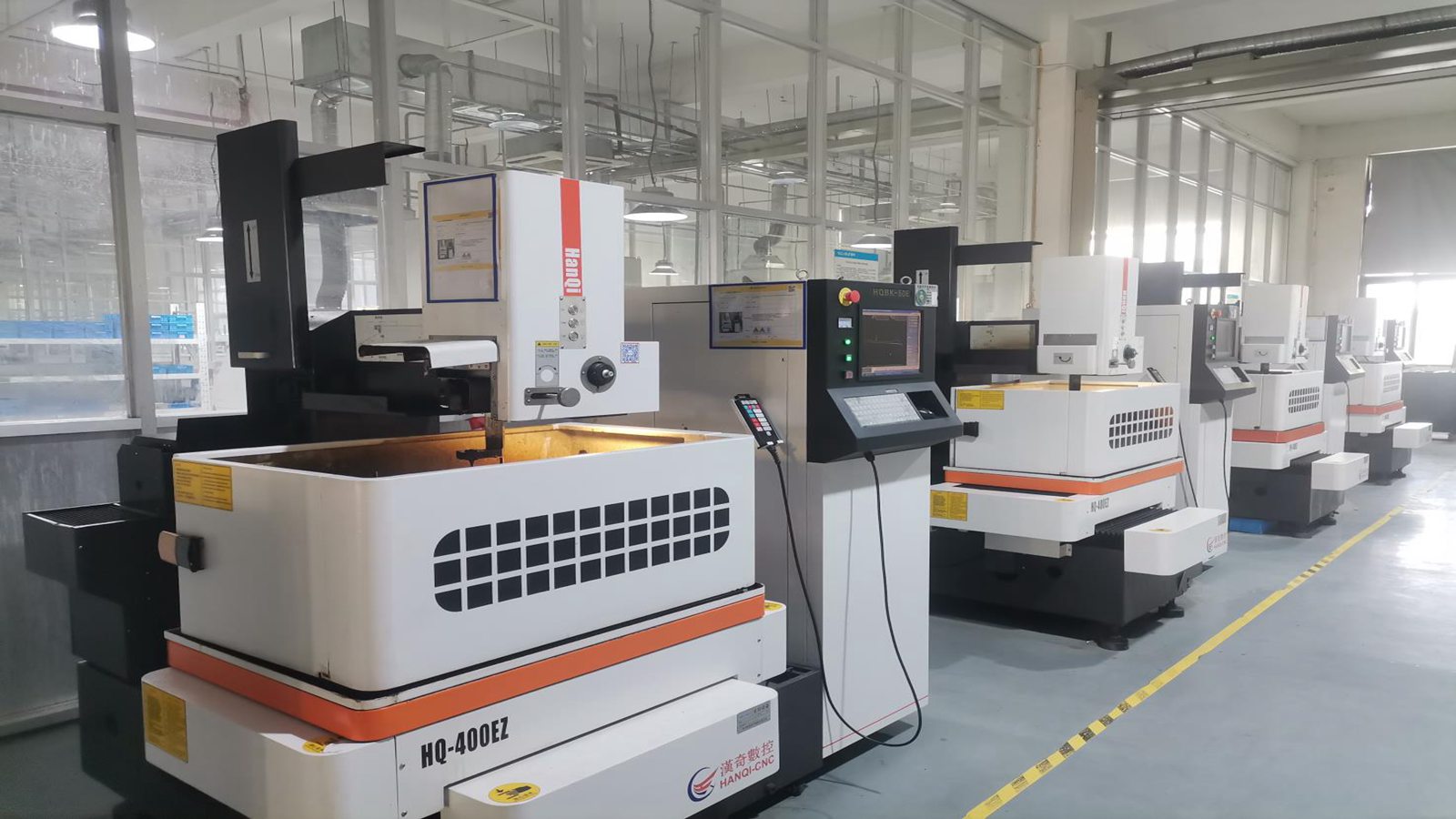
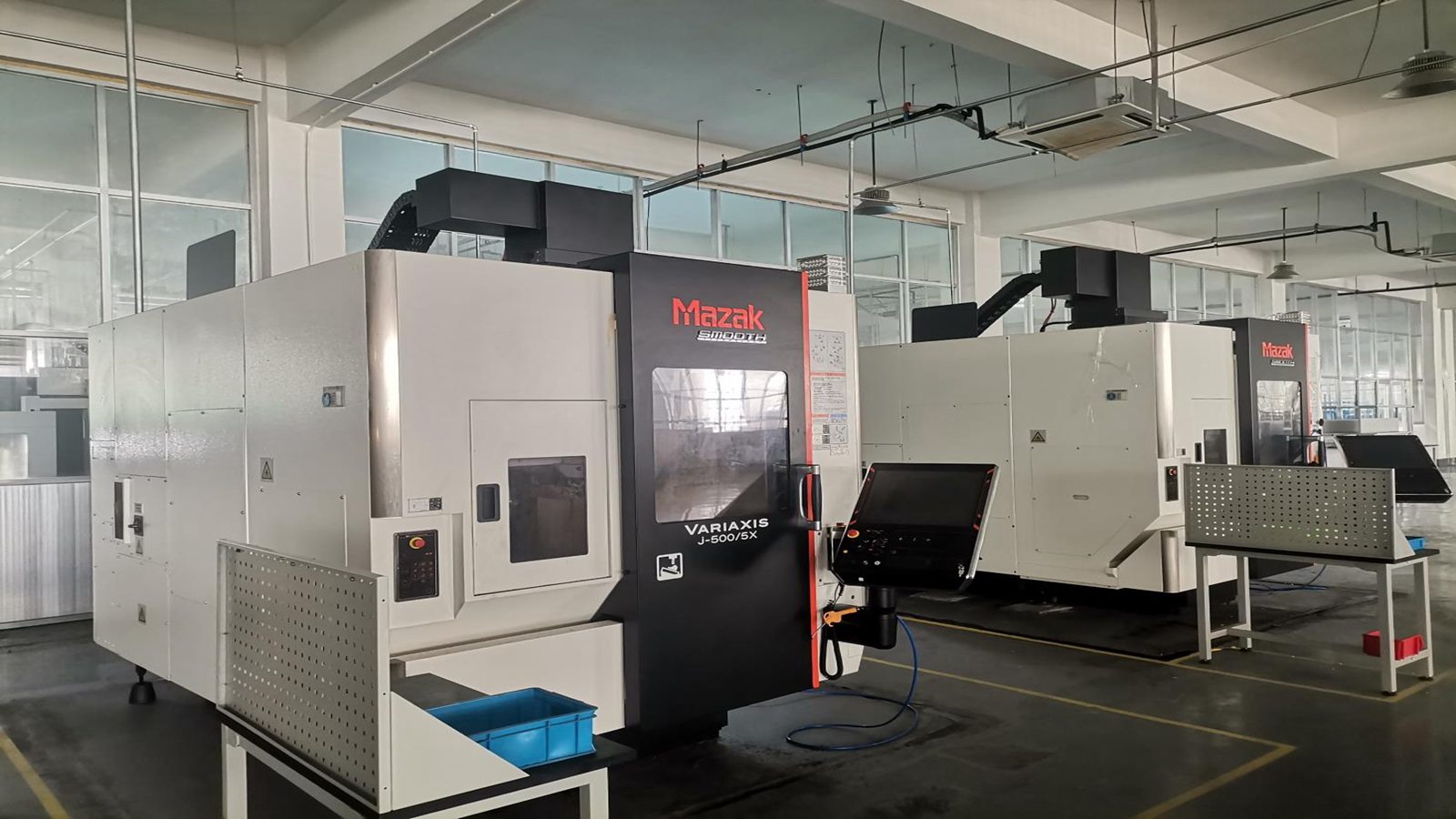
Using high-precision Swiss-type CNC automatic lathes, we maintain tolerances within ±0.01mm. This microscopic precision ensures that all mechanical joints, pin clamps, and stabilization bars lock firmly without play, preventing sudden post-operative displacement.
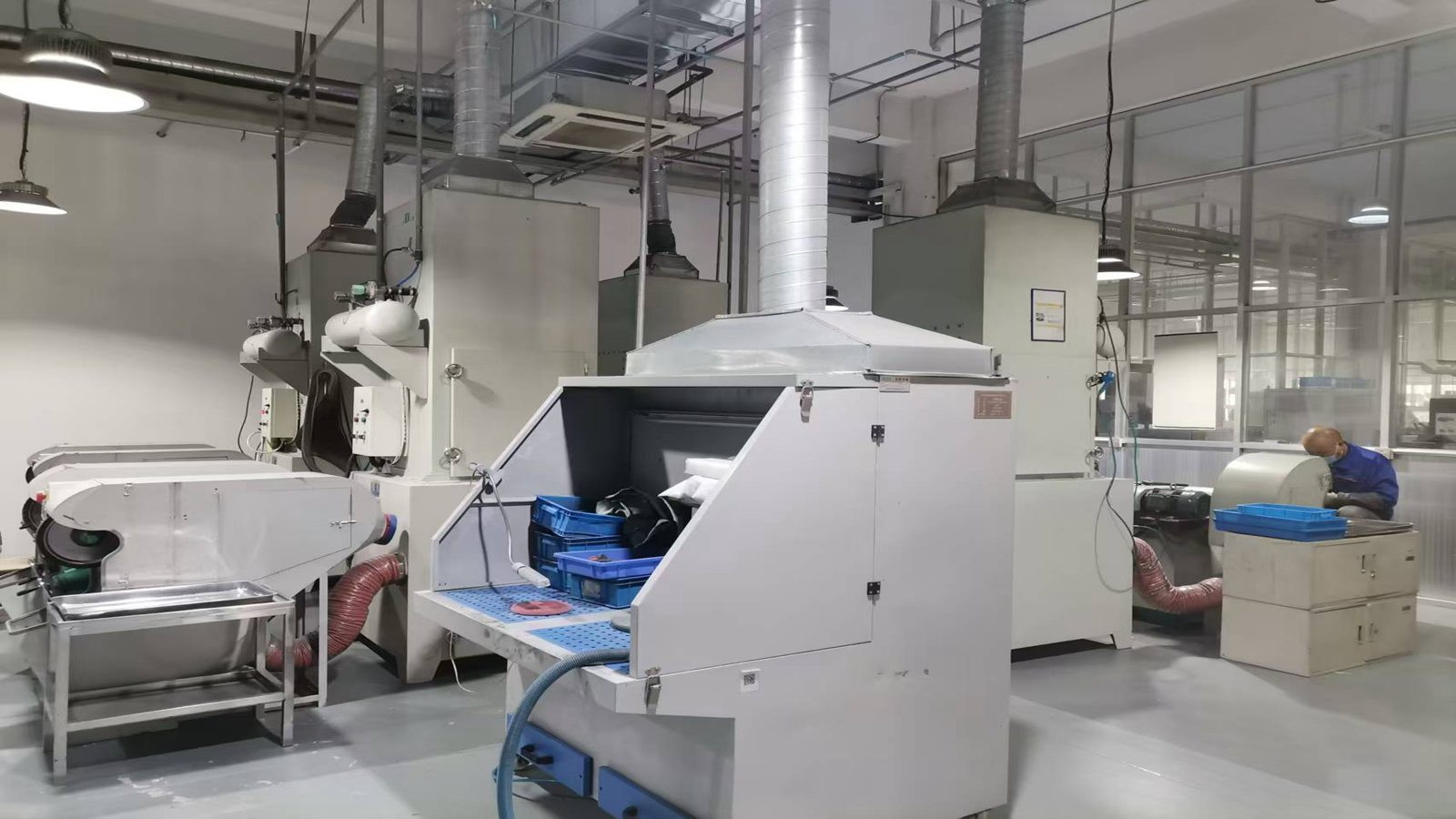
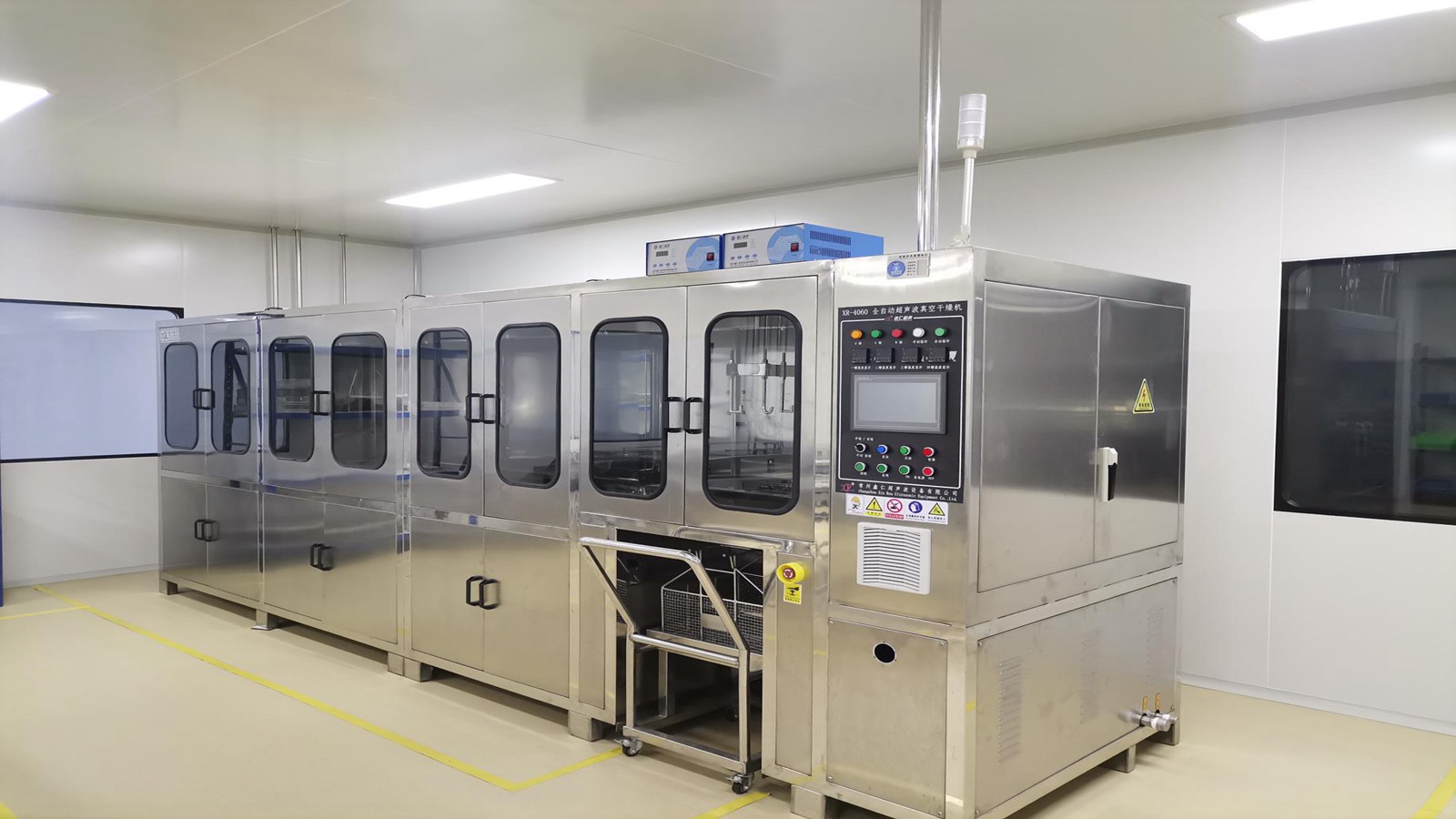
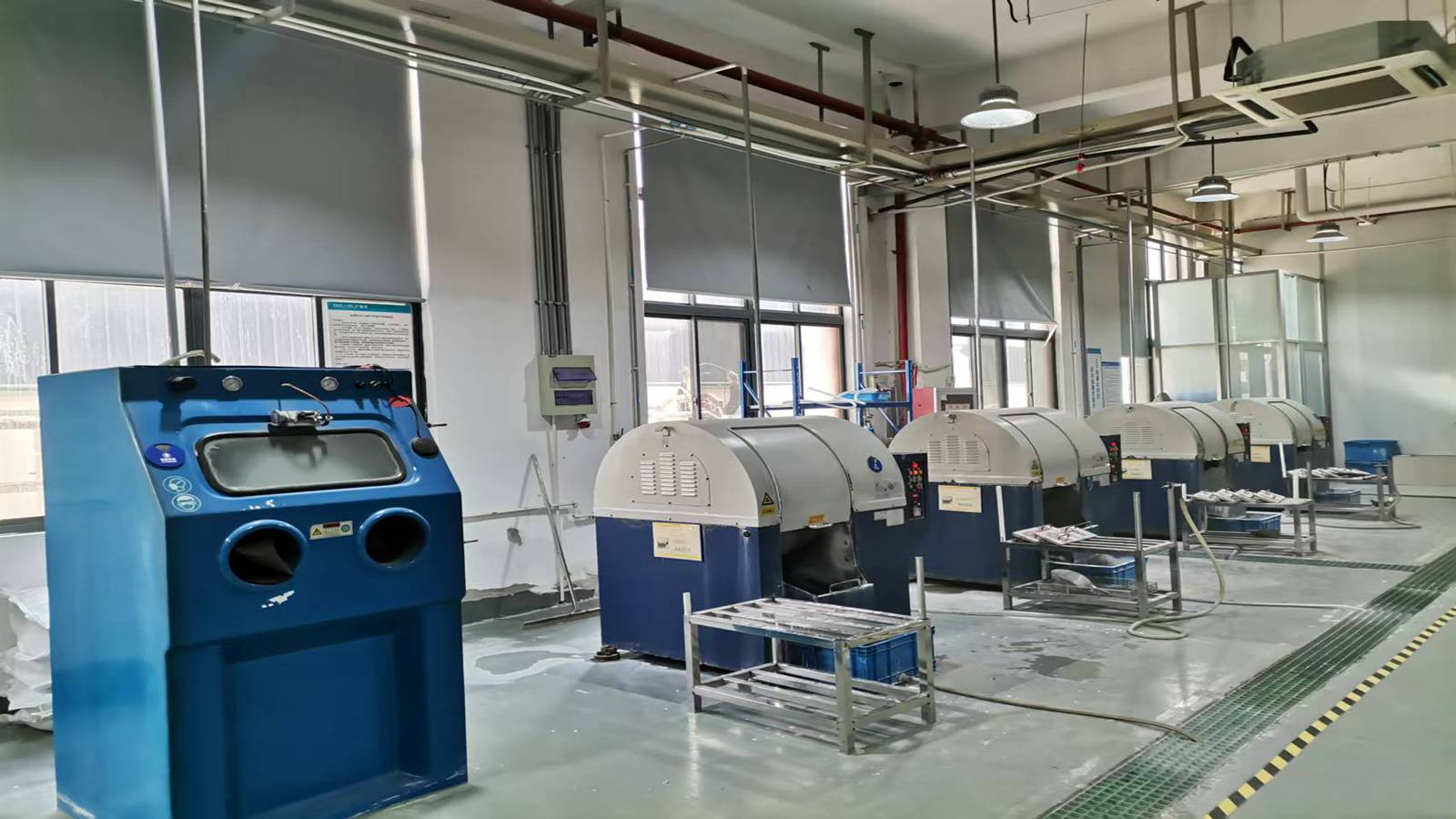
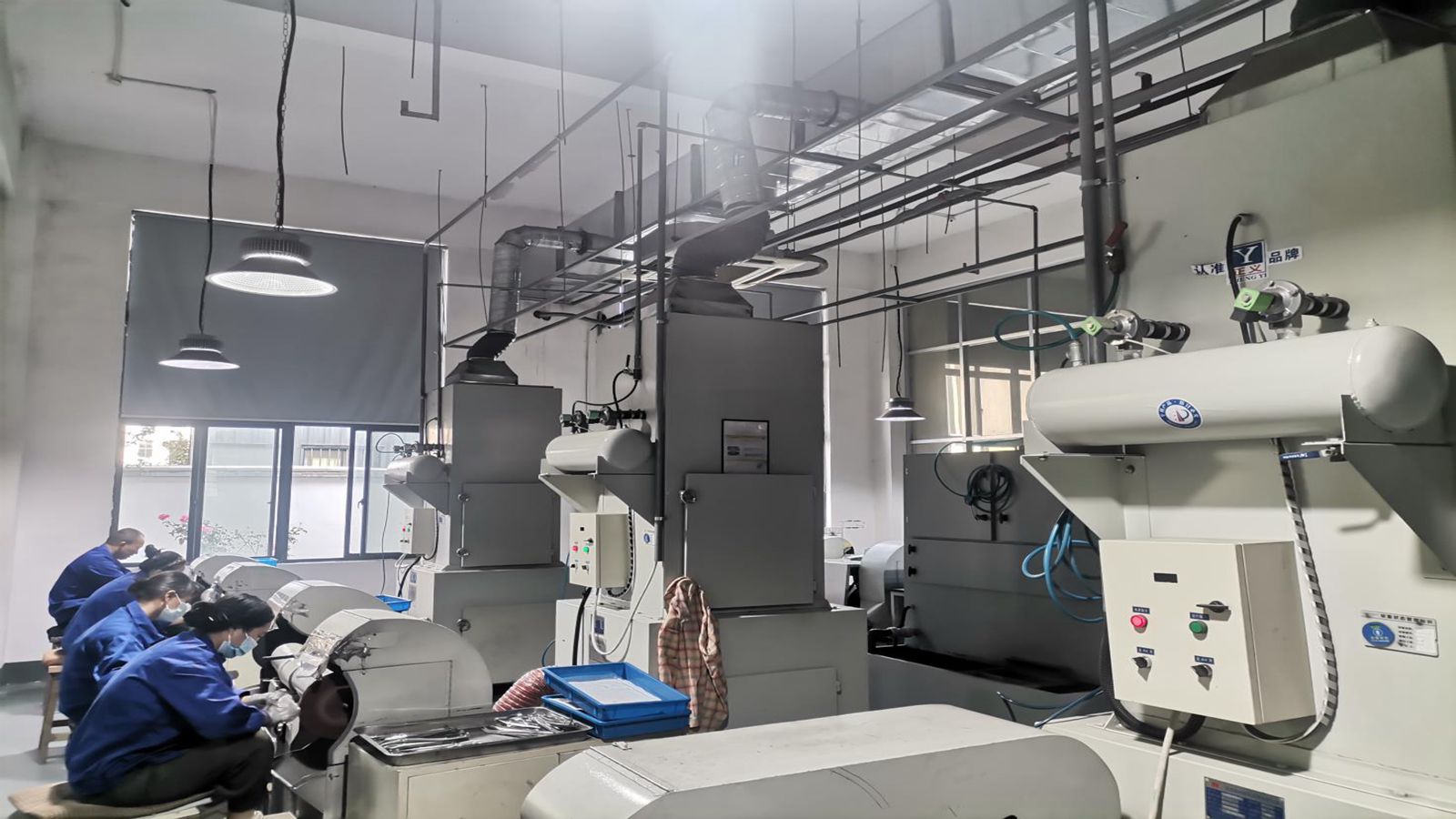
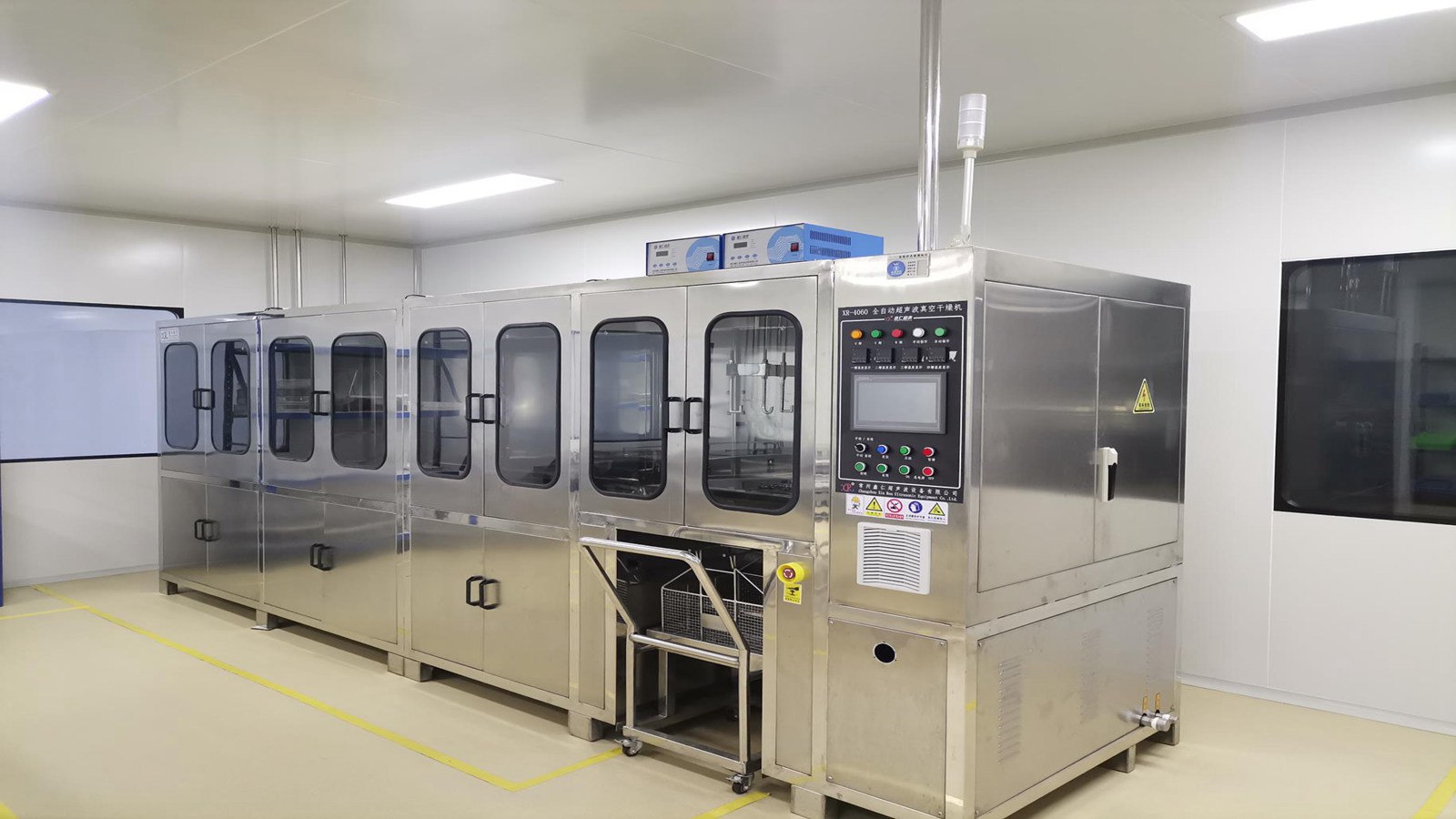
All external fixator structures undergo multi-phase ultrasonic cleaning and passivation. The resulting passivated surface withstands repeated autoclave sterilization cycles without rust, degradation, or structural fatigue.
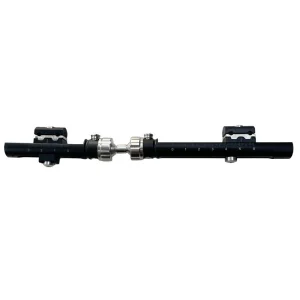
Browse our full range of CE-approved small-fragment clamps, wrist joint fixators, and specialized femur/tibia lengthening frames.
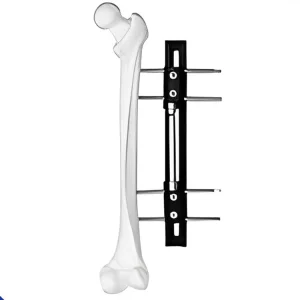
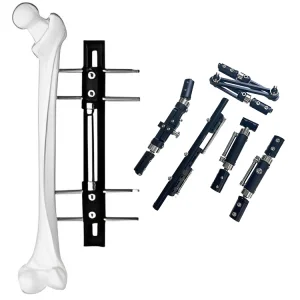
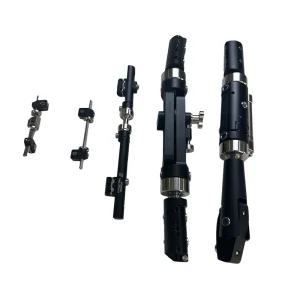
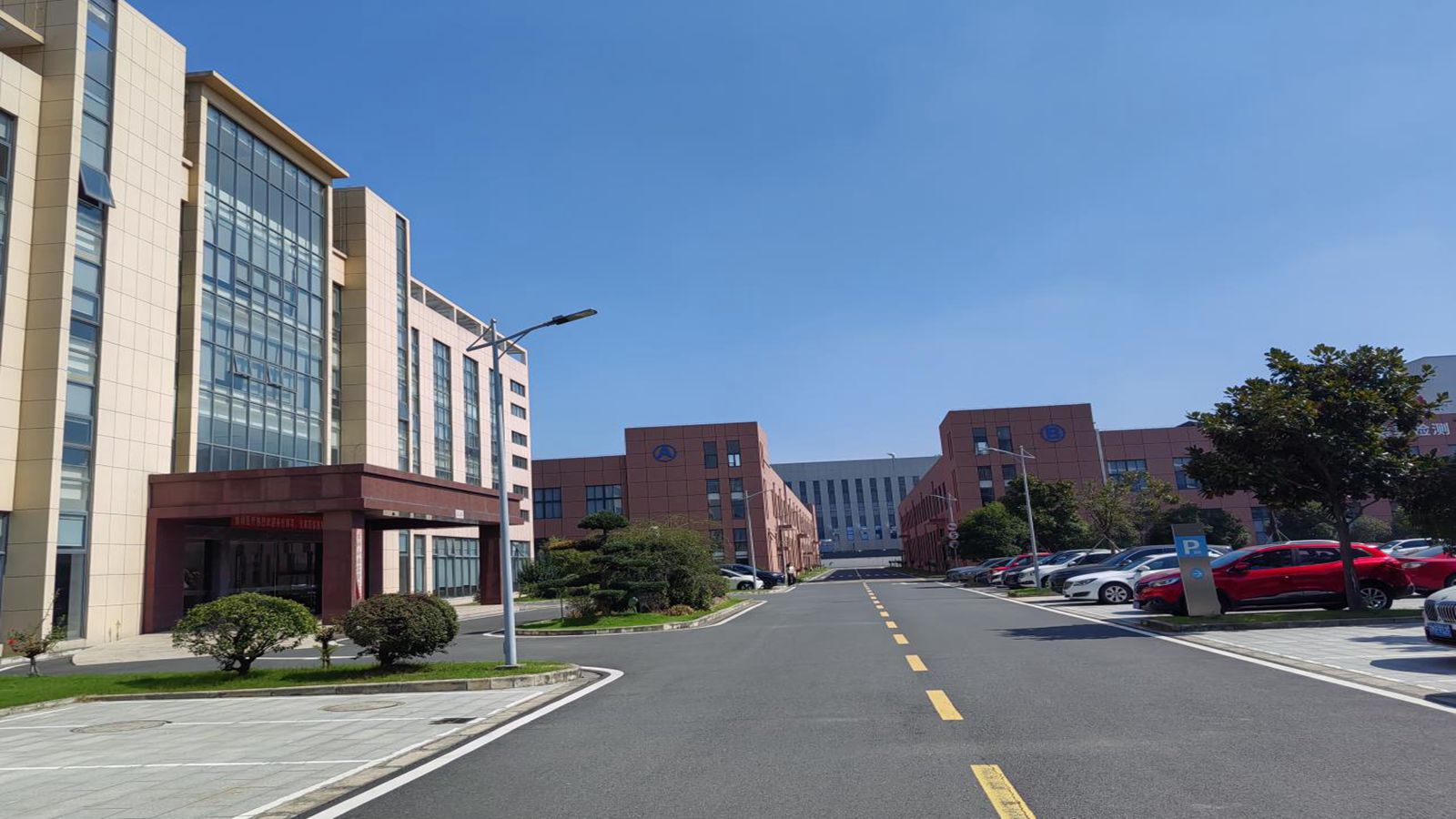
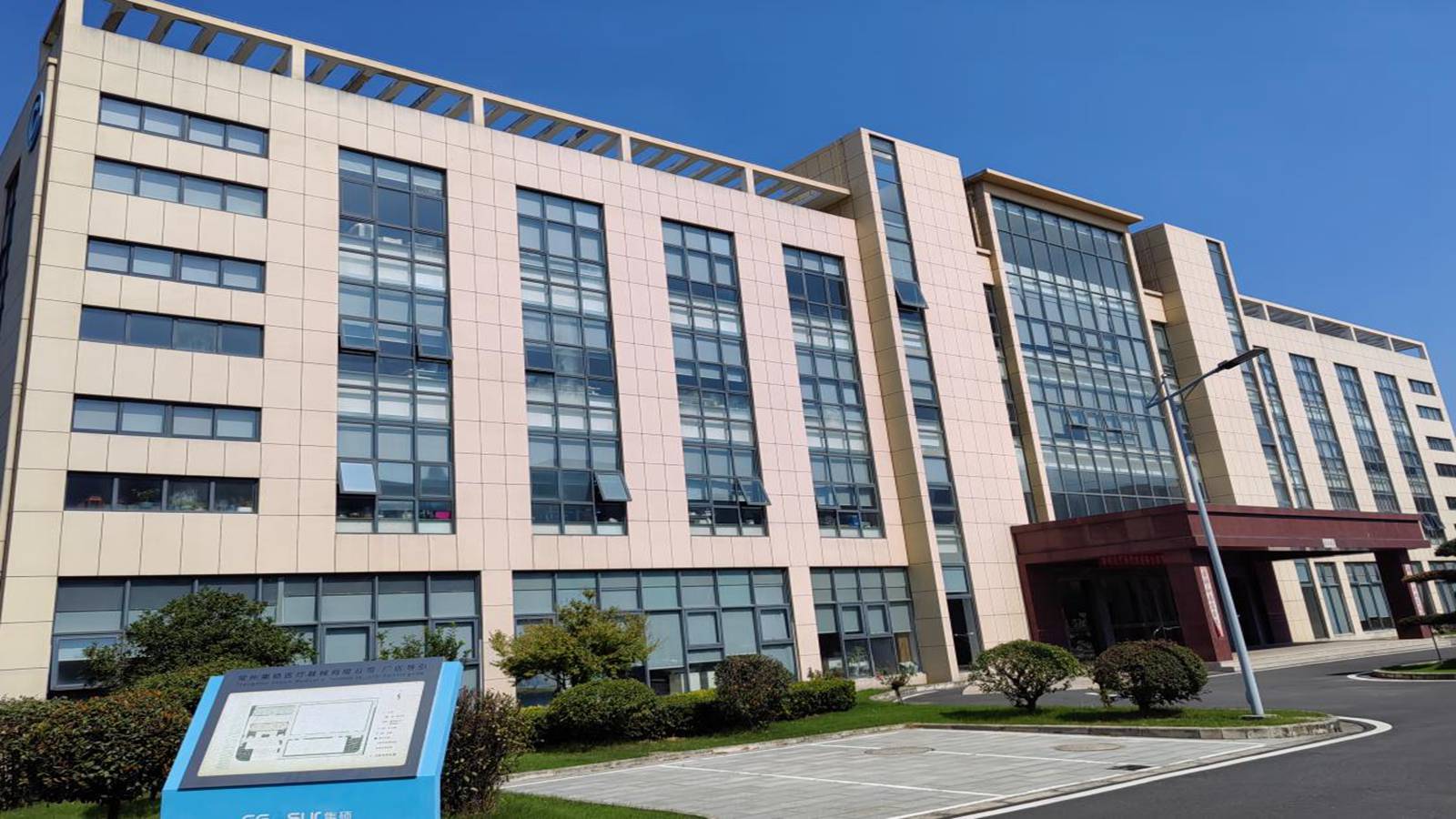
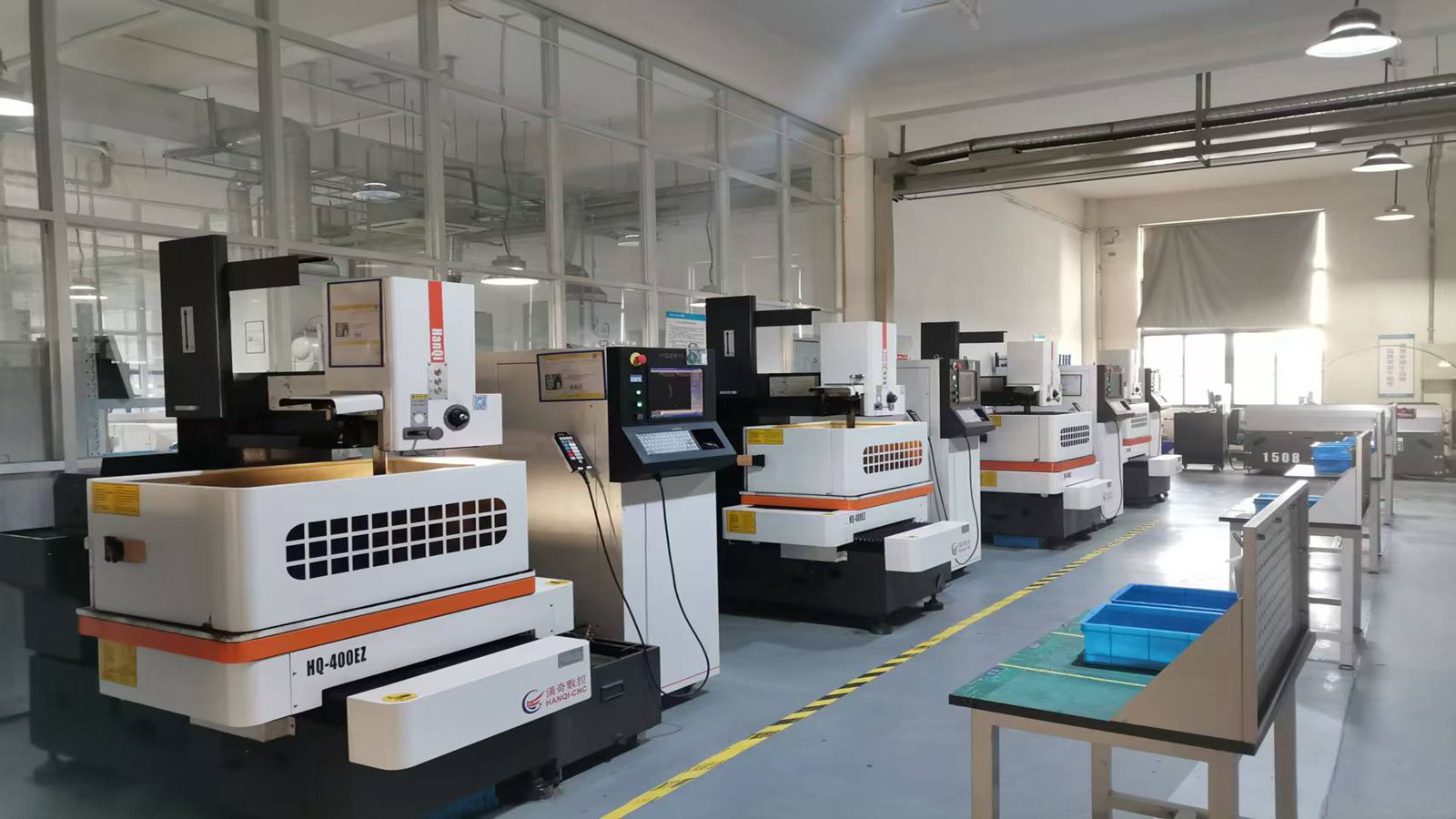
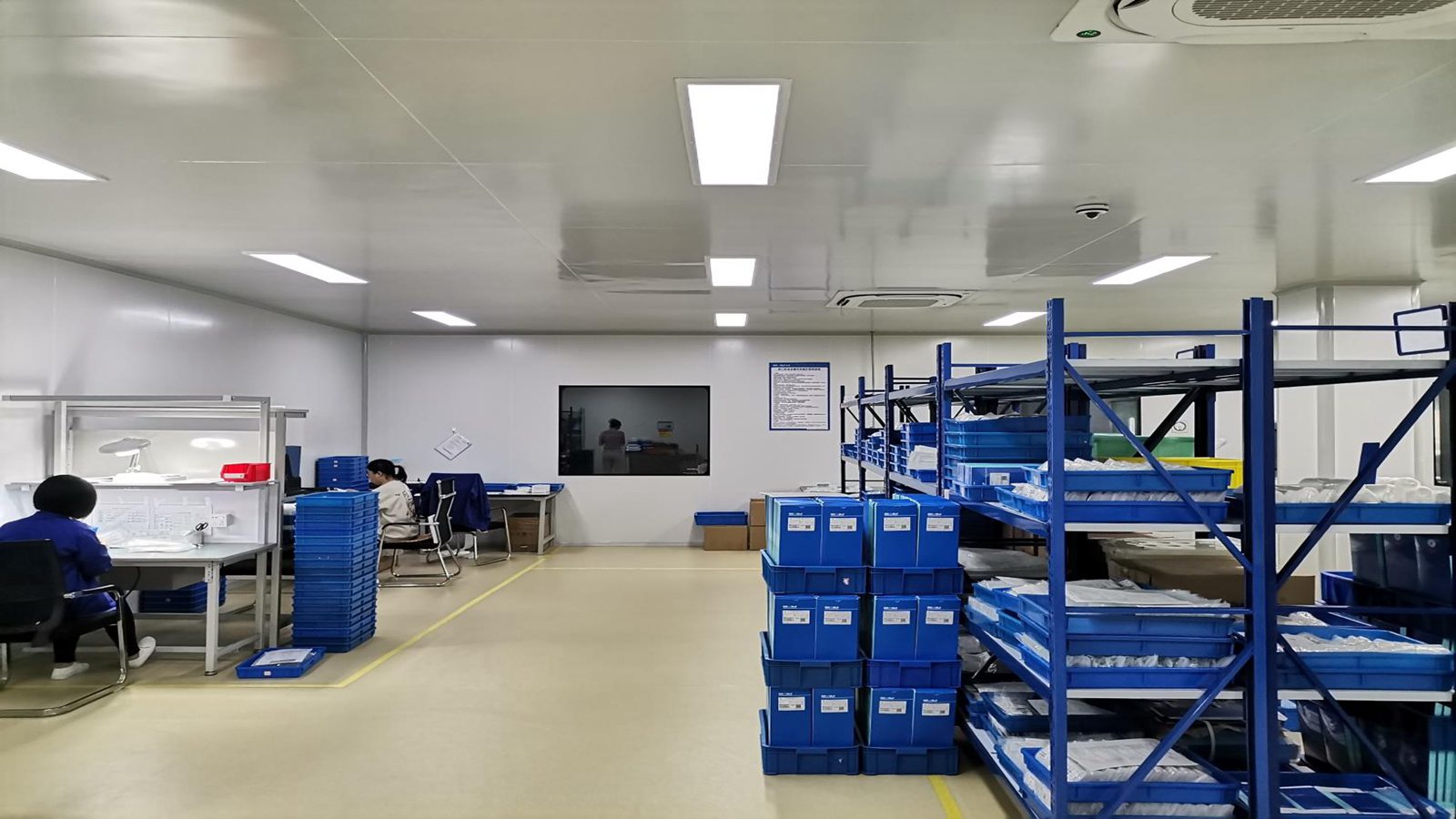
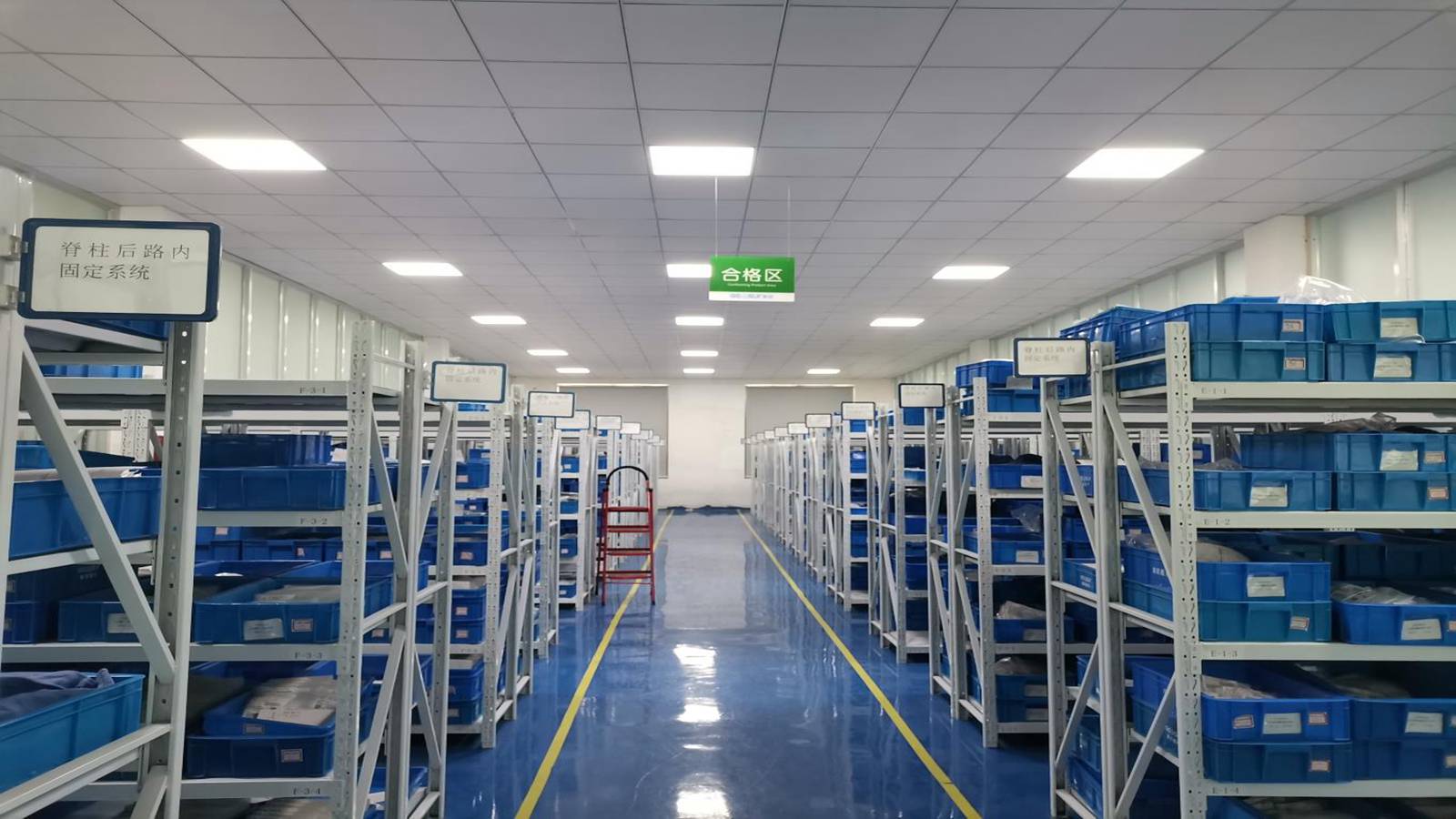
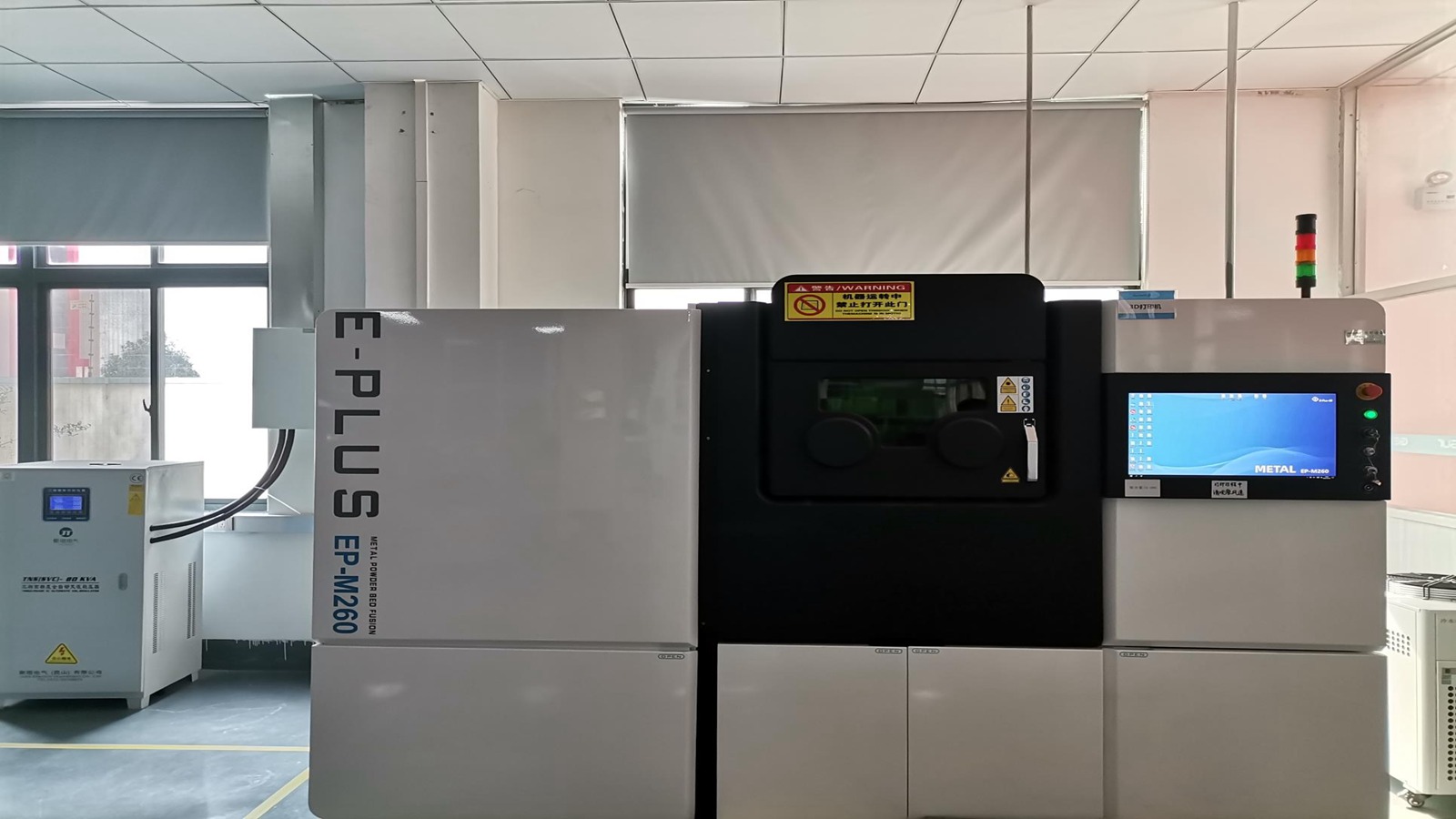
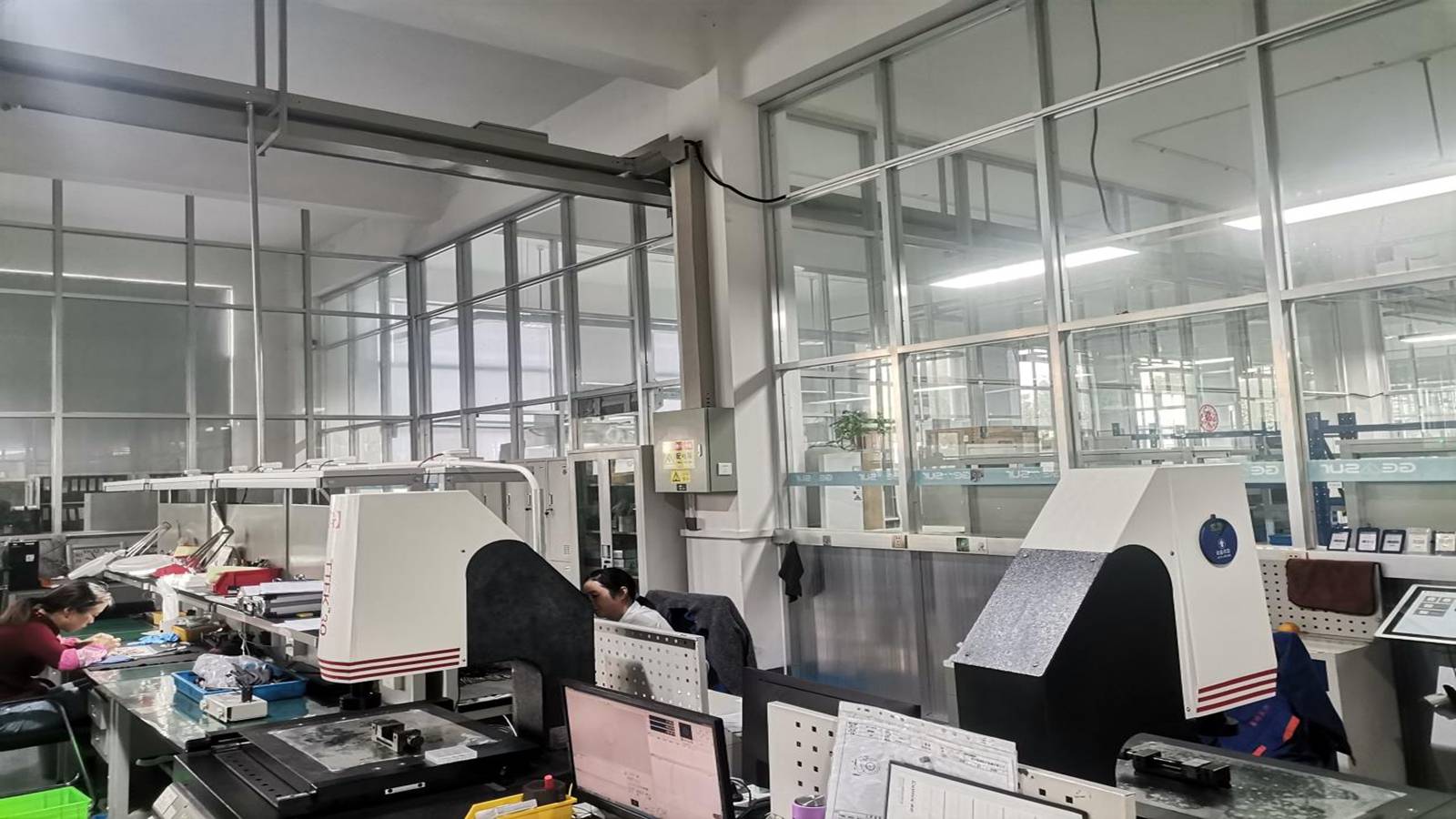
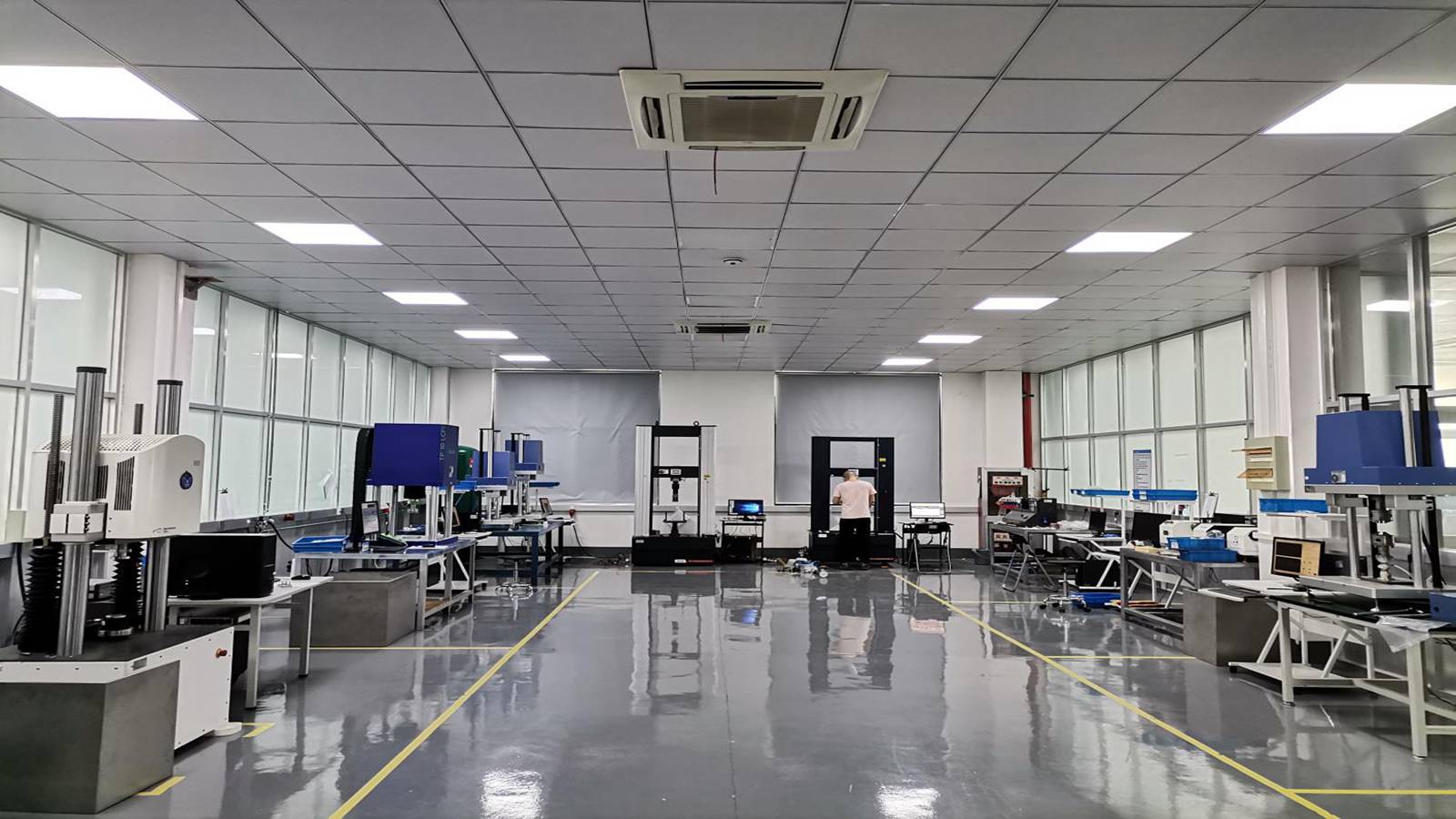
Step inside our state-of-the-art facilities in China. We integrate precision machining, meticulous cleaning, and vacuum-sterile packaging processes to deliver reliable implants to healthcare systems in Kiribati and around the world.
Ensure your orthopedic surgical teams are equipped with highly stable, corrosion-resistant, and CE-certified external fixation systems. Contact our export team today for pricing, technical specifications, and shipping schedules for the Kiribati market.
Send Inquiry Now