 Ease Medical Apparatus And Instruments
Ease Medical Apparatus And Instruments
Ease Medical Apparatus And Instruments
Explore our elite portfolio of orthopaedic intervention instruments, fixation plate screws, and balloon catheter delivery systems engineered for clinical excellence.
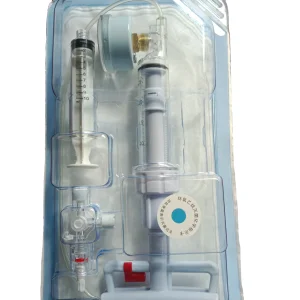
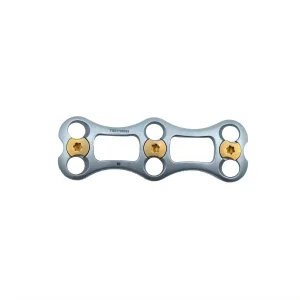
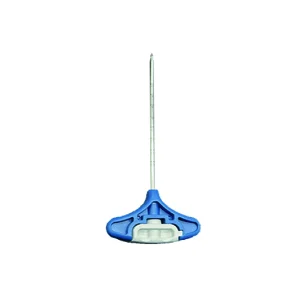
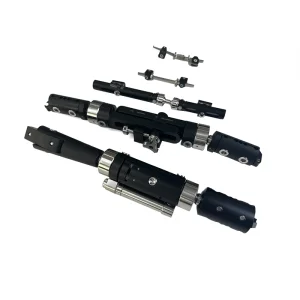
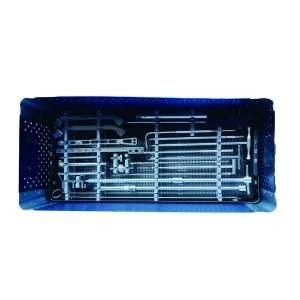
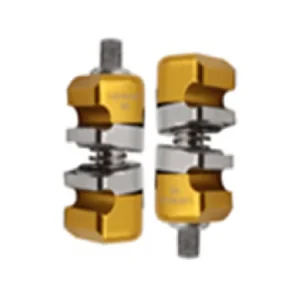
The orthopedic industry is undergoing a paradigm shift from traditional permanent titanium and stainless steel fixations to bioresorbable and biodegradable implants. Hospitals, trauma centers, and medical device distributors worldwide are demanding solutions that eliminate the need for a secondary implant removal surgery. This directly reduces surgical risks, patient trauma, and total healthcare costs.
Key global procurement centers require manufacturers that offer stable biocompatibility, controllable degradation profiles, and high mechanical integrity during the bone healing phase. By utilizing advanced polylactic-acid formulations such as PLLA, PDLLA, and PLGA, modern bioresorbable implants support temporary structural restoration and gradually degrade into non-toxic metabolites (water and carbon dioxide) that are naturally resorbed by the body.
Traditional rigid implants absorb bone loading, causing bone density reduction. Bioresorbable materials shift load gradually to the healing bone, promoting natural osteogenesis.
Critical for pediatric trauma cases where removing growth plates or fixations manually could severely compromise bone development.
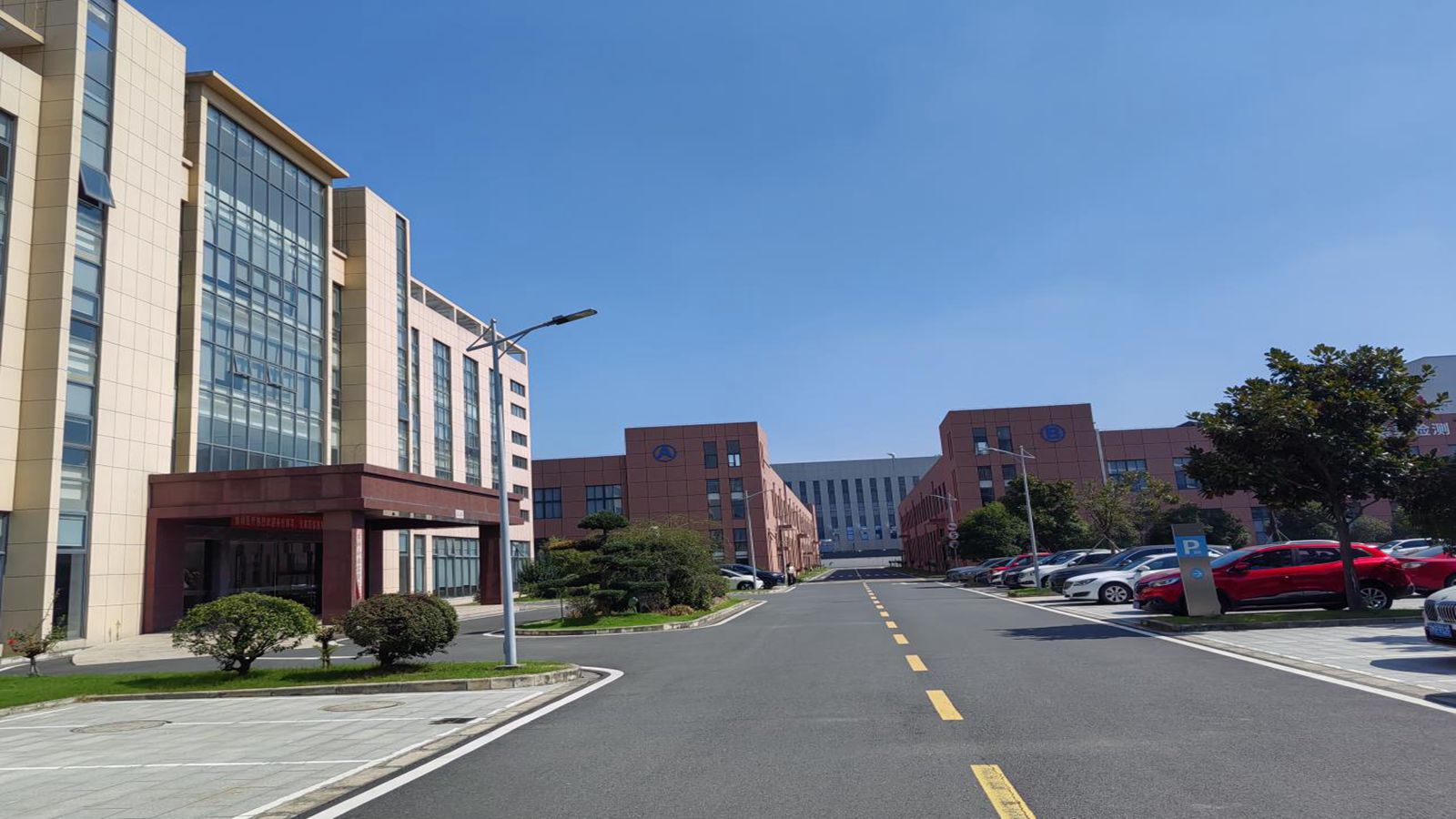
Backed by 10 years of export experience and strict ISO13485 / MDSAP systems to guarantee compliance with the most stringent global standards.





| Industrial Capabilities & Production Profile | |
|---|---|
| Company Registration Date | 2015-10-15 (Over 10 Years in Industry & Exporting) |
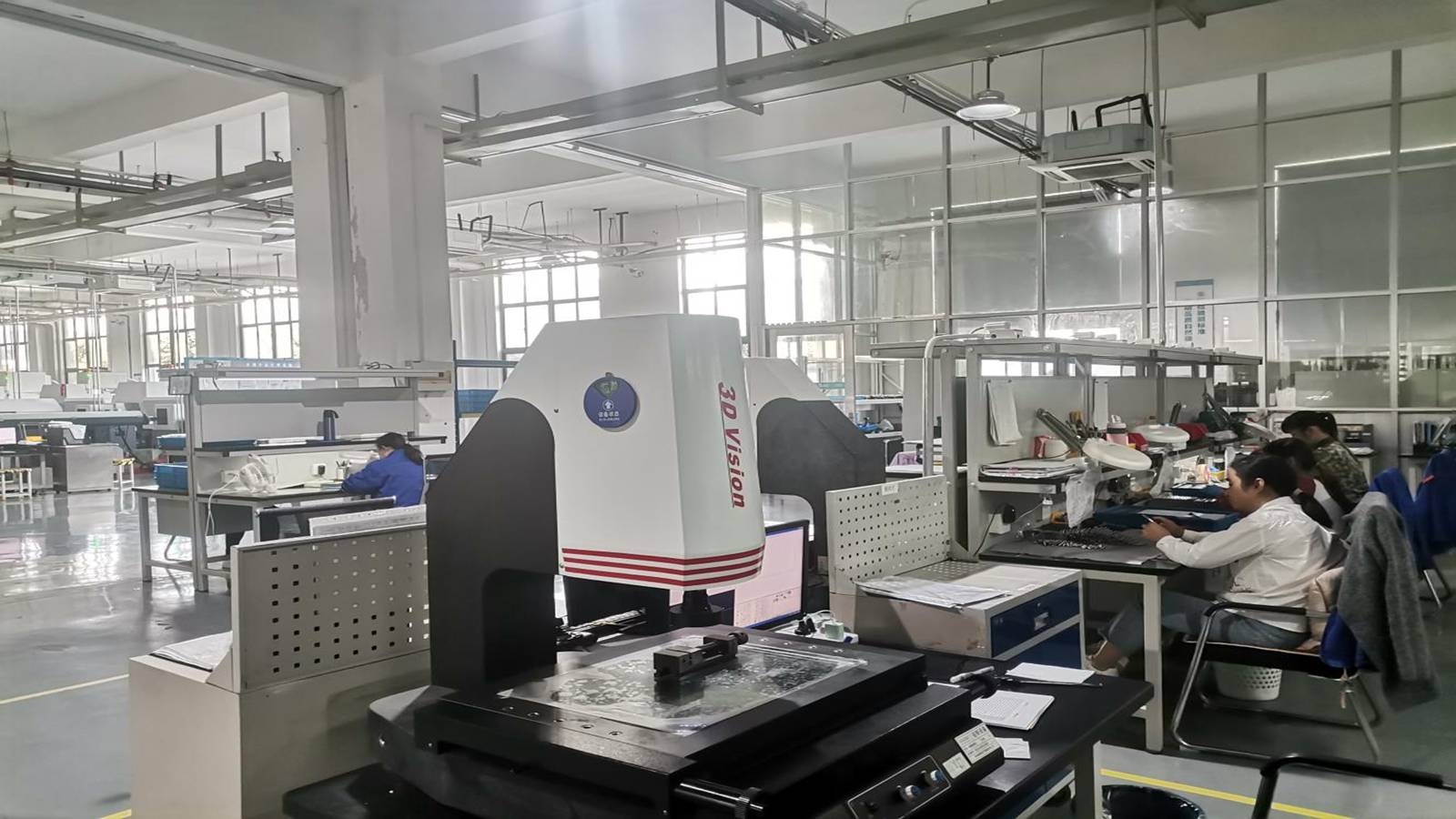
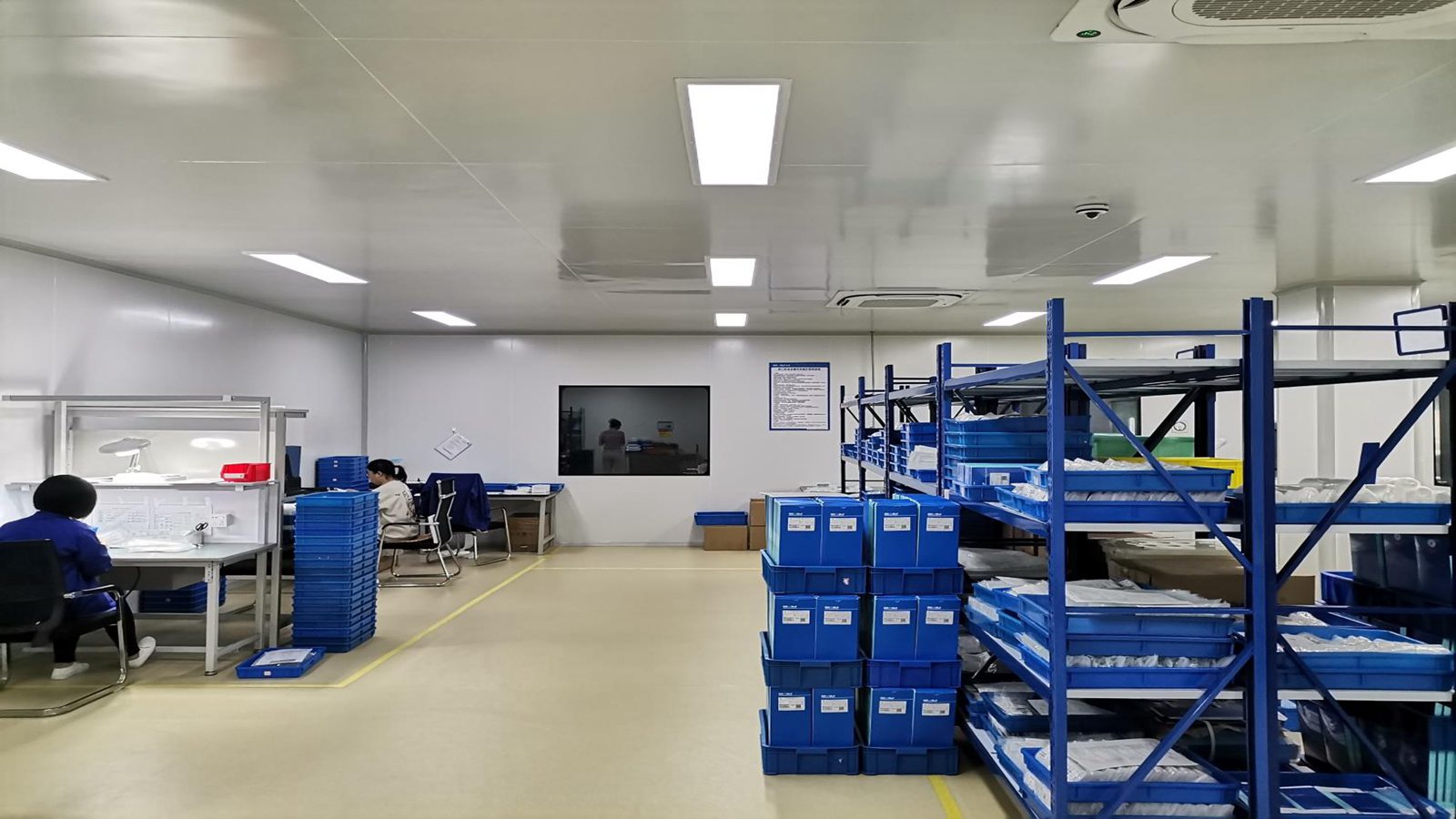
| Factory Scale | 30,343 square meters, hosting GMP-compliant class 10,000 cleanrooms. |
| R&D Staff & Engineers | 31 Engineers (1 Doctorate, 11 Post-Graduates, 17 Graduates) |
| Annual Innovation Output | 25+ new medical implant designs launched annually. |
| Quality Control Framework | 100% inspection of all production batches, trace inspection of raw polymer materials. |
| Primary Target Markets | Domestic Market (80%), Eastern Europe (5%), Southeast Asia (5%), and expanding global footprints. |
| OEM/ODM Customization | Comprehensive Sample Processing, Graphic/CAD processing, Custom on-demand molding. |
How our R&D Department utilizes advanced material science to balance initial mechanical support with safe degradation profiles.
We optimize L-lactide (LLA), glycolide (GA), and D,L-lactide (DLLA) ratio configurations. By adjusting crystallinity, we achieve precise control over the degradation timeline from 6 months up to 2 years, tailored to specific orthopedic load-bearing sites.
Our proprietary self-reinforcement drawing technologies orient polymer chains along the primary stress axis. This closes the mechanical strength gap between traditional titanium implants and polymer matrices.
Utilizing state-of-the-art injection molding inside Class 100 sterile environments prevents thermal degradation and polymer chain scission, preserving raw material performance integrity.
Simulated body fluid (SBF) testing is performed on every batch to map tensile strength loss vs. mass loss, verifying zero acidic accumulation in surrounding bone structures.
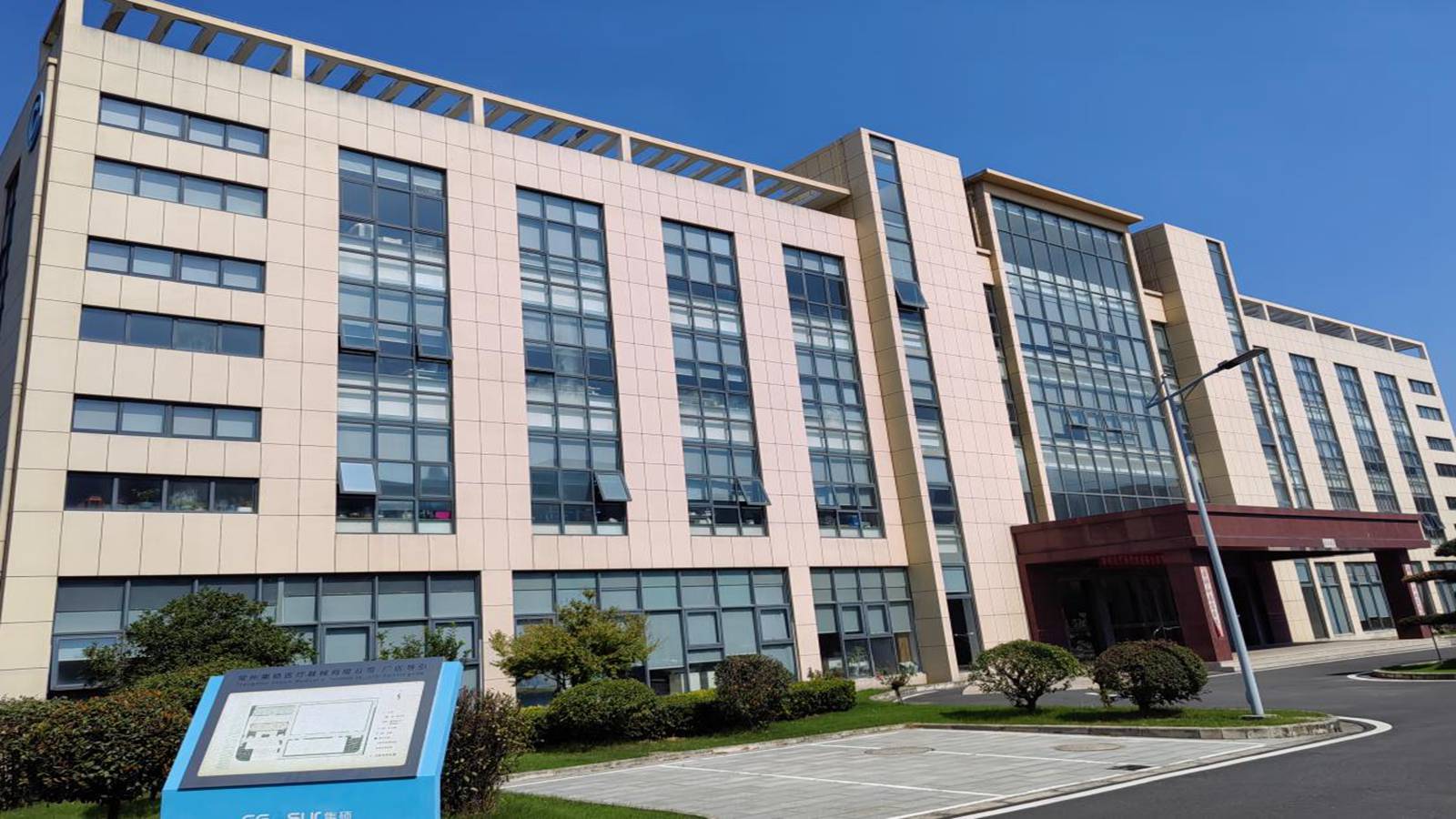
Delivering high-value, integrated orthopedic hardware solutions for medical institutions, distributors, and global brand managers.
By utilizing bioresorbable orthopedic pins, screws, and anchors, hospitals reduce surgery room utilization, avoid redundant anesthesia risks, and lower overall outpatient costs.
Protect pediatric growth plates with biodegradable implants that dissolve dynamically alongside normal bone development, eliminating secondary surgery trauma.
Engineered to eliminate allergic reactions or hypersensitivities associated with metallic nickel, cobalt, or chrome elements commonly found in traditional implant alloys.
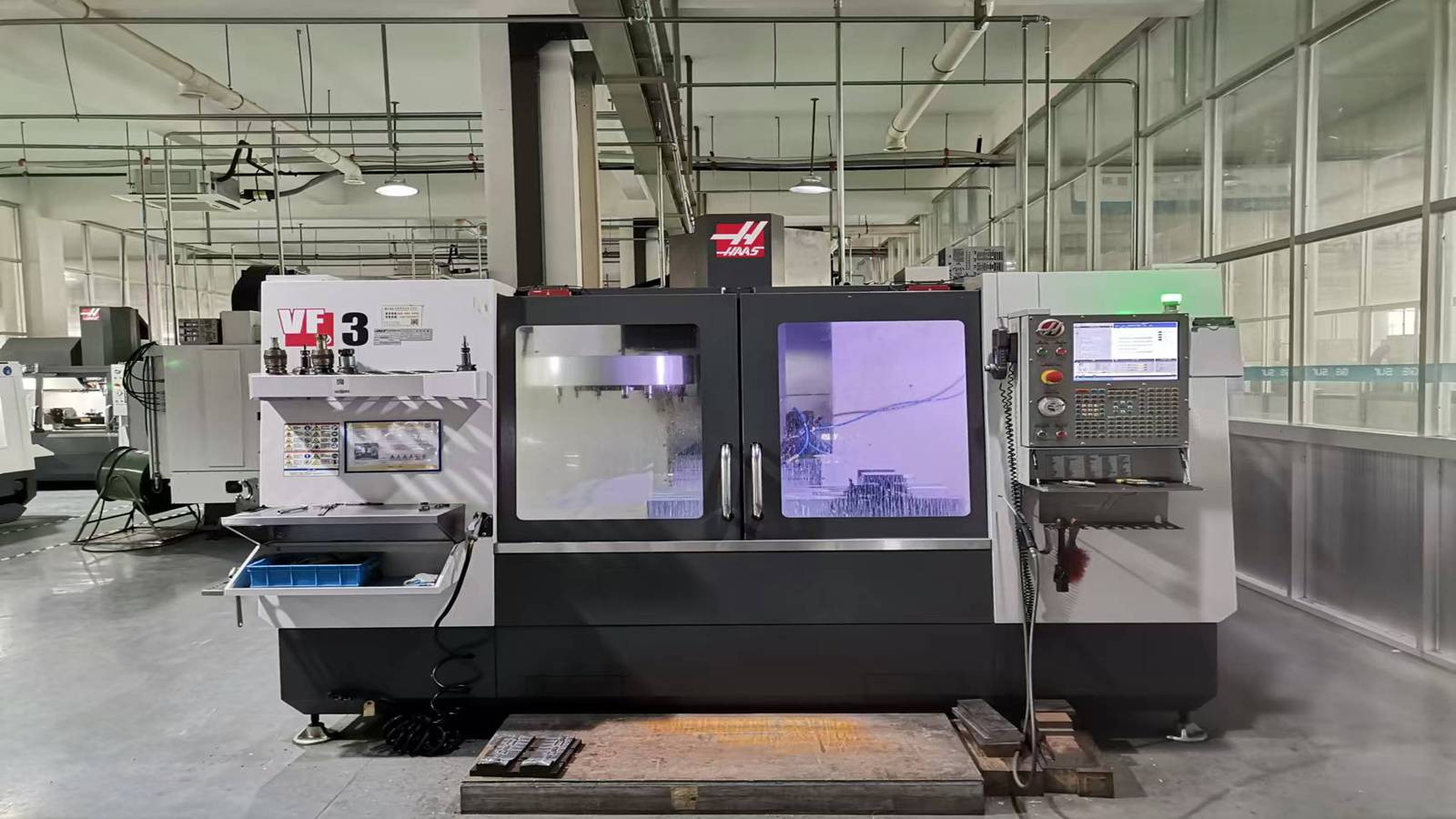
Every step of our process—from polymer extrusion to high-precision CNC machining—is monitored by our R&D and QA inspectors.
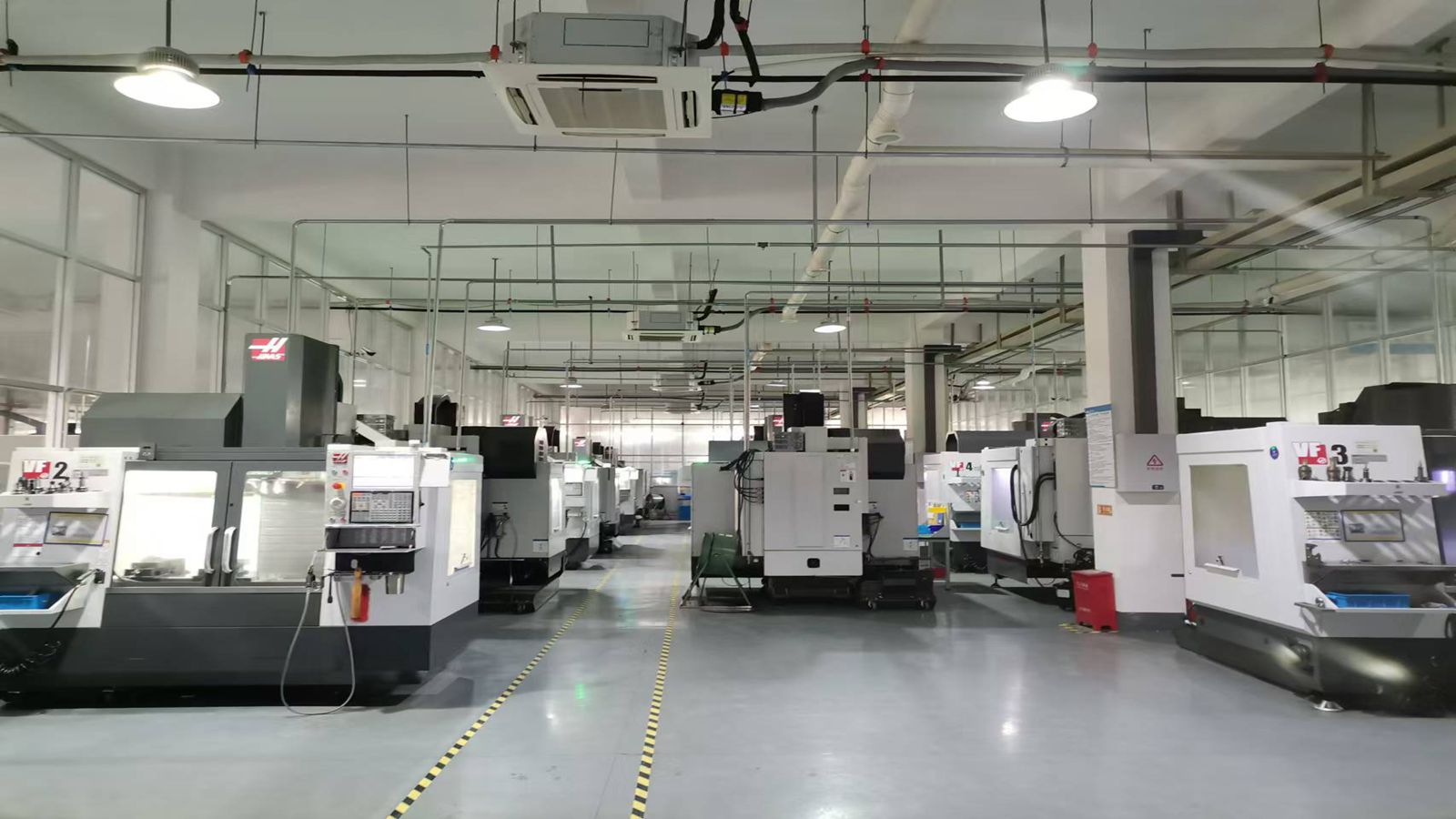
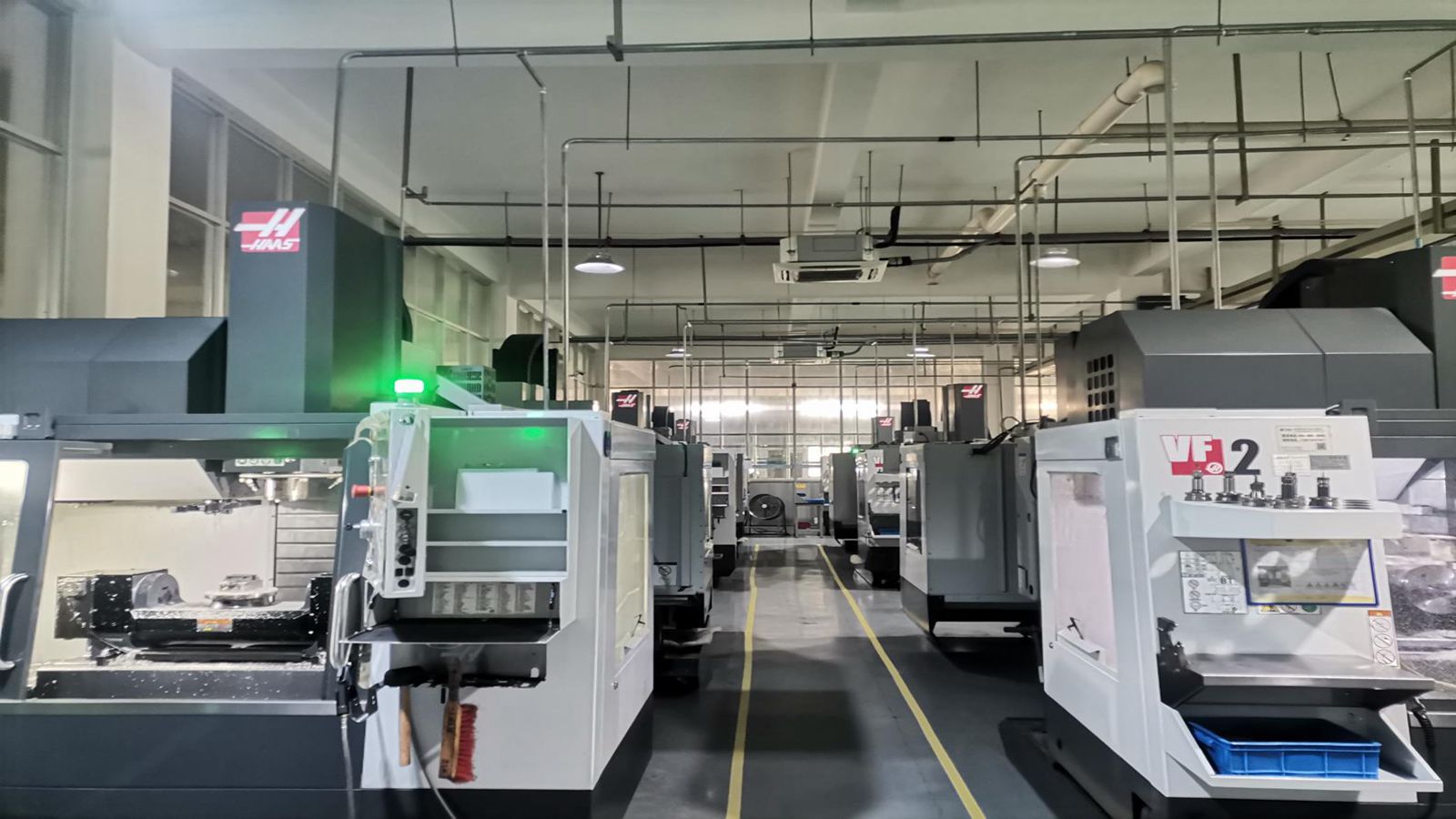
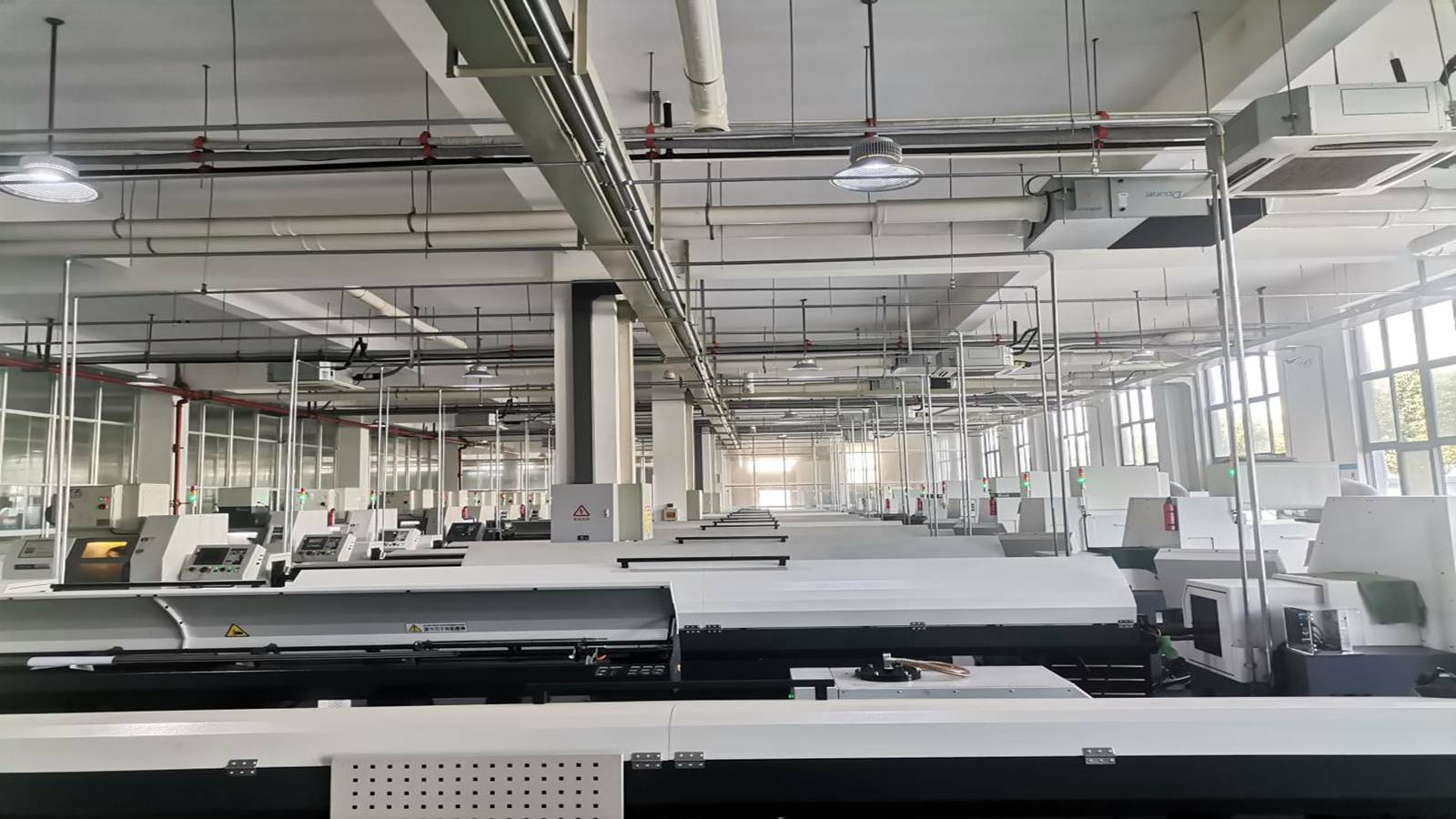
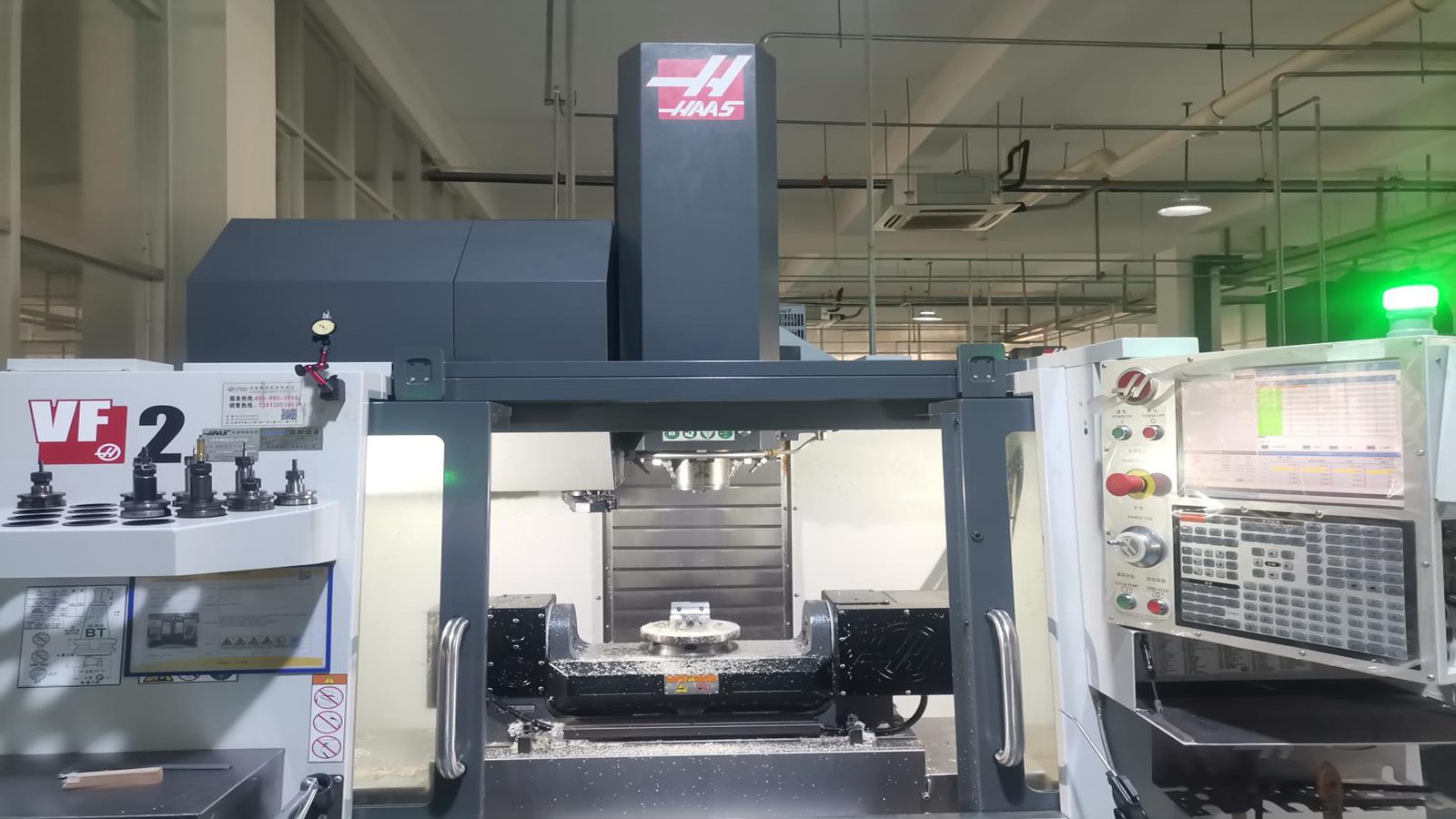
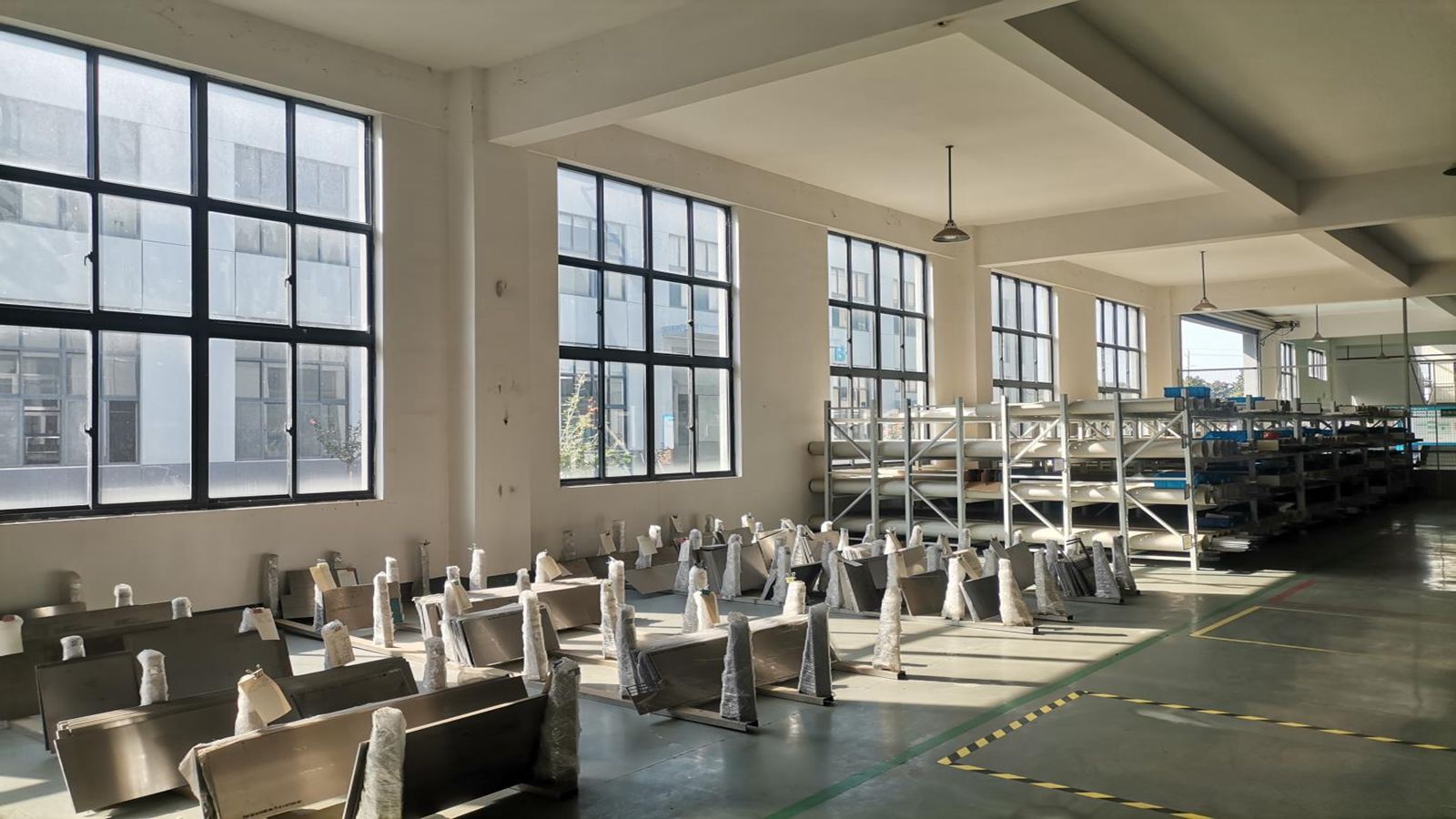
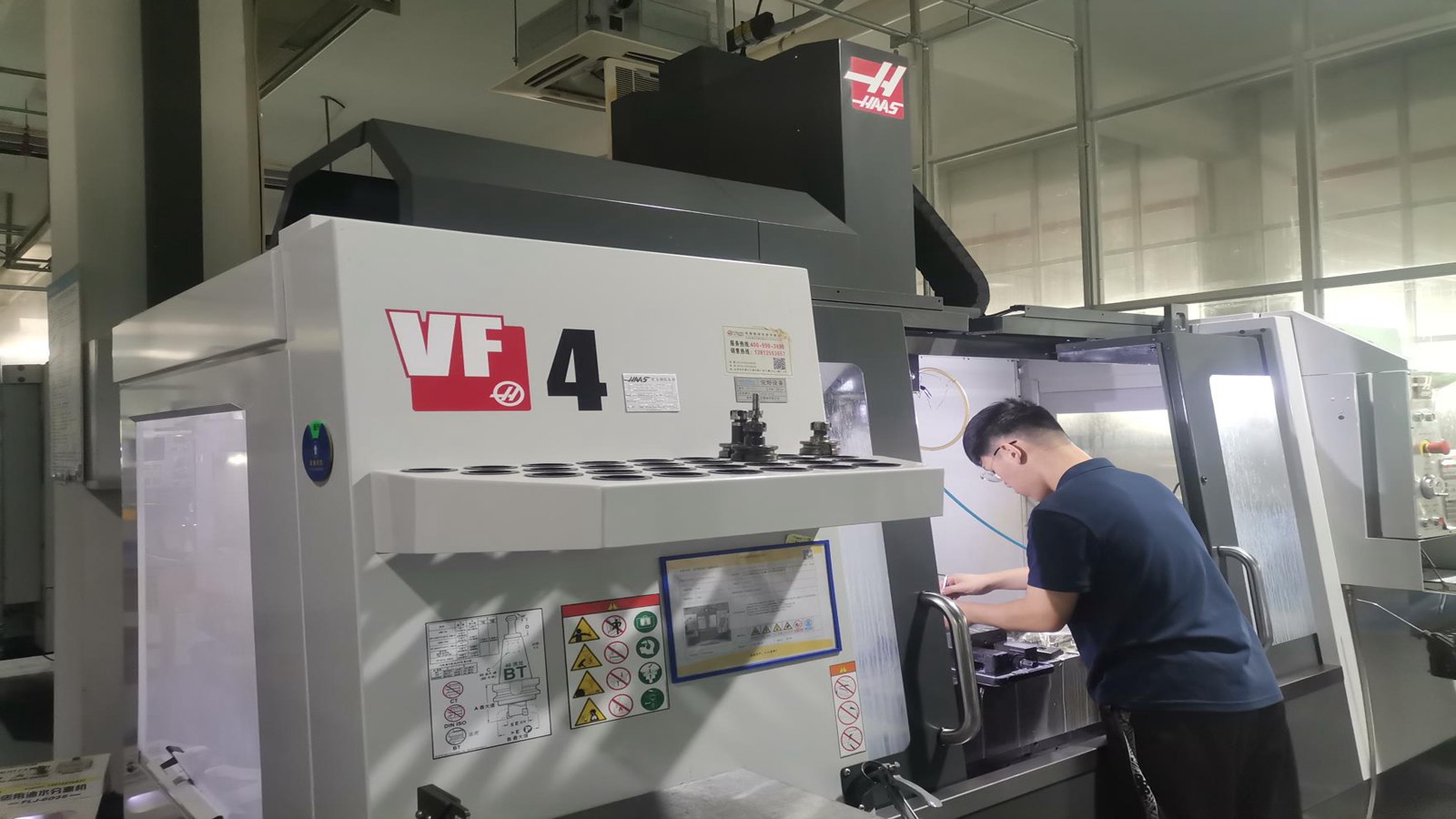
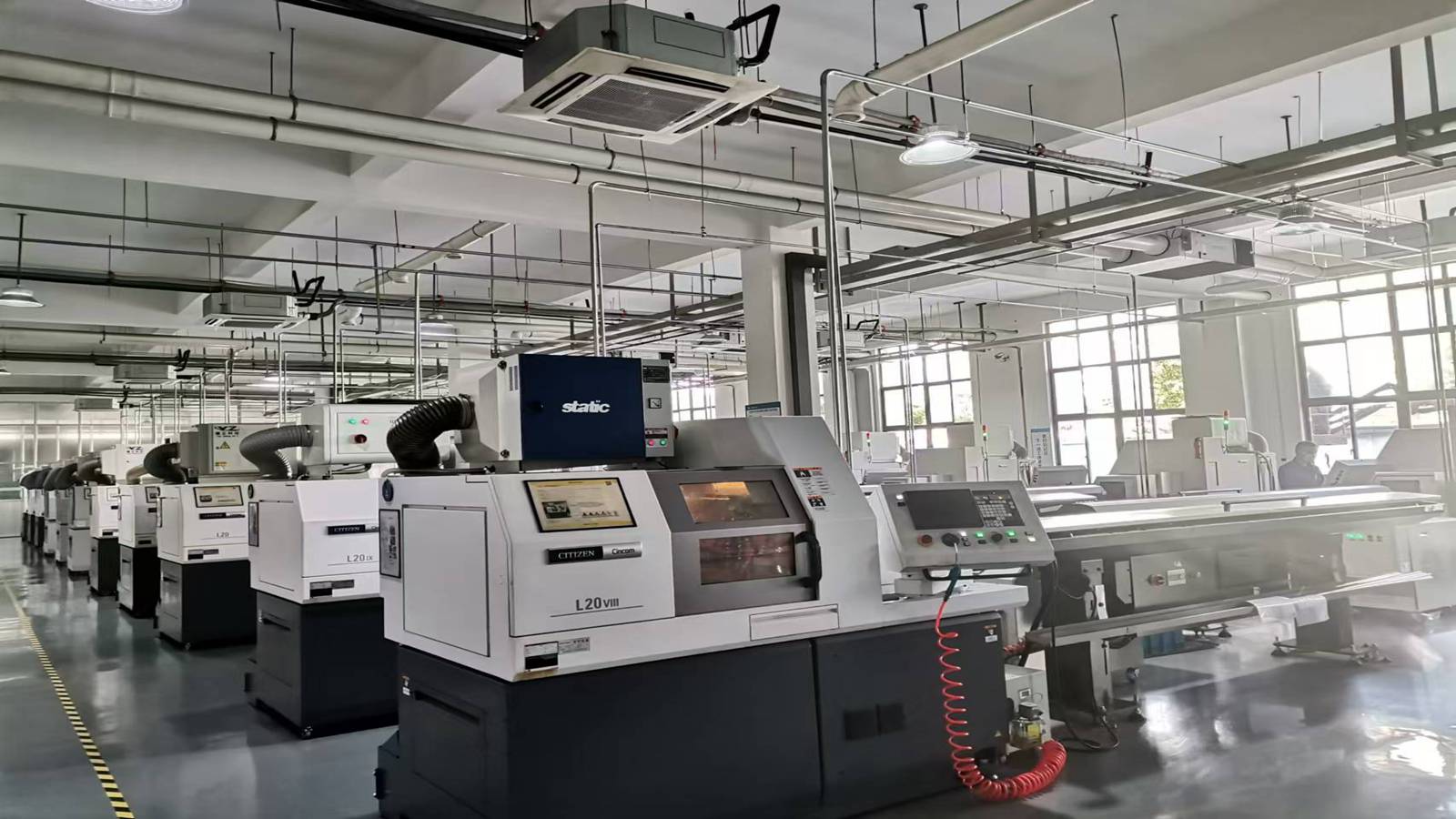
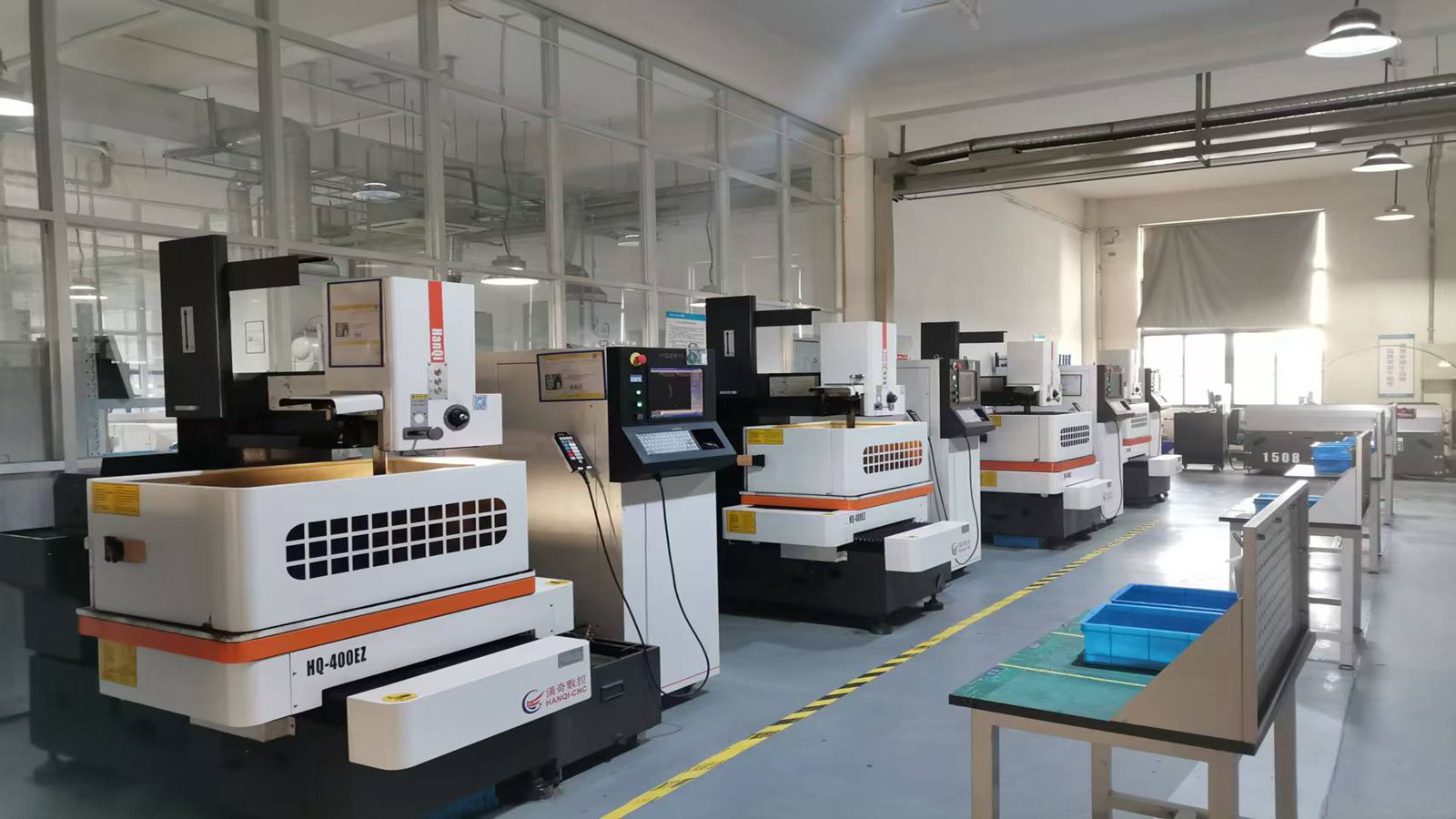
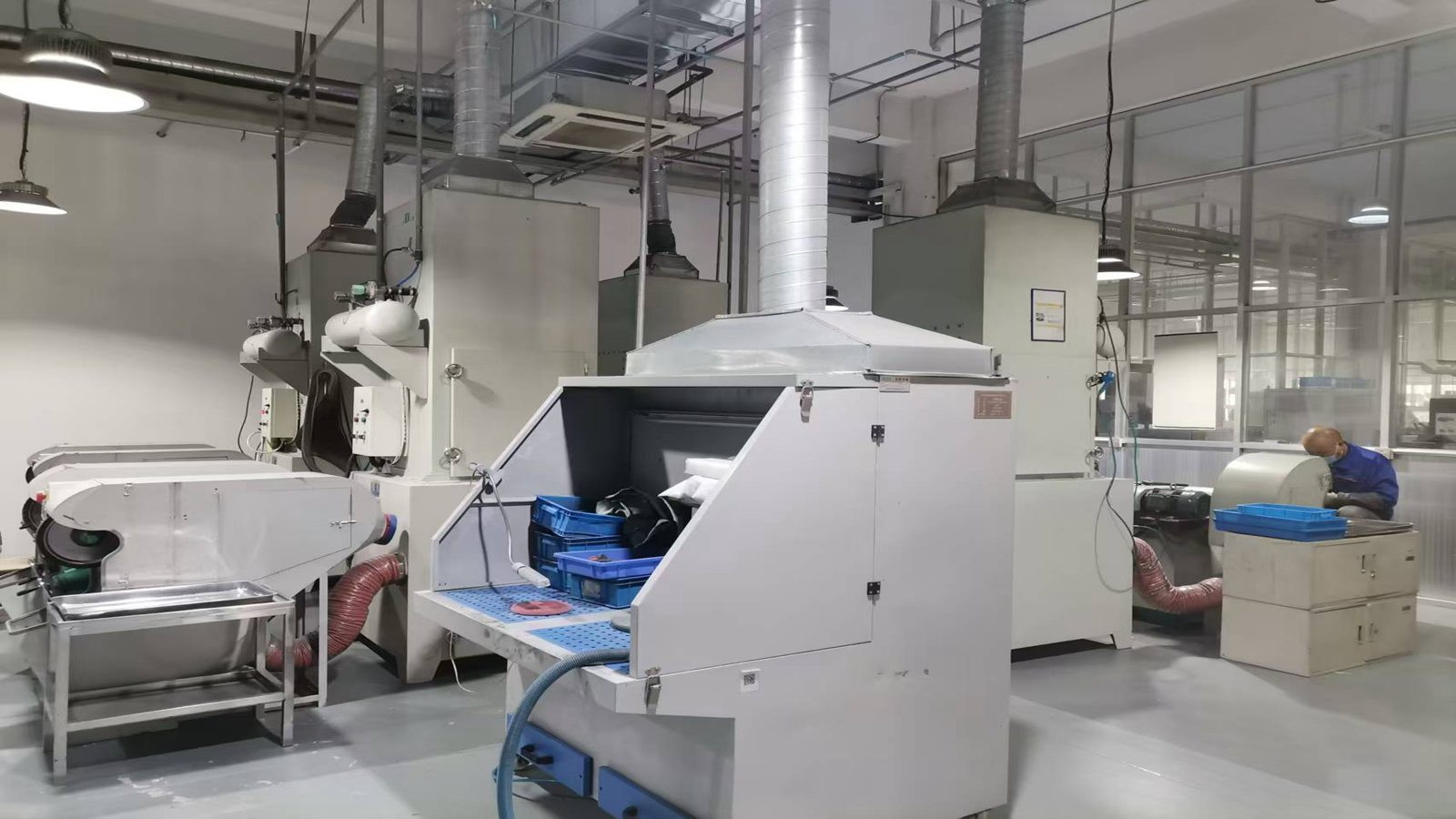
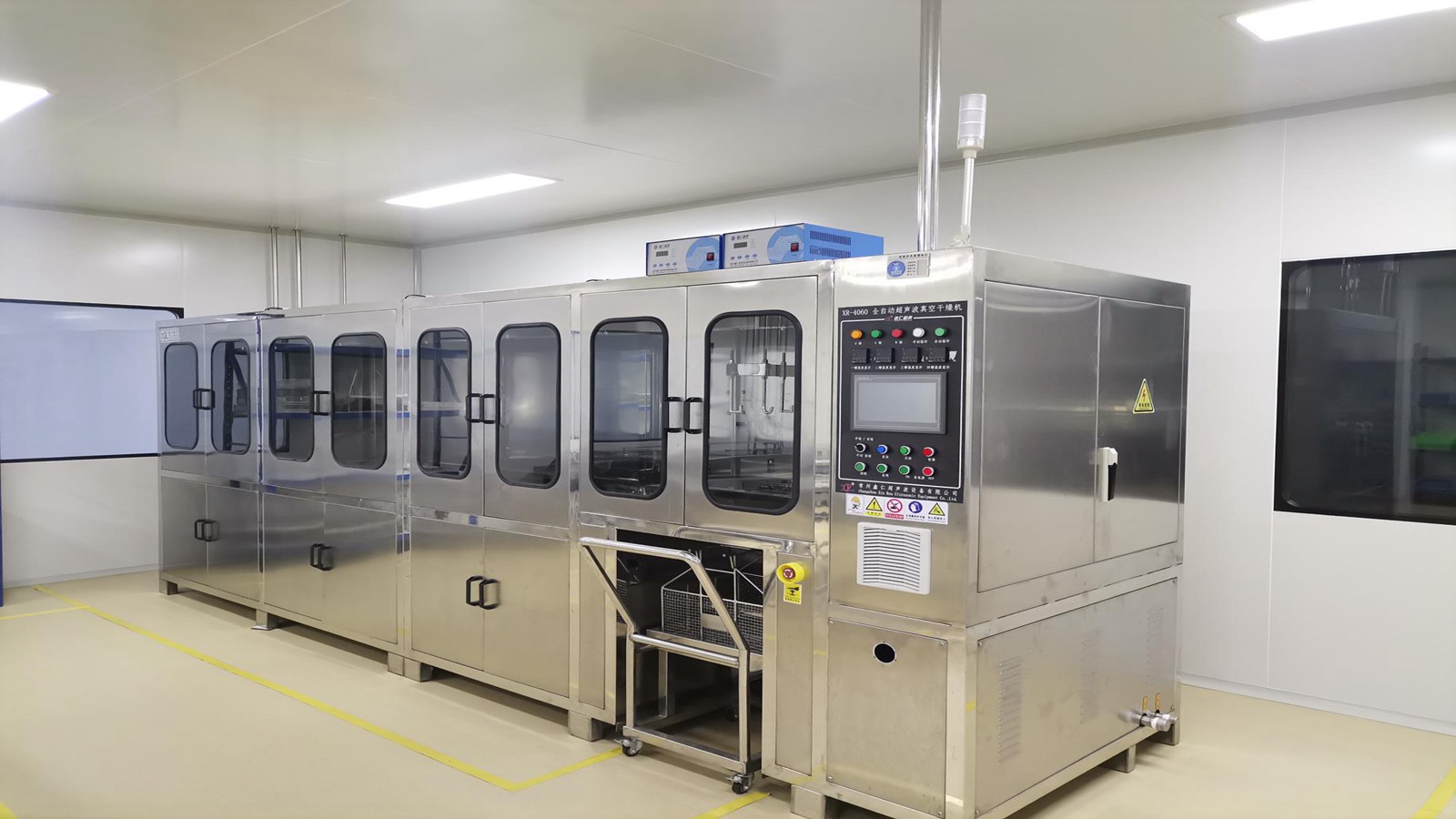
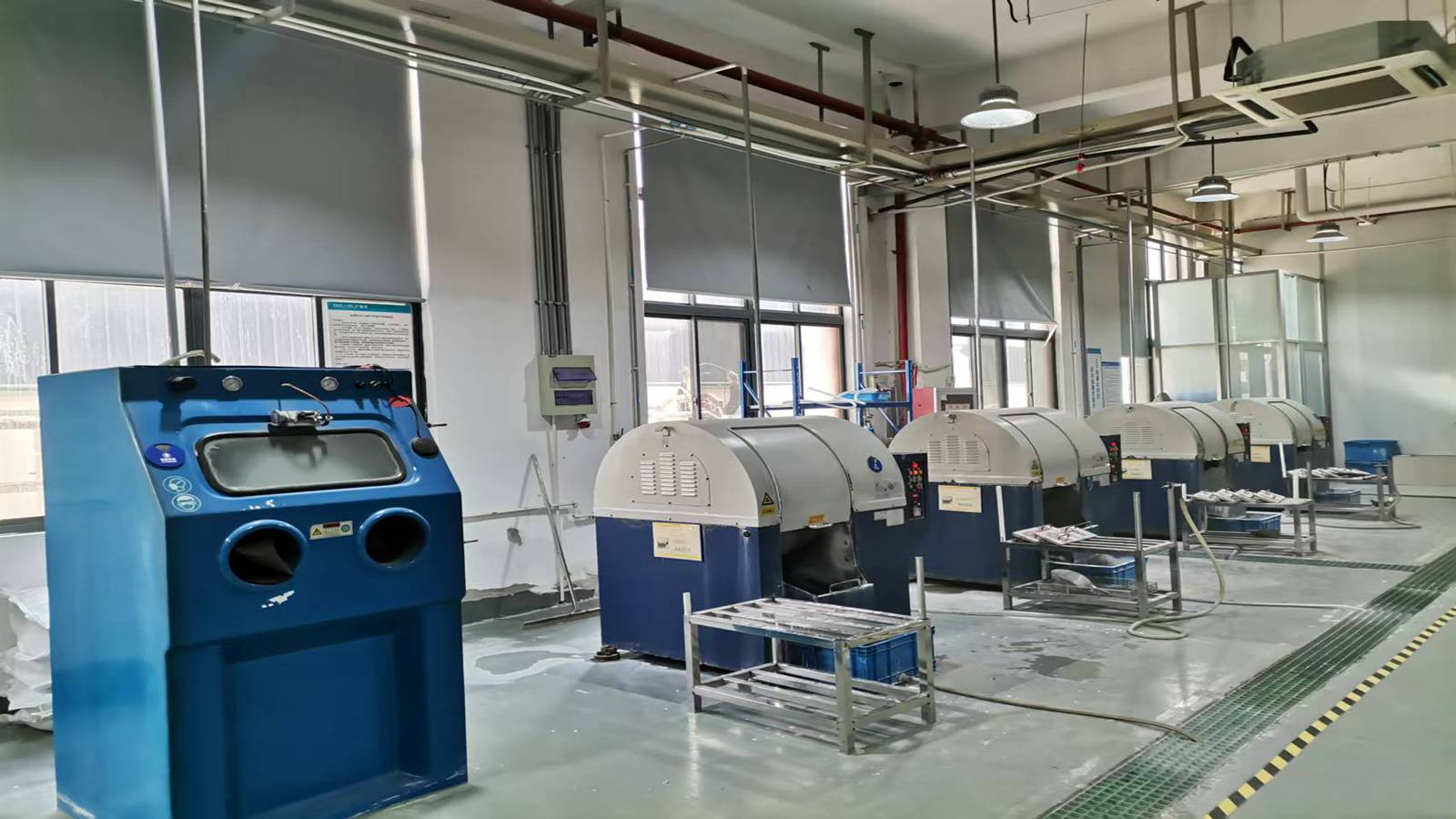
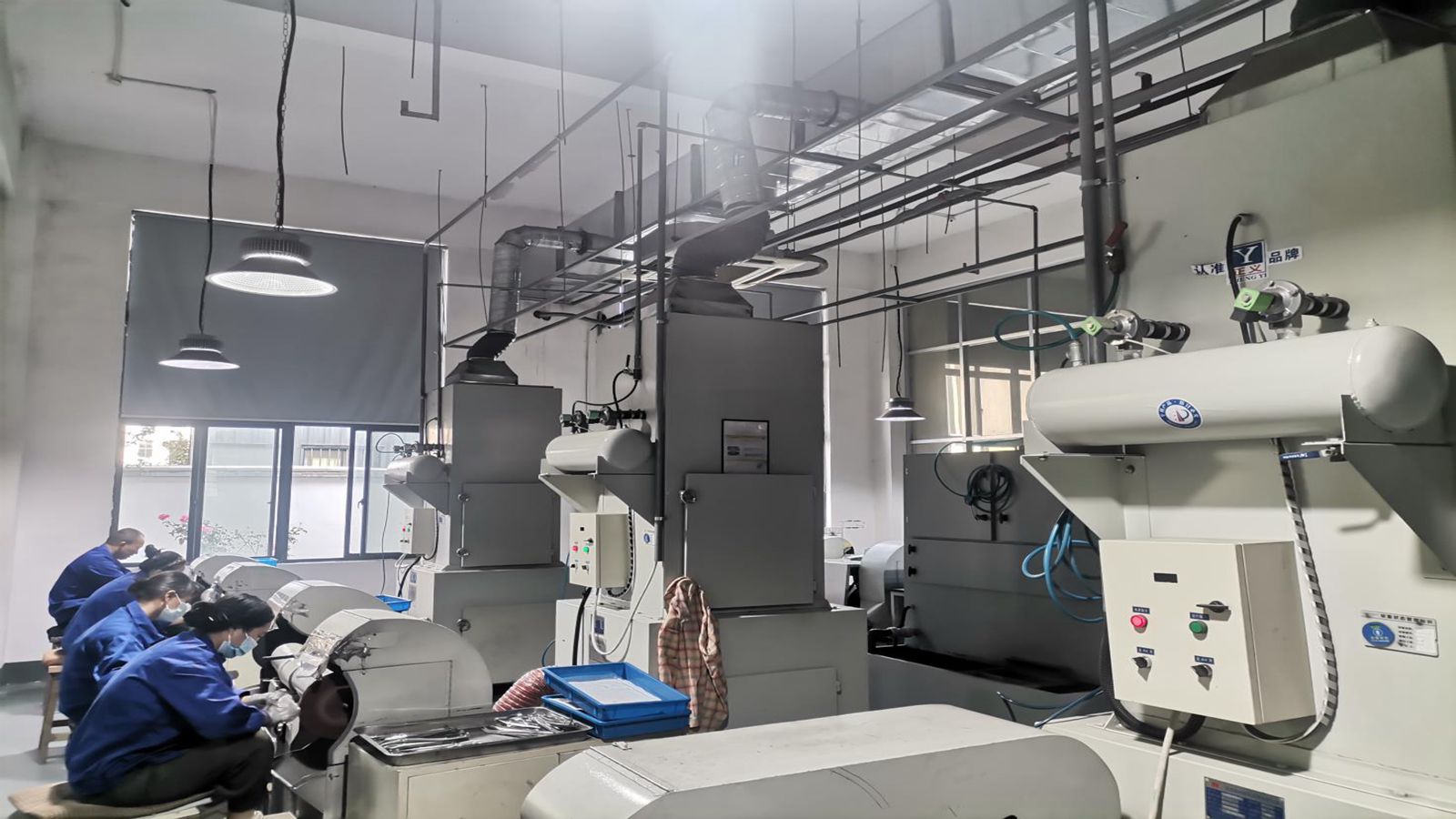
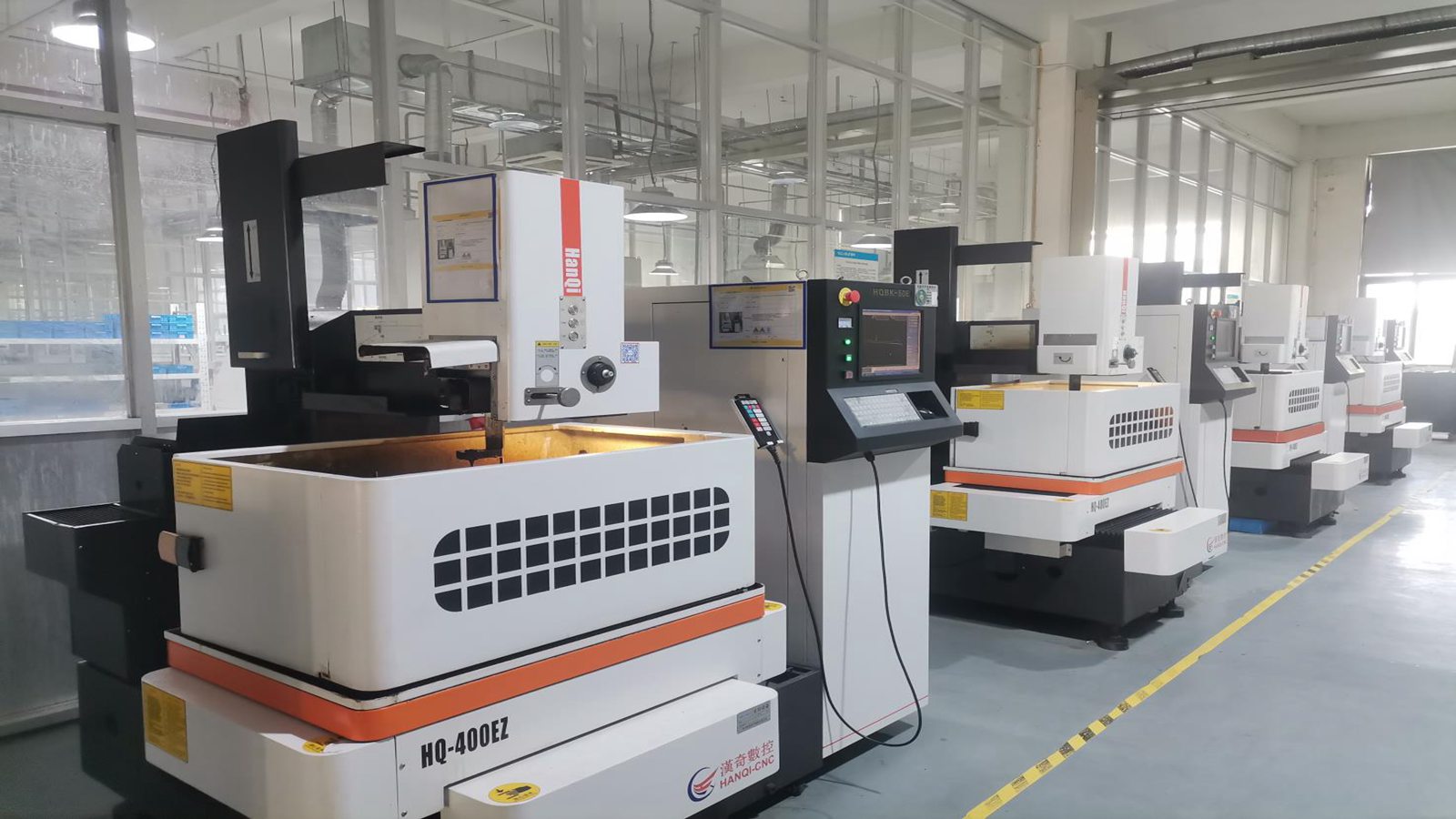
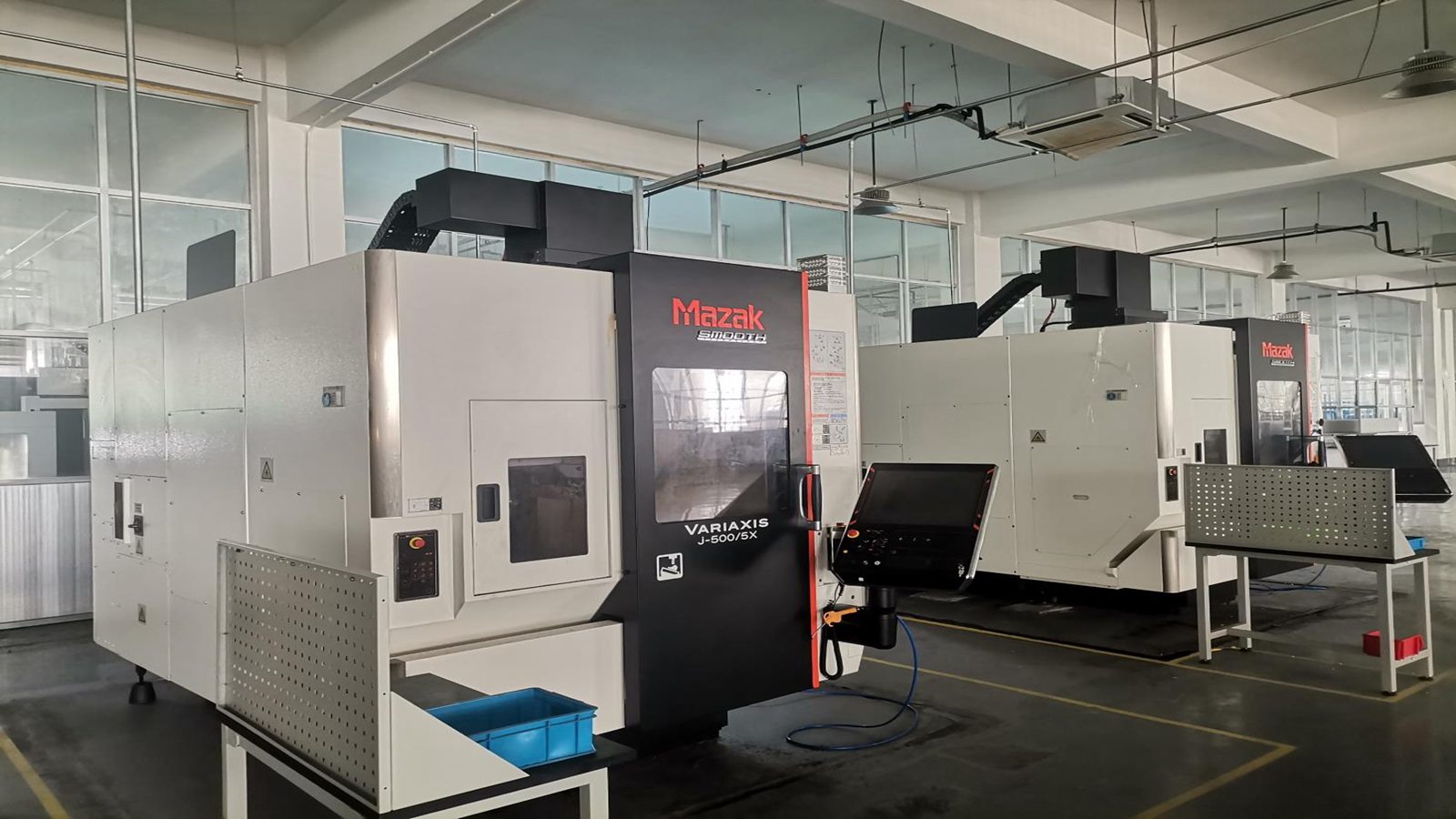
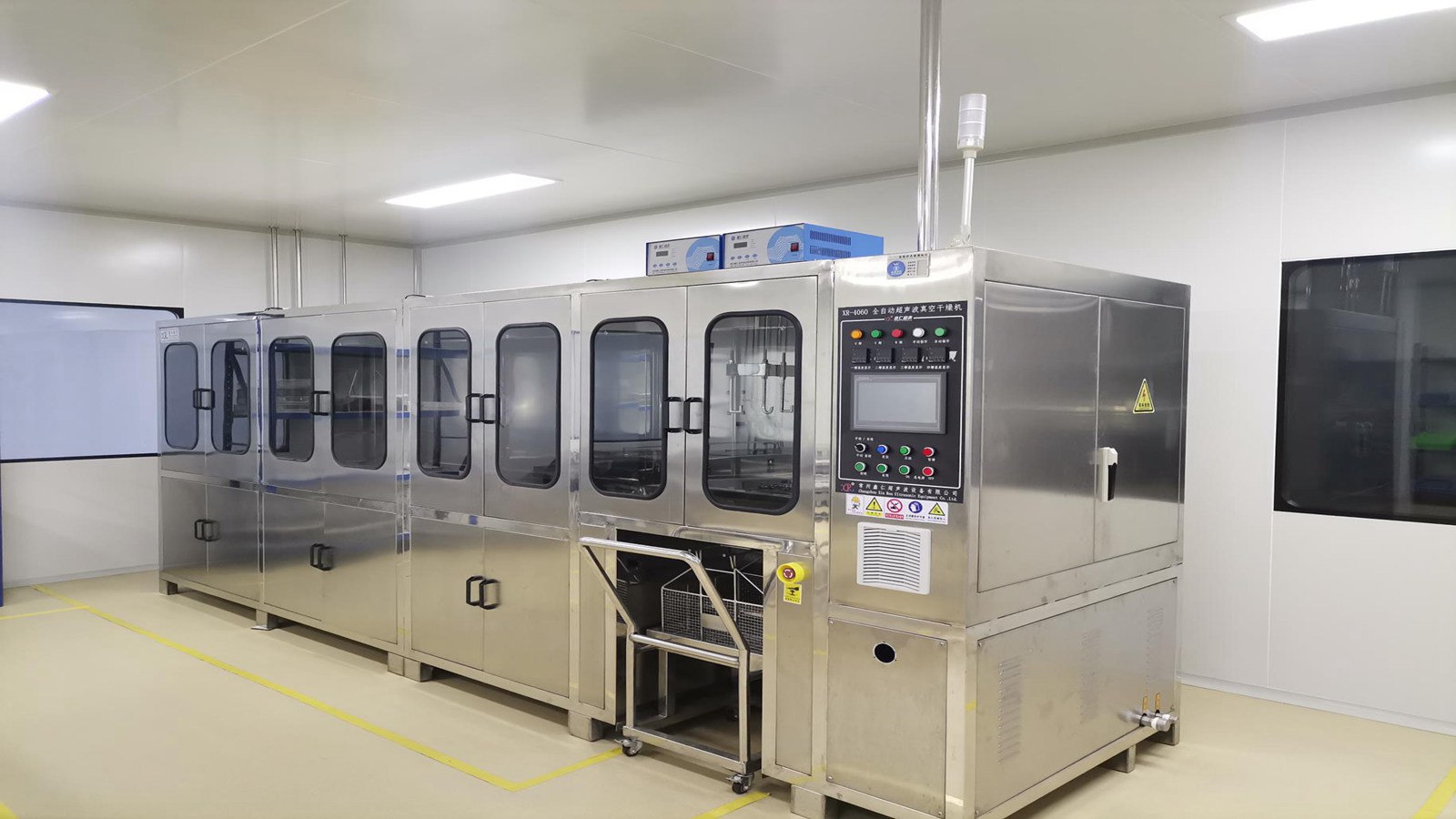
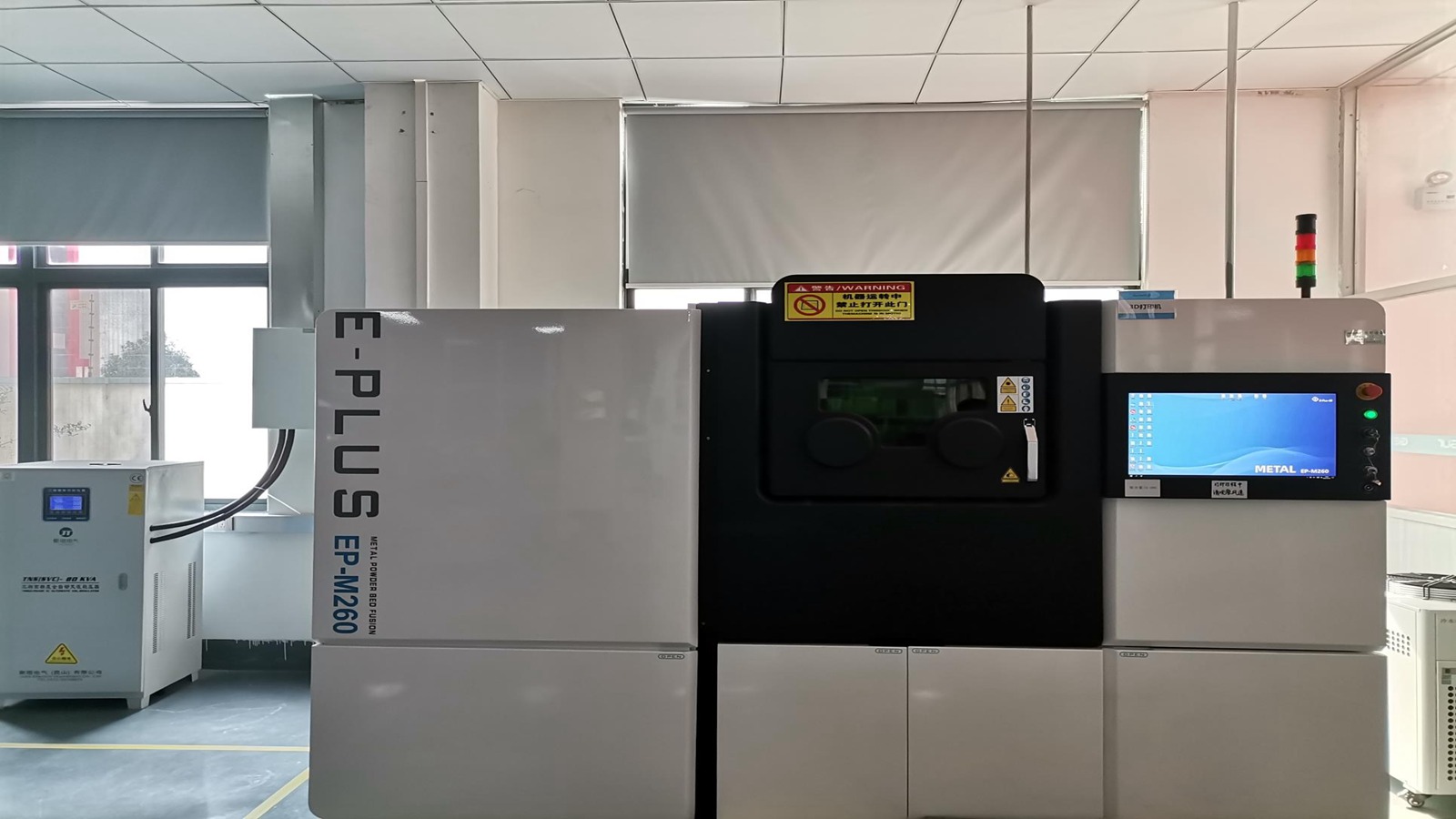
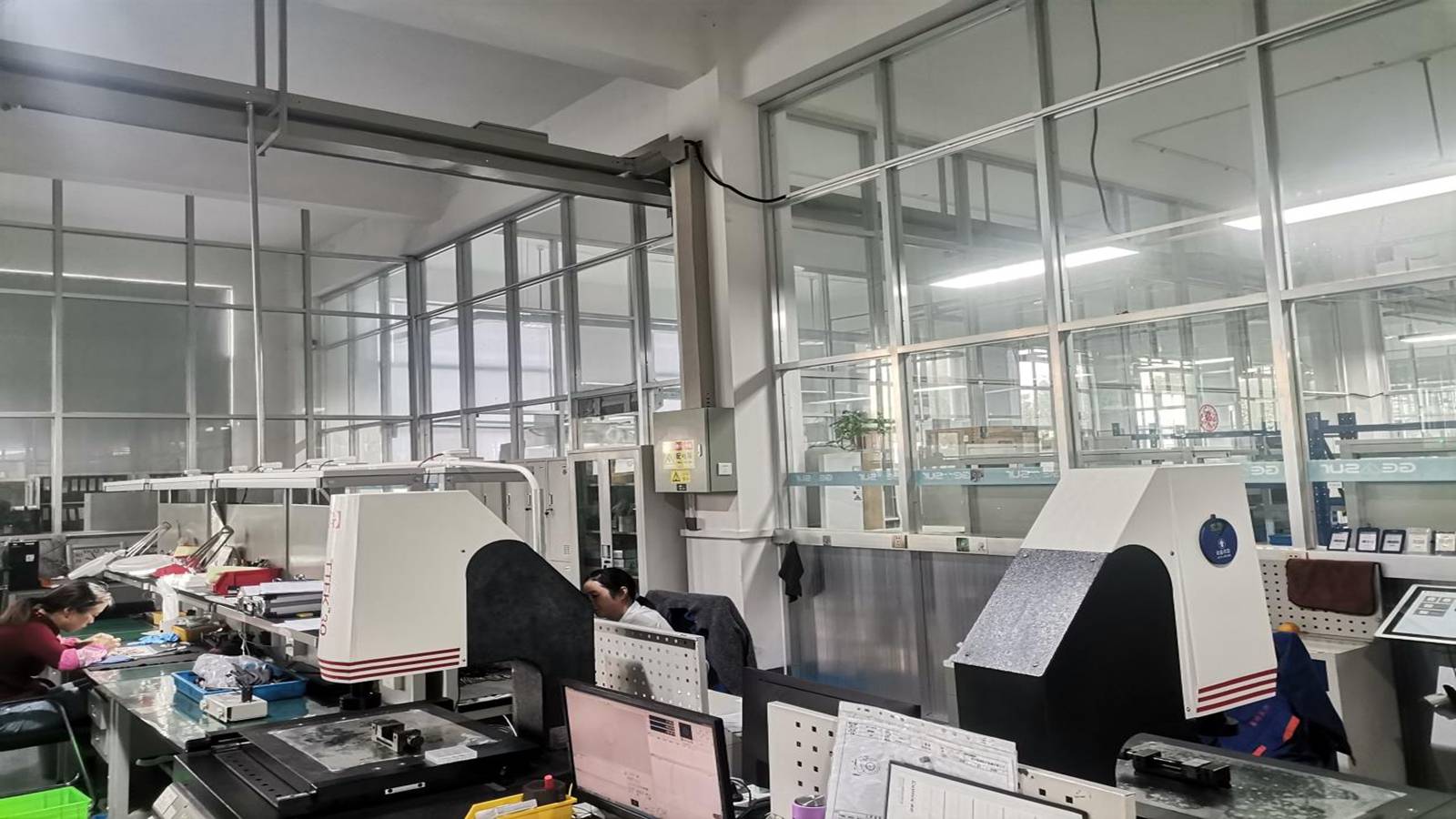
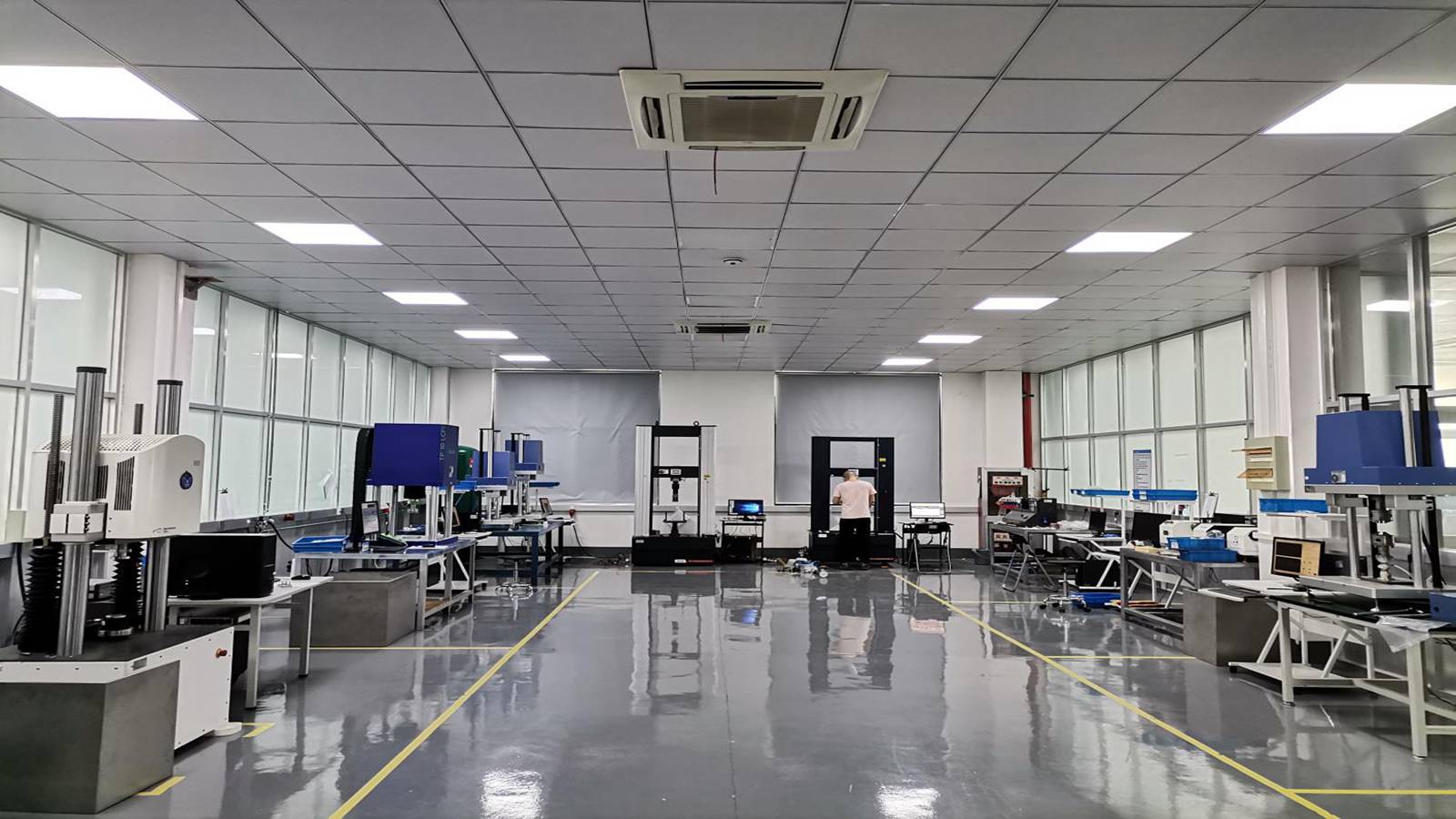
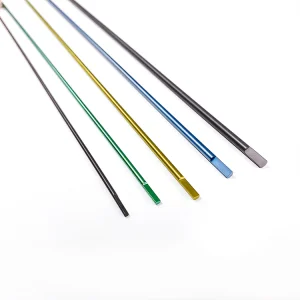
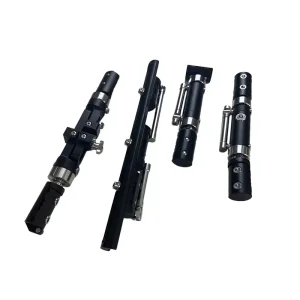
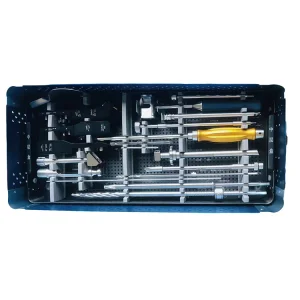
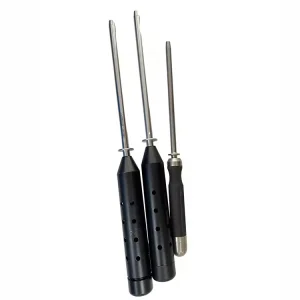
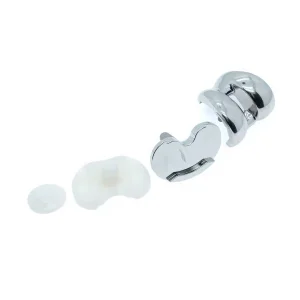
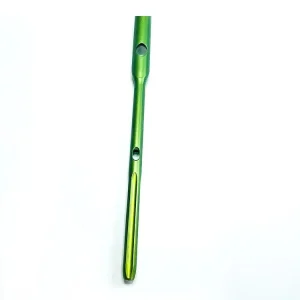
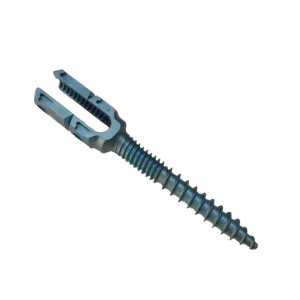
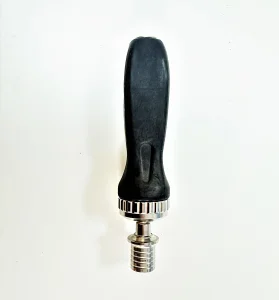
Explore our titanium nails, instrumentation toolsets, and pediatric trauma solutions engineered for precise internal/external fixation.
Registering class III medical devices is a complex undertaking. As an established exporter with 10 years of international trade operations, we support our commercial partners throughout the entire regulatory submission pathway. By offering complete technical documentation, CE certificates, ISO 13485 audits, and MDSAP documentation, we accelerate local approvals for quick time-to-market.
We provide full biological safety evaluation reports in compliance with ISO 10993 (cytotoxicity, sensitization, systemic toxicity, and implantation testing).
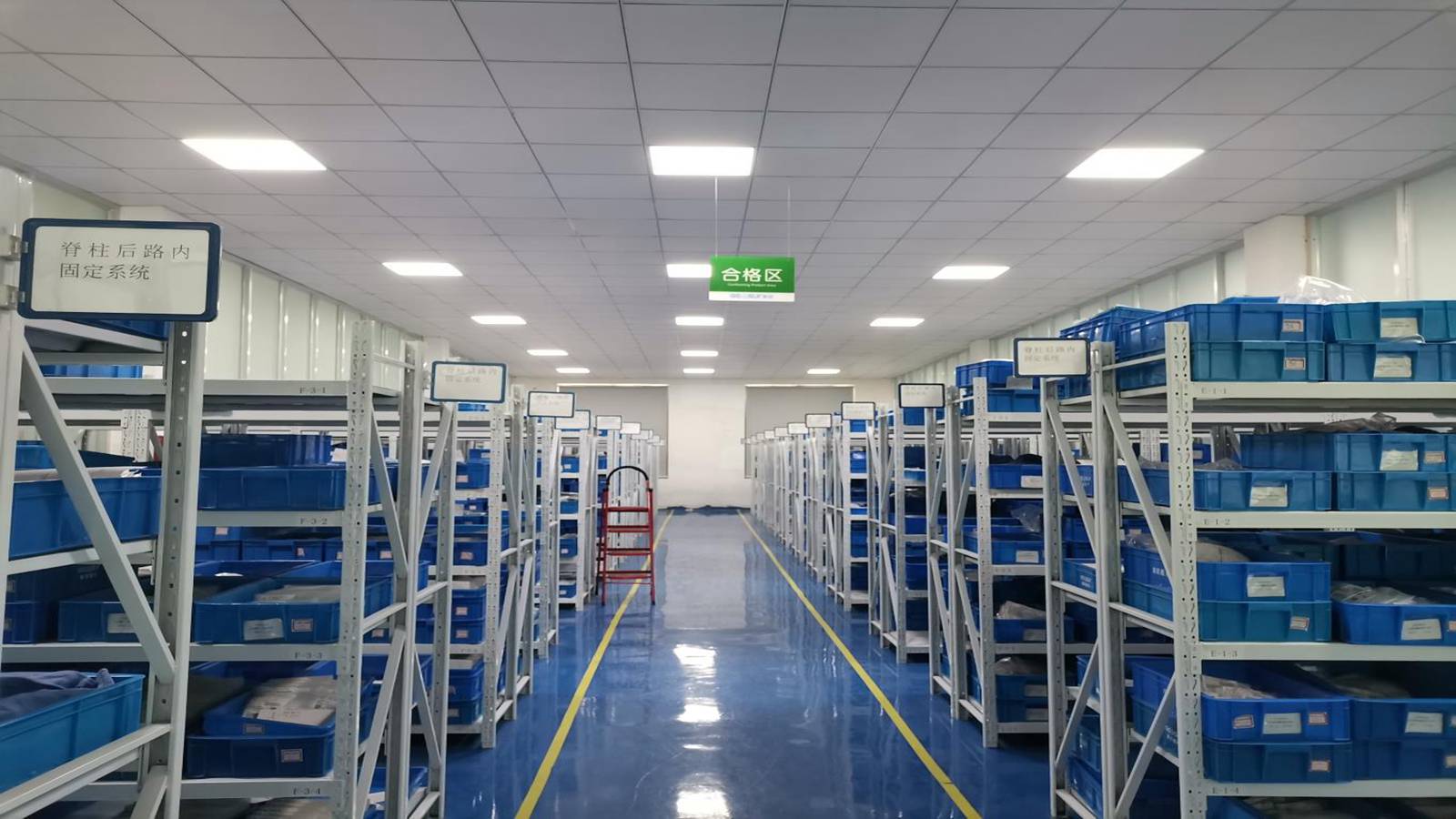
100% batch traceability is maintained from chemical resin acquisition through sterilizing processes up to custom delivery dispatch.
Carefully calibrated moisture-proof packaging keeps polymer implants safe during transit under varying atmospheric conditions.
Our dedicated engineering department, comprised of 31 specialists with advanced post-graduate degrees, provides comprehensive customization. We work closely with clinical teams to develop tailored shapes, dimensions, and degradation timelines to meet specific patient profiles.
Essential insights into sourcing, compliance, material specifications, and shelf-life variables for bioresorbable orthopedic implants.