Ease Medical Apparatus And Instruments
Ease Medical Apparatus And Instruments
Ease Medical Apparatus And Instruments
Advanced implants engineered to meet Indonesian Kemenkes standards and support clinical applications in leading ASEAN hospitals.
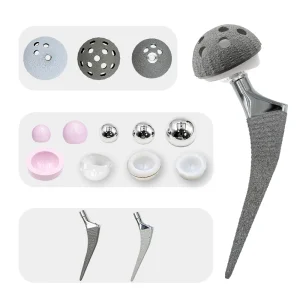
Indonesia, representing the largest economy in Southeast Asia, is undergoing a profound epidemiological transition. With an expanding middle class and the comprehensive rollout of the universal healthcare coverage scheme, BPJS Kesehatan (Jaminan Kesehatan Nasional - JKN), demand for specialized spinal and orthopedic interventions has surged. Academic medical centers from Jakarta’s RSCM (Rumah Sakit Umum Pusat Nasional Dr. Cipto Mangunkusumo) to Surabaya’s RSUD Dr. Soetomo face an increasing volume of degenerative disc diseases, neuro-trauma cases due to motor vehicle accidents, and complex spinal deformities (such as congenital scoliosis).
However, procuring high-grade spinal instrumentation kits and implants has historically posed a significant challenge for Indonesian healthcare institutions. Strict regulatory barriers under the Indonesian Ministry of Health (Kemenkes RI), combined with national industrial initiatives aimed at driving local content values (TKDN - Tingkat Komponen Dalam Negeri), require orthopedic distributors to partner with highly certified, flexible global manufacturers.
This whitepaper details how our advanced manufacturing facility bridges these complex requirements, combining international regulatory compliance (CE MDR, MDSAP, ISO 13485) with customizable localization support for the Indonesian clinical ecosystem.
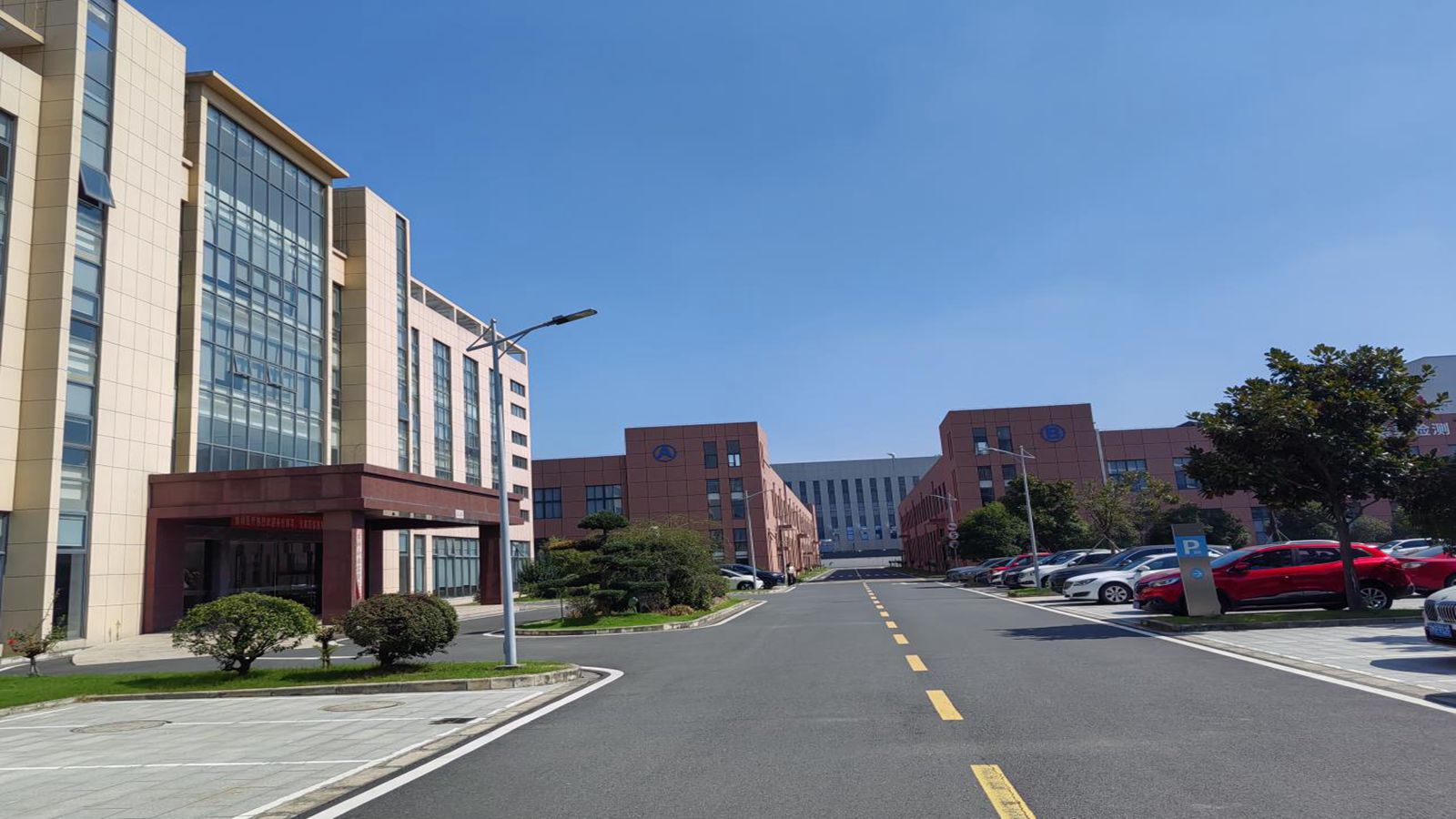
Established in 2015, our manufacturing infrastructure is designed to deliver medical-grade implantable devices and specialized surgical instruments to international markets. Over the last decade, we have scaled our production capacity to meet the strict demands of global surgical boards while building a reliable channel to supply the Indonesian archipelago.
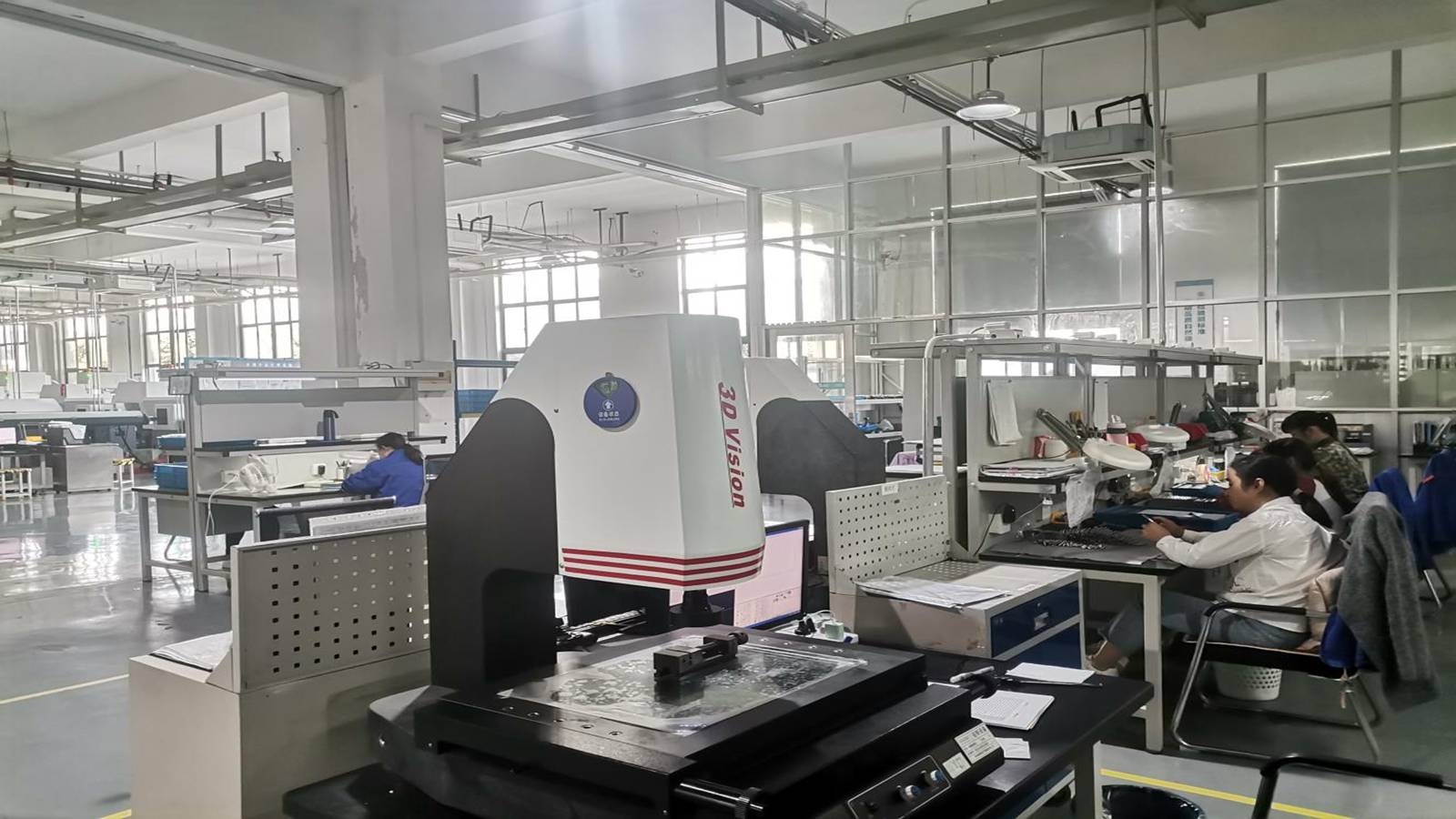
With a QA/QC department of 36 dedicated inspectors and a raw material tracing protocol that guarantees ASTM certified titanium alloy, we maintain a baseline defect rate close to zero. Our capability ranges from manufacturing complex polyaxial self-tapping pedicle screws to PEEK lumbar cages with plasma-sprayed titanium surfaces for fast osseointegration.
Modern spinal reconstructive surgery requires a balance of mechanical stability, biocompatibility, and imaging compatibility. Our R&D team continuously refines materials science technology to address these challenges:
Our PEEK spinal cages (such as the PLIF and TLIF series) are fabricated using medical-grade PEEK polymers. PEEK offers an elastic modulus (approx. 3.6 GPa) that closely matches that of human cortical bone. This reduces the risk of stress shielding—a common cause of implant subsidence in patients with osteoporotic bone conditions.
For spinal fixation components, including pedicle screws, rods, and cross-links, we use extra-low interstitial (ELI) Titanium Alloy (ASTM F136). This grade provides high fatigue strength to withstand physiological cyclic loading, along with excellent corrosion resistance and biocompatibility.
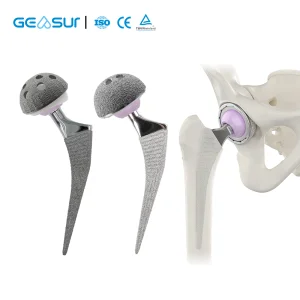
To accelerate bone growth, our cementless anatomical hip replacement implants and selected spinal elements are coated with plasma-sprayed titanium and Hydroxyapatite (HA). This double coating supports early osseointegration, ensuring long-term mechanical stability.
Our spinal and orthopedic instruments are engineered for a variety of clinical scenarios, supporting neurosurgeons and orthopedic specialists across Indonesia:
In major cities like Jakarta, Surabaya, and Bandung, hospitals are increasingly adopting Minimally Invasive Spine Surgery (MISS) to reduce patient recovery times and post-operative pain. Our self-tapping polyaxial titanium minimally invasive pedicle screw systems (such as the Geasure MIS Percutaneous Screw System) feature low profile heads and specialized insertion tools. This helps surgeons perform targeted percutaneous stabilization, minimizing soft tissue trauma.
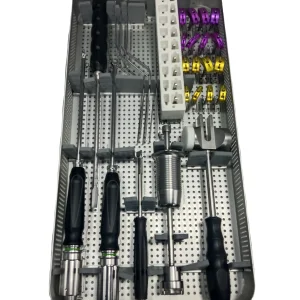
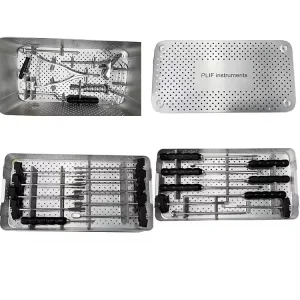
National referral trauma hubs encounter a high volume of acute spinal column fractures. These situations require robust, standardized surgical instrument kits that can withstand high autoclave sterilization cycles. Our Orthopedic Spinal Instrument Kit (Hollow Nail 4.5 system) provides surgical teams with the reliable tools needed for emergency open reduction and internal fixation (ORIF).
Our regulatory team supports Indonesian distributors with Kemenkes registration files, technical product sheets, and clinical trial data.
Contact Our Regional Expansion DirectorSelect from our certified systems, optimized for international export and integration into hospital supply chains across ASEAN regions.
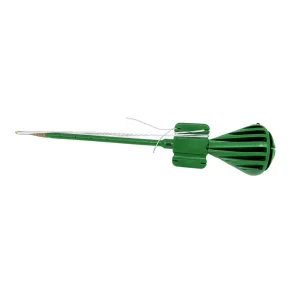
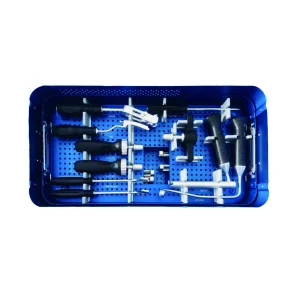
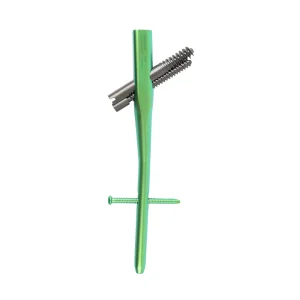
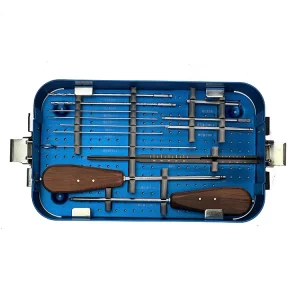
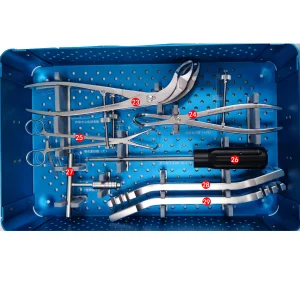
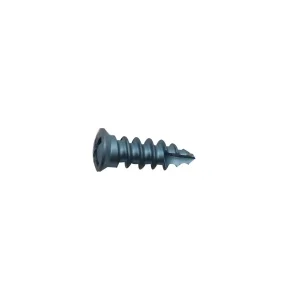
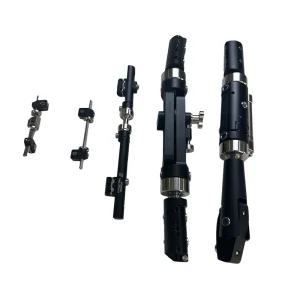
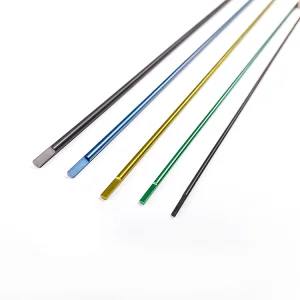
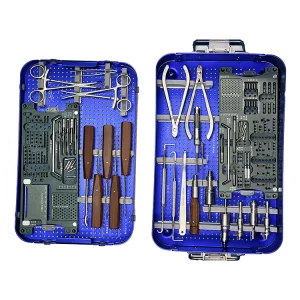
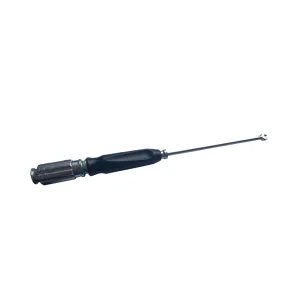
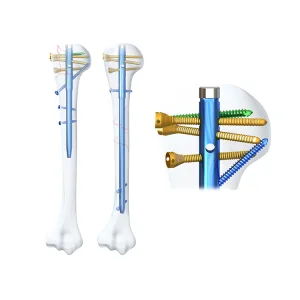
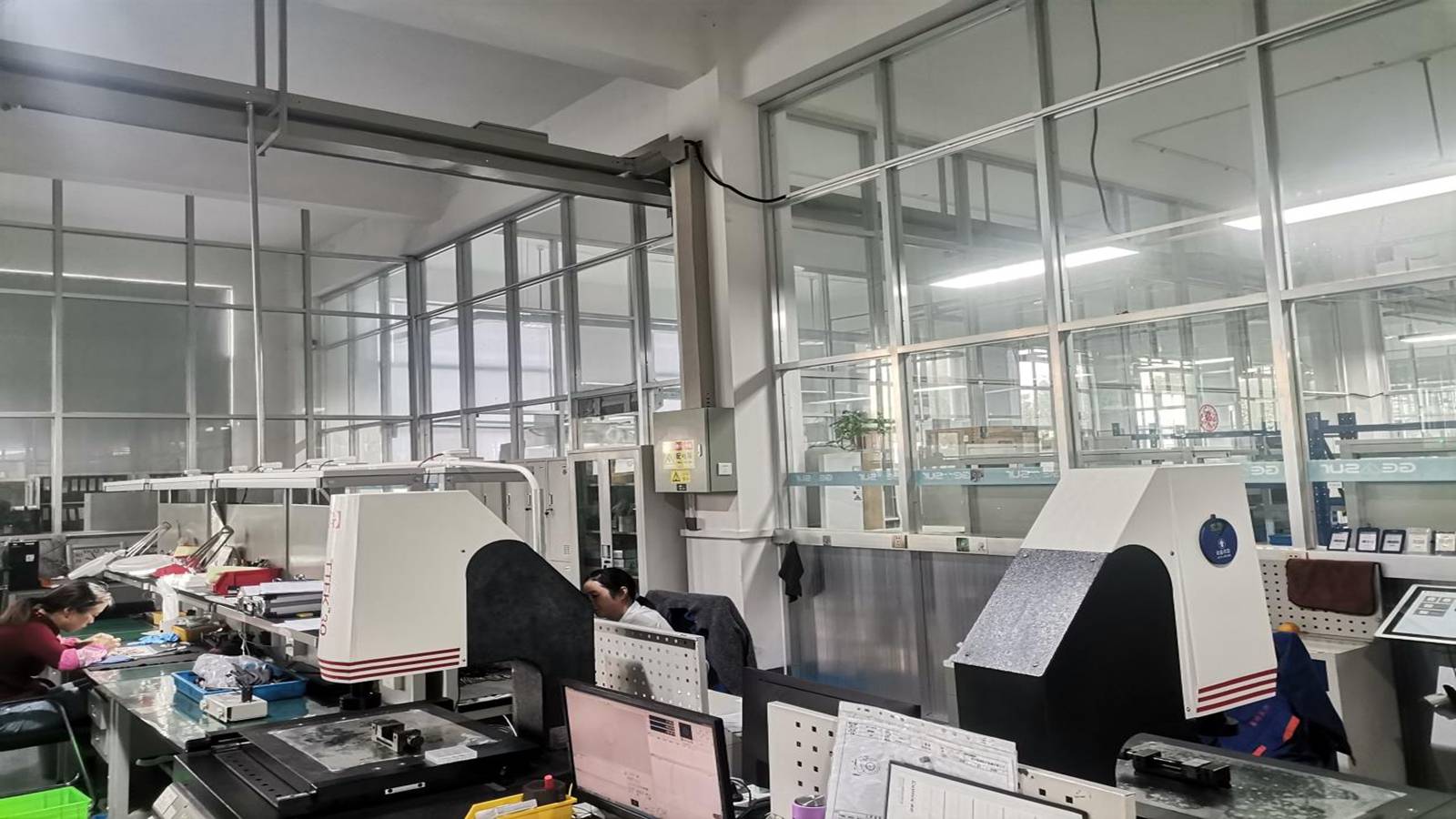
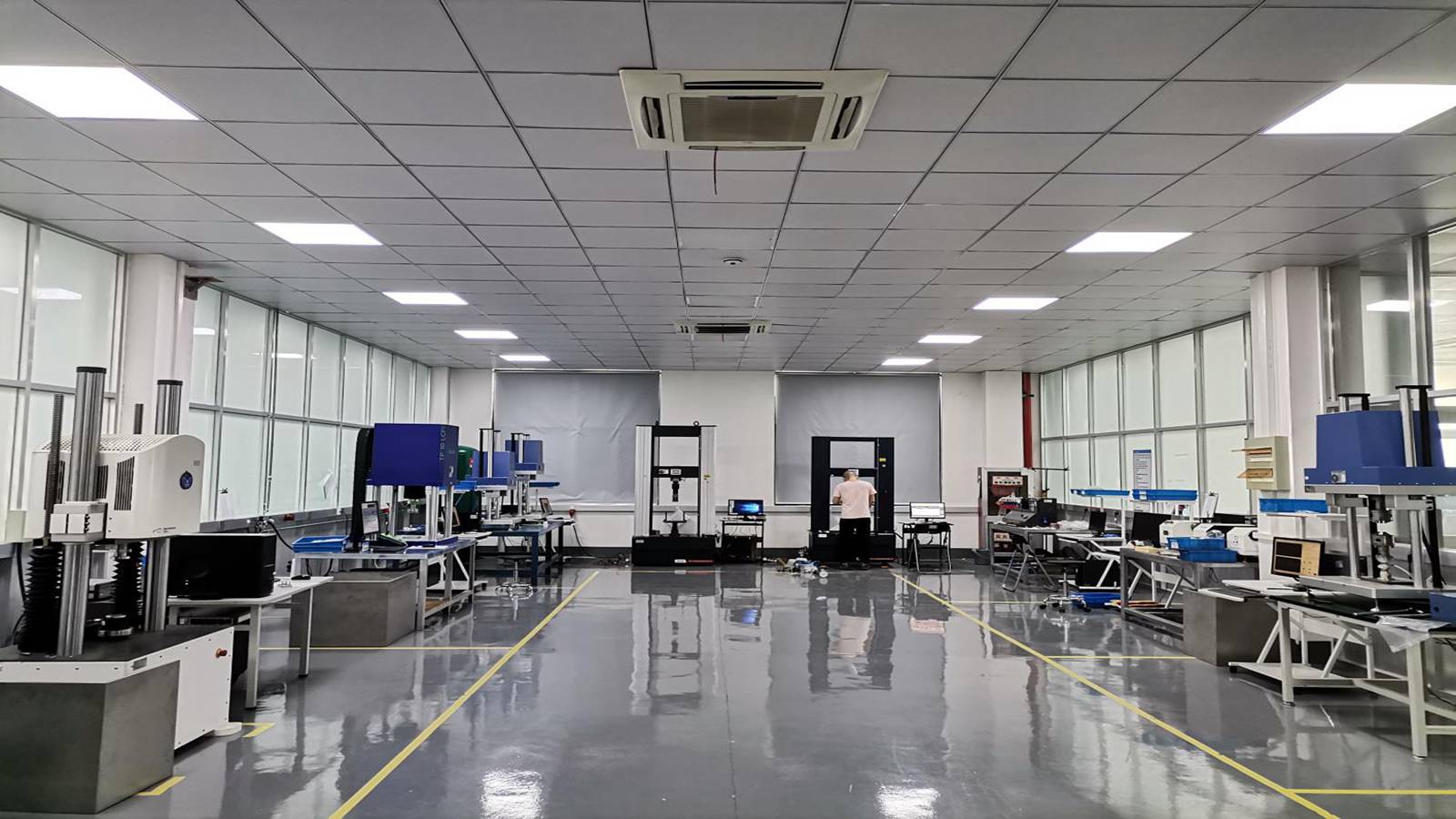
We manufacture under strict international quality guidelines to ensure all spine systems meet rigorous safety and performance standards. Every implant undergoes chemical analysis, tensile strength testing, and microscopic surface analysis.
Our facilities and processes have been assessed and approved by international registries, establishing a baseline of reliability for export to Indonesia:
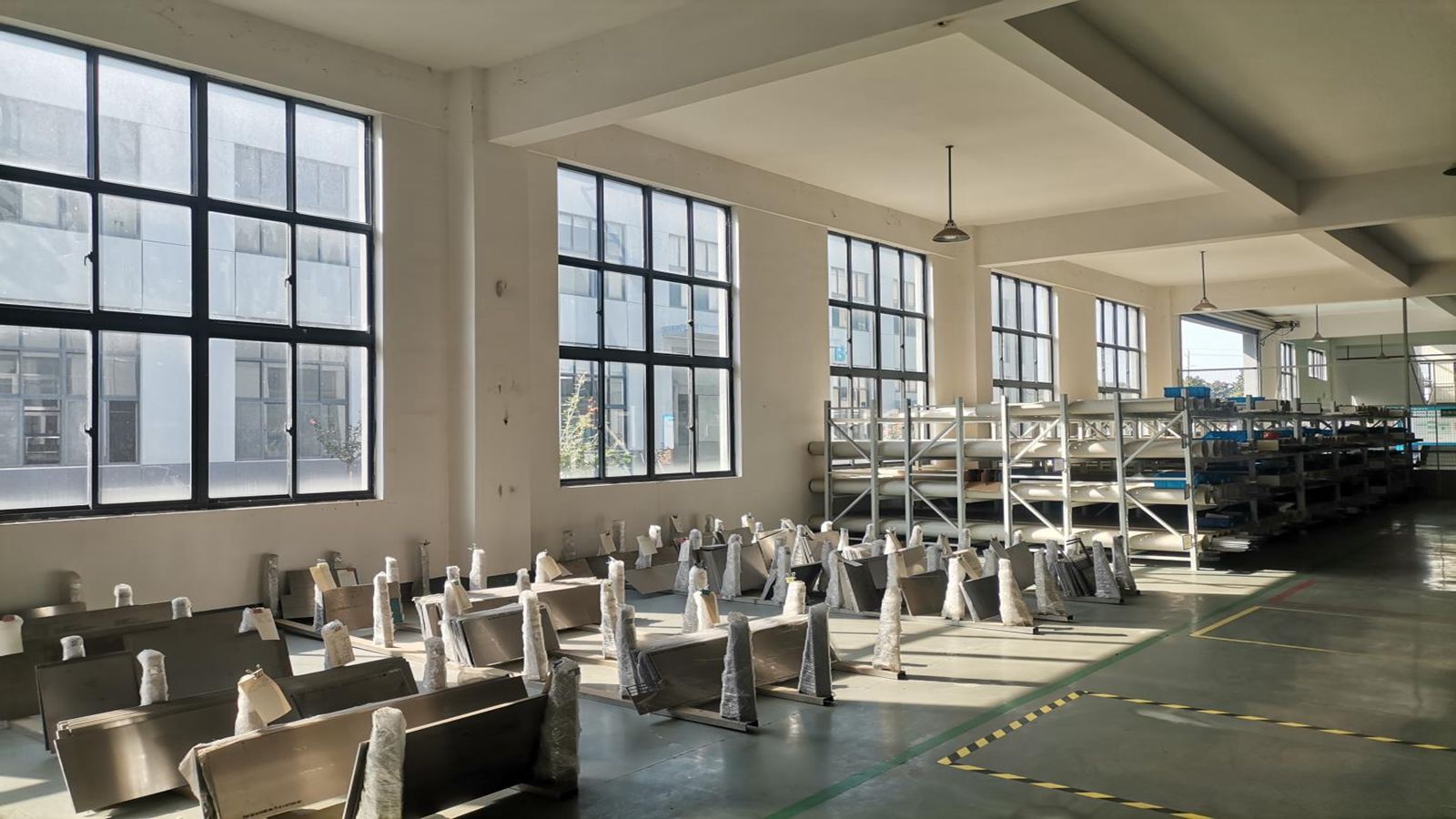
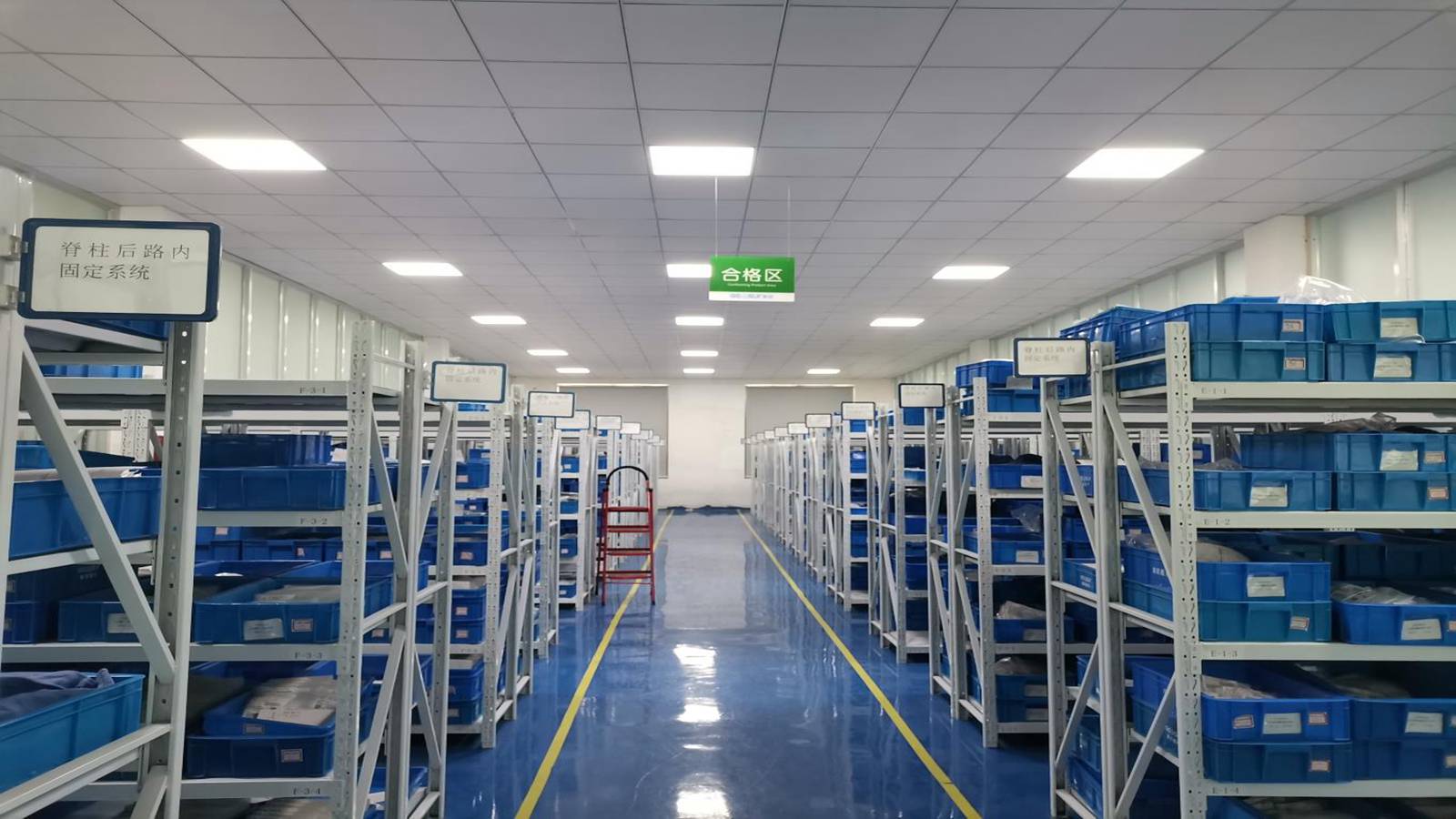
From the raw titanium bar to the sterile packed spinal screw in an Indonesian operating room, every item is laser-etched with a unique batch number, linking back to raw material certificates and quality control logs.
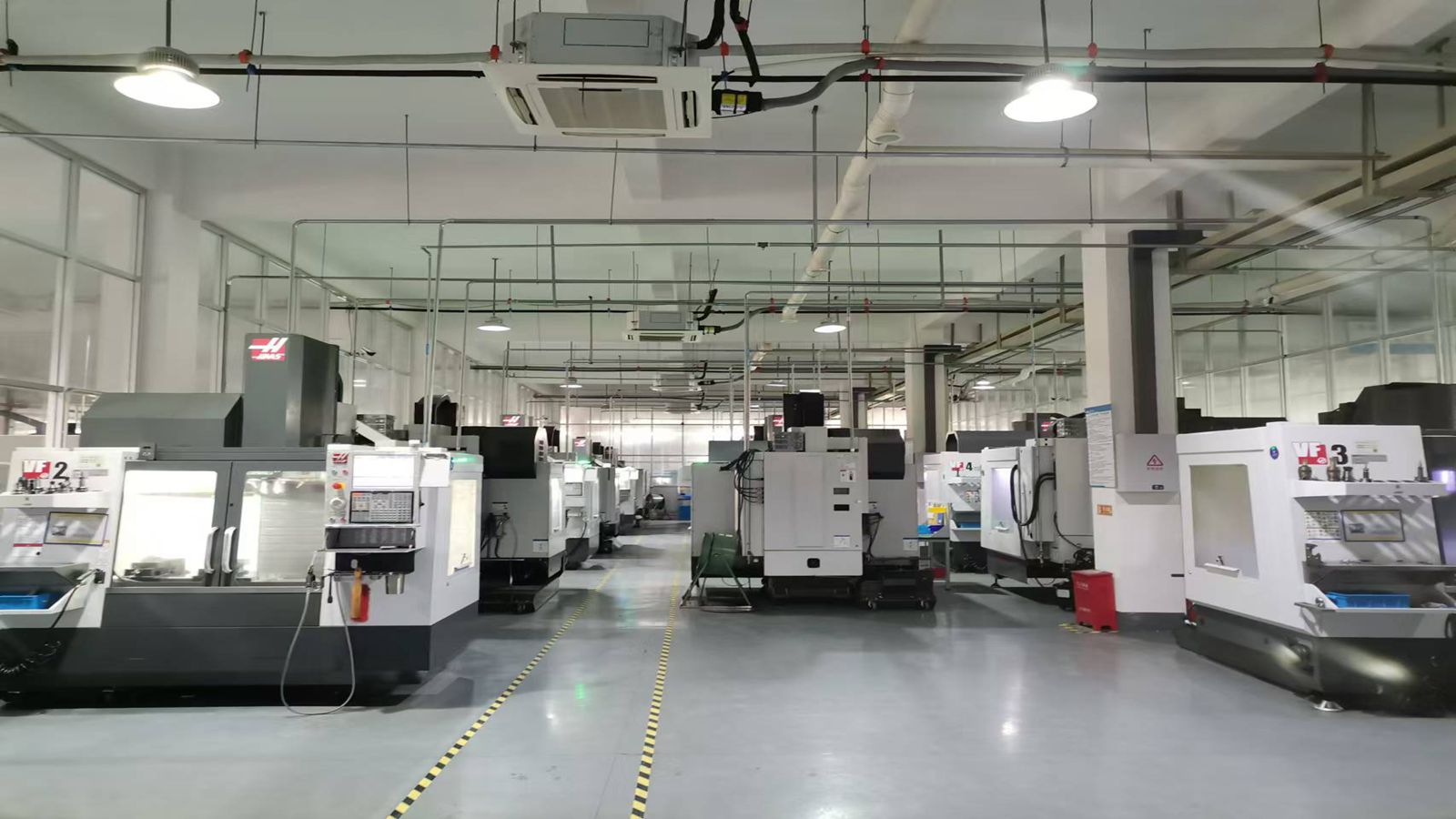
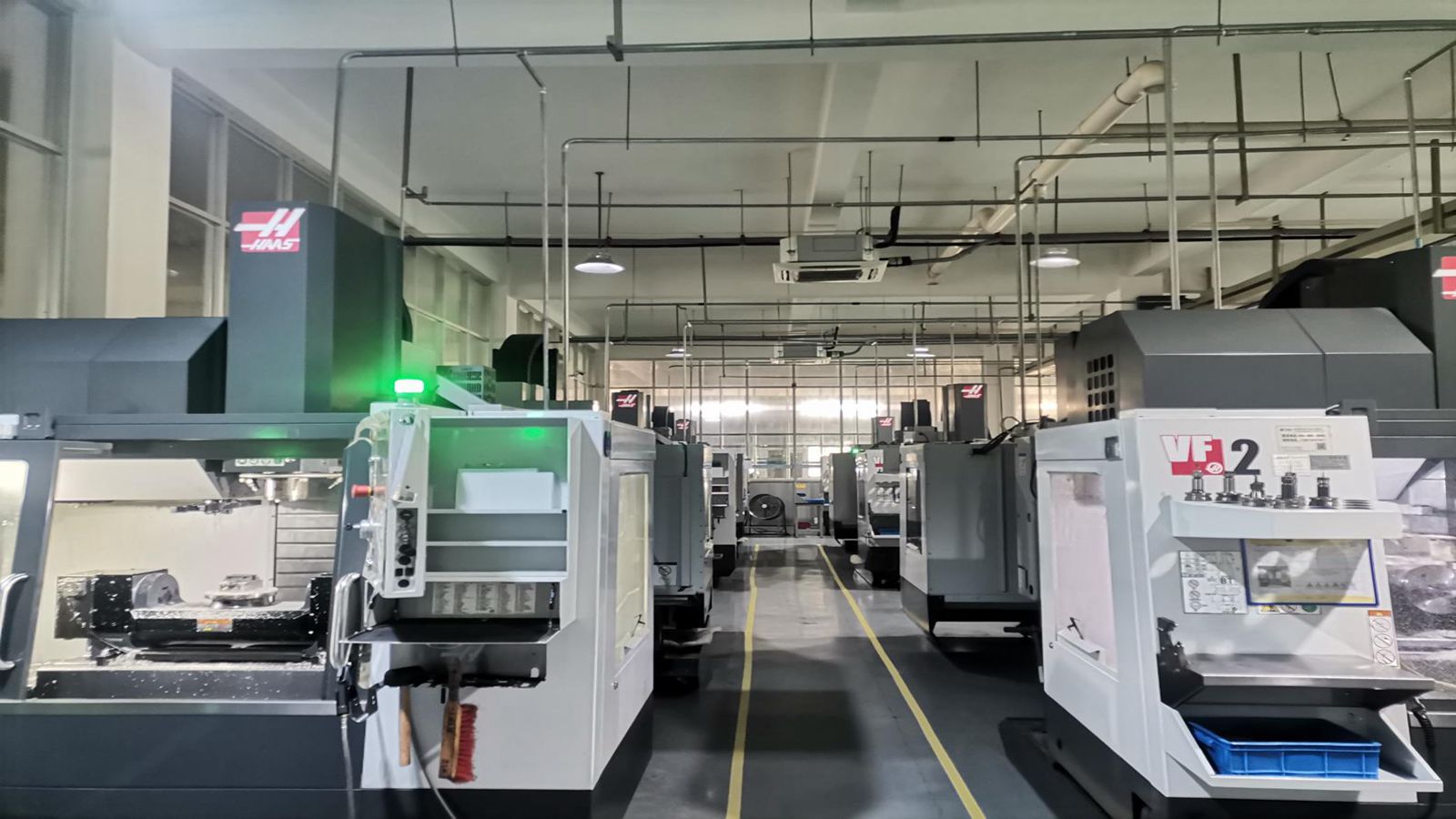
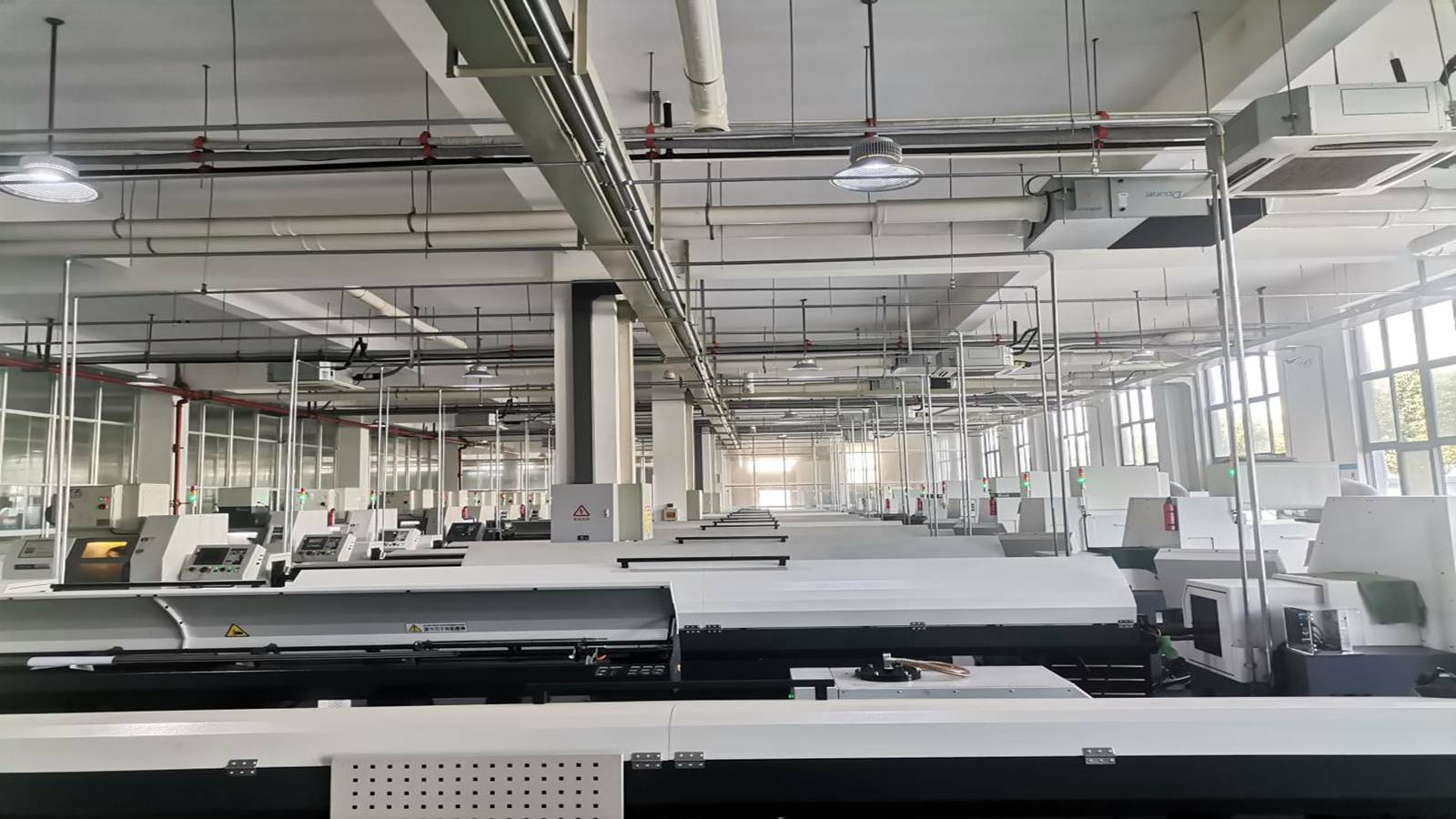
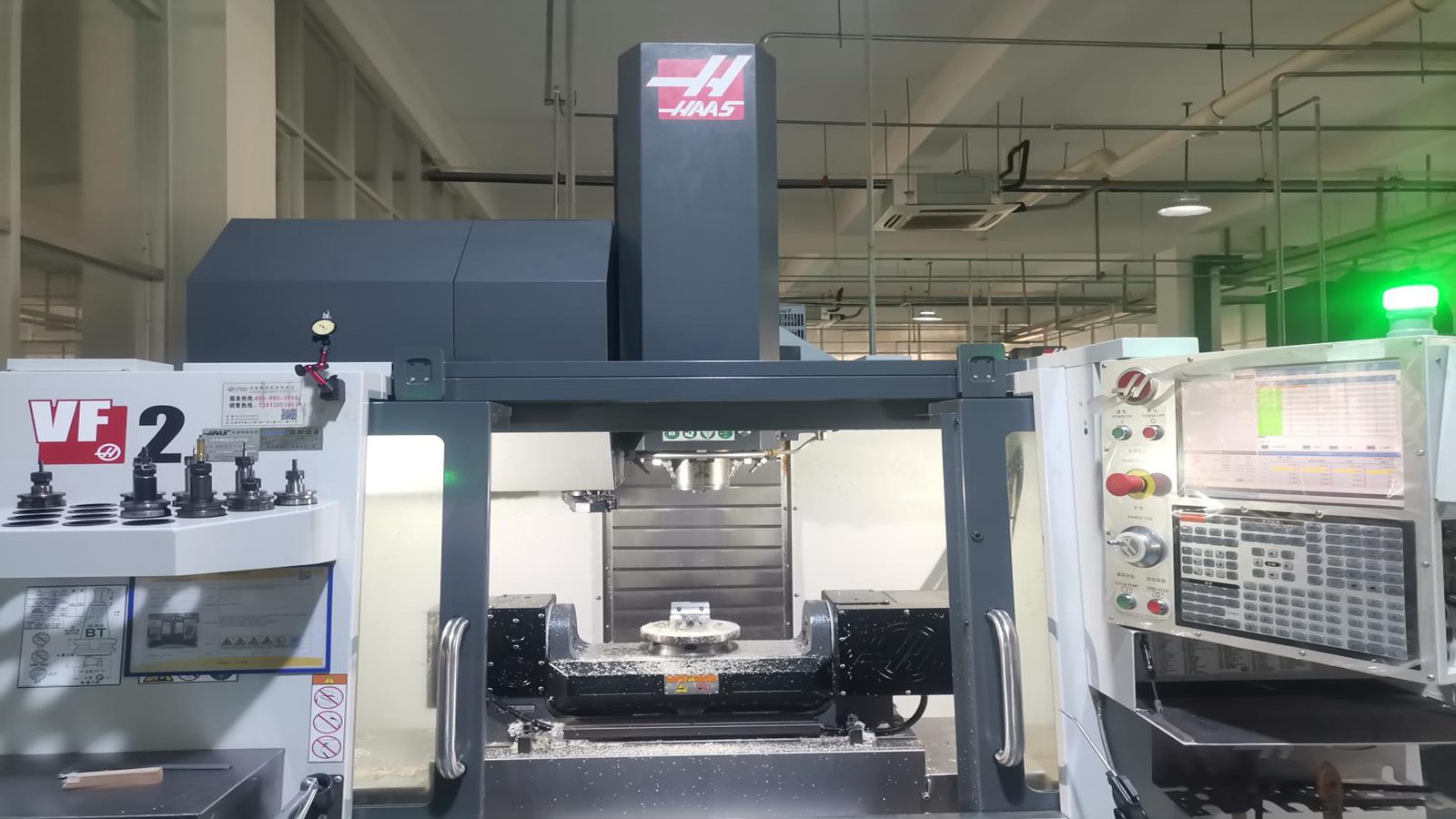
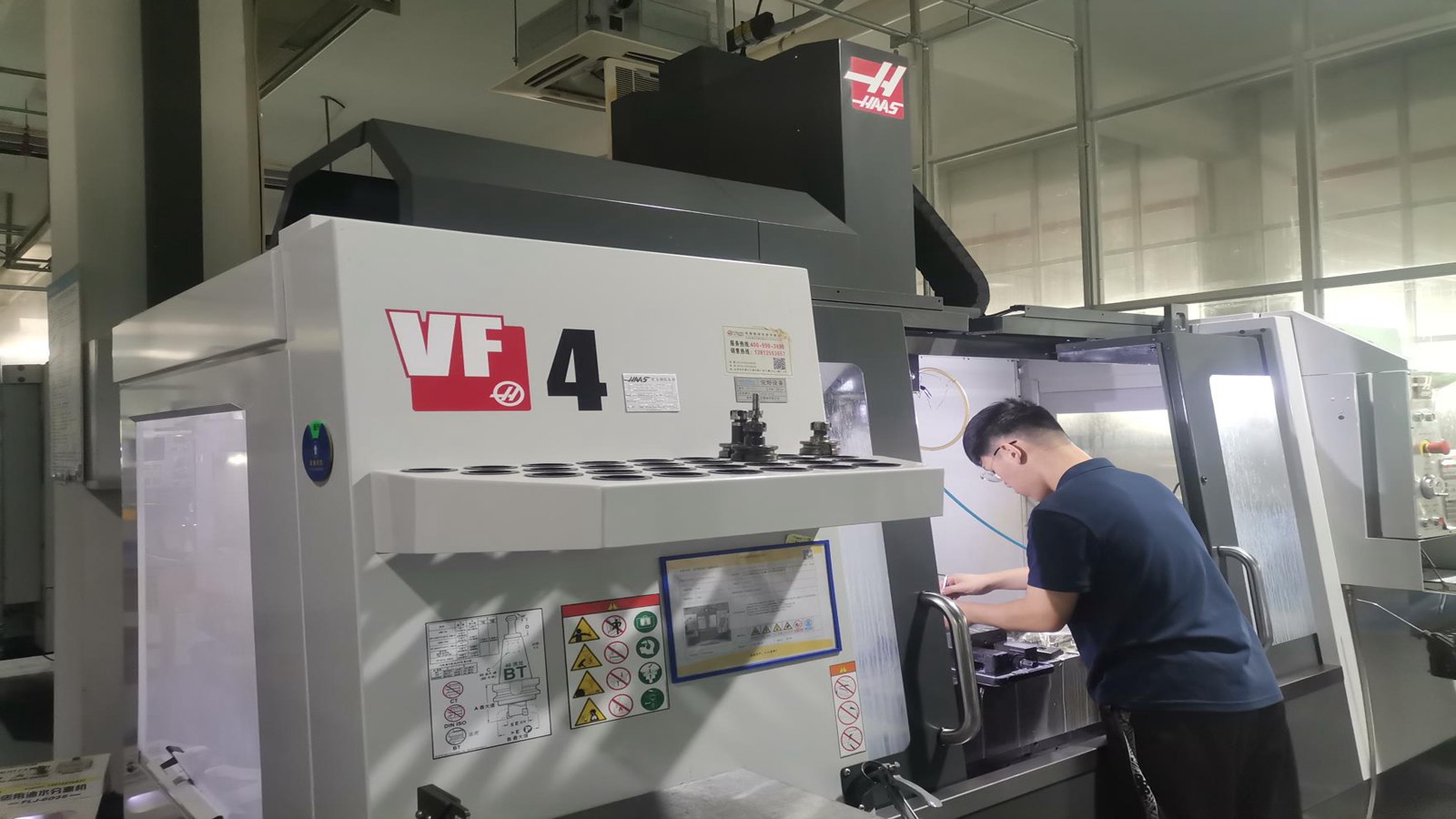
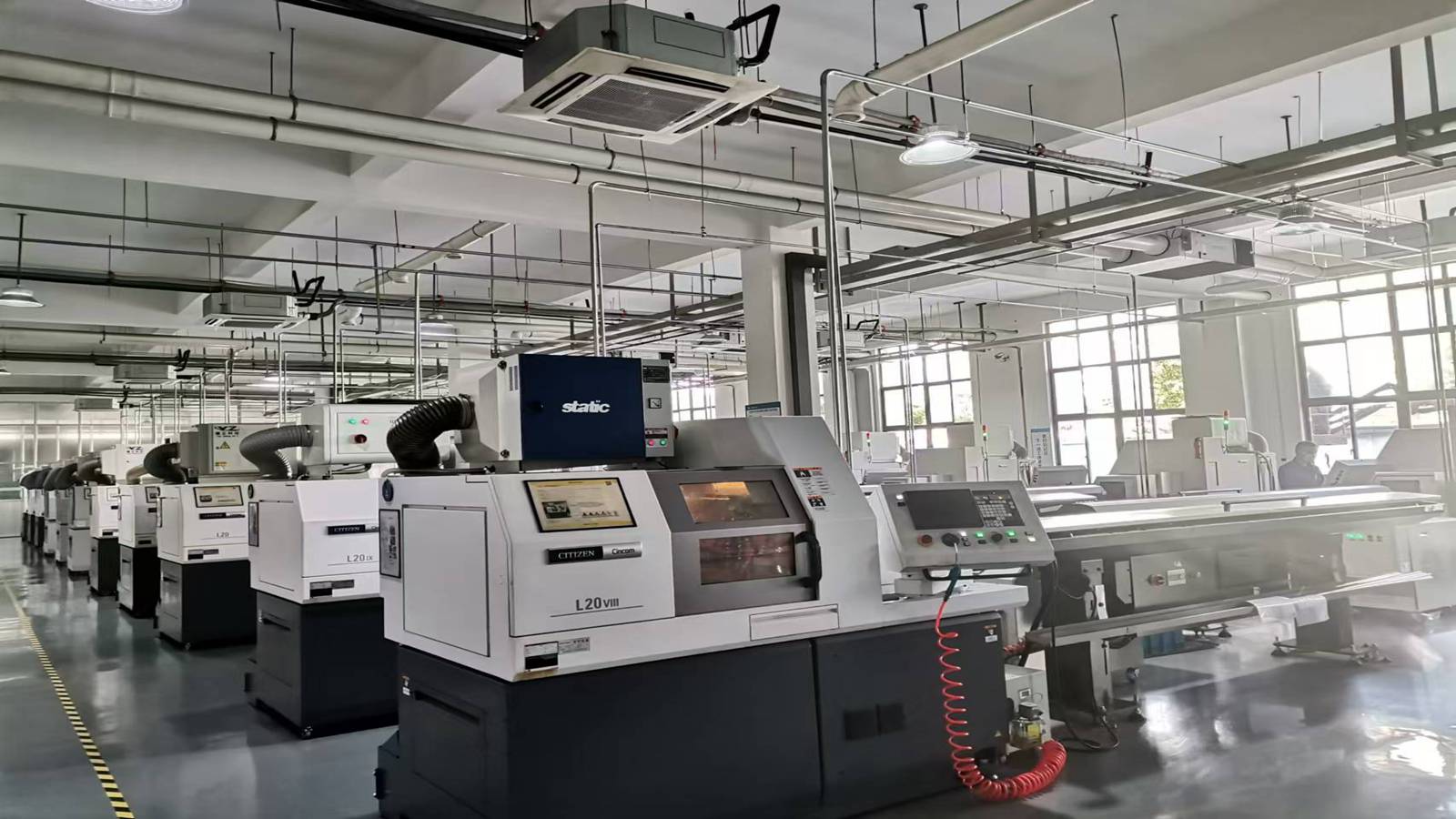
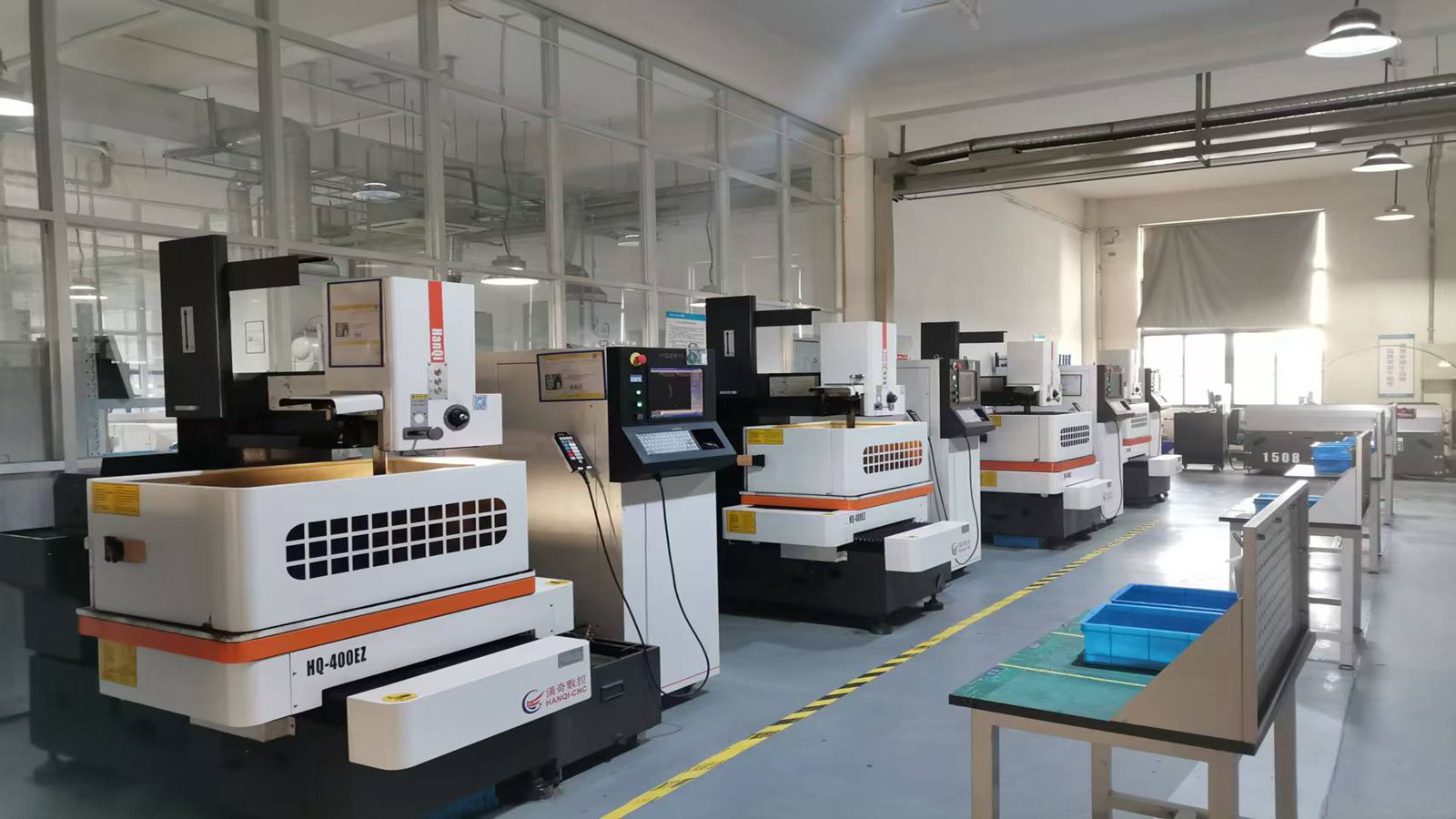
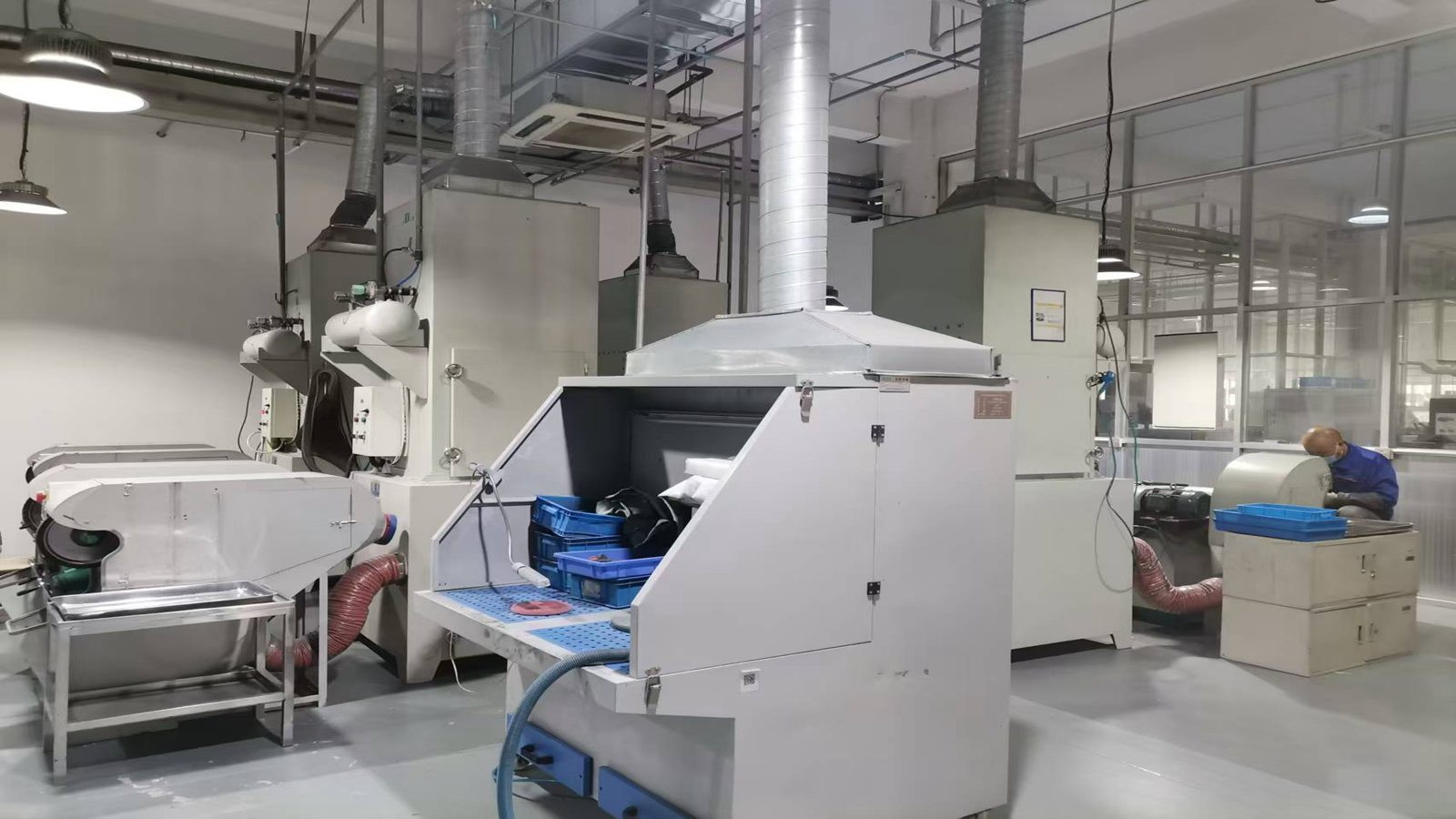
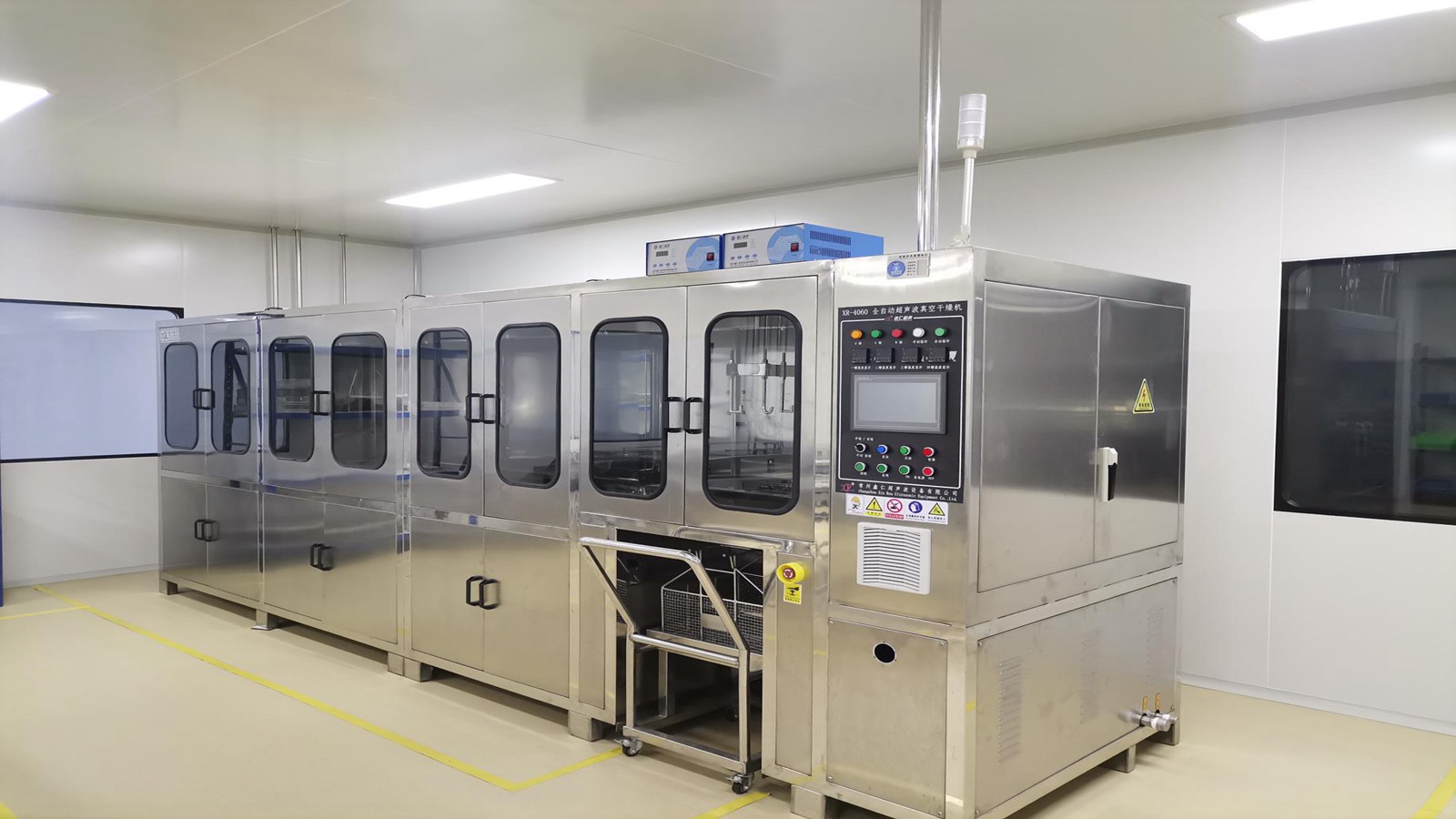
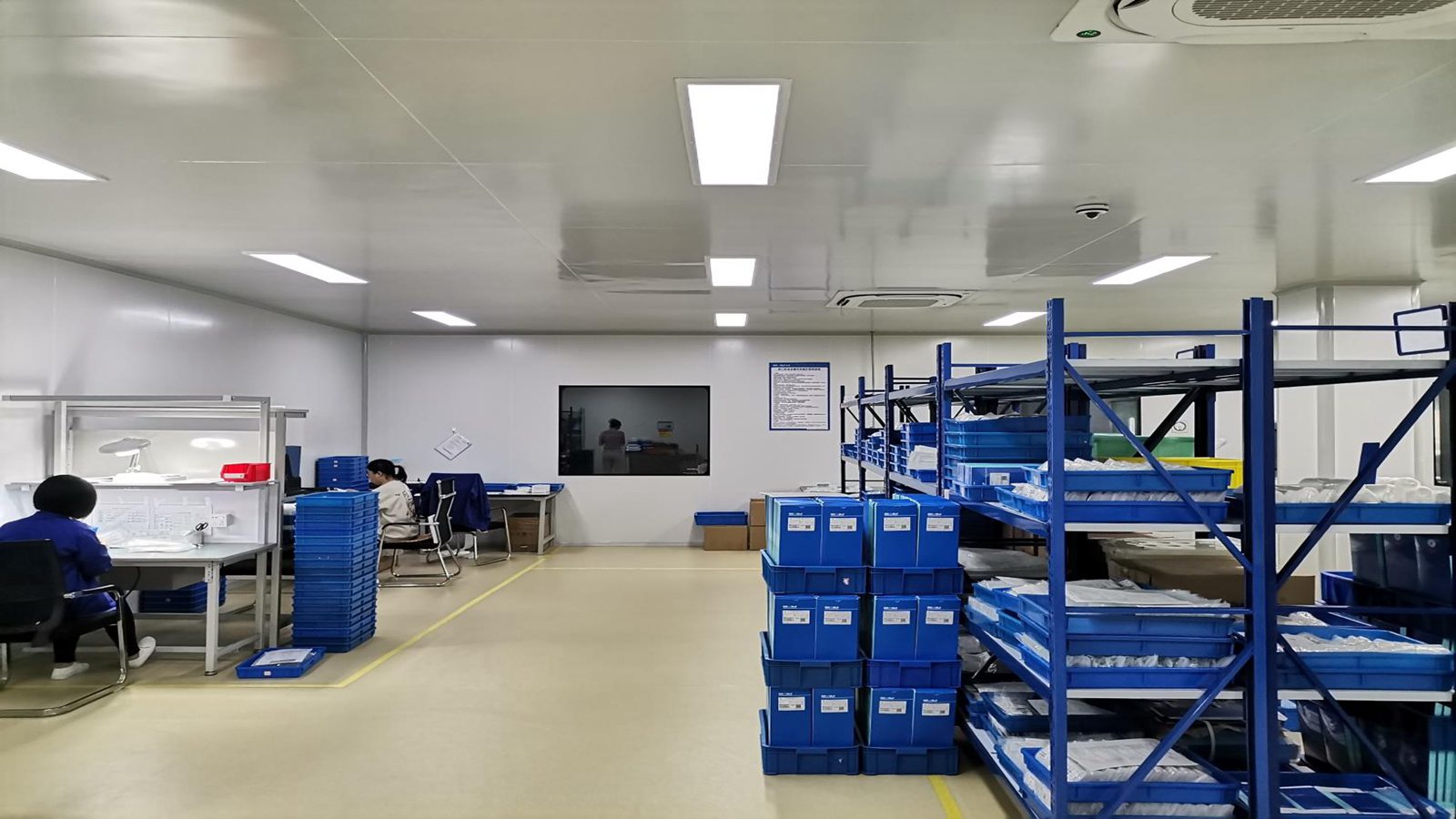
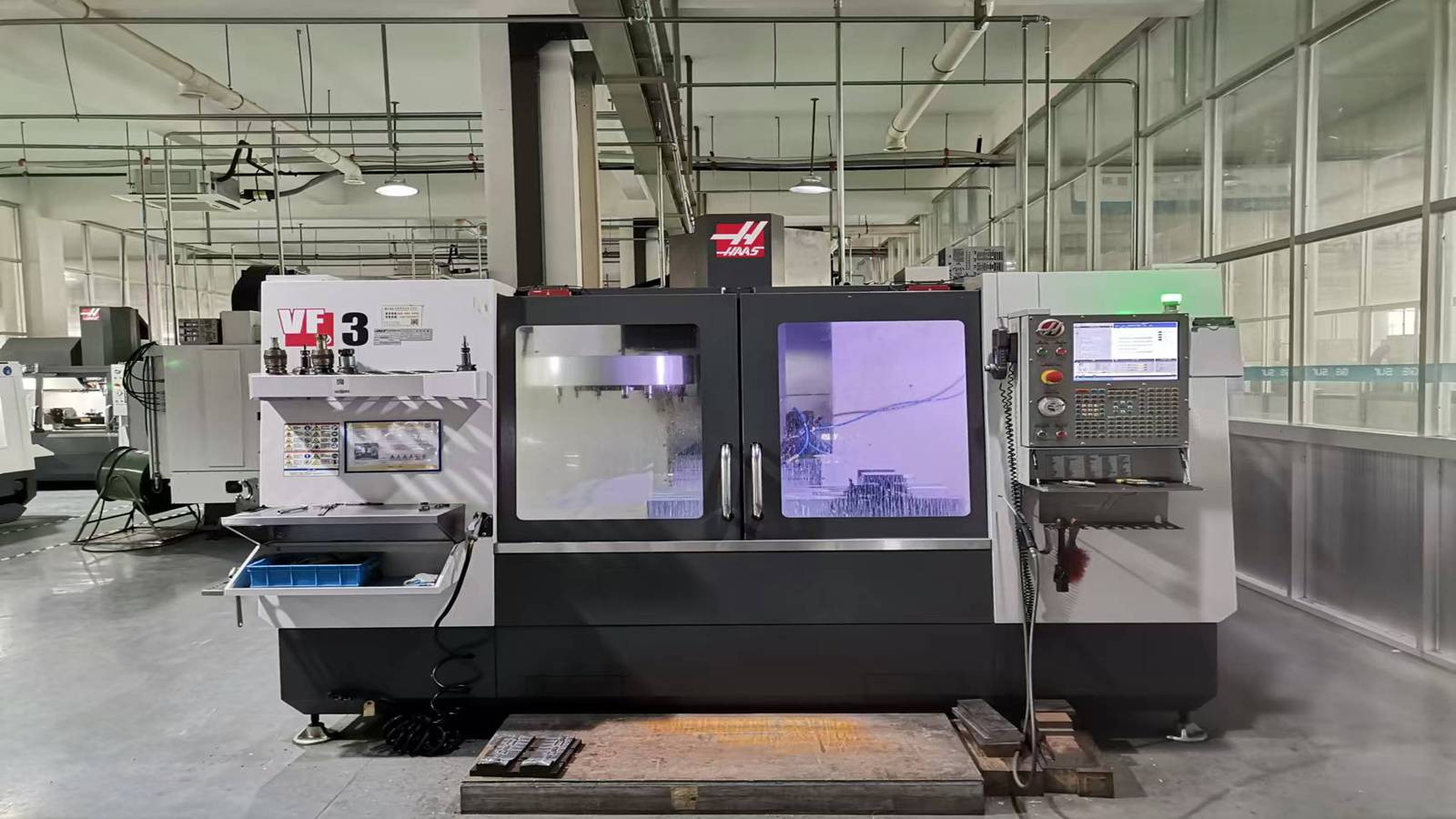
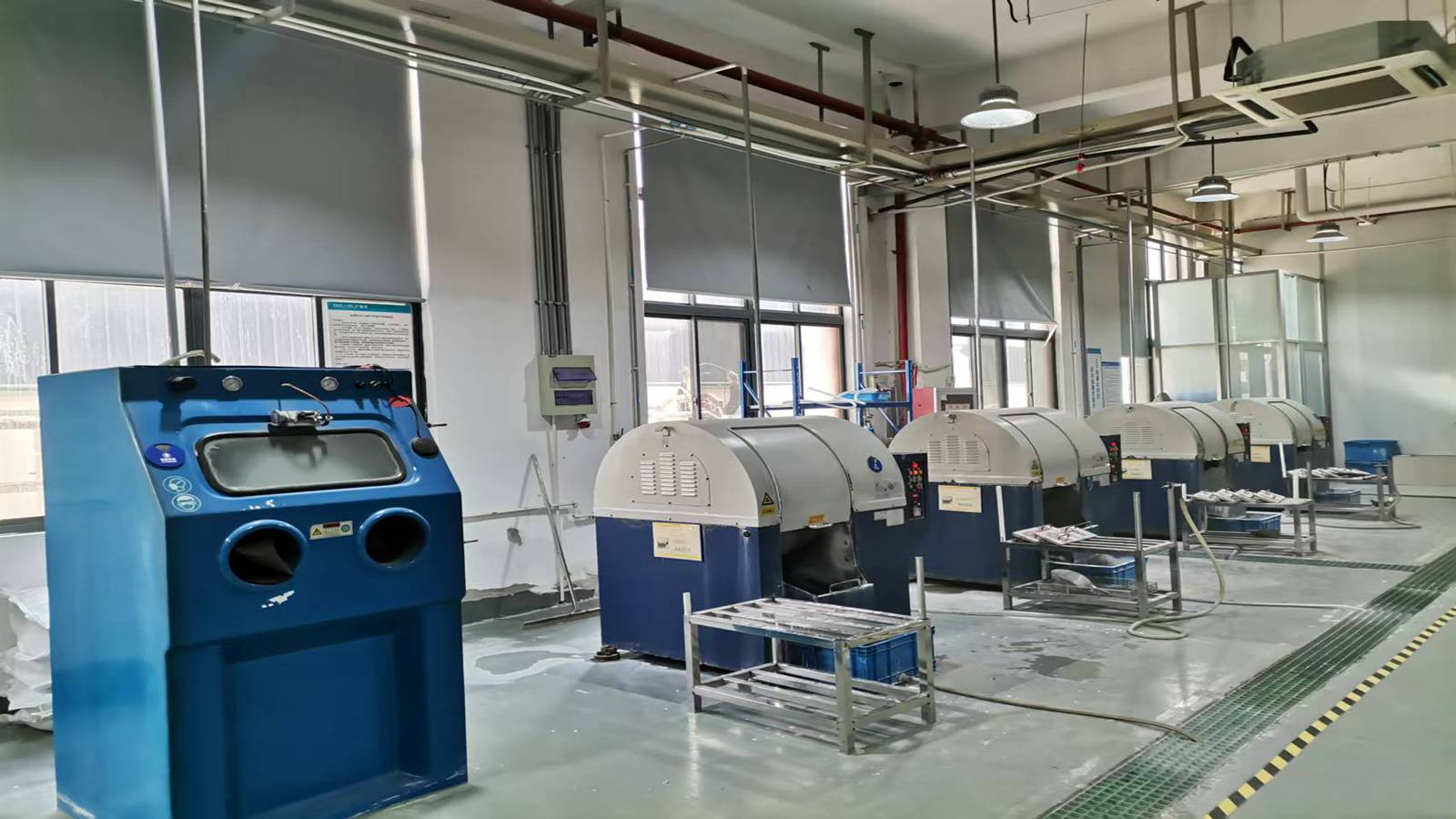
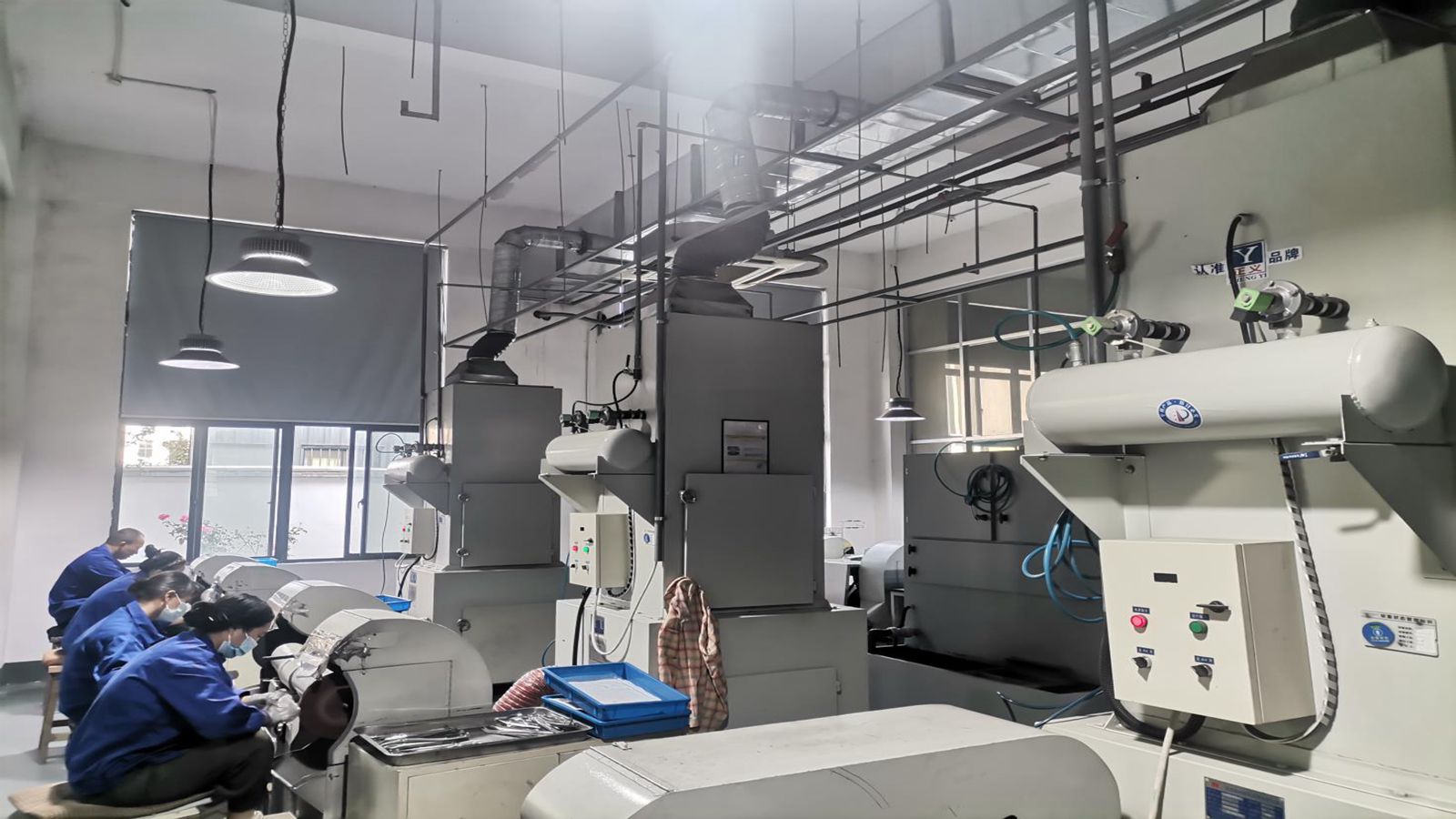
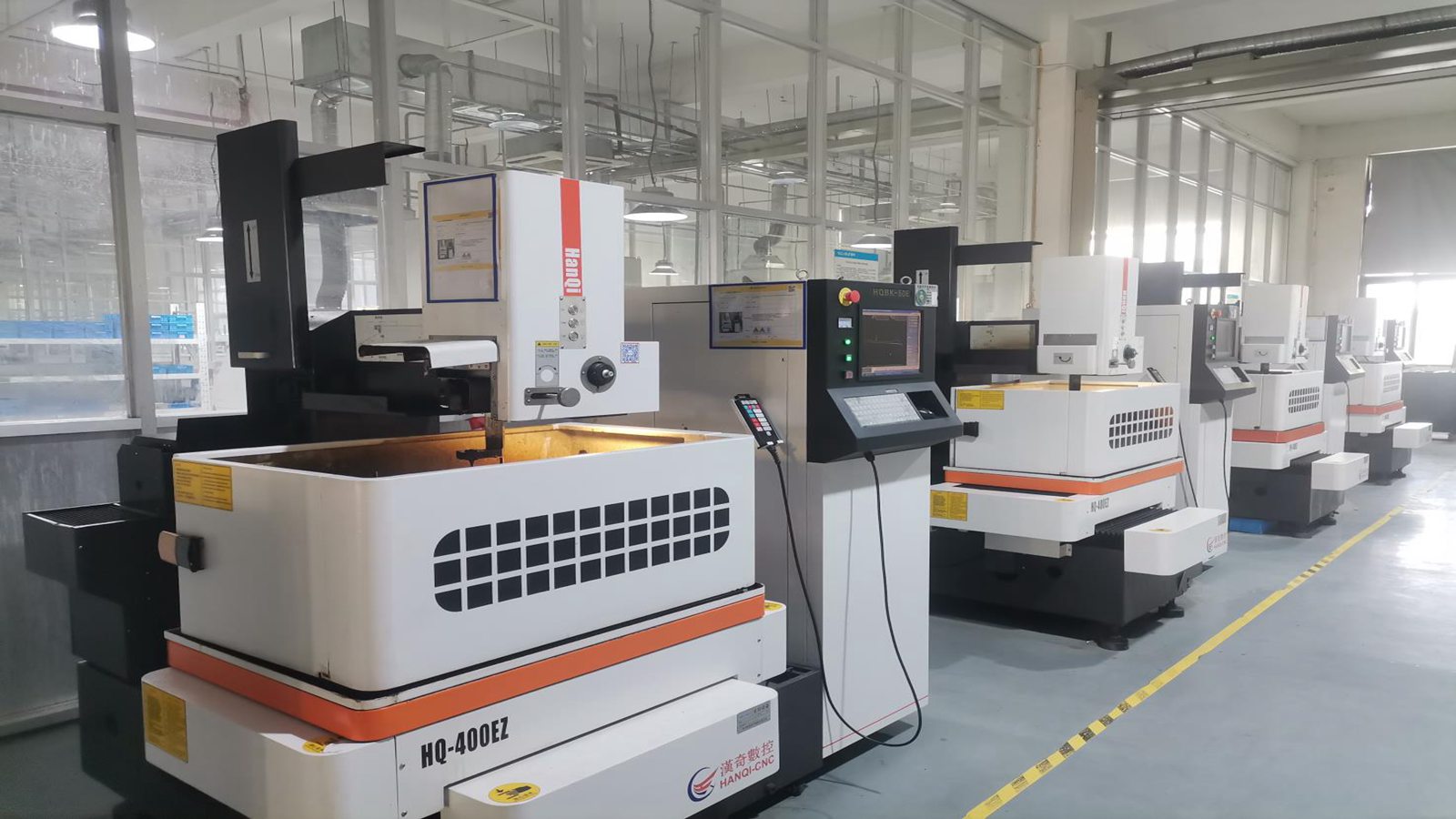
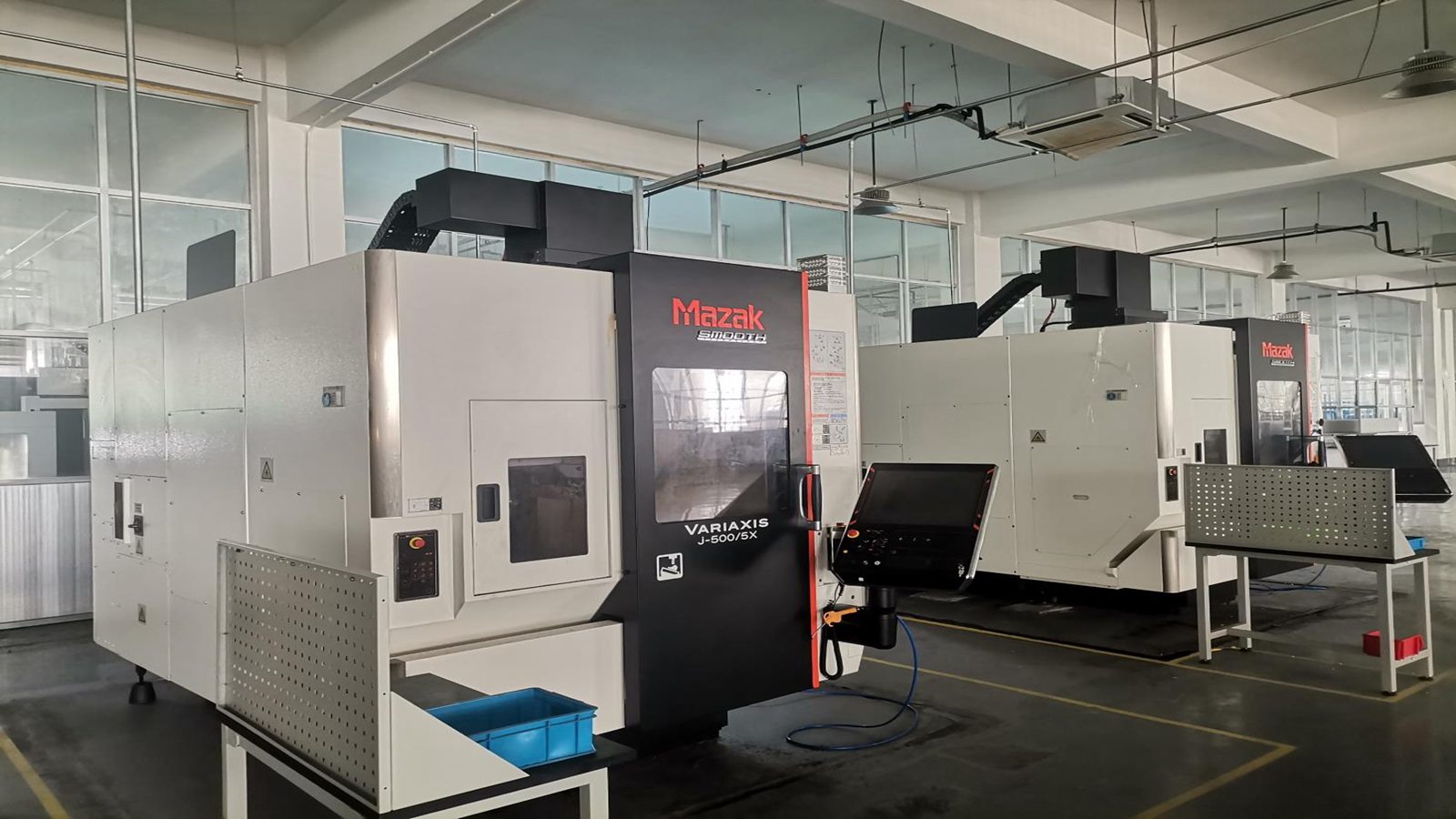
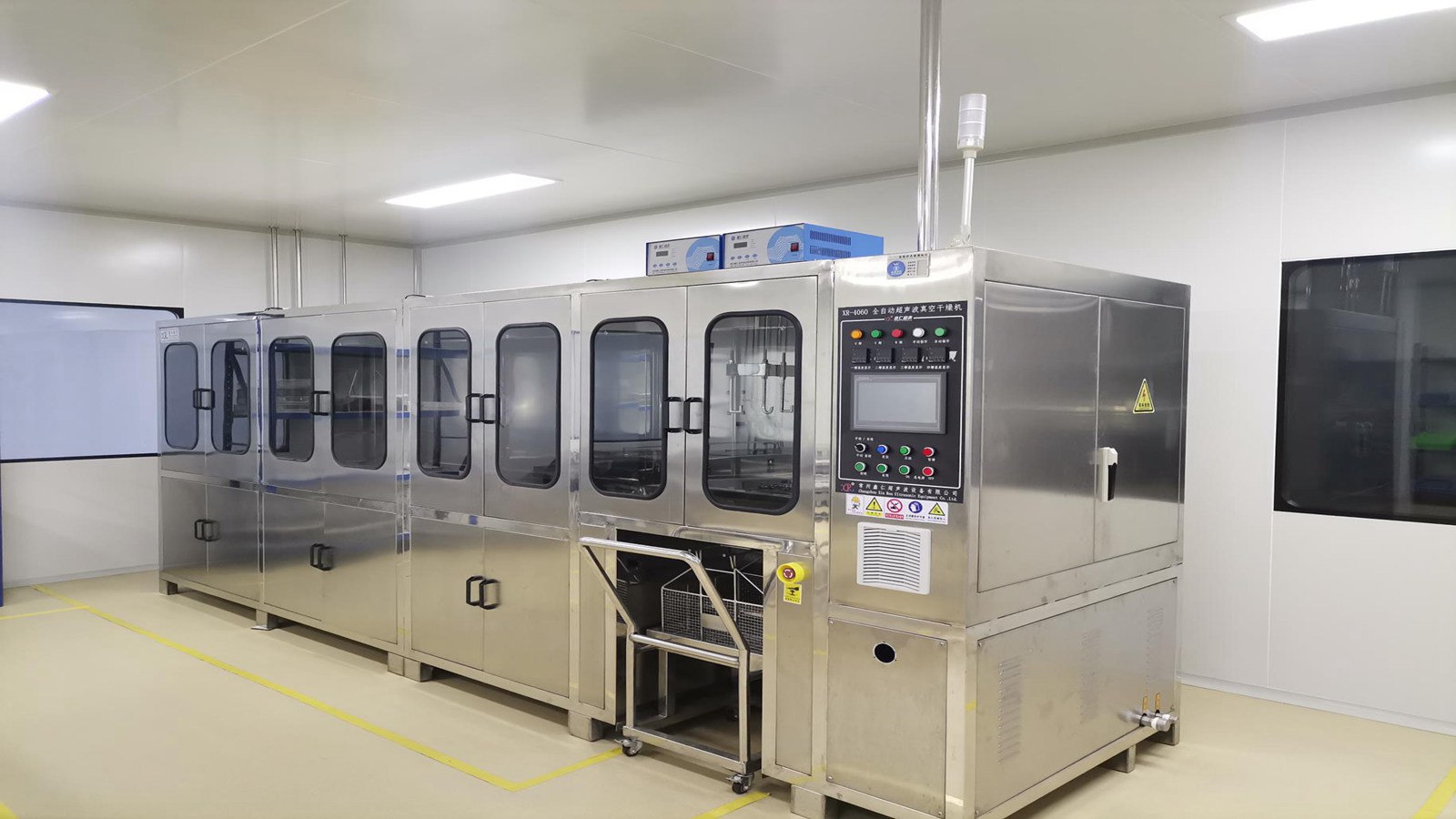
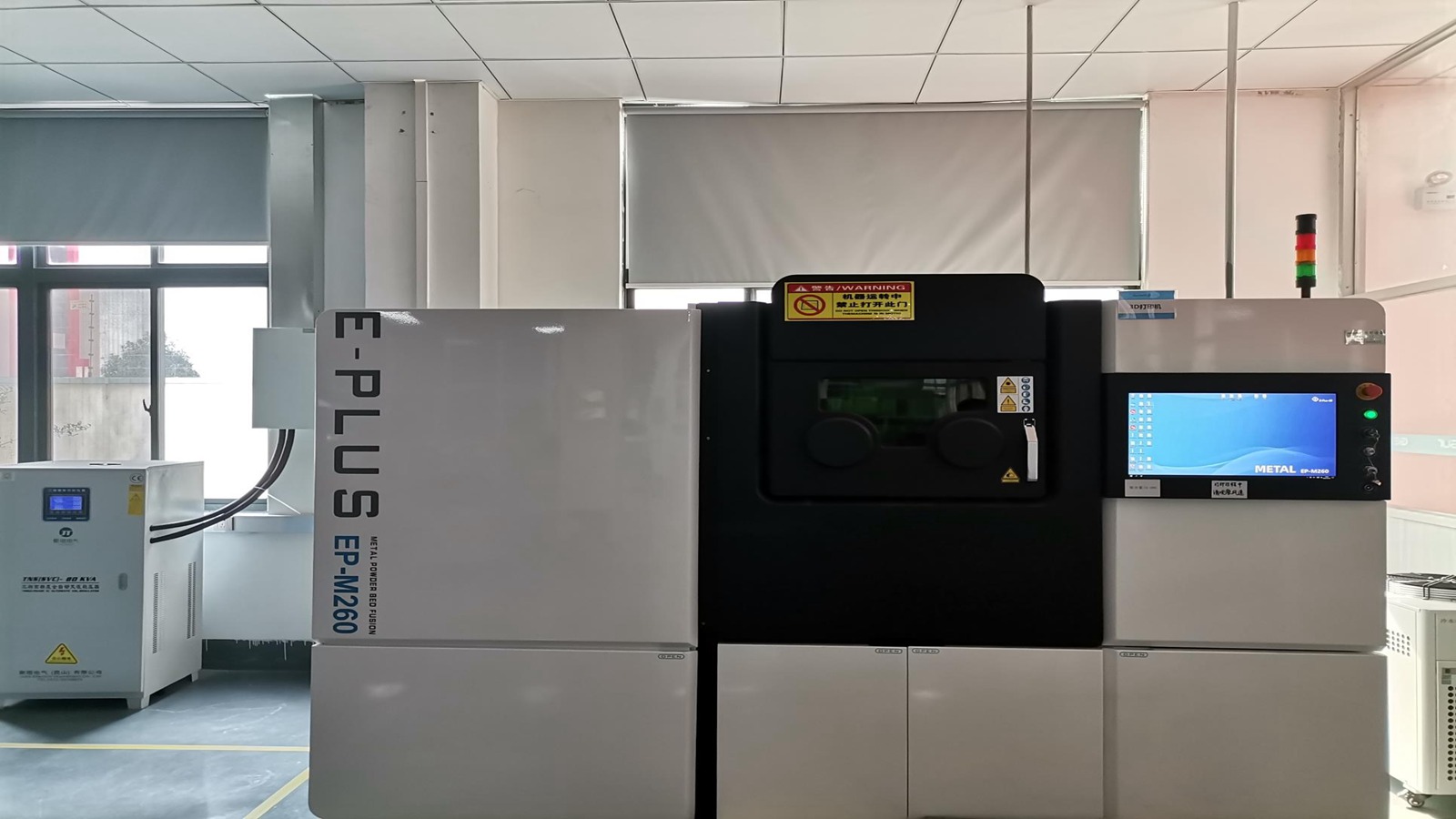
Our advanced cleanrooms and machining zones use modern Swiss-type lathe centers and multi-axis mill-turn machines to maintain high manufacturing precision.

Answers to common inquiries from medical distributors, regulatory officers, and procurement managers in Indonesia.