 Ease Medical Apparatus And Instruments
Ease Medical Apparatus And Instruments
Ease Medical Apparatus And Instruments
Engineered for immediate spinal stability and optimal bone remodeling, chosen by top orthopedic surgeons in Riyadh.
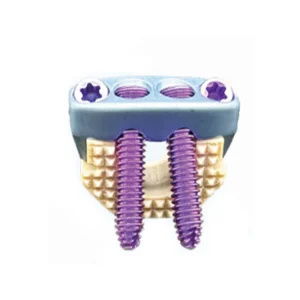
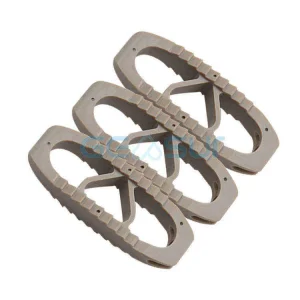
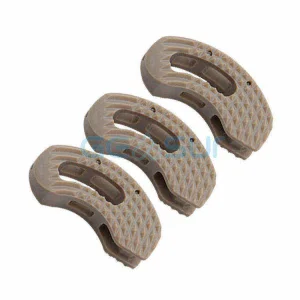
Riyadh is undergoing an unprecedented healthcare expansion fueled by Saudi Vision 2030. As the Ministry of Health drives privatized healthcare systems and advances national clinical outcomes, the demand for world-class orthopedic implants—specifically interbody fusion systems—has soared. High incidences of degenerative disc diseases, traffic accidents, and lifestyle-related spine degenerative conditions in the Kingdom have elevated spine surgeries (MISS, ALIF, OLIF, PLIF) to primary focus areas in tertiary hospitals.
Key academic medical complexes, including the King Faisal Specialist Hospital & Research Centre (KFSH&RC) and King Saud University Medical City, require implants that offer not only structural stability but also exceptional biomimetic features. Our supply channels to Riyadh ensure local surgeons access advanced orthopedic materials that enhance bone remodeling and shorten inpatient recovery cycles.
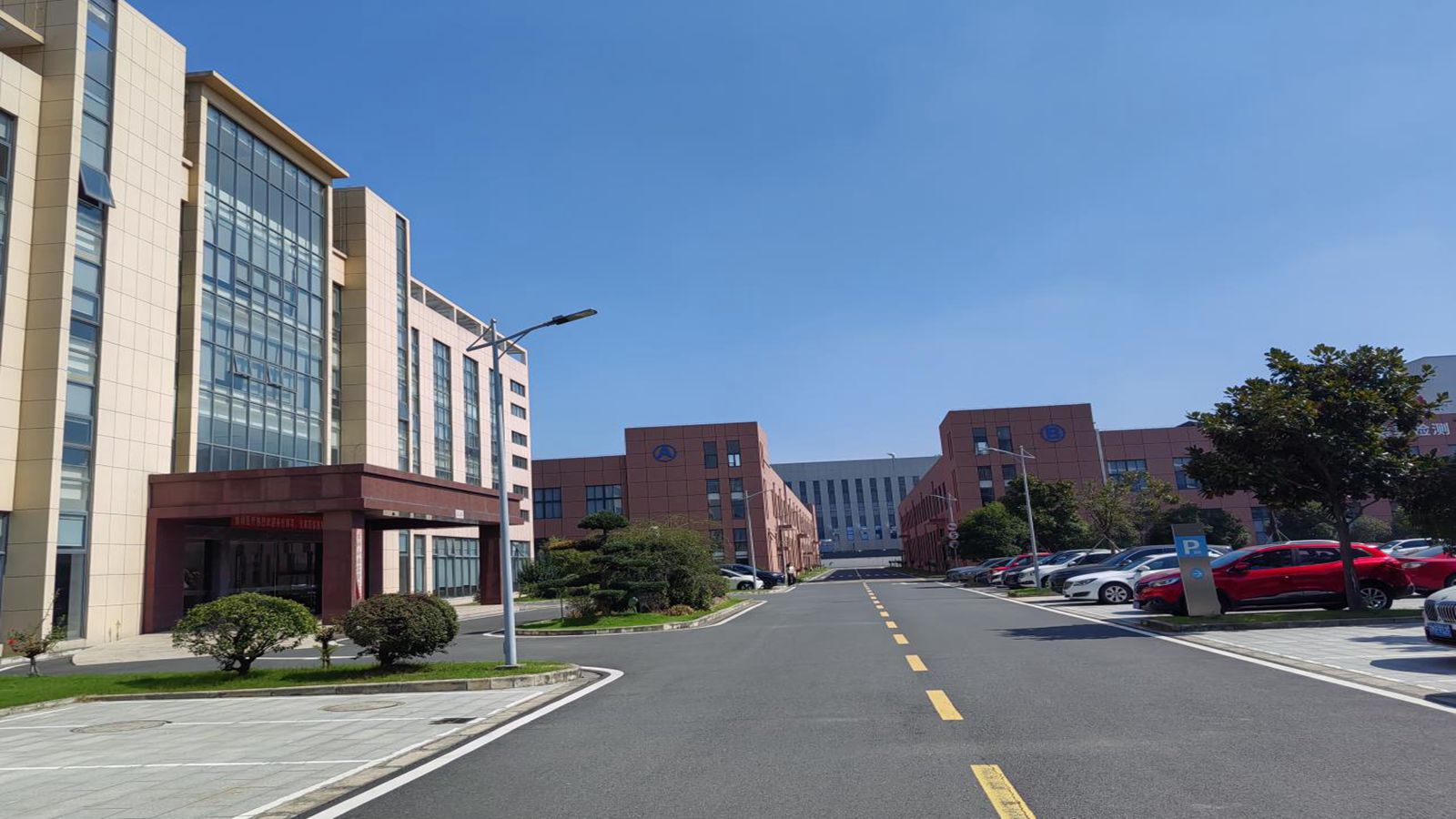
In modern spine surgery centers across Riyadh, such as National Guard Health Affairs (NGHA) and major private hospital groups, spine surgeons leverage specific interbody fusion styles to optimize patient outcomes. The choice between PEEK (Polyetheretherketone) and Titanium Alloys depends on patient bone quality, age, and clinical pathology:
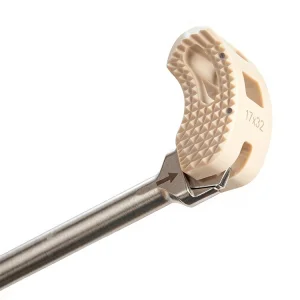
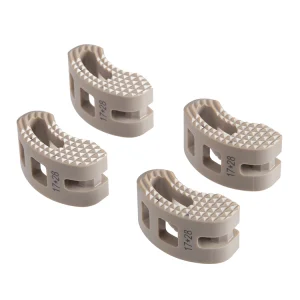
PLIF & TLIF Applications: Posterior and Transforaminal Lumbar Interbody Fusion protocols represent the majority of lumbar interventions in Riyadh. Utilizing our anatomical TLIF/PLIF cages with standard banana and bullet contours enables robust anterior column support and restore lordosis without violating neural structures.
Zero-Profile Cervical Solutions: With a rising preference for Minimally Invasive Spine Surgery (MISS) in KSA, the Zero-P (Zero-Profile) cervical cage stands out. Its integrated locking screws eliminate the need for an additional anterior cervical plate, drastically lowering postoperative dysphagia risk and saving precious operating room minutes.
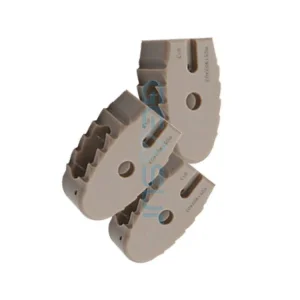
OLIF Advancements: Oblique Lumbar Interbody Fusion allows large-footprint cages to be placed laterally, avoiding muscular disruption. Our OLIF peek cages optimize the fusion bed surface area, significantly reducing the likelihood of cage subsidence in osteoporotic patients.
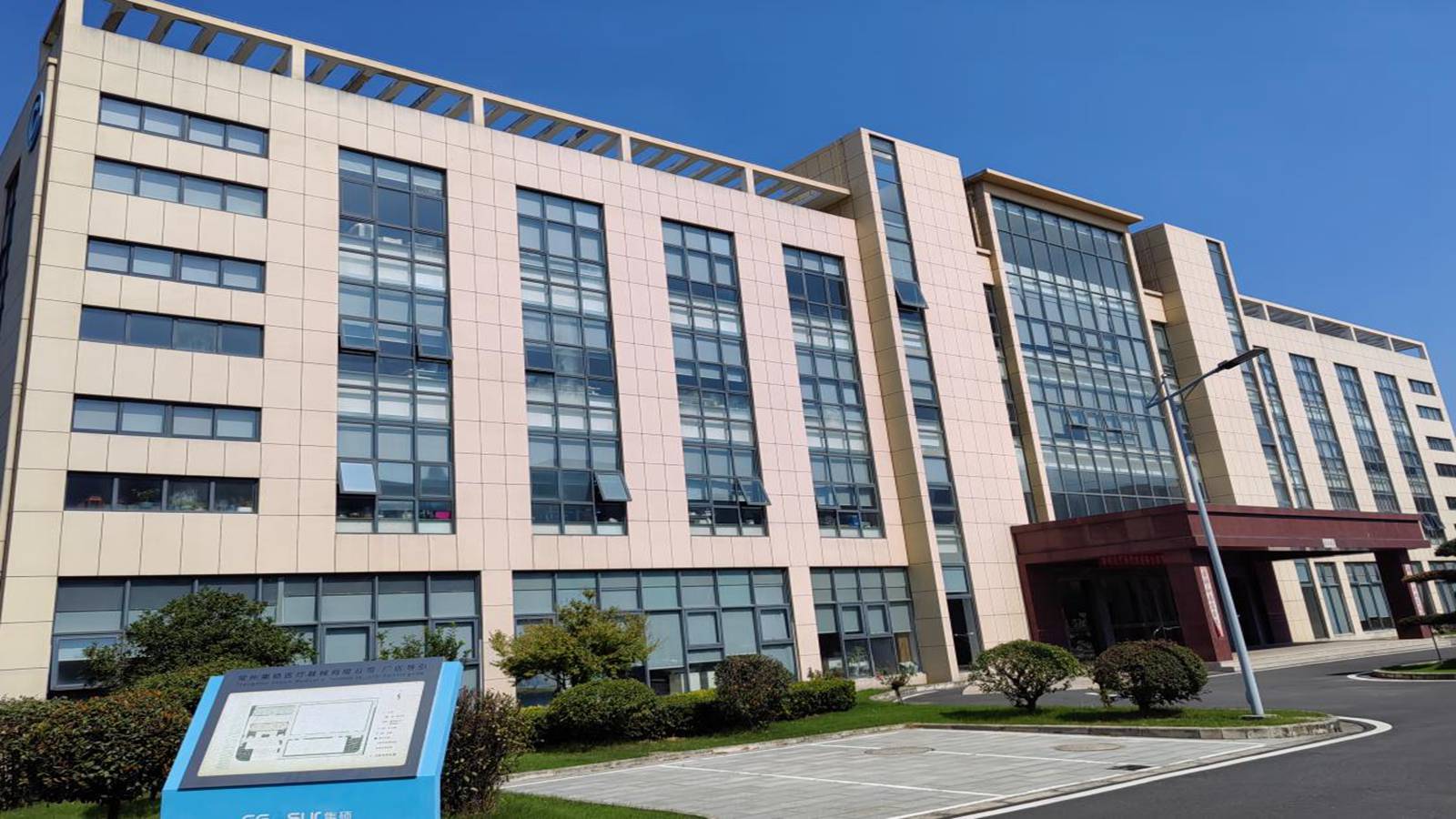
Innovating materials and surface treatments for maximum osteointegration and long-term implant biocompatibility.
Transitioning towards customized, porous titanium structures that mimic the elastic modulus of cancellous bone. Our research roadmap incorporates interconnecting pore structures that support rapid cellular infiltration and early vascularization, preventing hardware migration.
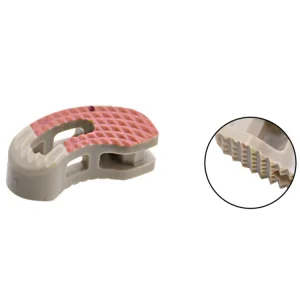
While traditional PEEK offers unparalleled radiolucency for postoperative tracking, its hydrophobic surface limits direct bone-to-implant contact. We are introducing Nano-hydroxyapatite (nHA) coated PEEK and porous-PEEK (pPEEK) structures that accelerate osseous bridging without compromising radiolucent benefits.
Looking forward, our R&D focus is on magnesium-based bioabsorbable and hybrid polymers. These implants safely and progressively degrade at a rate matched to native bone healing, eventually leaving nothing behind but healthy, fused structural bone tissue.
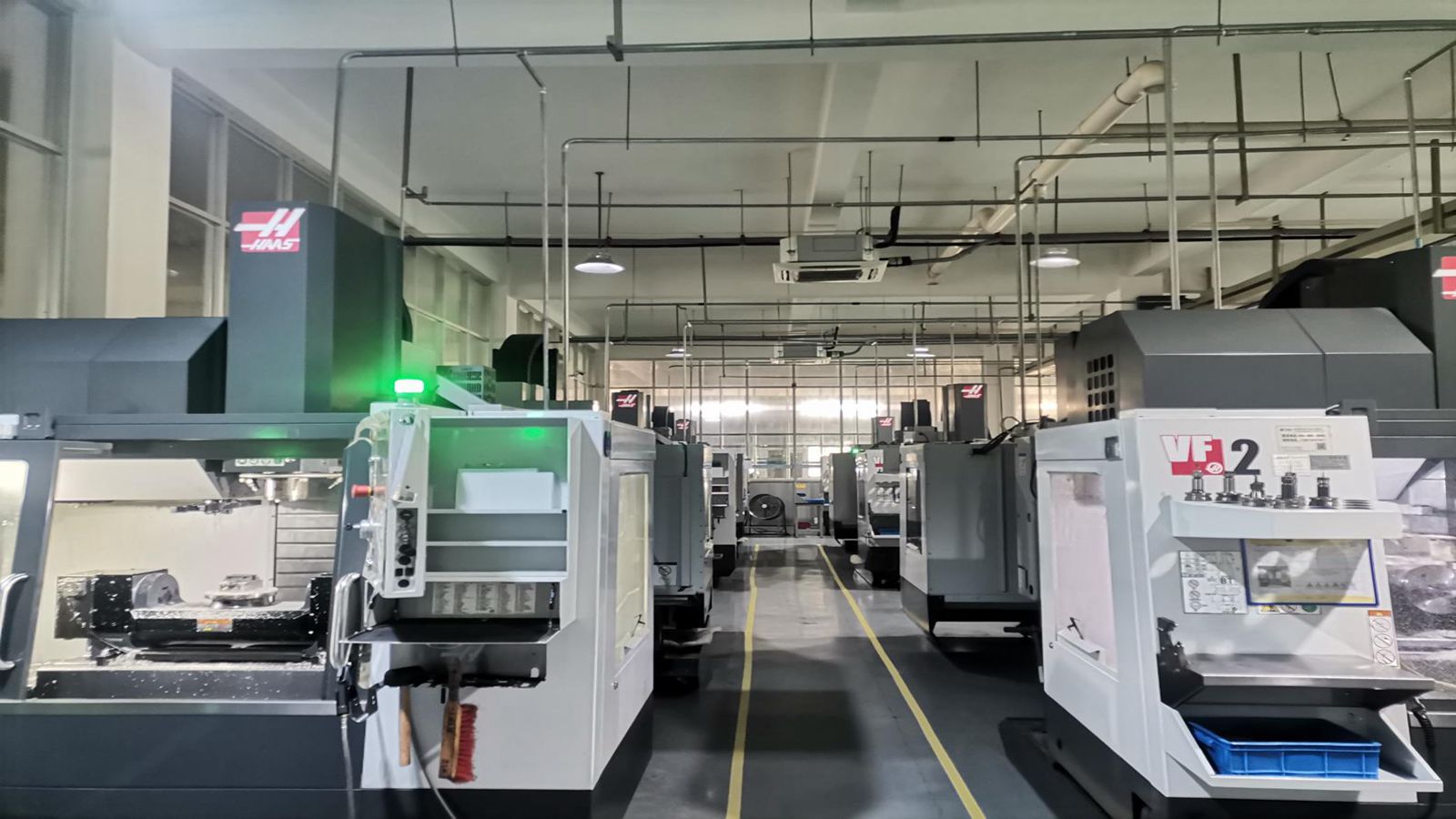
In global medical procurement, predictability and safety are paramount. Our state-of-the-art Chinese medical manufacturing plant features robust supply chain systems engineered to alleviate import bottlenecks for Riyadh distributors, clinical authorities, and private purchasers.
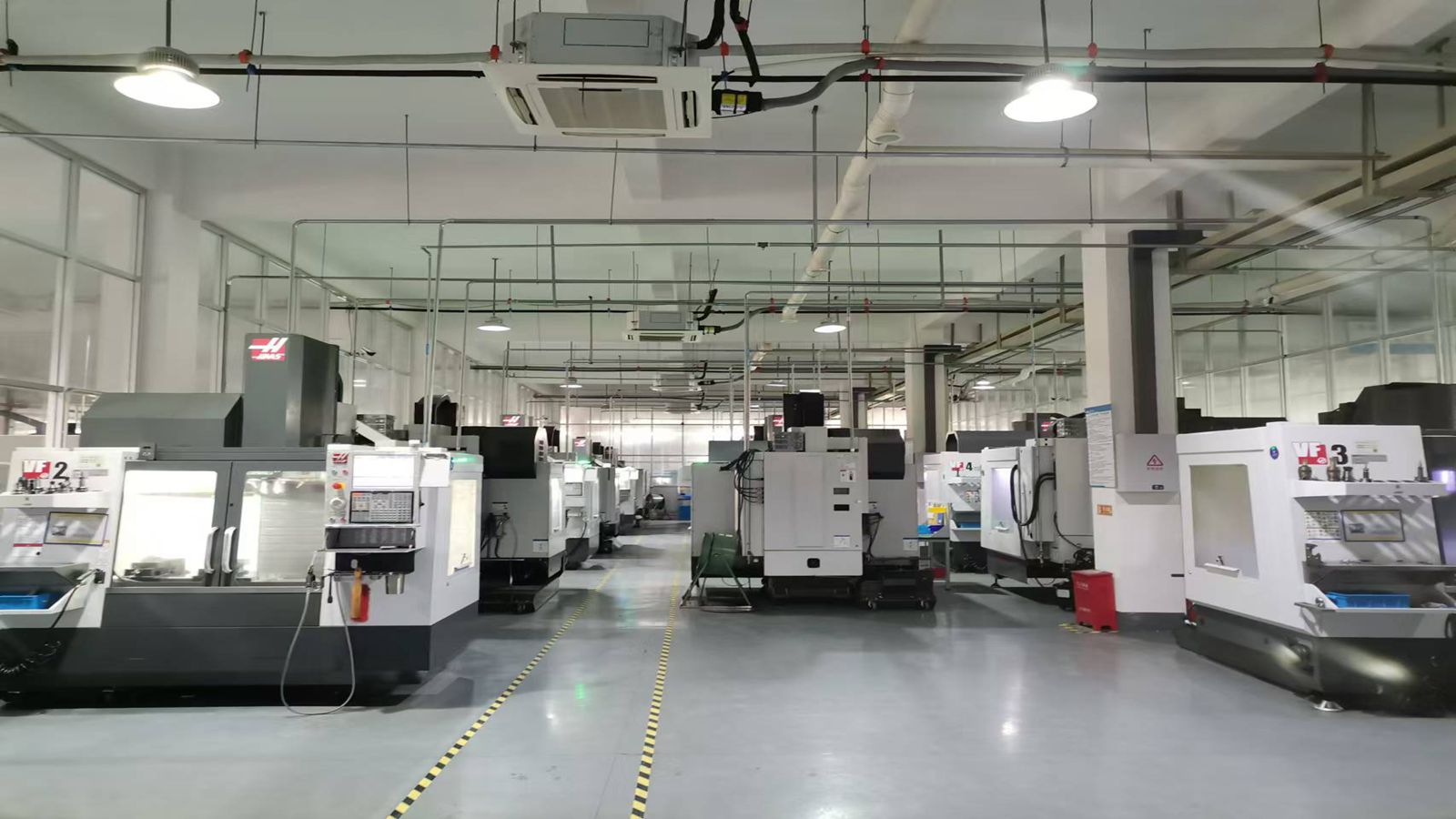
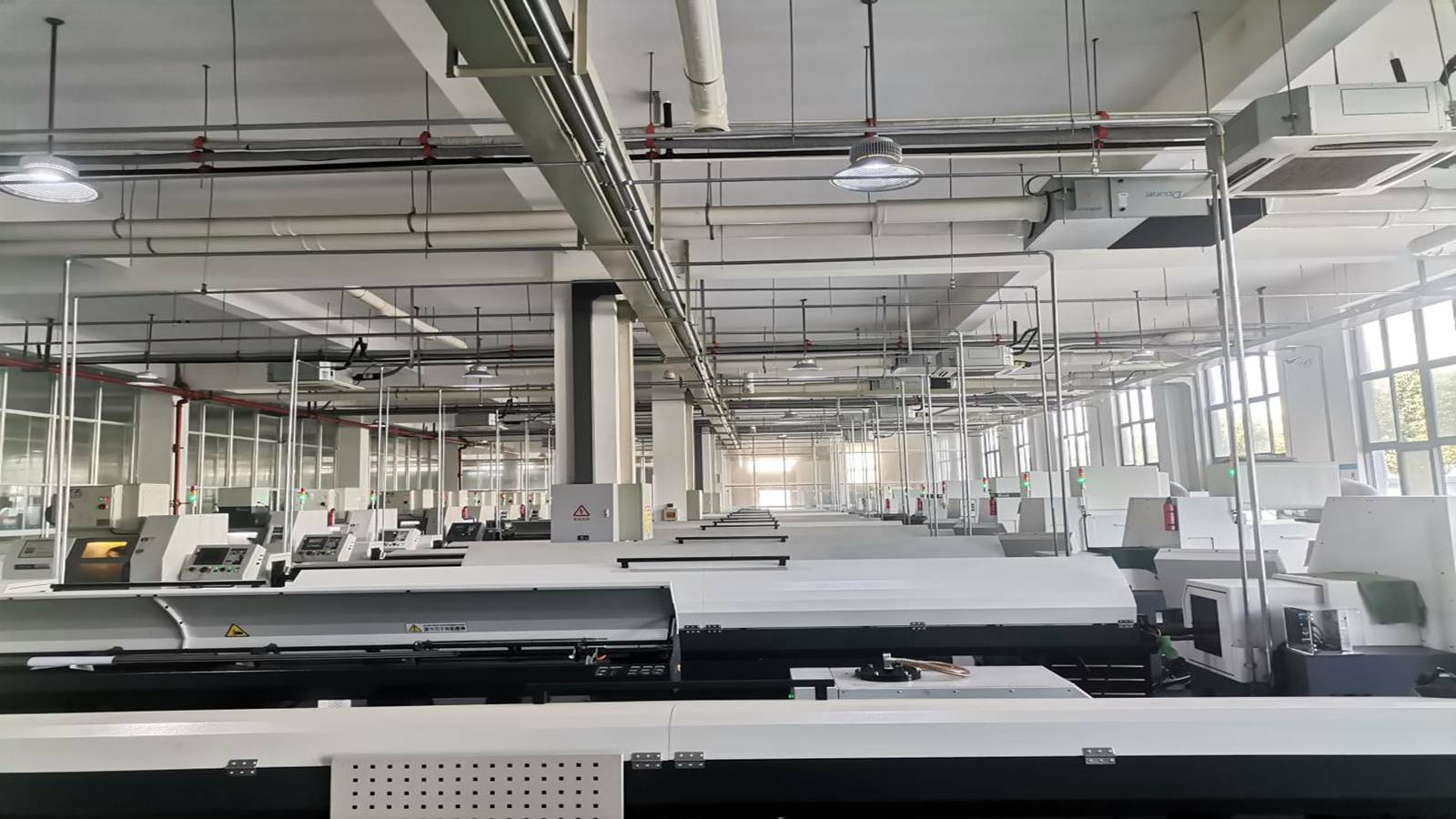
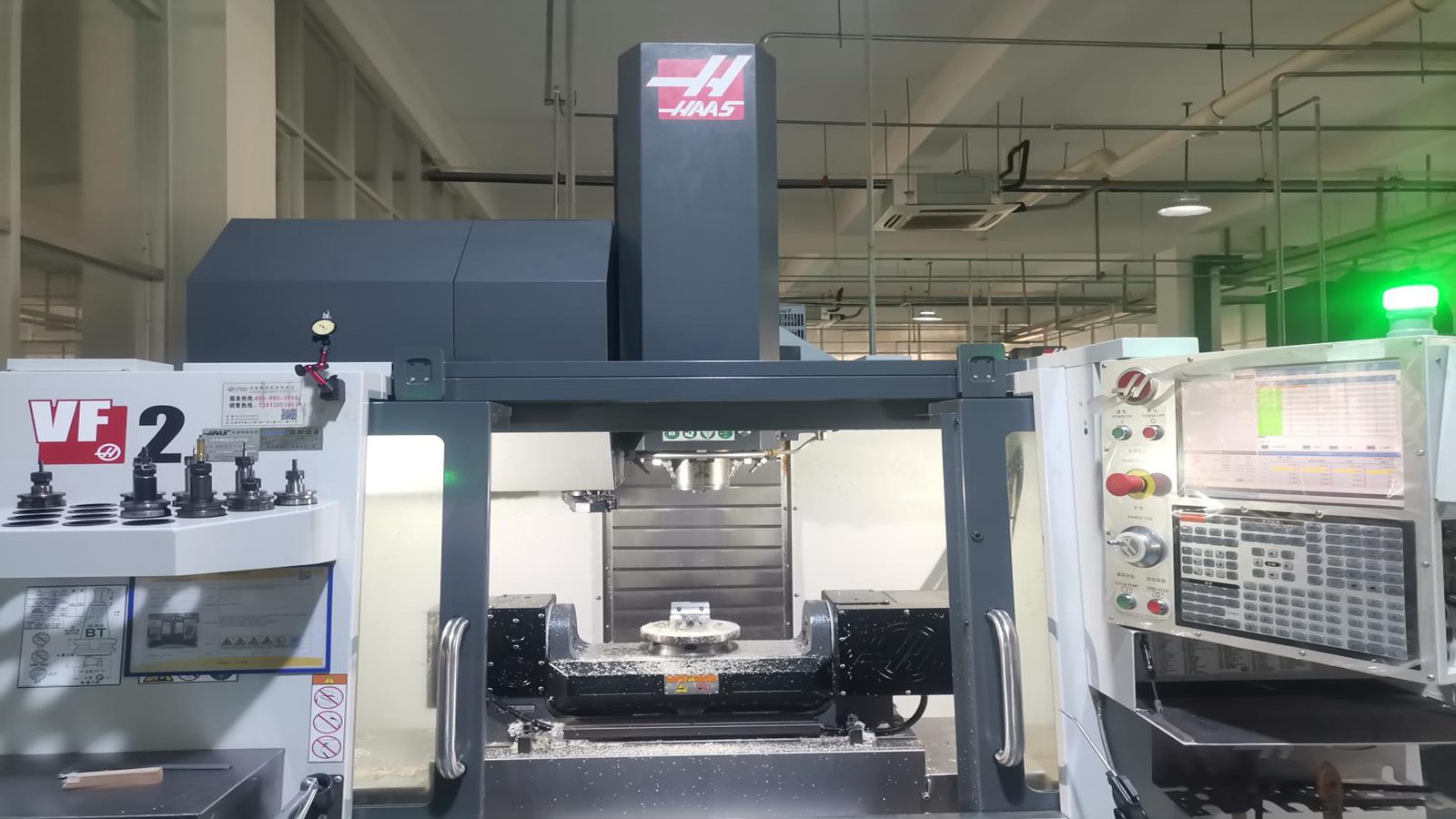
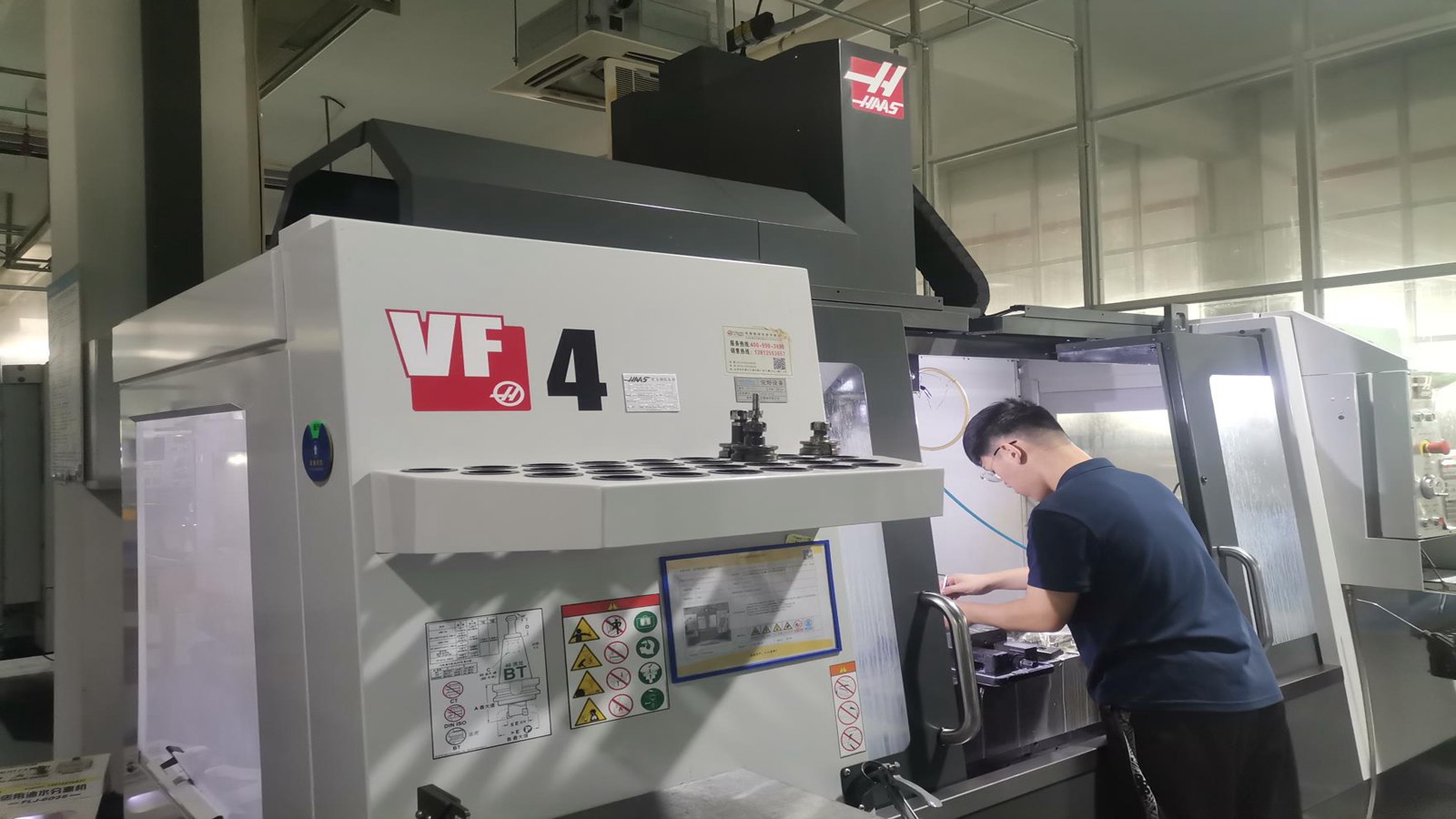
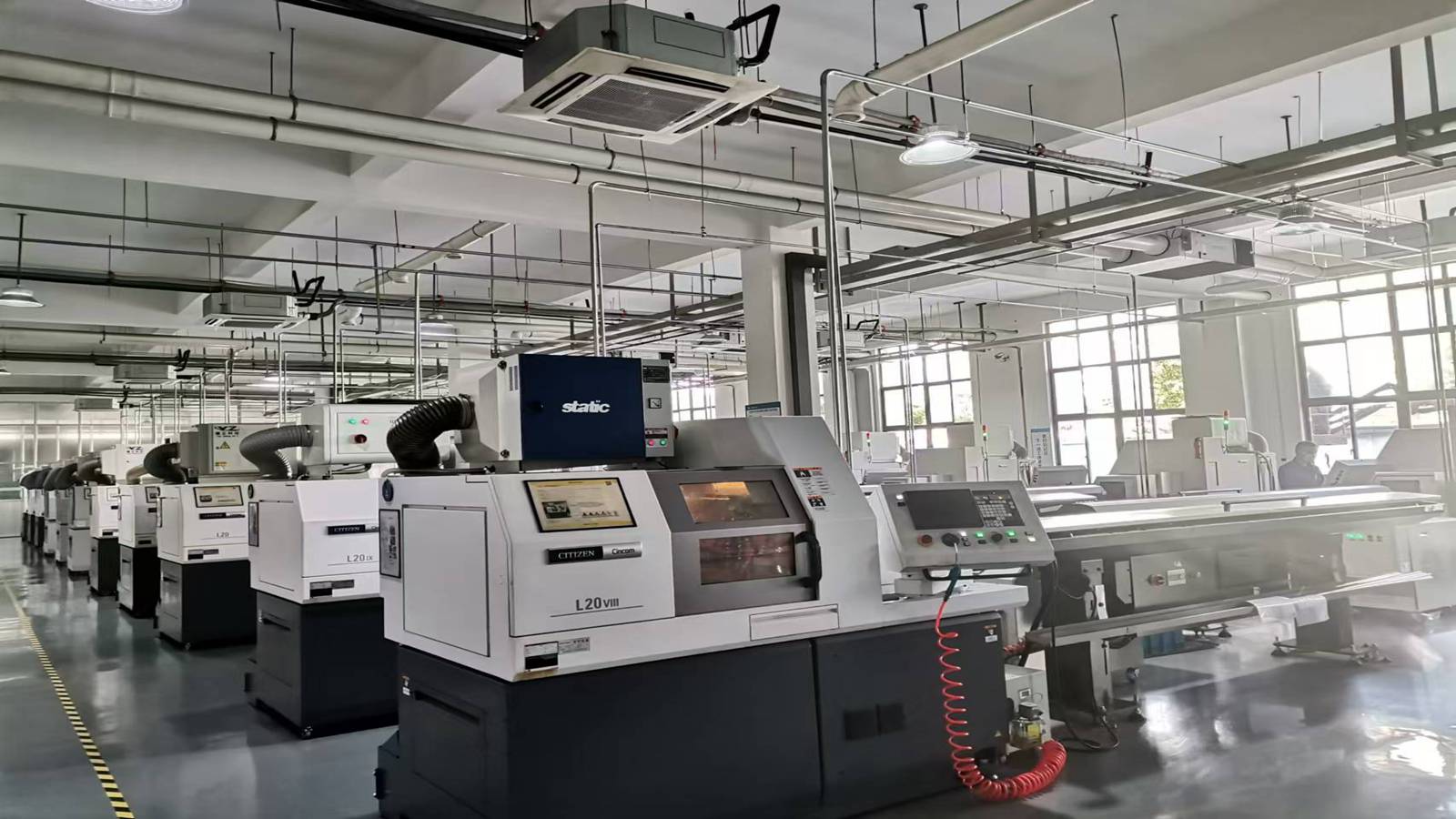
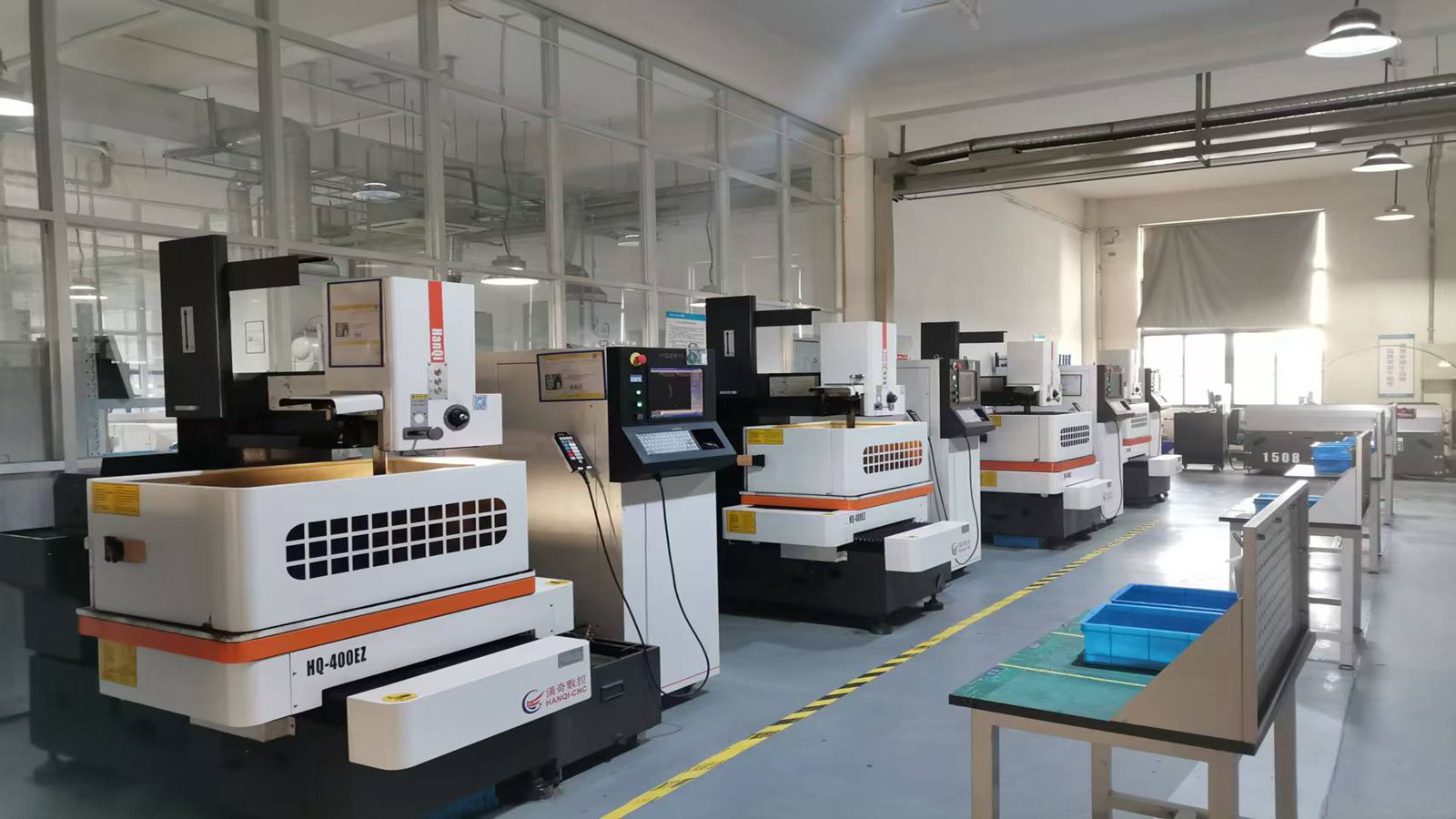
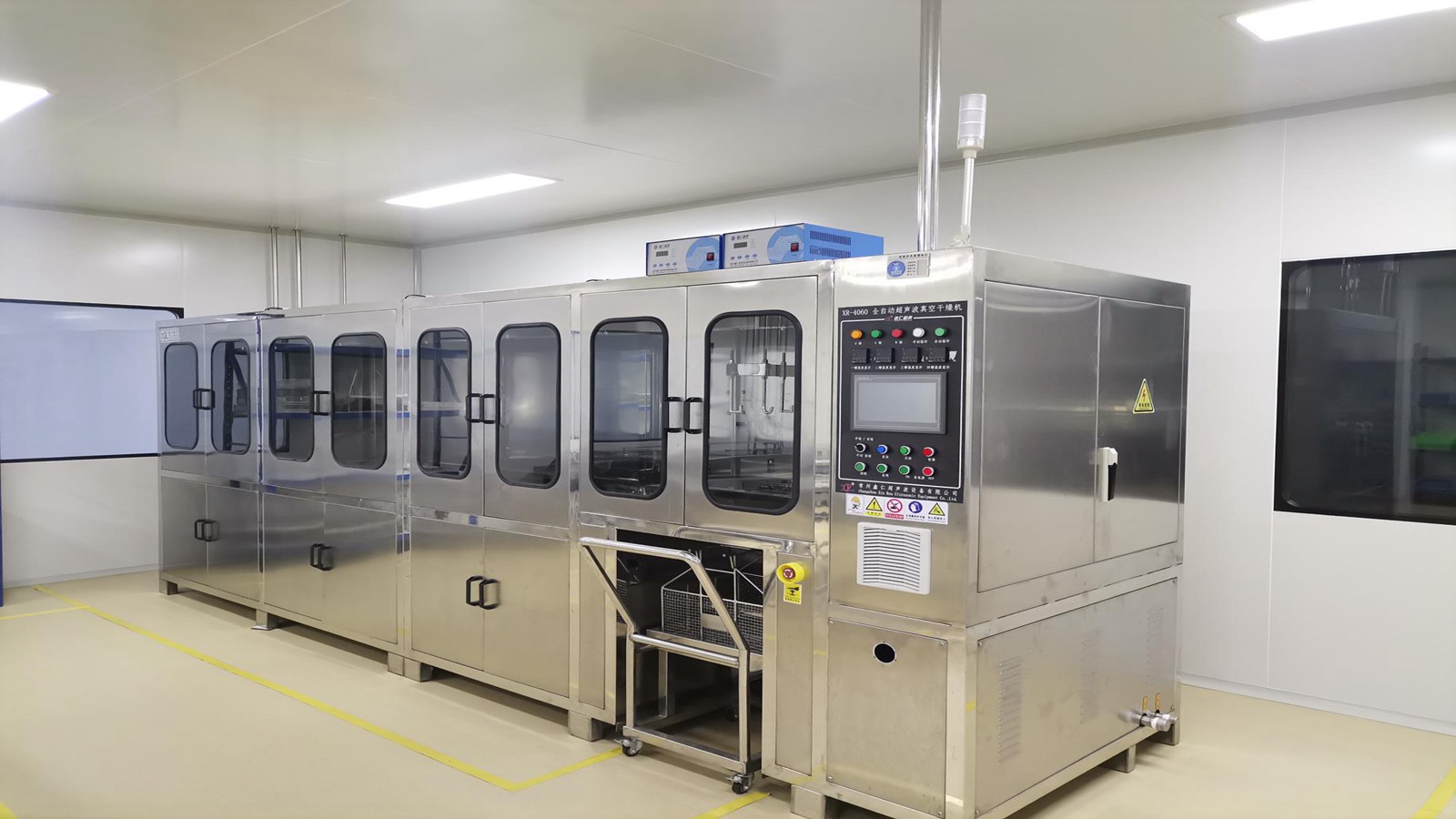
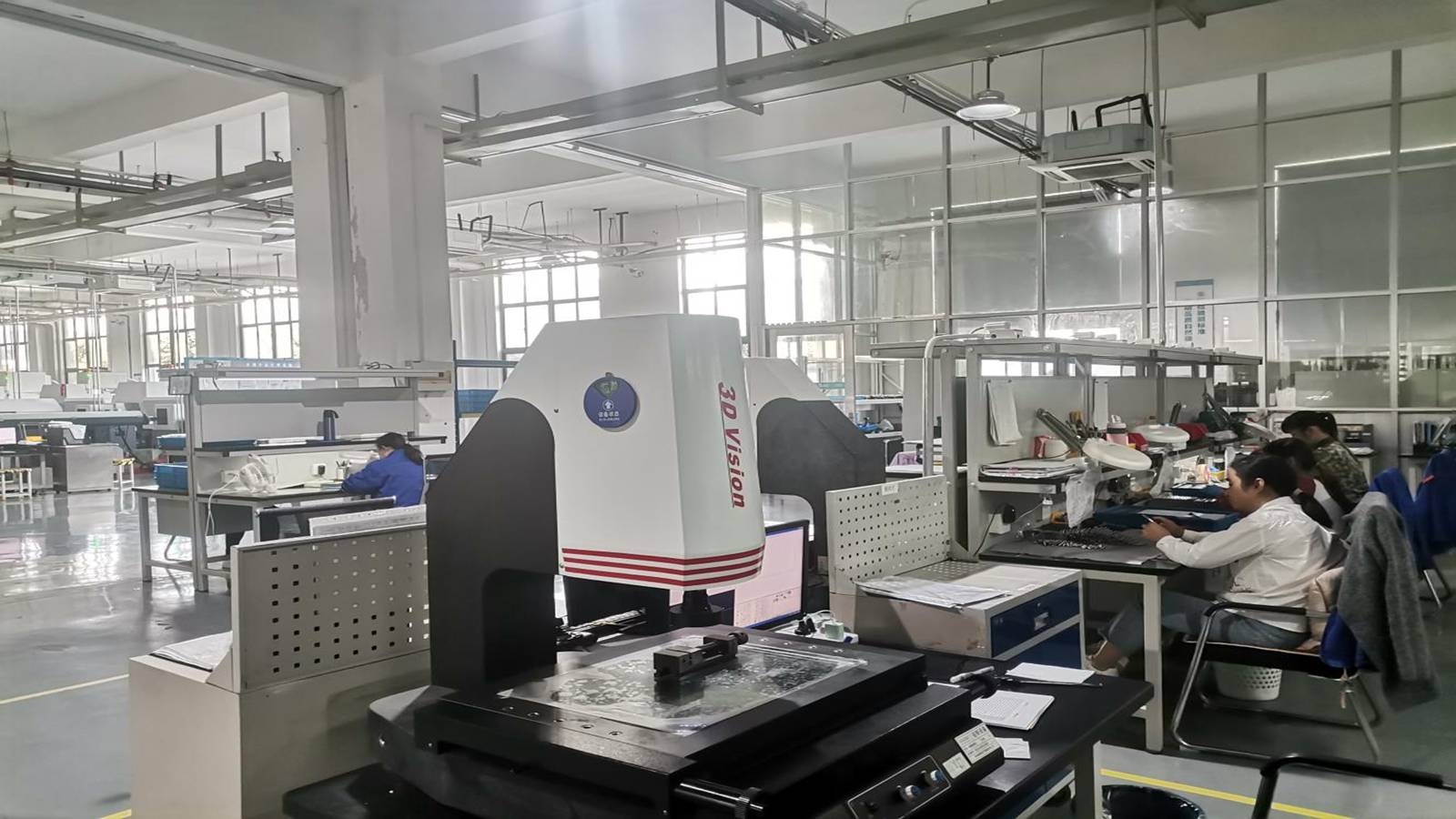
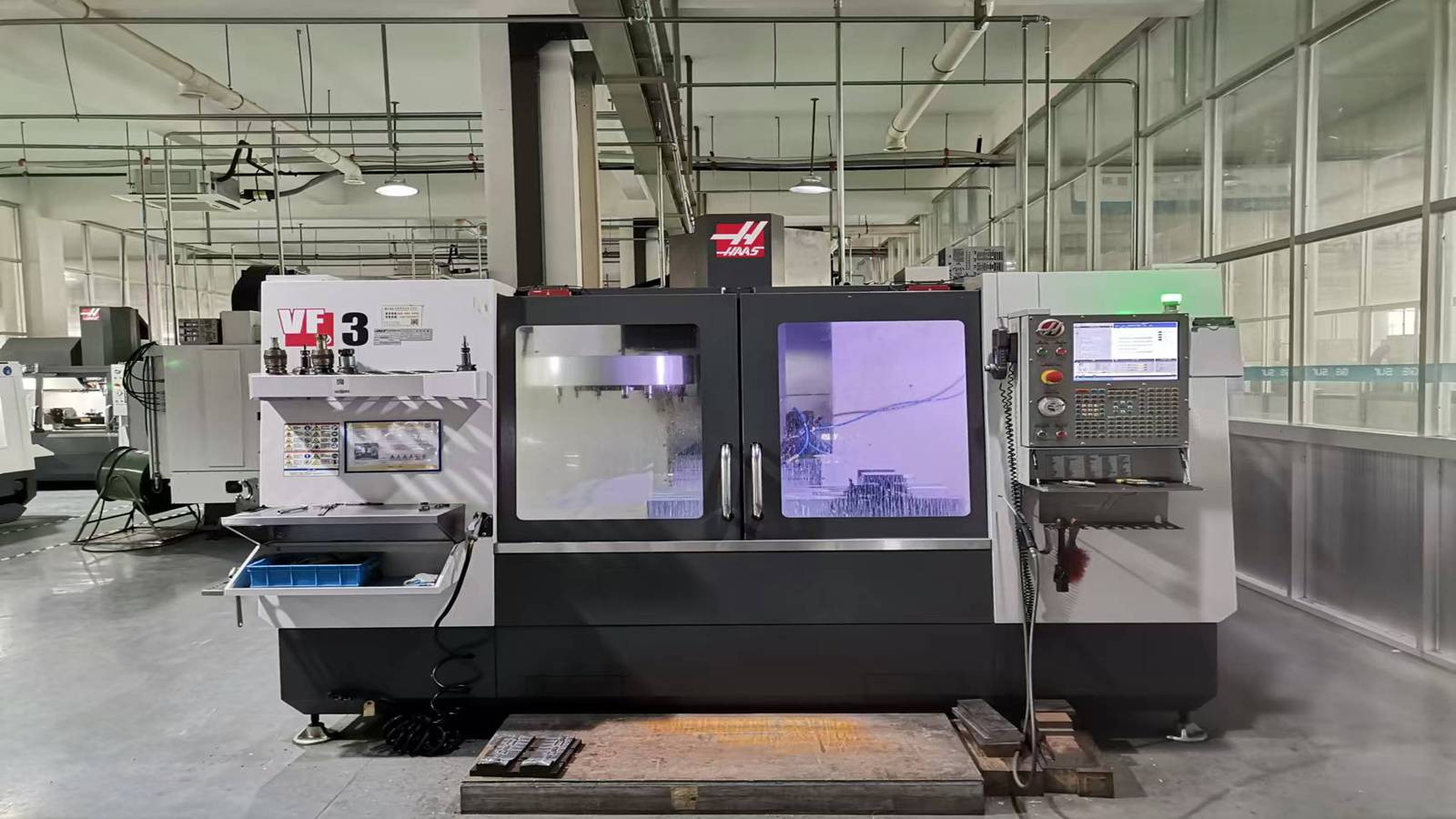
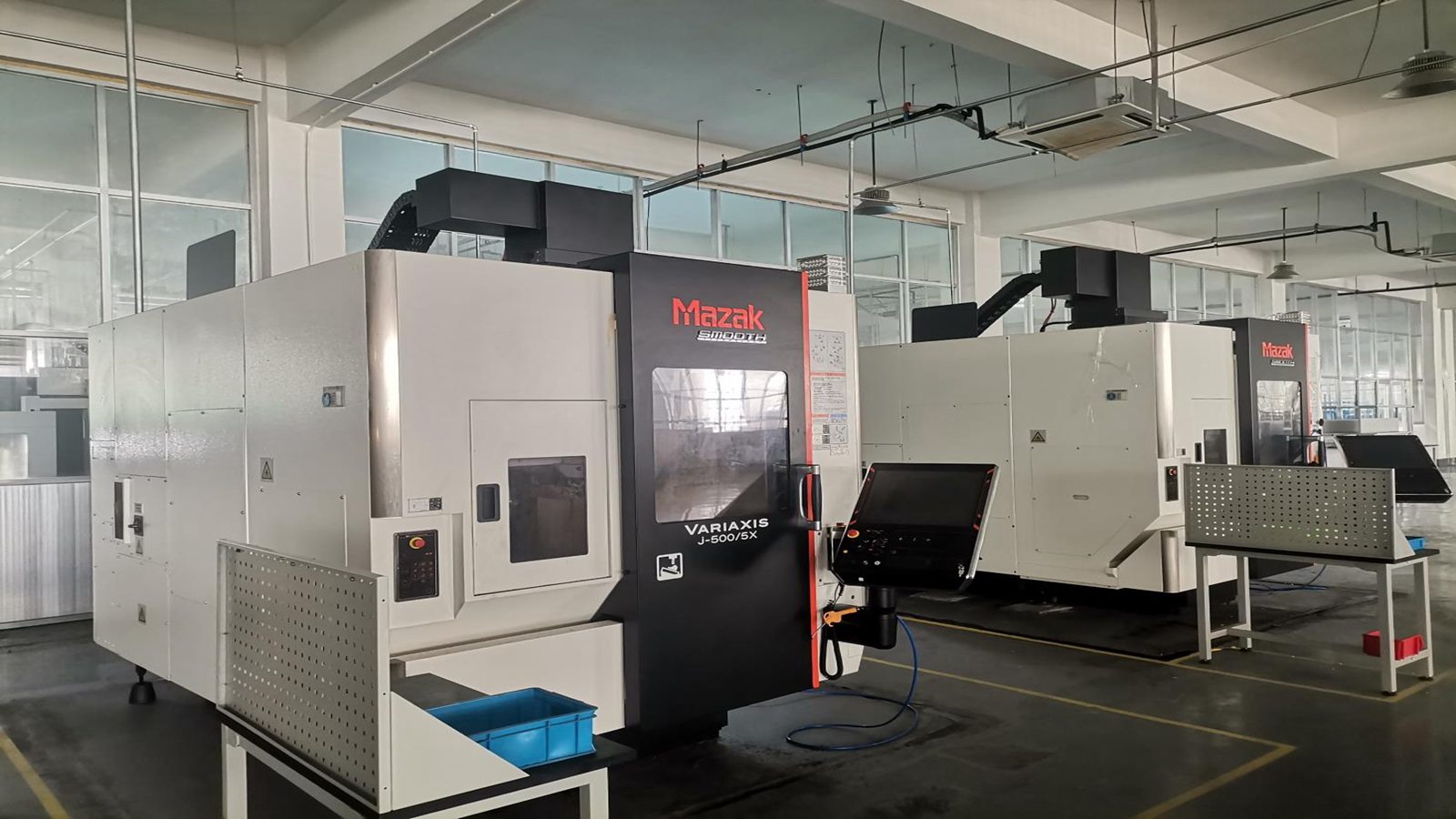
By using premium raw materials (Medical Grade PEEK from Solvay and Ti6Al4V ELI Titanium from leading global biomedical suppliers), we ensure absolute chemical stability. Leveraging advanced manufacturing lines—including 120 high-precision CNC machines and Swiss-type milling systems—allows us to scale production rapidly to fulfill both customized patient-specific orders and large tenders for public healthcare agencies.
Through partnerships with elite logistics hubs, we maintain streamlined air-freight pathways directly to King Khalid International Airport (RUH), ensuring complex implants arrive on time and under strict sterile climate control.
The importing of Class III medical implants into Riyadh requires stringent documentation to meet the Saudi Food and Drug Authority (SFDA) and MDMA regulations. Our manufacturing process maintains comprehensive certification portfolios, supporting our distributors with the necessary compliance documents to guarantee clear customs procedures and rapid market entry.




CE MDR & MDSAP Compliant spinal implants, fully customizable to clinical specifications and Hospital requirements in Riyadh.
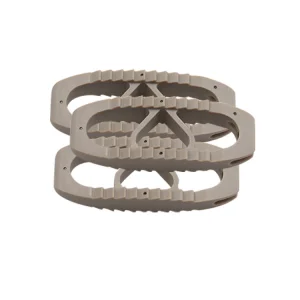
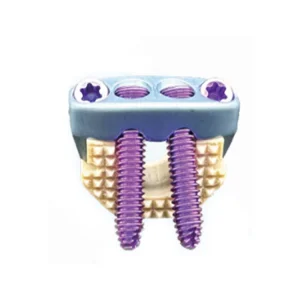
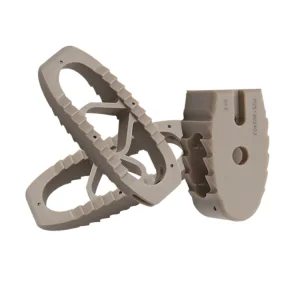
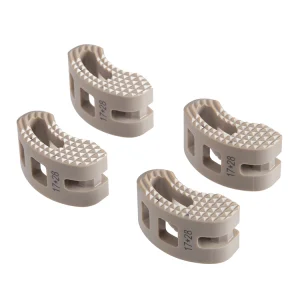
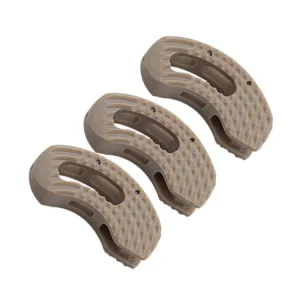
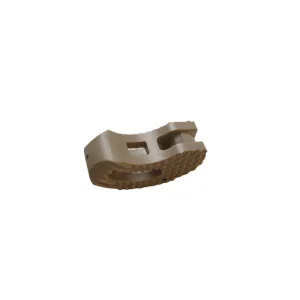
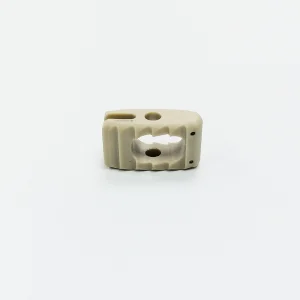
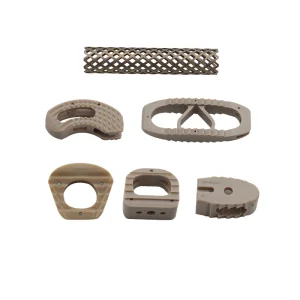
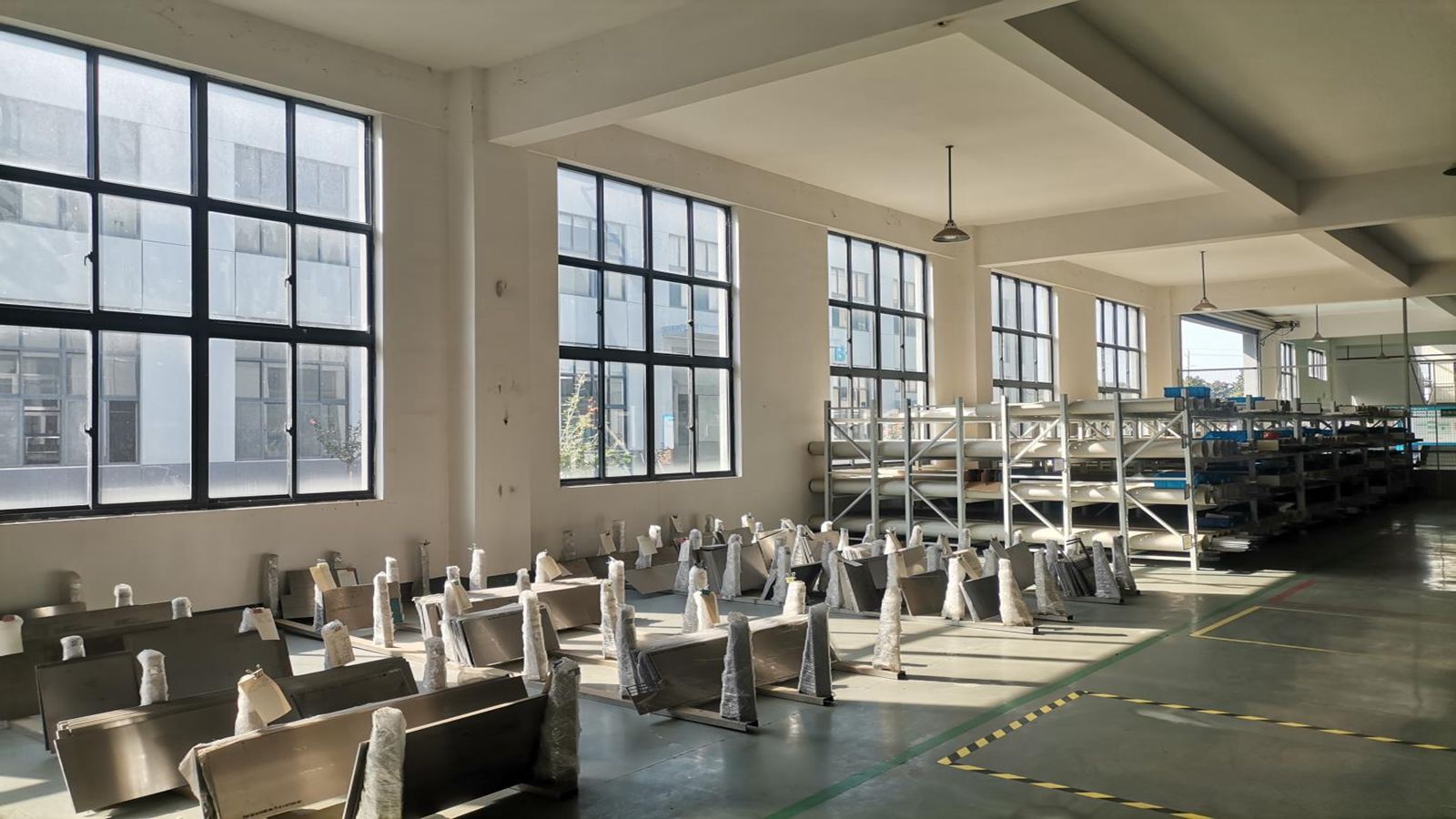
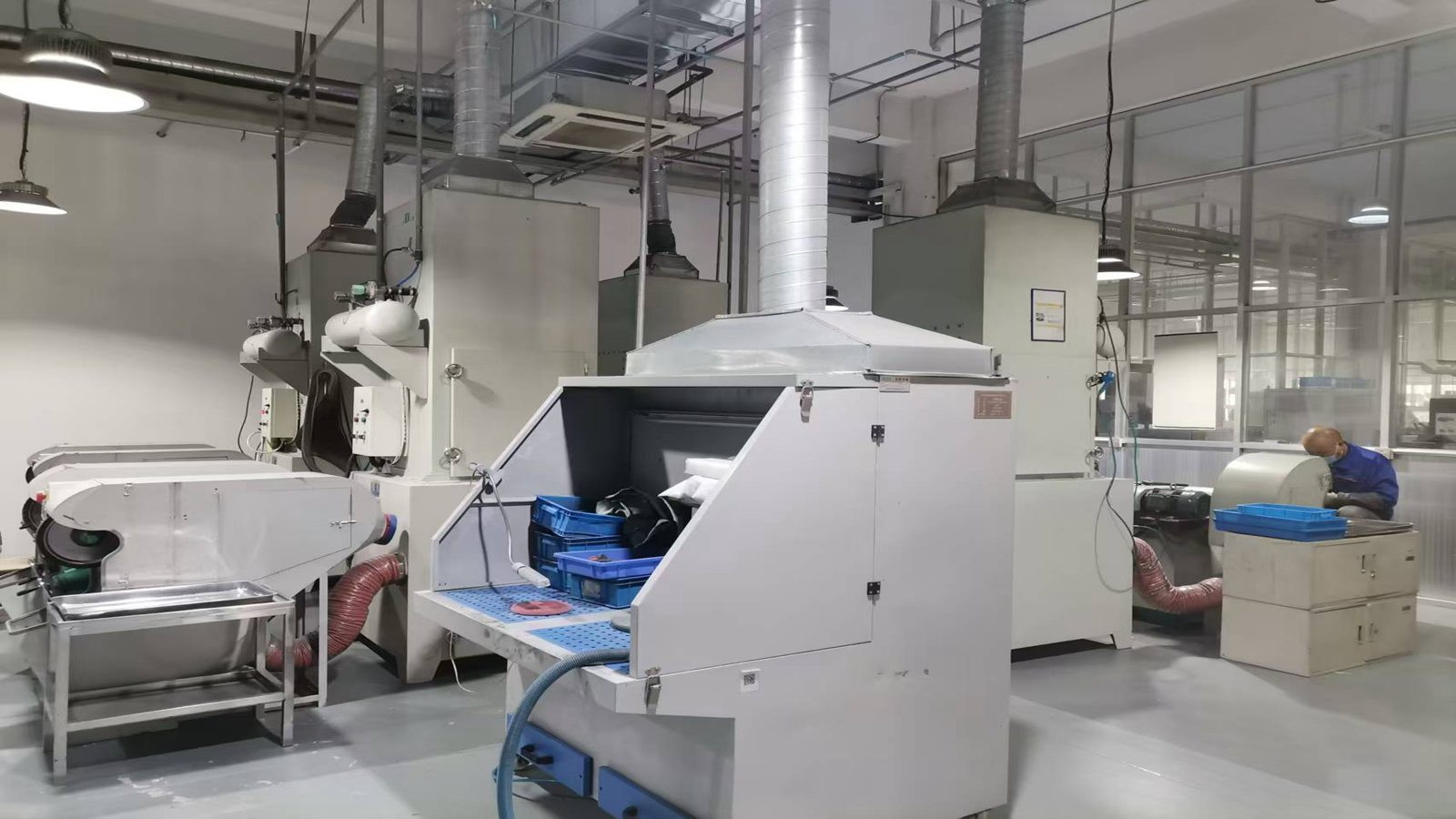
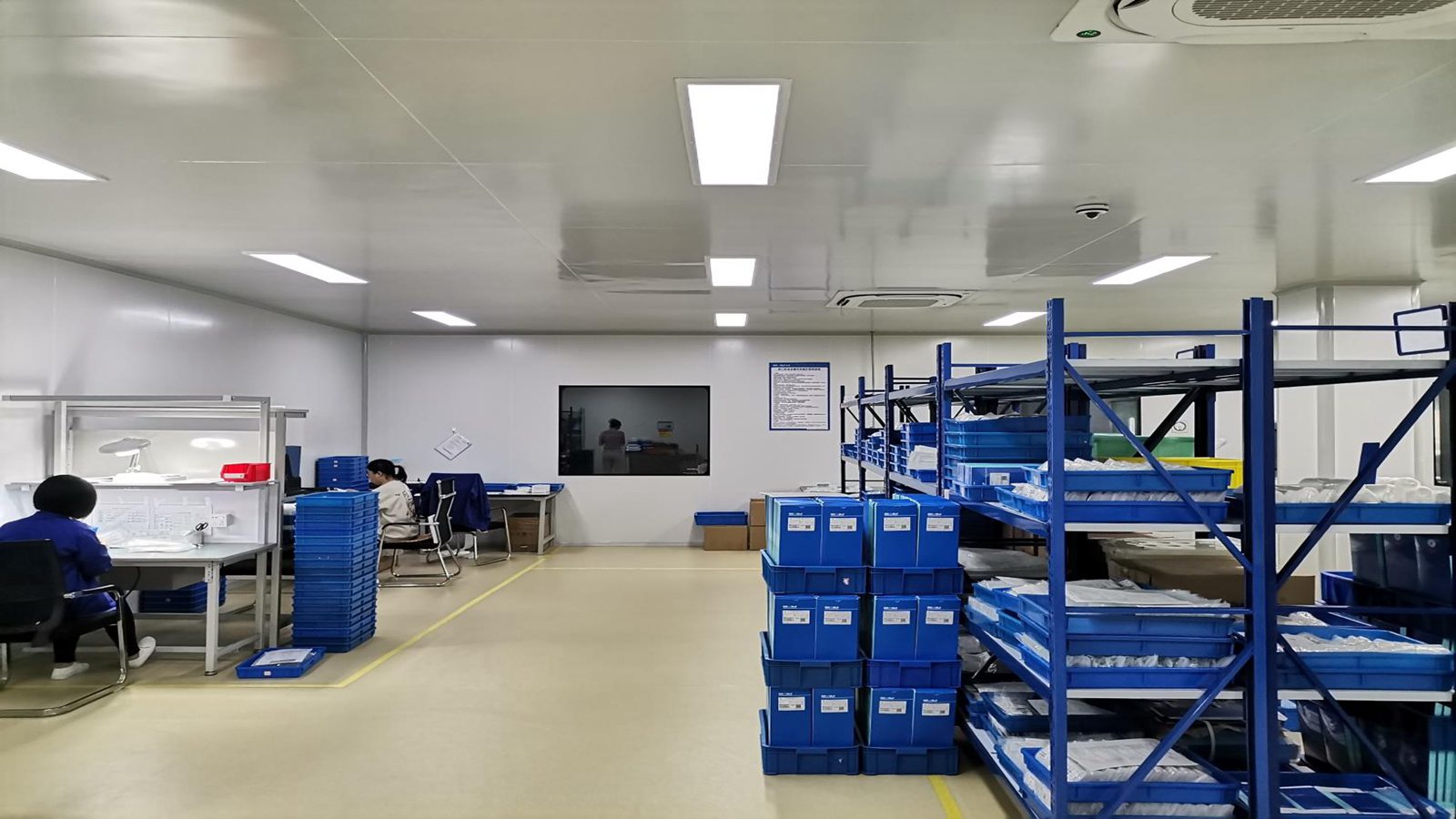
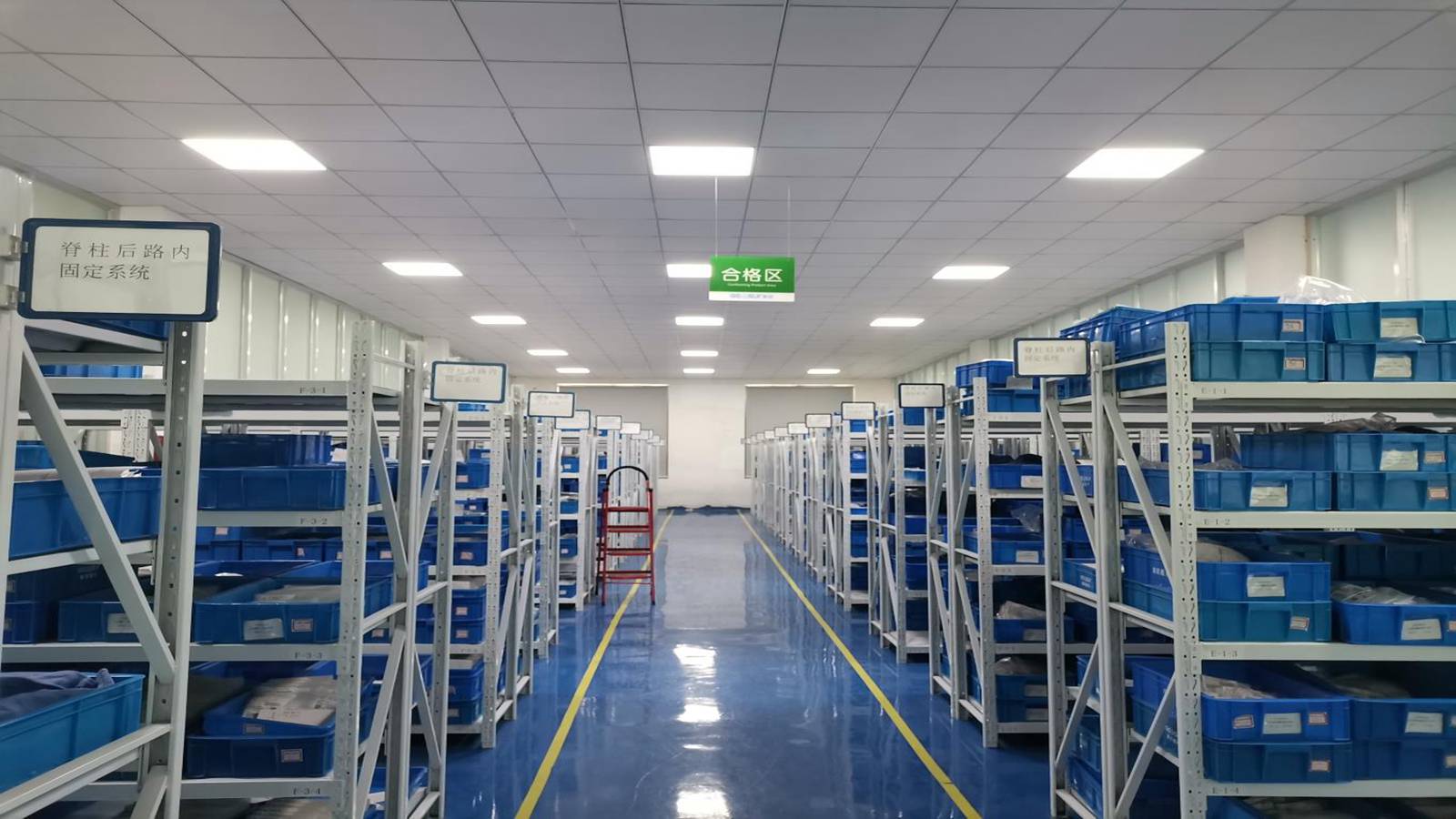
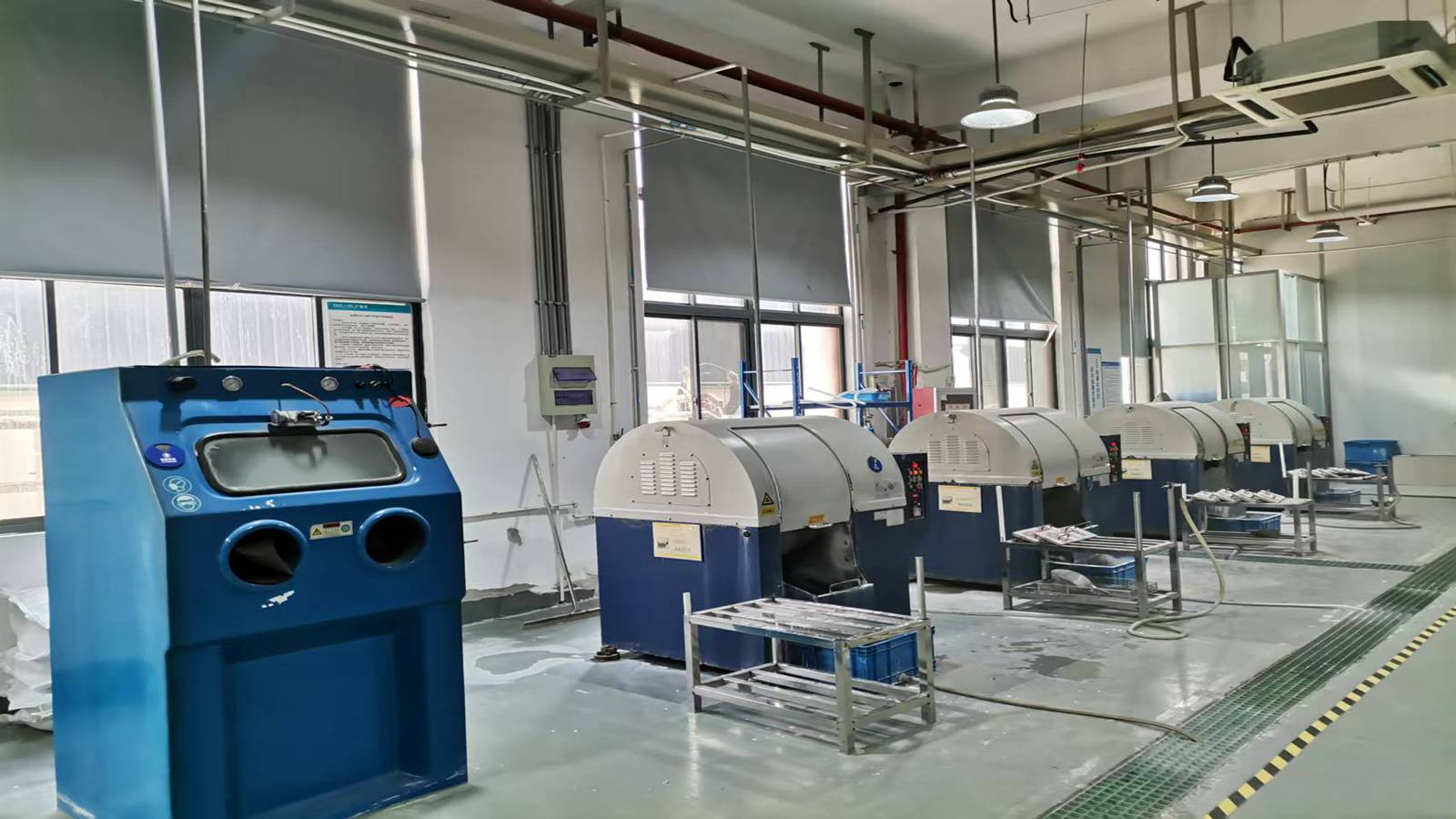
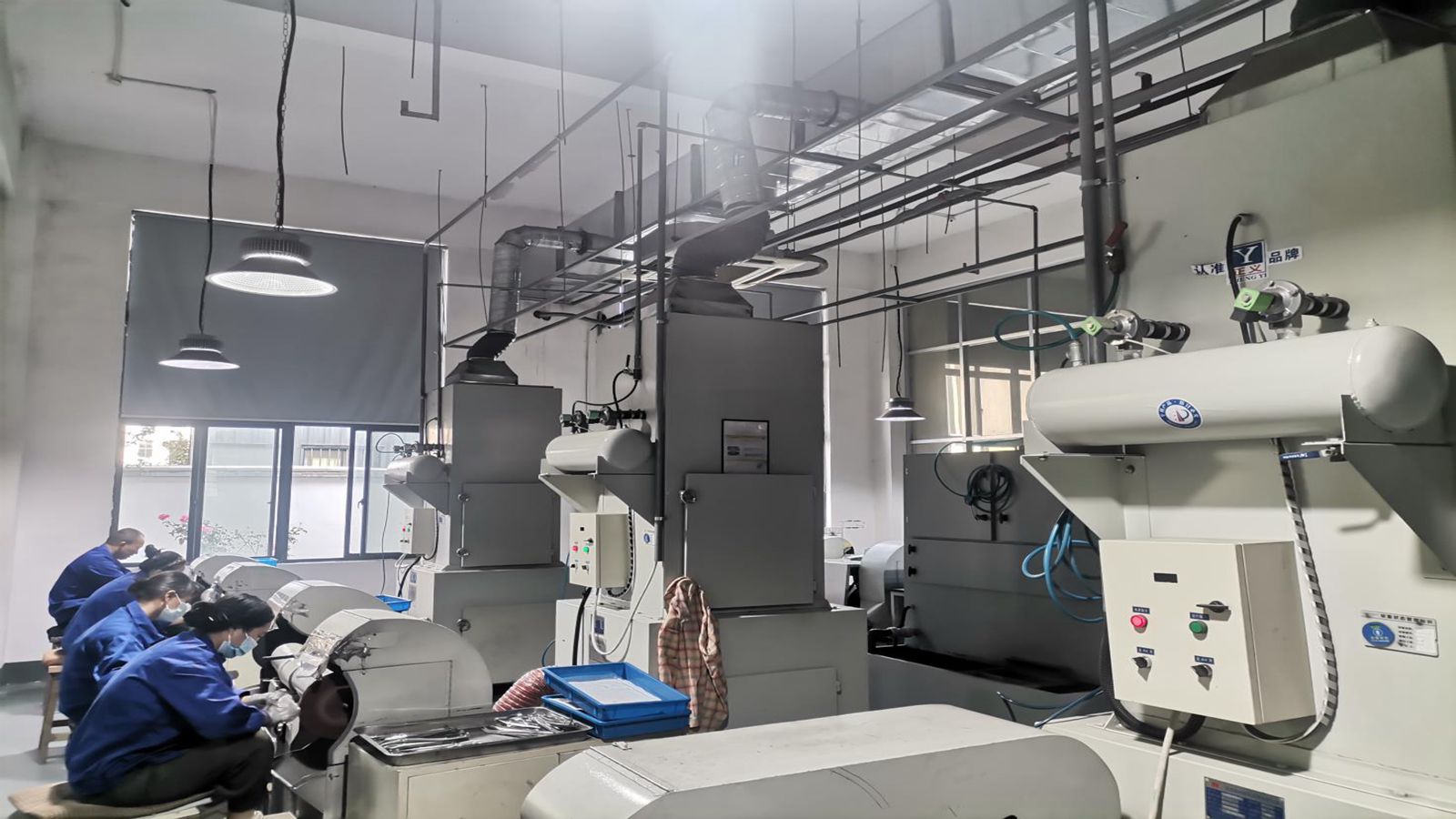
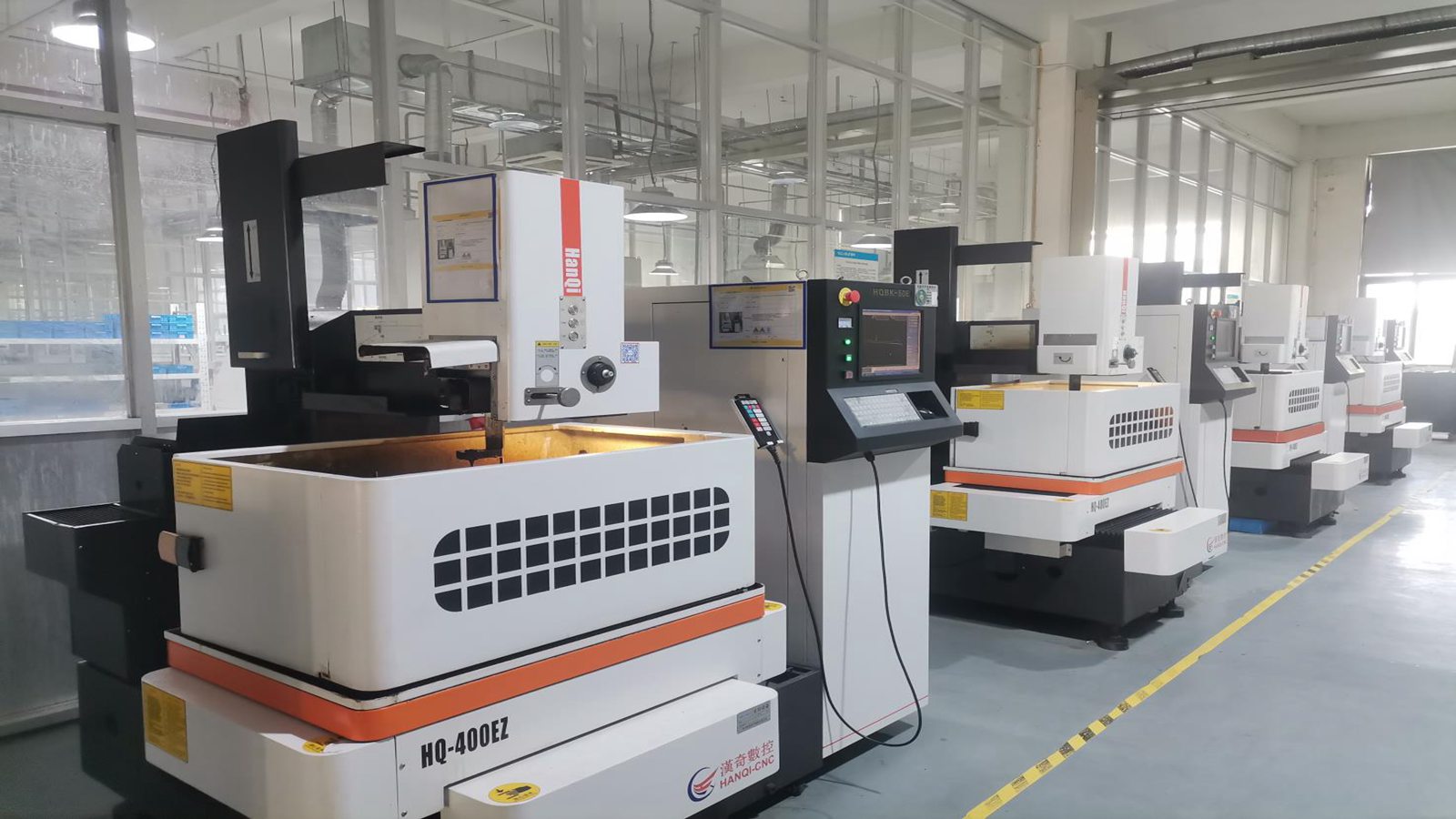
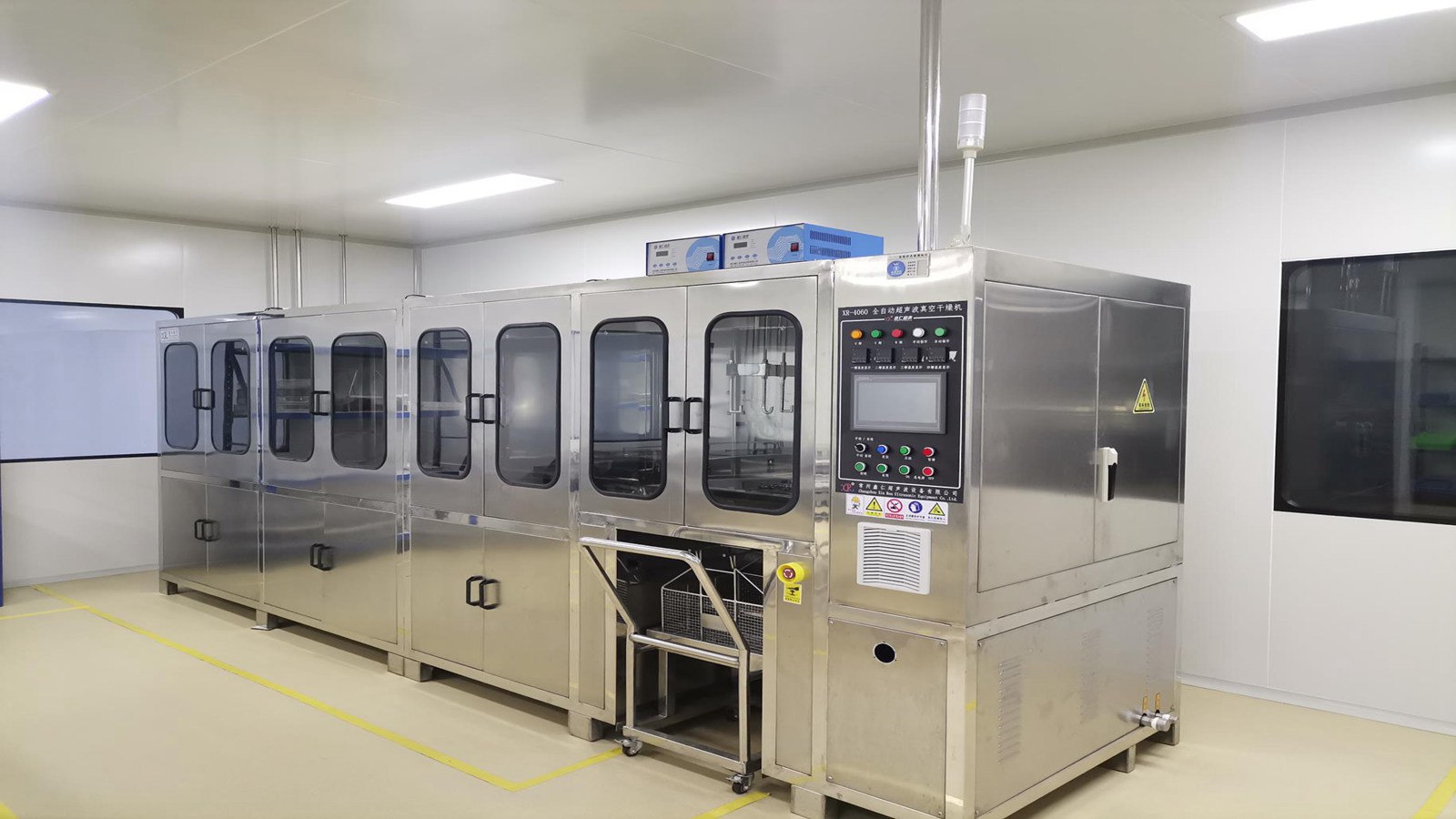
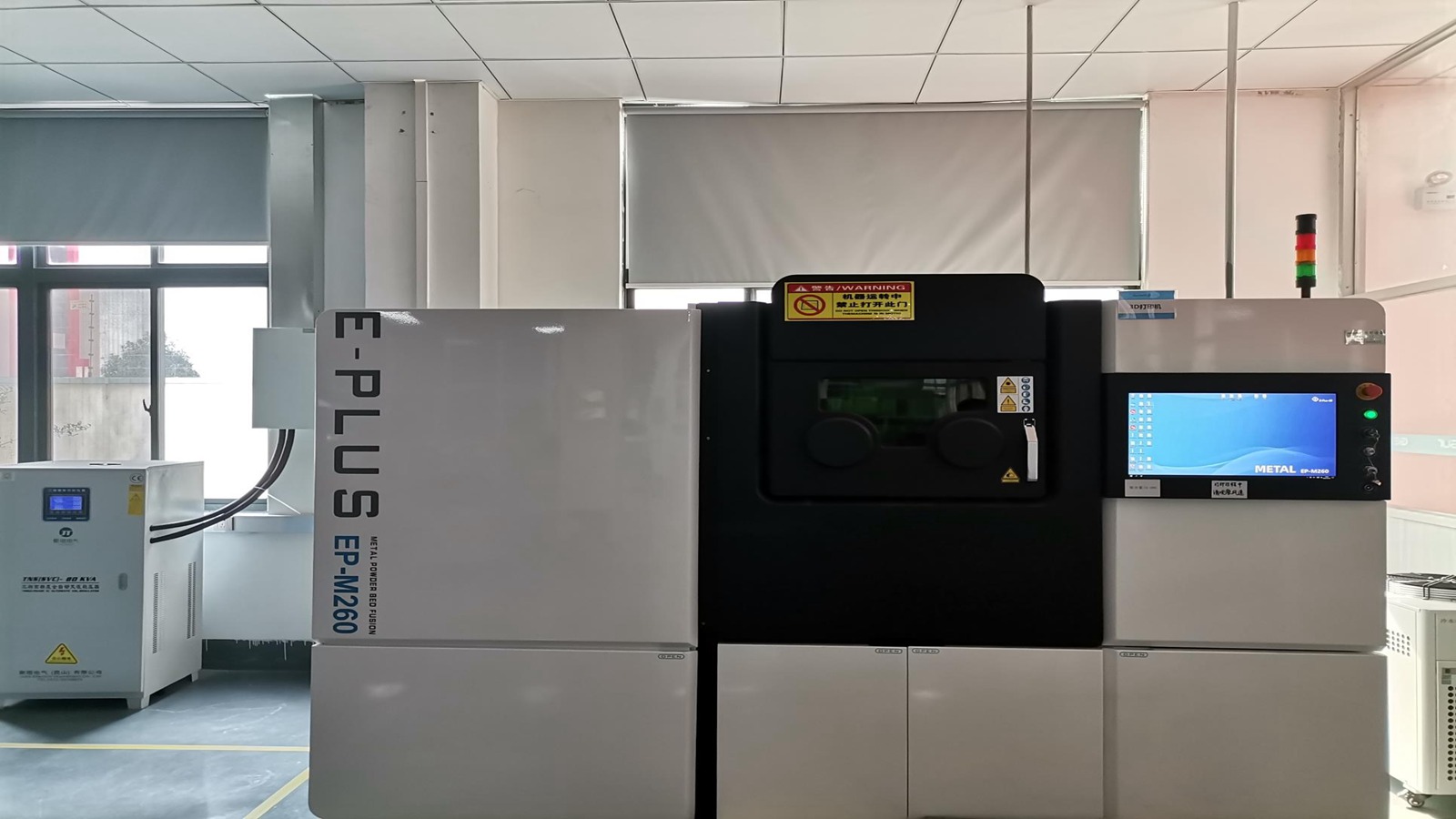
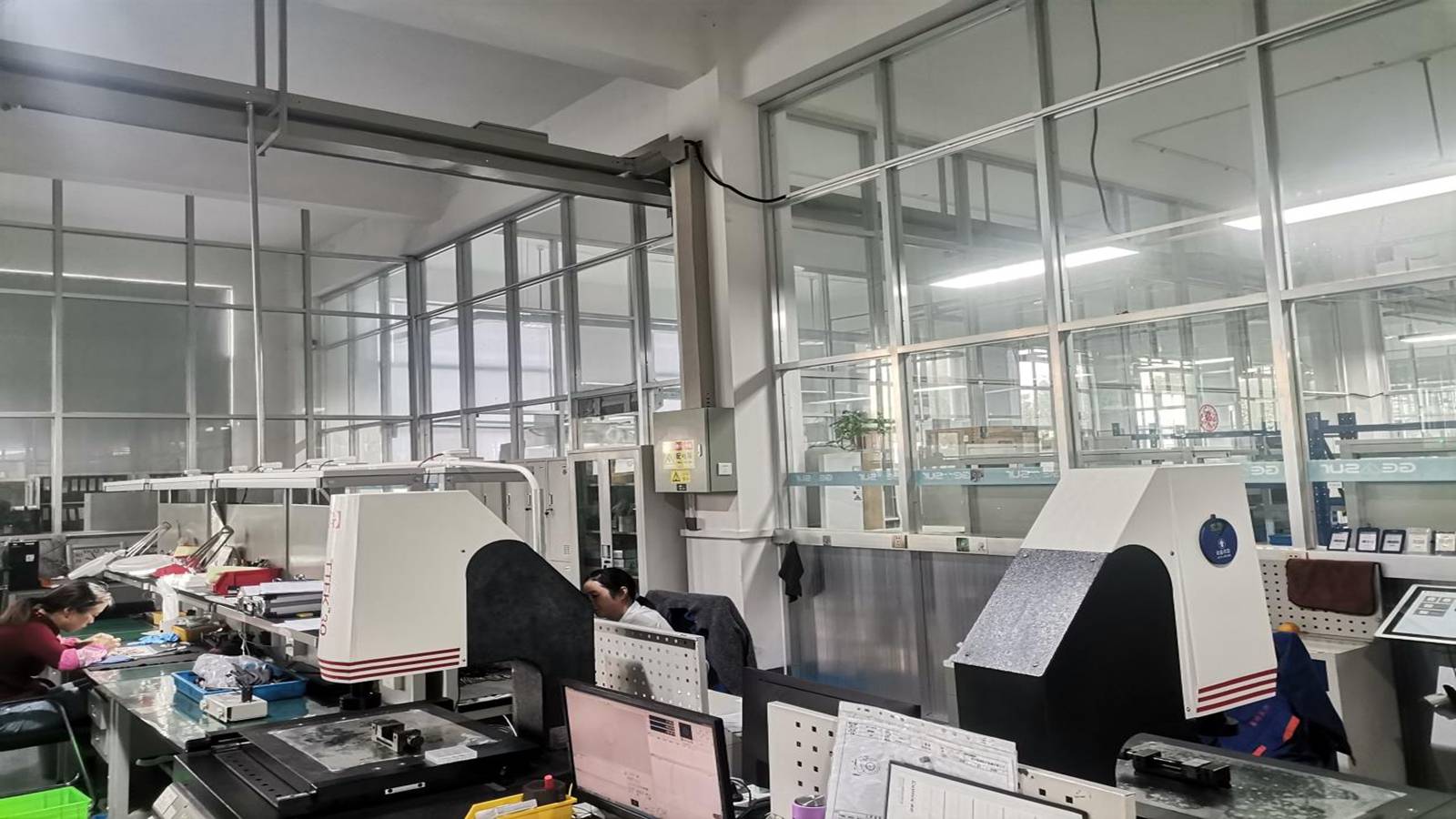
Authentic images from our ISO 13485 cleanrooms, CNC workshops, and advanced physical testing laboratories.
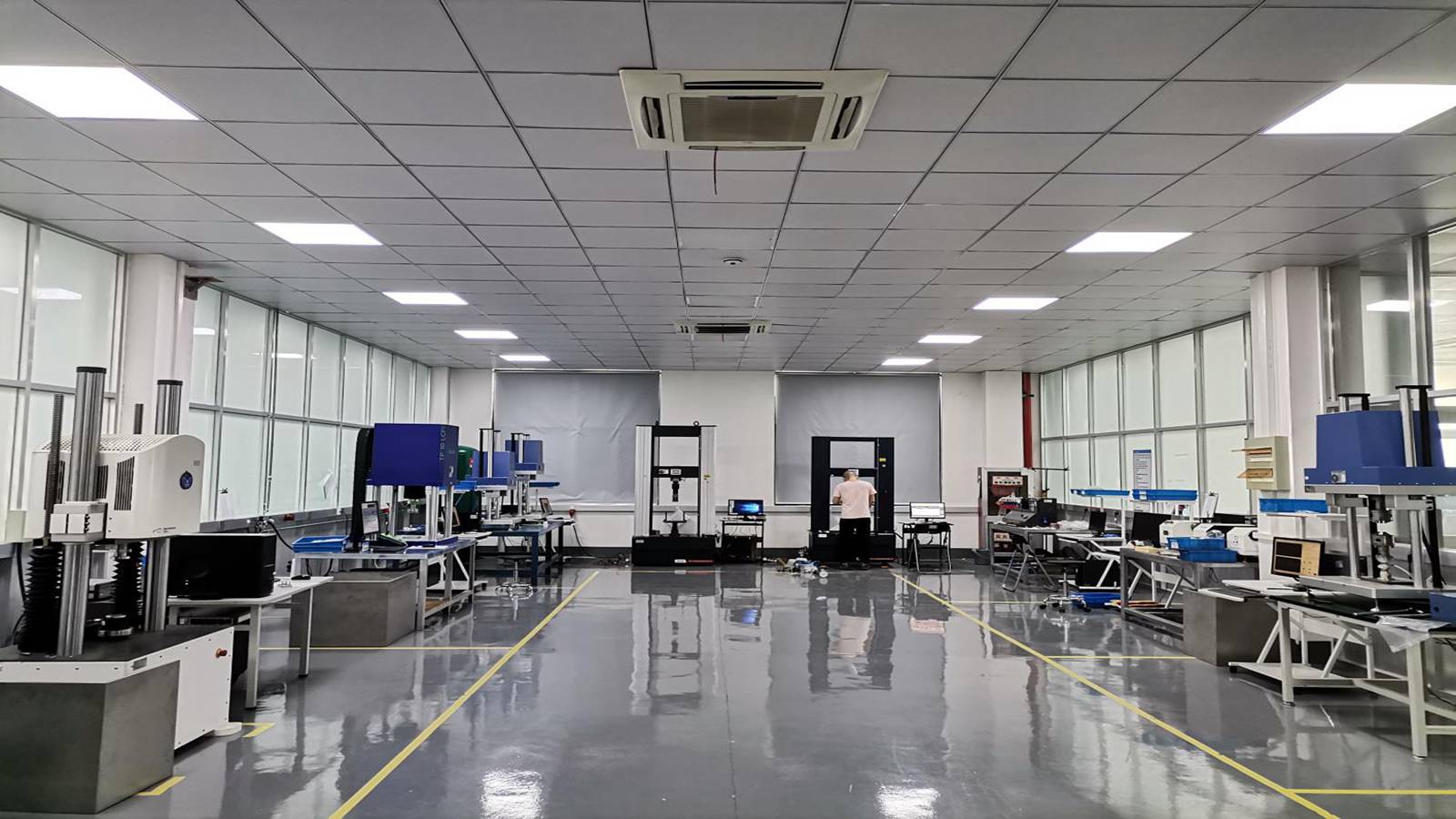
Technical and regulatory insights regarding spinal cage procurement, importation, and applications in Riyadh.
Elevate your clinical supply lines in Saudi Arabia. Connect with our technical experts to receive engineering specifications, regulatory certificates, or localized pricing guidelines.
Request Technical Dossier & Samples