Ease Medical Apparatus And Instruments
Ease Medical Apparatus And Instruments
Ease Medical Apparatus And Instruments
Advanced Orthopedic and Tissue Integration Instruments
Understanding the transition from mechanical sutures to bio-chemical bonding
In the modern clinical landscape, the global Tissue Adhesive market is witnessing an unprecedented CAGR of 8.5%. Traditional suturing methods are being supplemented or replaced by advanced cyanoacrylates and fibrin glues. This shift is driven by the demand for minimally invasive procedures and the need for rapid wound closure in emergency and trauma settings.
Smart adhesives that release therapeutic agents are the next frontier. As a leading supplier, we monitor the integration of bio-resorbable materials that disappear as the tissue heals naturally, reducing post-operative complications and secondary infections in orthopedic and spinal surgeries.
North America and Europe remain the largest consumers due to high healthcare expenditure. However, the Asia-Pacific region, spearheaded by China, is rapidly emerging as the global manufacturing hub, offering a balance of high-tier medical standards and cost-efficient production scales.
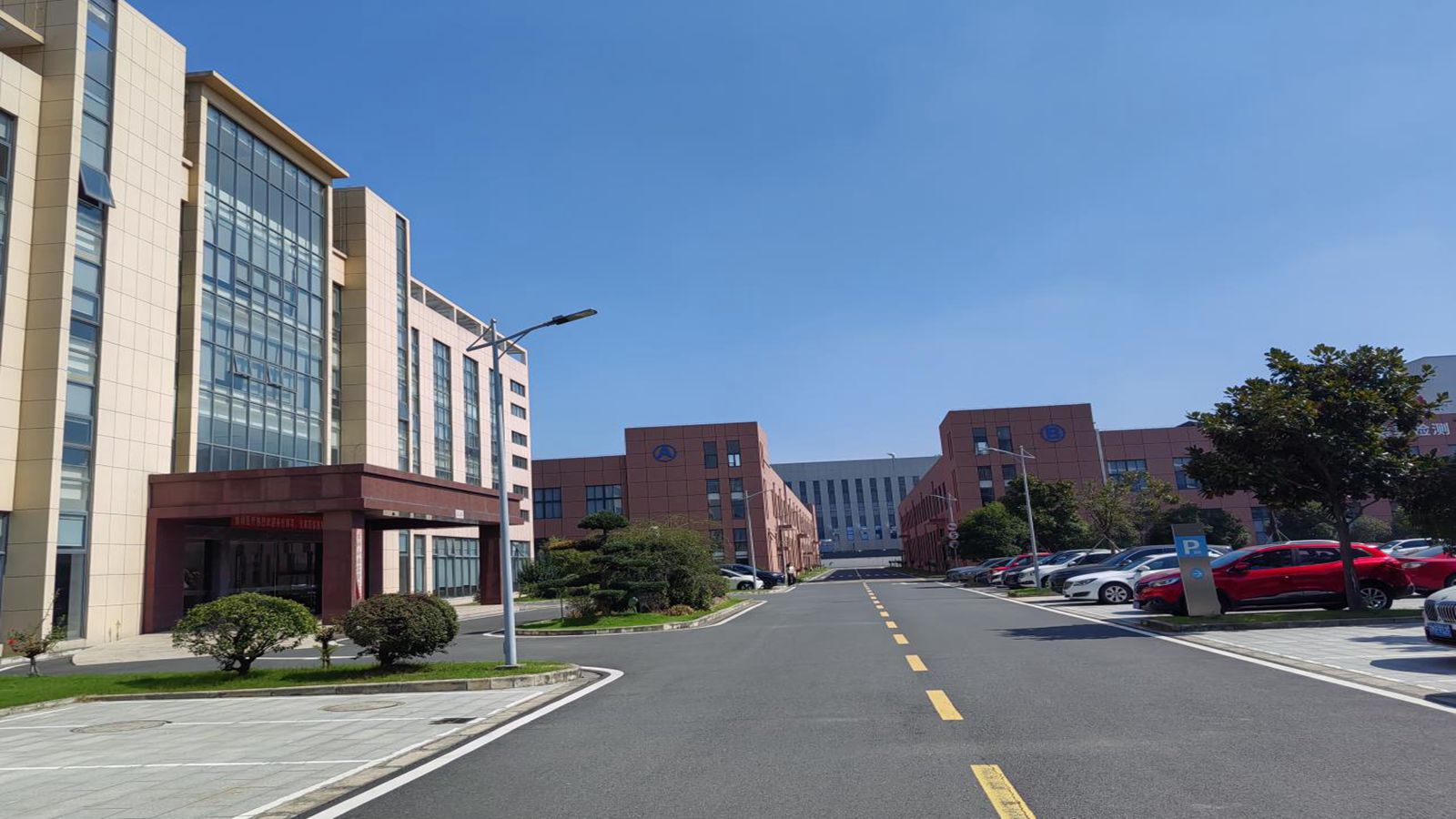
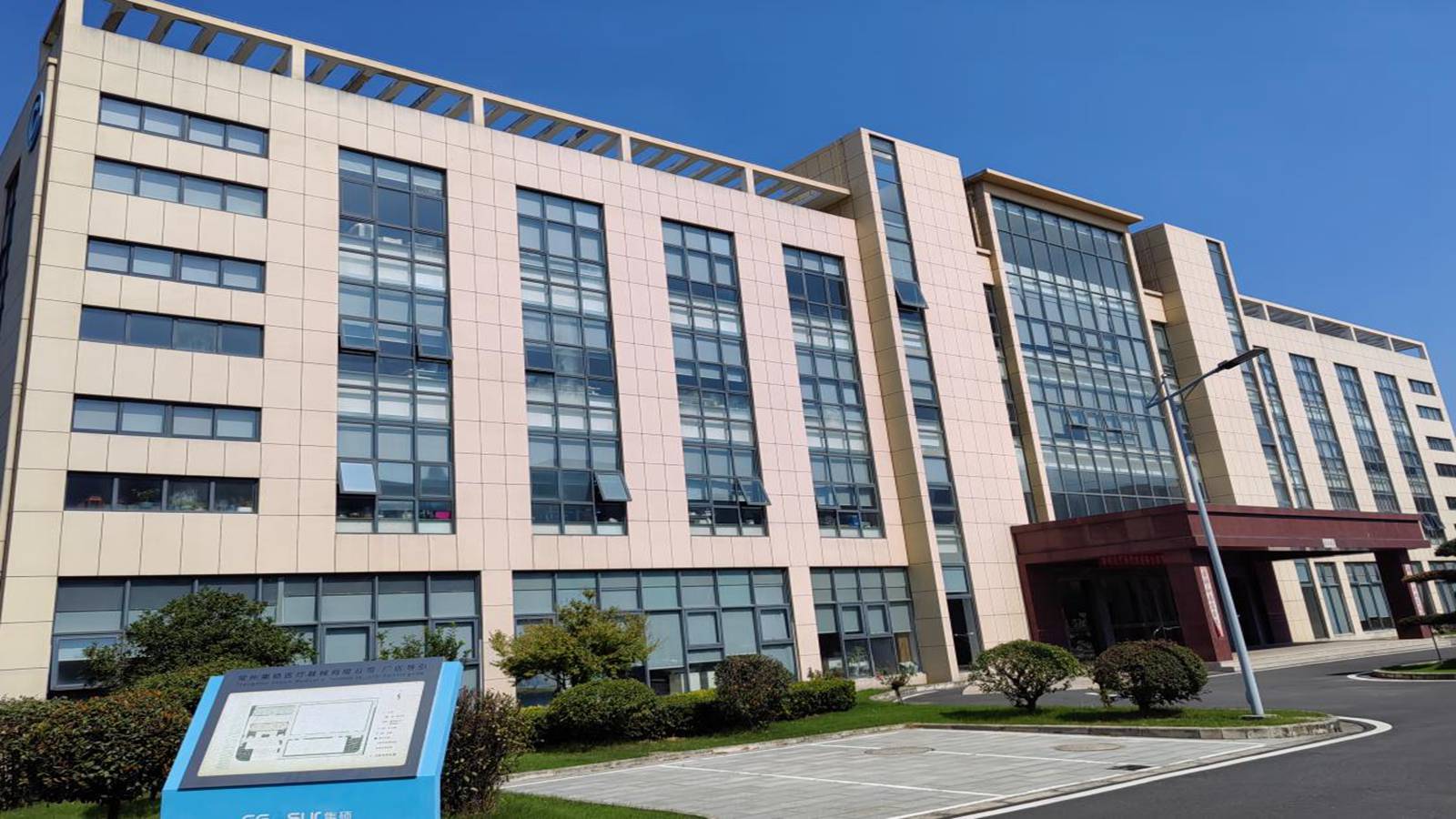
Leveraging 10 years of industrial expertise in surgical manufacturing
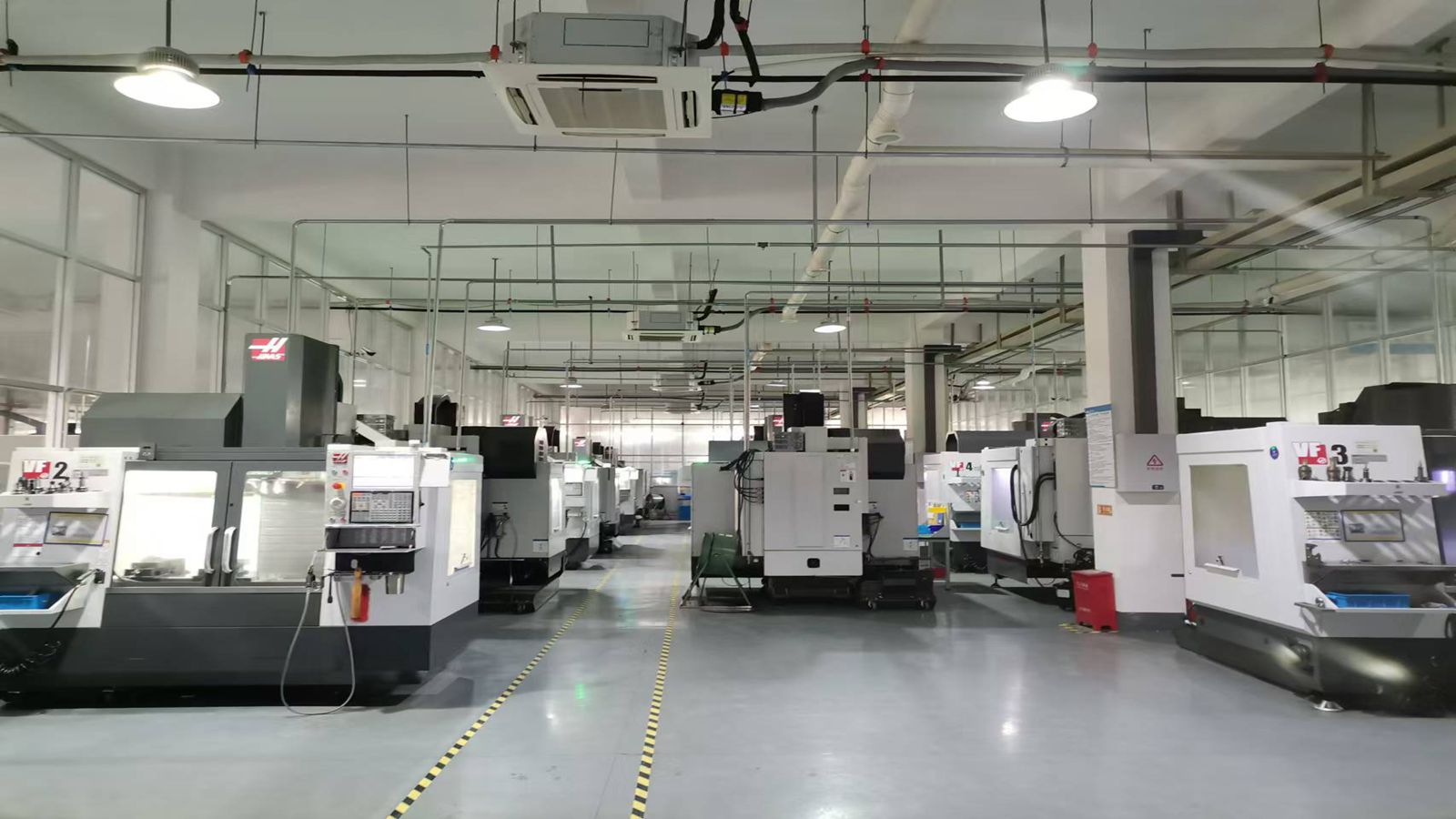
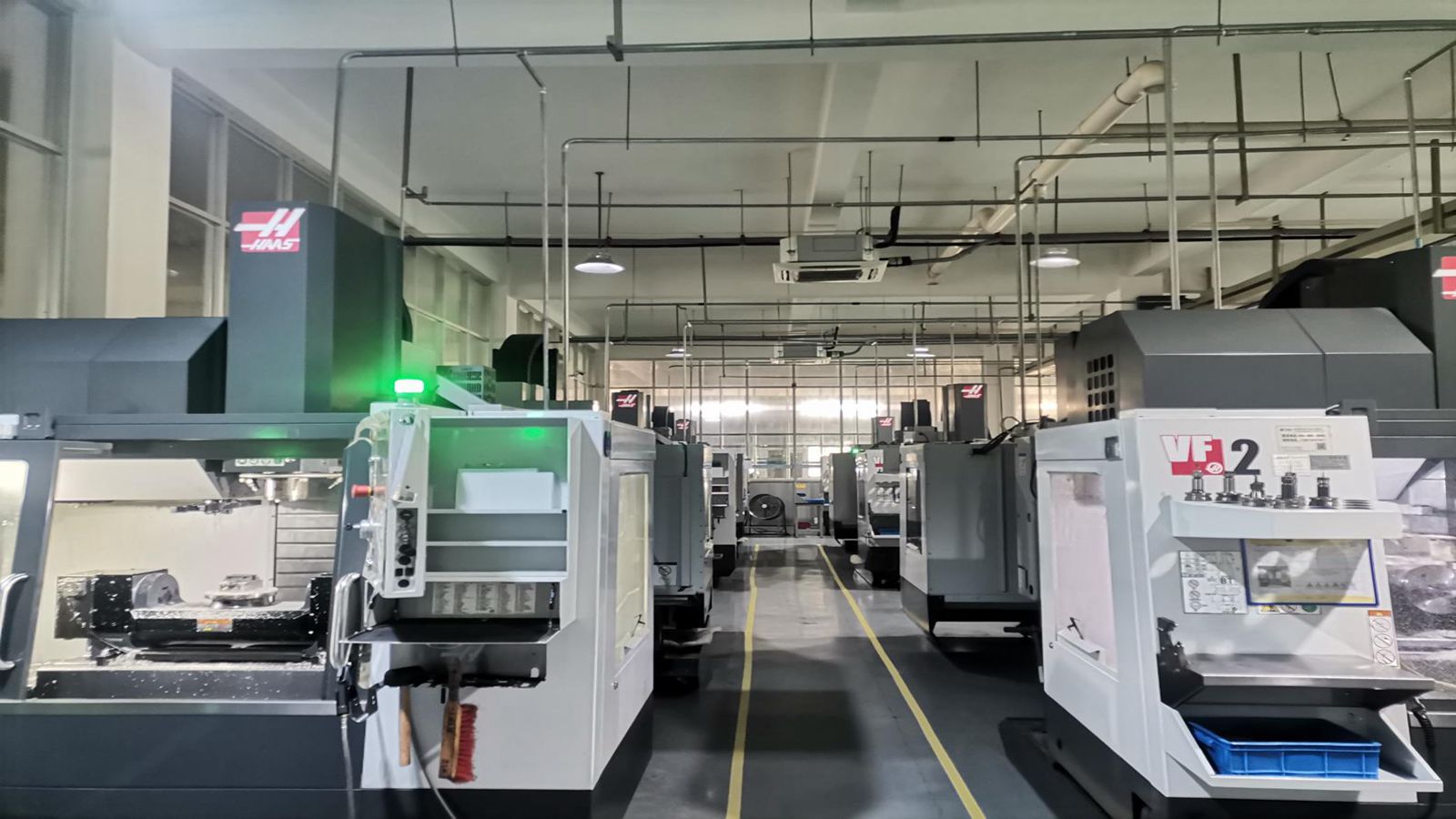
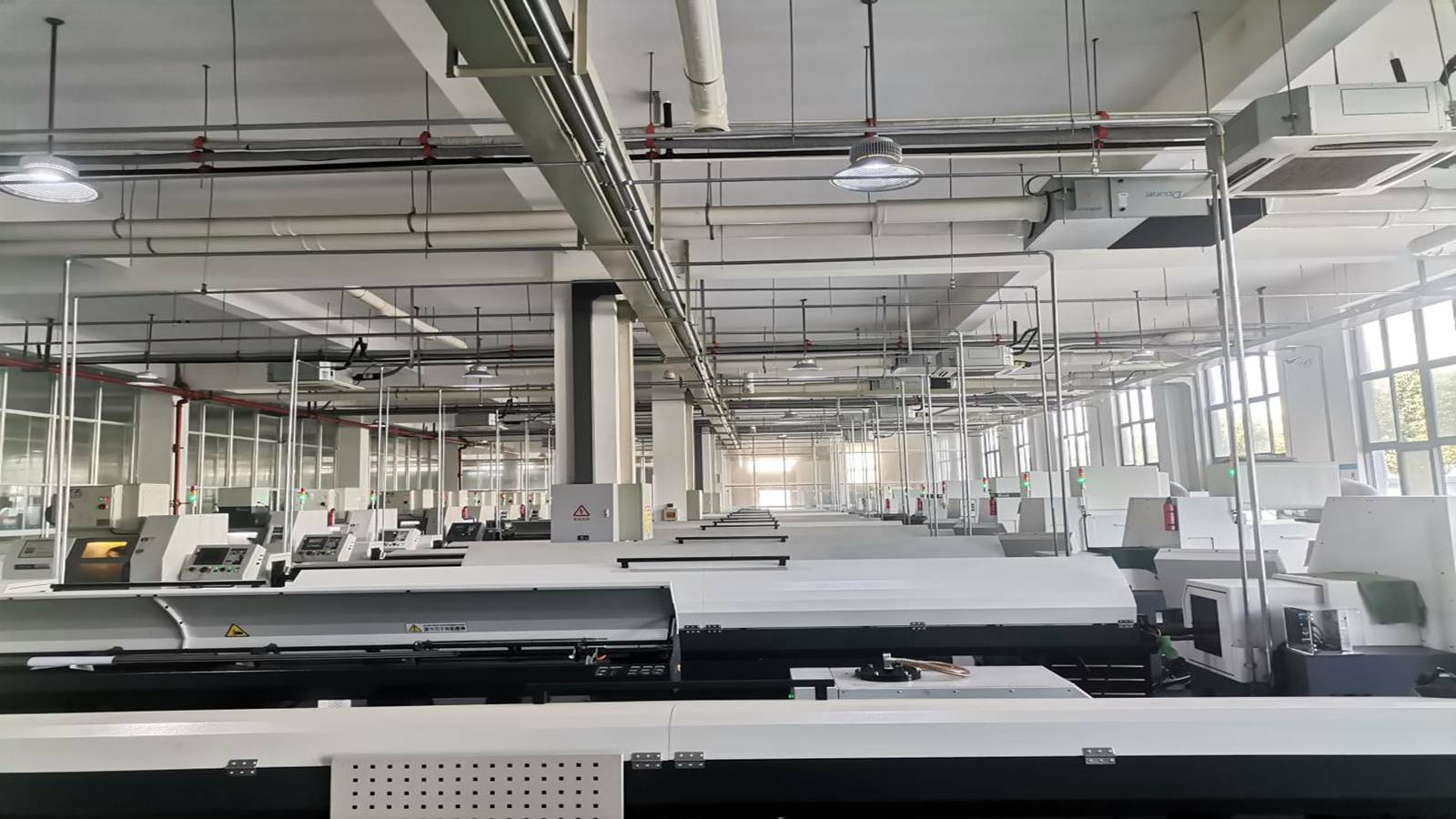
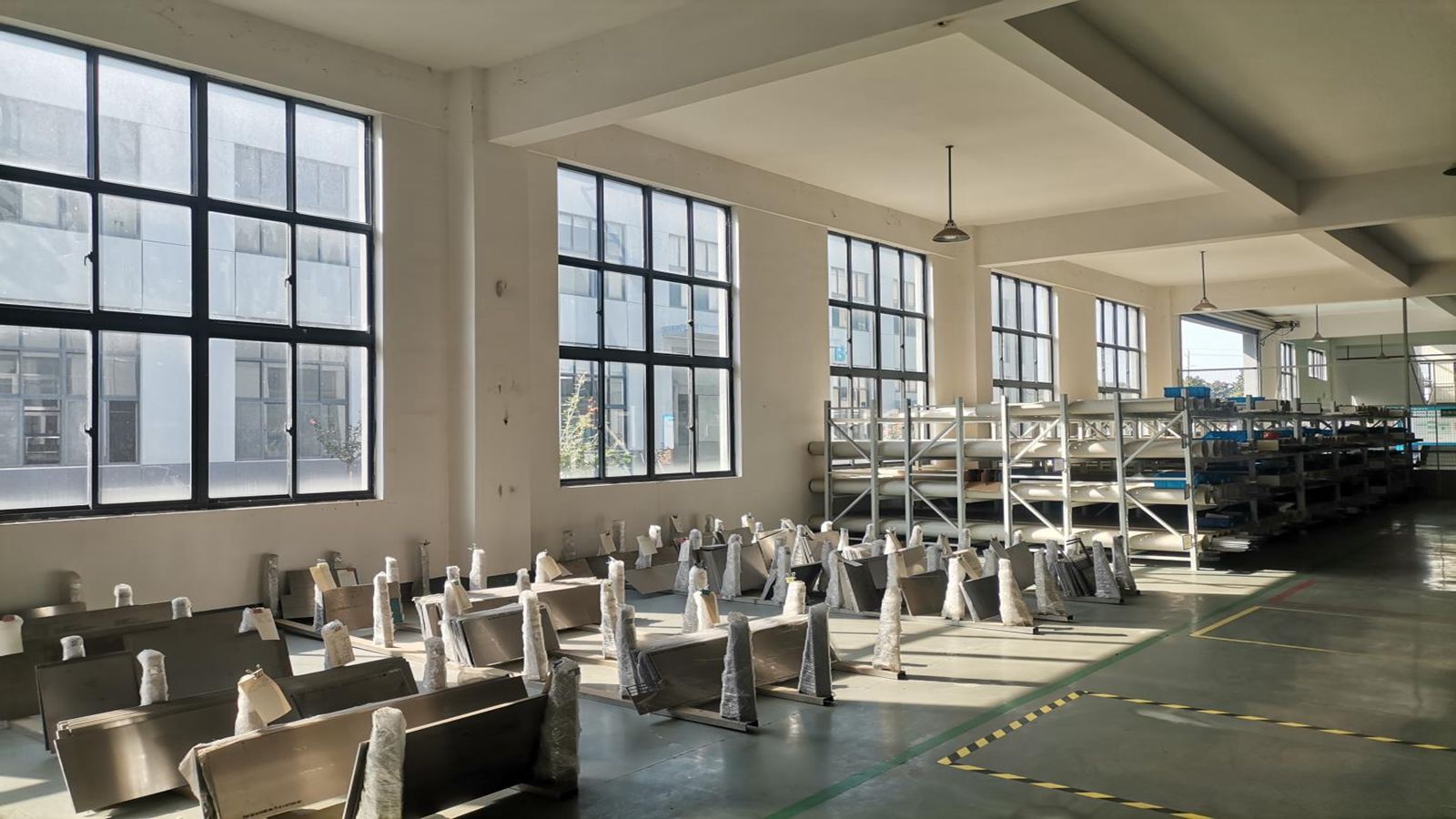
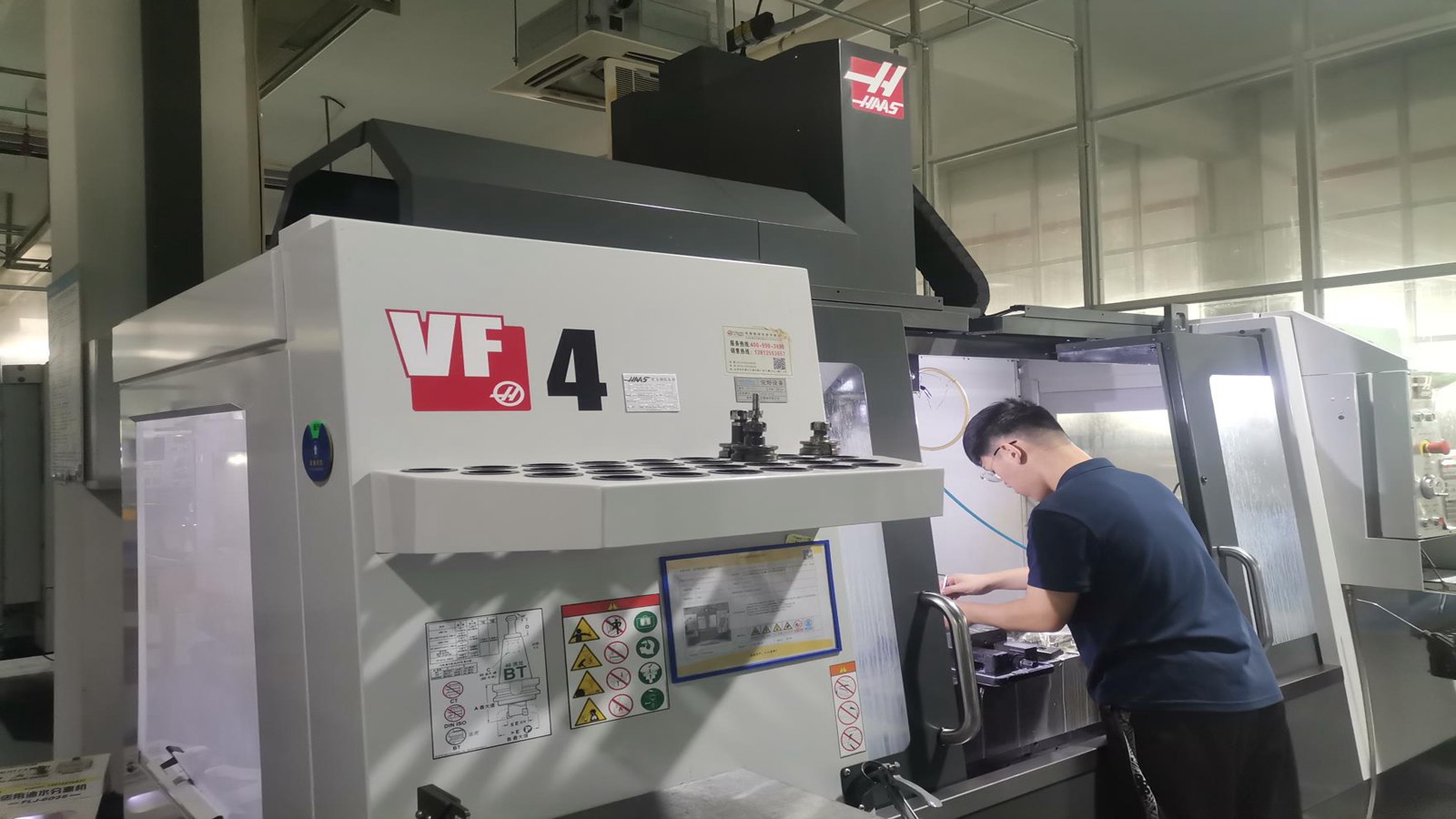
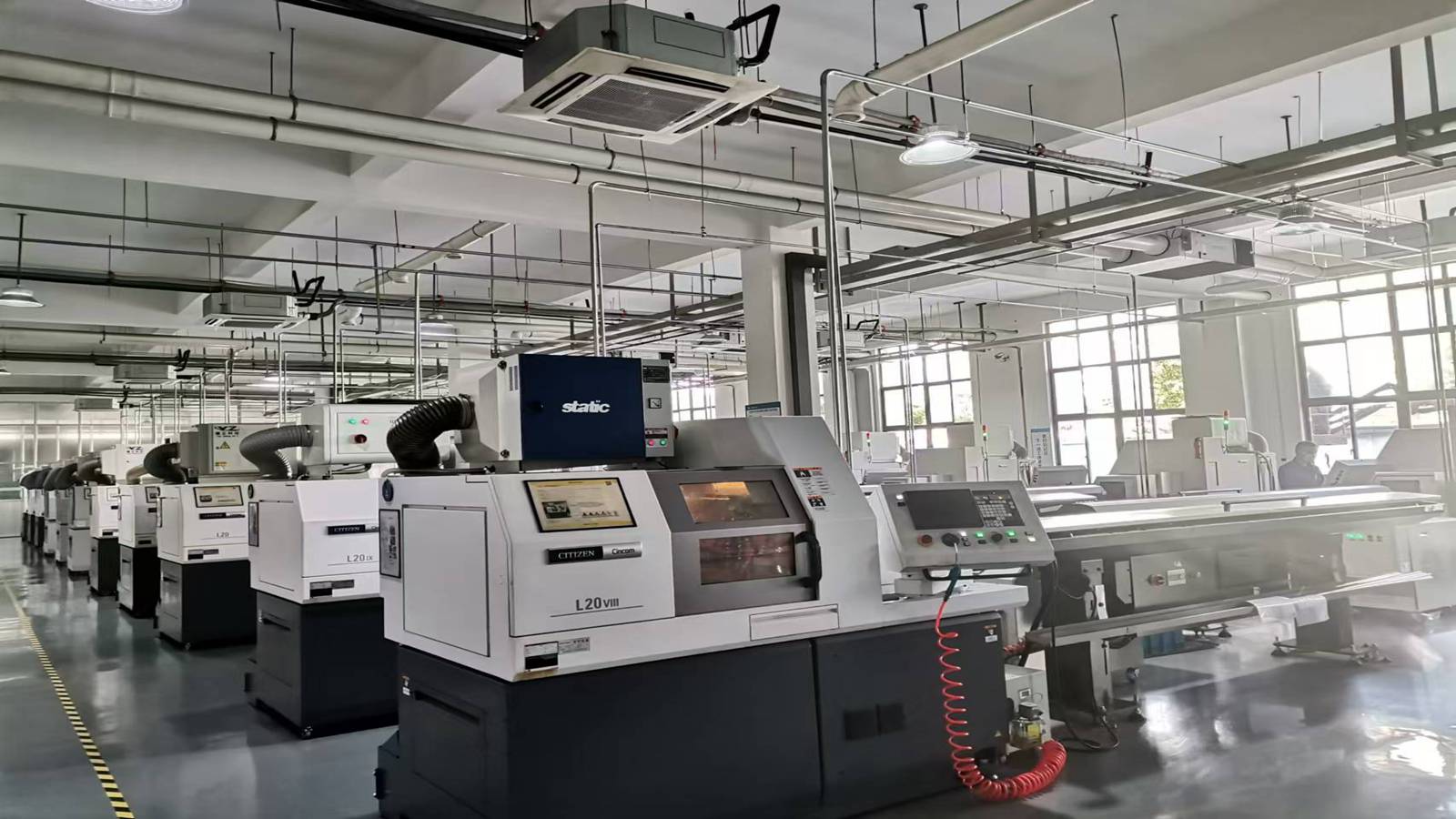
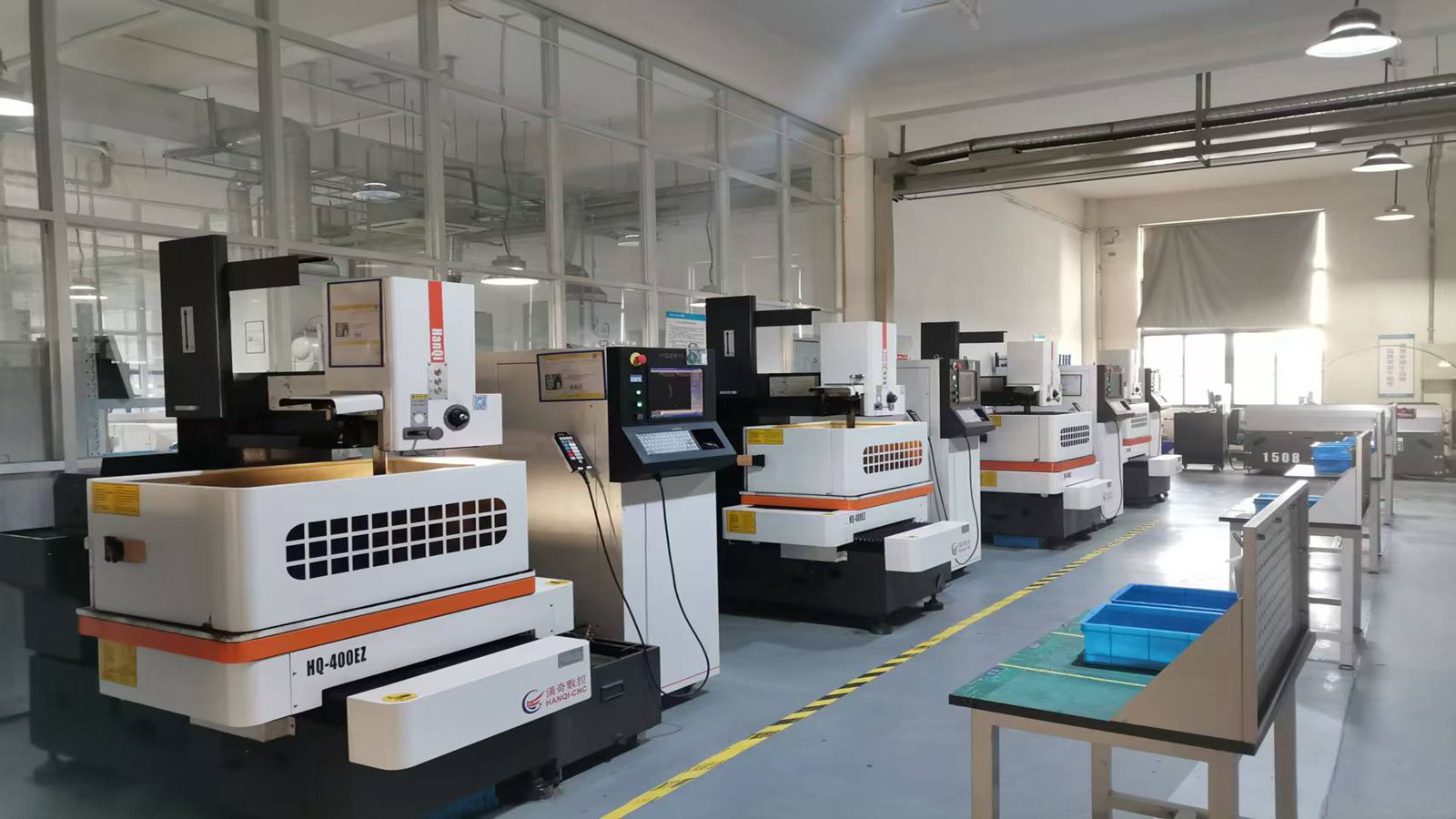
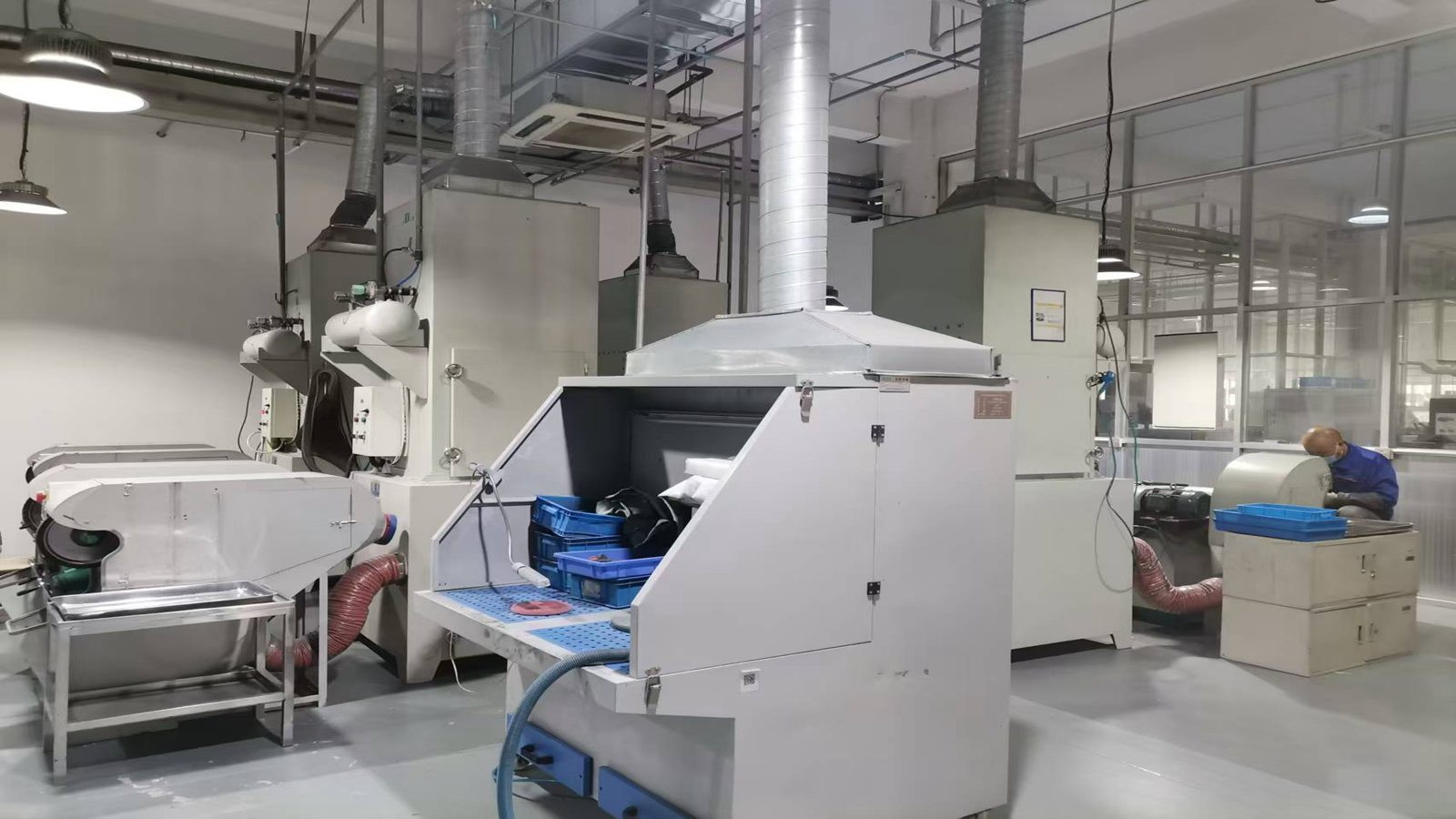
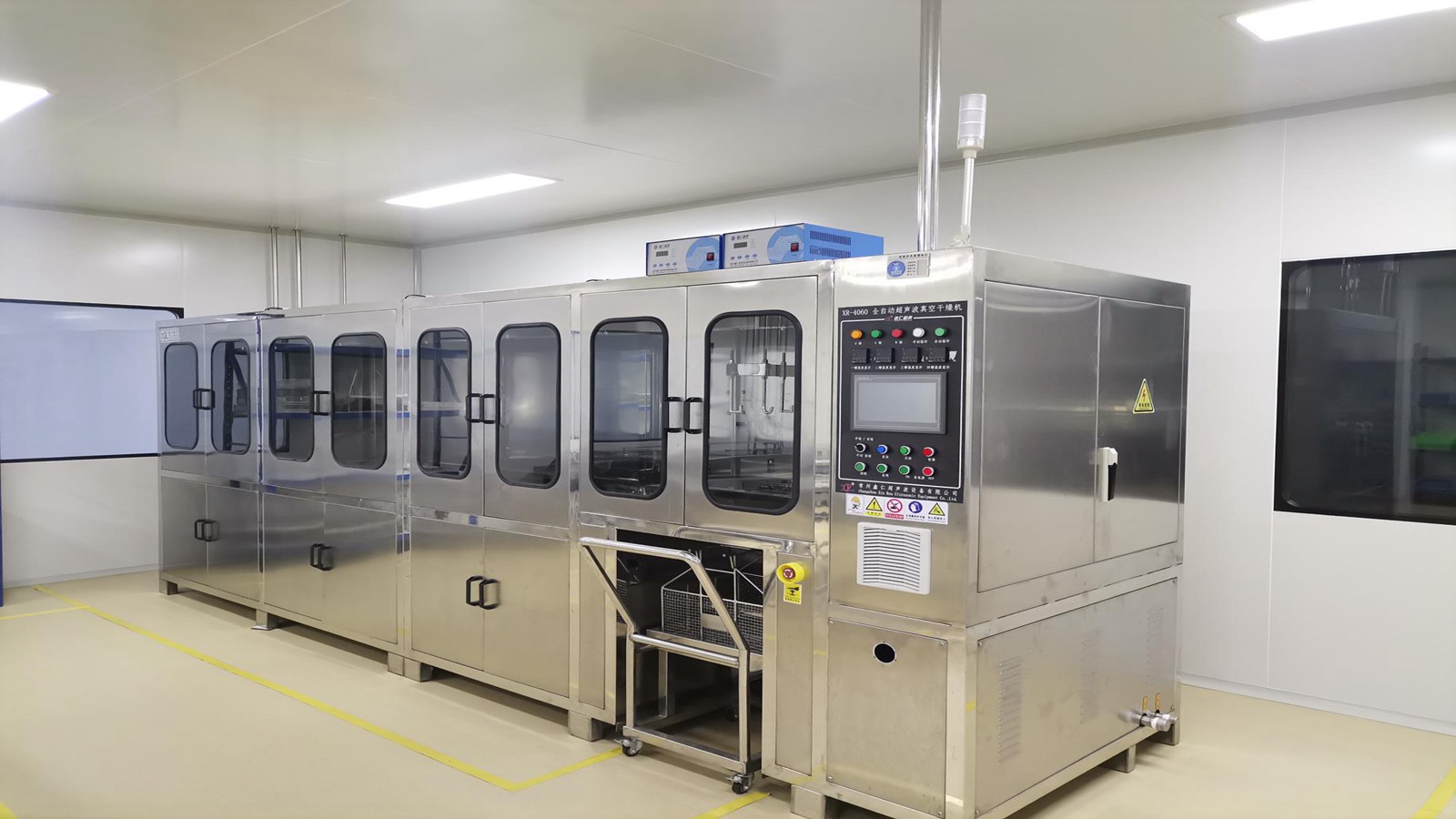
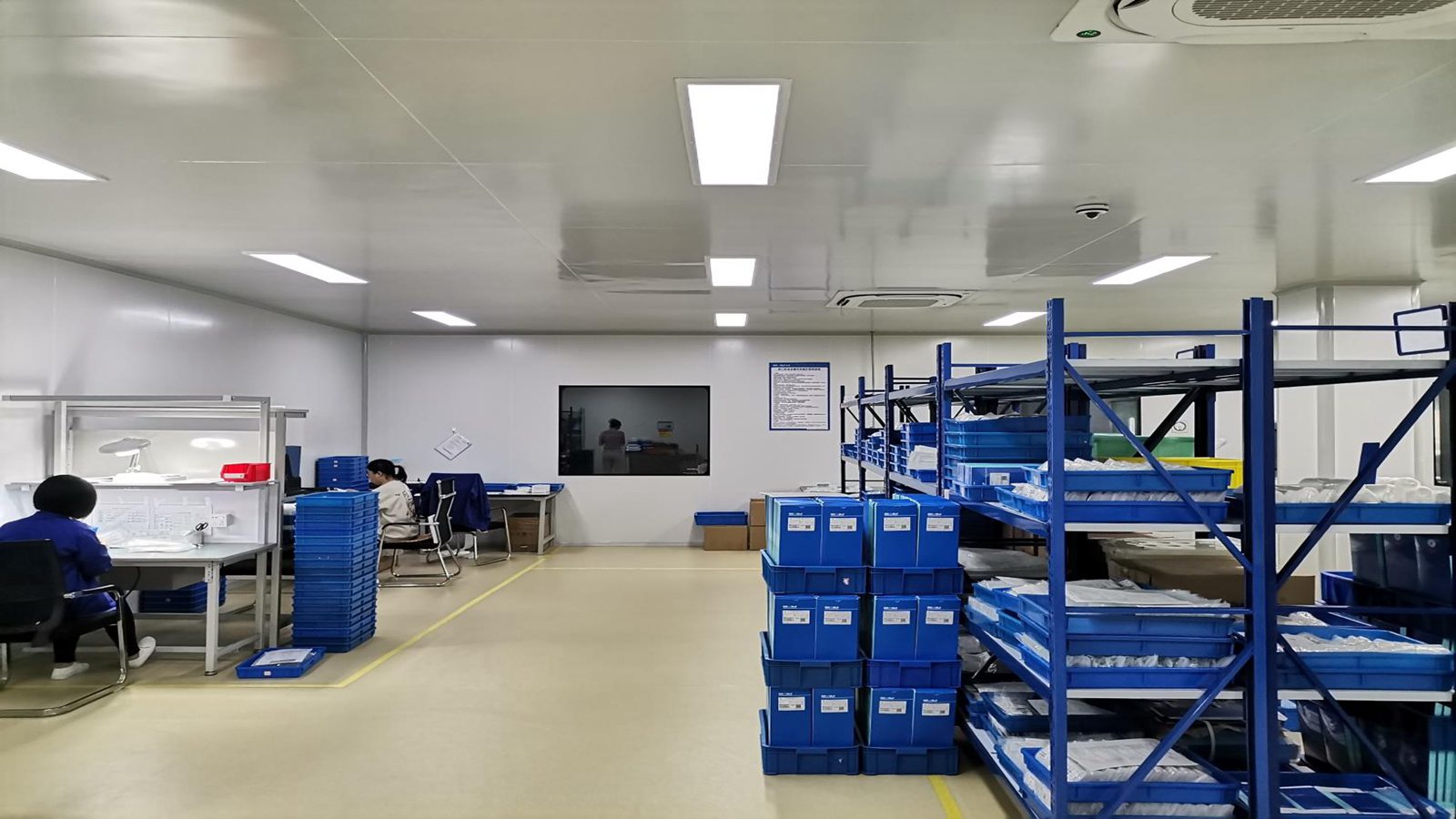
Our facility, spanning over 30,343 square meters, represents the pinnacle of Chinese medical manufacturing efficiency. With 12 automated production lines and 120 specialized machines, we ensure that every batch of tissue adhesive and orthopedic implant meets stringent global benchmarks.
From Spinal Reconstruction to Trauma Management
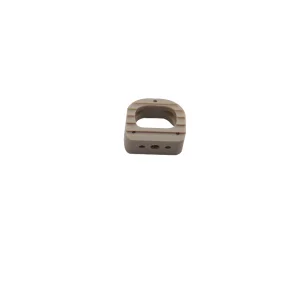
Our Spinal PEEK Cages and Titanium Screws are often used in conjunction with tissue adhesives to stabilize the posterior column. This dual approach ensures mechanical fixation while promoting biological sealing.
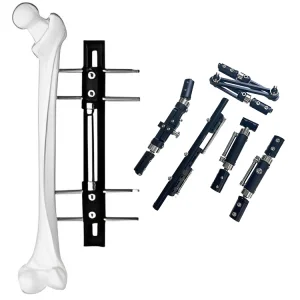
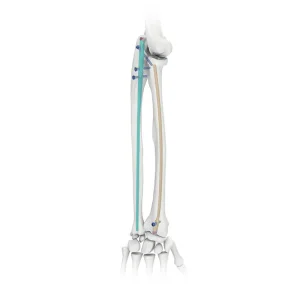
In cases of bone fracture, intramedullary nails (like our PFNA Femoral reconstruction nail) provide internal support, while adhesives assist in closing the incision site rapidly to prevent MRSA infections.
The use of Interspinous Process Fixation Devices requires precise, small-scale wound management. Our adhesives provide a waterproof barrier that allows patients to recover faster with minimal scarring.
Tissue adhesives represent a class of synthetic or semi-synthetic substances that can adhere to the surface of human tissue. The most common varieties include Cyanoacrylates (such as n-butyl-2-cyanoacrylate), which polymerize upon contact with moisture on the skin or internal tissues. As a top-trusted factory, we prioritize the purity of these polymers to ensure zero cytotoxicity.
Global medical distributors look for three pillars when selecting a supplier: Safety, Scalability, and Sovereignty of technical data. In the current geopolitical climate, "Supply Chain Resilience" has become the primary procurement intent. Our factory addresses this by maintaining massive raw material traceability and a 12-line production capacity that can scale overnight to meet sudden global demand.
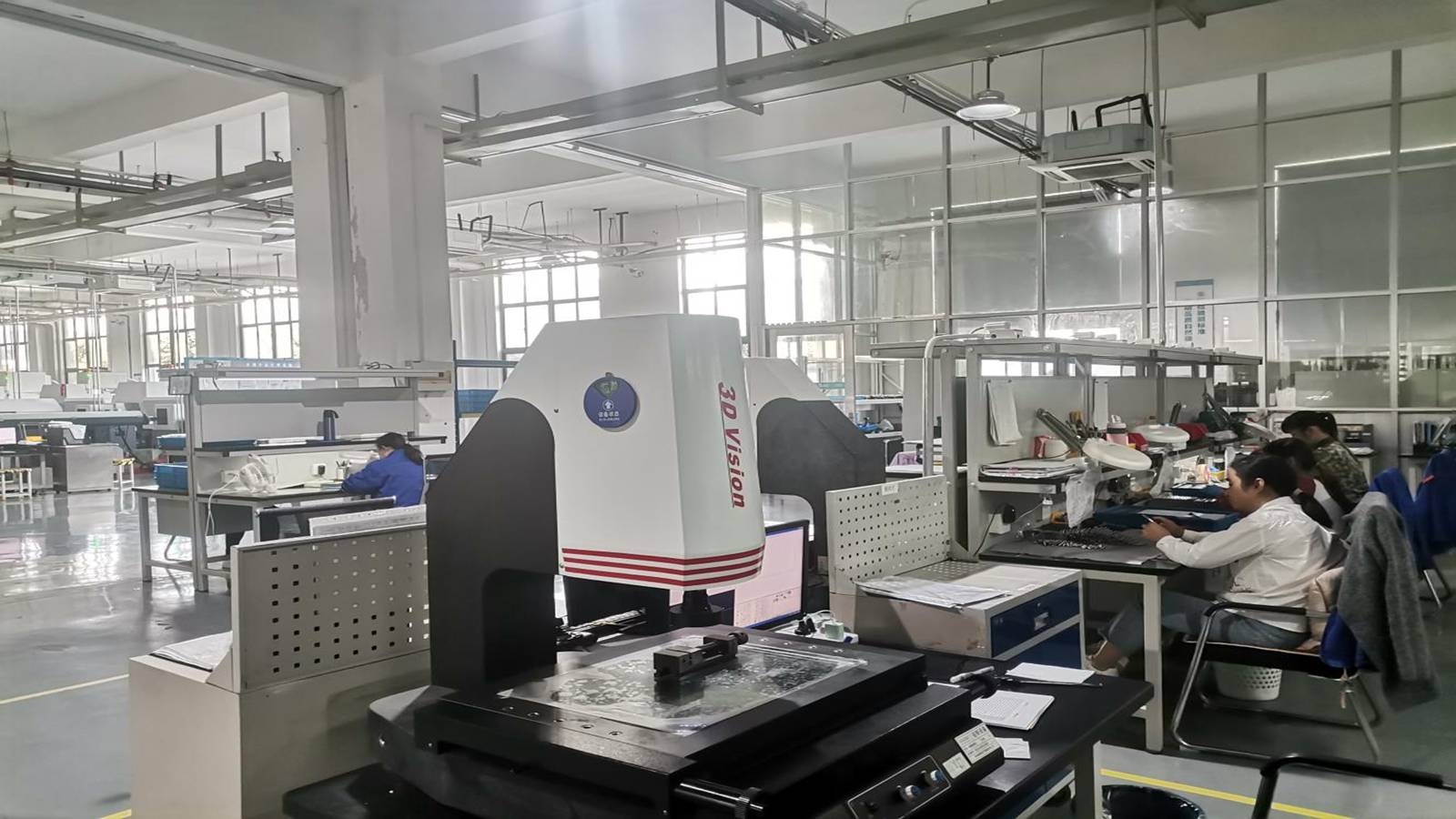
We are integrating AI-driven visual inspection systems. These "Smart Eyes" can detect microscopic flaws in the threading of a 2.7mm torque limiter or the viscosity consistency of a batch of adhesive, far exceeding human capability. This "AI Tech Feel" isn't just aesthetic; it's a commitment to precision medicine.
The next generation of tissue adhesives focuses on Biomimicry. By mimicking the adhesive properties of marine organisms, researchers are developing glues that work effectively in high-moisture surgical environments (like cardiac or vascular surgery). Our R&D team is currently investigating protein-based adhesives that integrate seamlessly with the extracellular matrix.
Direct answers for procurement professionals and medical practitioners
A Glimpse into our ISO-Certified Production Environment
Precision Instruments for Global Procurement