Ease Medical Apparatus And Instruments Ease Medical Apparatus And Instruments
Global Orthopedic & Surgical Supply Chain Whitepaper

China Top Bone Graft Factories & Supplier

An Executive Analysis on Advanced Bio-Materials, Precision Surgical Implants, Medical Equipment Procurement, and International Compliance Engineering.

Global Bone Graft Procurement Dynamics & Macro Industry Whitepaper

1. Strategic Procurement Drivers in Global Orthopedics

The global bone graft and spinal fixation industry is undergoing a paradigm shift driven by demographic aging, an increasing incidence of traumatic skeletal injuries, and higher adoption of Minimally Invasive Surgeries (MIS). Hospital procurement boards, B2B medical distributors, and OEM original equipment partners face growing requirements for bio-compatible implants that offer superior osteoconductive structures while drastically lowering Total Cost of Ownership (TCO).

Procurement officers evaluating China's top bone graft factories and suppliers look beyond basic manufacturing capacity. Modern intent mining reveals key buying parameters: biological osteoinductivity, mechanical yield stress resistance under cyclic fatigue, strict cleanliness assurance, and full compliance with evolving regulatory standards such as the EU Medical Device Regulation (MDR 2017/745) and the international MDSAP framework.

2. Key Technical Selection Criteria for Implants

Evaluating bone graft substitutes, titanium lamina fixation plates, and spinal interbody cages involves multi-factor material science validation. Surgical grade Pure Titanium (Grade 4 & Grade 5 ELI Ti-6Al-4V) and medical-grade Polyether Ether Ketone (PEEK) represent the benchmark standard in clinical efficacy.

Critical Information Gain Insight: The efficacy of bone graft integration depends heavily on surface topography (micro-roughness for osteoblast attachment) and Young's modulus matching to human cortical and cancellous bone to eliminate stress shielding.

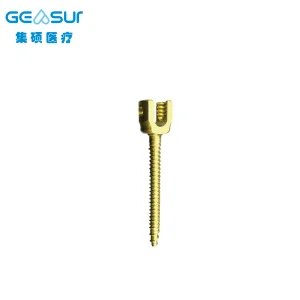
Leading Chinese suppliers provide customized porous scaffolding structures and multi-axial pedicle screw threads designed for optimized initial pull-out strength and long-term biological fusion.

30,343 m²
Production Infrastructure
10+ Years
Global Export Experience
12 Lines
Automated CNC Mfg
36 Inspectors
Dedicated QA/QC Staff
31 Engineers
R&D Innovation Team

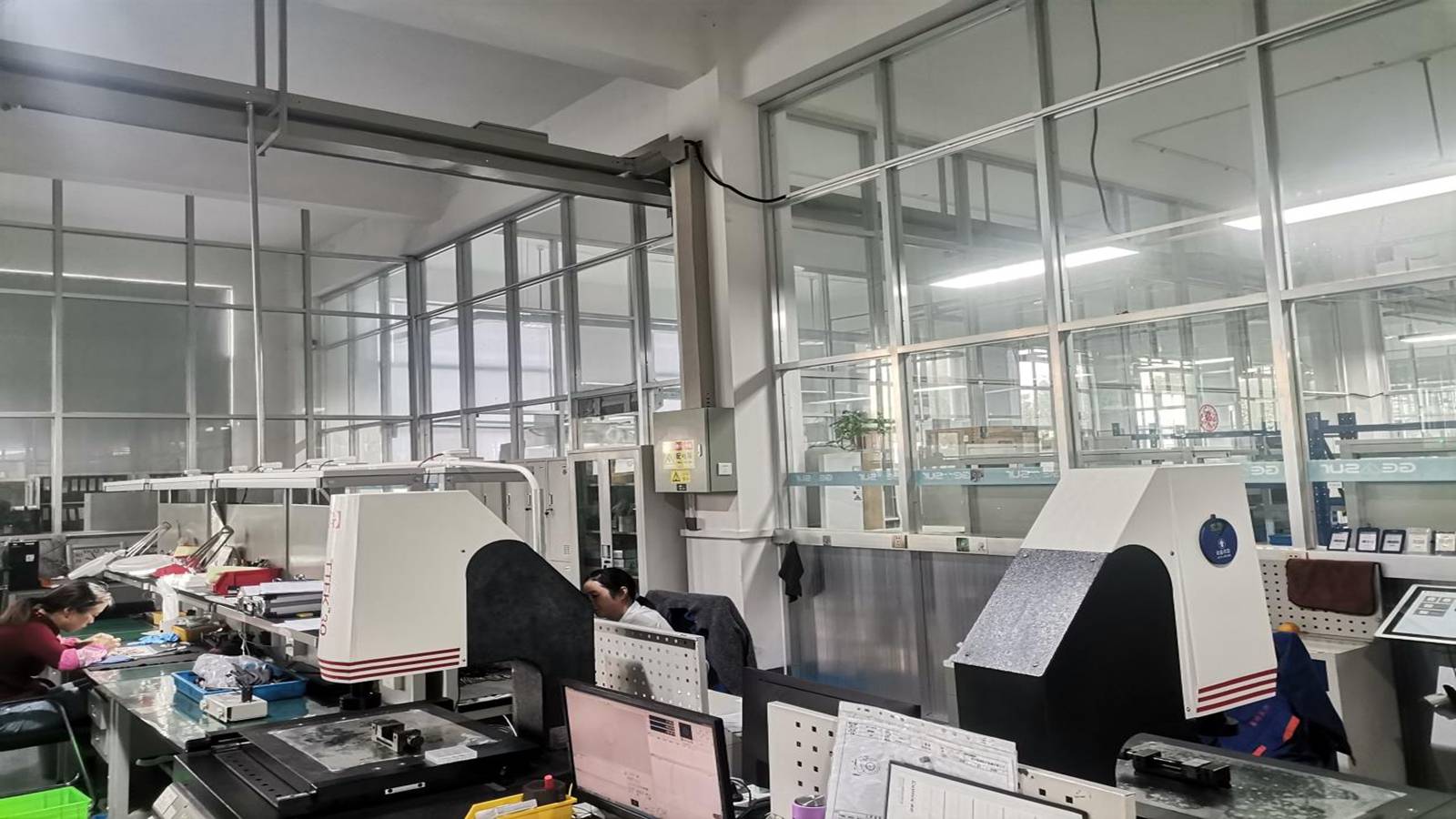
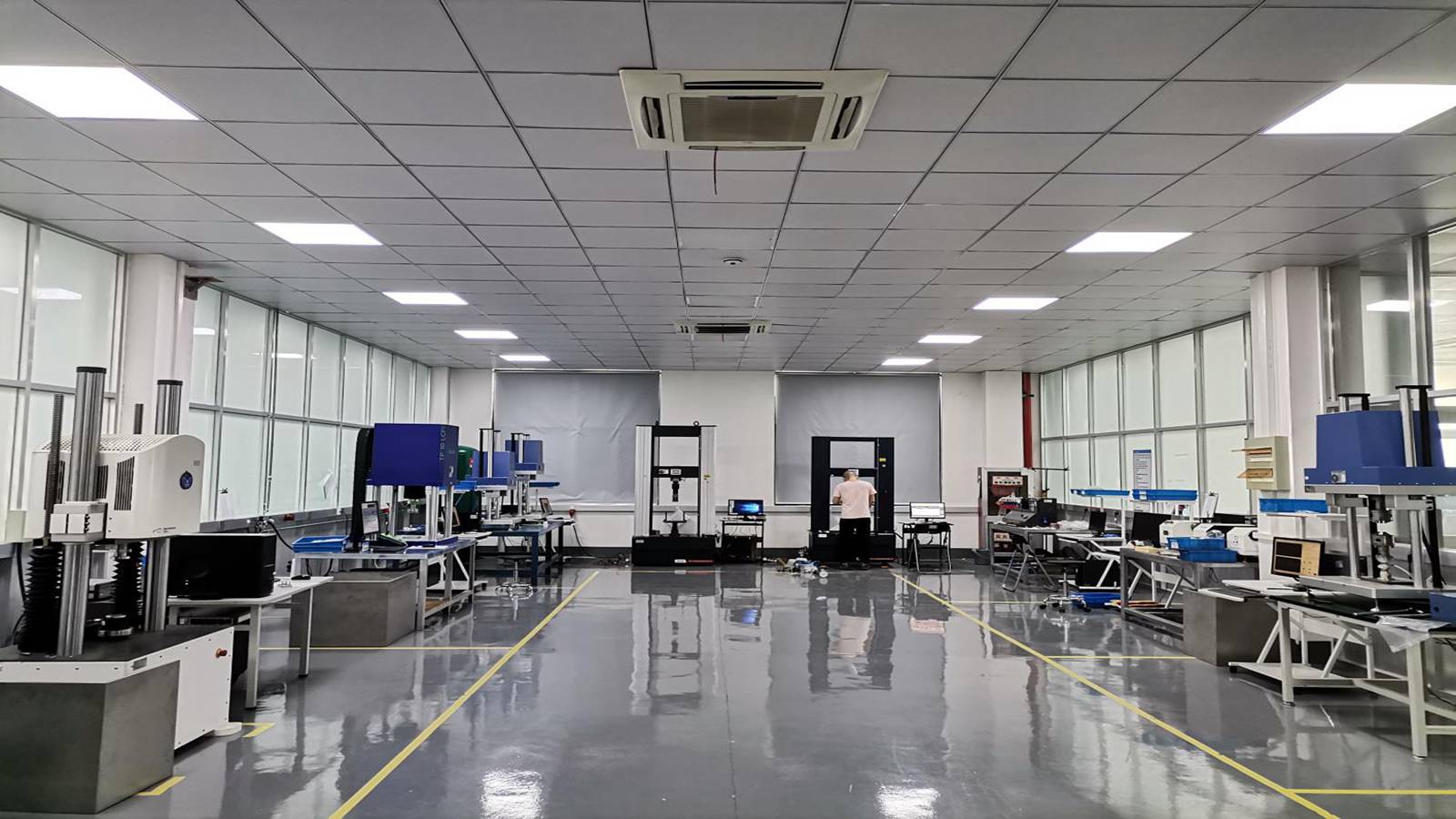
State-of-the-Art Manufacturing & Quality Control Profile

Our enterprise facility combines rigorous metallurgical validation, high-precision multi-axis machining, and automated quality assurance to supply medical-grade orthopedic implants globally.

Manufacturing Operations

  • Registration Year: 2015-10-15
  • Total Facility Floor Space: 30,343 m²
  • Active Production Lines: 12 Specialized Lines
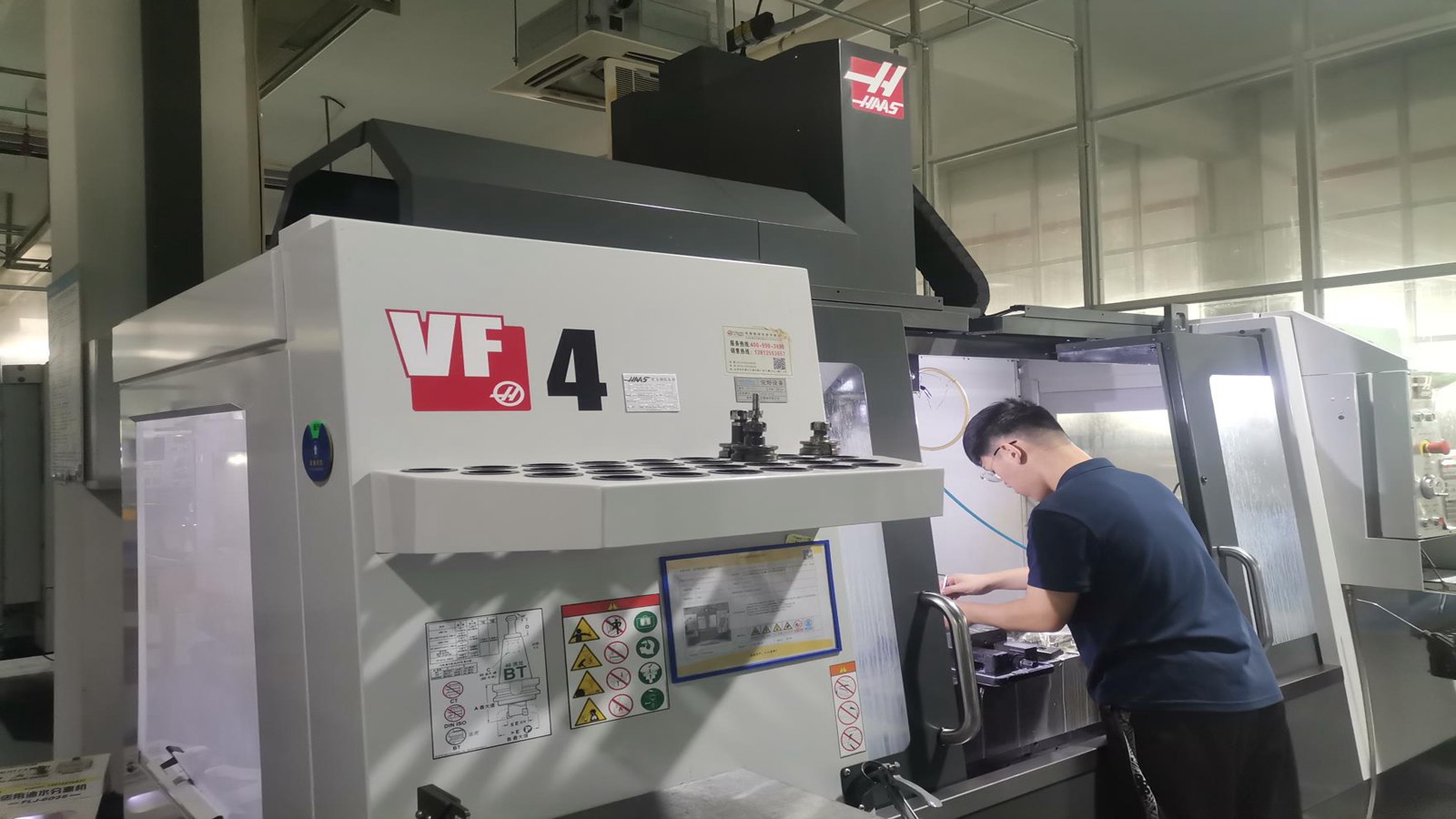
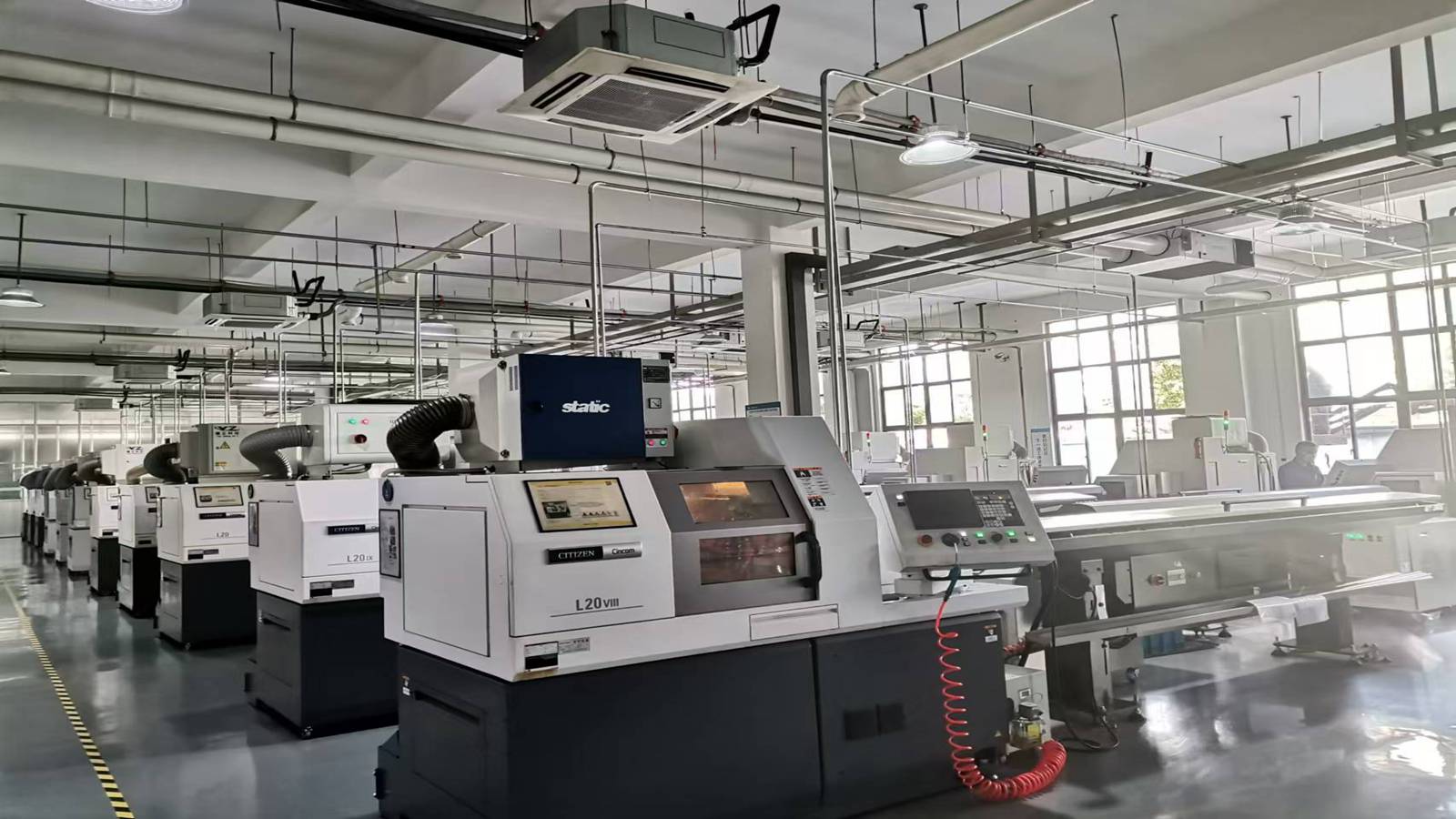
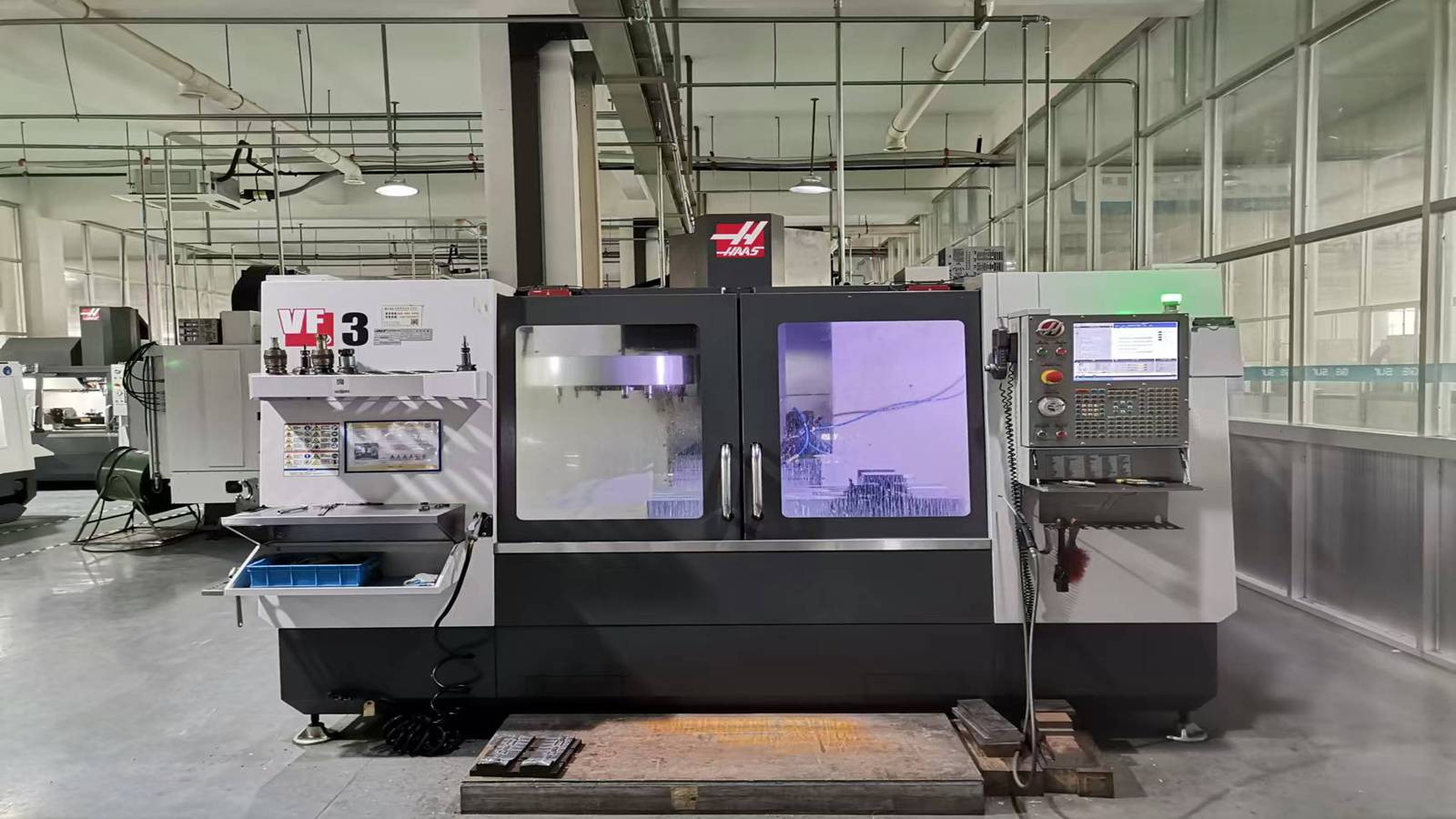
  • CNC Machining Units: 120 Advanced Precision Machines
  • Industry Experience: 10+ Years of Manufacturing Leadership
  • Primary Language Support: English (Full Technical Localization)

Quality Control & Traceability

  • Raw Material Traceability: 100% Full Spectrogram & Batch Tracking
  • Inspection Protocol: 100% In-line Inspection, Random Sampling & Custom Client Verification
  • QA/QC Department: 36 Full-time Certified Inspectors
  • Line QC Coverage: Integrated across all 12 operational assembly lines
  • Cleanroom Standard: ISO Class 7 / Class 8 Bio-burden Controlled

R&D & Engineering Talent

  • R&D Staffing: 31 Full-time Bio-medical Engineers
  • Academic Qualifications: 1 Doctorate, 11 Post-Graduates, 17 Graduates
  • Annual Product Innovation: 25 New Certified Products Launched Annually
  • Customization Engineering: Sample Processing, CAD/CAM Graphic Processing, Custom OEM/ODM

International Regulatory Certifications & Compliance Standards

Complete transparency and full conformity with international medical regulations guarantee smooth market authorization across Europe, North America, Asia-Pacific, and Latin America.

ISO 13485 Certification
ISO 13485 Cert No: 04723Q10000765
EN ISO 13485 Certification
EN ISO 13485 Cert No: EPT 25 ISO 13485 0067
MDSAP Certification
MDSAP Certified Cert No: C730178
CE Certificate 1
CE Mark (MDR) Cert No: EPT 0477.MDR.25/5905
CE Certificate 2
CE Mark (MDR) Cert No: EPT 0477.MDR.25/5973
MDR Directive Certificate
EU MDR Directive Cert No: EPT 0477.MDR.26/6113

Technological Roadmap: Advanced Bio-Materials & Bone Grafting Innovations

Modern orthopedic surgery requires seamless harmony between synthetic hardware and human tissue regeneration. As a premier Chinese manufacturer, our technological roadmap integrates four distinct development pillars:

1. Pure Titanium Lamina Fixation & Osteointegration

Pure Titanium (CP Ti) lamina plates provide exceptional biological compatibility, minimal backscatter in post-operative radiation imaging, and flexible contouring for delicate cervical and lumbar posterior spine reconstructions. Micro-anodized surface treatments create a sub-micron titanium dioxide layer that promotes rapid hydroxyapatite precipitation in vivo.

  • High fatigue strength under dynamic loading conditions.
  • Self-tapping thread geometry designed to prevent micro-fractures in bone tissue.
  • Optimized low-profile design to avoid soft-tissue impingement.

2. PEEK Interbody Fusion Cages & Radiolucency

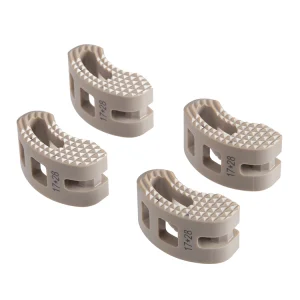
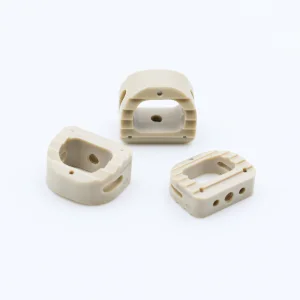
Polyether Ether Ketone (PEEK) cages, such as our Lumbar TLIF and Cervical Fusion systems, closely mimic the elastic modulus of natural human bone (3.6 GPa vs 18 GPa for titanium). This eliminates stress shielding while providing clear radiolucent visibility under fluoroscopy to monitor fusion progress over 6, 12, and 24 months post-operation.

  • Integrated titanium marker pins for precise anatomical positioning.
  • Aggressive serrated teeth pattern to prevent cage migration or expulsion.
  • Expanded hollow graft chamber for maximal autograft and allograft packing volume.

3. Minimally Invasive (MIS) Spinal Screw Architecture

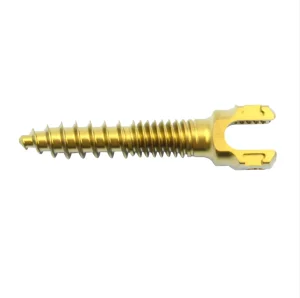
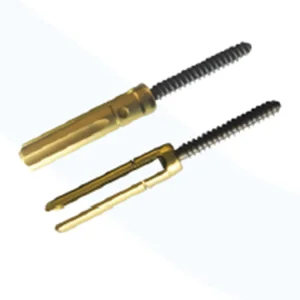
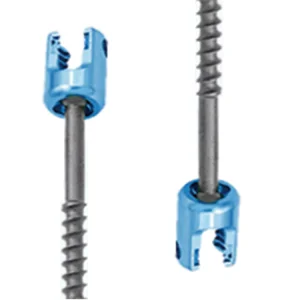
Minimally Invasive Surgery reduces surgical trauma, blood loss, and patient recovery time. Our MIS pedicle screw systems feature dual-lead threads for faster insertion, extended tab options, and friction-head poly-axial designs capable of 60-degree angulation, easing rod placement during complex deformity corrections.

4. Joint Fixation & Sports Medicine Instrumentation

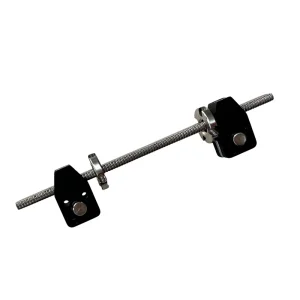
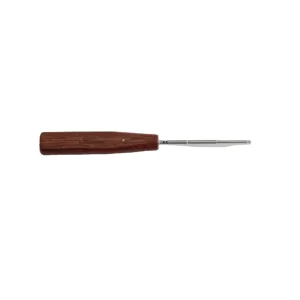
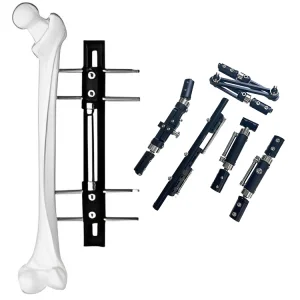
From micro external fixators for delicate distal finger joint fractures to specialized meniscus revision sets, our surgical instruments are crafted from custom surgical-grade stainless steel (AISI 17-4PH / 316L) equipped with high-precision torque limiters to ensure procedural repeatability.

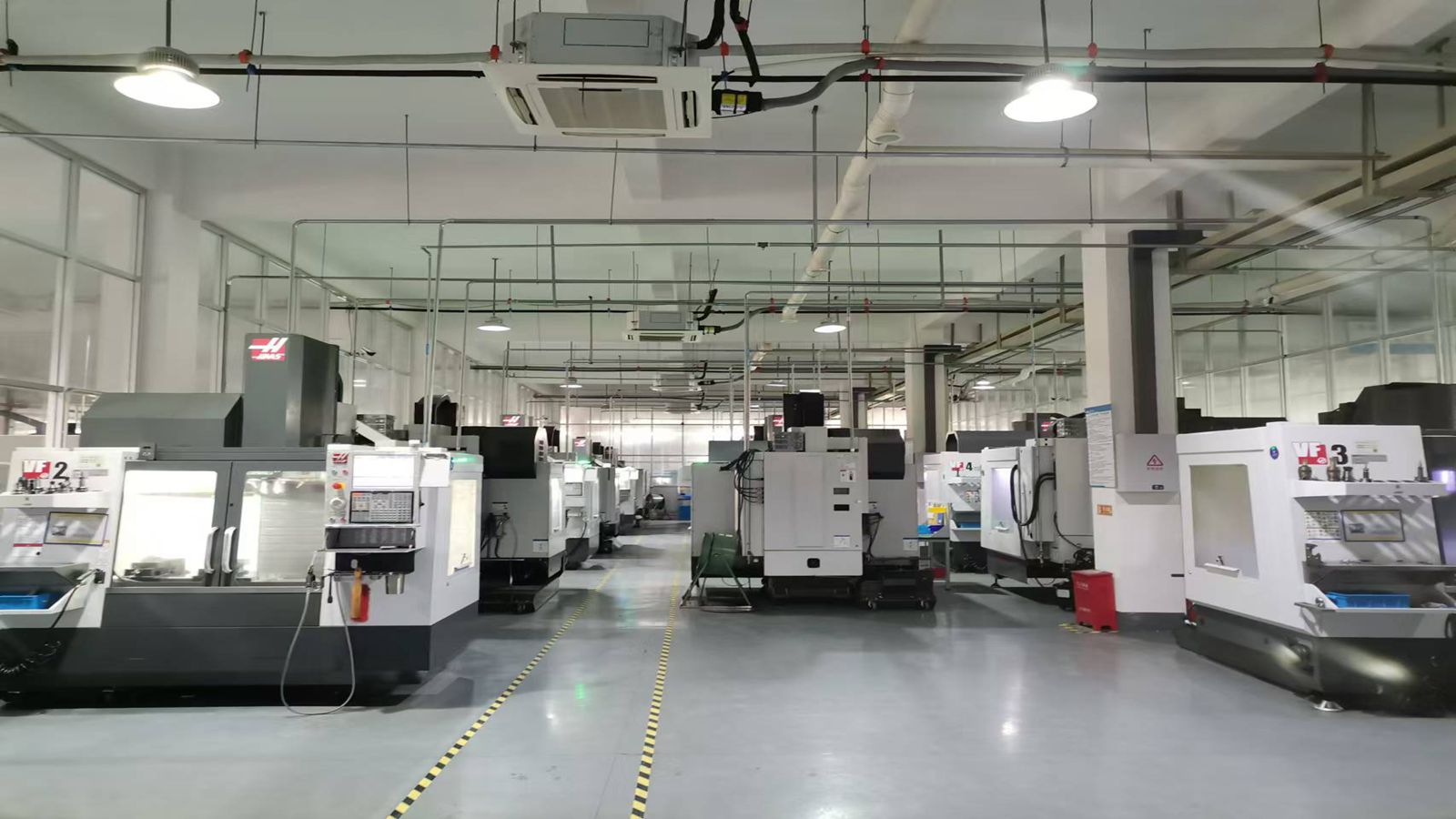
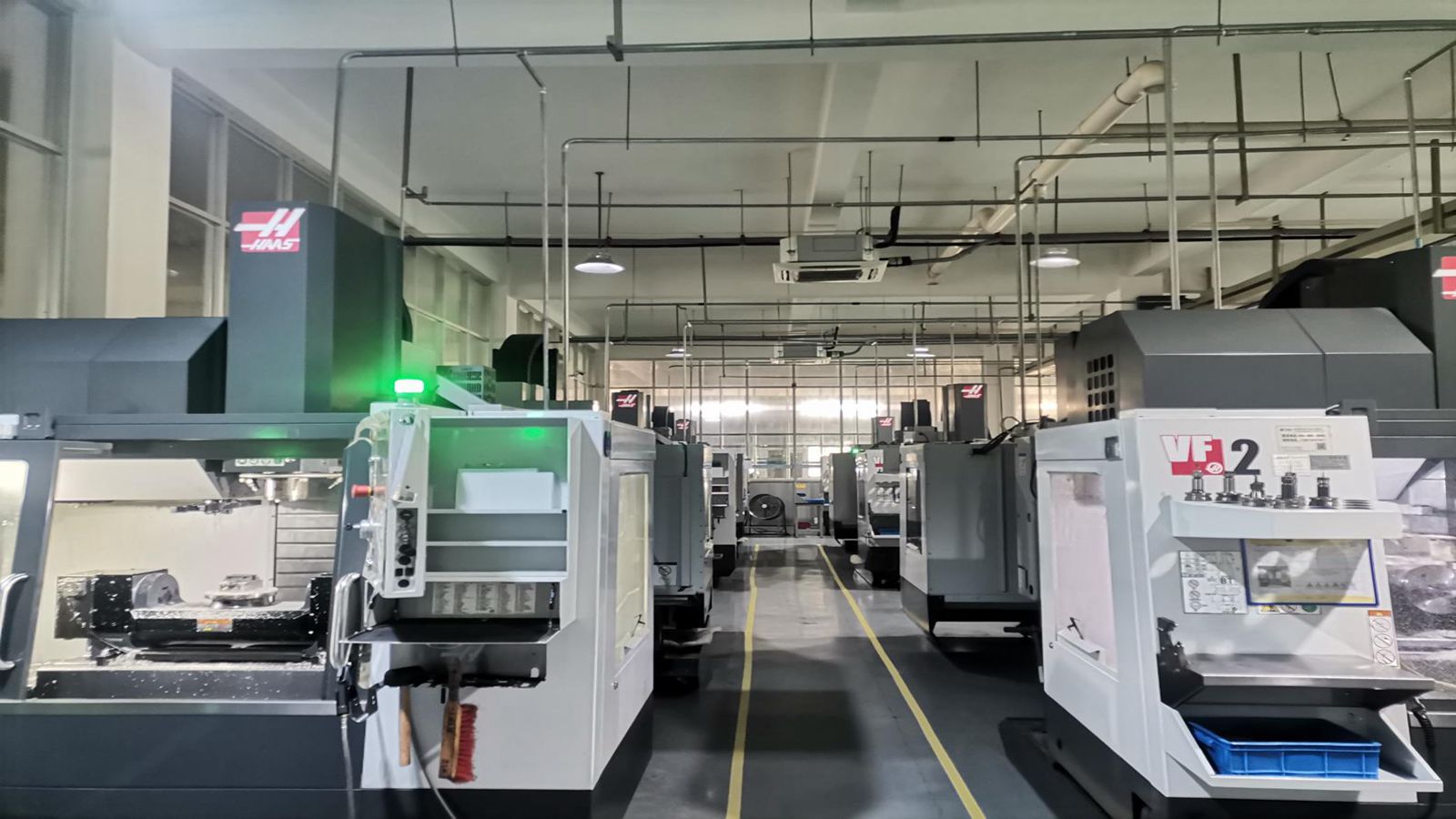
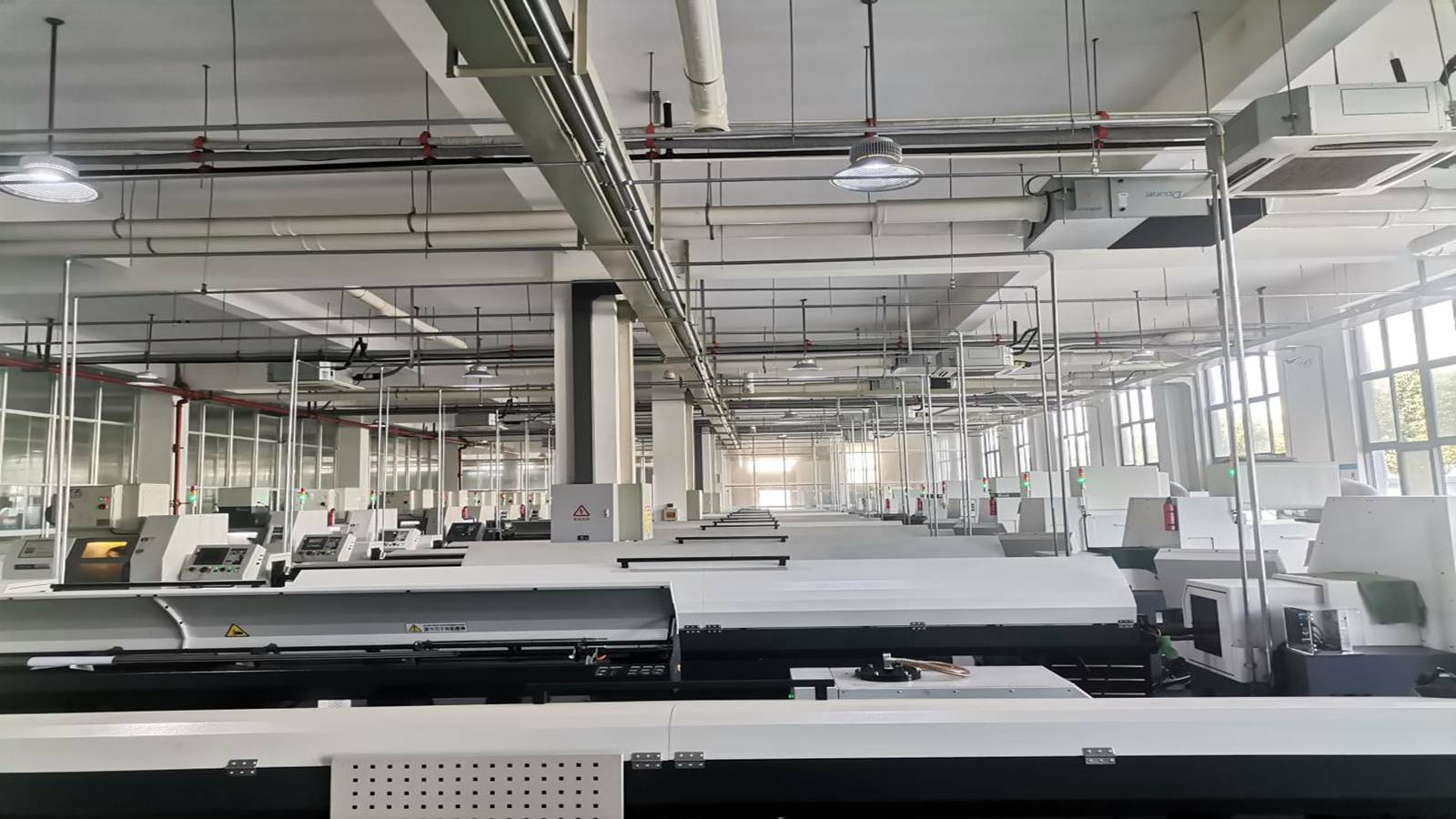
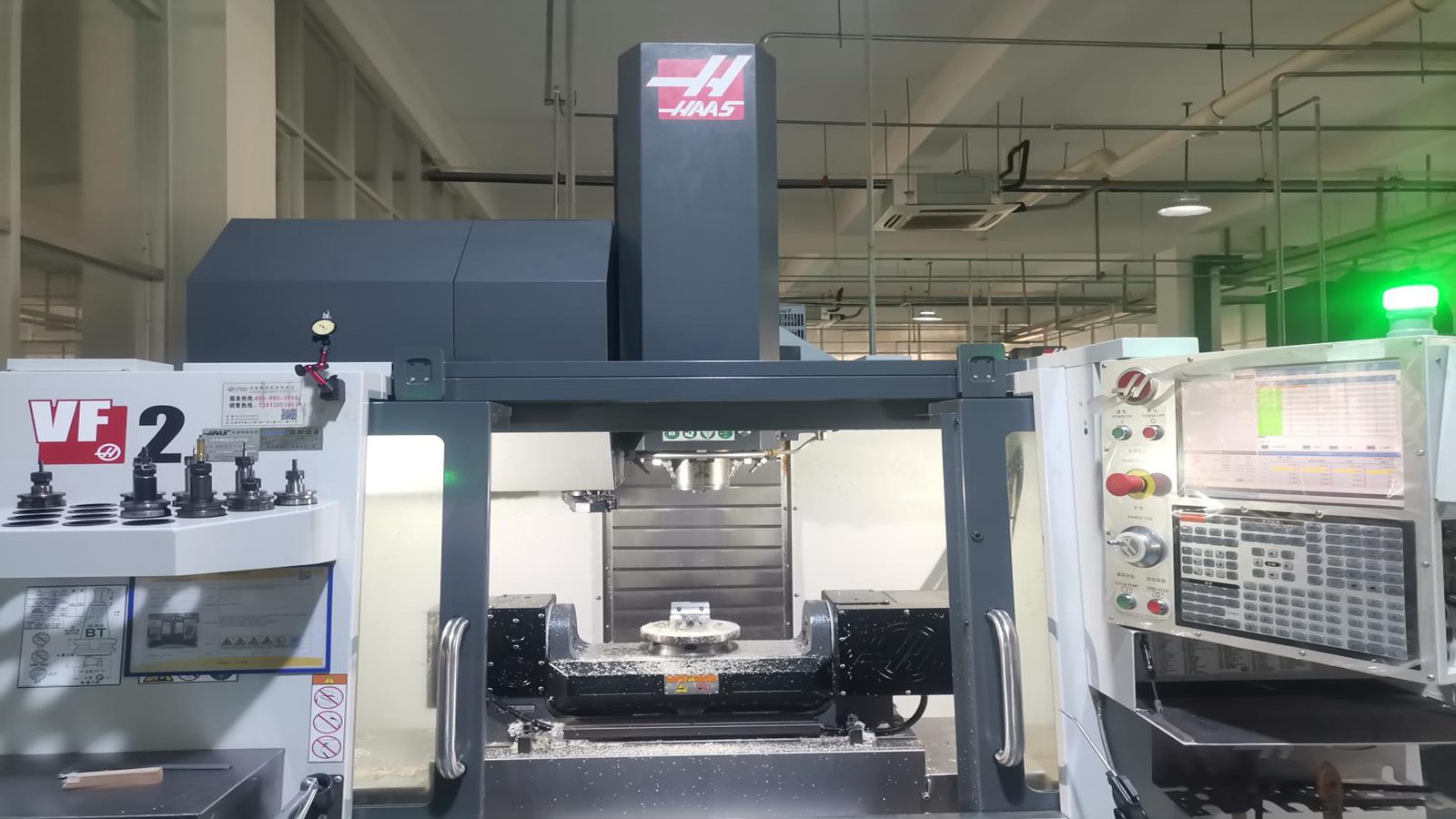
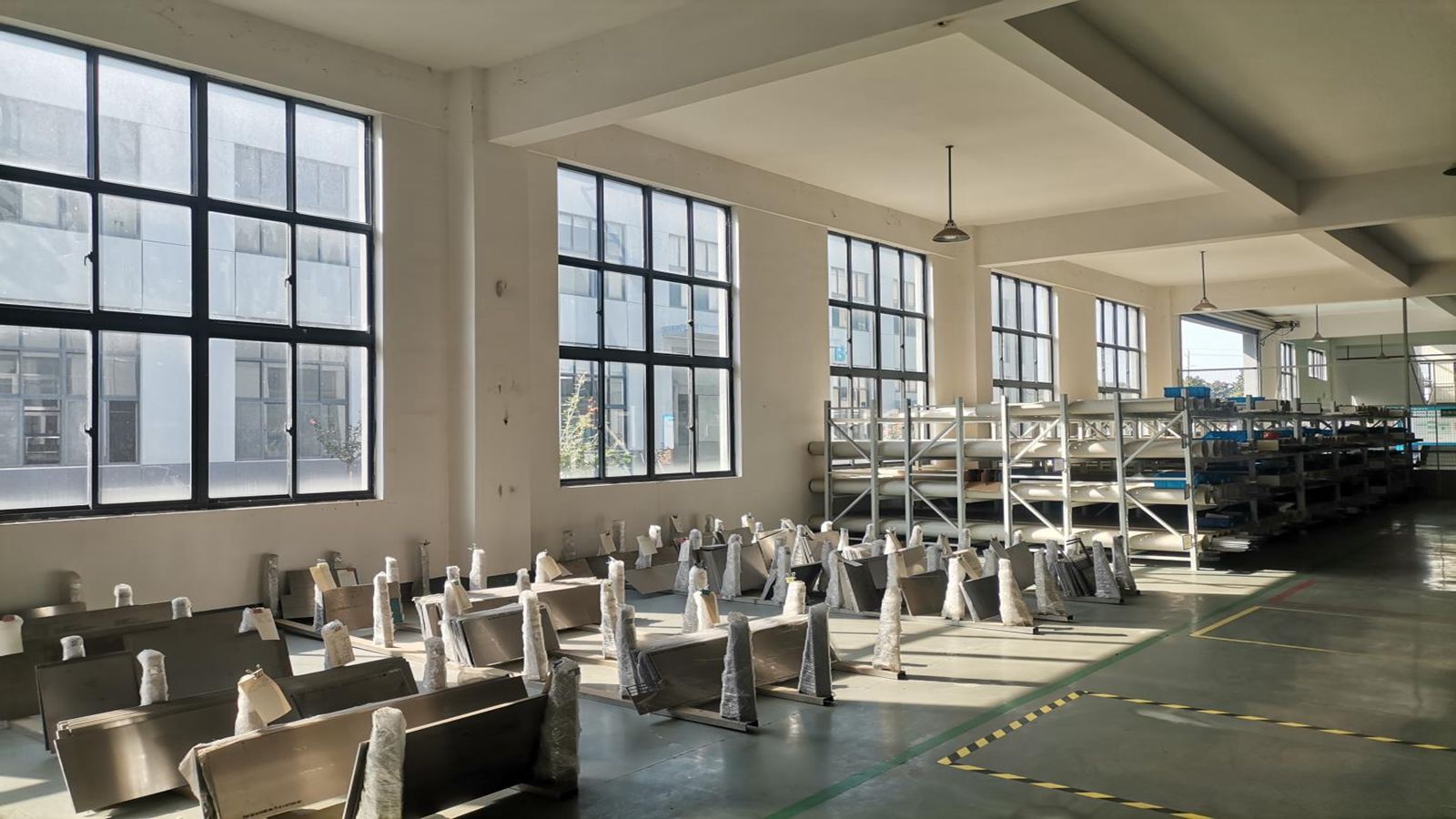
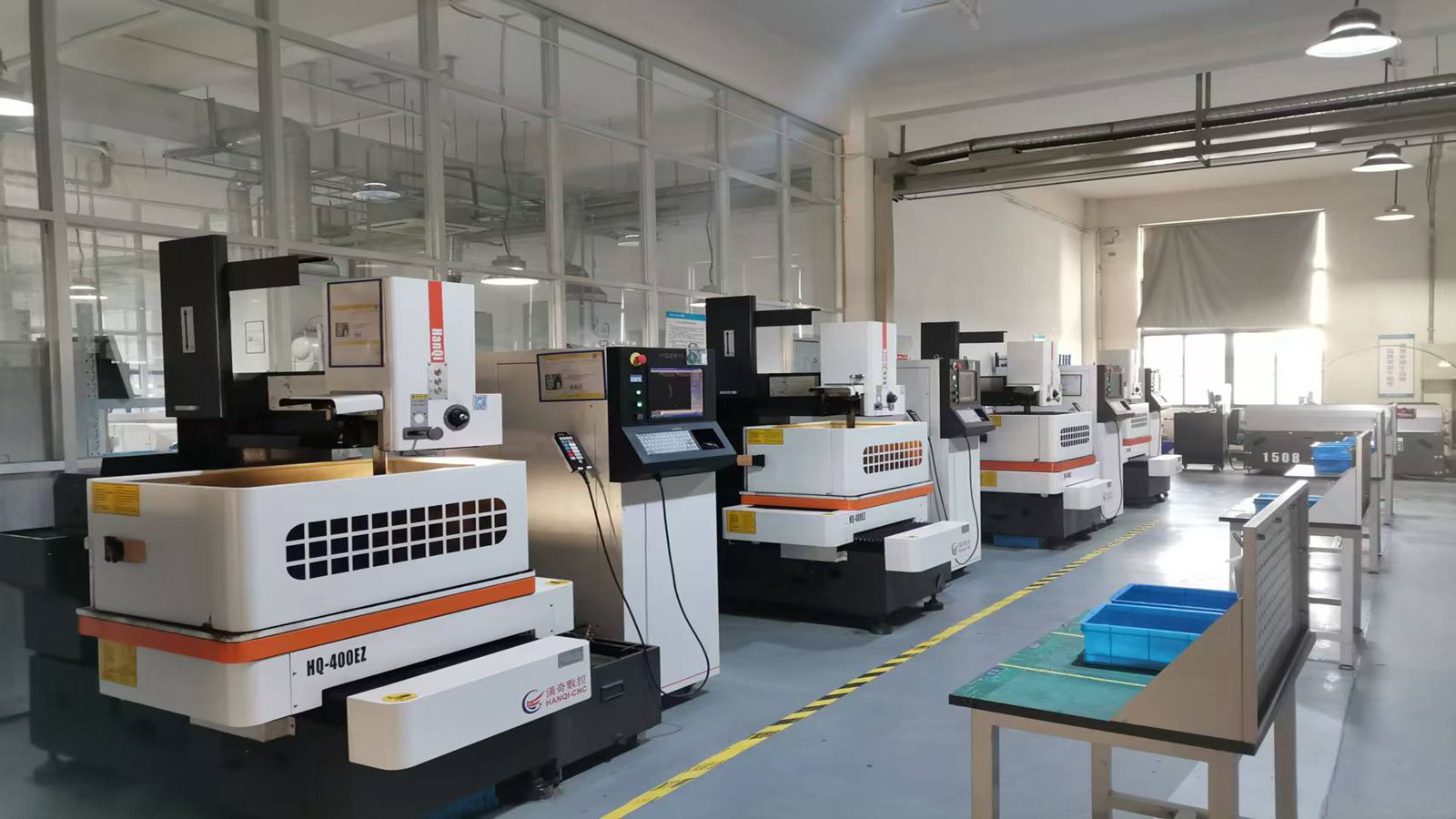
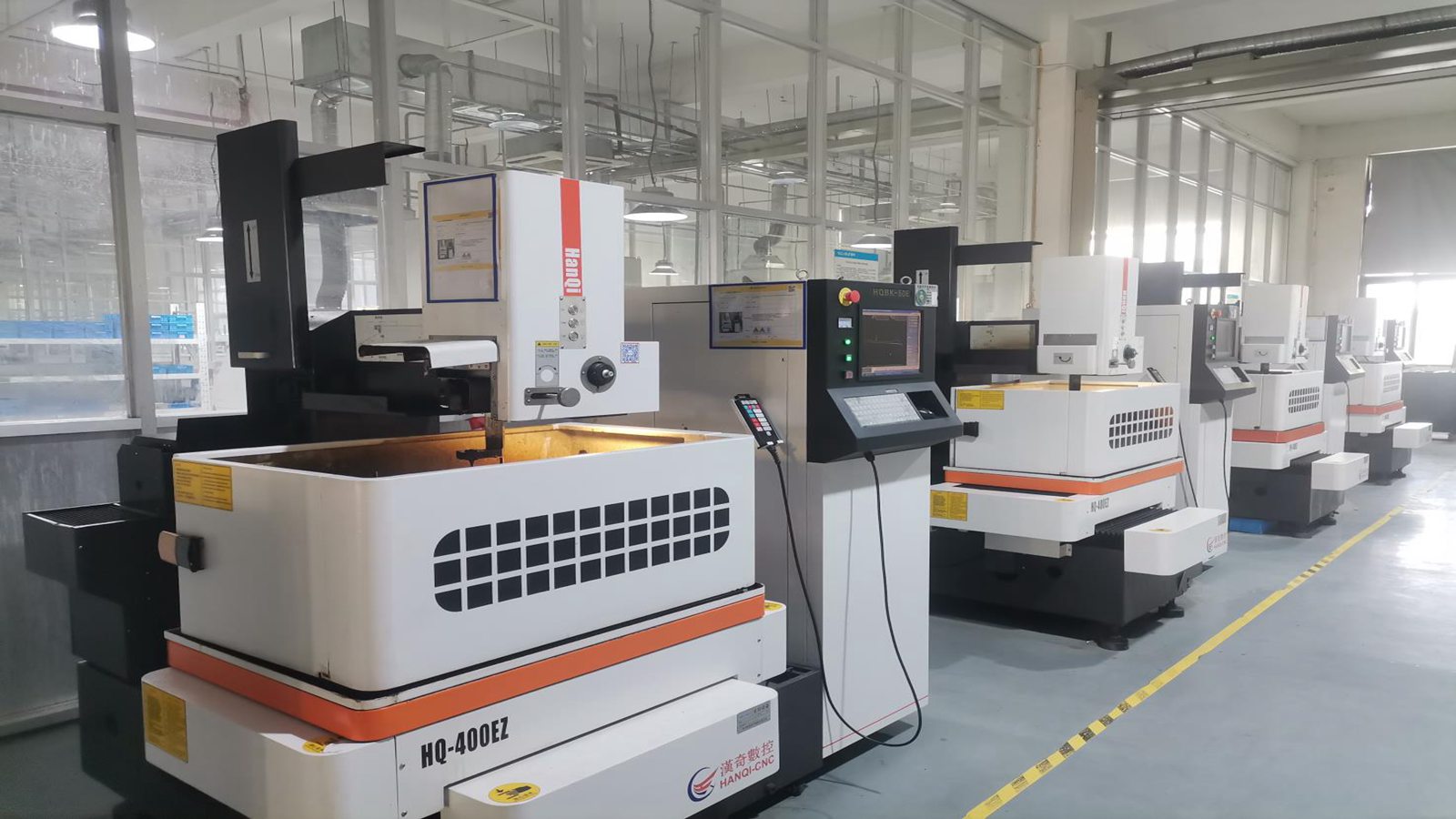
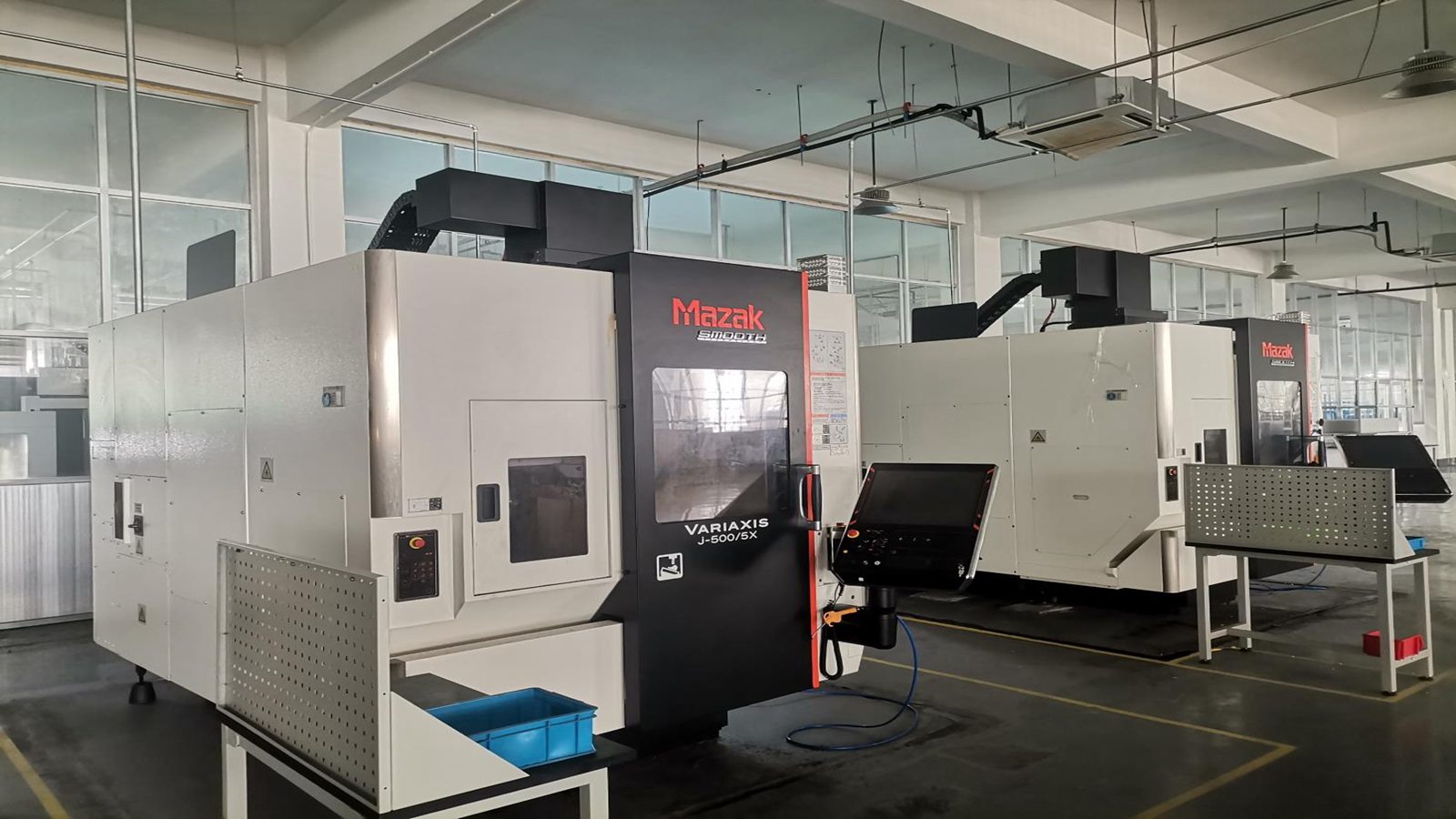
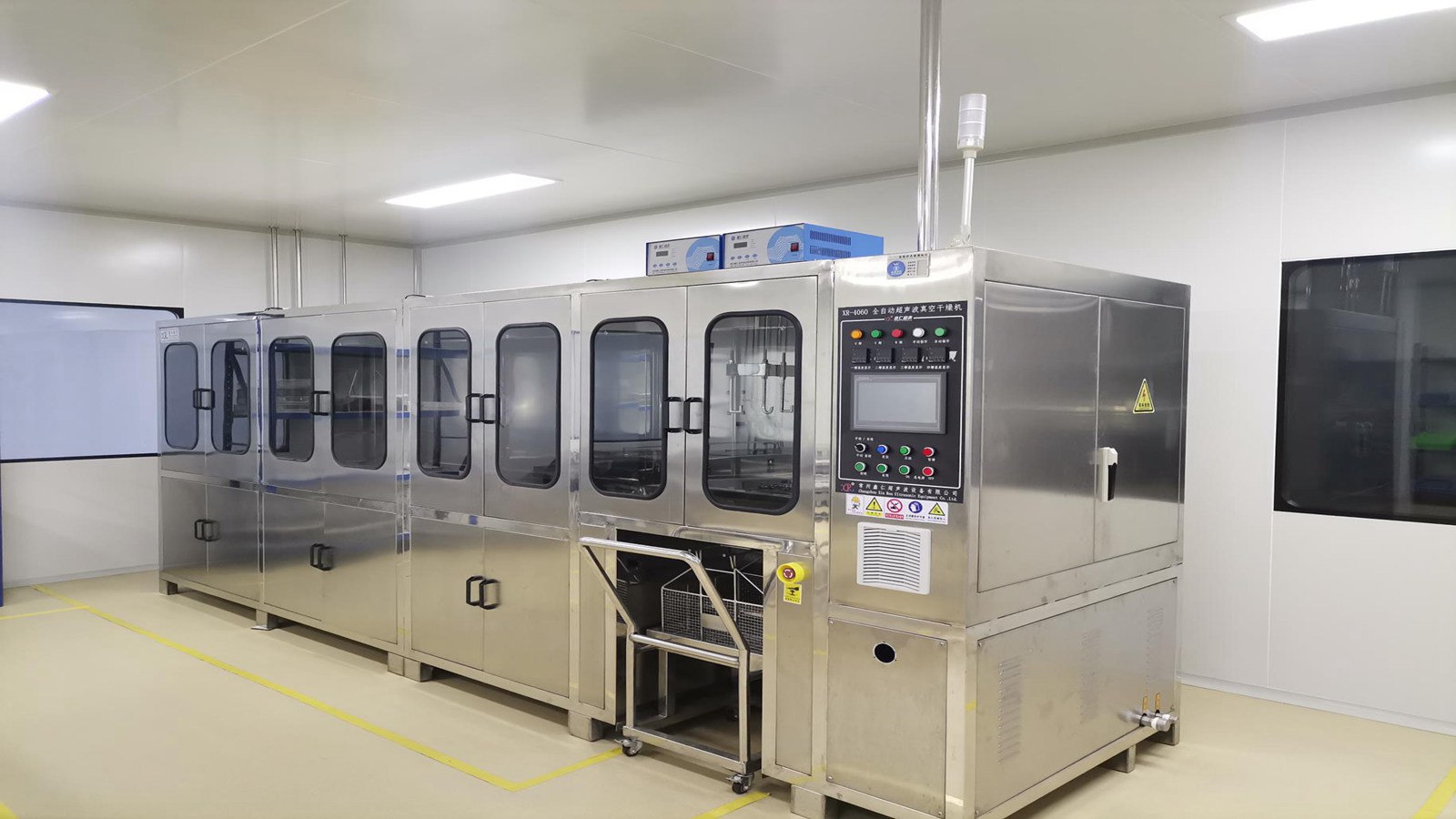
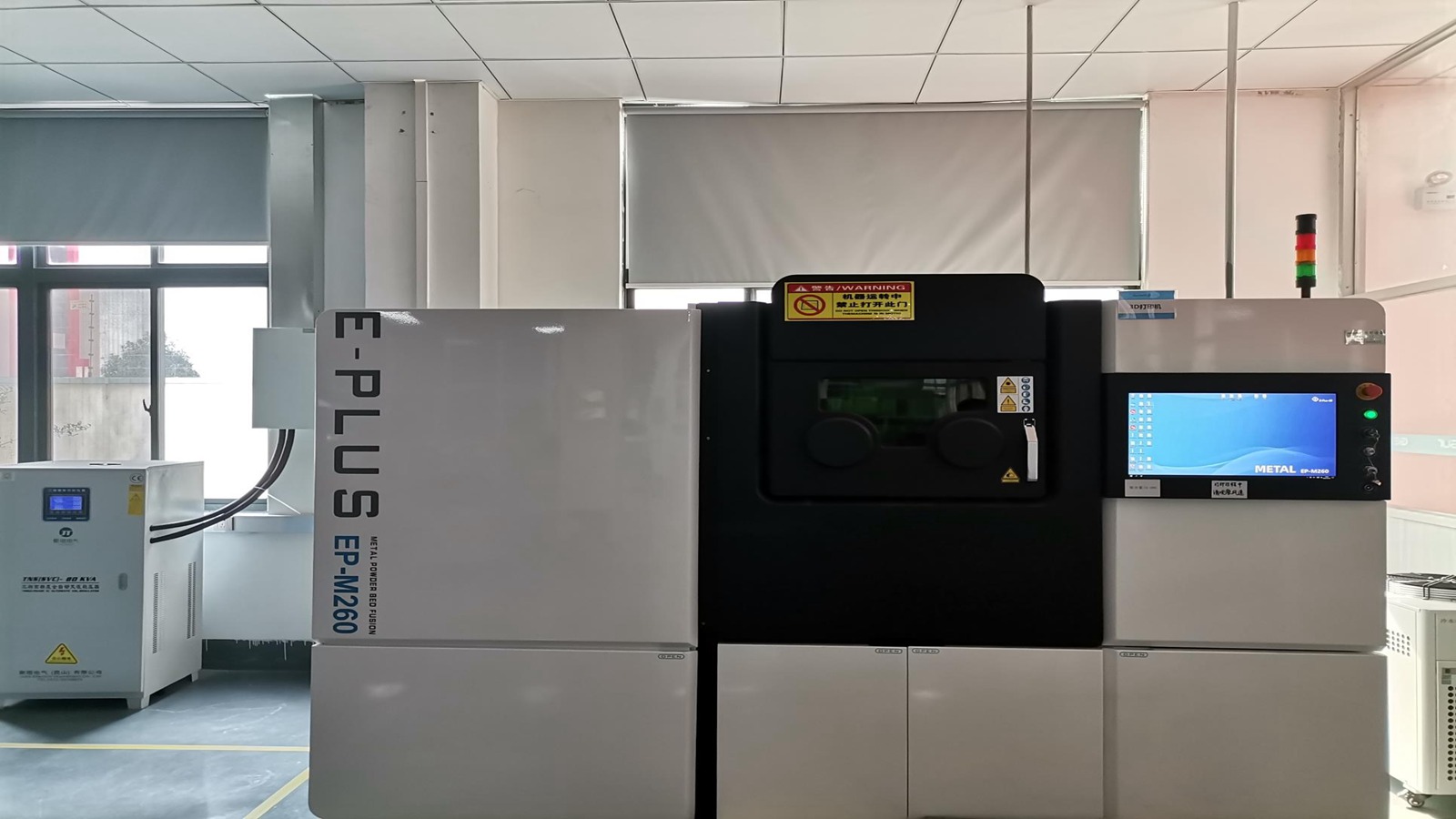
Manufacturing Facility & Production Operations Gallery

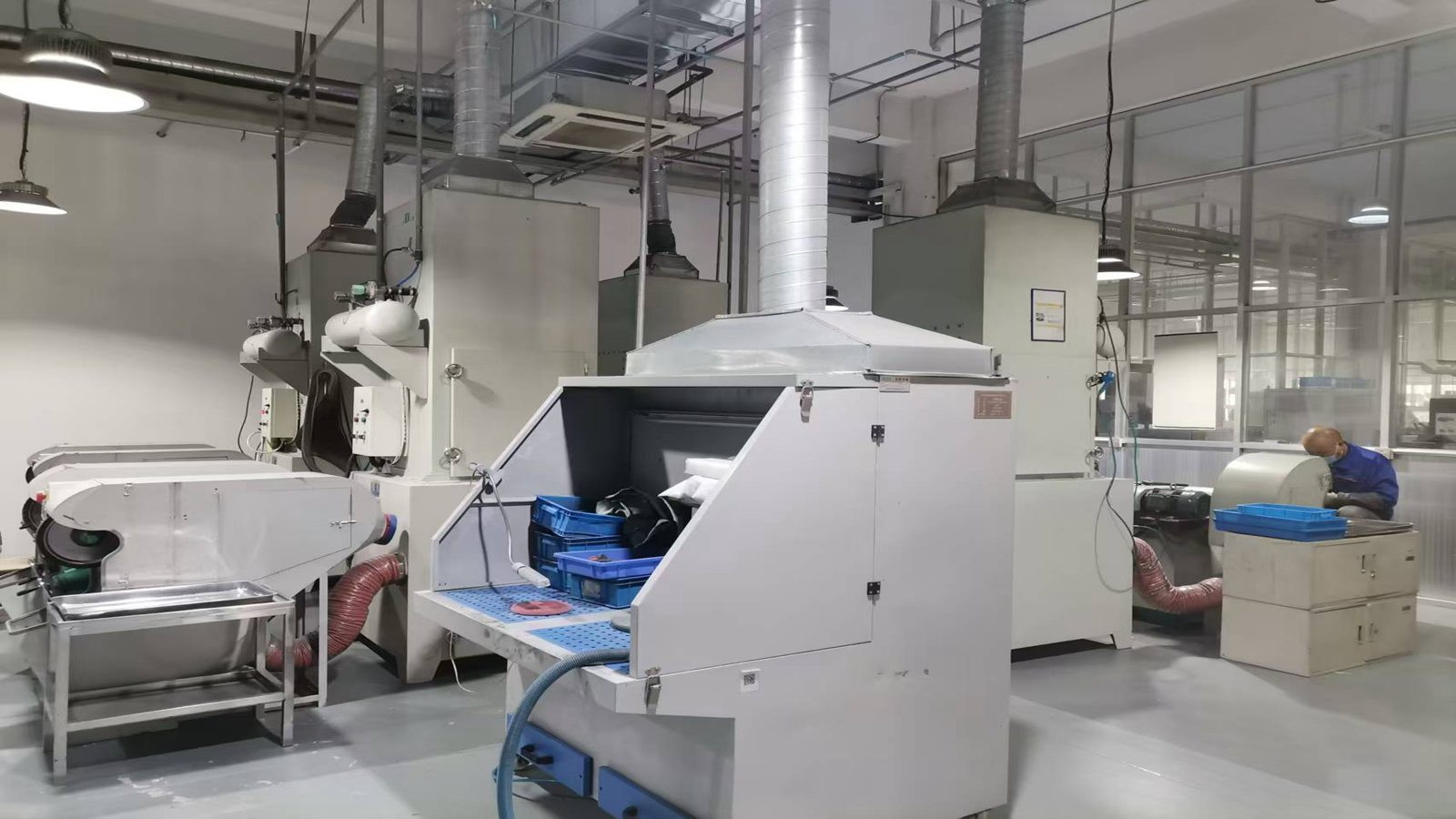
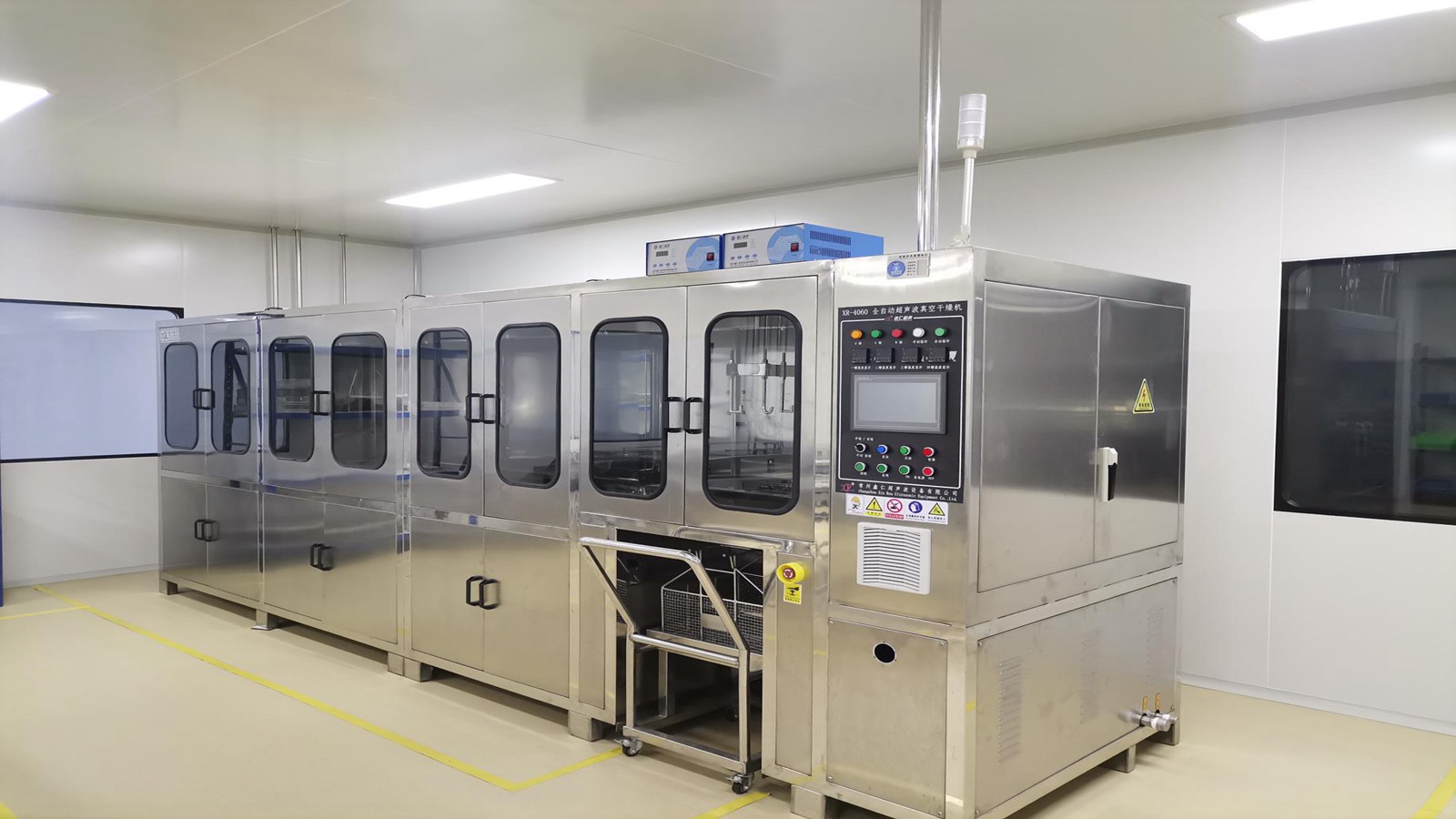
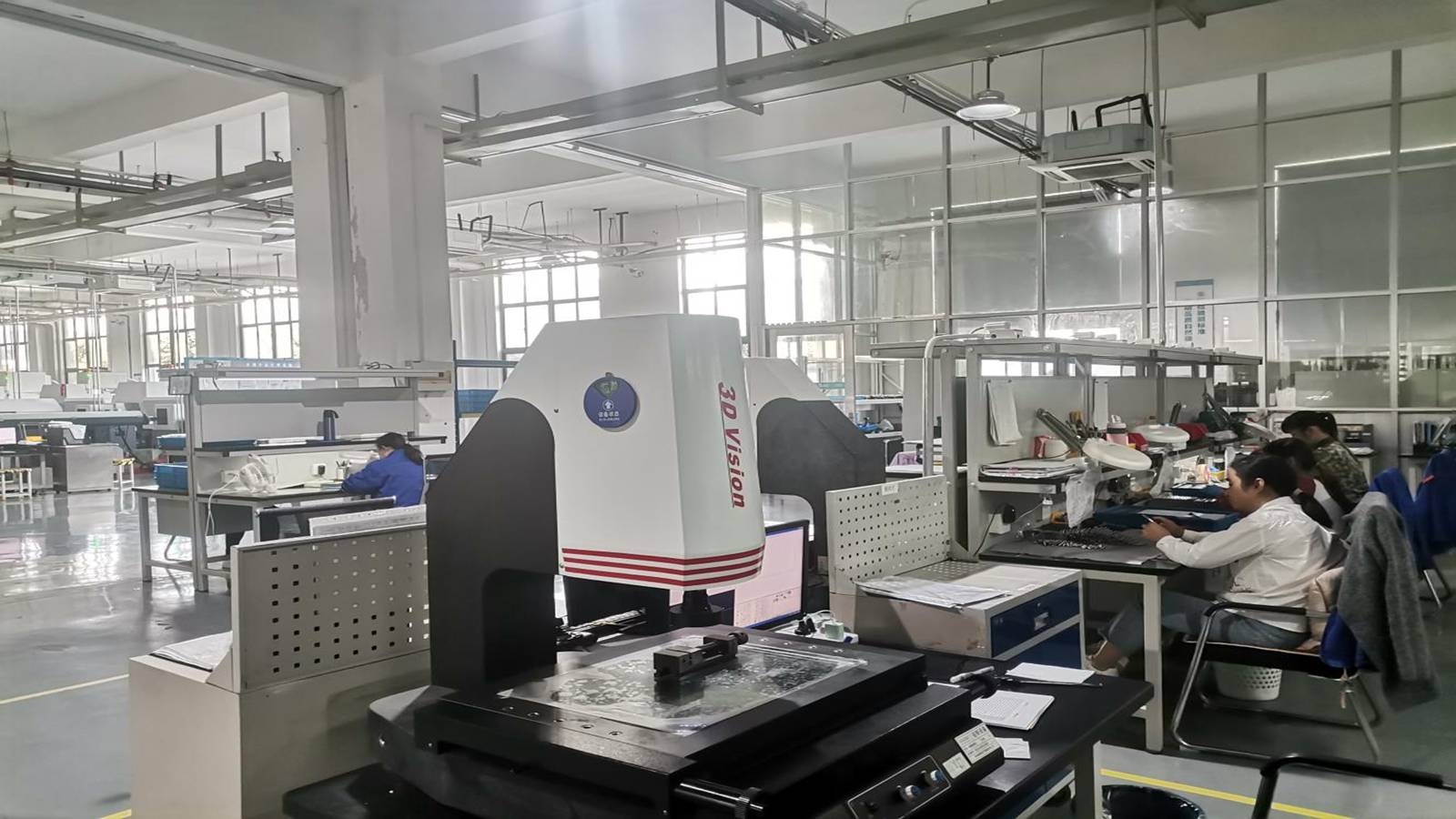
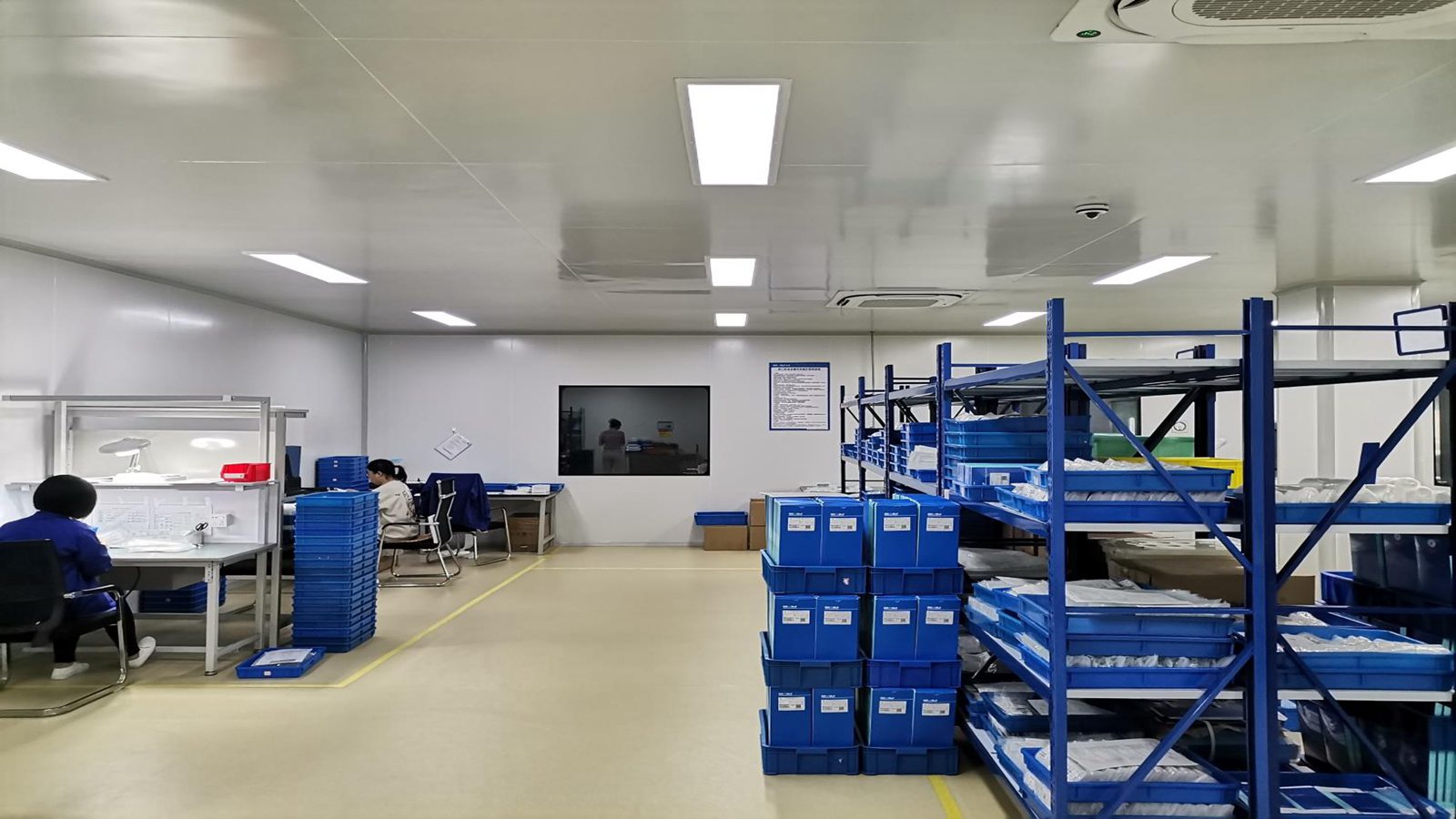
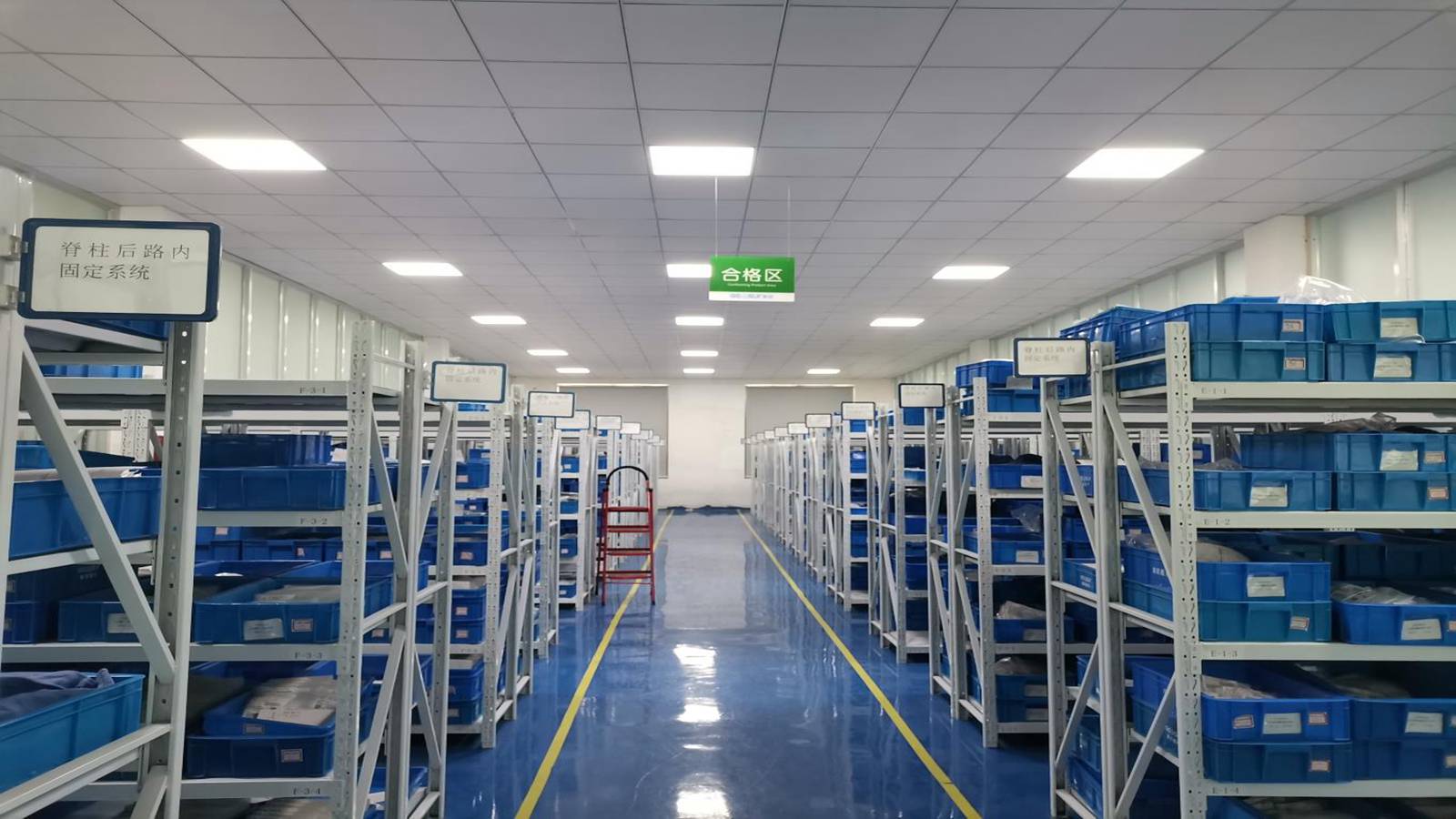
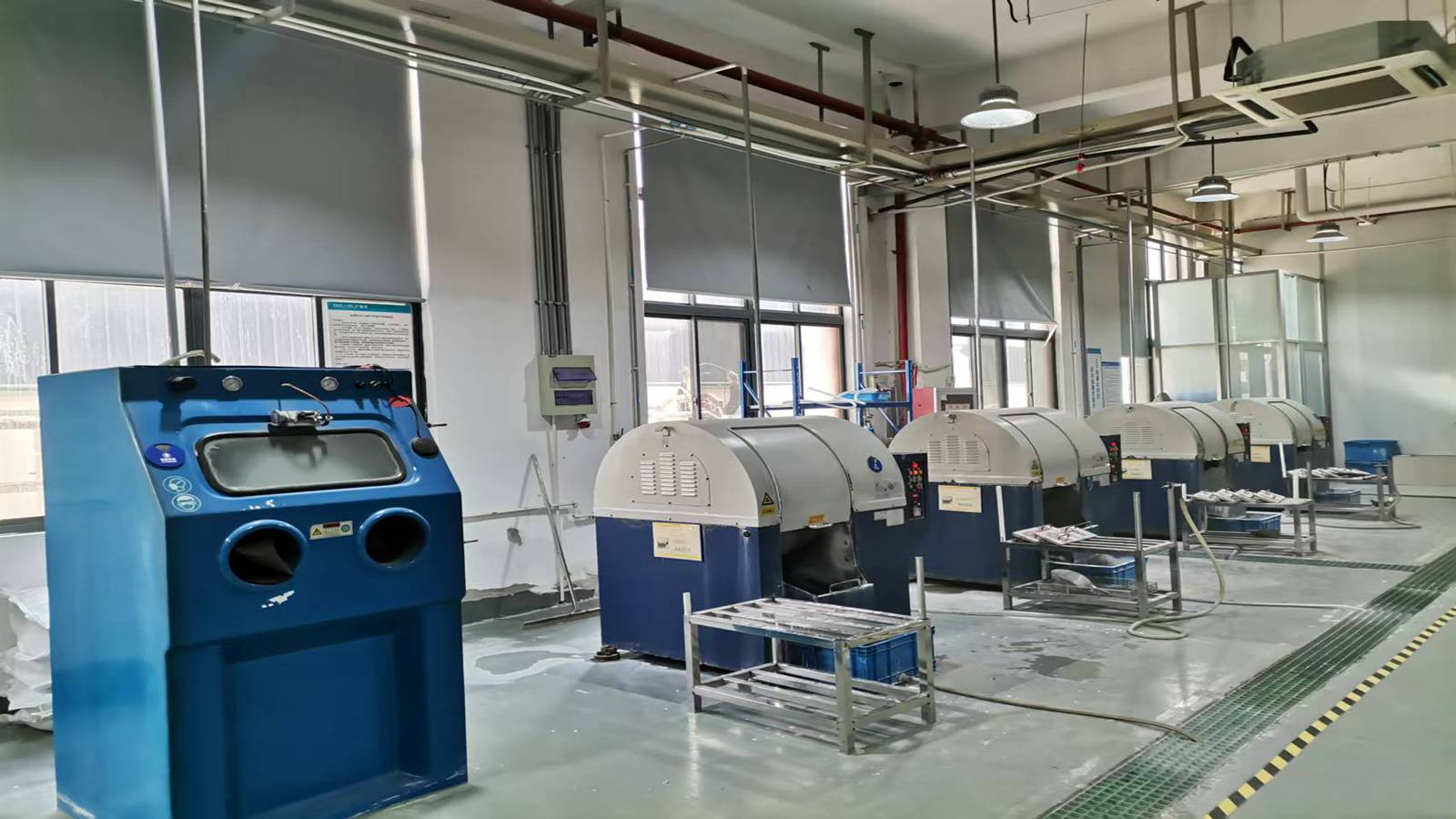
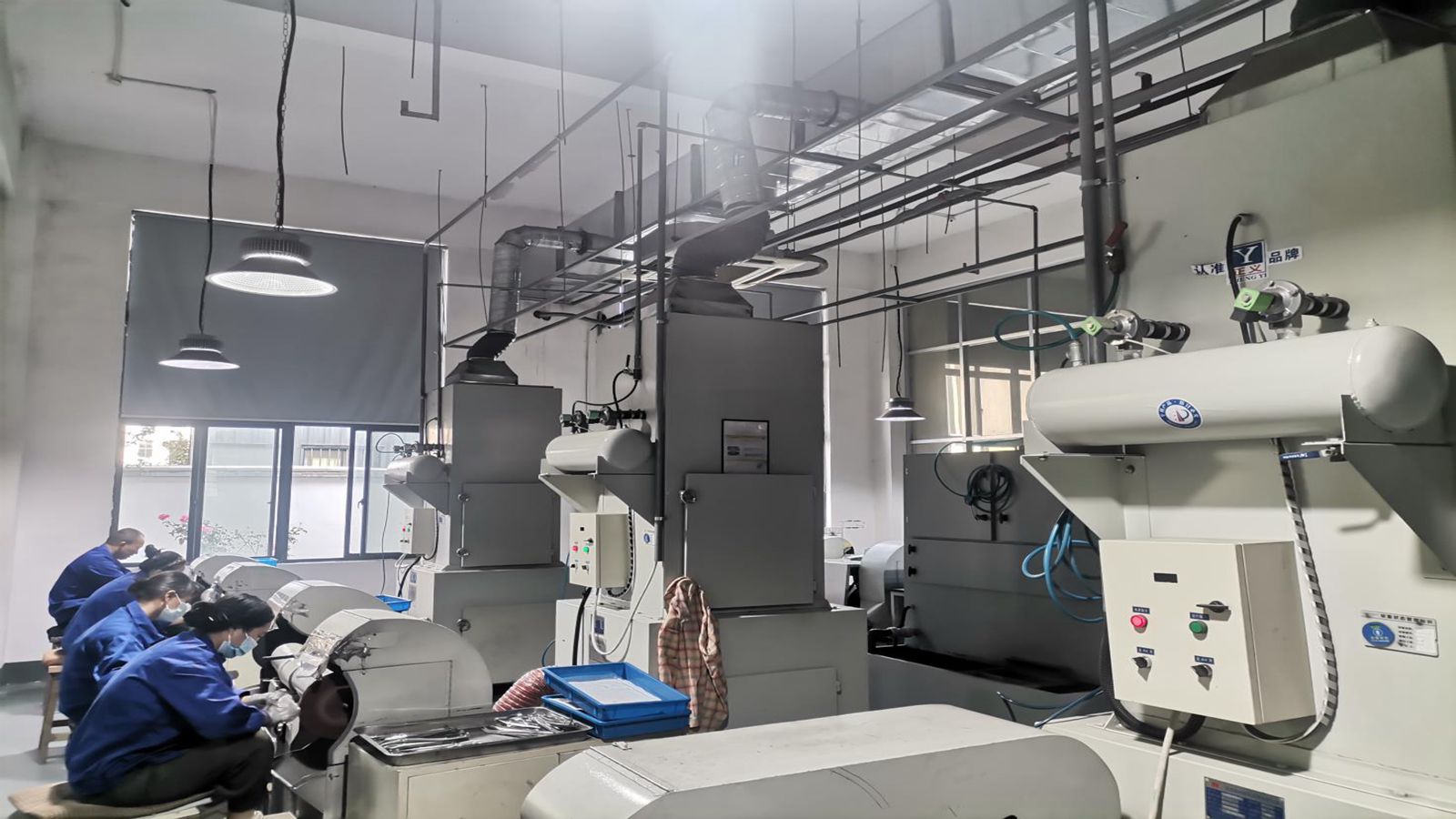
Below is a visual inspection gallery showcasing our modern production machinery, testing facilities, cleanrooms, and automated inventory systems operating across our 30,343 m² manufacturing complex.


Localization Support, Commercial Reach & Supply Chain Engineering

Navigating global healthcare markets requires seamless localization, rigorous customs compliance, and adaptable supply chain infrastructure tailored to regional regulatory environments.

1. Target Market Distribution

While our Domestic Market (80%) provides massive manufacturing scale and clinical validation in top-tier domestic hospitals, our export divisions serve key international hubs across Eastern Europe (5%), Southeast Asia (5%), Latin America, and the Middle East.

2. Client Archetypes Supported

We provide specialized collaboration models tailored to diverse commercial entities:

  • Brand Businesses & OEM/ODM Partners: Custom labeling, tailored implant geometry, and private-label packaging.
  • Medical Wholesalers & Distributors: Bulk consignment ordering with flexible MOQ tiers.
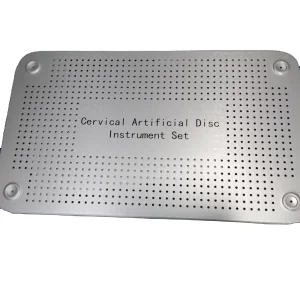
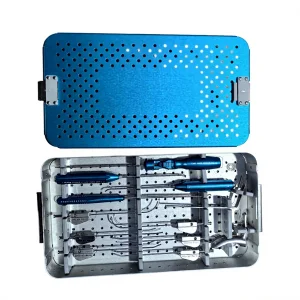
  • Surgical Engineers & Hospital Groups: Direct custom instrument tray designs.

3. Comprehensive OEM Customization

Our 31 R&D engineers utilize advanced CAD/CAM software to handle sample processing, custom graphic development, and prototype rapid-turnaround within strict medical tolerances (±0.005mm).

Frequently Asked Questions: Global Procurement & Bio-Manufacturing

Technical and commercial clarity for hospital procurement committees, medical device brand owners, and regulatory compliance teams.

Q1: What distinguishes Chinese bone graft and titanium implant suppliers in the global market?
China's top suppliers combine massive manufacturing scale (e.g., our 30,343 m² campus with 120 CNC units) with stringent international certifications (MDSAP, ISO 13485, CE MDR). This allows global buyers to achieve substantial cost savings (often 30%-50% compared to Western OEMs) without compromising on fatigue resistance, surface finish, or bio-compatibility compliance.
Q2: How does your quality team guarantee raw material purity for titanium and PEEK implants?
We mandate 100% material batch traceability starting at the ingot or polymer pellet stage. Chemical composition, tensile strength, and grain structure are verified via spectroscopic analysis and certified material test reports (MTR) prior to machining. All titanium conforms strictly to ASTM F136 / ISO 5832-3 standards for implantable medical grade Ti-6Al-4V ELI.
Q3: Are your spinal fusion cages (PEEK TLIF/cervical) compatible with standard bone graft materials?
Yes. Our PEEK fusion cages feature optimized hollow central windows specifically designed to maximize contact area with autologous bone grafts, demineralized bone matrix (DBM), synthetic hydroxyapatite (HA), or beta-tricalcium phosphate (β-TCP) granules, ensuring rapid bone bridging and solid interbody fusion.
Q4: What is the typical lead time for custom OEM/ODM surgical instrument tray manufacturing?
For custom OEM engineering projects, sample prototypes are produced within 15 to 30 days depending on complexity. Full batch production, cleanroom packaging, and final quality sign-off typically require 4 to 6 weeks.
Q5: How do your products satisfy European Union MDR 2017/745 requirements?
Our company holds verified CE marks under the new MDR directive (including Certificate EPT 0477.MDR.26/6113). Our technical documentation files (TDF) include rigorous Clinical Evaluation Reports (CER), Risk Management Files under ISO 14971, dynamic fatigue testing (ASTM F1717 for spinal implants), and full bio-compatibility validation (ISO 10993 series).