 Ease Medical Apparatus And Instruments
Engineered for immediate rigid biomechanical stability, reduced rate of Deep Sternal Wound Infection (DSWI), and rapid bone fusion following median sternotomy.
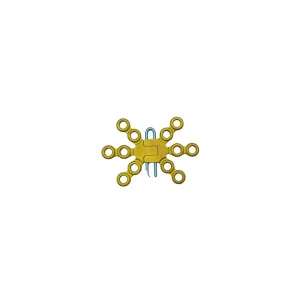
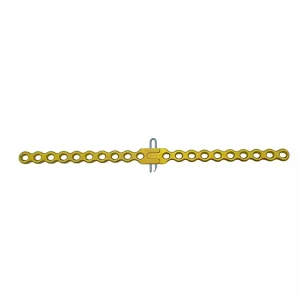
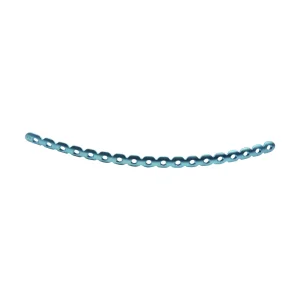
An in-depth analysis of clinical efficacy, biomechanical superiority, regulatory compliance, and direct factory procurement models for cardiac surgery centers across Southern Transdanubia.
Pécs, serving as the cultural and economic capital of Baranya County, stands as a critical medical epicenter for the South Transdanubian region of Hungary. At the core of this regional healthcare ecosystem is the University of Pécs Clinical Centre (Pécsi Tudományegyetem Klinikai Központ), home to highly specialized cardiothoracic surgery units, major emergency trauma centers, and advanced orthopedic research laboratories. Surgical teams in Pécs perform a substantial volume of open-heart procedures, including median sternotomies for coronary artery bypass grafting (CABG), valve repair/replacement, and thoracic aortic reconstructions.
Historically, median sternotomy closure relied predominantly on stainless steel wire cerclage. However, clinical data from European cardiothoracic registries indicate that high-risk patient demographics—specifically individuals presented with severe obesity, chronic obstructive pulmonary disease (COPD), insulin-dependent diabetes mellitus, or osteoporosis—face non-trivial risks of sternal dehiscence and deep sternal wound infections (DSWI). To combat these life-threatening postoperative complications, leading surgical centers in Pécs are increasingly adopting rigid titanium sternal fixation plate systems.
"Rigid sternal fixation via titanium locking plates transforms multidirectional shear stresses into uniform compressive forces, maintaining anatomical reduction under extreme physiological loads such as severe coughing or respiratory effort."
The primary cause of sternal instability following median sternotomy is the movement along the cut edges of the sternum induced by intrathoracic pressure changes. Standard wire closure acts primarily in tension; it lacks micro-motion control against horizontal shear forces and vertical displacement. Over time, monofilament or multi-strand wires can cut through osteoporotic sternal bone (the "cheese-cutter" effect), leading to painful non-union or total dehiscence.
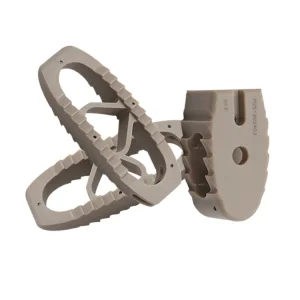
Our Sternal Fixation System utilizes high-grade Titanium Alloy (Ti-6Al-4V ELI / Grade 23) and Pure Titanium (Grade 4), offering an optimized elastic modulus close to human cortical bone. The anatomical profile plates feature low-profile locking screw technology that locks the screw head directly into the threaded plate hole. This creates a fixed-angle construct that eliminates micromotion, promotes primary bone healing (osteosynthesis), and significantly shortens recovery times in intensive care units (ICU).
| Performance Metrics | Traditional Wire Cerclage | Rigid Sternal Fixation Plate System |
|---|---|---|
| Fixation Mechanism | Frictional / Tensile Wire Tension | Fixed-Angle Rigid Osteosynthesis |
| Micro-motion under Dynamic Load | High (Risk of bone cutting & non-union) | Minimal (< 0.1 mm stability) |
| Resistance to Longitudinal Shear Force | Poor | Exceptional (Distributed across plate grid) |
| Clinical DSWI Incidence Rate | Historically 1.5% - 5.0% in high-risk groups | Statistically reduced to < 0.5% |
| Patient Post-op Pain Profile | Extended discomfort upon respiration | Accelerated pain reduction & early mobilization |
In addition to standard median sternotomy plates, surgical trauma departments in Pécs require versatile thoracic solutions for chest wall stabilization, rib fractures, and pediatric congenital chest malformations.
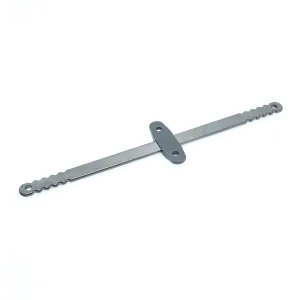
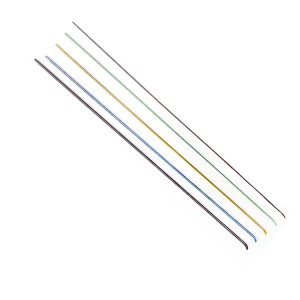
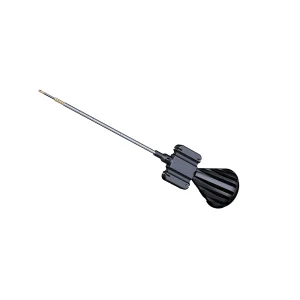
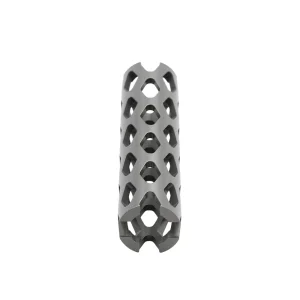
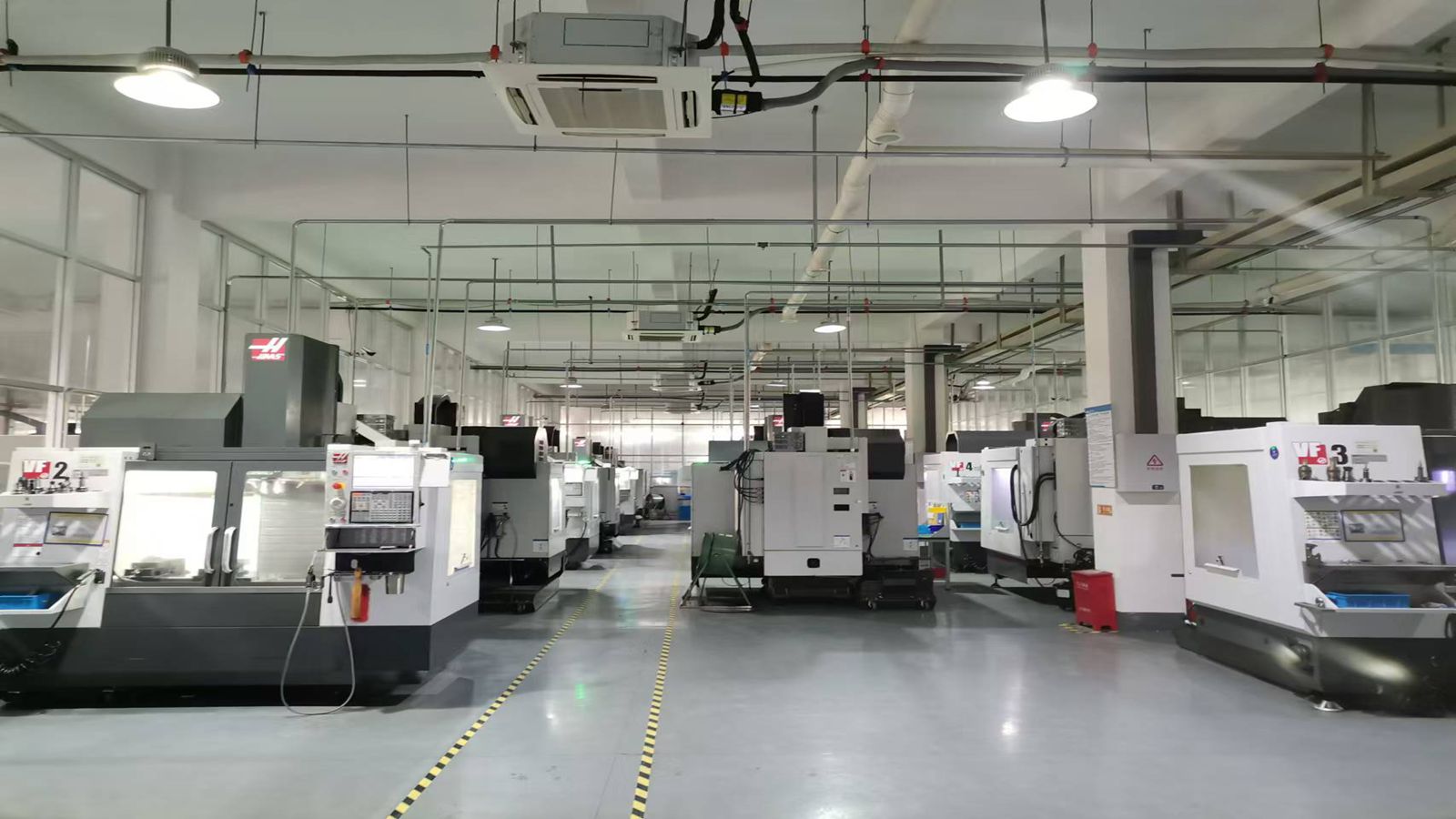
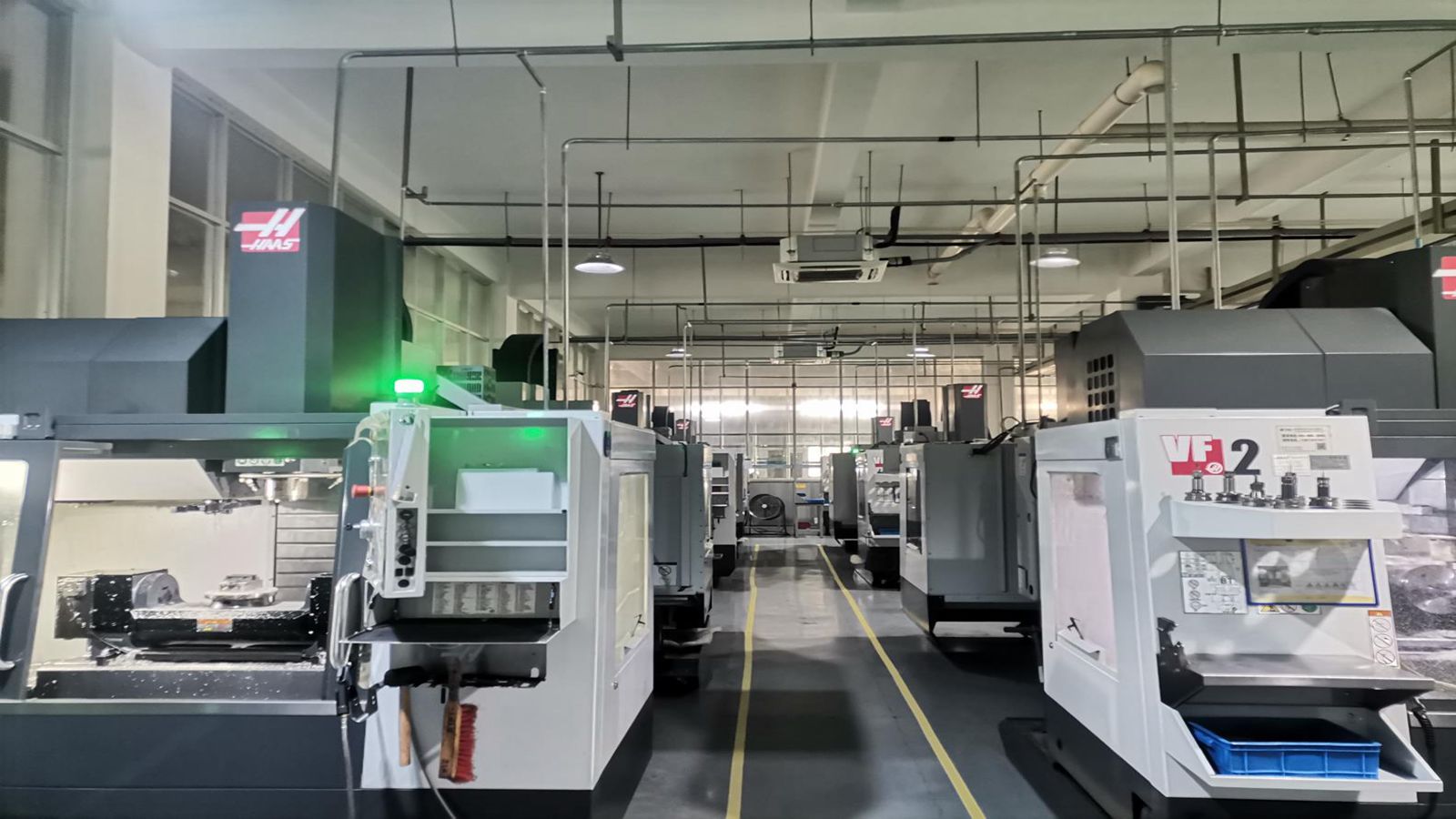
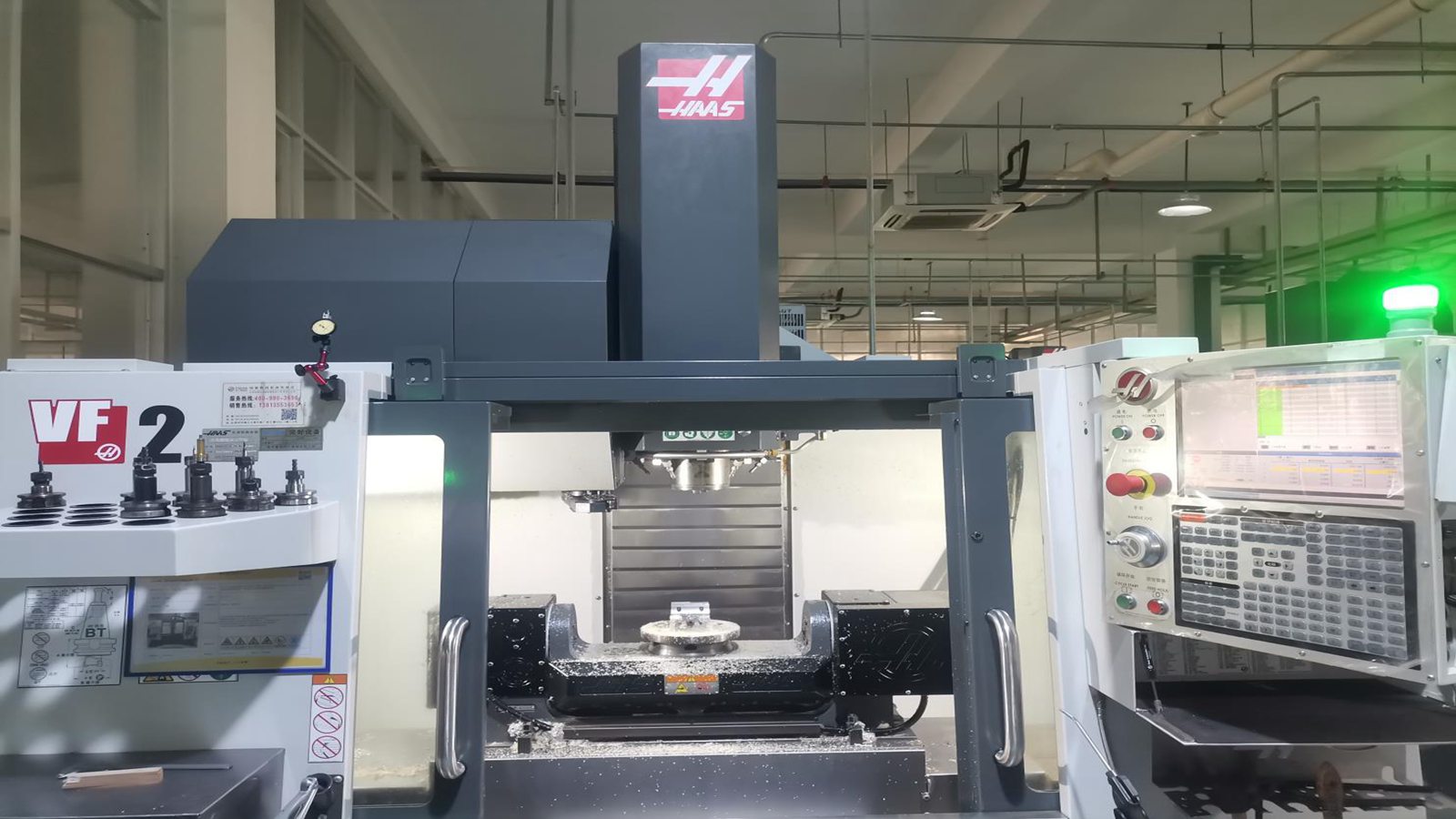
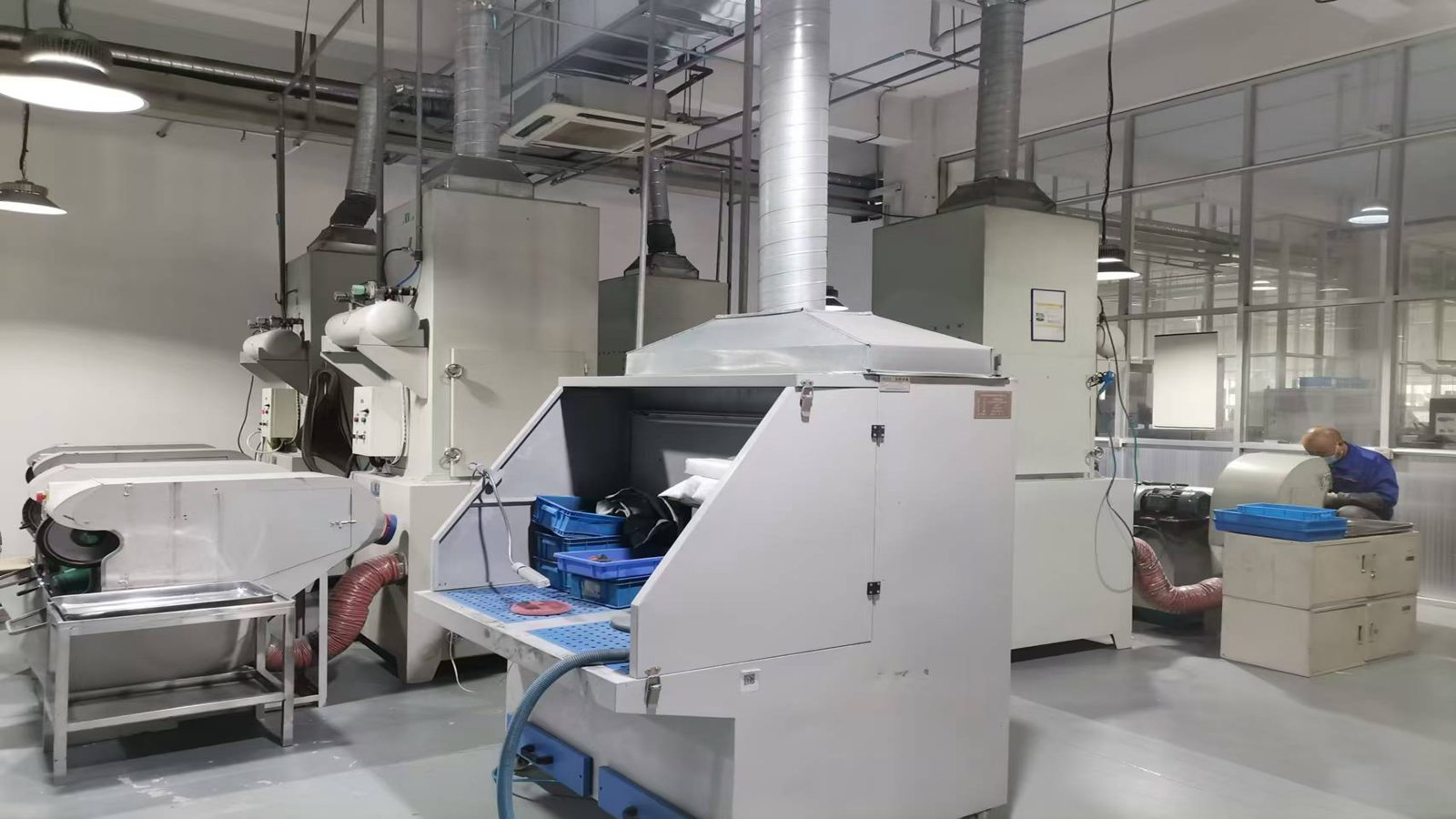
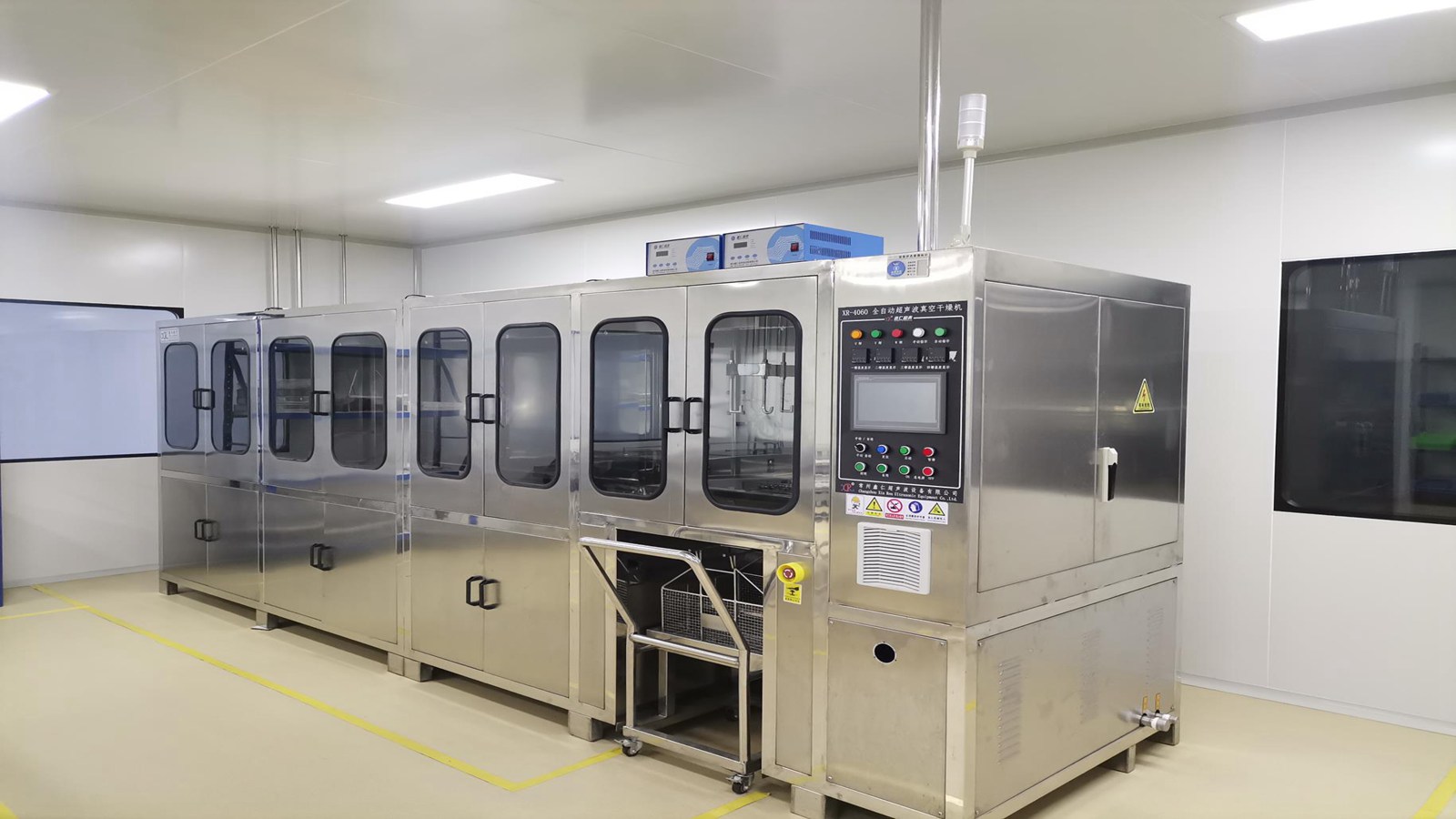
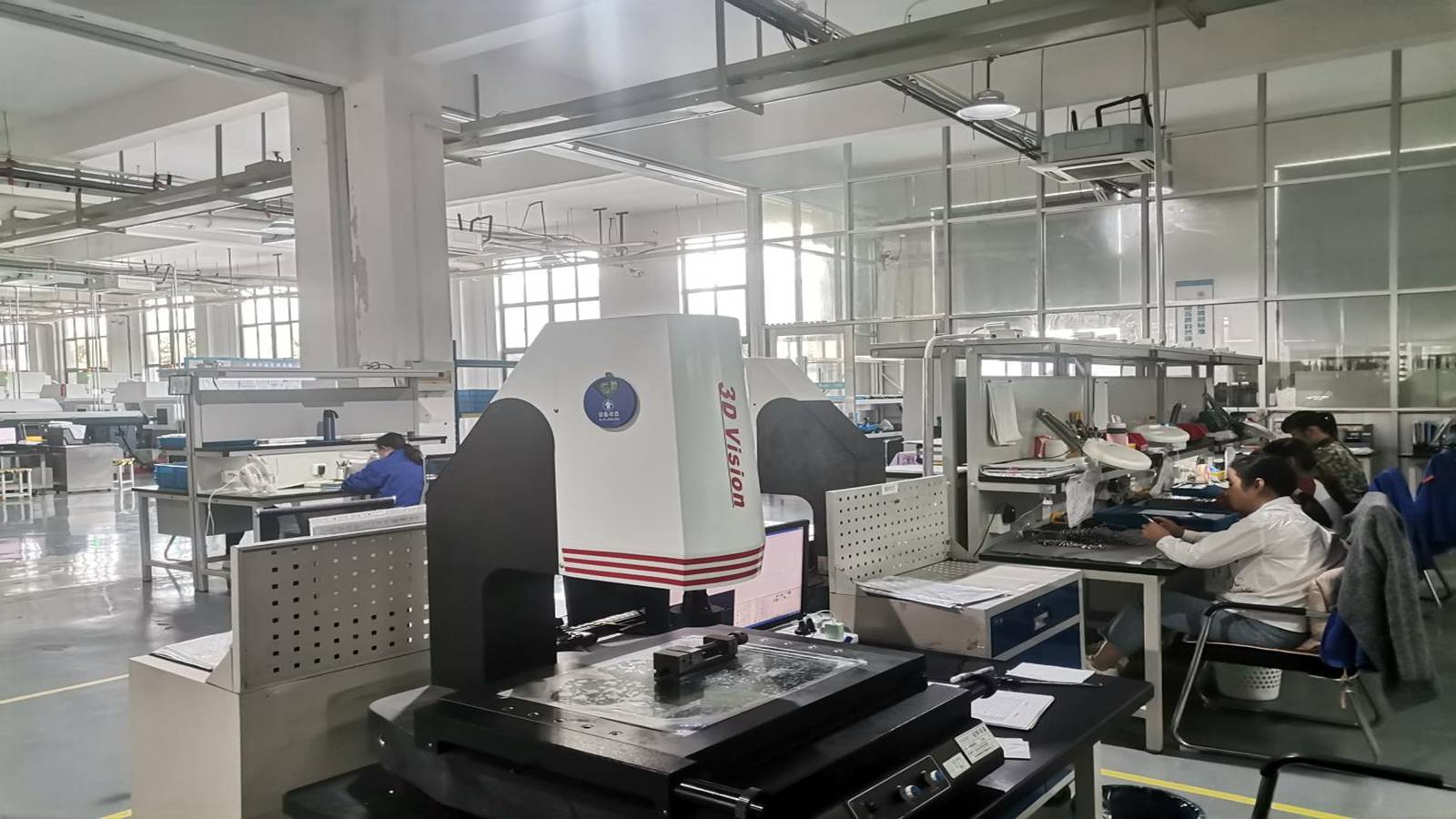
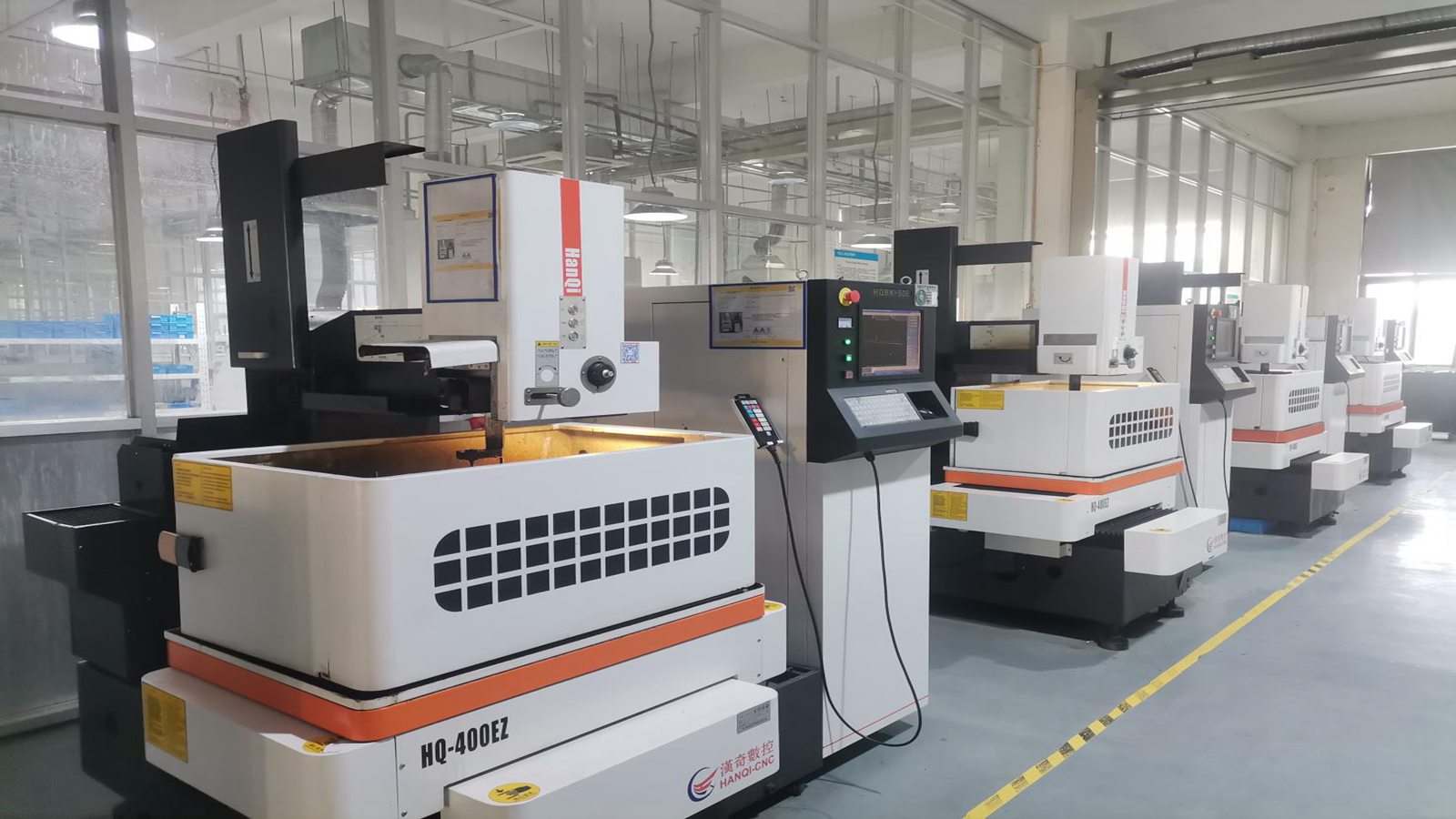
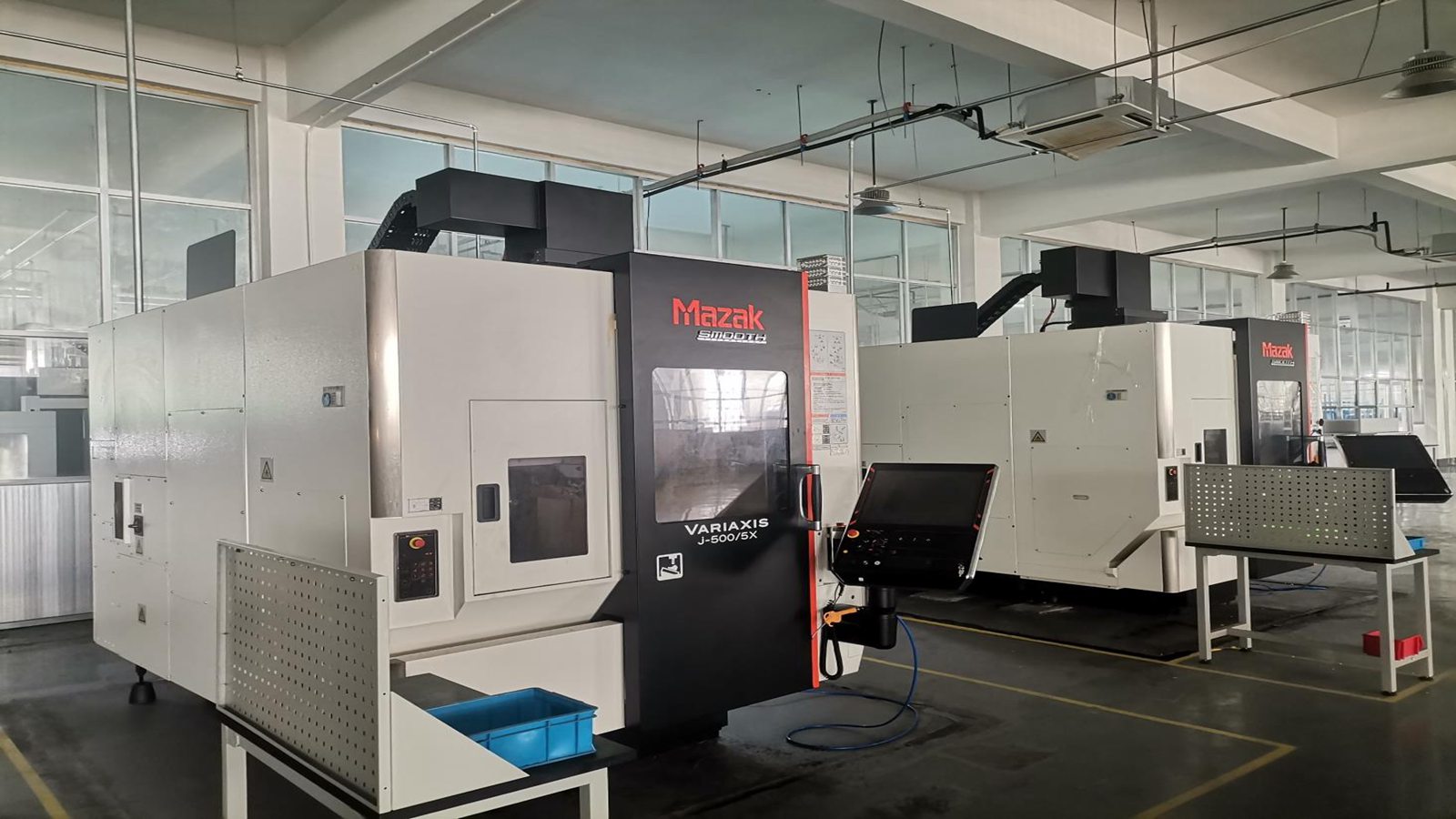
We combine rigorous ISO 13485 quality systems, 5-axis CNC titanium machining, and European CE MDR compliance to deliver premium medical devices at competitive direct-factory pricing.
Every batch of Titanium Grade 4 and Grade 5 (Ti-6Al-4V ELI) bar stock comes with complete chemical composition certificates, ultrasonic flaw testing reports, and heat-treatment tracking numbers to ensure zero defect rates.
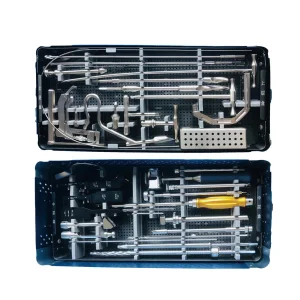
Our engineering core includes 1 Doctorate and 11 Post-Graduate biomechanics experts capable of custom contour plate design, rapid sample processing, and tailored instrument kit prototyping within 15 business days.
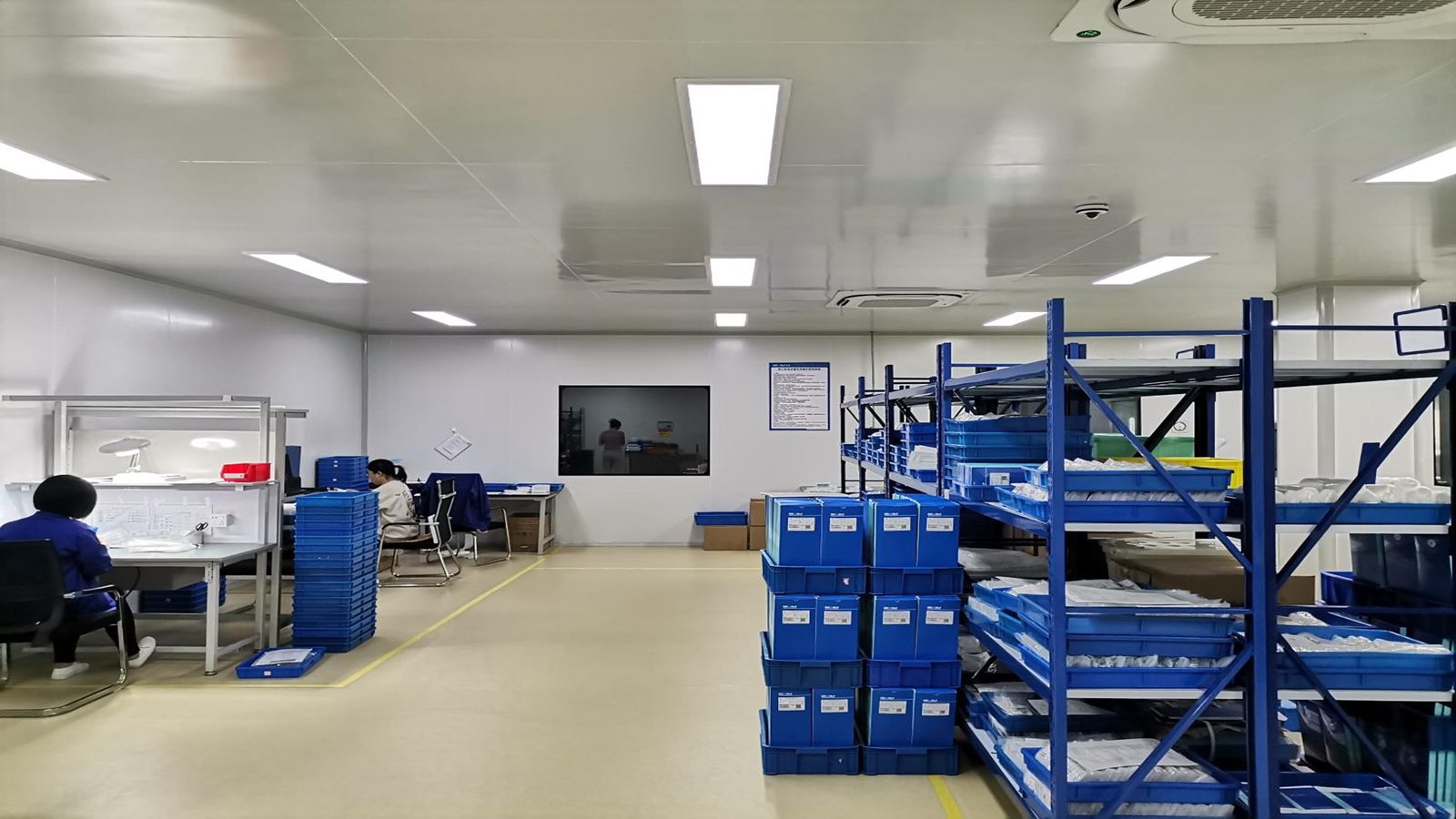
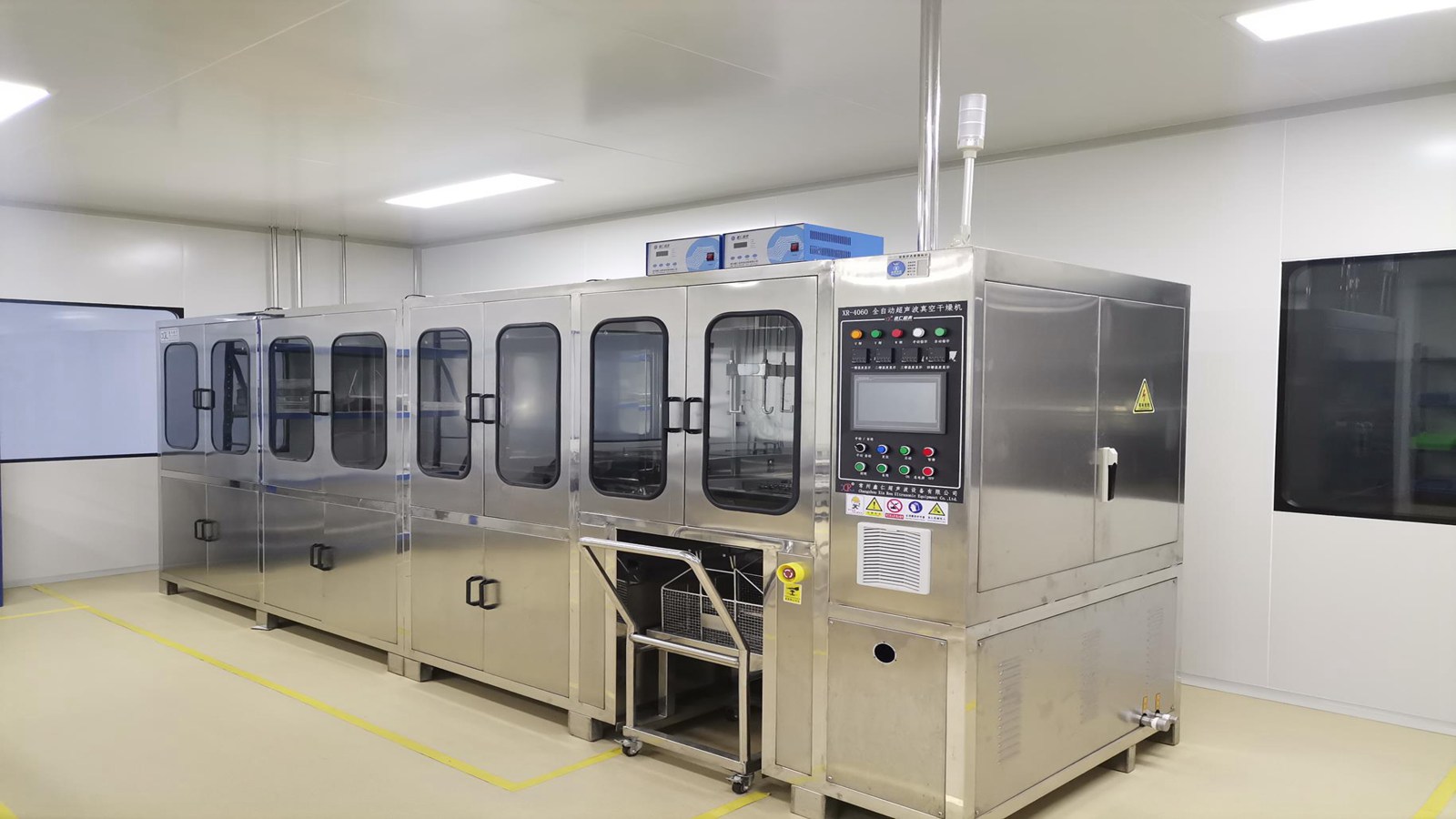
Equipped with Class 100,000 cleanrooms for sterile packaging, our manufacturing workflow aligns strictly with EN ISO 13485 and European Union Medical Device Regulations (EU MDR 2017/745).



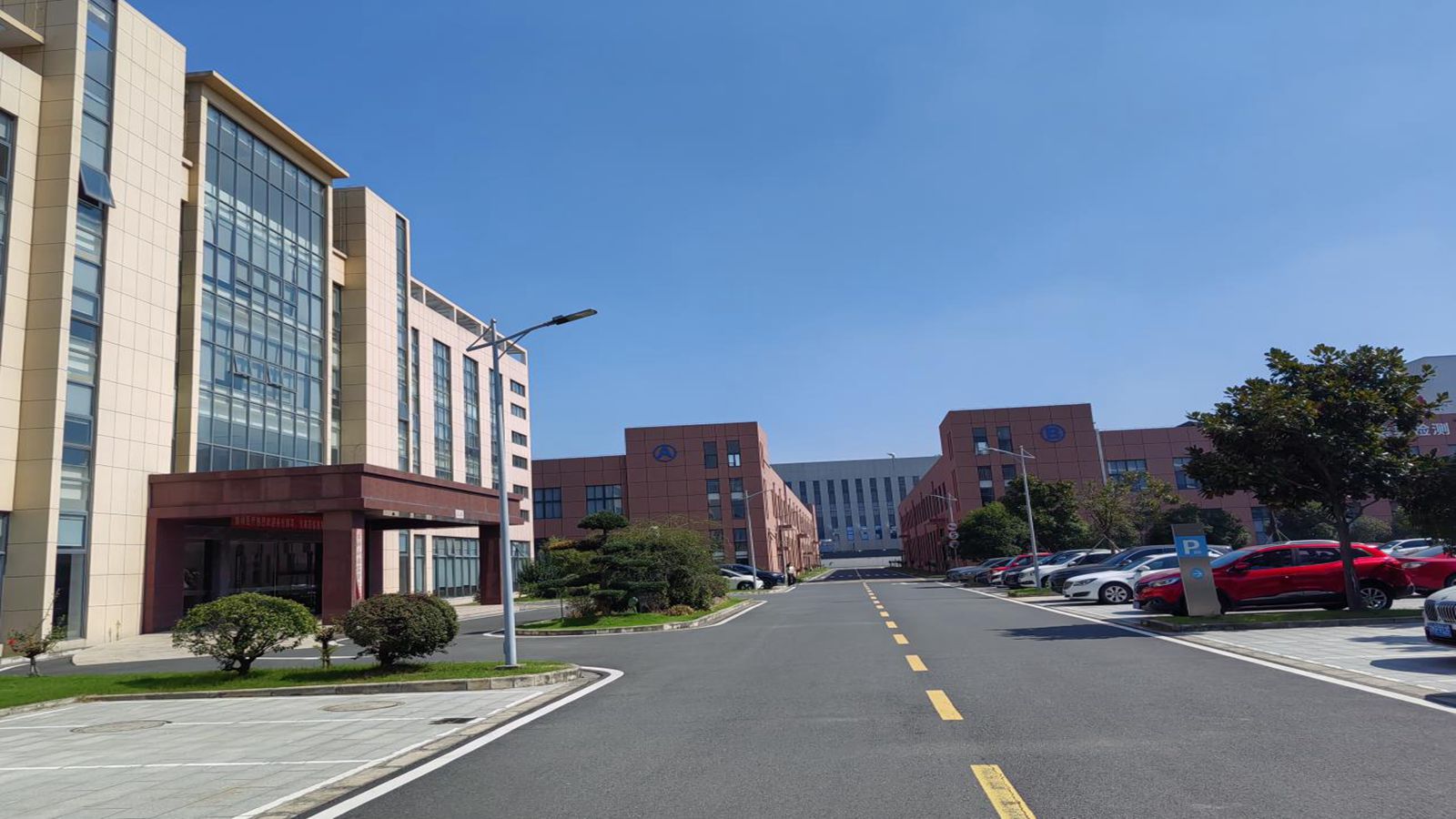
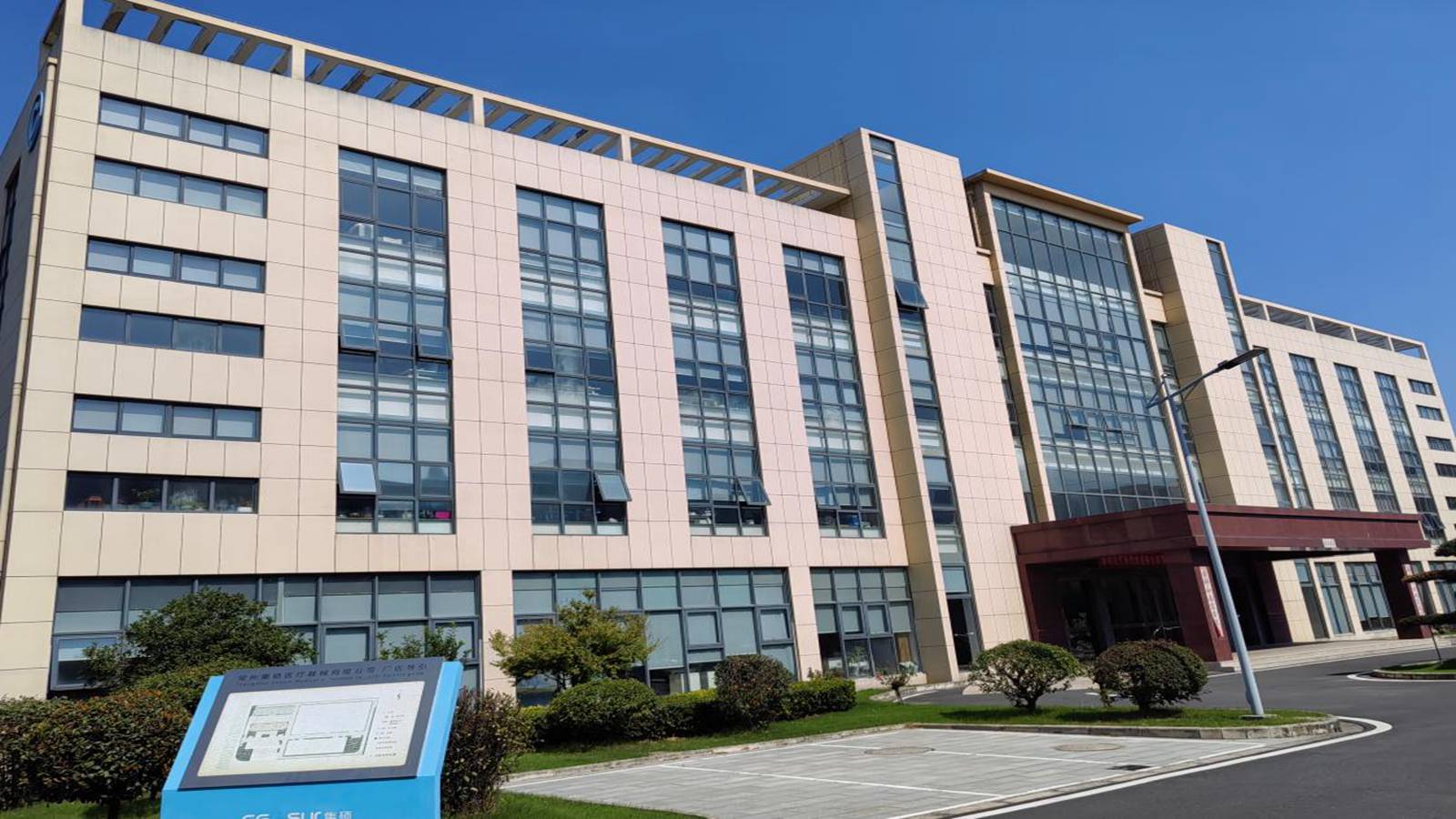
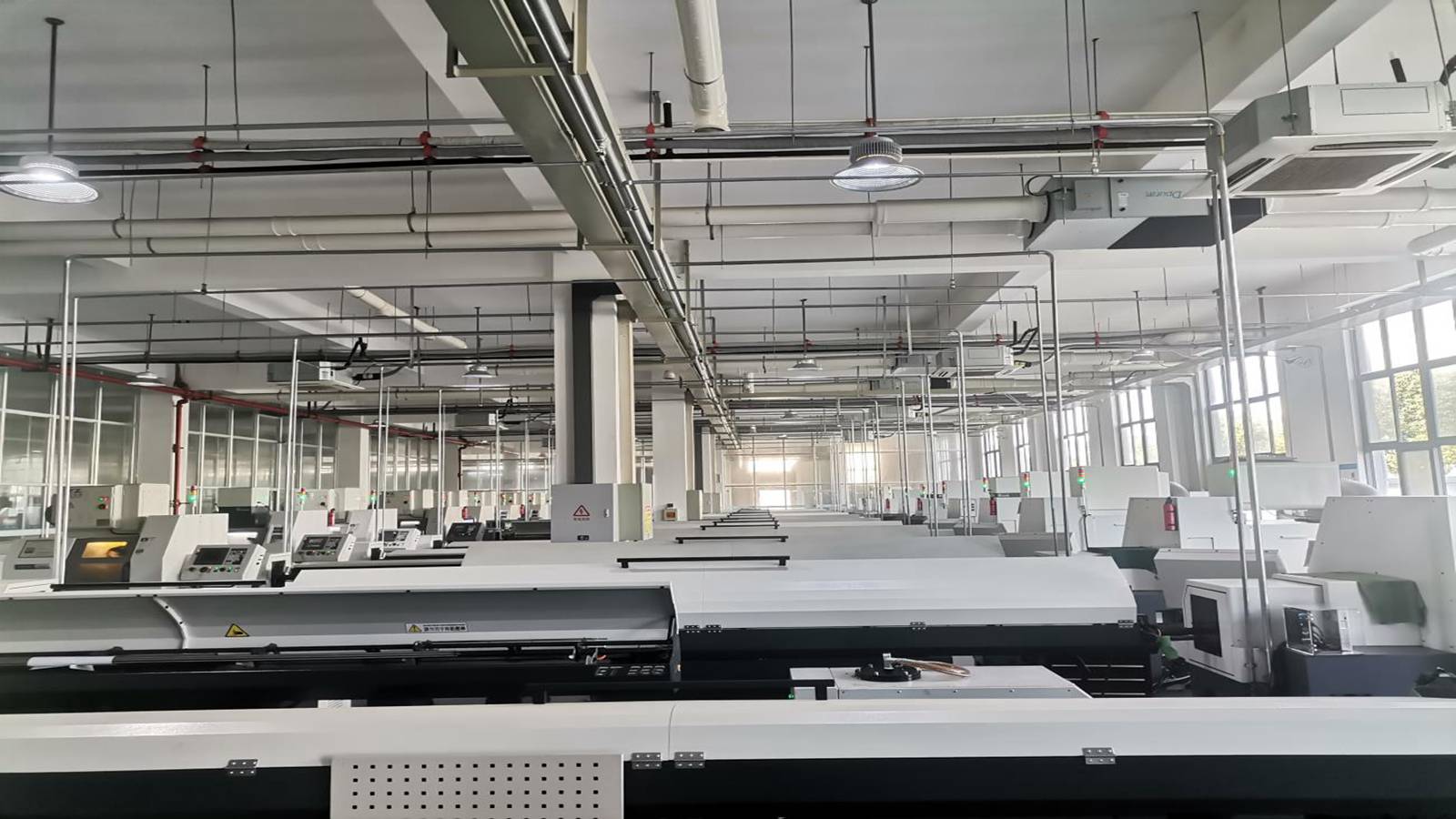
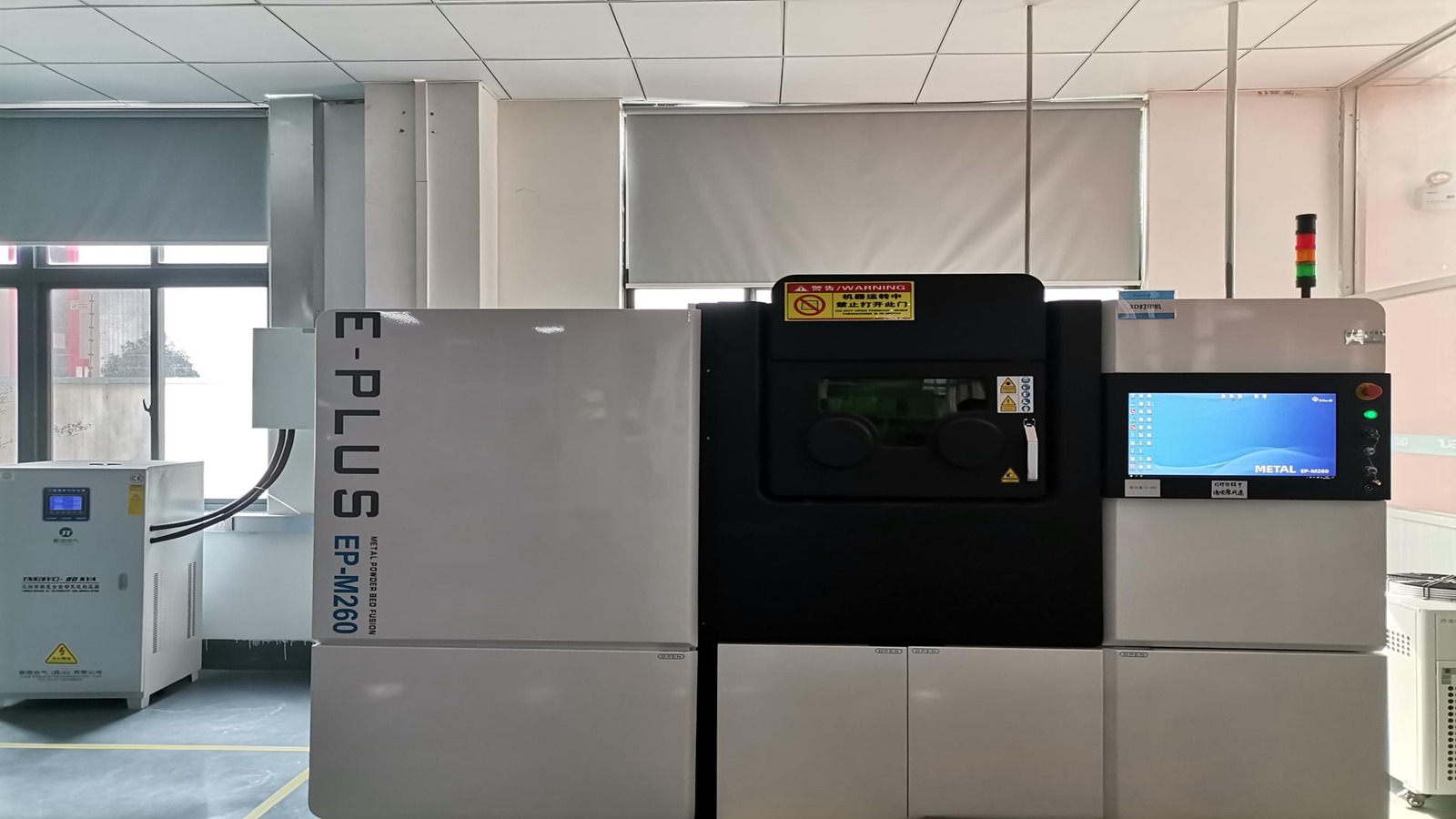
30,343 m² cleanroom manufacturing site operating 12 automated lines with strict QA inspection at every stage.
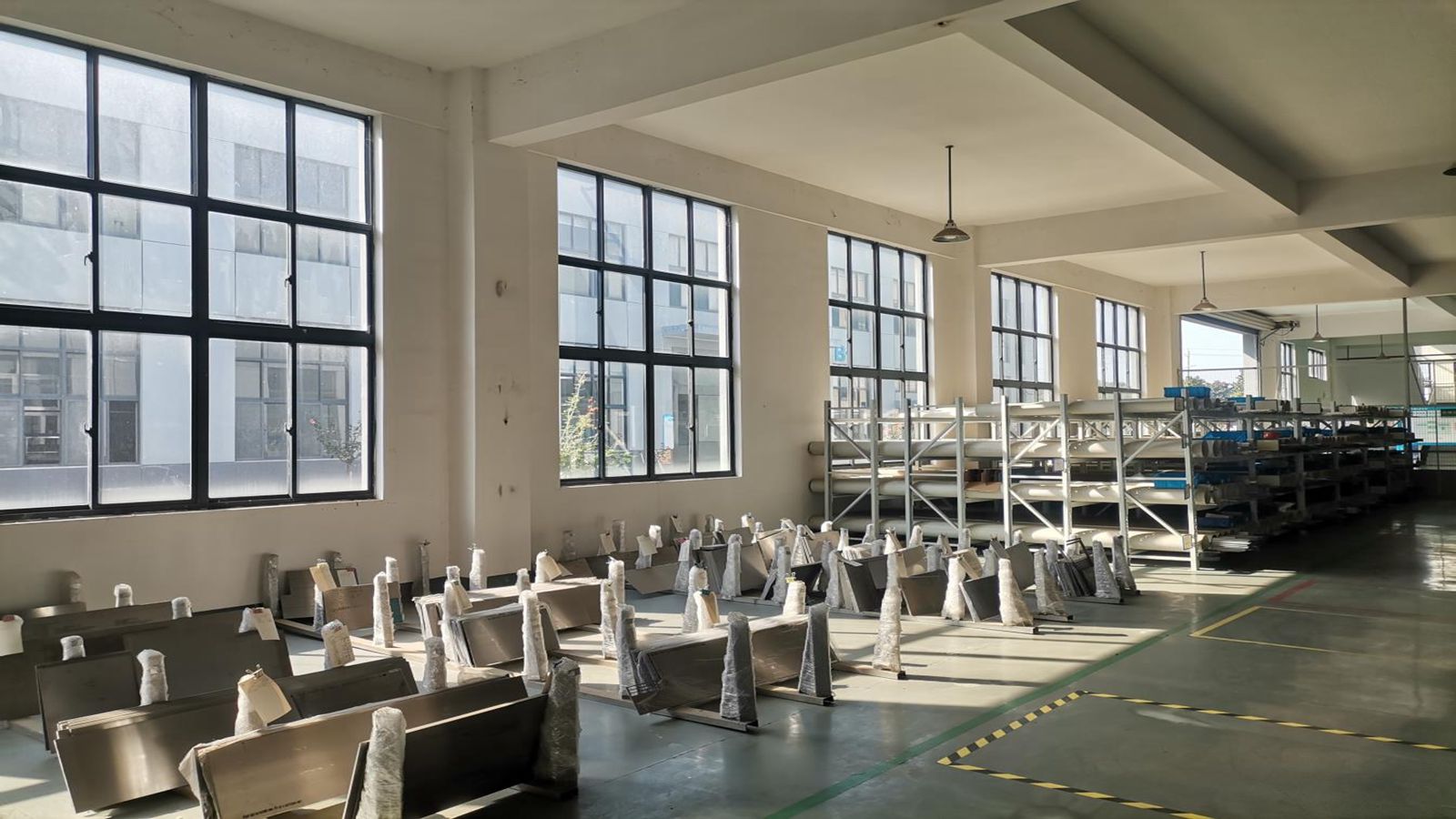
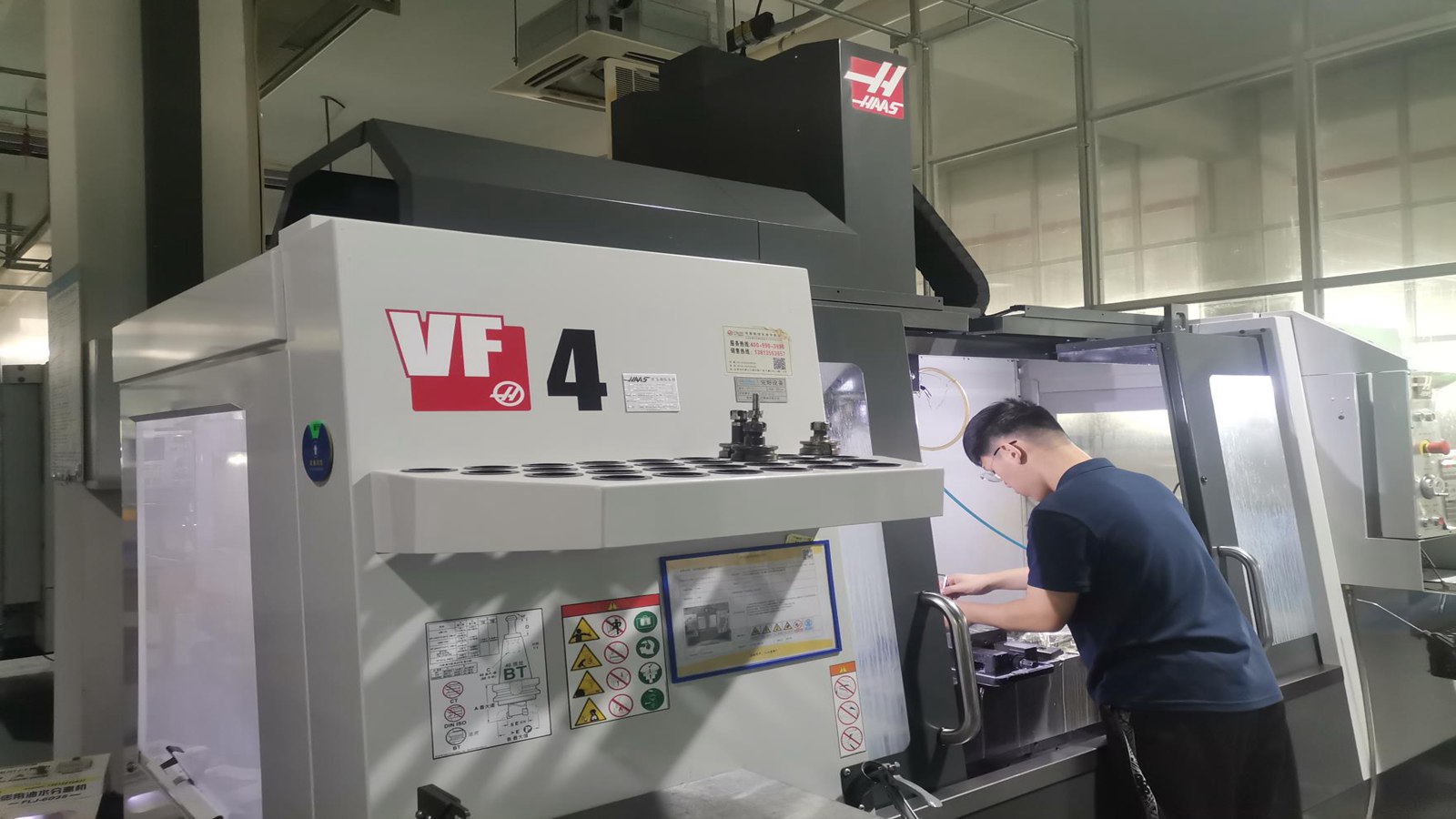
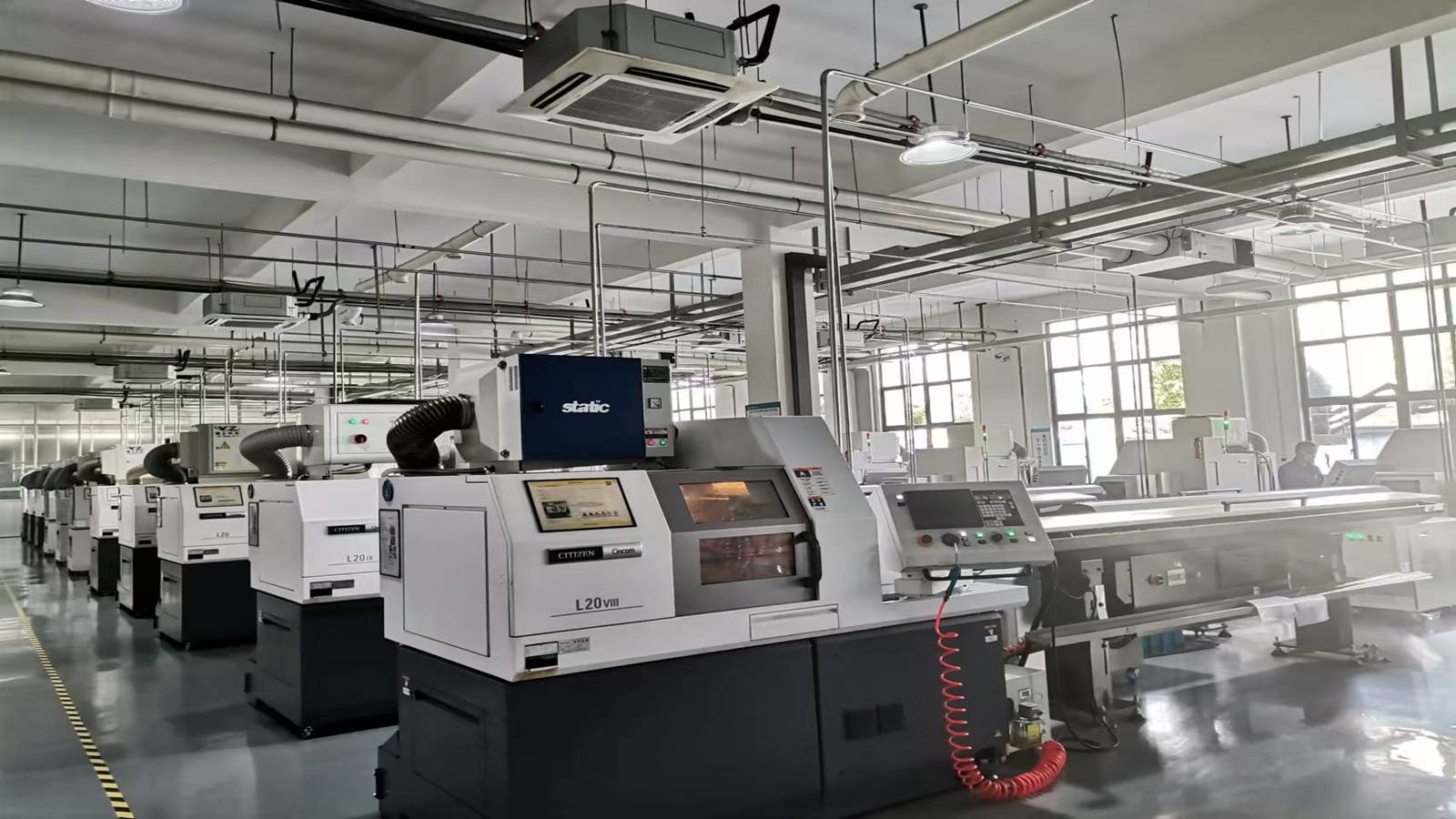
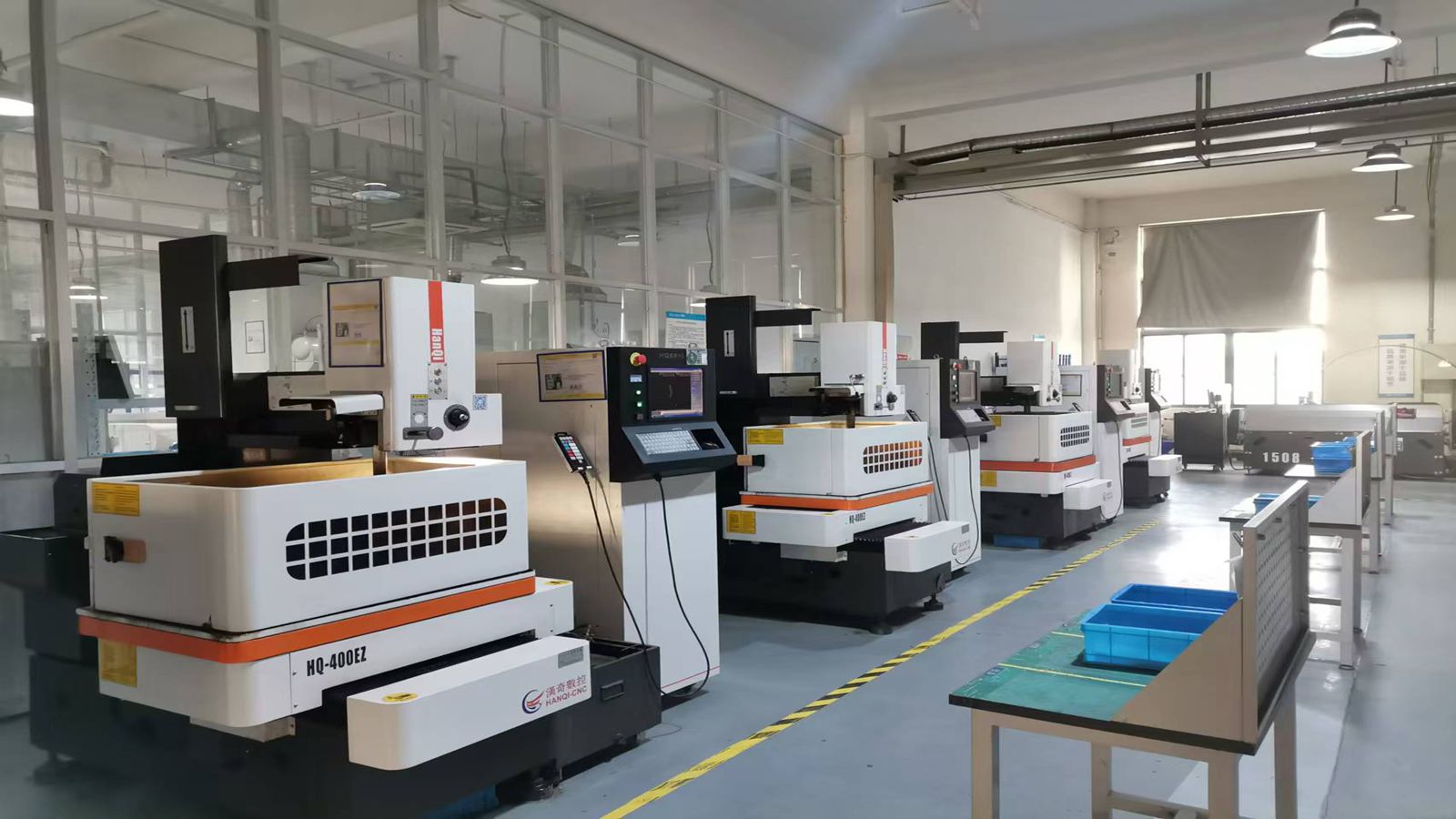
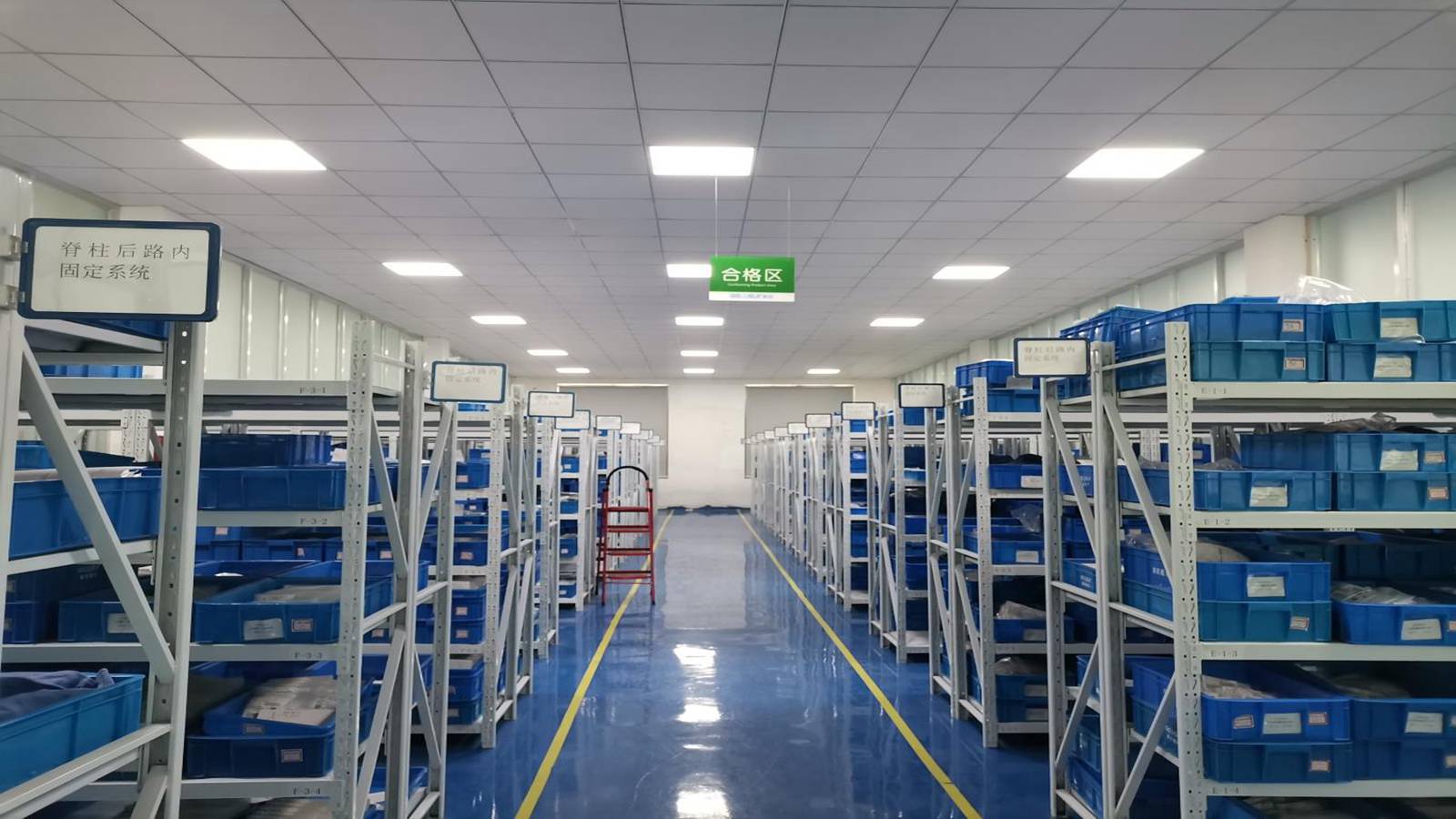
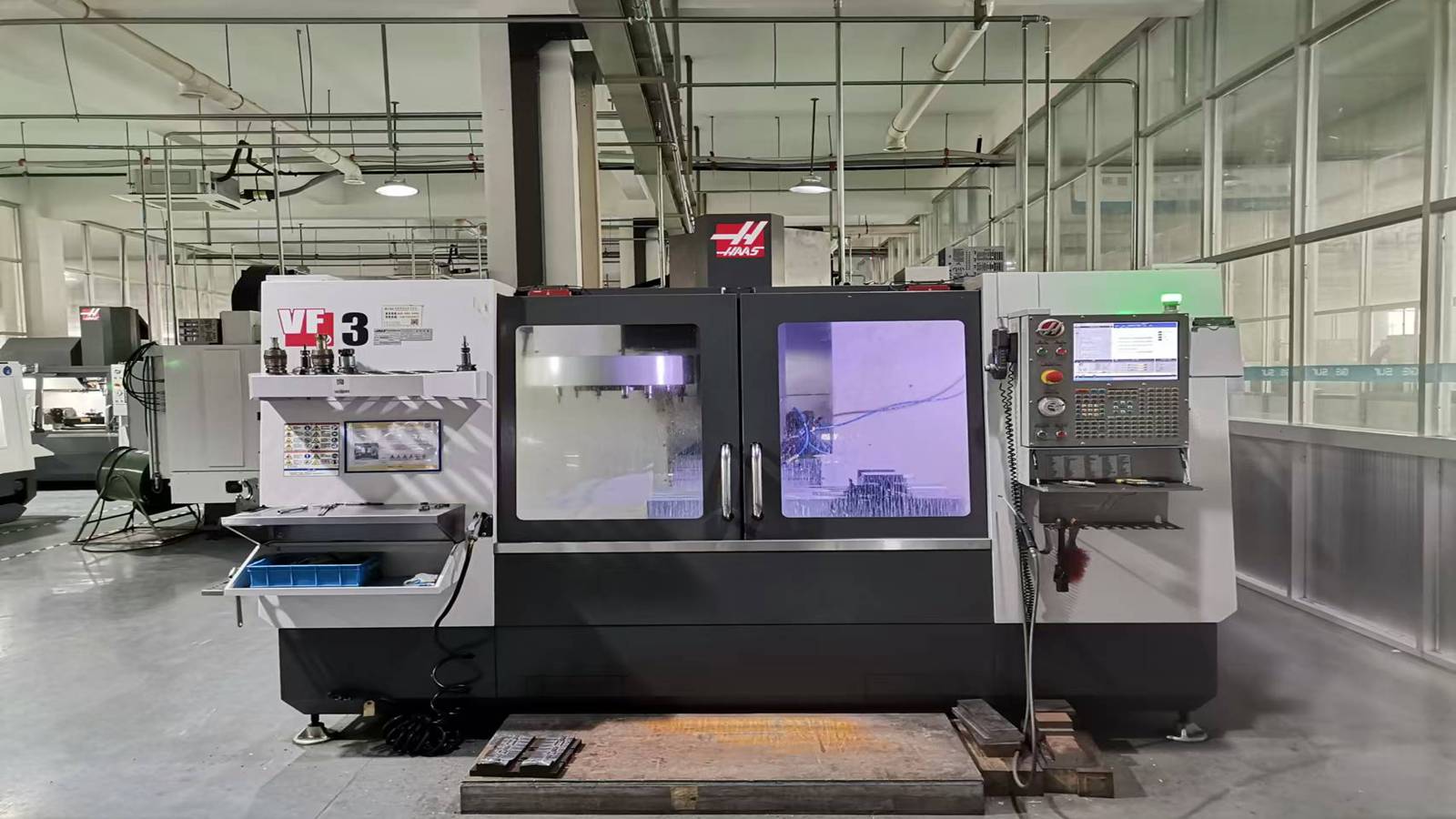
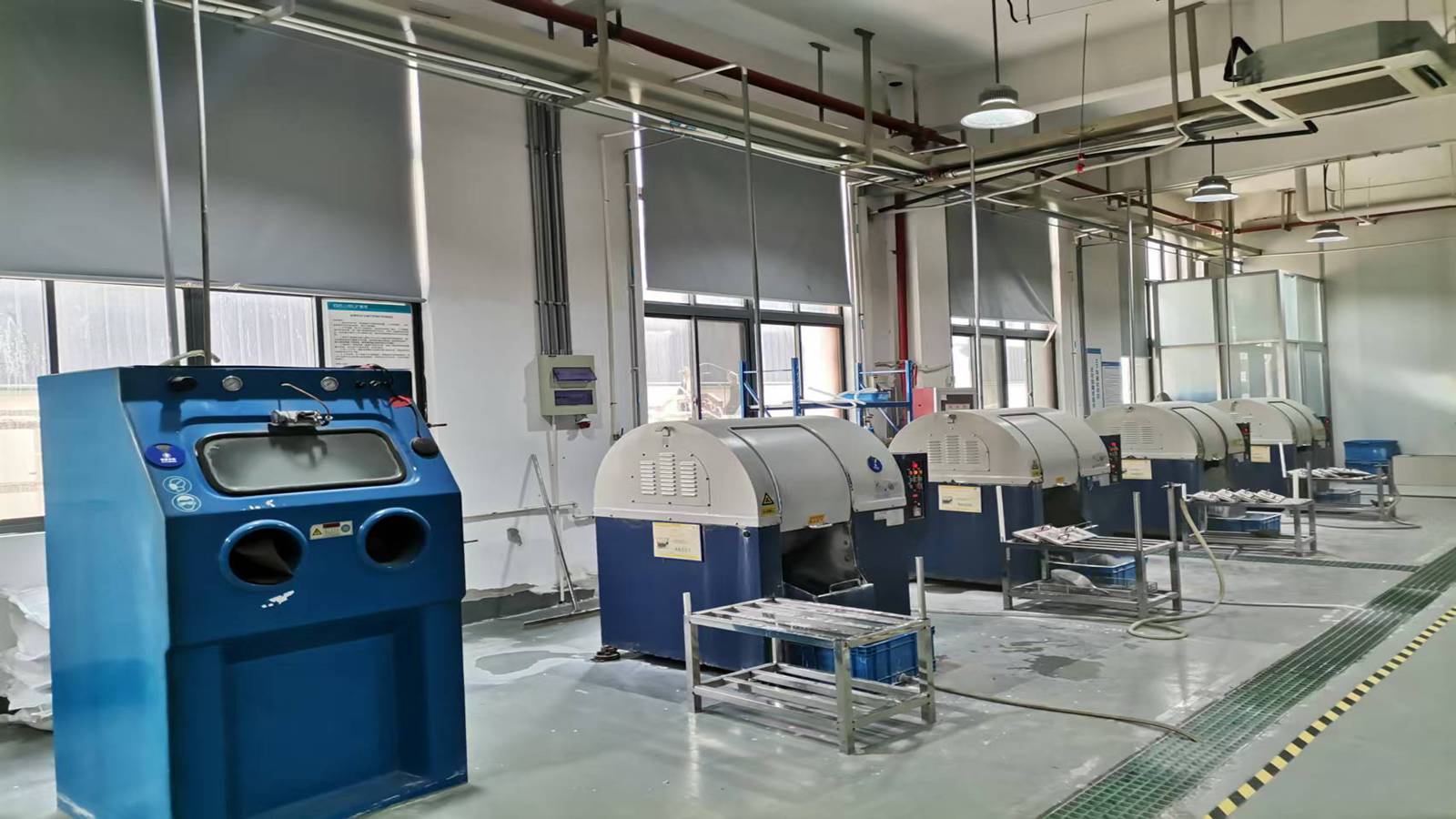
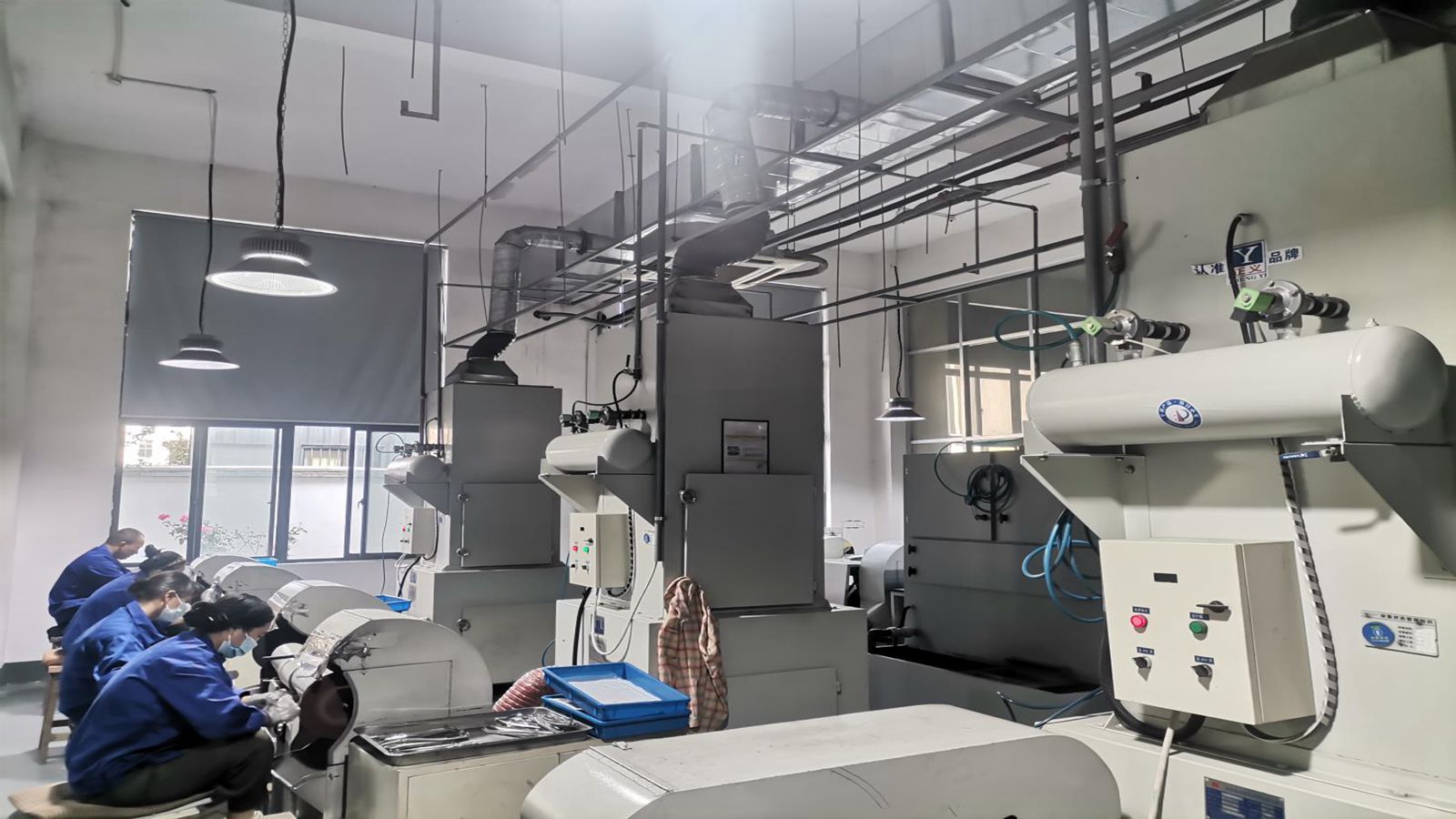
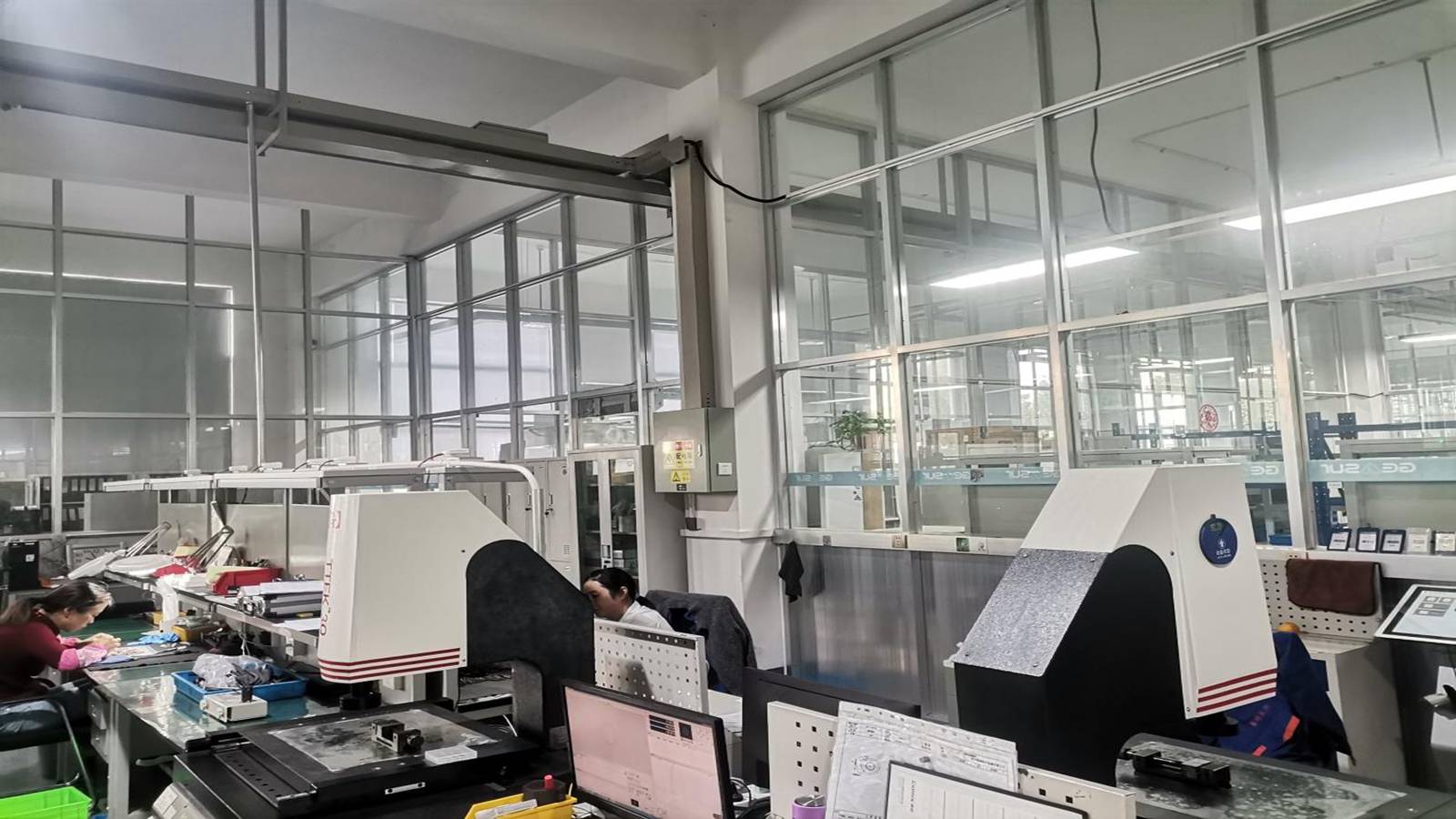
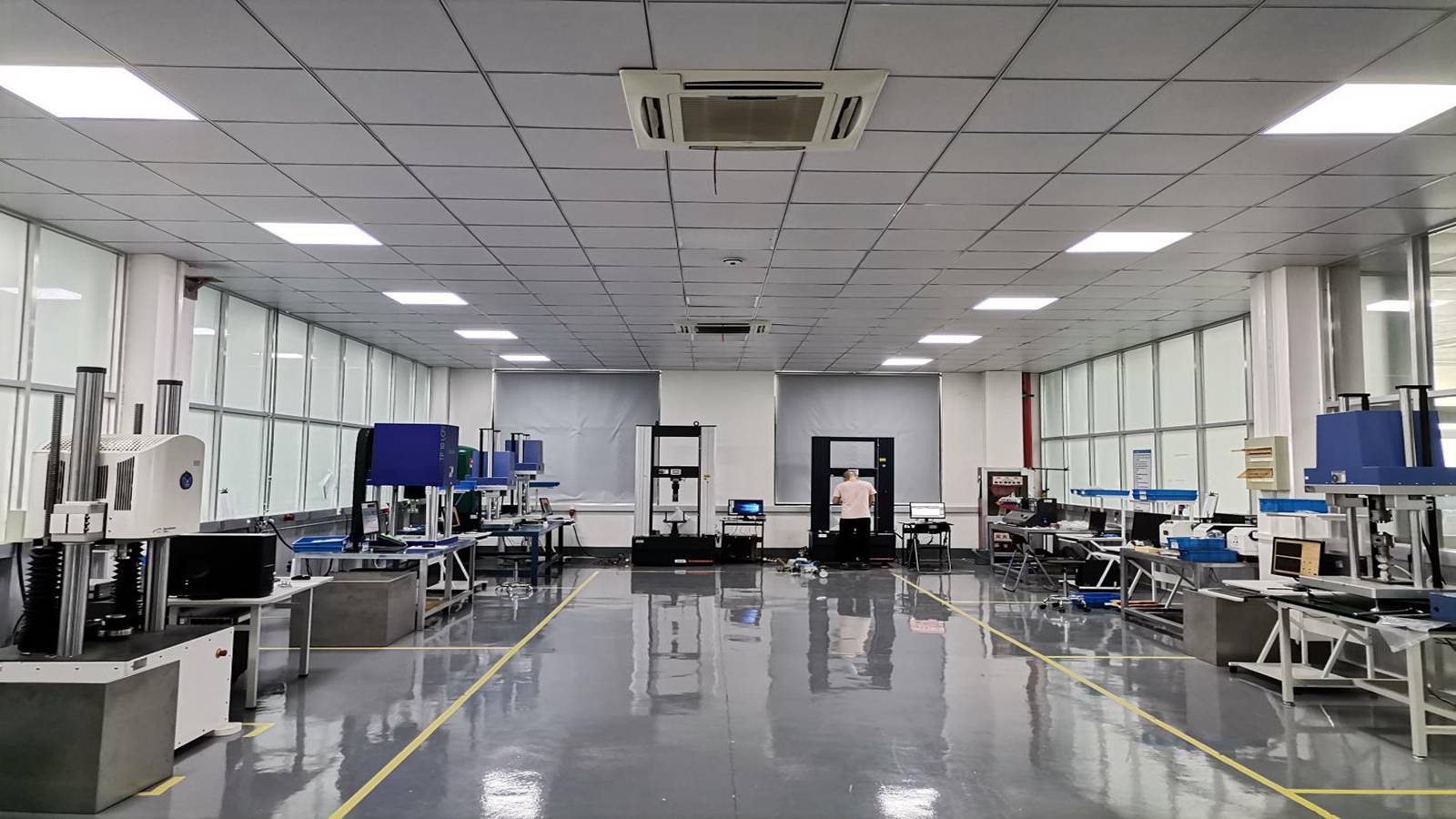
Directly serving medical device importers, hospital procurement officers, and surgical distributors across Hungary and Central Eastern Europe.
Addressing regulatory, technical, delivery, and customization questions for healthcare importers in Hungary.
Whether you are a hospital purchasing director at the University of Pécs Clinical Centre or a medical device distributor in Hungary seeking high-margin, CE MDR certified sternal and orthopedic implants, our expert engineering team is ready to support your clinical demands.