Ease Medical Apparatus And Instruments
Ease Medical Apparatus And Instruments
Ease Medical Apparatus And Instruments
Advancing Thoracic Stability through Rigid Fixation, Information Gain, and Precision Engineering for American Healthcare Providers.
Engineered for high-stress thoracic and trauma applications.
In the United States, cardiovascular surgery remains one of the most performed high-stakes procedures. Traditional wire cerclage, while historically standard, is increasingly being replaced by Rigid Sternal Fixation (RSF). As a leading manufacturer serving the US market, we recognize that the move toward rigid plating is driven by the clinical need to reduce sternal dehiscence, lower infection rates, and accelerate patient recovery.
Our sternal fixation implants are designed with the "Information Gain" principle: providing surgeons with biomechanical data that ensures the implant can withstand the dynamic forces of respiration and coughing, which can exert over 1,500 Newtons of force on the sternum.

Years of USA Export Experience
m² Smart Factory Space
Advanced CNC Machines
Certified Compliance
Transitioning from static plates to dynamic systems that allow for controlled physiological expansion during deep respiration while maintaining absolute stability against shear forces.
Exploring hydroxyapatite and antimicrobial silver-ion coatings to reduce the risk of Late Sternal Wound Infection (LSWI), a critical metric for US hospital readmission rates.
Integrating 3D CT-based pre-operative planning to provide patient-specific sternal plates, minimizing "on-table" contouring and reducing anesthesia time.
The US healthcare market is shifting toward Value-Based Care. Hospitals and Group Purchasing Organizations (GPOs) are no longer just buying "screws and plates"; they are seeking Total Procedural Solutions that reduce the Total Cost of Care (TCOC). Our manufacturing philosophy aligns with this by offering:
Enhanced Recovery After Surgery (ERAS) is the gold standard in US hospitals. Our rigid fixation systems facilitate earlier extubation and physical therapy, reducing ICU length of stay by an average of 1.5 days.
By leveraging our China Factory 4.0 infrastructure, we ensure a stable supply chain that mitigates the "stock-out" risks seen during global disruptions. We maintain strategic buffer stocks specifically for our North American partners.
Adherence to the Sunshine Act and FDA 21 CFR Part 820 is non-negotiable. Our QA/QC department consists of 36 dedicated inspectors who ensure every lot of sternal implants meets the stringent safety thresholds required by the US FDA.

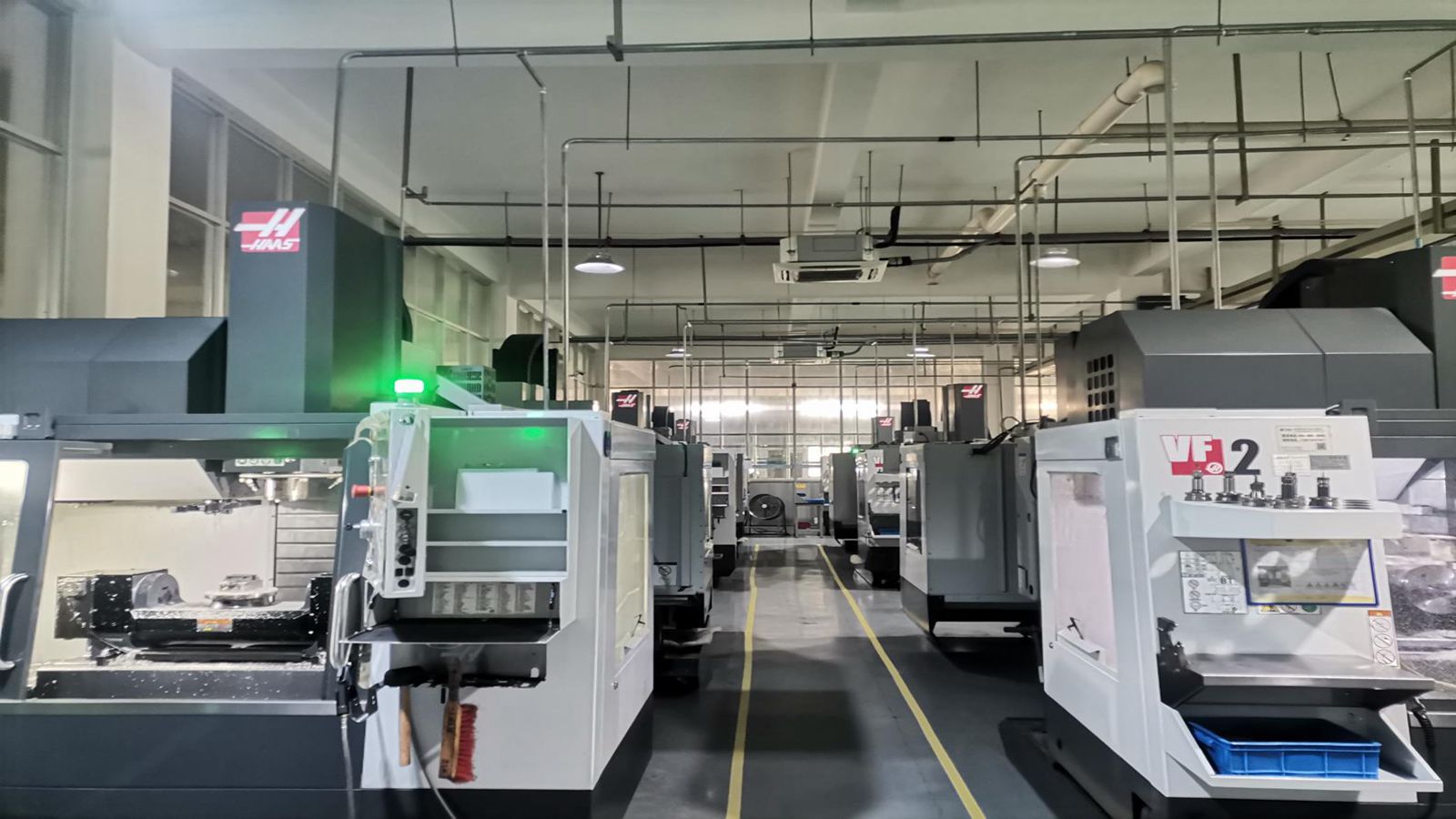
Our 30,343m² facility is a beacon of Industrial Intelligence. By integrating automated CNC milling, laser marking, and clean-room packaging, we achieve a level of precision that traditional manufacturing cannot match. For US-based manufacturers and distributors, this means:
| Feature | Advantage for US Partners |
|---|---|
| 120+ CNC Production Machines | Scalability to handle large-scale GPO contracts without lead-time inflation. |
| 31 R&D Engineers | Custom OEM/ODM capabilities to develop proprietary fixation systems. |
| MDSAP Certification | Streamlined regulatory pathway for US and Canadian market entry. |
We understand that procurement for US medical device companies involves complex logistics and localization needs. Our Localization Support package includes:
Unique Device Identification (UDI) compliant with FDA requirements for full traceability across the US healthcare system.
Providing both non-sterile (for hospital reprocessing) and gamma-irradiated sterile packaging solutions validated to ISO 11137.
Comprehensive IFUs (Instructions for Use), surgical technique manuals, and clinical data summaries in perfect English.
Streamlined logistics taking care of customs clearance and domestic US delivery to your warehouse.
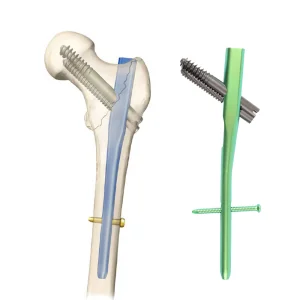
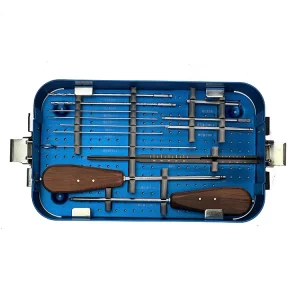
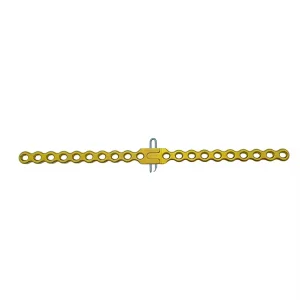
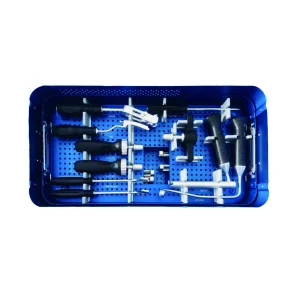
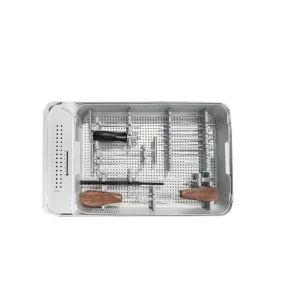
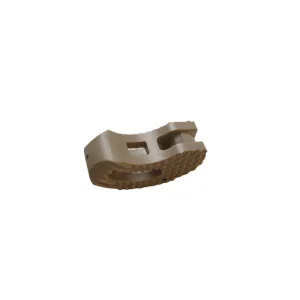
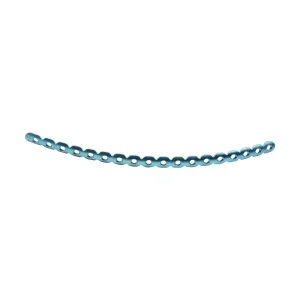
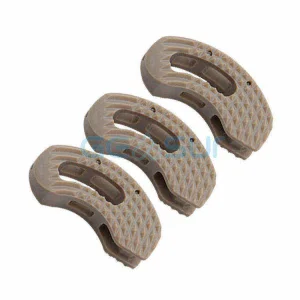
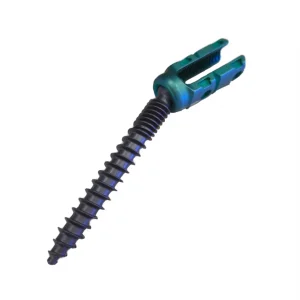
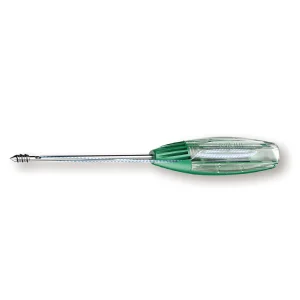
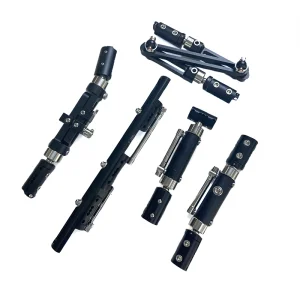
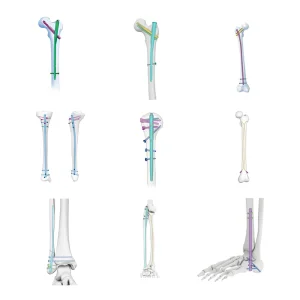
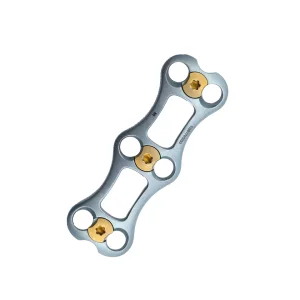
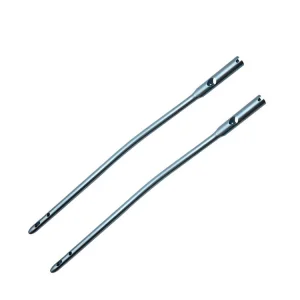
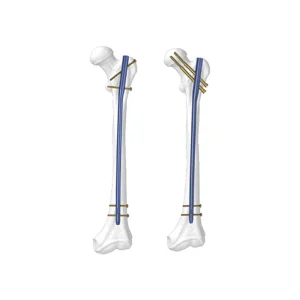
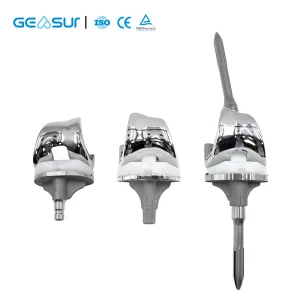
Comprehensive implant systems for diverse clinical applications.
Rigid fixation provides superior biomechanical stability, reducing bone micro-motion by up to 90% compared to wires. This leads to faster bone union, reduced post-operative pain, and a significantly lower risk of sternal dehiscence and mediastinitis, which are critical for US patient safety standards.
Yes, our manufacturing facility is ISO 13485 and MDSAP certified. We produce implants that meet ASTM F136 titanium standards. We work closely with US partners to ensure all products meet the rigorous requirements of 510(k) clearances and Class II/III medical device classifications.
Absolutely. With over 31 R&D engineers and 12 dedicated production lines, we specialize in high-end OEM/ODM manufacturing. We can customize plate designs, screw threading, and packaging to match your brand's specifications and US market identity.
We offer diverse logistics solutions, including air freight for urgent clinical needs and sea freight for bulk replenishment. Our team handles the documentation required for US Customs and can facilitate DDP (Delivered Duty Paid) shipping to minimize the administrative burden on your procurement team.
Ready to enhance your product portfolio or clinical outcomes? Contact our USA market specialists today for a technical consultation and bulk pricing.