 Ease Medical Apparatus And Instruments
Precision-engineered patient mobility hardware, trauma stabilization systems, and surgical instrumentation certified for worldwide healthcare export.
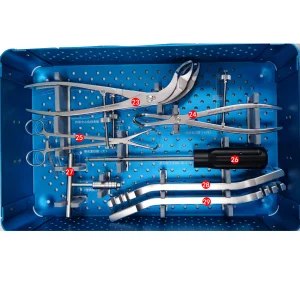
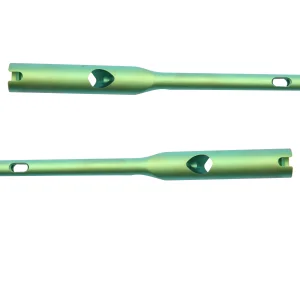
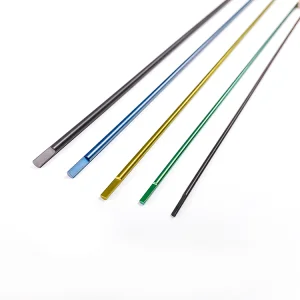
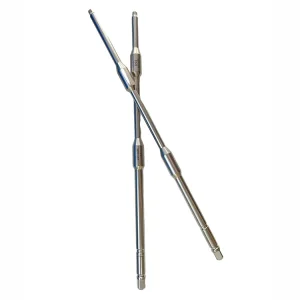
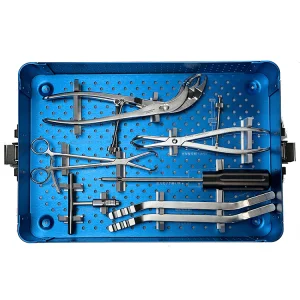
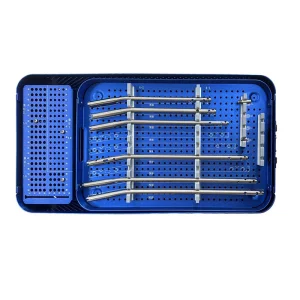
Analyzing demographic trends, safe patient handling mandates, and the rising reliance on China's precision healthcare manufacturing hub.
The global patient handling equipment market is undergoing an unprecedented structural shift. Driven by a rapidly aging global population, rising chronic mobility disorders, and stringent safe patient handling and mobility (SPHM) regulations across North America, Europe, and Asia-Pacific, healthcare providers are transitioning aggressively away from manual patient transfers. According to clinical workplace safety studies, musculoskeletal disorders (MSDs) among nursing staff account for over 45% of total healthcare occupational injuries. As a direct countermeasure, institutional facilities—including acute care hospitals, long-term care facilities, and home hospice networks—are standardizing mechanized patient lifts, sit-to-stand hoists, overhead ceiling tracks, and specialized orthopedic positioning devices.
Key Insight for Global Procurement Officers: Modern patient transfer equipment must bridge high structural payload capabilities with micro-precision control. China's top tier manufacturing plants have evolved beyond simple steel fabrication to integrate biomedical-grade titanium alloys, smart telemetry actuators, and European MDR-compliant safety override mechanisms.
In jurisdictions governed by OSHA (United States) and EU Directive 90/269/EEC, healthcare organizations face escalating penalties for non-compliance with ergonomic transfer protocols. Zero-lift policies mandate that manual lifting of dependent patients be replaced by mechanical lifts, ceiling hoists, or friction-reducing transfer kits. Consequently, institutional buyers are procuring patient lifts in volume, requiring scalable export partners capable of delivering thousands of certified units annually while preserving rigorous quality controls.
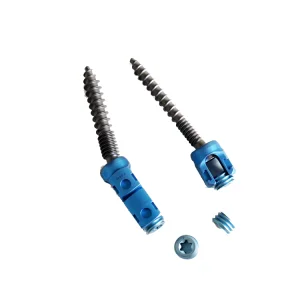
Modern patient care demands seamlessly integrated technology solutions that spans from the operating theatre to post-operative recovery. A patient undergoing complex trauma surgery utilizing titanium lower limb locking plates or intramedullary nails requires specialized transfer systems that minimize physical stress on newly stabilized fractures. China's leading exporters are uniquely positioned because they manufacture both surgical implantation hardware (such as pedicle screws, PEEK cages, and external fixators) and the biomechanical lift infrastructure required for patient transit.
How concentrated industrial clusters, automated metallurgy, and vertical integration create unassailable efficiency and cost advantages for international buyers.
China's medical manufacturing clusters combine raw titanium processing, high-grade stainless steel tube bending, robotic welding, and electronic linear actuator assembly within a 50-kilometer radius. This eliminates international component bottlenecks and dramatically shrinks lead times.
Top Chinese exporters operate under strict international regulatory frameworks, maintaining ISO 13485, EN ISO 13485, MDSAP, and EU MDR (Medical Device Regulation) certifications. Every lift structure and surgical tool meets stringent European and American bio-safety standards.
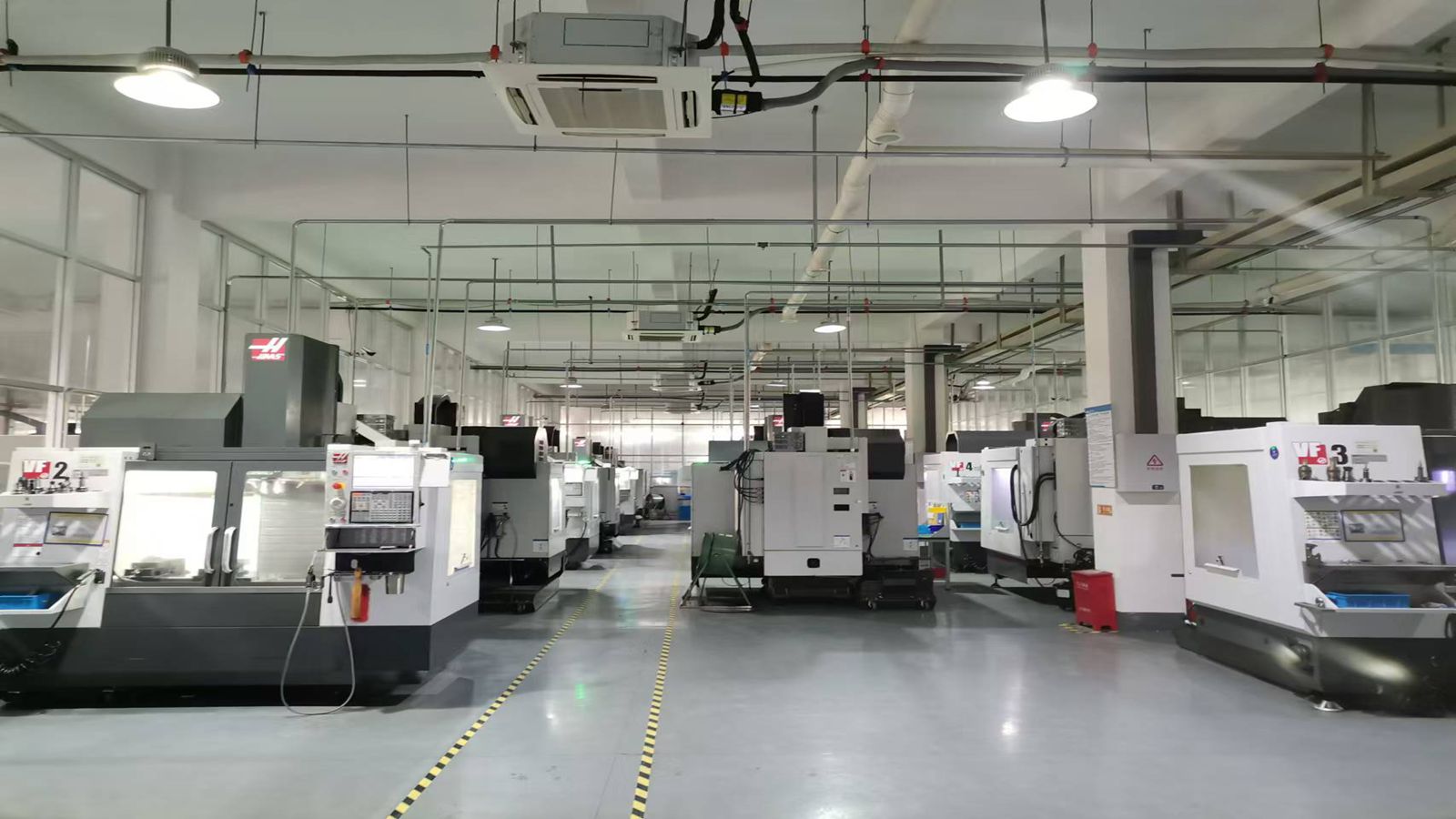
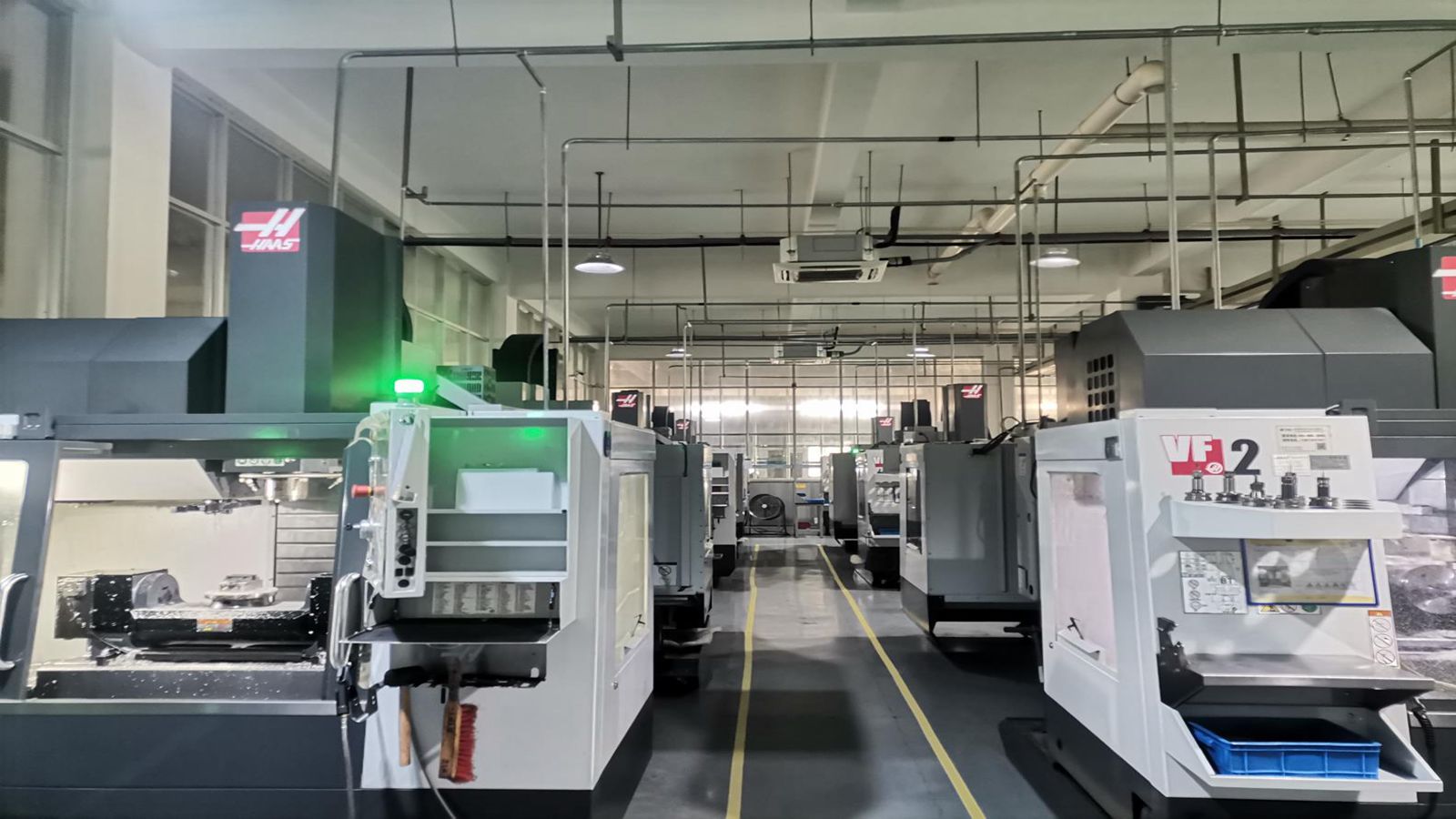
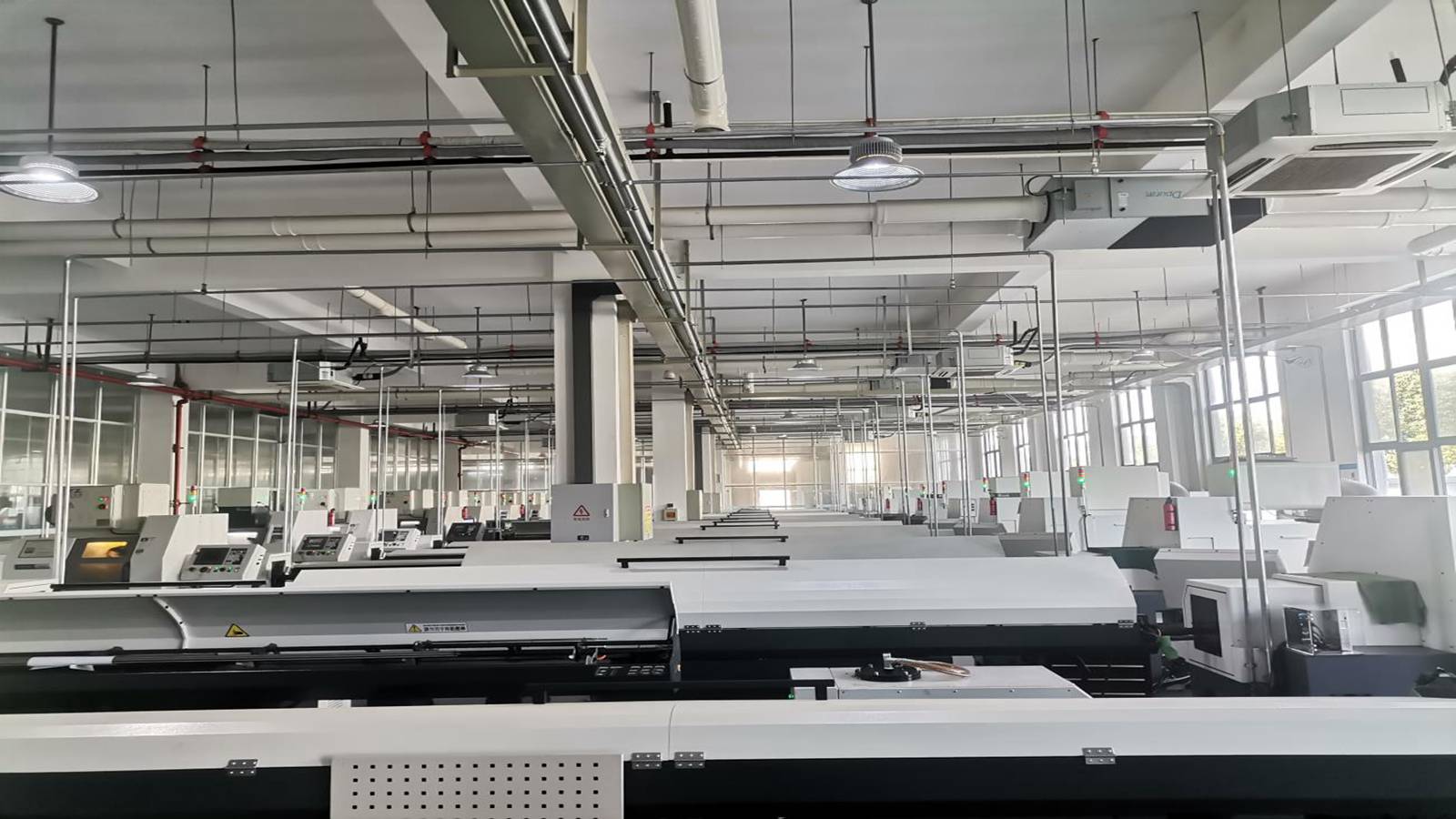
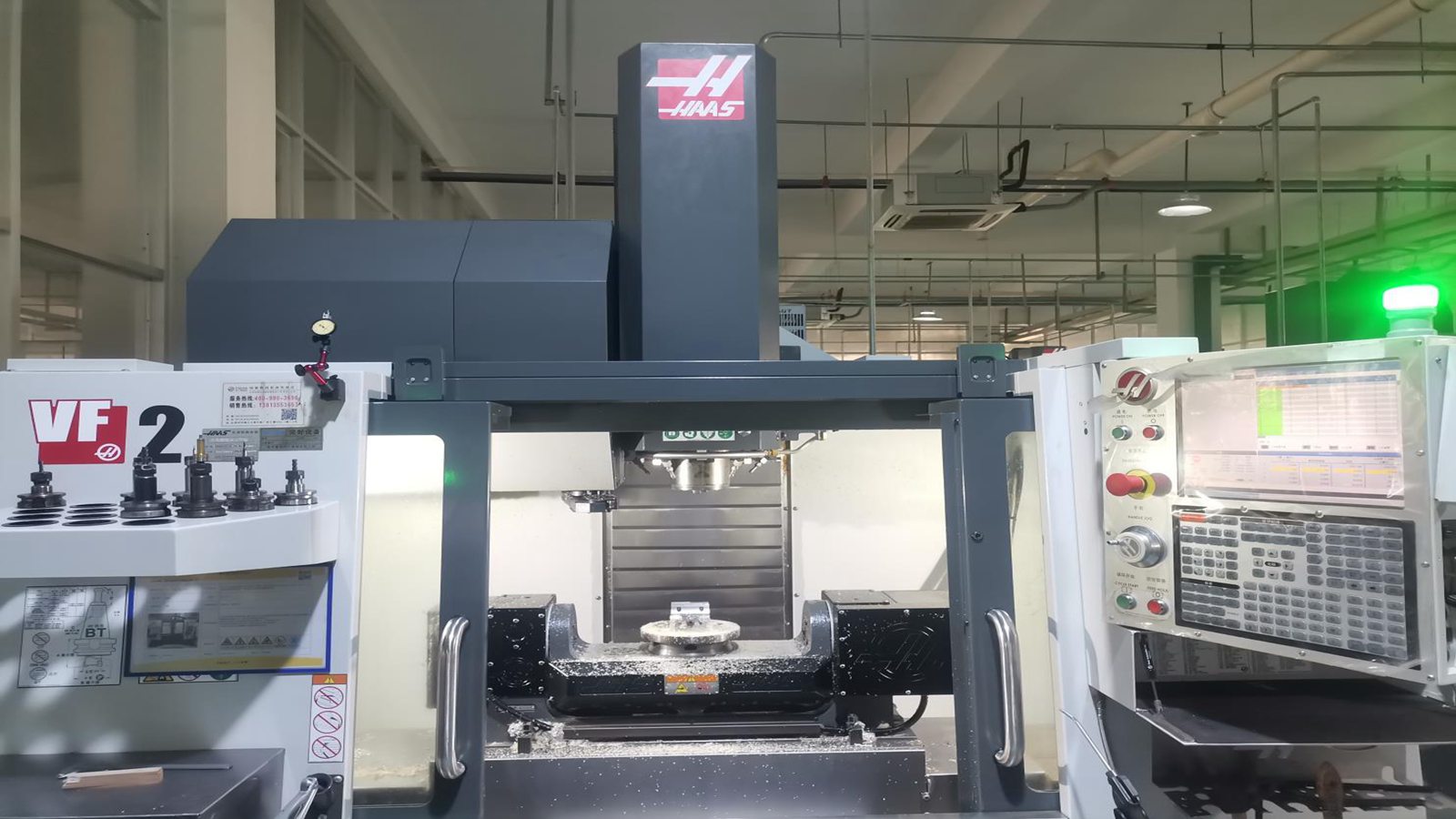
Utilizing over 120 state-of-the-art production machines, including 5-axis CNC machining centers and automated laser cutters, factories maintain micrometer-level precision. This ensures structural structural failure rates approaching zero across intensive operational lifecycles.
The primary economic advantage of procuring patient lifts and medical devices from premier Chinese exporters lies in total factor productivity. Through economies of scale, long-term raw material futures hedging (for TC4 Titanium and 316L Surgical Stainless Steel), and automated assembly lines, production costs are reduced by 30% to 50% compared to Western European or North American manufacturers. Crucially, this cost saving is achieved while maintaining strict adherence to Class I, Class II, and Class III medical device regulatory thresholds.
Demonstrating verified manufacturing infrastructure, certified quality assurance systems, and high-caliber R&D talents.
| Registration Date | 2015-10-15 |
| Total Floor Space | 30,343 m² |
| Years in Industry / Exporting | 10 Years / 10 Years |
| Dedicated Production Lines | 12 Specialized Lines |
| Machining Infrastructure | 120 Precision Production Units |
| Accepted Business Languages | English (Global Export Operations) |
| QA/QC Inspection Staff | 36 Full-Time Quality Engineers |
| Raw Material Traceability | 100% Full Material Lot Tracking (Yes) |
| Line Inspection Method | 100% Product Inspection & Client Audits |
| R&D Engineering Team | 31 Specialists (1 Doctorate, 11 Post-Grad, 17 Grad) |
| Annual New Product R&D | 25 New Medical Innovations / Year |
| Customization Services | Sample, Graphic Processing & OEM/ODM Demand |
 ISO 13485
04723Q10000765
 EN ISO 13485
EPT 25 ISO 13485 0067
 MDSAP
C730178
 CE Certificate
EPT 0477.MDR.25/5905
CE Certificate
EPT 0477.MDR.25/5973
 EU MDR
EPT 0477.MDR.26/6113
From intensive care hospital units to specialized orthopedic rehabilitation clinics: evaluating mechanical load capacities and structural safety.
In critical care settings, patient transfers must take place without disturbing invasive monitoring lines, mechanical ventilators, or surgical stabilization frames. Modern mobile patient lifts engineered in China incorporate low-profile powered base legs that slide easily under specialized ICU beds. Integrated digital weigh-scale systems allow clinicians to monitor patient weight continuously without requiring secondary transfers, optimizing medication dosing and fluid balance management.
Following total hip arthroplasty (THA), scoliosis instrumentation, or lower limb trauma fixation using plates and intramedullary nails, early mobility is critical to prevent deep vein thrombosis (DVT). However, partial weight-bearing protocols must be strictly enforced. Electric sit-to-stand patient lifts with gradual acceleration and deceleration controls enable physical therapists to safely assist patients into upright posture while maintaining controlled weight distribution.
For distributors catering to nursing homes and assisted living facilities, durability, battery autonomy, and low total cost of ownership (TCO) are paramount. Exporters utilize heavy-duty powder-coated steel chassis combined with European-standard Linak or Dewert linear actuators. These configurations support Safe Working Loads (SWL) up to 230 kg (500 lbs) to 300 kg (660 lbs), catering to bariatric patient populations while maintaining over 60 lift cycles per charge.
| Deployment Environment | Primary Equipment Type | Key Technical Specification | Clinical Objective |
|---|---|---|---|
| Hospitals / Emergency Rooms | Overhead Ceiling Track Lifts & Heavy-Duty Electric Lifts | SWL > 250kg, Emergency Manual Lowering, Anti-Tilt Kinematics | Rapid trauma transit, zero staff injury risk |
| Orthopedic Rehabilitation | Active Sit-to-Stand Hoists & Dynamic Gait Trainers | Adjustable Knee Pads, Soft Start/Stop Actuators, Torso Harness | Progressive weight-bearing therapy & gait training |
| Home Care & Hospices | Foldable Compact Hydraulic / Battery Mobile Lifts | Tool-free folding, Ultra-light frame, Passage through 70cm doors | In-home caregiver assistance, space-saving storage |
| Surgical Theatres | Patient Positioning Tables & Fixation Accessories | Radiolucent PEEK / Carbon Fiber materials, Lifetime structural guarantee | Interoperative fluoroscopy & rigid skeletal stabilization |
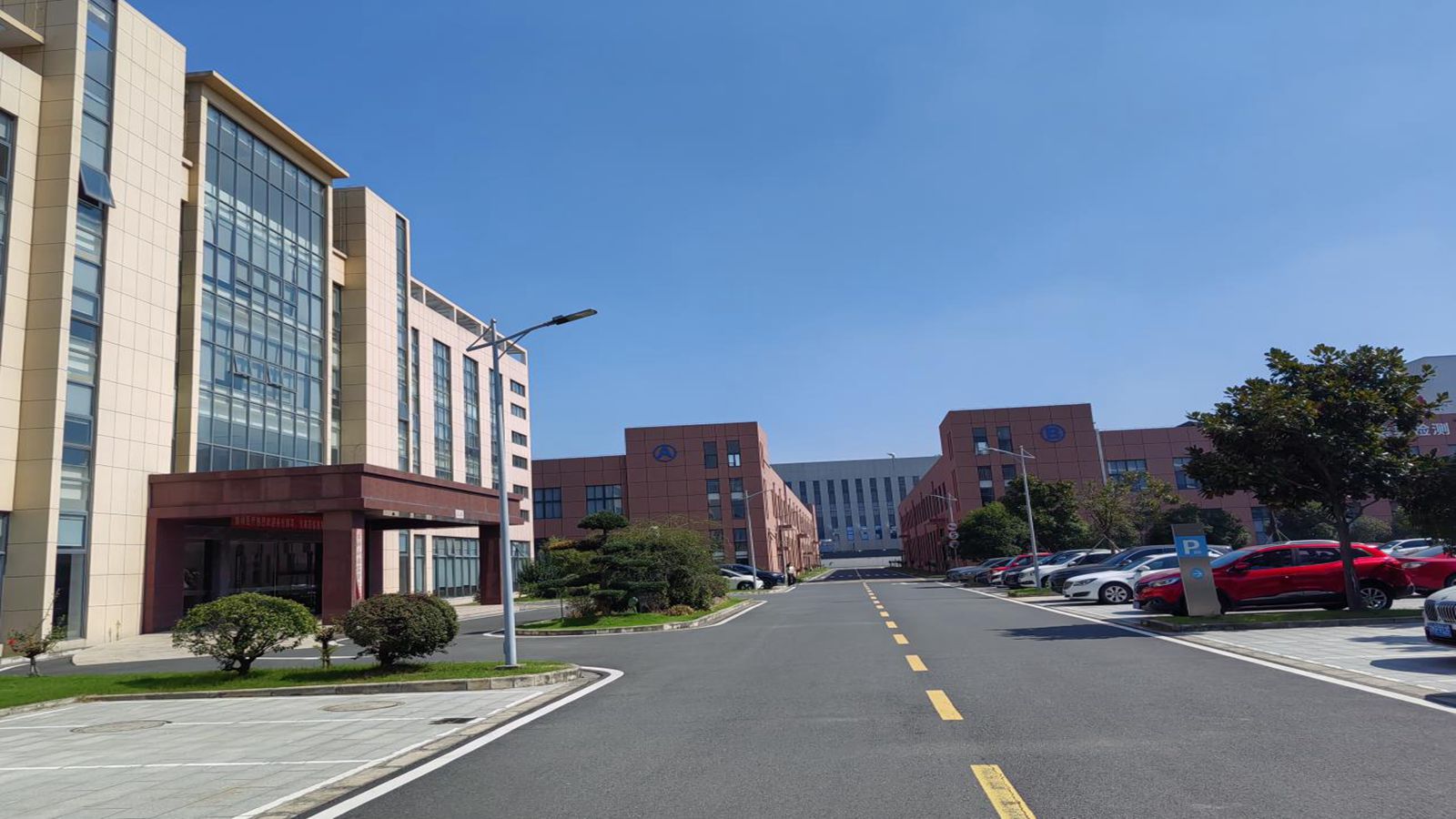
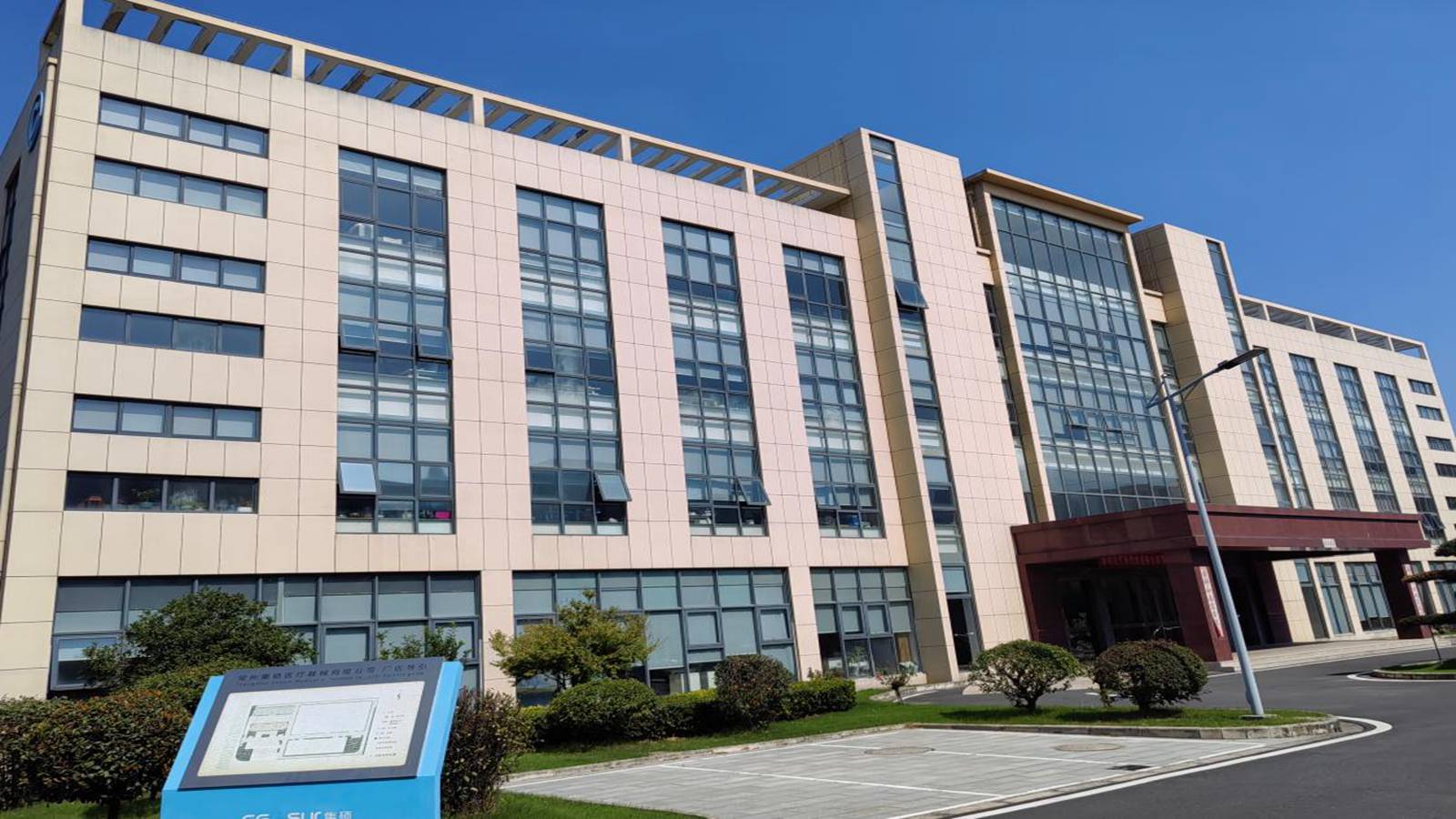
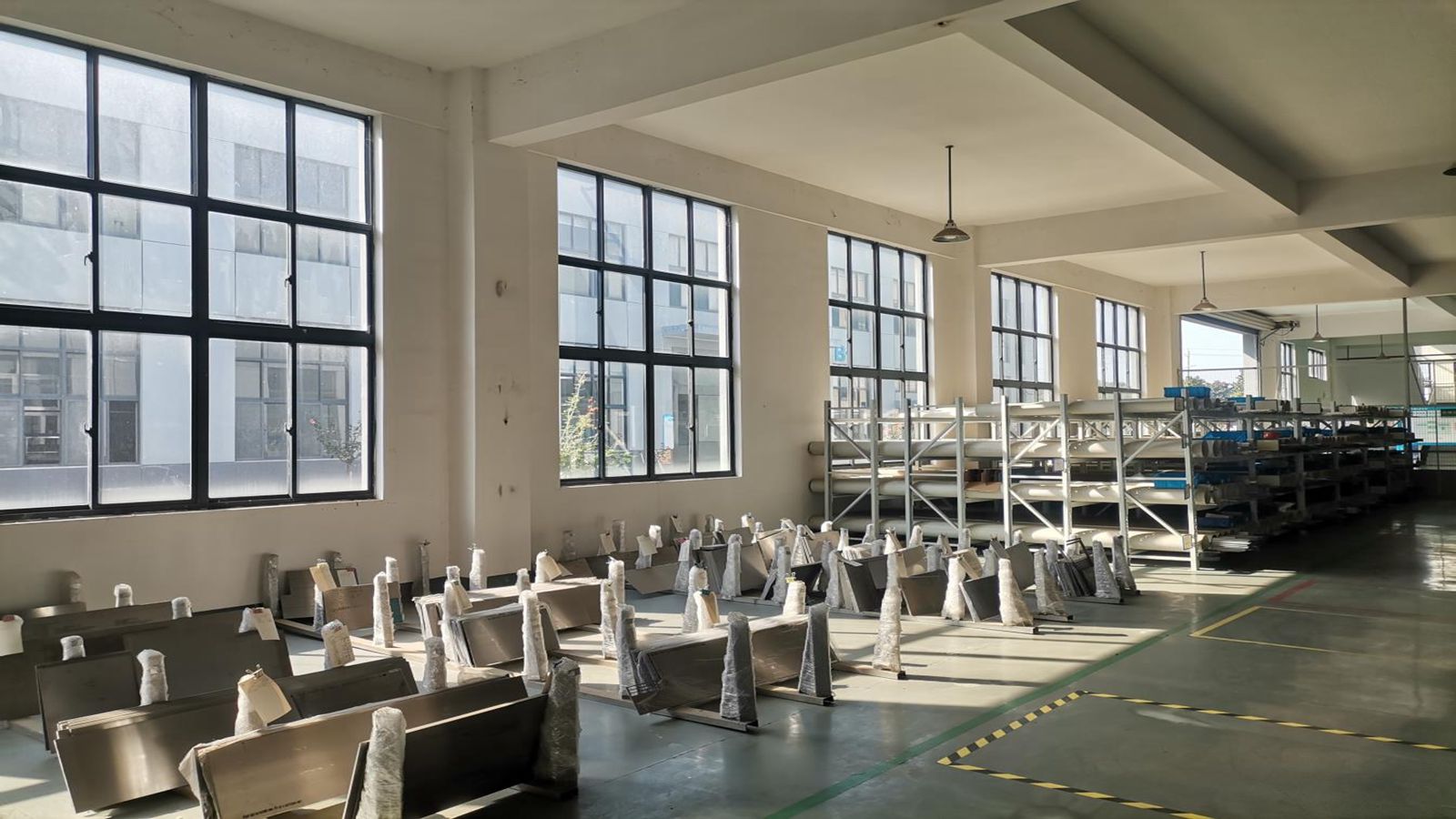
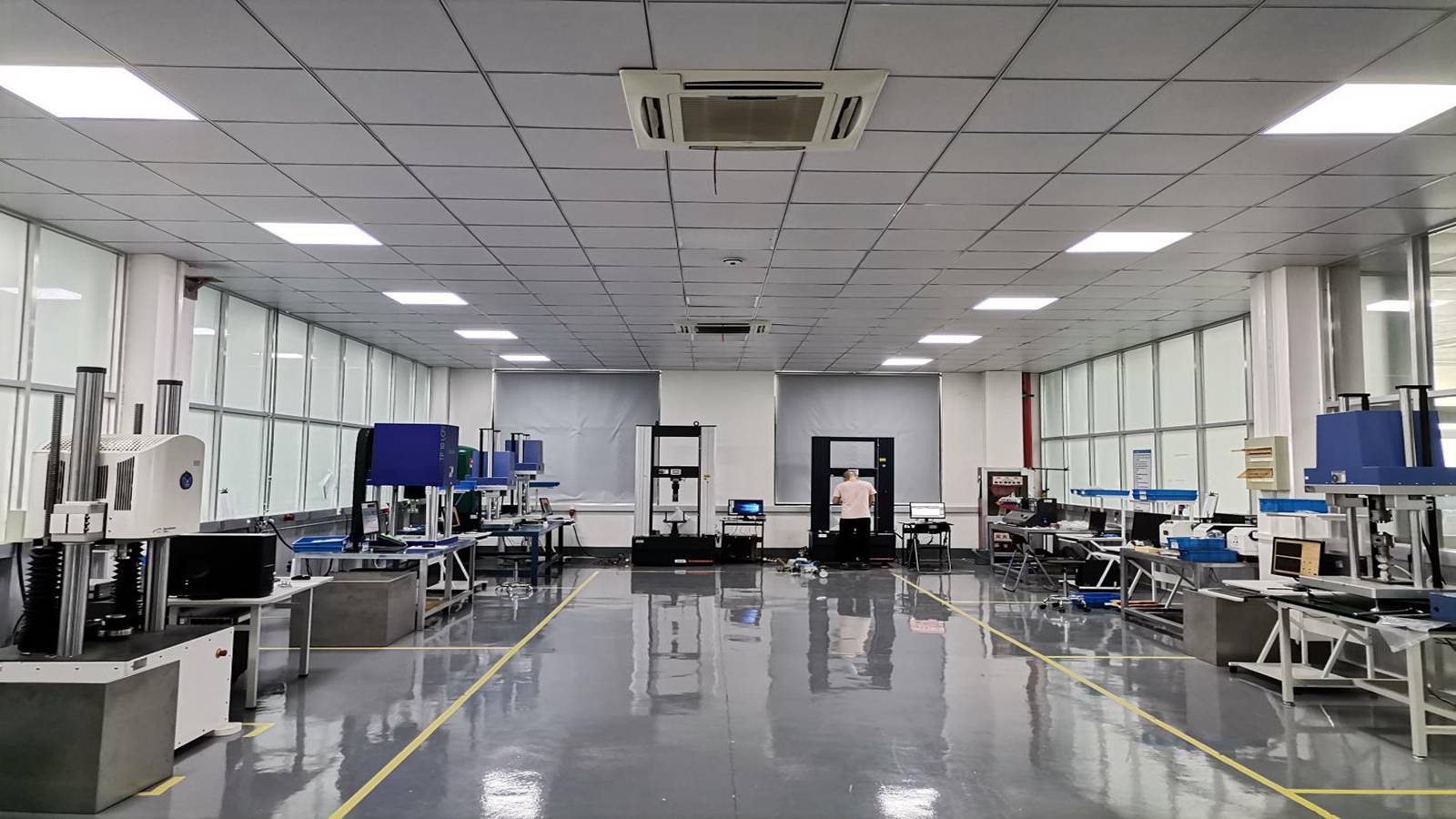
Visual verification of our 30,343㎡ manufacturing plant, cleanroom packaging, 5-axis CNC machining, and quality control laboratories.
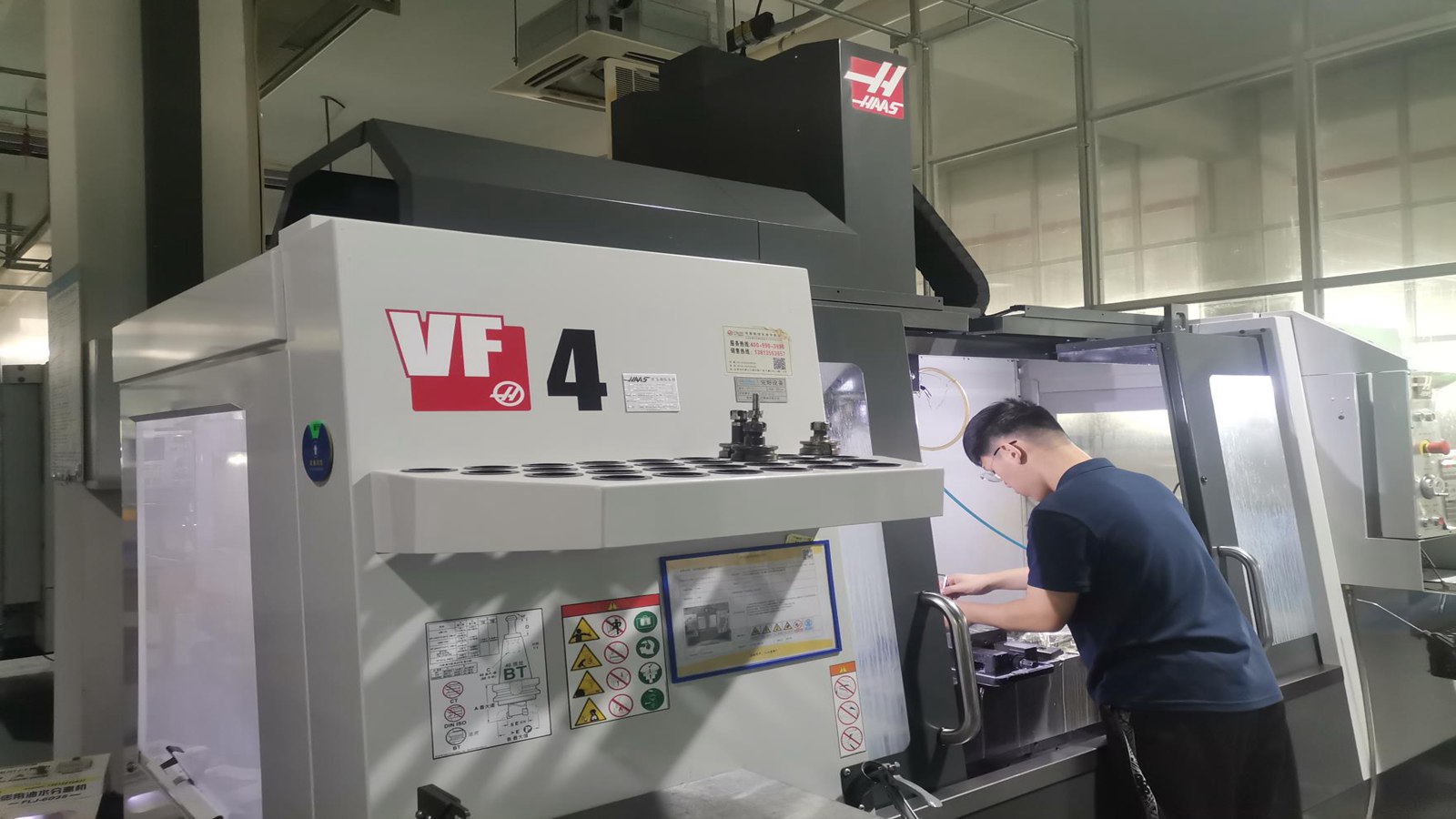
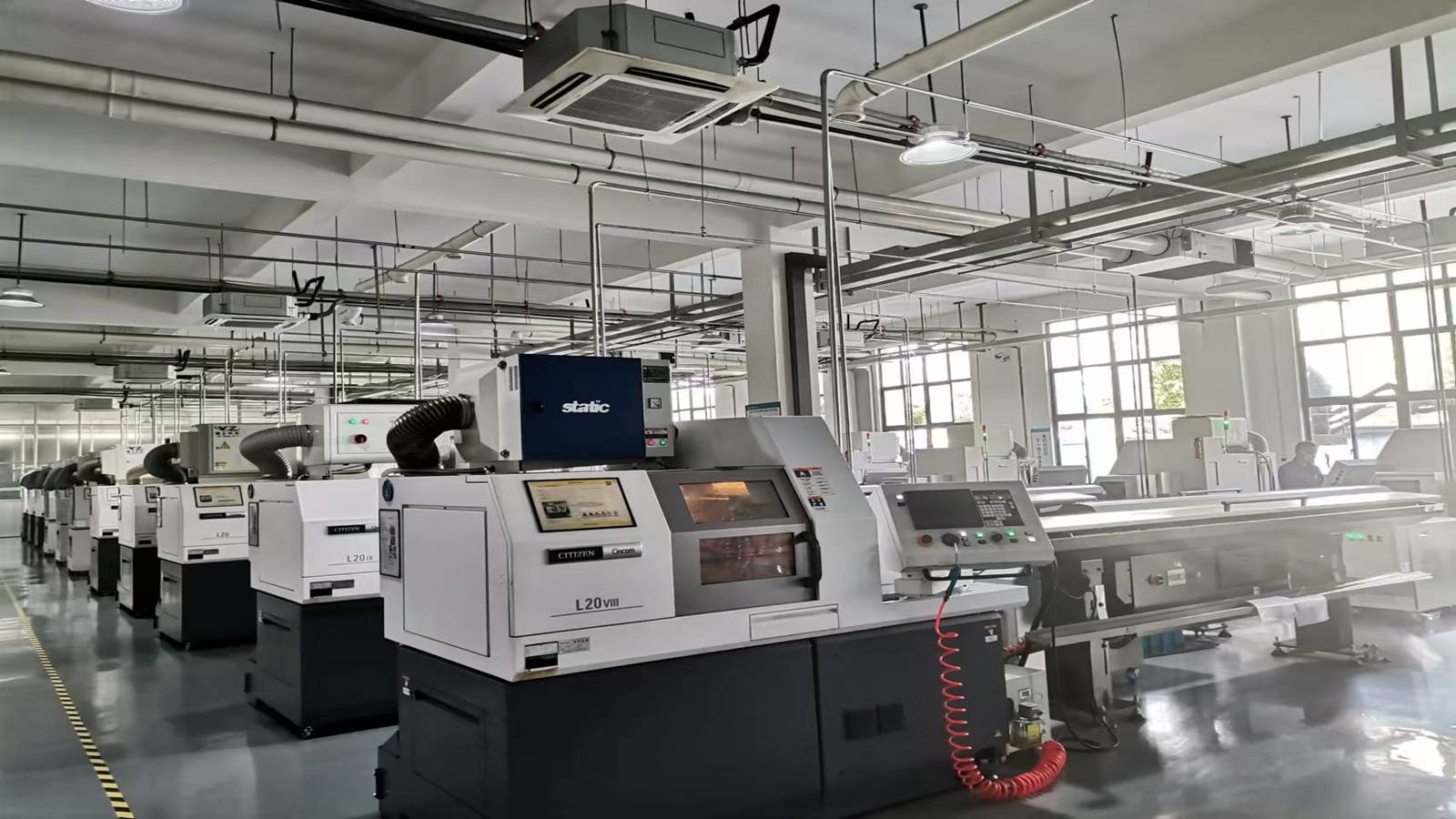
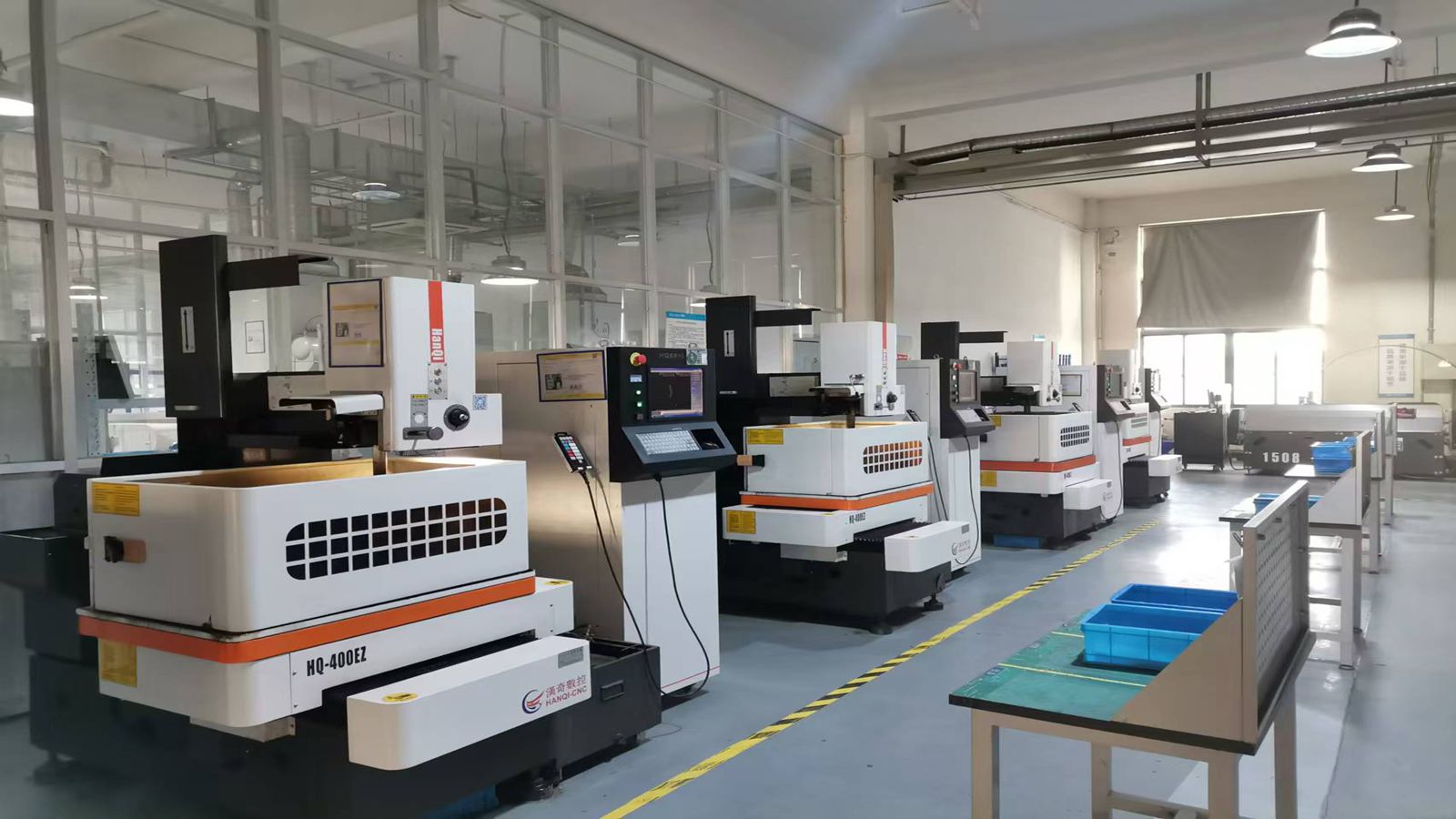
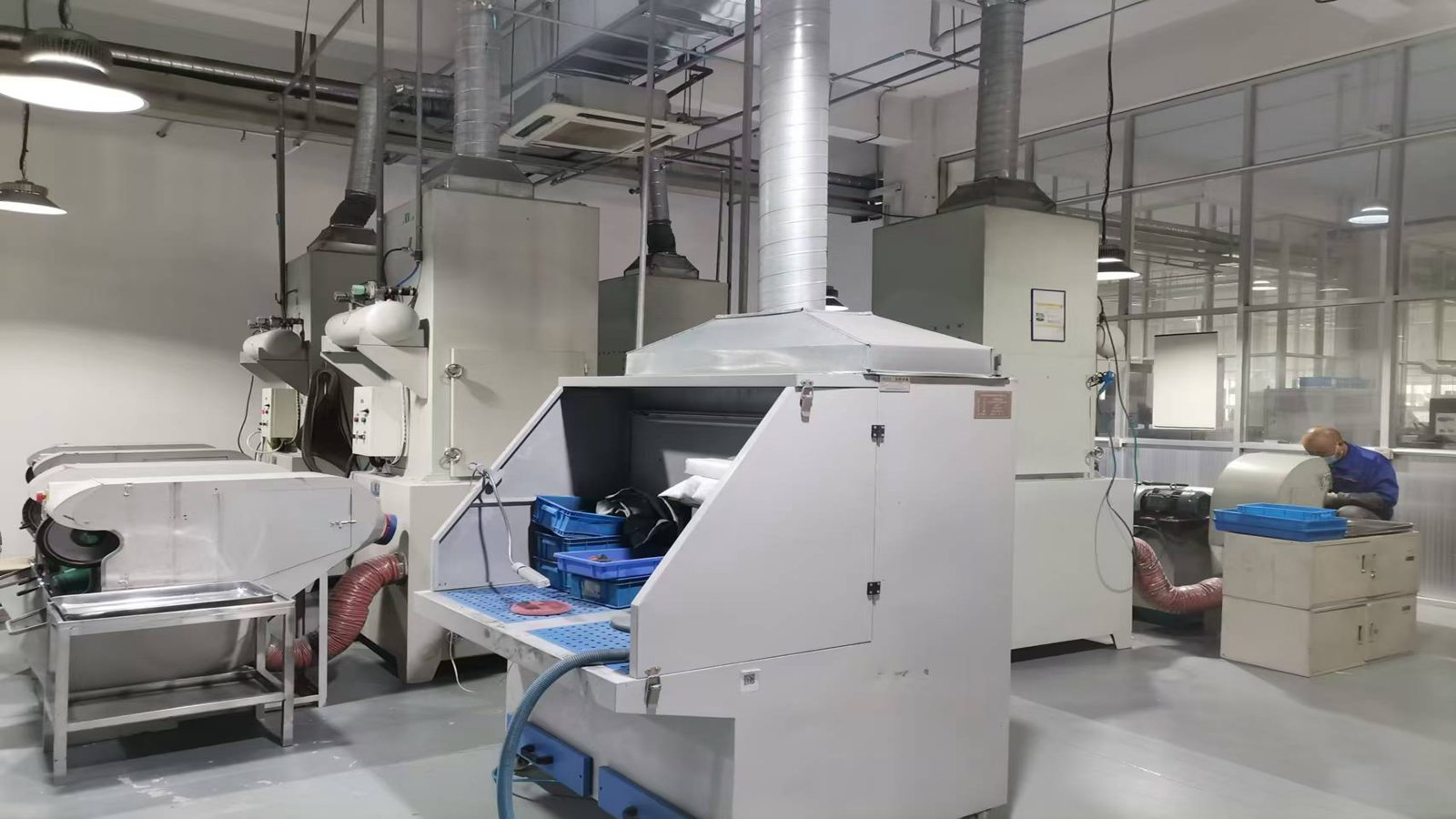
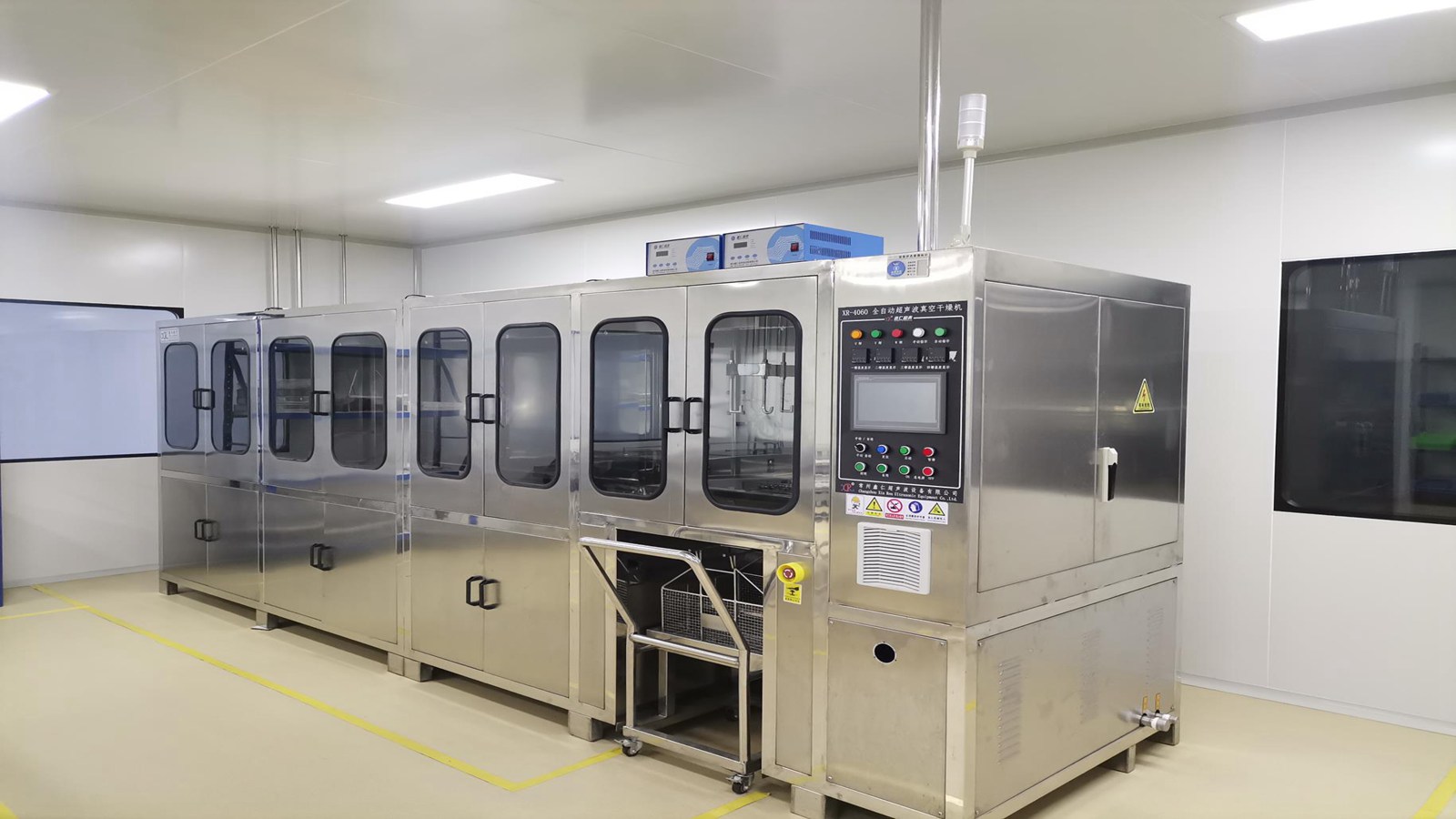
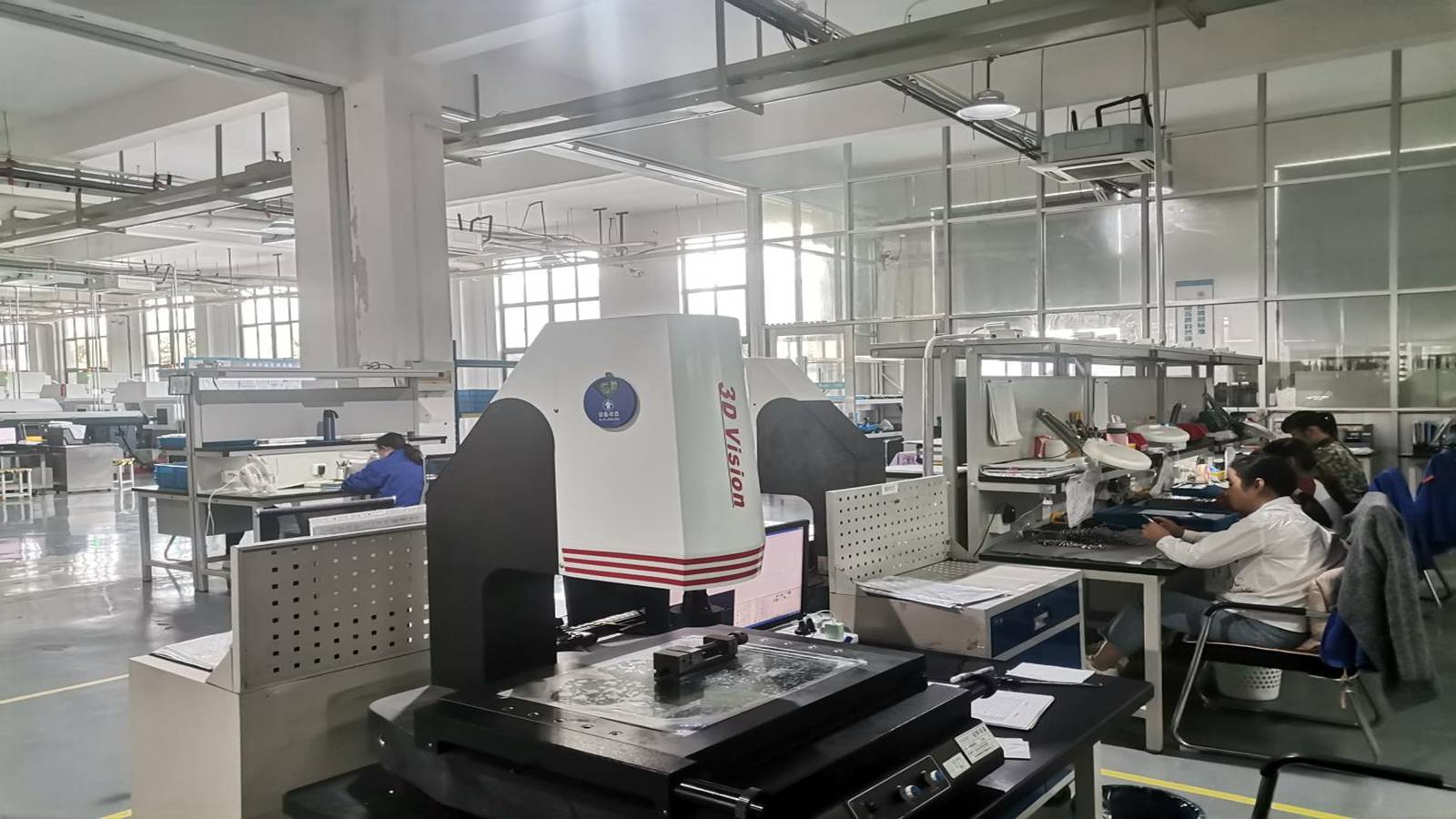
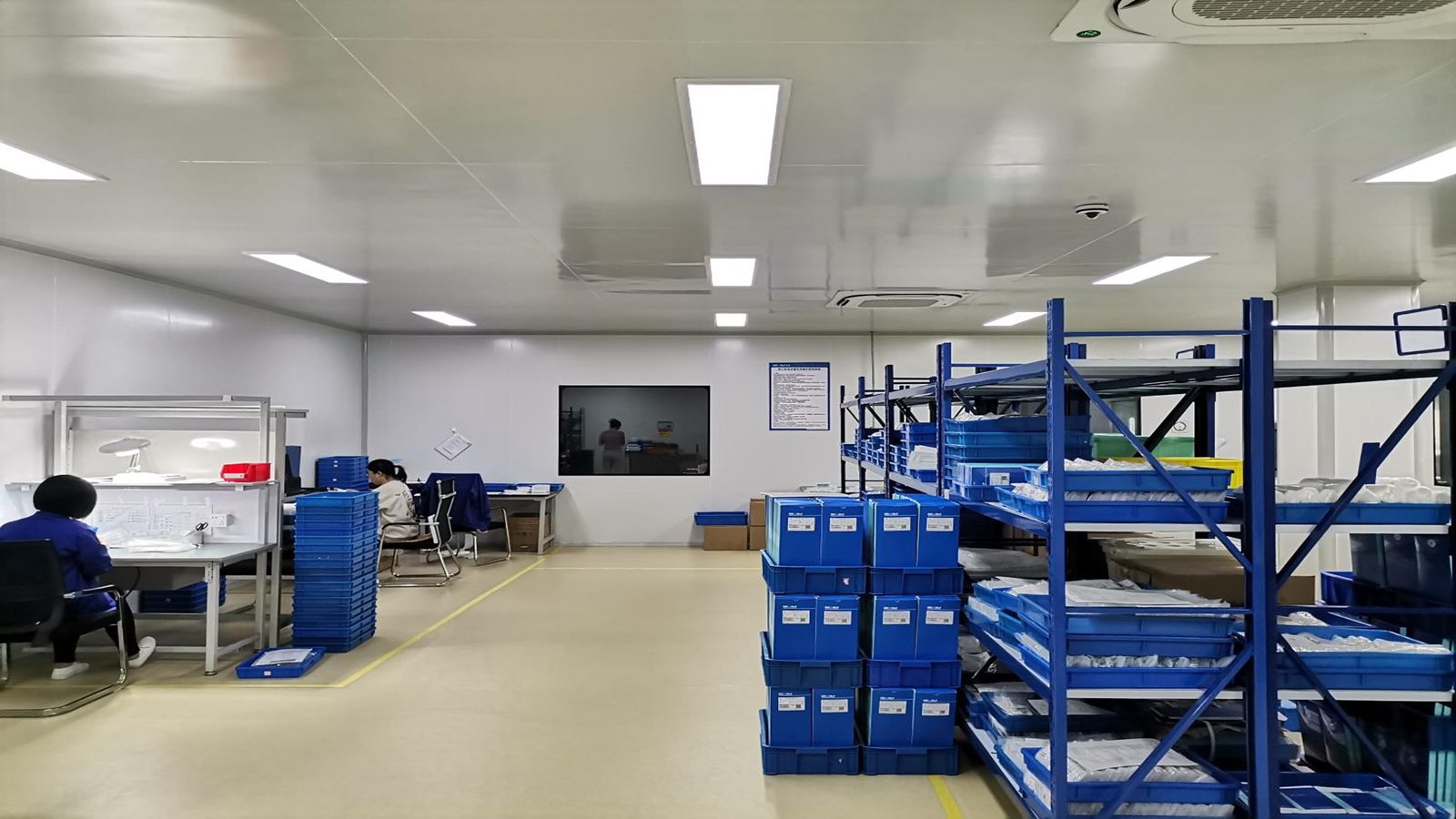
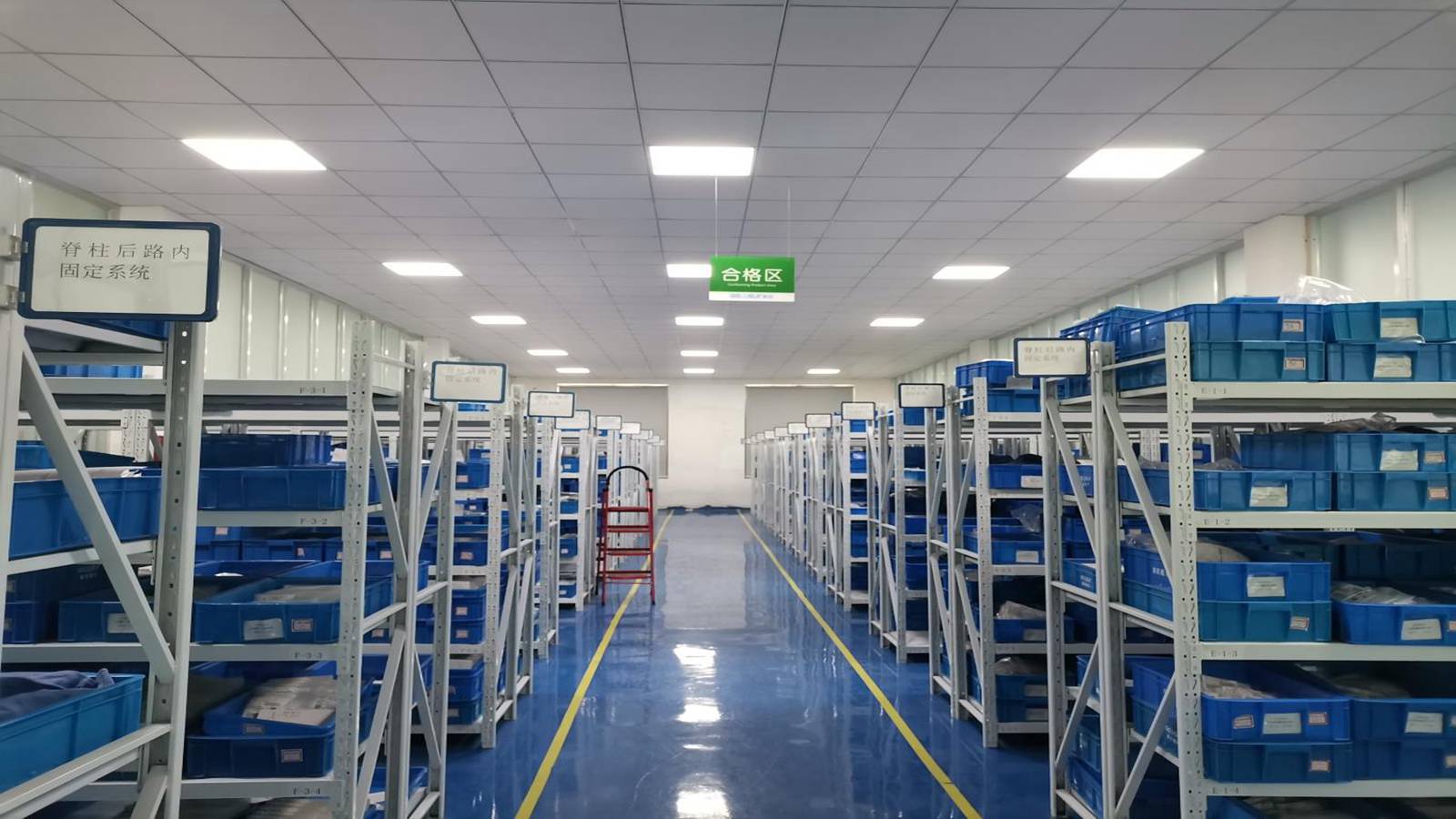
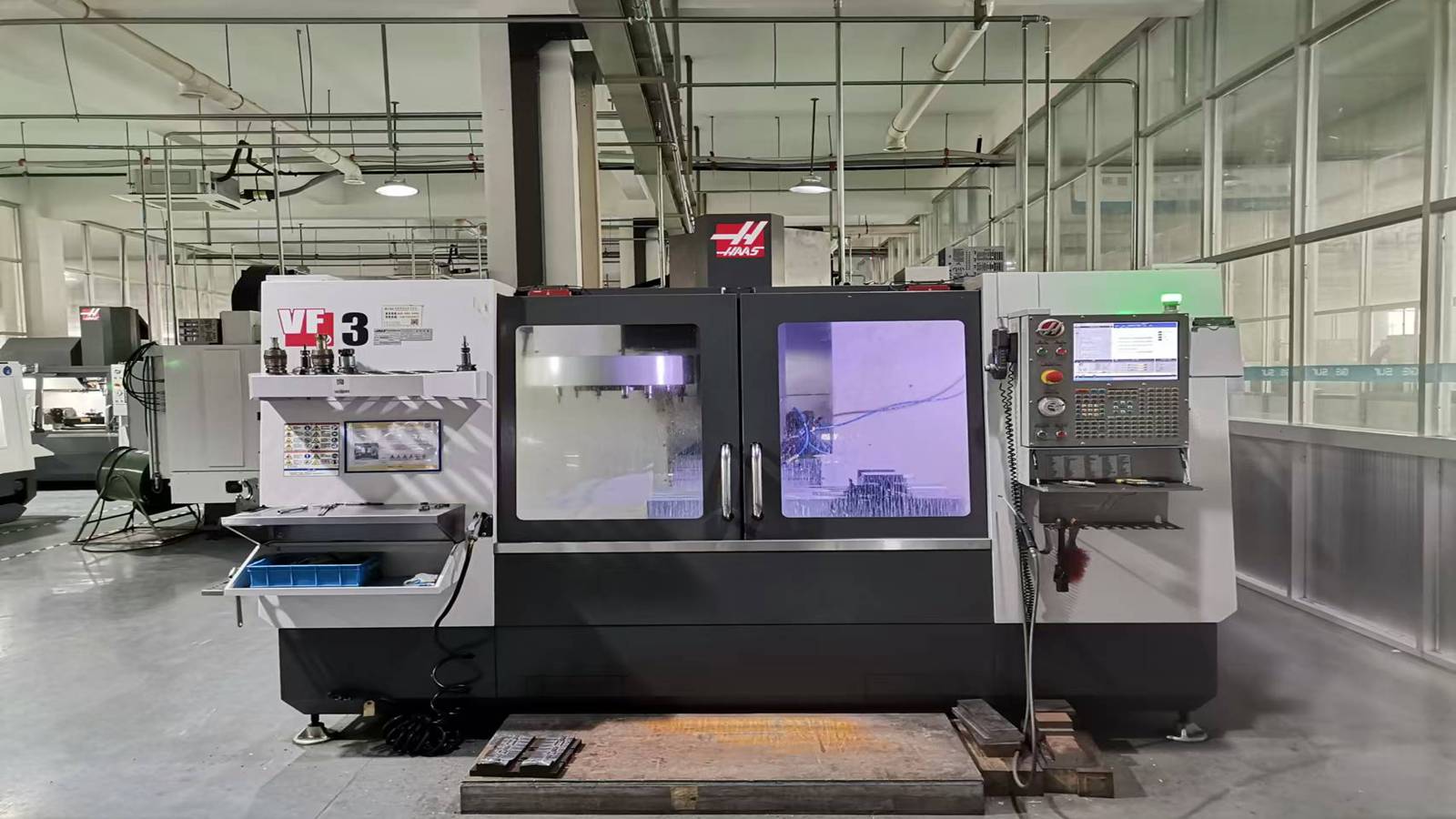
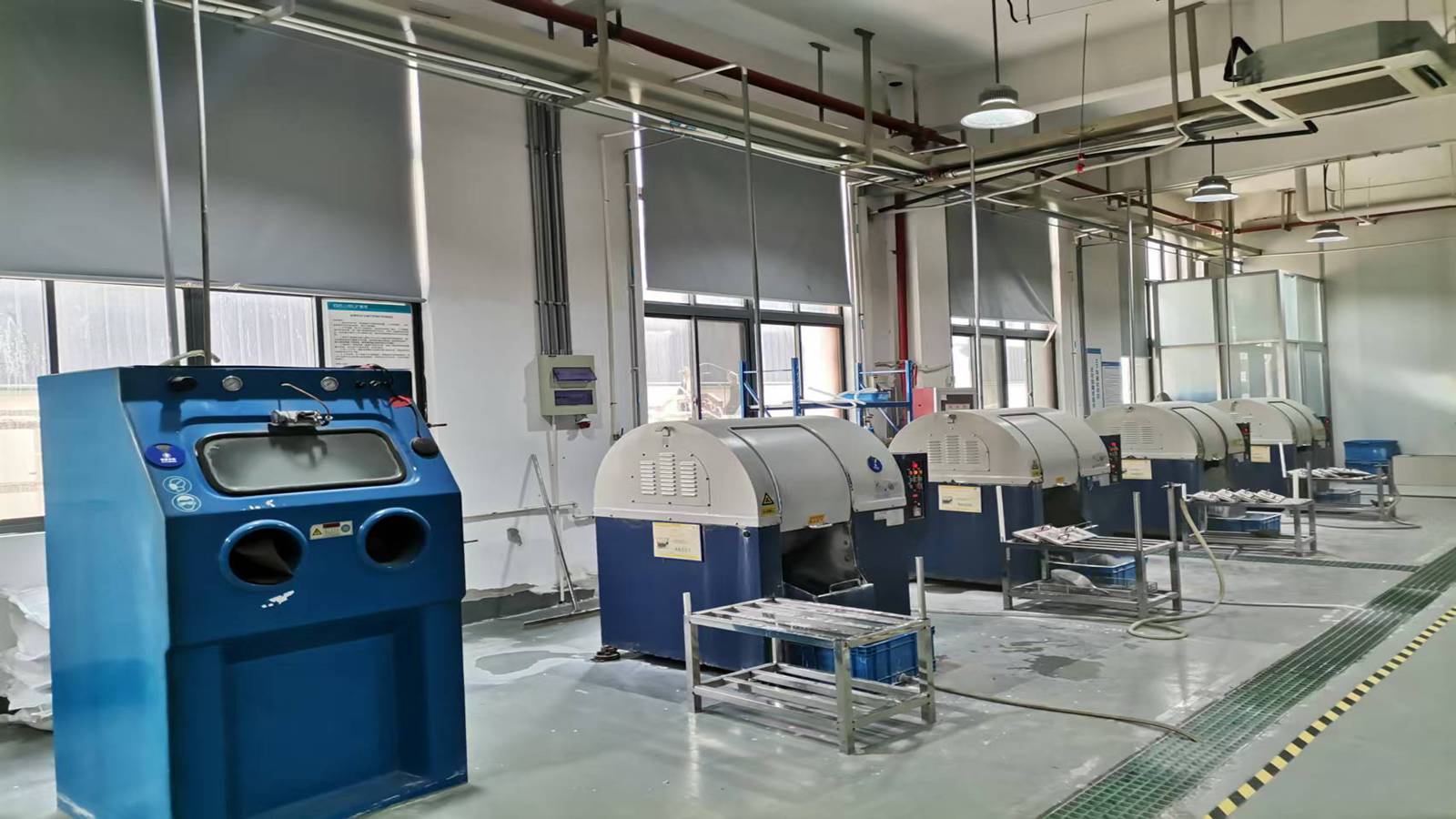
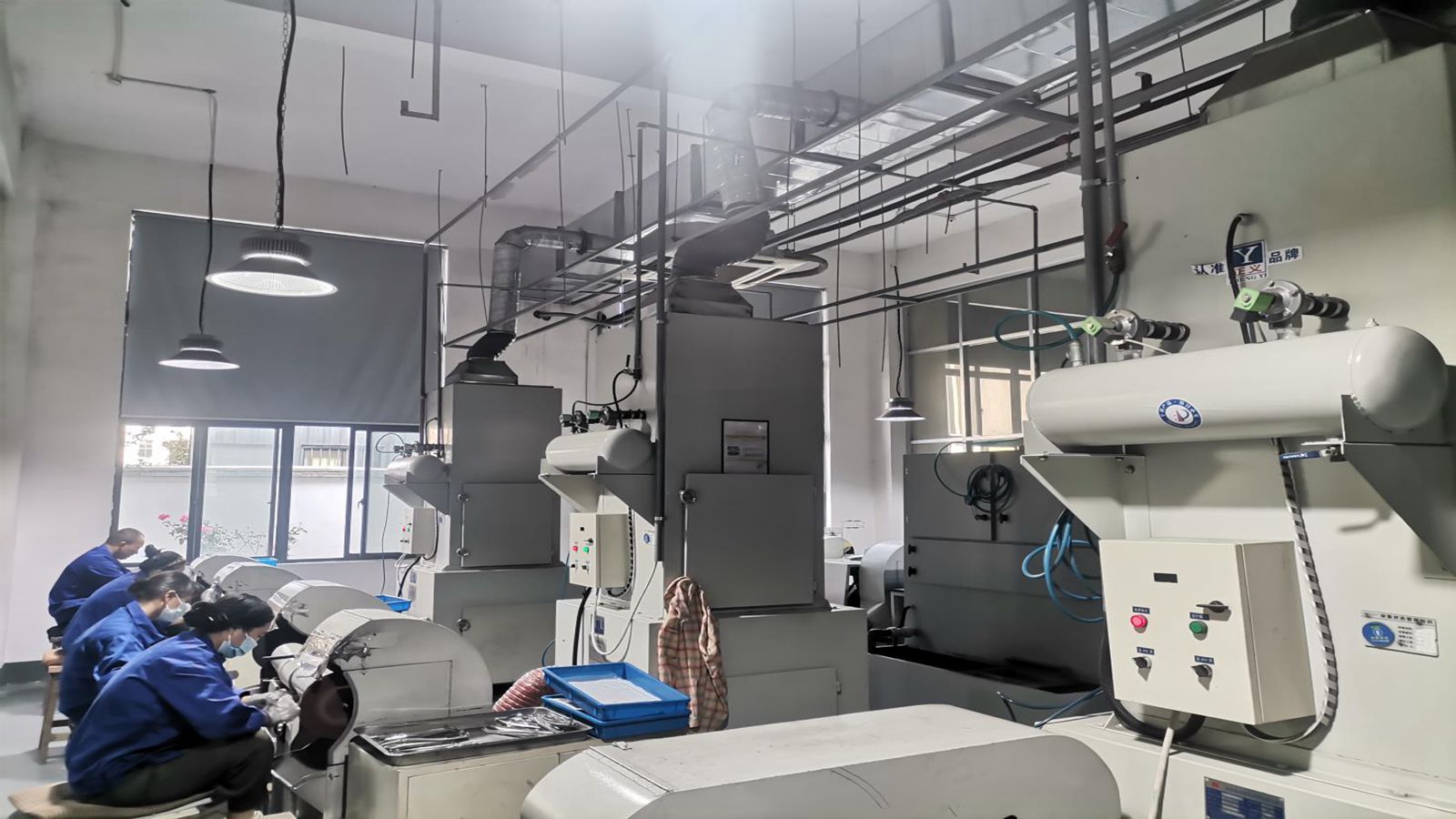
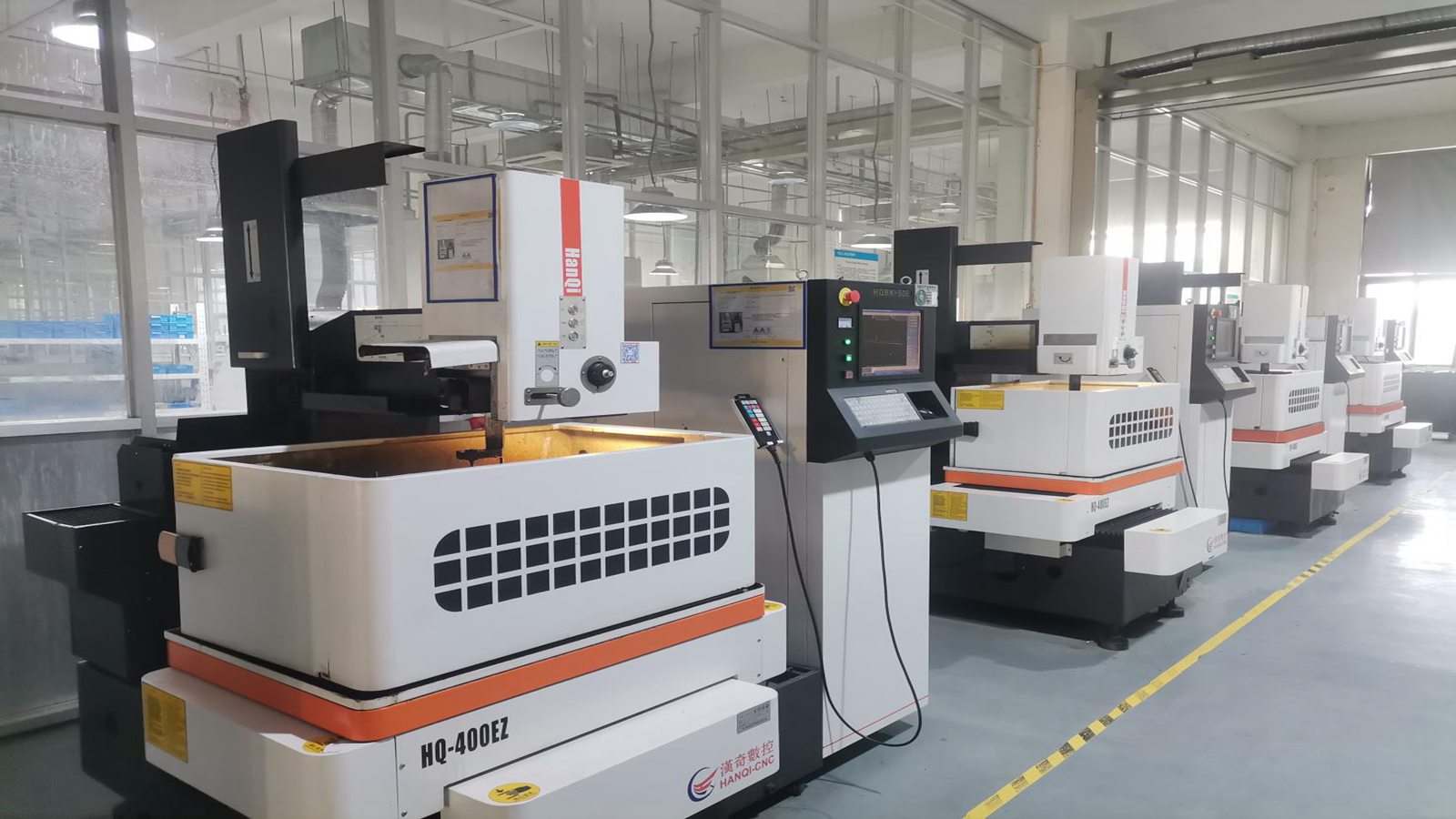
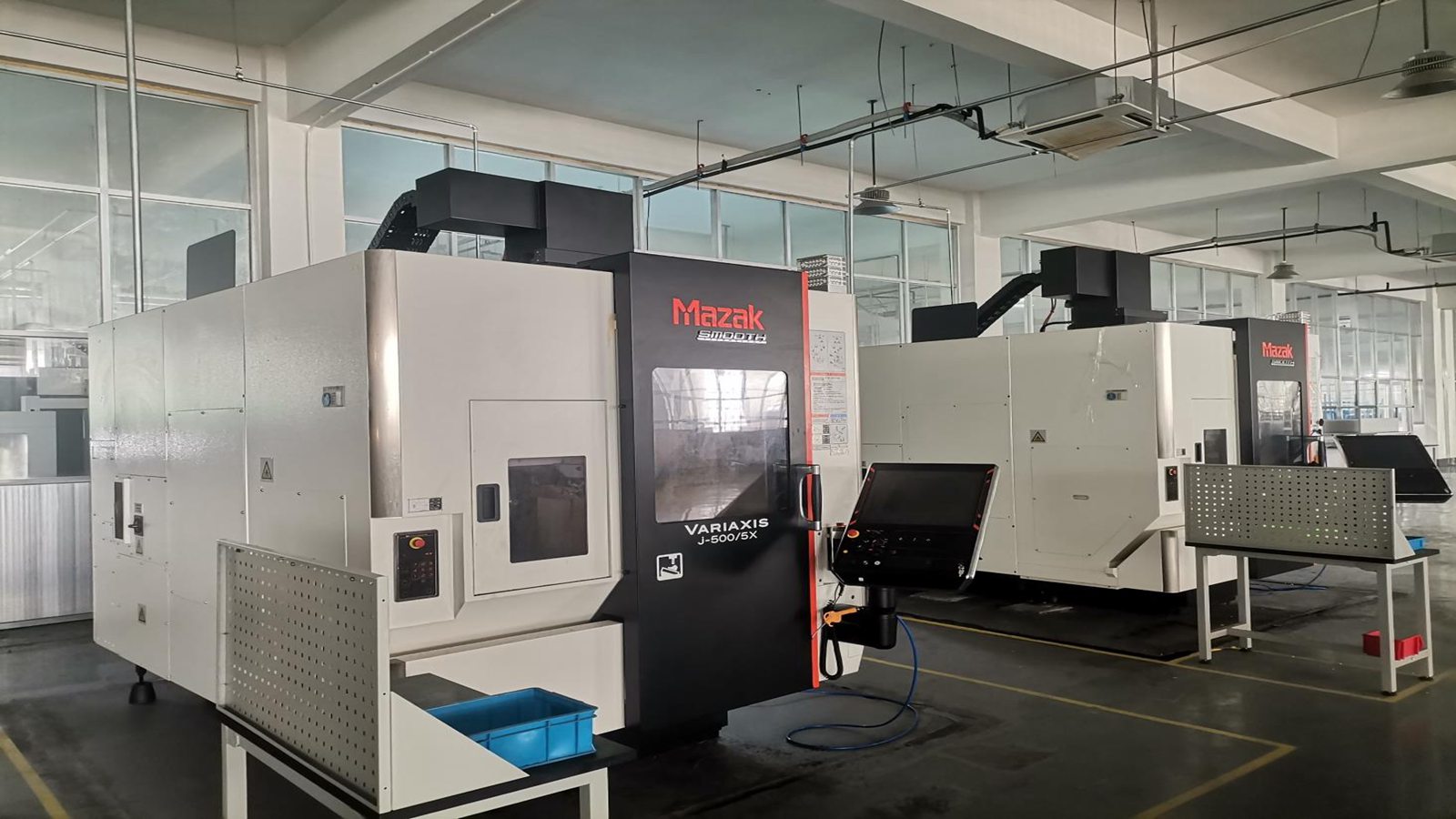
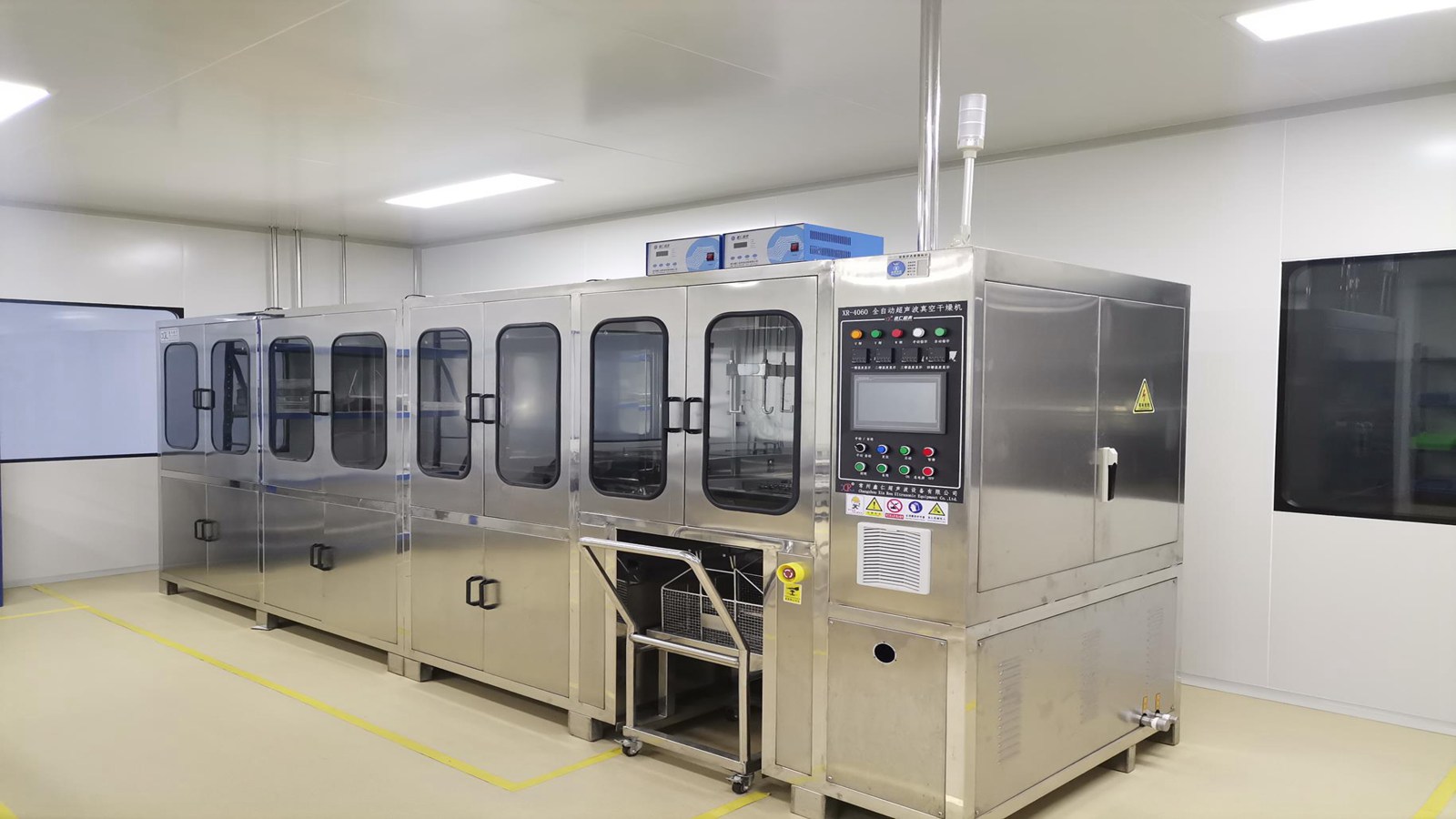
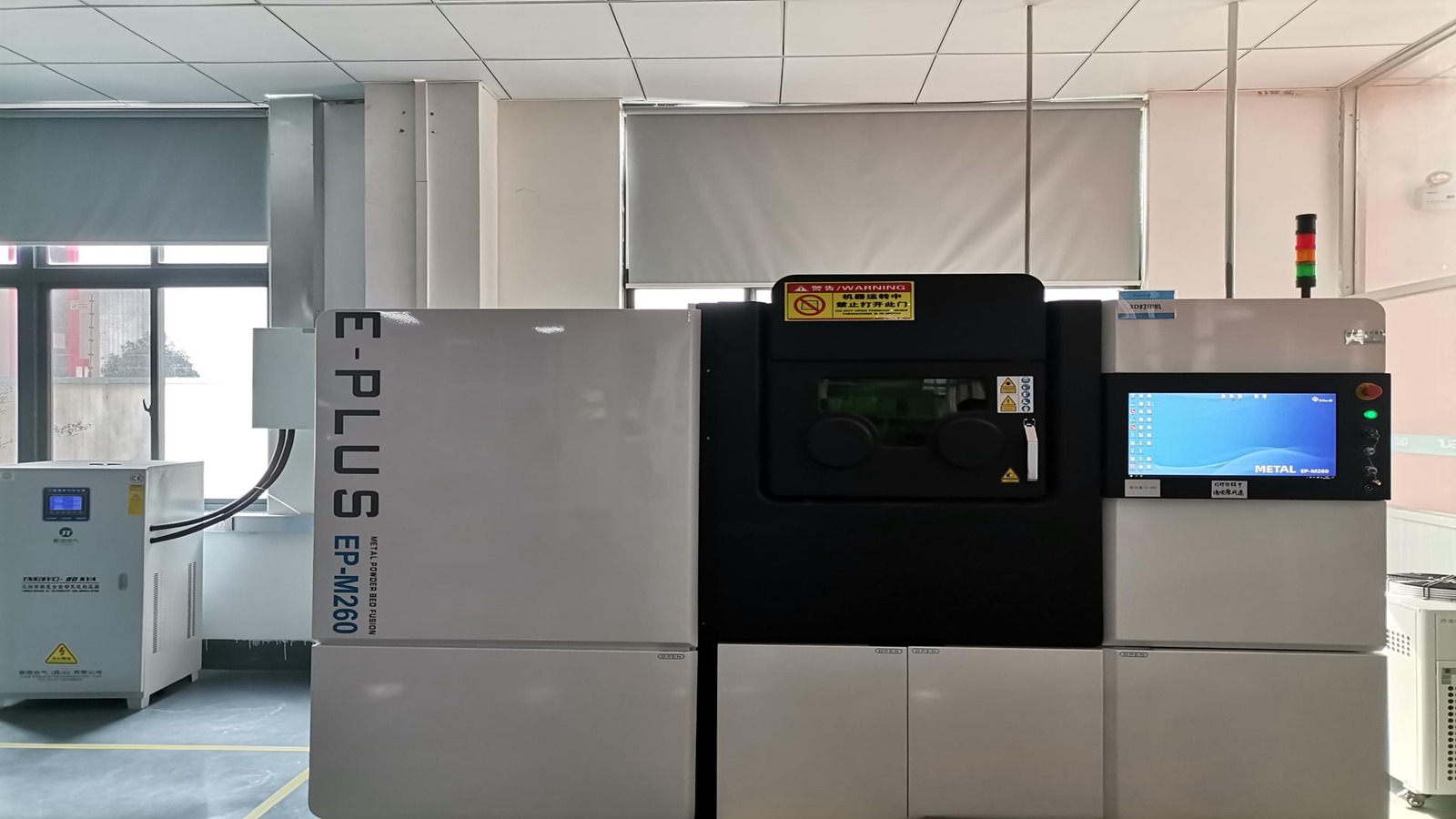
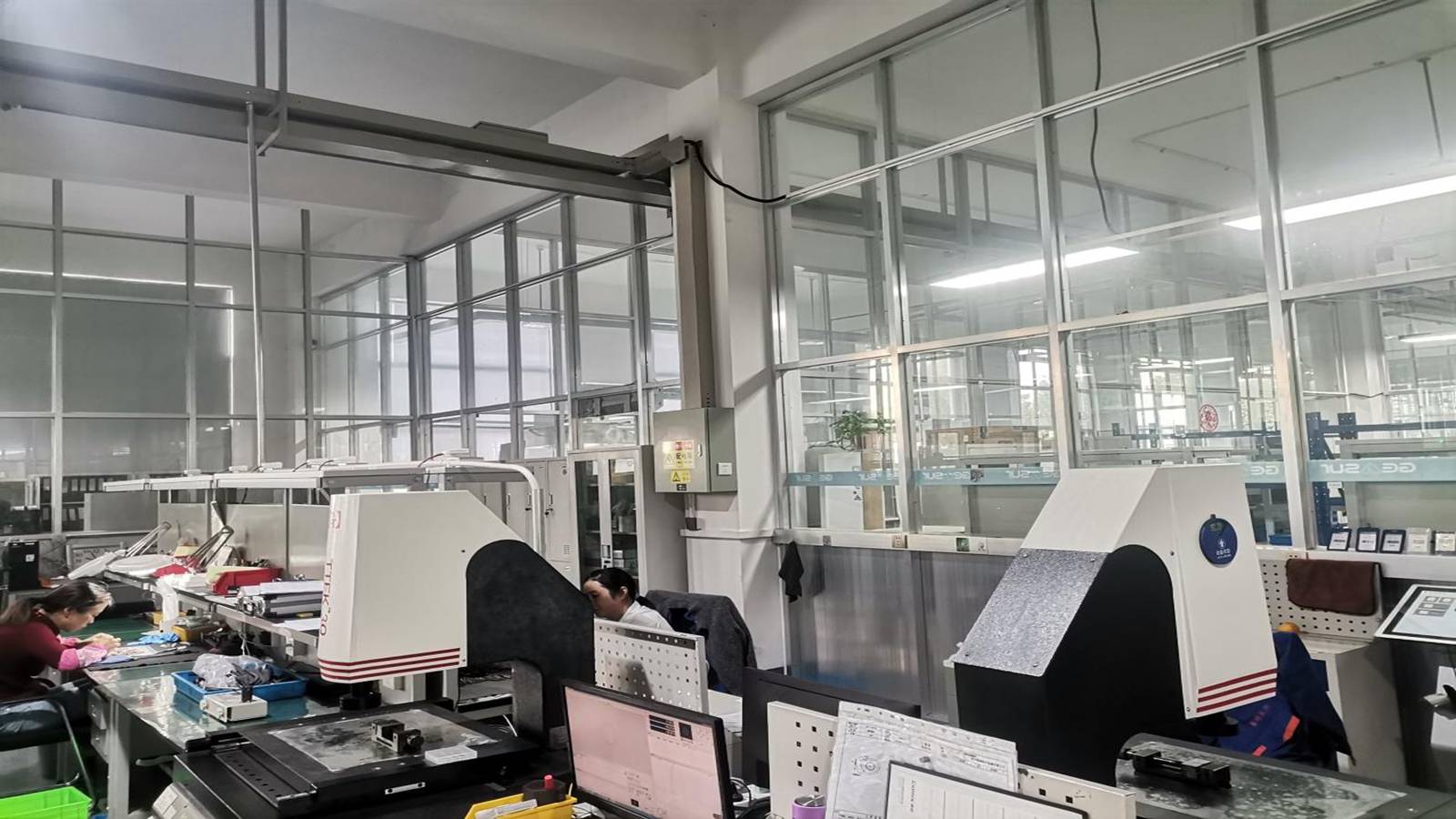
A step-by-step auditing blueprint for medical equipment wholesalers, hospital procurement heads, and OEM brand buyers.
Prior to committing to high-volume contracts, procurement managers must demand full heat-number traceability on structural metals. Top Chinese factories utilize spectroscopic chemical composition checks for all titanium alloys (Ti-6Al-4V ELI) and high-tensile carbon steels. Furthermore, mechanical lifts must undergo 1.5x Safe Working Load (SWL) static overload tests and 10,000-cycle dynamic fatigue testing according to ISO 10535 guidelines.
The core engine of an electric patient lift is its linear actuator system. Tier-1 Chinese suppliers offer dual-system options: premium European actuator configurations (Linak/Dewert) for Western European markets, and heavy-duty localized high-IP rated actuators (IPX4 to IPX6 waterproof ratings) for price-sensitive regional tenders. Ensure the battery management system (BMS) includes overcharge protection, audible low-voltage warnings, and instant manual quick-release drop cords for power outage emergencies.
With the European Union fully implementing MDR 2017/745, importing medical hardware requires comprehensive Technical Documentation Files (TDF). Partnering with a manufacturer that possesses pre-established CE certificates, EN ISO 13485 standards, and MDSAP (Medical Device Single Audit Program) approval significantly reduces regulatory clearance times in target export destinations.
How next-generation sensor arrays, carbon-fiber composites, and telemetry are revolutionizing patient handling.
Next-gen patient lifts feature embedded IoT modules that transmit usage metrics, actuator cycle counts, and battery health to hospital central management dashboards. This prevents equipment downtime through proactive component servicing.
Integrated load sensors within the sling spreader bar automatically recalculate suspension geometry, preventing accidental tipping during transfers of severely asymmetric or non-cooperative patients.
Replacing traditional heavy steel tubing with high-modulus carbon fiber reduces overall hoist tare weight by over 40%, enabling home caregivers to easily maneuver lifts across carpeted surfaces without physical strain.
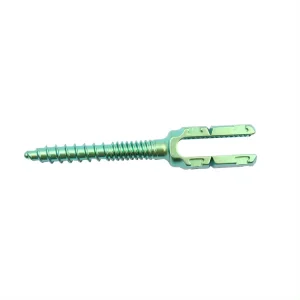
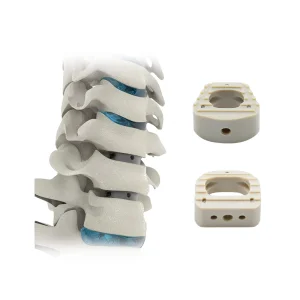
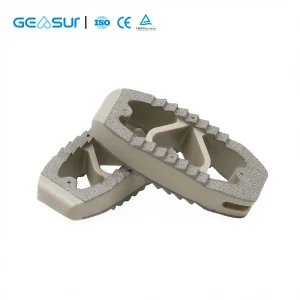
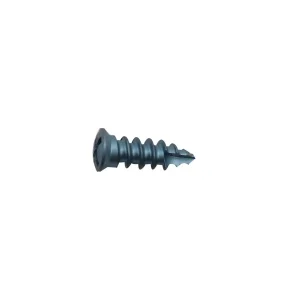
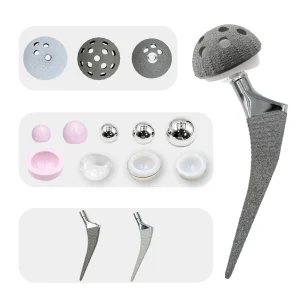
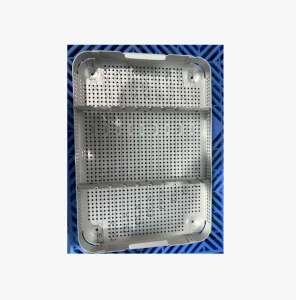
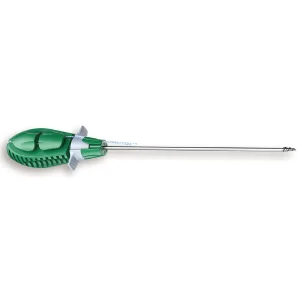
Complementary high-precision medical implants engineered alongside modern patient handling equipment.
Expert answers addressing regulatory certifications, OEM customization, shipping logistics, and quality control protocols.