Ease Medical Apparatus And Instruments Ease Medical Apparatus And Instruments
Top 10 Titanium Screw Exporter & Exporters

Advanced Orthopedic Fixation Systems, Spinal Implants, and Global Sourcing Solutions. Certified to ISO13485, CE MDR, and MDSAP standards.

1. Deep Insights into the Titanium Screw Sourcing Landscape

The global orthopedic and trauma implant market has entered an era of micro-precision, high biocompatibility, and strict regulatory compliance. As surgical techniques advance toward minimally invasive procedures, the demand for titanium screws—specifically medical-grade Ti-6Al-4V ELI (Grade 23) and pure titanium (Grades 1-4)—has surged exponentially. These alloys possess an optimized strength-to-weight ratio, exceptional fatigue resistance, and an elastic modulus that minimizes stress shielding adjacent to host bone tissues.

Information Gain Insight: The modern procurement challenge is not merely about finding a manufacturer; it is about establishing partnerships with exporters that integrate metallurgical stability with regulatory conformity. Factors such as thread pitch geometry (dual-lead vs. single-lead), self-tapping properties, and advanced surface finishes (e.g., Anodic Oxidation, HA coating) are critical differentiators in reducing surgical revision rates and accelerating osseointegration.

Metallurgical Excellence

Sourcing Grade 23 (Ti-6Al-4V ELI) ensures lower interstitial elements (oxygen, nitrogen, hydrogen, and carbon), yielding enhanced fracture toughness and mechanical longevity under physiological cyclic loading.

Surface Interactivity

Advanced micro-grooves and HA (Hydroxyapatite) coatings significantly improve secondary stability by promoting cellular adhesion and osteoblast proliferation directly onto the implant surface.

Biomechanics Optimizations

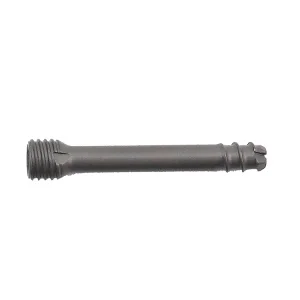
Modern pedicle and compression screws integrate reverse-buttress thread designs and cannulated cores to optimize pull-out strength while enabling precise guide-wire delivery systems.

2. Global Enterprise Procurement & Sourcing Intelligence

Hospital purchasing groups, medical device distributors, and OEM brands require absolute transparency in manufacturing processes. Sourcing medical titanium screws requires a keen understanding of production scales and traceabilities. Procurement officers evaluate partners not only on unit costs but on lead-time reliability, raw material origins, and total manufacturing output capacity.

10+ Years
Global Exporting Experience
30,343 ㎡
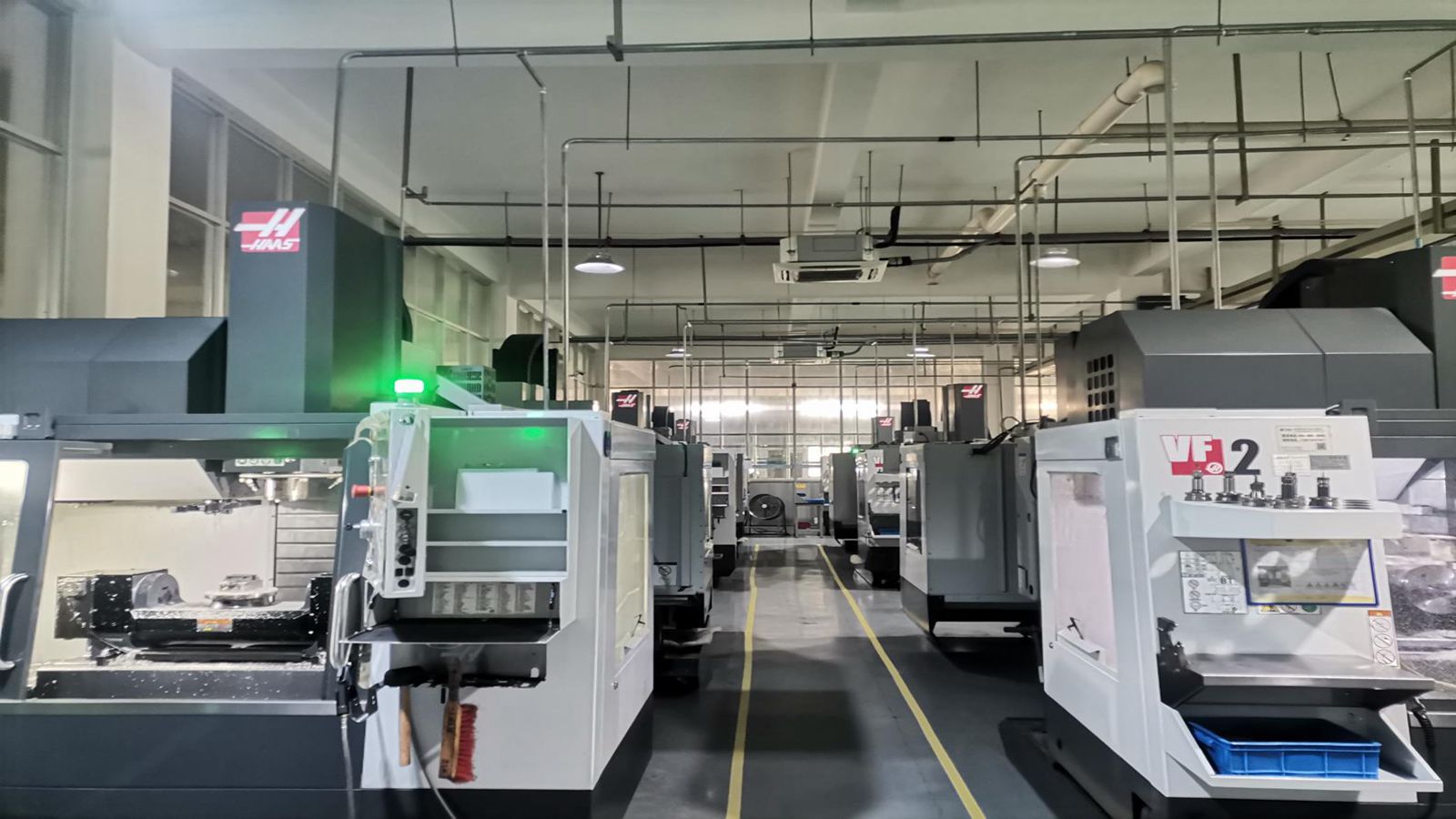
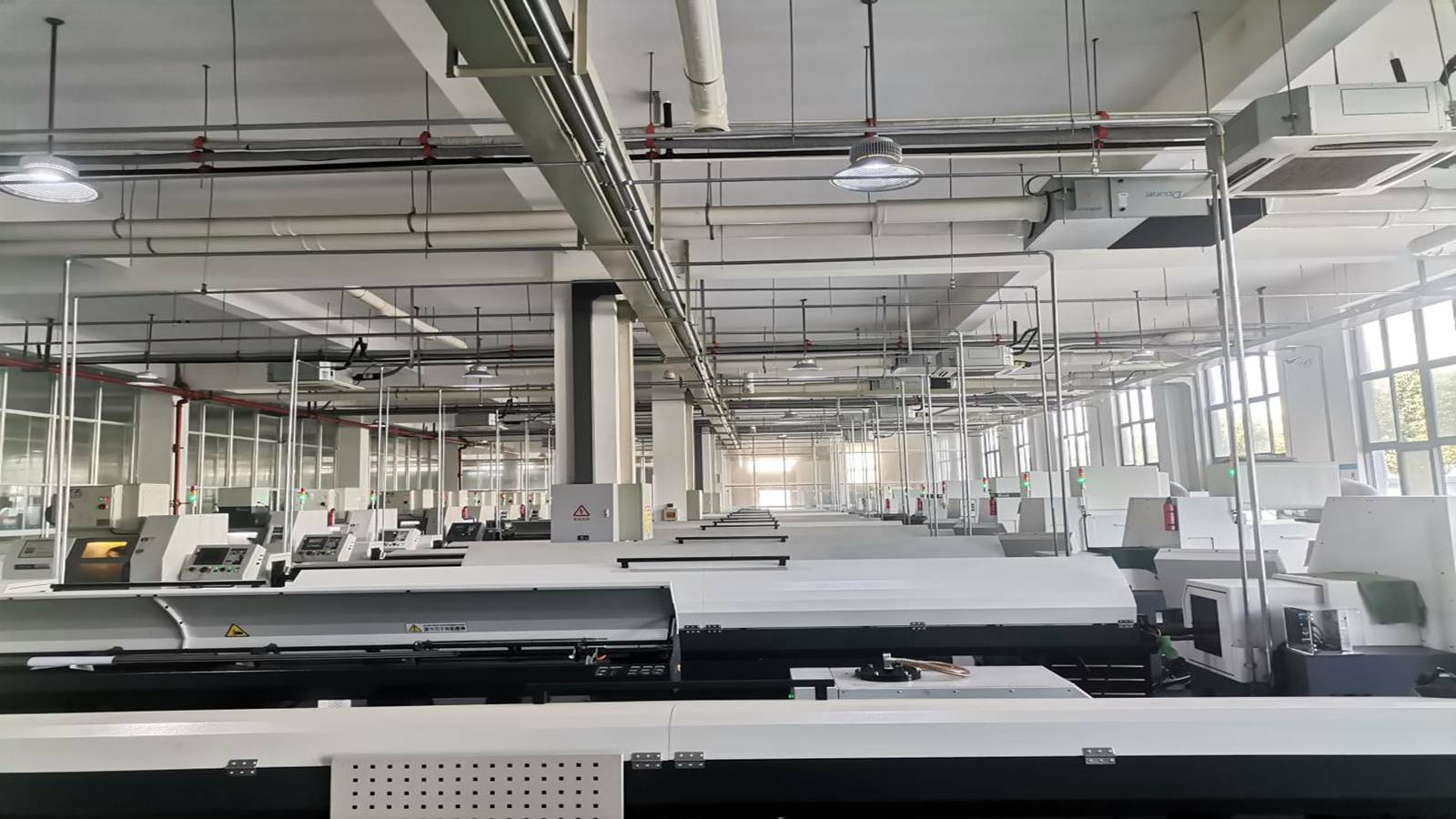
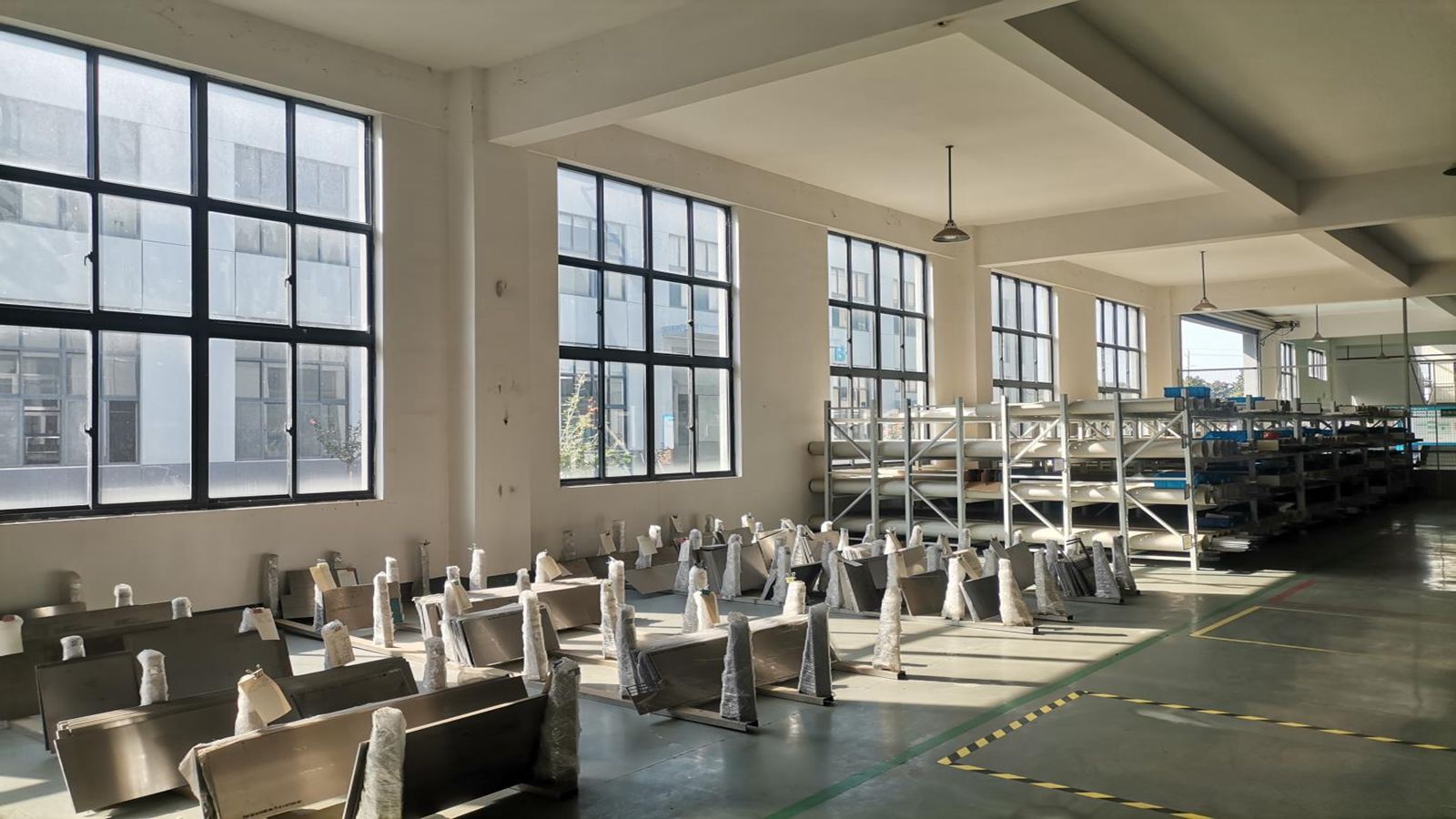
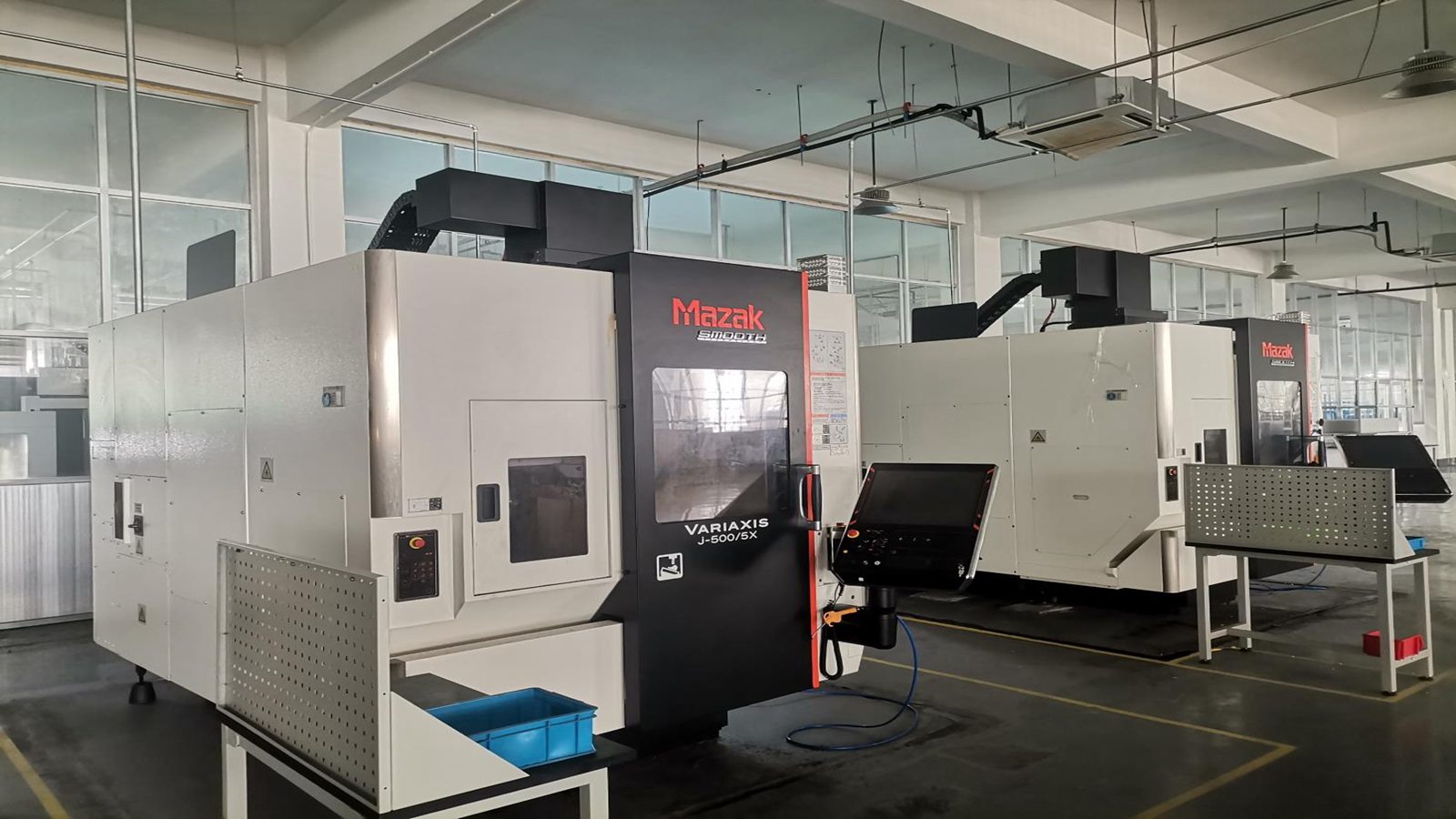
State-of-the-Art Factory Space
12 Lines
Advanced Production Lines
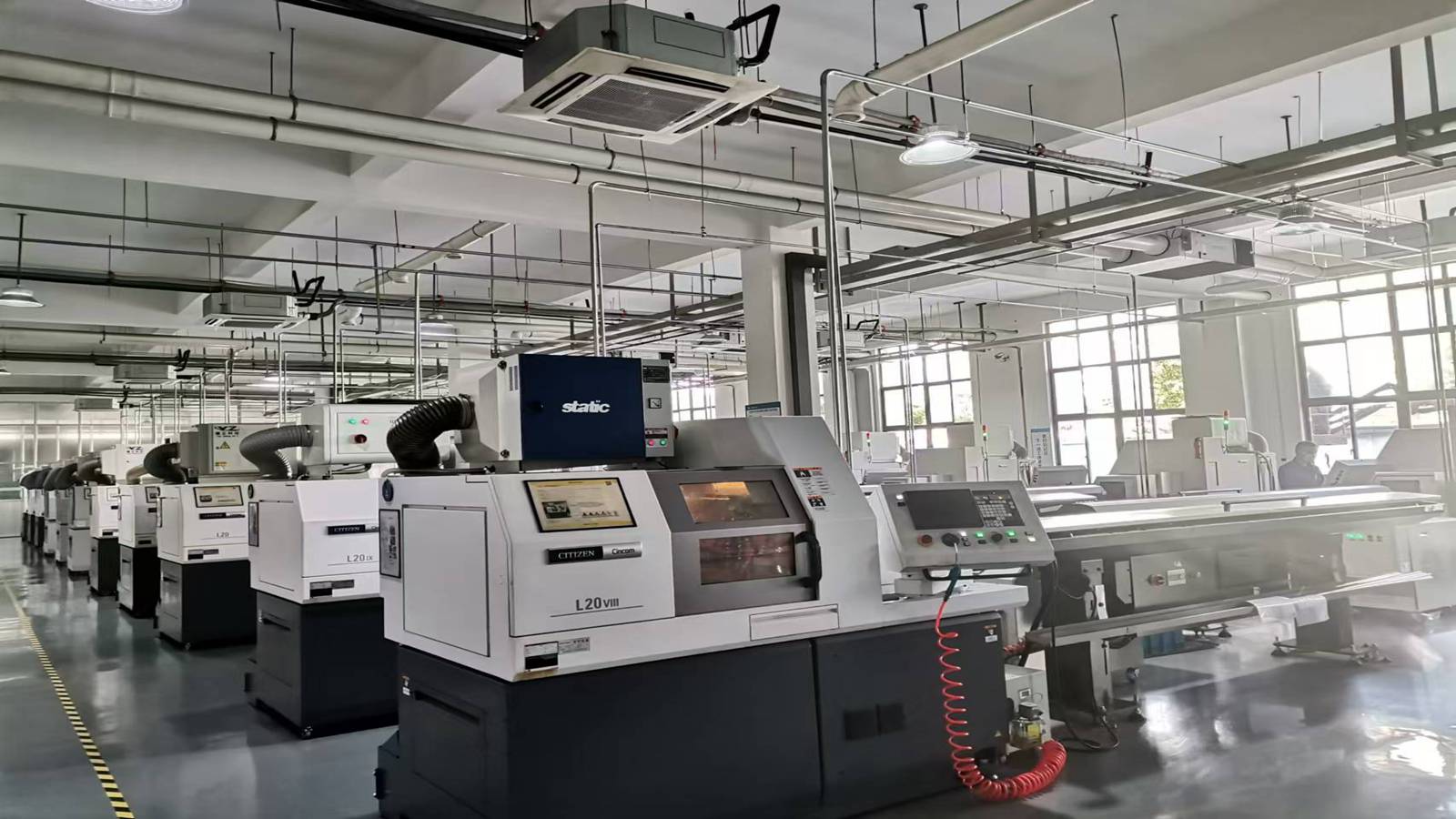
120+ Units
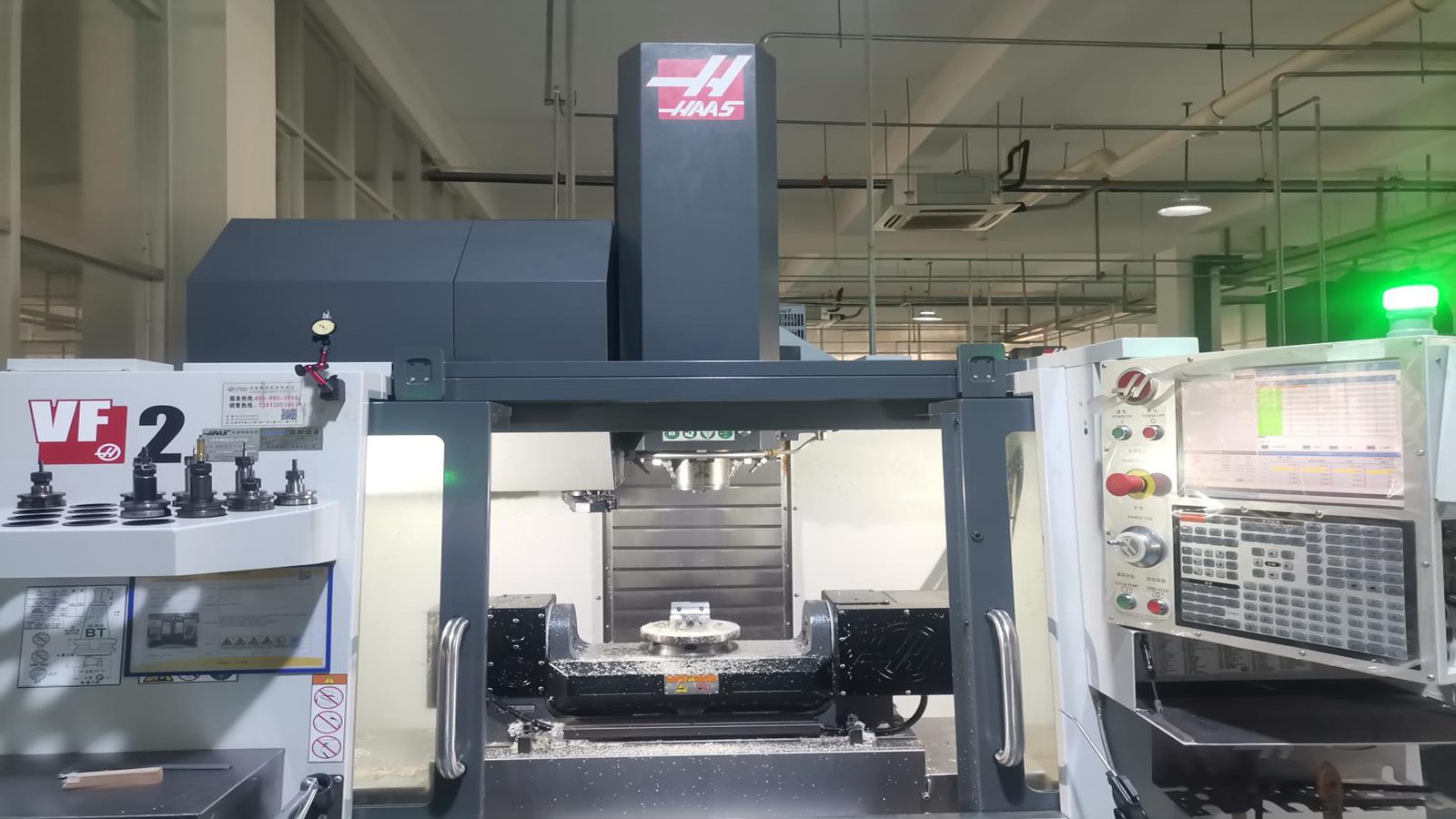
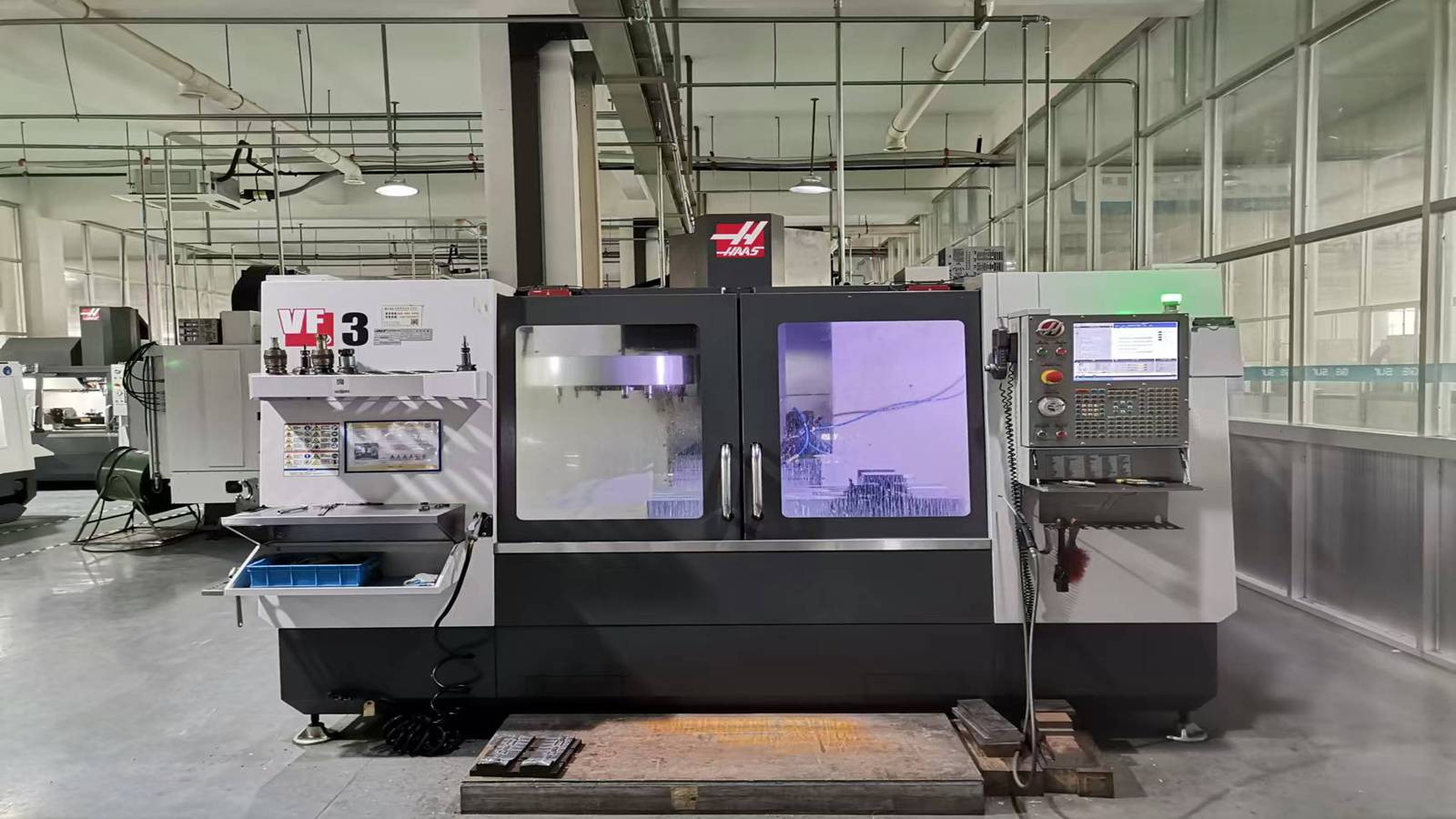
Precision Swiss CNC Machines

Enterprise procurement teams must mitigate risks by auditing the manufacturer’s technical infrastructure. A robust supply chain setup must guarantee 100% material traceability from the raw titanium ingot stage down to the sterilized packaging, verified by chemical analysis (spectrometry) and mechanical stress testing certifications.

3. Manufacturing Profile & Quality Control Framework

Our manufacturing foundation is built upon precise engineering and strict international guidelines. Below is an overview of our operational capabilities, designed to fulfill large-scale OEM orders and customized orthopedic implants requests with uncompromising accuracy.

Enterprise Overview
Registration Date: 2015-10-15
Floor Space: 30,343 ㎡
Industry Experience: 10 Years
Export Footprint: 10 Years
Global Standards & Certifications
ISO13485 Badge
ISO 13485 04723Q10000765
EN ISO 13485 Badge
EN ISO 13485 EPT 25 ISO 13485 0067
MDSAP Badge
MDSAP Cert C730178
CE Badge
CE MDR EPT 0477.MDR.25/5905
MDR Badge
MDR EPT 0477.MDR.26/6113
Quality Control & R&D
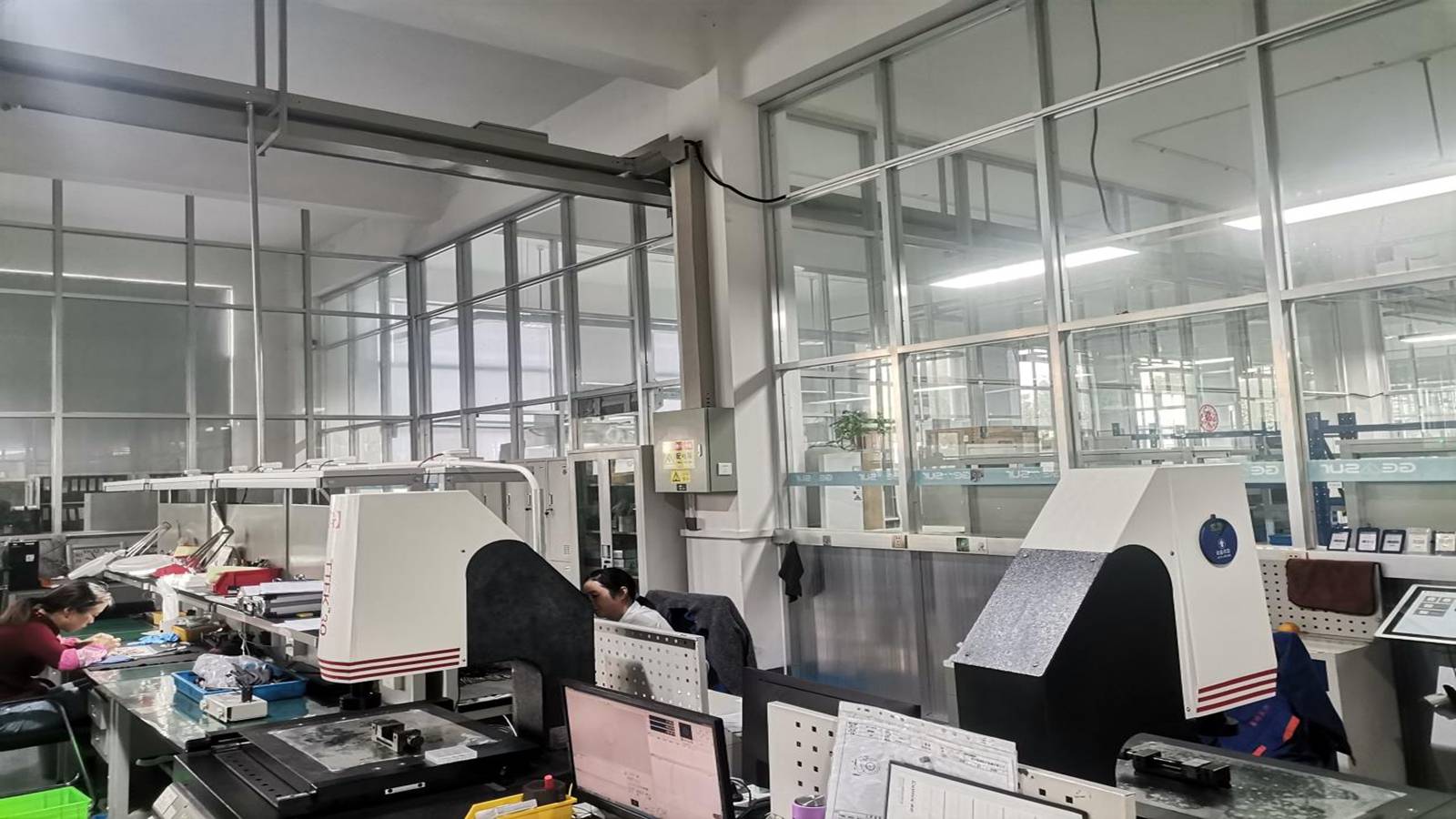
QA/QC Inspectors: 36 active specialists
R&D Team: 31 engineers (1 Doctorate, 11 Post-Grad, 17 Grad)
Inspection Protocols: 100% full-line tracing, raw material validation
Customization Options: Design blueprinting, sample processing, custom coatings
Markets & Partners
Demographics: Domestic (80%), Eastern Europe (5%), Southeast Asia (5%), Global OEM (10%)
Client Demographics: Global Brand Businesses, Healthcare GPOs, Importers, Research Institutions

4. Macro Industry Solutions & Advanced Surgical Systems

Medical-grade titanium screws do not exist in isolation. They are integral to systemic solutions engineered to address orthopedic trauma, degenerative joint disorders, and complex spinal reconstructive surgeries. Our export portfolio bridges these distinct clinical requirements with dedicated biomechanical systems:

Spinal Reconstruction Systems

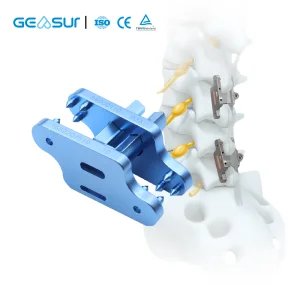
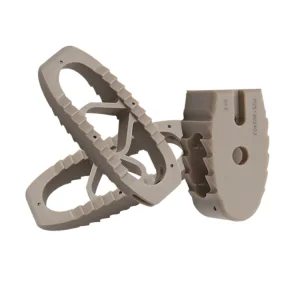
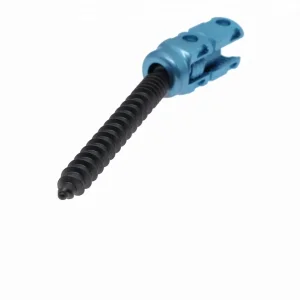
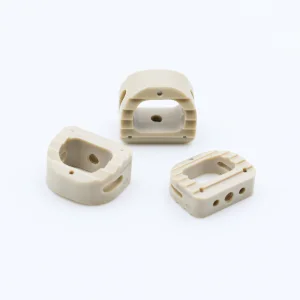
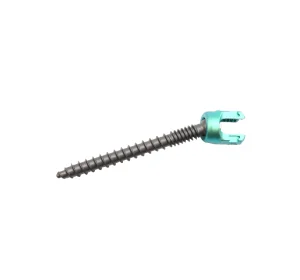
Providing polyaxial pedicle screws (5.5mm/6.0mm) alongside semi-rigid titanium interspinous fusion systems and OLIF/PLIF PEEK and titanium cages to address complex degenerative disc disease and spine instability.

Trauma & Internal Fixation Solutions

A comprehensive system comprising titanium headless compression compression screws, mini-locking plates, and anatomical locking plate configurations to ensure stable reduction of articular and periarticular bone structures.

Joint Replacement & Orthobiologics

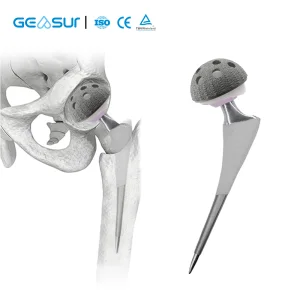
Integrating cementless femoral stems with dual-phase Ti+HA (Titanium Plasma Spray + Hydroxyapatite) coating. This hybrid finish encourages optimal biological anchorage and reduces postoperative micromotion.

5. Localization Support & Global Regulatory Compliance

Navigating the global regulatory environment is one of the most significant barriers to entry in the medical device market. In the European Union, the transition from MDD to MDR (EU) 2017/745 has dramatically elevated requirements for clinical evaluation, Post-Market Clinical Follow-up (PMCF), and complete technical file details. In the United States, FDA 510(k) clearances dictate rigorous bio-compatibility evaluations.

Our export processes are supported by an internal regulatory affairs team capable of providing comprehensive technical documentation, including raw material mill sheets, sterilization validation studies (gamma/EtO), and biomechanical testing logs (ASTM F1717 / ASTM F543). Our compliance framework is audited regularly by EU notified bodies under MDSAP to ensure seamless customs clearance and hospital procurement approval in over 40 countries.

6. Technological Roadmap & Next-Generation Implants

As we look to the future, the design of surgical titanium screws is merging with biotechnology and digital design. The R&D pipeline focuses on three primary pillars:

Porous Additive Manufacturing

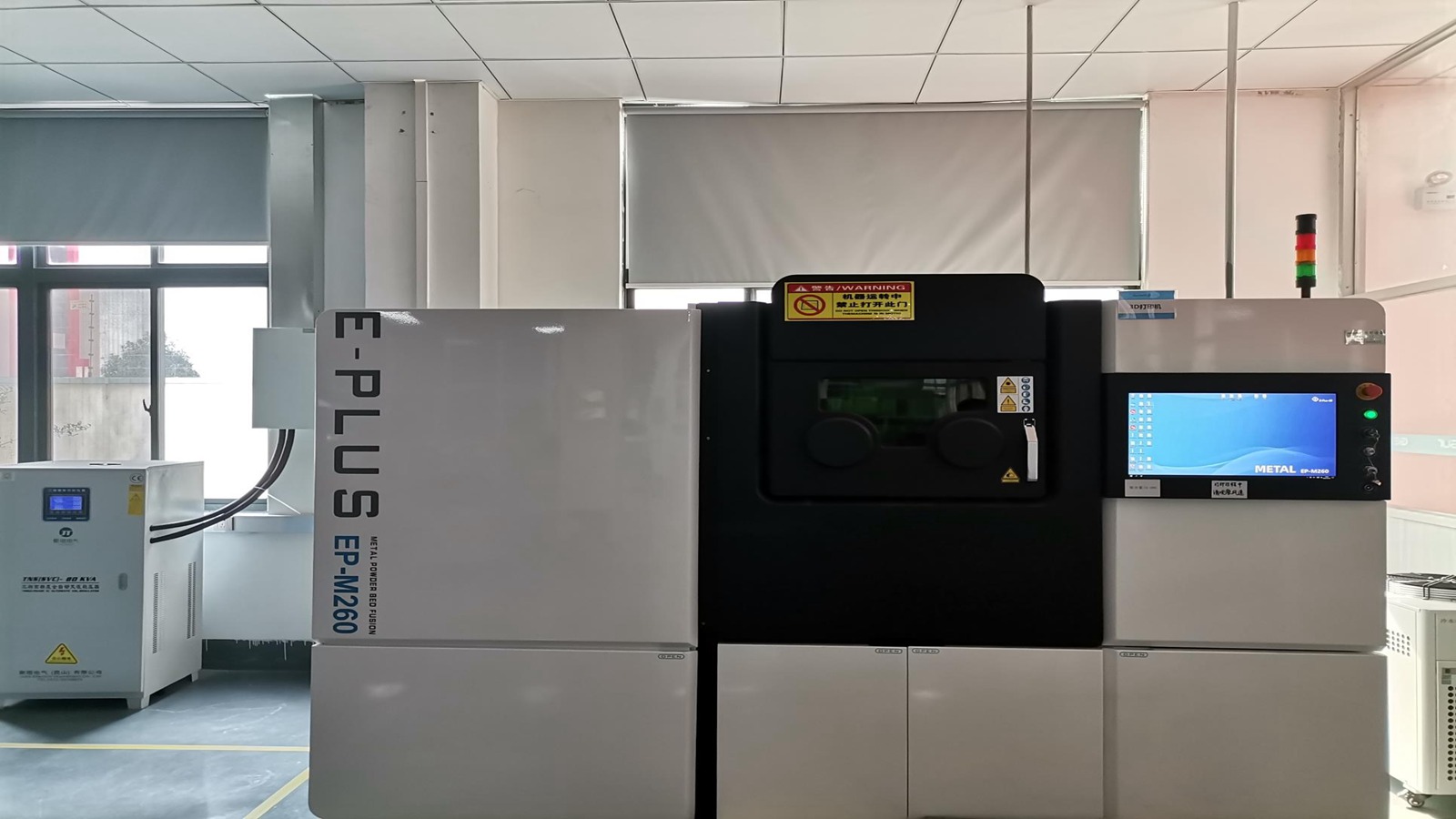
Utilizing 3D printing (Selective Laser Melting) to manufacture porous titanium structures that mimic the trabecular layout of cancellous bone, achieving osseointegration within weeks of initial implantation.

Bioactive Drug-Eluting Coatings

Developing surface treatments designed to gradually release osteoinductive agents, local antibiotics, or anti-inflammatory drugs to prevent surgical-site infections and support healing.

Smart Piezoelectric Implants

Integrating micro-sensors capable of real-time monitoring of spinal loading, healing progress, and localized pH levels, giving clinicians diagnostic data directly from the patient.
Global Sourcing: Frequently Asked Questions

Q1: Which grades of titanium are used for surgical screws?
We primarily utilize Ti-6Al-4V ELI (Grade 23) conformant to ASTM F136 and ISO 5832-3 standards. ELI stands for Extra Low Interstitials, providing superior toughness and fatigue resistance compared to standard industrial Grade 5 titanium.
Q2: How do your titanium screws achieve MDR (EU) 2017/745 compliance?
Our products are audited and certified by recognized Notified Bodies (such as Eurofins EPT under cert 0477.MDR.25/5905). We maintain comprehensive technical dossiers, clinical evaluation reports (CERs), and PMCF plans for all Class IIb and Class III orthopedic products.
Q3: Do you support customized OEM/ODM fabrication?
Yes. Supported by 31 R&D engineers, we provide custom processing from blueprints, raw materials modification, surface coating customization (HA, anodization), and custom sterilization configurations to fit specific hospital systems.
Q4: What is the typical lead time for international bulk shipments?
Standard components, such as polyaxial pedicle screws and trauma locking plates, are typically dispatched within 15-30 days depending on the volume. Custom-engineered implants require 45-60 days to allow for rigorous quality control and prototype verification.
Q5: How do you guarantee the quality and traceability of raw materials?
Every batch of titanium is procured from validated metallurgical partners. We conduct internal spectrometry, hardness, tensile, and microstructural analysis. A mill test certificate (MTC) and complete batch tracing records are supplied with every shipment.
Q6: What surface treatments do you offer for orthopedic implants?
We offer Type II Anodic Oxidation for color-coding and fatigue improvement, acid-etching (SLA) for porous textures, and Hydroxyapatite (HA) coating for long-term biological cementless fixation.
Q7: Are the screws supplied sterile or non-sterile?
We export both options. Non-sterile screws are shipped in cleanrooms and autoclavable caddies. Sterile screws are pre-packaged in dual-barrier sterile packaging validated for a 5-year shelf-life (via Ethylene Oxide or Gamma irradiation).
Q8: How does MDSAP certification benefit overseas buyers?
The Medical Device Single Audit Program (MDSAP) verifies that our quality management system complies with regulations in five markets: USA (FDA), Canada (Health Canada), Australia (TGA), Brazil (ANVISA), and Japan (MHLW/PMDA), streamlining local registrations.
Q9: What is the pull-out strength of your polyaxial pedicle screws?
Our pedicle screws undergo mechanical evaluation according to ASTM F1717 and ASTM F543. They are engineered with dual-lead thread designs to double the thread engagement speed and enhance initial pull-out resistance by up to 35% in osteoporotic bone.
Q10: What are your payment terms and minimum order quantities (MOQ)?
For OEM/ODM projects, MOQ starts from 100 units per specification. Standard catalog products have flexible MOQ requirements. Typical payment options include Wire Transfer (T/T) and Letter of Credit (L/C), negotiated based on contract value.

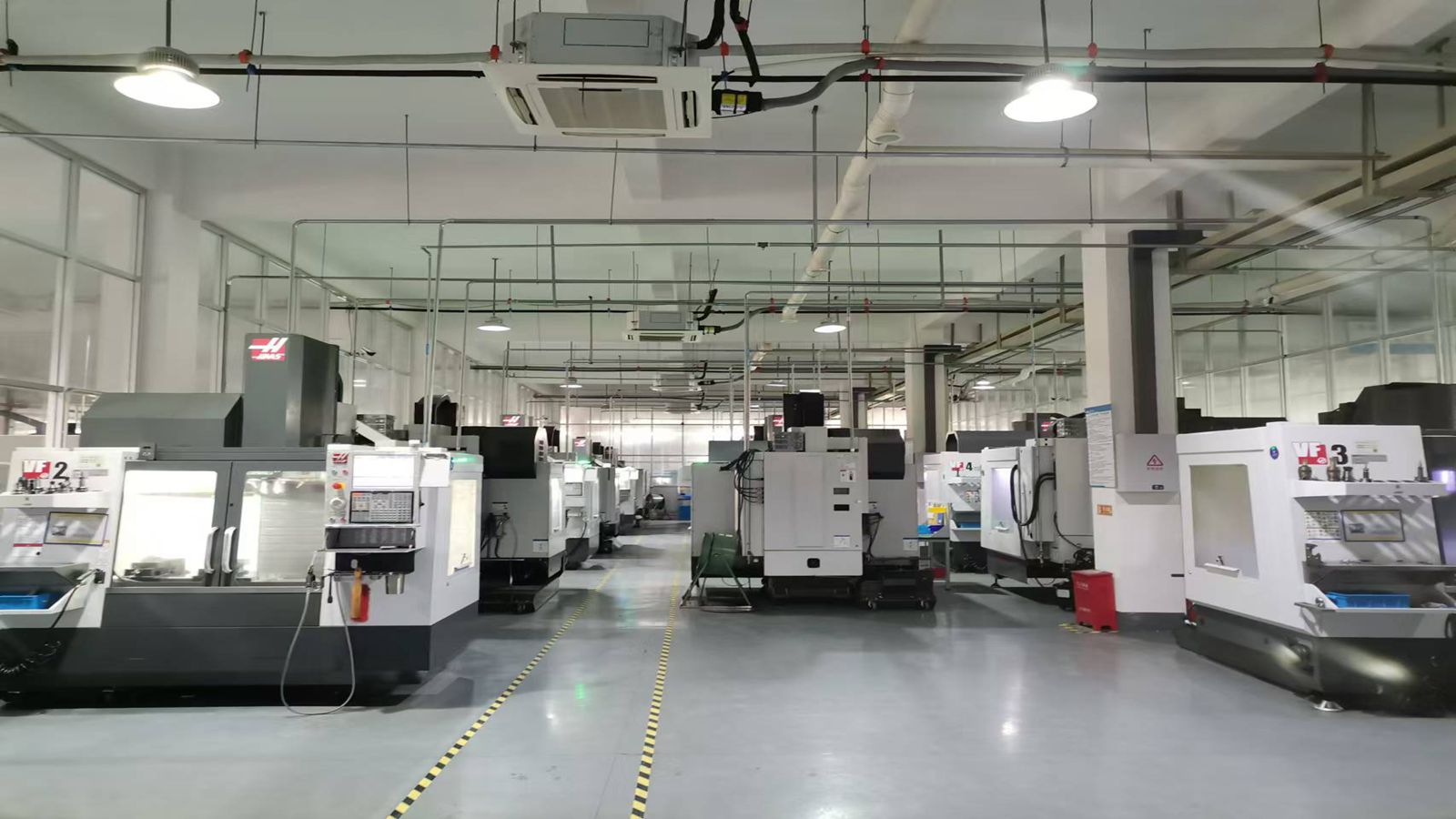
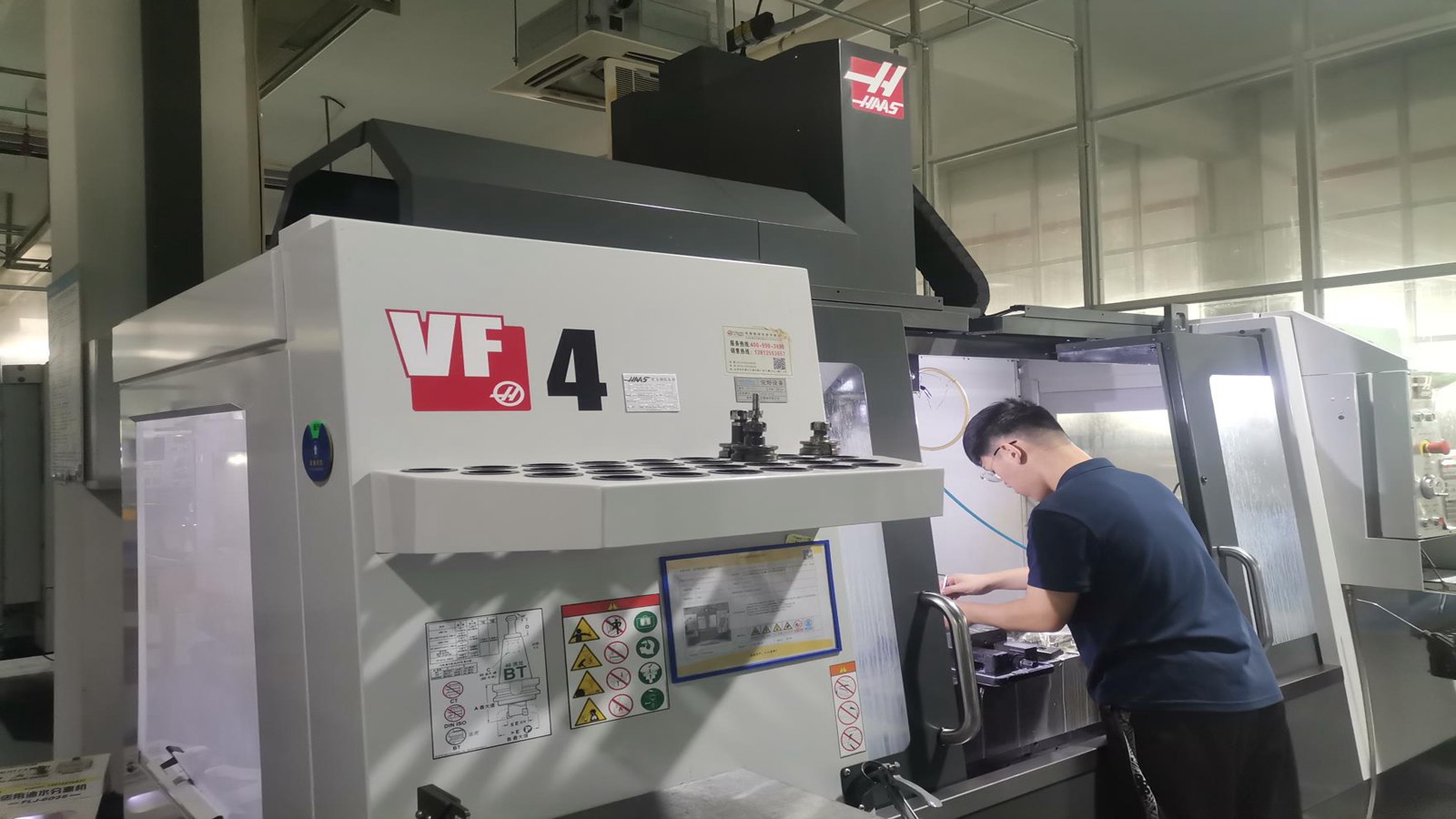
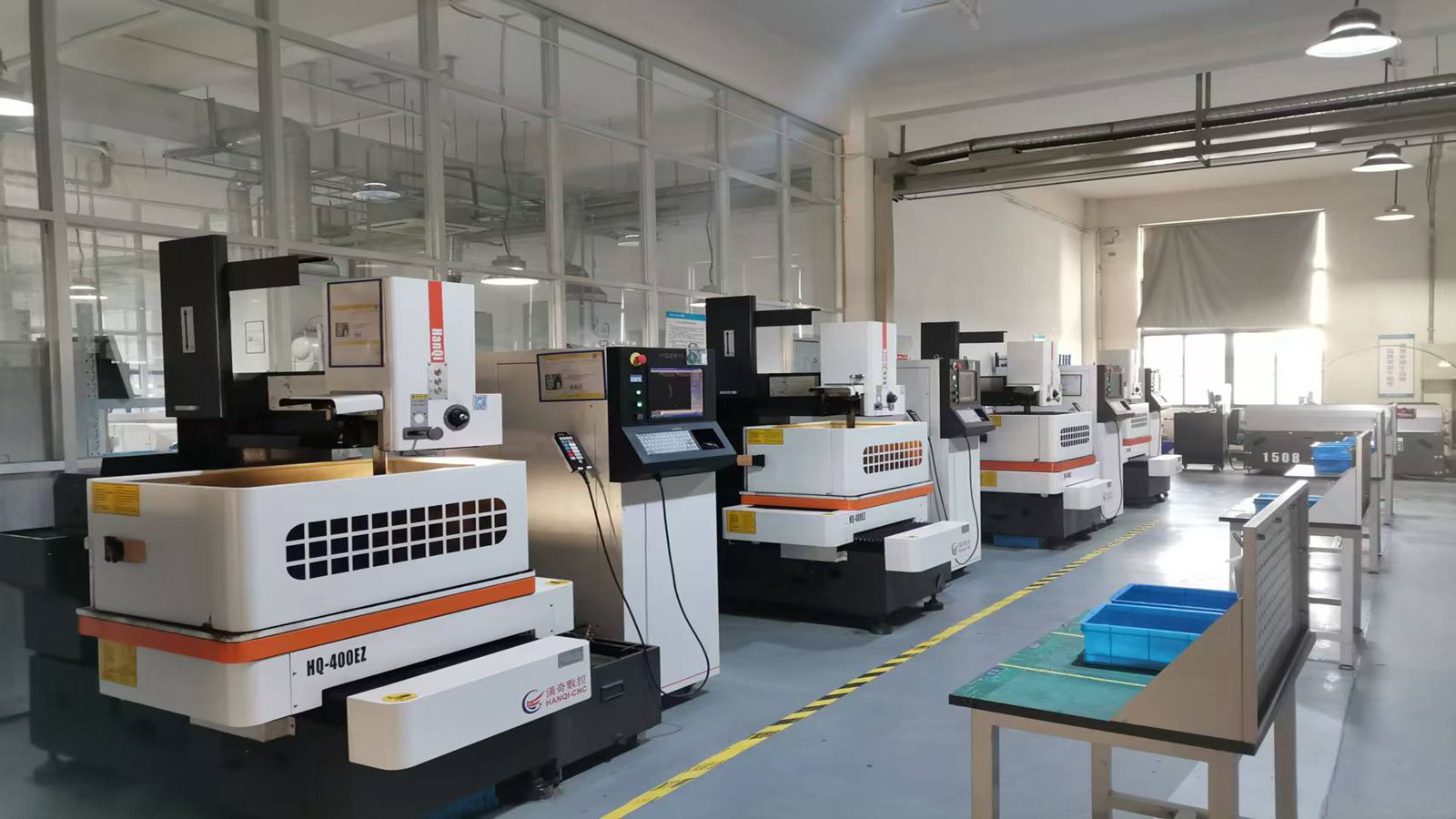
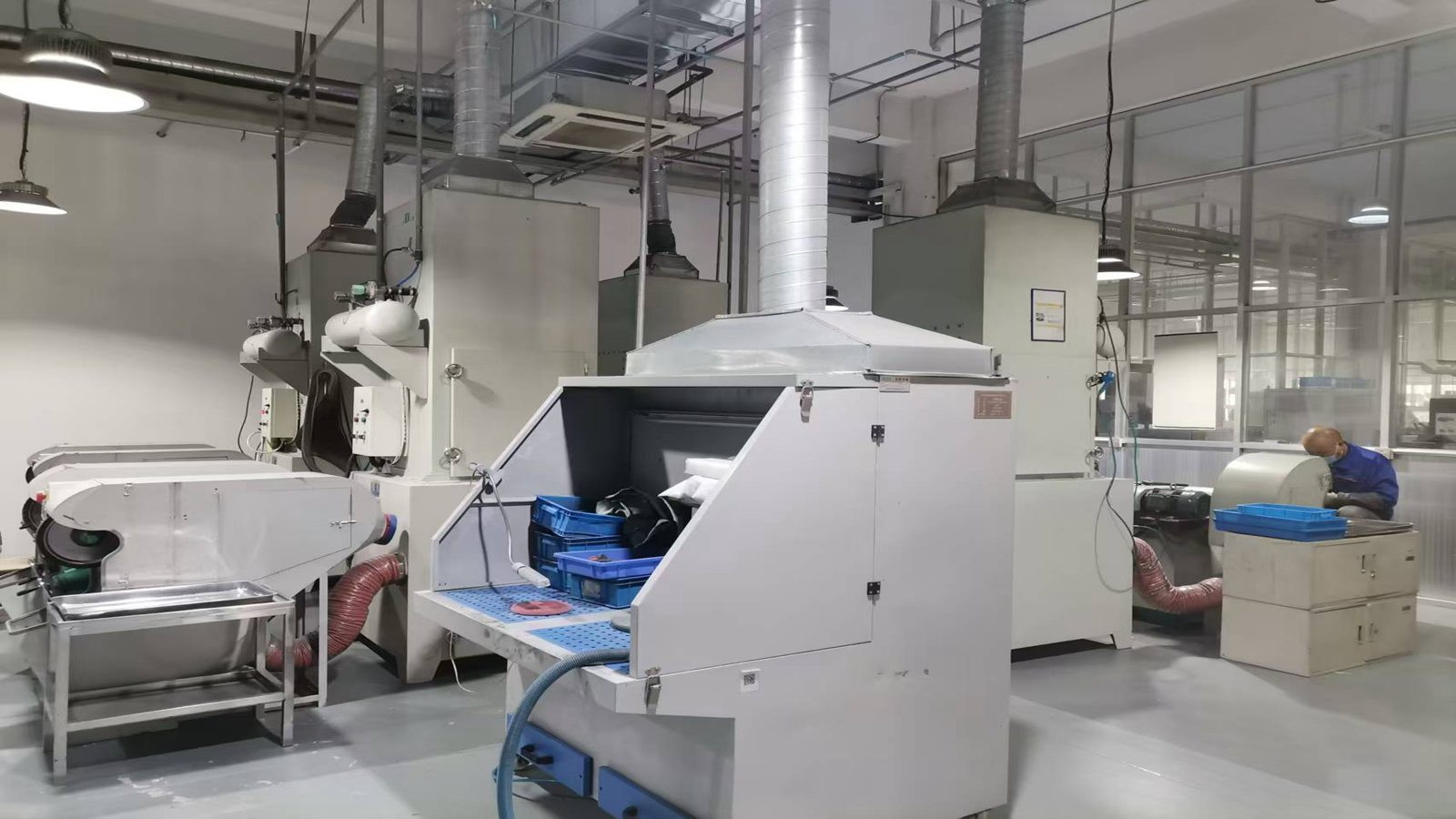
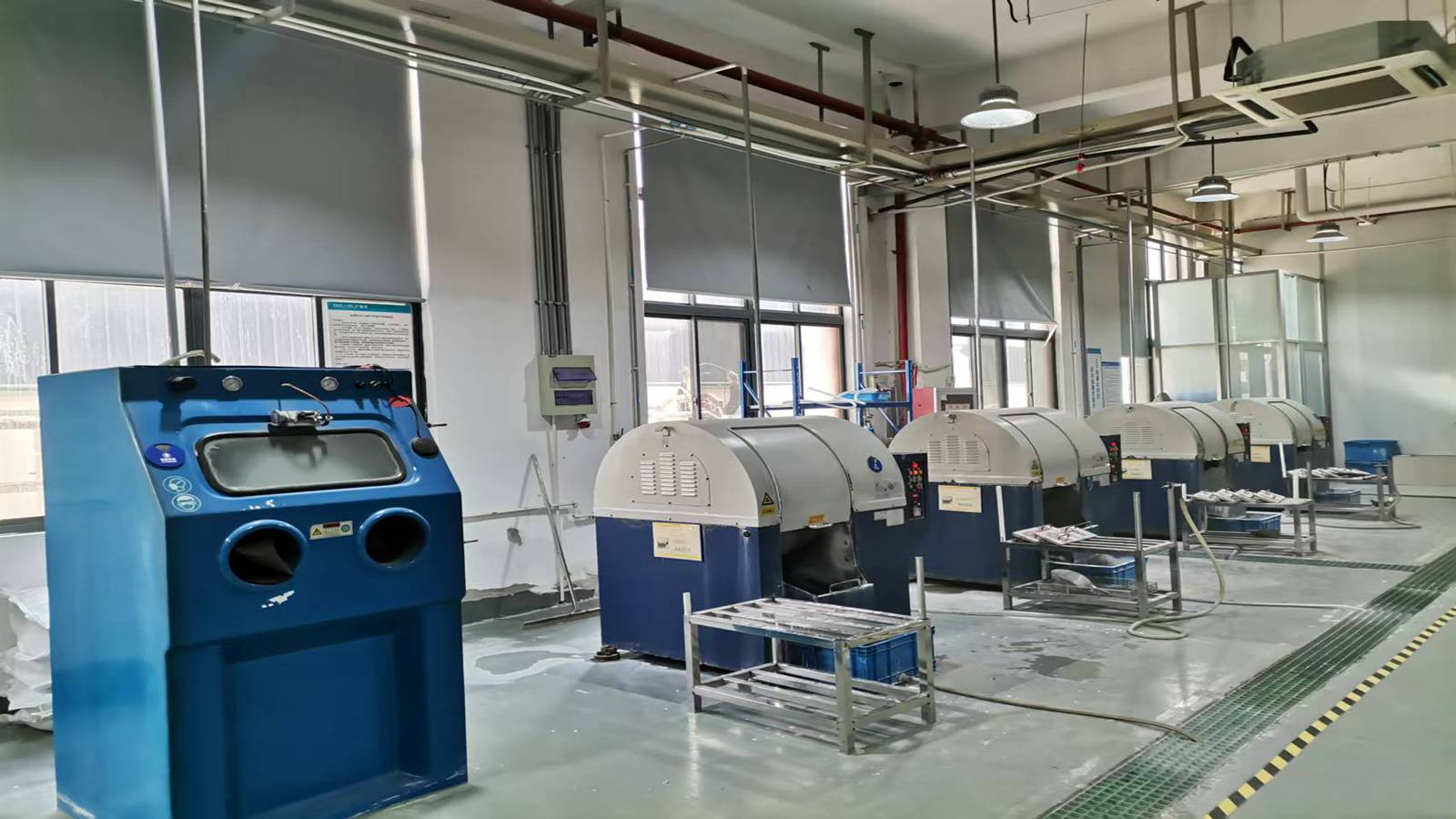
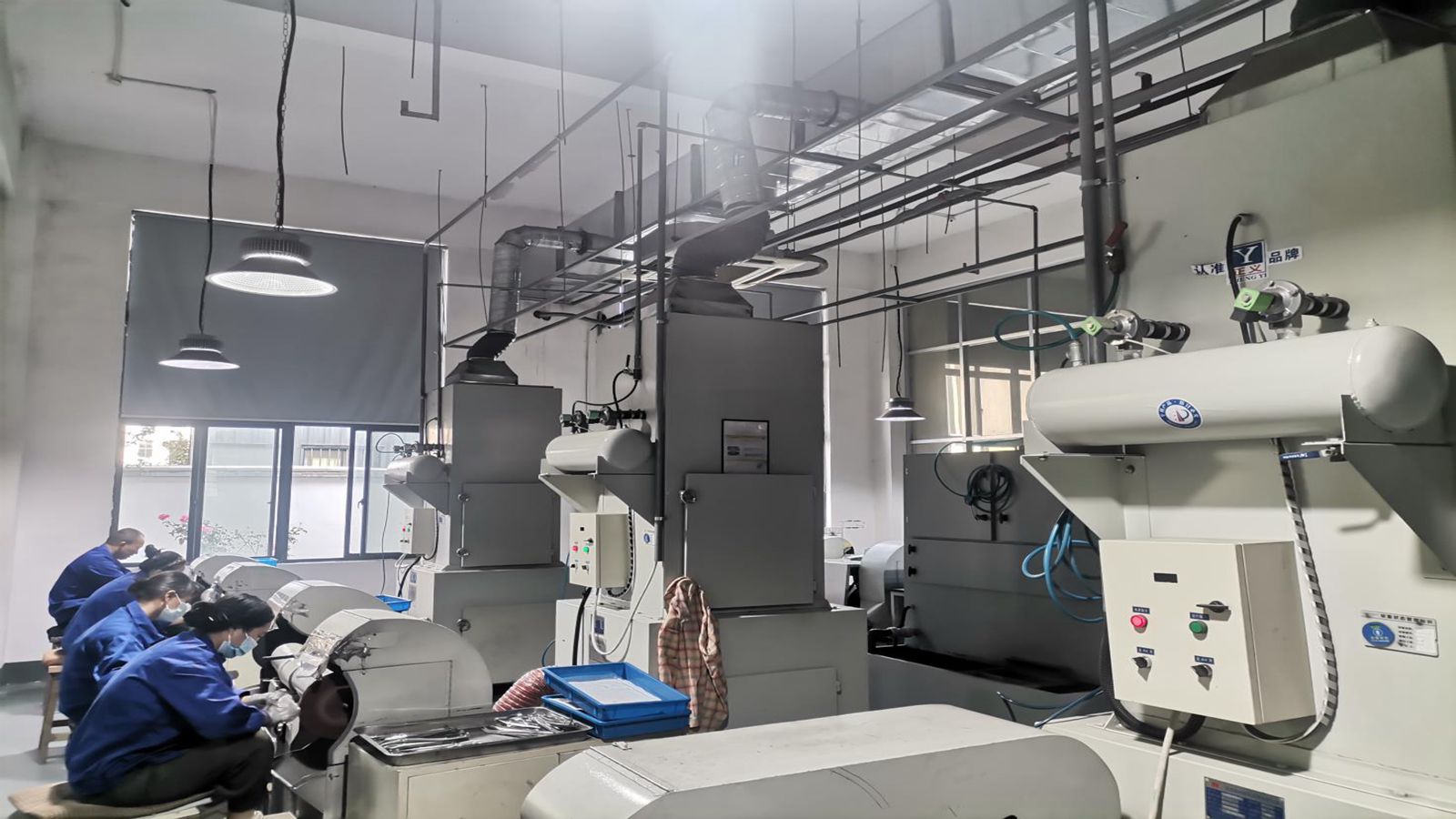
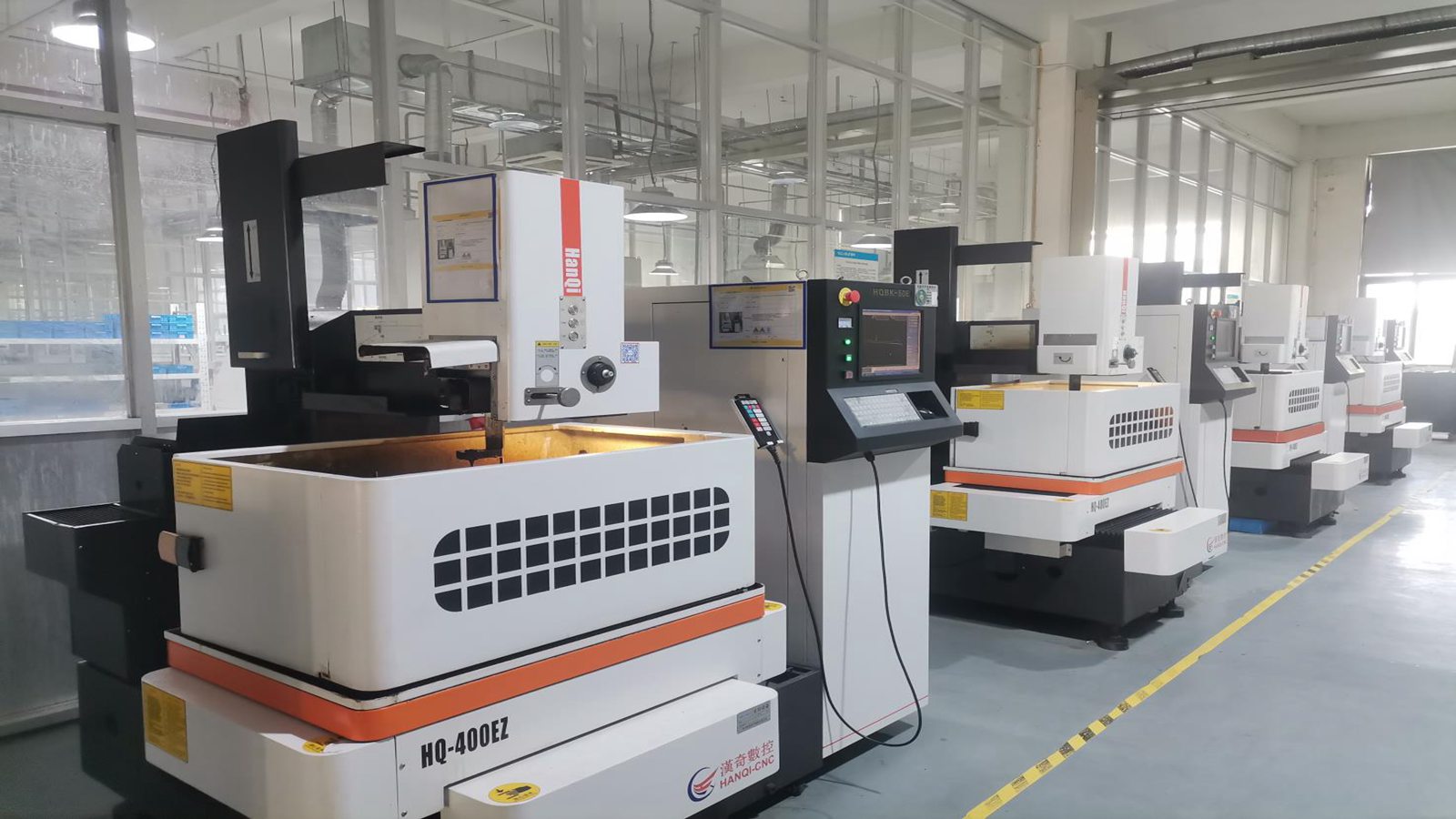
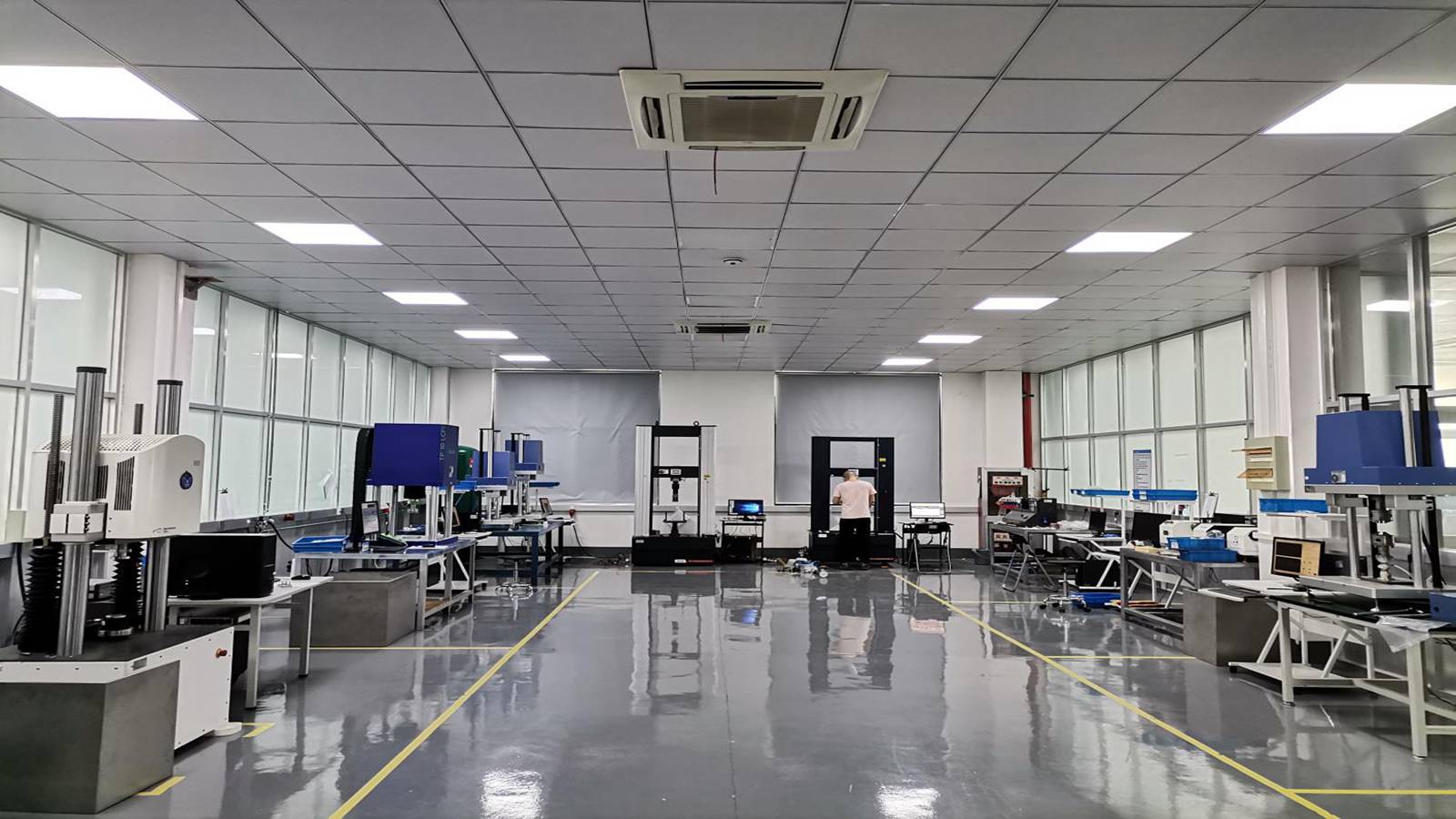
Factory Workspaces & Quality Assurance Operations

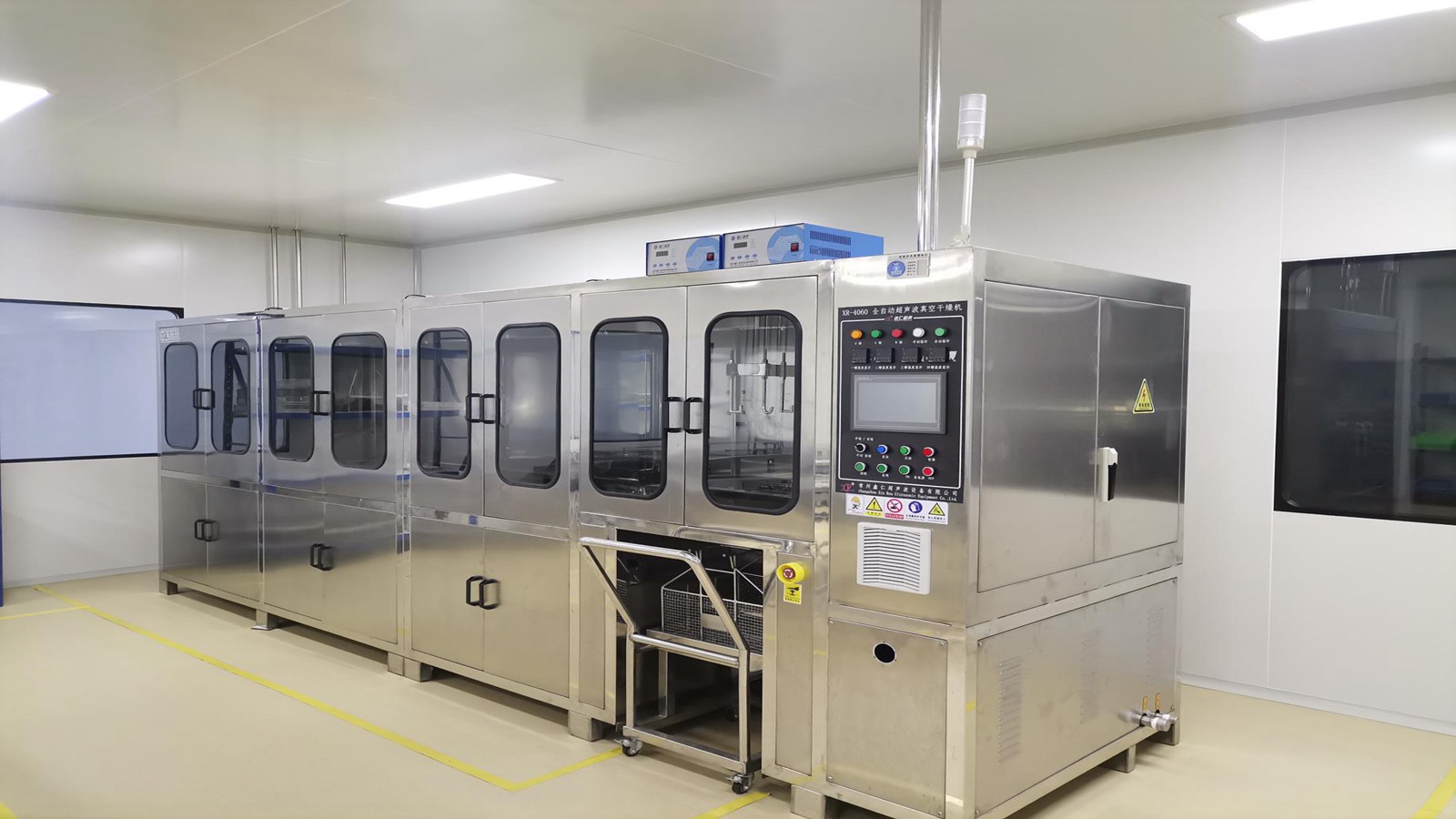
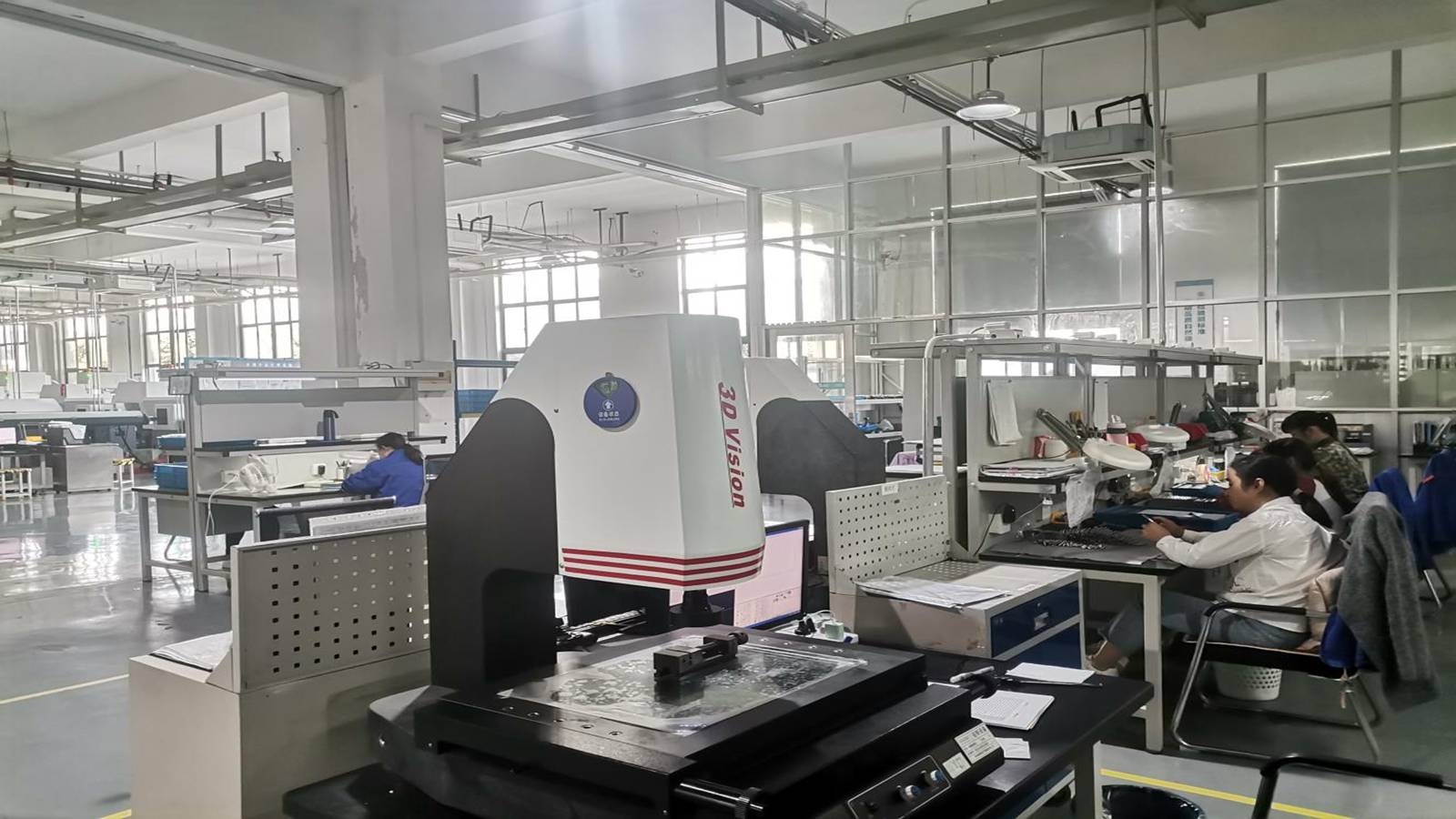
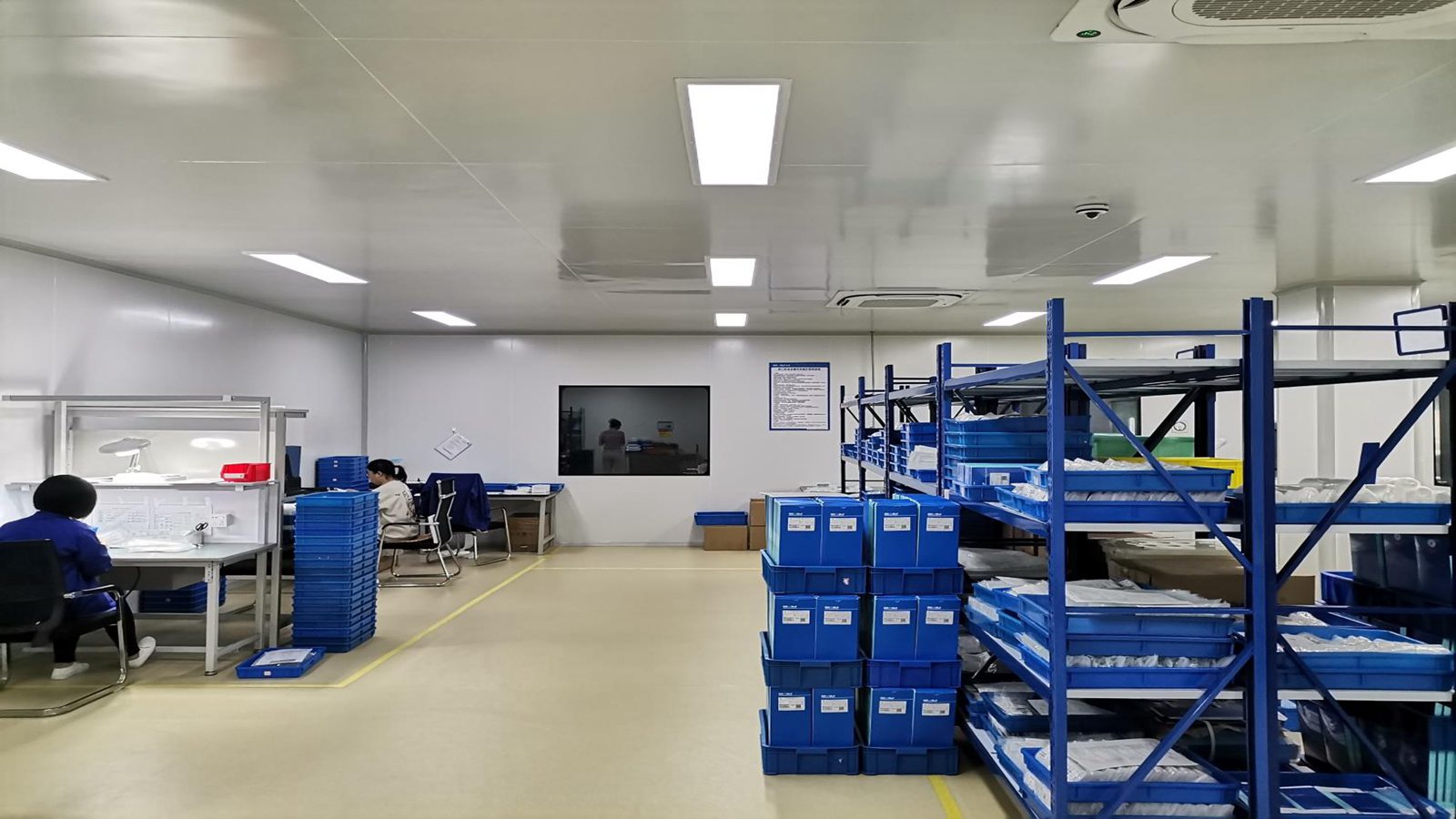
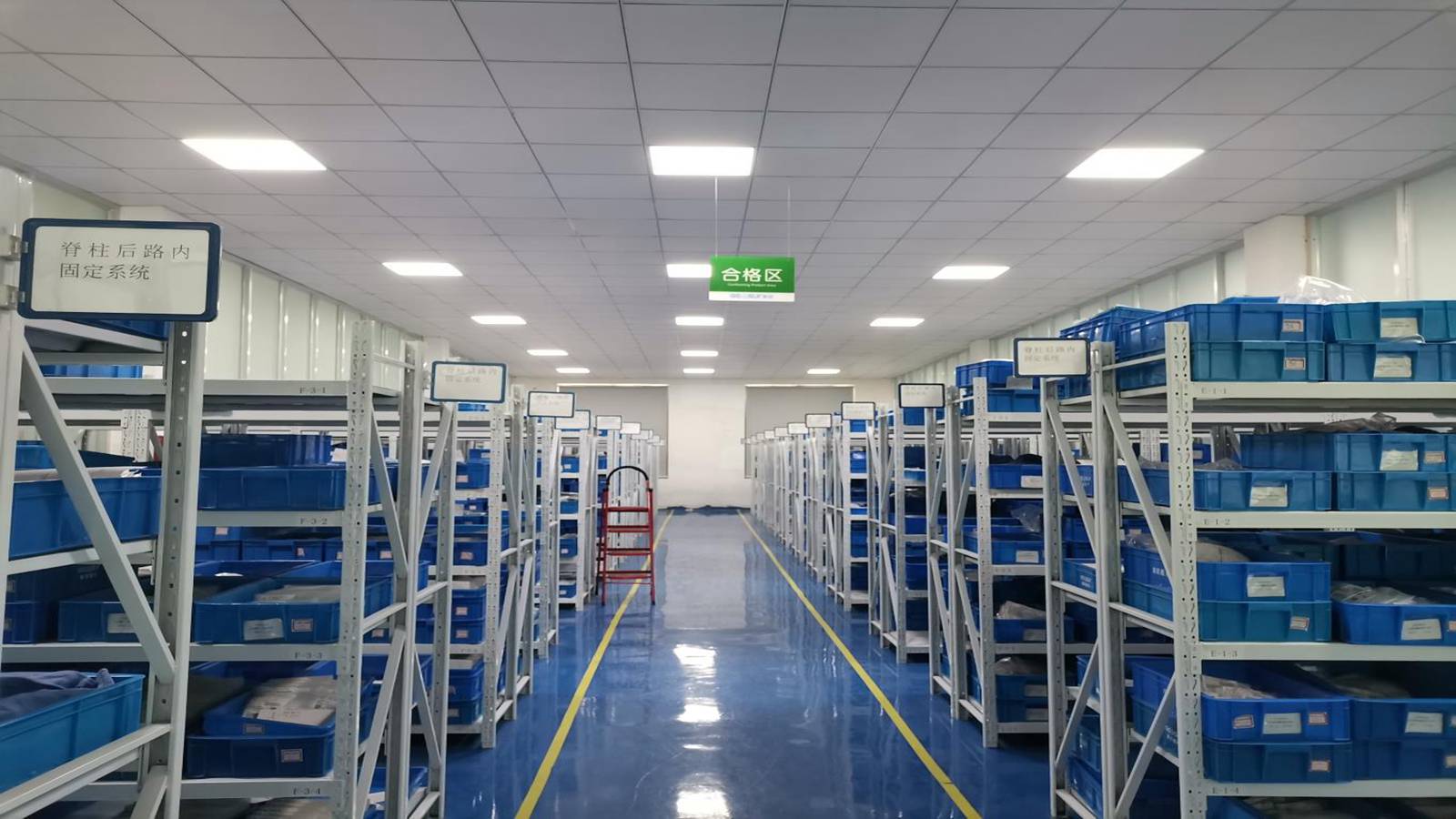
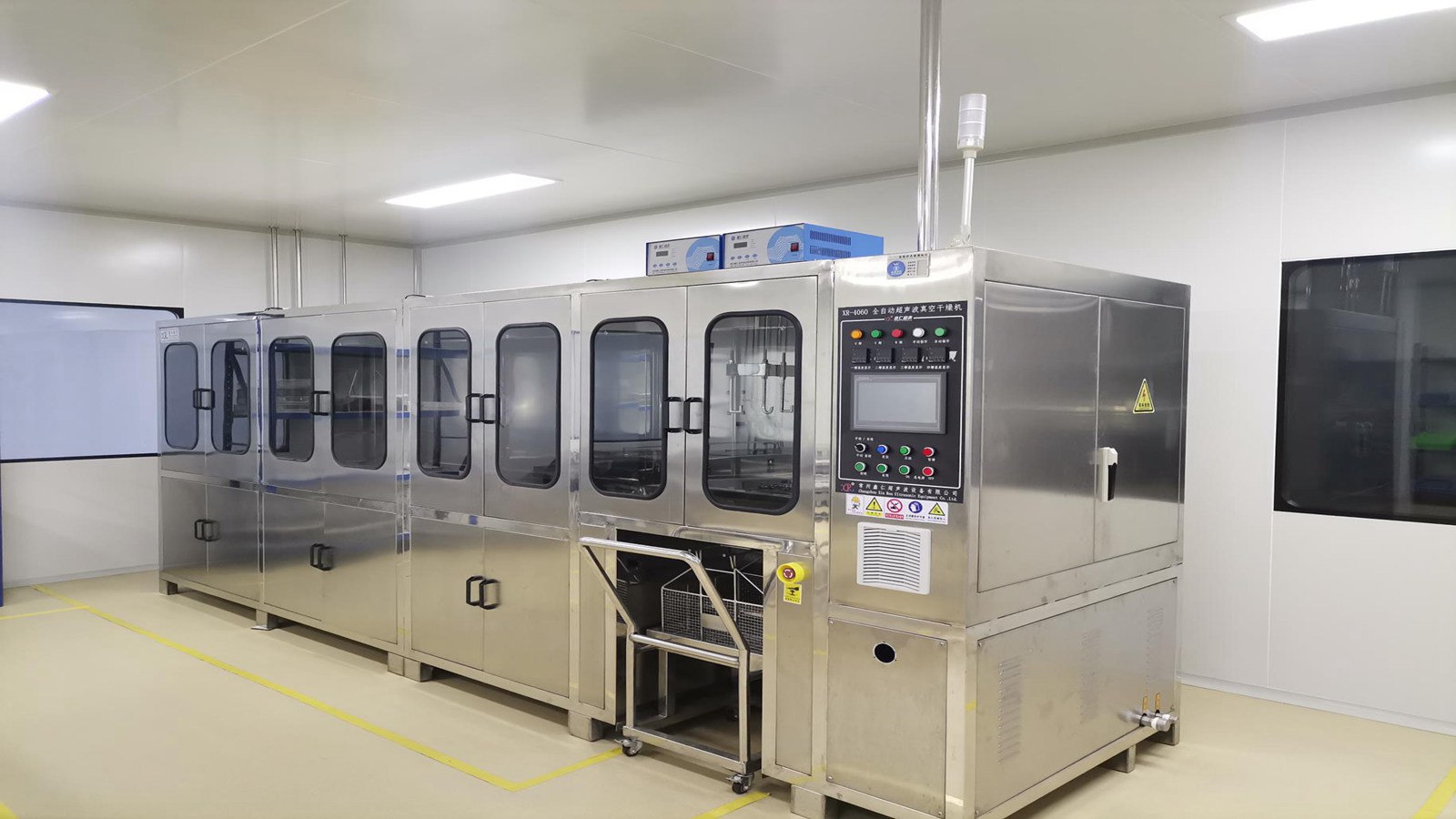
Explore our state-of-the-art ISO 13485-certified facilities, showcasing our precision machining centers, testing laboratories, cleanrooms, and warehouse operations.