 Ease Medical Apparatus And Instruments
Ease Medical Apparatus And Instruments
Ease Medical Apparatus And Instruments
Direct supply from Tier-1 manufacturing facilities. Precision engineered from biocompatible PEEK and Titanium Alloy.
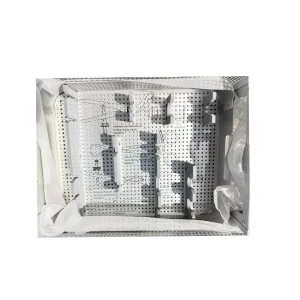
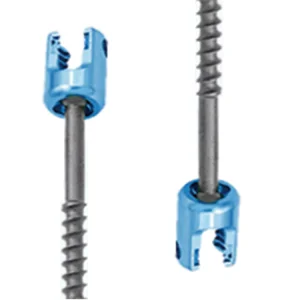
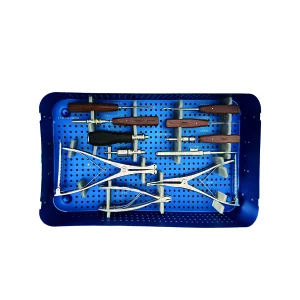
Navigating the complex dynamics of the global musculoskeletal therapy supply chain.
The global orthopedic implant sector is undergoing a profound structural evolution. Valued at over USD 50 billion globally, the demand is driven by two main demographic shifts: a rapidly aging global population and the rising prevalence of active sports-related trauma. Key clinical sectors—namely trauma fixation, spinal fusion, joint reconstruction, and sports medicine—require extremely close alignment between metallurgical engineering and biological compatibility.
Historically, the market was dominated by Western manufacturers. However, over the past decade, high-precision machining hubs in Asia, especially China, have transitioned from contract manufacturing to world-class OEMs and ODMs. By utilizing advanced multi-axis CNC machines and implementing strict regulatory systems, these facilities produce spinal cages, intramedullary nails, and locking plates that match or exceed Western equivalents at a fraction of the cost.
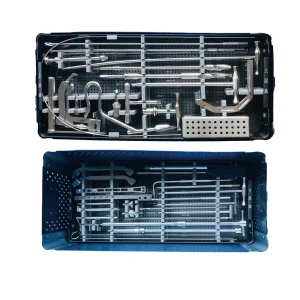
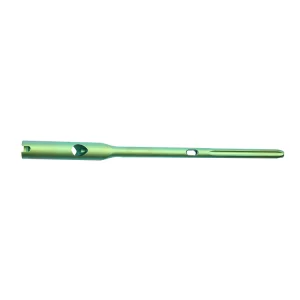
High-strength titanium locking systems and intramedullary nails designed to stabilize complex fractures, offering optimal biological fixation and swift clinical recovery.
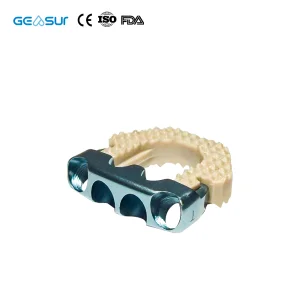
PEEK and Titanium Interbody Cages alongside Pedicle Screws designed to achieve secure spinal fusion with zero-profile integration configurations.
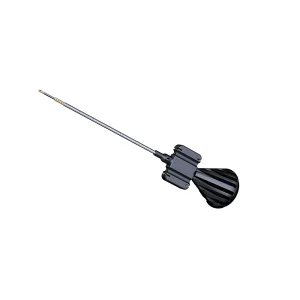
Highly engineered knot-free suture anchors and interference screws providing durable reconstruction for cruciate ligaments and rotator cuffs.
Why global hospital networks and brand owners are transitioning their supply chain routes to leading Chinese facilities.
China's medical device manufacturing sector leverages complete industrial clusters. This integration brings raw material sourcing, precision tooling, cleanroom packaging, and sterilization validation within tight geographical zones, reducing turnaround times.
By using Swiss-type automatic lathes and advanced CNC milling systems (such as Citizen and Haas), Chinese factories achieve tolerances as tight as ±0.005mm. The integration of 3D printing (additive manufacturing) directly for porous titanium structures has further established these facilities at the forefront of bone ingrowth technology.
Empirical proof of manufacturing scale, testing systems, and structural capacity.
Company Registration Date: 2015-10-15
Export Experience: 10 Years
Years in Industry: 10 Years
Accepted Languages: English
Raw Material Traceability: Yes (from raw ingot to sterile implant)
Quality Control Protocols: 100% full inspection across all production runs
Active R&D Engineers: 31 (1 Doctorate, 11 Post-Graduates, 17 Graduates)
Product Development Capacity: 25 new orthopedic systems launched annually
Customization Support: Sample processing, graphic customization, OEM/ODM
Key Target Audiences: Brand businesses, medical distributors, surgeons, hospital groups
Primary Markets: Domestic Market (80%), Eastern Europe (5%), Southeast Asia (5%)
Our implants are cleared for critical orthopedic interventions, maintaining rigorous compatibility with global healthcare protocols.

Registration No: 04723Q10000765

Registration No: EPT 25 ISO 13485 0067

Registration No: C730178

Certificate No: EPT 0477.MDR.25/5905
Certificate No: EPT 0477.MDR.25/5973

Certificate No: EPT 0477.MDR.26/6113
Matching specific trauma and spinal hardware with distinct hospital environments and distributor demands.
Orthopedic implants operate in demanding mechanical environments inside the human body. Different bone structures require dedicated designs:
Purchasing managers must navigate regulatory compliance and supply stability. When sourcing orthopedic implants, key requirements include:
Take a virtual tour of our 30,343 square meter production complex, class-10,000 cleanrooms, and testing facilities.
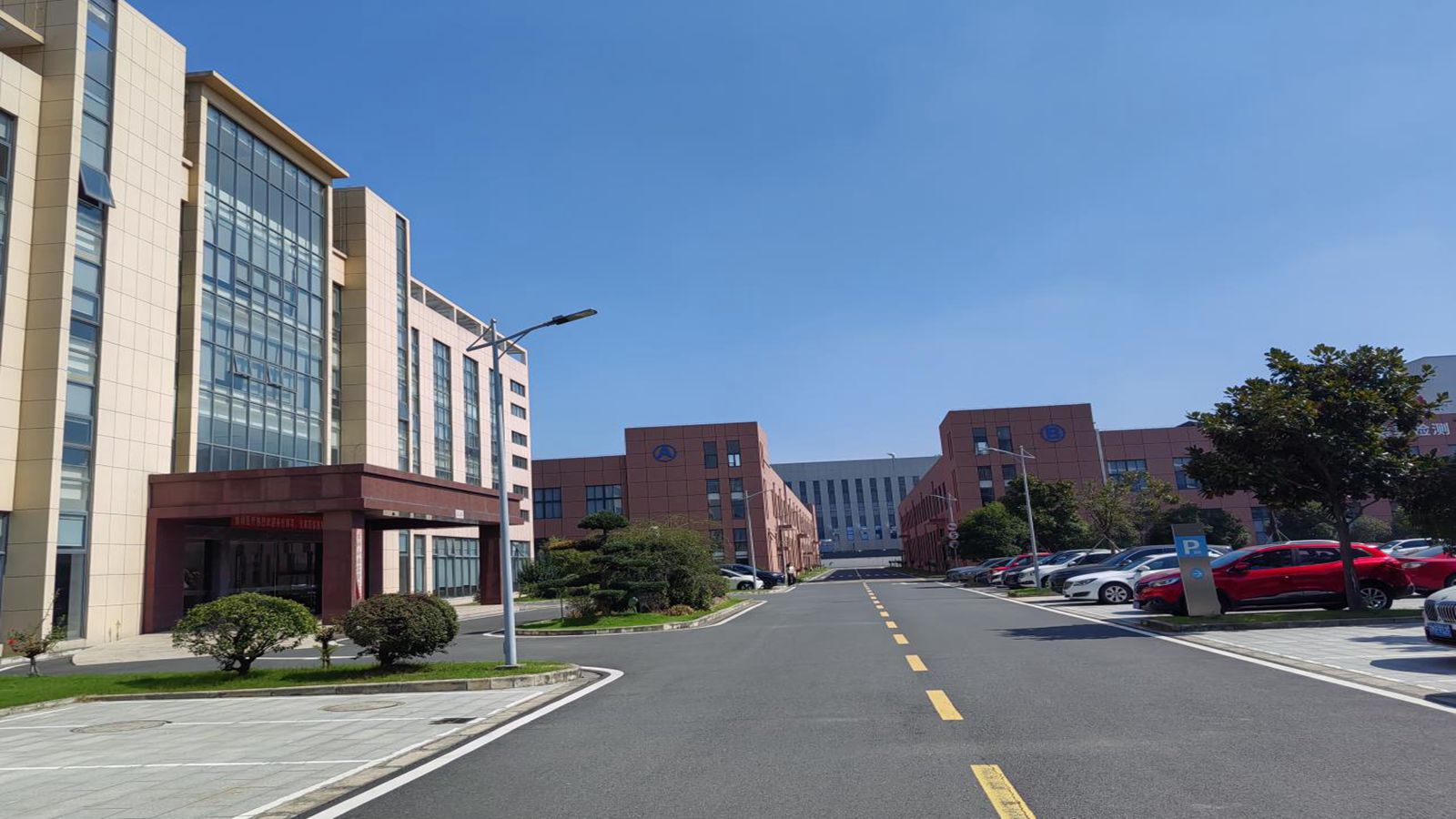
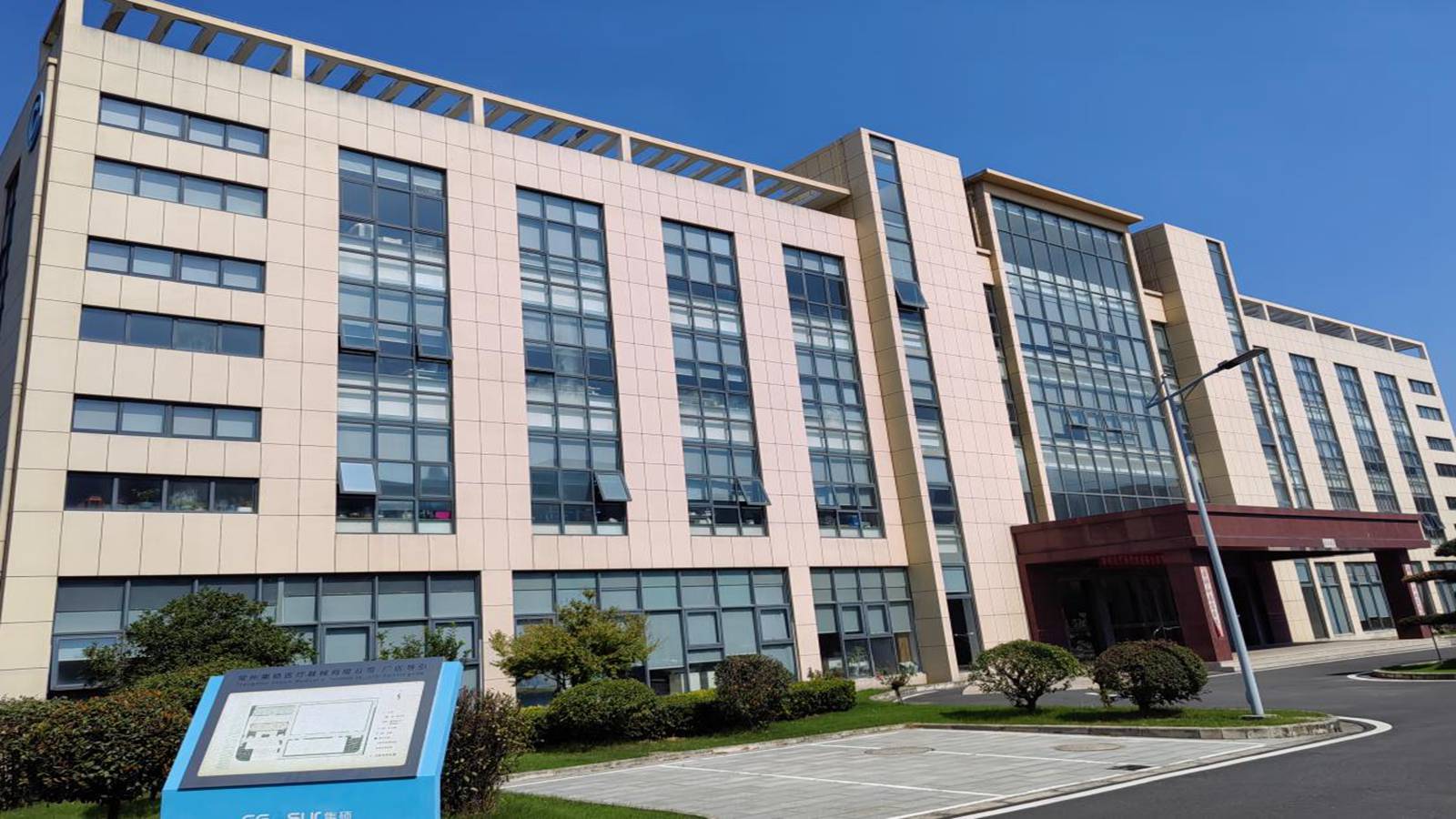
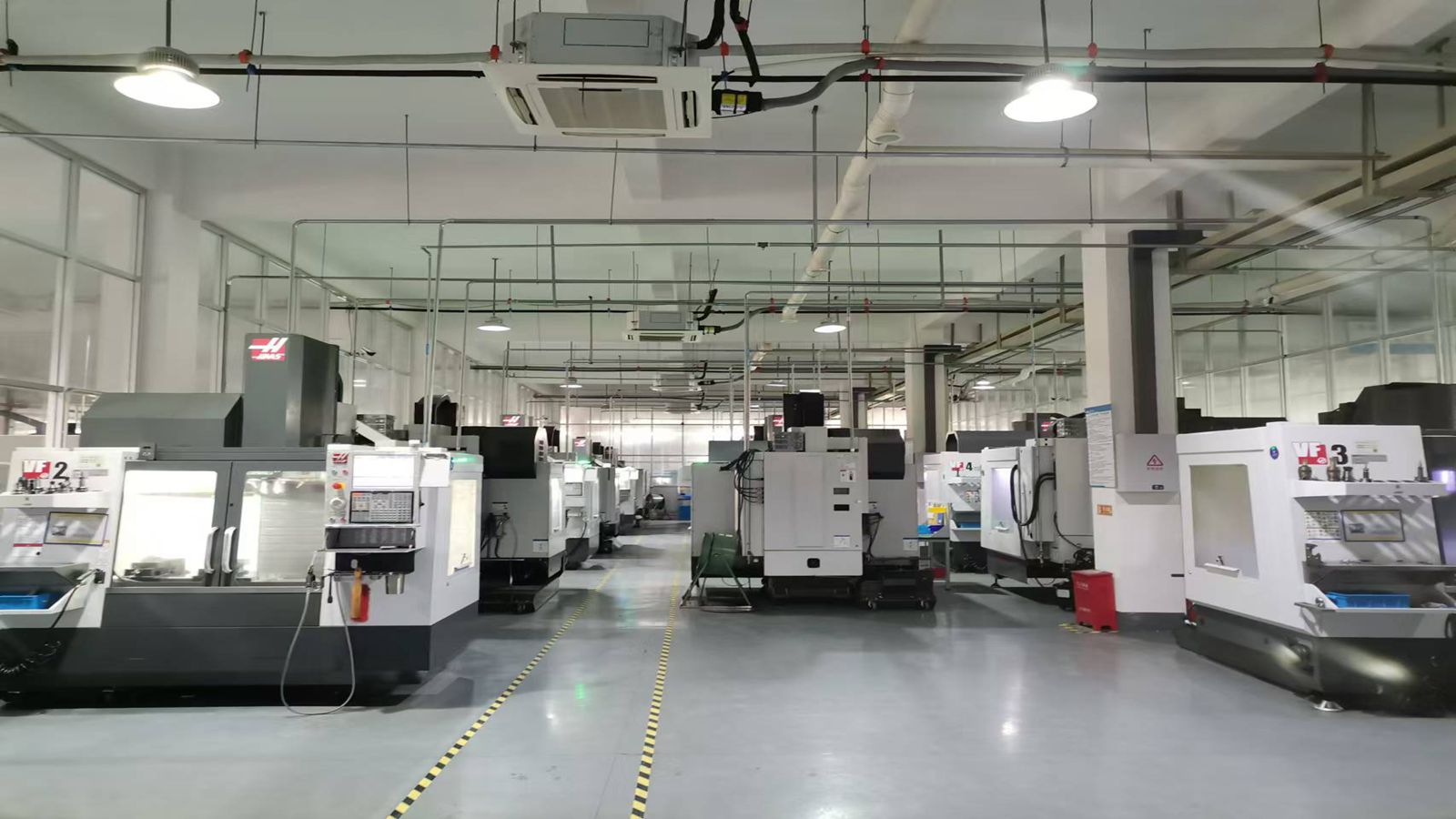
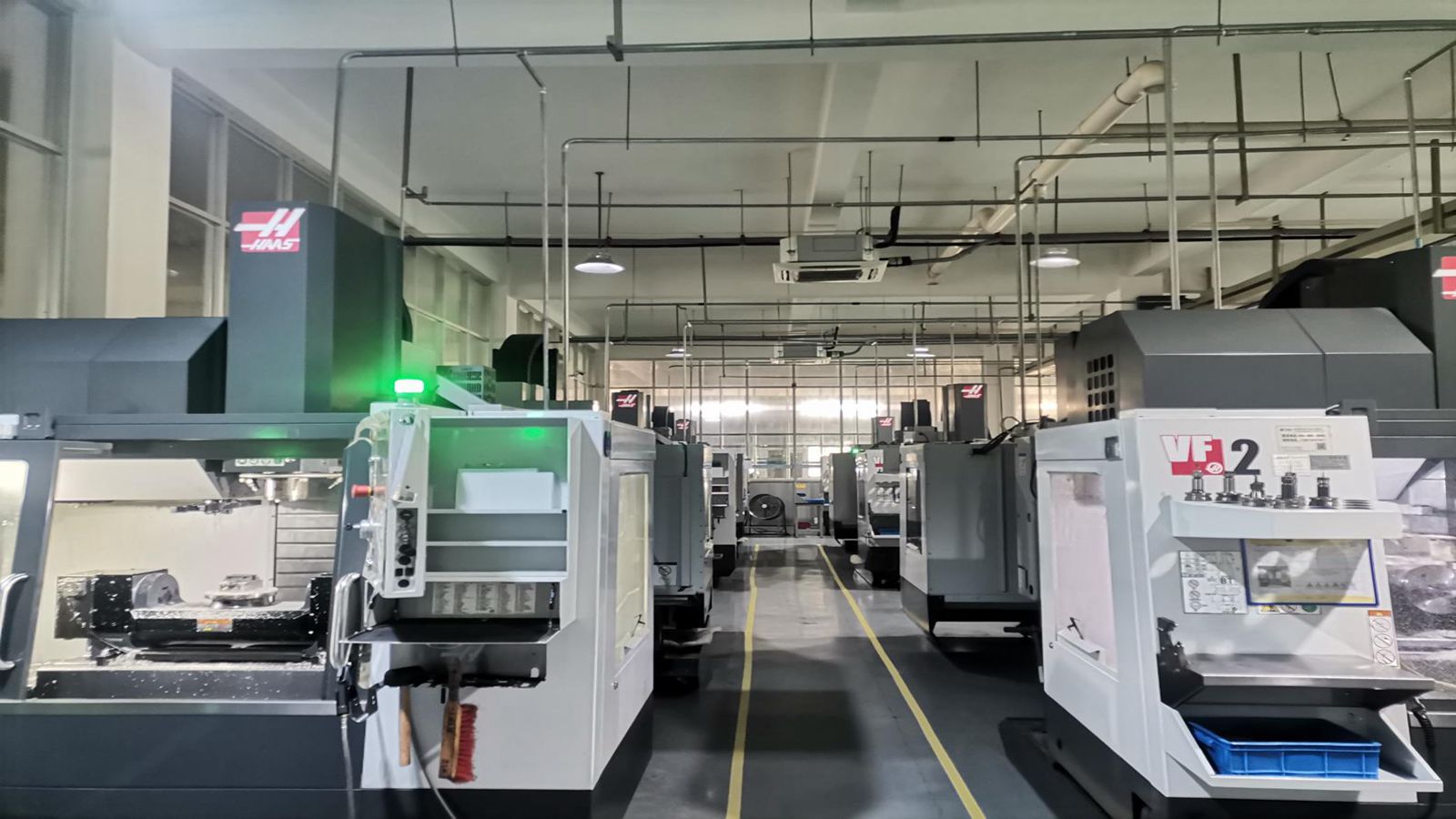
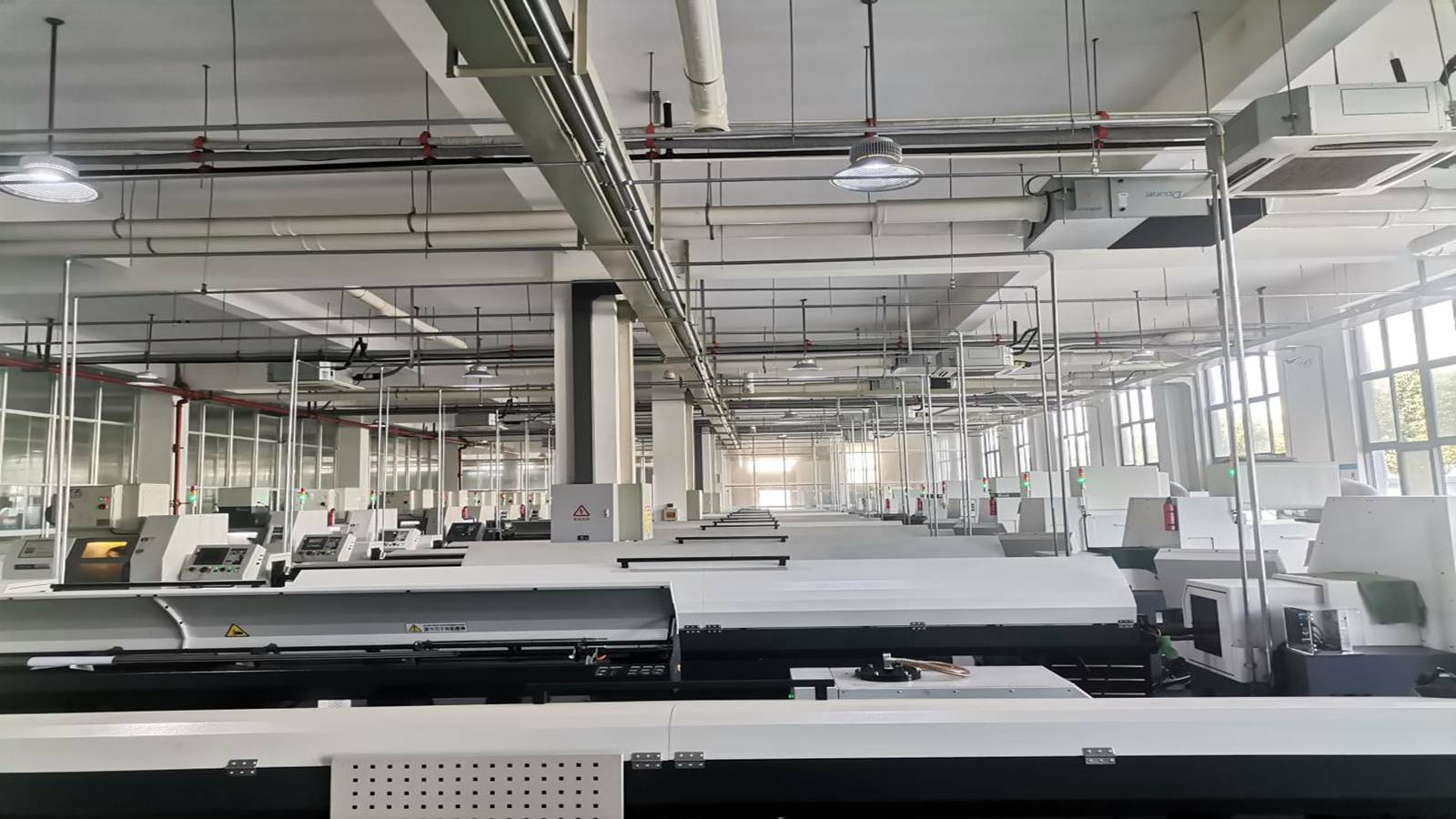
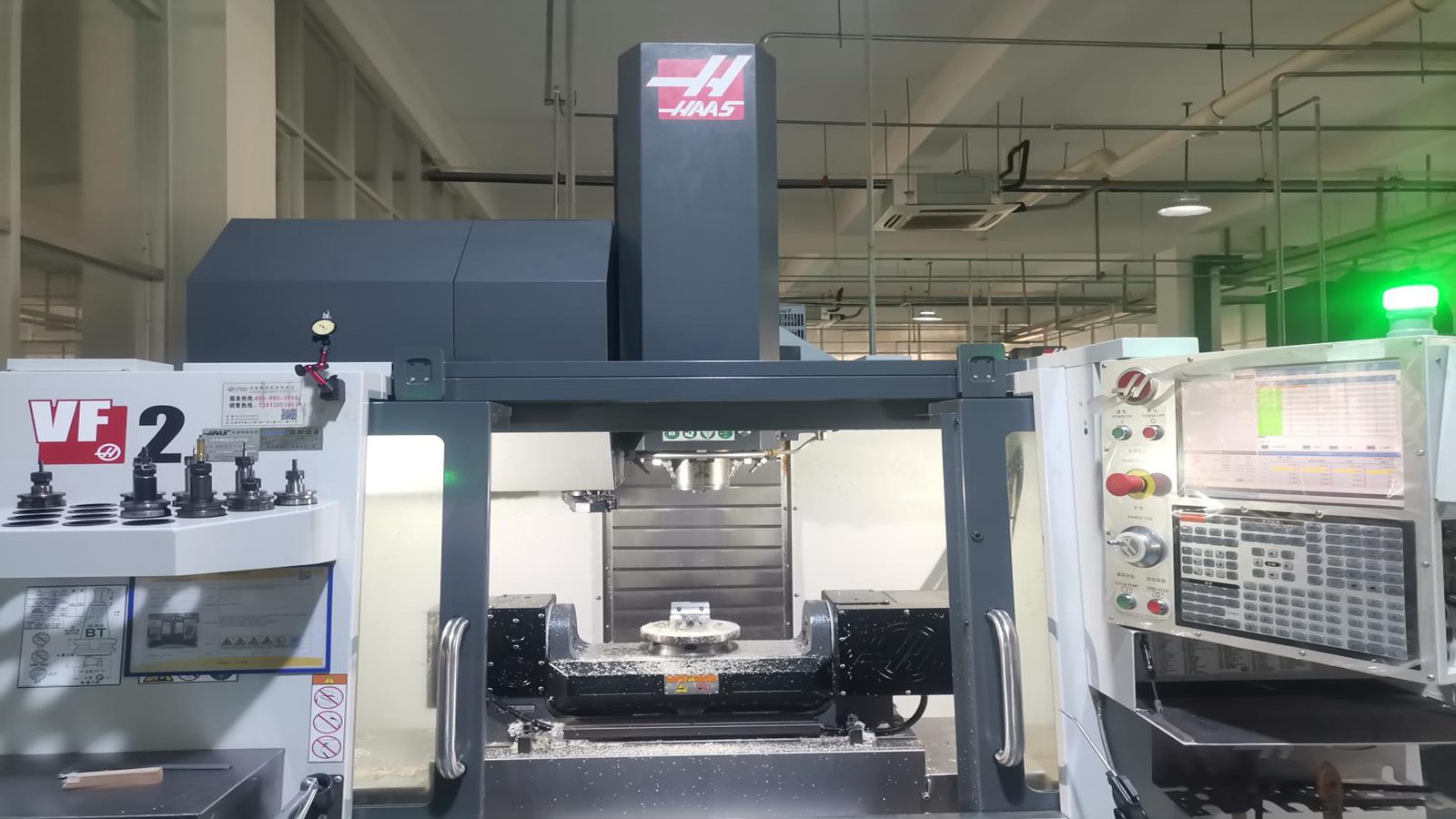
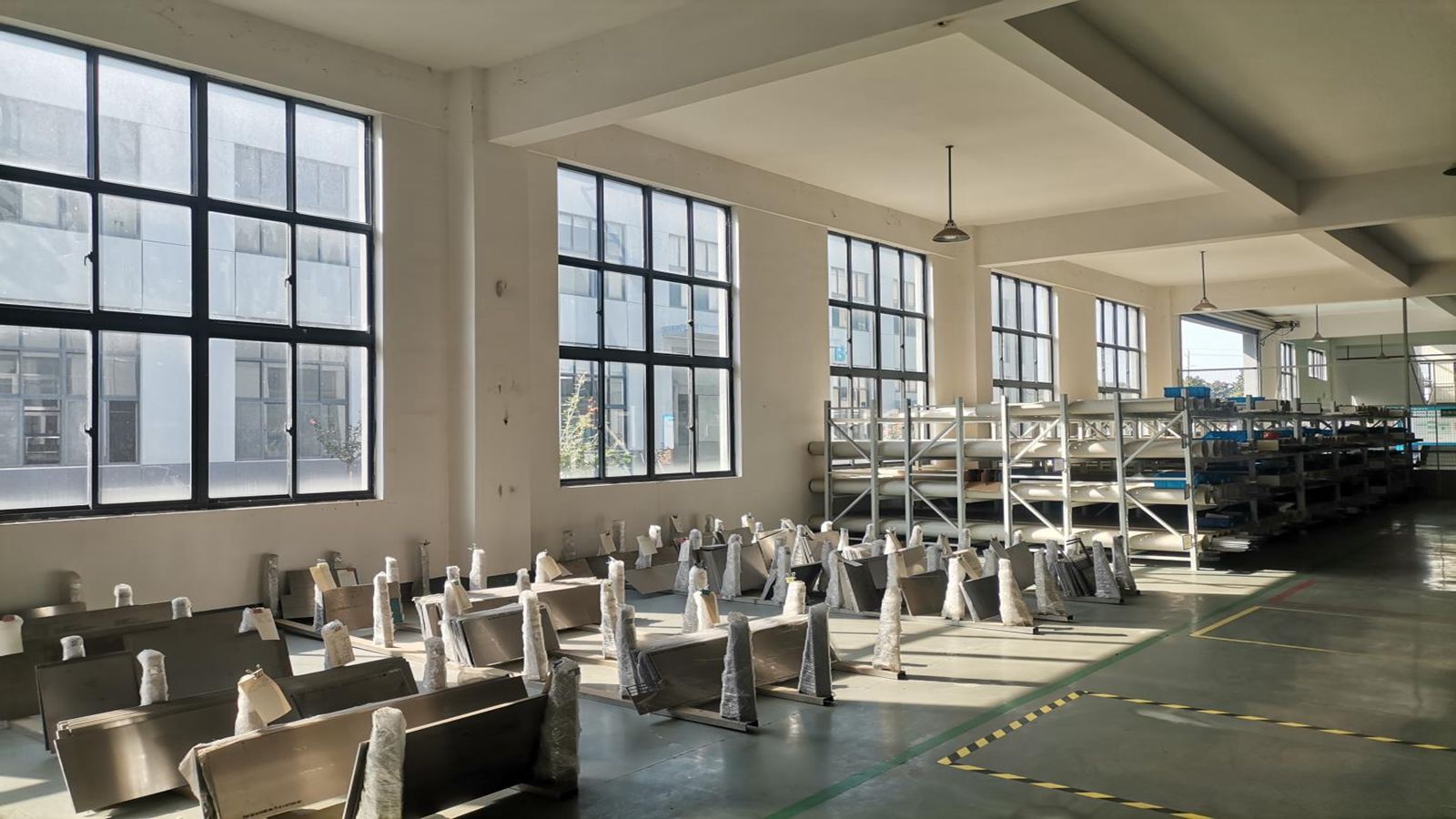
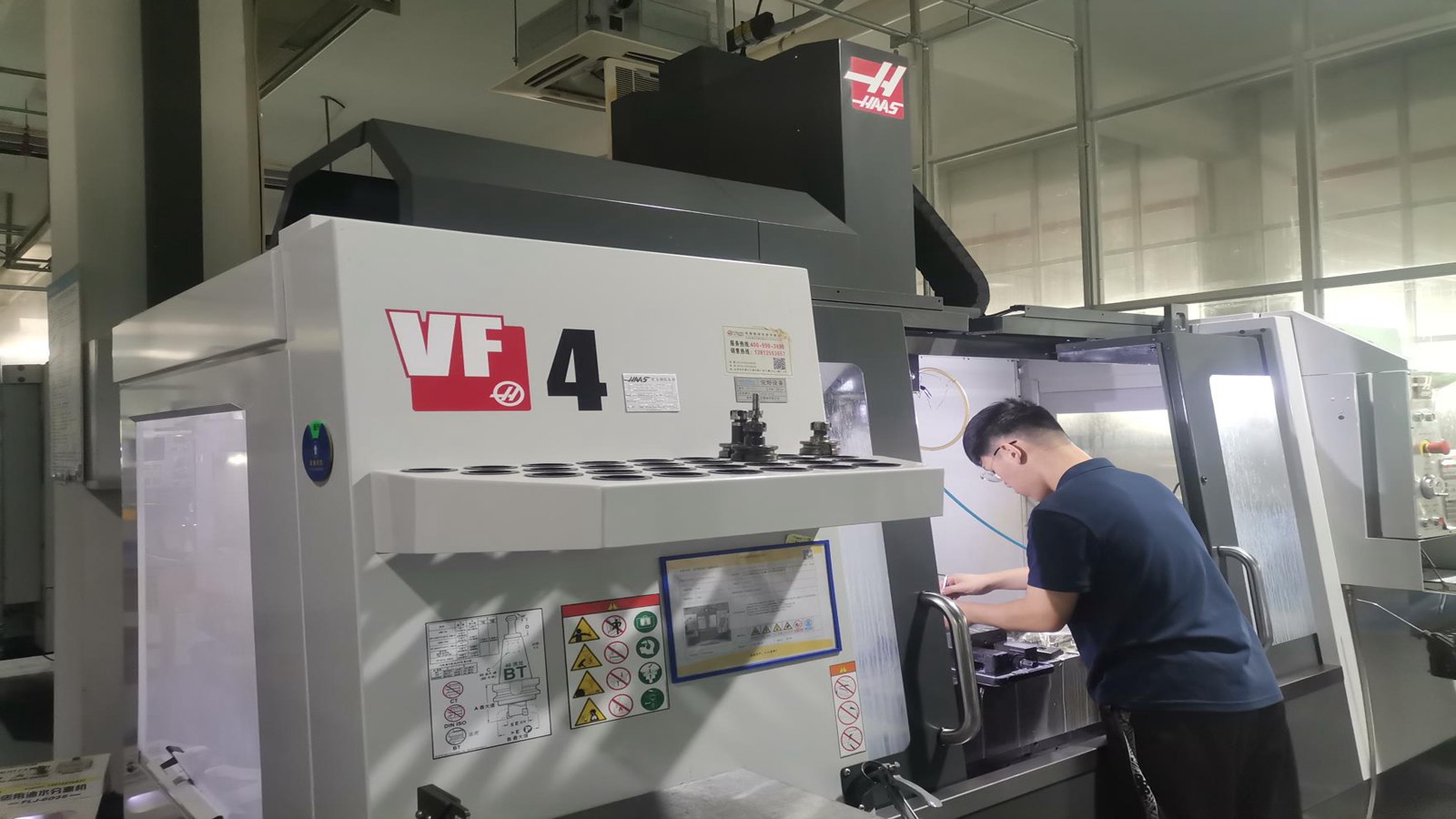
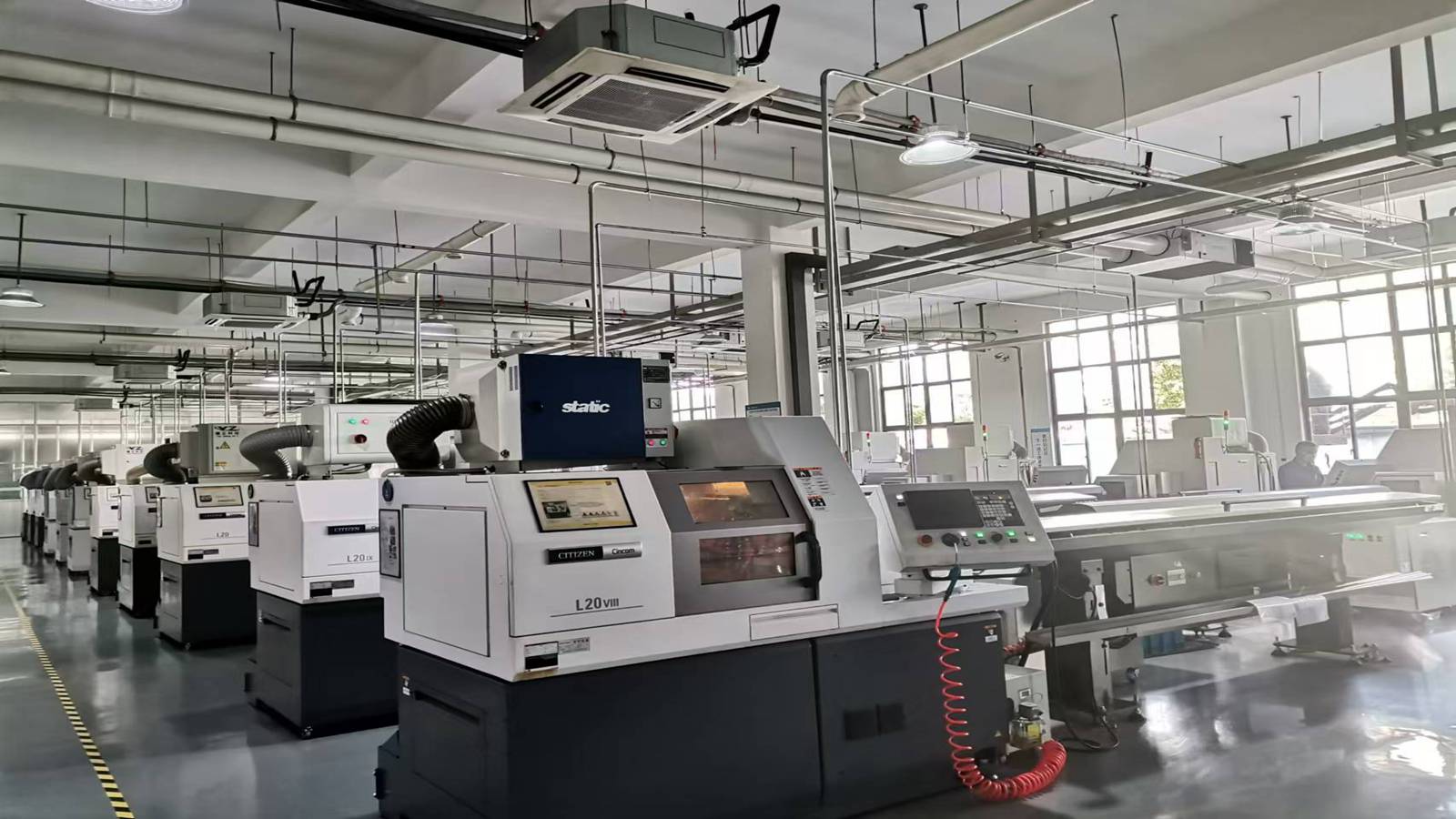
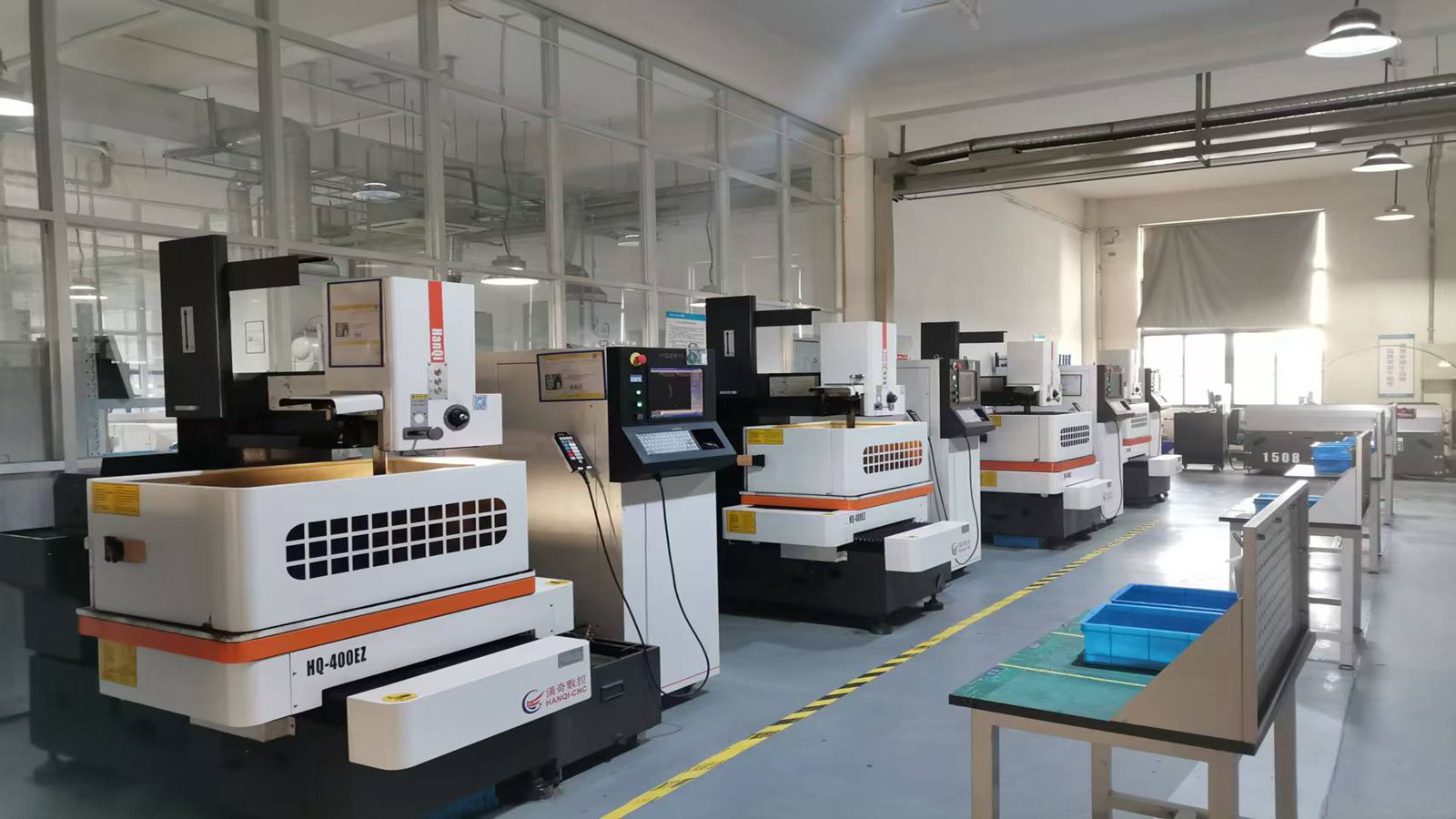
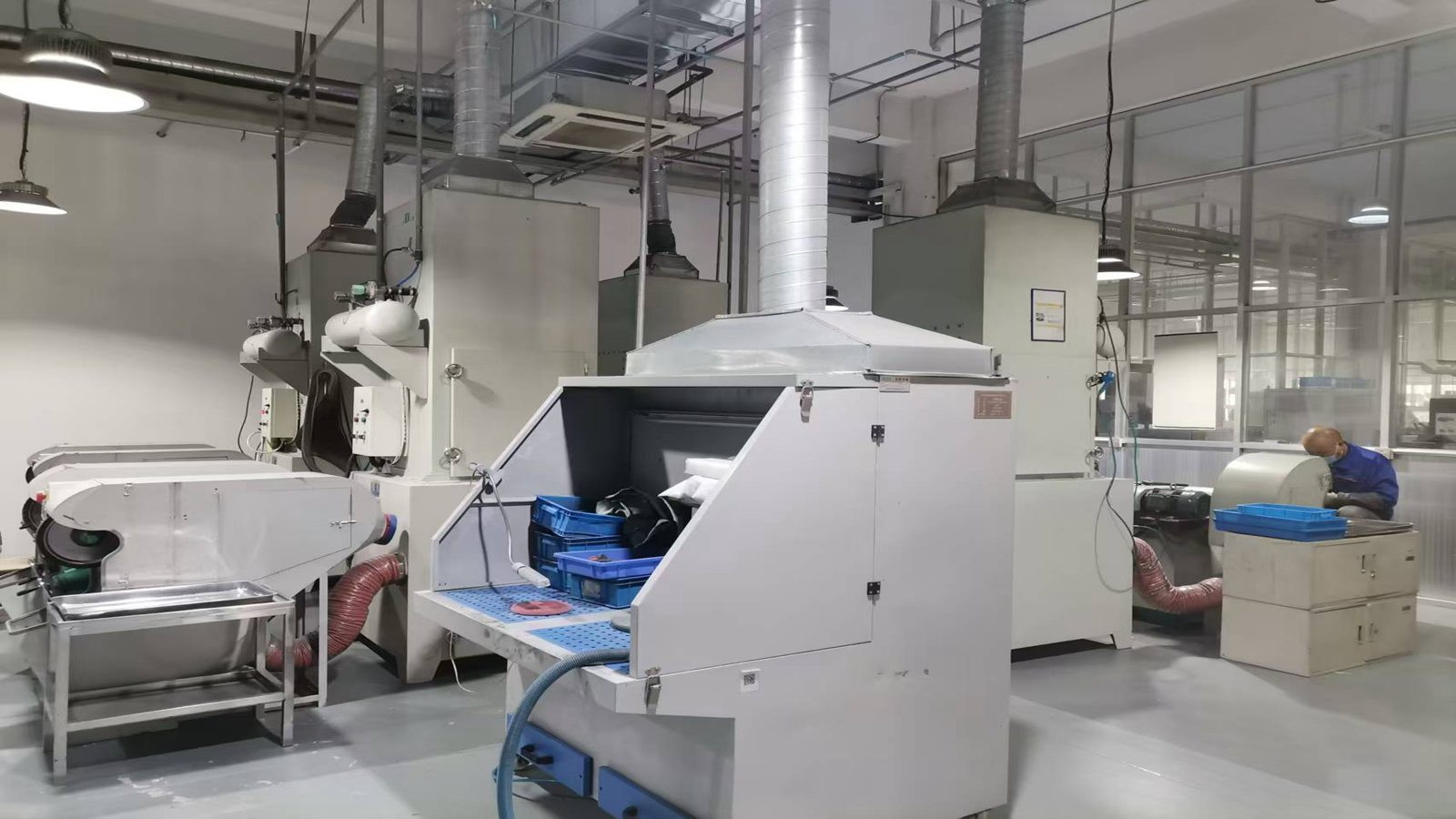
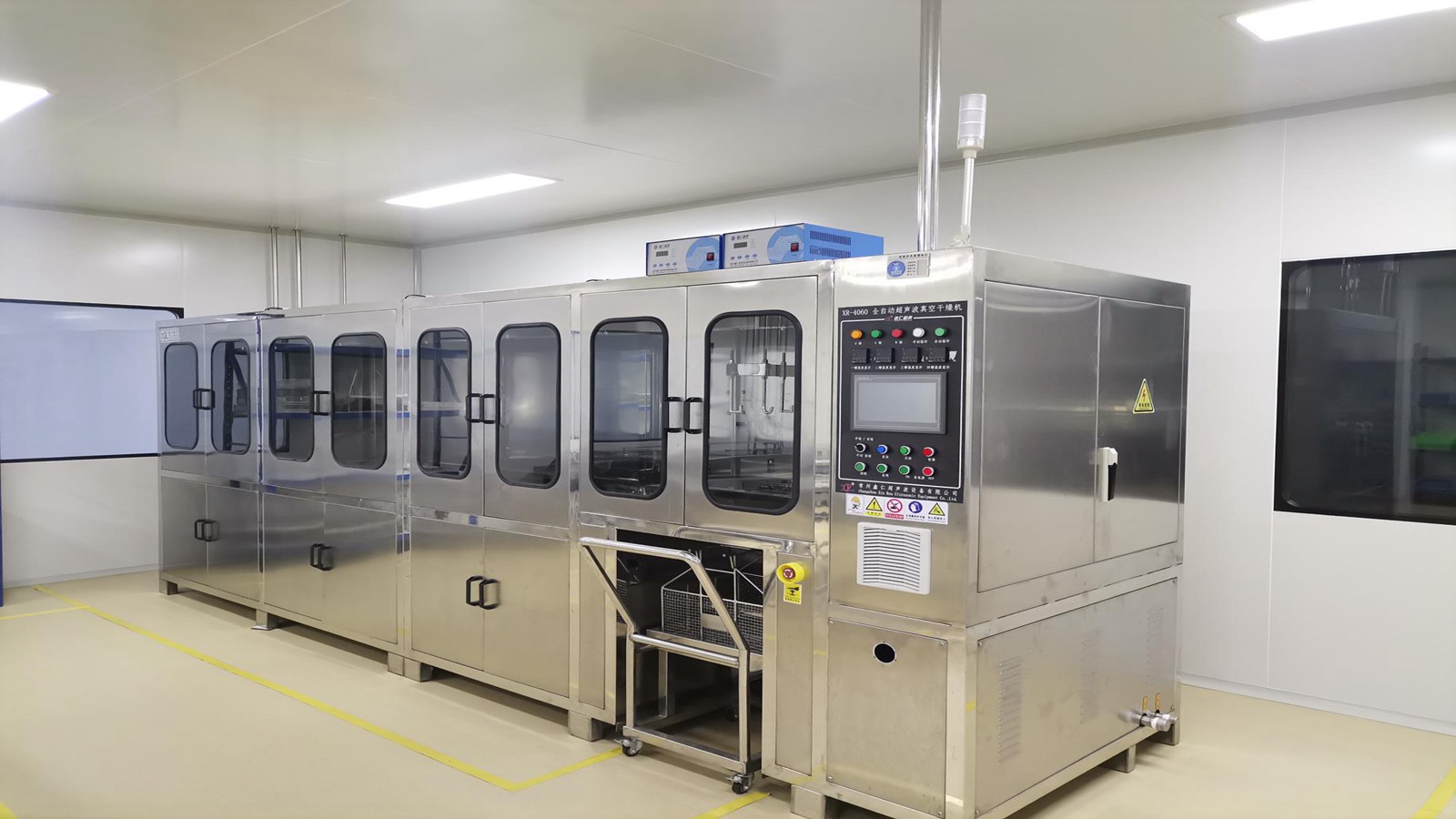
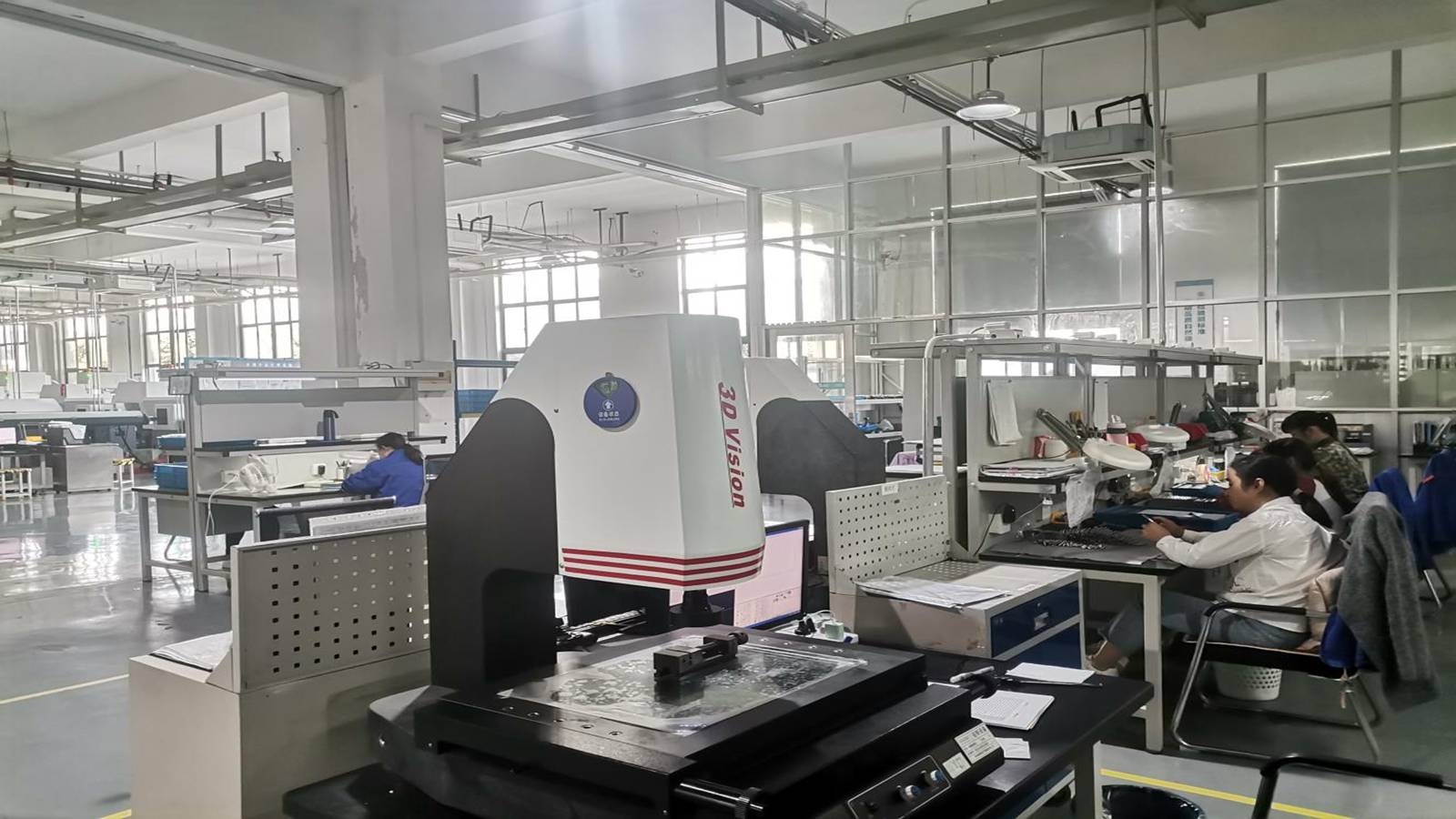
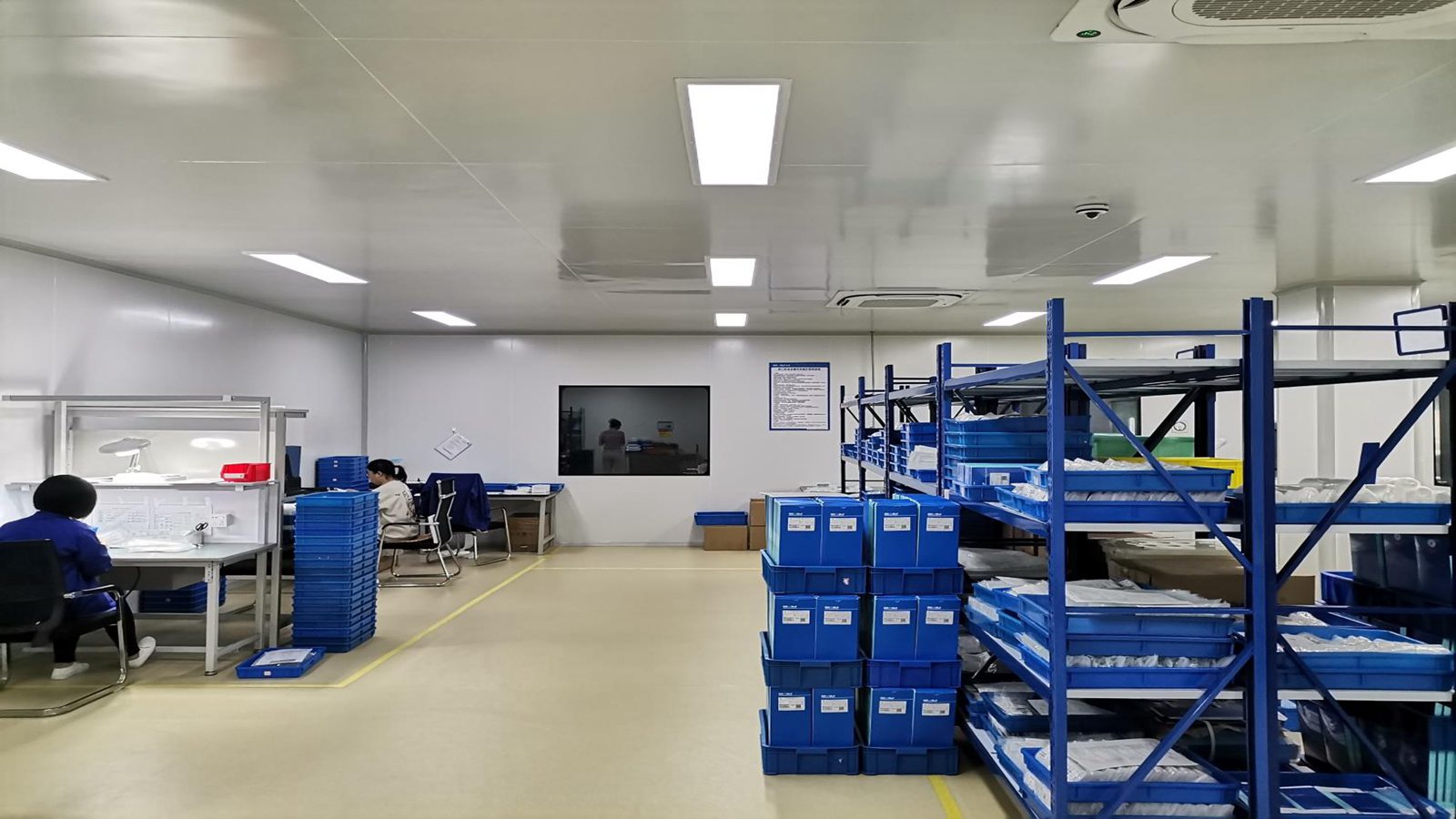
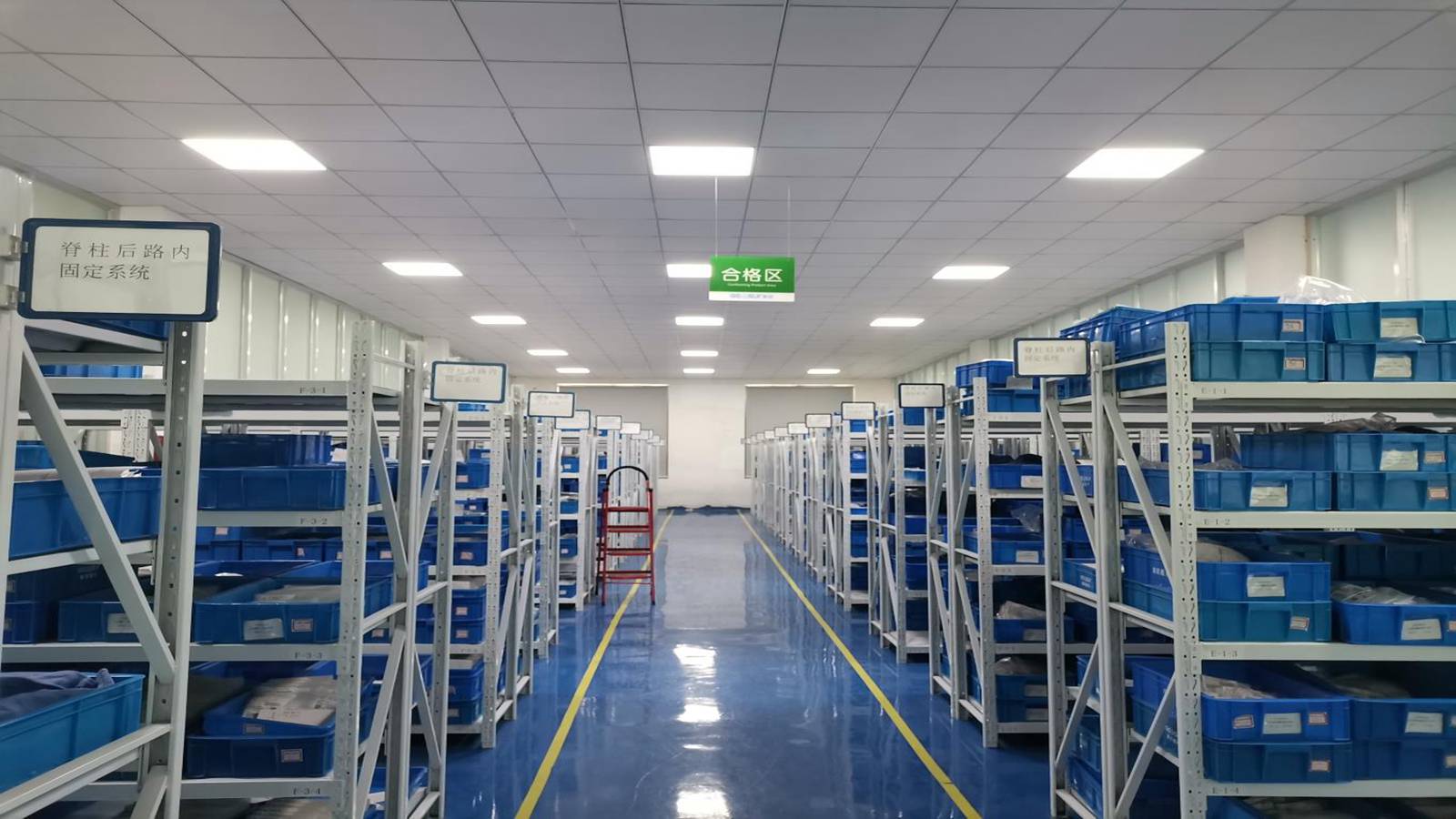
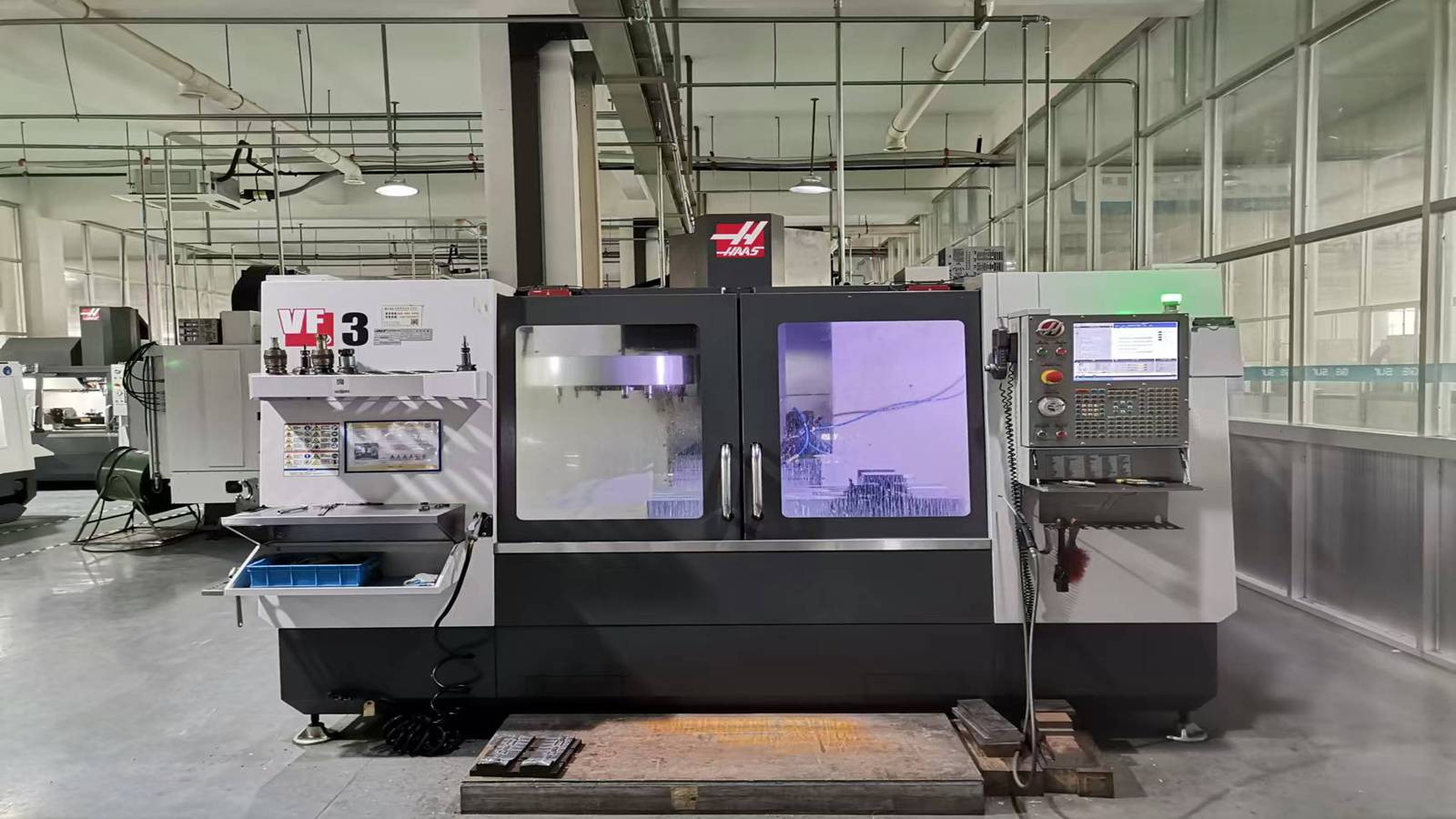
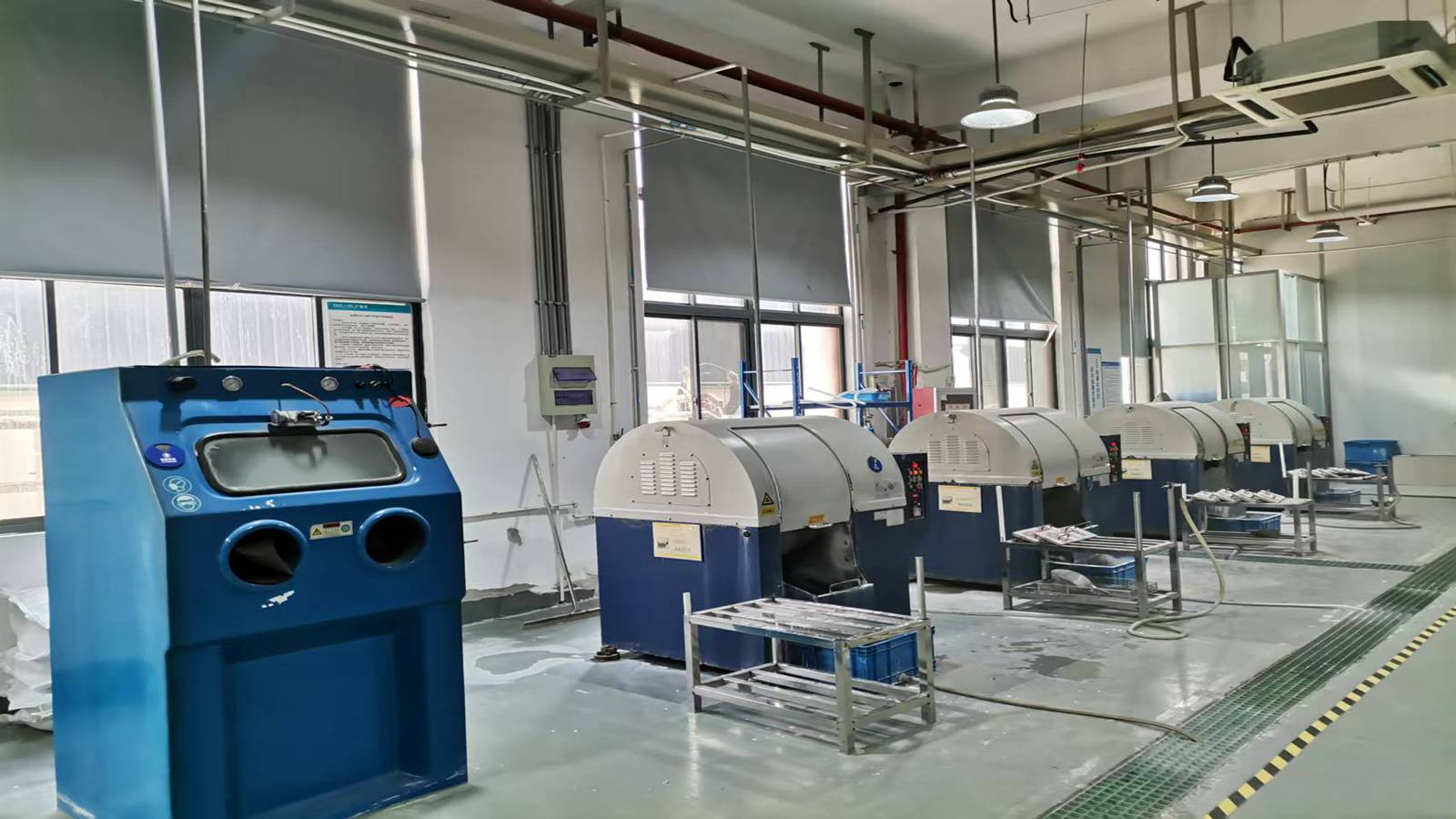
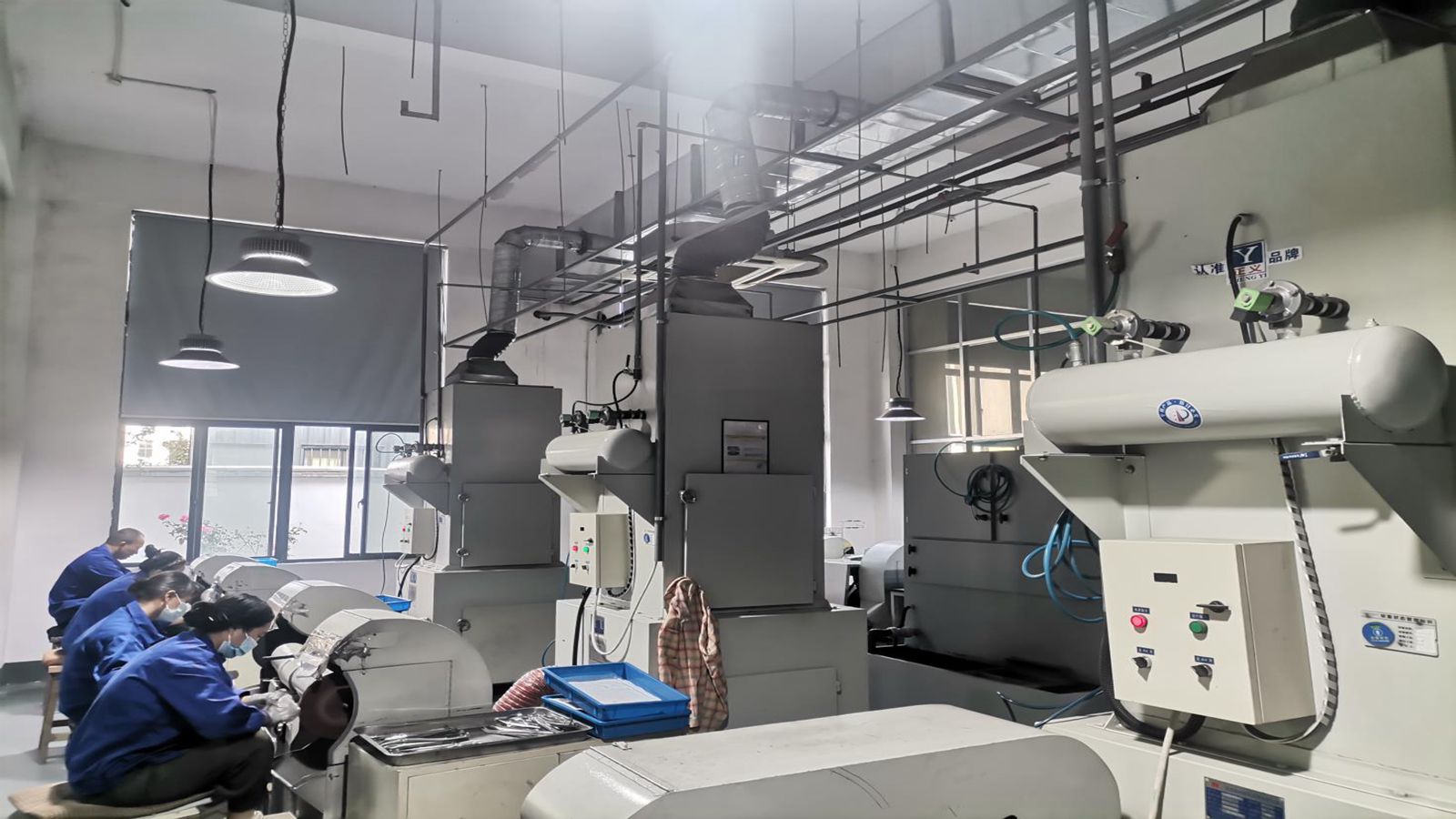
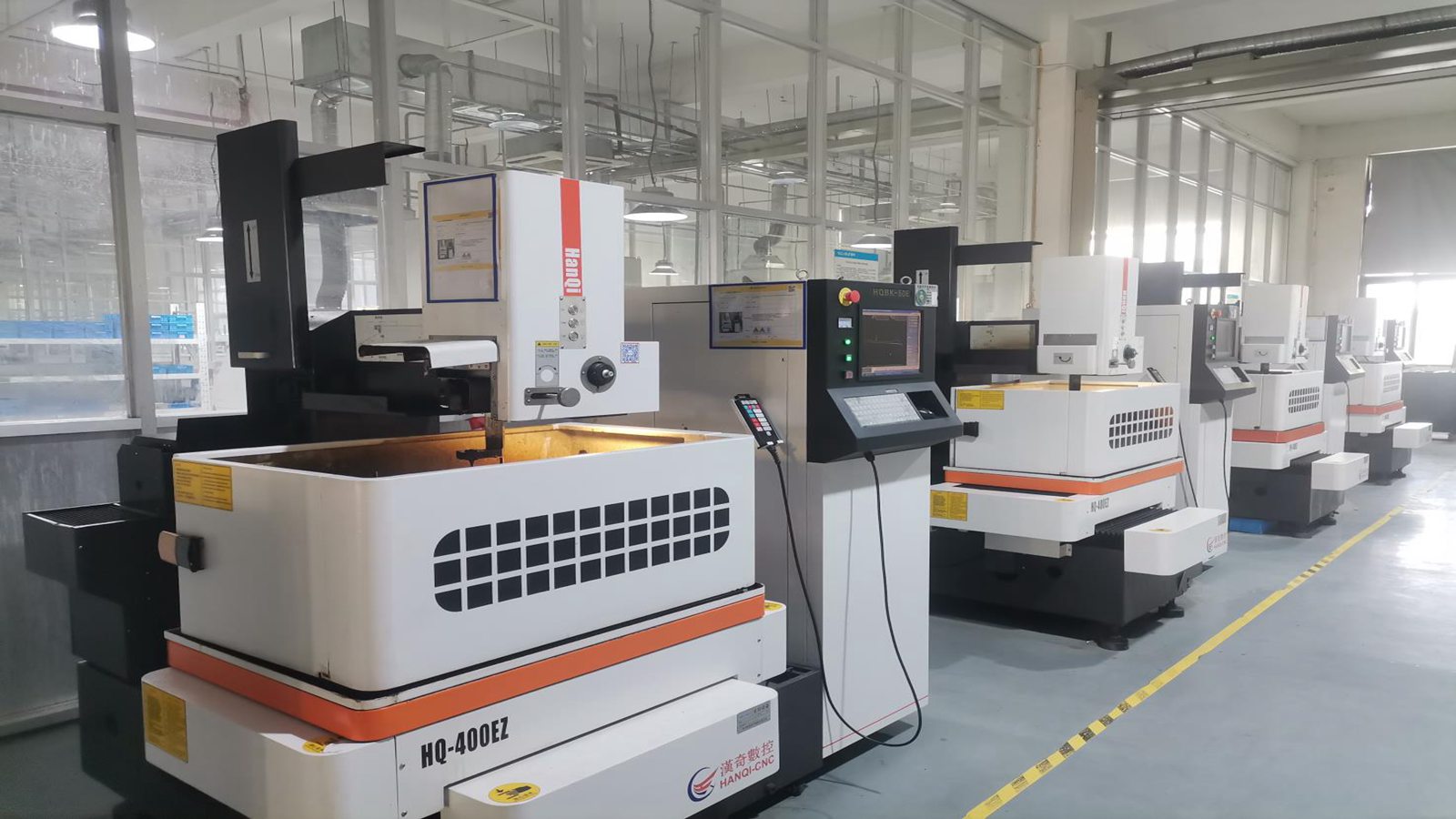
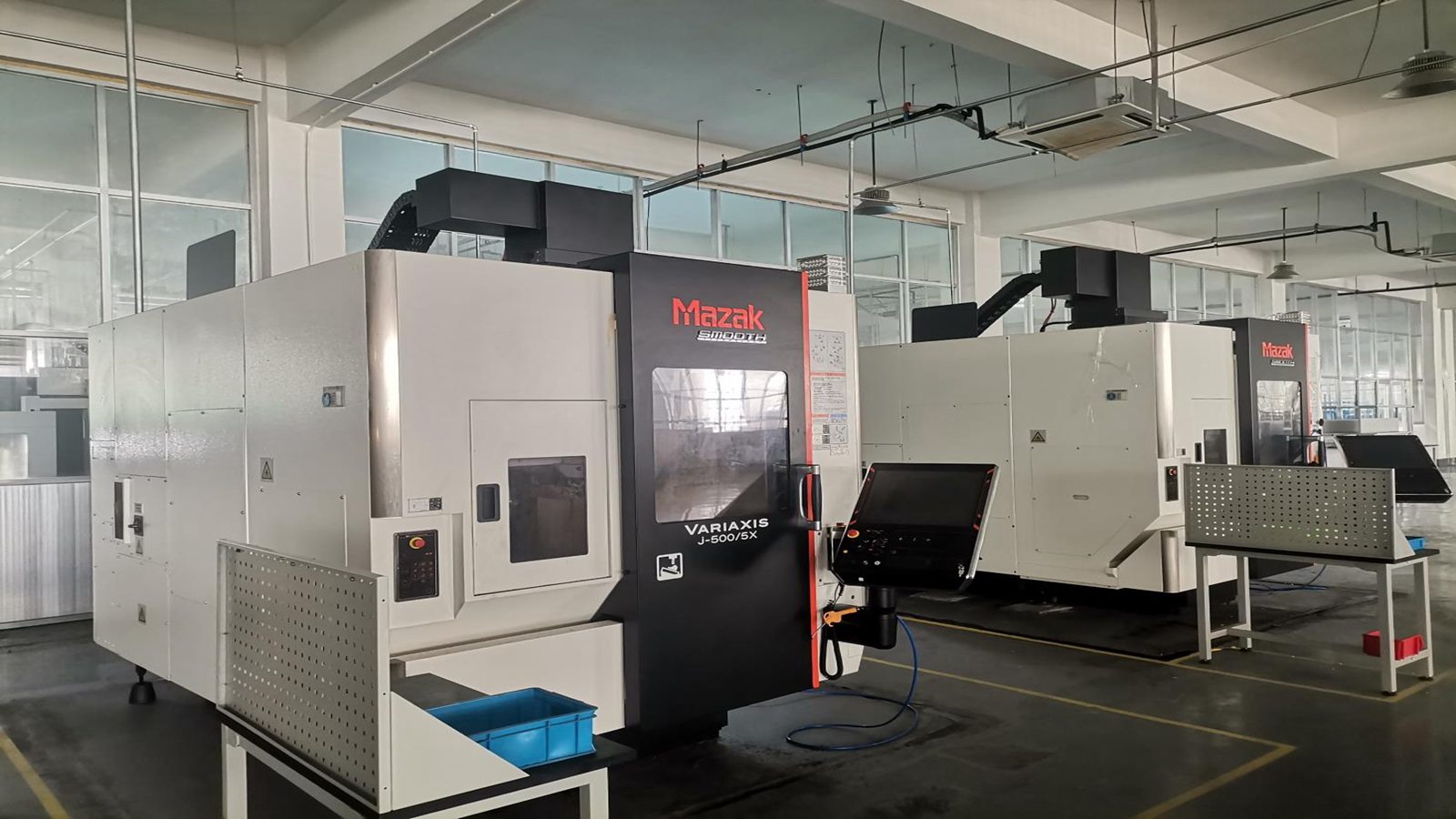
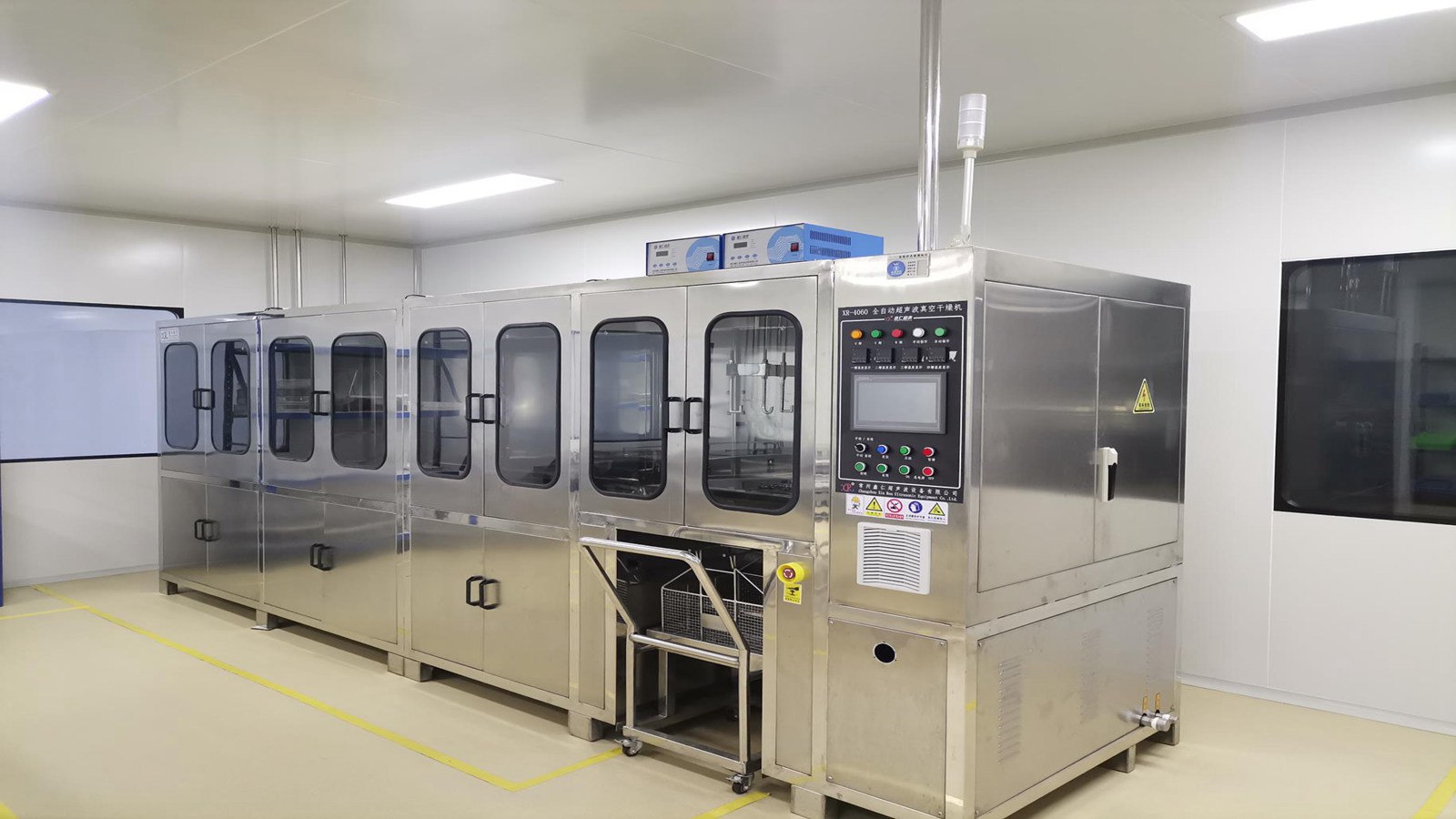
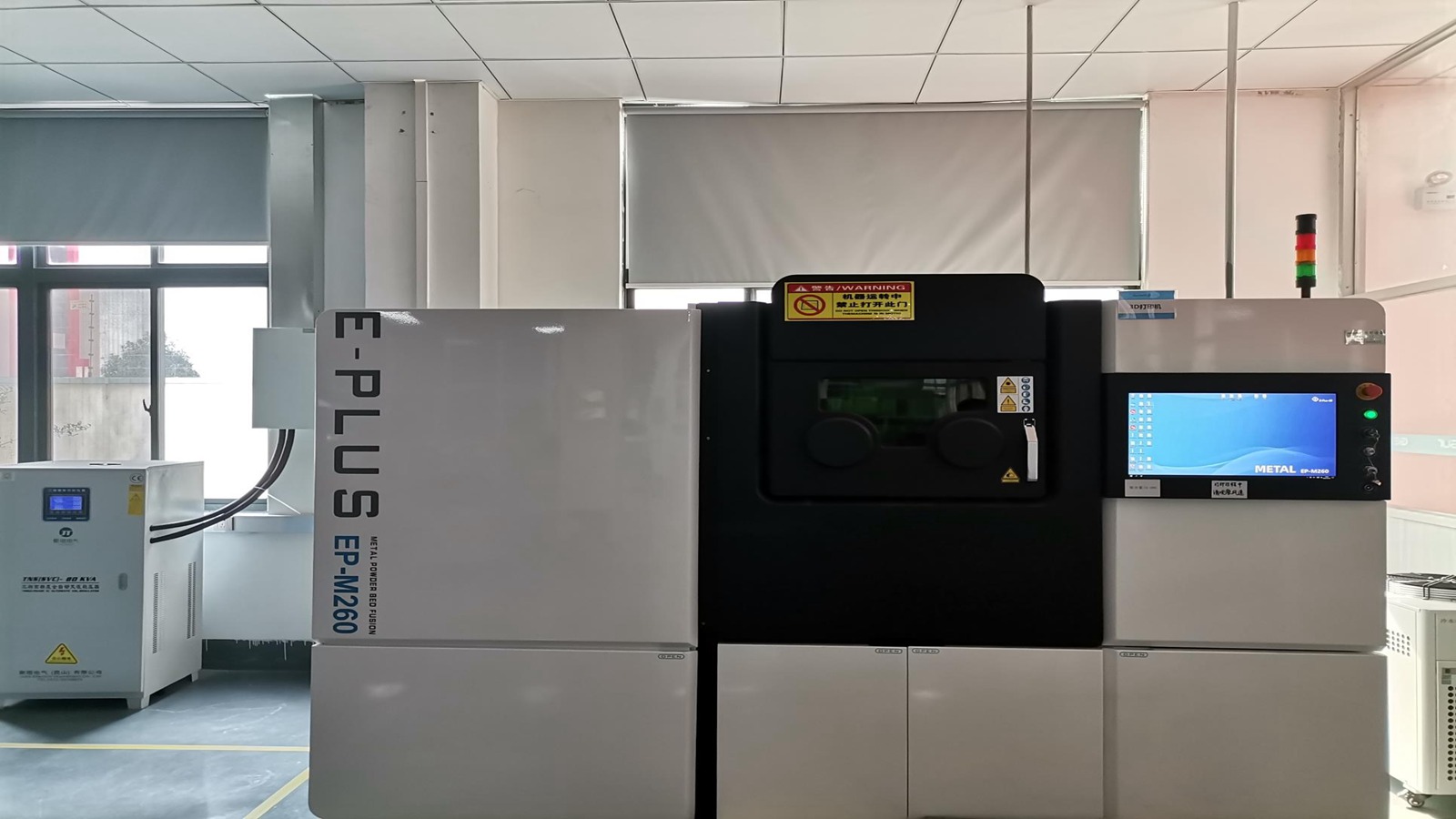
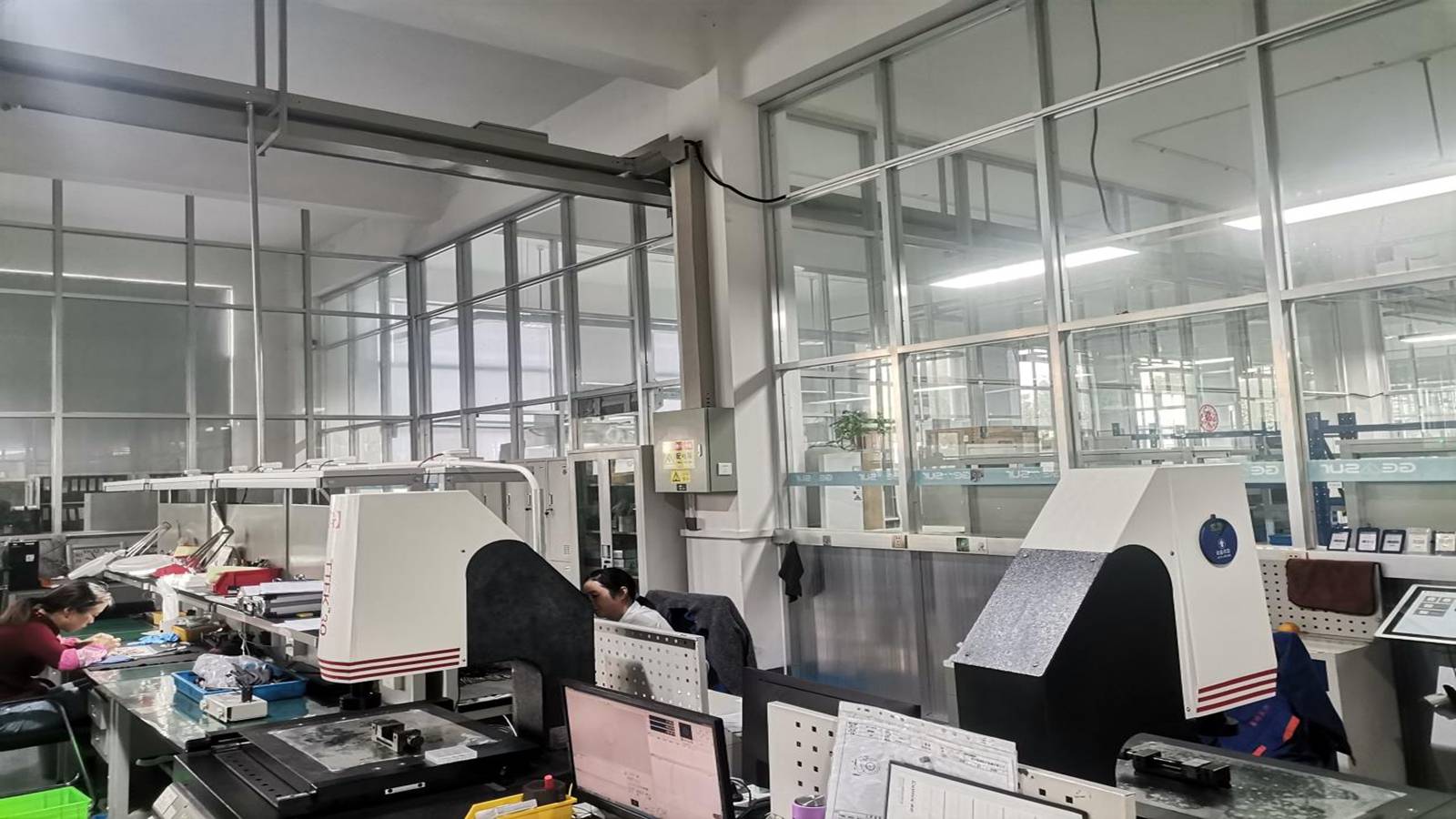
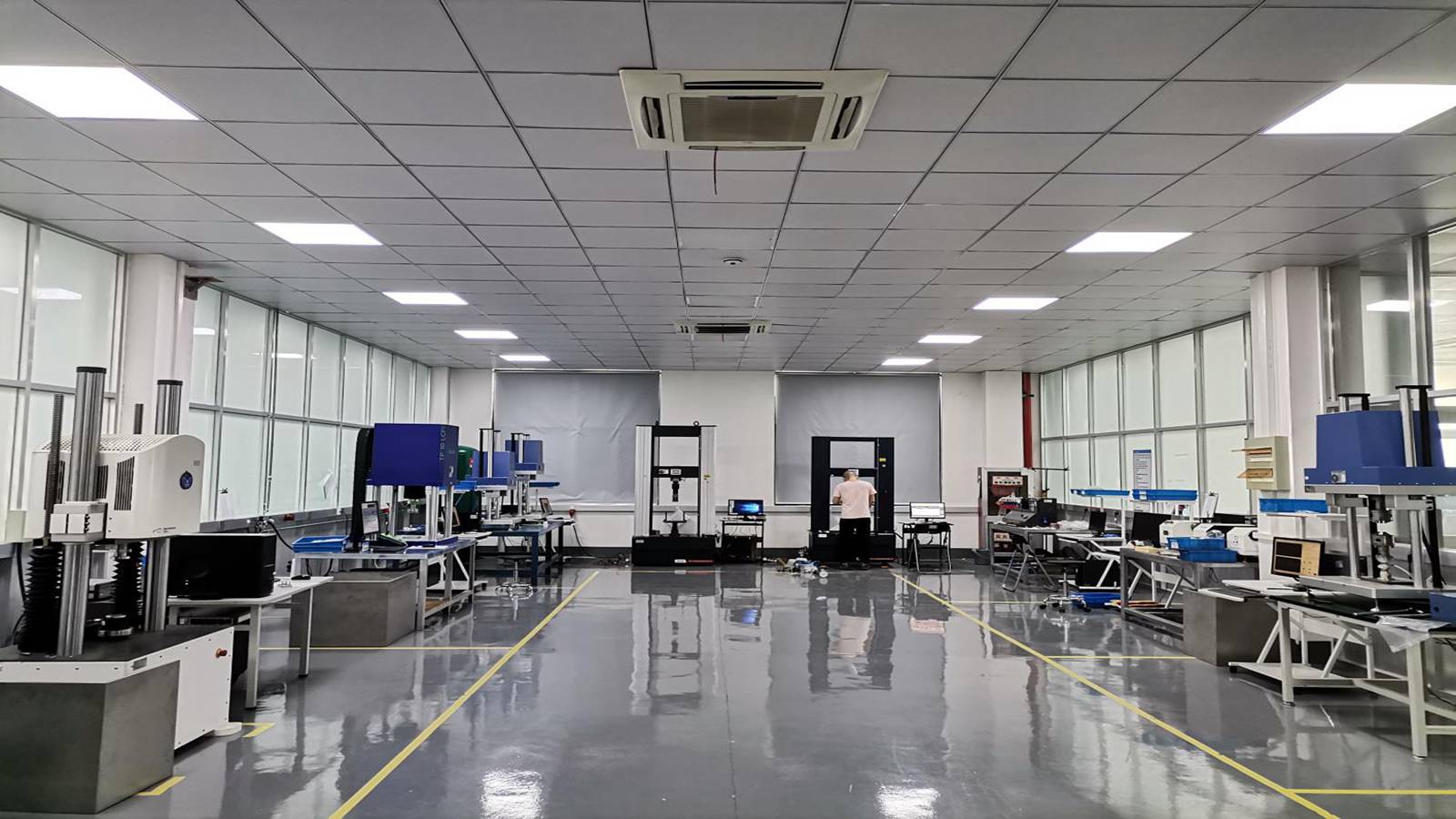
Premium class surgical fixtures. Fully compliant with international regulatory bodies.
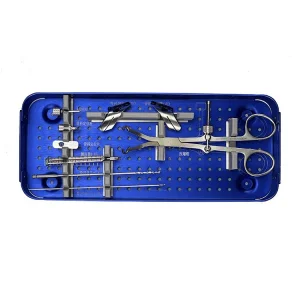
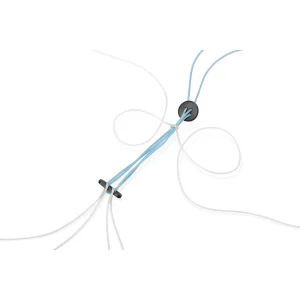
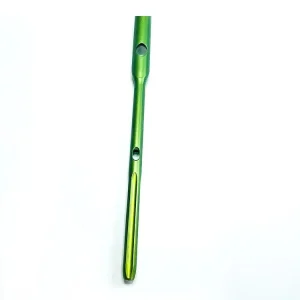
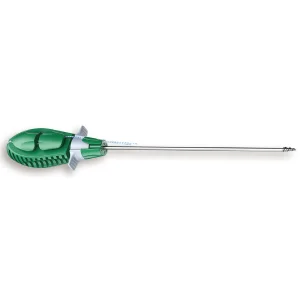
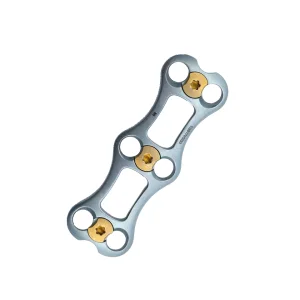
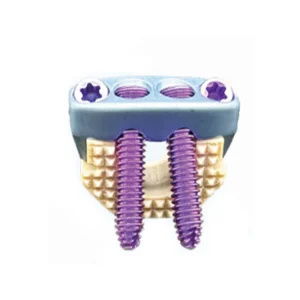
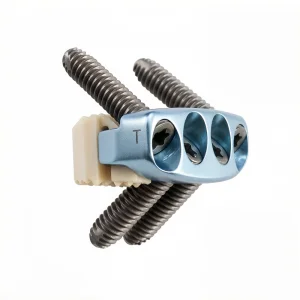
Technical answers to critical questions asked by orthopedic distributors, QA directors, and hospital purchasers.
We manufacture implants using medical-grade Titanium Alloy (specifically Ti-6Al-4V ELI conforming to ASTM F136) and pure medical PEEK sourced from premium materials manufacturers. Each material lot includes mill certs and chemical analysis logs for complete trace records.
Our spinal and trauma implants are certified under Class III and Class IIb regulations of the European Union Medical Device Regulation (MDR 2017/745). Regular audits of our ISO 13485 quality systems are performed by reputable European notified bodies (e.g., Ente Certificazione Macchine - 0477).
Yes, our 31-member R&D engineering division specializes in CAD/CAM design and customized production. We support sample-based modifications and graphic-oriented styling to meet regional clinical preferences and requirements.
We supply implants in both sterile and non-sterile forms depending on buyer preferences. Sterile items are processed in our ISO Class 7 cleanrooms and sterile-packed using medical Tyvek pouches, ready for direct operating room delivery.
We maintain full traceability across our production line. Unique laser-marked batch numbers link each finished bone plate or pedicle screw back to its raw material heat-treatment run and manufacturing records.