Ease Medical Apparatus And Instruments Ease Medical Apparatus And Instruments
OEM/ODM Endoscope Accessory Manufacturer & Suppliers

Precision Engineering, ISO 13485 Compliance, and High-Yield Scalability for Minimally Invasive Surgery (MIS) & Medical Implants

Industry Whitepaper: The Strategic Landscape of Endoscopy Accessory OEM/ODM Manufacturing

In the highly regulated world of Minimally Invasive Surgery (MIS), endoscope accessories—such as biopsy forceps, grasping forceps, cytology brushes, injection needles, polypectomy snares, and stone retrieval baskets—form the critical interface between the surgeon and patient. As global healthcare systems transition toward outpatient surgical centers and micro-invasive diagnostic procedures, the demand for high-reliability, cost-optimized, and regulatory-compliant endoscopy consumables has grown exponentially.

For medical device brands, distributors, and healthcare systems, selecting a precision contract manufacturer is not merely a transaction; it is a critical step in risk mitigation. A world-class OEM/ODM partner must possess not only advanced micromechanics capabilities but also a deep understanding of materials science, sterilization limits, biostability, and stringent regulatory paths (CE MDR, FDA, MDSAP).

30,343㎡
Modern Facility Area
31
R&D Engineers (PhD/MSc)
36
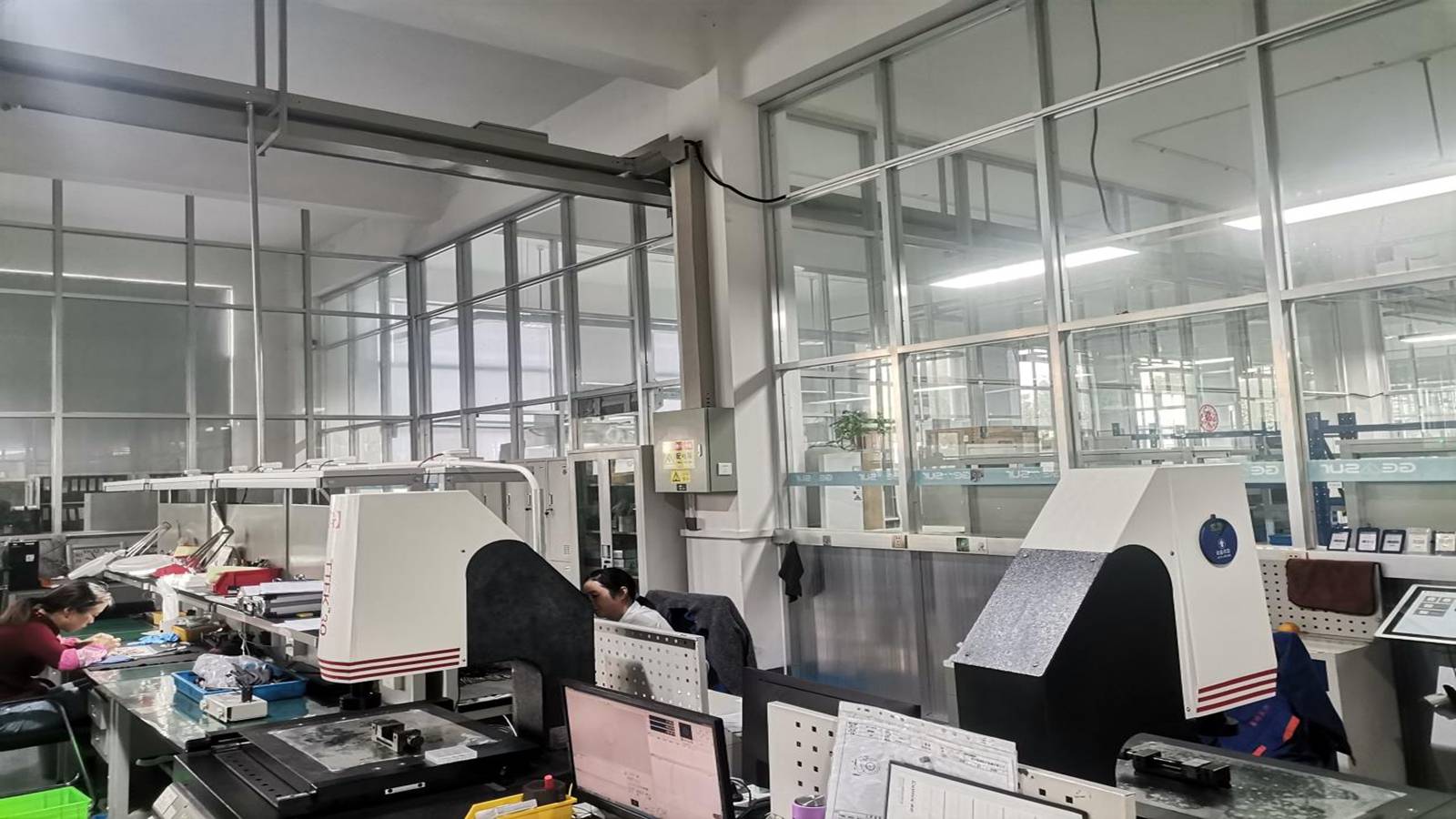
On-Line QA/QC Inspectors
10+ Years
Global Export Footprint

State-of-the-Art Production & Engineering Capabilities

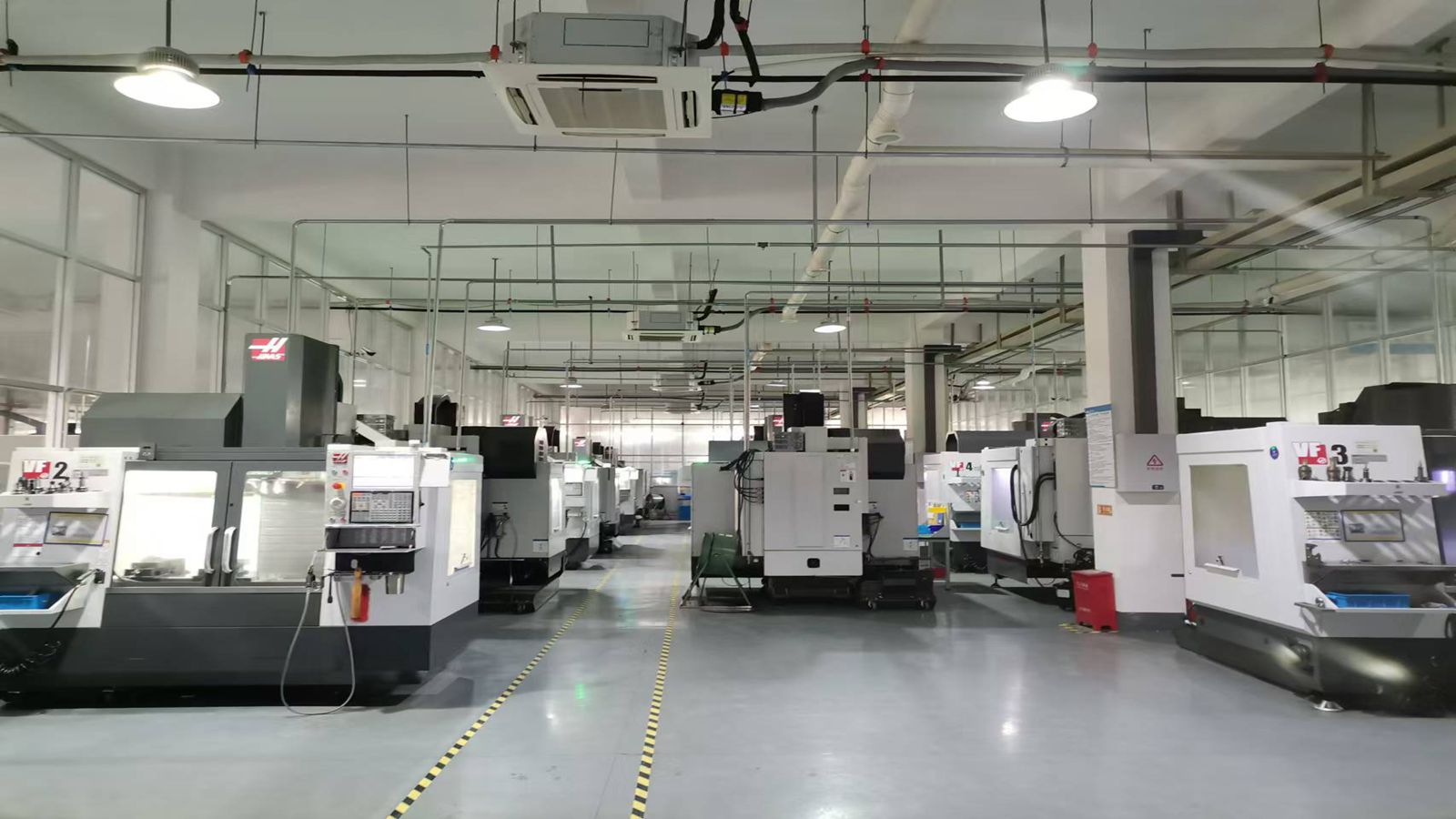
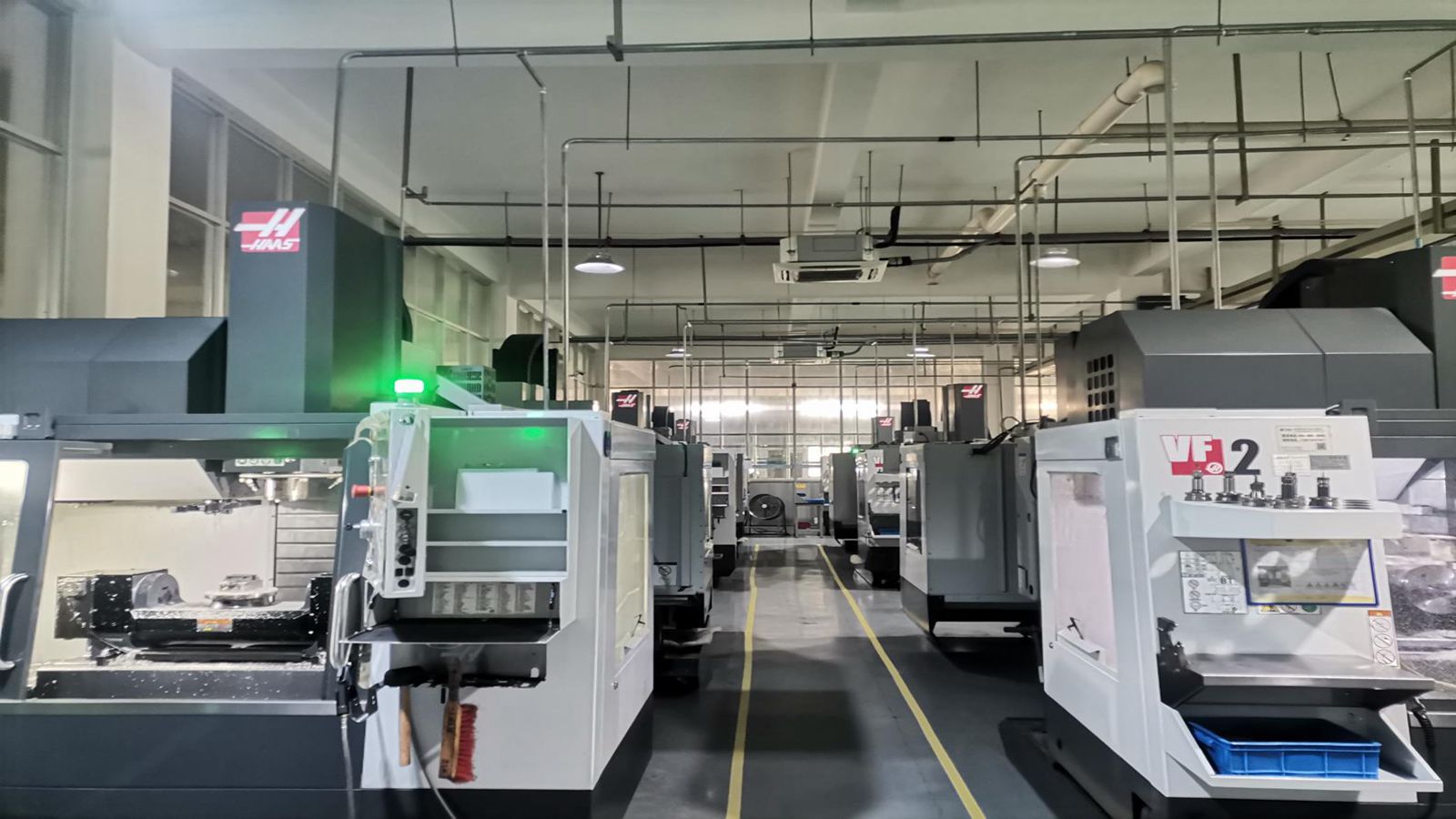
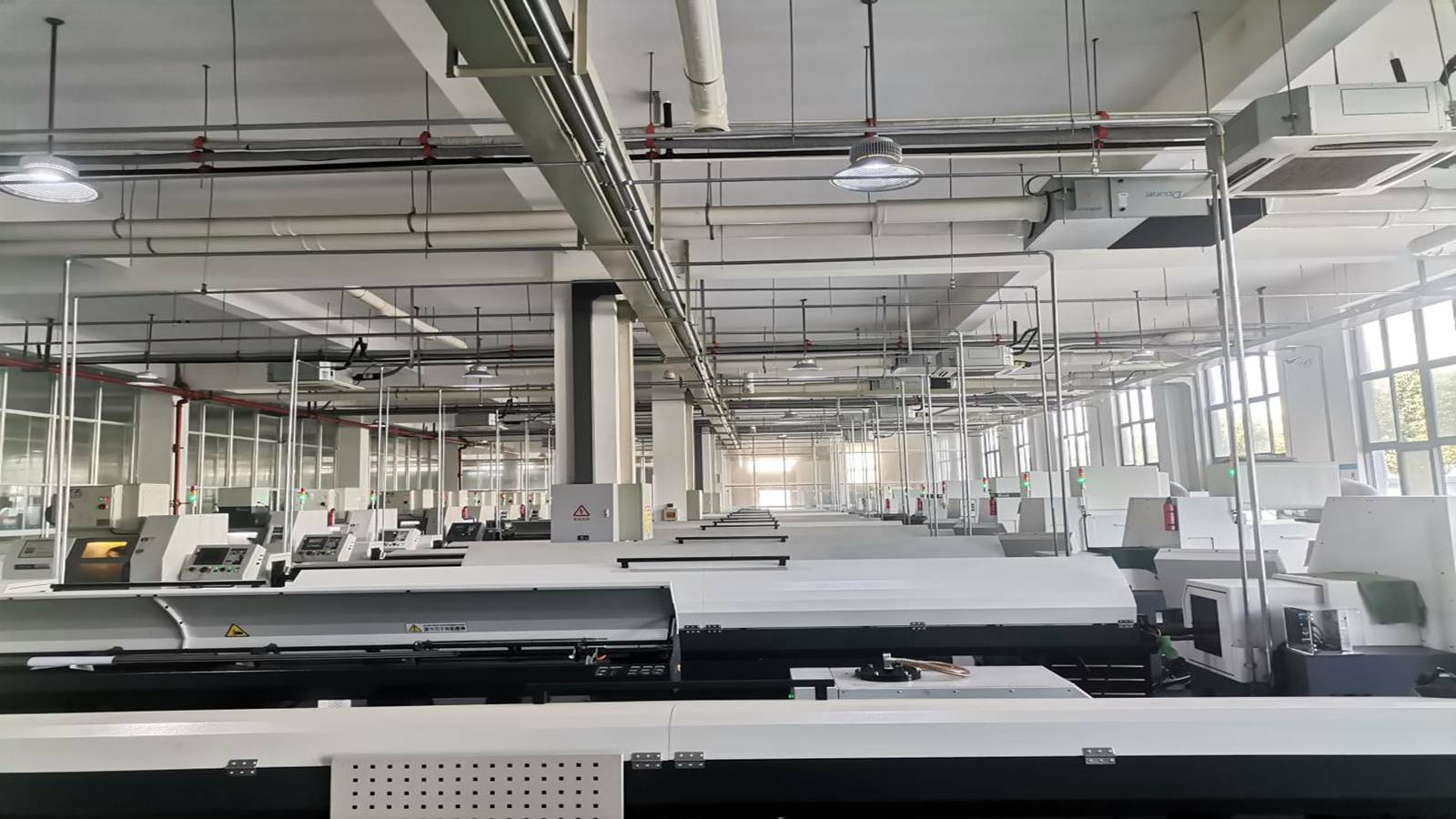
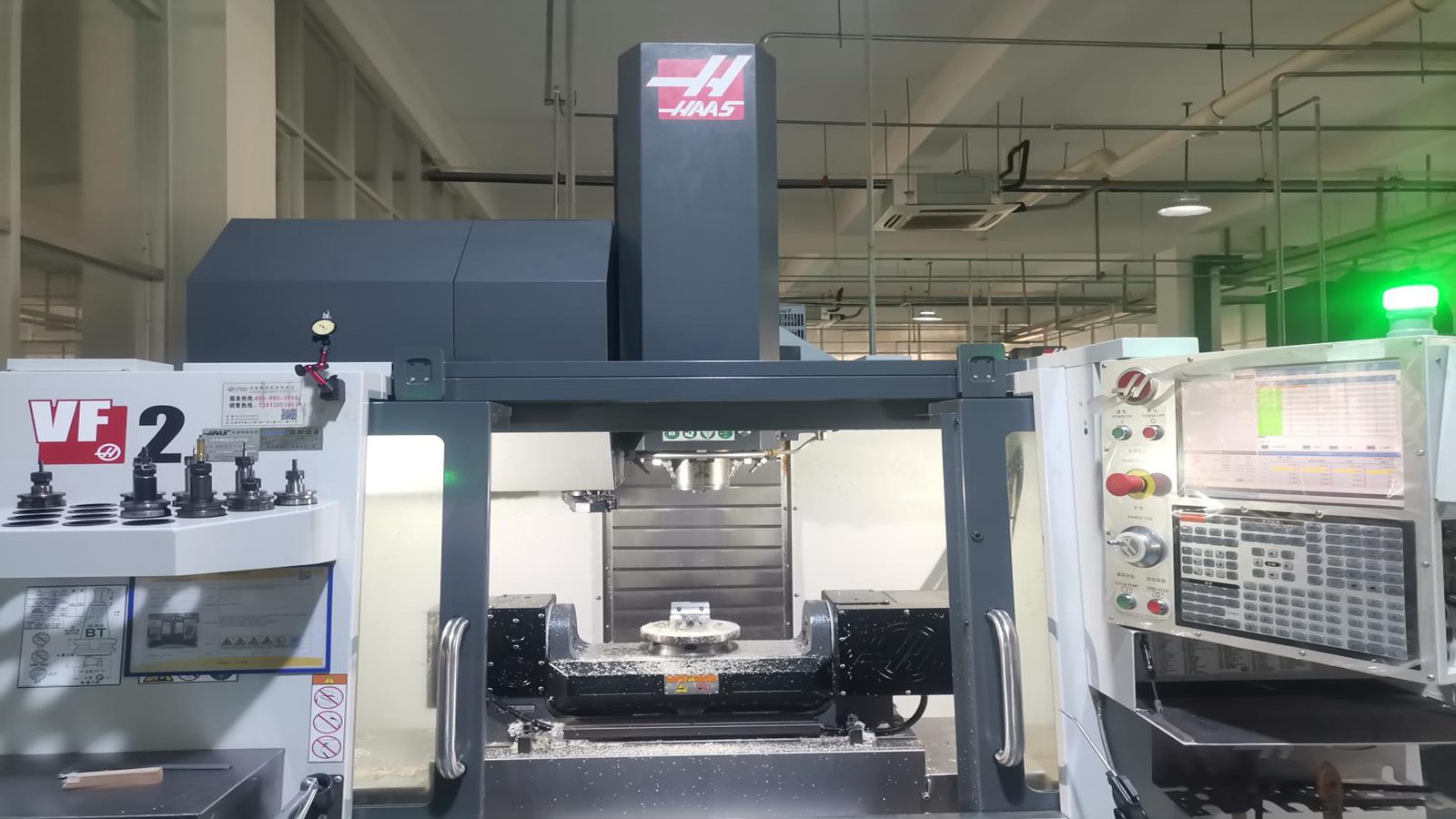
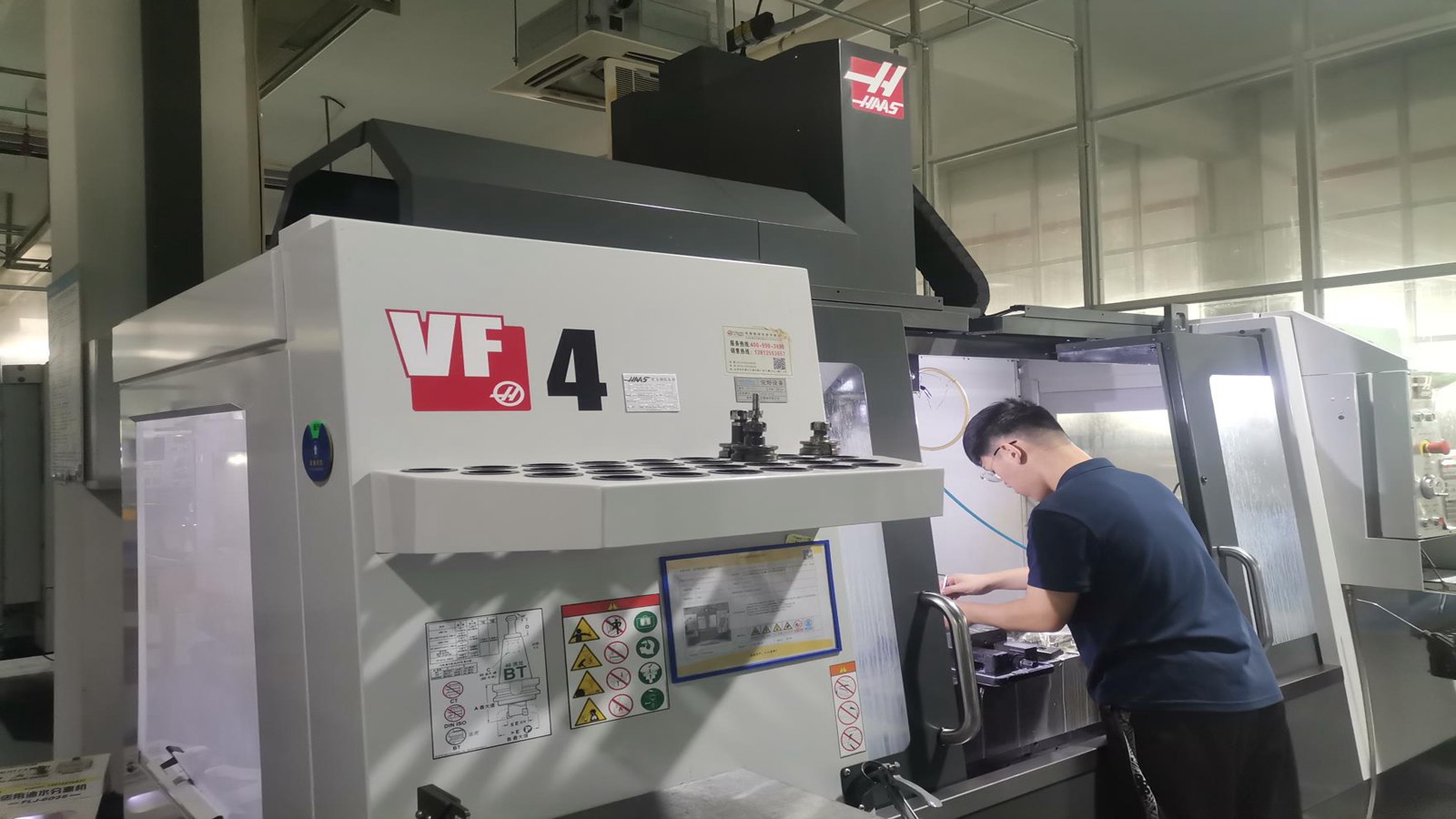
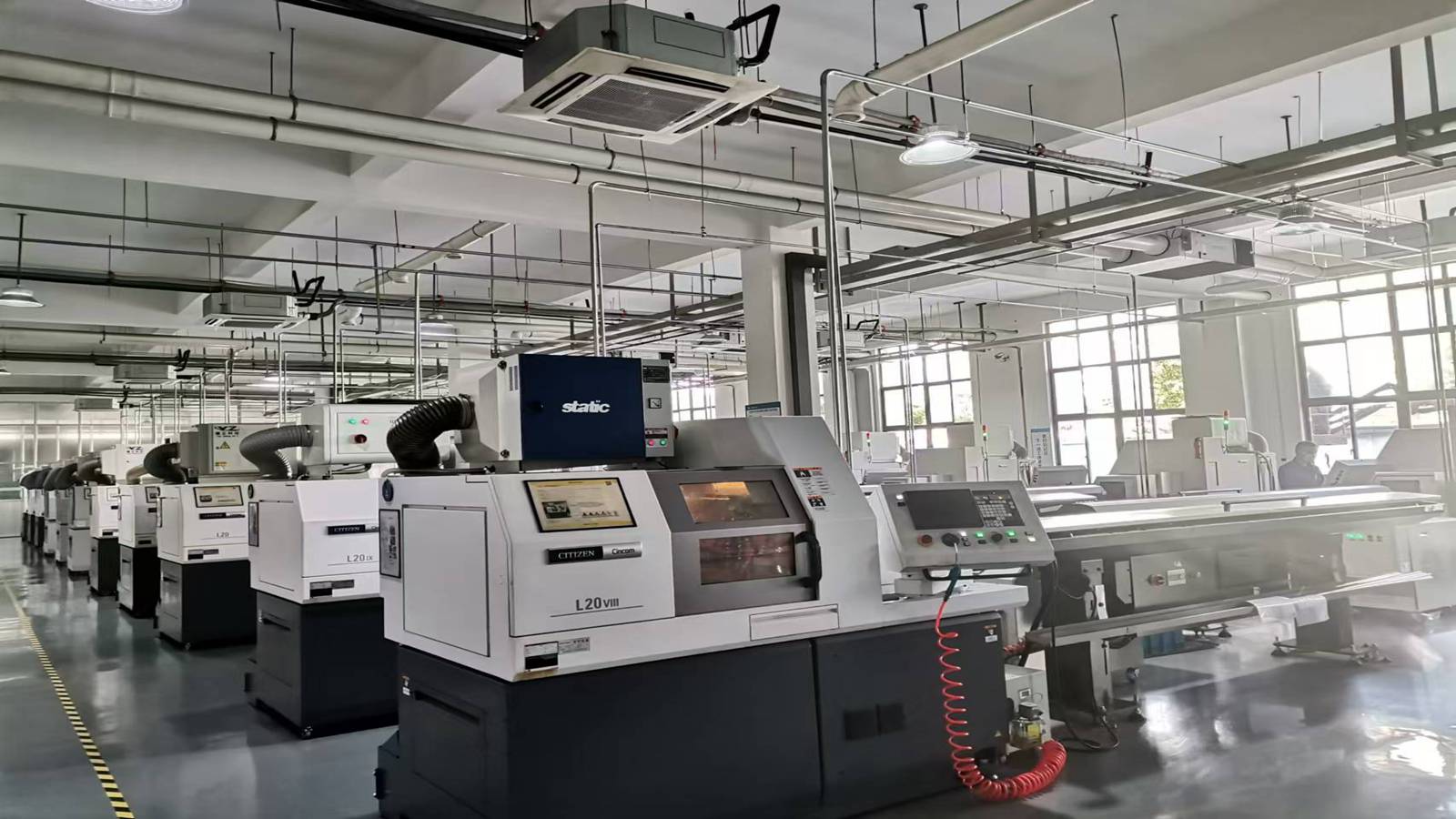
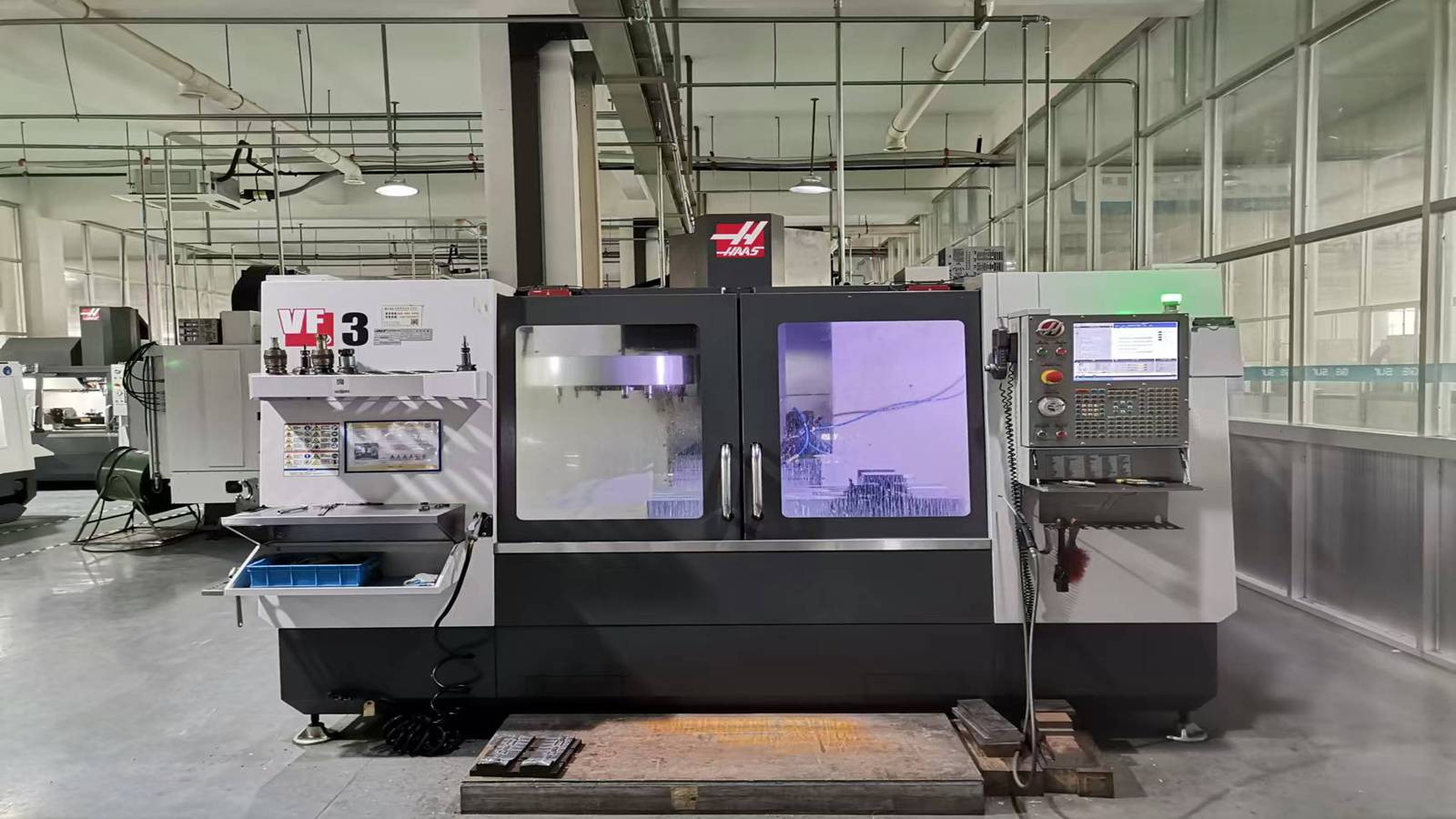
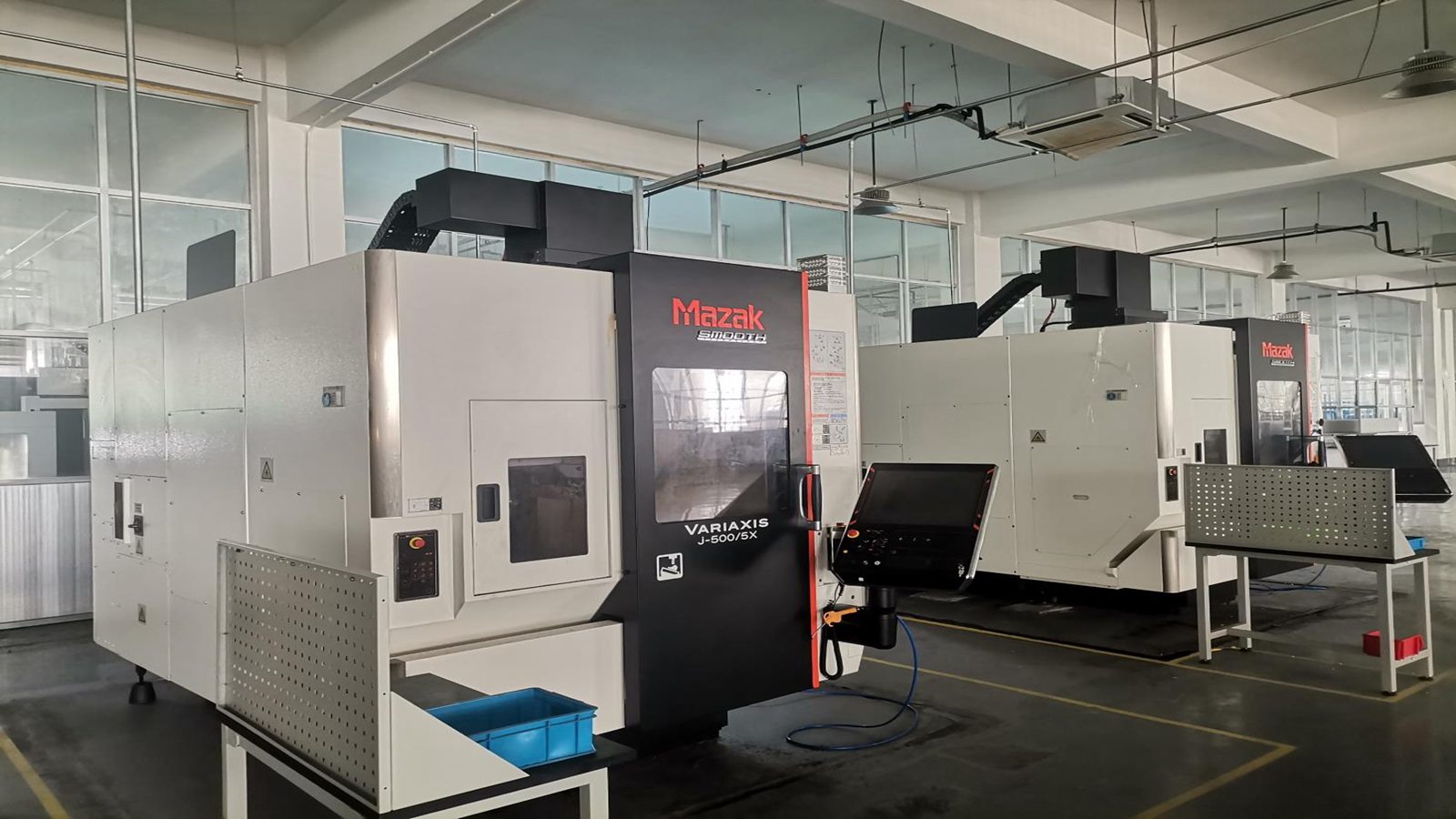
Leveraging 12 high-capacity production lines and a fleet of over 120 precision Swiss-type CNC milling systems, we deliver medical-grade implants and endoscopic components with sub-micron tolerances.

Advanced Micro-Machining

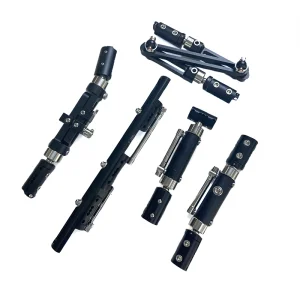
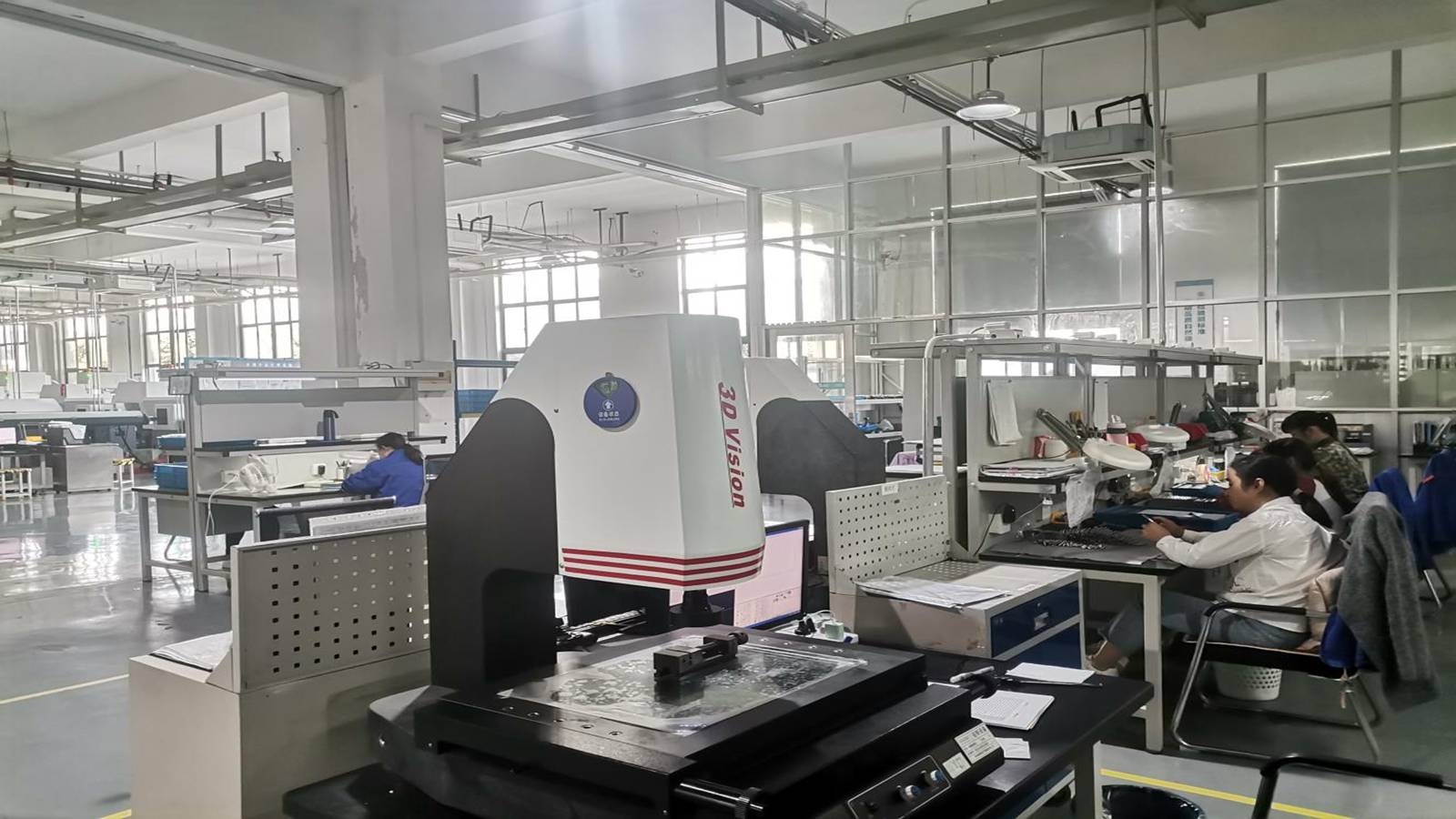
Processing complex distal end assemblies, articulation hinges, and control linkages. Our Swiss CNC lathes maintain dimensional tolerances within ±0.005mm in titanium alloy, PEEK, and surgical stainless steel (SS316L, SS17-4PH).

Surface Treatment & Passivation

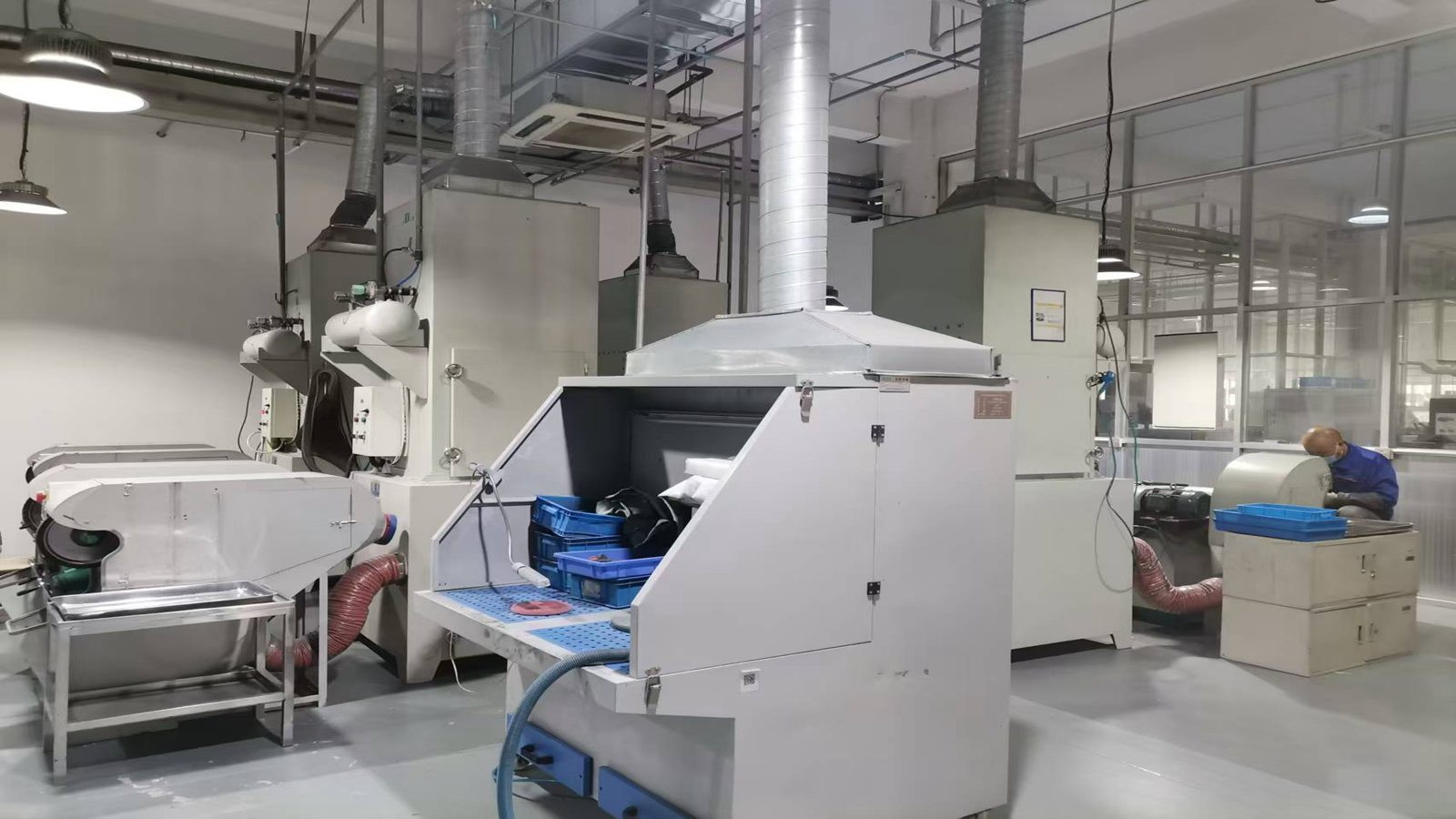
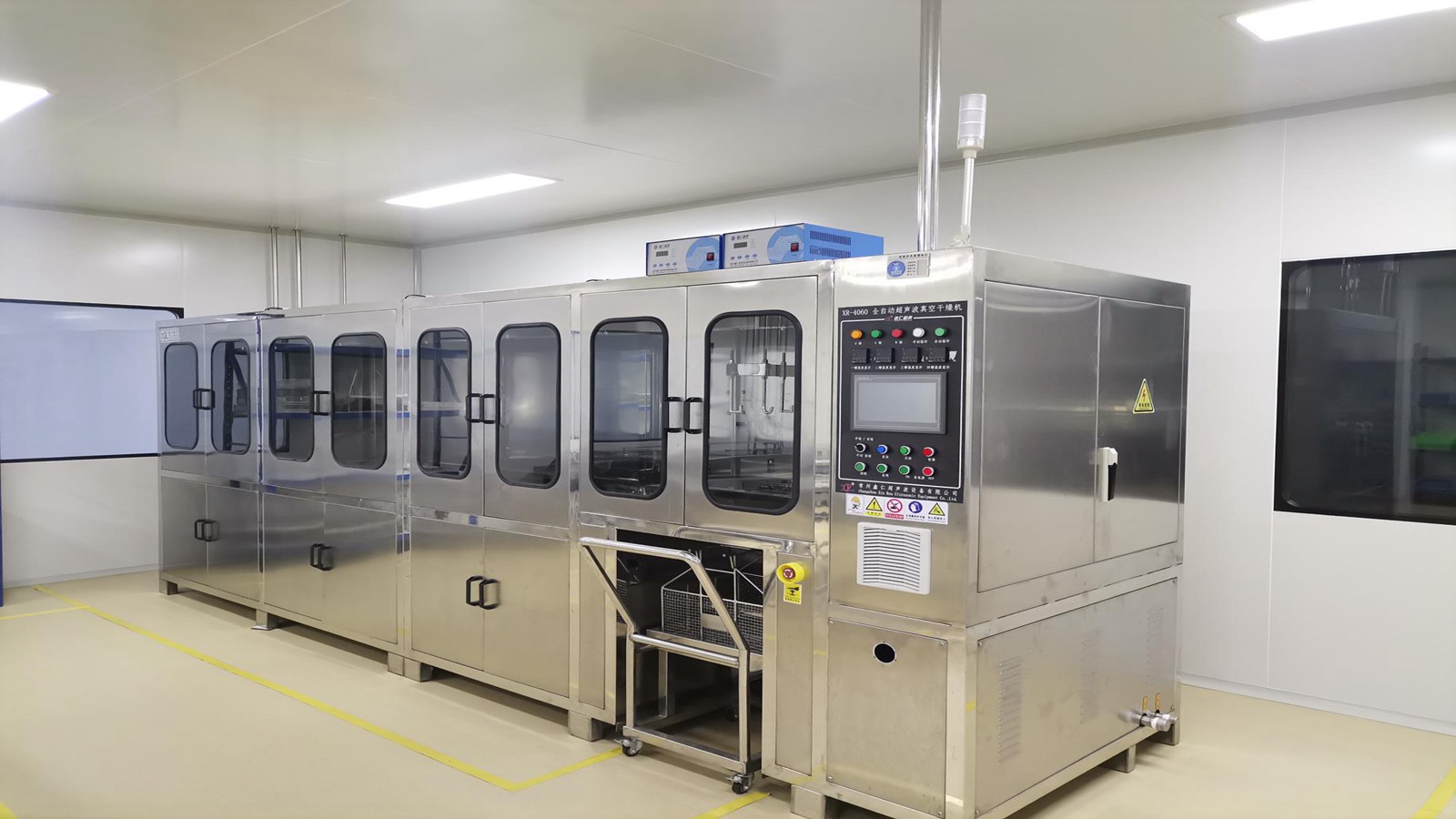
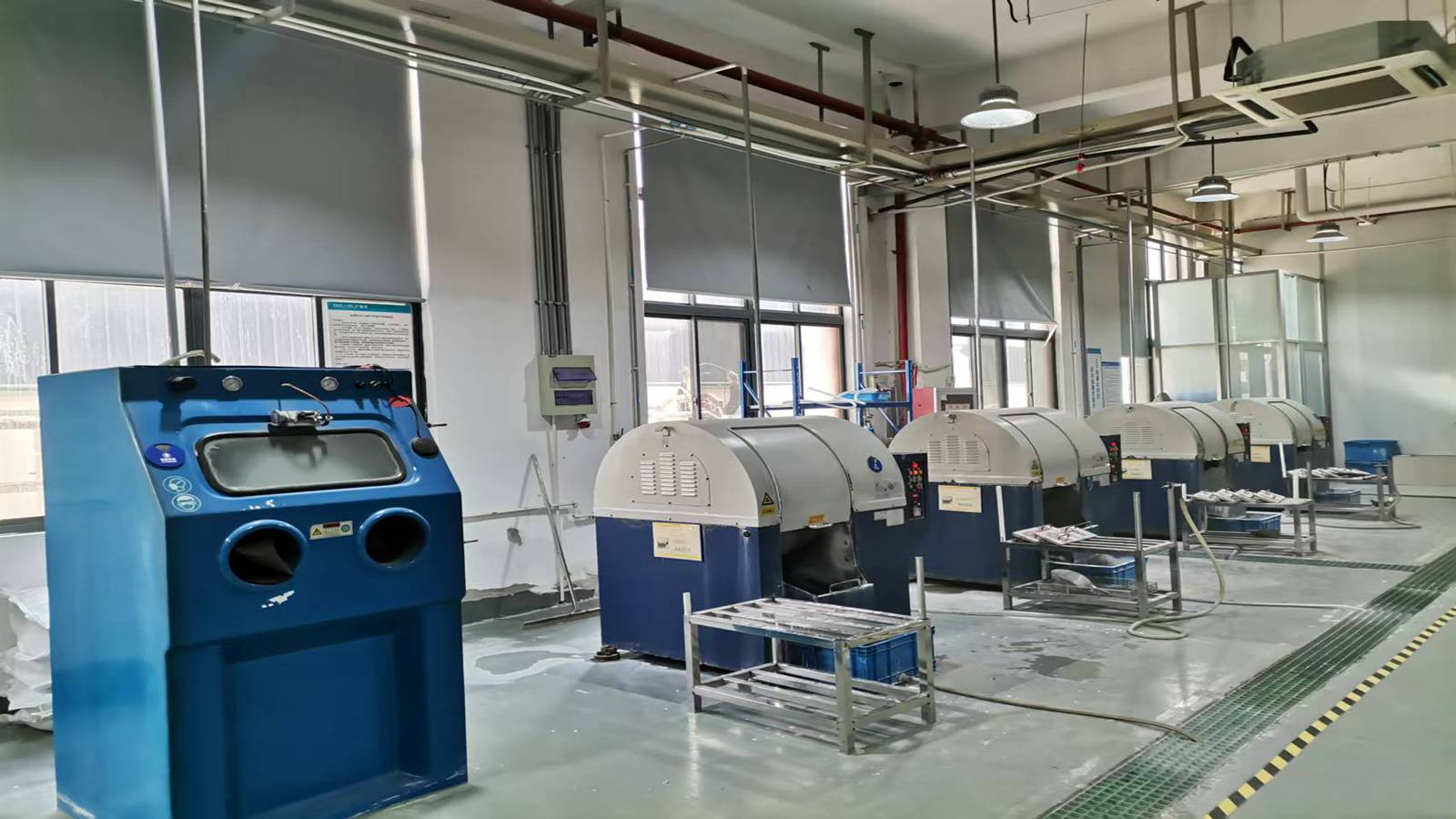
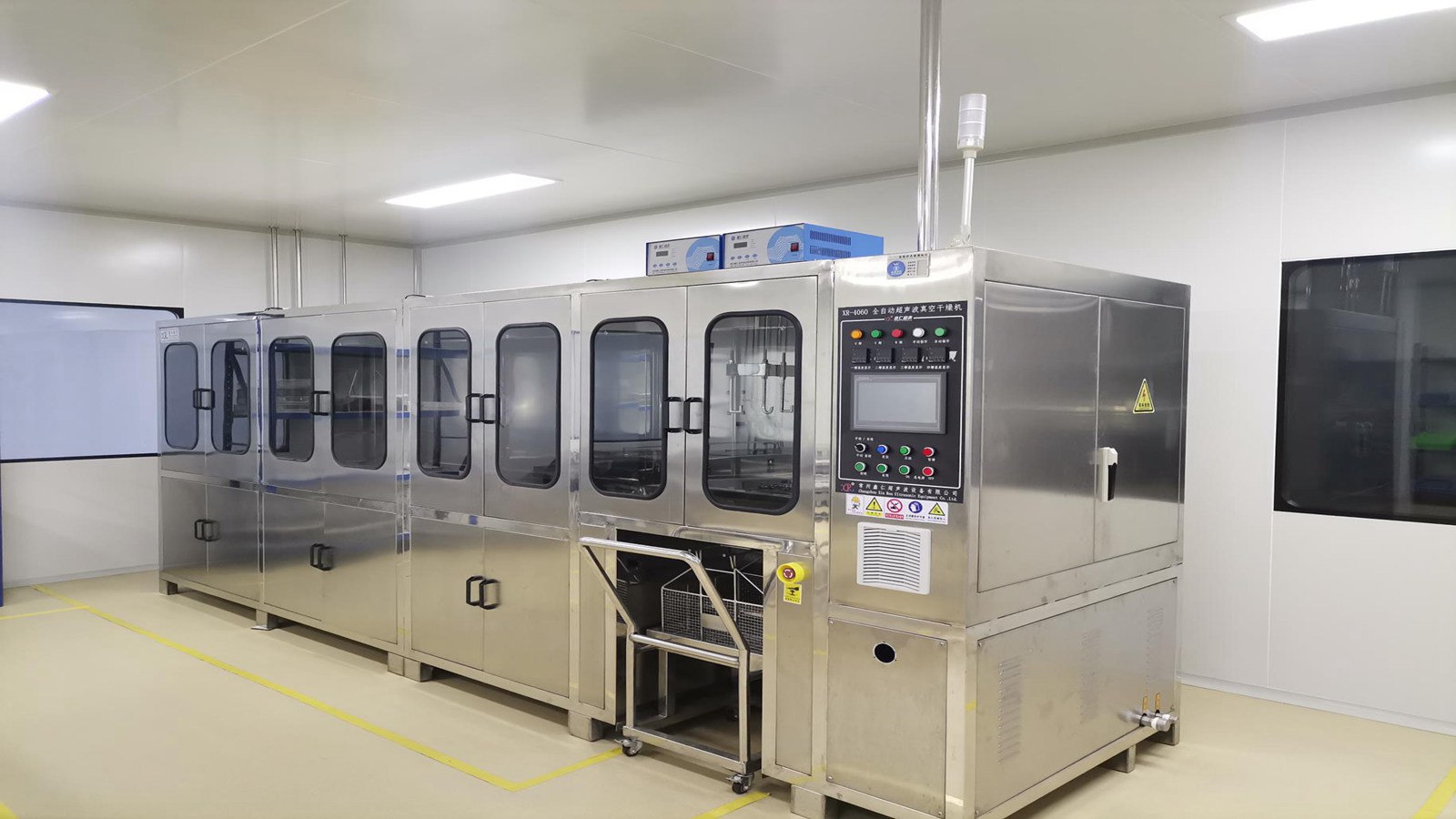
State-of-the-art electropolishing, chemical passivation (ASTM F86 compliant), and anodic oxidation lines ensure optimal biocompatibility, zero tissue-adhesion, and superior corrosion resistance under repeat sterilization cycles.

ISO Class 7 Cleanrooms

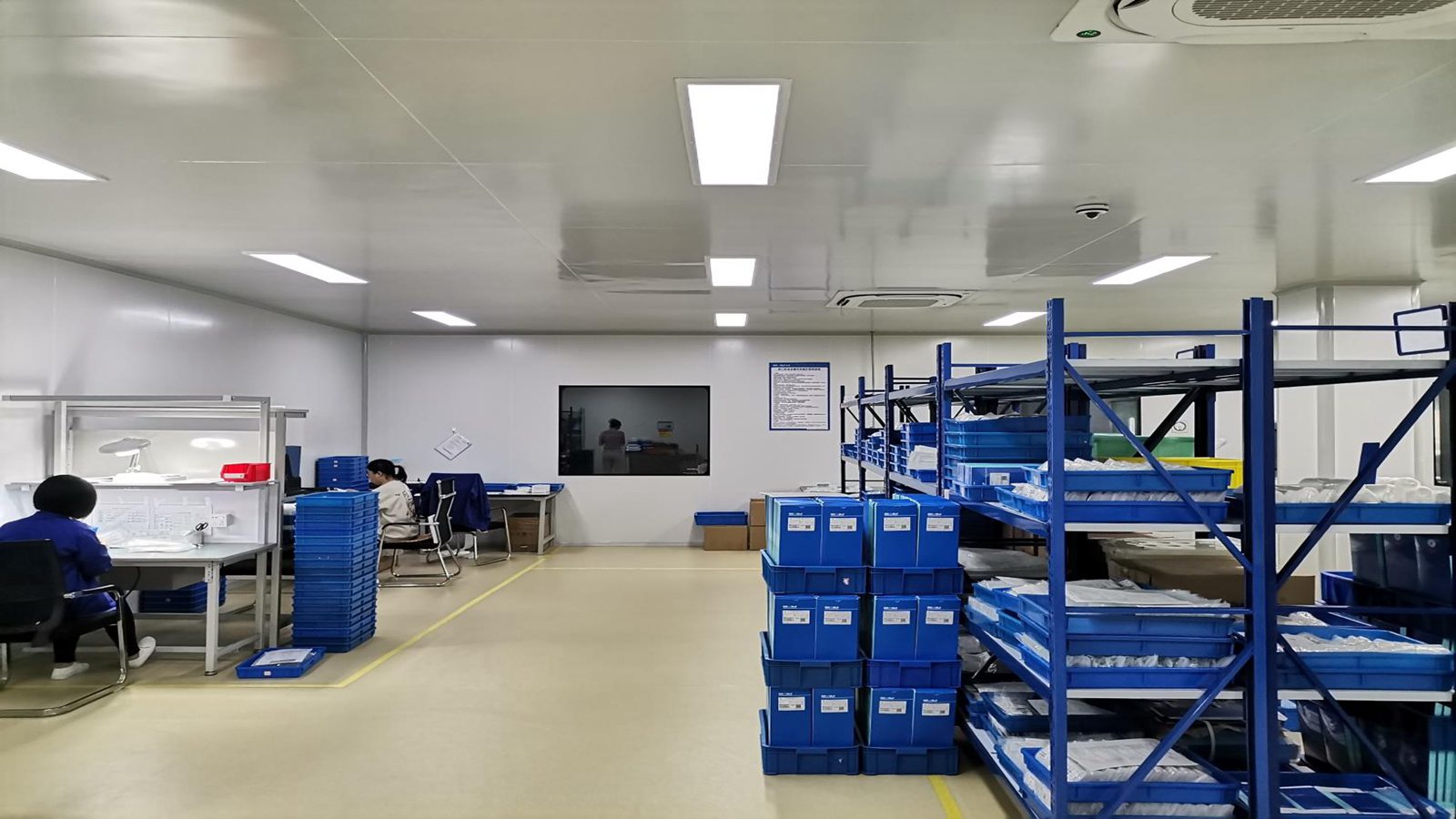
Integrated dust-free assembly and sterile-barrier packaging lines. We implement strict microbiologic monitoring and validate ethylene oxide (EtO) and gamma irradiation sterilization processes according to ISO 11135 and ISO 11137.

Rapid ODM Prototyping

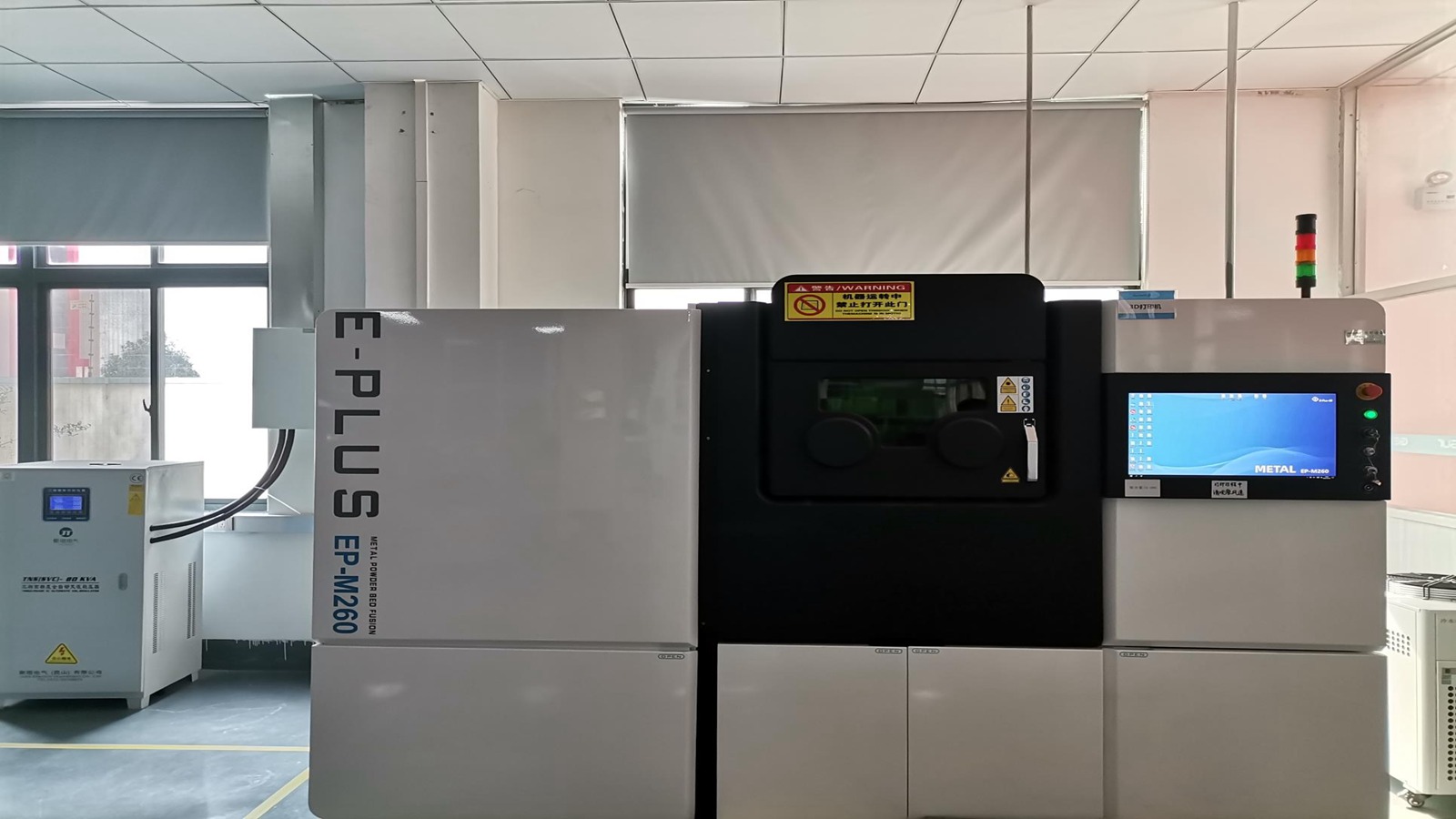
Driven by our 31-member specialized R&D team. We transition napkin sketches to fully functional, surgical-grade test samples in less than 21 days, combining solid finite element analysis (FEA) with empirical testing.

Orthopedic & Spinal Expertise

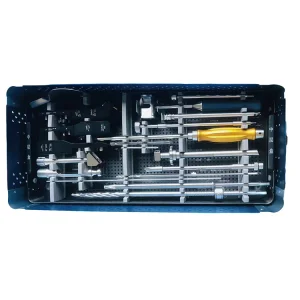
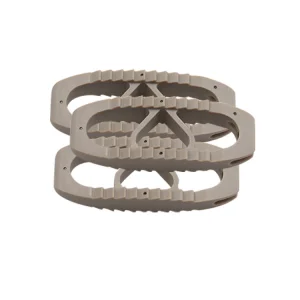
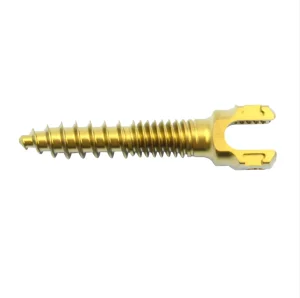
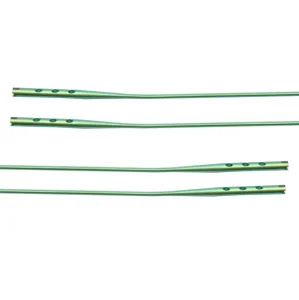
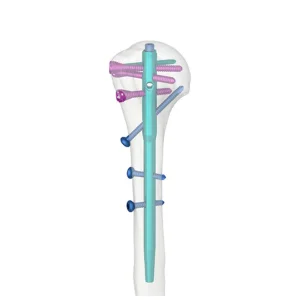
Our background in manufacturing complex spinal pedicle screws, titanium rods, and cervical fusion cages (Class III medical devices) provides us with the deep material testing infrastructure required for the most rigorous endoscopic accessories.

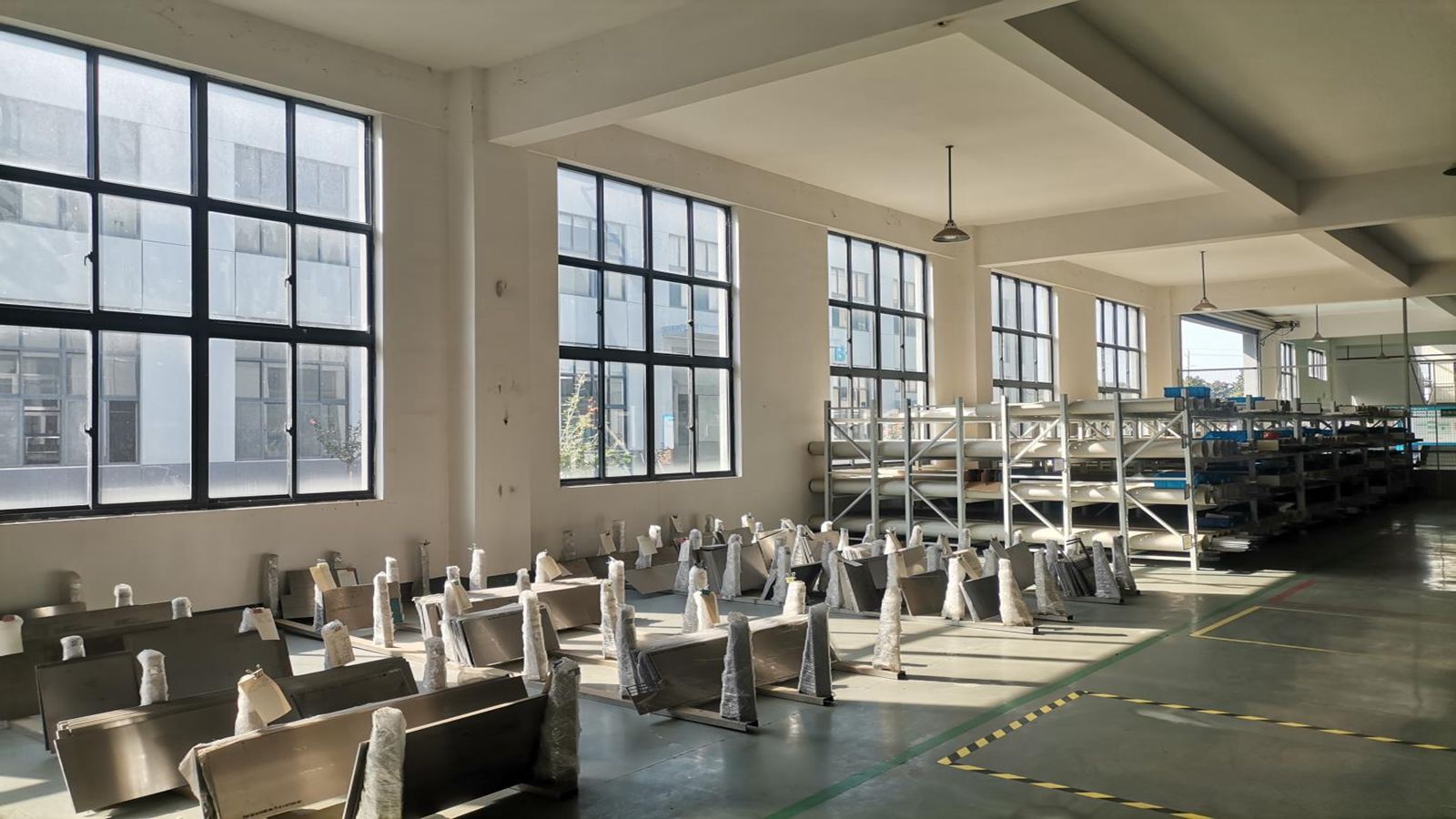
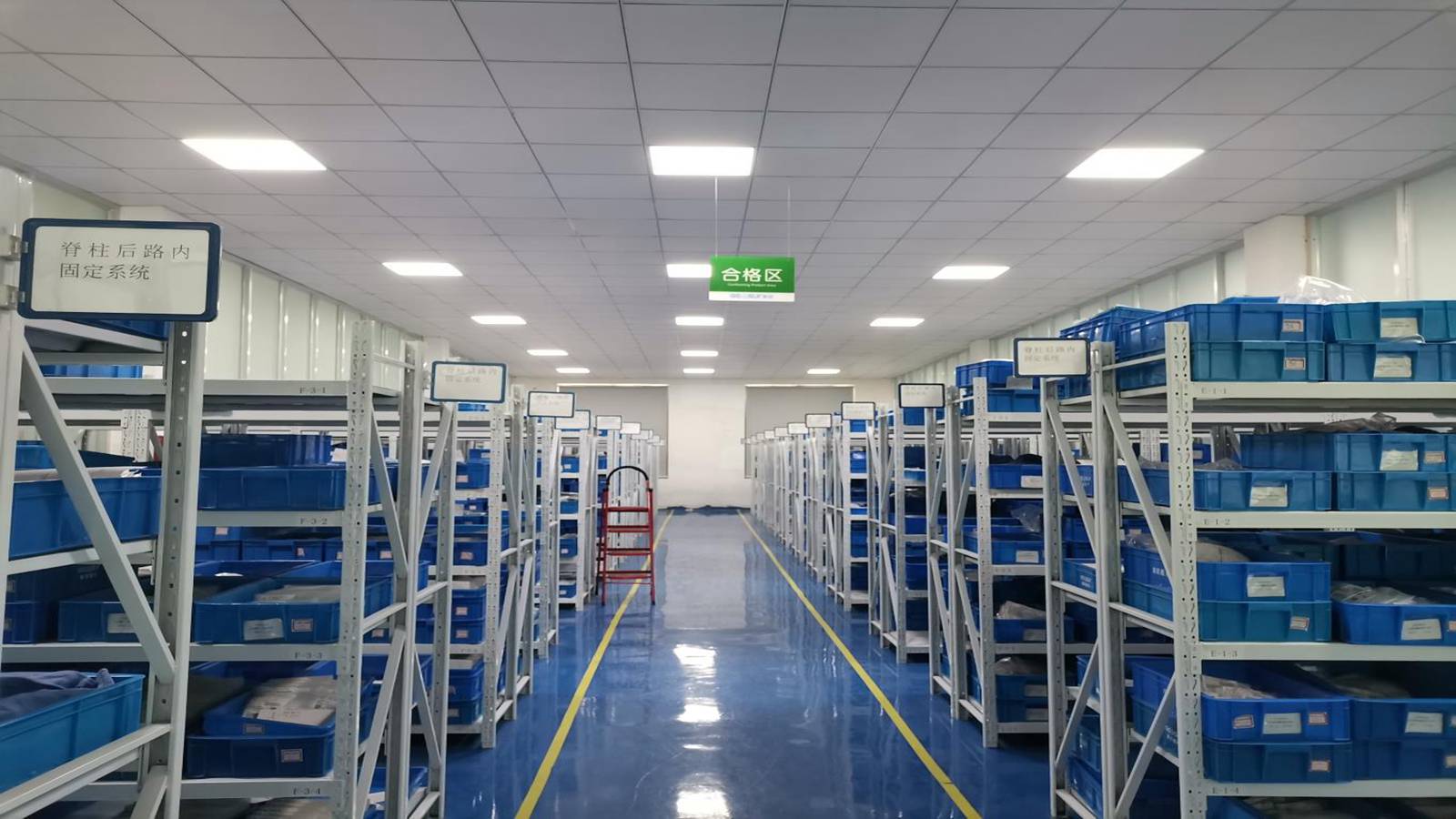
Total Raw Material Traceability

Every batch of titanium alloy (Gr5 ELI), cobalt-chrome, or medical polymers is imported with physical-chemical certificates. Optical emission spectrometers and advanced metallographic analysis guarantee compliance at the molecular level.

Global Regulatory Frameworks (CE MDR, MDSAP, ISO 13485)

The international regulatory framework for medical devices has become increasingly complex. The transition from the MDD to the European Union Medical Device Regulation (MDR 2017/745) demands rigorous clinical data, detailed post-market clinical follow-up (PMCF), and complete supply chain transparency. For endoscopic instruments—frequently classified as Class I (reusable surgical instruments) or Class IIa/IIb (active devices or transient-use sterile devices)—our systems offer absolute peace of mind.

ISO13485 ISO 13485 04723Q10000765
EN ISO 13485 EN ISO 13485 EPT 25 ISO 0067
MDSAP MDSAP Certified C730178
CE MDR CE MDR 0477.MDR.25/5905
MDR EU MDR Class III 0477.MDR.26/6113

The Chinese Supply Chain Advantage: Efficiency, Integration, Resilience

Operating out of our centralized production hub in China, we leverage a hyper-localized ecosystem of raw material purification, precision tooling fabrication, and sterilization logistics. This geographic concentration of the supply chain enables us to pass significant cost savings to our global clients without sacrificing quality control. Unlike highly fragmented supply chains, we maintain internal control over machining, finishing, passivation, cleanroom packaging, and regulatory documentation under one roof.

  • Consolidated Logistics: Minimizing transit risk and lead times by housing R&D, structural tooling, and injection molding in a single 30,343 square meter complex.
  • Unparalleled Scale: 12 dedicated lines running advanced CNC machinery continuously to fulfill bulk institutional or distributor tenders.
  • Geopolitical Resilience & Compliance: Our MDSAP (Medical Device Single Audit Program) system satisfies regulatory requirements across USA, Canada, Australia, Japan, and Brazil with a unified quality system.

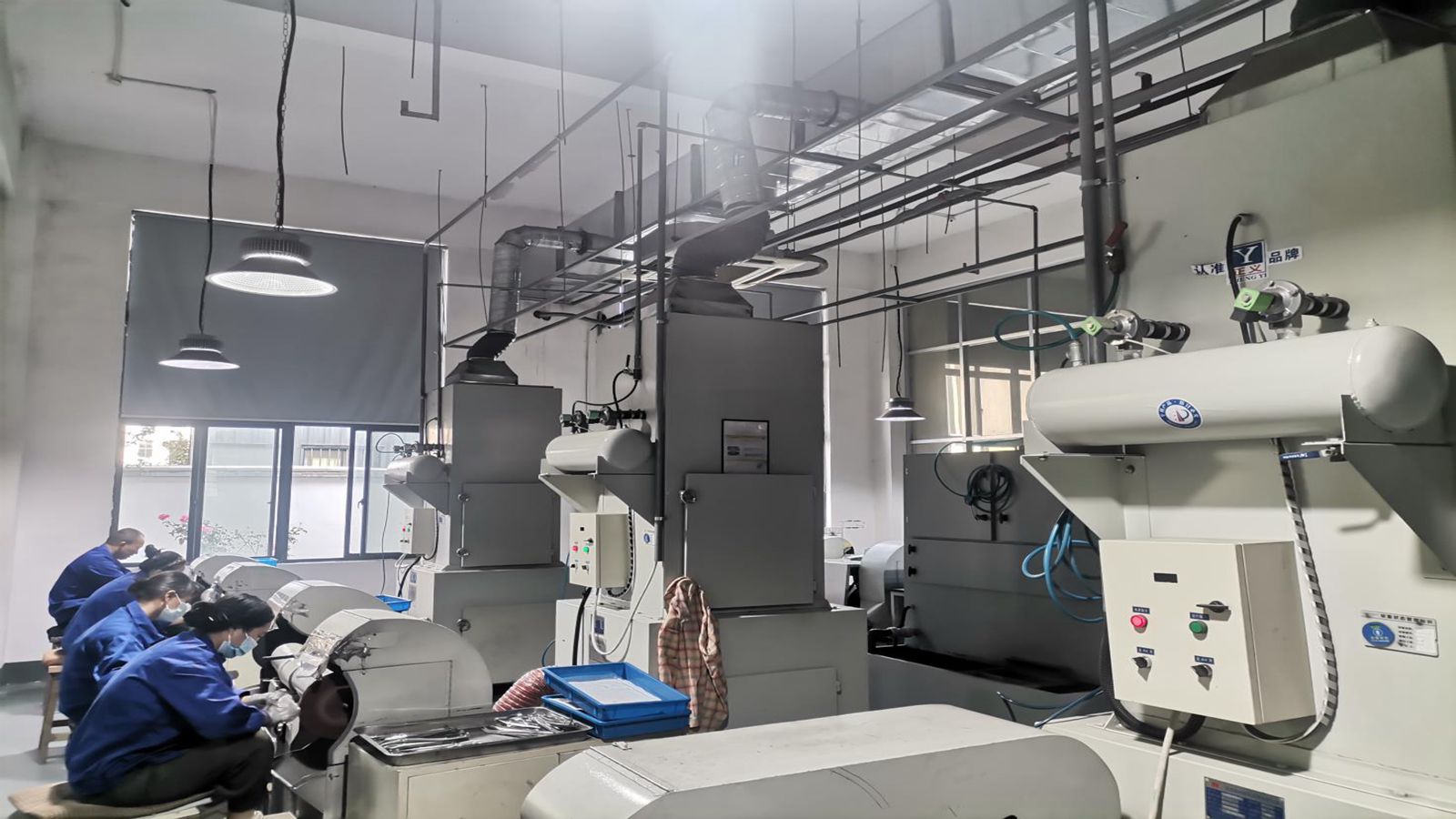
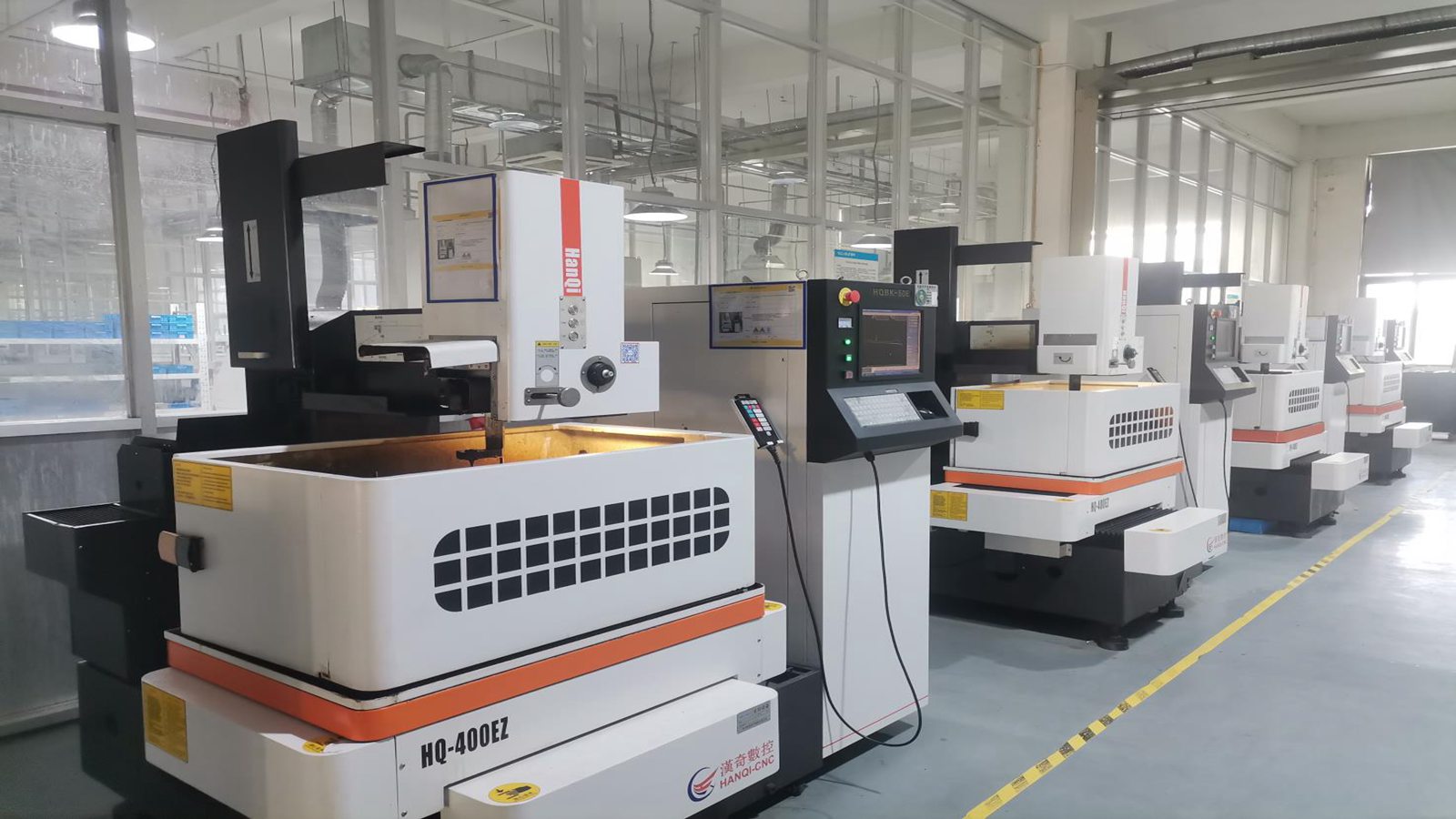
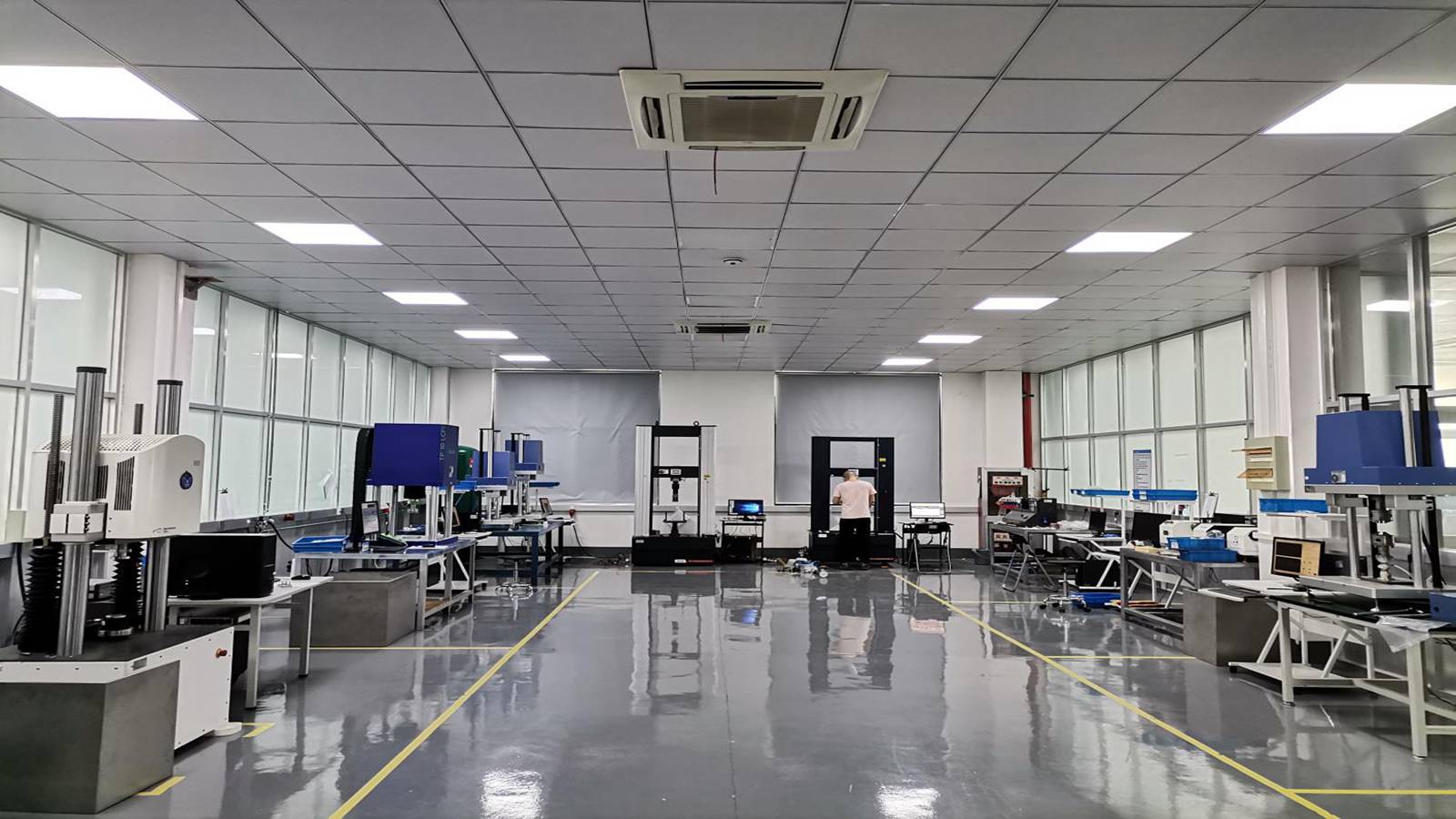
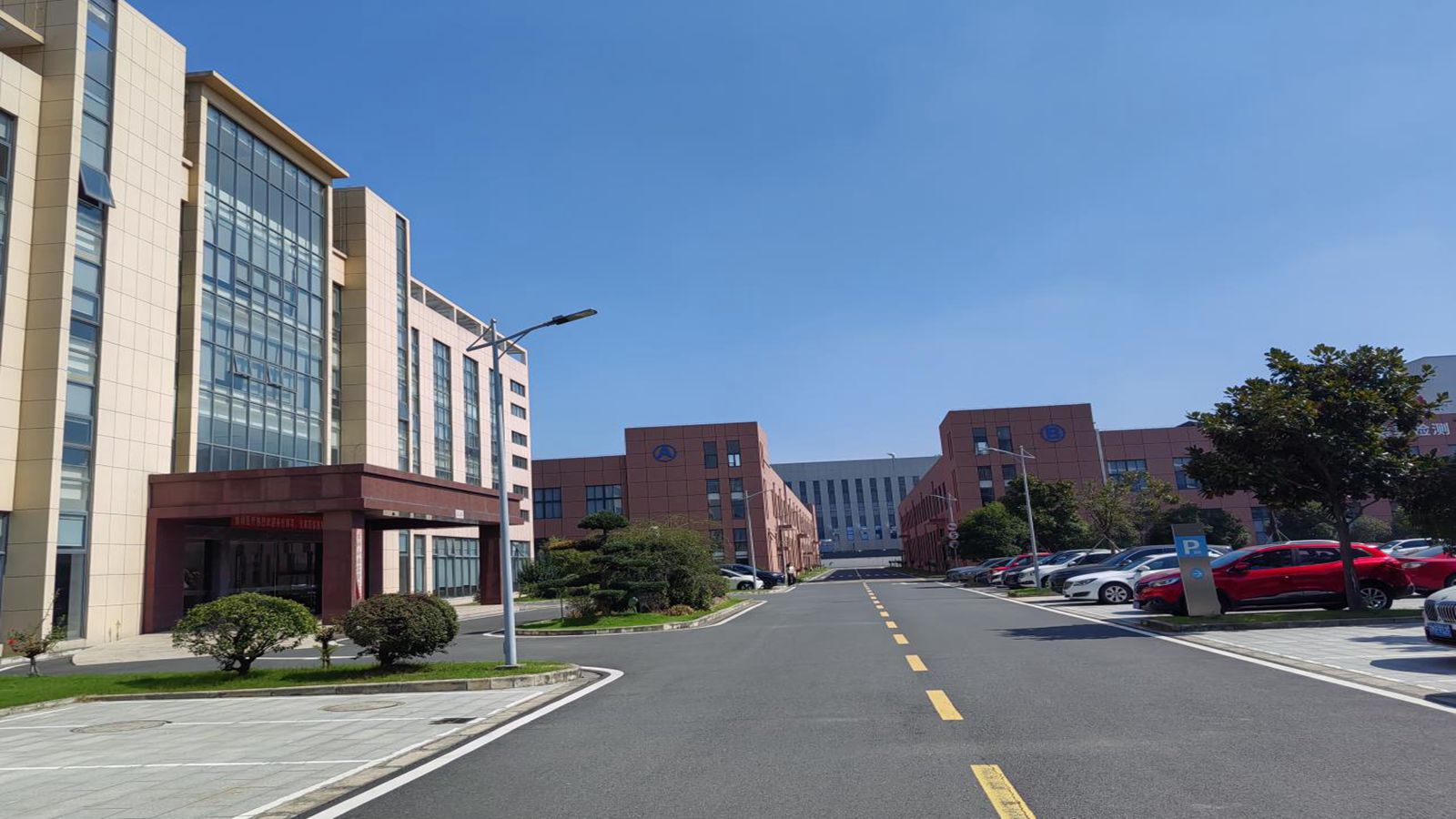
Factory Verification & Precision Production Visuals

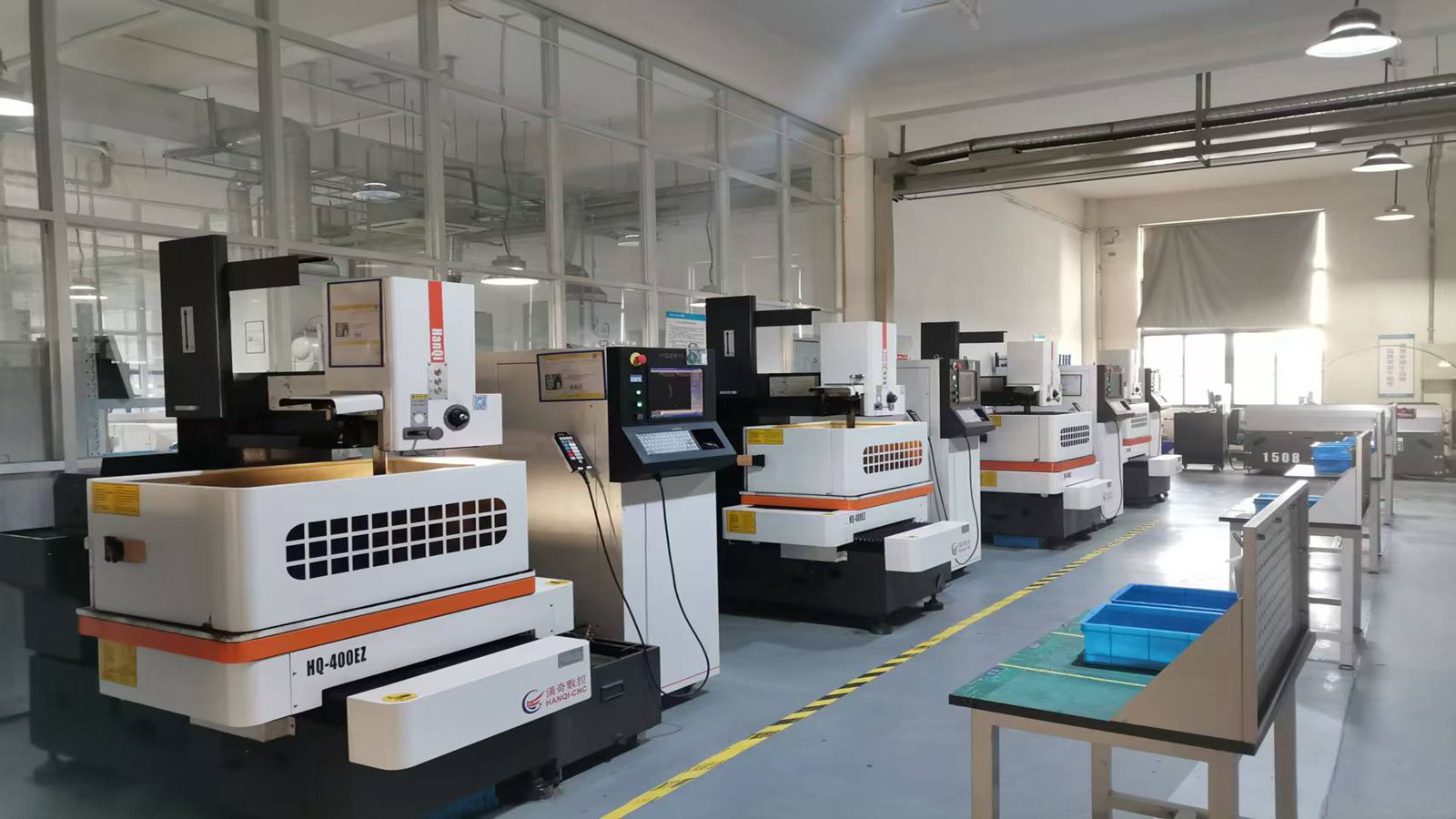
Transparency is the foundation of reliability. Explore our production lines, automated testing centers, and Class 7 cleanroom packaging facilities.

Clinical Scenarios & Specialized Endoscopic Applications

Endoscopy accessories are highly specialized instruments designed for specific organic pathways. Each clinical scenario demands custom mechanics:

  • Gastrointestinal (GI) Endoscopy: Requires exceptionally flexible, non-kinking guide wires and smooth-actuating biopsy forceps capable of navigating tortuous anatomy in the stomach and colon. Our PTFE-coated nitinol guide wires prevent friction and secure access.
  • Pulmonology (Bronchoscopy): Highly miniaturized, flexible forceps with outer diameters down to 1.8mm. The tolerances on these micro-devices demand pristine laser-welded articulations to prevent distal tip separation in the airway.
  • Urology (Ureteroscopy): Rigid and flexible stone retrieval baskets engineered from shape-memory Nitinol alloys. These baskets must withstand high tensile stresses while capturing caliceal calculi without traumatizing ureteral walls.

Global Procurement Decision Factors: Cost, Security, Lead Times

As hospitals seek to reduce overhead costs, group purchasing organizations (GPOs) and global medical brands are under intense pressure to optimize acquisition expenses. Our contract manufacturing services target these critical pain points through:
  1. Total Lifecycle Traceability: Integrating unique device identification (UDI) directly onto packaging and parts to streamline institutional recalls and inventory control.
  2. Extended Warranties & Assured Quality: Our background in heavy load-bearing orthopedic implants allows us to offer unmatched structural resilience in our endoscopic and mechanical instruments.
  3. Flexible Production Runs: From low-volume clinical trial batches to automated multi-million unit runs, our production capacity responds dynamically to your forecast shifts.

Frequently Asked Questions (FAQ)

1. What materials are used for your OEM/ODM endoscopy accessories?
We primarily use implant-grade Titanium Alloy (Ti-6Al-4V ELI), Nitinol (nickel-titanium shape memory alloy), surgical-grade stainless steel (316L, 17-4 PH, 420), and biocompatible medical polymers (PEEK, PTFE, Pebax, Polyimide). All raw materials are received with mill test reports and undergo incoming chemical analysis to guarantee mechanical integrity.
2. How does your facility ensure compliance with EU MDR and FDA regulations?
Our quality management system is certified under ISO 13485, EN ISO 13485, and MDSAP. We hold valid CE certificates under the new EU Medical Device Regulation (MDR 2017/745). We maintain comprehensive Technical Documentation files, risk assessment reports (ISO 14971), and usability validation studies to assist our clients with FDA 510(k) clearances and CE registrations.
3. Can you manage custom cross-sections and custom tip designs for biopsy forceps?
Yes, our R&D team specializes in custom micro-geometry design. We can produce serrated, alligator, oval, fenestrated, and needle-equipped cup geometries. Using advanced EDM (Electrical Discharge Machining) and ultra-precision laser cutting, we can build custom distal assemblies tailored to unique tissue capture demands.
4. What is your typical lead time for prototype samples and bulk orders?
For rapid prototypes (3D printed mockups or initial soft-tooling CNC components), our lead time is 2 to 3 weeks. Production molds and validation batches take approximately 6 to 8 weeks. Commercial volume shipments are delivered within 30 to 45 days after order confirmation, depending on sterilization validation scheduling.
5. What sterilization options do you support, and are they validated?
We provide Ethylene Oxide (EtO) sterilization validation under ISO 11135 and Gamma Irradiation validation under ISO 11137. We perform bioburden monitoring, sterilant residue testing (ISO 10993-7), and packaging seal integrity challenges (ASTM F1929, ASTM F88) to ensure that the sterility barrier remains intact throughout its validated shelf life.
6. Do you support private labeling (OBL) and customized sterile packaging?
Absolutely. We offer complete private label (Own Brand Labeling) services. We can design, manufacture, pack, and sterilize under your brand name, utilizing custom Tyvek pouches, blister packs, and multi-lingual carton layouts. Our regulatory team will coordinate the technical file submissions to ensure seamless compliance transition.