Ease Medical Apparatus And Instruments
Ease Medical Apparatus And Instruments
Ease Medical Apparatus And Instruments
MDR & CE Certified Medical Solutions for Global Healthcare Institutions
The global market for endoscopic instruments and orthopedic implants is undergoing a seismic shift toward minimally invasive surgery (MIS). As surgical techniques evolve, the demand for high-precision, biocompatible instruments has skyrocketed. According to recent industry whitepapers, the market is projected to reach unprecedented valuations by 2030, driven by an aging global population and the increasing accessibility of advanced trauma care.
In this high-stakes environment, the role of a China Top Endoscopic Instrument Manufacturer has transitioned from a volume provider to a leader in innovation. The synergy between high-grade materials—such as Titanium Alloy (Ti-6Al-4V ELI) and PEEK (Polyether ether ketone)—and robotic-assisted manufacturing processes has allowed Chinese suppliers to offer medical-grade instruments that meet and exceed stringent EU MDR and US FDA standards.
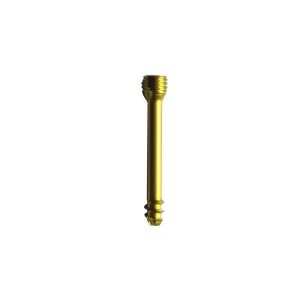
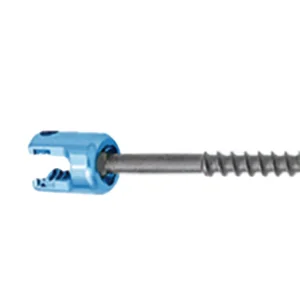
Industrial trends indicate a move toward bio-digital integration, where instruments are no longer just mechanical tools but data-capturing assets within the operating theatre. This evolution demands a manufacturing partner who understands not just the mechanical properties of a cervical pedicle screw, but its functional role in complex spinal stabilization systems.
Leveraging China's integrated industrial clusters to reduce lead times for complex Class III implants while maintaining strict cost-efficiency.
With 31 R&D engineers, including doctorate and post-graduate specialists, we launch 25+ new products annually to solve clinical challenges.
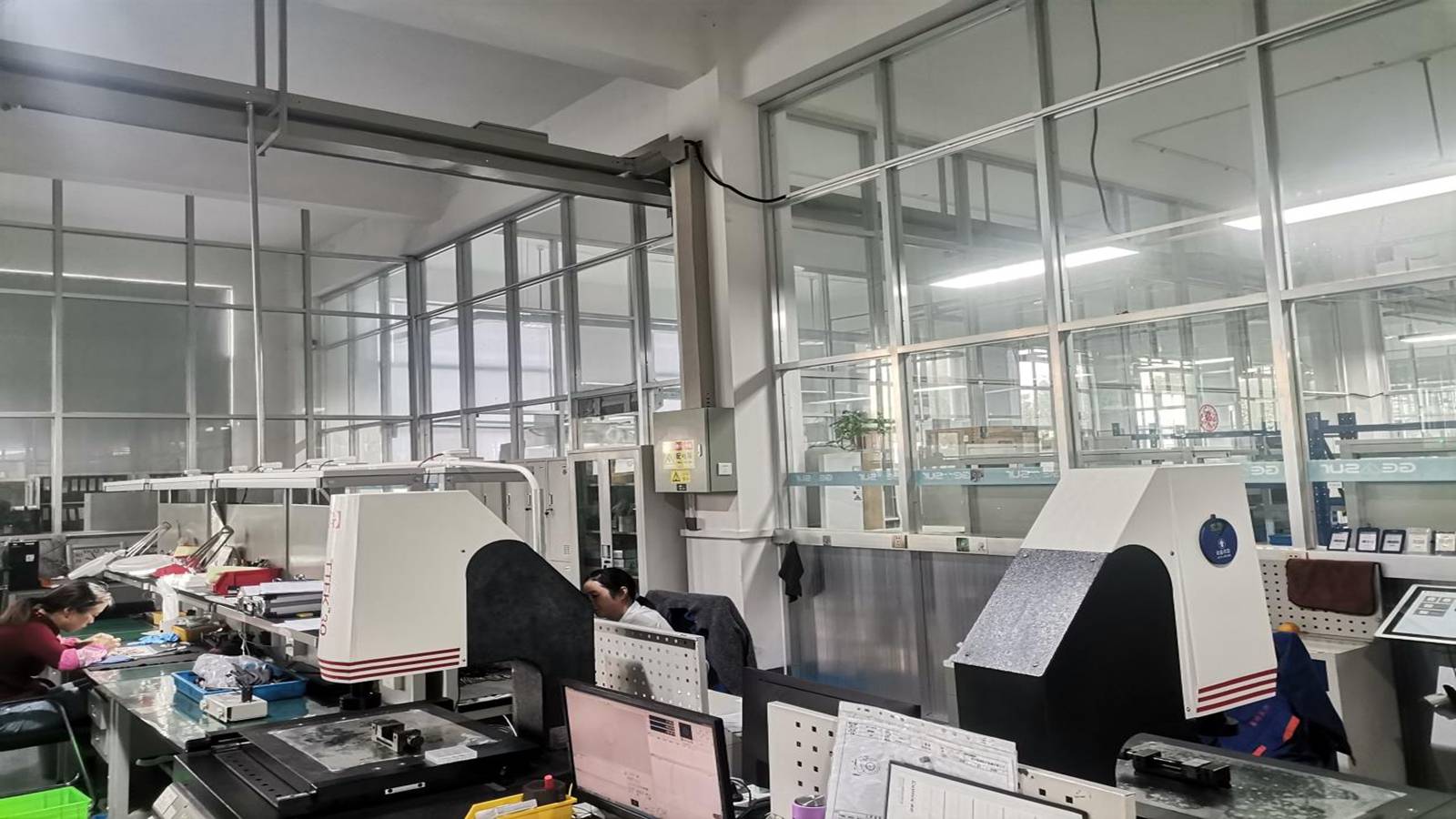
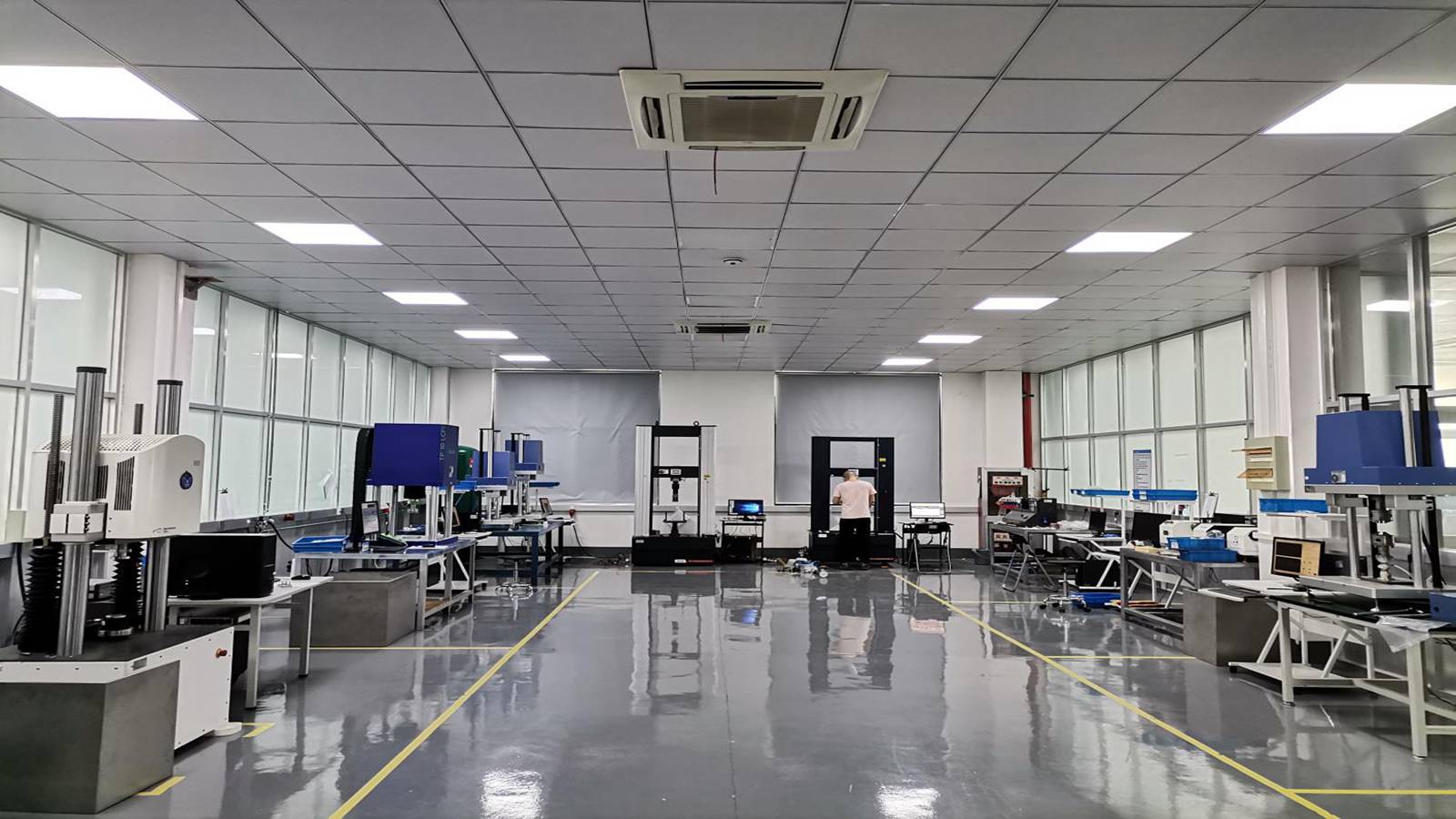
Adherence to ISO13485, CE, and MDR standards. Our 36 QA/QC inspectors perform 100% inspection on all production lines.
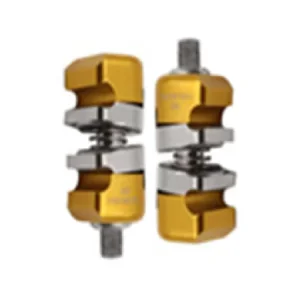
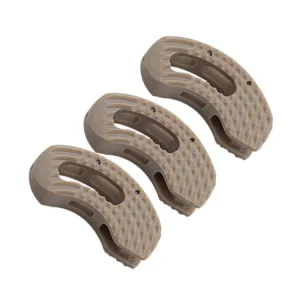
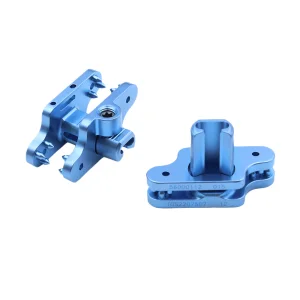
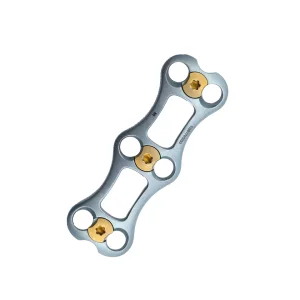
From PLIF PEEK fusion cages to anterior cervical plates, our instruments are designed for the high-precision requirements of posterior column stabilization and scoliosis correction.
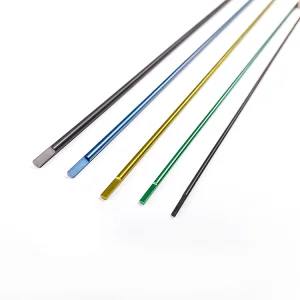
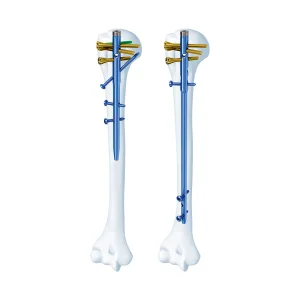
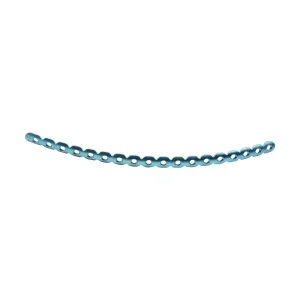
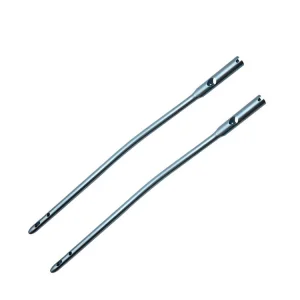
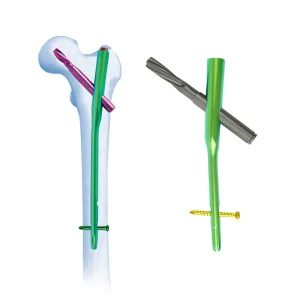
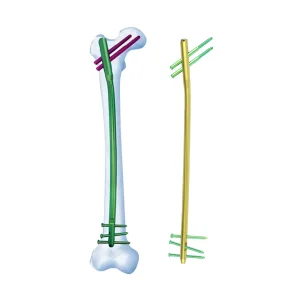
Providing essential components for intramedullary nailing and bone plating, optimized for various anatomical locations including the femur, humerus, radius, and ulna.
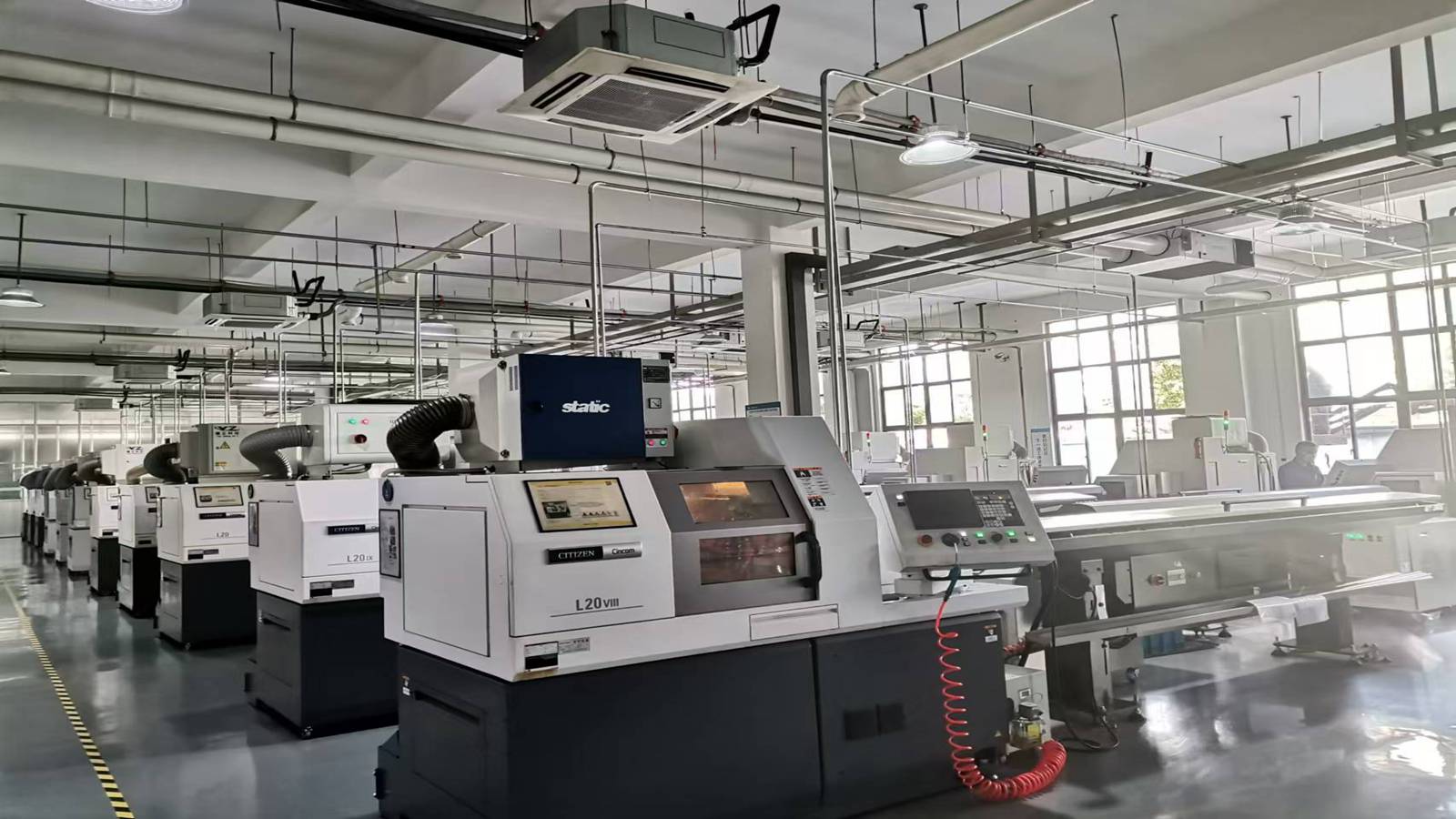
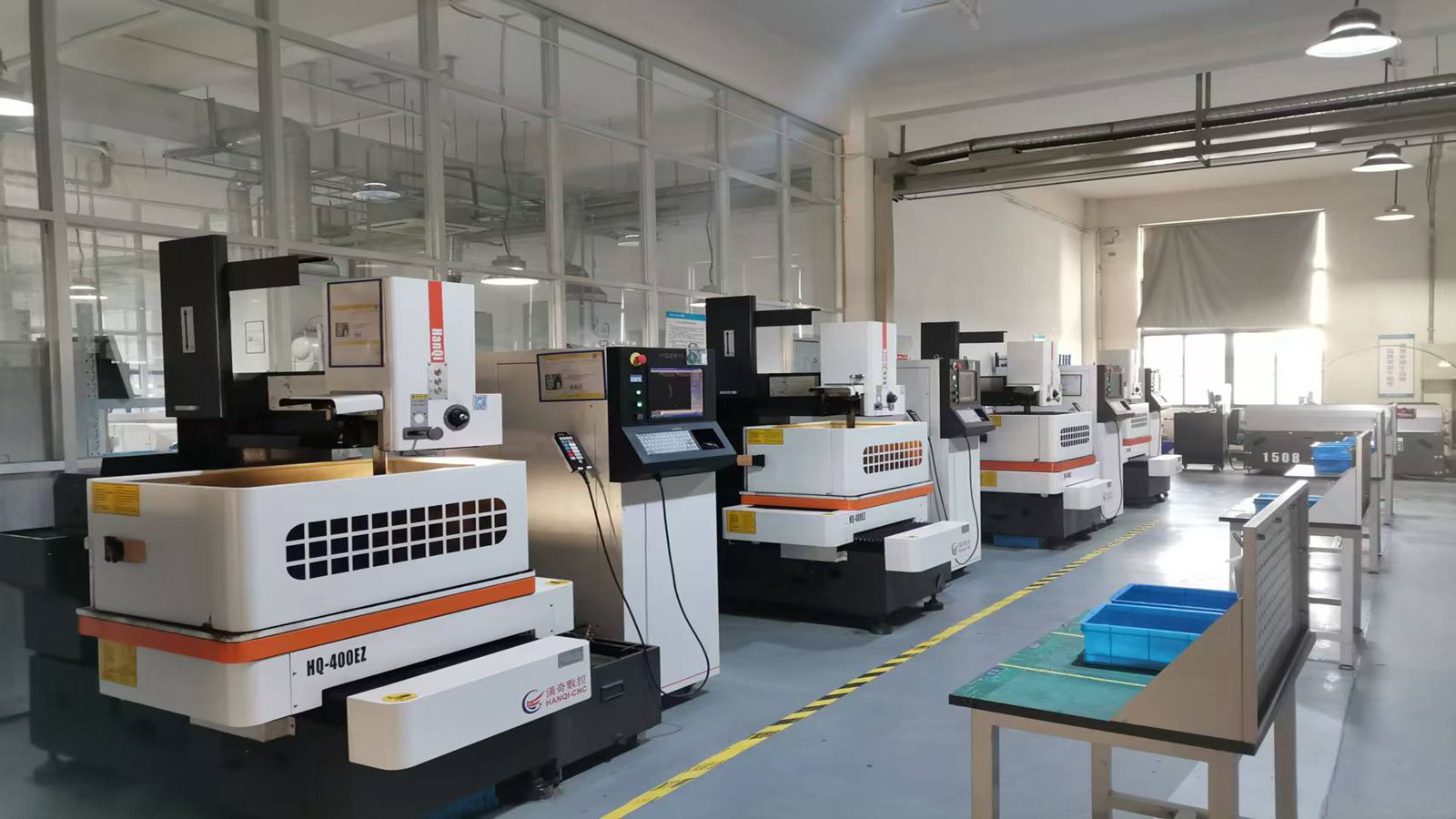
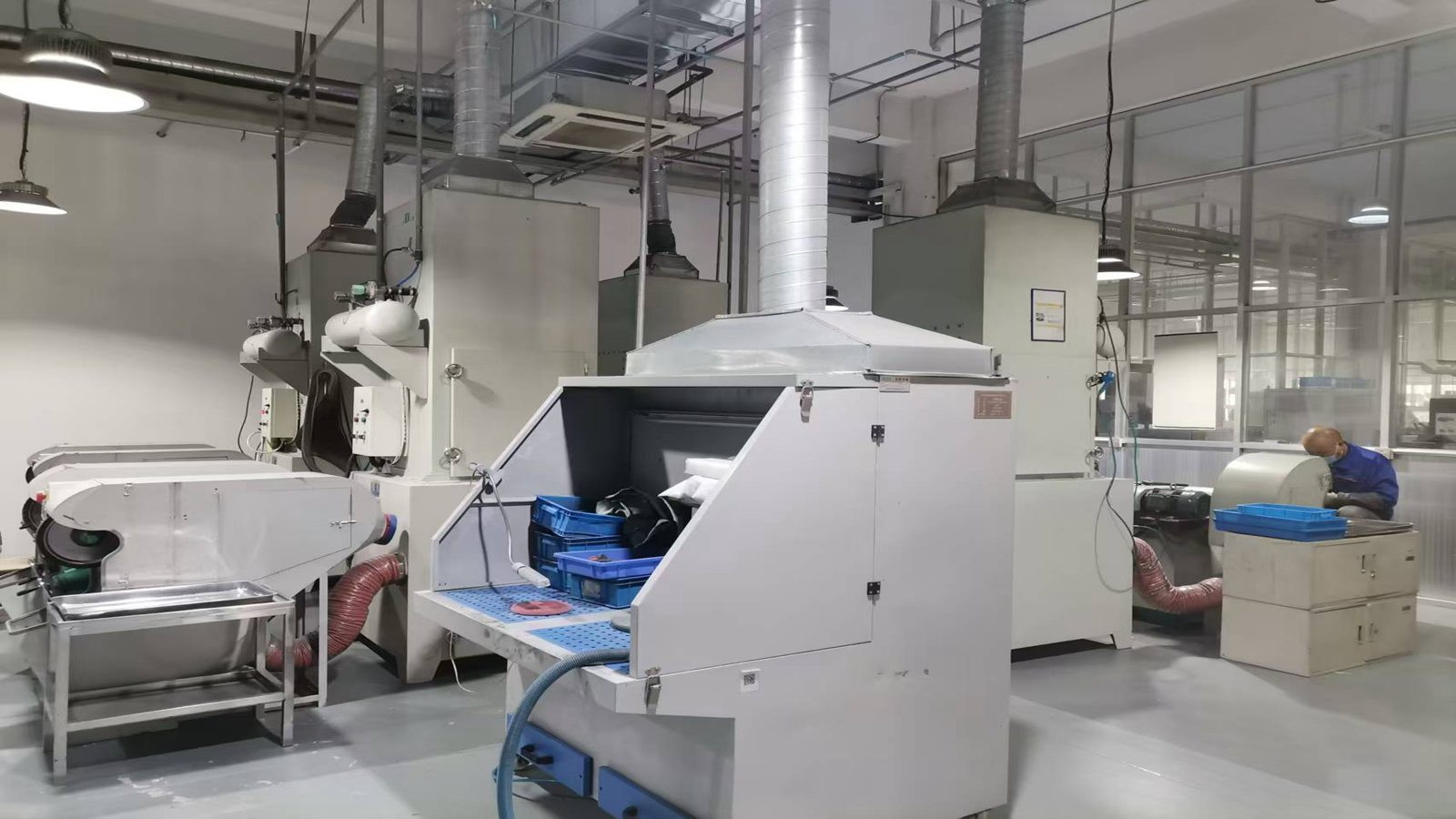
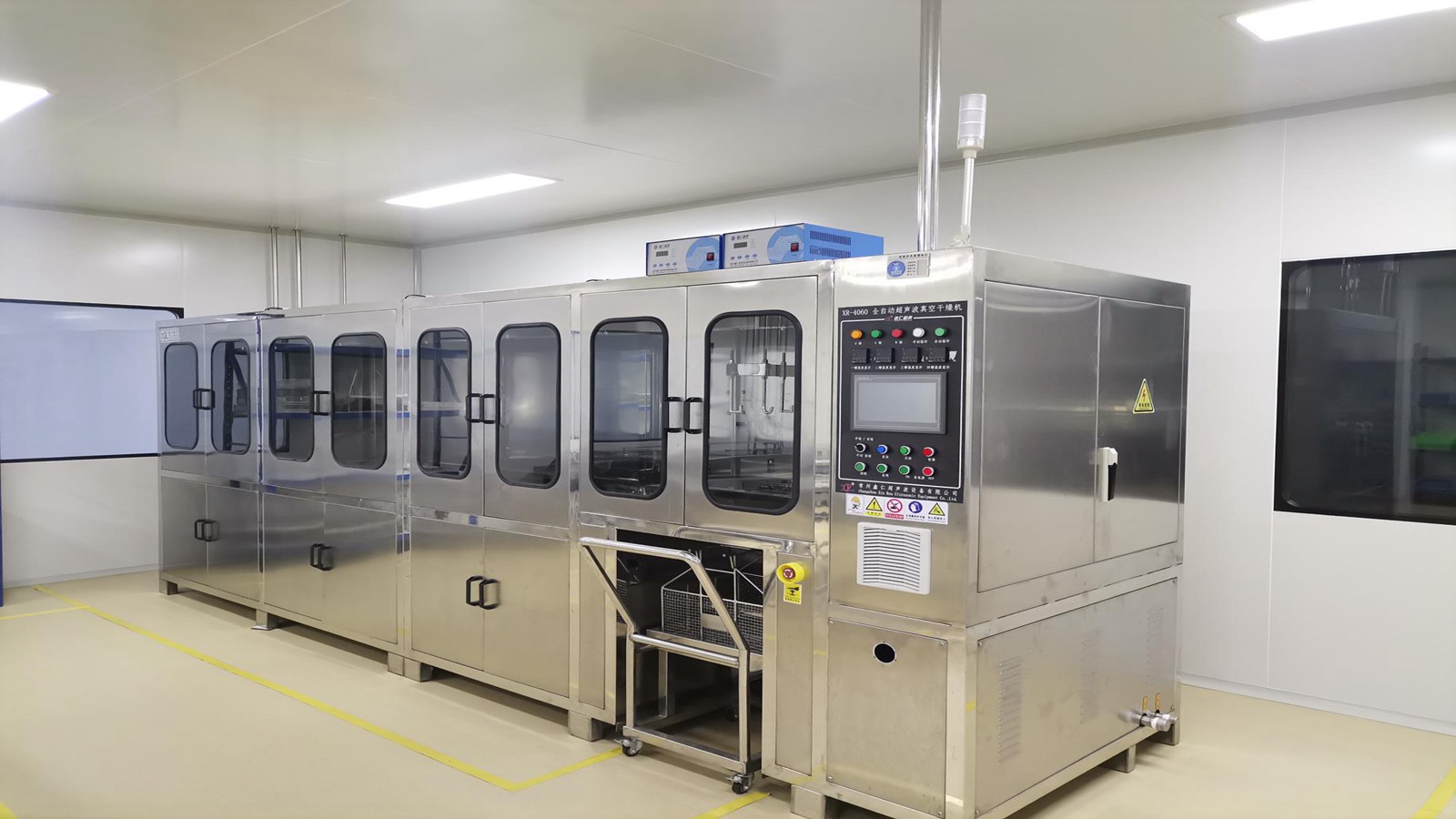
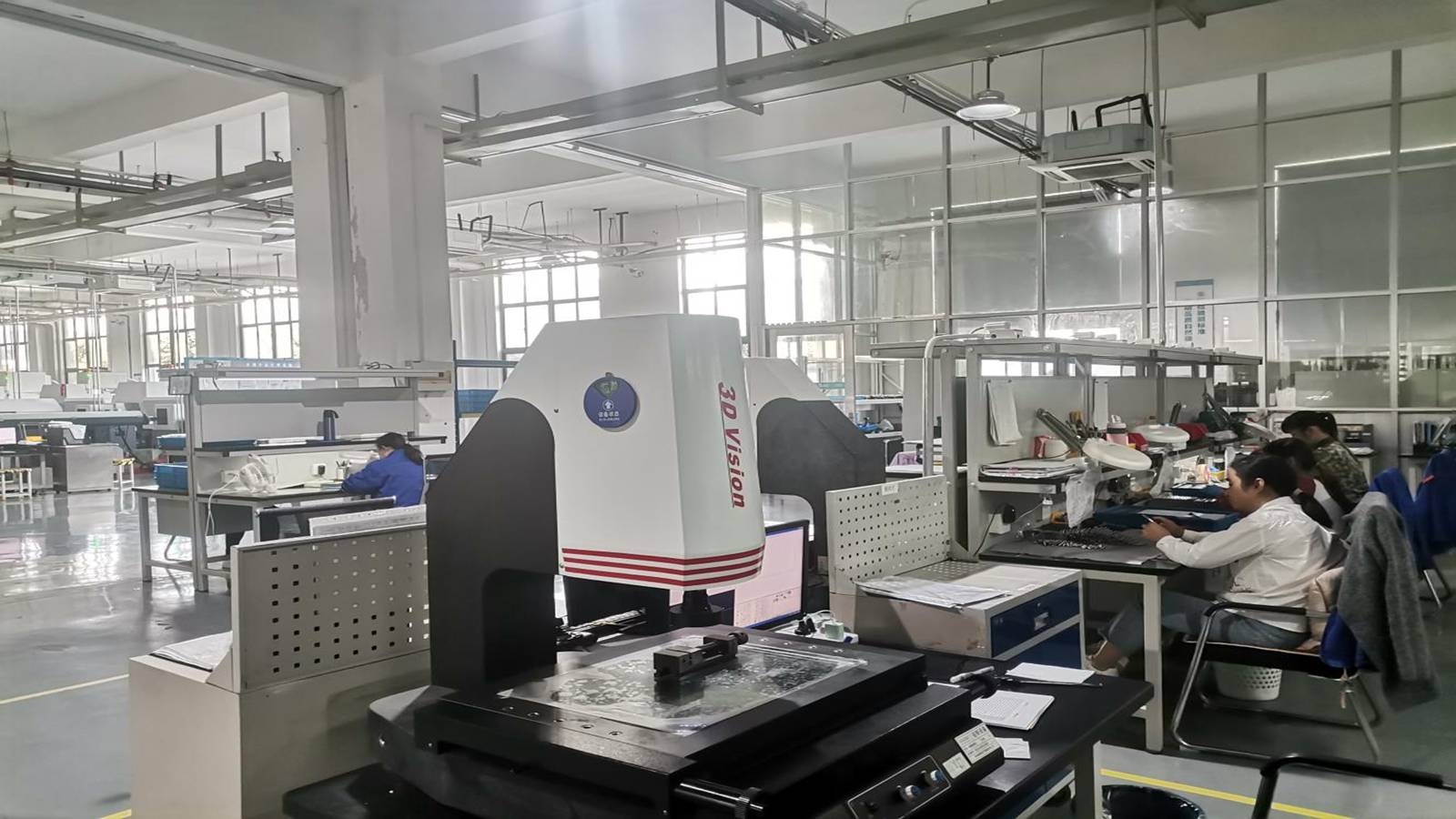
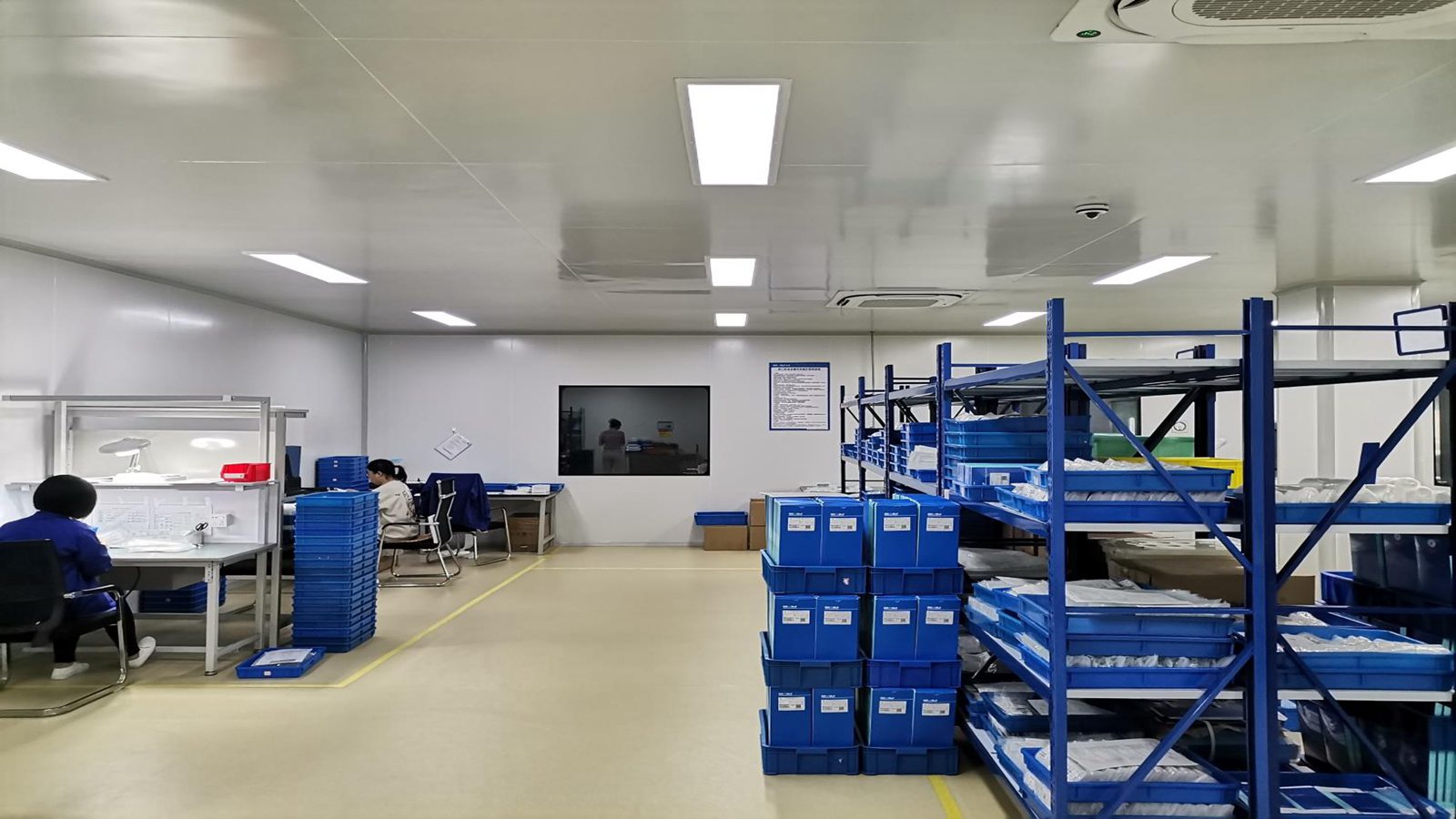
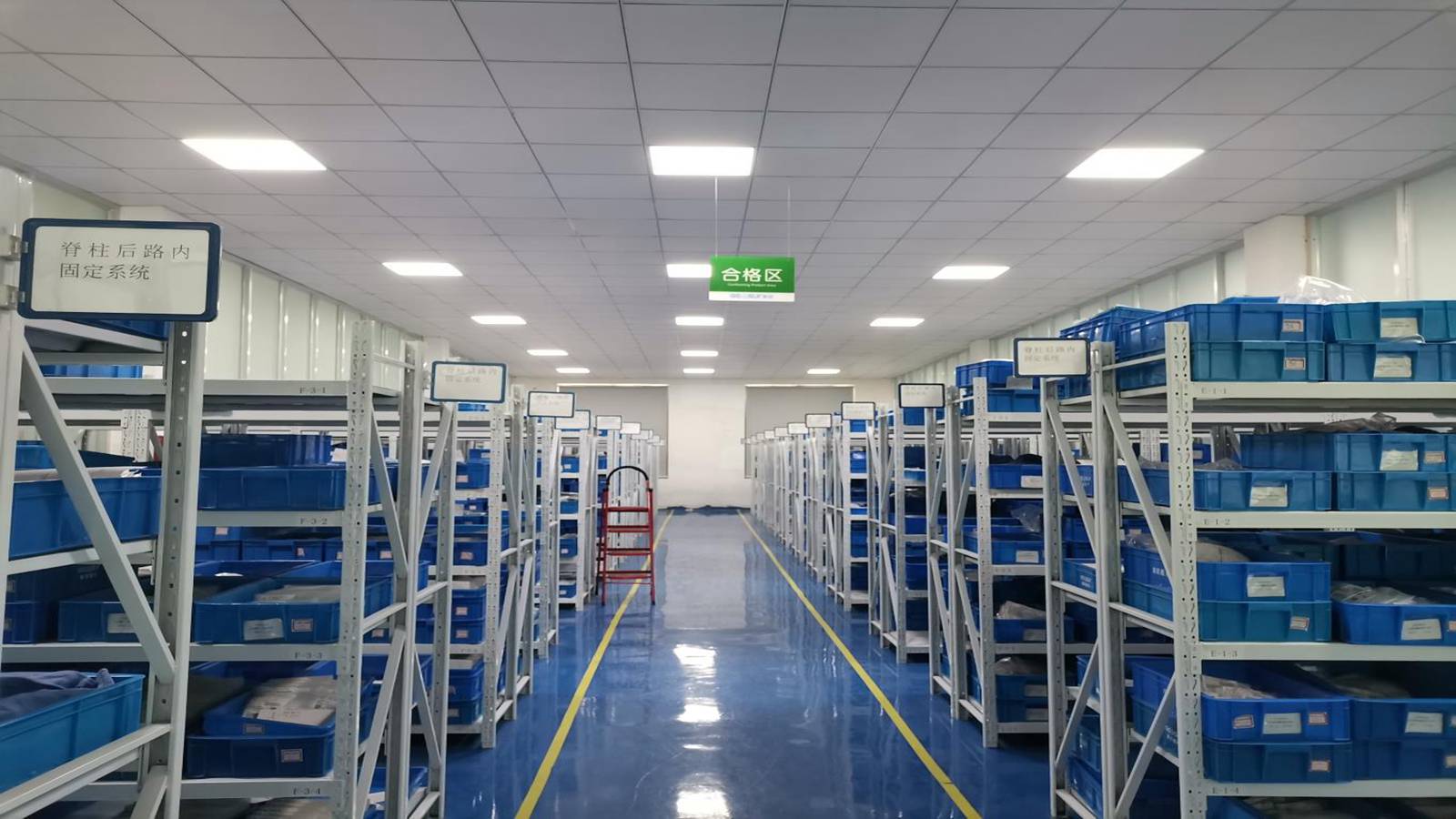
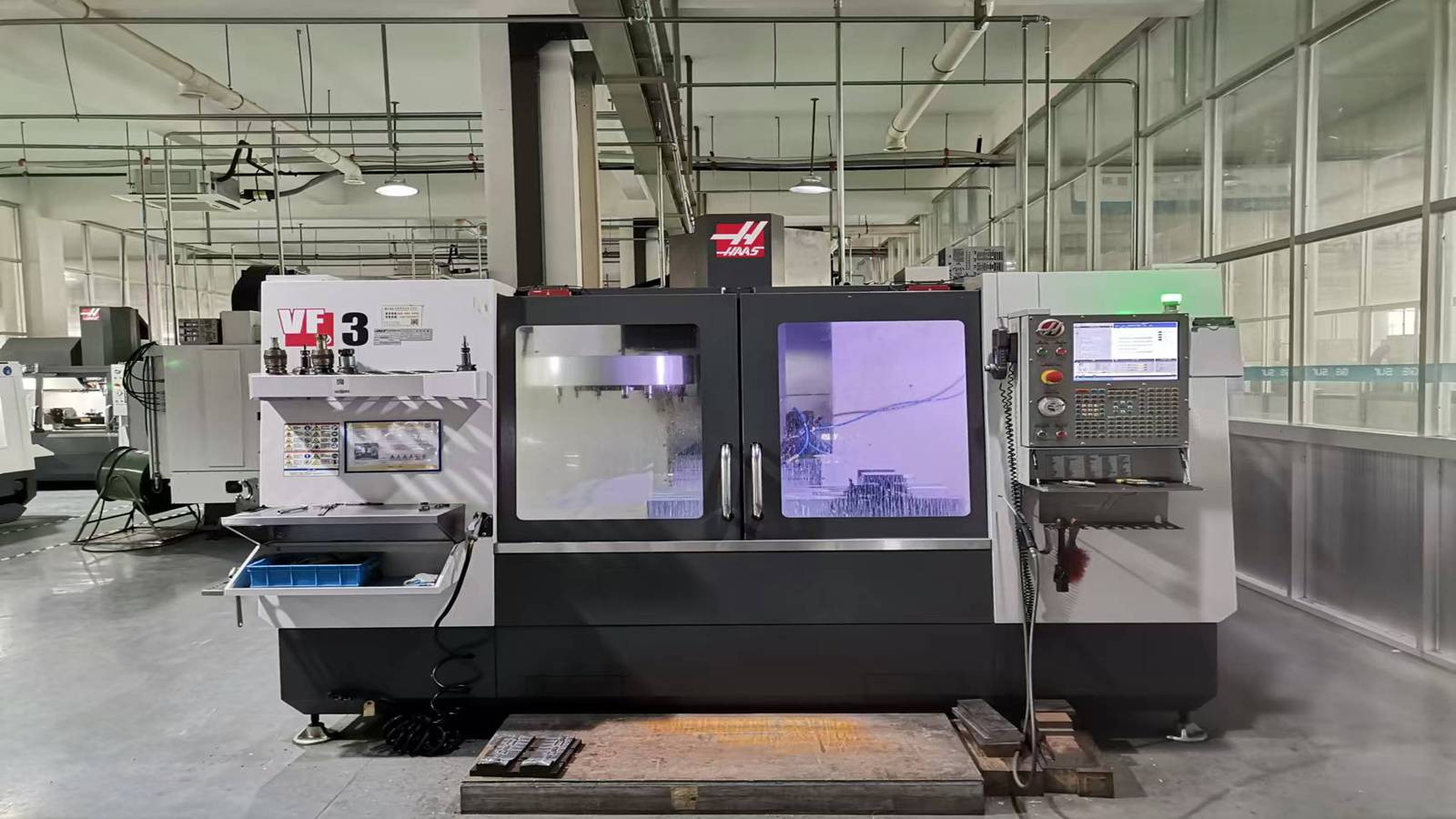
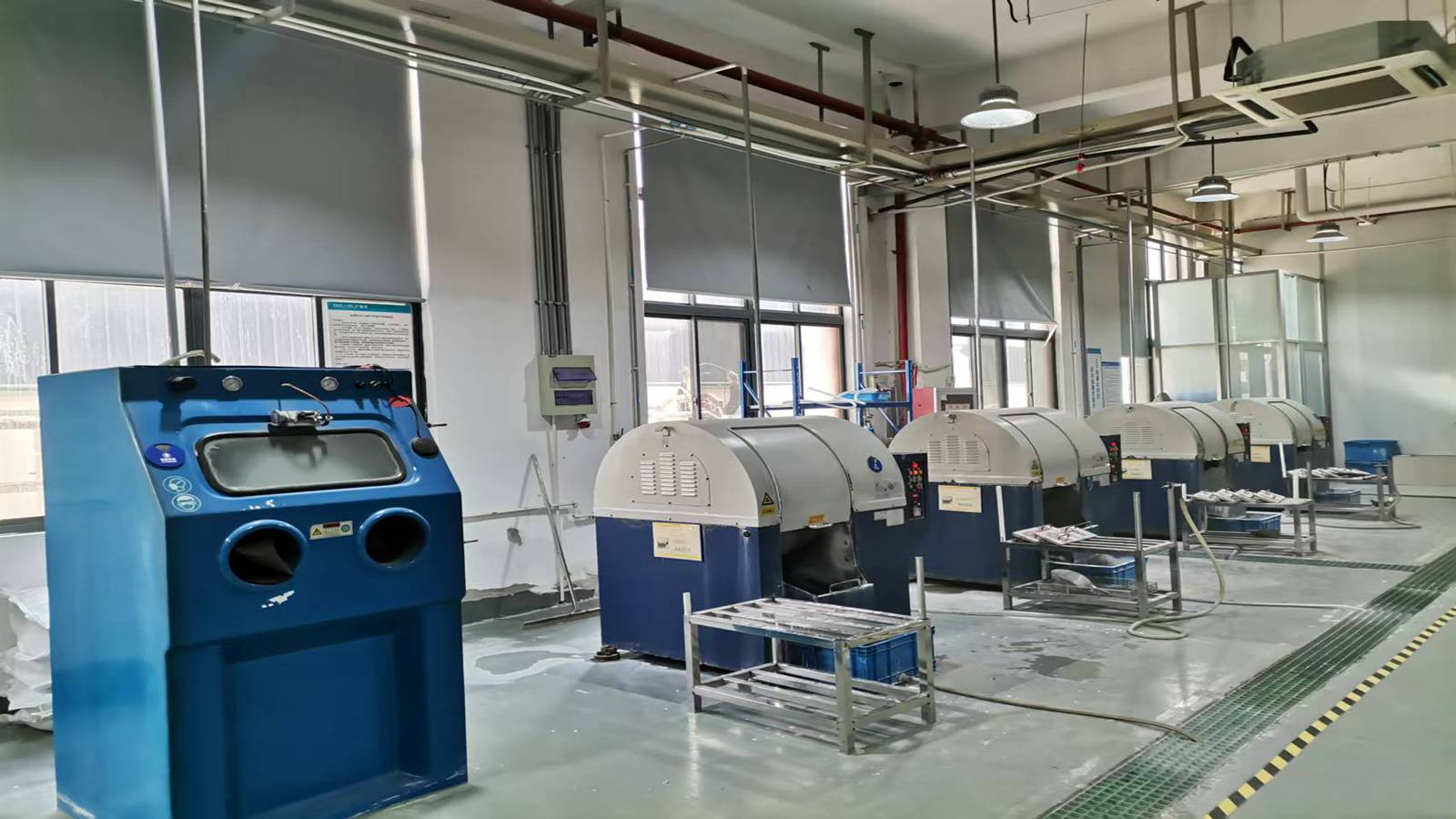
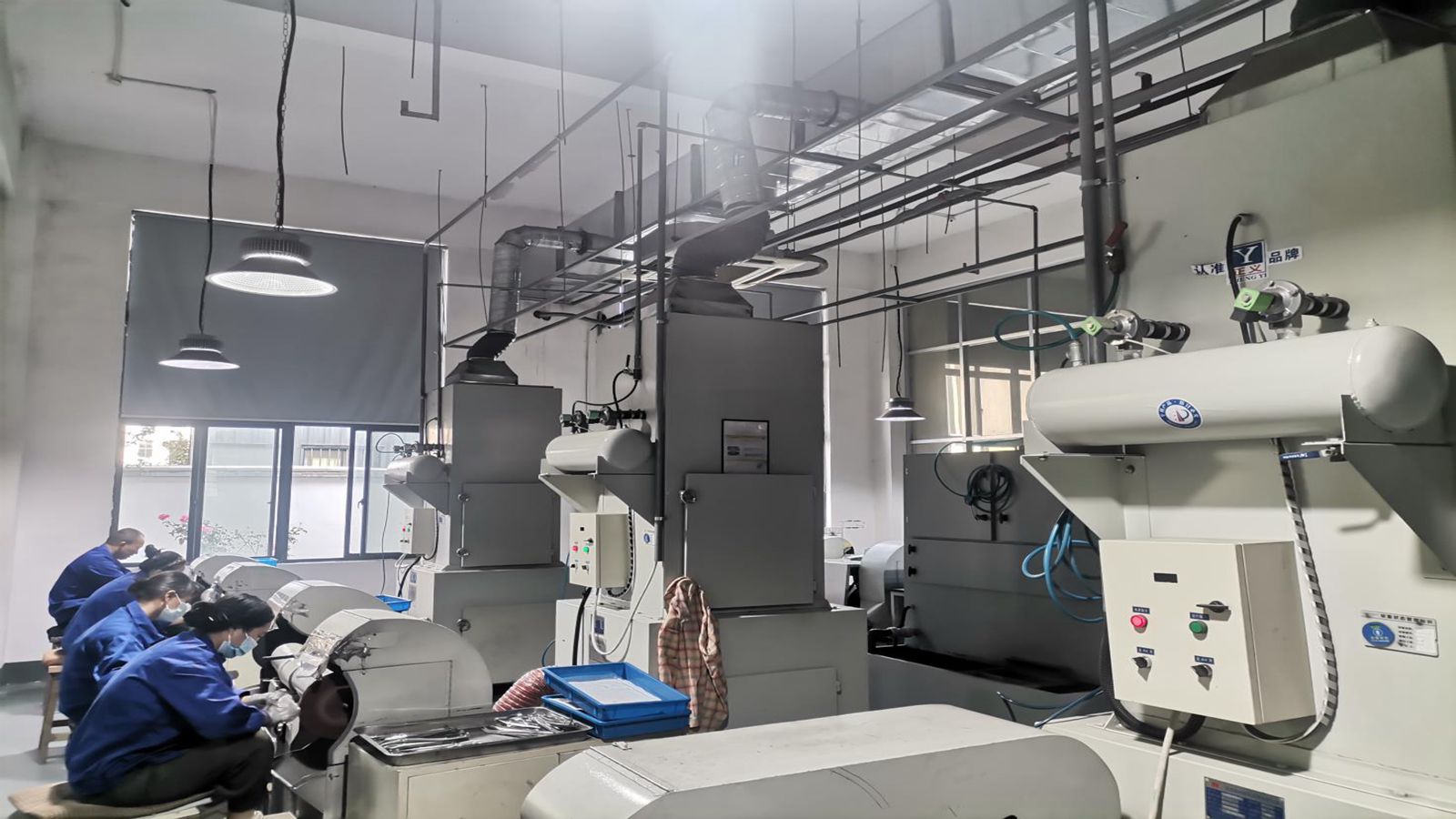
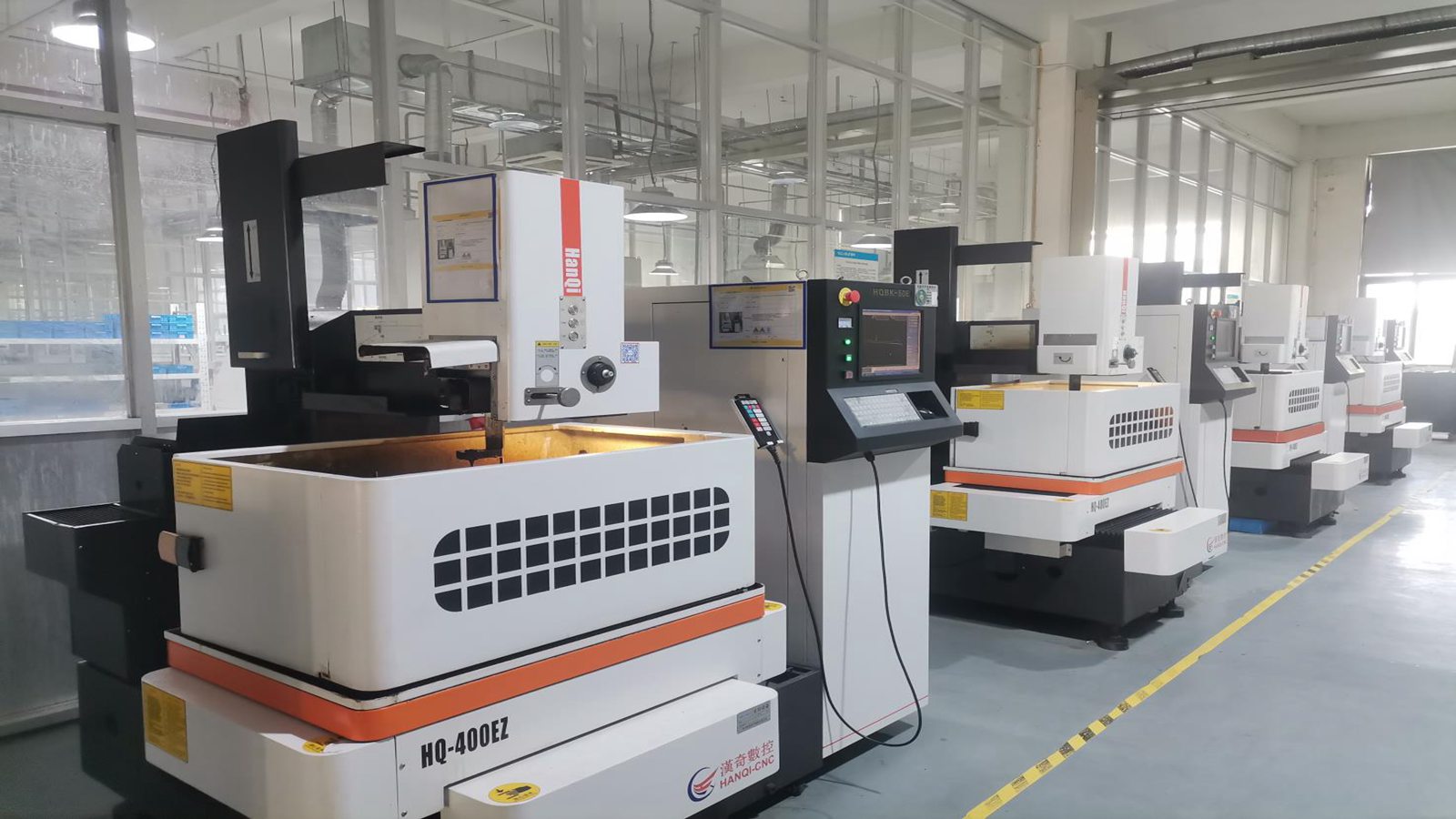
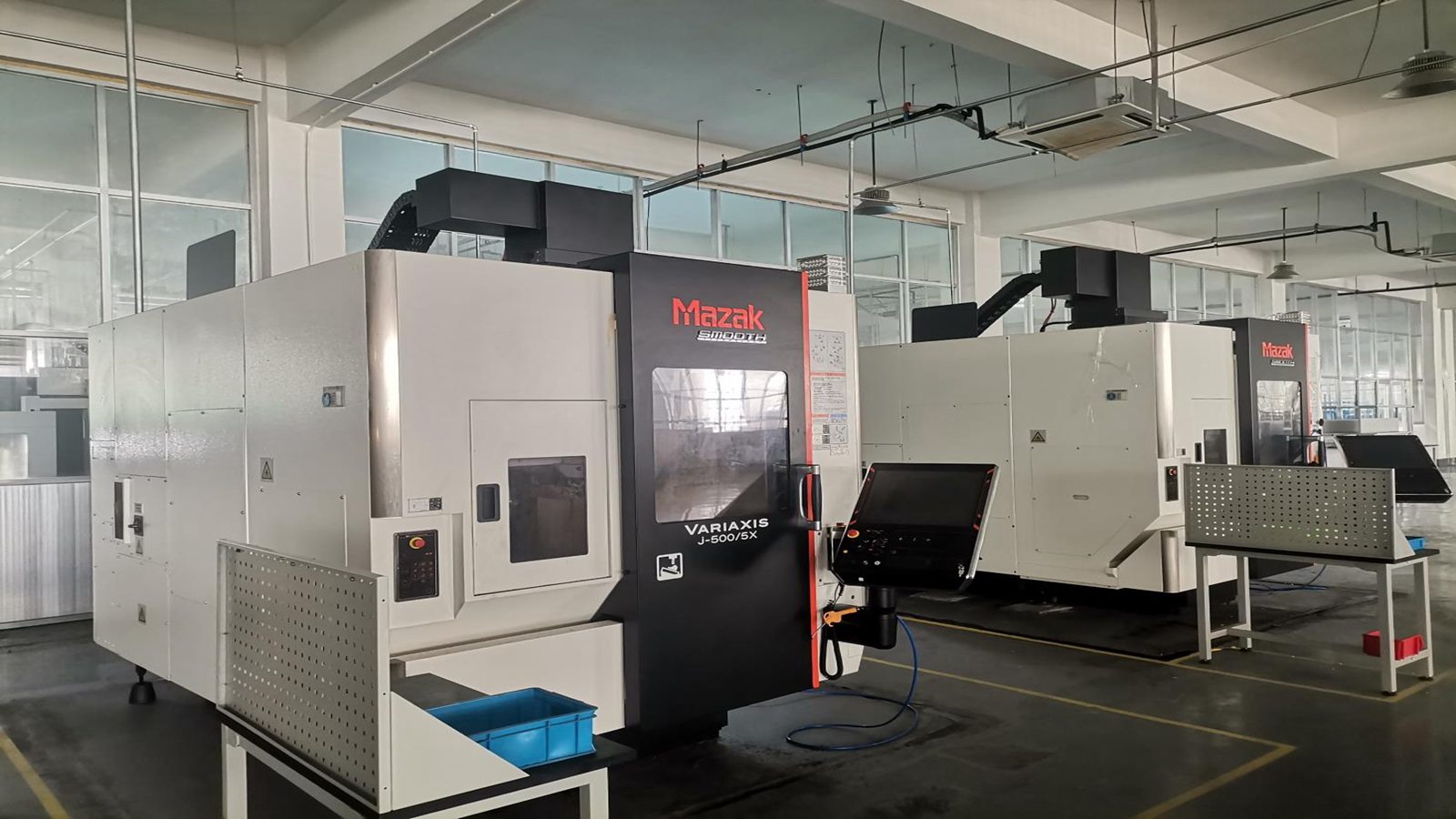
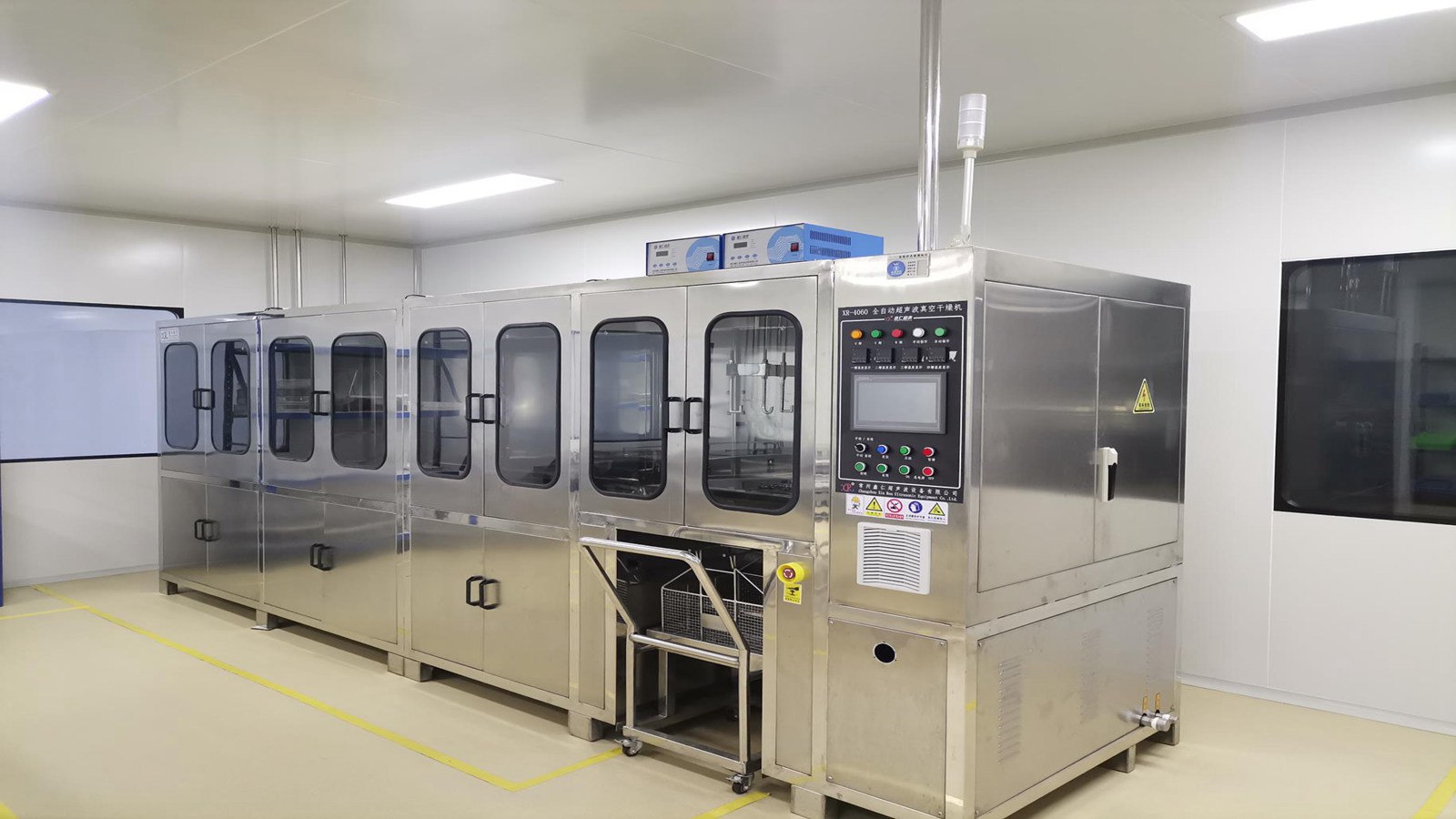
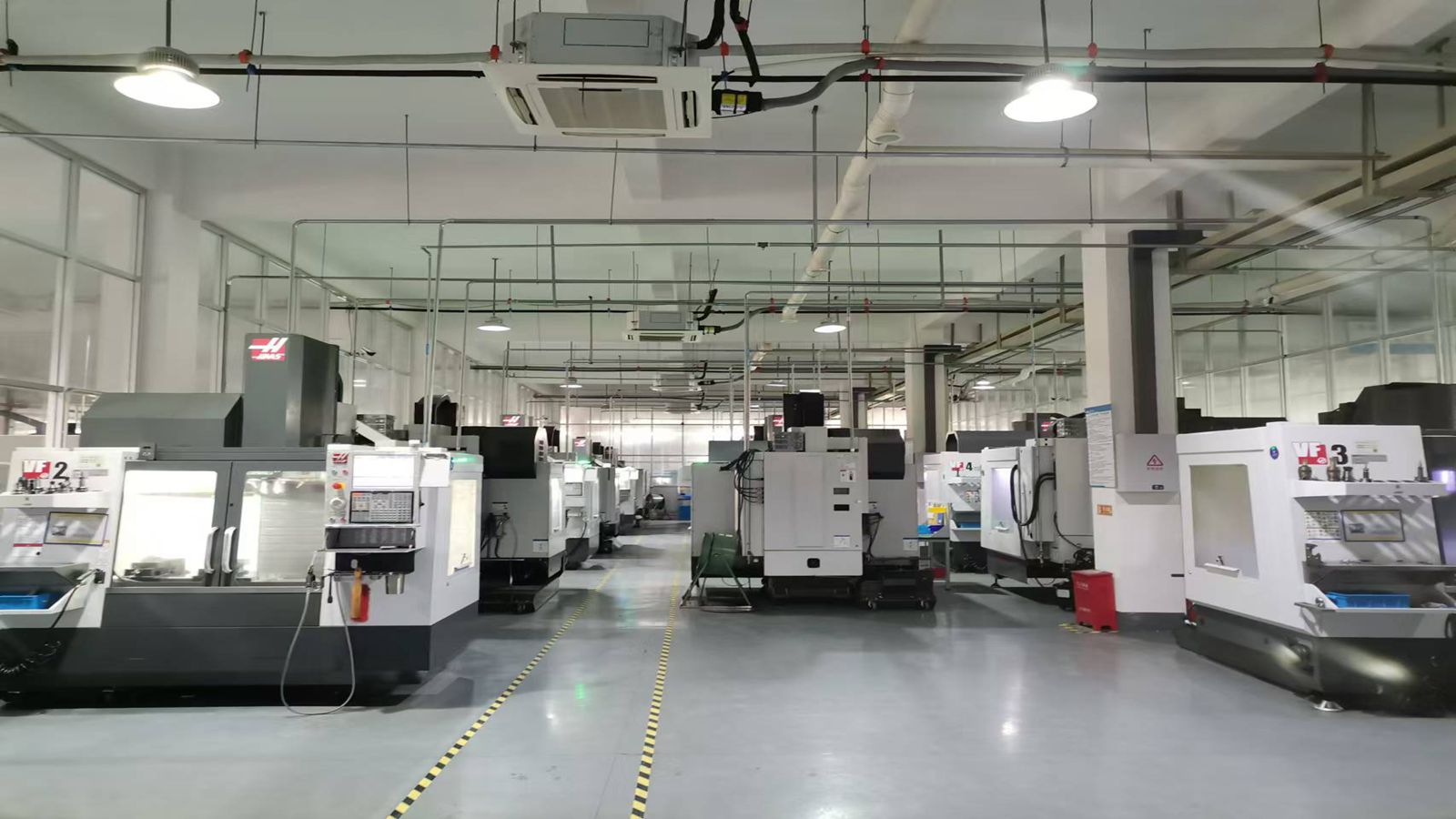
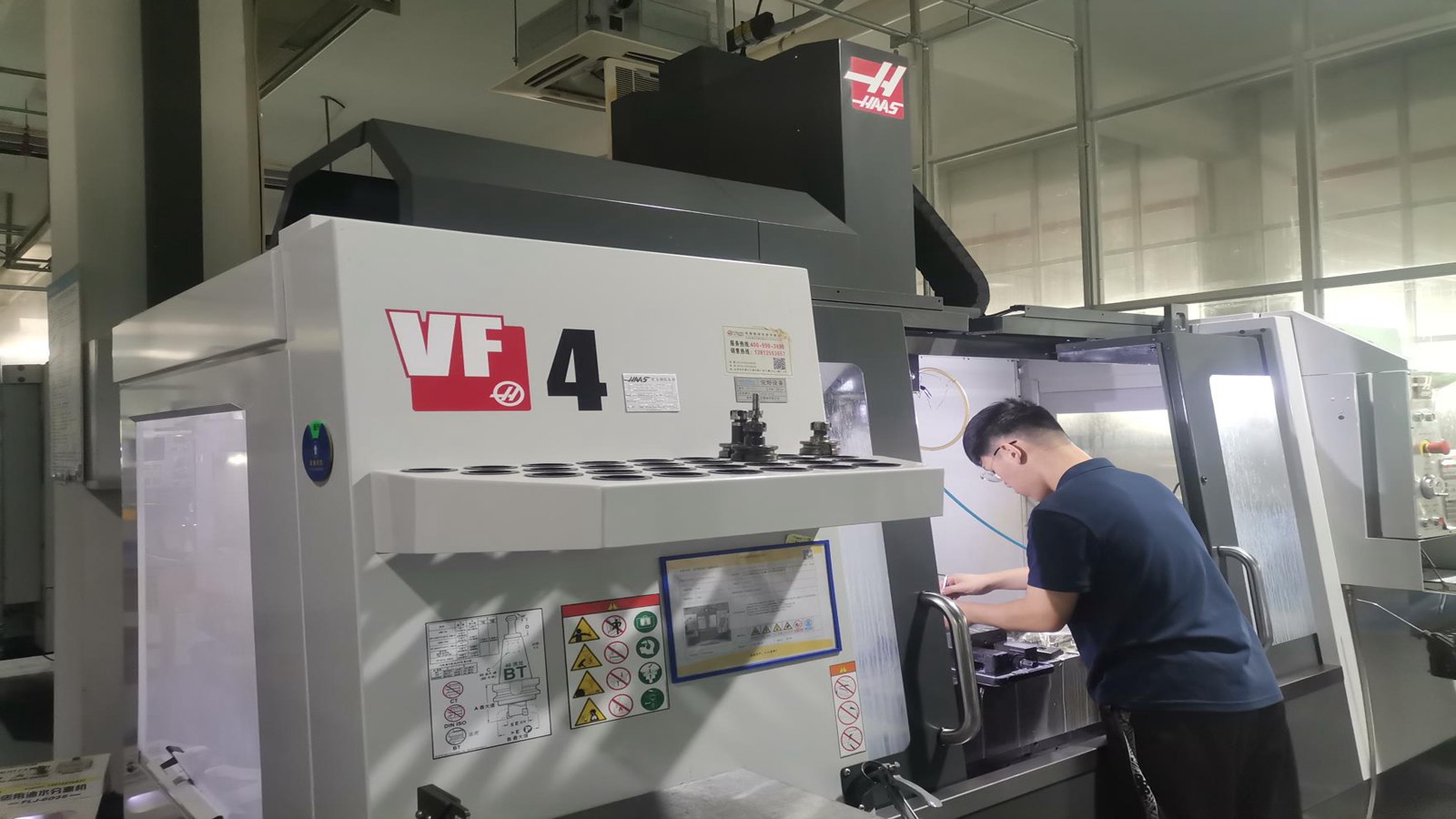
Inside our Class 100,000 Cleanroom & Advanced CNC Centers


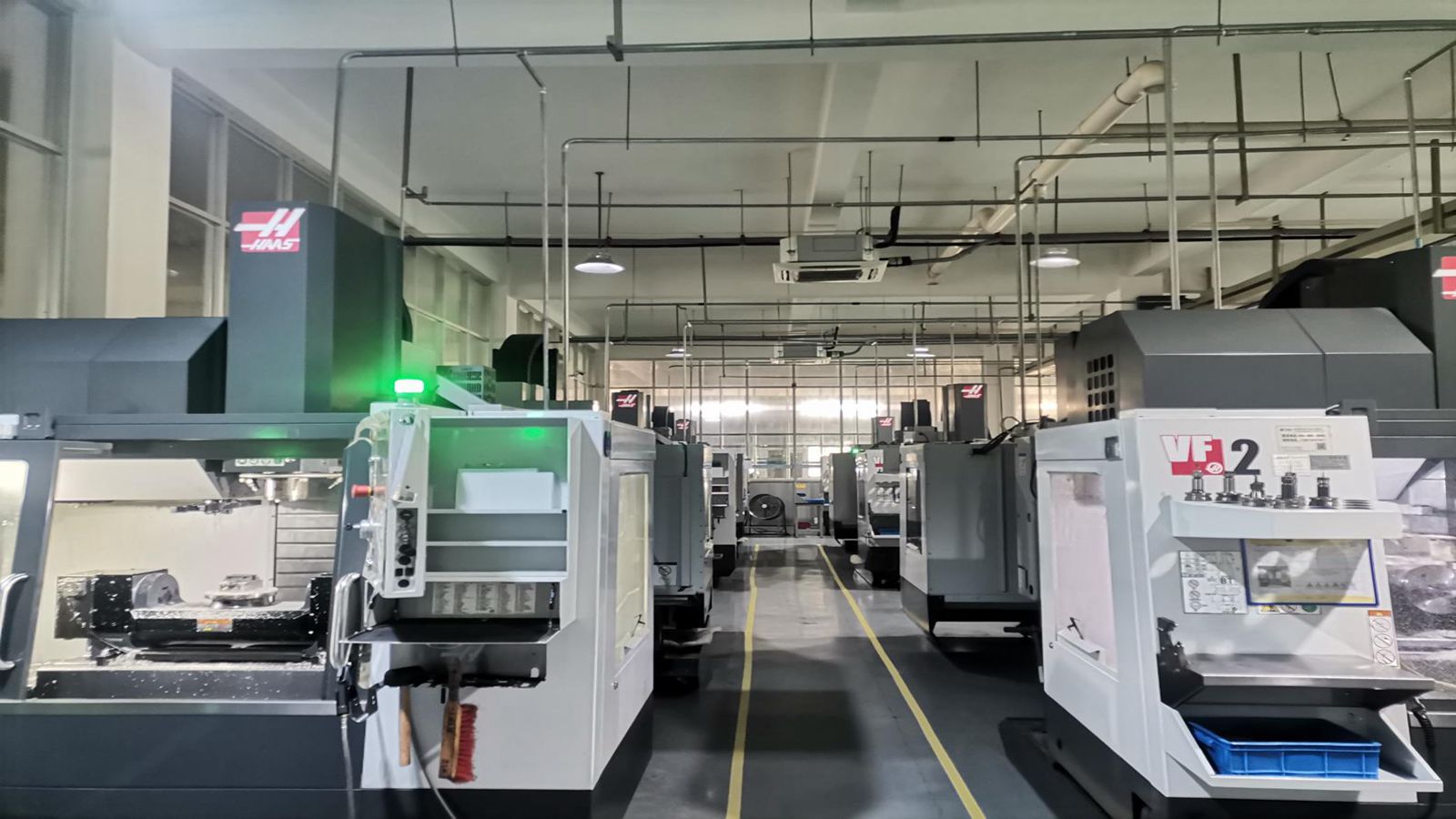
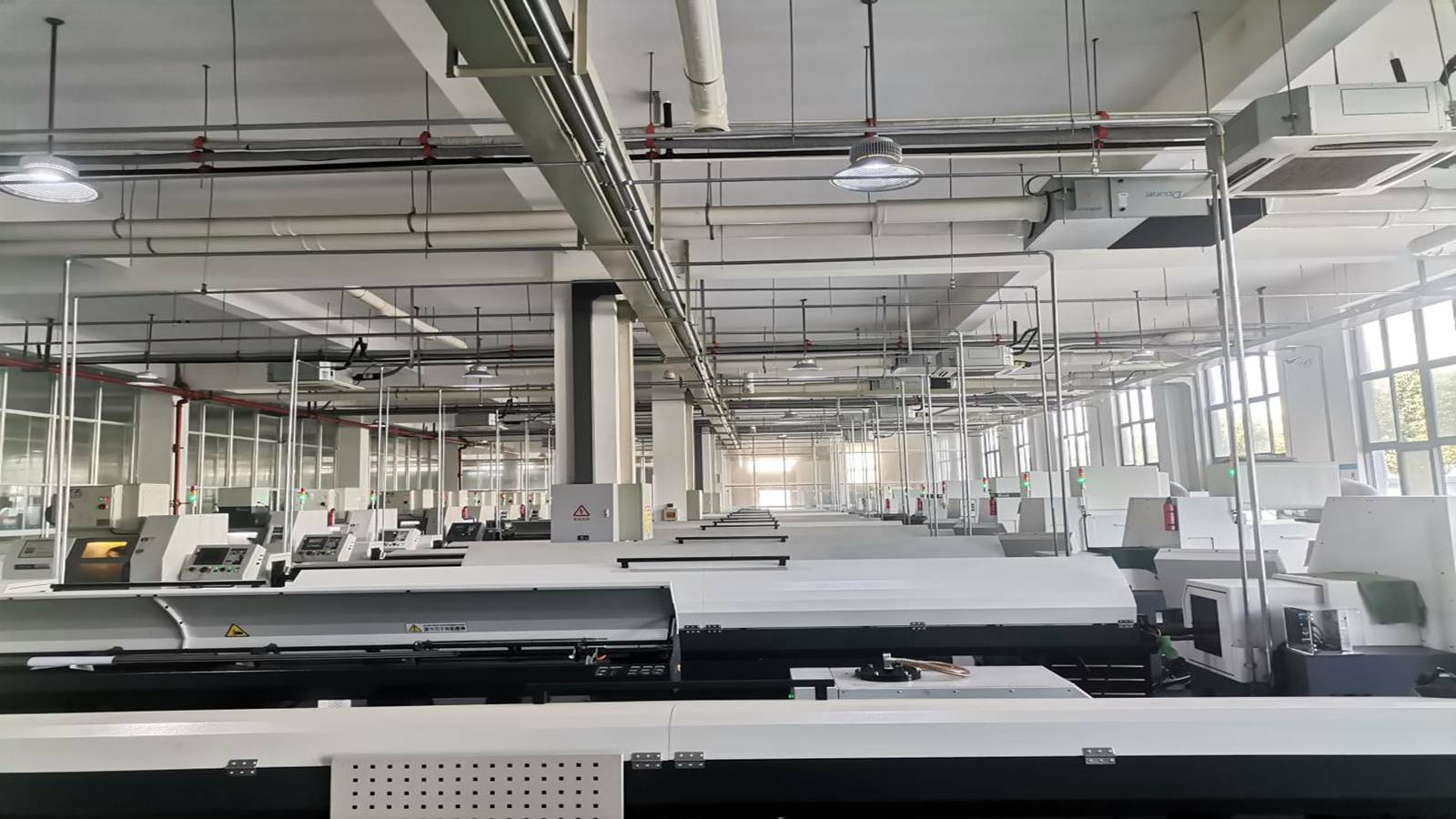
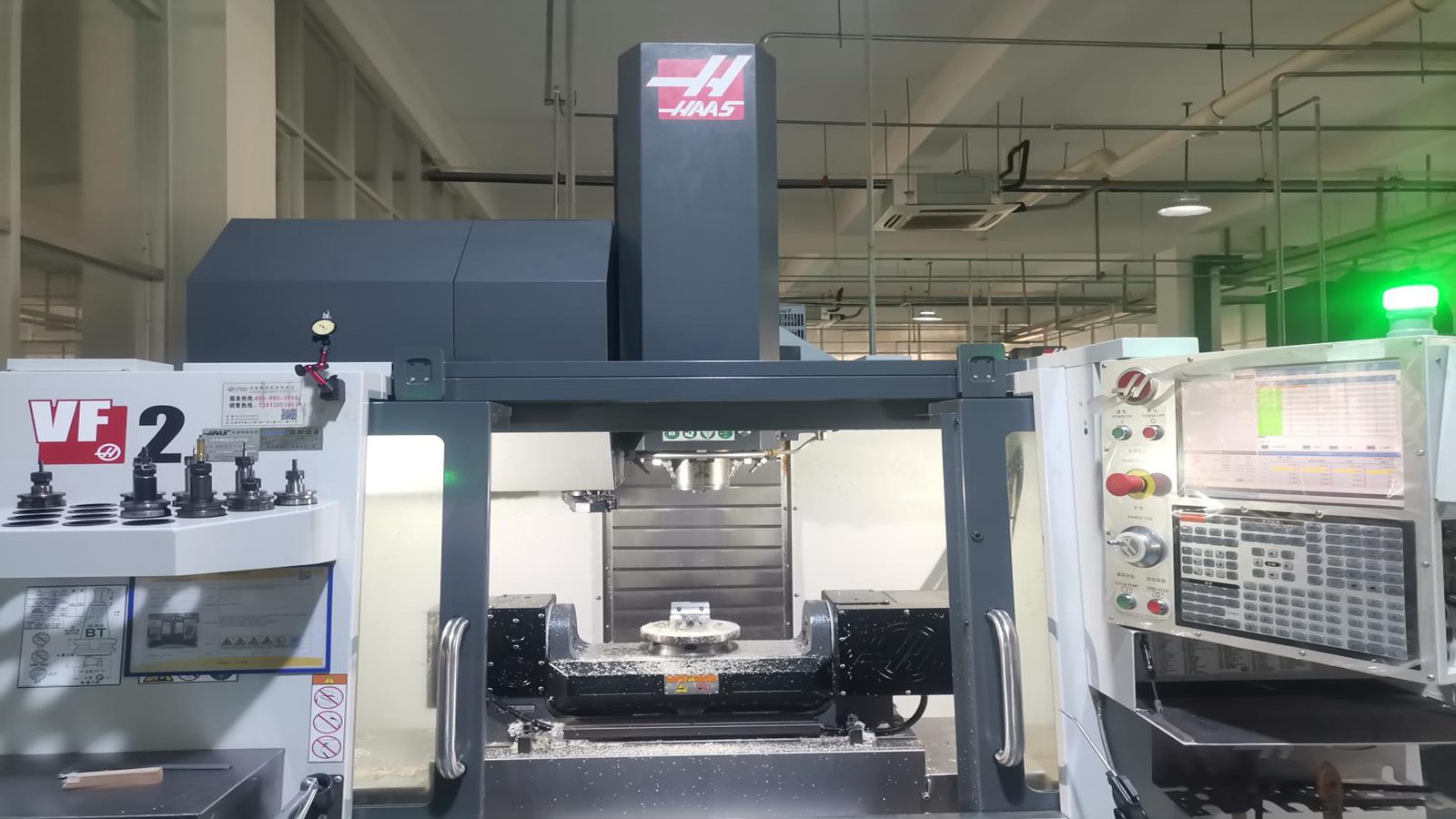
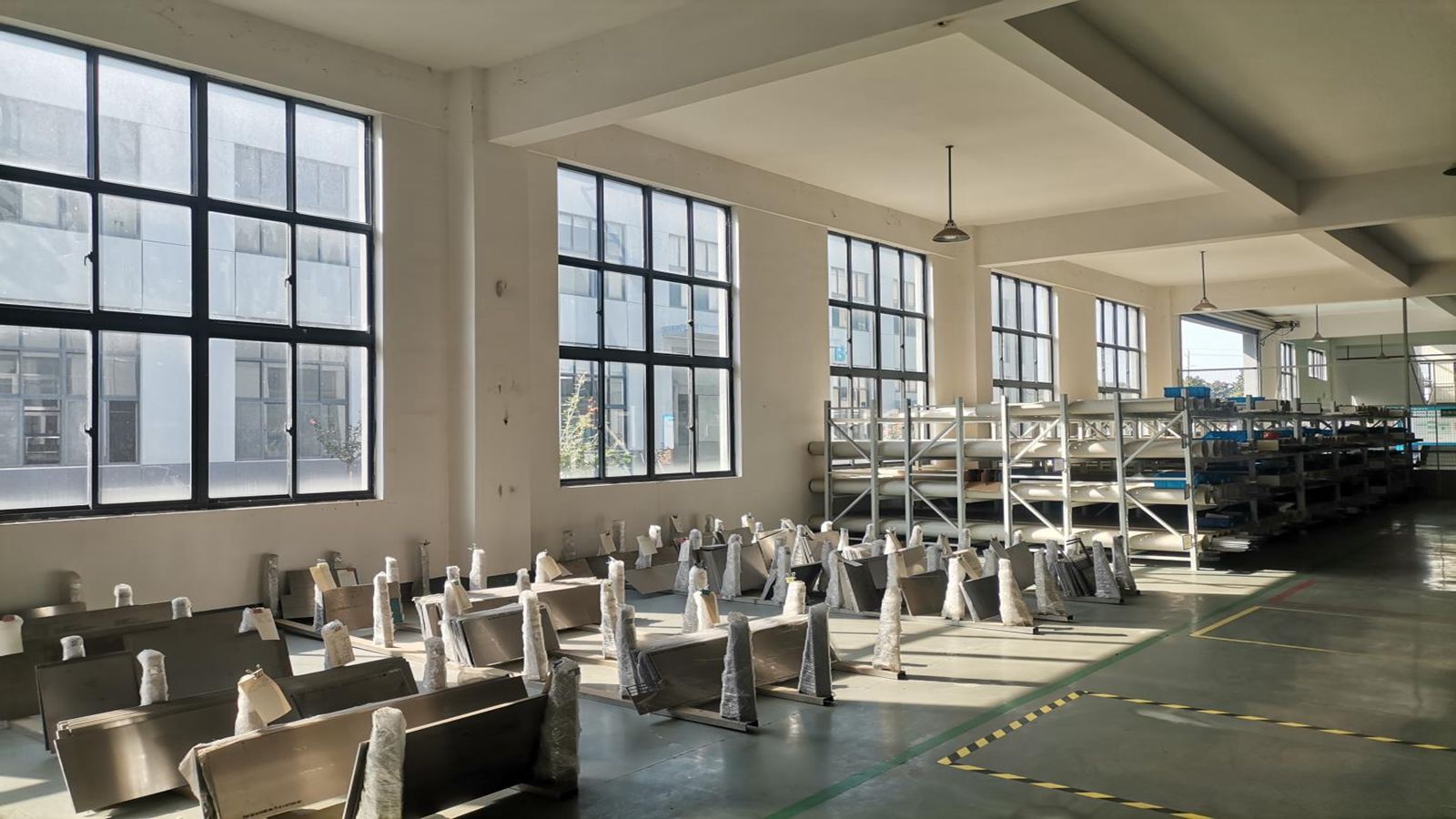
Procurement officers today focus on "Total Cost of Quality." It is not just the unit price but the longevity and clinical success rate of the instrument. Our Lifetime Warranty on Class III hospital application rods and couplings represents the pinnacle of reliability that global buyers demand.
Transition from volume-based procurement to value-based care. The shift toward MDR compliance has filtered out sub-standard manufacturers, leaving only those with deep technical dossiers.
The use of Grade 5 Titanium (Ti-6Al-4V) provides the perfect balance of tensile strength and osteointegration, essential for long-term internal fixation.

04723Q10000765

EPT 25 ISO 13485 0067

C730178

EPT 0477.MDR.26/6113
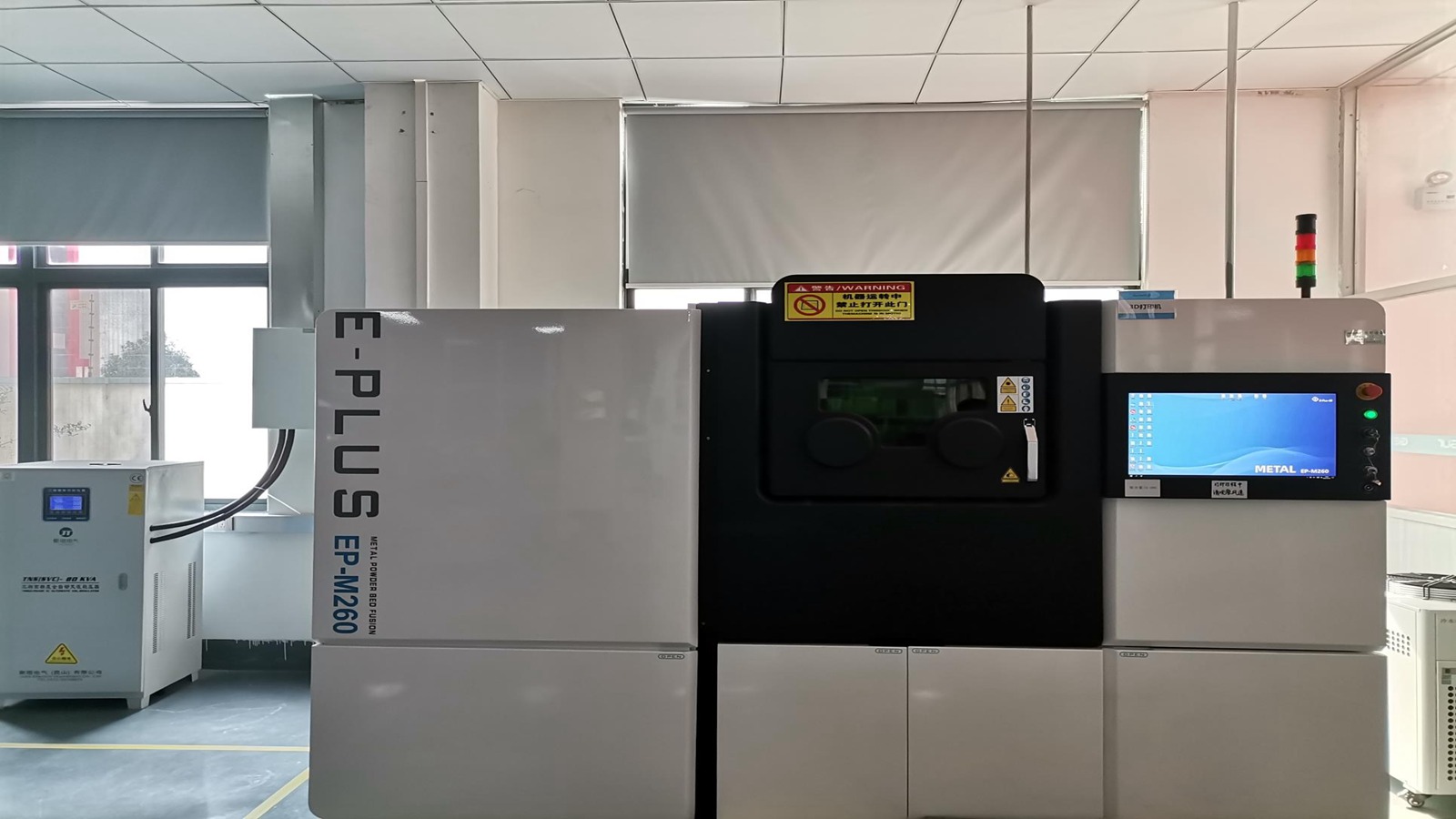
Equipped with 12 specialized production lines and 120+ high-precision machines, our facility handles everything from sample processing to graphic processing and customized on-demand manufacturing. Our R&D team comprises 31 experts, including doctorate and post-graduate levels, ensuring that every instrument is engineered for peak surgical performance.
The next generation of endoscopic instruments will feature integrated sensors to provide haptic feedback to surgeons during robotic-assisted procedures. As a top manufacturer, we are currently exploring the integration of smart materials that can communicate stress levels during orthopedic fixation.
3D printing of titanium implants allows for porous structures that mimic human bone trabeculae, significantly improving osteointegration. Our R&D department is focusing on hybrid manufacturing techniques that combine traditional CNC precision with 3D-printed complexity.
Global hospitals are increasingly demanding eco-friendly packaging and recyclable instruments. We are optimizing our production lines to reduce waste and implementing energy-efficient manufacturing processes in our 30,343㎡ facility.
Beyond titanium, the use of specialized PEEK polymers for lumbar fusion and cervical cages provides radiolucency, allowing surgeons to better monitor the healing process through imaging without the interference of metallic artifacts.