Ease Medical Apparatus And Instruments
Ease Medical Apparatus And Instruments
Ease Medical Apparatus And Instruments
Explore our premium clinical selections of implant assemblies, fracture fixators, and orthopaedic surgery instrument kits manufactured under strict CE and ISO medical regulatory environments.
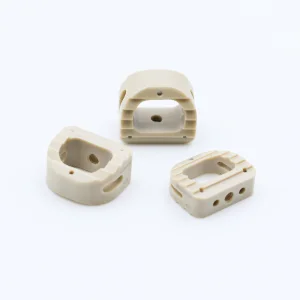
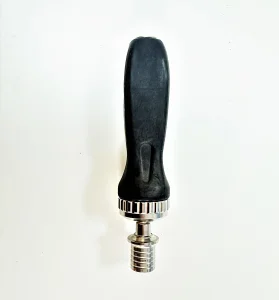
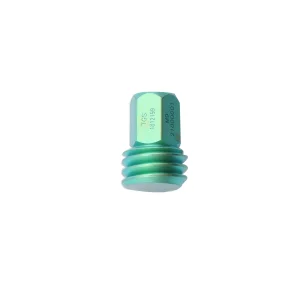
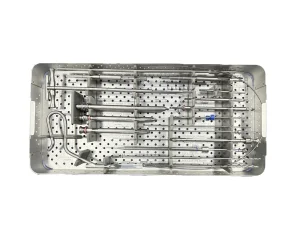
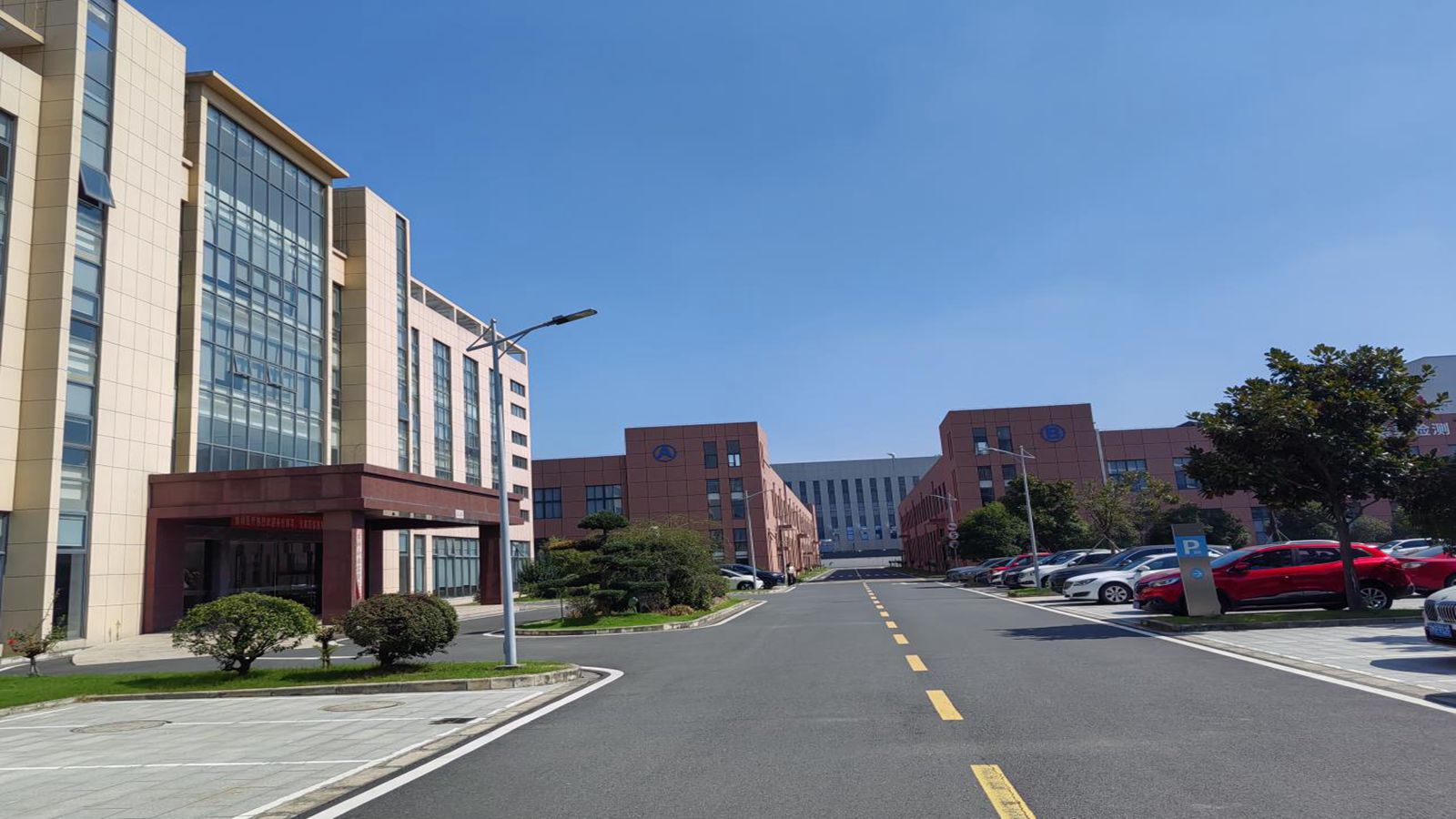
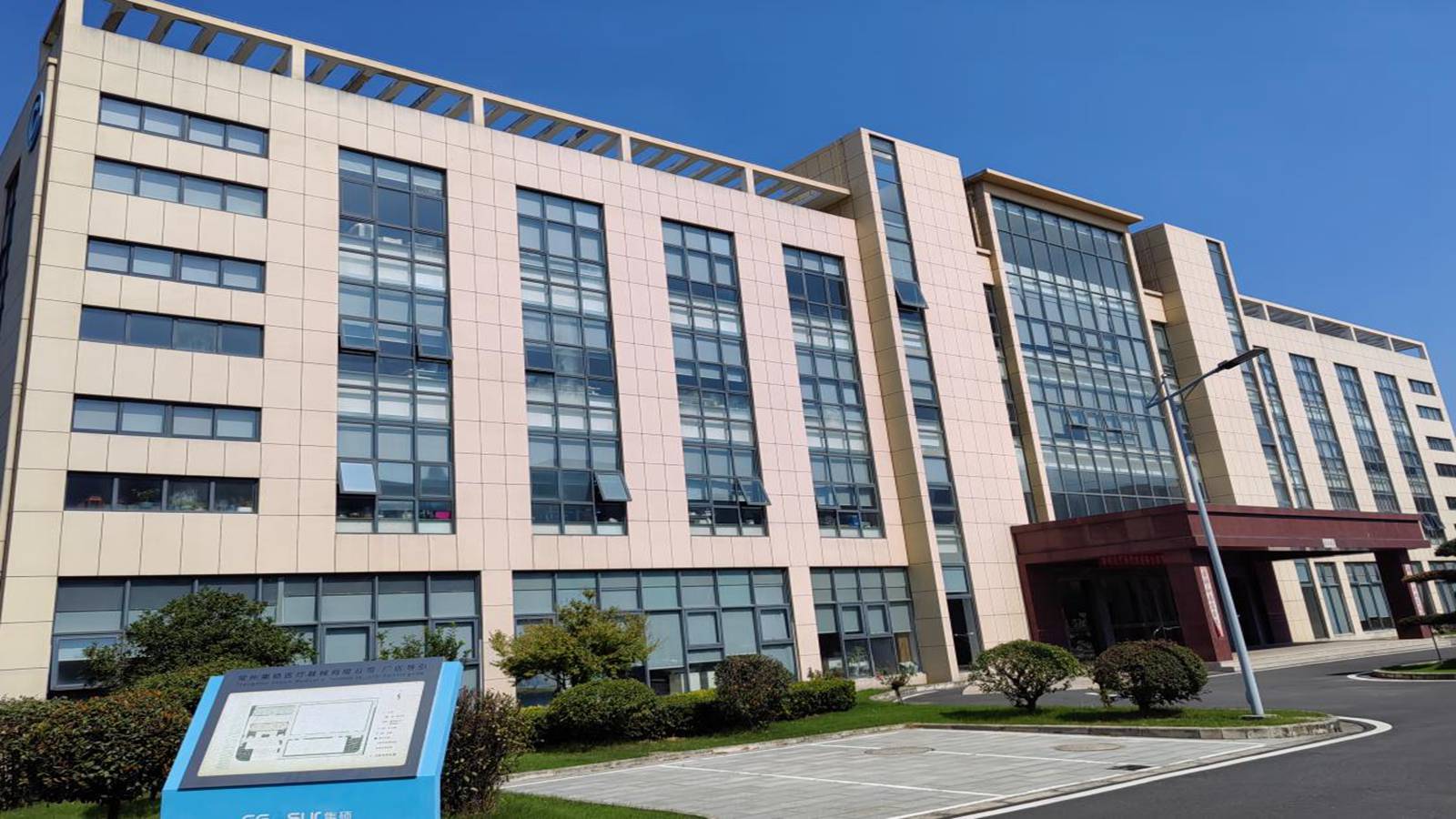
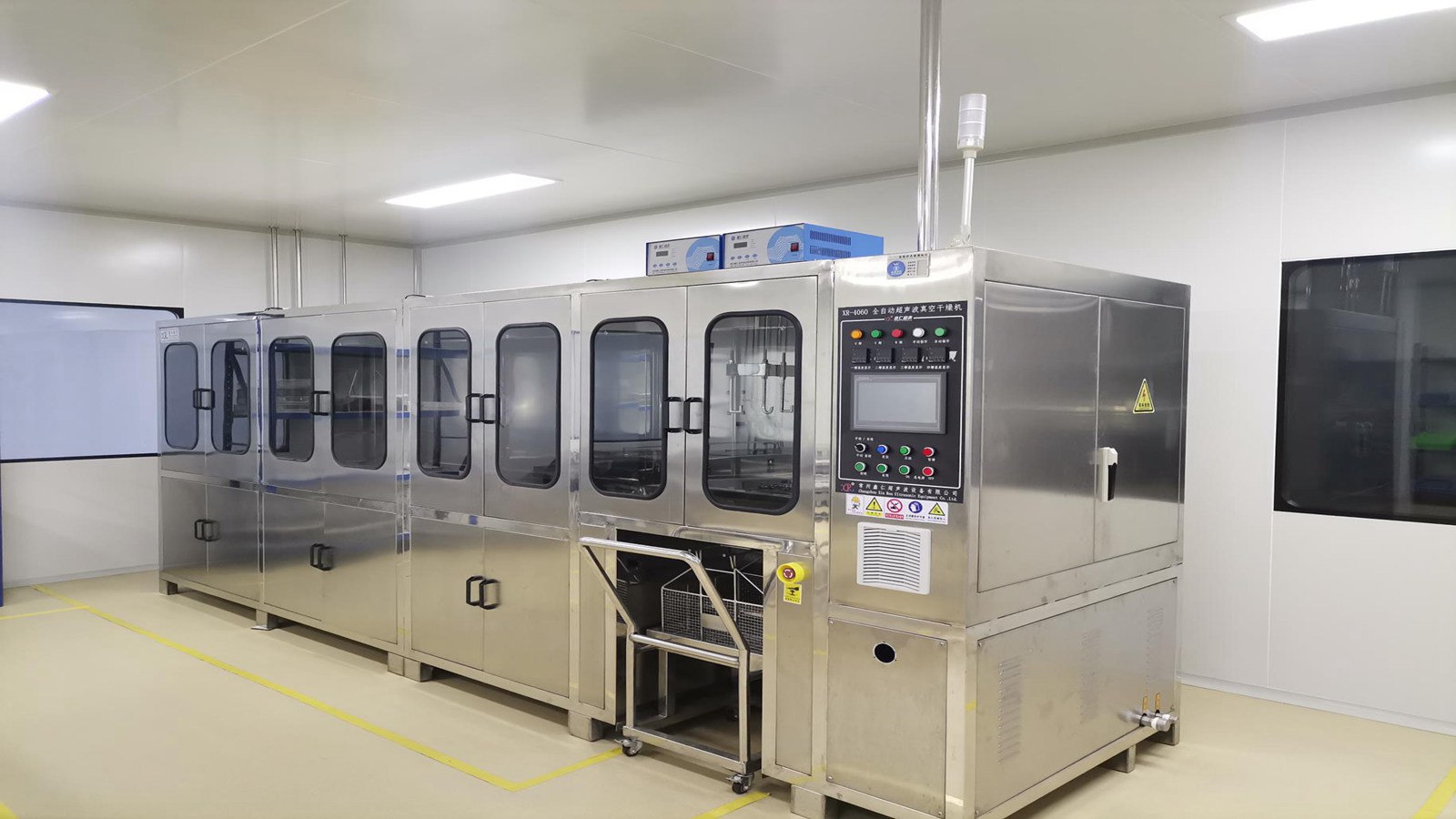
Established in 2015, we operate a world-class manufacturing center spanning over 30,343 square meters. By integrating state-of-the-art multi-axis CNC machines and maintaining Class 100,000 cleanrooms, we support the rigorous clinical requirements of healthcare markets worldwide.
China's surgical instrument manufacturing sector has experienced a profound structural evolution over the past decade. It has transitioned from manufacturing basic general surgical instruments to producing sophisticated, class III implantable orthopedic systems. Chinese factories leverage deep vertical integration, grouping raw titanium processing, advanced precision machining, post-passivation, and sterilized packaging within unified economic zones. This geographic consolidation maximizes efficiency while ensuring consistent quality control standards.
Our facility implements advanced manufacturing technologies to supply international distributors with high-performance orthopedic implants and tools. By utilizing grade 23 titanium alloy (Ti-6Al-4V ELI) and medical-grade PEEK, we manufacture implants that possess excellent biocompatibility, robust fatigue strength, and optimal elasticity profiles to prevent stress shielding. Our structural integration helps global purchasers balance product durability with clinical reliability.
| Quality Personnel | 36 Certified QA/QC Inspectors |
| R&D Roster | 31 Engineers (1 Doctorate, 11 Post-Grad) |
| Traceability | 100% Raw Material Heat/Lot Traceability |
| Inspection Protocol | Comprehensive First-Article, In-Process, & FAI |
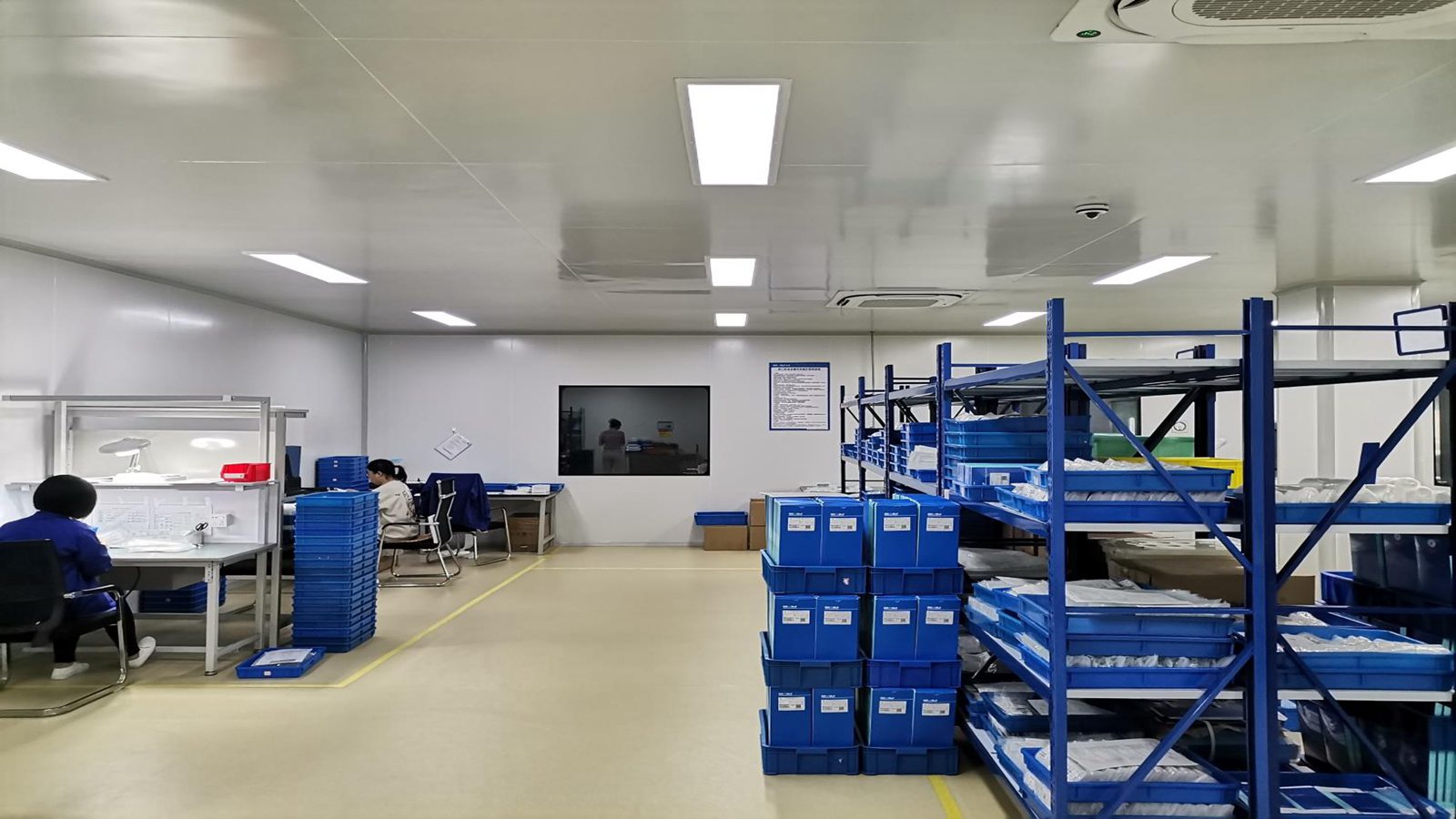
| Production Cleanroom | ISO Class 7 (Class 10,000) equivalent zones |
A comprehensive overview of our active global certifications validating our commitment to international safety and quality standards.
We maintain active compliance under Class III and Class IIb orthopedic devices, with designated cert numbers EPT 0477.MDR.25/5905, EPT 0477.MDR.25/5973, and EPT 0477.MDR.26/6113. This guarantees compliance with clinical safety standards across the European Union.
Our quality management system is audited under ISO13485 (Cert No. 04723Q10000765) and EN ISO 13485 (Cert No. EPT 25 ISO 13485 0067), encompassing all phases from initial device design to post-market surveillance.
Our compliance is certified under the Medical Device Single Audit Program (MDSAP Certificate: C730178), simplifying market entry and regulatory alignment in the United States (FDA), Canada (HC), Australia (TGA), Brazil (ANVISA), and Japan (MHLW/PMDA).
 ISO13485 (04723Q10000765)
 EN ISO 13485 (EPT 25 ISO 13485 0067)
 MDSAP (C730178)
 CE MDR (EPT 0477.MDR.25/5905)
Choosing appropriate materials is a critical design step for implantable orthopedic hardware. Titanium Alloy (Ti-6Al-4V ELI / ASTM F136) is a key material in trauma fixation devices, such as intramedullary nails, distal locking plates, and spine pedicle screws. It offers high fatigue strength, biocompatibility, and resistance to corrosion in bodily fluids. However, titanium's elastic modulus is higher than that of cortical bone, which can sometimes lead to stress shielding.
To reduce stress shielding risks, spinal fusion procedures increasingly utilize Polyetheretherketone (PEEK-OPTIMA® / ASTM F2026). PEEK's elastic modulus closely matches that of human cortical bone, which helps maintain physiological stress distribution and promotes natural bone fusion. Additionally, PEEK is radiolucent, allowing surgeons to monitor fusion progress on postoperative X-rays without artifacts from metal implants.
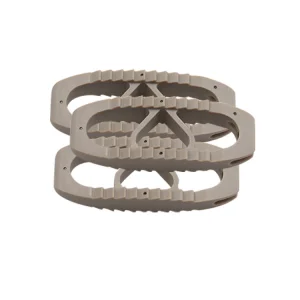
Our production facilities utilize both materials. This allows us to manufacture complex structures, including PEEK cervical interbody cages equipped with integrated titanium markers for clear fluoroscopic positioning.
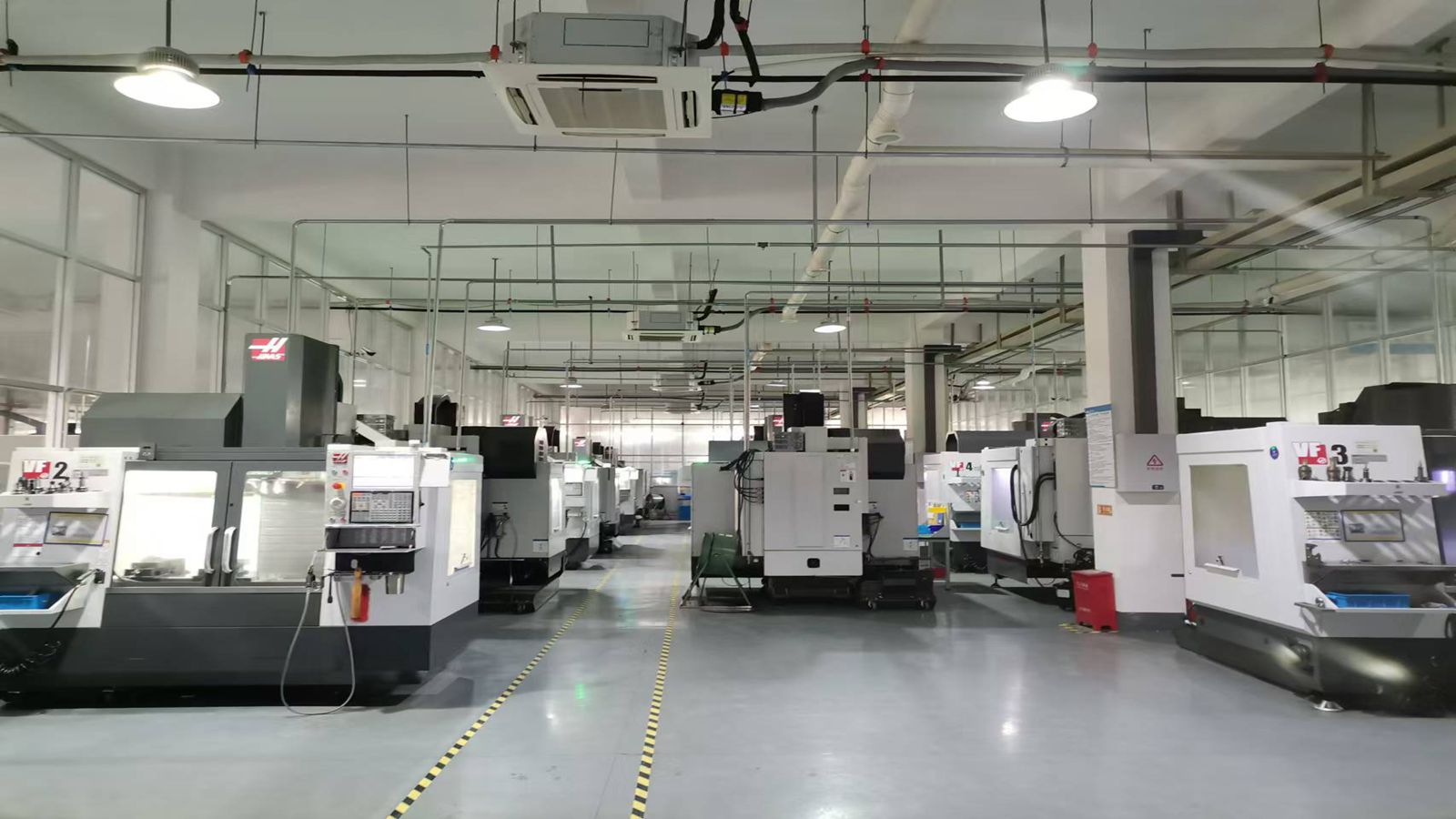
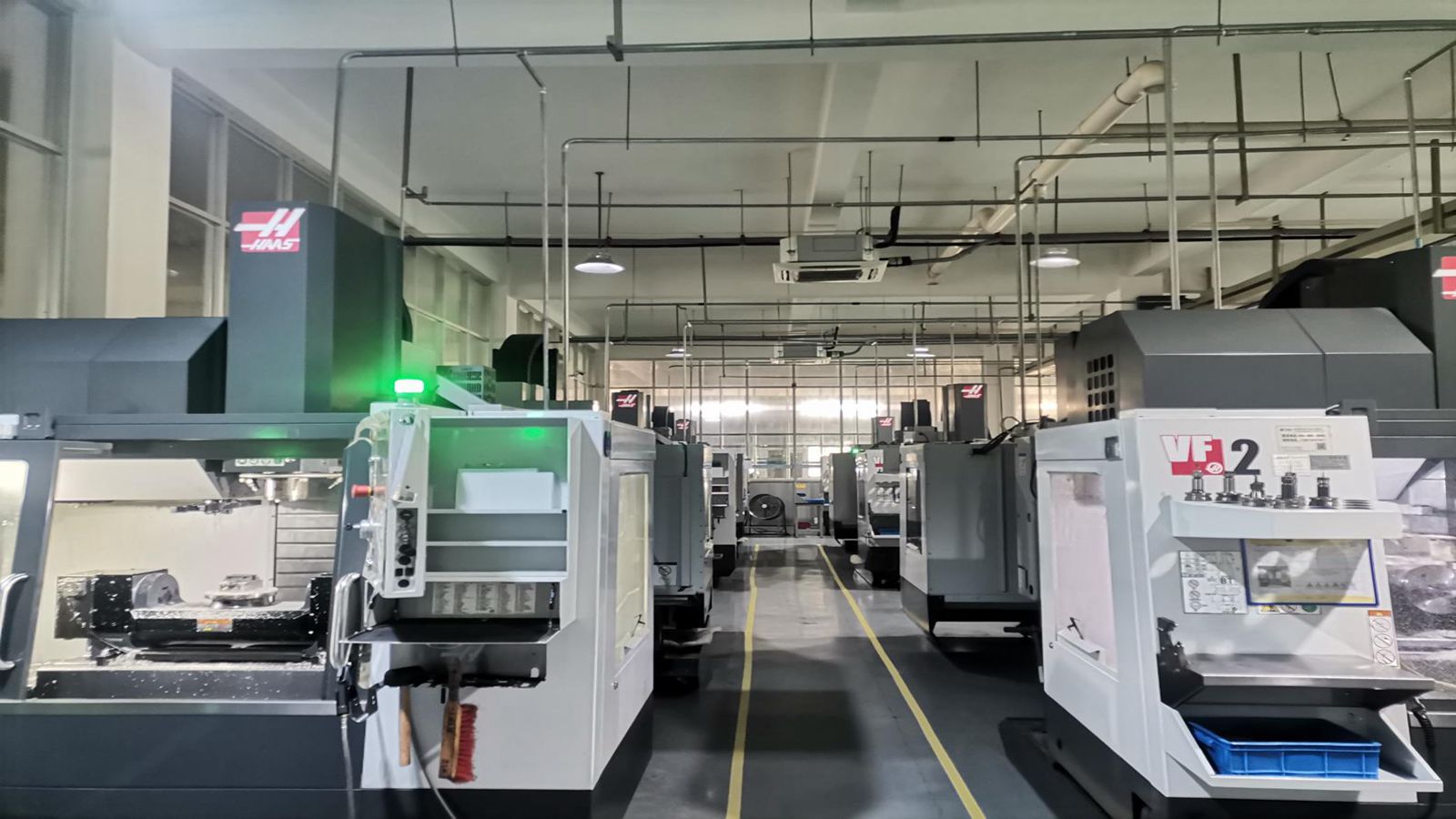
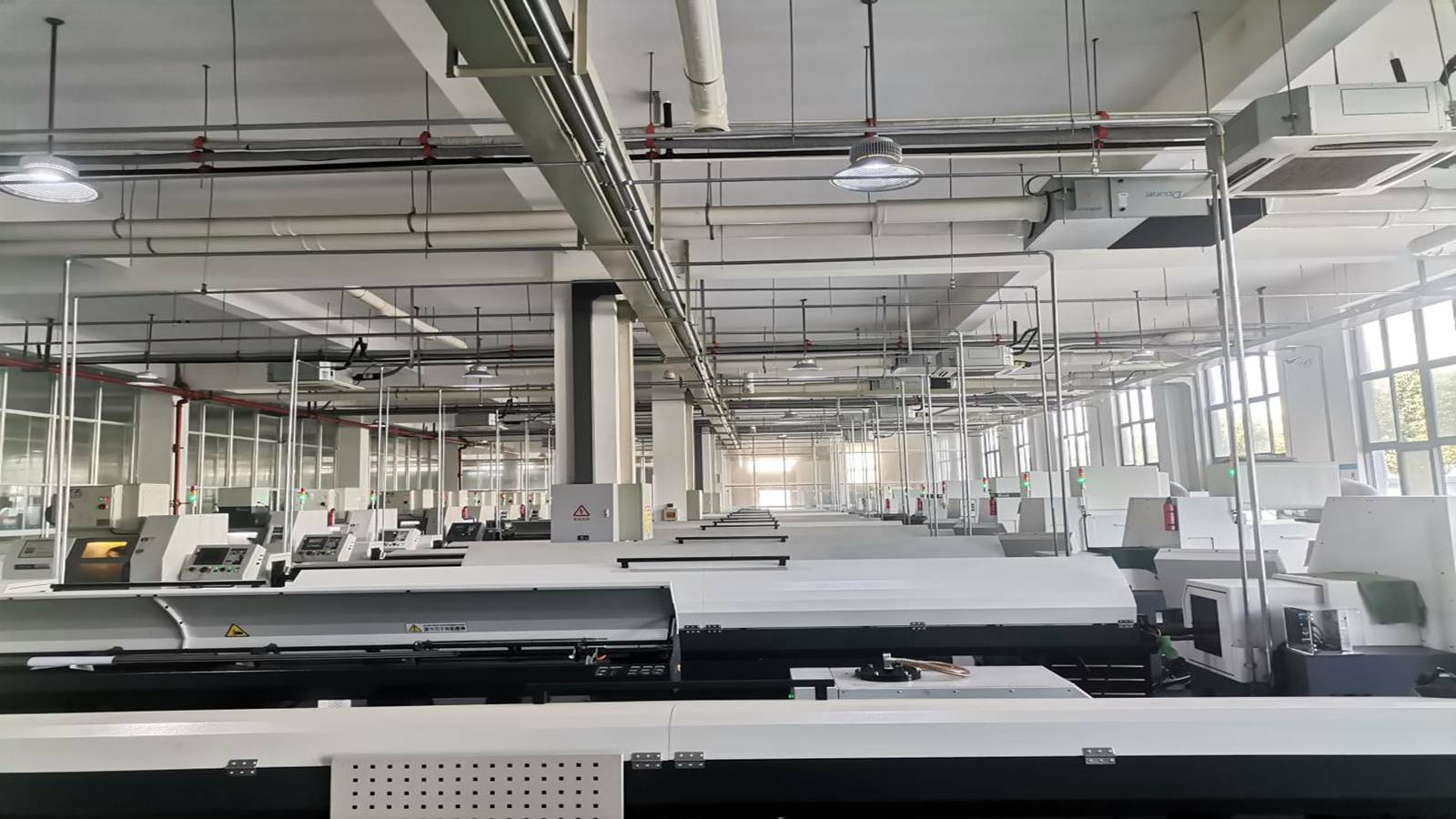
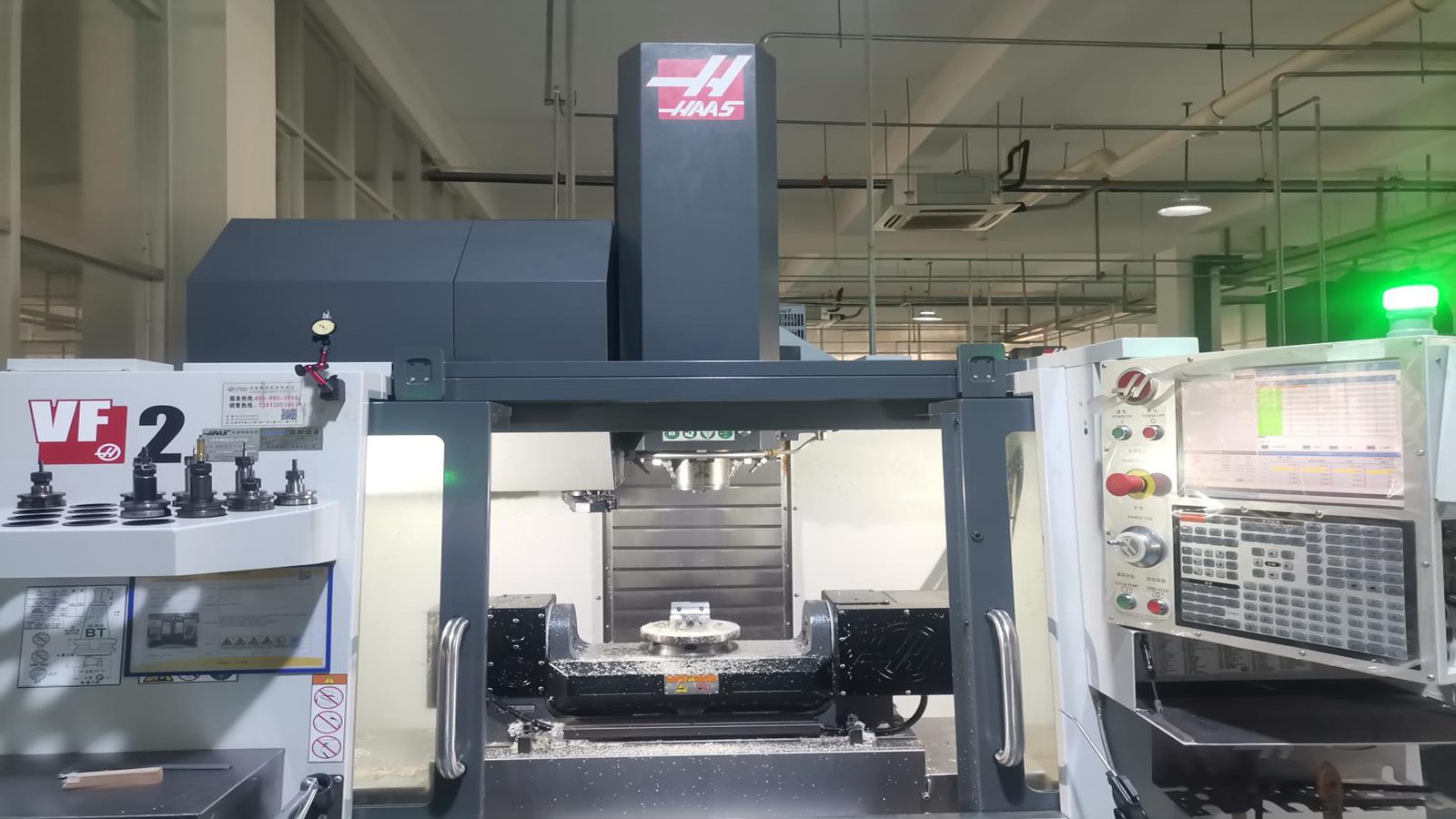
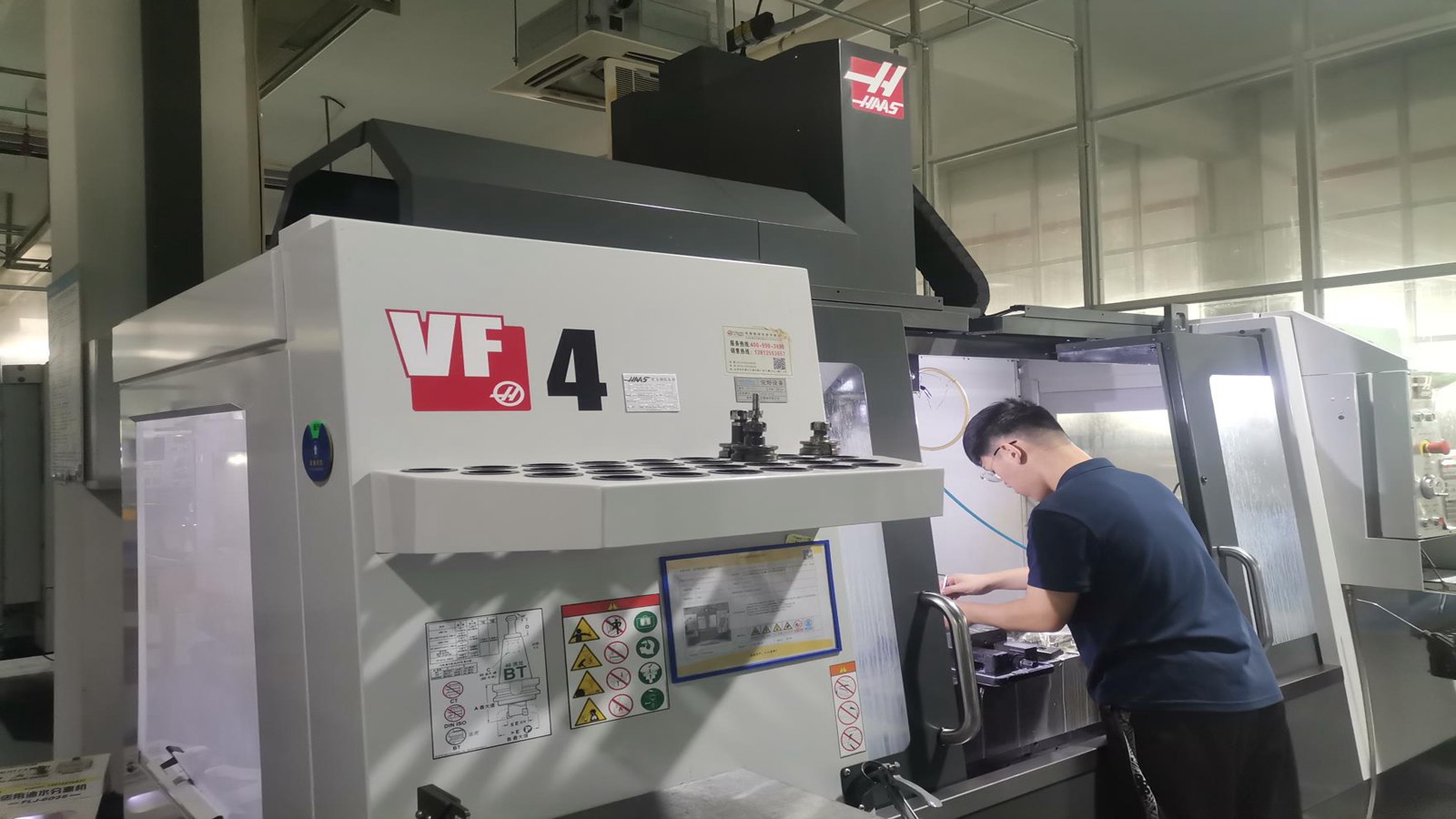
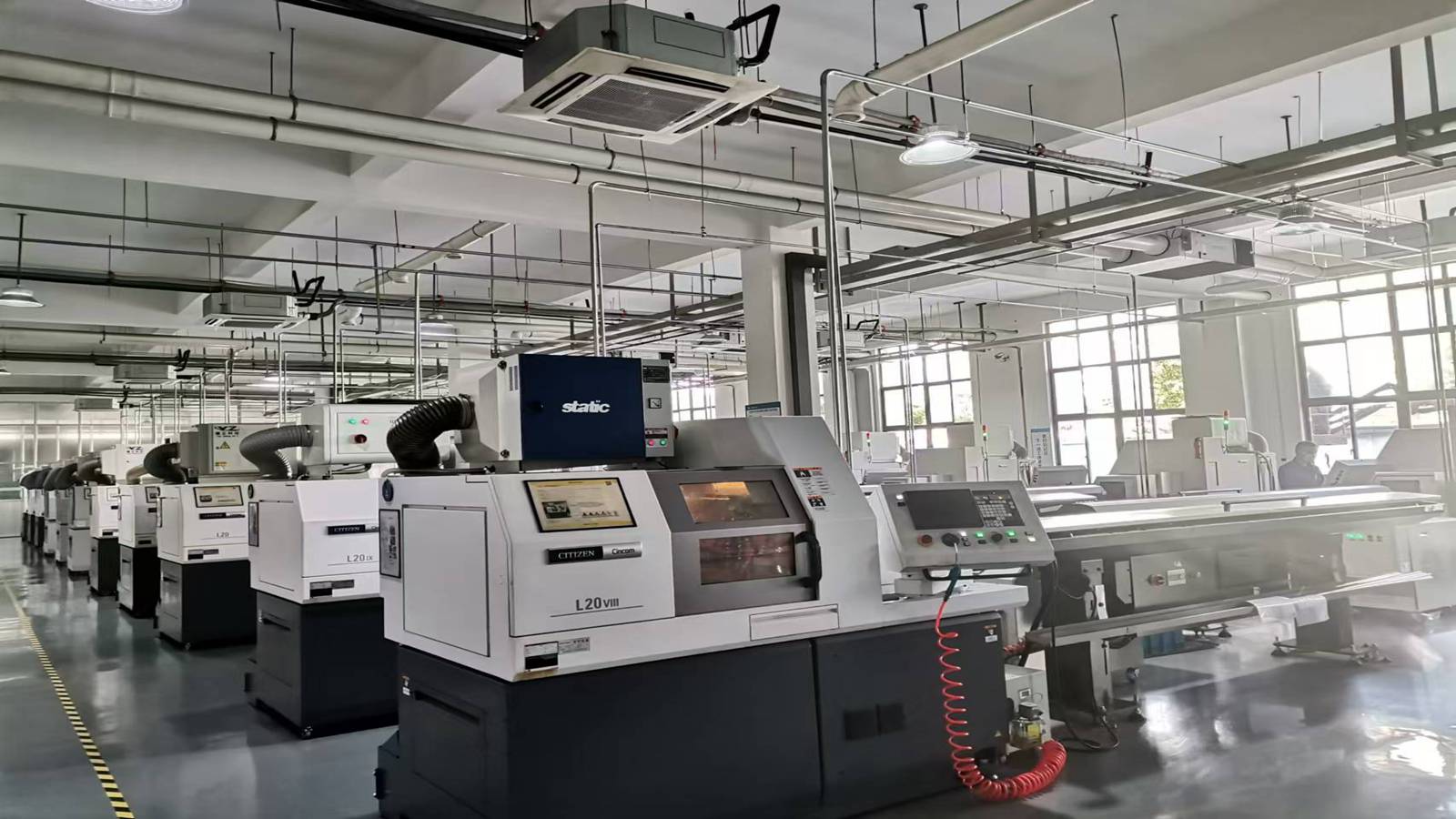
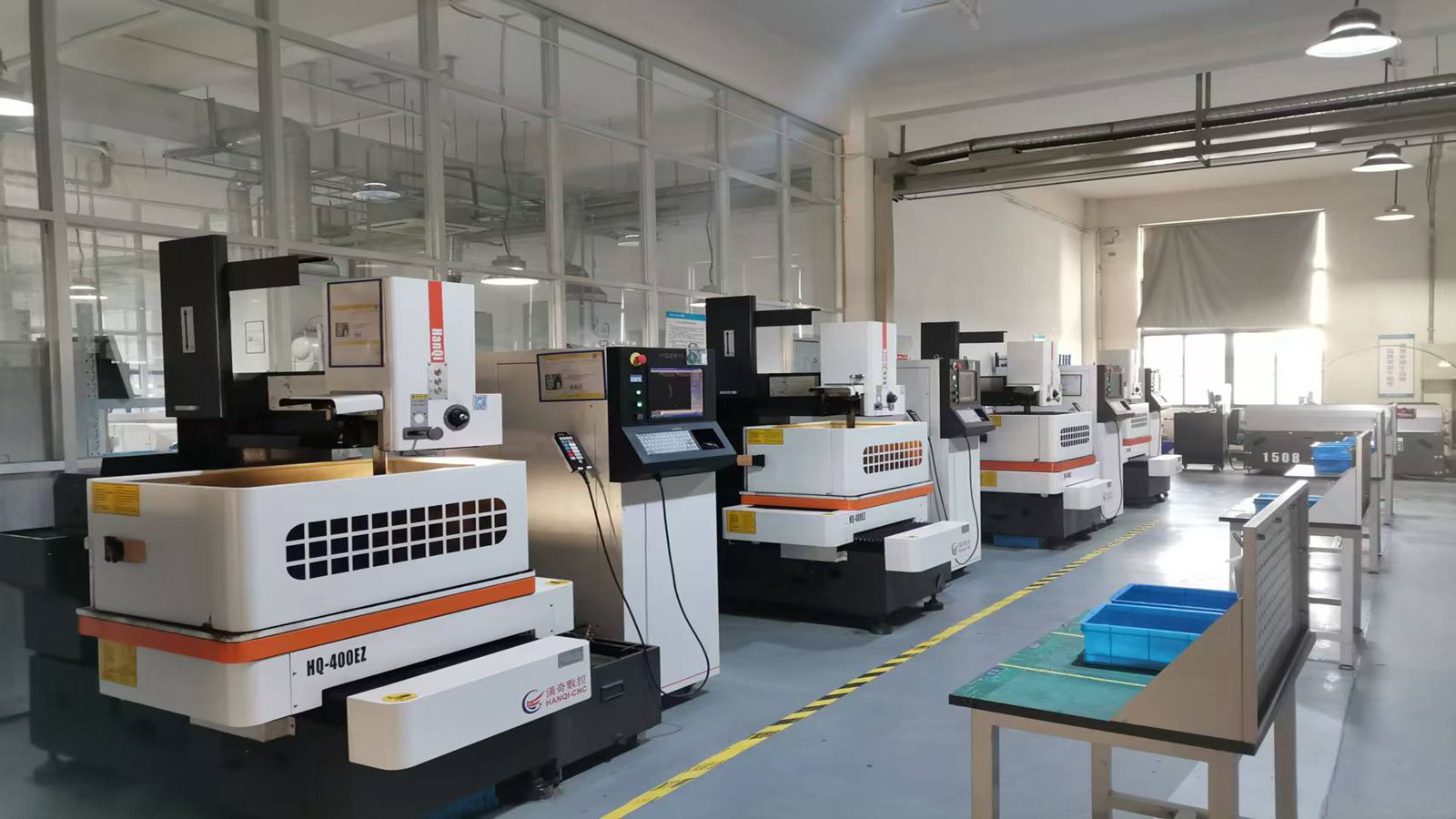
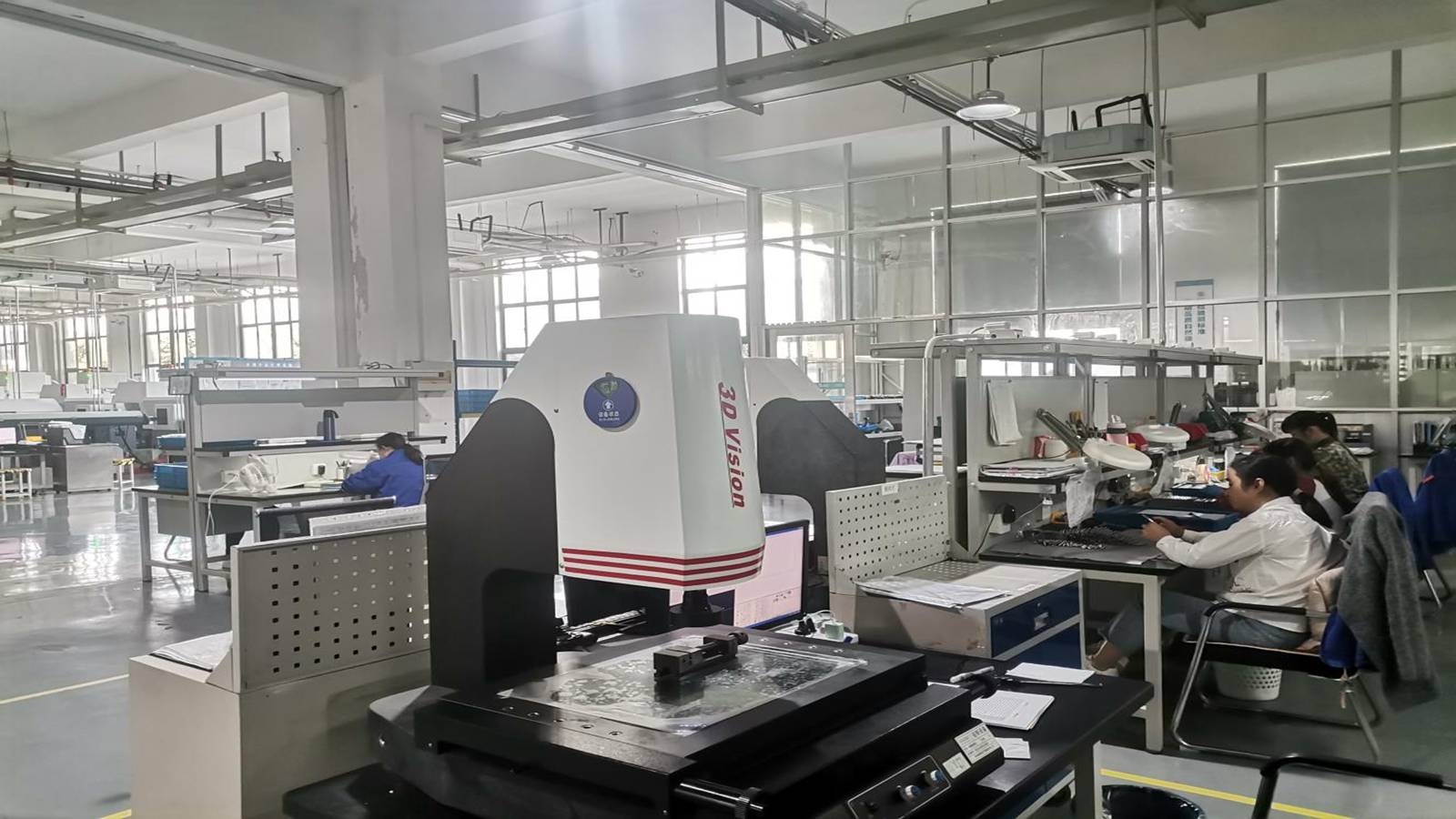
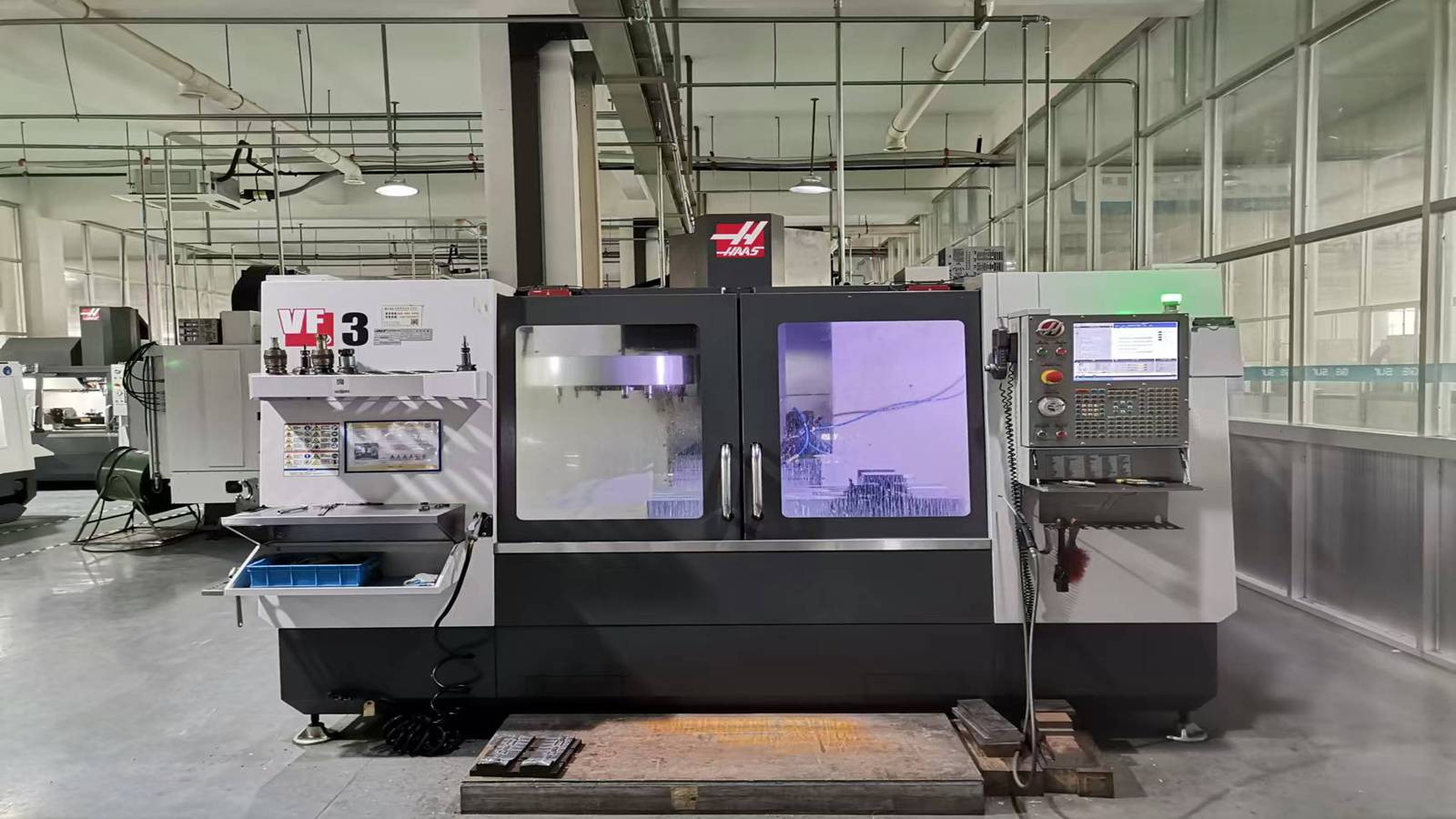
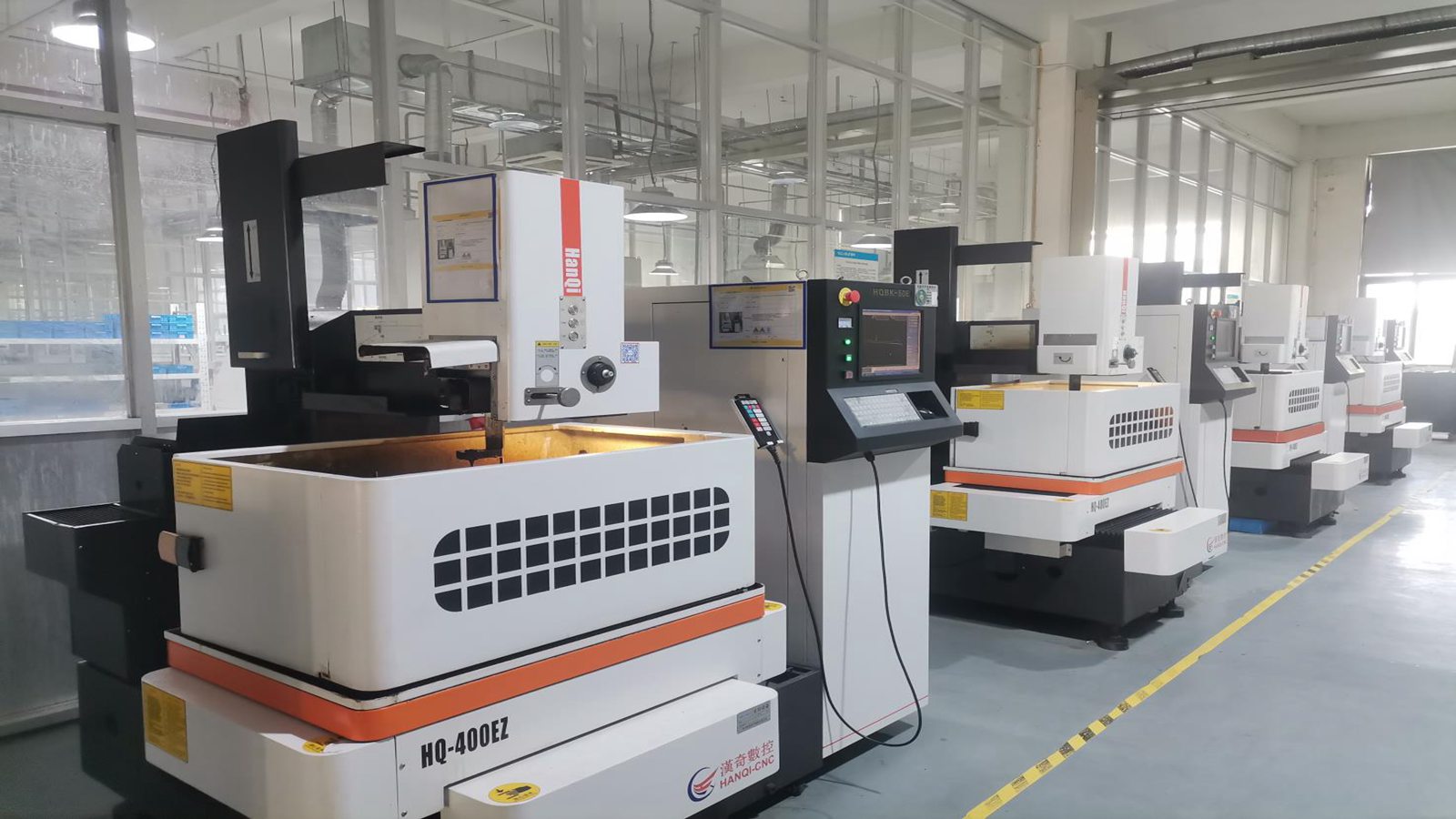
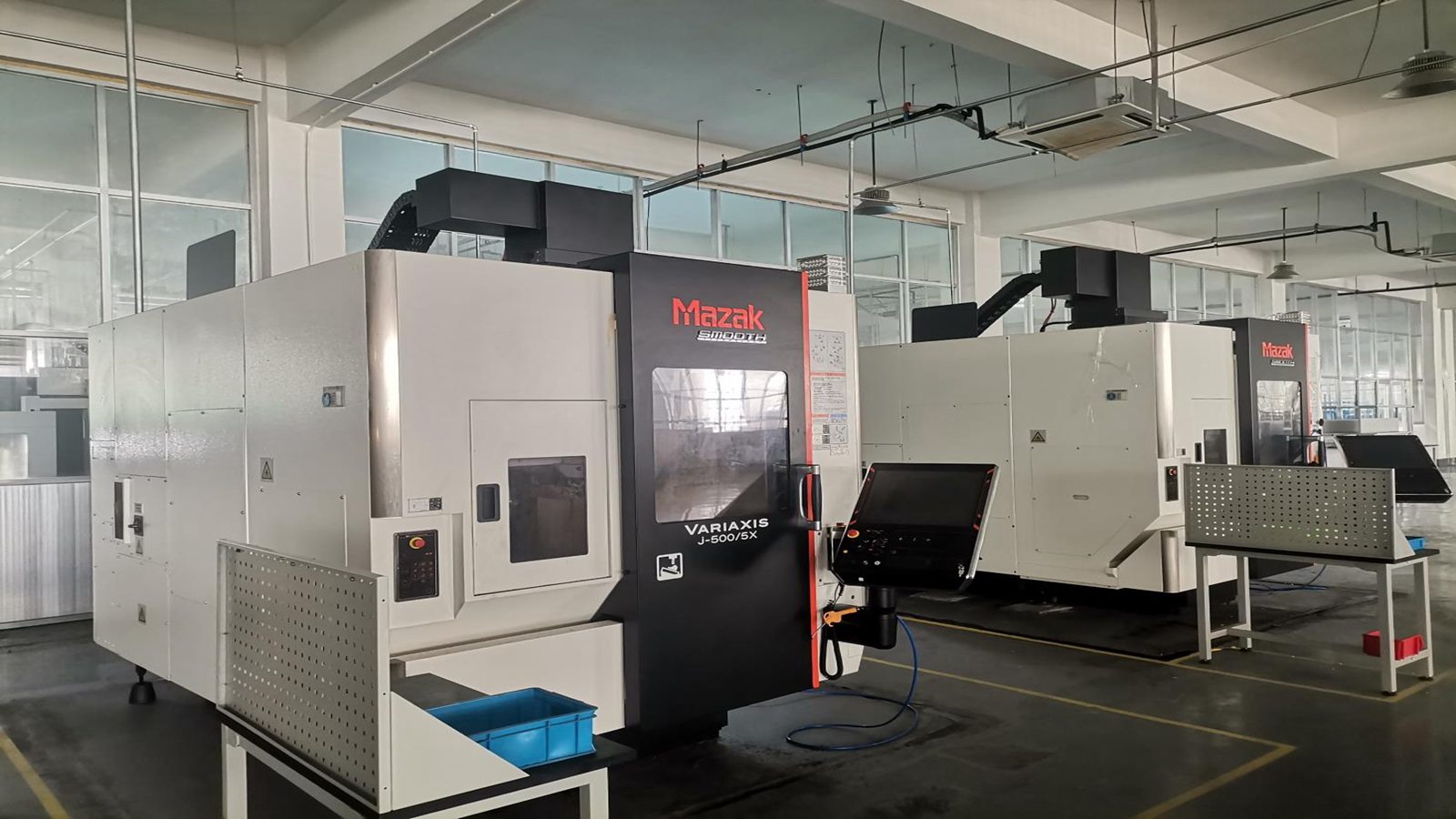
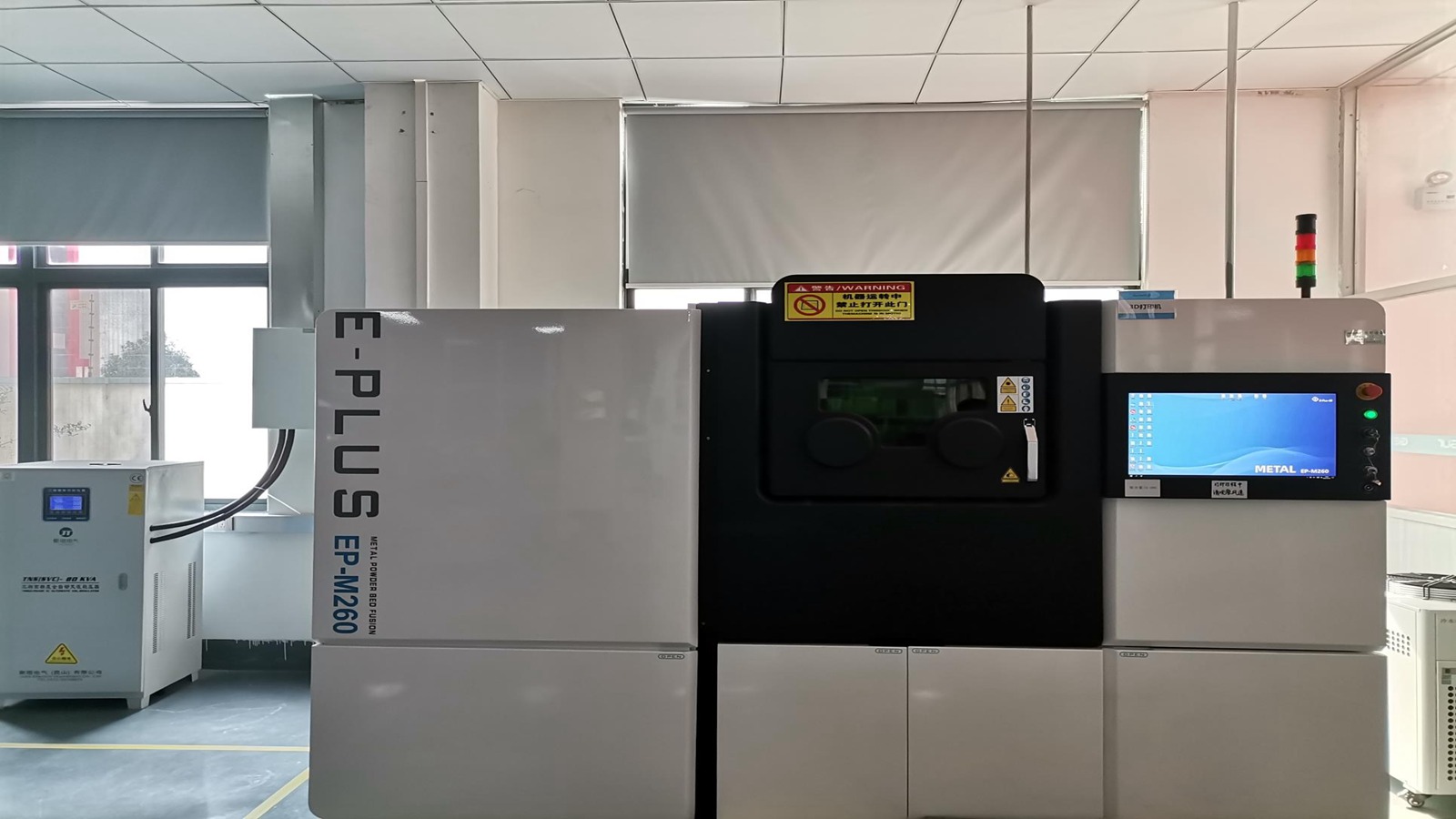
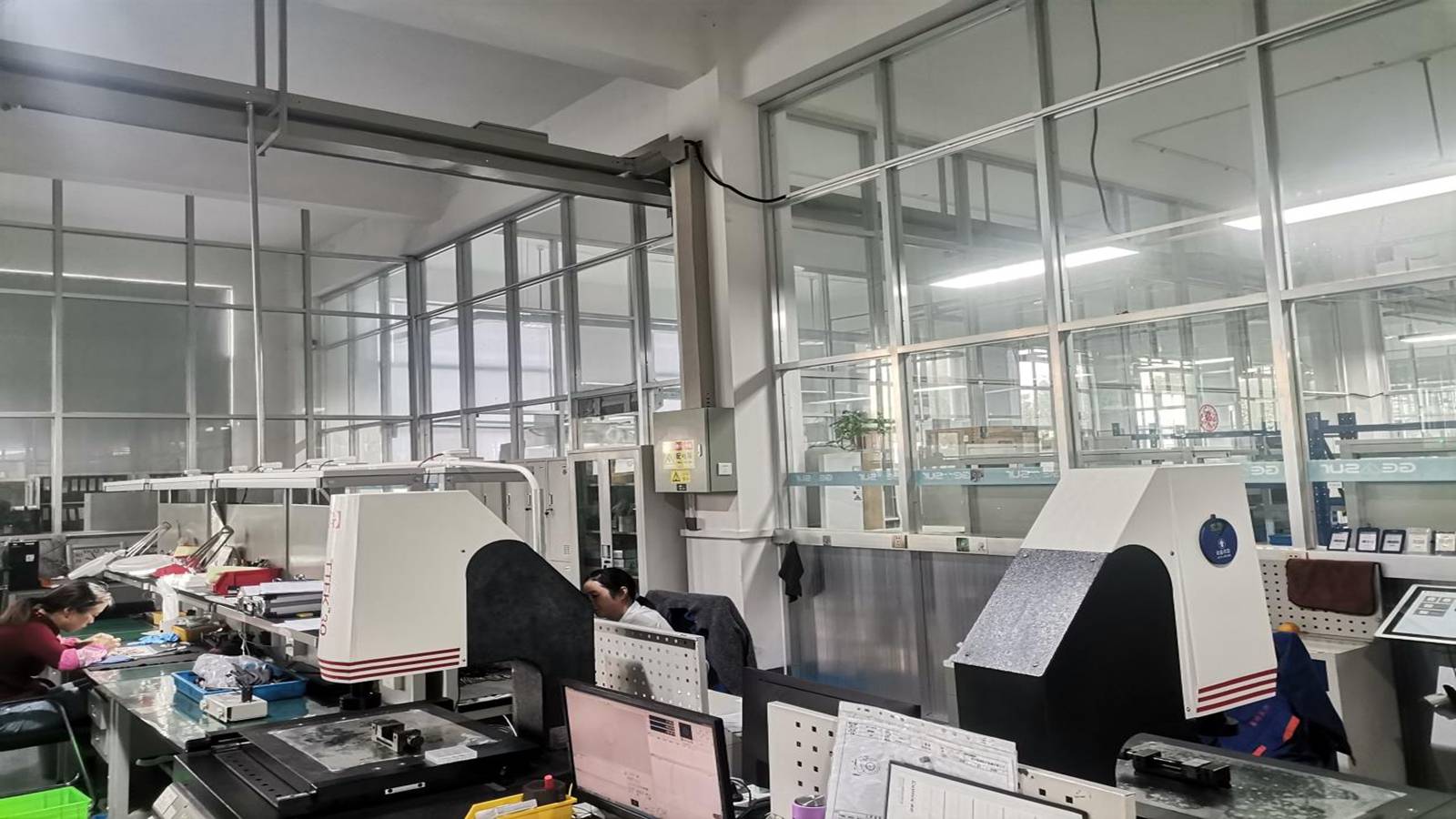
Our machining facilities operate 120 precision production machines, including Citizen Swiss-type sliding head lathes, Haas 5-axis machining centers, and SODICK wire EDM machines. These facilities are supported by a metrology lab equipped with Hexagon CMM coordinate measuring units and optical profile projectors, allowing us to maintain tight tolerances and ensure product consistency across production lots.
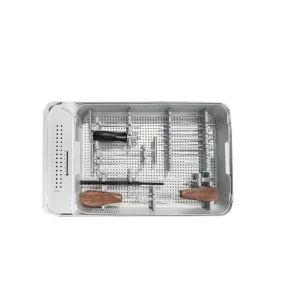
Providing specialized orthopedic hardware and matching surgical instrument sets to support orthopedic clinics and emergency trauma centers globally.
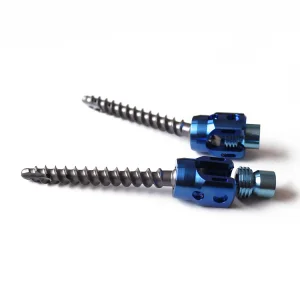
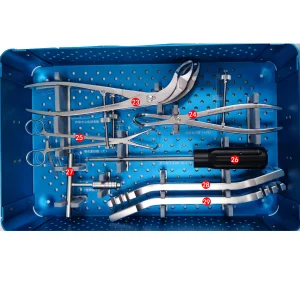
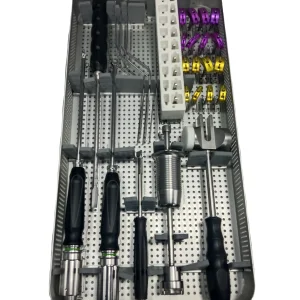
Our spinal stabilization assemblies include cervical and lumbar PEEK fusion cages, pedicle screws, snap-lock set screws, and specialized instrument kits. These components are designed to support stable fixation and promote fusion in patients with degenerative disc disease, spondylolisthesis, and spinal canal stenosis.
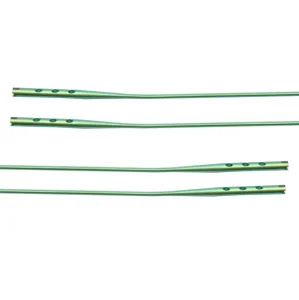
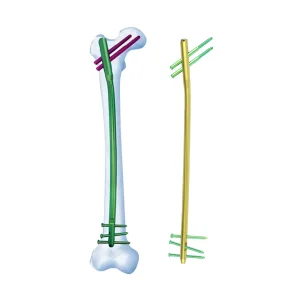
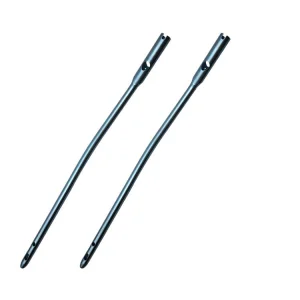
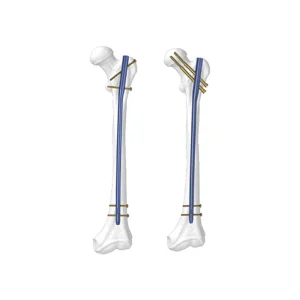
We supply titanium locking plates, cannulated compression screw sets, and intramedullary interlocking nails (femoral, humeral, and ulna designs) to trauma centers. These implant systems are engineered for stable internal fixation, helping surgeons treat diaphyseal and articular fractures effectively.
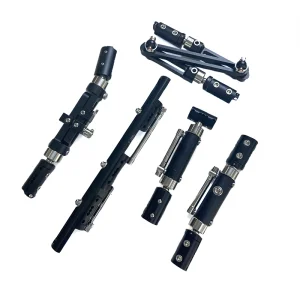
Our external fixator systems are utilized in limb reconstruction and bone lengthening procedures (Ilizarov technique). The assemblies are designed for gradual, controlled bone segment transport, providing reliable stability during long-term distraction osteogenesis treatments.
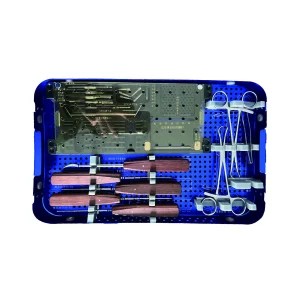
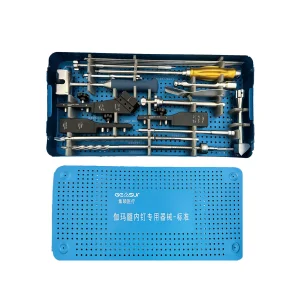
Browse our complete catalog of titanium locking plates, intramedullary fixation systems, cervical spacers, and specialized orthopedic surgical instrument kits.
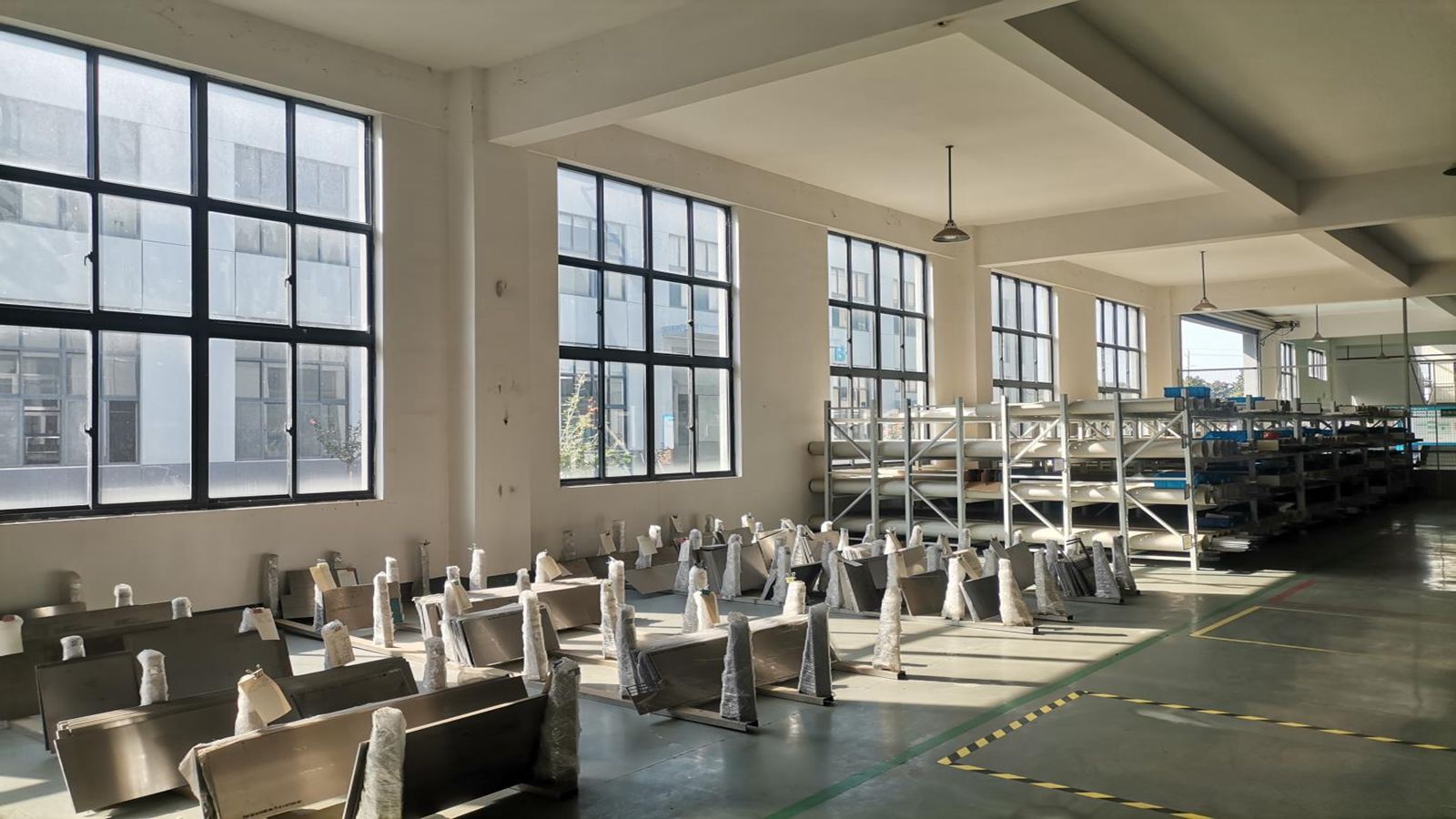
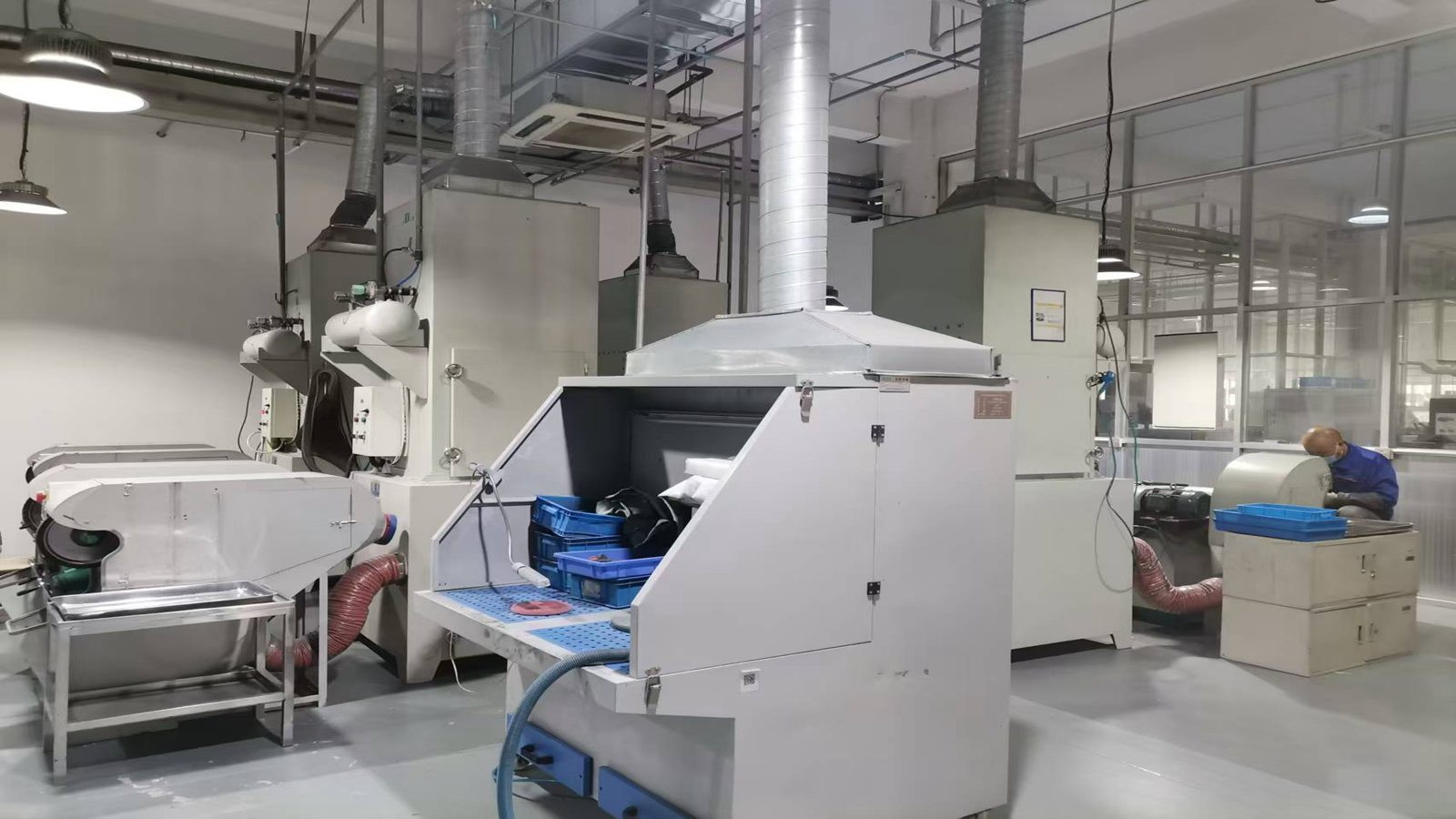
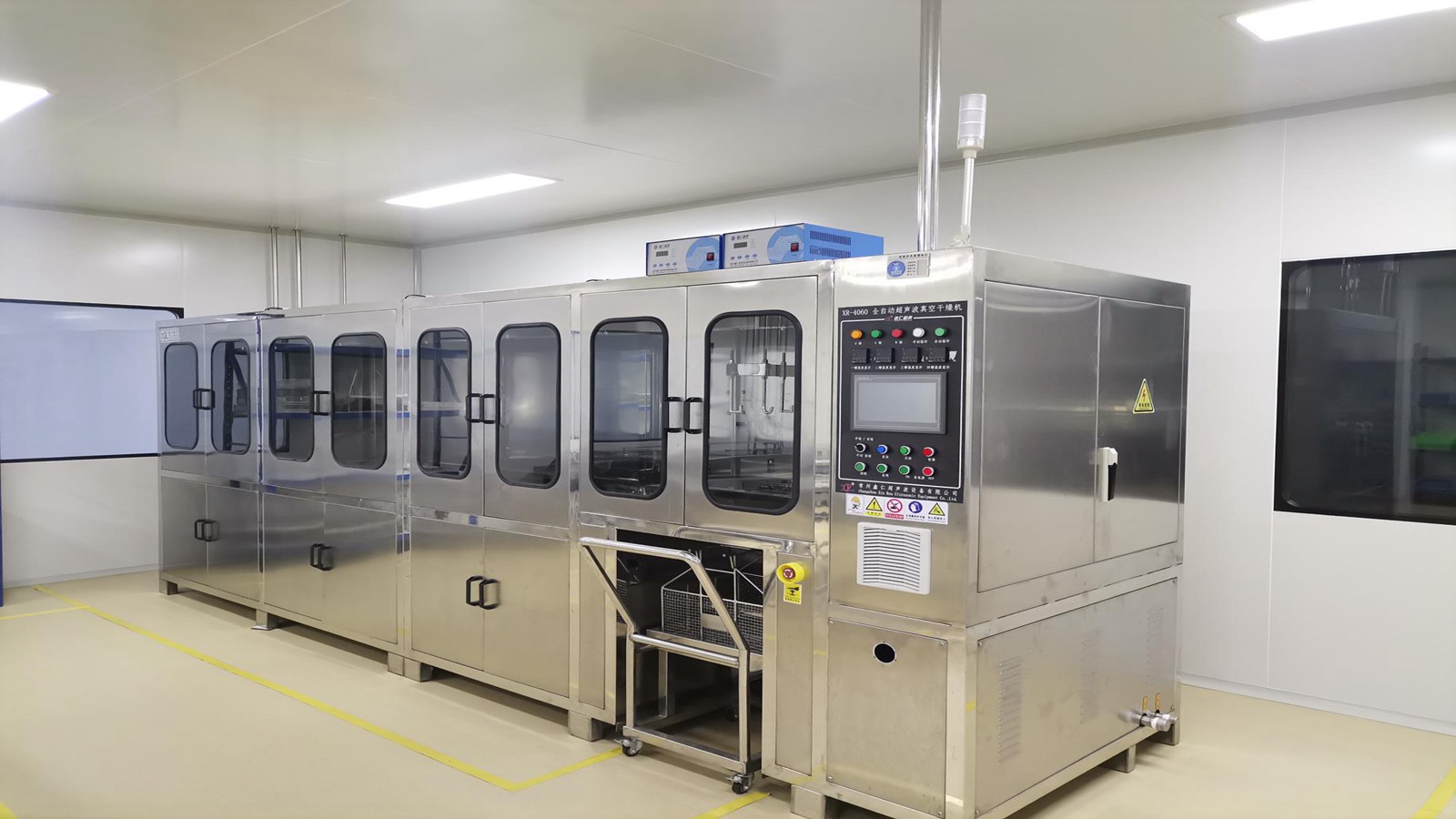
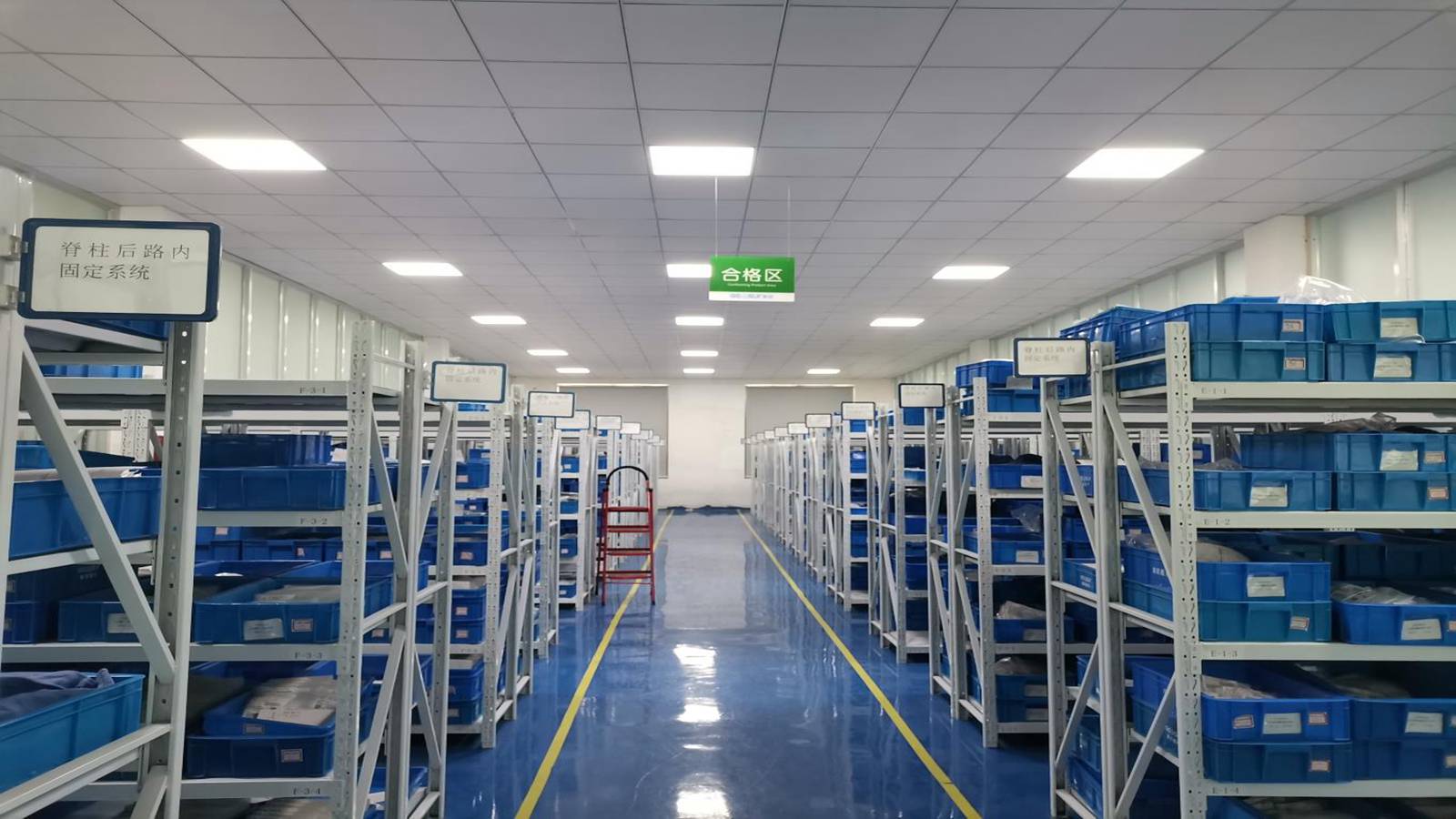
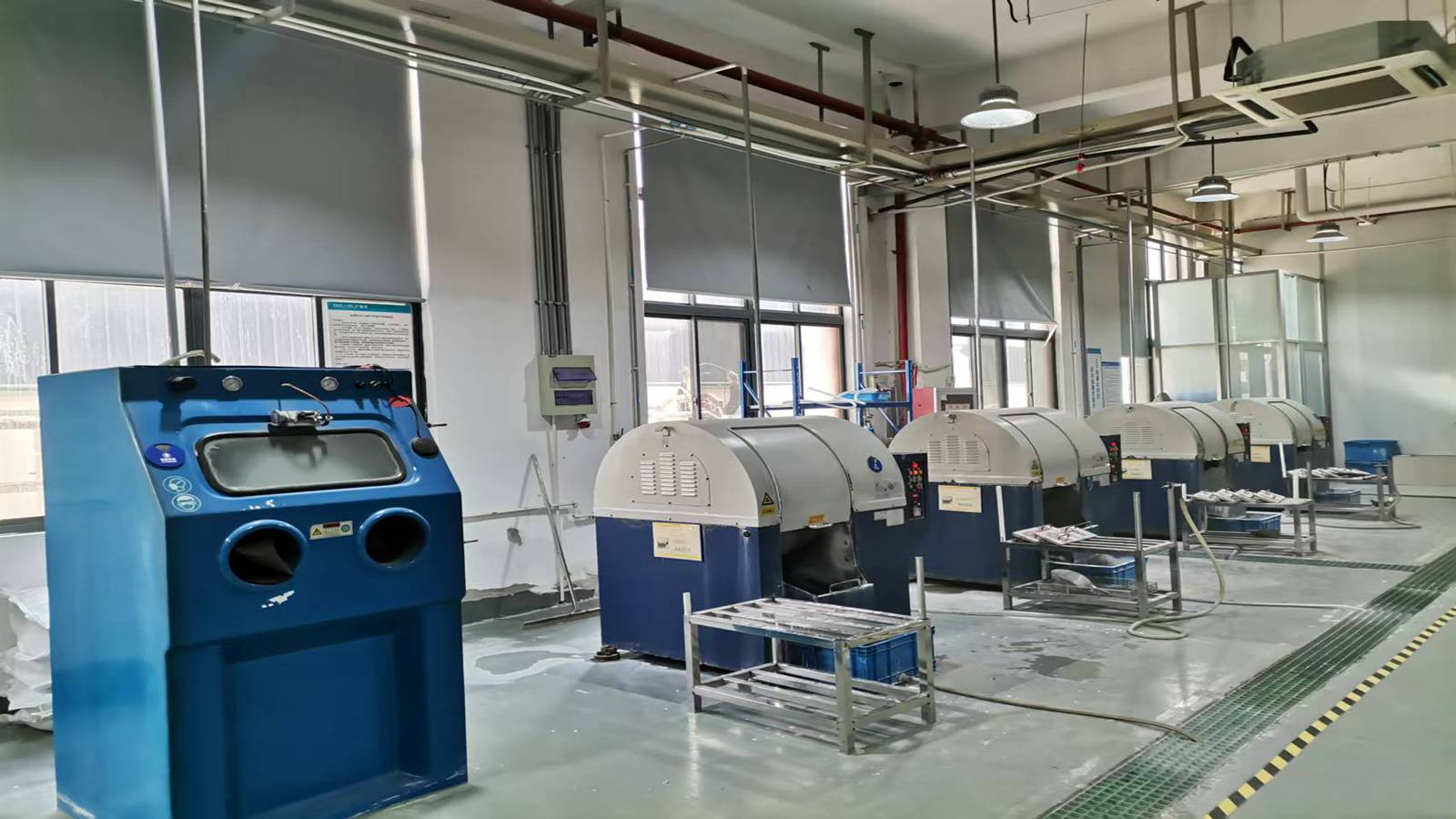
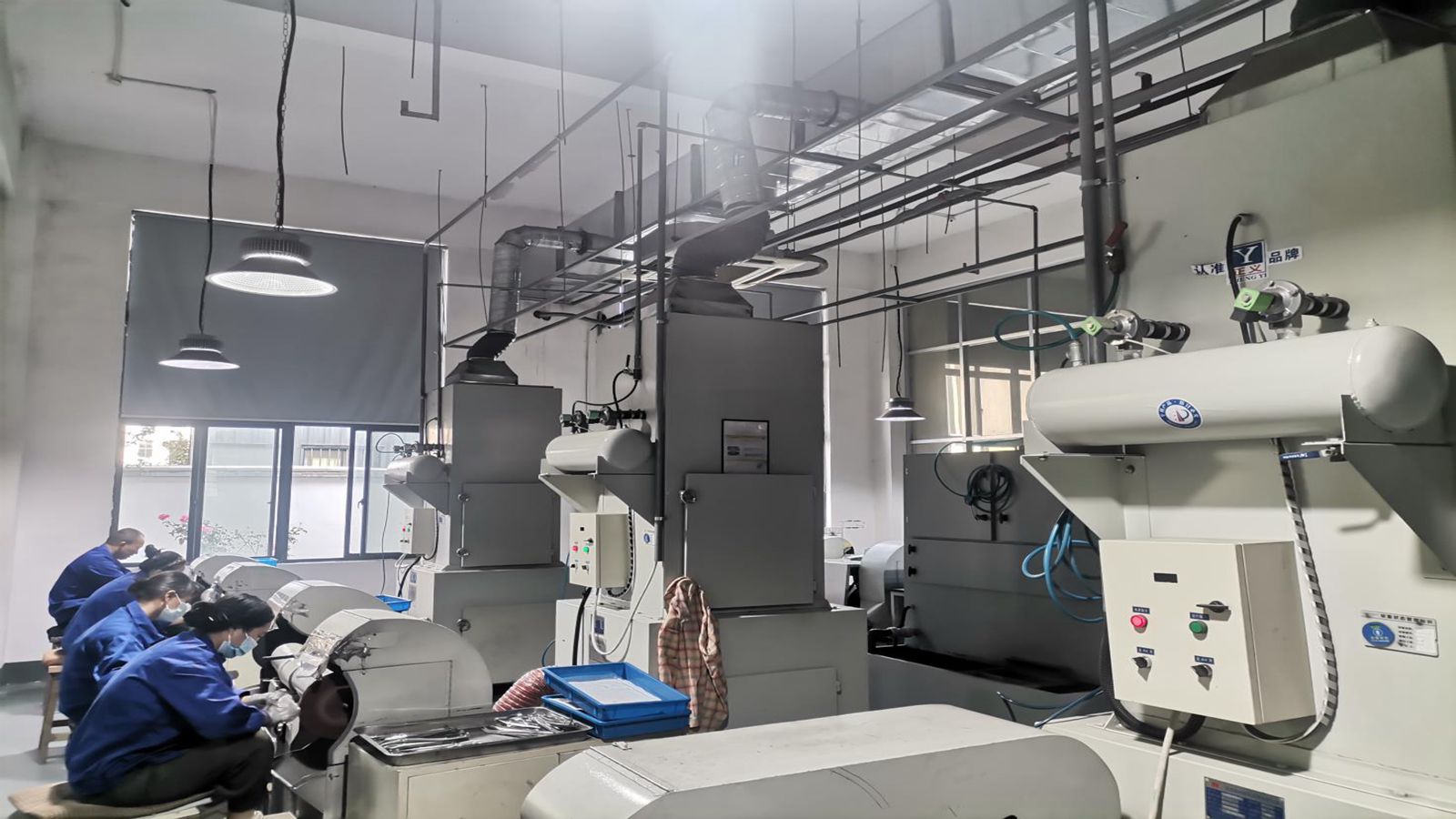
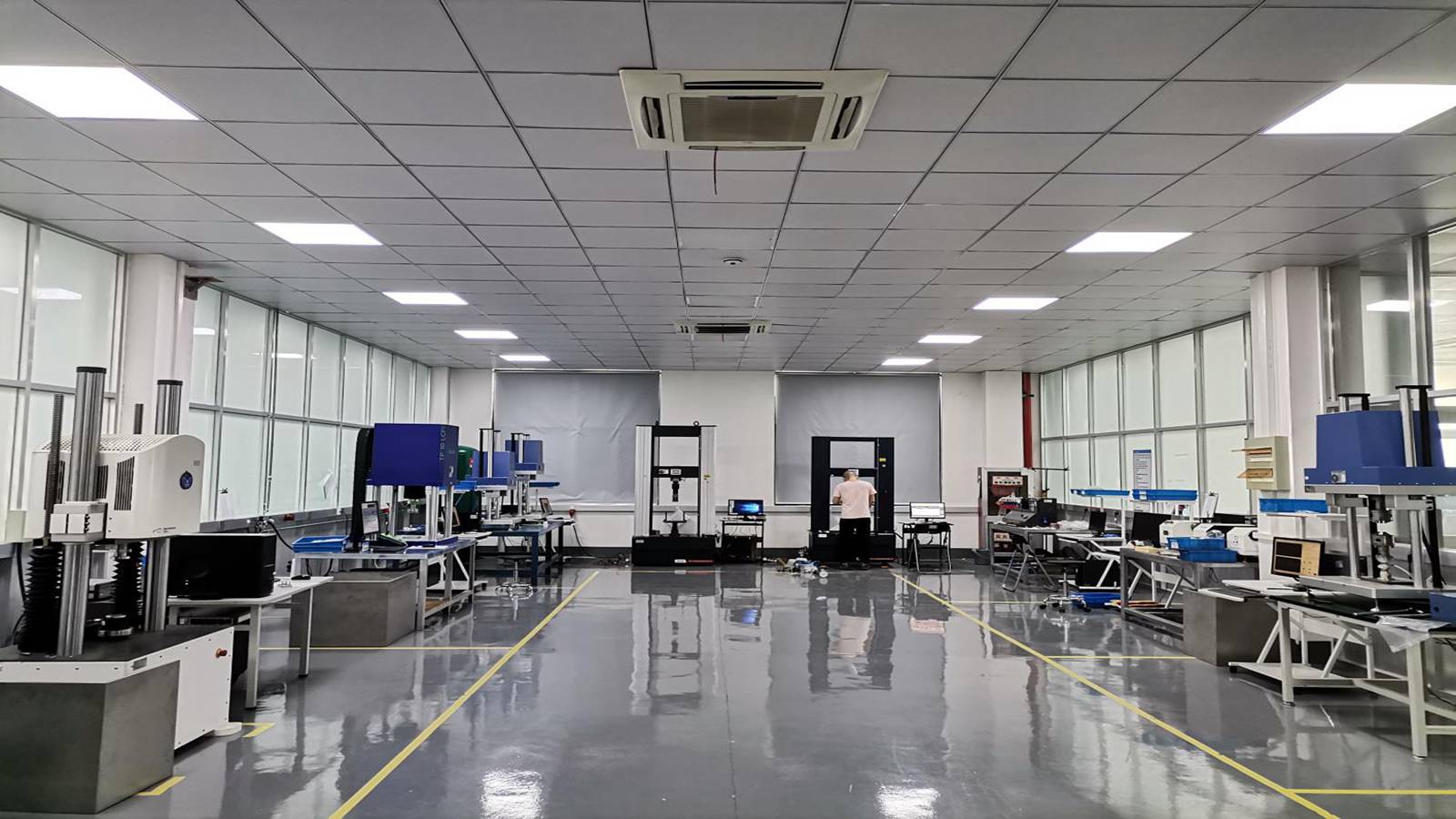
A photographic tour of our manufacturing facility, cleanrooms, and testing laboratories, showing our operational scale and production equipment.
Detailed explanations regarding orthopedic certifications, material properties, quality control processes, and global B2B procurement services.