Ease Medical Apparatus And Instruments
Ease Medical Apparatus And Instruments
Ease Medical Apparatus And Instruments
Premium biocompatible implants engineered for high-precision spinal internal fixation and surgical performance.
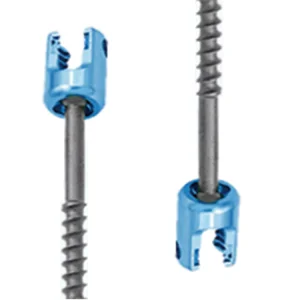
Lisbon’s healthcare architecture has undergone structural changes, marked by increased investment in complex reconstructive spine surgeries and a growing transition toward minimally invasive surgery (MIS). As the capital of Portugal, Lisbon serves as the national hub for specialized medical centers—ranging from prestigious public university hospitals under the Serviço Nacional de Saúde (SNS) to rapidly expanding private healthcare networks such as Luz Saúde, CUF, and Lusíadas.
A primary challenge for Portuguese procurement directors and orthopedic surgeons is balancing clinical efficacy with strict compliance under the European Medical Device Regulation (MDR 2017/745). High-performance titanium spine systems must not only show excellent mechanical properties (such as fatigue strength under ASTM F1717) but also come with comprehensive clinical documentation and full traceability.
As global suppliers and exporters, we address these specific local needs. We offer high-quality spine systems with EN ISO 13485, MDSAP, and MDR-CE certifications. This guarantees smooth import processes through INFARMED (the Portuguese National Authority of Medicines and Health Products) and ensures compatibility with regional hospital bidding frameworks.
Bridging the gap between strict clinical requirements, reliable delivery times, and cost efficiency for medical distributors in Europe.
Global medical device supply chains face persistent challenges, including regulatory delays, rising raw material costs (particularly implant-grade Ti-6Al-4V ELI), and complex customs clearance. For spine distributors in Portugal, securing a reliable supply of spinal internal fixation systems is critical to prevent surgical delays in hospital theaters.
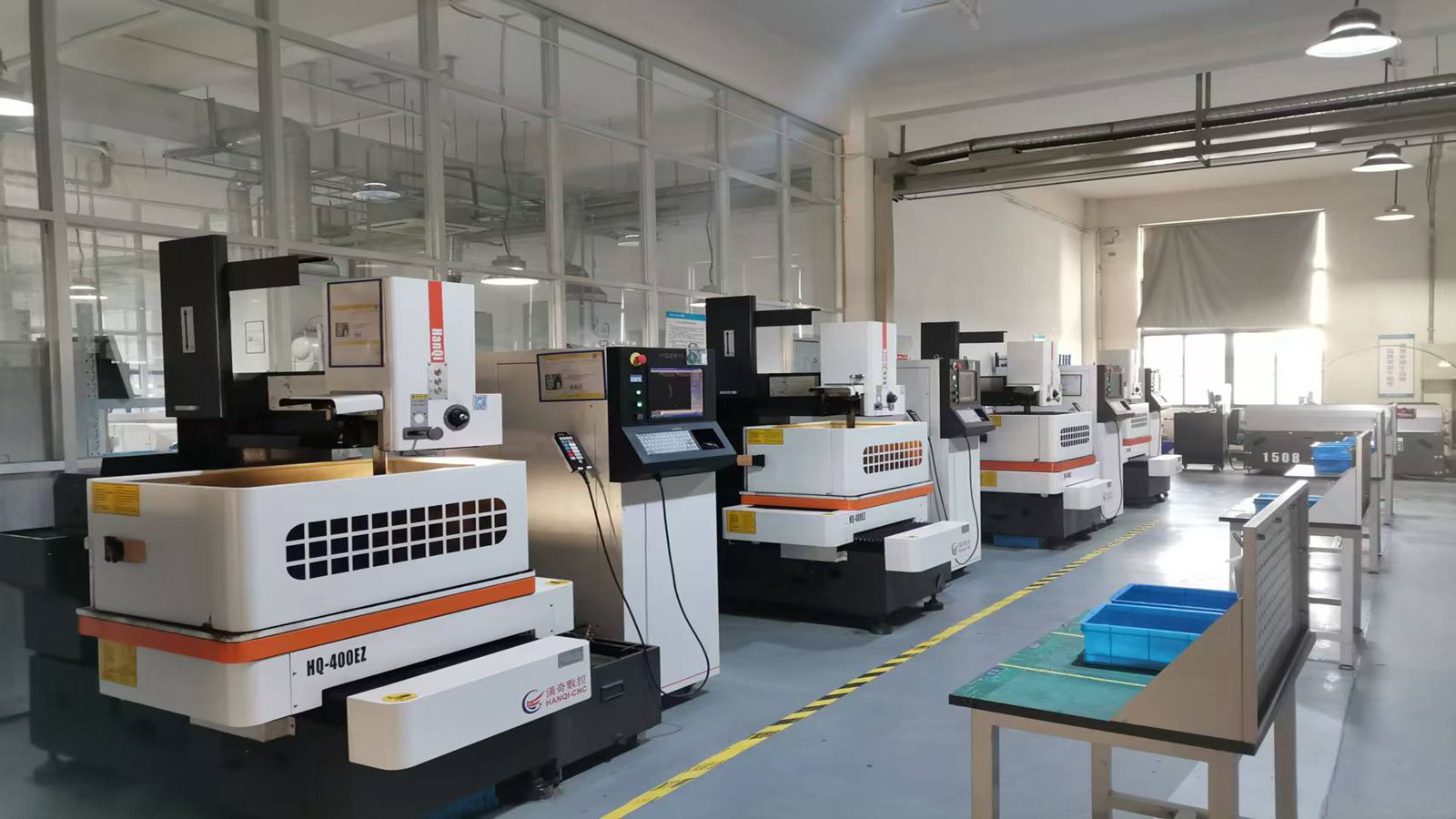
Our export operations are optimized for these requirements. We run 12 specialized production lines equipped with 120 high-precision CNC machines. This allows us to guarantee stable production capacity, preventing stockouts of vital components like polyaxial pedicle screws, reduction screws, and rods.
All implants use medical-grade titanium alloy (Grade 5 / Ti-6Al-4V ELI) according to ASTM F136. This material provides optimal mechanical strength, fatigue resistance, and long-term bio-compatibility for pediatric and adult spinal fixation.
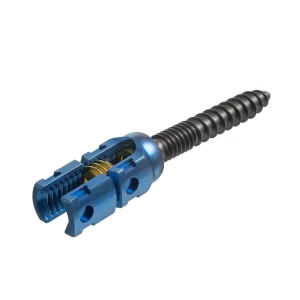
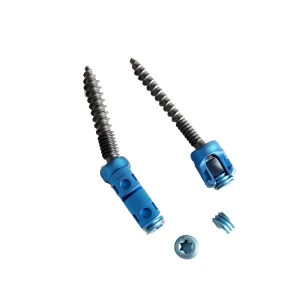
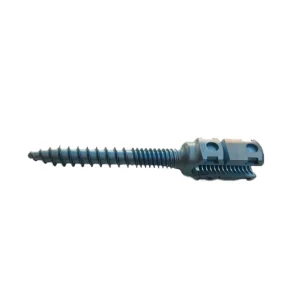
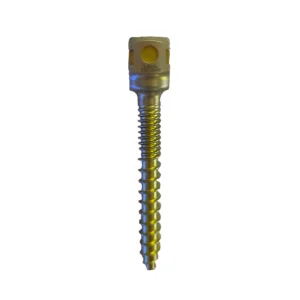
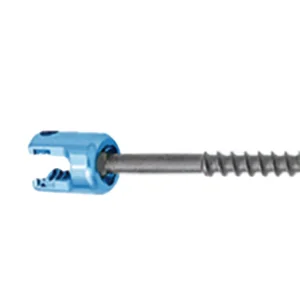
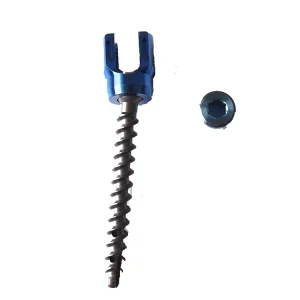
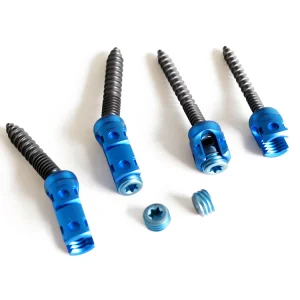
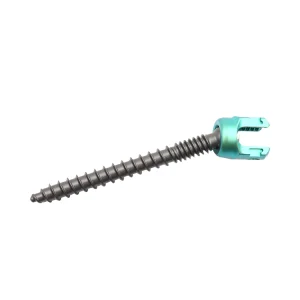
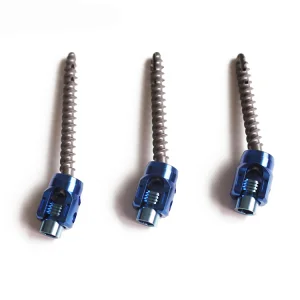
Our pedicle screws feature a low-profile head design to minimize post-operative soft-tissue irritation. Smooth running threads and self-tapping tips facilitate insertion and reduce surgical time.
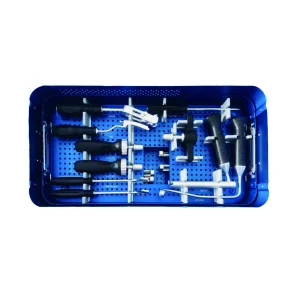
We supply modular, ergonomic instrument trays tailored for both open and minimally invasive surgery (MIS). These setups integrate smoothly with standard sterile reprocessing workflows in European hospitals.
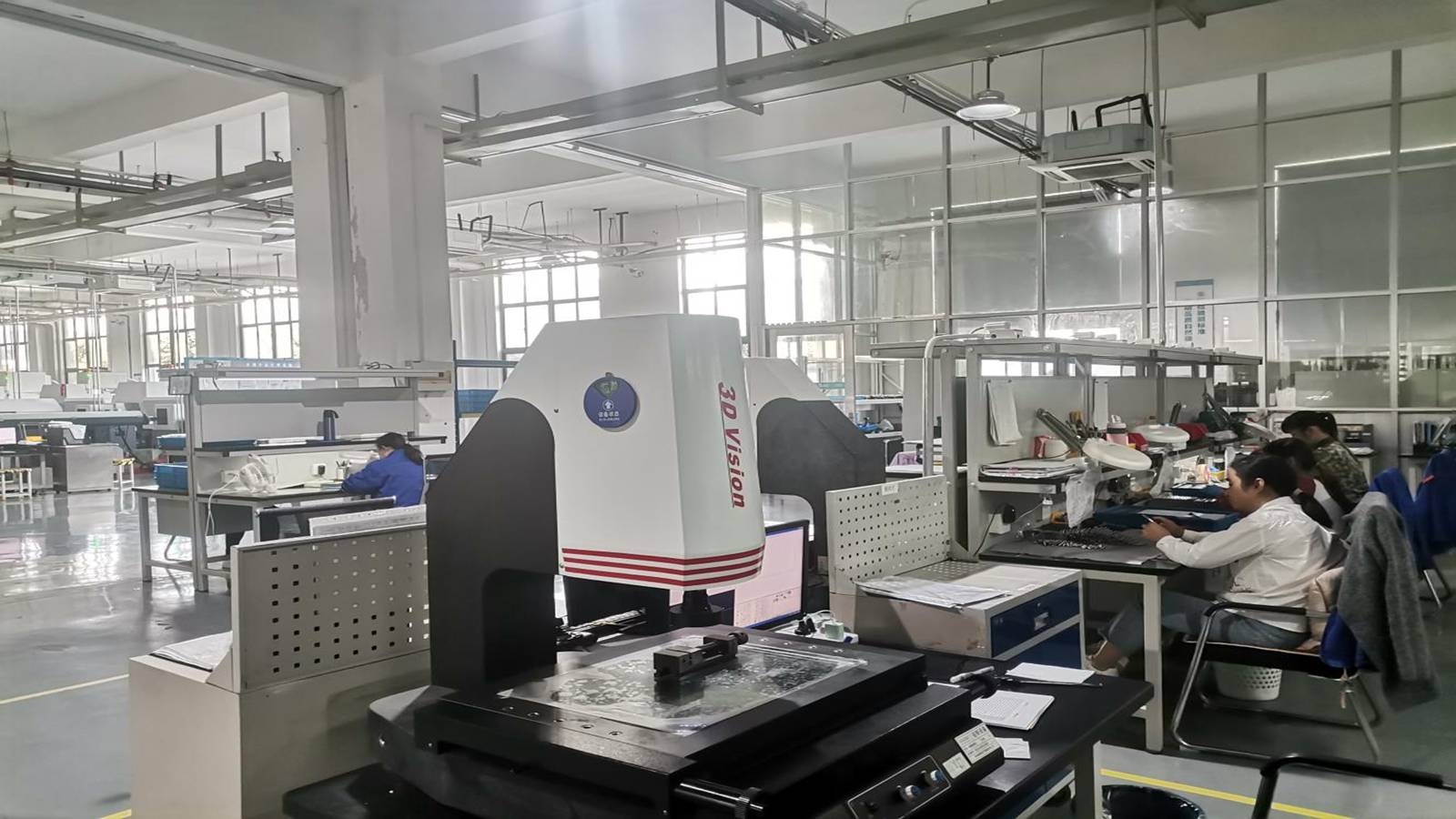
Our manufacturing processes follow strict quality standards. We conduct complete inspections (100% inspection protocol) for high-risk implant lines, ensuring every pedicle screw, rod, and crosslink meets exact geometric tolerances before packaging.


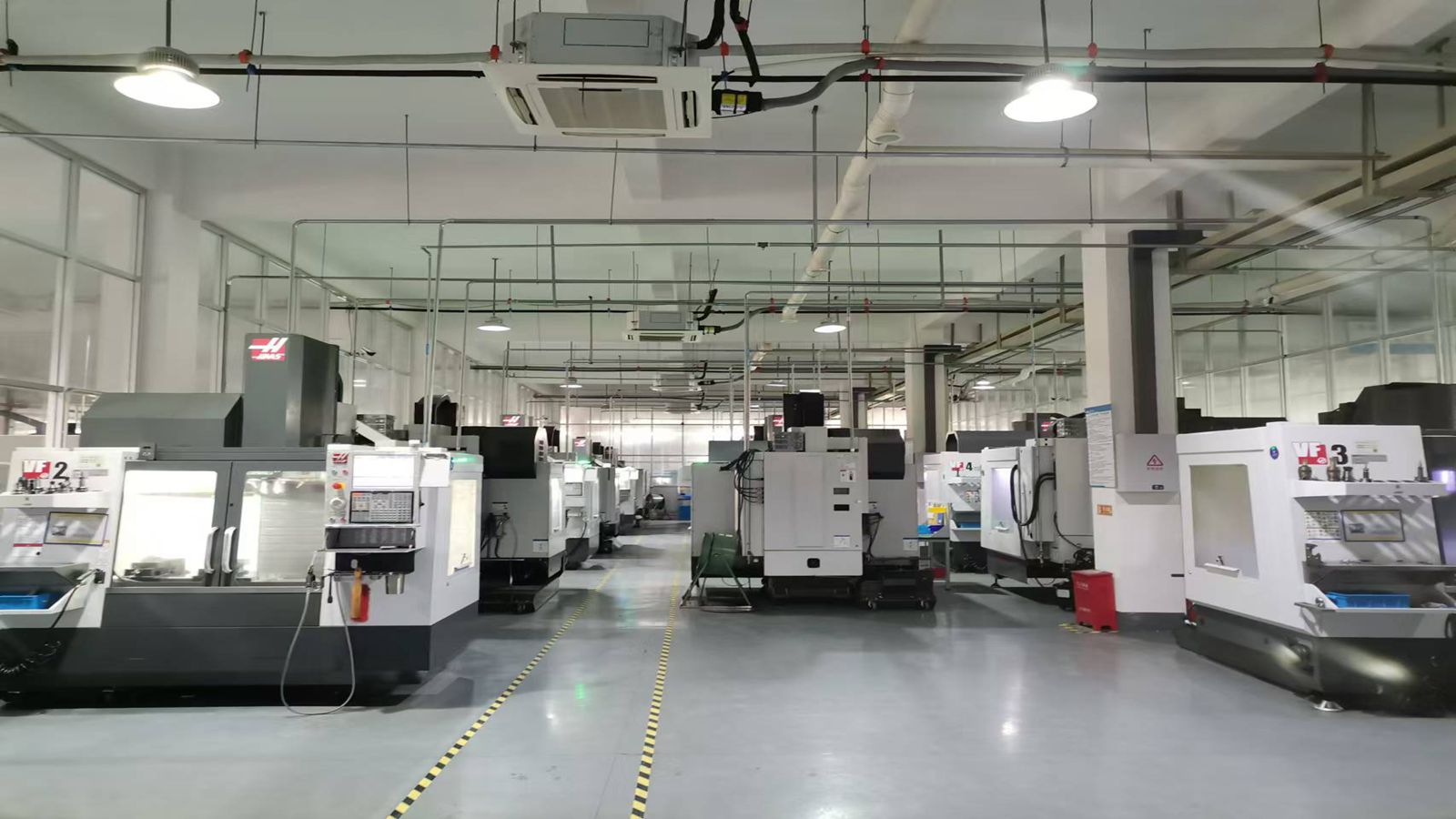
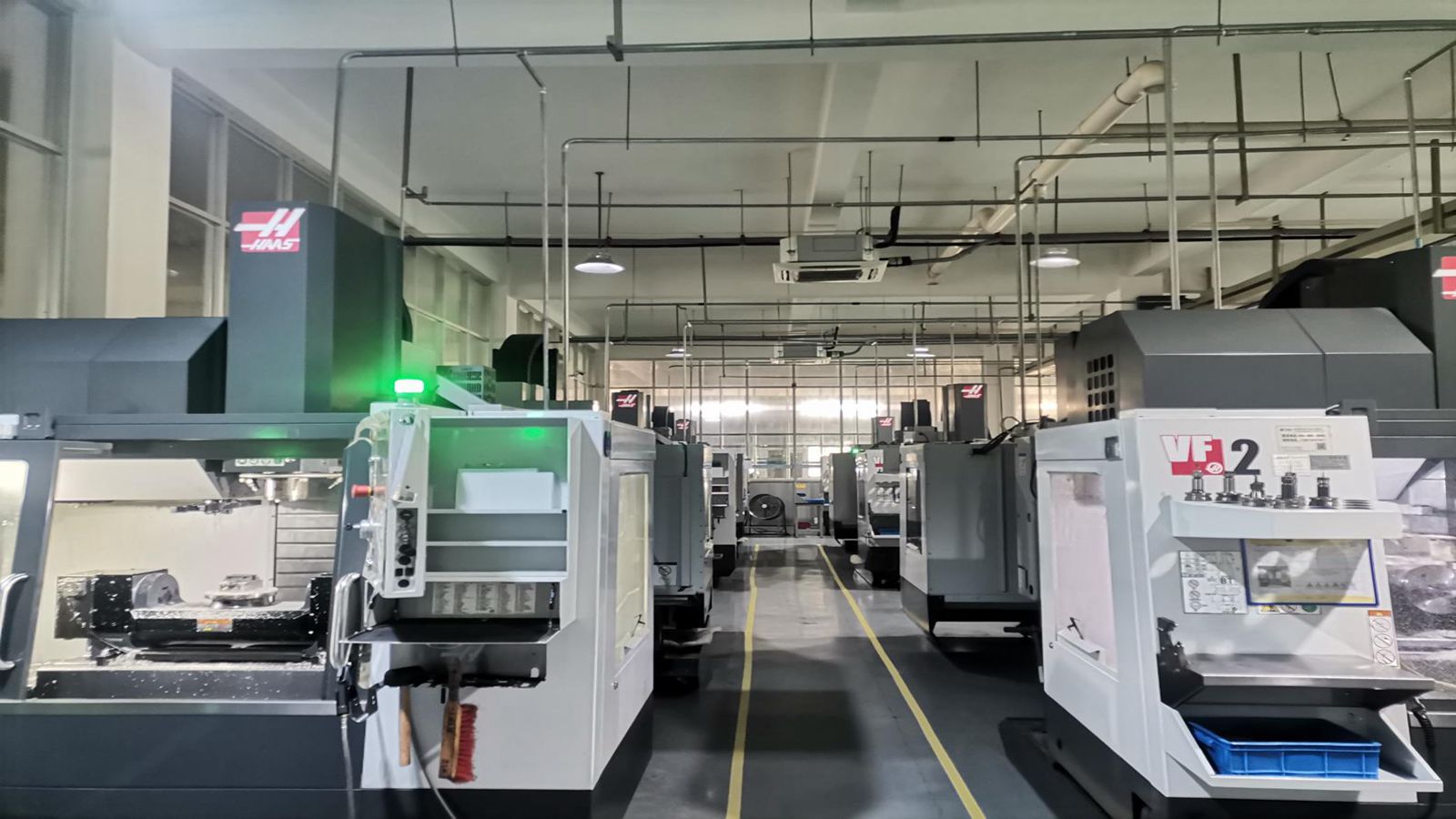
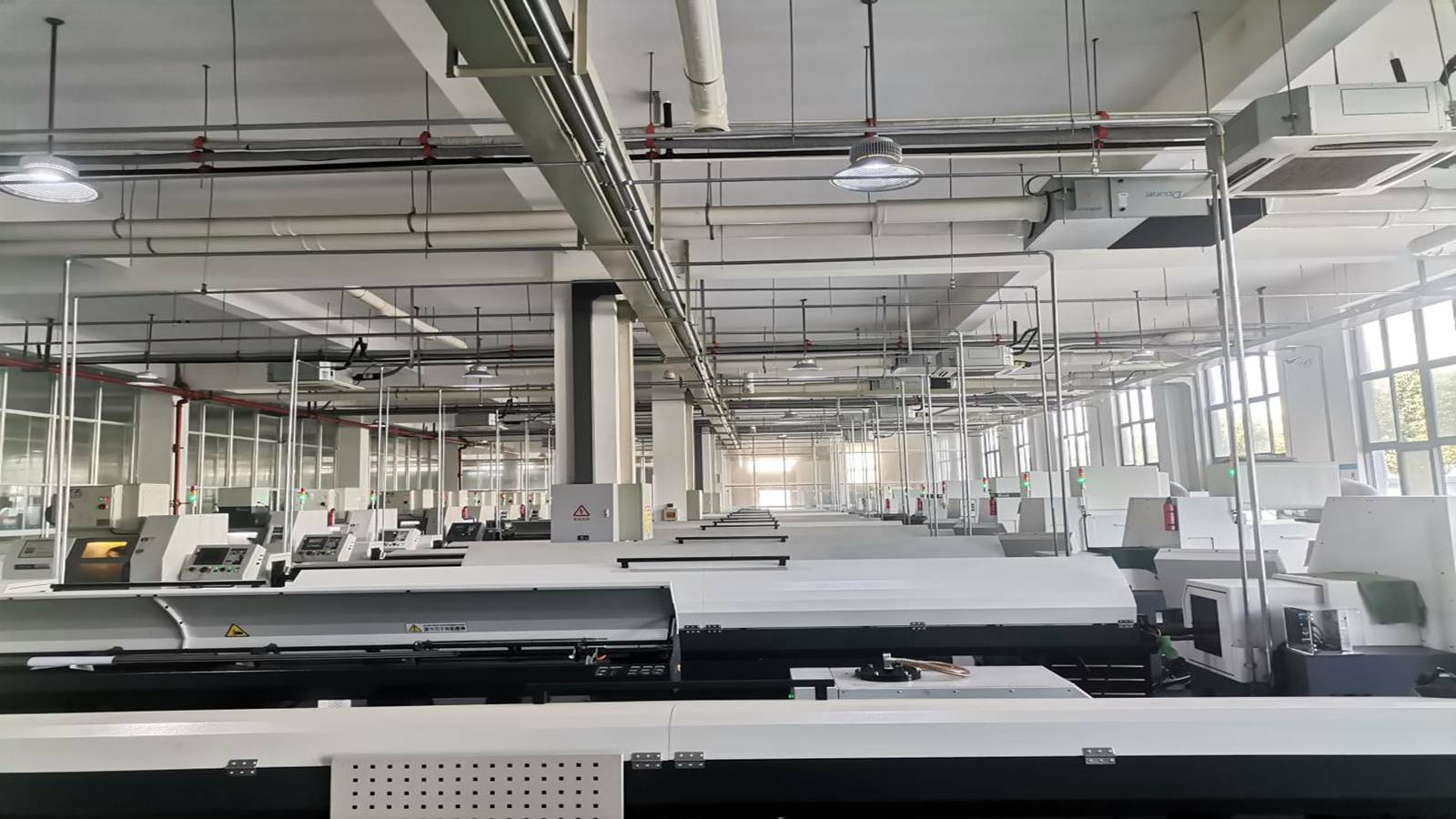
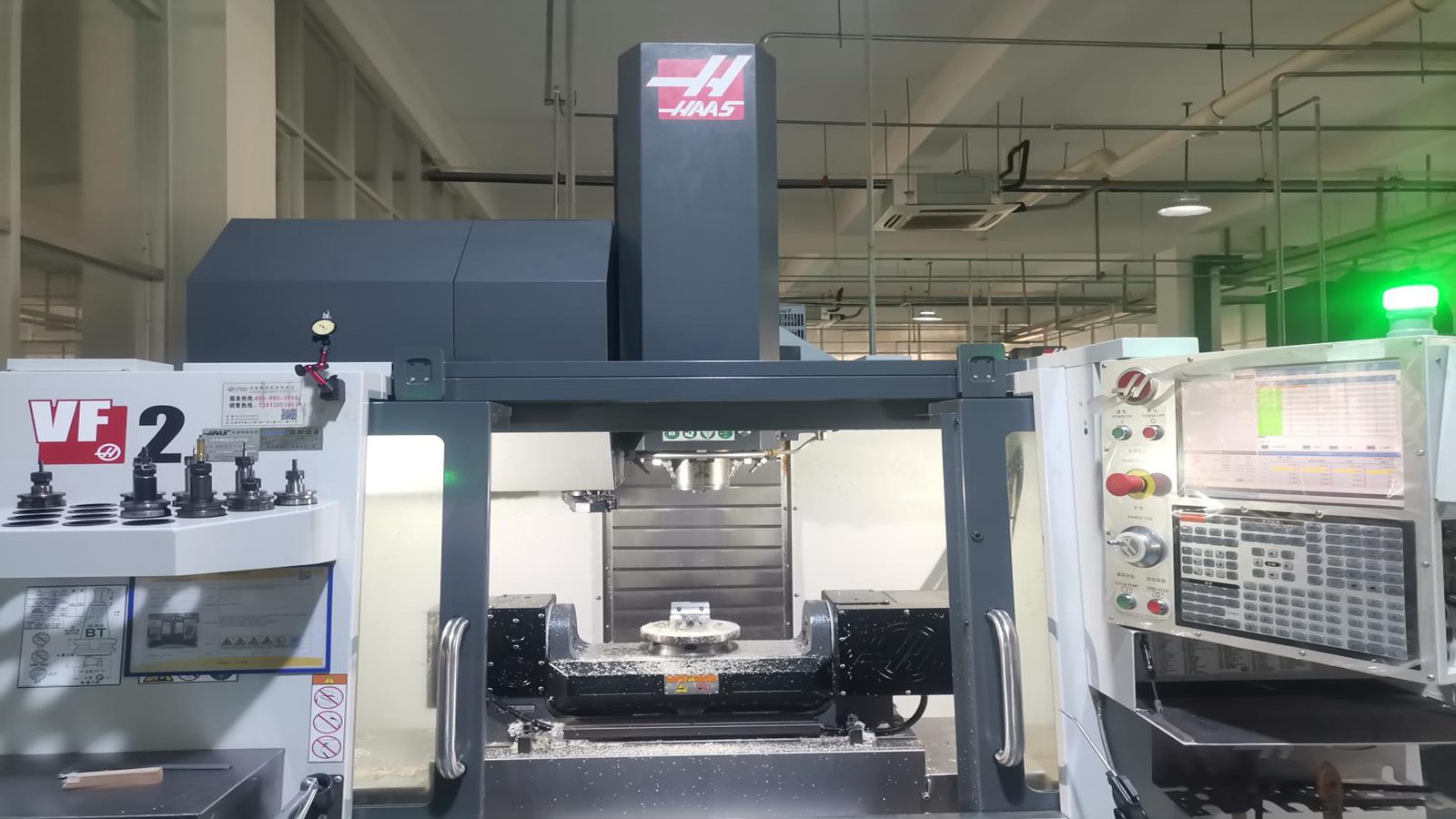
Innovations in surface treatments, navigational integration, and patient-specific implant designs.
Implementing advanced micro-nano structured surface modifications on titanium implants. Anodic oxidation processes create a bioactive surface layer that promotes protein absorption and osteoblast adhesion, supporting faster osseointegration.
Refining the Geasure MIS system with self-breaking plugs and low-profile percutaneous inserters. This reduces tissue dissection, decreases post-operative pain, and shortens patient recovery times in clinical applications.
Developing navigation trackers and surgical planning software interfaces compatible with major robotic platforms. This ensures high placement accuracy for pedicle screws in complex anatomy.
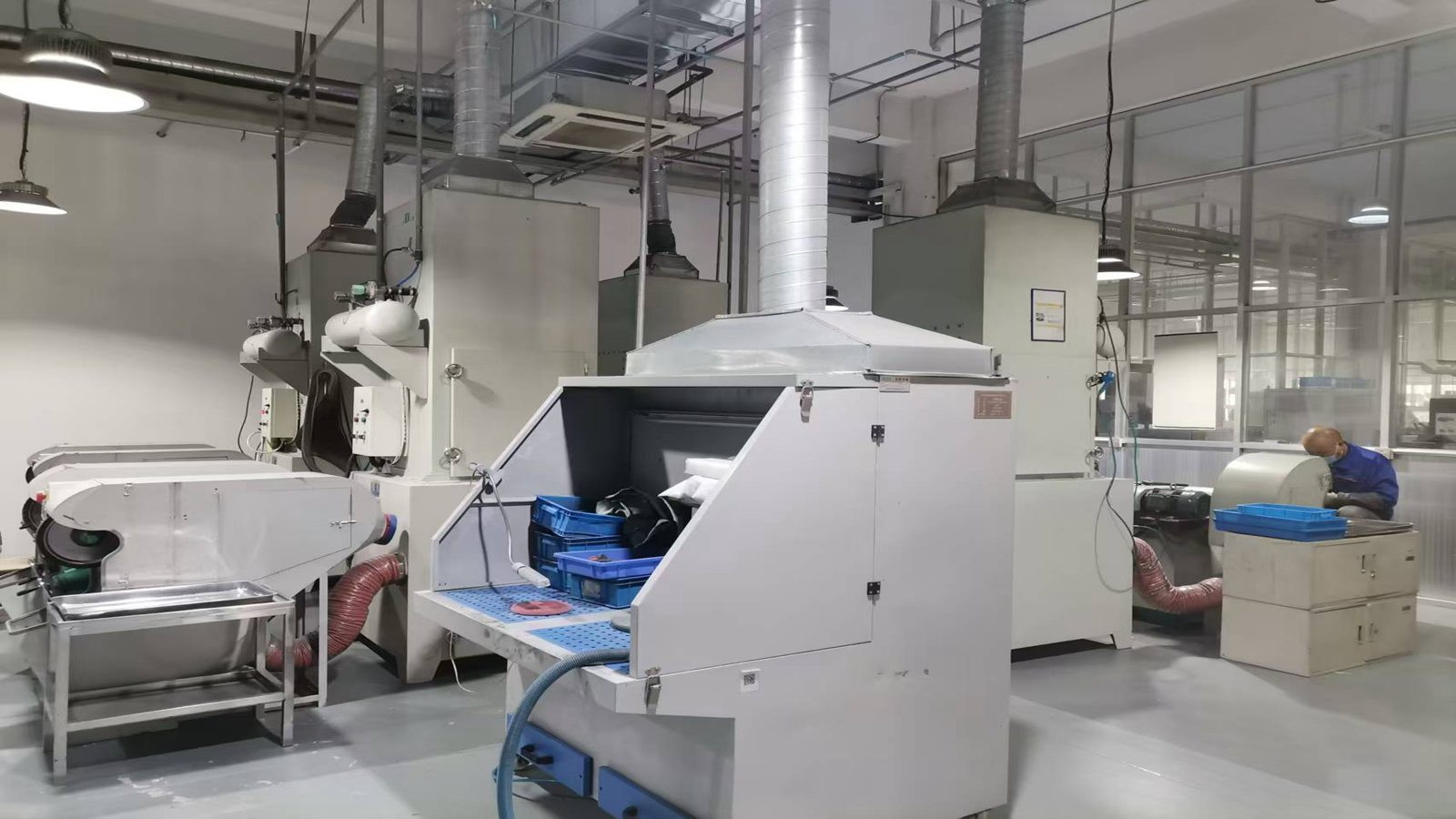
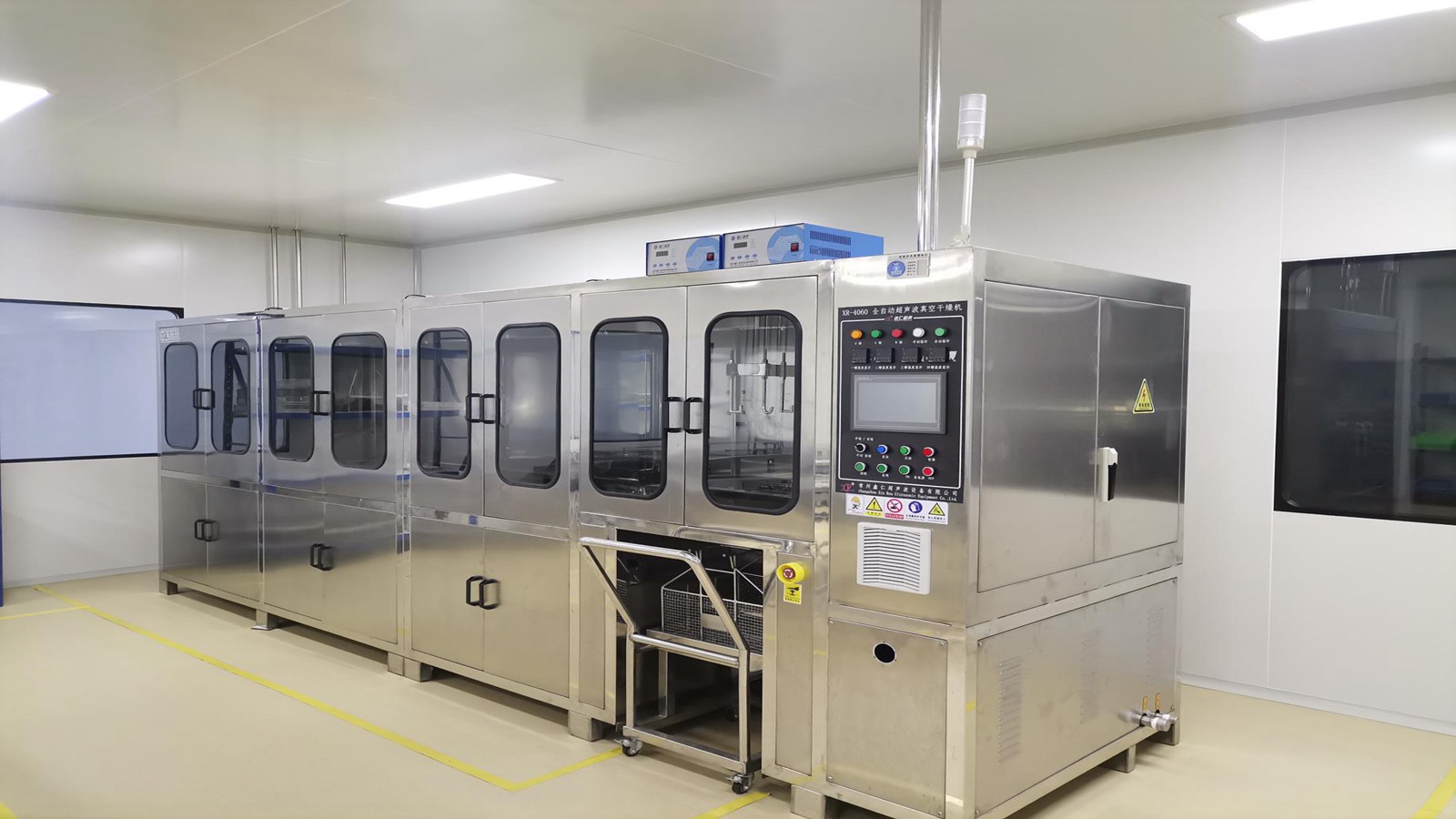
A closer look at our certified facilities, packaging processes, and advanced testing labs.
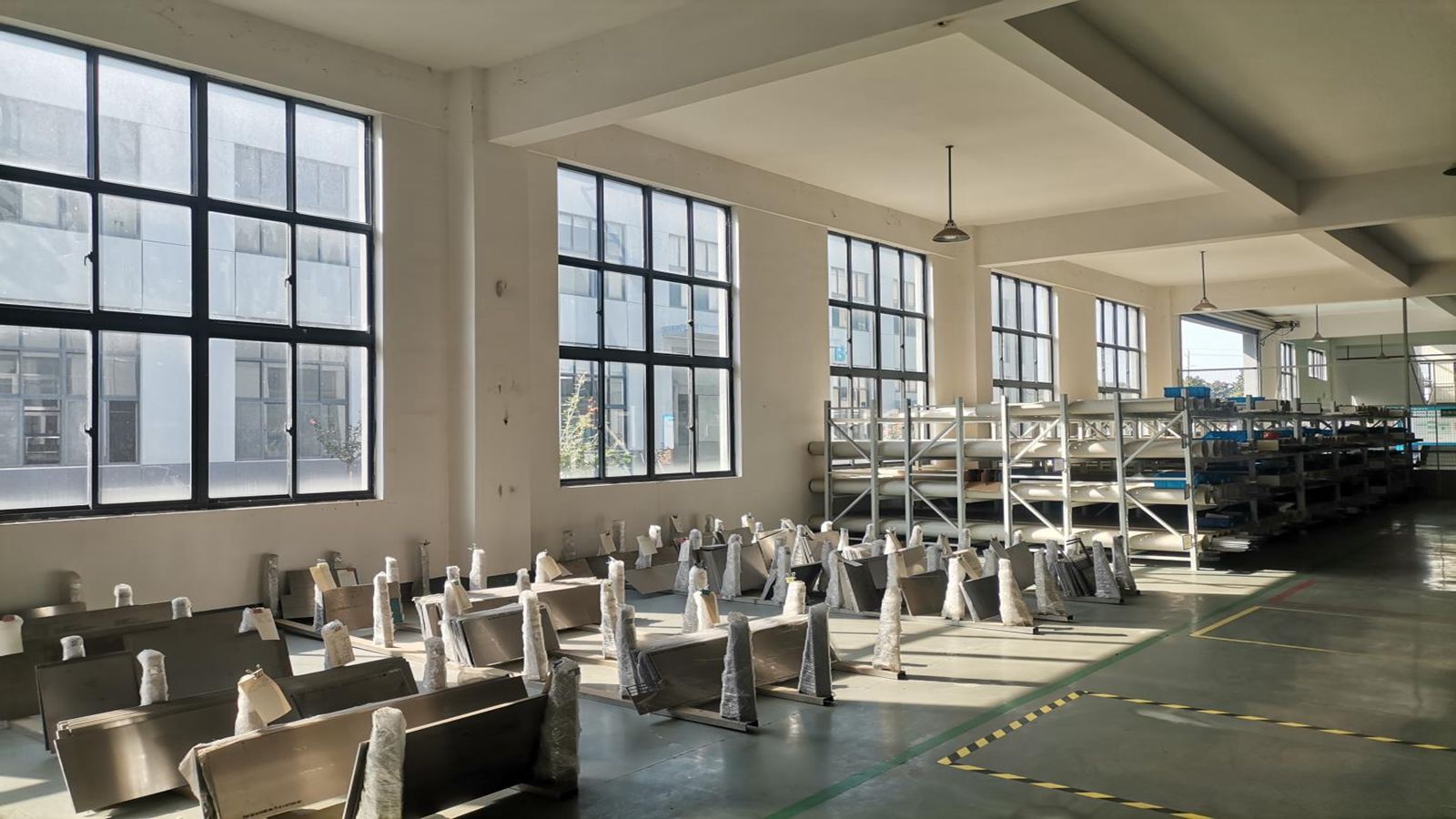
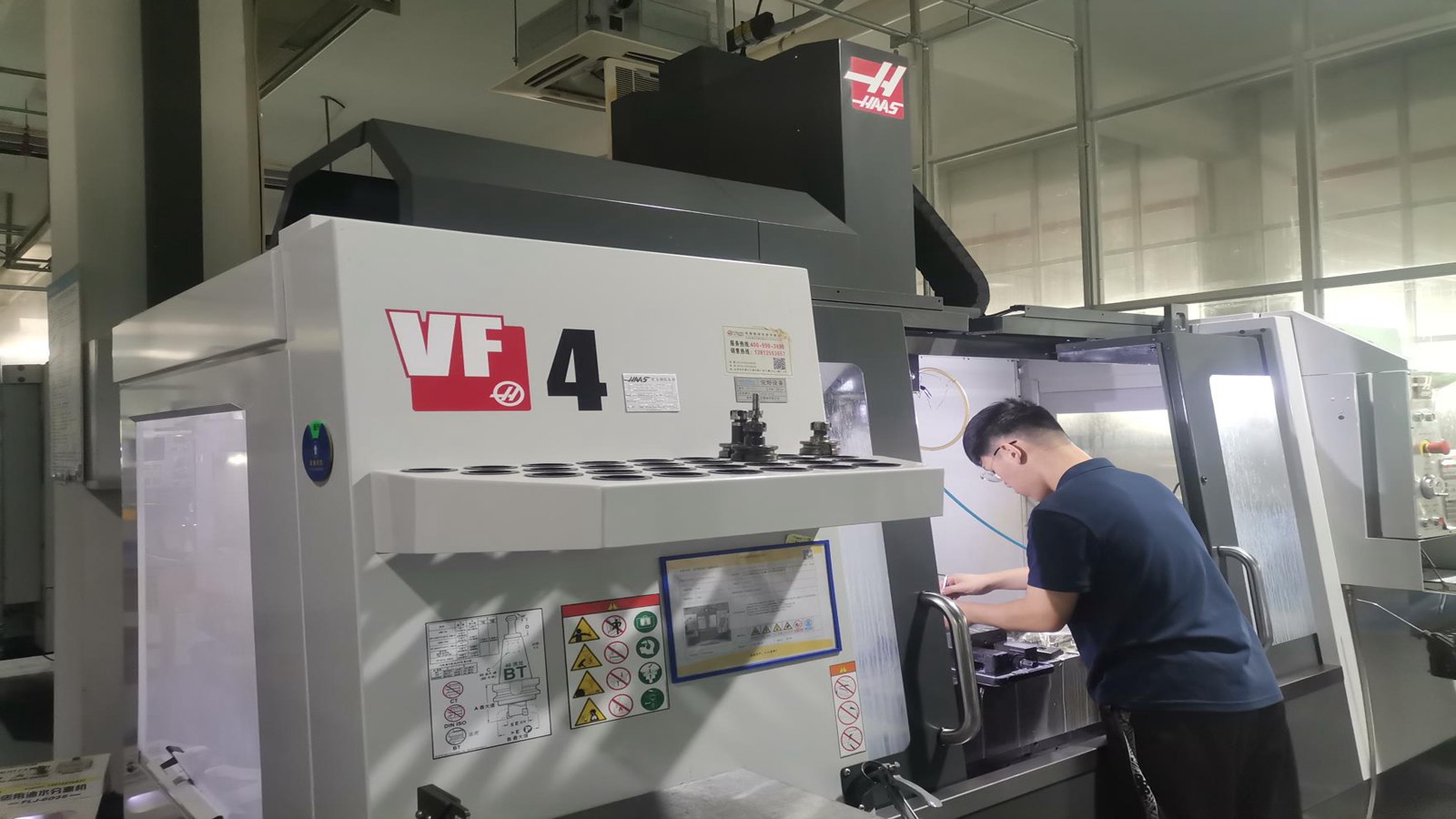
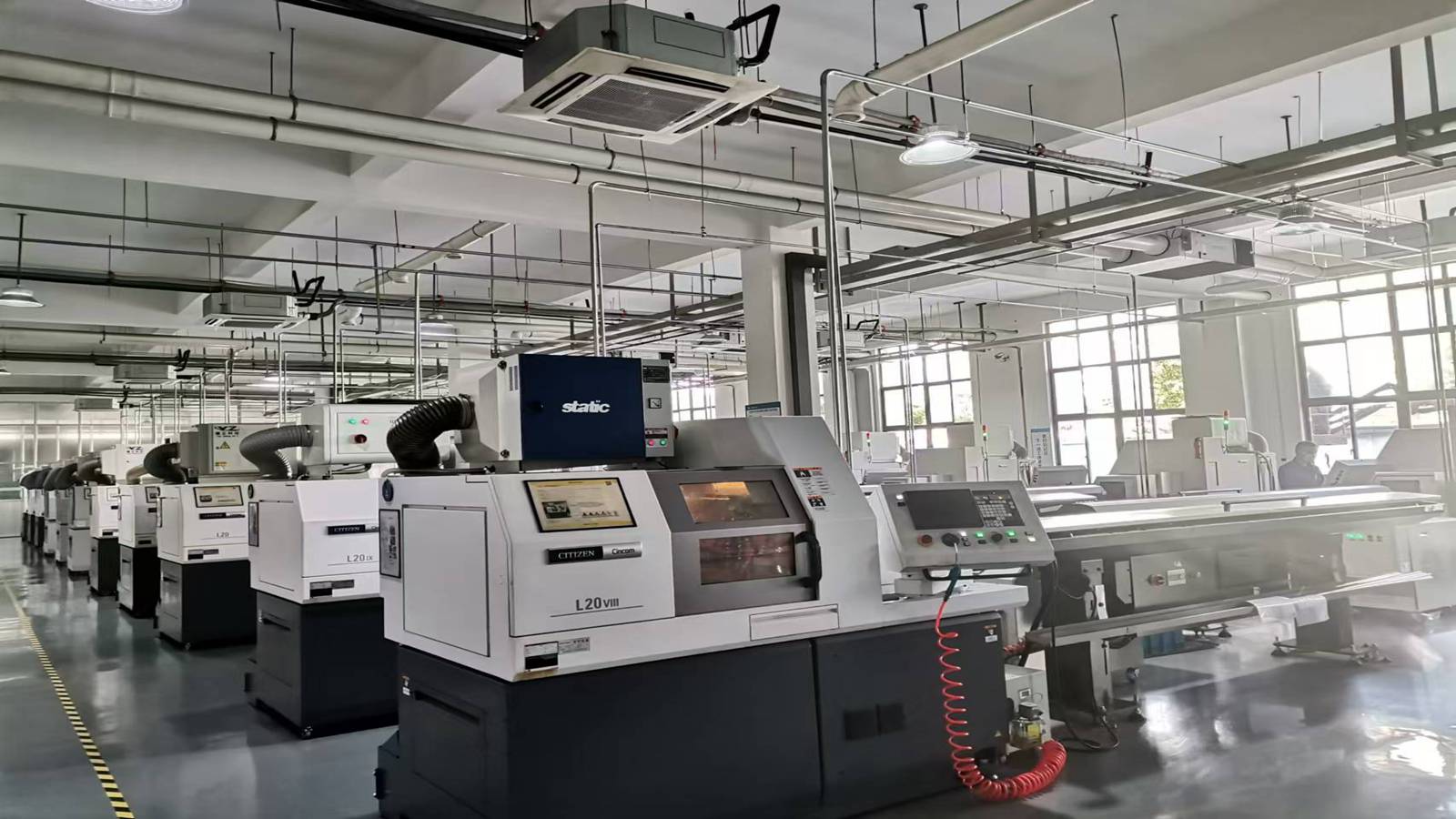
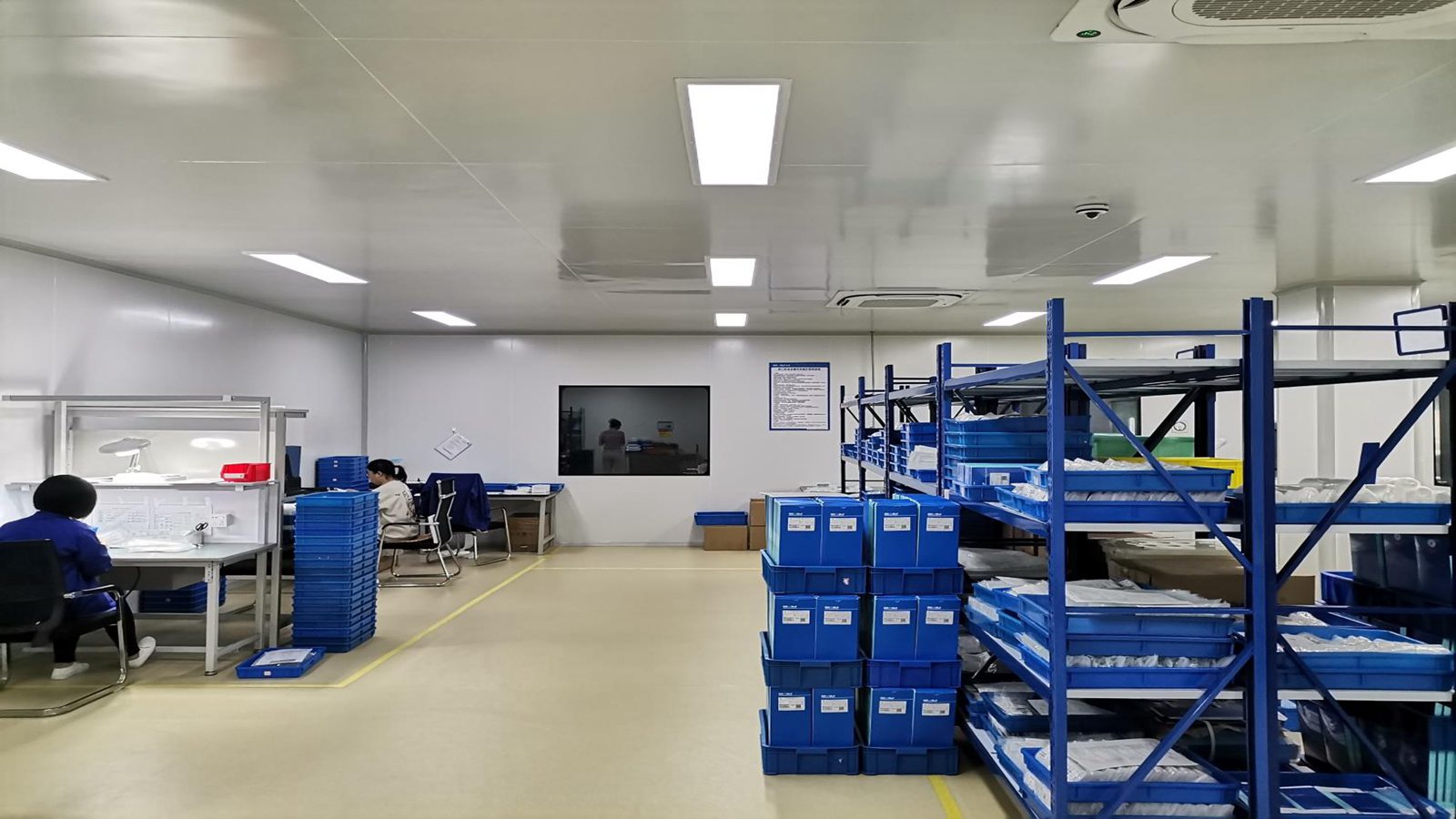
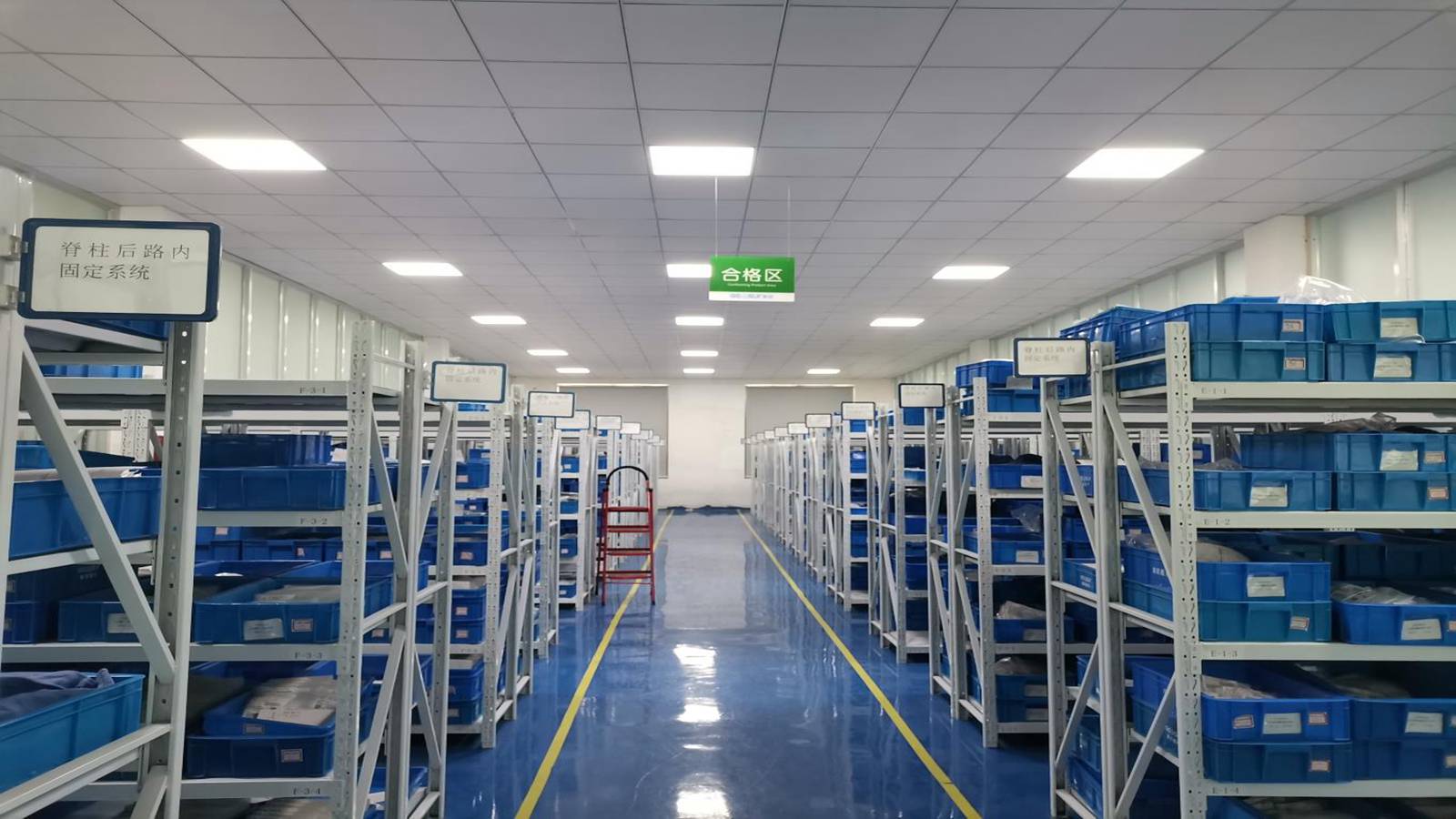
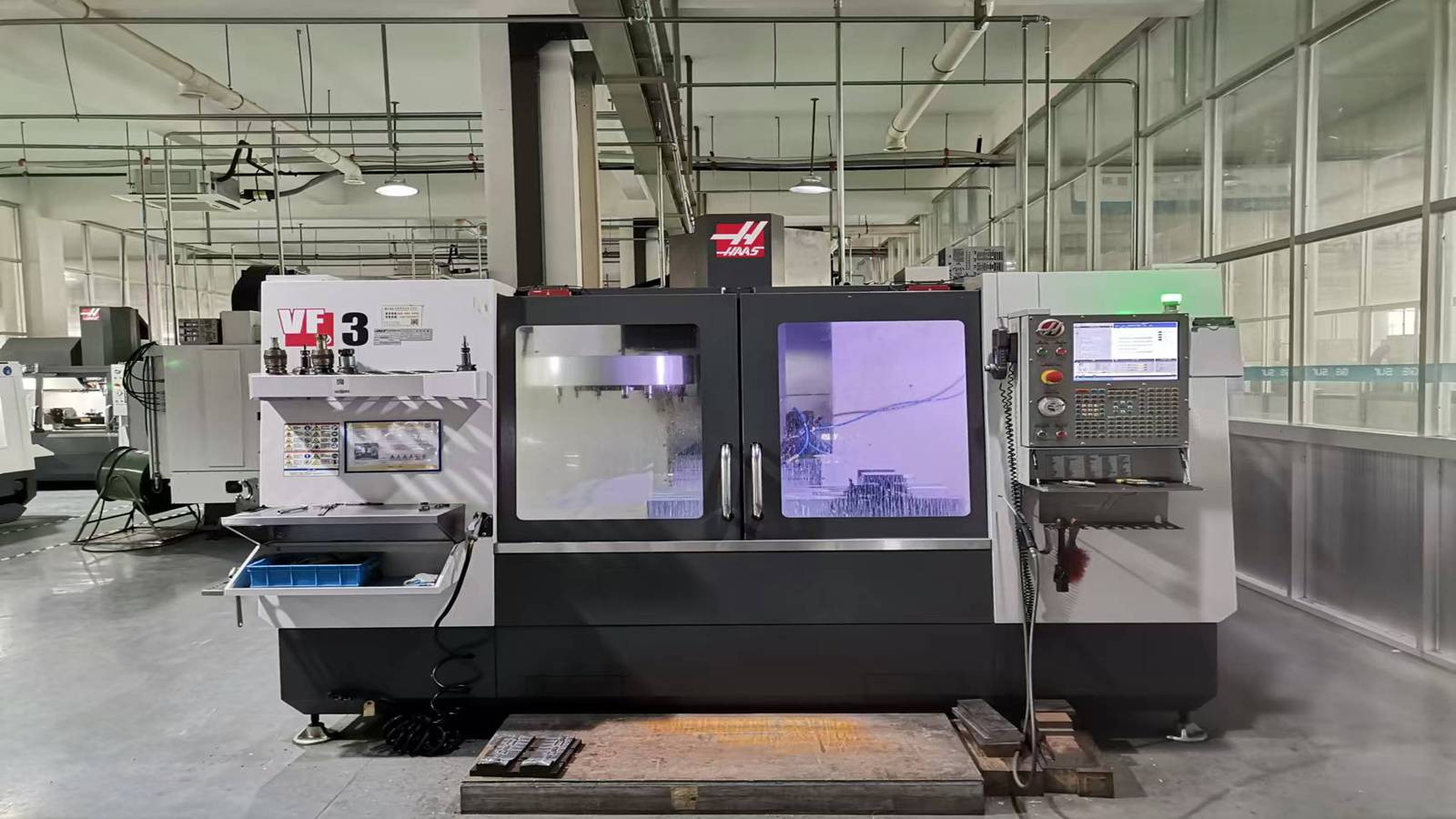
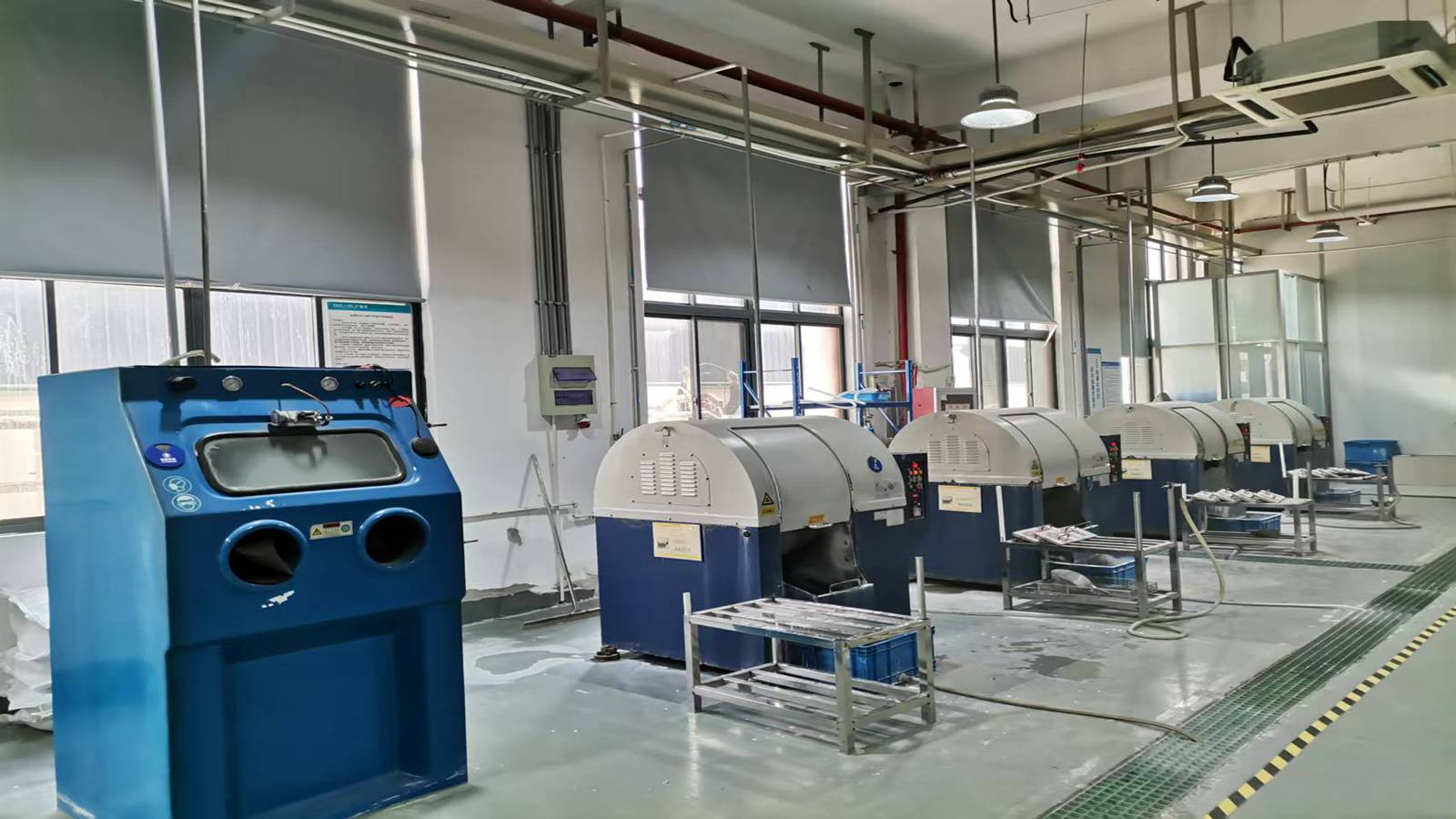
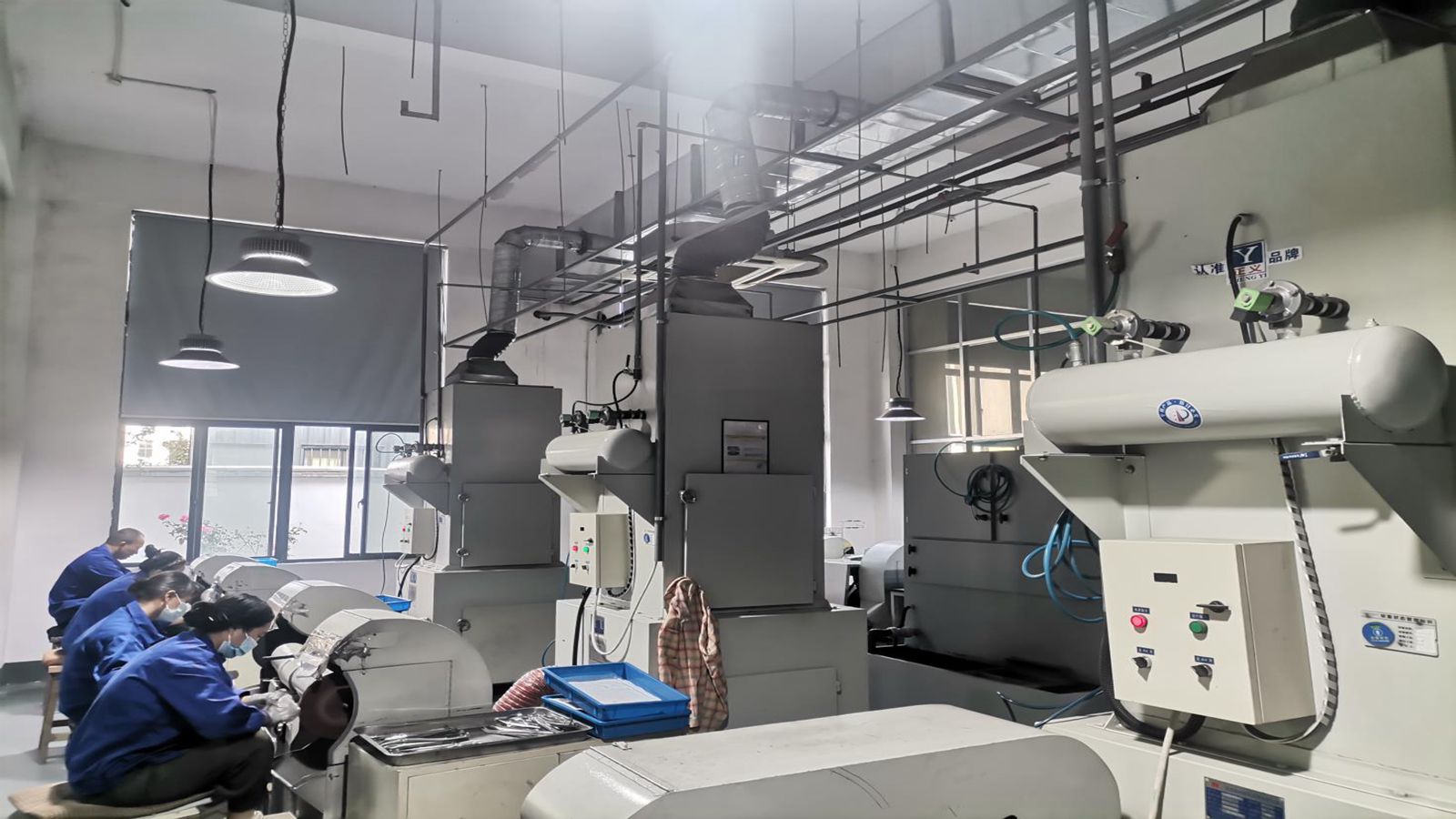
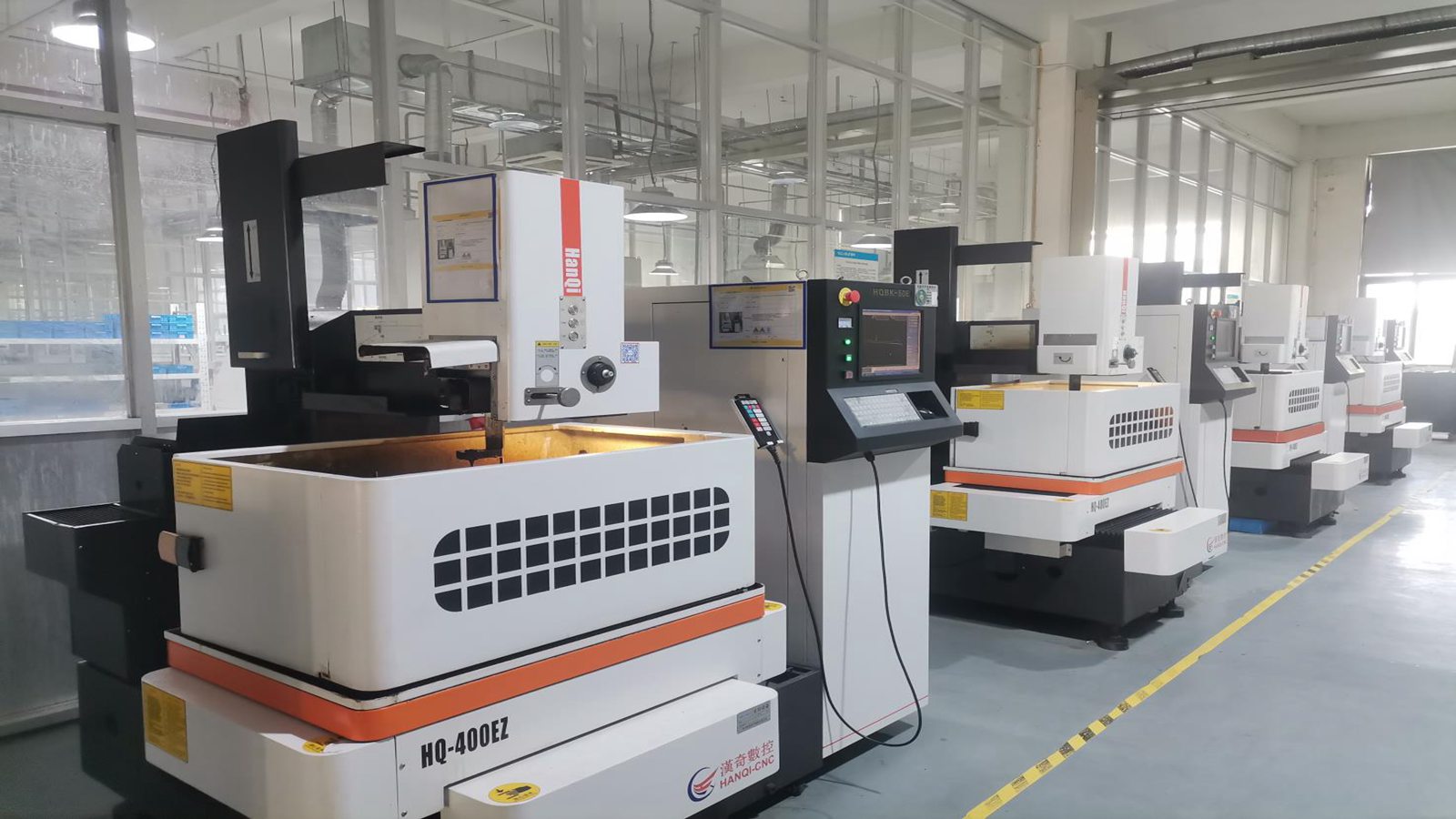
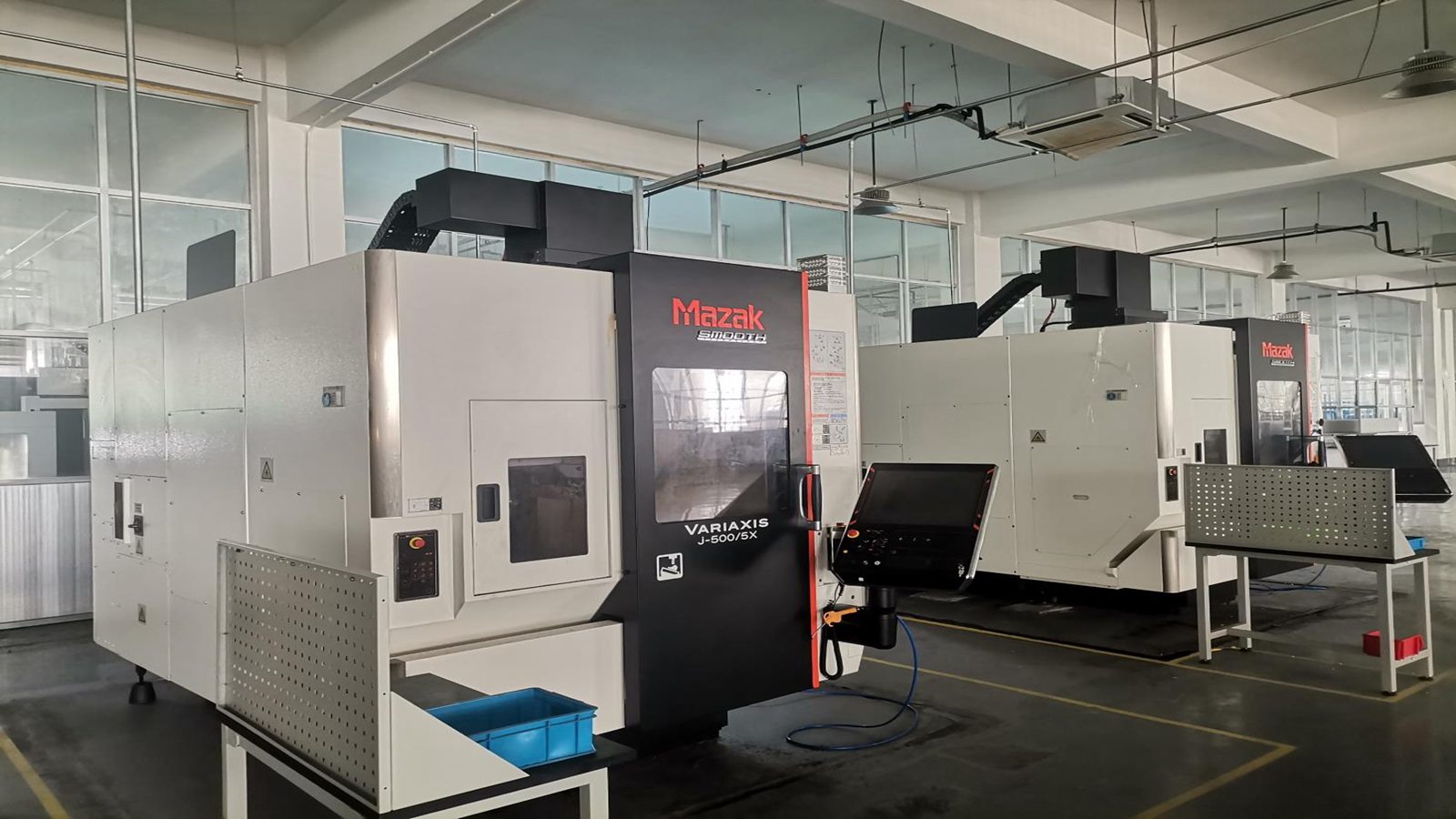
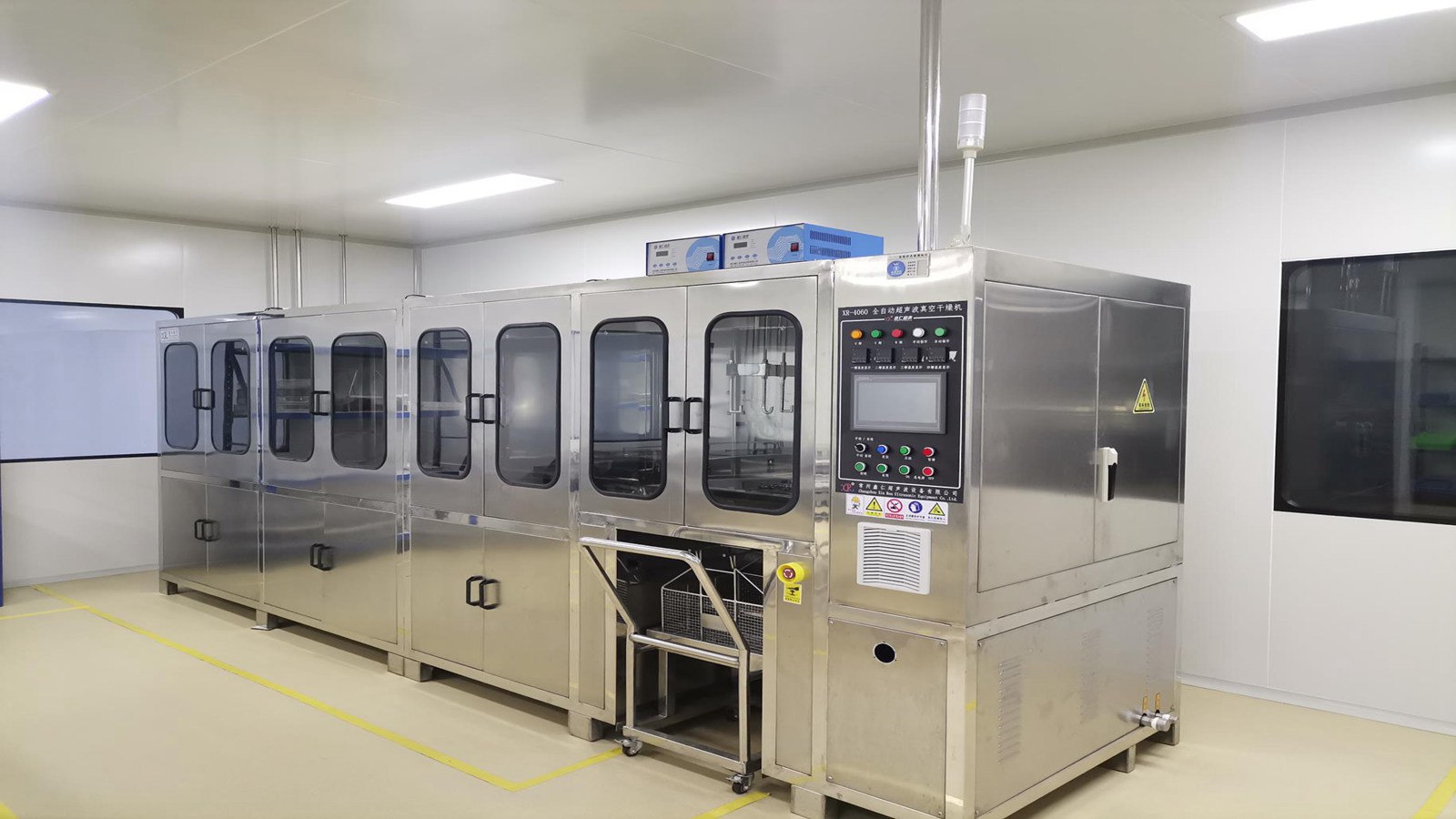
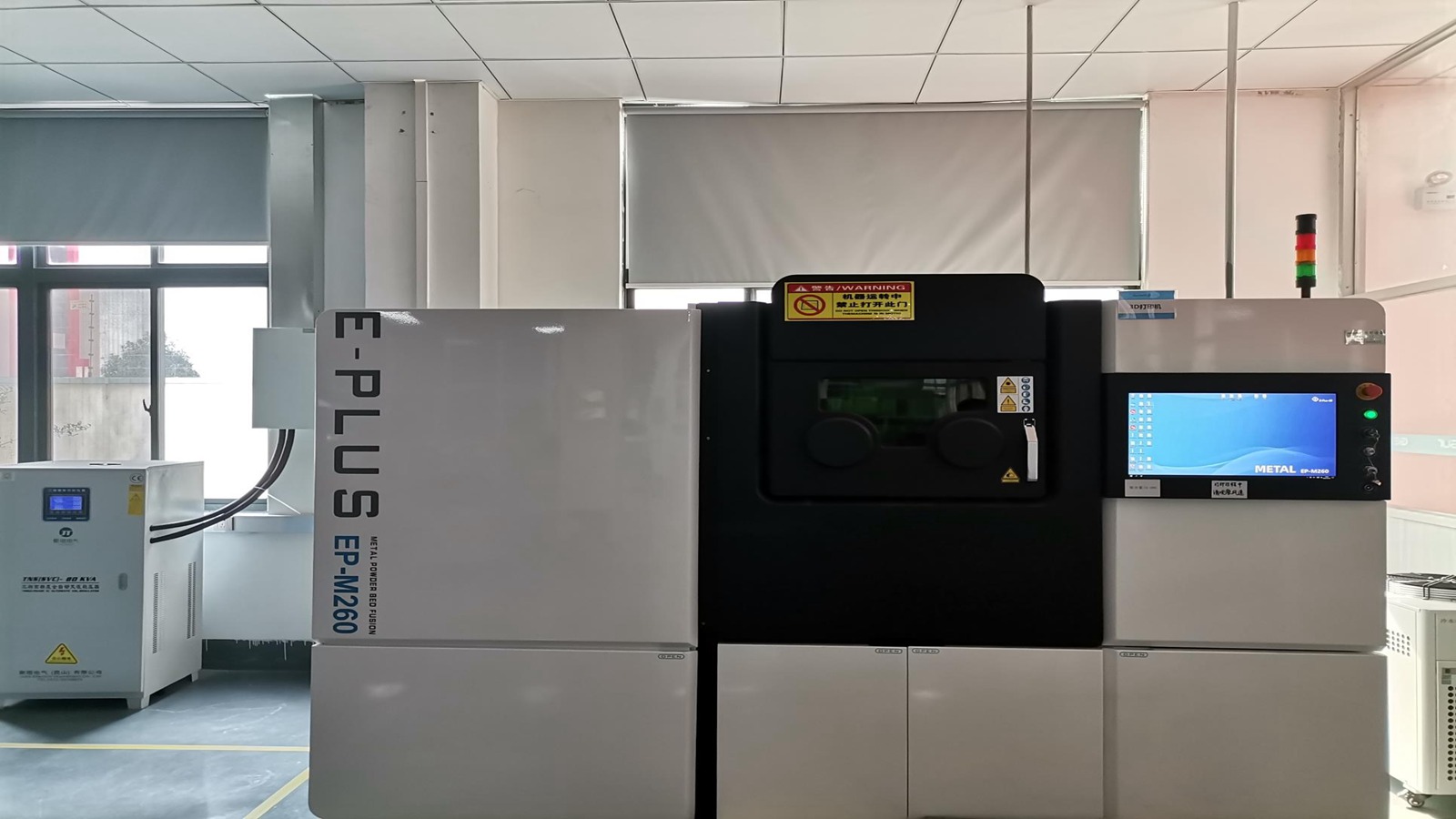
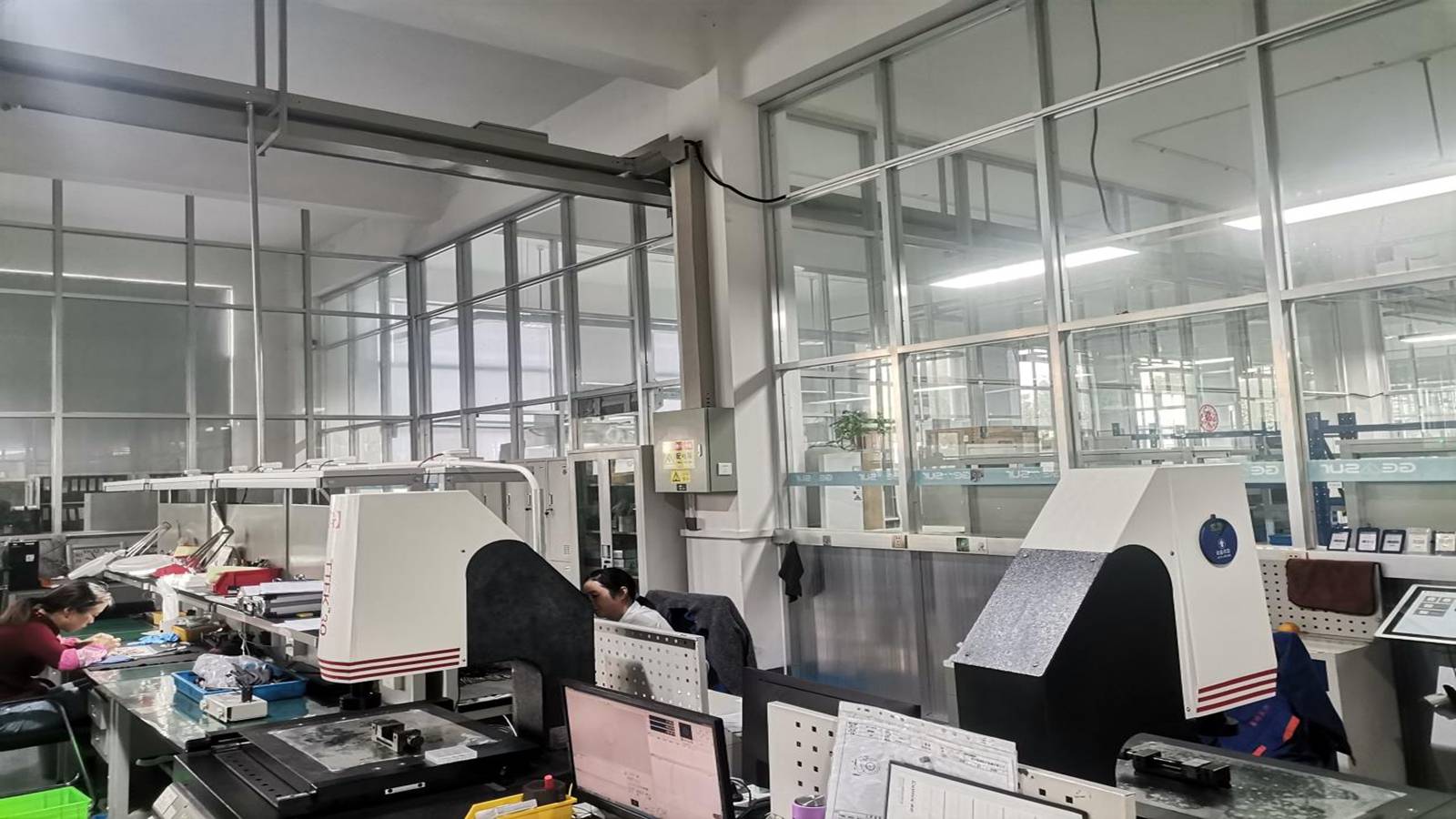
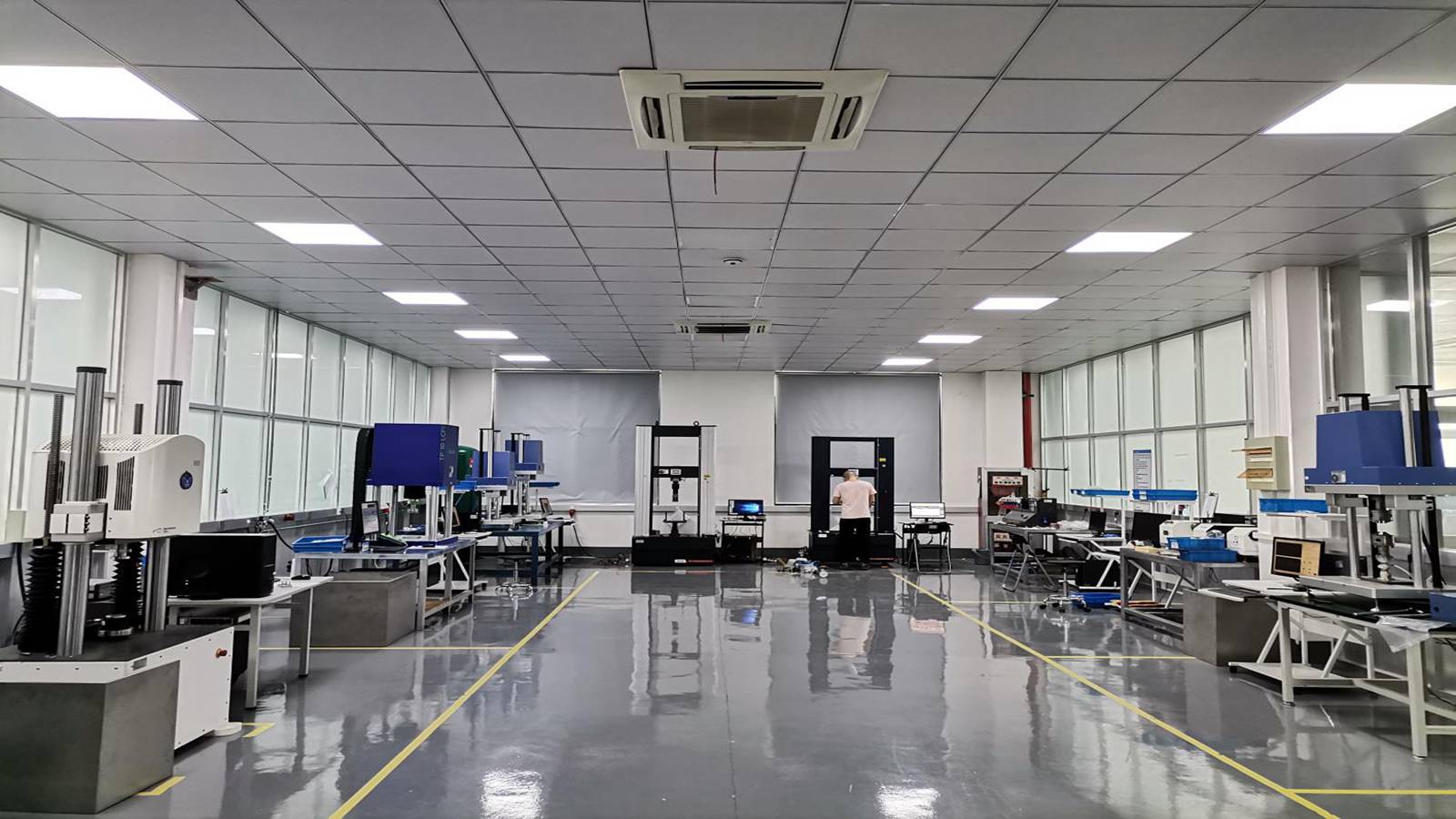
Browse our full range of CE-marked, titanium spinal fixation implants and accessories for the Lisbon market.
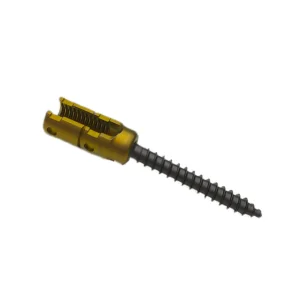
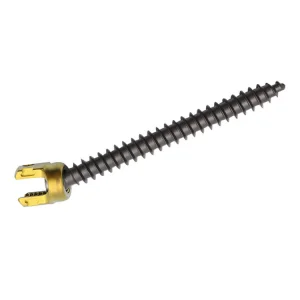
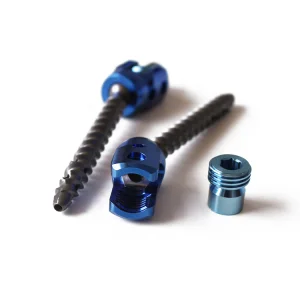
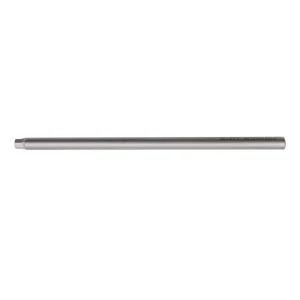
Full alignment with global standards, European medical regulations, and strict manufacturing protocols.
 ISO13485: 04723Q10000765
 EN ISO 13485: EPT 25 ISO 13485 0067
 MDSAP: C730178
 CE (MDR): EPT 0477.MDR.25/5905 & 5973
 MDR Compliant: EPT 0477.MDR.26/6113
Importing medical implants into Portugal requires attention to regulatory compliance, registration details, and technical documentation. We work closely with our local partners in Lisbon to provide structured support throughout the product lifecycle.
We provide complete technical files, biocompatibility data, and MDR CE certification paperwork to support smooth registration with the Portuguese National Authority.
We offer demo implants, high-fidelity plastic anatomical models, and empty instrumentation trays to support local clinical training and distributor workshops in Lisbon.
We work with specialized medical-device freight forwarders to ensure clean import processes into Portugal with complete customs documentation.
Contact our European exports team today to discuss regional distribution rights, volume discounts, and customized spine system configurations for Portugal.
Contact Exports TeamTechnical, clinical, and regulatory clarifications regarding our spine systems for Lisbon healthcare networks.
Yes. Our spine systems, including titanium pedicle screws, rods, and cervical implants, hold valid CE certifications under the European Medical Device Regulation (EU MDR 2017/745), issued by recognized Notified Bodies (e.g., EPT 0477). We provide complete CE declarations of conformity and MDSAP audit documentation.
Our spinal implants are manufactured using biocompatible Grade 5 Titanium Alloy (Ti-6Al-4V ELI) in strict compliance with ASTM F136 and ISO 5832-3 standards. This material is selected for its high strength-to-weight ratio, excellent fatigue properties, and long-term history of safe clinical use.
We operate a complete traceability system under our EN ISO 13485 quality management framework. Every single batch of raw titanium is tested for chemical composition. During production, every unit is assigned a Unique Device Identification (UDI) code, which is laser-etched onto the implant. This tracking information is also printed on the sterile packaging labels.
Yes. Our R&D team (31 engineers) supports custom development projects. We can design and manufacture custom modifications for surgical instruments, drill guides, and implant geometries to match specific clinical requirements or robotic navigation systems.
Standard orders for in-stock items can typically be processed and dispatched within 5-10 business days. For bulk production orders or custom OEM designs, the typical turnaround time ranges between 30 and 45 days, depending on manufacturing schedules and regulatory validation steps.
Connect directly with our regulatory specialists and regional export directors to request documentation, samples, or pricing lists.