Ease Medical Apparatus And Instruments
Ease Medical Apparatus And Instruments
Ease Medical Apparatus And Instruments
The global orthopedic intramedullary nail market is undergoing a paradigm shift. Moving beyond simple fixation, the industry is now focused on "Biological Optimization" and "Digital Integration."
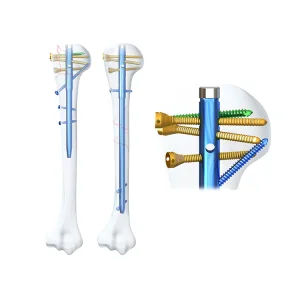
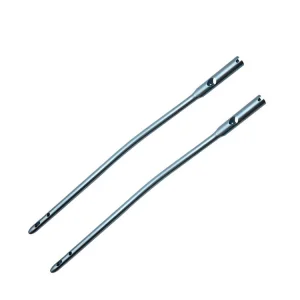
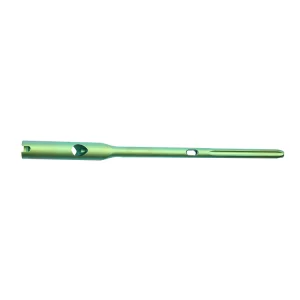
Modern Intramedullary (IM) nails are no longer inert rods. We are implementing Anodic Oxidation and Type II Anodization to improve fatigue resistance and reduce cold welding between the nail and locking screws. For the Nagoya market, where longevity and rapid rehabilitation are prioritized, our nails offer a lower modulus of elasticity closer to human cortical bone, reducing the "stress shielding" effect.
Proximal Femoral Nail Antirotation (PFNA) has become the gold standard for geriatric hip fractures. Our proprietary design features a helical blade that compacts the cancellous bone during insertion, providing superior stability in osteoporotic patients—a critical factor for Japan's aging demographic in the Nagoya region.
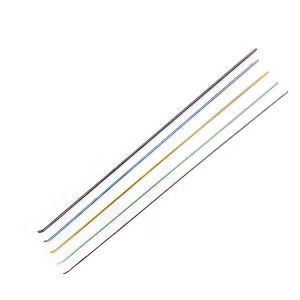
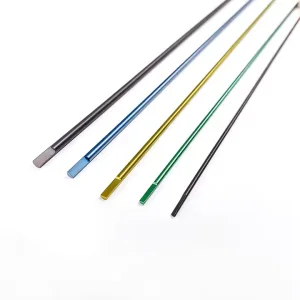
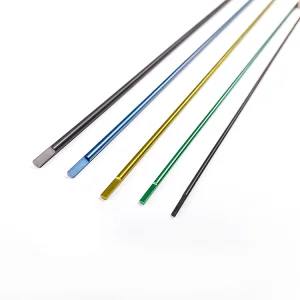
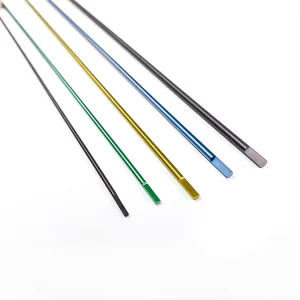
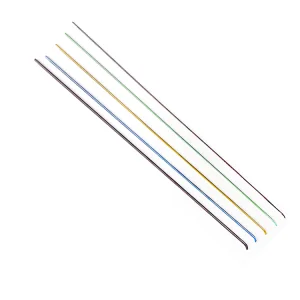
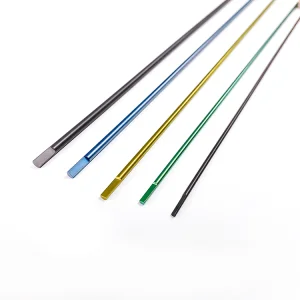
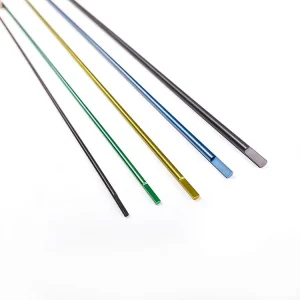
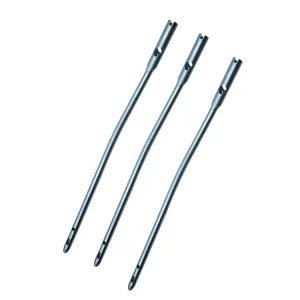
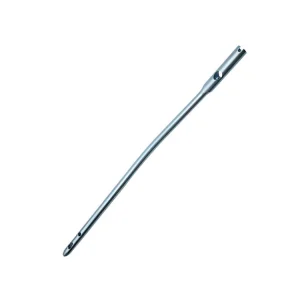
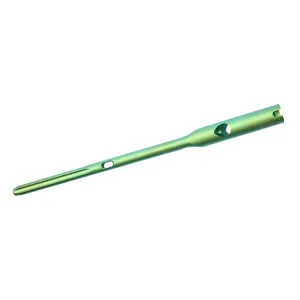
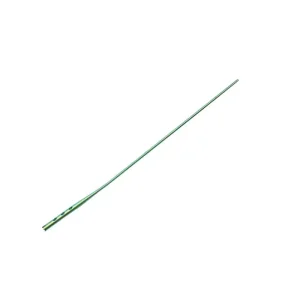
Children require implants that respect the growth plates (physis). Our Titanium Elastic Nails (TEN), showcased below, provide the necessary flexibility for pediatric diaphyseal fractures while maintaining stable alignment, allowing for early weight-bearing and reduced hospital stays.
Procuring medical devices for the Japanese market requires more than just high-quality products; it requires a deep understanding of the Pharmaceutical and Medical Devices Act (PMDA) and localized logistics.
Our R&D department is currently exploring the next generation of trauma fixation. The future roadmap for Nagoya’s healthcare includes:
Integrating distal targeting devices with electromagnetic tracking to reduce radiation exposure (C-arm usage) in the OR.
Silver-ion or antibiotic-releasing coatings to combat Surgical Site Infections (SSI) in complex open fractures.
Research into Magnesium-based alloys for pediatric applications, eliminating the need for a second hardware removal surgery.
 ISO13485 |
 EN ISO 13485 |
 MDSAP |
 CE (MDR)