 Ease Medical Apparatus And Instruments
Ease Medical Apparatus And Instruments
Ease Medical Apparatus And Instruments
Advanced orthopaedic implants and soft tissue fixation assemblies designed to address trauma, sports medicine, and reconstructive surgeries within Malaysia's top-tier healthcare infrastructures.
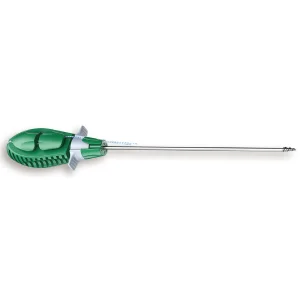
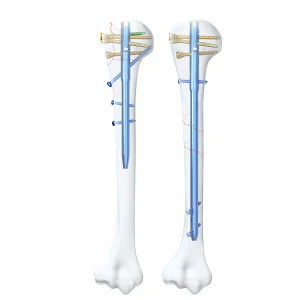
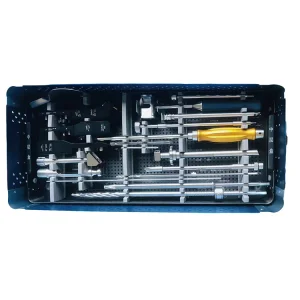
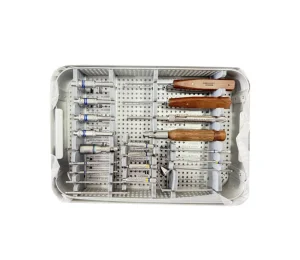
An in-depth analysis of regulatory shifts, technological transitions, and macroeconomic drivers shaping medical device procurement in Southeast Asia.
Over the past decade, Malaysia's healthcare system—sustained by both the public Ministry of Health (MOH/KKM) facilities and a rapidly growing private hospital network (including major operators like IHH Healthcare, KPJ Healthcare, and Sunway Medical Group)—has undergone a significant transition. Traditional manual suturing methods are increasingly being replaced by mechanical stapling devices. The clinical drivers for this shift are clear: reduced intraoperative time, diminished risk of postoperative anastomotic leaks in gastrointestinal surgeries, and shorter anesthesia exposure times for high-risk patients.
Furthermore, surgical wards across Kuala Lumpur, Penang, and Johor Bahru are reporting higher patient turnover rates directly linked to the implementation of minimally invasive surgery (MIS) procedures where linear cutters and endo-cutters are indispensable. The demand for sterile, reliable, and single-use disposable surgical staplers has escalated as hospital infection control committees actively work to reduce Hospital-Acquired Infections (HAIs).

According to Malaysian Medical Device Authority (MDA) guidelines, Class B and Class C surgical tools, including disposable skin staplers and internal cutting devices, must conform to rigorous safety metrics under Act 737 to ensure absolute compatibility with native tissue and physiological systems.
On a global scale, the surgical stapler and orthopaedic implant markets are highly consolidated, with historical dominance by US and EU multi-nationals. However, global procurement managers are increasingly dealing with prolonged lead times, rigid pricing structures, and raw material supply chain disruptions. This has prompted major purchasing groups, surgical distributors, and private hospital consortiums in Malaysia to seek reliable, ISO 13485-certified alternative manufacturers in industrial hubs like China.
By leveraging advanced automation, high-grade titanium (Grades 2 and 5), and massive manufacturing scale, top-tier Chinese manufacturers can offer equivalent or superior clinical efficacy at a highly optimized Total Cost of Ownership (TCO). This optimization allows procurement managers to redirect savings toward expanding patient access to advanced therapies.
Uncompromising raw material controls, ISO Cleanroom standards, and precision machinery ensure clinical reliability.
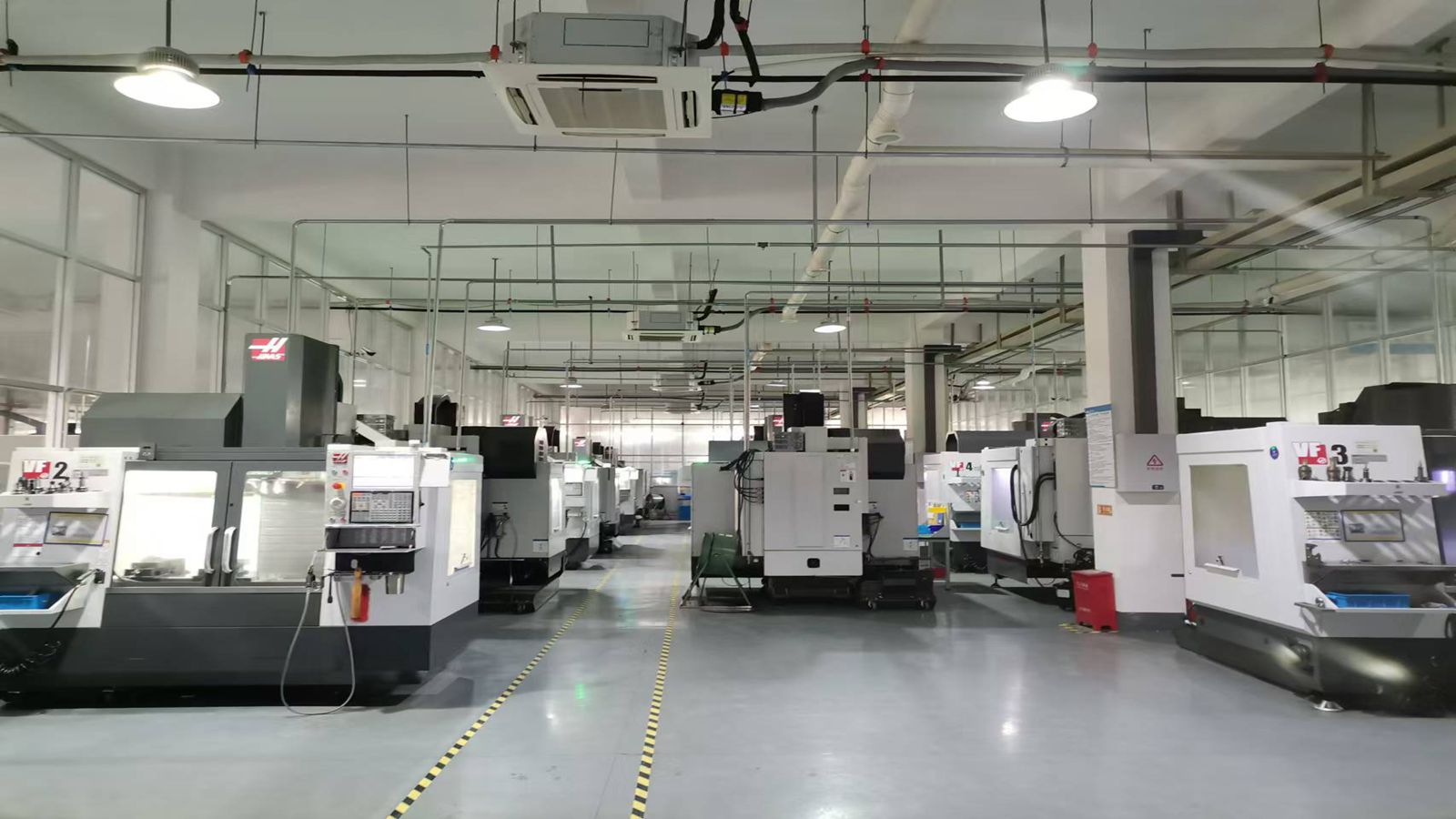
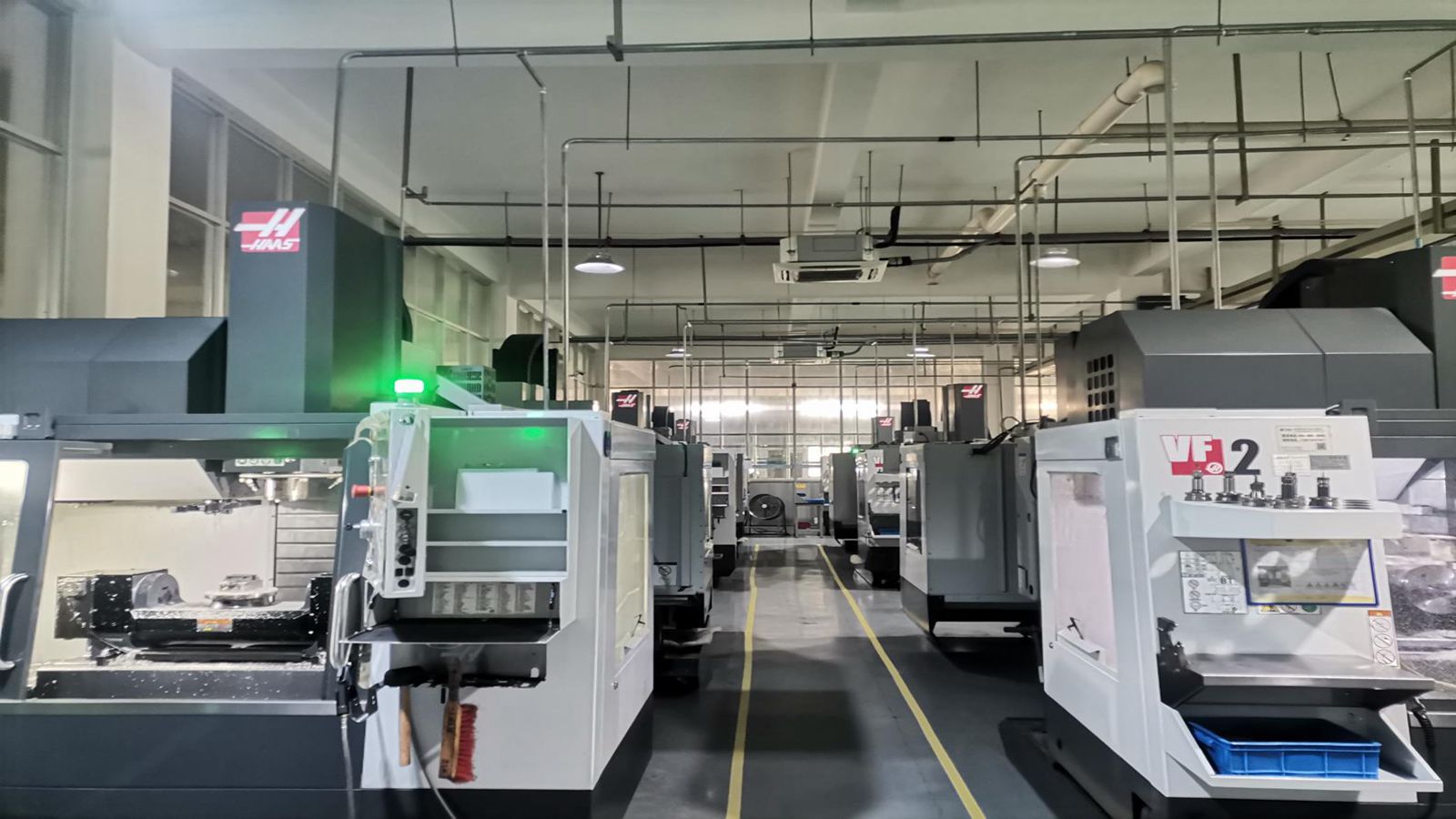
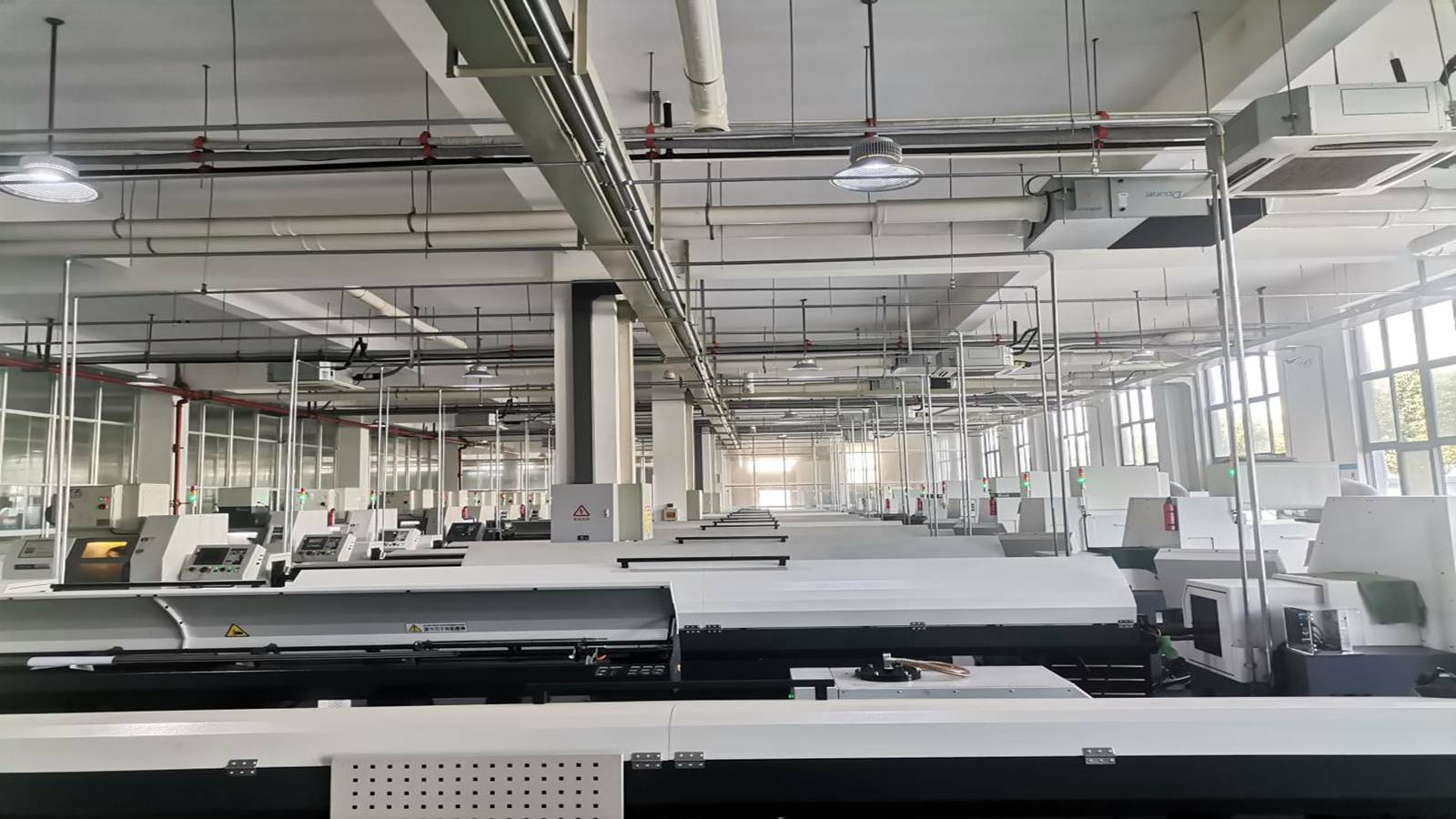
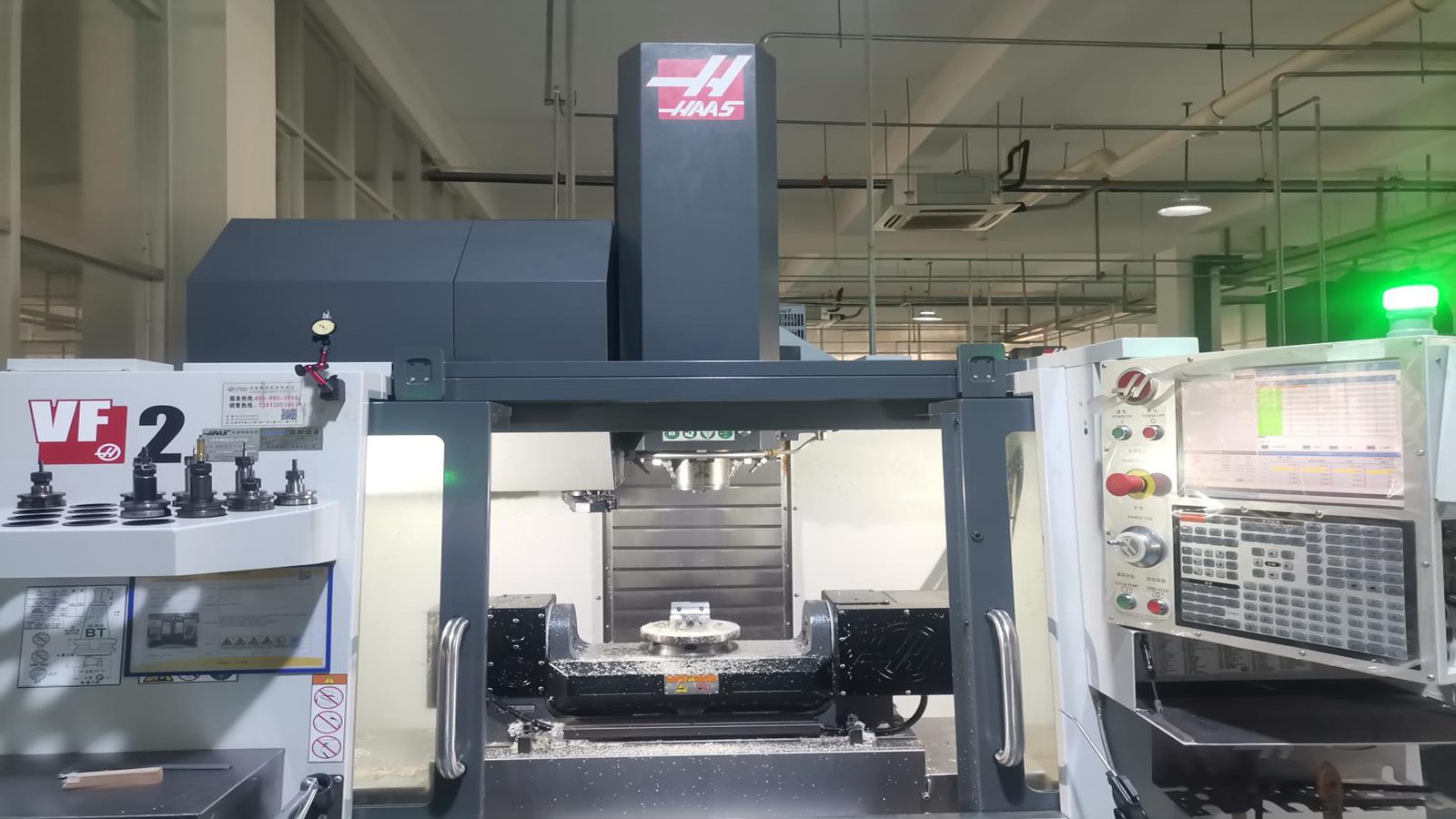
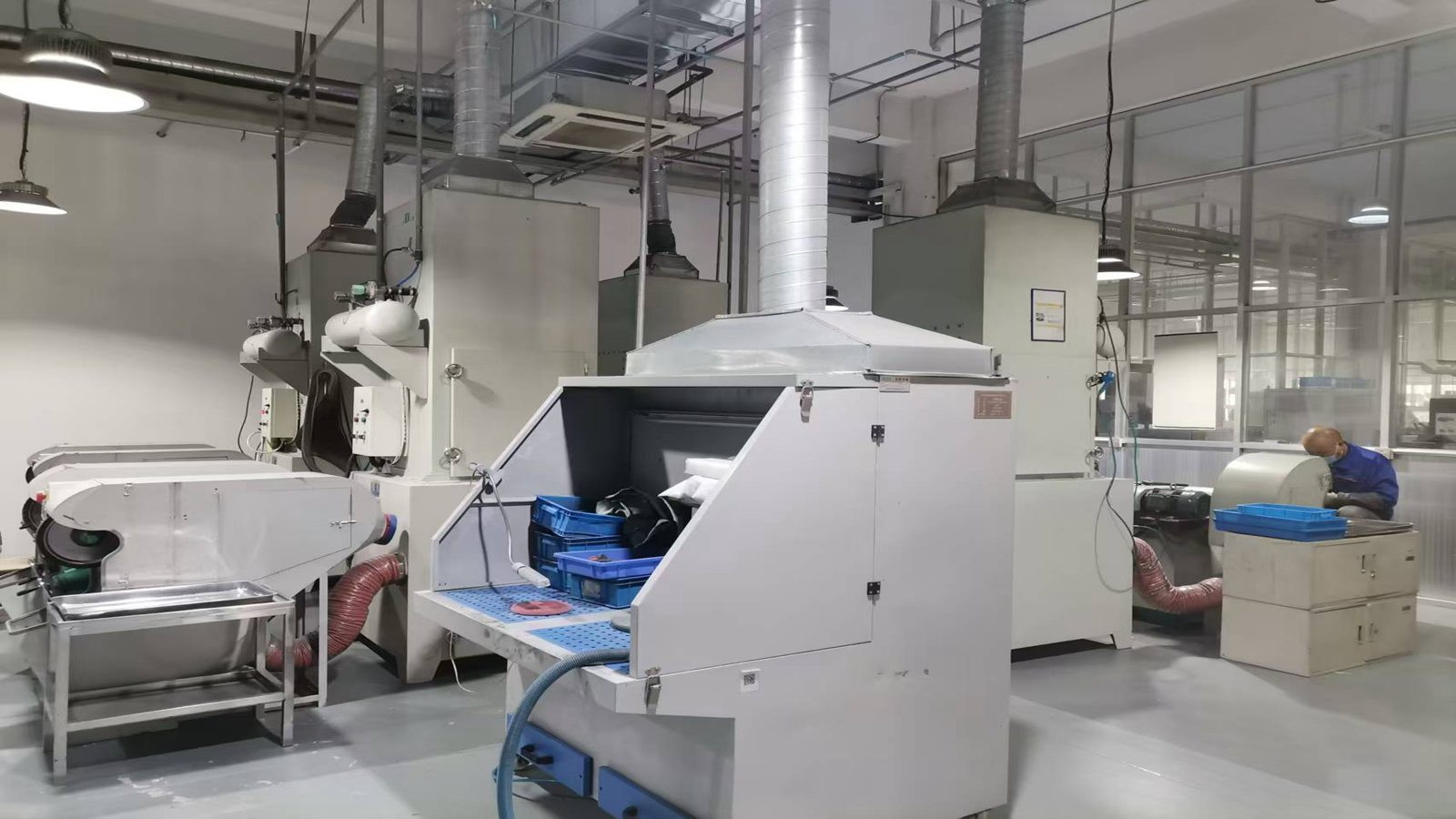
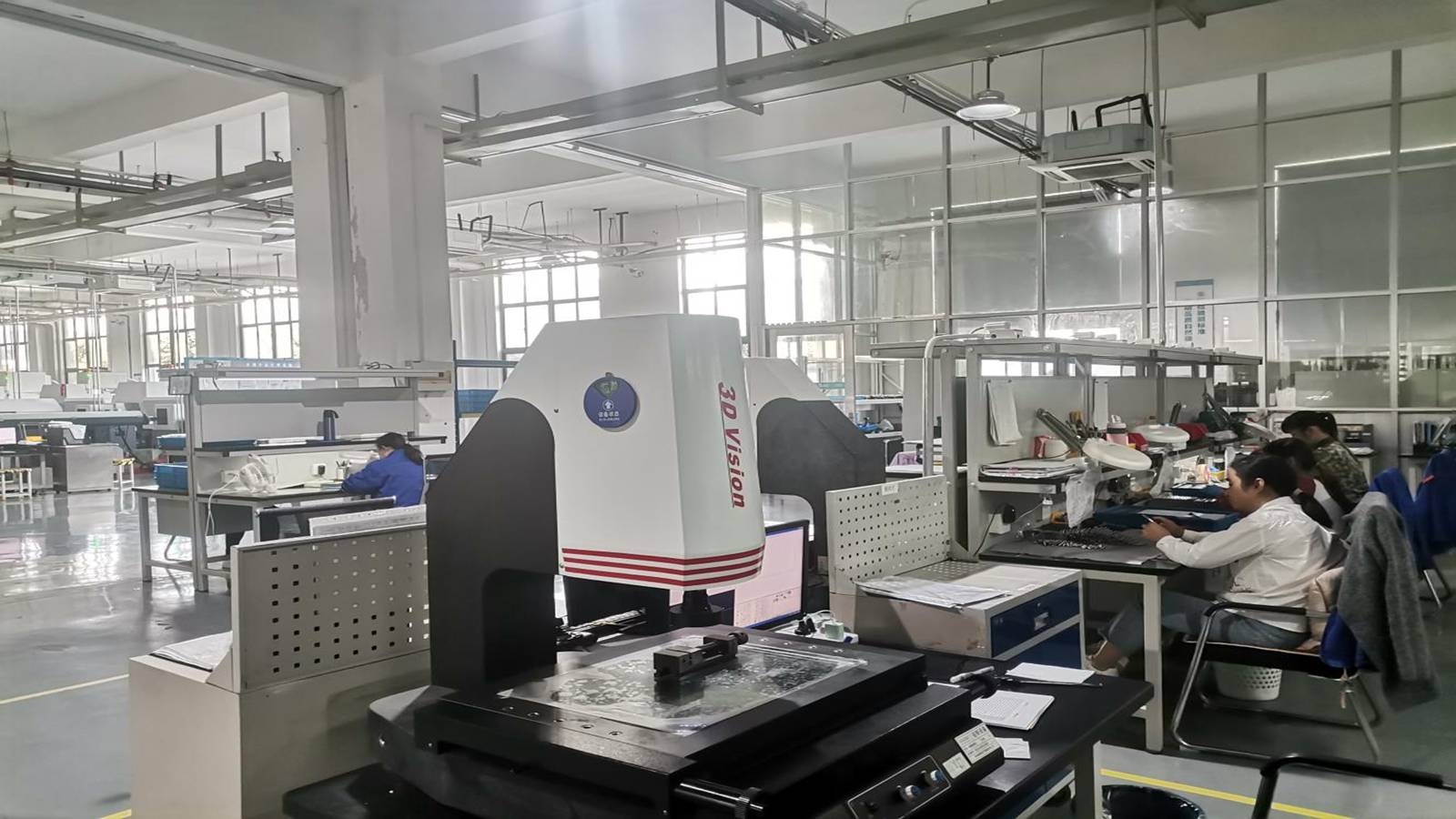
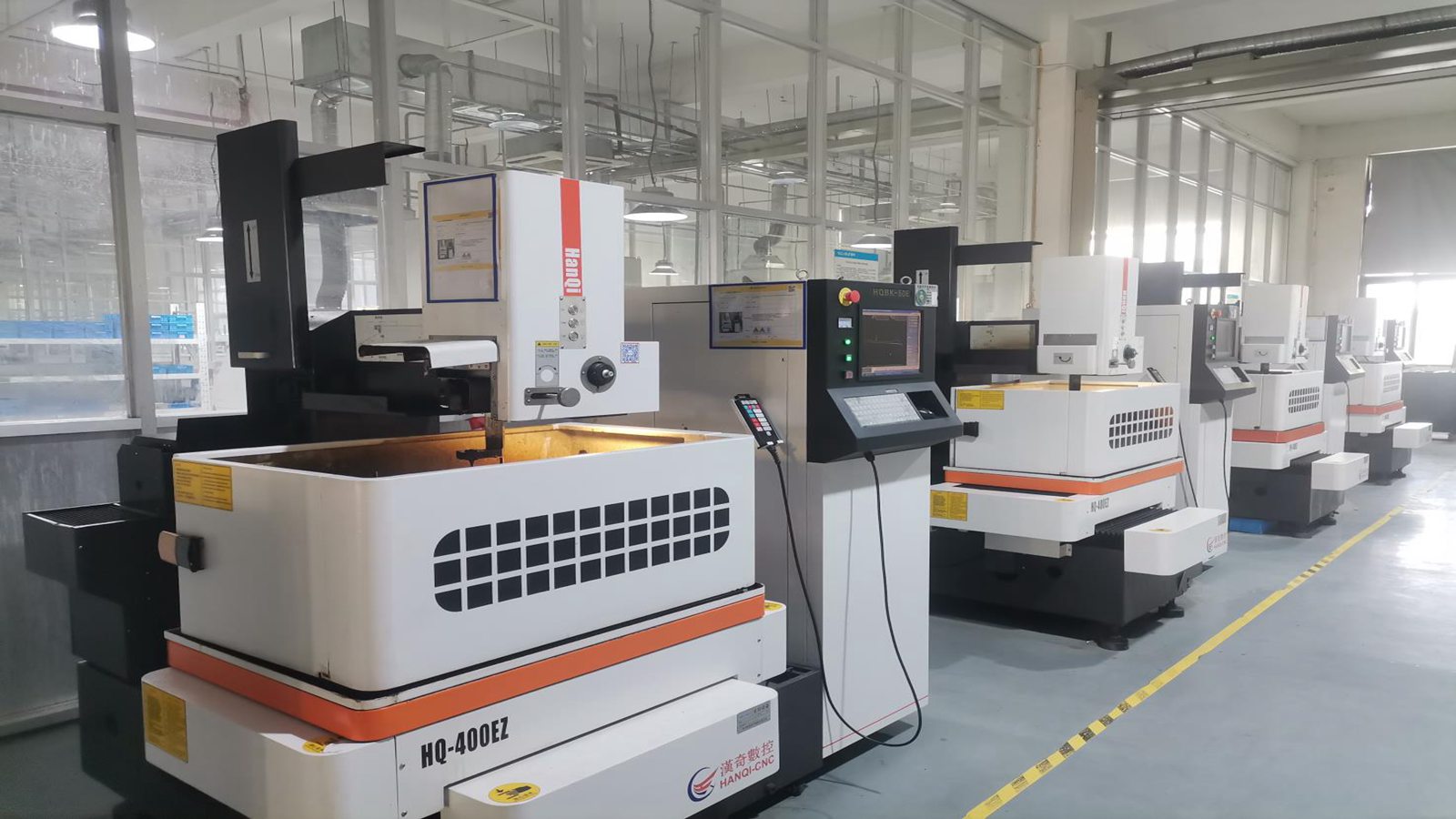
Our manufacturing complex employs CNC milling centers, Swiss-type automatic lathes, and ultra-high-pressure injection molding equipment to ensure dimensional tolerances within ±0.01 mm. This level of precision is critical for disposable internal linear cutters and hemorrhoidal staplers, where alignment between the anvil and staple cartridge must be flawless to prevent tissue trauma, malformed staples, or line leaks.
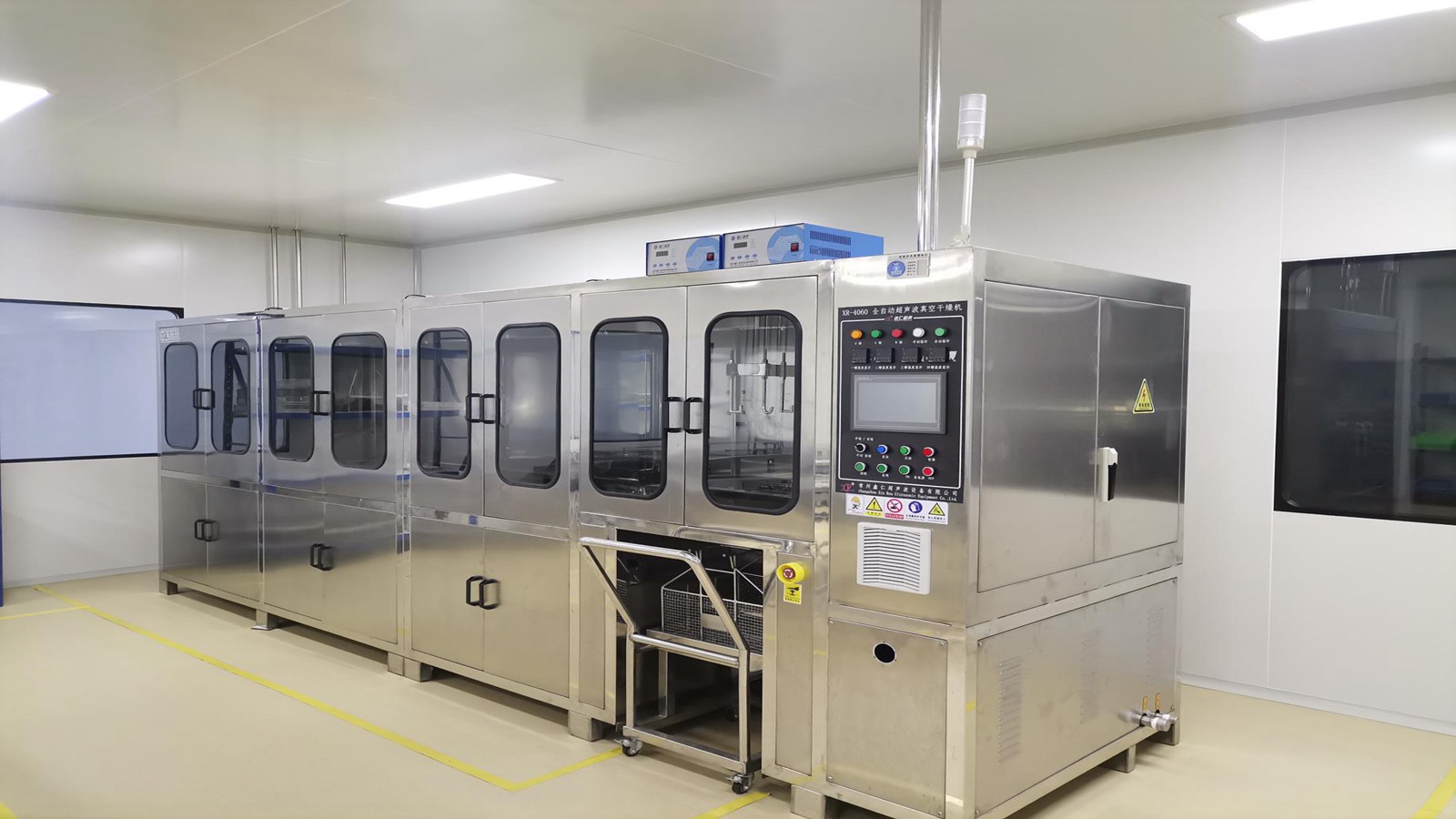
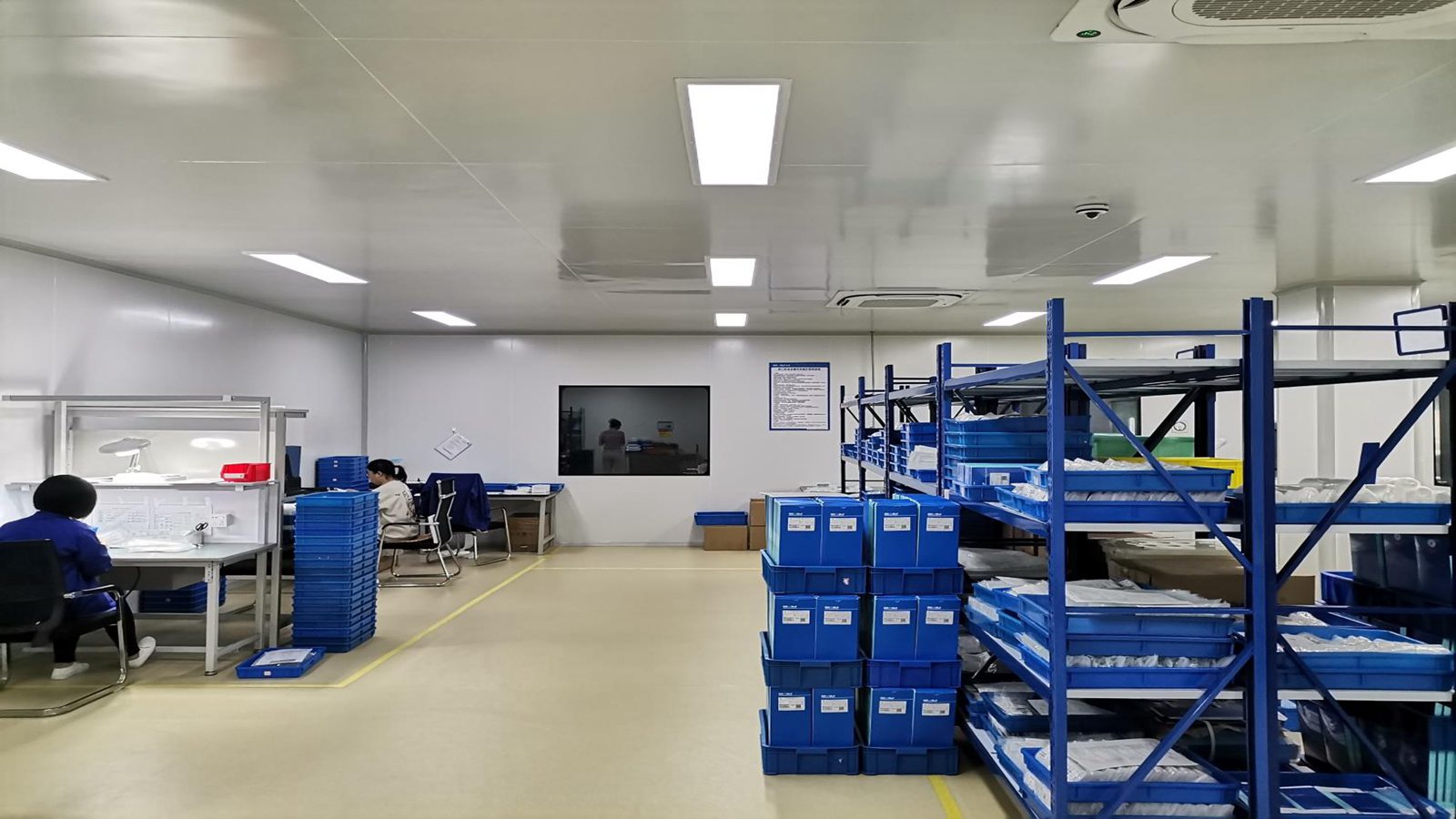
Every batch of titanium wire (ASTM F136 compliant) and implant-grade PEEK polymer (Polyetheretherketone) is sourced from globally verified suppliers, complete with Mill Test Certificates (MTC) and biological compatibility assay clearances. Production takes place within Class 100,000 (ISO Class 7/8 equivalent) cleanrooms to ensure bioburden levels are strictly managed prior to ethylene oxide (EO) sterilization.

| Product Classification | Core Base Materials | Standard Dimensional Tolerances | Sterilization Protocols | Relevant Regulatory Standards |
|---|---|---|---|---|
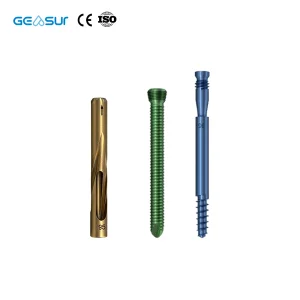
| Orthopedic Implants & Fixation Nails | Titanium Alloy (Ti-6Al-4V ELI / ASTM F136) | ±0.005 mm to ±0.01 mm | Sterile/Non-Sterile Options (EO) | ISO13485, CE, MDSAP, MDA Registered |
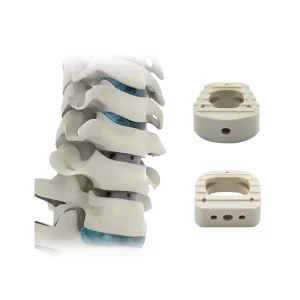
| Cages & Interbody Spacers | Biocompatible PEEK / Titanium Alloy | ±0.02 mm | Medical Clean Packaged | CE Mark, EN ISO 13485 |
| Surgical Suture Anchors | Grade 5 Titanium / UHMWPE Fibers | ±0.01 mm | Ethylene Oxide (EO) | CE, MDSAP, ISO 13485 |
| Trauma Bone Plates & Screws | Commercially Pure Ti (CP-Ti) / Ti-6Al-4V | ±0.01 mm | Clean-room Cleaned & Packed | CE, ISO 13485, MDSAP |
Understanding the unique demands of surgical teams across the Malaysian peninsula and East Malaysia provinces.
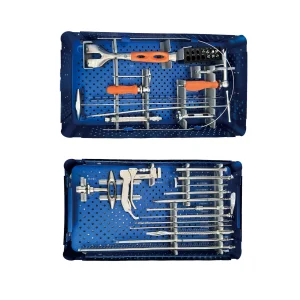
Trauma departments in busy regional hospitals, such as Hospital Kuala Lumpur (HKL) or Hospital Sultanah Aminah (Johor Bahru), face a constant flow of orthopedic emergencies resulting from motor vehicle accidents and work-related injuries. High-durability intramedullary nails, distal locking plates, and robust orthopedic instrumentation sets are critical for stabilizing long bone fractures quickly. Using standardized, high-performance surgical staplers for skin closures saves valuable minutes in high-pressure emergency surgeries.
With Malaysia's sports tourism and active lifestyle sectors growing, clinics in Penang, Selangor, and Sarawak are seeing a rise in arthroscopic procedures for ACL reconstruction, meniscus repairs, and rotator cuff assemblies. High-tensile titanium suture anchors and surgical suture buttons are crucial for securing soft tissues to bone surfaces. Our implants are engineered to promote rapid osteointegration and reduce the risk of localized inflammatory responses.
Navigating regulatory hurdles is a common challenge for medical device distributors in Southeast Asia. Our manufacturing protocols align with global regulatory updates. We maintain a robust quality management portfolio, including MDSAP (Medical Device Single Audit Program) certificates and CE marks under the European Medical Devices Regulation (MDR 2017/745). This level of compliance streamlines registration with the Malaysian Medical Device Authority (MDA), accelerating the path to local clinical adoption.
A transparent look at our manufacturing infrastructure, raw material inspection labs, cleanroom lines, and testing spaces.
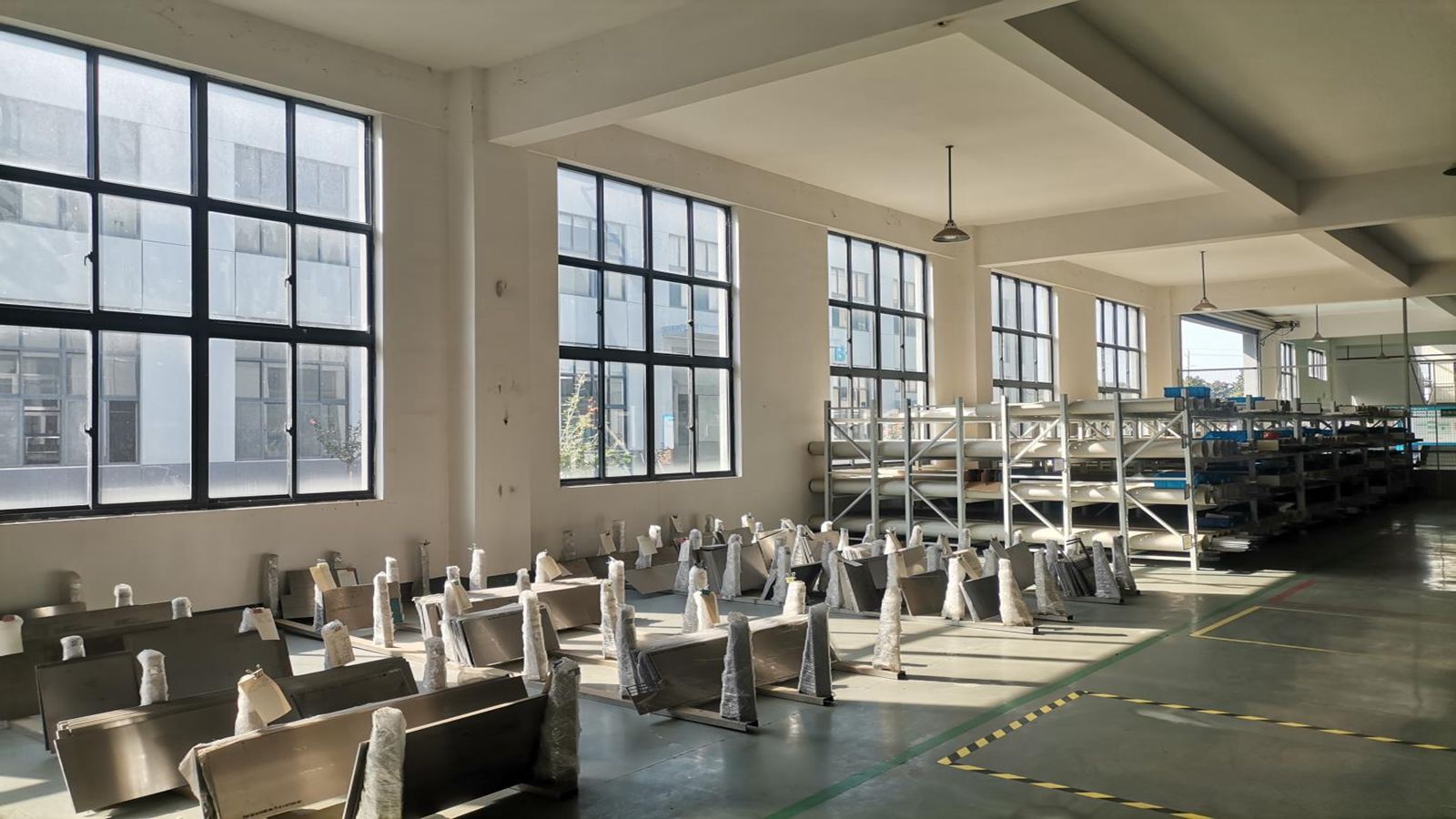
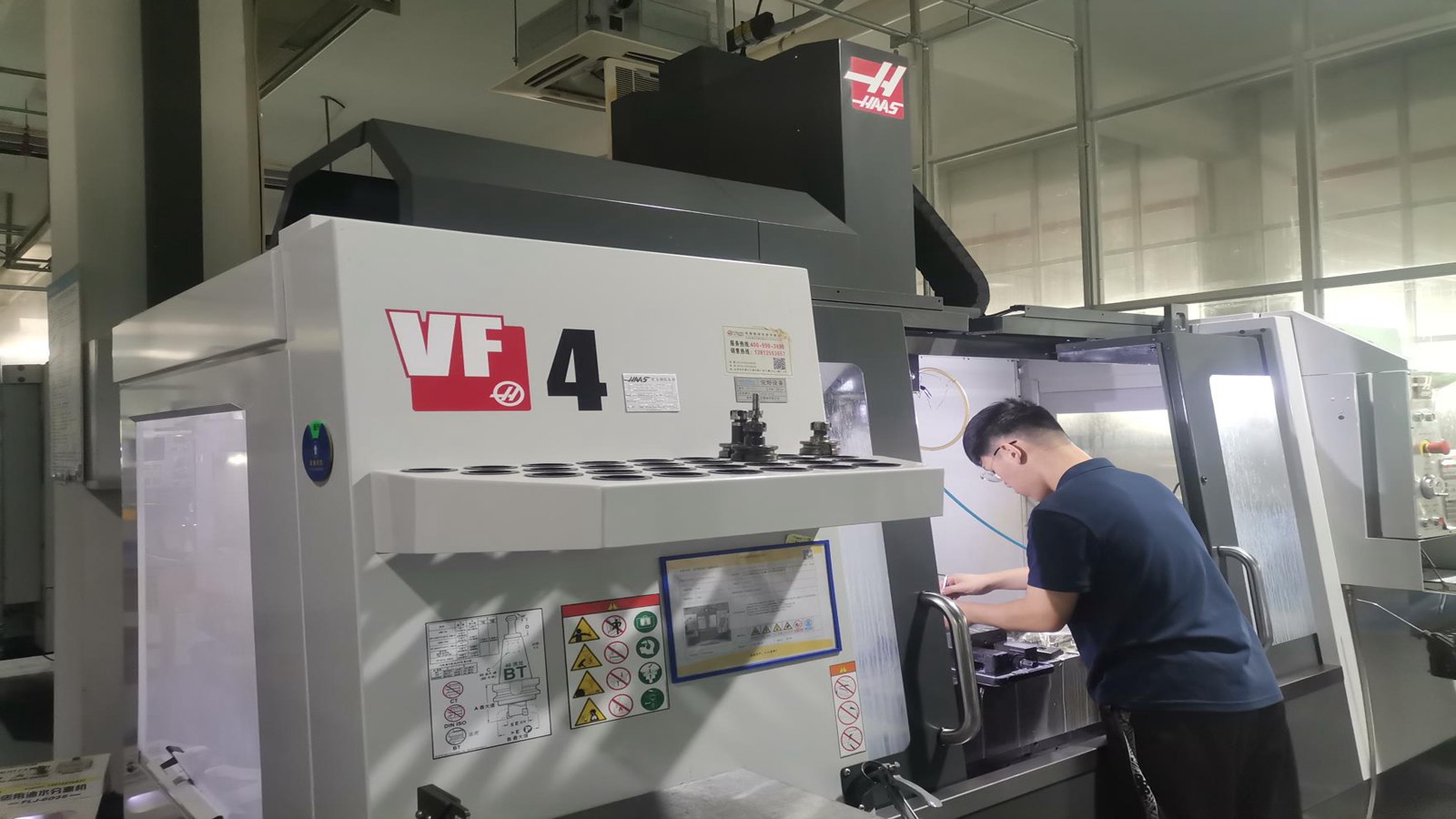
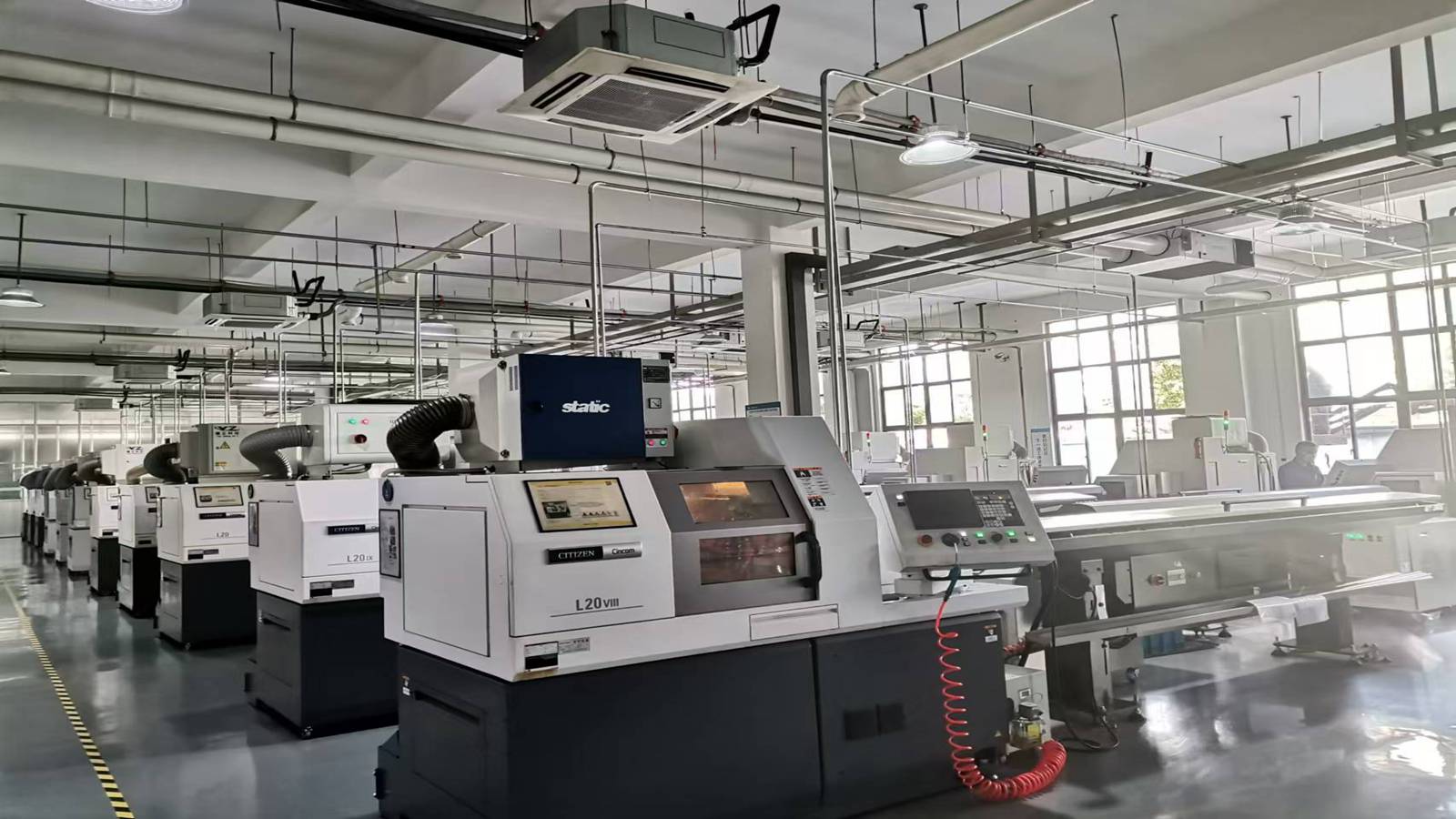
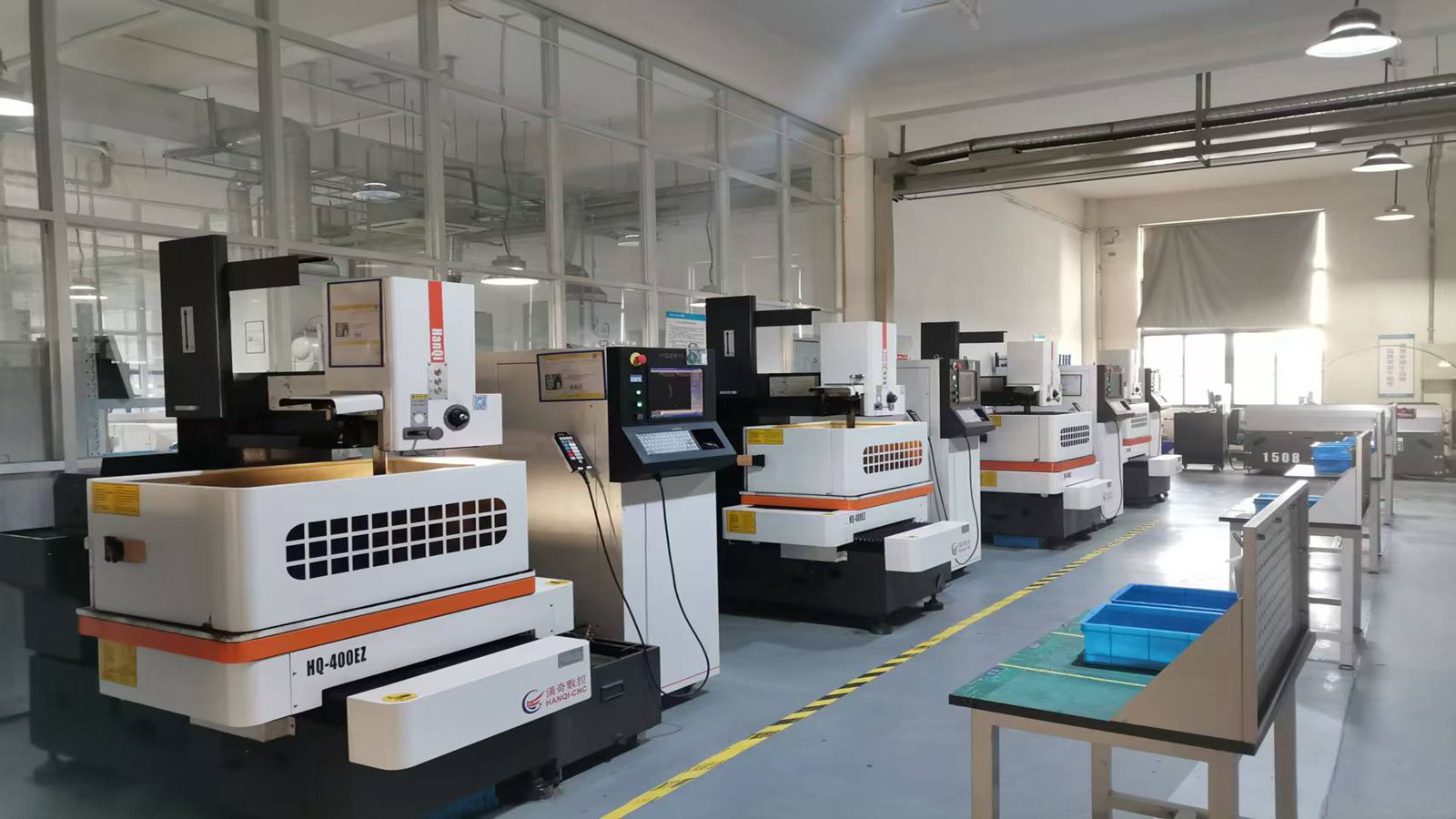
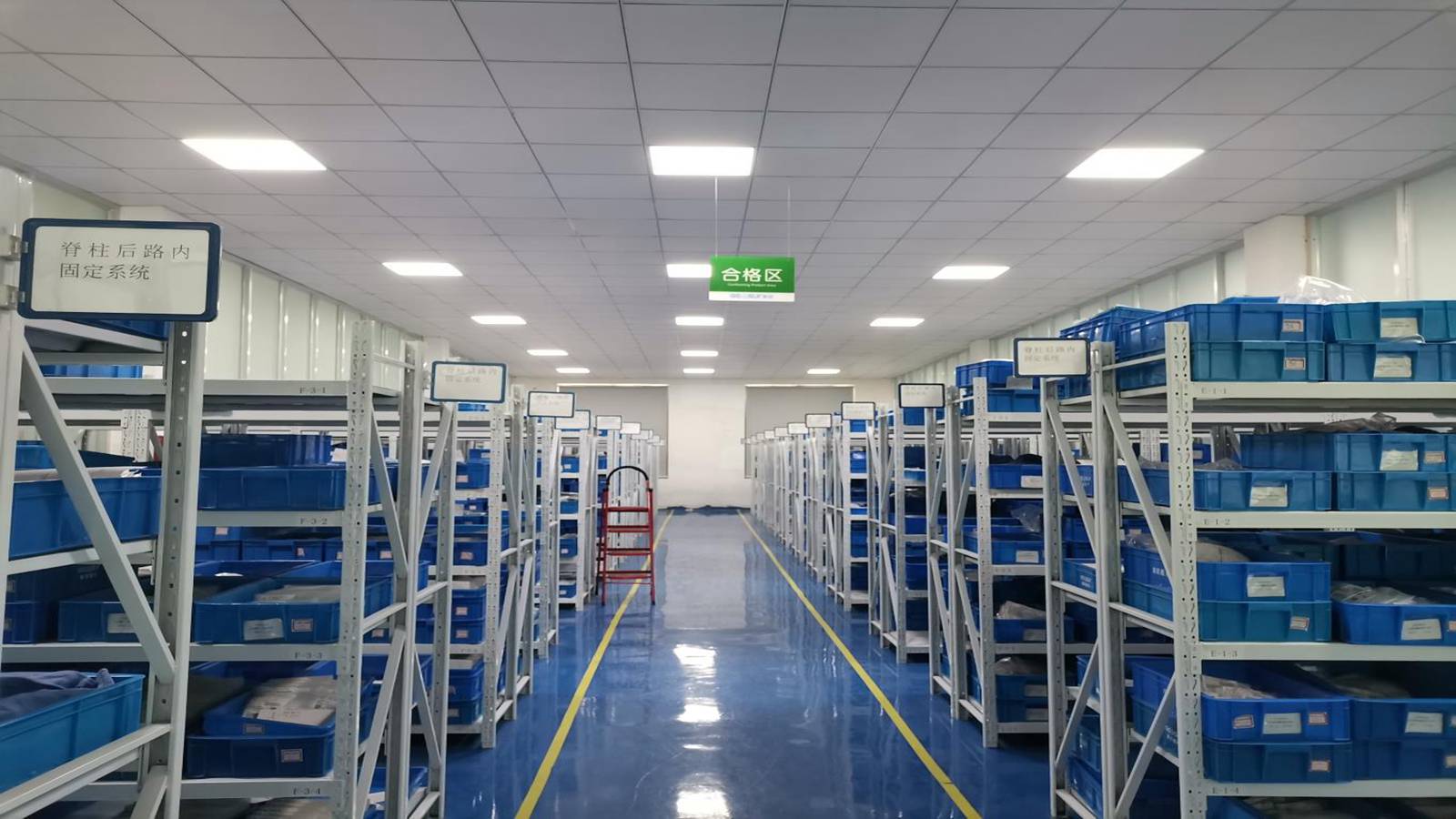
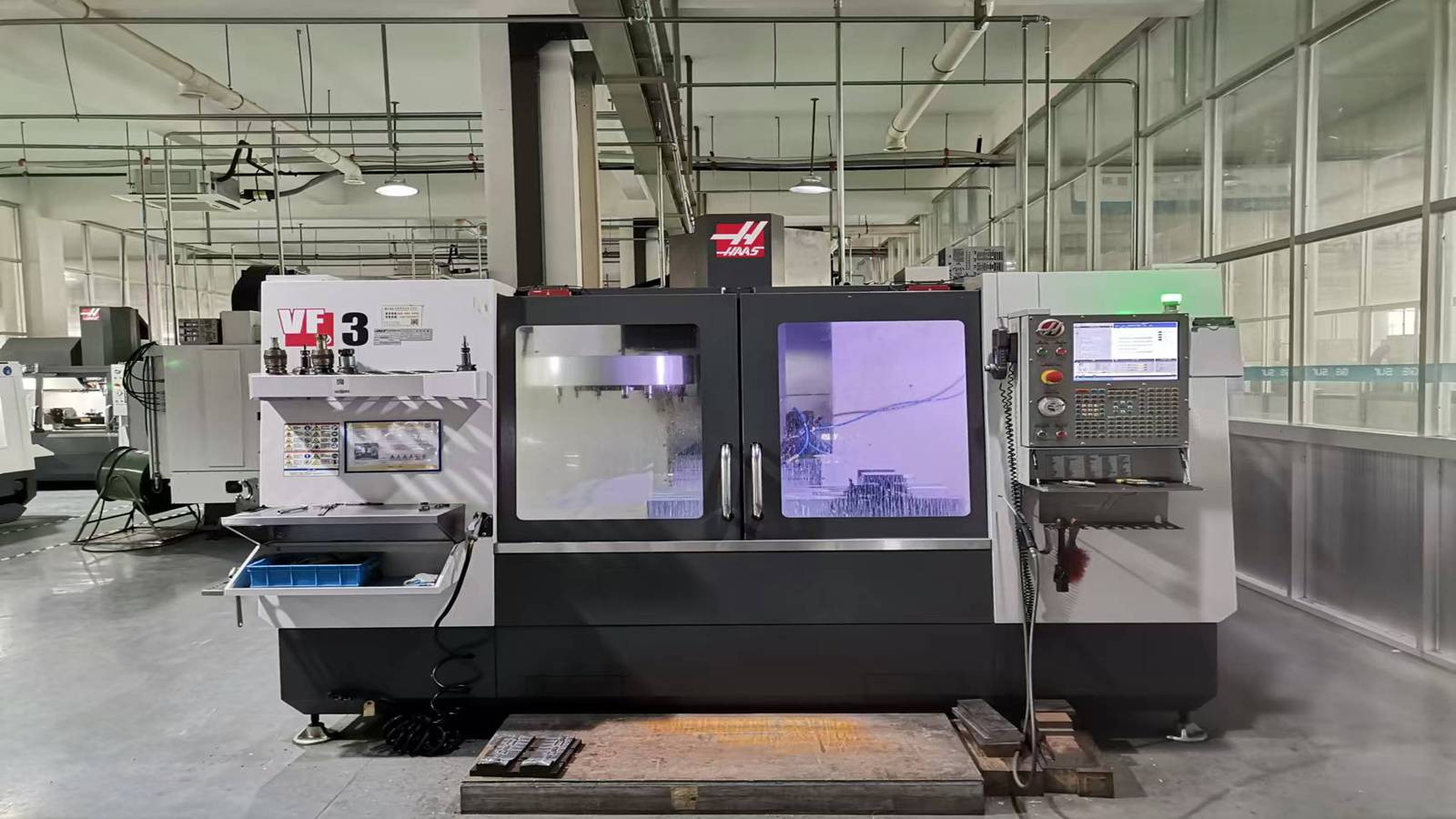
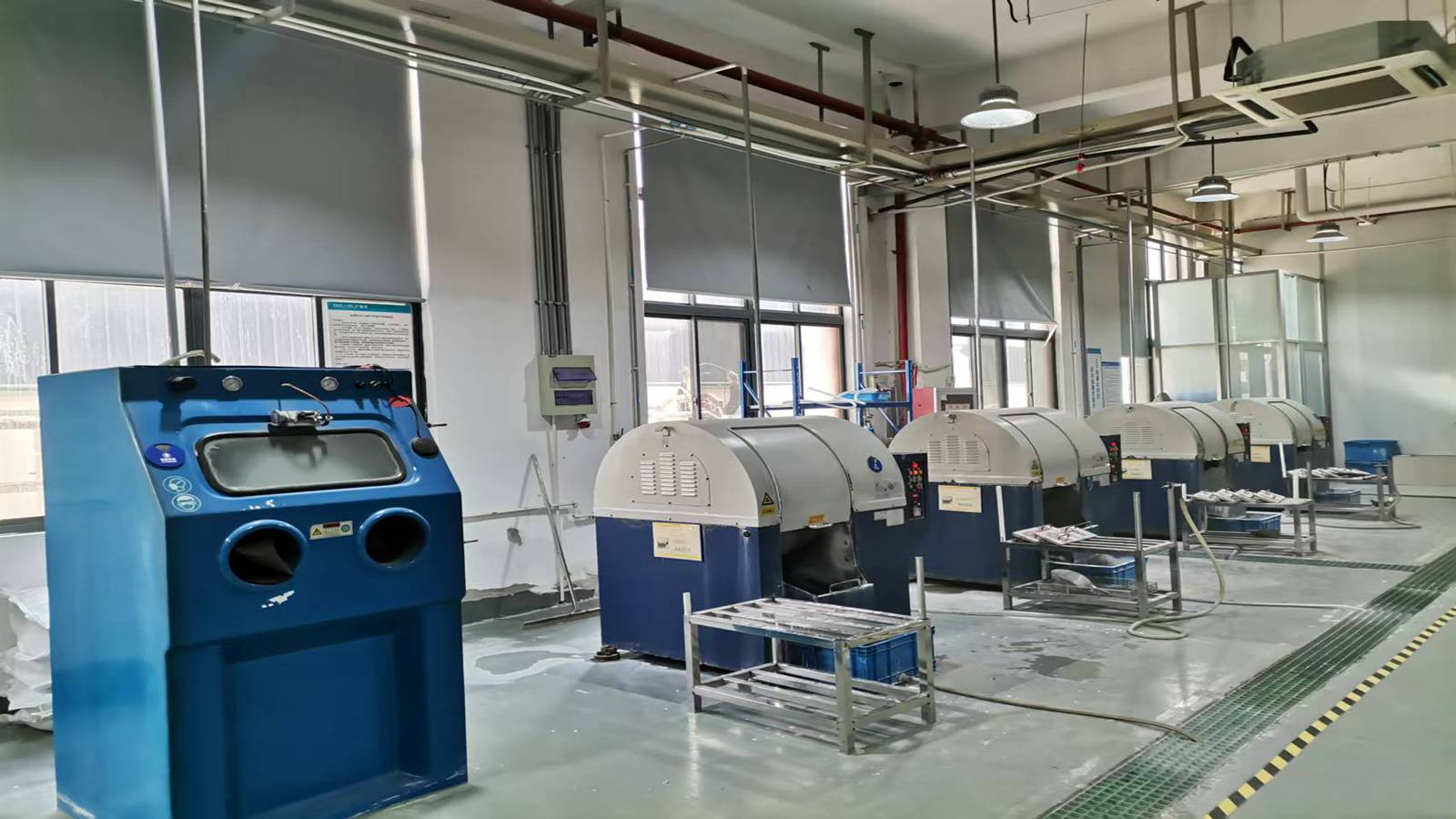
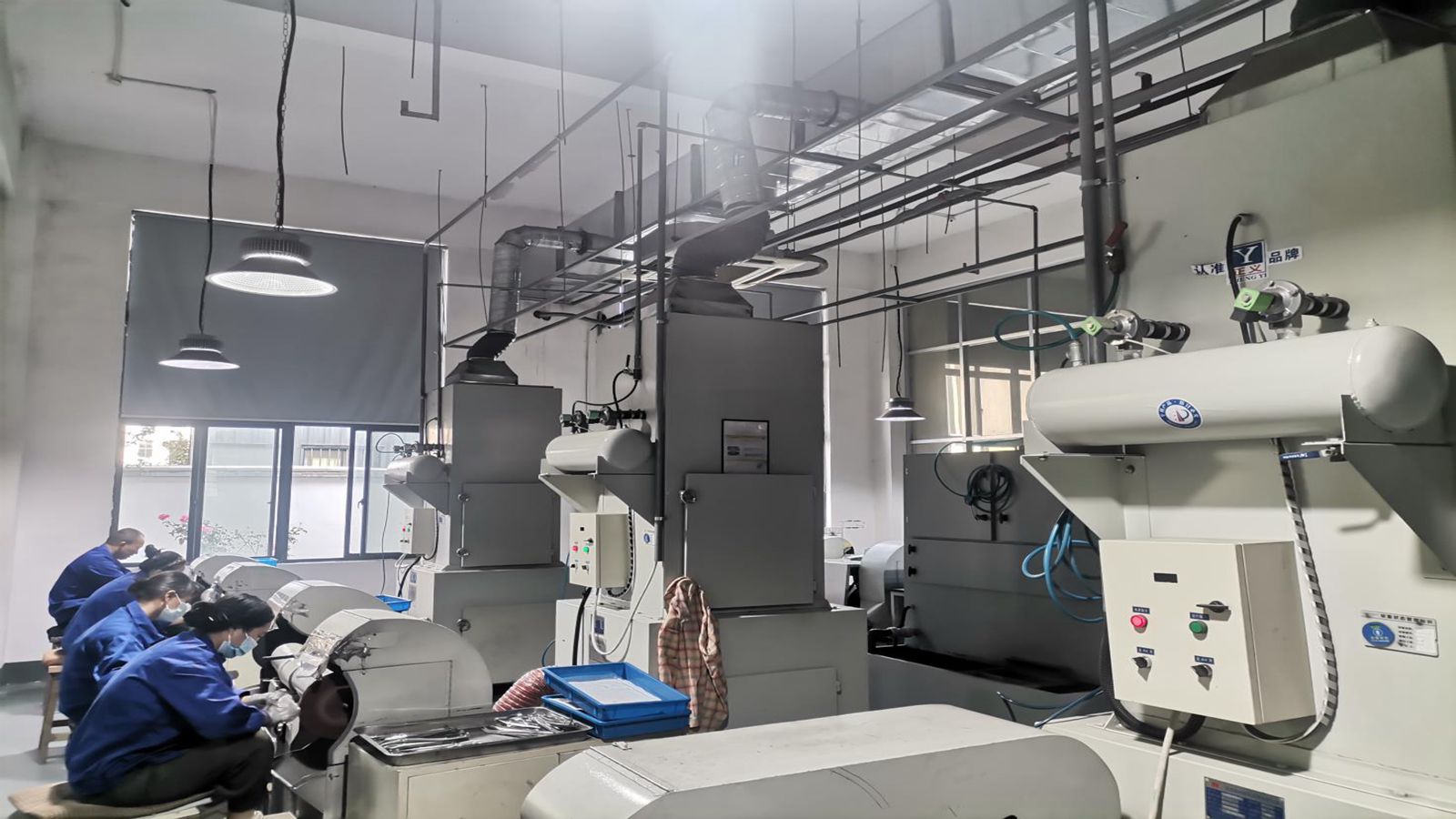
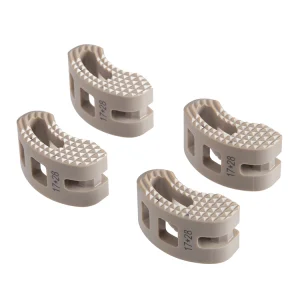
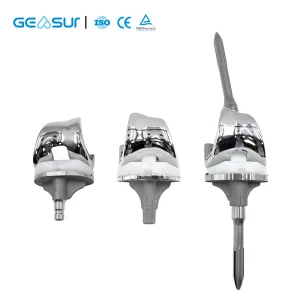
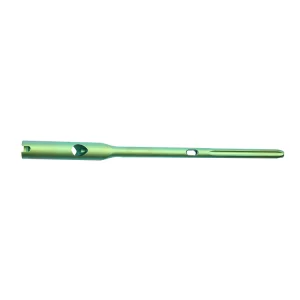
Premium trauma nail arrays, spinal cages, and joint replacement implants designed for longevity and predictable clinical outcomes.
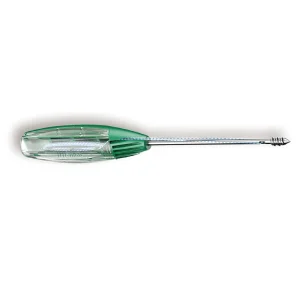
Key indicators that purchasing teams evaluate when identifying, auditing, and selecting strategic partners for surgical consumables.
In B2B medical sourcing, product registrations are crucial. Global distributors and procurement entities working with the Malaysian Ministry of Health, private hospital chains, or general tenders require more than simple product catalogs. They need comprehensive validation dossiers, including raw material trace history, biocompatibility assessments (ISO 10993 series), gas chromatography verification reports for sterilizer residues, and long-term shelf-life stability tests.
Our quality management systems are regularly audited by leading notified bodies. This ensures that every shipment of disposable staplers, orthopedic locking plates, or spinal cages meets international quality standards. This rigorous oversight reduces import compliance hold-ups at borders and ports of entry.
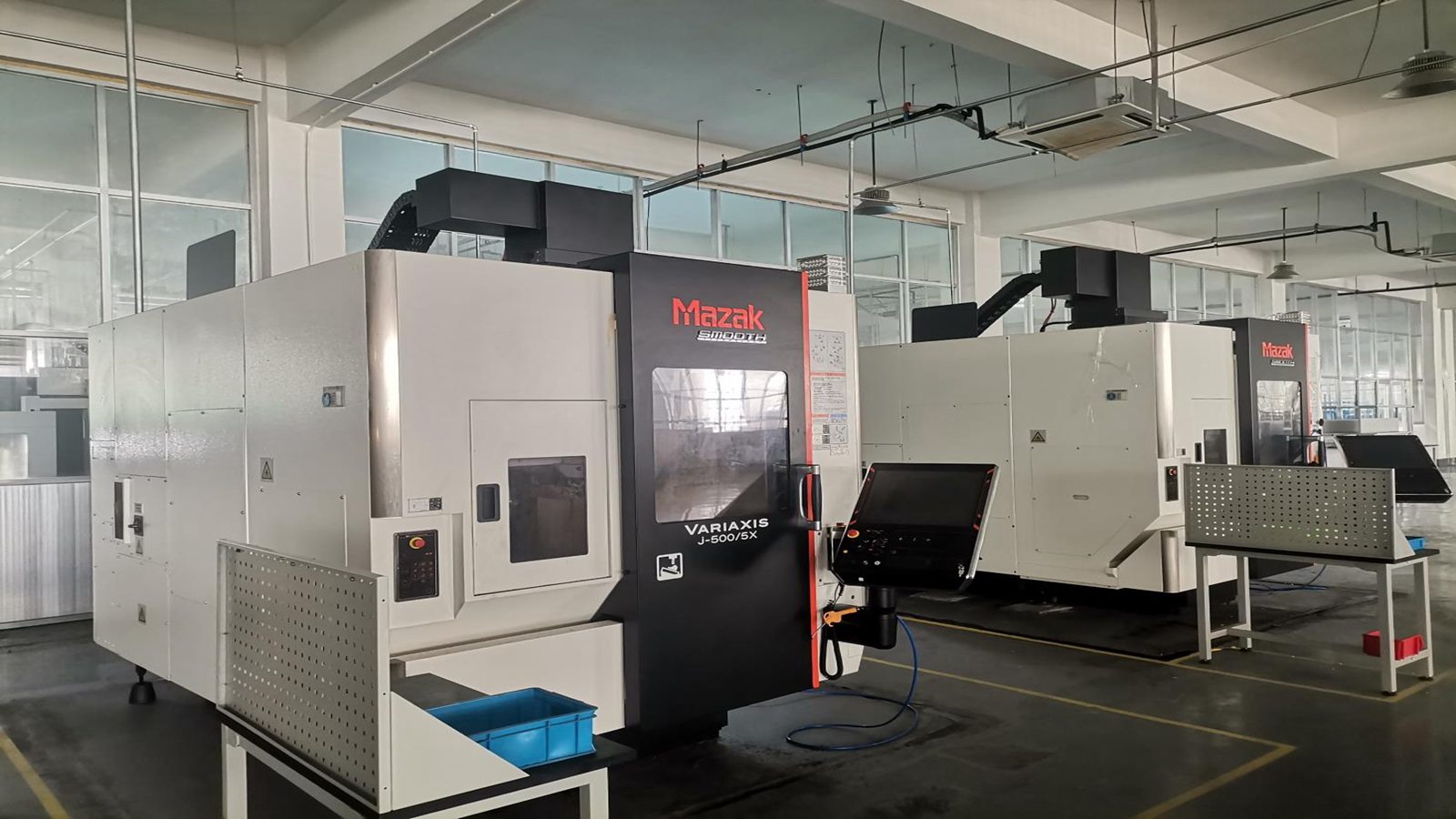
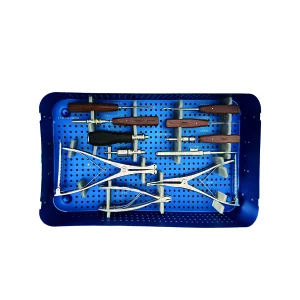
Modern surgical techniques require adaptable equipment. While standardized linear cutters and stapling anvils meet the needs of many general surgeries, complex reconstructive procedures often require custom solutions. These include specific implant geometry configurations, unique locking mechanisms, or tailored surgical instrument kits.
With an R&D department of 31 engineers (including postgraduates and doctorates), we offer comprehensive OEM and ODM support. We assist partners throughout the development cycle, from 3D CAD modeling and finite element analysis (FEA) to rapid prototyping and pilot manufacturing. This collaborative approach helps local distributors secure exclusive tenders and meet specific clinical requirements.
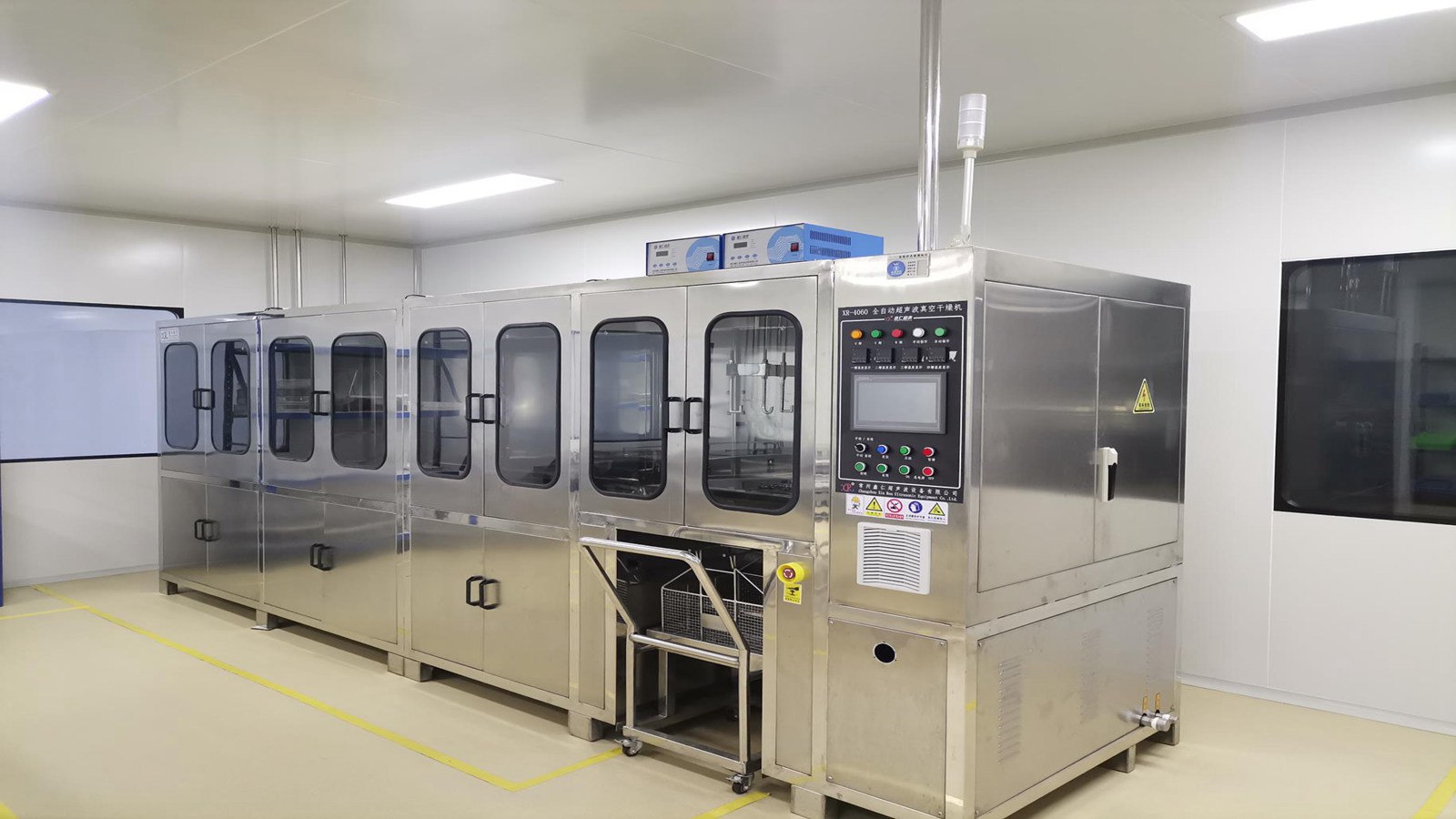
Efficient supply chain management is key to maintaining stock level consistency and preventing surgical delays. Our production facility operates 12 advanced production lines, allowing us to manage high-volume orders while maintaining flexible delivery schedules. We provide local medical distributors in Malaysia with clear tracking data, regulatory documentation, and marketing support to help them participate effectively in hospital purchasing systems.
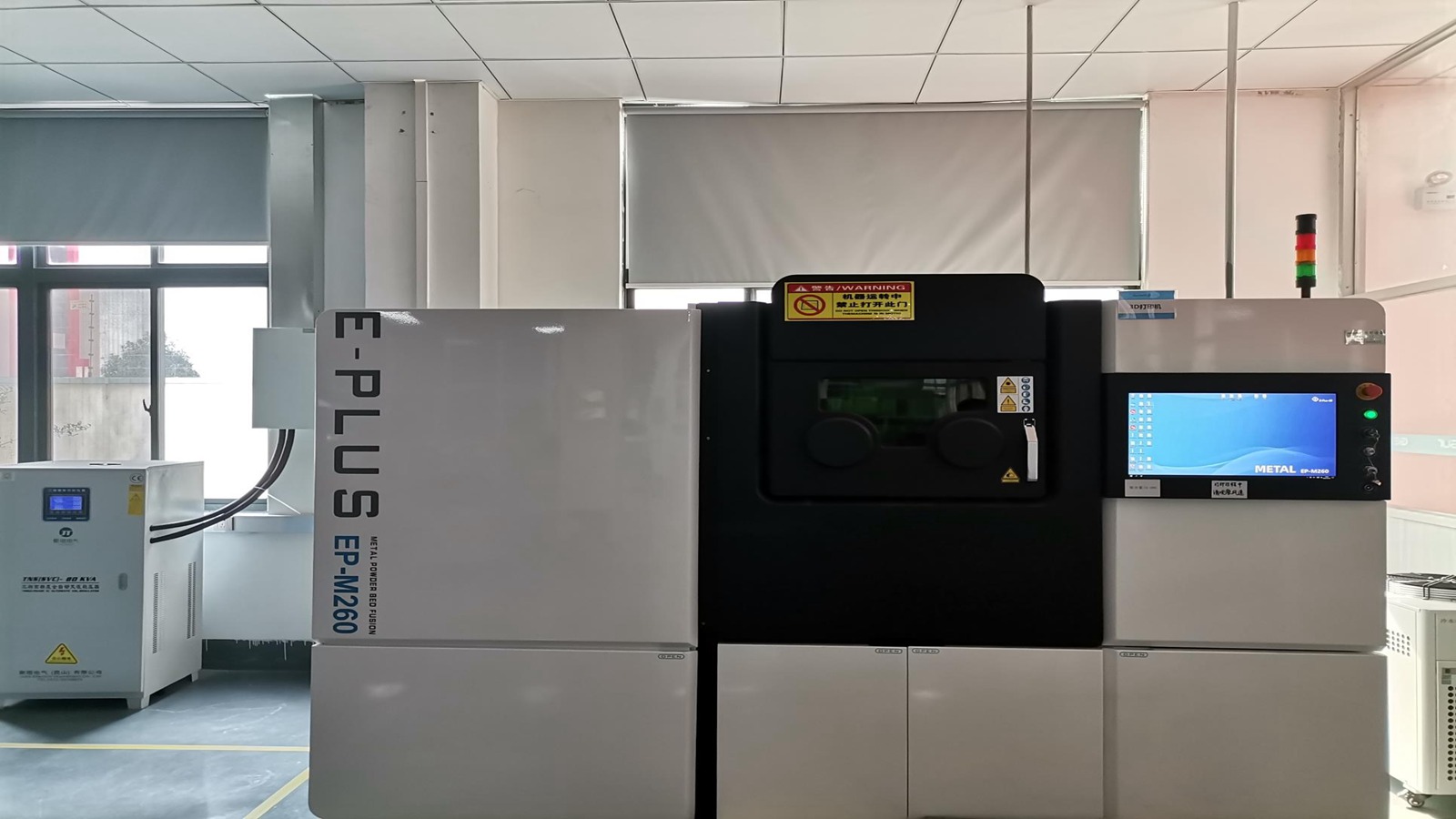
Expert answers addressing regulatory pathways, material specifications, and logistics details for medical device procurement.
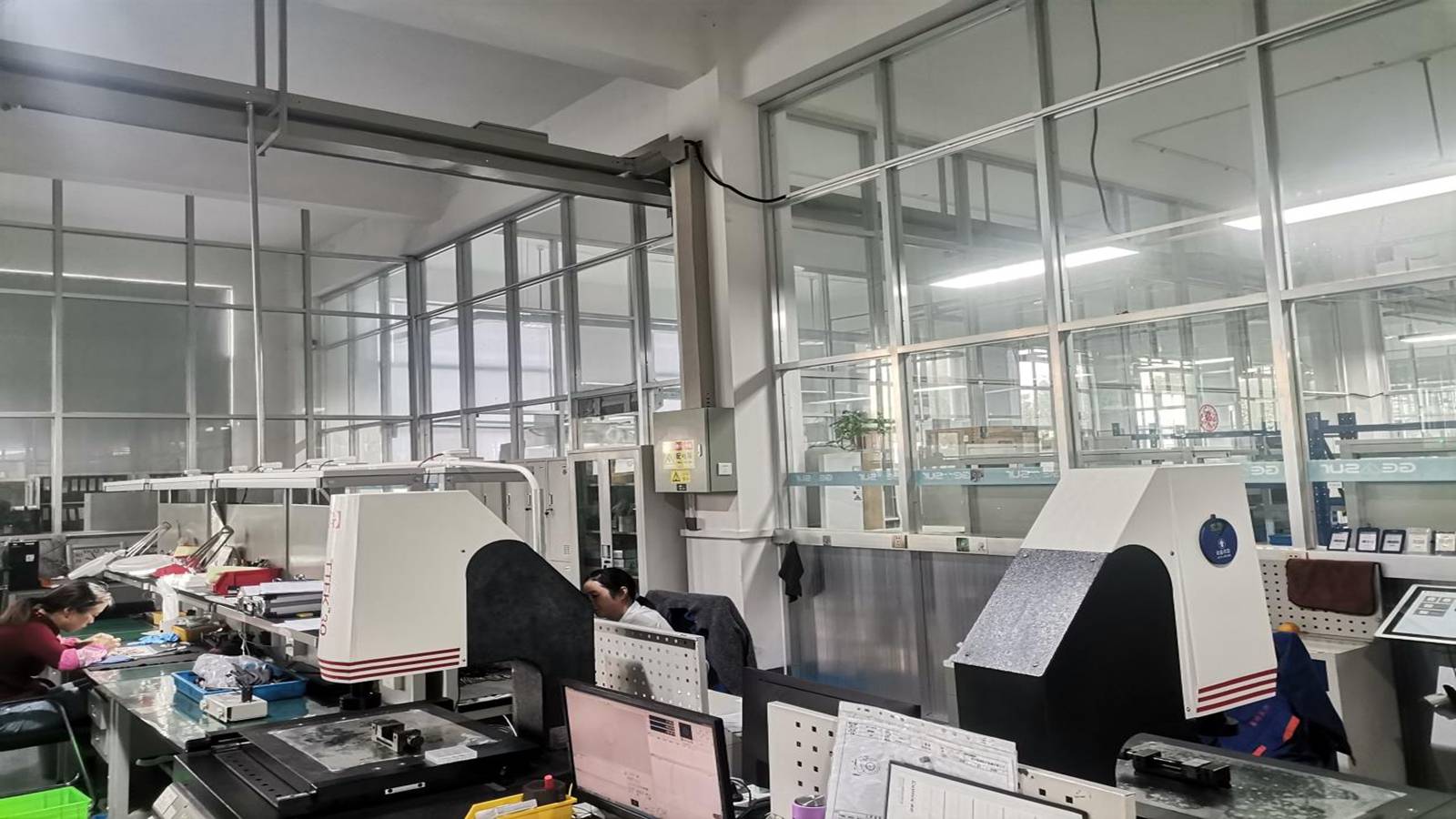 Advanced Bio-safety Labs
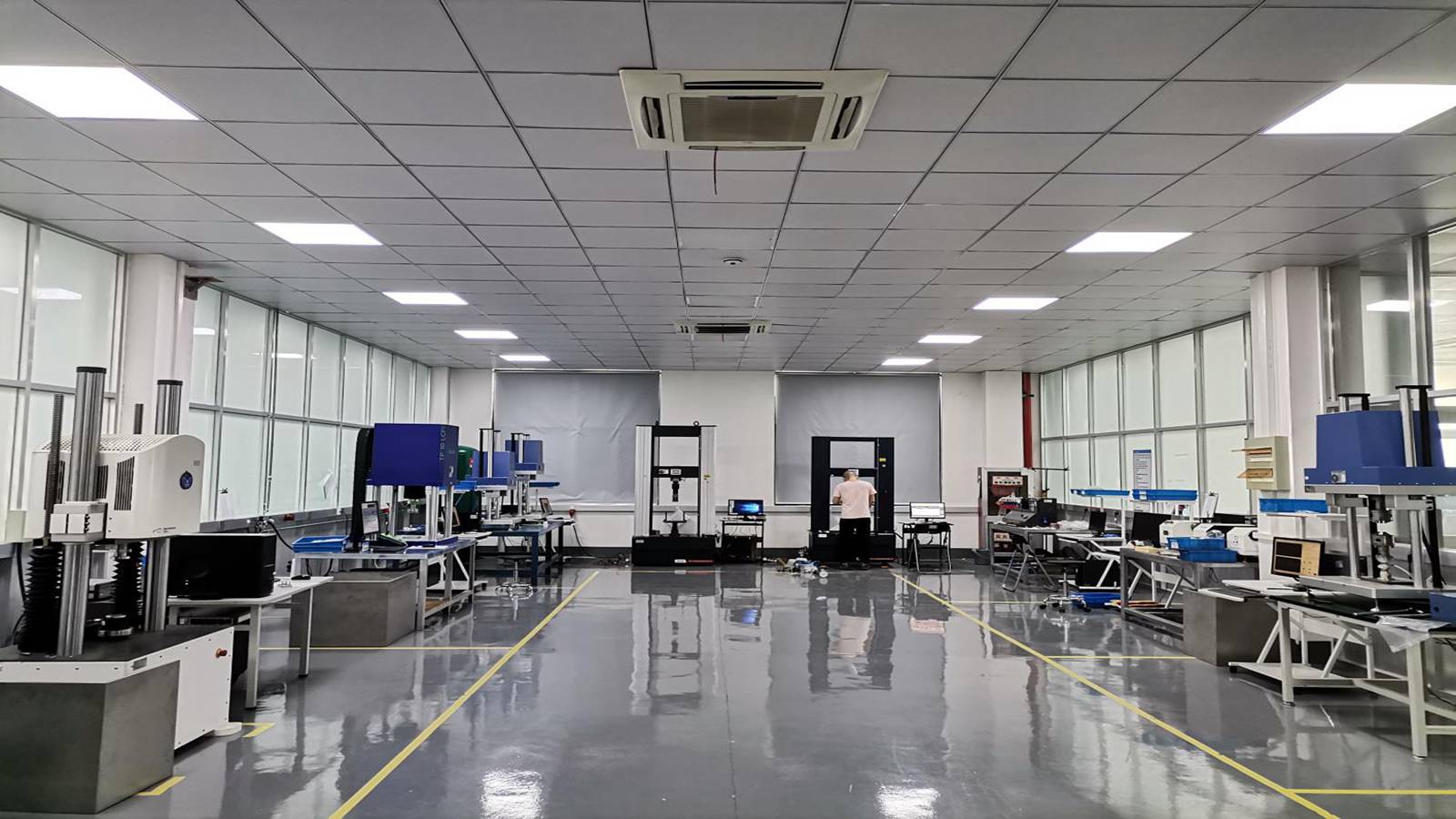 Automated Assembly Lines
Precise Surface Treatments
Automated Assembly Lines
Precise Surface Treatments
Partner with an established manufacturer to secure reliable access to sterile surgical stapling devices and orthopedic implants. Our systems are fully certified and ready for distribution across Malaysia and the wider ASEAN region.