Ease Medical Apparatus And Instruments
Ease Medical Apparatus And Instruments
Ease Medical Apparatus And Instruments
The global healthcare landscape is witnessing a paradigm shift from traditional minimally invasive surgery (MIS) to Robotic-Assisted Surgery (RAS). This transition is not merely a change in equipment but a revolution in precision, data-driven outcomes, and surgical ergonomics. As a result, the demand for high-precision robotic surgery instruments—including end-effectors, graspers, dissectors, and specialized orthopedic implants—has reached an all-time high. This white paper explores the critical success factors for the top robotic surgery instrument factories and exporters, focusing on technical innovation, regulatory rigor, and global supply chain resilience.
The surgical robotics market is no longer dominated by a single player. While Intuitive Surgical pioneered the field with the Da Vinci system, new contenders like Medtronic (Hugo), Johnson & Johnson (Ottava), and specialized orthopedic robotic firms such as Stryker (Mako) are diversifying the market. This diversification has created a massive secondary market for high-quality instrument exporters who can provide compatible, high-durability components that meet the stringent MDR (Medical Device Regulation) and FDA Class III standards.
Supply chain diversification is a key theme for 2024. Hospitals in North America and the EU are increasingly seeking "Qualified Alternative Exporters" from regions with strong manufacturing hubs like East Asia and Eastern Europe to mitigate cost pressures and supply bottlenecks. The integration of AI and Machine Learning in manufacturing—often referred to as Industry 4.0—is now a baseline requirement for any factory aiming for the "Top 10" list.
The core of any robotic instrument lies in its material science and mechanical engineering. High-grade Titanium Alloys (Ti-6Al-4V ELI) and PEEK (Polyetheretherketone) remain the gold standard for implants, but the future belongs to "Smart Instruments."
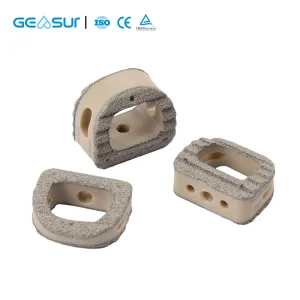
Leading exporters are moving away from pure subtractive manufacturing (milling/turning). By combining Additive Manufacturing (3D Printing) for complex porous structures (like those found in our Cervical Fusion Cages) with traditional CNC finishing, factories can create implants that promote superior osseointegration while maintaining mechanical strength.
For procurement officers in multinational hospital groups or government health ministries, selecting a robotic surgery instrument factory requires a multi-layered vetting process (E-E-A-T):
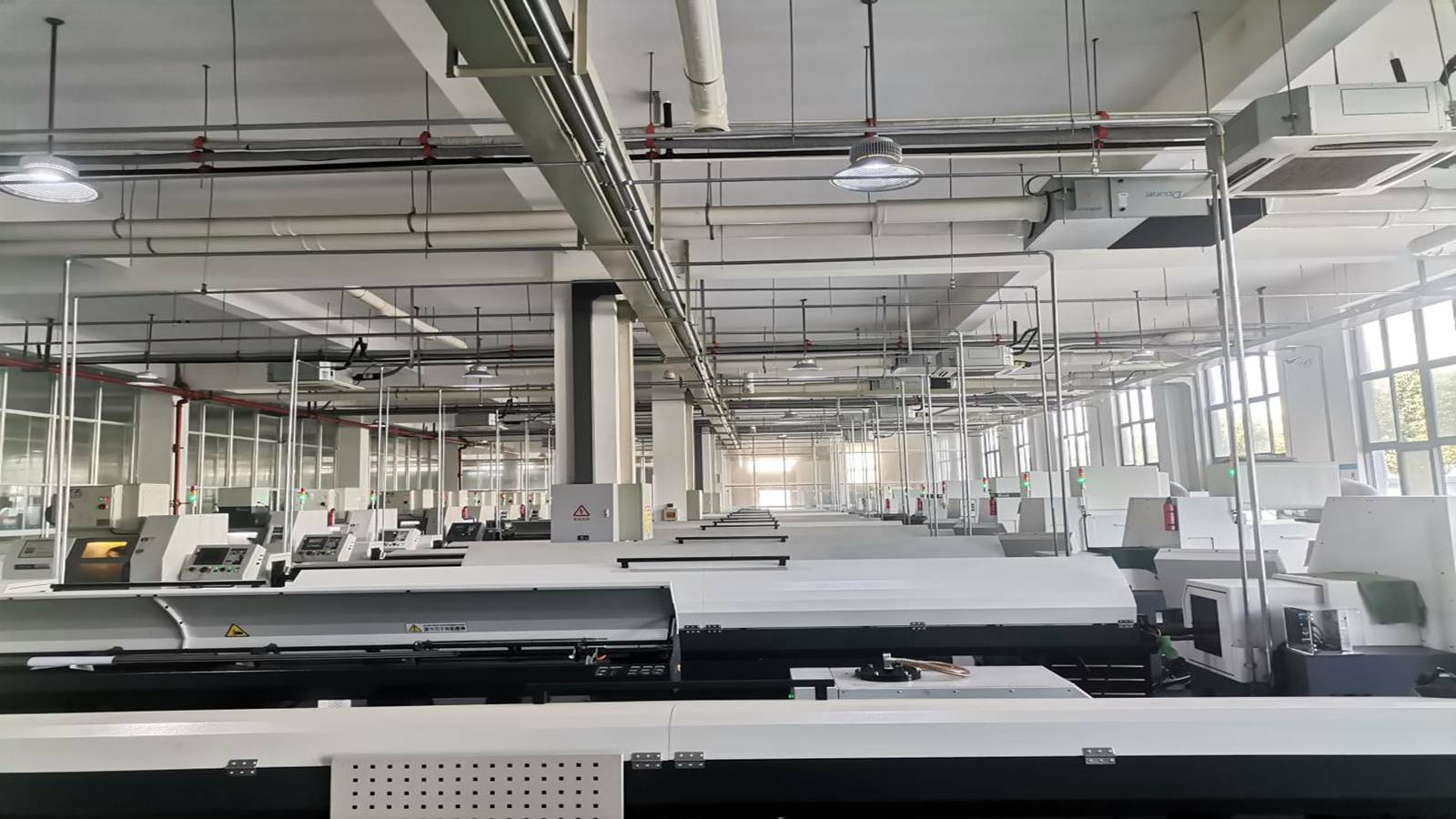
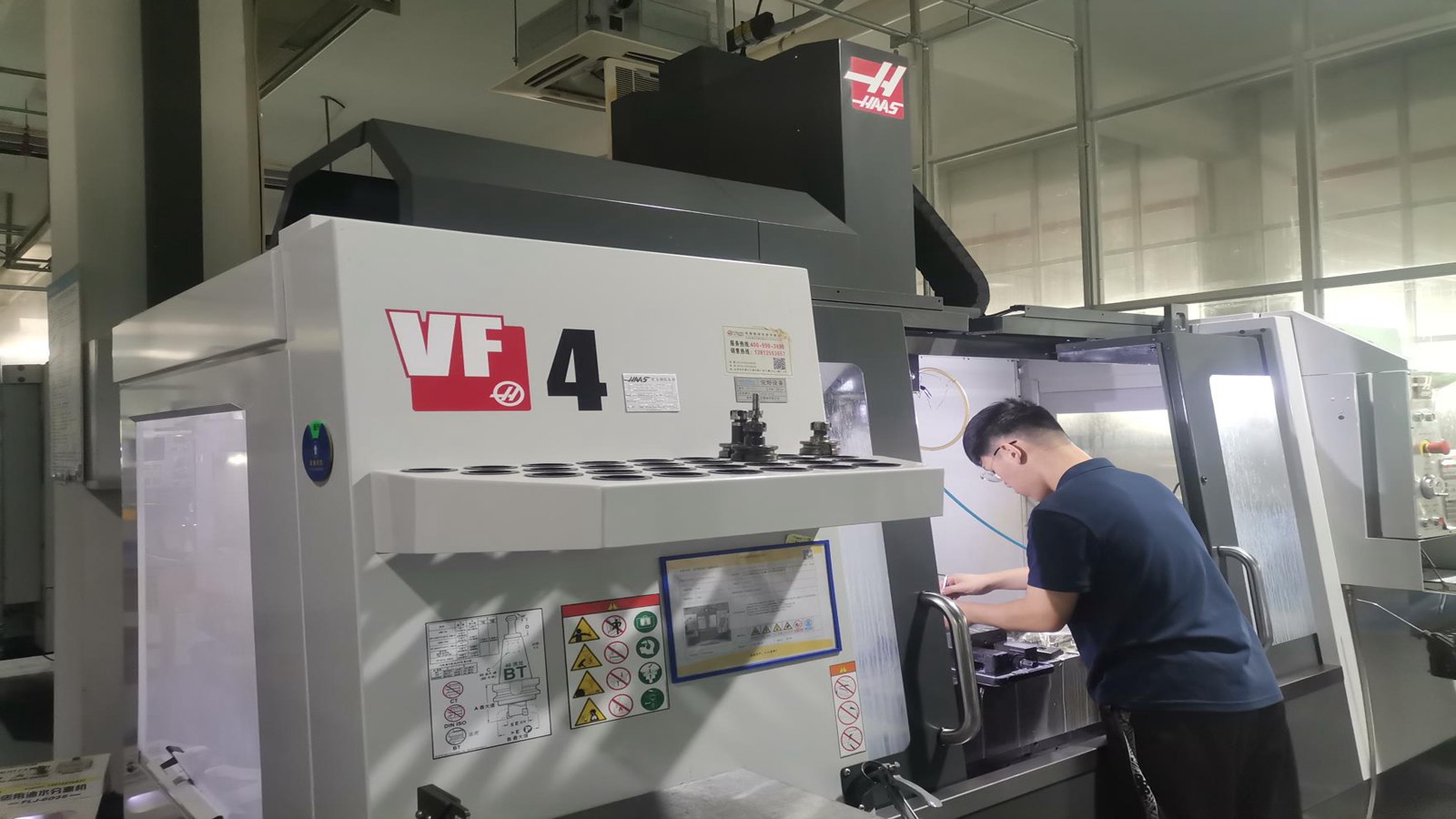
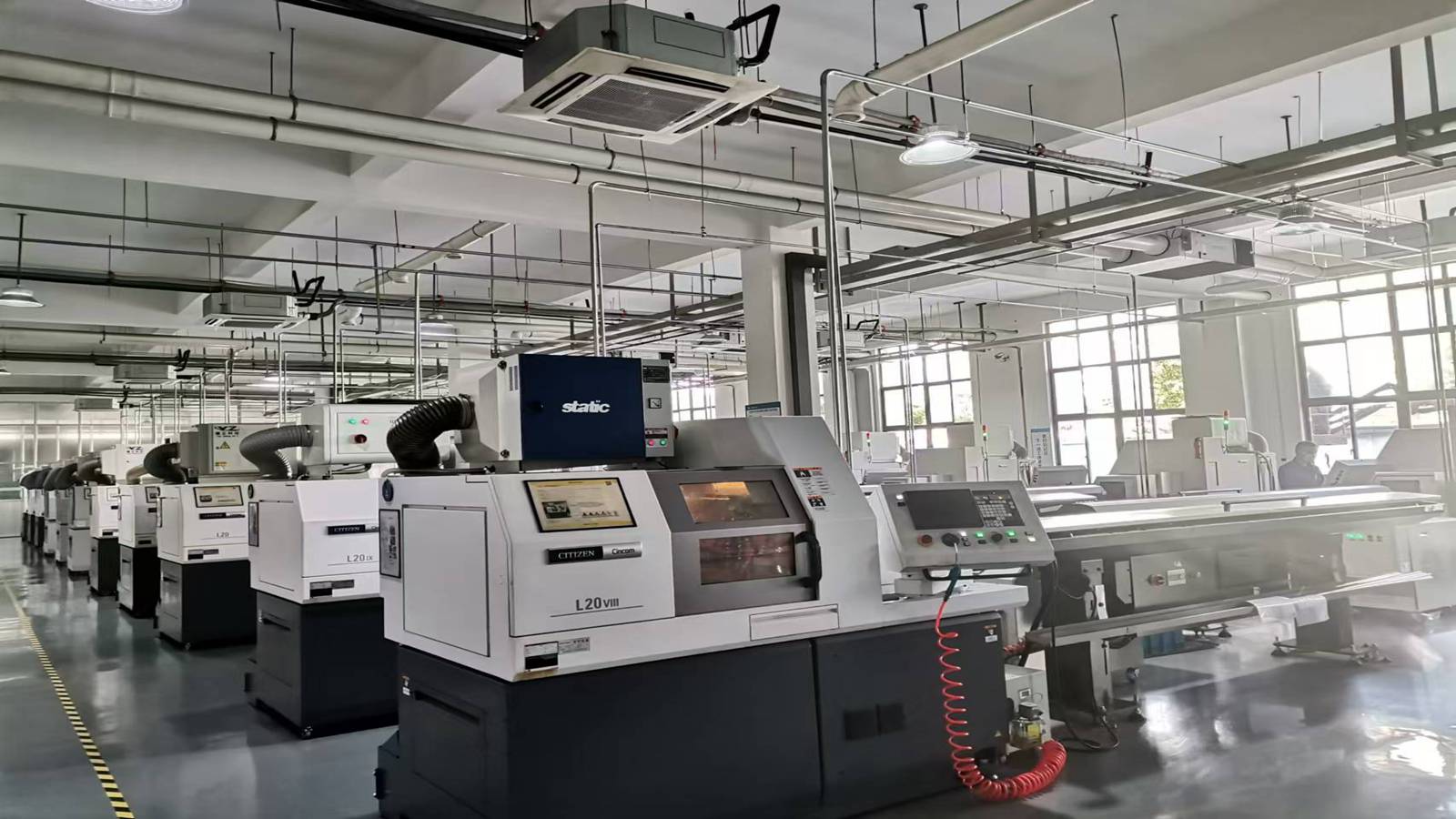
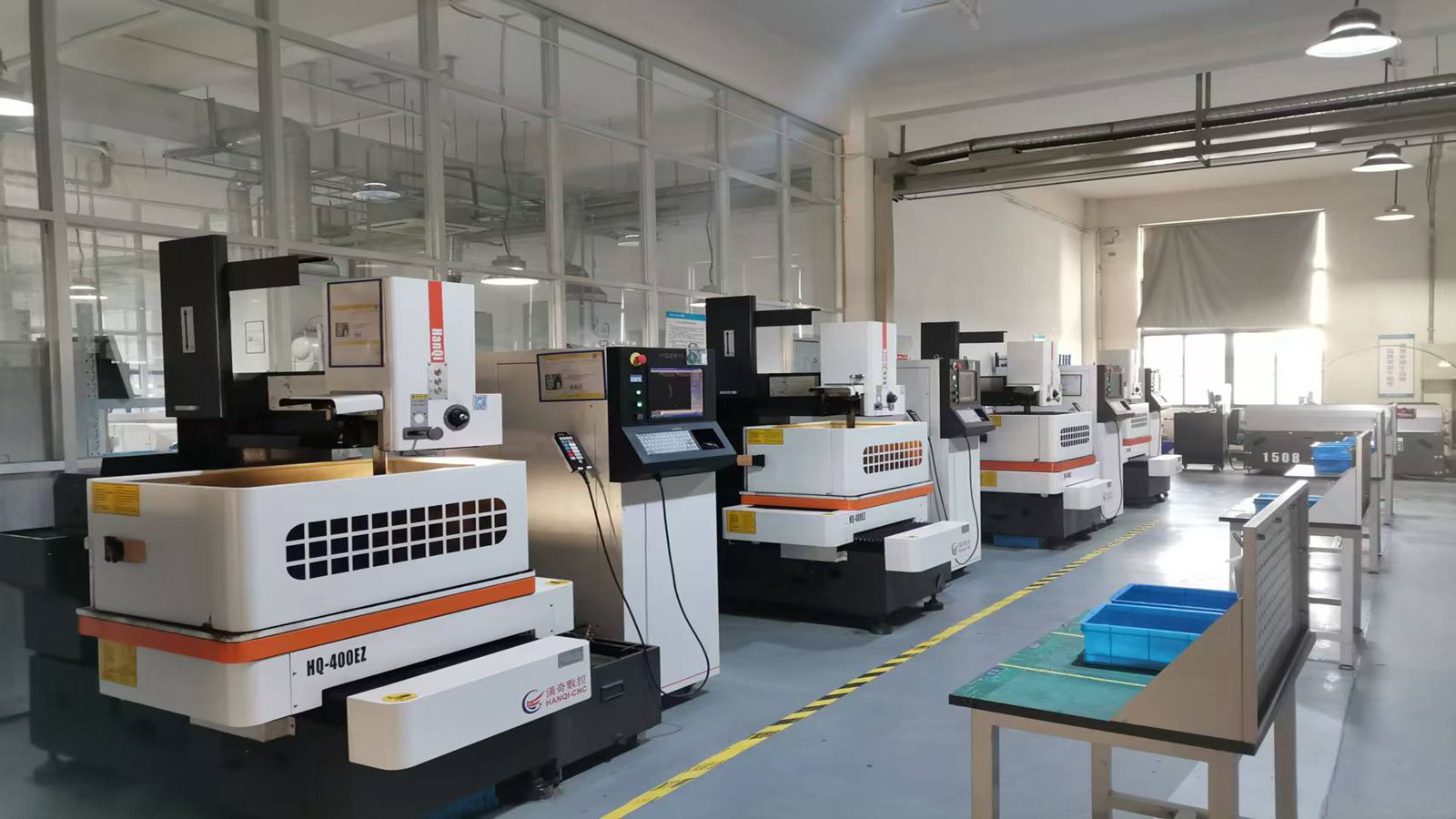
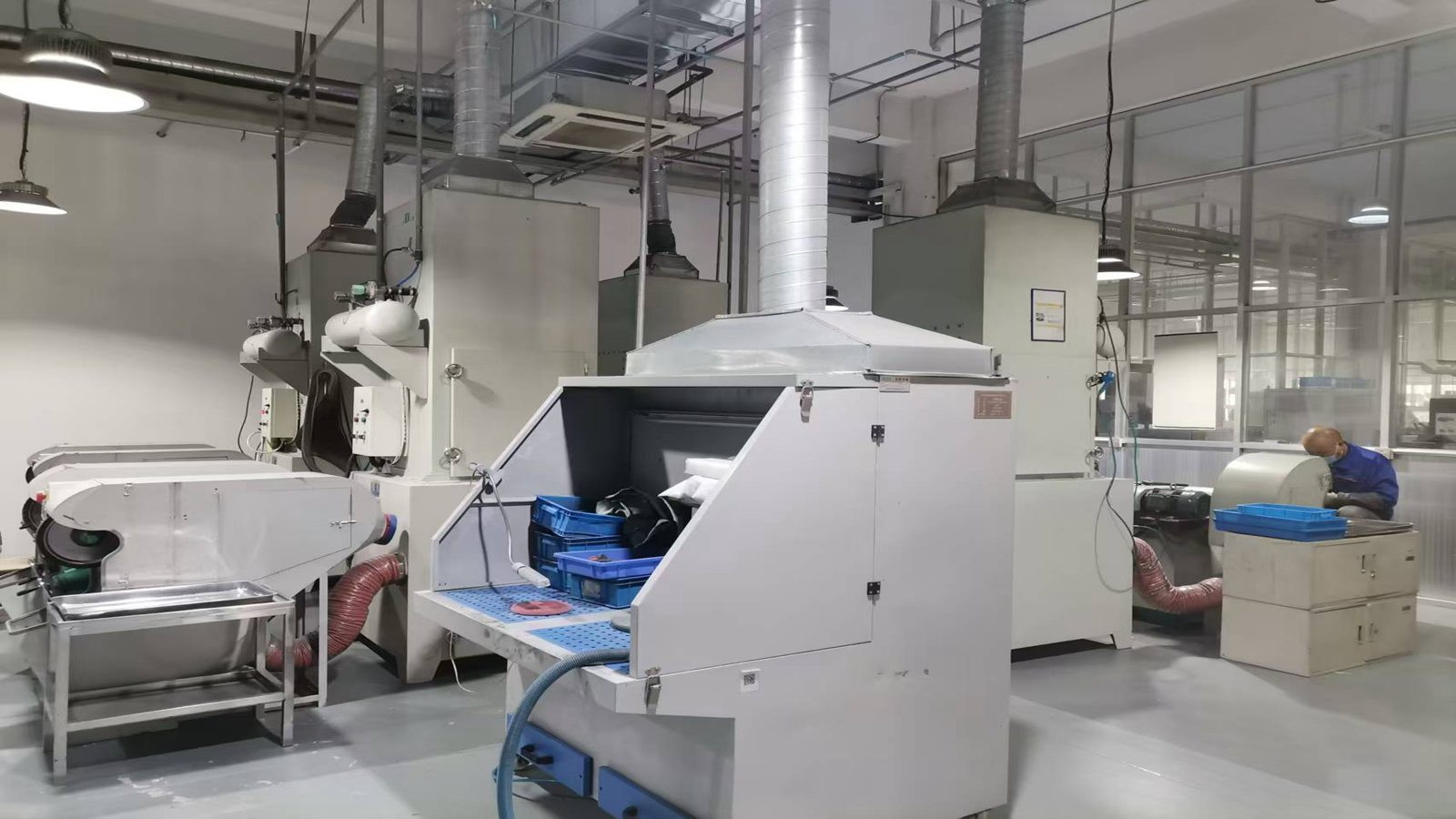
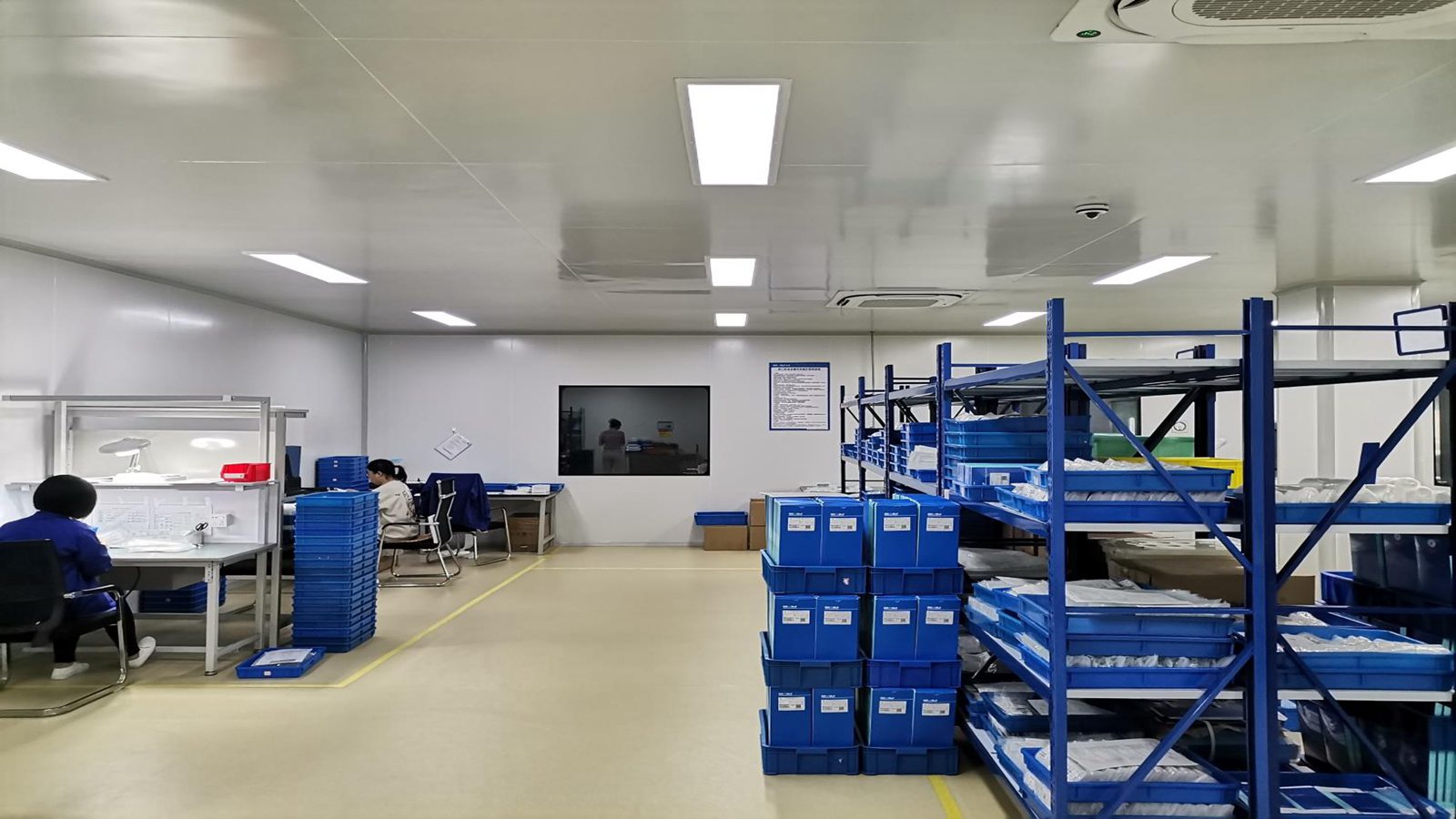
| Factory Floor Space | 30,343 ㎡ State-of-the-art facility | Annual Export Experience | 10 Years Professional Exporting |
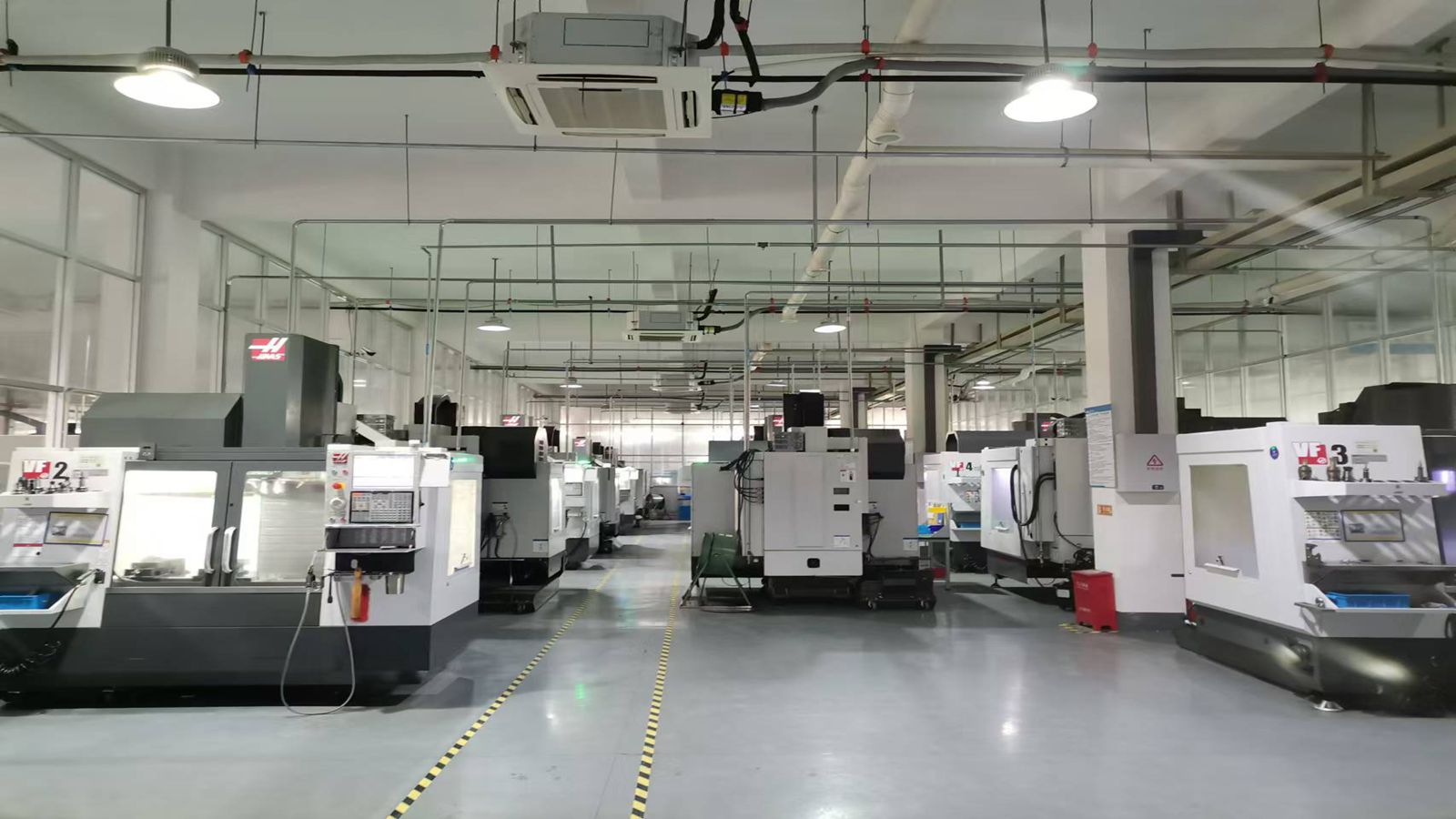
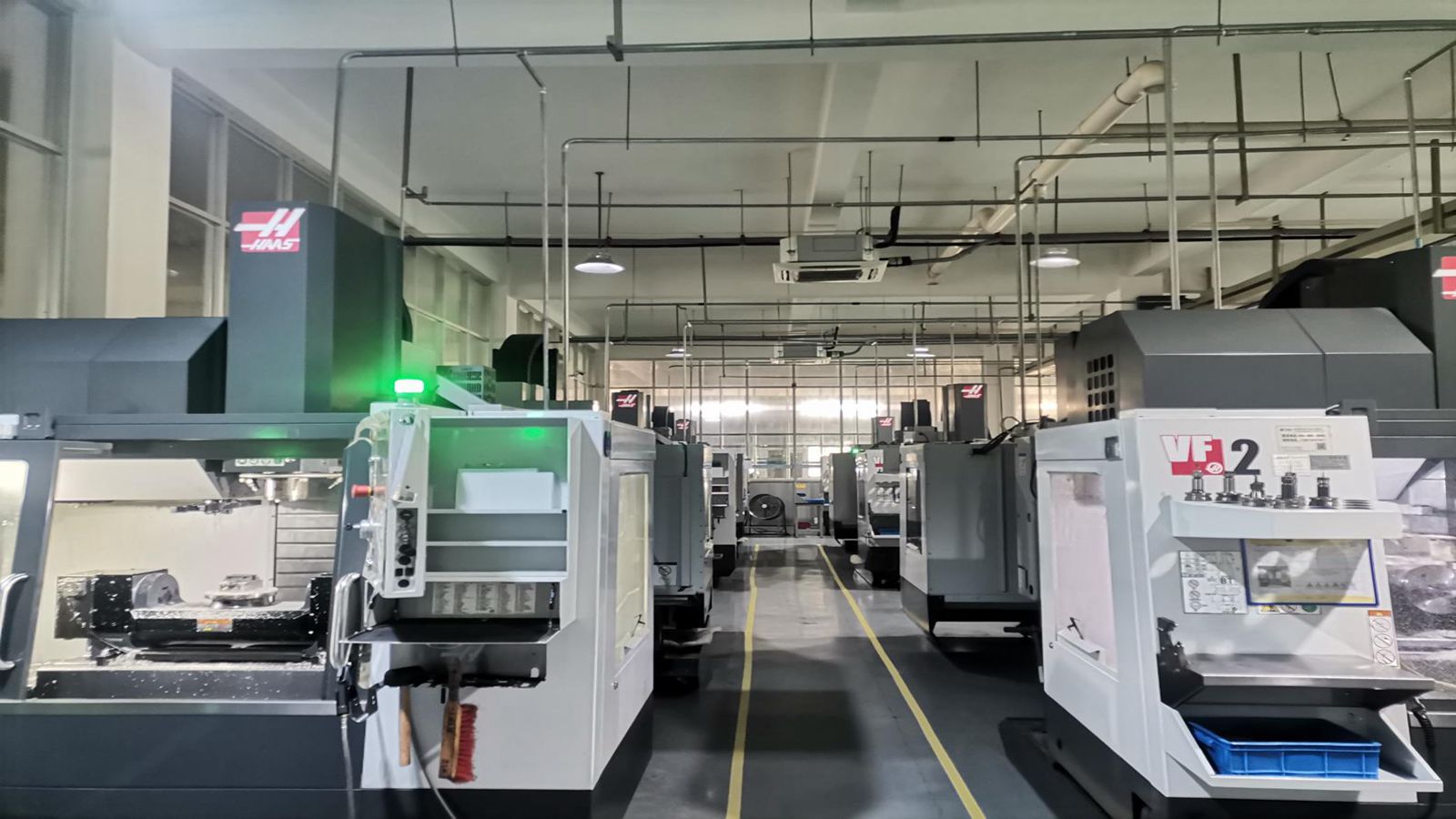
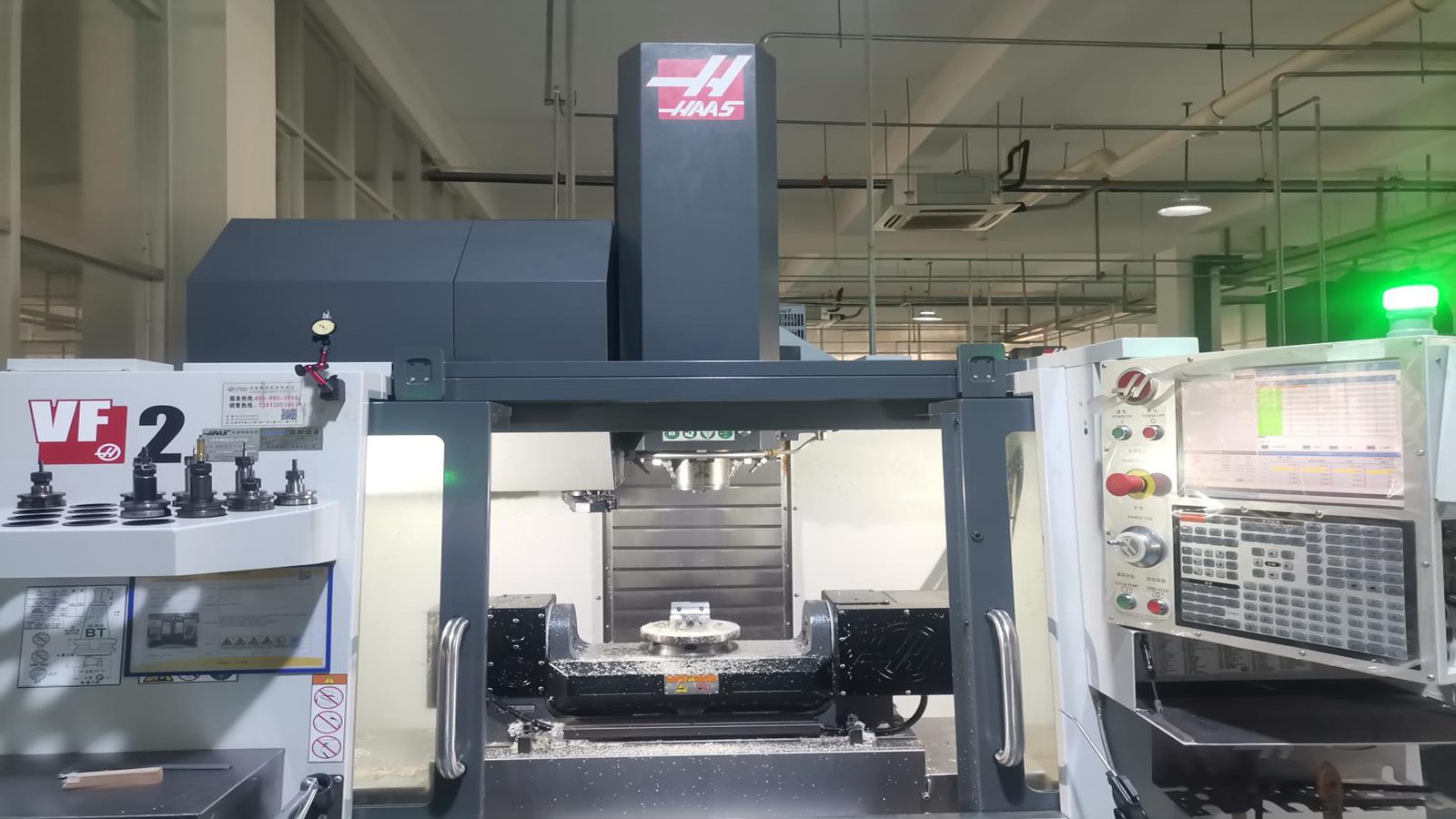
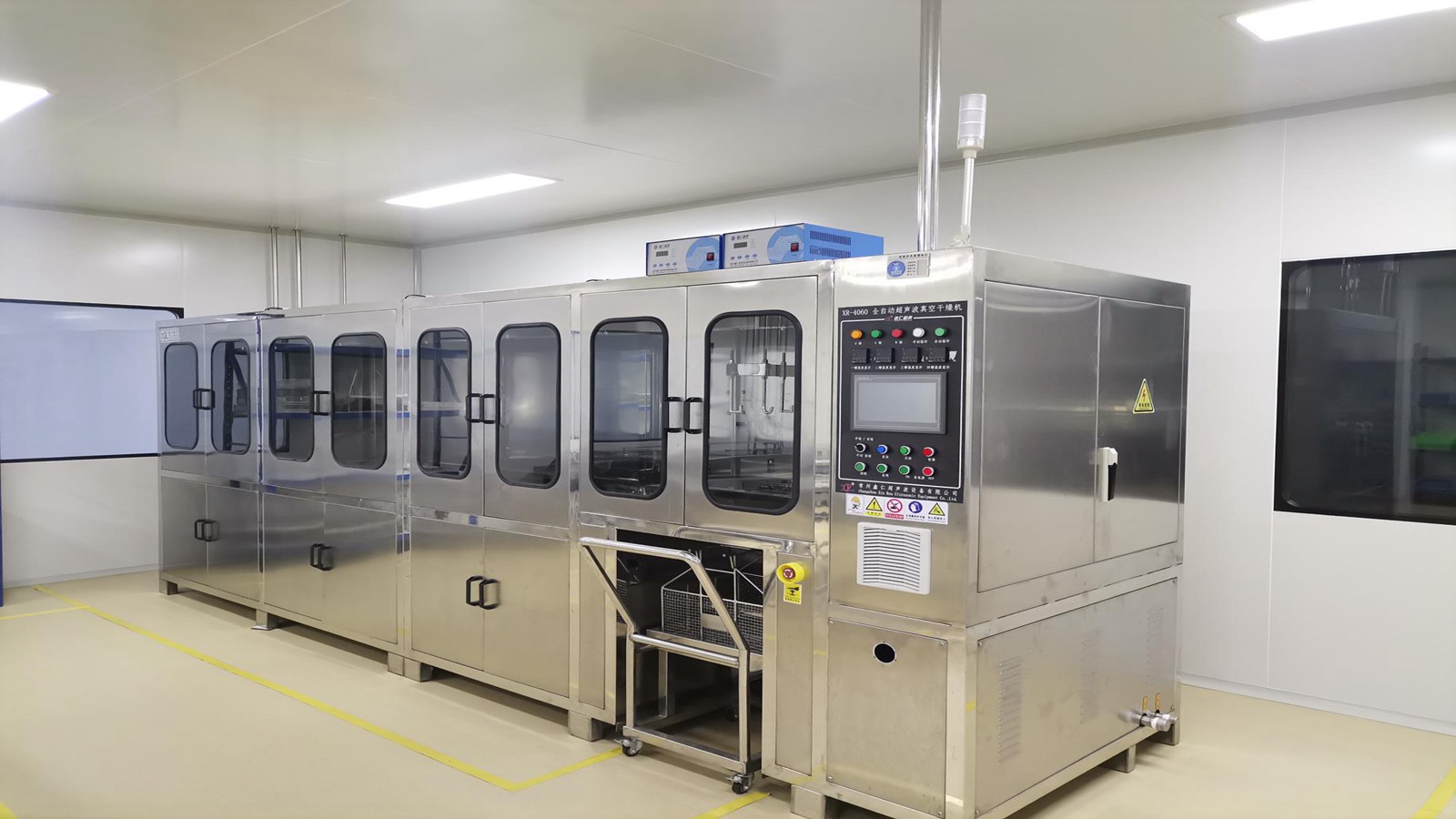
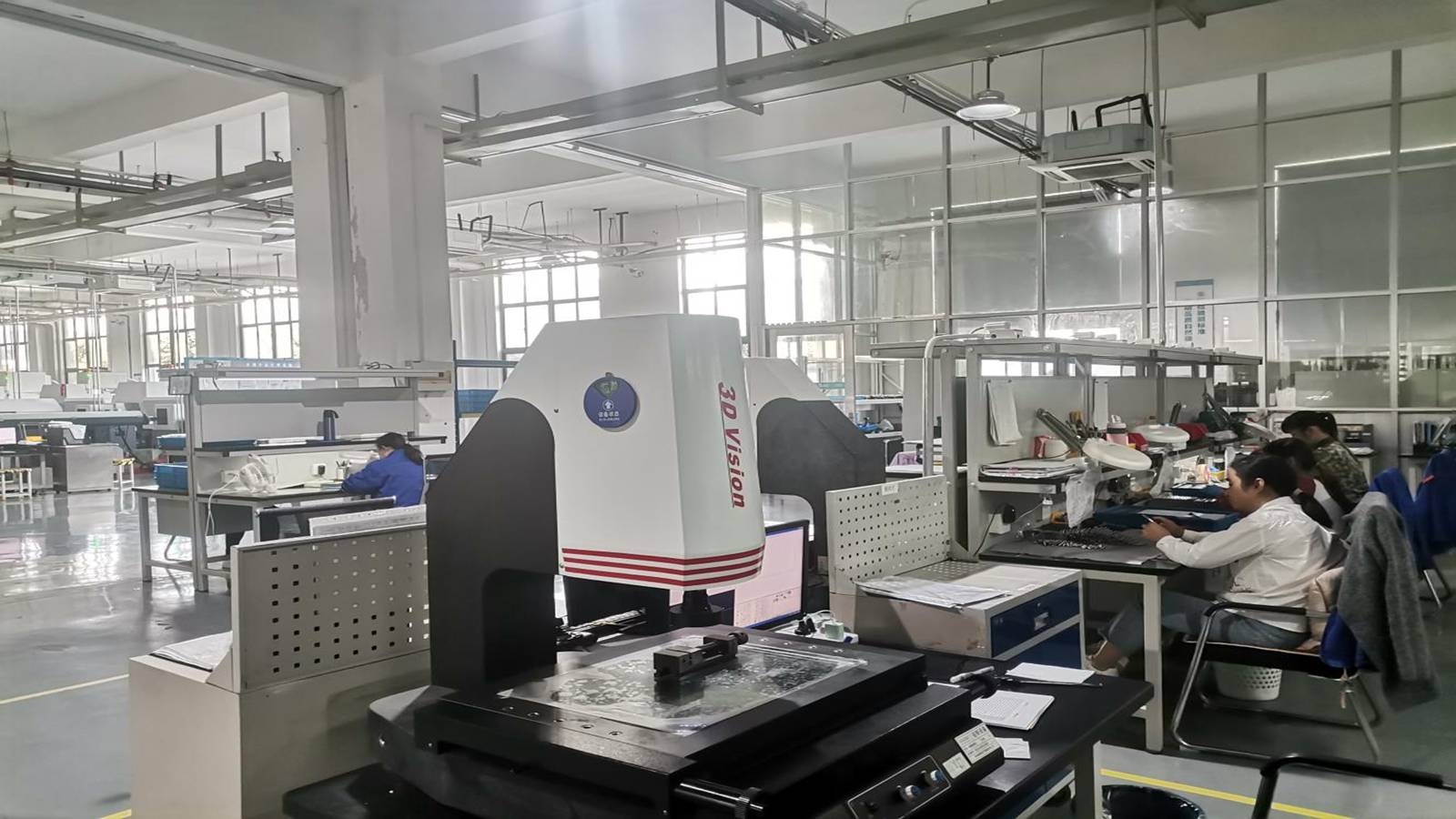
| Production Lines | 12 High-Efficiency Automated Lines | CNC Machinery | 120+ Precision Production Machines |
| R&D Strength | 31 Engineers (PhD & Doctorate Level) | QA/QC Inspectors | 36 Dedicated Quality Control Officers |
| Regulatory Compliance | CE (MDR), ISO13485, EN ISO 13485, MDSAP C730178 | ||
A significant barrier to entry for many exporters is the lack of localized technical support. Top-tier factories now provide:
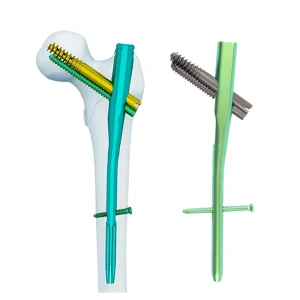
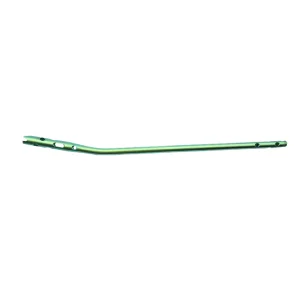
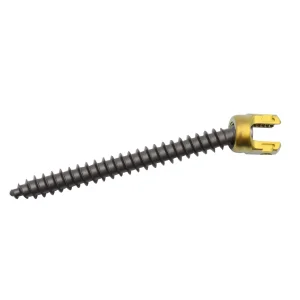
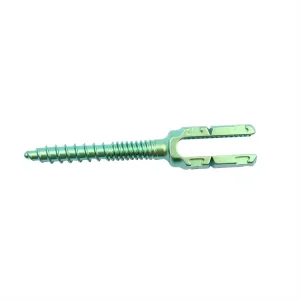
By 2026, we expect "Top 10" factories to integrate Predictive Quality Analytics. By using AI to monitor CNC tool wear in real-time, manufacturers can ensure that every single screw and plate (like the PFNA Femoral Nail) is identical to the micron level, ensuring perfect compatibility with robotic guidance systems.