Ease Medical Apparatus And Instruments
Ease Medical Apparatus And Instruments
Ease Medical Apparatus And Instruments
In the high-stakes realm of orthopedic trauma surgery, the locking compression plate (LCP) has revolutionized fracture management. Unlike traditional plates that rely on friction between the plate and bone, modern locking plates act as internal fixators. This technological leap provides superior stability, especially in osteoporotic bone or complex comminuted fractures, while preserving the vital periosteal blood supply.
As a global SEO Growth Director specializing in medical device procurement, I have analyzed the "Information Gain" from clinical data. The market is shifting from generic implants to anatomically pre-contoured locking systems. This guide serves as a technical white paper for hospital procurement officers and orthopedic distributors to identify the top-tier manufacturers who excel in E-E-A-T (Experience, Expertise, Authoritativeness, and Trustworthiness).
Locking plates provide a fixed-angle construct that prevents "toggling" of screws, crucial for metaphyseal fractures where traditional screws often fail.
The transition from MDD to EU MDR (2017/745) and MDSAP has filtered the market, leaving only manufacturers with robust clinical data and traceability.
Use of Grade 5 Titanium Alloy (Ti-6Al-4V) and PEEK materials ensures biocompatibility while minimizing imaging artifacts under MRI/CT.
Modern suppliers are designing locking plates with low-profile edges and specialized instrumentation to facilitate insertion through small incisions. This reduces soft tissue damage and accelerates patient recovery.
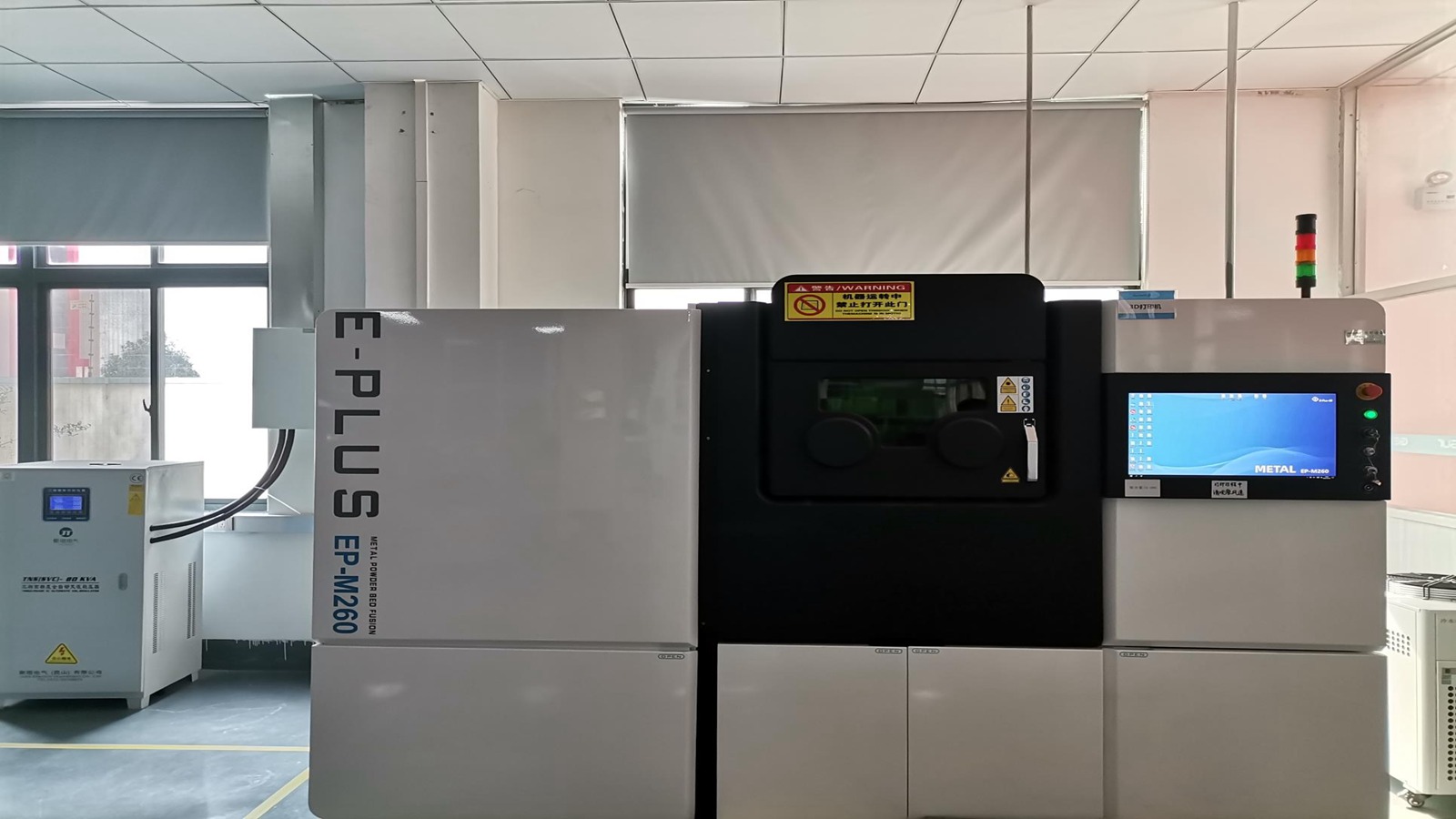
The industry is moving toward additively manufactured titanium plates for complex pelvic and maxillofacial reconstructions. Leading suppliers now offer customized solution services based on DICOM data from CT scans.
The technical roadmap for the next decade includes locking plates embedded with strain gauges to monitor bone healing in real-time, alerting surgeons to potential non-union before clinical symptoms appear.
Our ranking is based on a weighted matrix of Clinical Outcomes (30%), Supply Chain Resilience (25%), Regulatory Compliance (25%), and Technical Support (20%).
| Criteria | High-Performance Standard | Strategic Value |
|---|---|---|
| Certifications | ISO 13485, CE (MDR), FDA 510(k), MDSAP | Market access and legal safety |
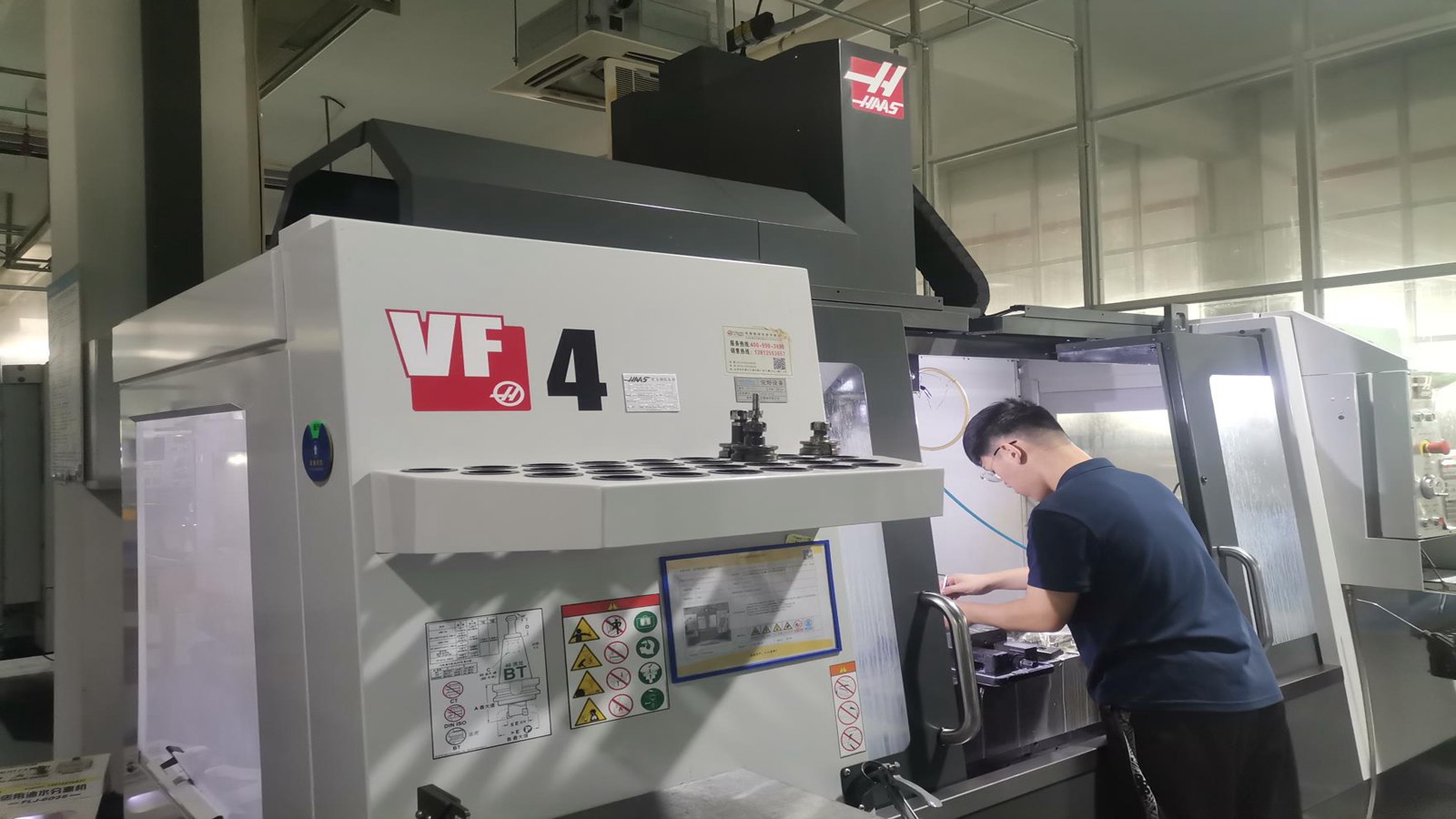
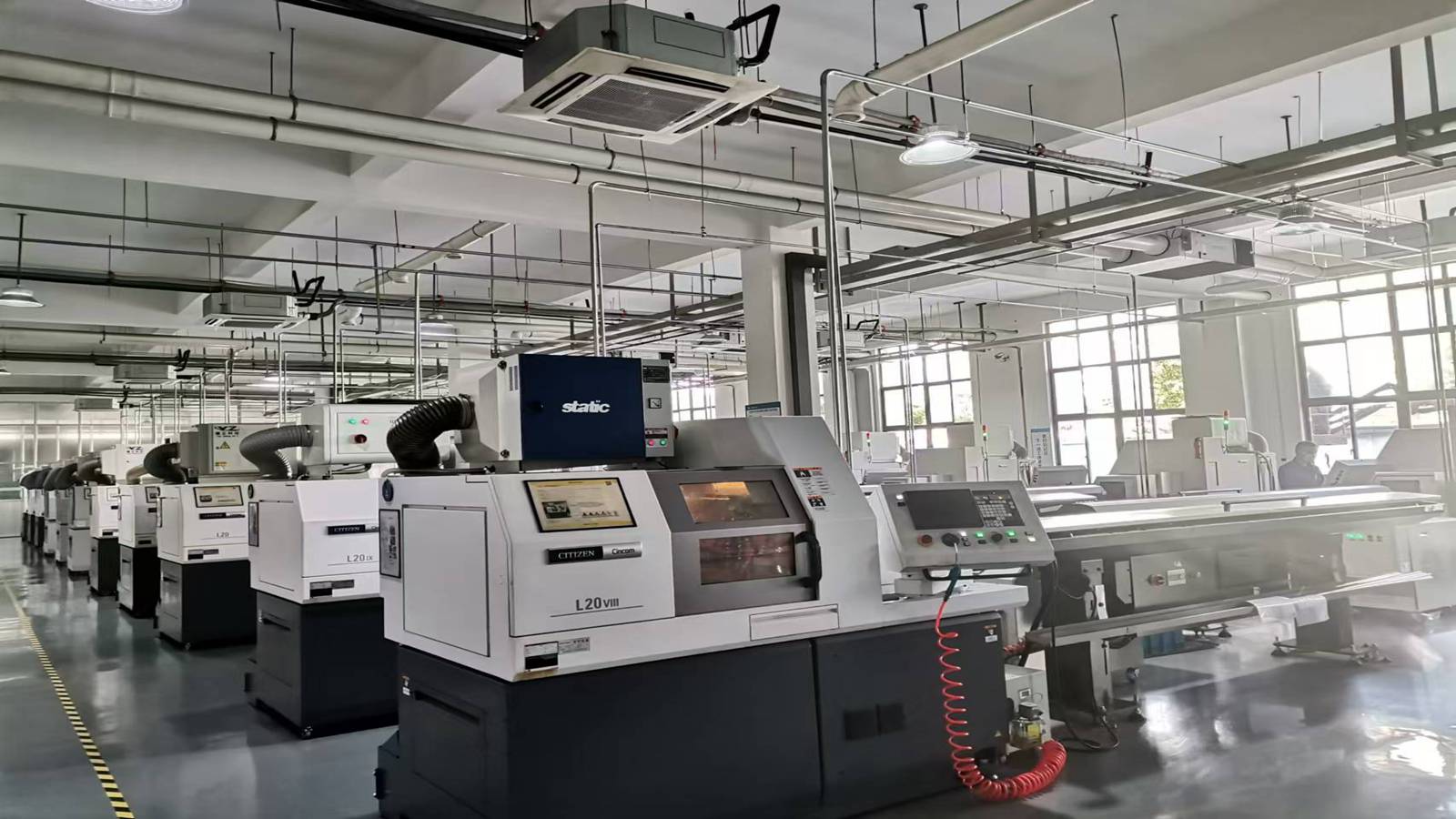
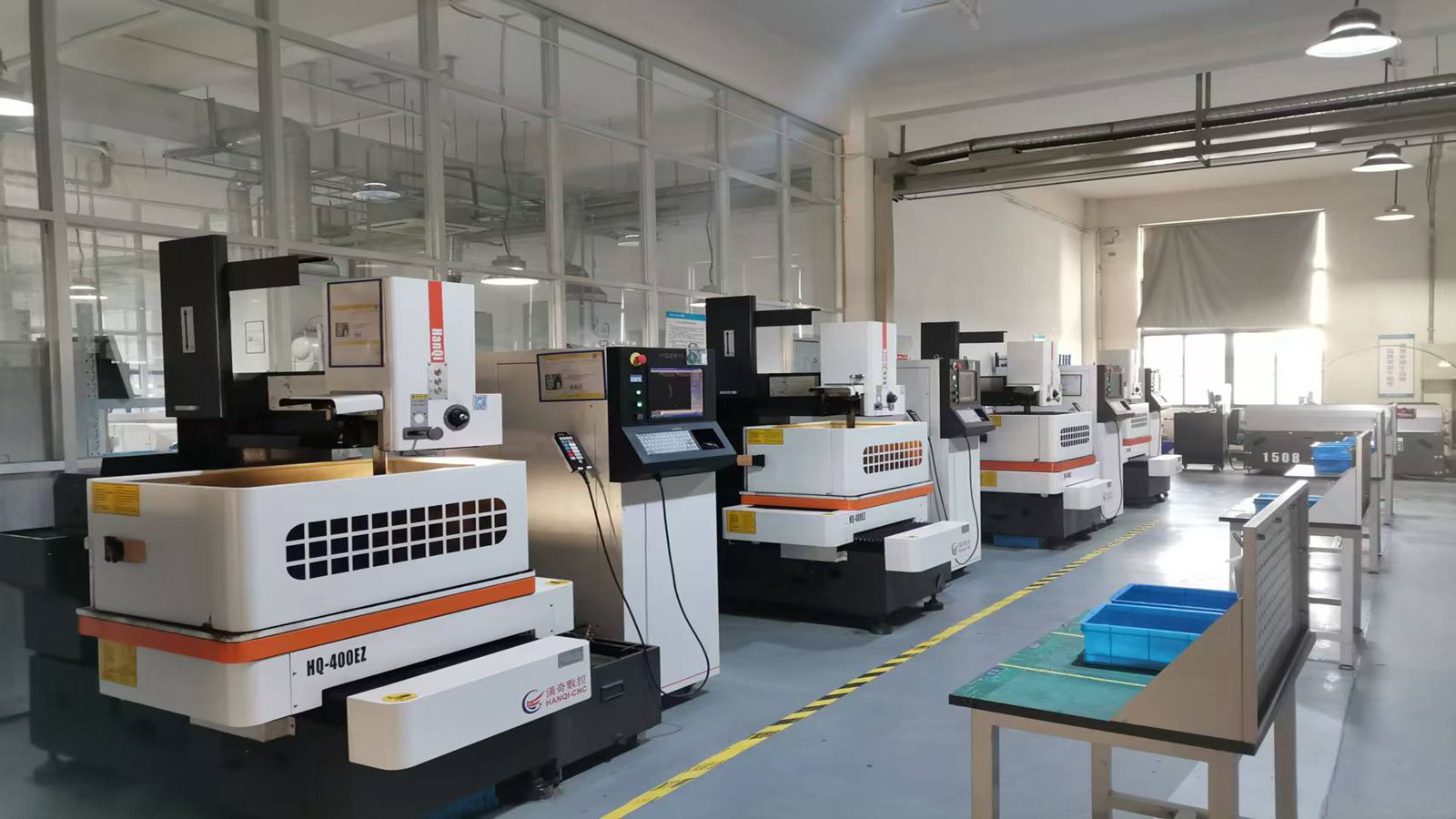
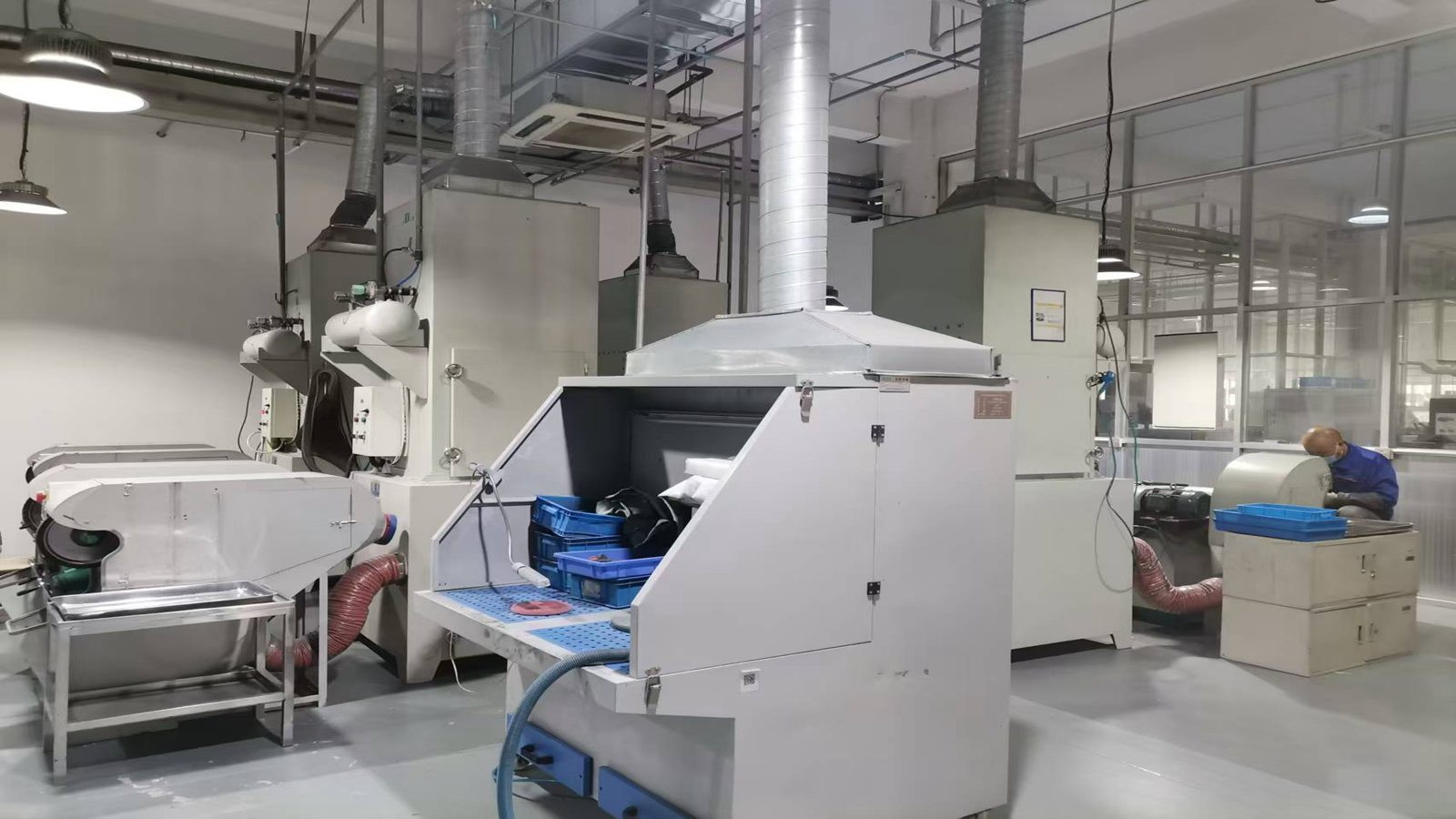
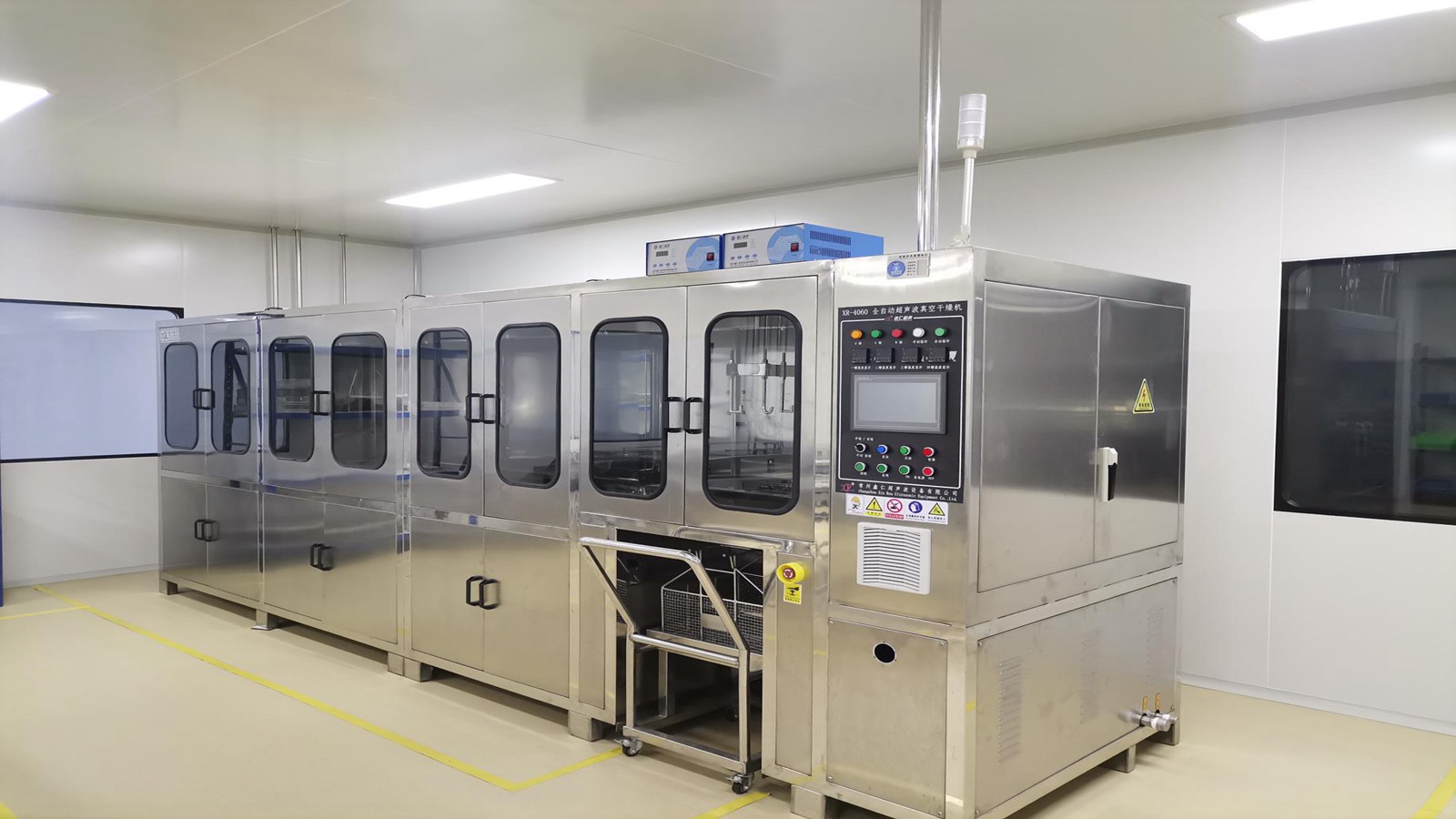
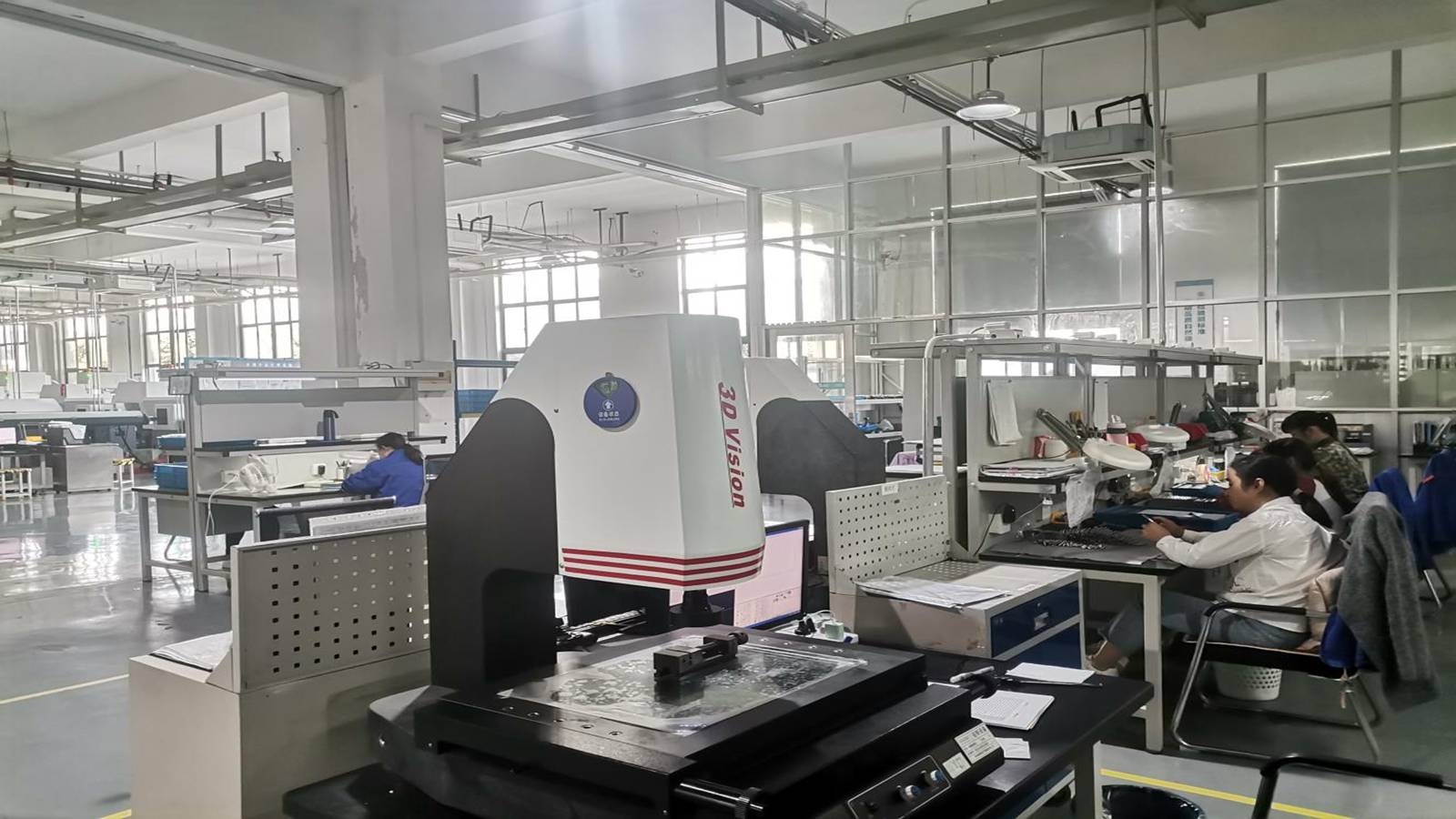
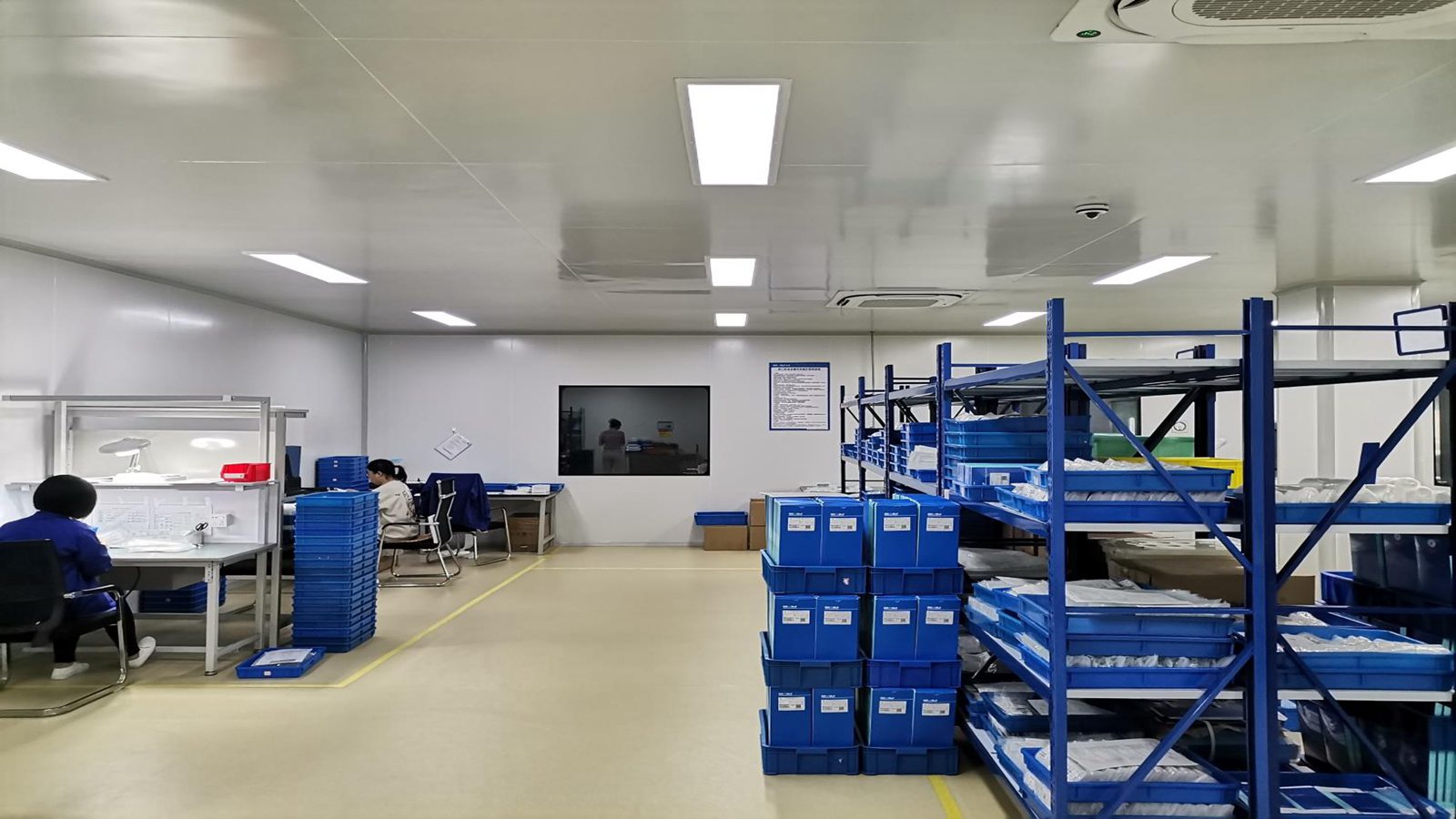
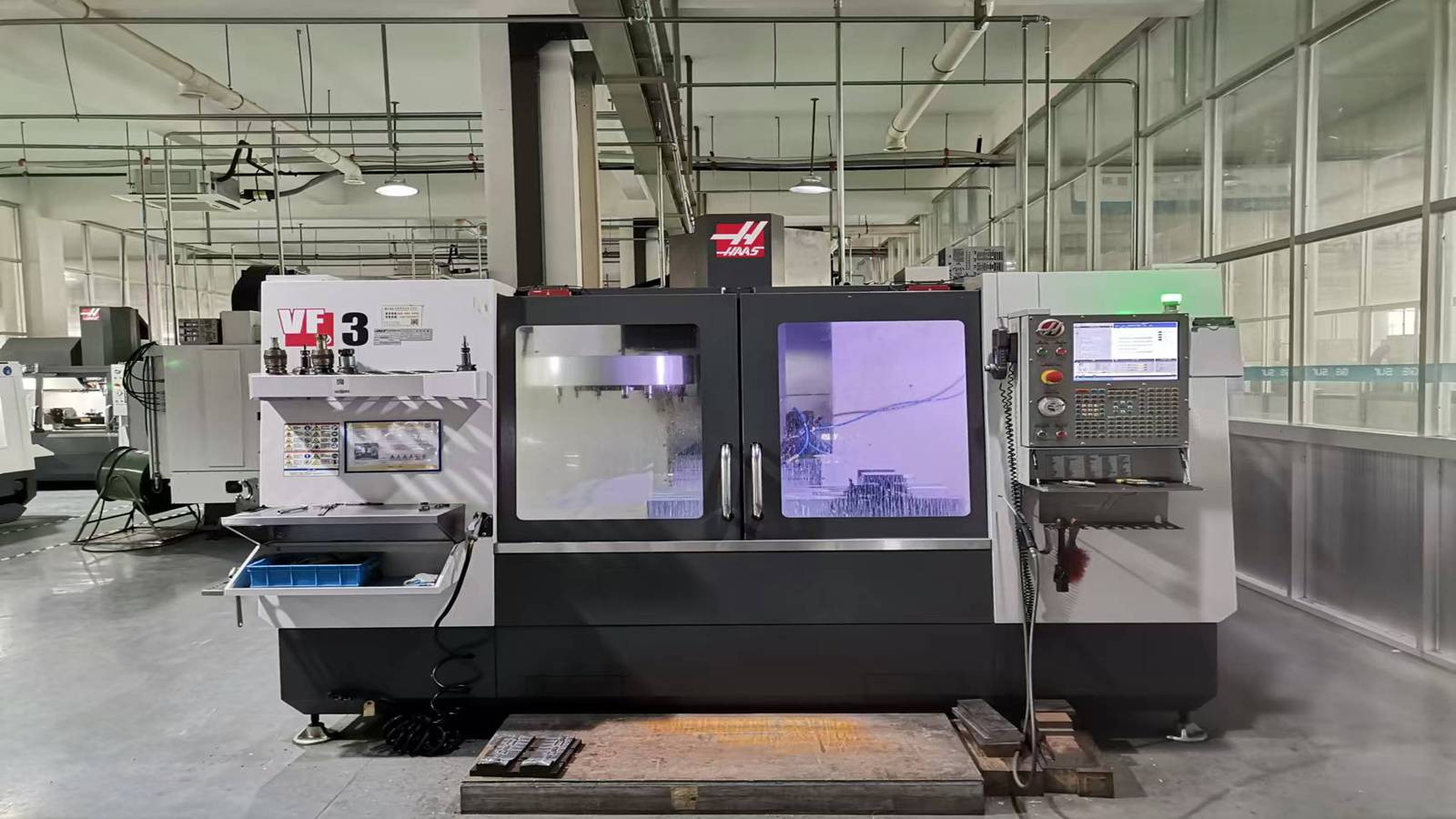
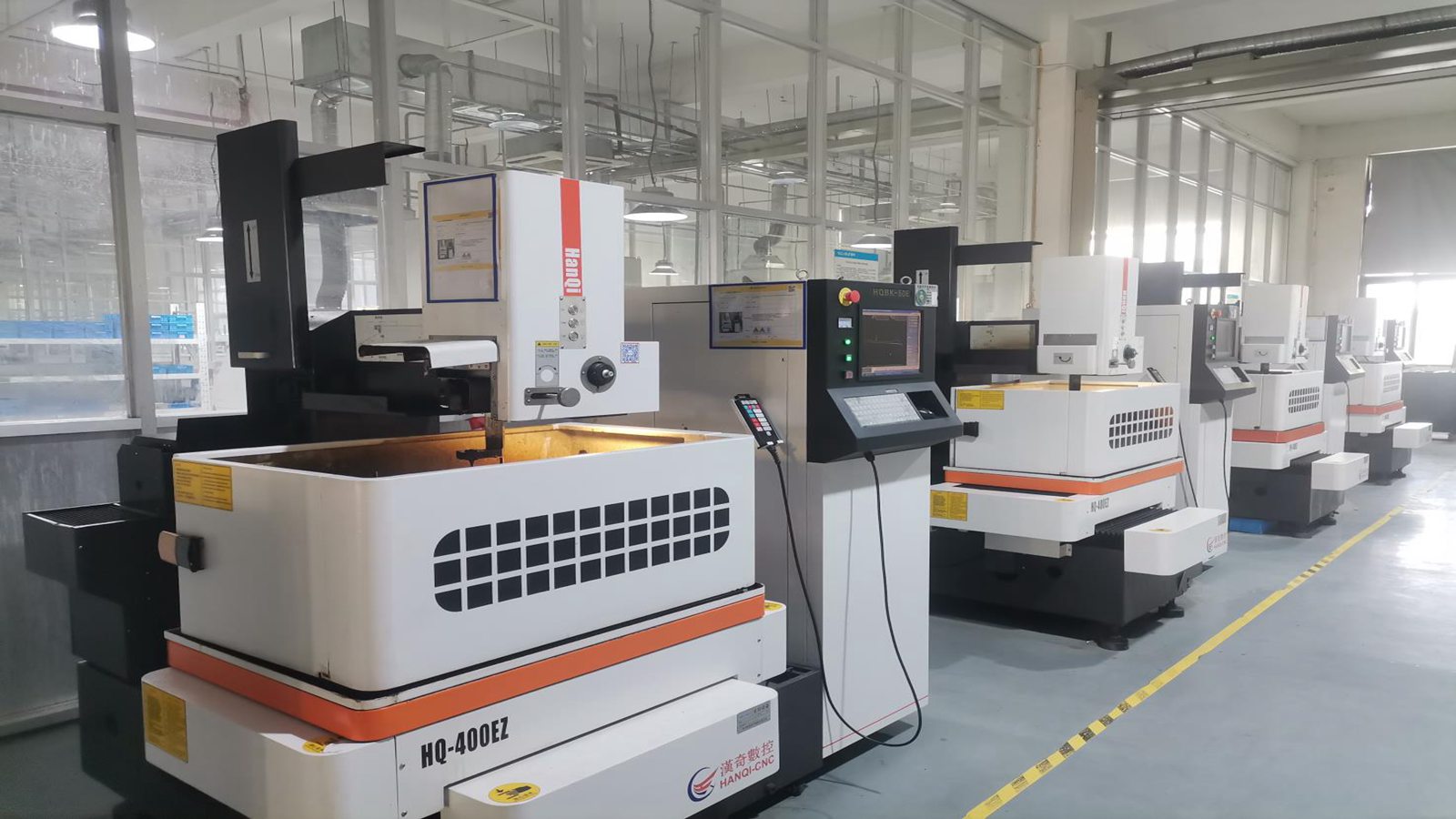
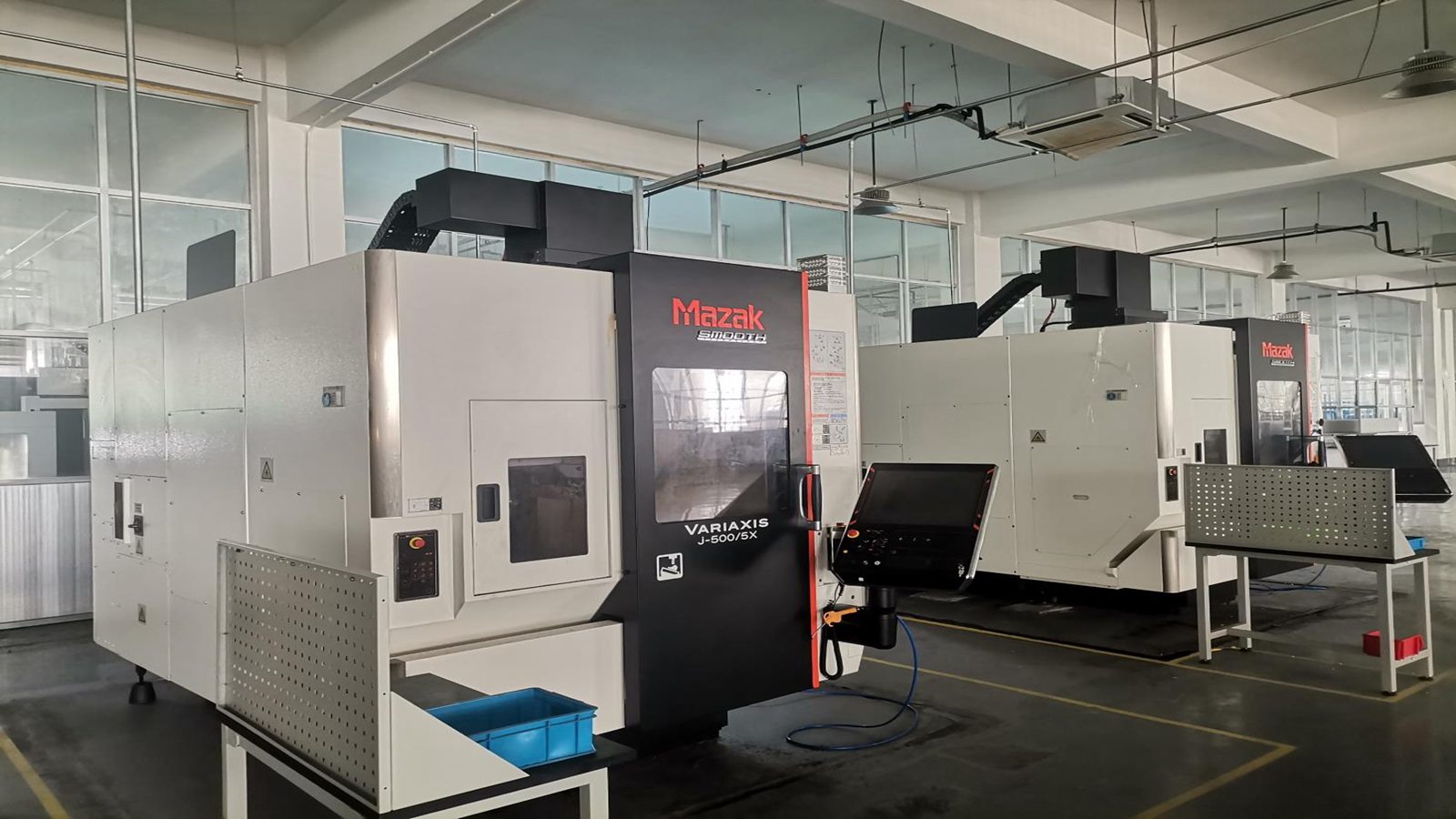
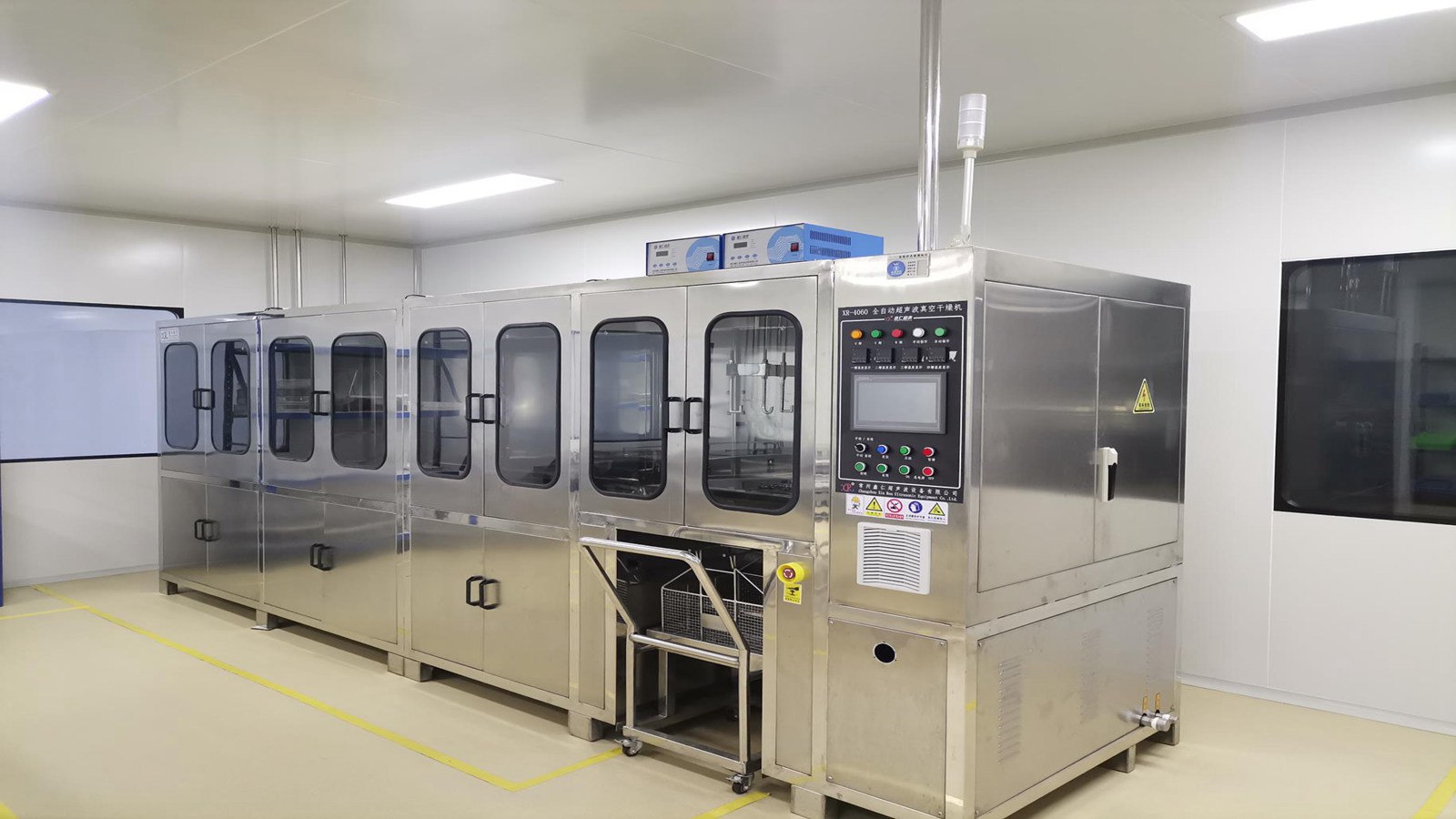
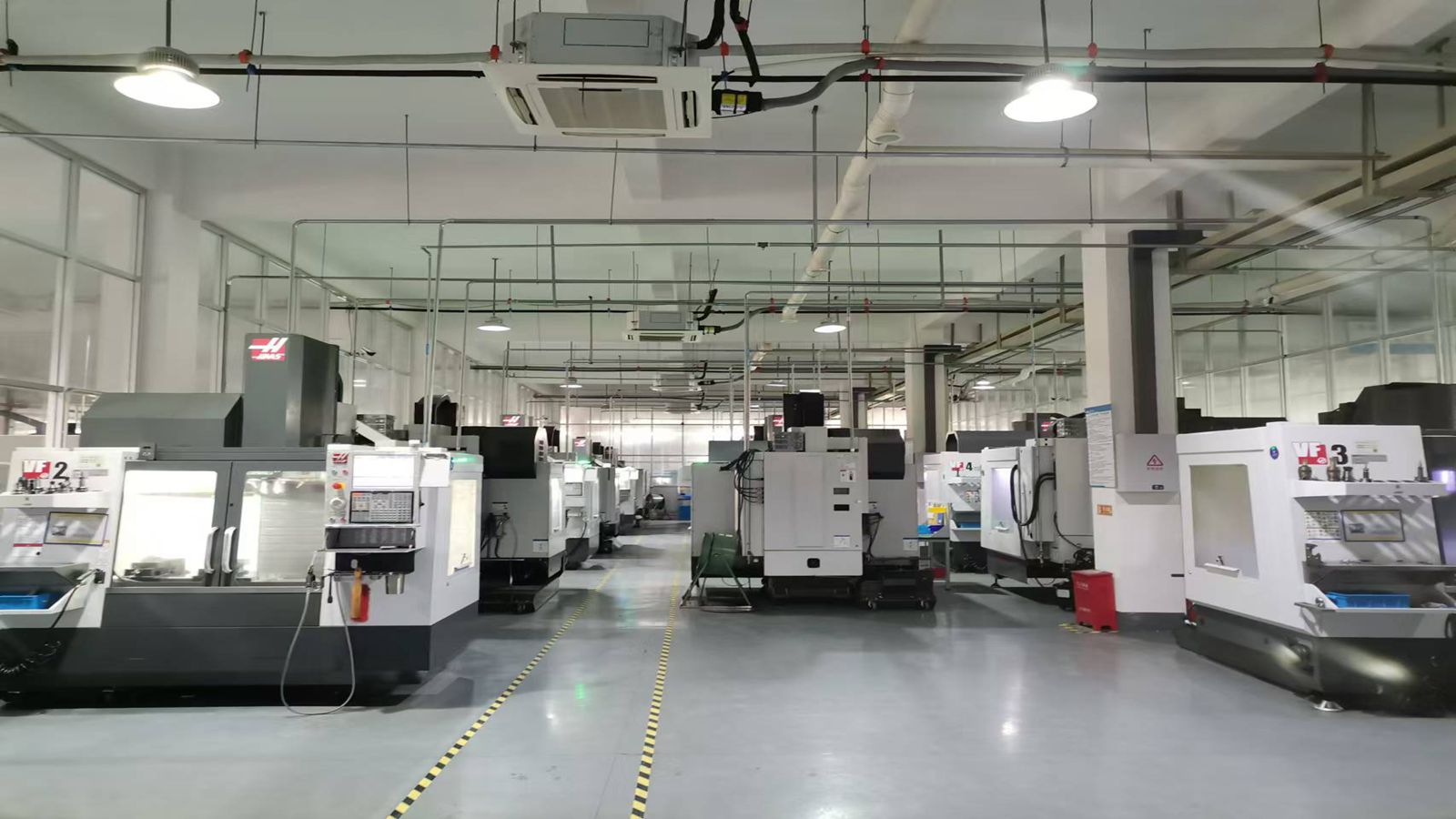
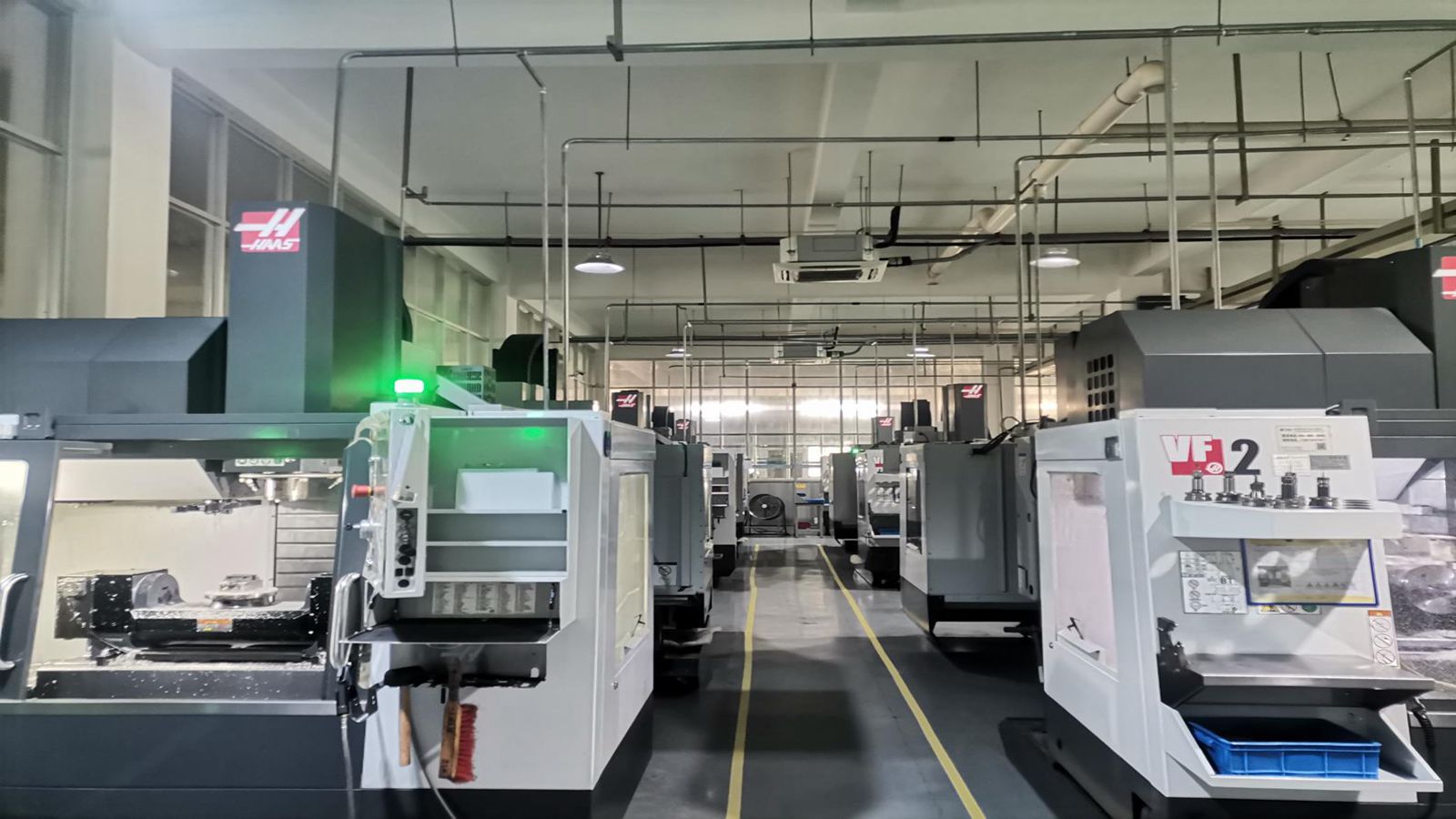
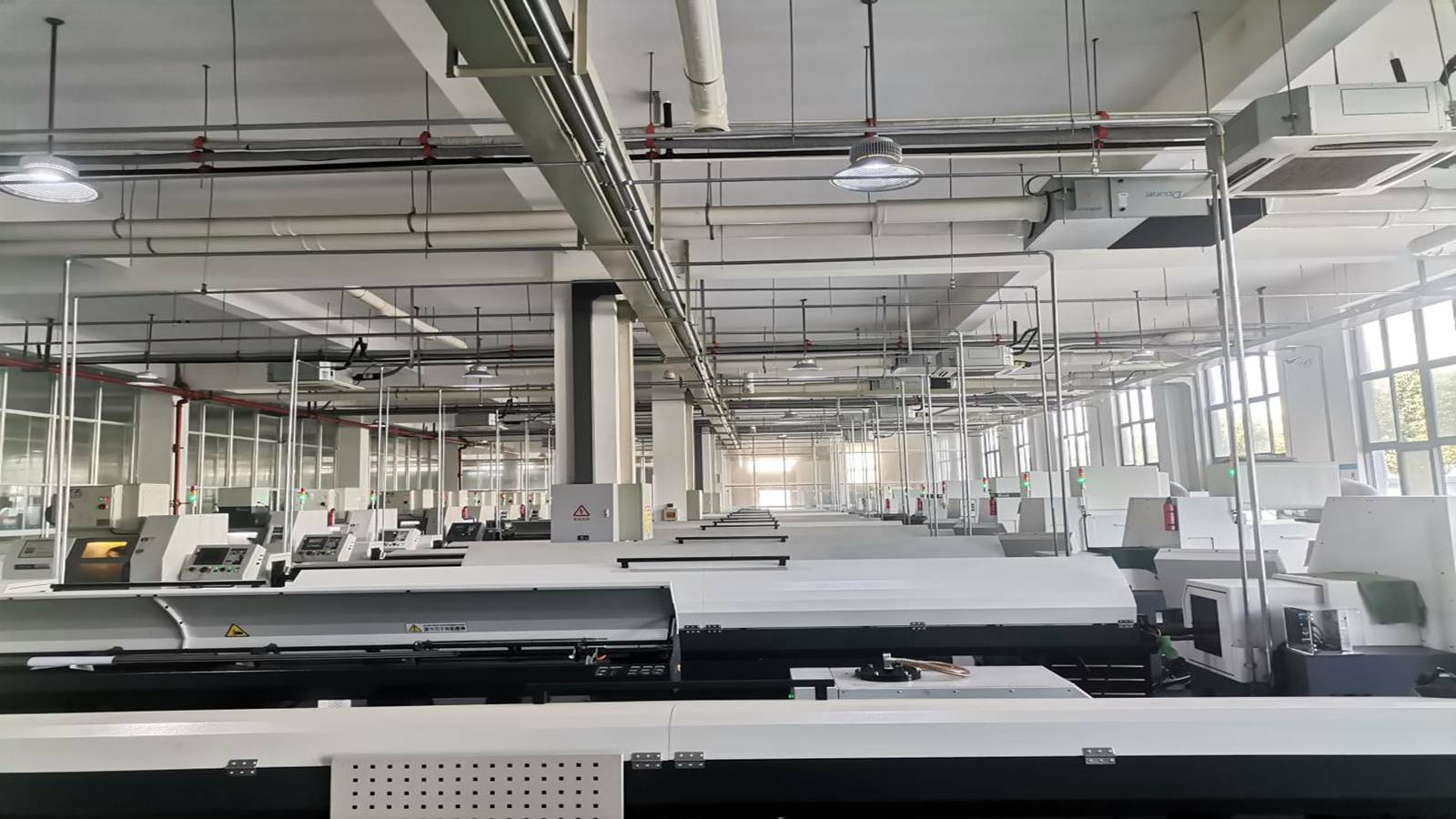
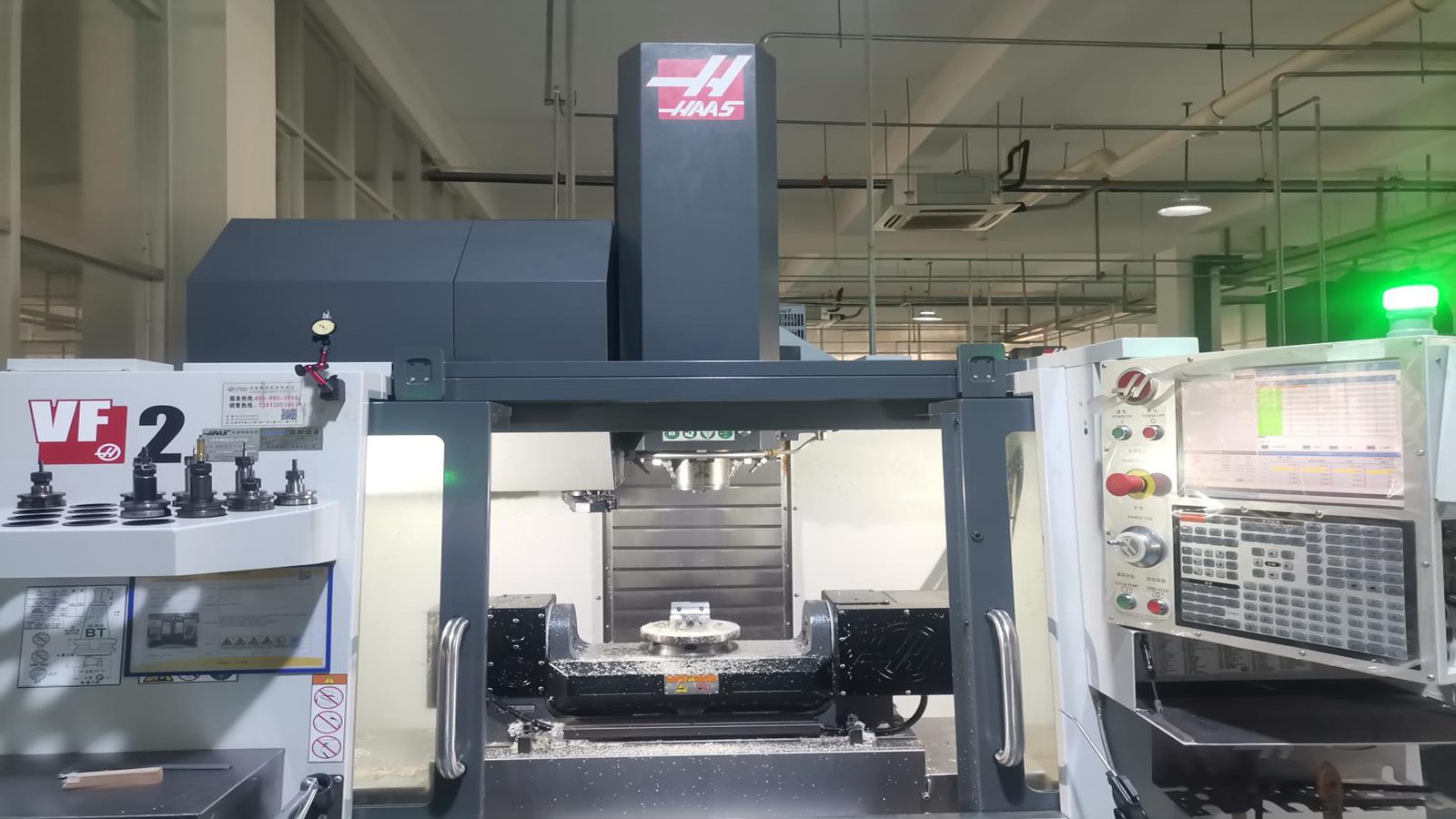
| Manufacturing | High-precision CNC, Cleanroom Packaging | Batch consistency and sterility |
| R&D Depth | Doctorate-level engineering staff | Innovation in locking mechanisms |
| Global Support | Multi-lingual local agents | Post-market surveillance and training |
In the medical field, Reliability is non-negotiable. Our facilities adhere to the strictest global standards to ensure patient safety.
 ISO13485
 EN ISO 13485
 MDSAP
MDSAP CE MDR
 EU MDR
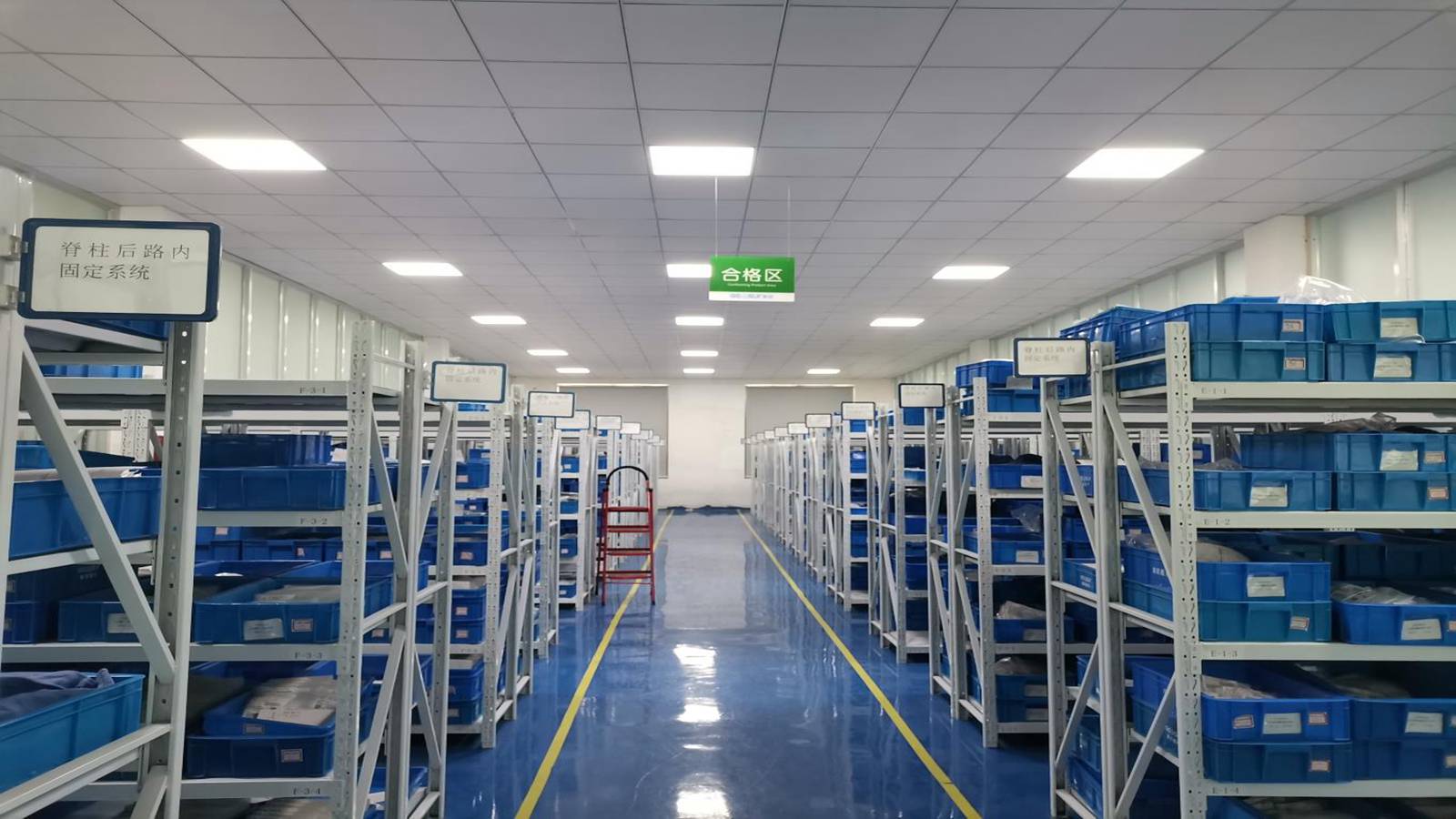
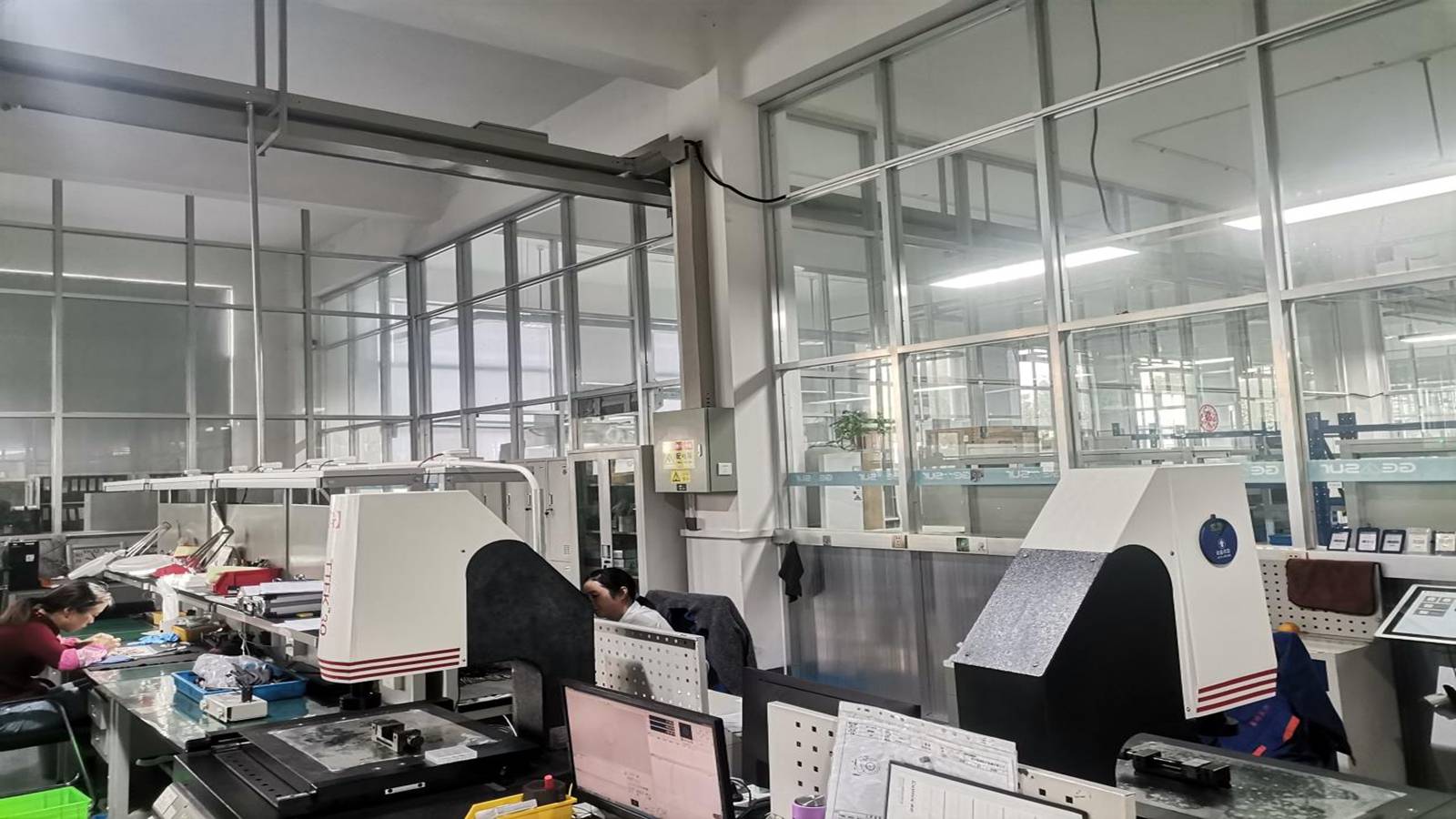
Product Support traceability of raw materials: Yes. Every locking plate is laser-etched with a UDI (Unique Device Identifier).
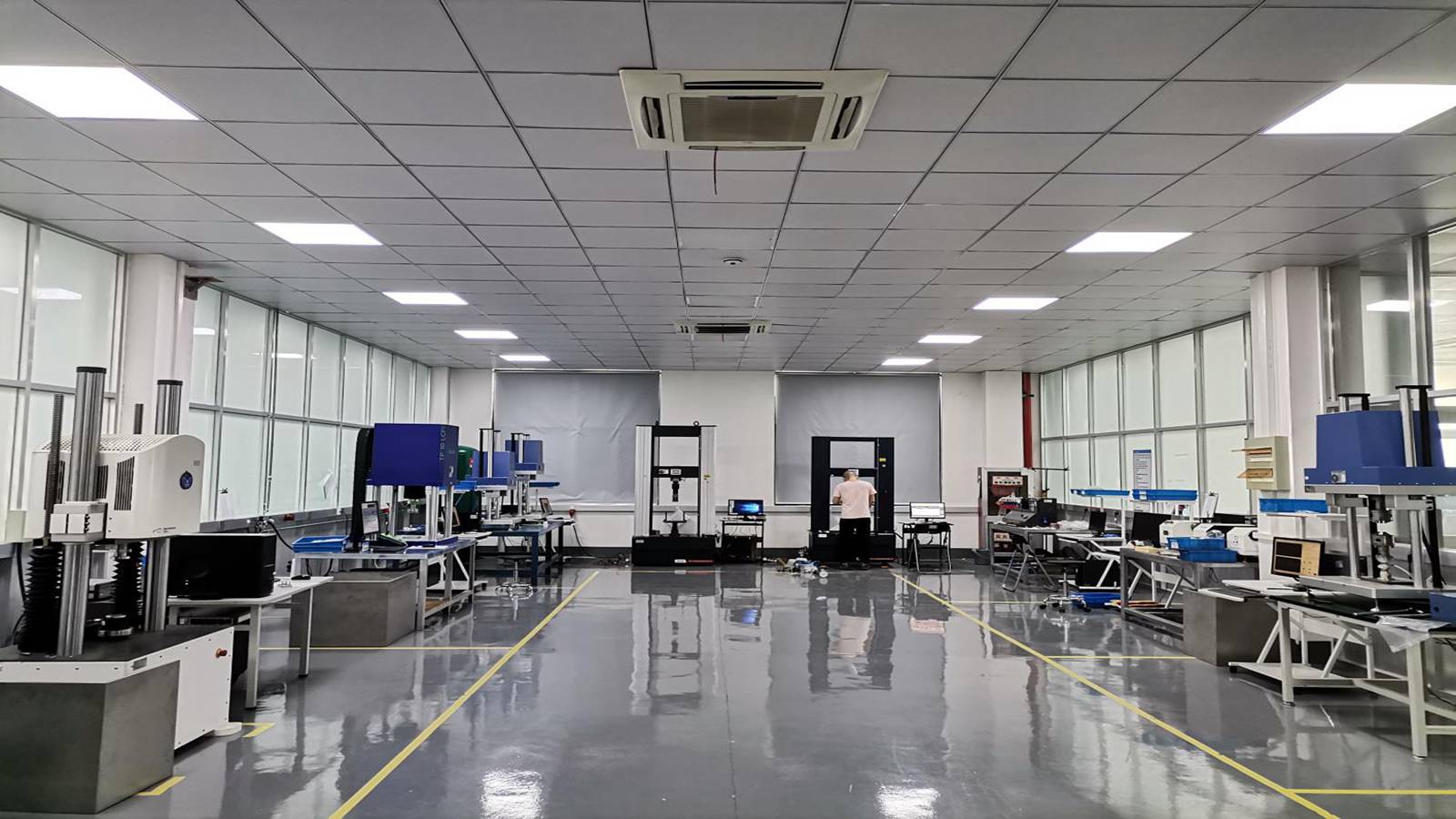
With 31 R&D engineers (including 1 Doctorate and 11 Post-graduates), we launched 25 new products last year alone.
Serving Domestic Market (80%), Eastern Europe (5%), and Southeast Asia (5%), providing localized surgical manuals and training.
The future of locking plate systems lies in the convergence of biology and mechanics. We are currently developing "Bio-Active" coatings that release growth factors directly at the fracture site.
A: Conventional plates require compression against the bone to create friction for stability, which can disrupt periosteal blood flow. Locking plates create a fixed-angle construct that does not require contact with the bone, preserving vascularity and providing superior stability in poor quality bone.
A: We use medical-grade Titanium Alloy (Ti-6Al-4V ELI) compliant with ASTM F136. Our chemical and mechanical testing protocols ensure no cytotoxic effects and optimal osseointegration.
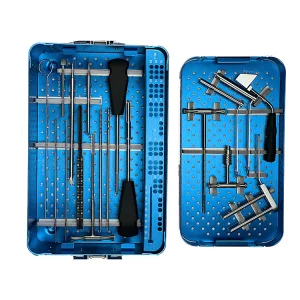
A: While many systems use standardized hex or torx drives, our instrument sets are optimized for the thread pitch and locking mechanism of our specific plate designs to prevent stripping or cold welding.
A: Leveraging our 12 production lines and 120+ CNC machines, standard orthopedic plates have a lead time of 4-6 weeks, depending on customization requirements.