Ease Medical Apparatus And Instruments
High-precision titanium alloys, PEEK polymers, and surgical stainless steel casting materials manufactured under strict ISO 13485 quality protocols.
An In-Depth Technological and Commercial Analysis of Custom Metallurgical Processing, OEM casting materials, and Cross-Border Supply Chains for High-Requirement Sector Devices.
The global demand for high-performance casting materials and custom metallurgical components has experienced a structural paradigm shift. Driven by aging demographics, expanding access to healthcare in emerging economies, and rapid technological advancements in joint reconstruction and trauma surgery, the market for medical-grade alloys is expanding at an unprecedented compound annual growth rate (CAGR).
Modern surgical procedures demand unprecedented mechanical stability, fatigue strength, corrosion resistance, and biological inertness. Titanium alloys (Ti6Al4V ELI / Grade 5), Cobalt-Chromium-Molybdenum (CoCrMo) superalloys, high-grade Stainless Steels (316L, 440C), and advanced thermoplastic materials like Polyether Ether Ketone (PEEK) form the foundation of this industry. Foundries and OEM manufacturers must maintain tight chemical compositions to eliminate trace element contamination and prevent long-term implant failure in human tissue.
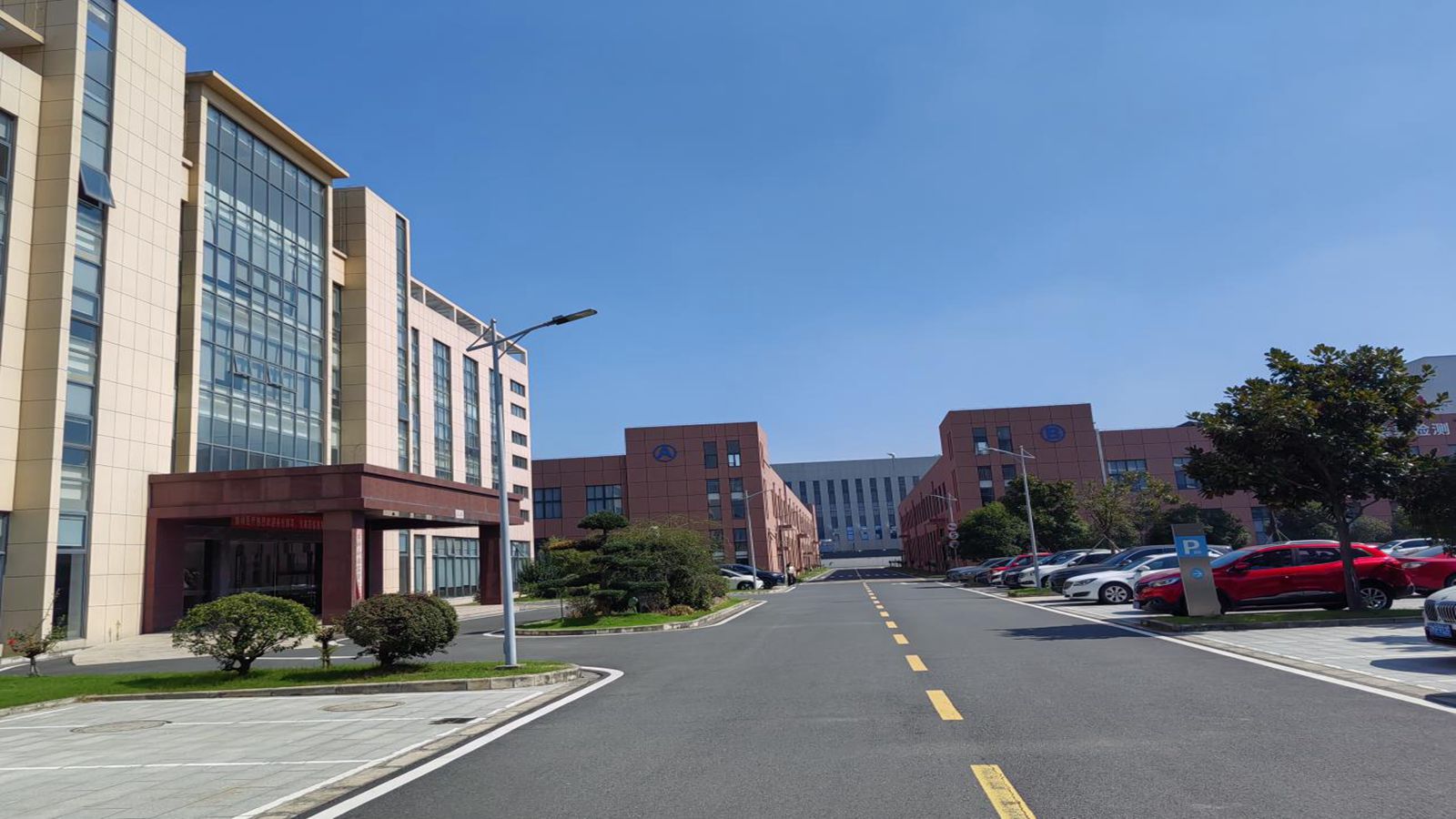
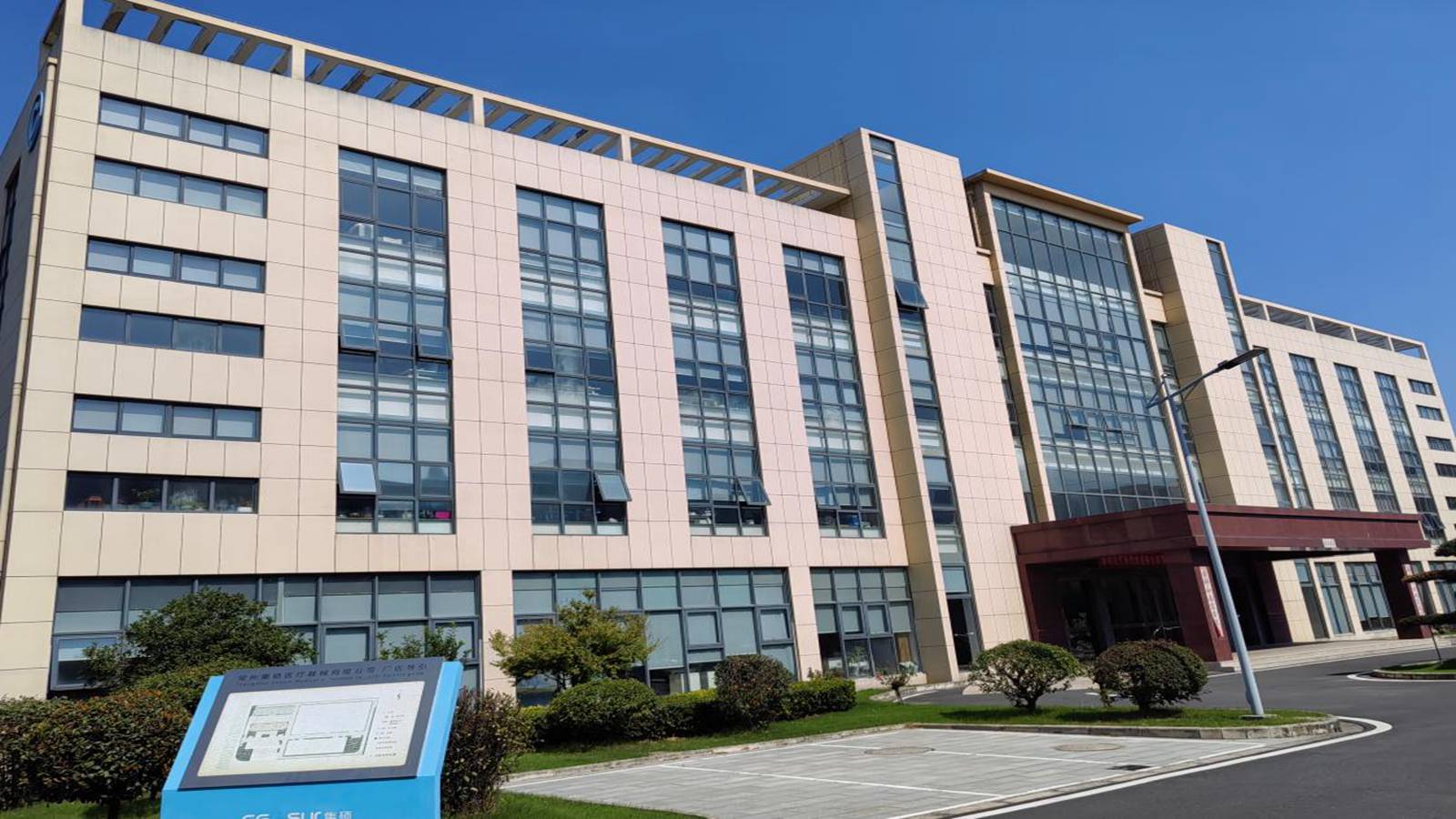
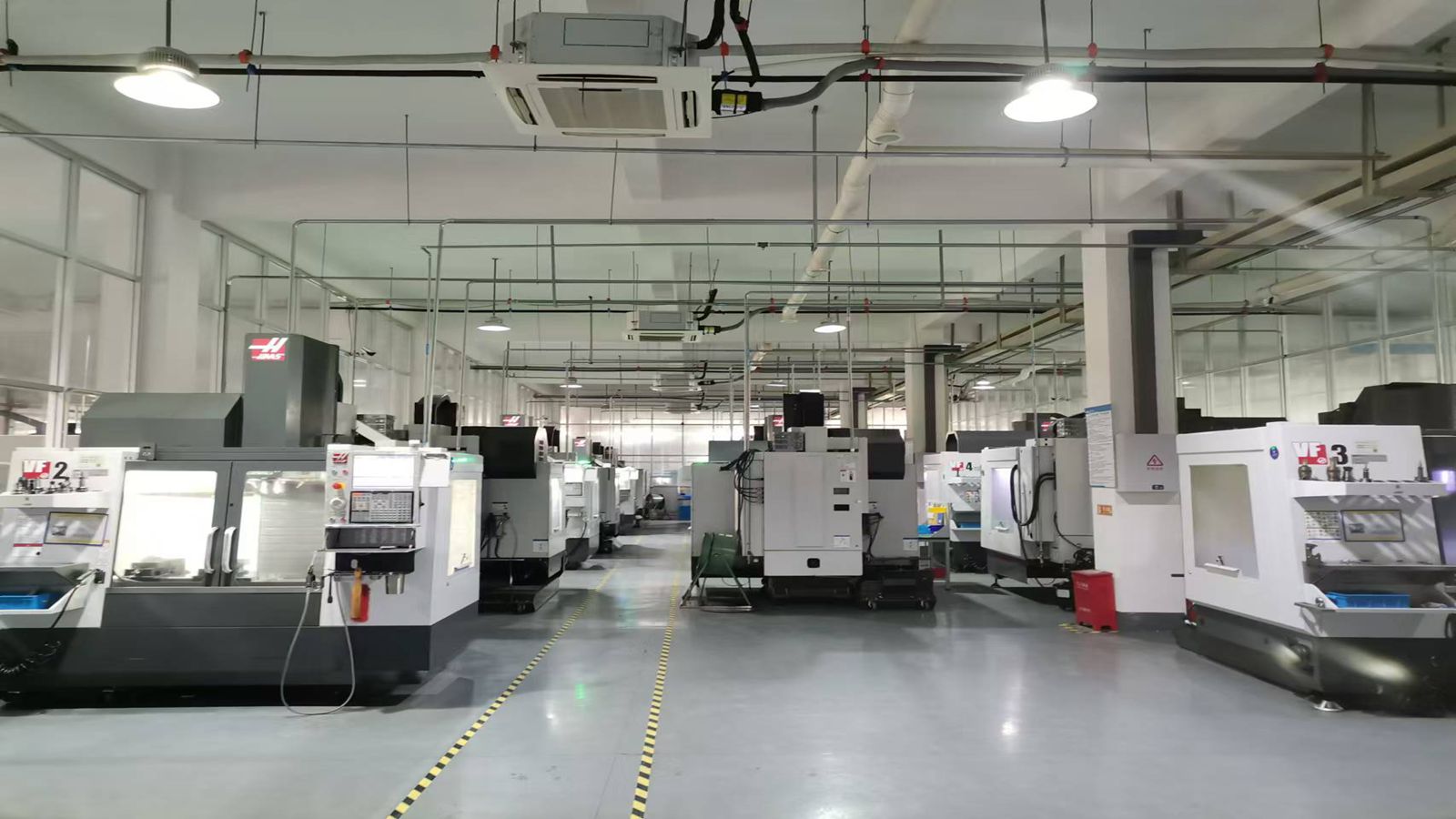
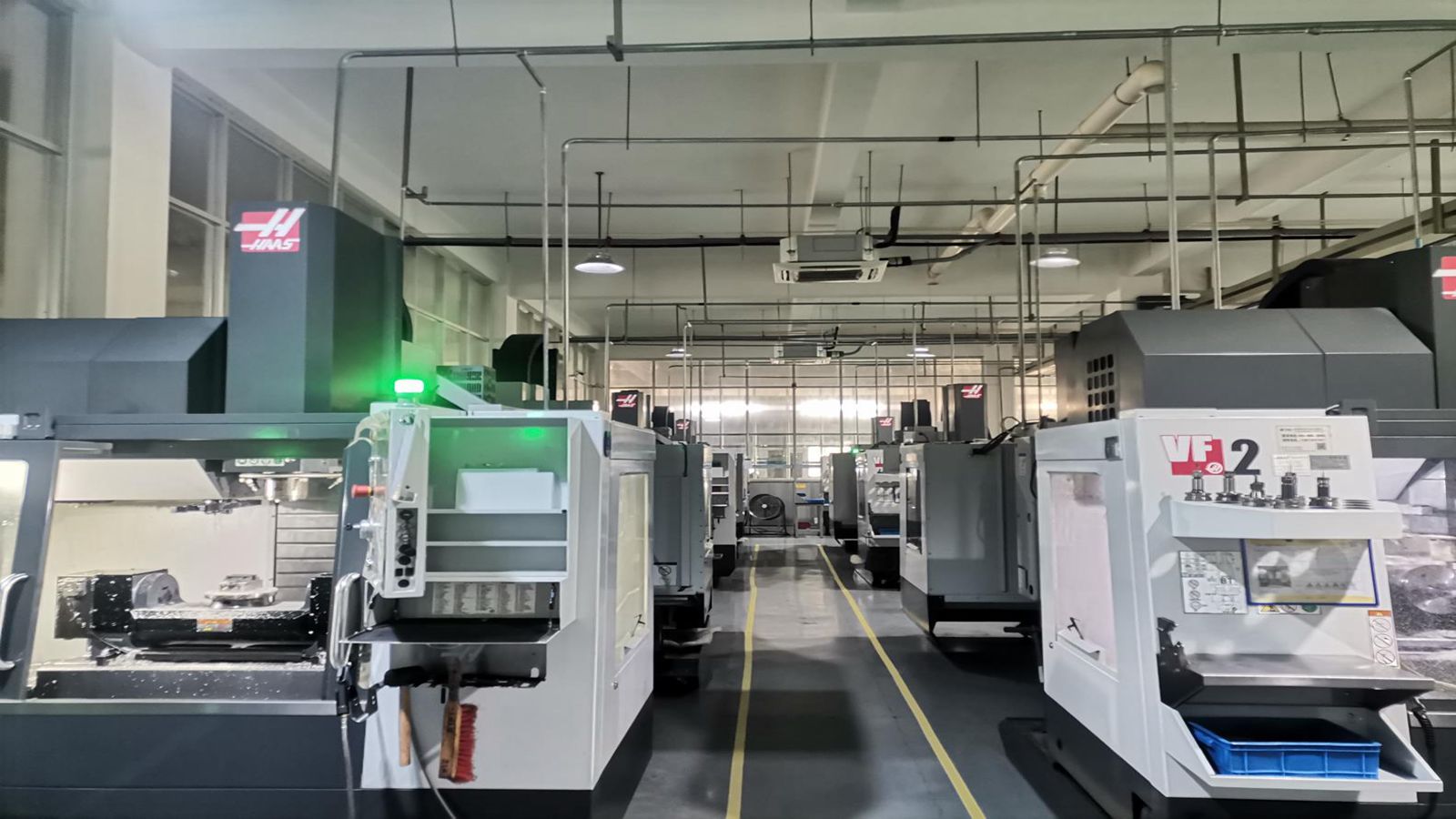
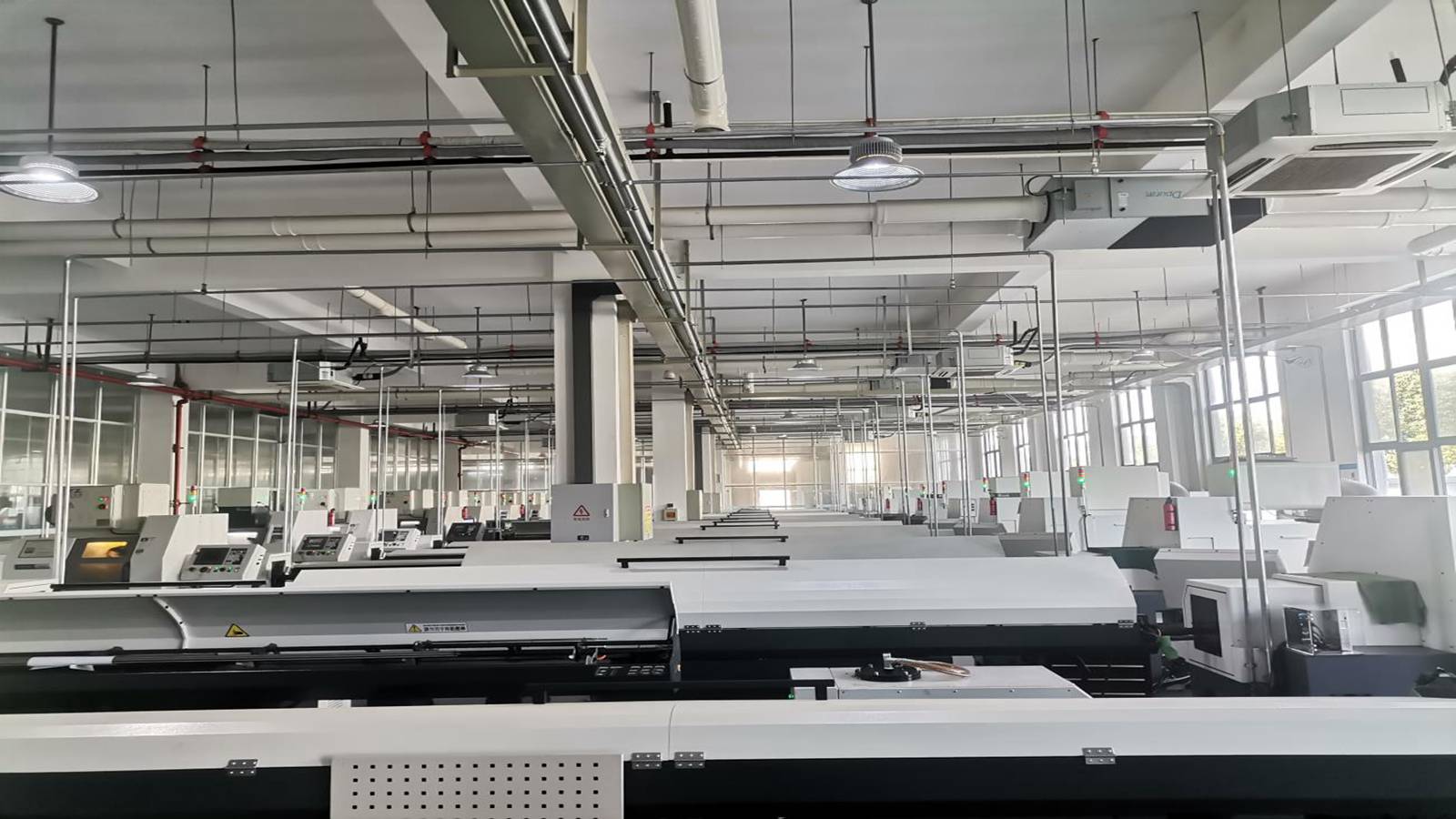
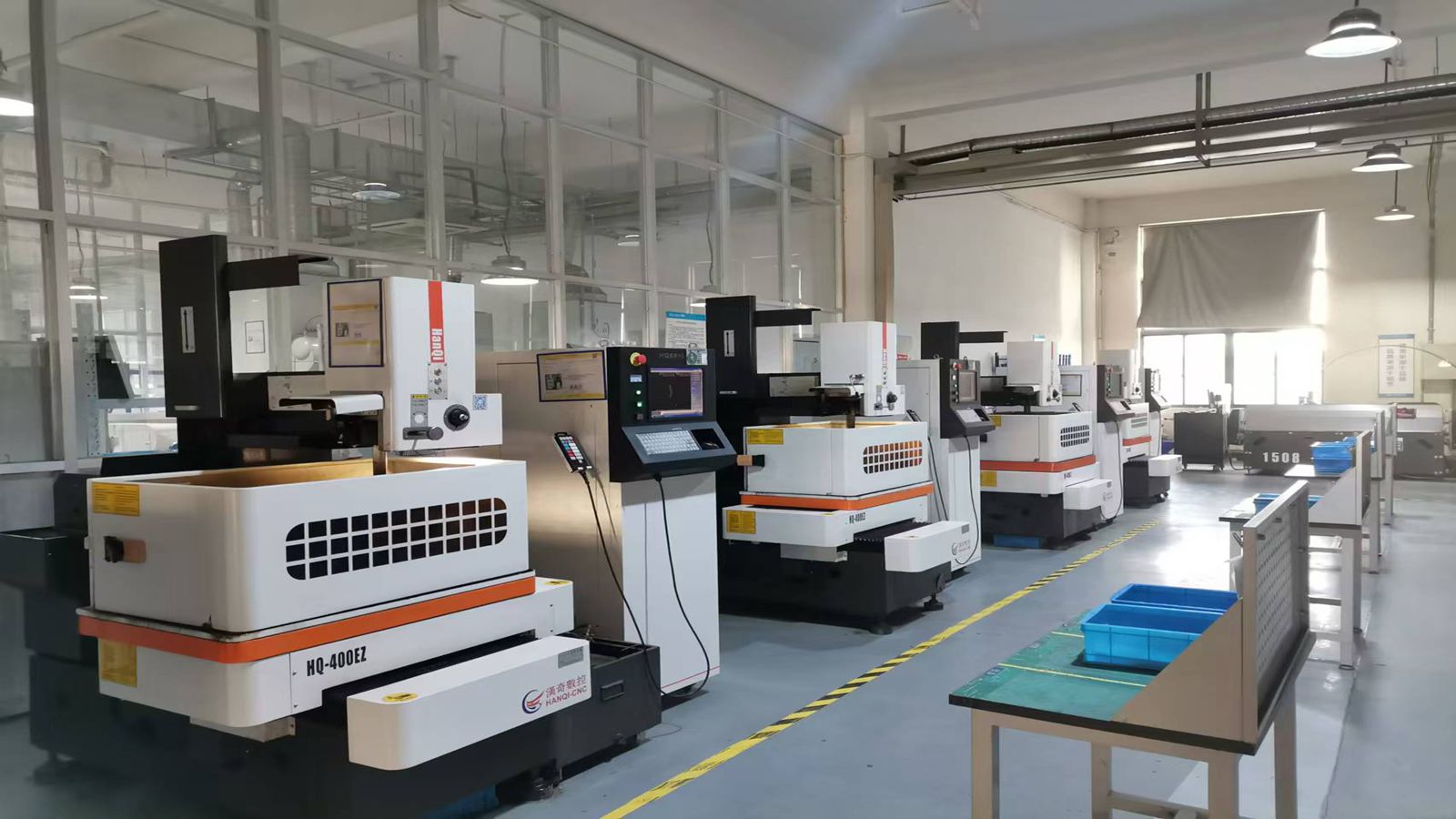
As international medical device original equipment manufacturers (OEMs) face margin pressures and regulatory tightening, Chinese precision manufacturing hubs have transformed from low-cost casting suppliers into technology-driven centers of excellence. Operating from an expansive 30,343 m² specialized manufacturing facility equipped with over 120 production machines and 12 flexible lines, our operation demonstrates the ultimate synthesis of industrial scale, speed, and uncompromising precision.
By integrating investment casting (lost-wax process), vacuum induction melting (VIM), high-precision 5-axis Swiss-type CNC turning, and automated surface treatment under one roof, sample development cycles are reduced from industry averages of 12–16 weeks down to just 14 days. This integrated ecosystem dramatically lowers total cost of ownership (TCO) while guaranteeing absolute batch-to-batch consistency for global distributors and brand owners.
Comprehensive overview of biomaterial grades, casting methods, and physical properties processed within our advanced manufacturing facility.
| Material Category | Material Grade / Specification | Primary Tensile Strength | Key Mechanical Properties | Target Medical Application |
|---|---|---|---|---|
| Titanium Alloys | Ti-6Al-4V ELI (ASTM F136 / ISO 5832-3) | ≥ 860 MPa | Superior strength-to-weight ratio, exceptional biocompatibility, low modulus. | Pedicle screws, spinal fusion rods, trauma locking plates, hip stems. |
| Medical Grade PEEK | Polyether Ether Ketone (ASTM F2026) | ≥ 95 MPa | Radiolucent, modulus close to human cortical bone, chemical resistance. | Cervical & lumbar interbody cages, cranial implants, sports anchors. |
| Cobalt-Chromium | Co-Cr-Mo Alloy (ASTM F75 / ISO 5832-4) | ≥ 665 MPa | Extreme wear resistance, high hardness, excellent polished smoothness. | Total knee replacement femoral components, structural joint prostheses. |
| Stainless Steels | 316L / 316LVM (ASTM F138 / ISO 5832-1) | ≥ 620 MPa | Cost-effective, high ductility, high fracture toughness, easy machining. | External fixator rods, pins, trauma instrumentation, surgical tools. |
Utilizing state-of-the-art ceramic shell investment casting inside vacuum induction furnaces to prevent oxidation, alpha-case formation, and gas porosity in complex reactive metals like titanium and Cobalt-Chrome.
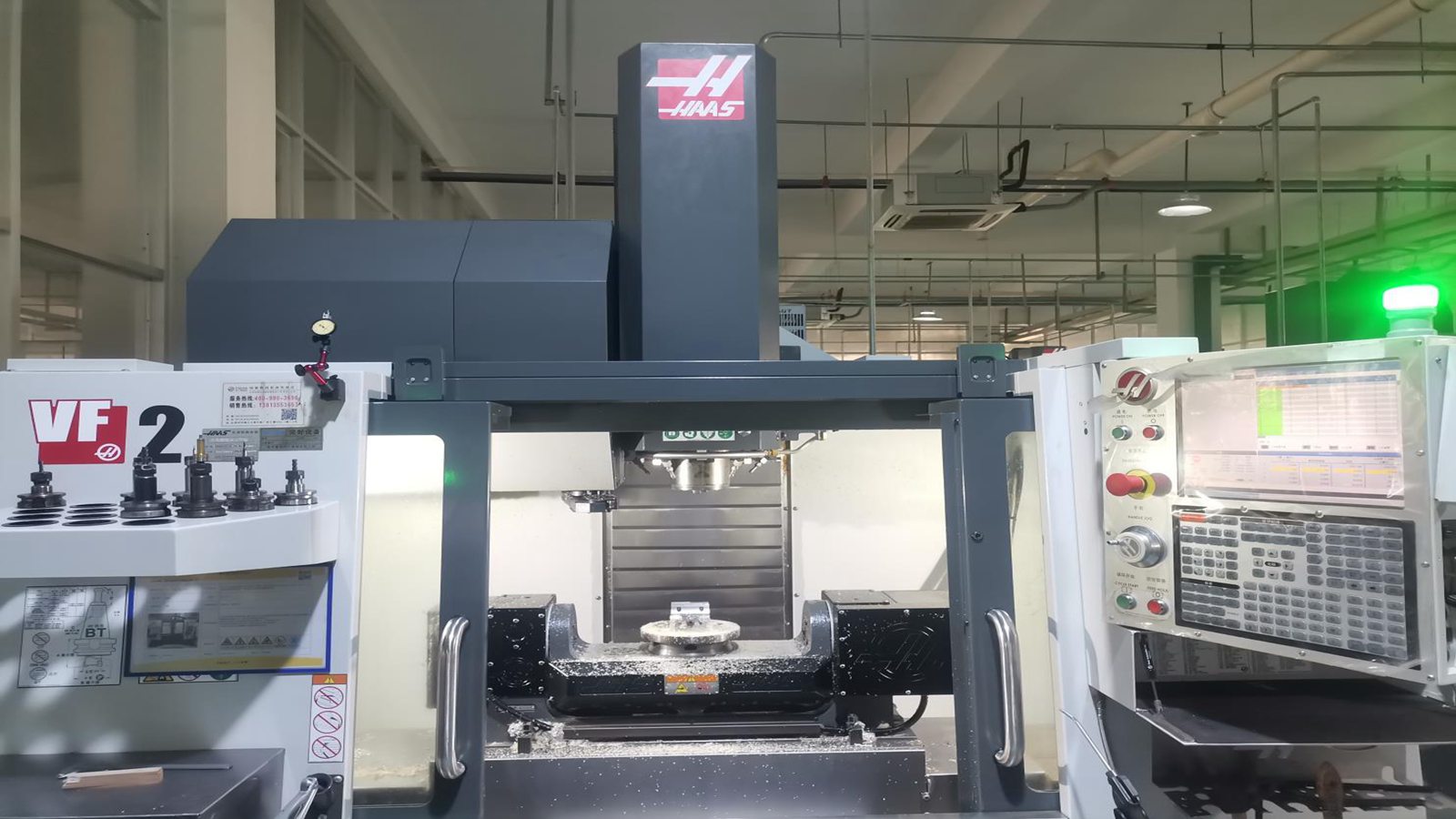
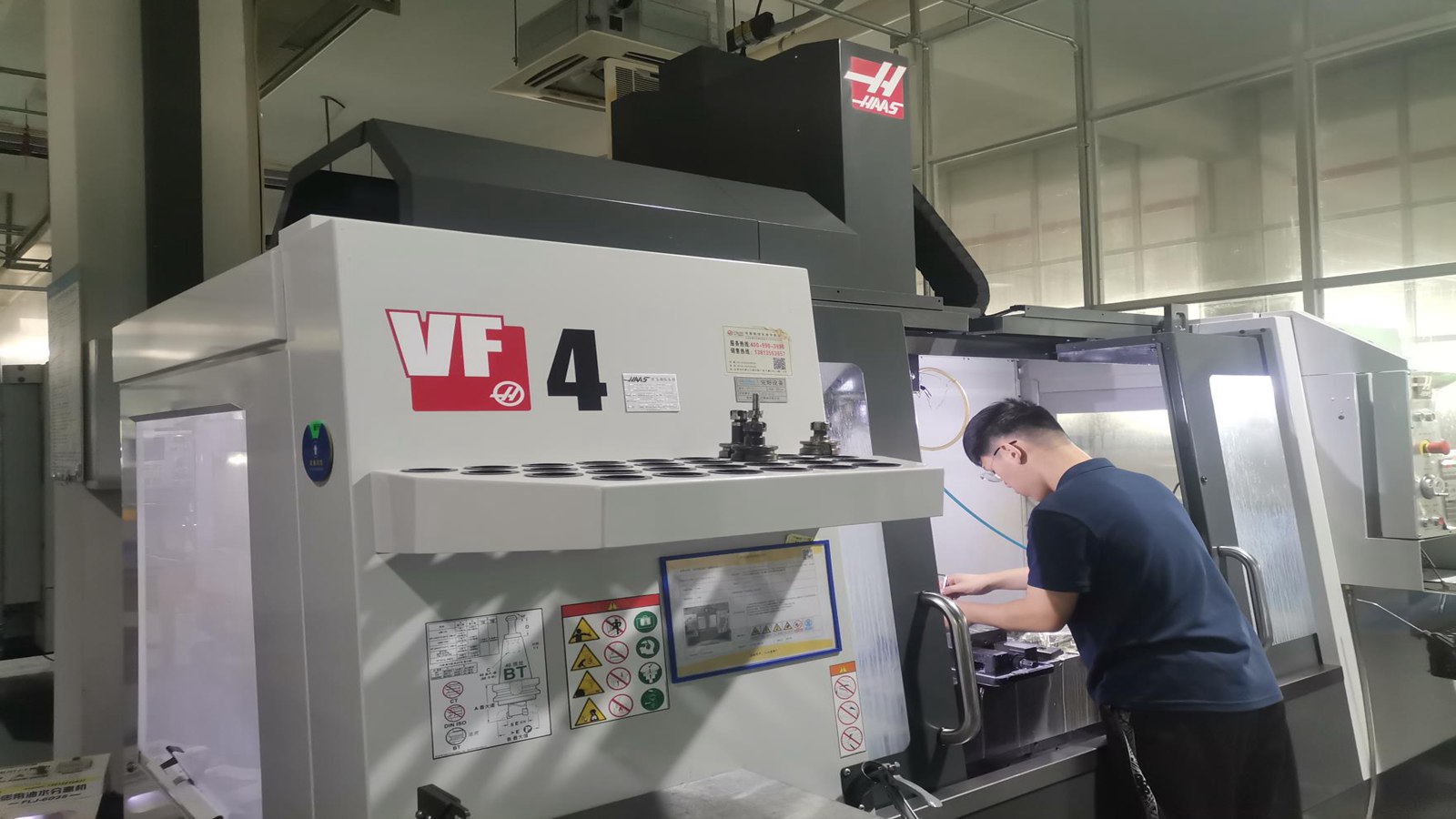
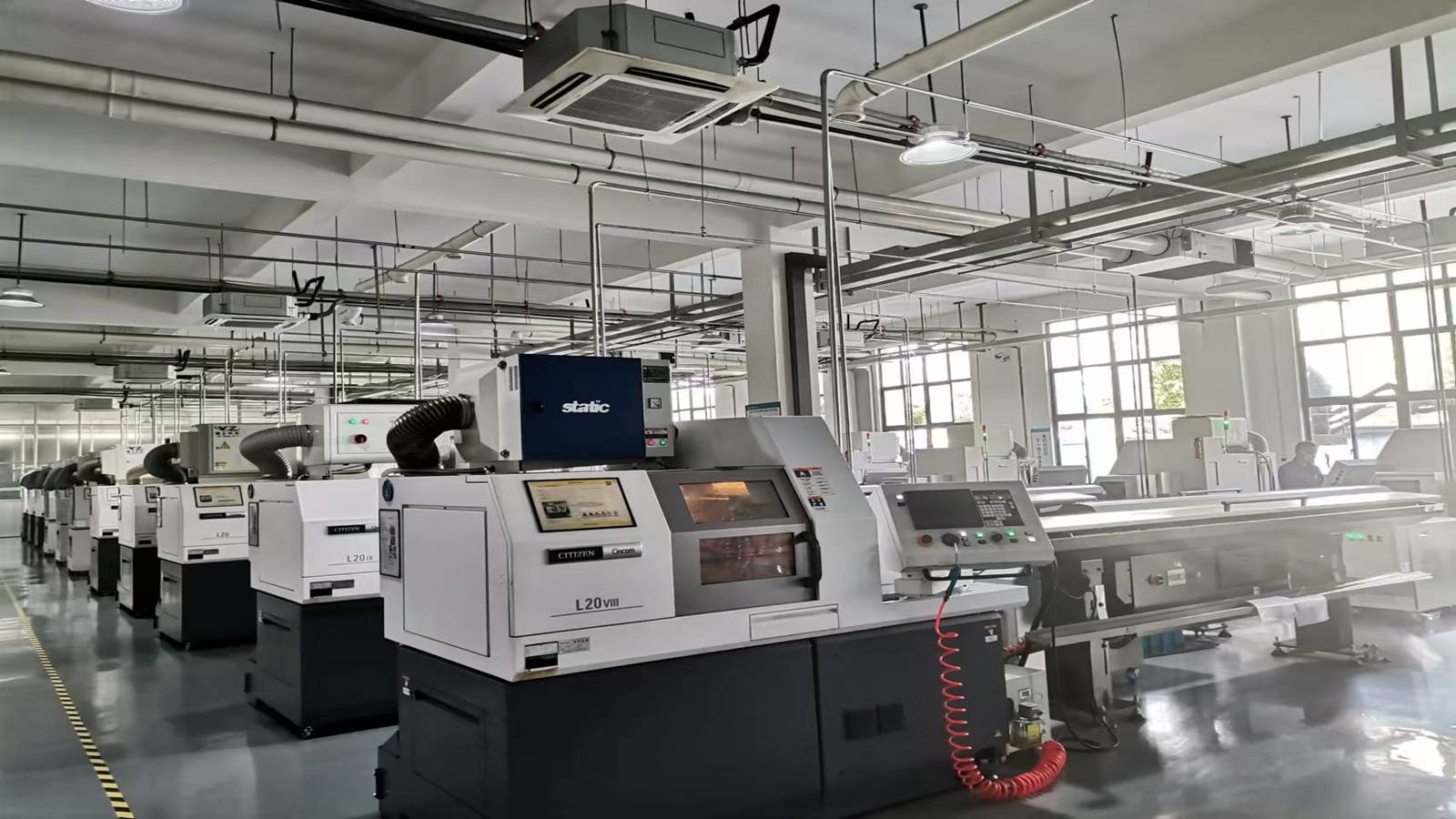
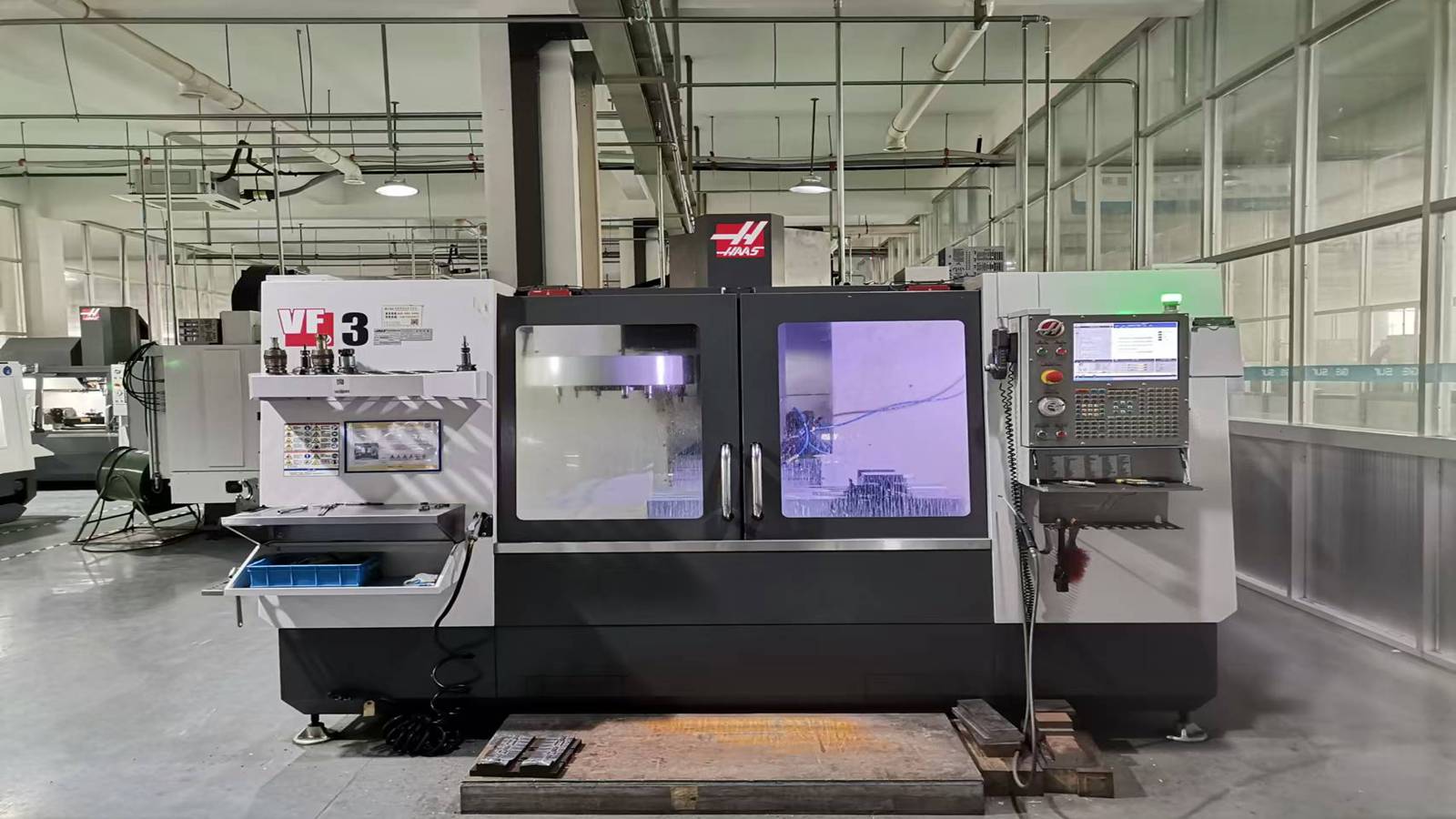
Ultra-precise post-casting Swiss lathe and 5-axis CNC machining, achieving micro-tolerances down to ±0.005mm for complex threads, locking mechanisms, and smooth joint articulation surfaces.
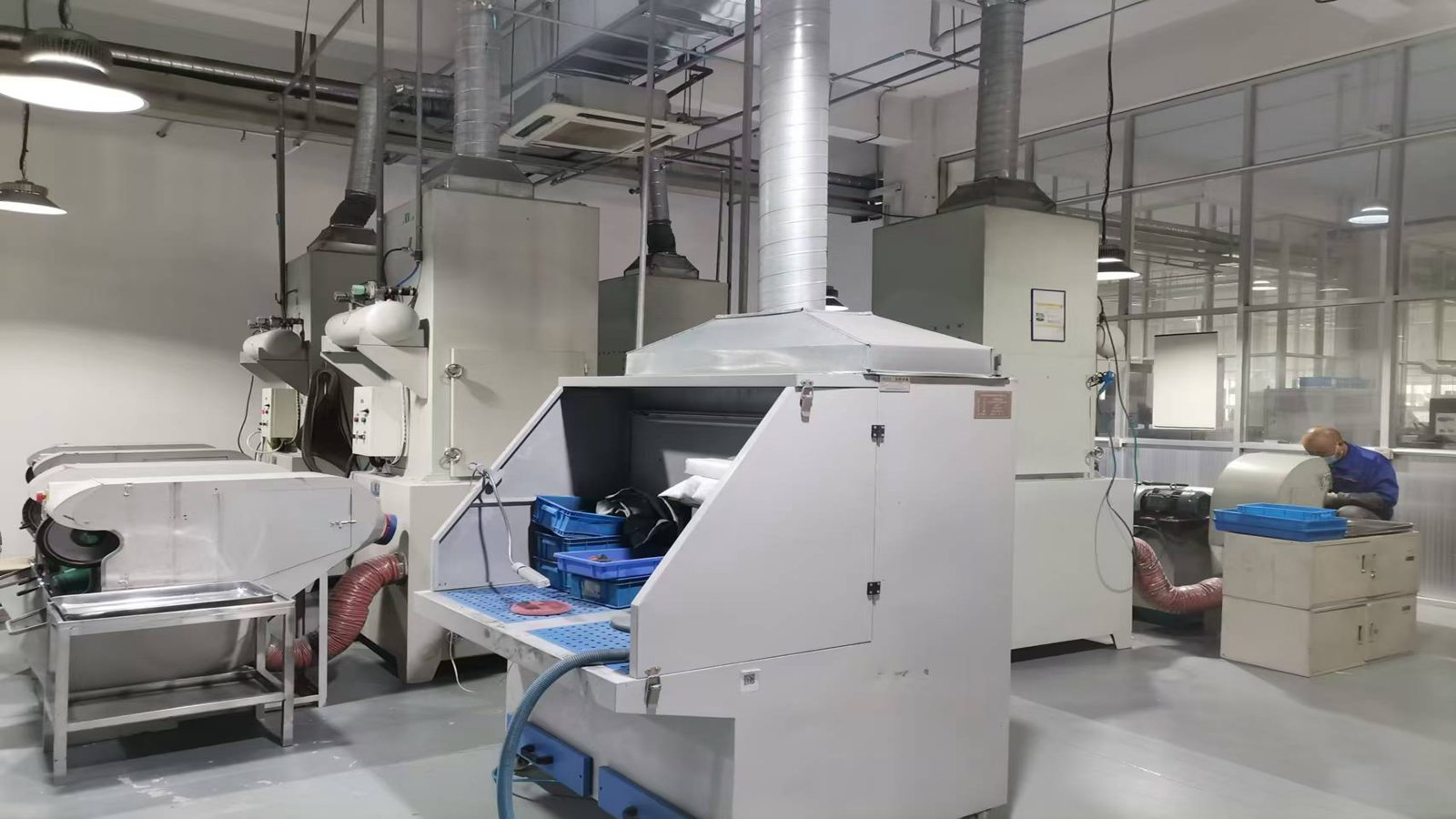
Advanced surface modification technology including Type II/III anodic oxidation, sandblasting, plasma spraying, and Hydroxyapatite (HA) coating to promote osseointegration and cell adhesion.
Rigorous quality control systems verified by global auditing bodies, supporting full traceability from raw alloy ingot to sterilized final packaging.
Trust in medical component manufacturing is built upon non-negotiable compliance. Our manufacturing facility maintains a multi-tier international certification portfolio enabling smooth market clearance in North America, Europe, Asia-Pacific, and Latin America.
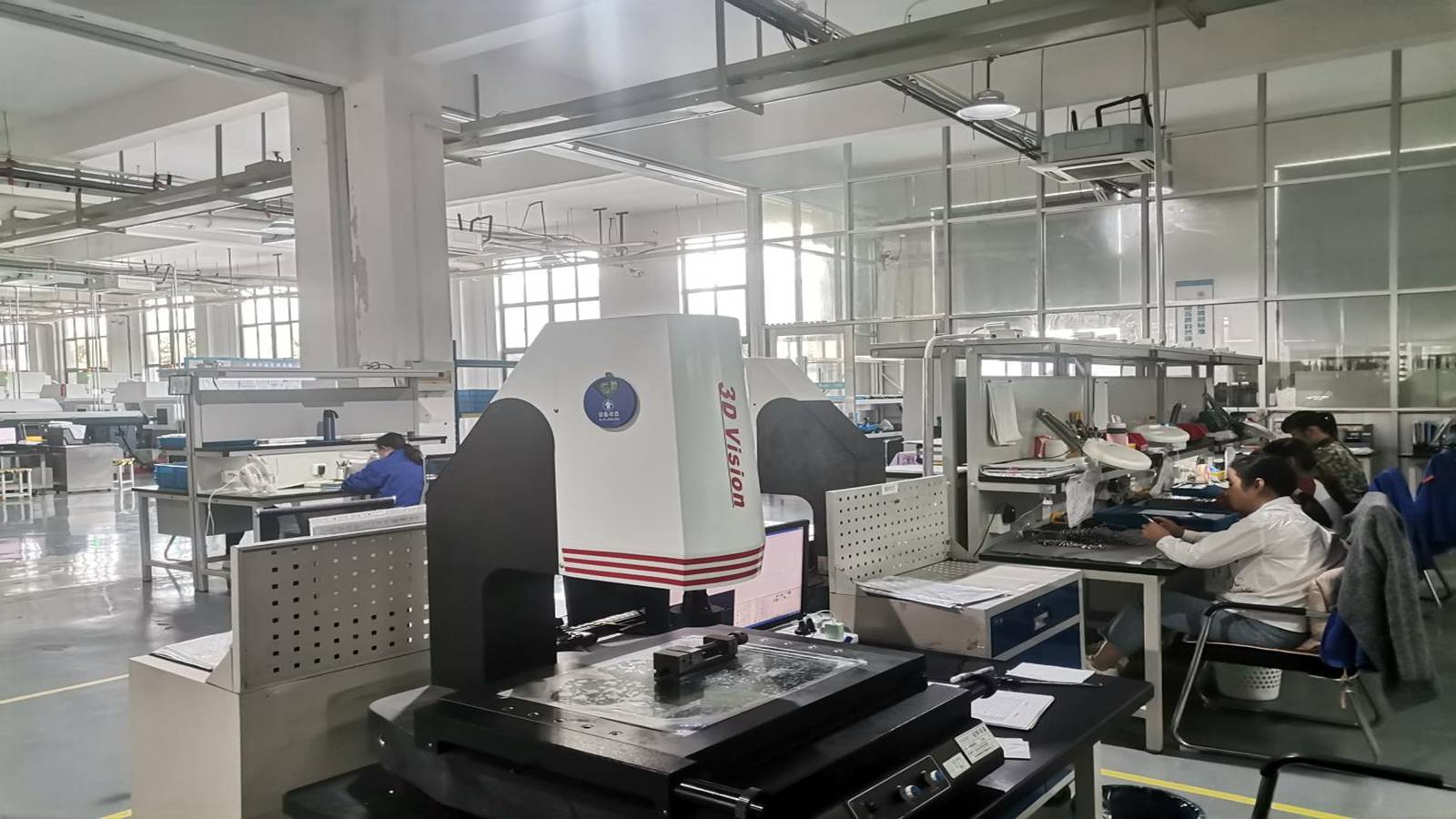
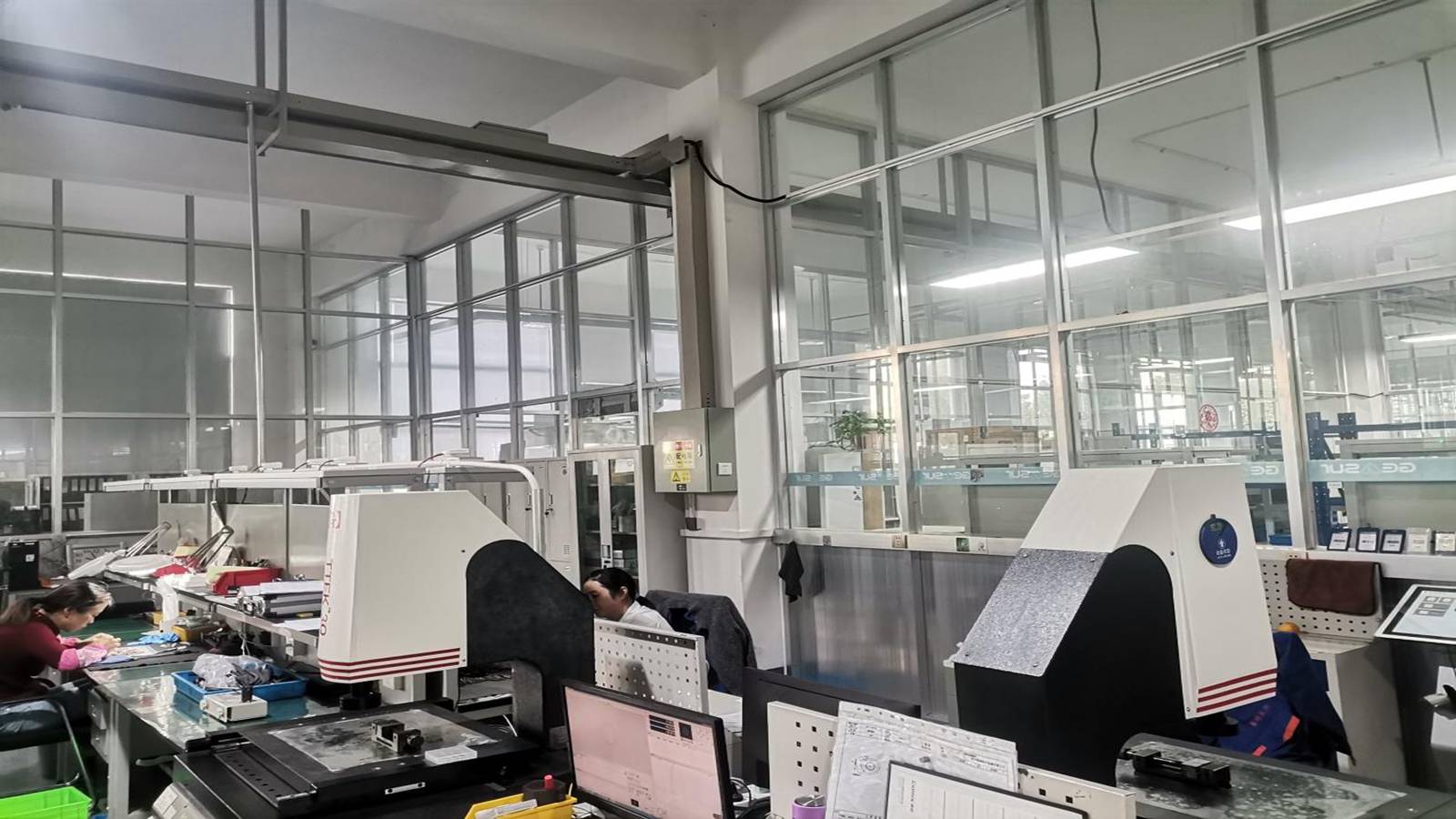
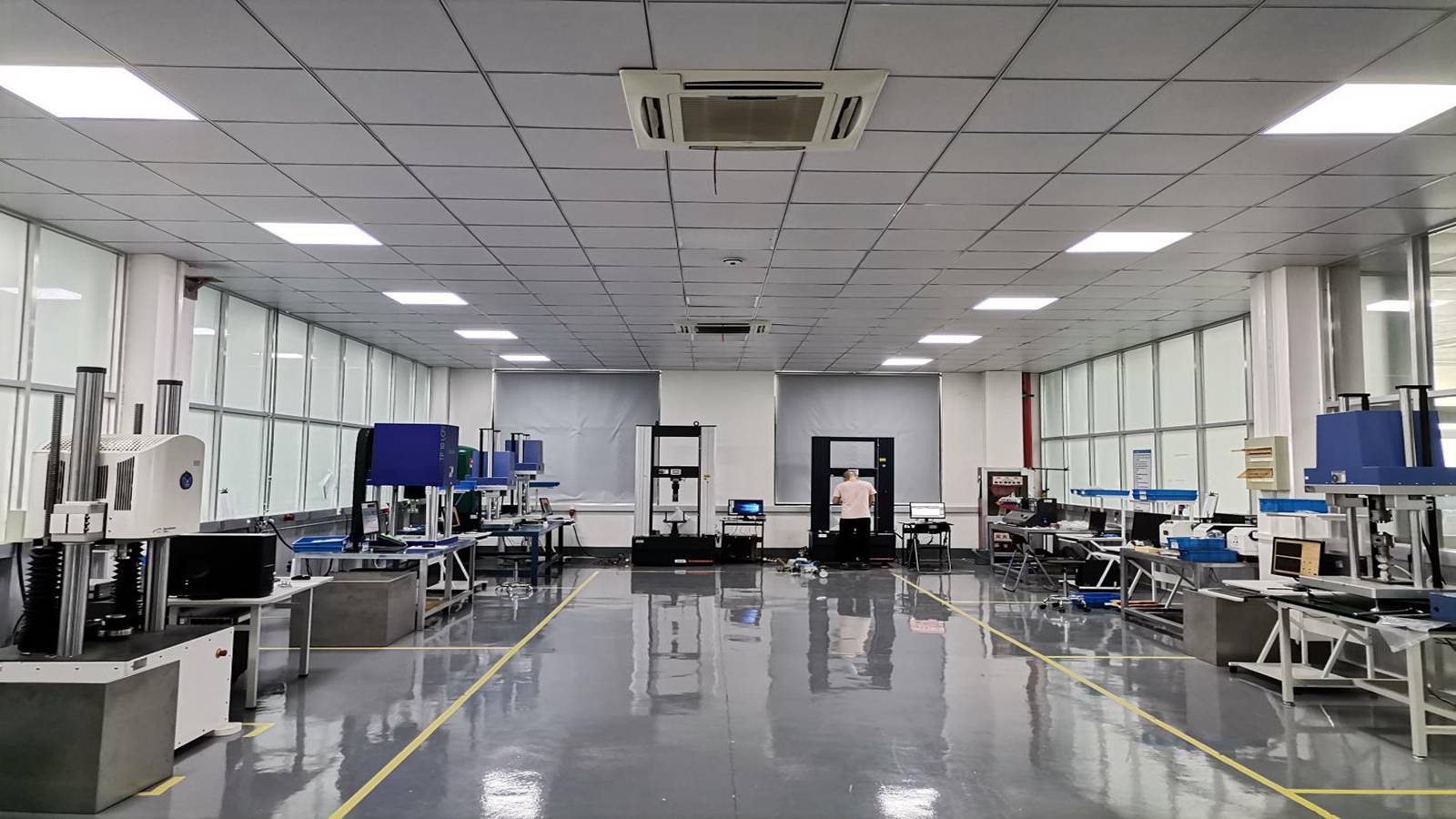
Every single casting run and machined batch undergoes stringent testing by our 36 full-time QA/QC inspectors using advanced metrology equipment.





From complex spinal stabilization to dynamic sports medicine joint repair, discover how our custom cast and machined materials perform in operating theaters worldwide.
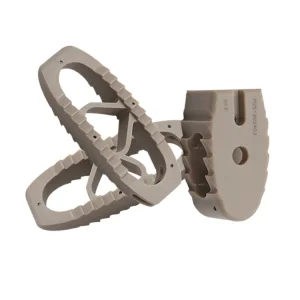
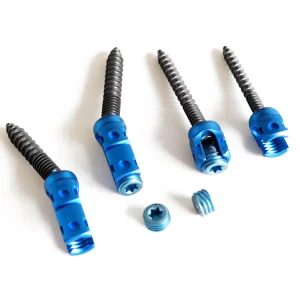
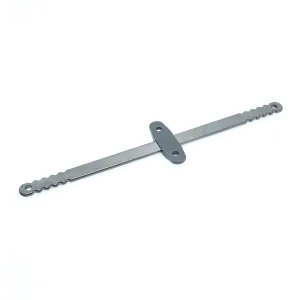
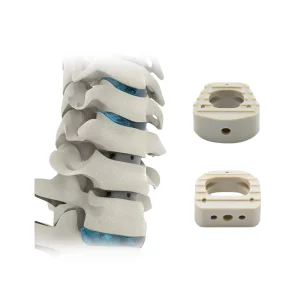
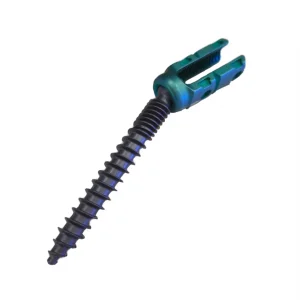
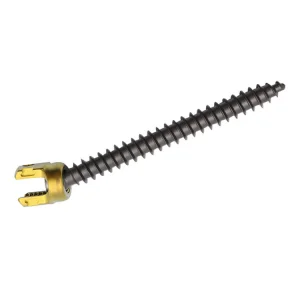
Our custom Ti-6Al-4V polyaxial pedicle screws, cross-links, and OLIF PEEK interbody fusion cages provide maximum fatigue strength and immediate load bearing. Designed to minimize micro-motion and support rapid osseous fusion in thoracolumbar reconstruction.
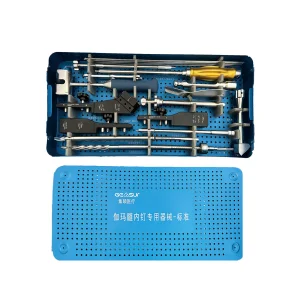
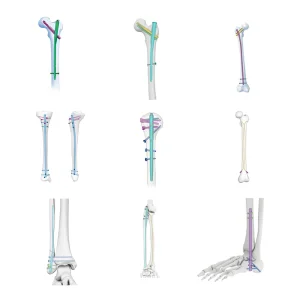
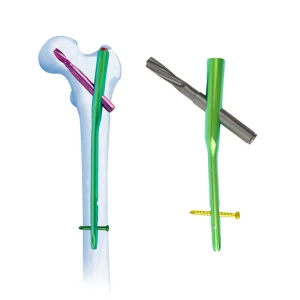
Precision-cast PFNA femur intramedullary interlocking nails and anatomical micro-locking plates engineered for complex fractures. Optimized flexural rigidity prevents stress shielding while maintaining stable anatomical reduction during bone healing.
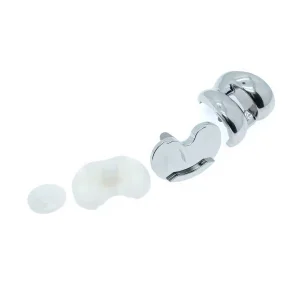
Prosthetic titanium femoral condyles and knee components featuring mirror-polished dynamic contact surfaces. Highly resistant to adhesive and abrasive wear, ensuring decade-plus joint longevity for primary and revision total knee replacement (TKR).
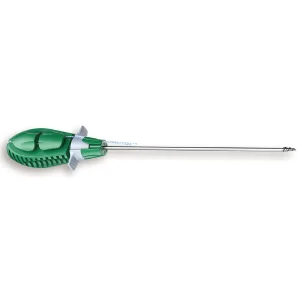
Miniature high-strength titanium suture anchors engineered with sharp self-tapping threads and high pull-out forces. Essential for rotator cuff, labral, and ligamentous reattachment in minimally invasive arthroscopic surgeries.
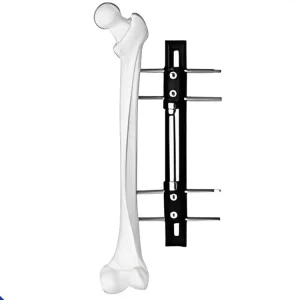
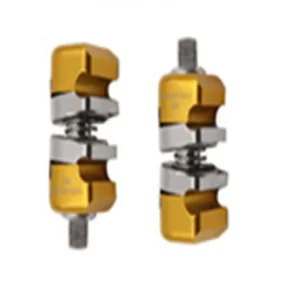
Combinatorial external fixator rod-and-pin clamp connections, wrist joint fixators, and chest funnel correction plates designed for maximum rigidity, rapid intraoperative adjustment, and light assembly weight.
Direct contract manufacturing based on client STEP/IGES files. Our 31-engineer R&D team provides specialized Design for Manufacturability (DFM) support, custom rapid sampling, and private-label laser etching.
Pioneering next-generation manufacturing methodologies to drive down cost, elevate biological performance, and satisfy evolving global healthcare regulations.
The convergence of 3D-printed sacrificial wax models (Direct Binder Jetting) with traditional investment casting allows our foundry to produce ultra-complex porous lattice structures without expensive hard tooling. This enables seamless manufacturing of trabecular surface patterns that encourage direct bone ingrowth on joint prostheses.
Integrating artificial intelligence and real-time infrared thermal imaging into vacuum induction furnaces ensures precise control over solidification kinetics. By eliminating microscopic voids and micro-cracks during initial molten alloy cooling, fatigue life of titanium implants is increased by up to 35%.
As trauma surgery moves toward temporary implants that dissolve naturally after bone healing, our R&D unit is actively pioneering high-purity Magnesium (Mg-Zn-Zr) vacuum casting techniques, eliminating the clinical need for secondary hardware removal surgeries.
Responding to European Green Deal mandates, our facility incorporates 100% closed-loop recycling for titanium chips and scrap, combined with energy-efficient induction melting systems that reduce carbon intensity per unit produced by 28% year-over-year.
Critical criteria and risk-mitigation strategies for medical device procurement directors, brand owners, and engineering leads.
Ensure your foundry partner provides raw material mill test reports (MTR) with verified heat numbers, chemical composition analysis, and micro-structure microphotographs proving zero interstitial hydrogen/oxygen embrittlement.
Inquire about in-house multi-axis CNC capability. A casting foundry that offers secondary precision machining eliminates multi-vendor handoffs, reduces lead times, and fixes quality responsibility under one agreement.
Choose a supplier with dedicated regulatory engineers capable of providing Device Master Files (DMF), bio-compatibility reports (ISO 10993), and full support during FDA or notified body factory audits.
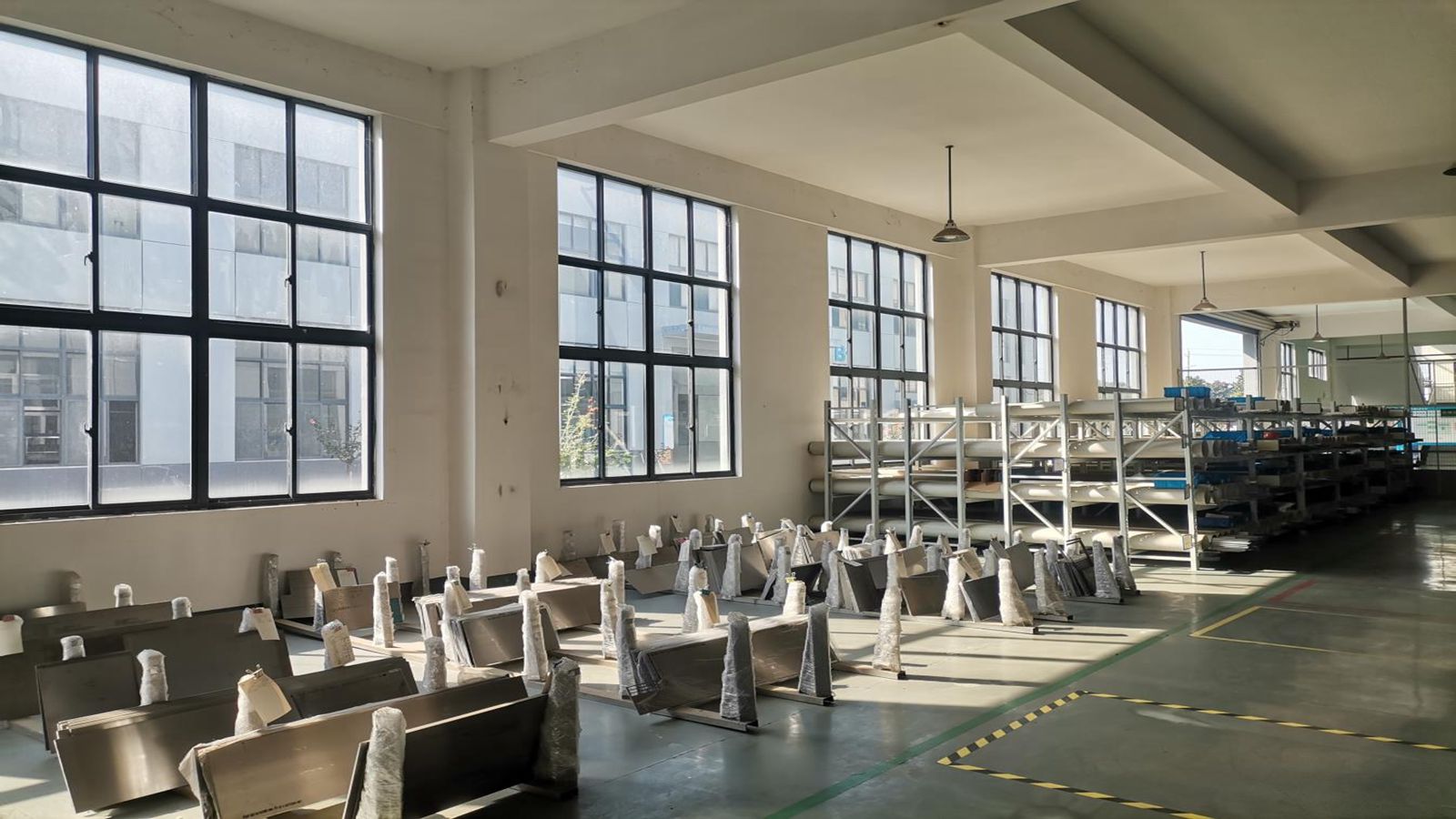
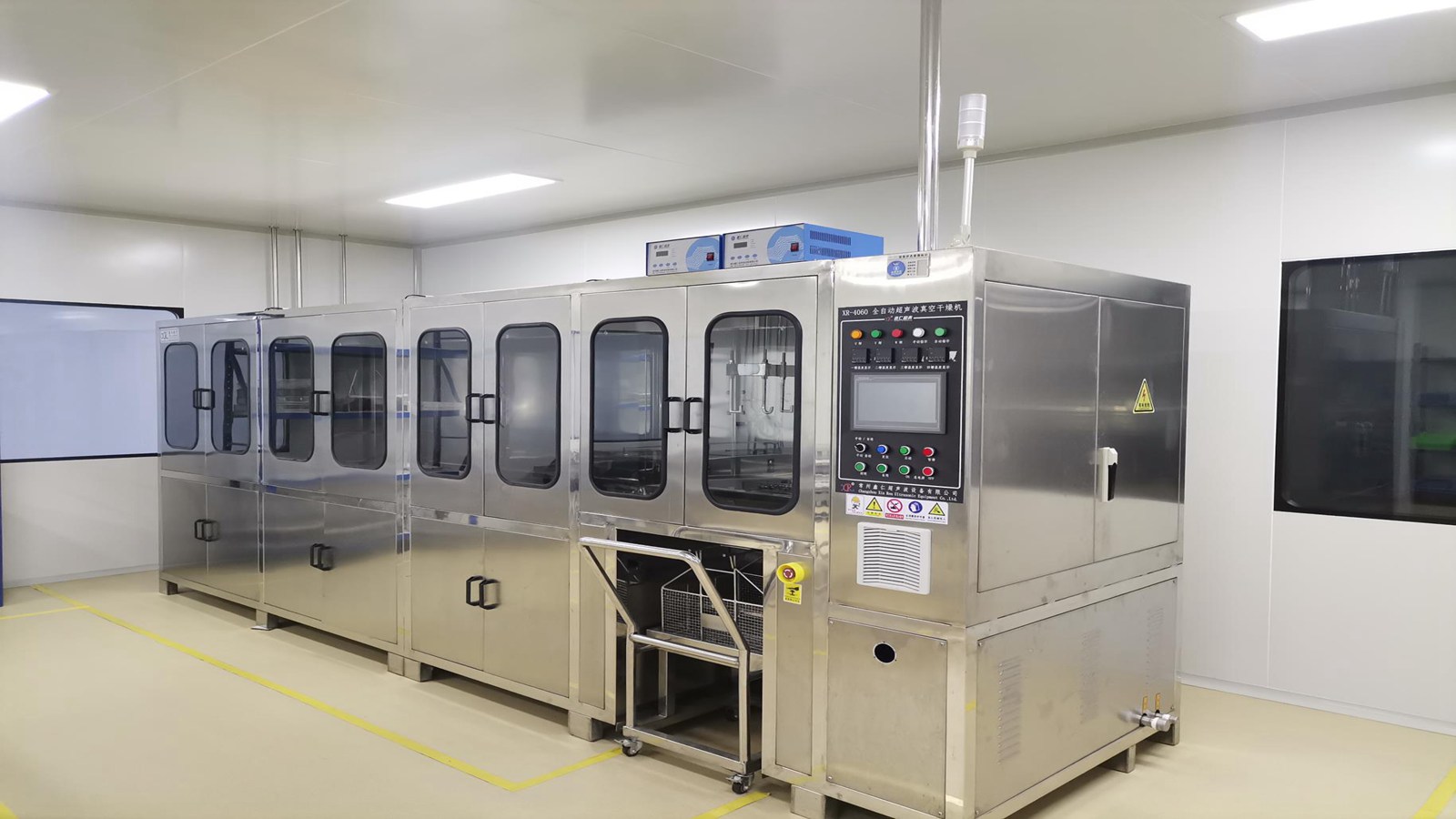
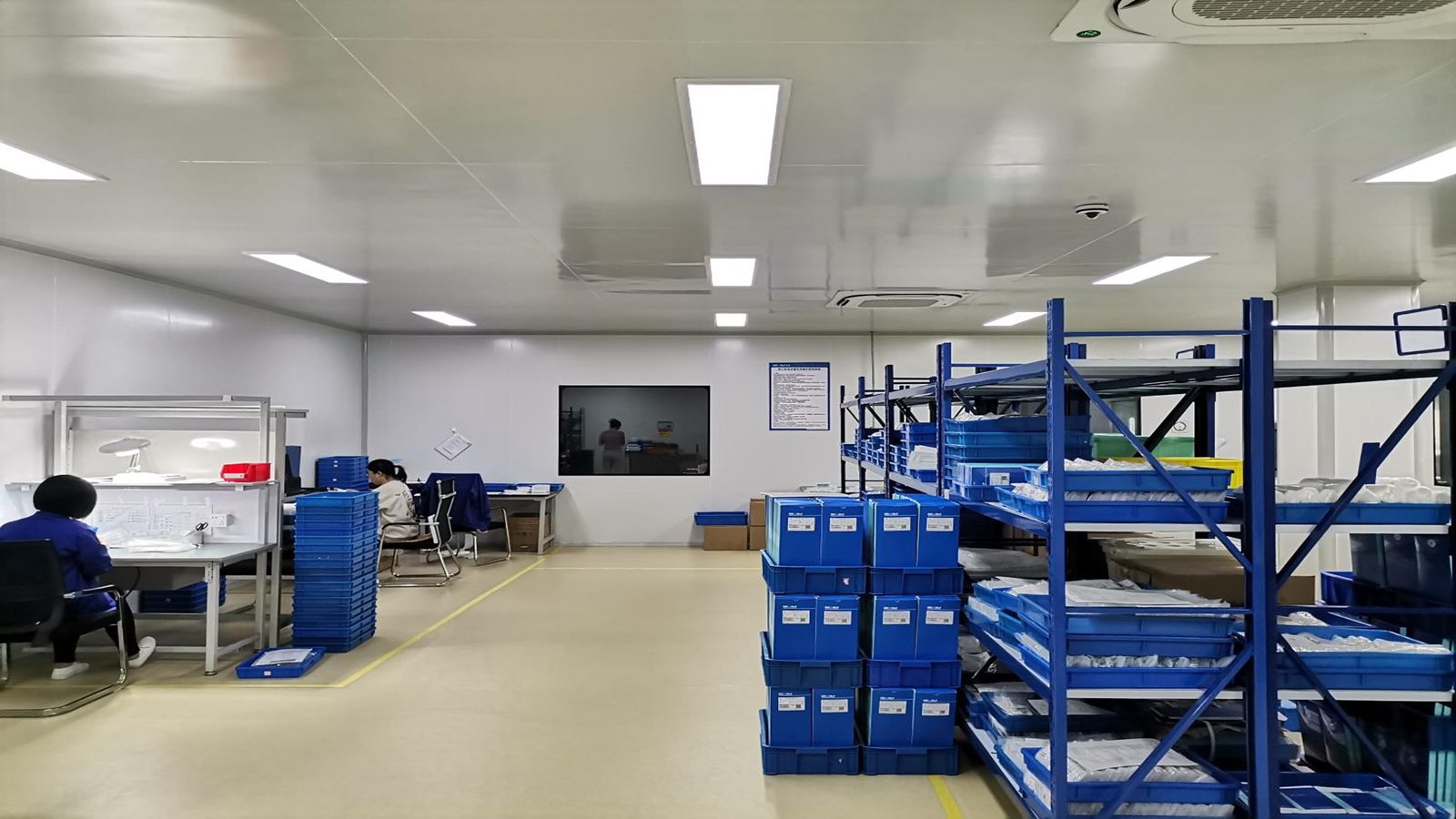
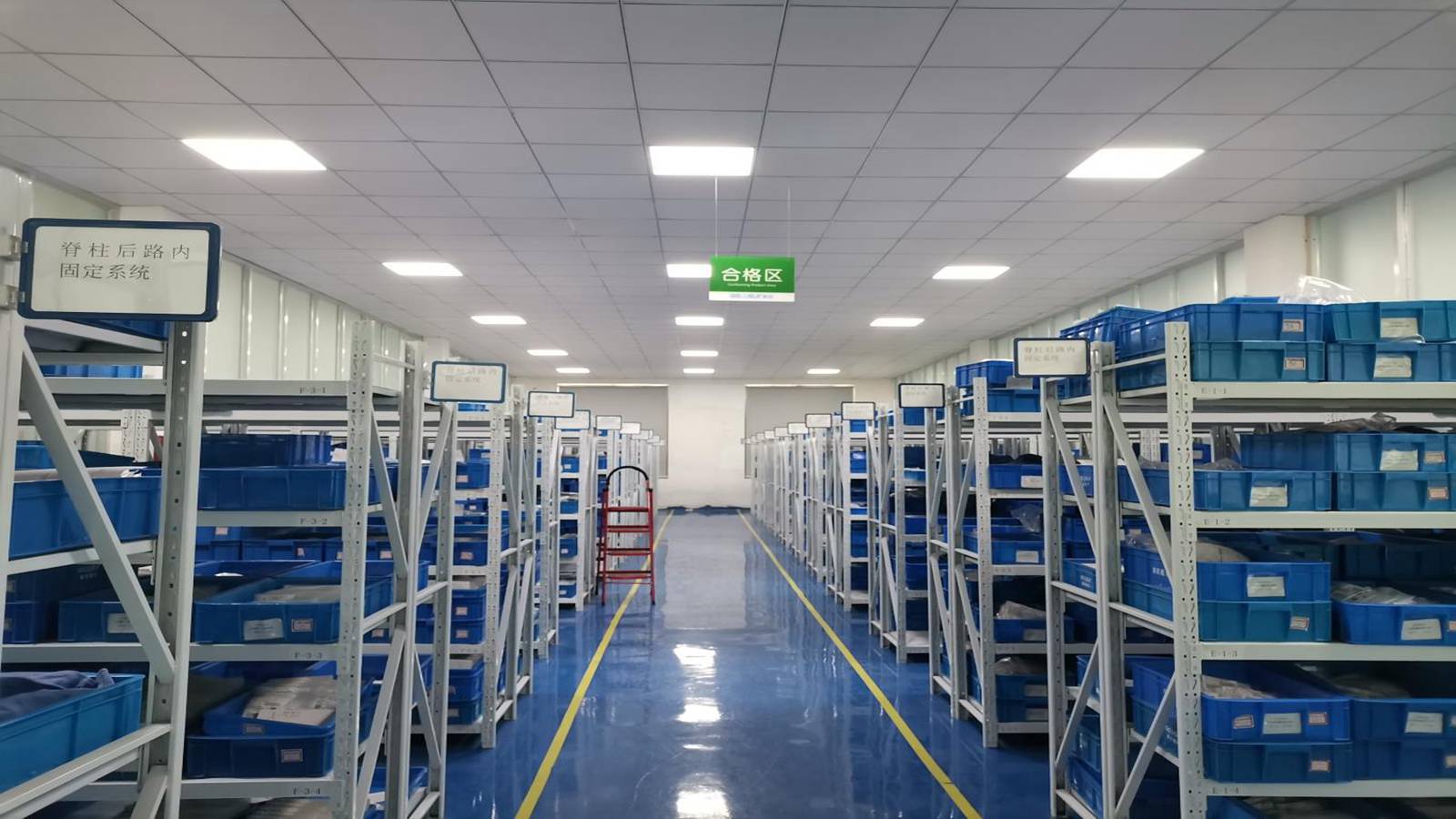
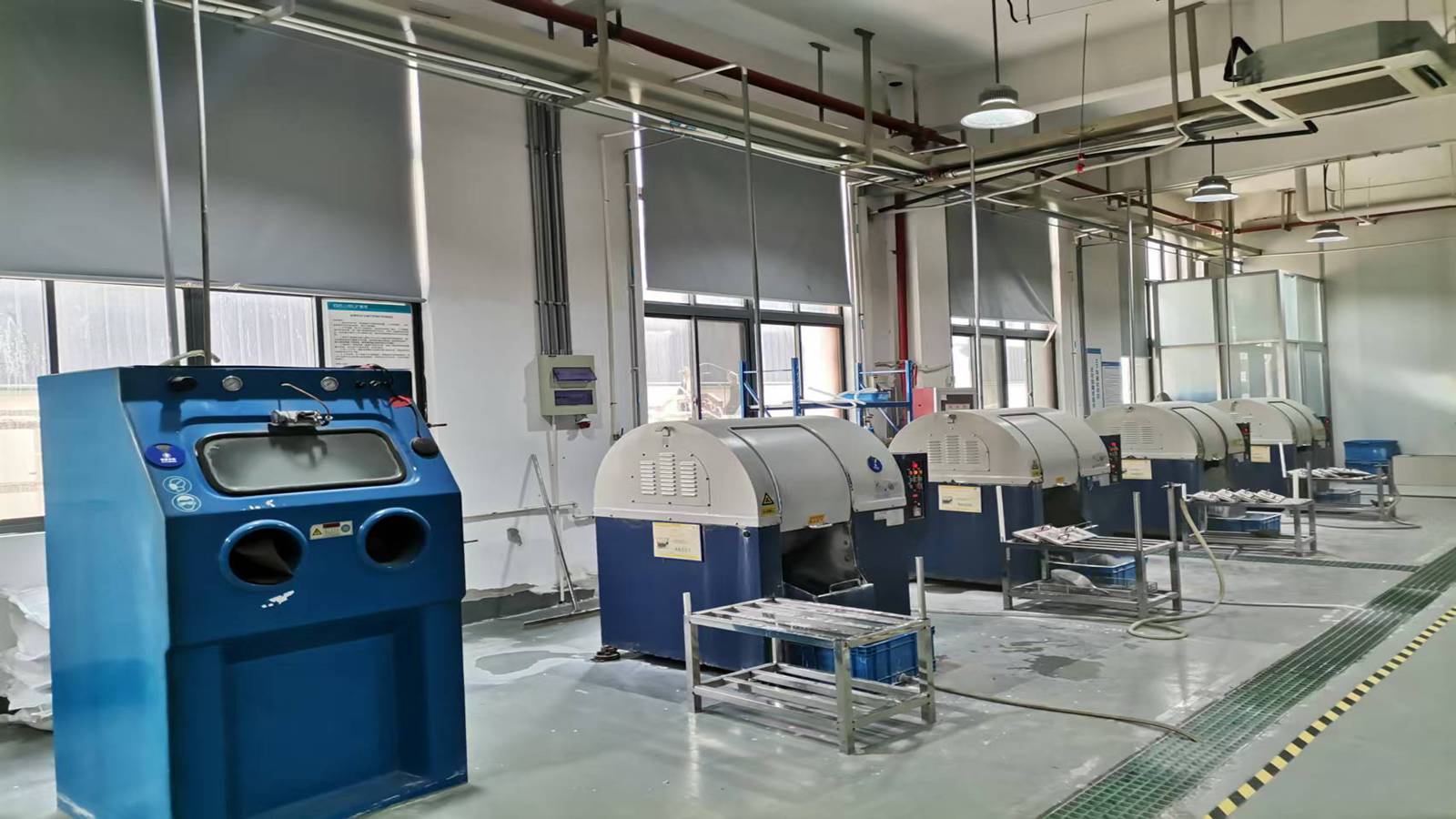
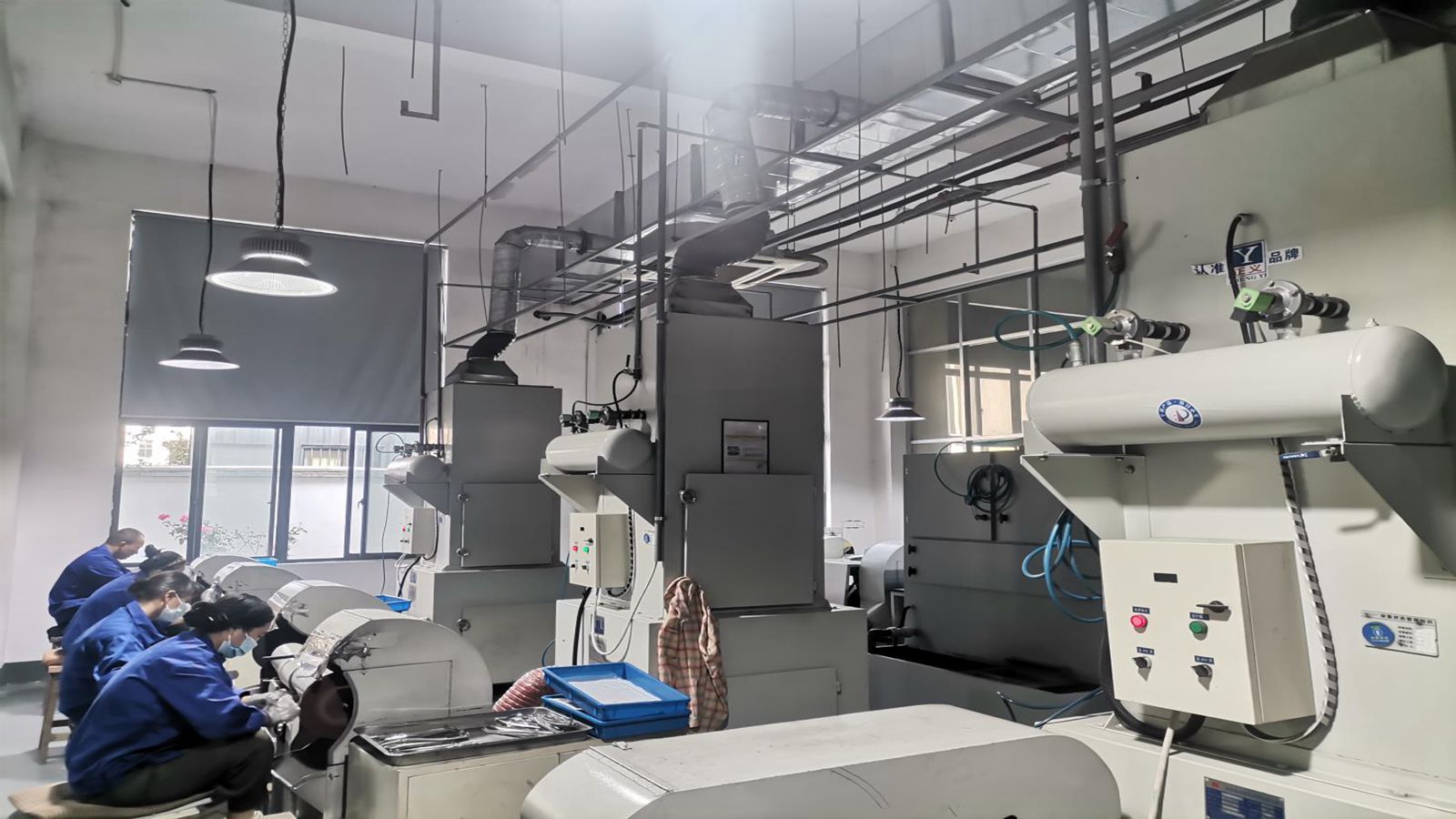
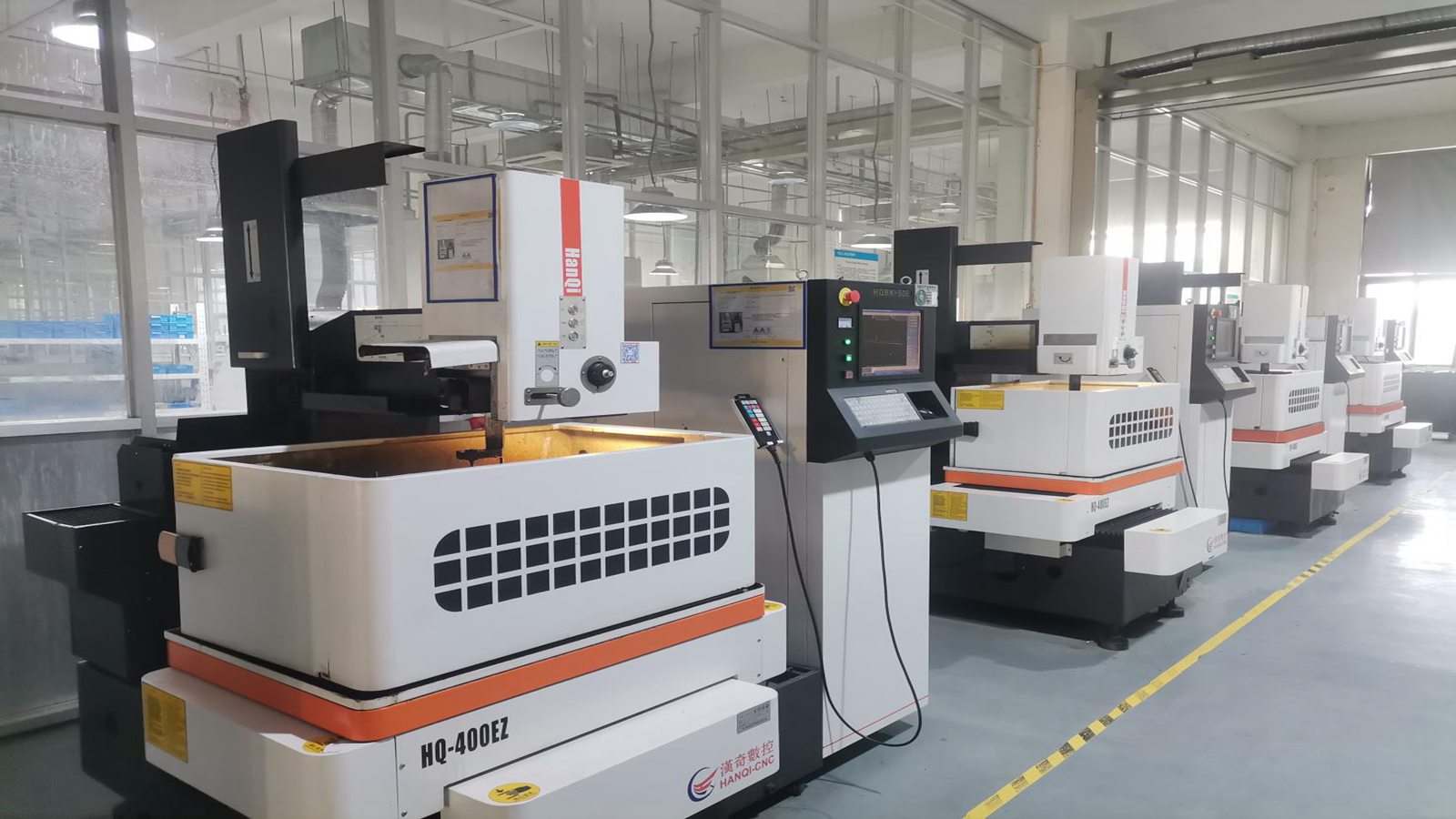
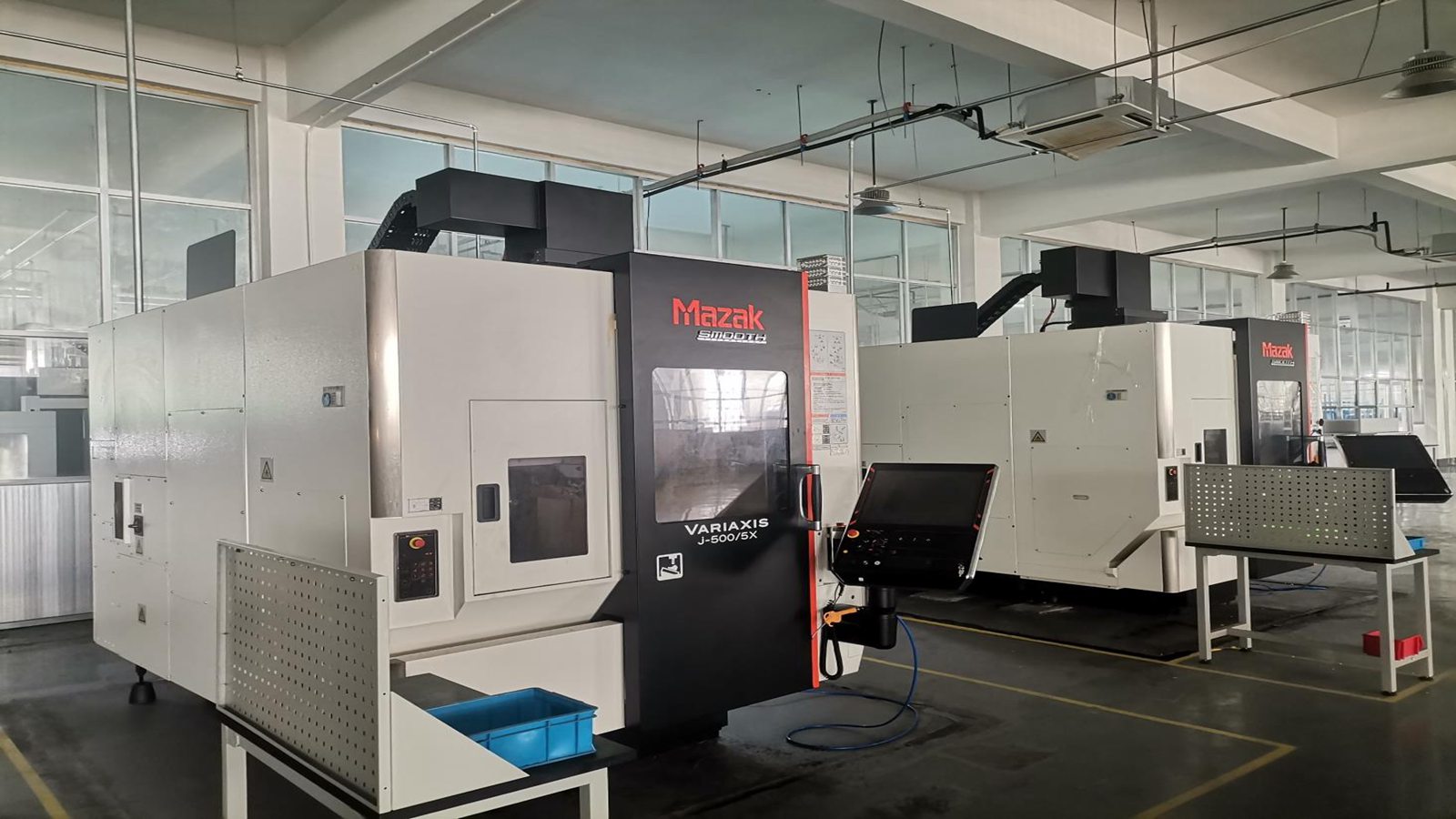
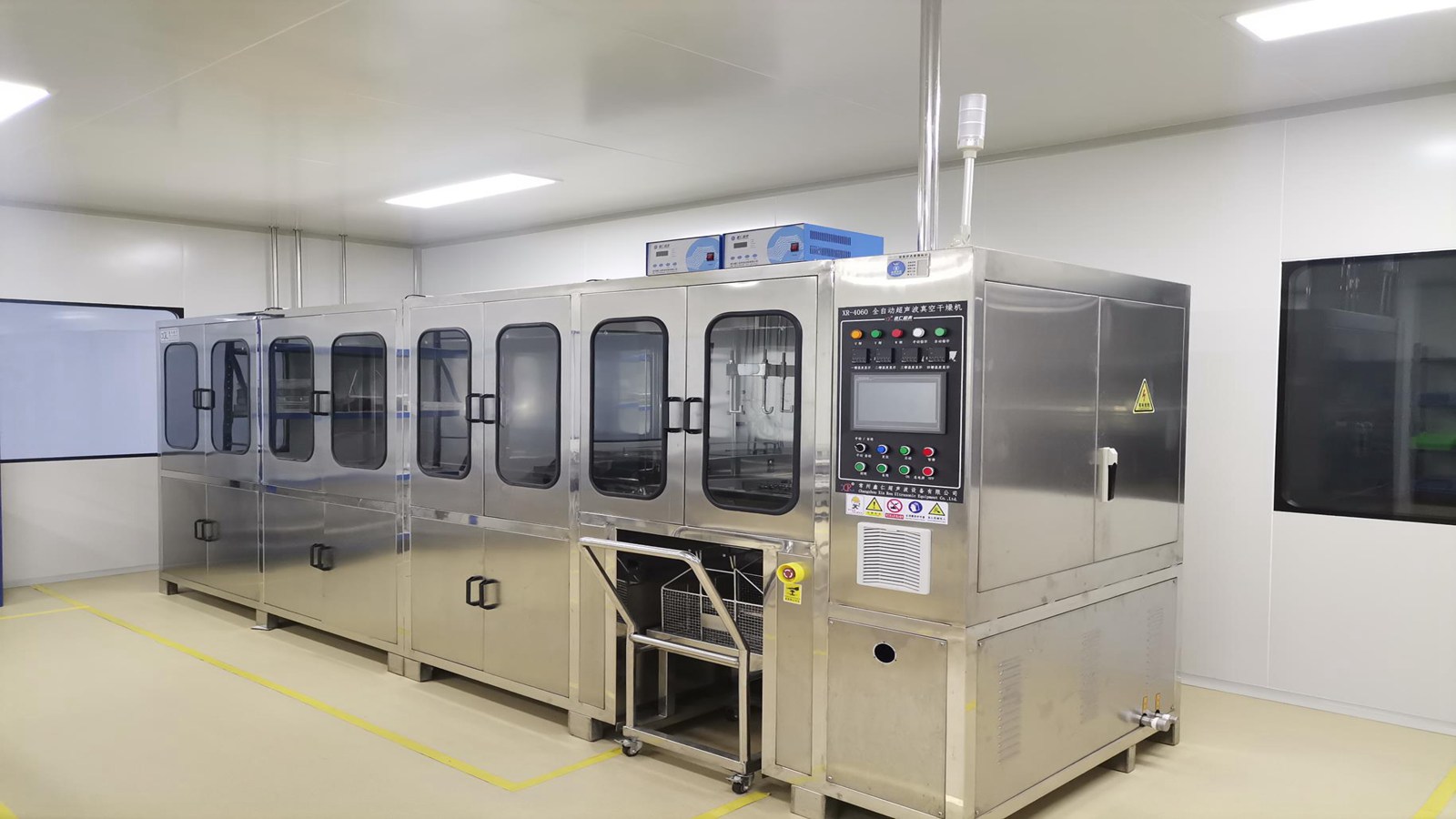
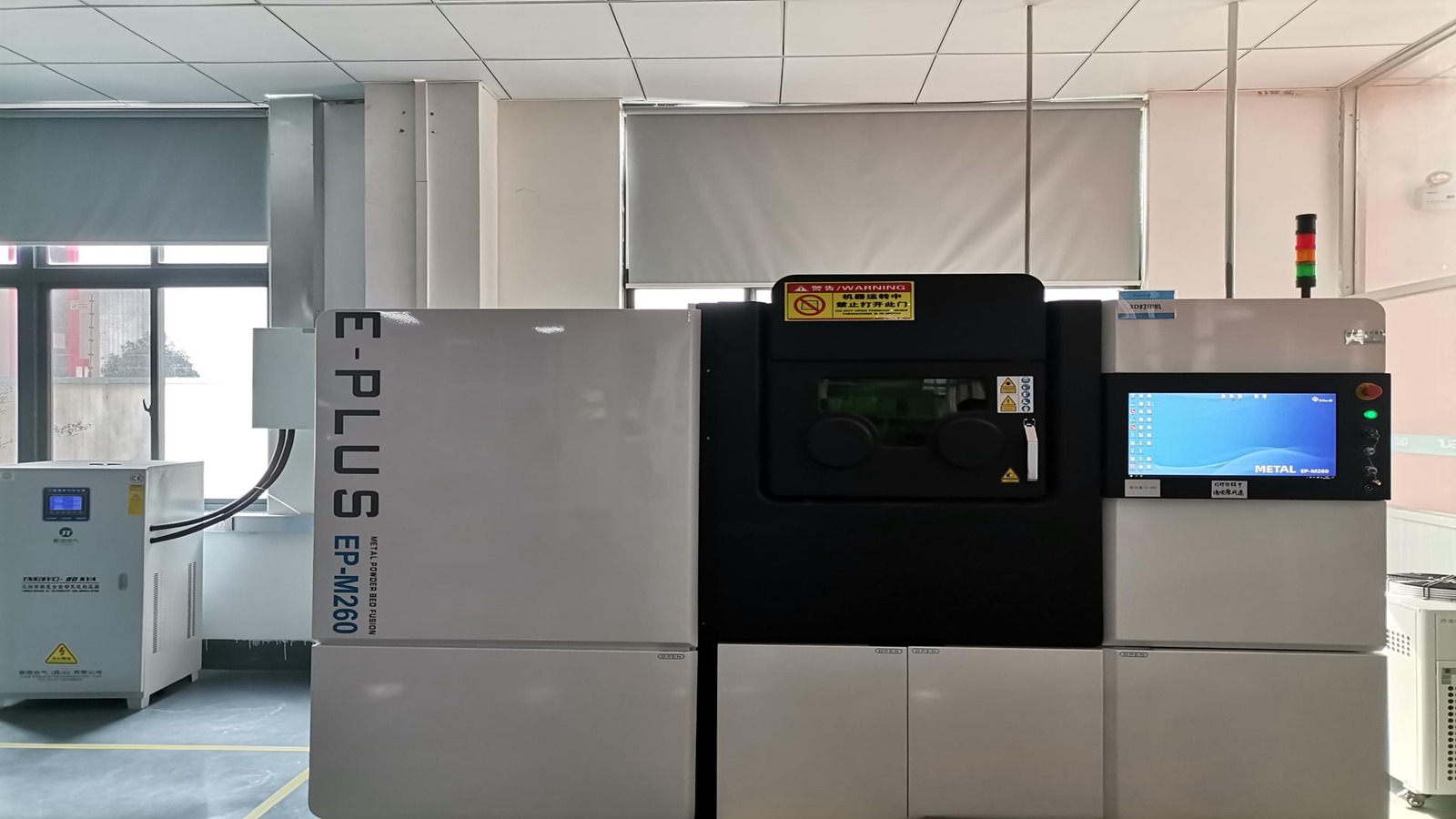
Explore our state-of-the-art 30,343 m² production facility, featuring advanced casting workshops, 5-axis CNC machining centers, cleanroom packaging lines, and QA testing labs.
Detailed answers regarding custom OEM material specifications, manufacturing lead times, regulatory documentation, and order customization.
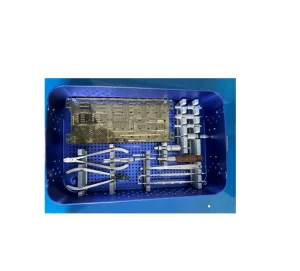
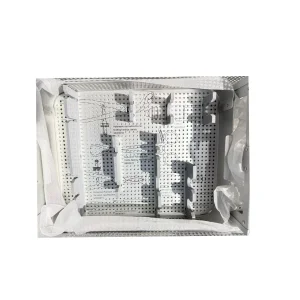
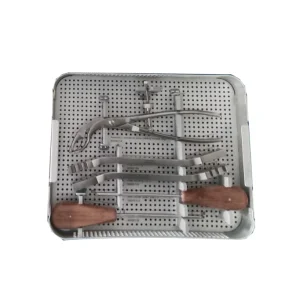
Select from our certified interventional materials, spinal fusion cages, and trauma fixation sets engineered for seamless clinical adoption.