Ease Medical Apparatus And Instruments
Ease Medical Apparatus And Instruments
Ease Medical Apparatus And Instruments
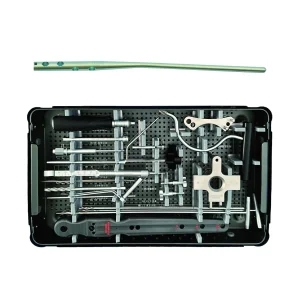
Explore our elite portfolio of titanium alloy implants, spinal fixation plates, and surgical instruments designed for advanced healthcare applications.
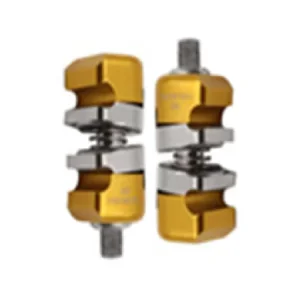
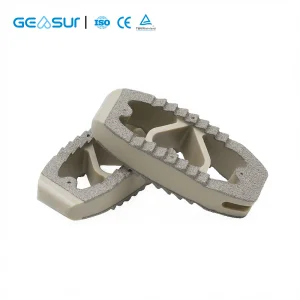
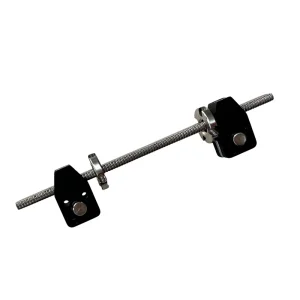
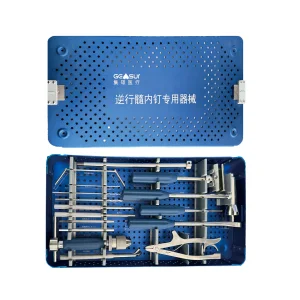
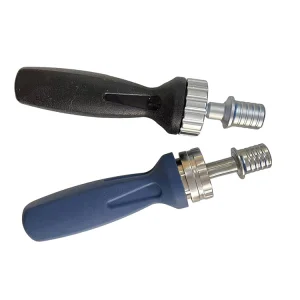
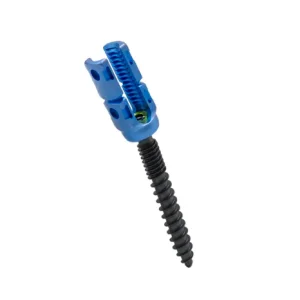
In modern spinal reconstructive surgery, particularly posterior cervical laminoplasty, the primary surgical objective is to achieve long-term decompressive relief for patients presenting with cervical myelopathy, ossification of the posterior longitudinal ligament (OPLL), or multisegmental spinal canal stenosis. Historically, simple open-door laminoplasty relied heavily on suture fixation or bone grafts to maintain the open position of the elevated lamina. However, clinical studies highlighted challenges such as graft displacement, laminar re-closure, and post-operative kyphosis.
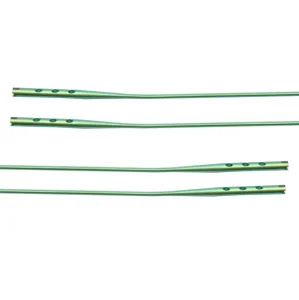
To address these physiological stability and clinical reproducibility challenges, the integration of rigid titanium Laminar Fixation Plates became the gold standard. These low-profile plates securely tether the open laminar hinge to the lateral mass, creating a structural bridge that allows safe bone healing while maintaining expanded spinal canal volume.
"Clinical evidence indicates that utilizing pre-shaped, highly biocompatible titanium alloy laminar fixation systems reduces the rate of laminar re-closure to below 1.5% compared to over 10% in suture-only techniques, while significantly accelerating post-operative mobility and reducing neck pain indexes."
From a structural mechanics perspective, laminar plates must balance the mechanical loads of the posterior cervical musculature. The material selection is critical: surgical-grade titanium alloys (such as Ti-6Al-4V ELI / ISO 5832-3) offer the ideal combination of tensile strength, fatigue life, and MRI compatibility. As surgical methods shift towards minimally invasive protocols, factories are redesigning laminar fixation systems to feature smoother, anatomical geometries, reducing localized soft-tissue irritation and improving overall patient comfort.
Global medical procurement agencies, hospital networks, and implant brands are navigating a complex regulatory and economic landscape. Sourcing orthopedic implants like laminar fixation plates requires rigorous adherence to multi-layered quality criteria:
To address these needs, global buyers are pivoting toward long-term partnerships with certified Chinese medical exporters capable of managing full OEM/ODM lifecycles. By integrating design, clinical simulation, toolpath prototyping, and mass production under one roof, these exporters mitigate supply chain fragmentation.
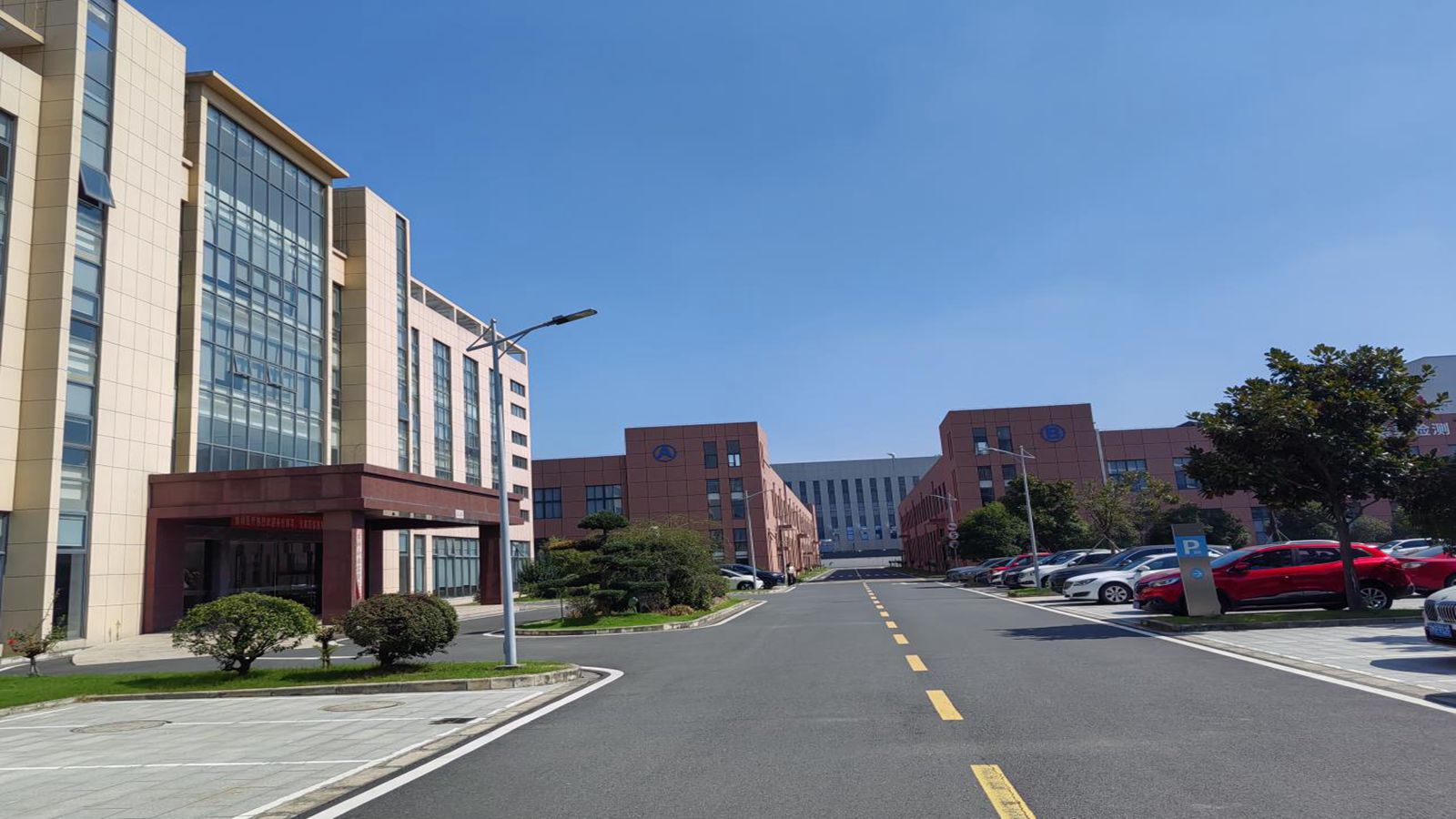
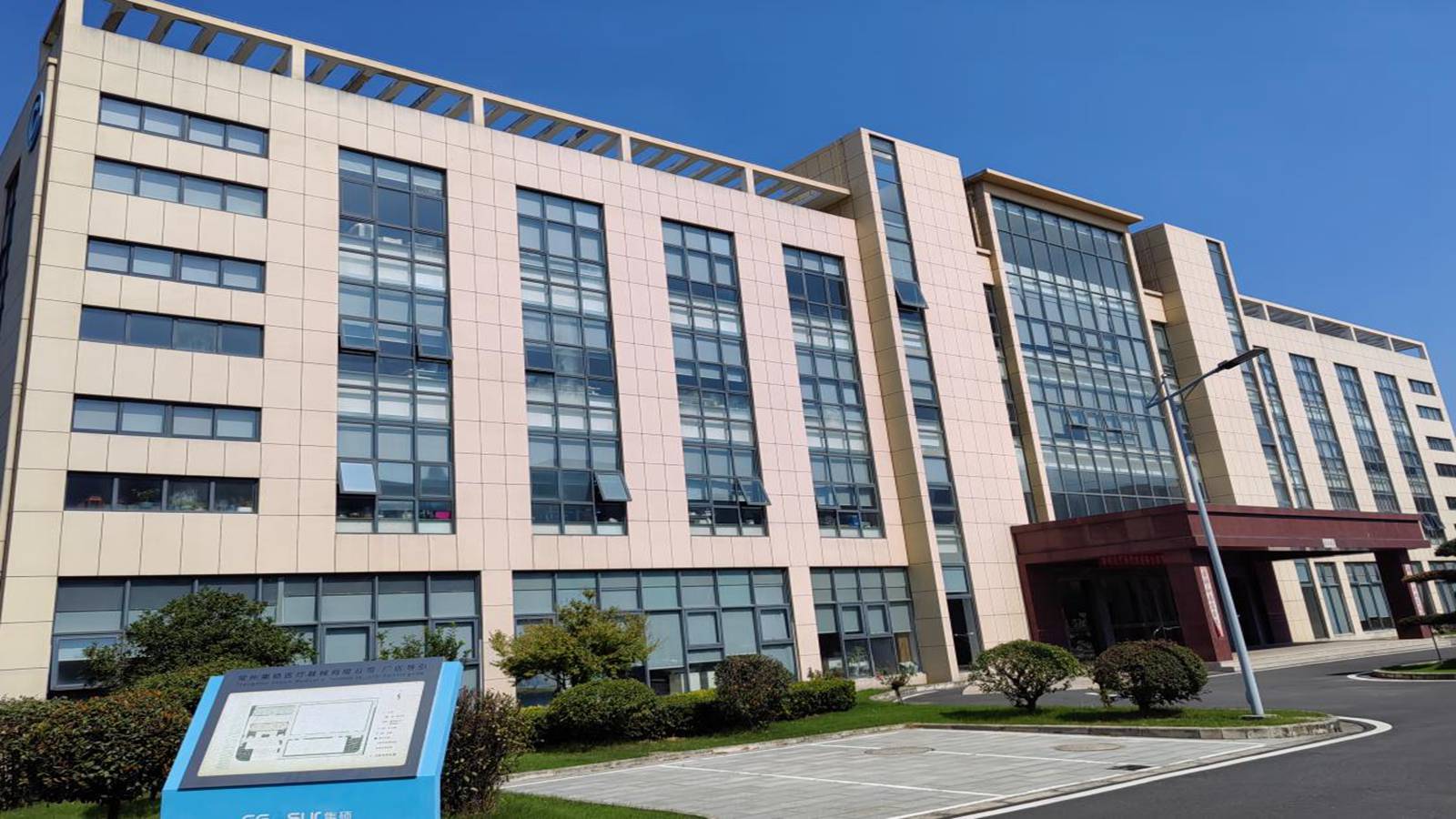
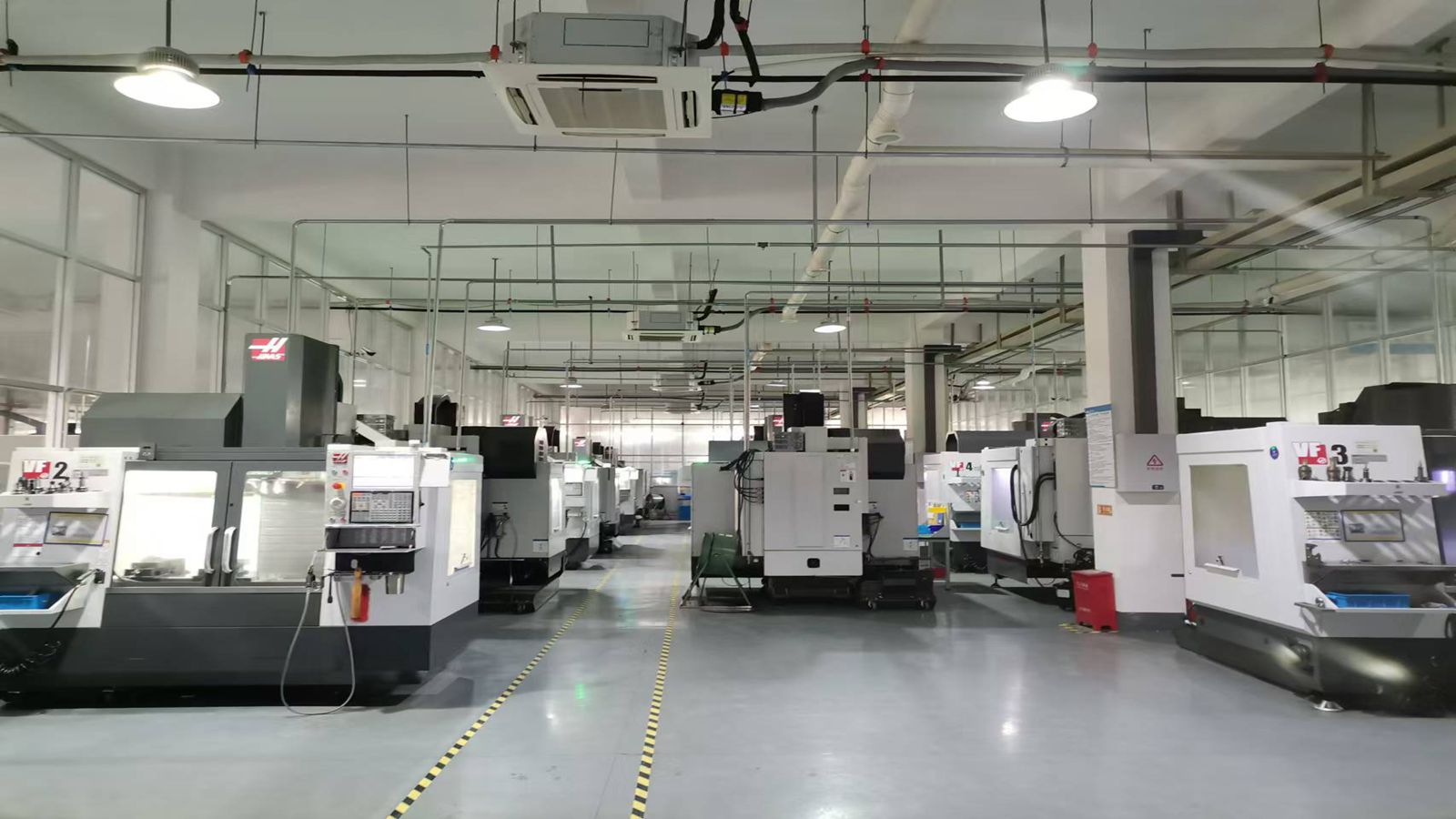
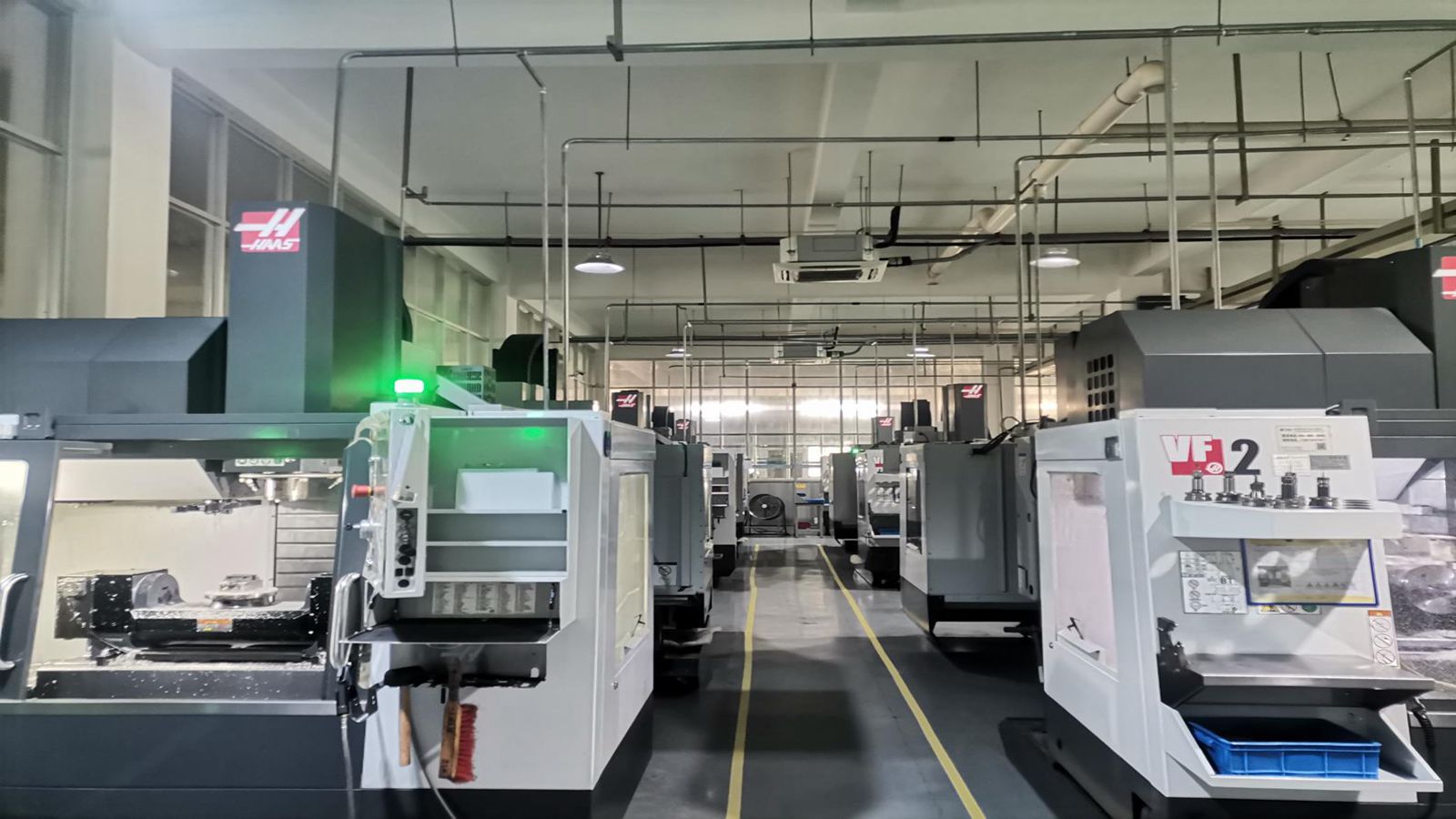
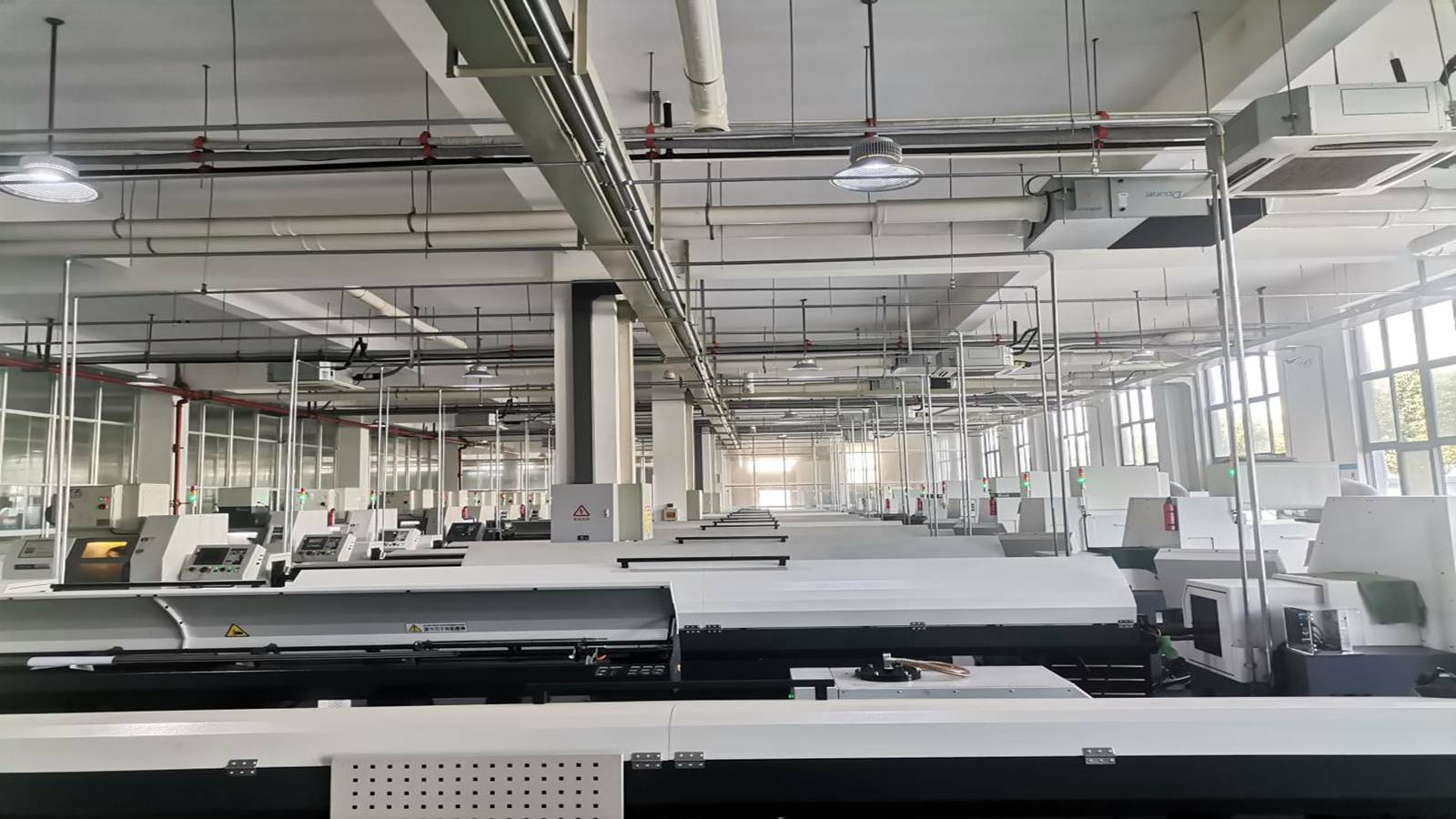
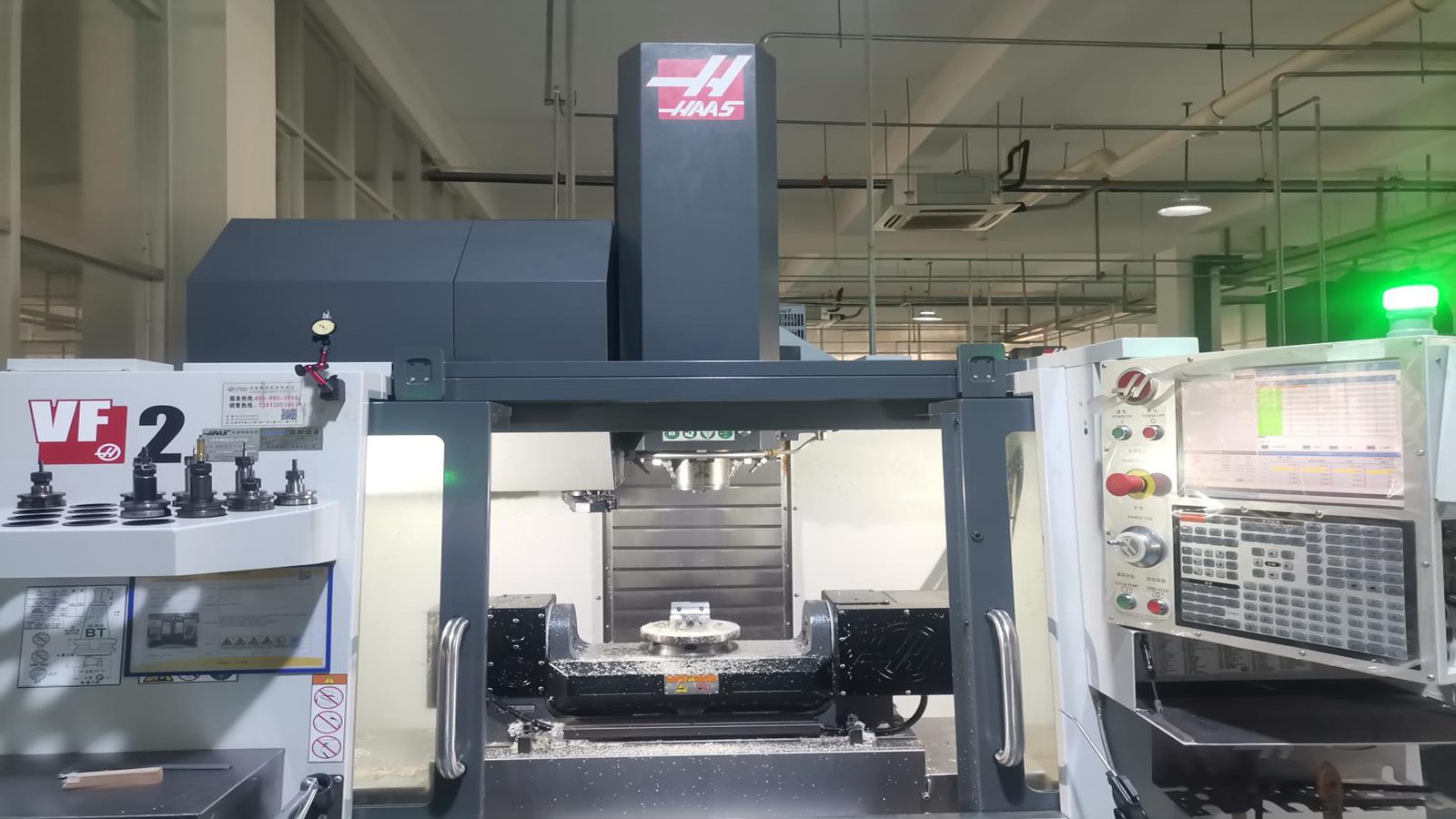
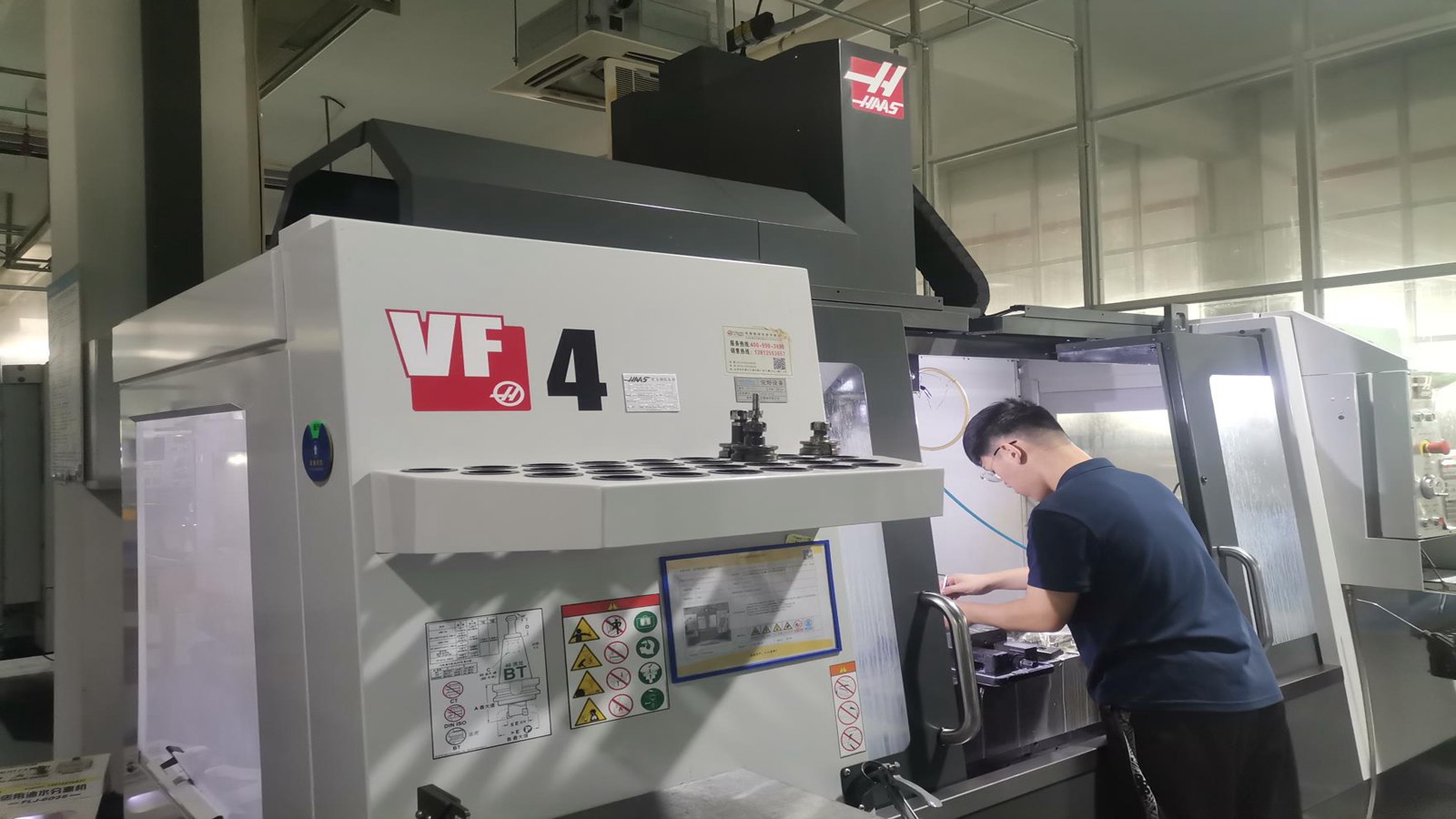
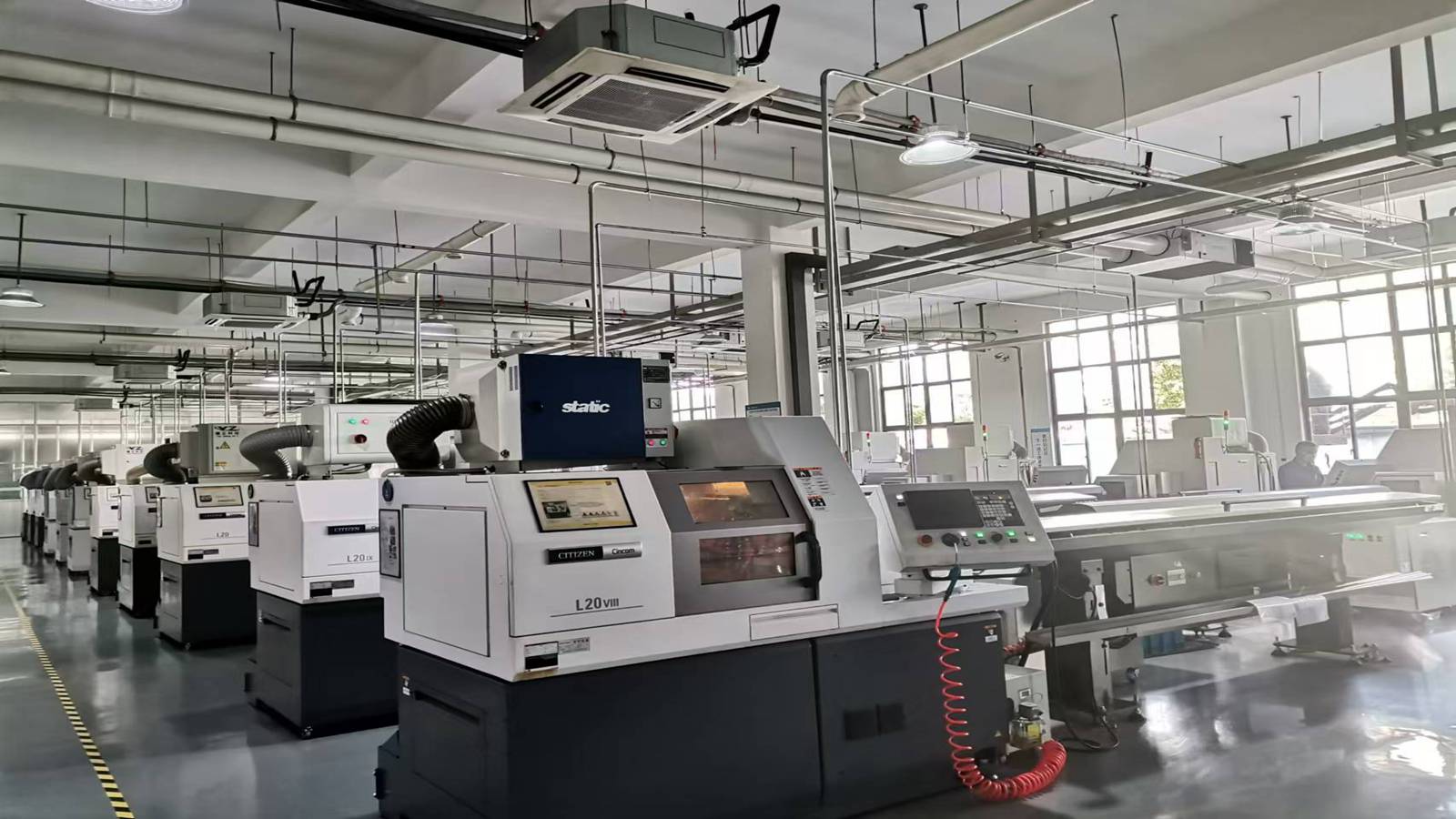
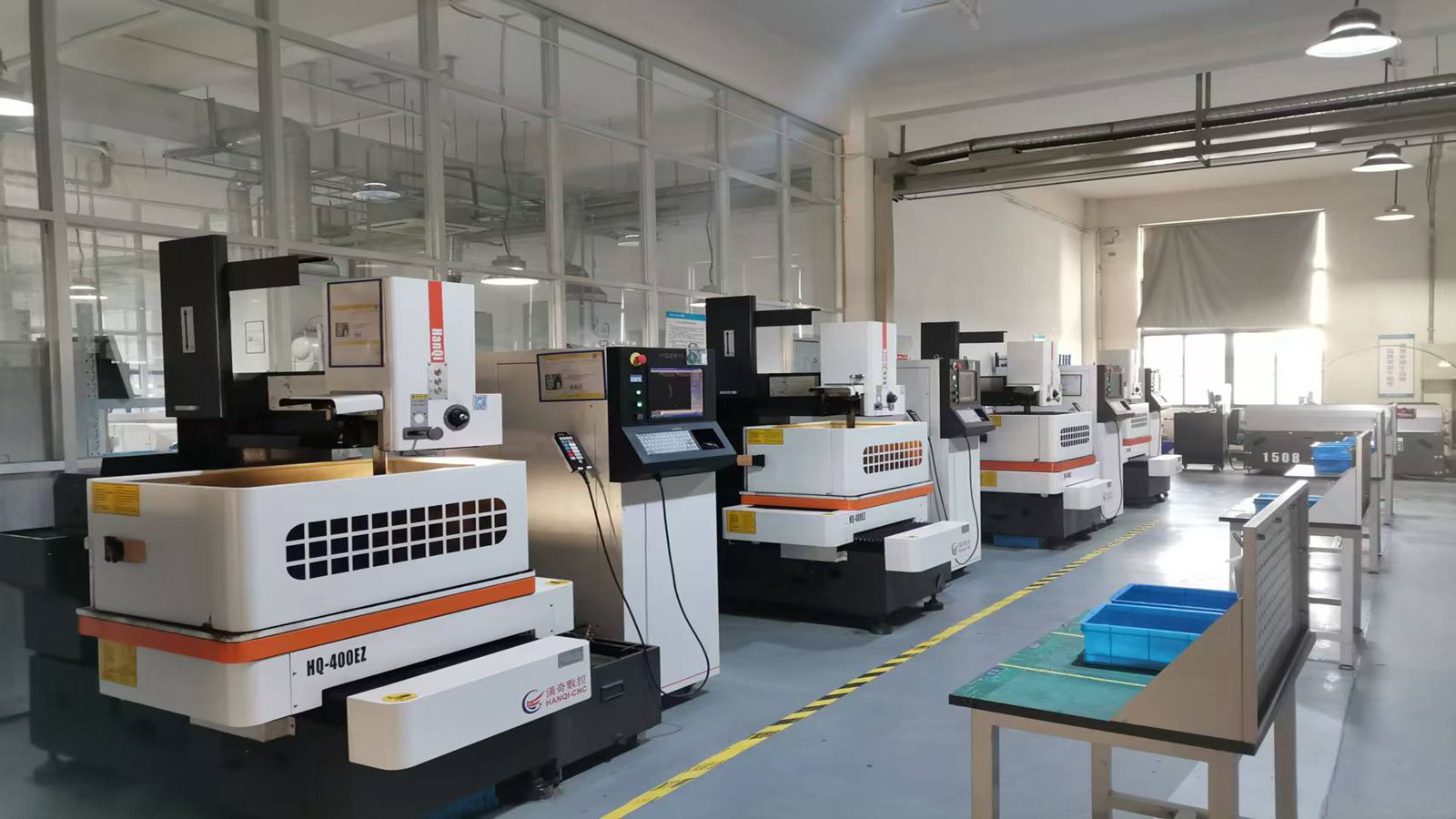
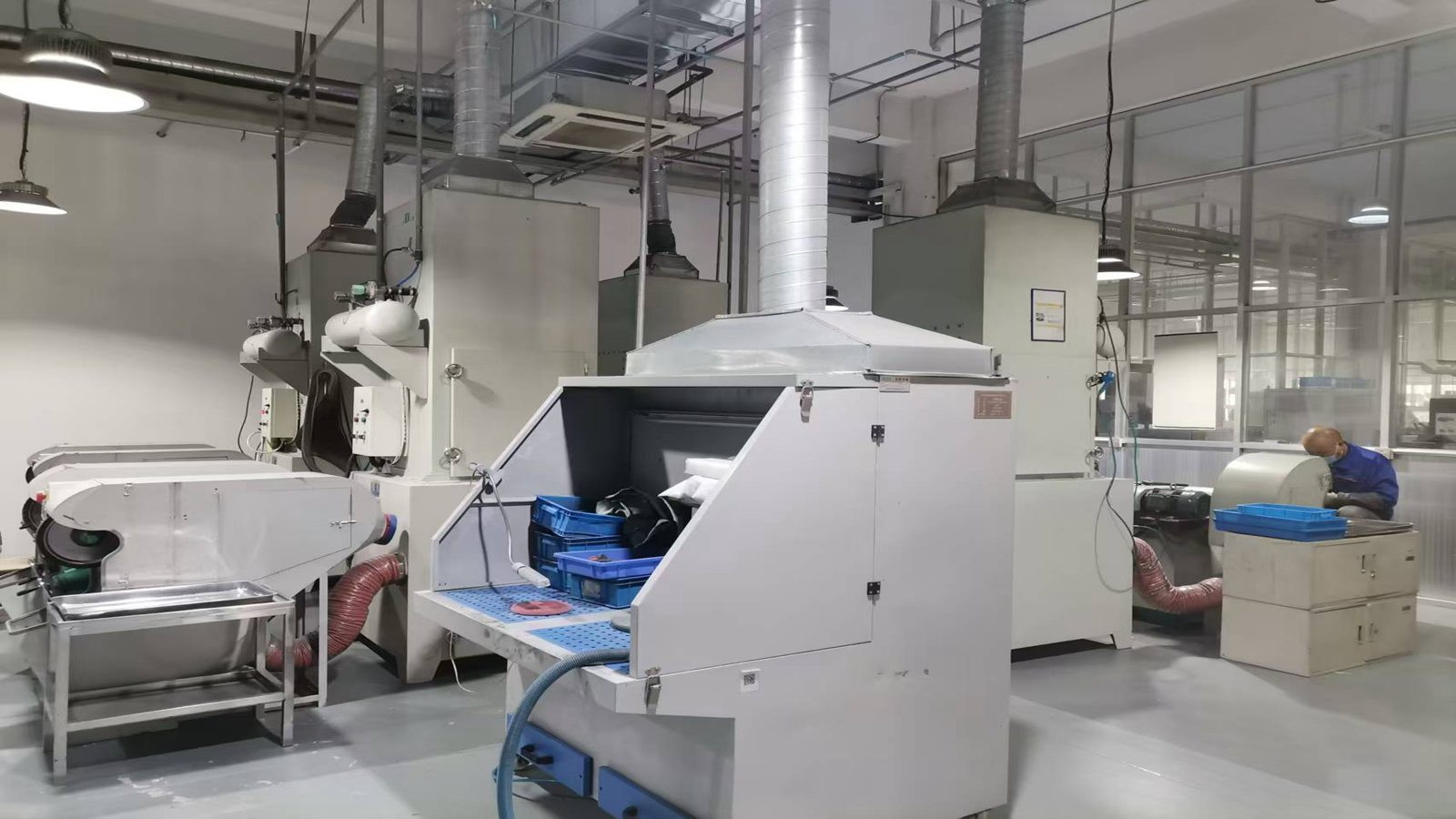
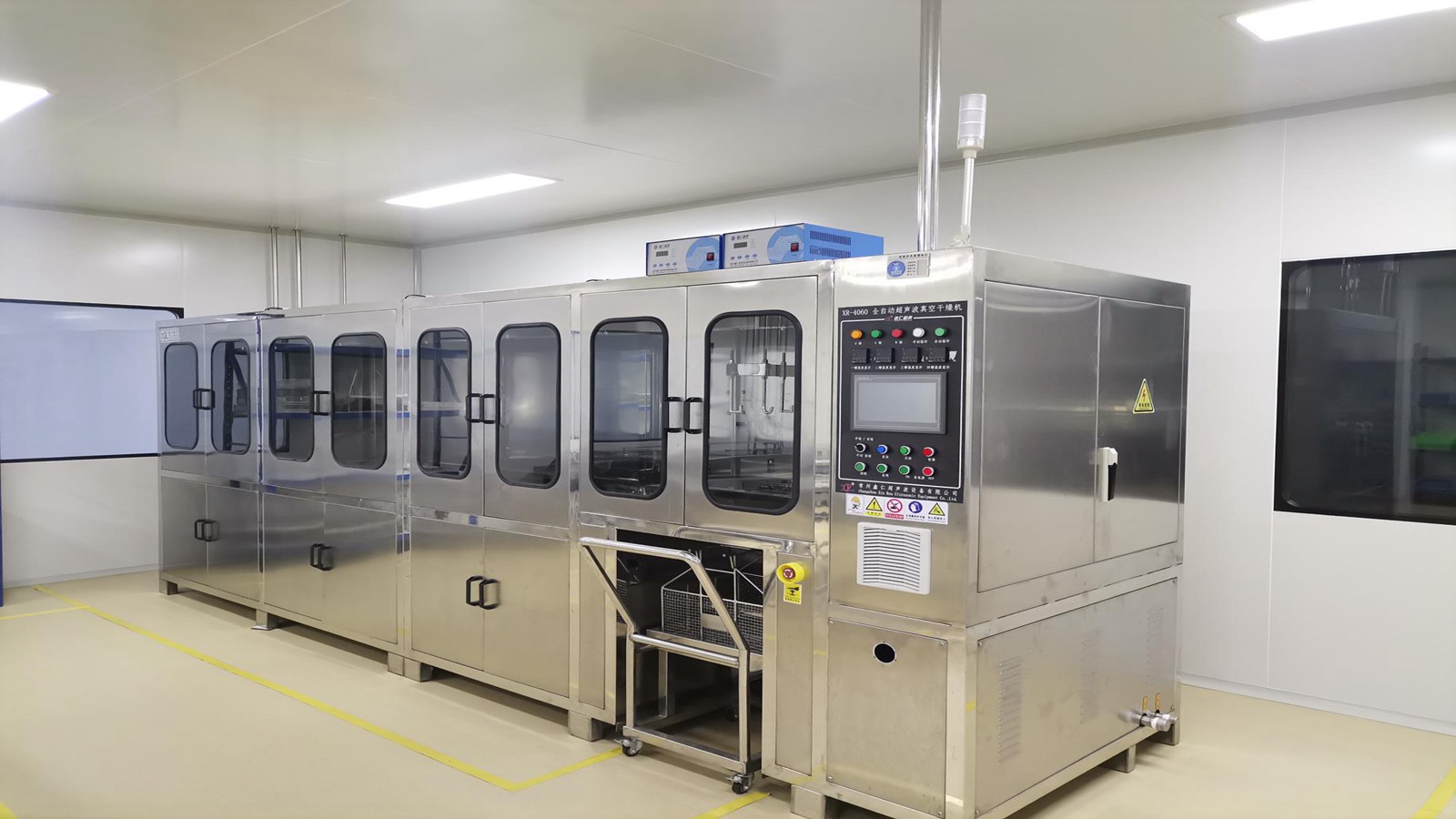
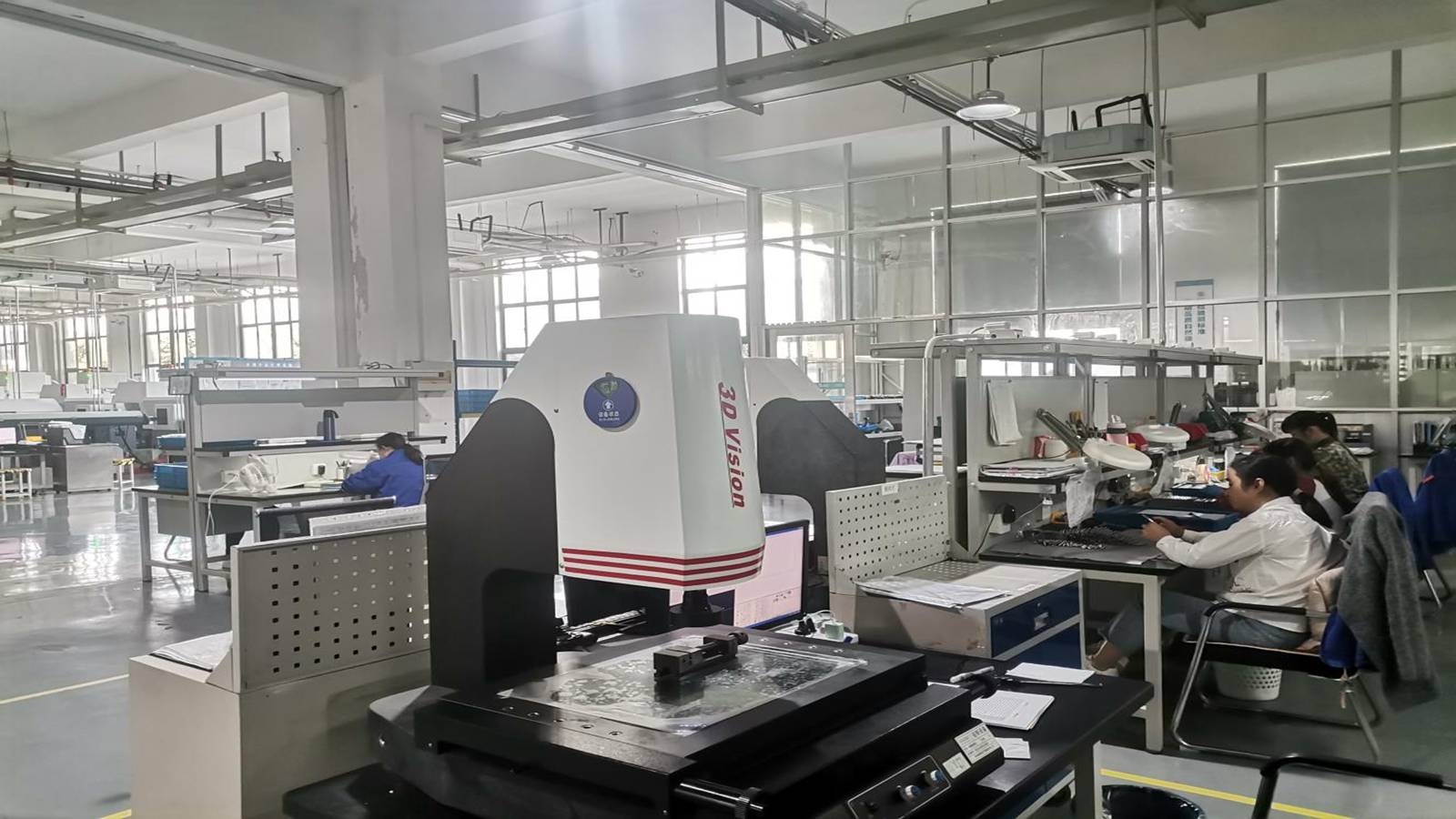
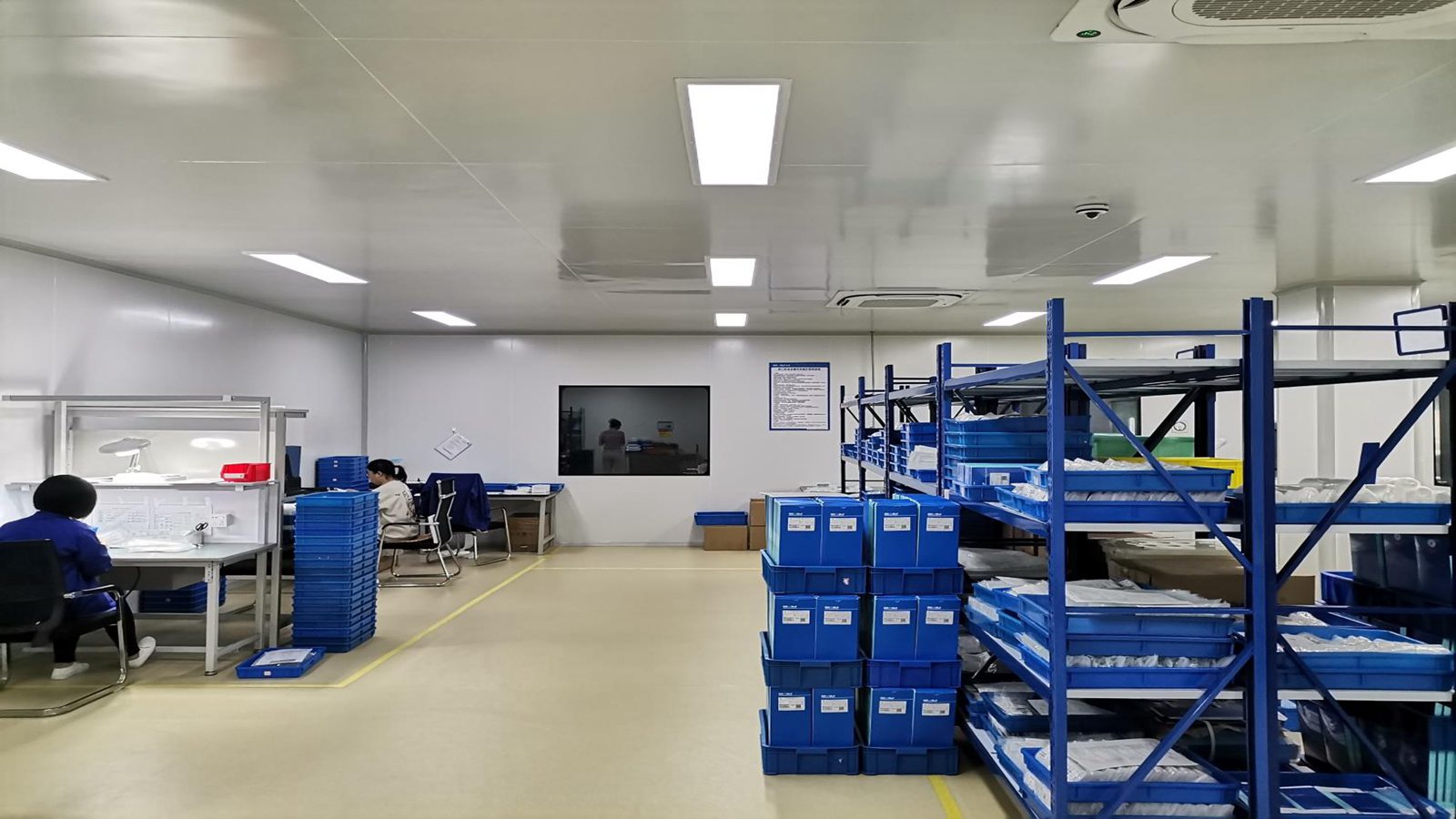
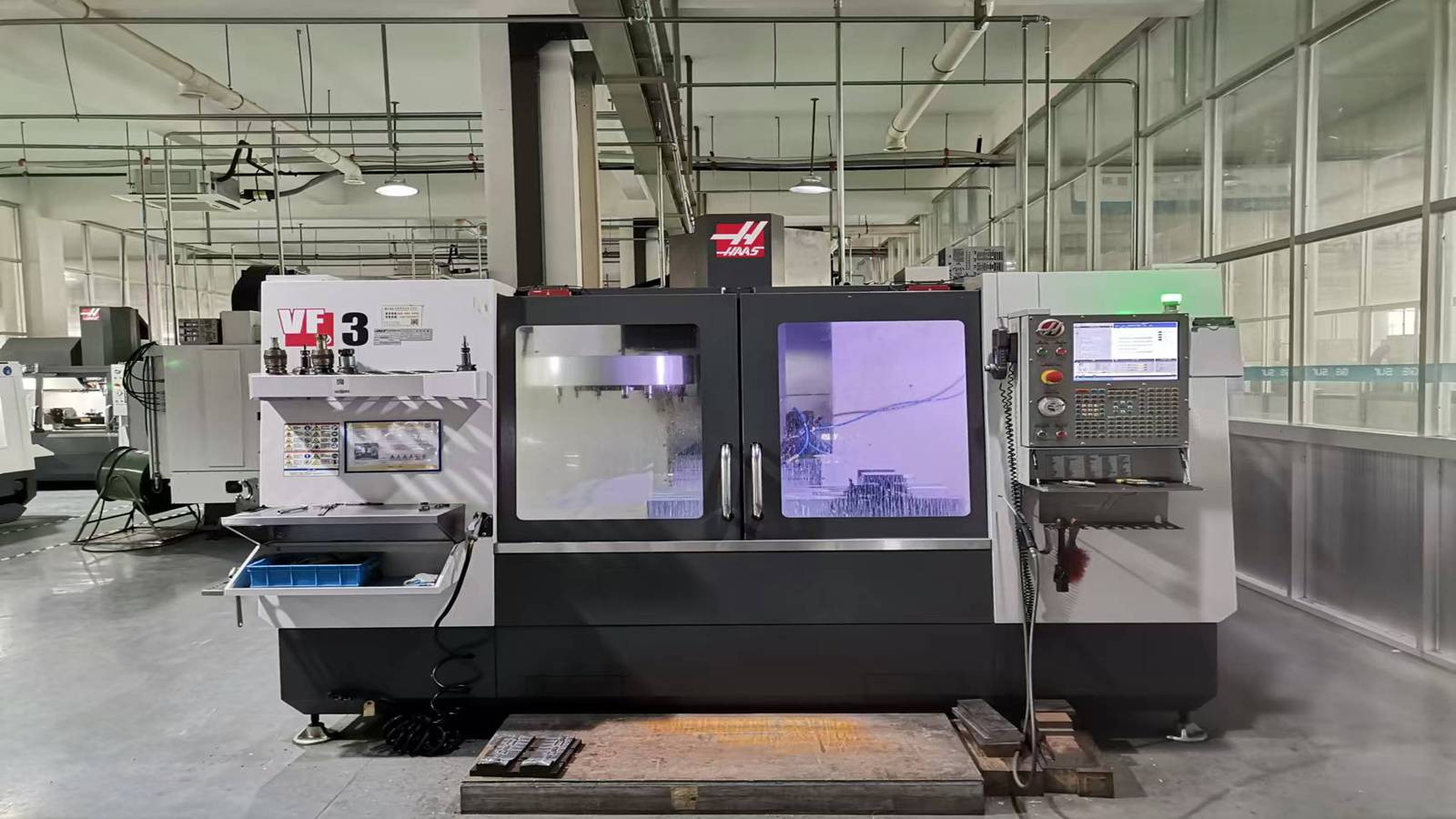
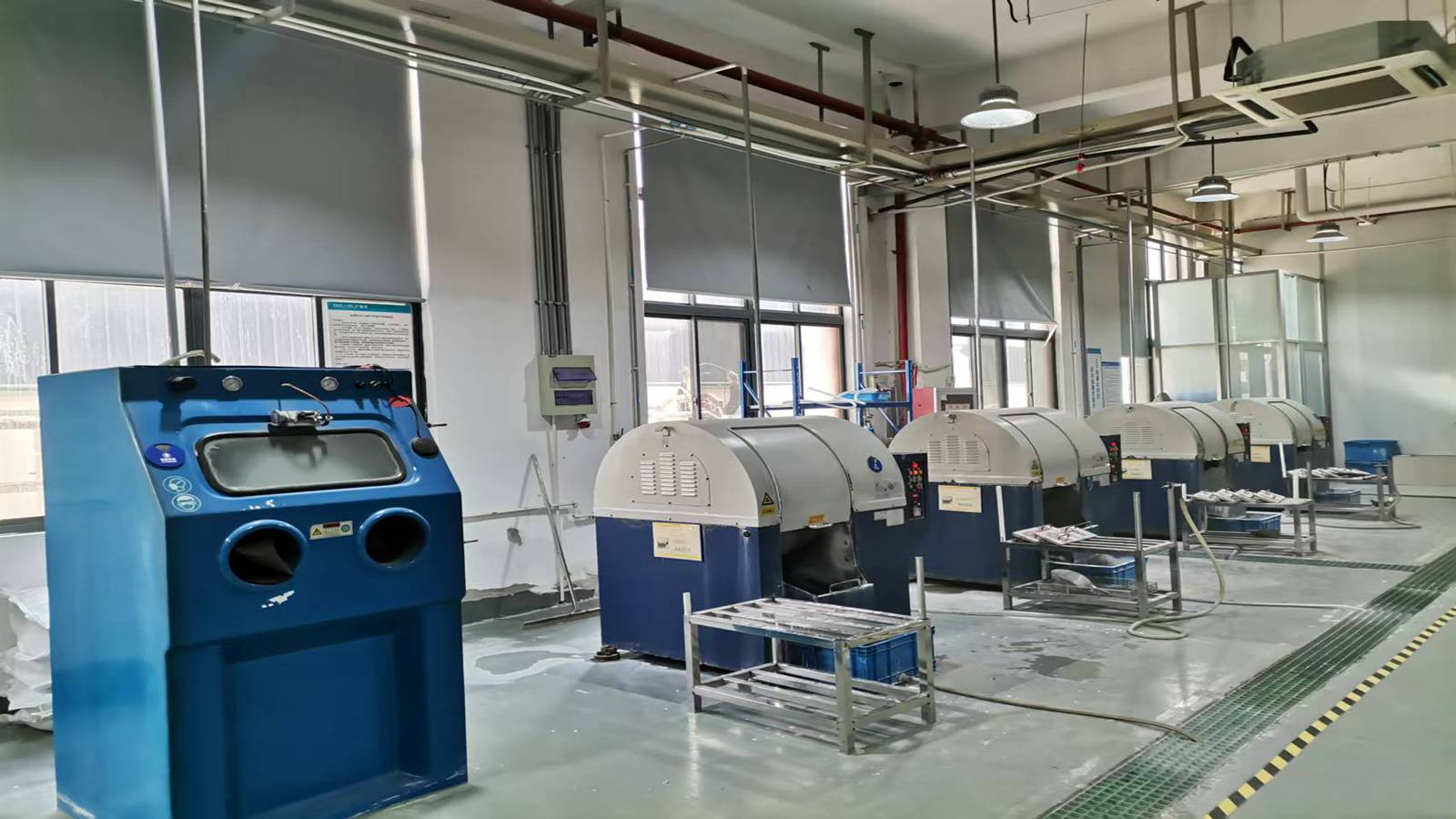
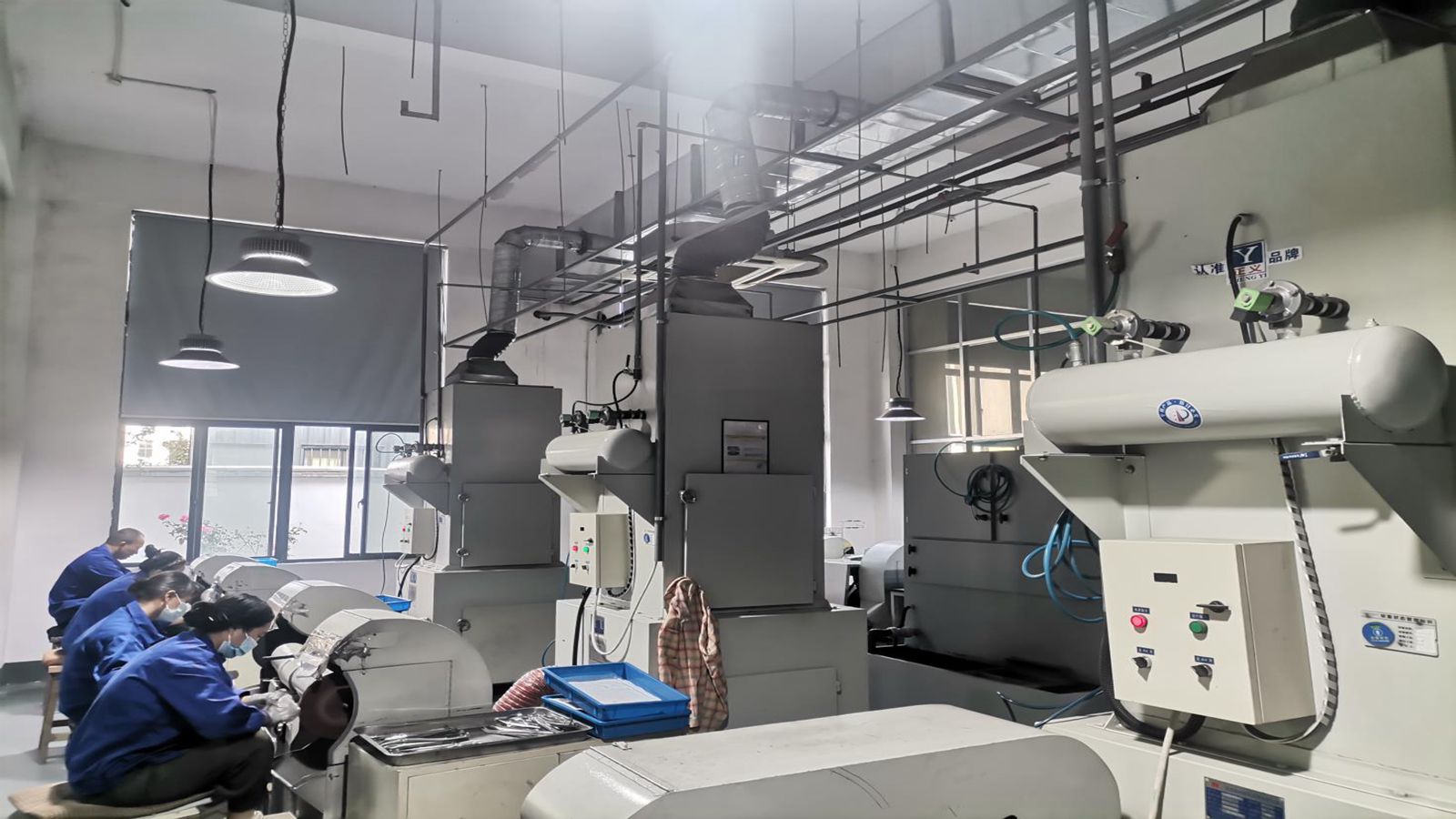
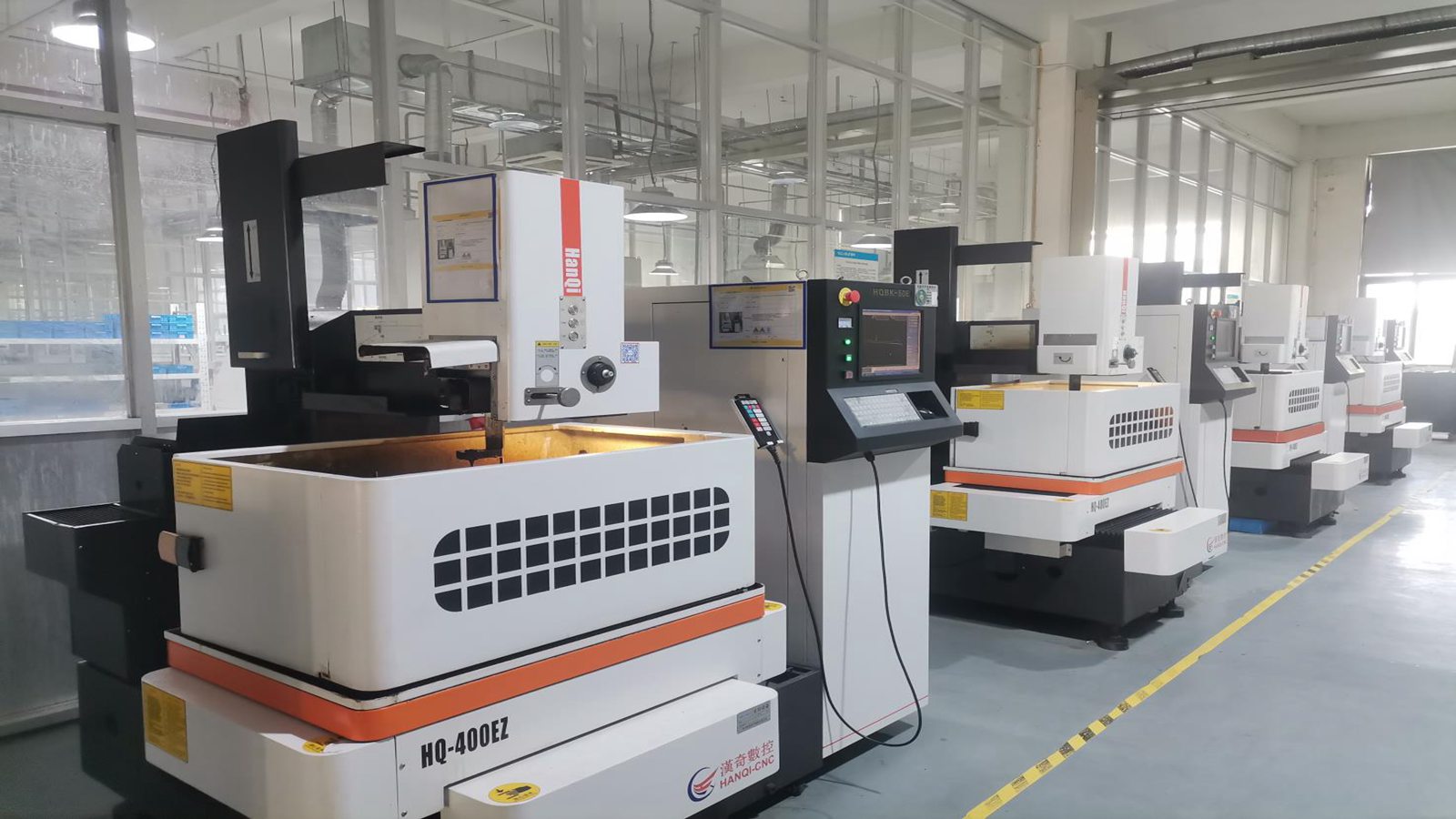
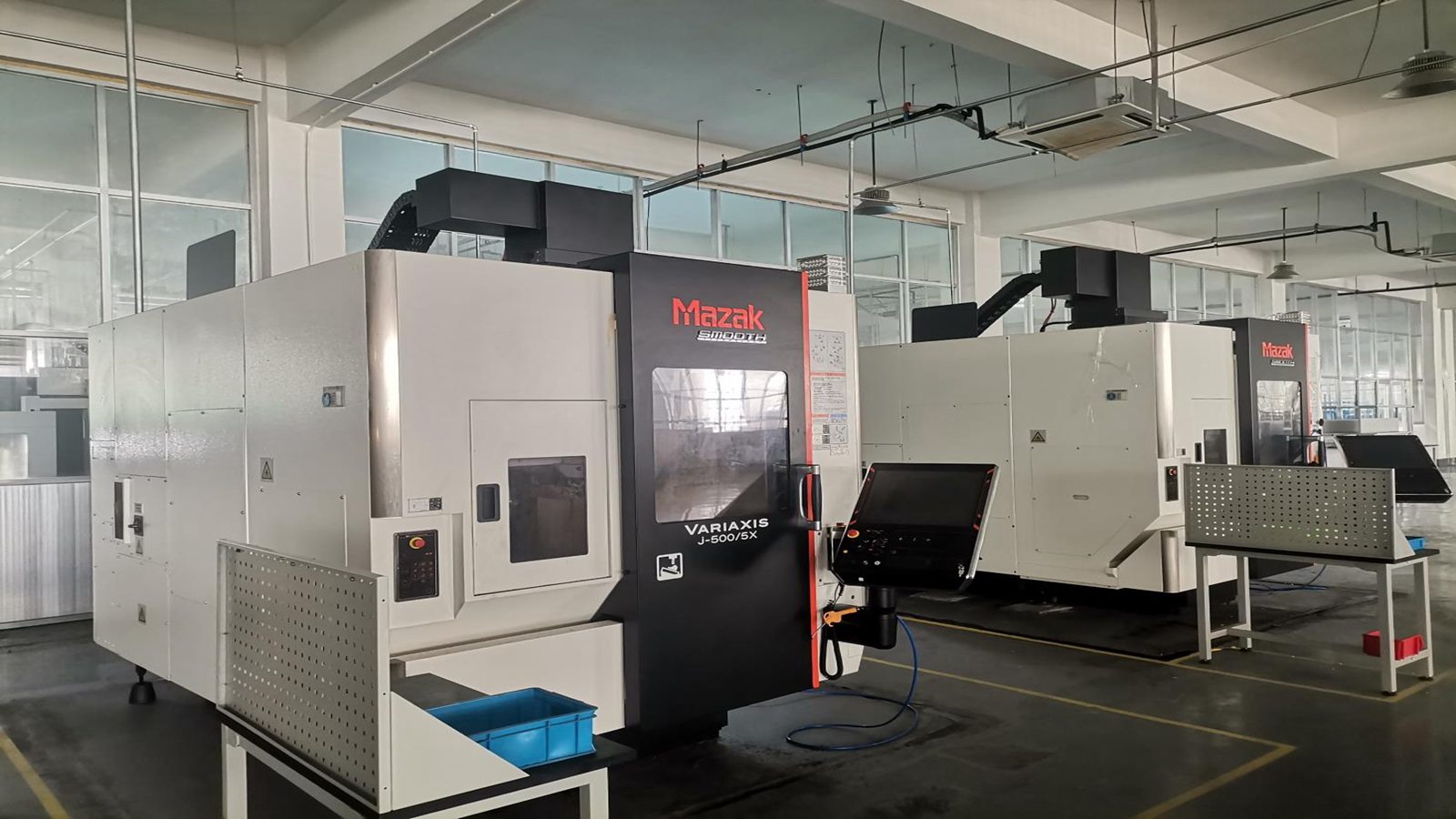
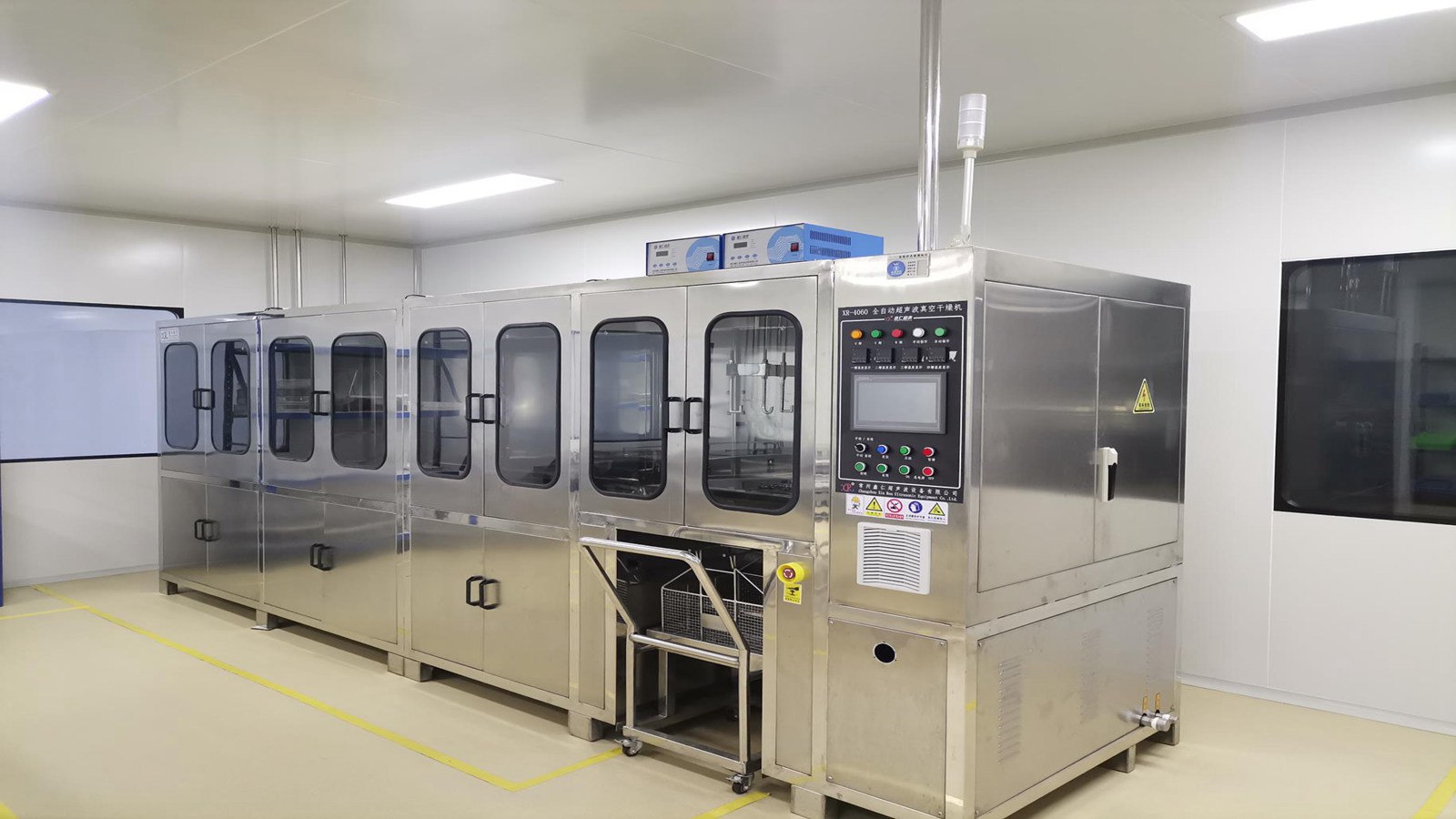
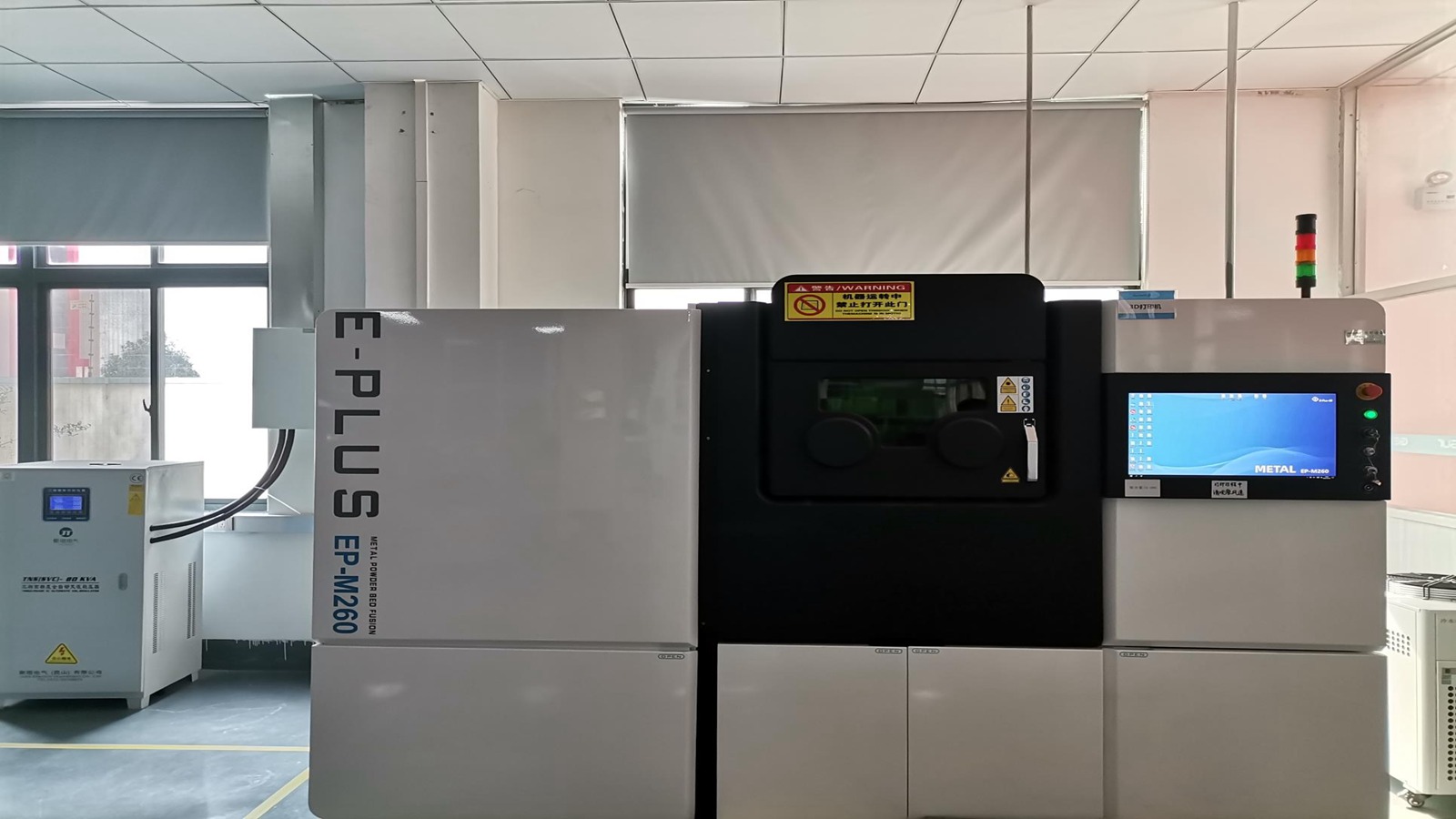
The modernization of China’s medical device manufacturing sector is illustrated by facilities operating under Factory 4.0 paradigms. Spanning 30,343 square meters, our facility leverages multi-axis Swiss CNC machining centers, automated passivation lines, and class-10,000 ISO cleanrooms. This configuration ensures that critical dimensions of laminar plates, such as screw-hole tolerances and bridge curvatures, maintain micron-level consistency.
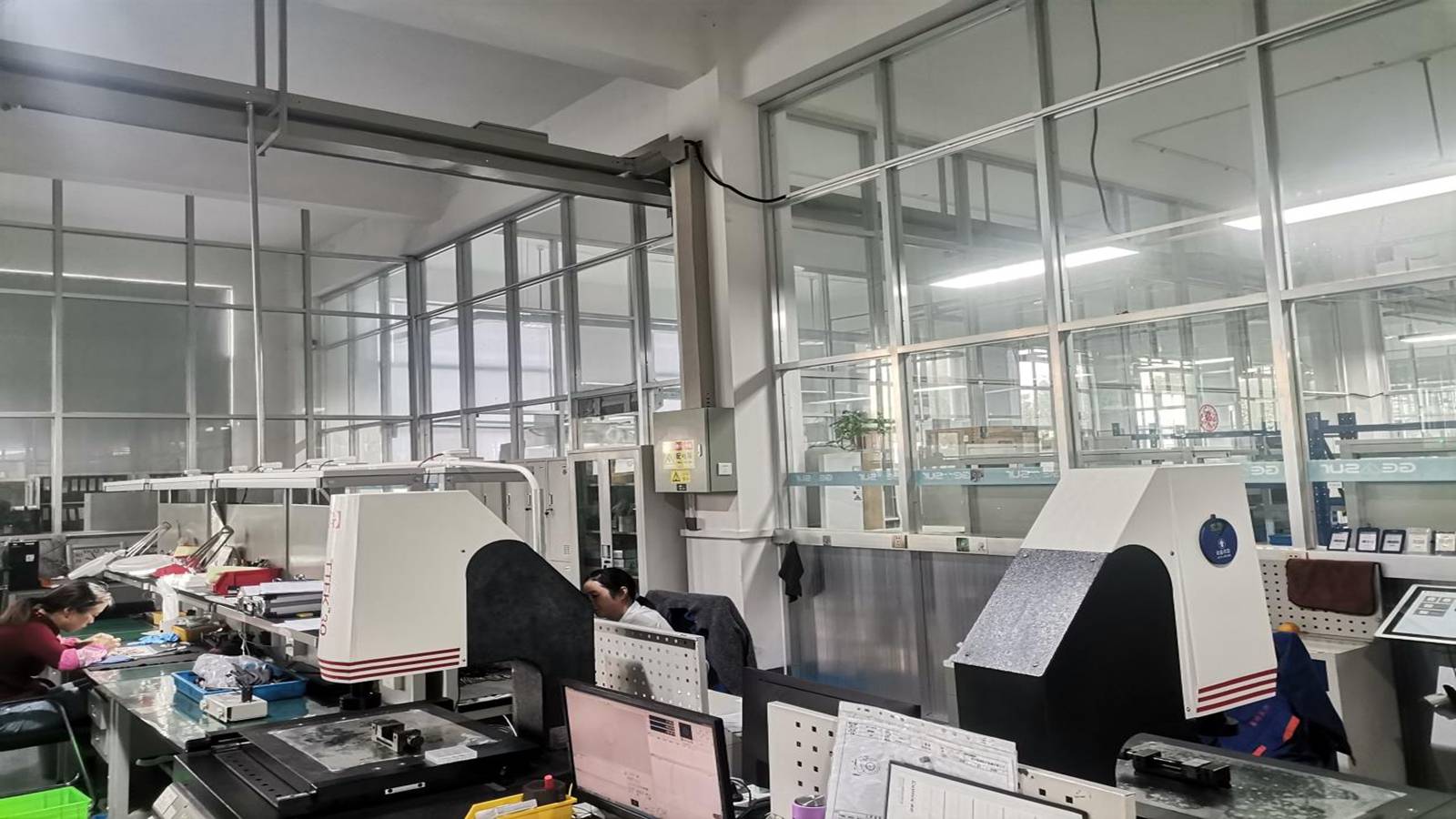
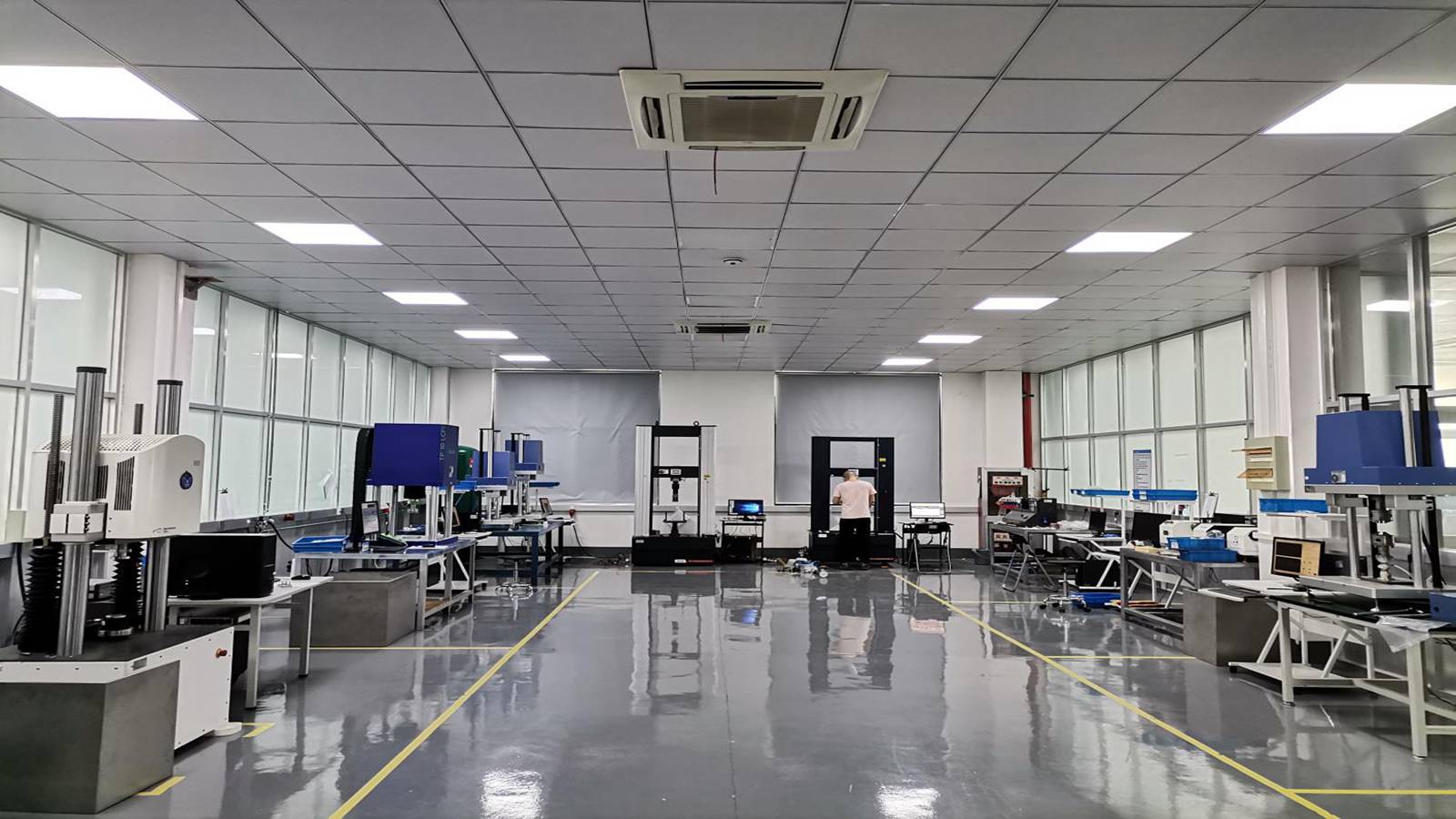
By consolidating advanced manufacturing capabilities with an active roster of 120 production machines across 12 high-output lines, we guarantee a secure supply chain for global distributors. In-house mechanical testing—including fatigue testing under dynamic load conditions mimicking human spine movements, and salt spray testing for corrosion resistance—eliminates third-party QA bottlenecks. This structured approach allows us to deliver high-quality implants without premium price markups, protecting distributors' margins in price-controlled healthcare environments.
| Technical Parameter | Specification Profile | Clinical / Structural Rationale |
|---|---|---|
| Material Composition | Titanium Alloy Ti-6Al-4V ELI (ASTM F136 / ISO 5832-3) | Optimized biocompatibility, superior fatigue limits, reduced MRI artifact imaging. |
| Plate Thickness | 1.0 mm – 1.5 mm Ultra-Low Profile | Minimizes mechanical prominence, protecting adjacent soft tissue from chronic irritation. |
| Pre-shaped Angles | 90°, 110°, 120° (Anatomical configurations) | Reduces operative times by minimizing the need for manual intraoperative plate shaping. |
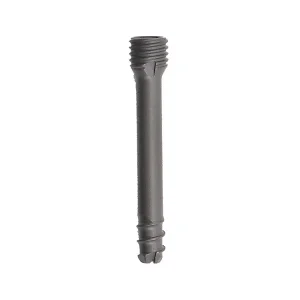
| Fixation Screws | Self-tapping cortical locking & emergency screws (2.0mm / 2.4mm) | Provides secure primary anchor stability, preventing displacement. |
| Surface Finish | Type II Hard Anodization (Dual-Color Coding available) | Improves wear resistance, decreases metal-ion release, and simplifies surgical identification. |
Rigorous quality standards, advanced production scale, and global certifications backing our supply capabilities.
 ISO13485 (04723Q10000765)
 EN ISO 13485 (EPT 25 ISO 13485 0067)
 MDSAP (C730178)
 CE MDR (EPT 0477.MDR.25/5905)
CE MDR (EPT 0477.MDR.25/5973)
CE MDR (EPT 0477.MDR.25/5905)
CE MDR (EPT 0477.MDR.25/5973)
 EU MDR (EPT 0477.MDR.26/6113)
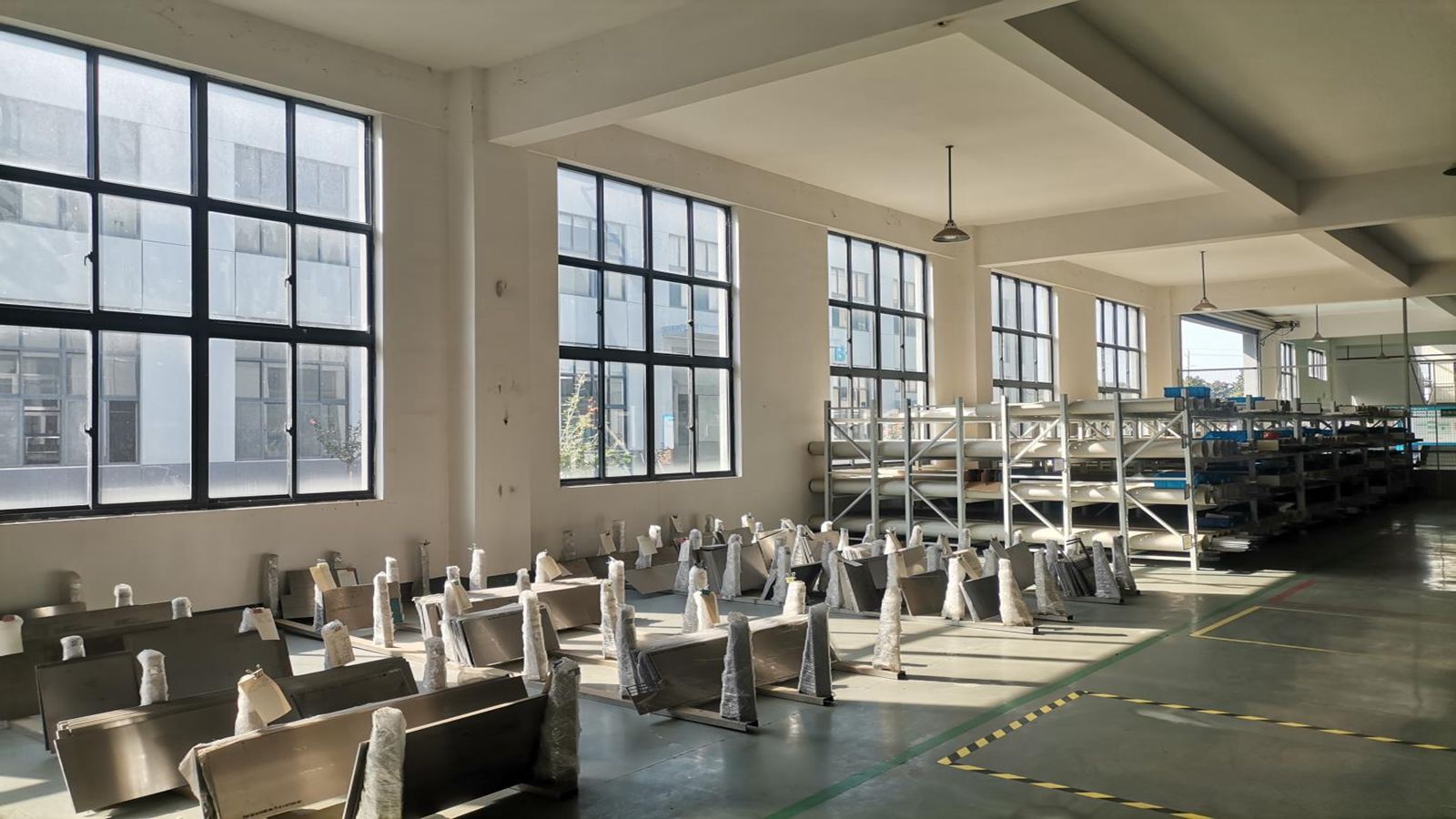
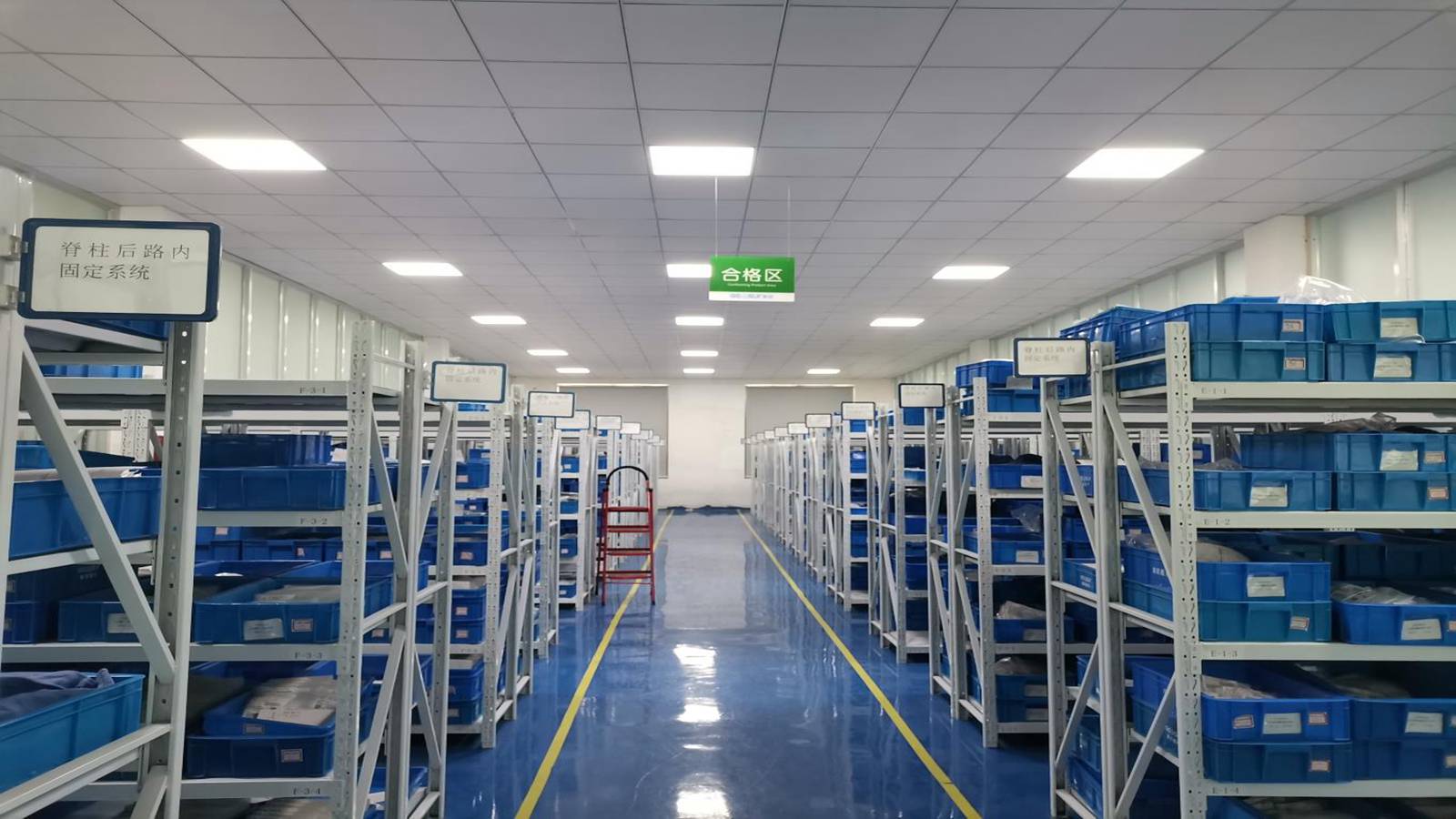
A visual tour of our production facilities, cleanrooms, and testing departments, highlighting our commitment to manufacturing standards.
Cervical canal narrowing due to degenerative spine issues can compromise spinal cord function, leading to paresthesia, gait instability, and loss of fine motor control. The goal of expansive open-door laminoplasty is to enlarge the canal area by dividing the lamina on one side and creating a hinge on the opposite side. The laminar fixation plate acts as a structural spacer to secure the open side, providing stability to support early mobilization.
Without dynamic support, the elevated lamina is subject to micro-motion under the influence of the posterior neck muscles. If it collapses back into the canal, it can cause recurrent spinal cord compression. The anatomical curvature of our pre-bent titanium plates aligns with the cut edge of the lamina, reducing the need for manual intraoperative adjustment. This design lowers mechanical stress on the bone-screw interface and reduces the risk of post-operative implant displacement.
For surgeons, securing the plate is a straightforward process. First, the plate is aligned with the cut lamina edge. Self-tapping, self-drilling locking screws are then driven into the lateral mass and the elevated laminar wing. The locking mechanism helps prevent screw back-out, even under rotational or lateral bending loads. This rigid construct supports solid bone fusion, helping to maintain long-term spinal canal volume and improve patient recovery outcomes.
Answers to key regulatory, production, and logistical questions for global buyers, distributors, and orthopedic OEMs.
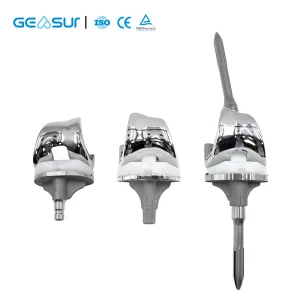
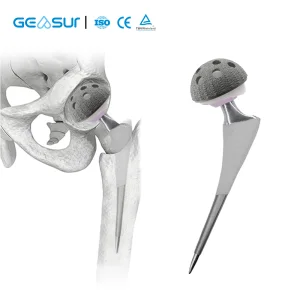
A continuation of our clinical systems engineered to support bone union, fracture management, and joint replacement.