Ease Medical Apparatus And Instruments
Ease Medical Apparatus And Instruments
Ease Medical Apparatus And Instruments
Explore our core surgical systems engineered under strict medical regulations for global orthopedic distribution.
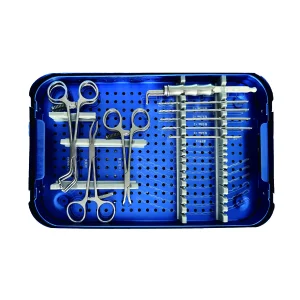
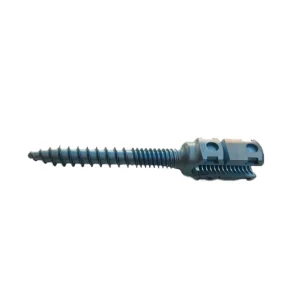
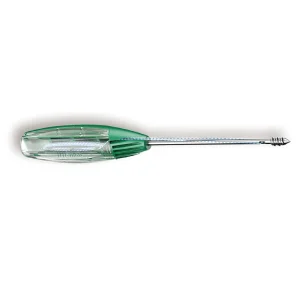
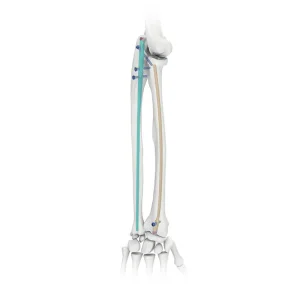
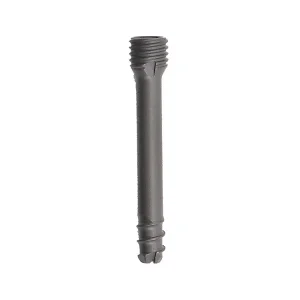
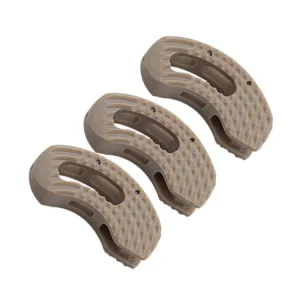
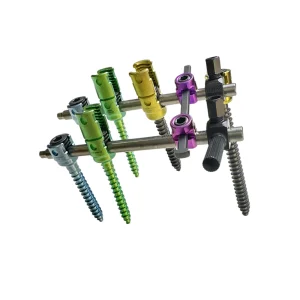
In modern orthopedic medicine, the survival rate of implantable medical devices is non-negotiable. Reconstructive surgery following skeletal trauma, complex long-bone fractures, and degenerative spinal conditions requires mechanical performance that mimics native anatomical structures. As a result, global medical device distributors, hospital purchasing managers, and clinical consultants search for reliable manufacturing partners capable of balancing advanced biomechanics with strict regulatory compliance.
Our focus shifts beyond traditional hardware distribution into the science of osseointegration, fatigue-resistance profiles, and high-precision screw thread geometry. By engineering trauma solutions that address stress shielding, we ensure surgeons achieve reliable reduction and stable internal fixation for diverse patient cohorts.
| Material Class | Clinical Benefits | Primary Trauma Application |
|---|---|---|
| Ti-6Al-4V ELI Titanium | Exceptional strength-to-weight ratio, low modulus, bio-inertness | Sternum Plates, Rib Plates, Intramedullary Nails, Pedicle Screws |
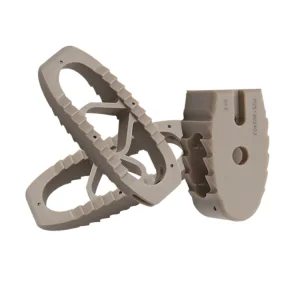
| Biocompatible PEEK | Radiolucent, elastic modulus matches cortical bone, zero artifacts | Lumbar Fusion Cages, Cervical Interbody Spacers |
| Medical 316LVM Steel | Extreme shear resistance, high stiffness for load bearing | Temporary External Fixators, Pediatric Kirschner Wires |
A statistical breakdown of our 30,343㎡ ISO-certified manufacturing infrastructure engineered for absolute volume stability and quality compliance.
How our trauma portfolio integrates directly into advanced operating theaters, level-1 emergency centers, and specialized orthopedic wards.
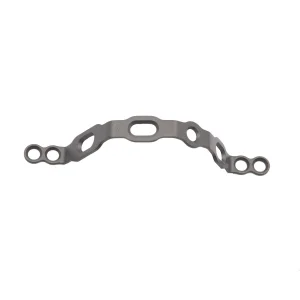
Utilizing flexible, anatomically pre-contoured surgical titanium rib plates and sternal systems. Minimizes operating room prep time while optimizing chest wall stabilization and post-operative respiration.
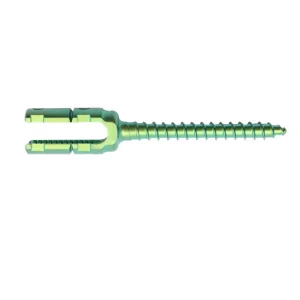
From pediatric scoliosis correction to adult degenerative lumbar fusion, our 5.5mm/6.0mm monoaxial and polyaxial pedicle screws, and PEEK interbody fusion cages, offer optimal pull-out strength and fusion stability.
Applying the Proximal Femoral Nail Antirotation (PFNA) and Radius/Ulna intramedullary systems. Maximizes biological load-sharing, preserves periosteal blood supply, and accelerates fracture healing.
Our quality system is verified under the world’s most demanding medical device frameworks, guaranteeing reliable market access and safety profiles.
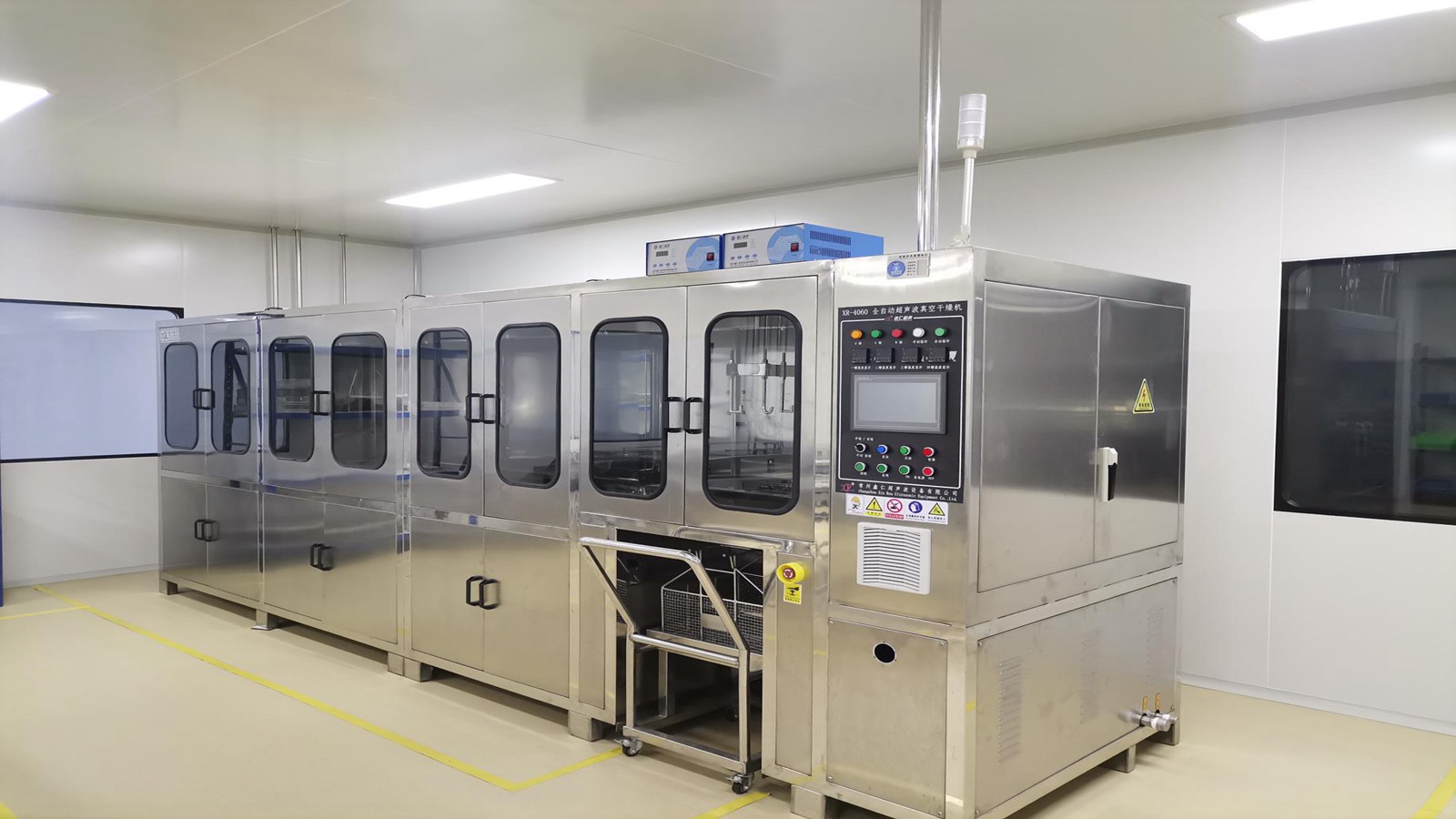
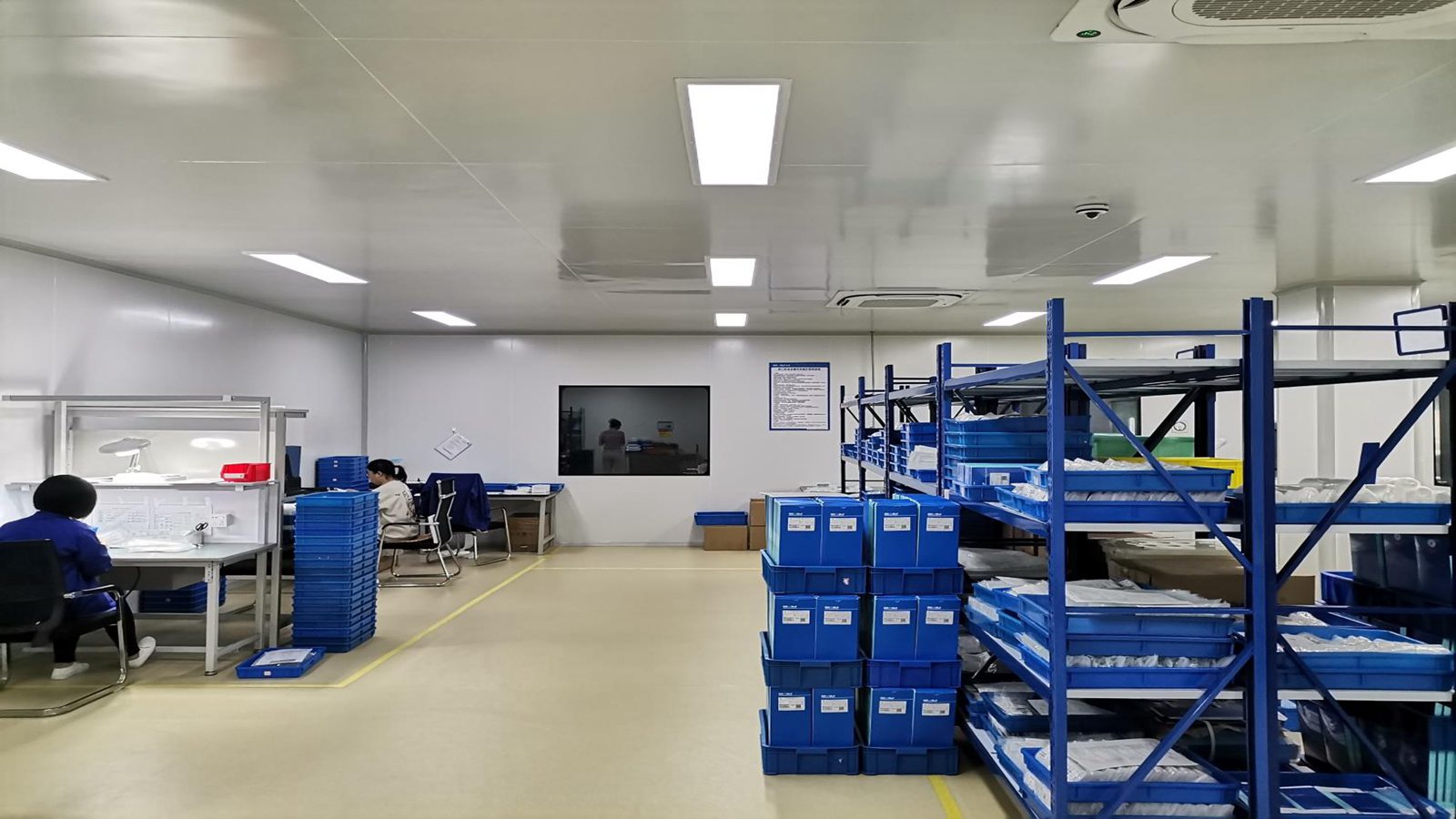
We believe that traceability is the cornerstone of reliability. From the moment titanium rods are delivered by certified medical material mills, they undergo strict spectroscopic, metallographic, and tensile tests. Our 36-inspector QA/QC team operates in ISO Class 7 (Class 10,000) clean packaging areas, ensuring that each screw thread, self-tapping groove, and locking mechanism is completely free of micro-imperfections.
Additionally, our factory has successfully transitioned to the rigorous requirements of European Medical Device Regulations (MDR), ensuring sustained availability of clinical implants for EU distributors and hospital networks.





A closer look at the academic pedigree and physical infrastructure supporting our orthopedic innovation pipeline.
Our dedicated R&D division ensures that design validation protocols meet the latest international anatomical database profiles, customizing plates and implants to specific ethnic bone morphology.
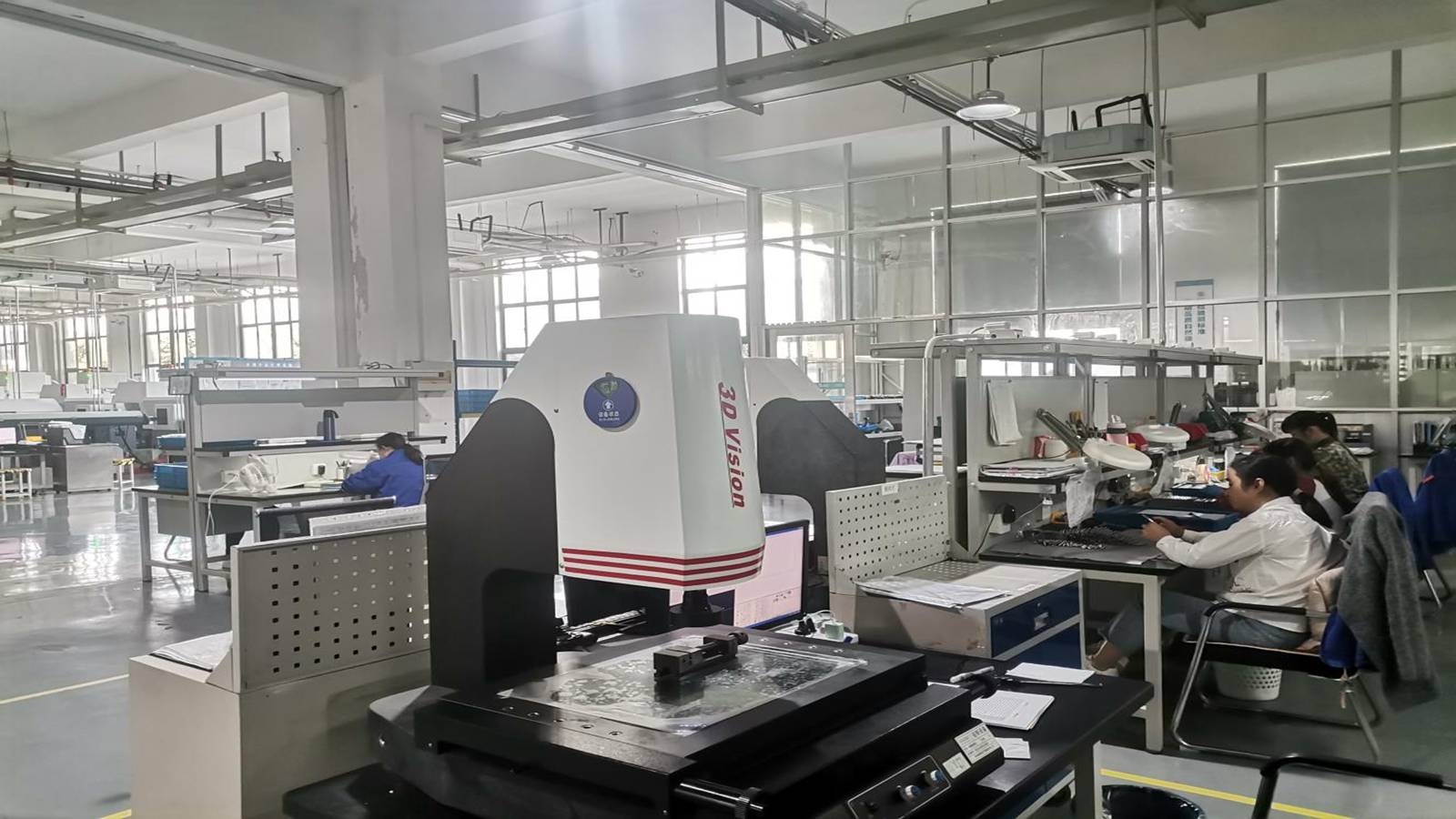
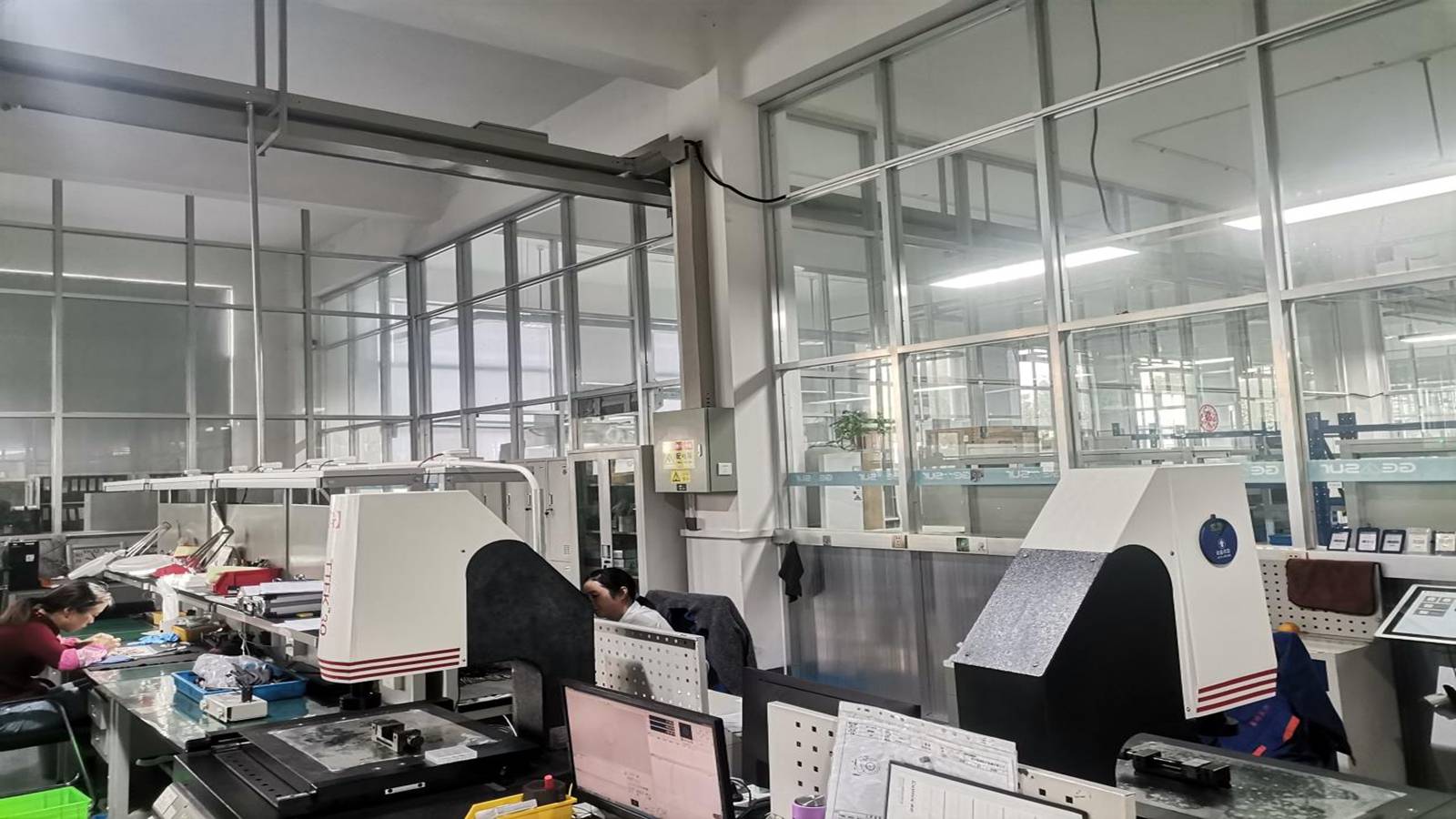
No implant is shipped without passing through our multi-phase quality gates, certifying dimensional accuracy to the micrometer level and structural stability.
Bridging mechanical stability with cellular biology. Explore our active research programs designed to shape the next era of trauma care.
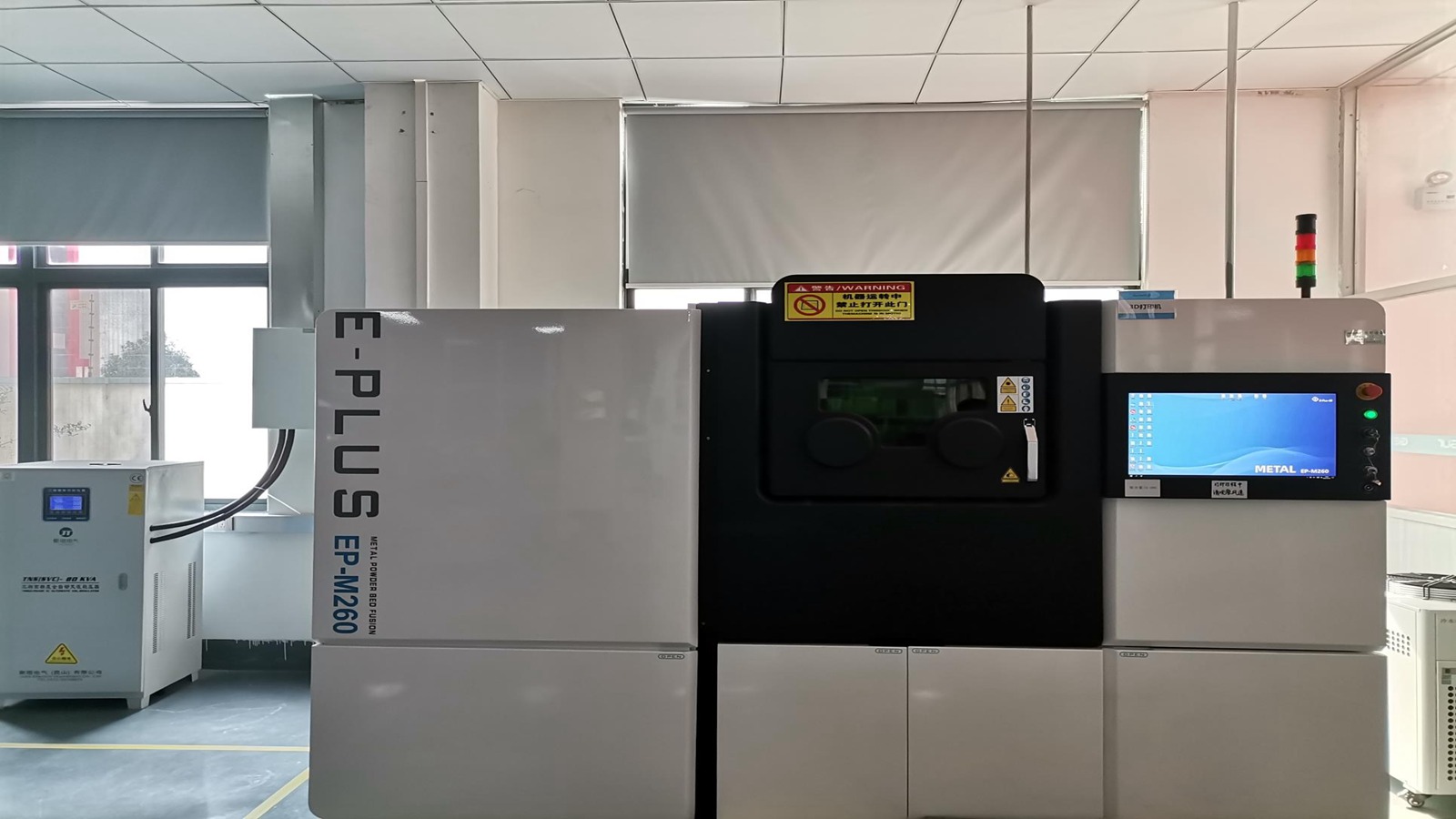
Developing 3D-printed titanium implants with high pore-interconnectivity that mimic human cancellous bone structure, significantly improving early osseointegration and long-term stability.
Researching anodized titanium surfaces layered with silver/copper-doped hydroxyapatite to create antimicrobial protection, reducing risk factors associated with surgical site infections.
Formulating high-purity magnesium alloys for temporary fracture plates and pins that naturally degrade in the body, eliminating the need for a second surgery to remove the implant.
Configuring surgical instrument sets with integrated radiofrequency ID chips and optical tracking arrays, enabling real-time navigation interface with modern robotic surgery platforms.
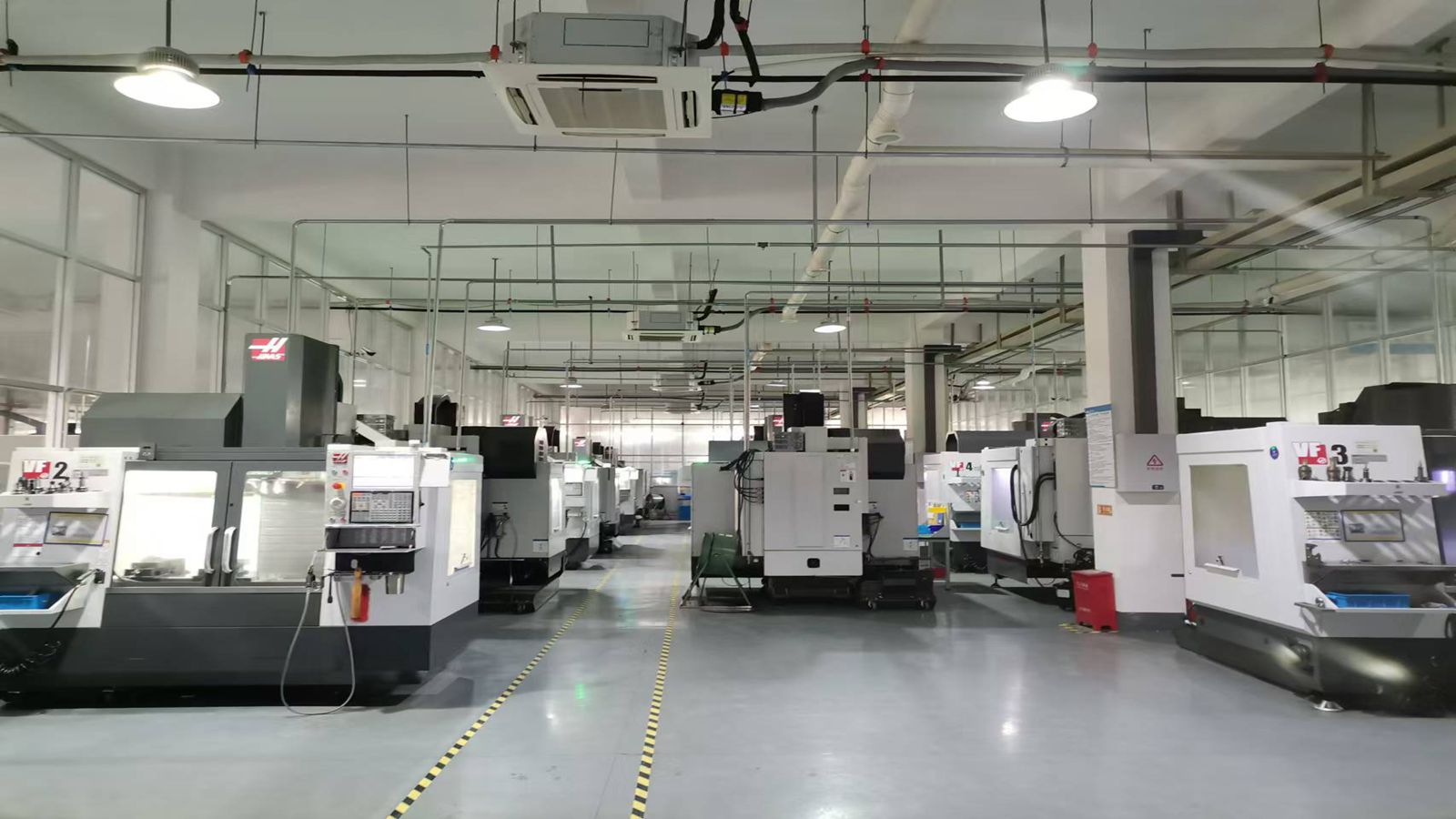
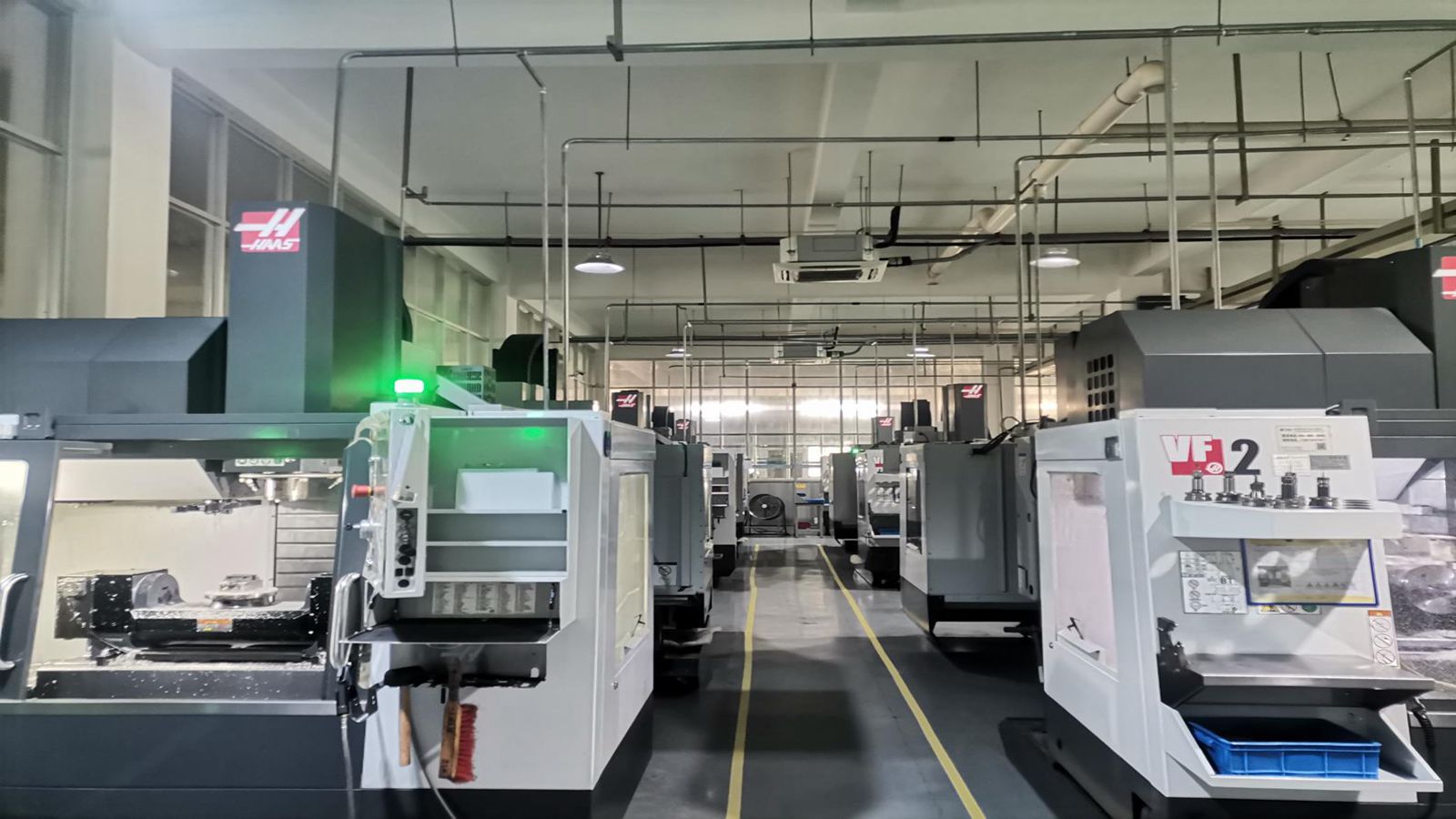
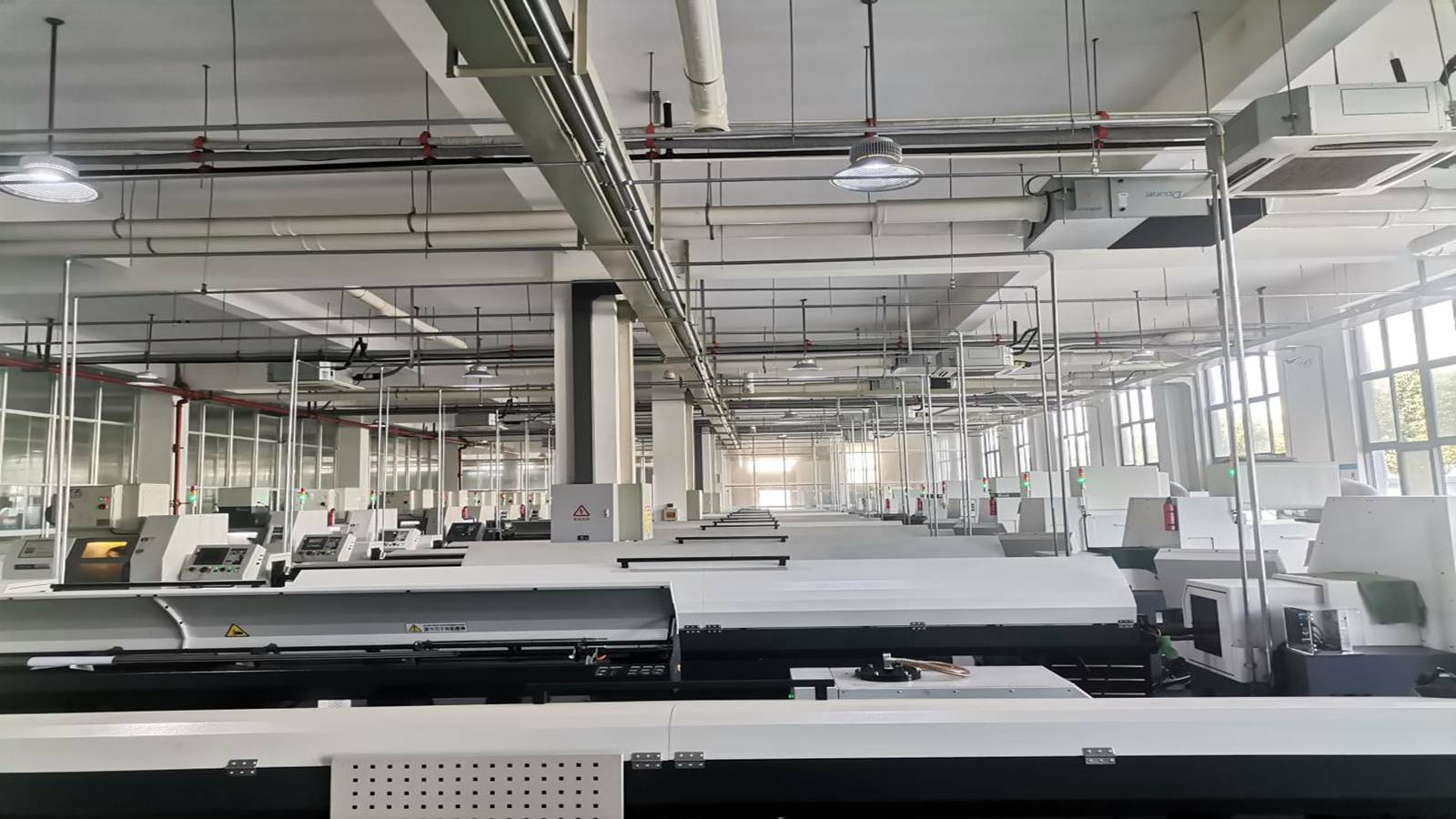
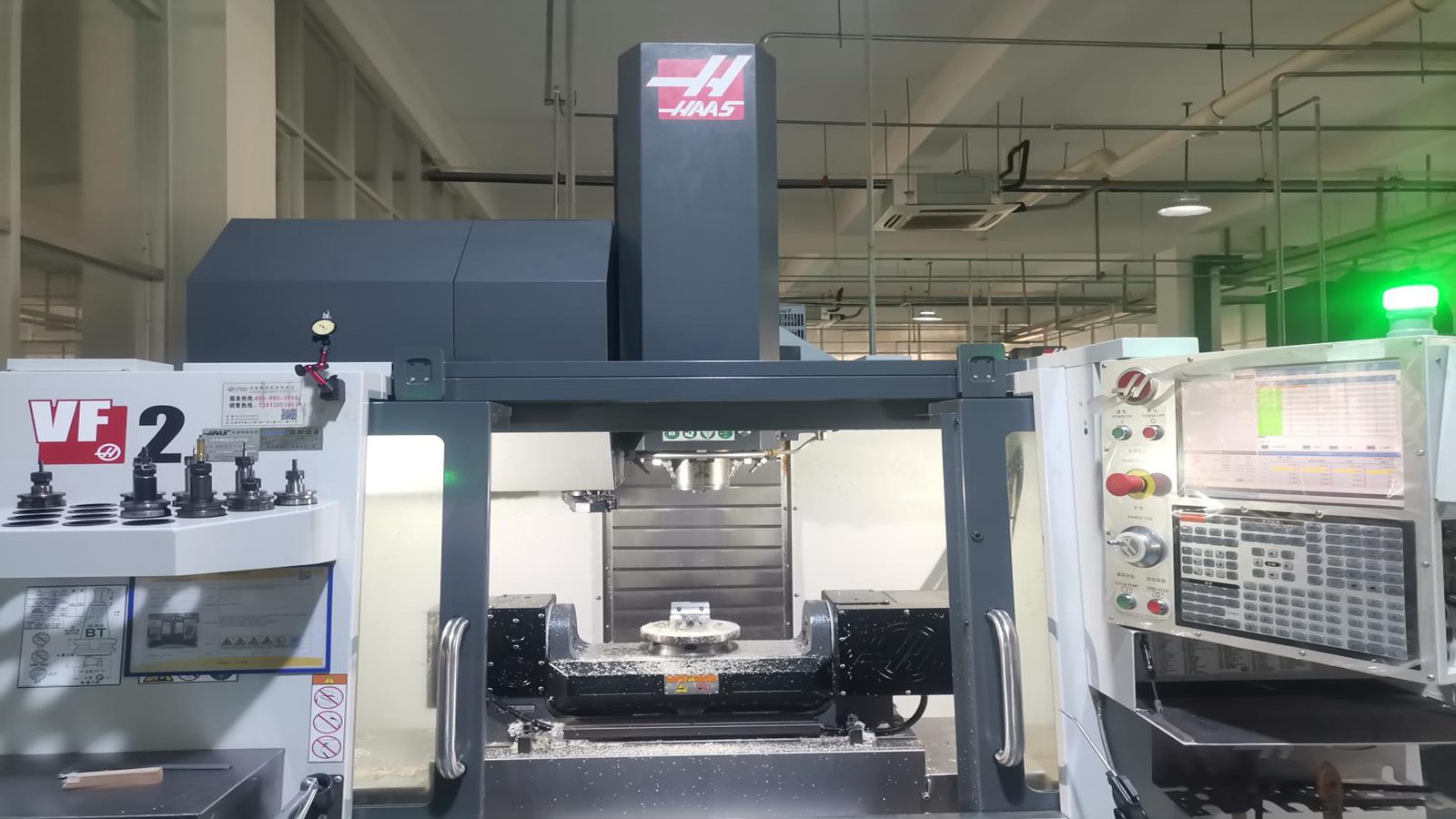
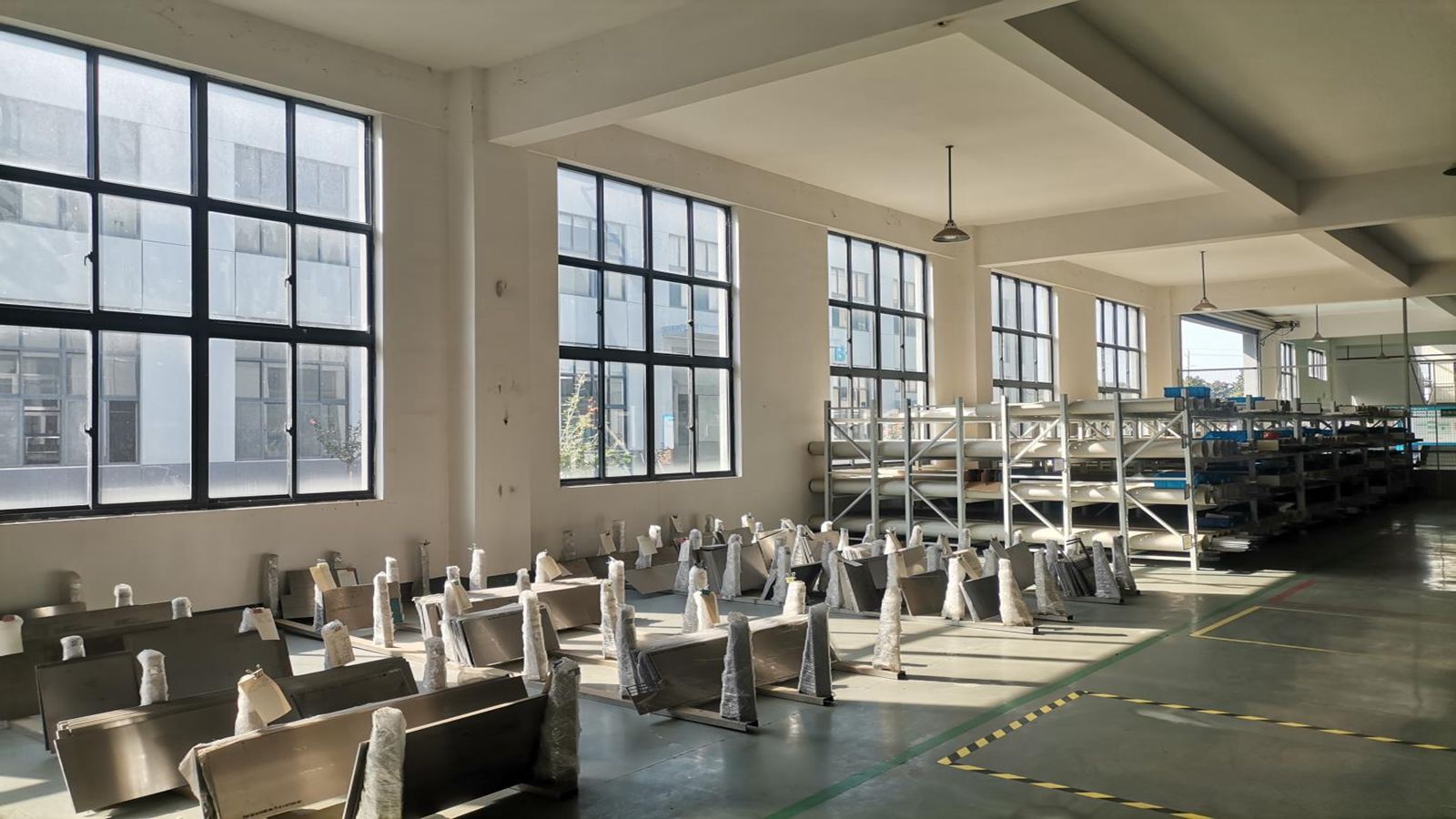
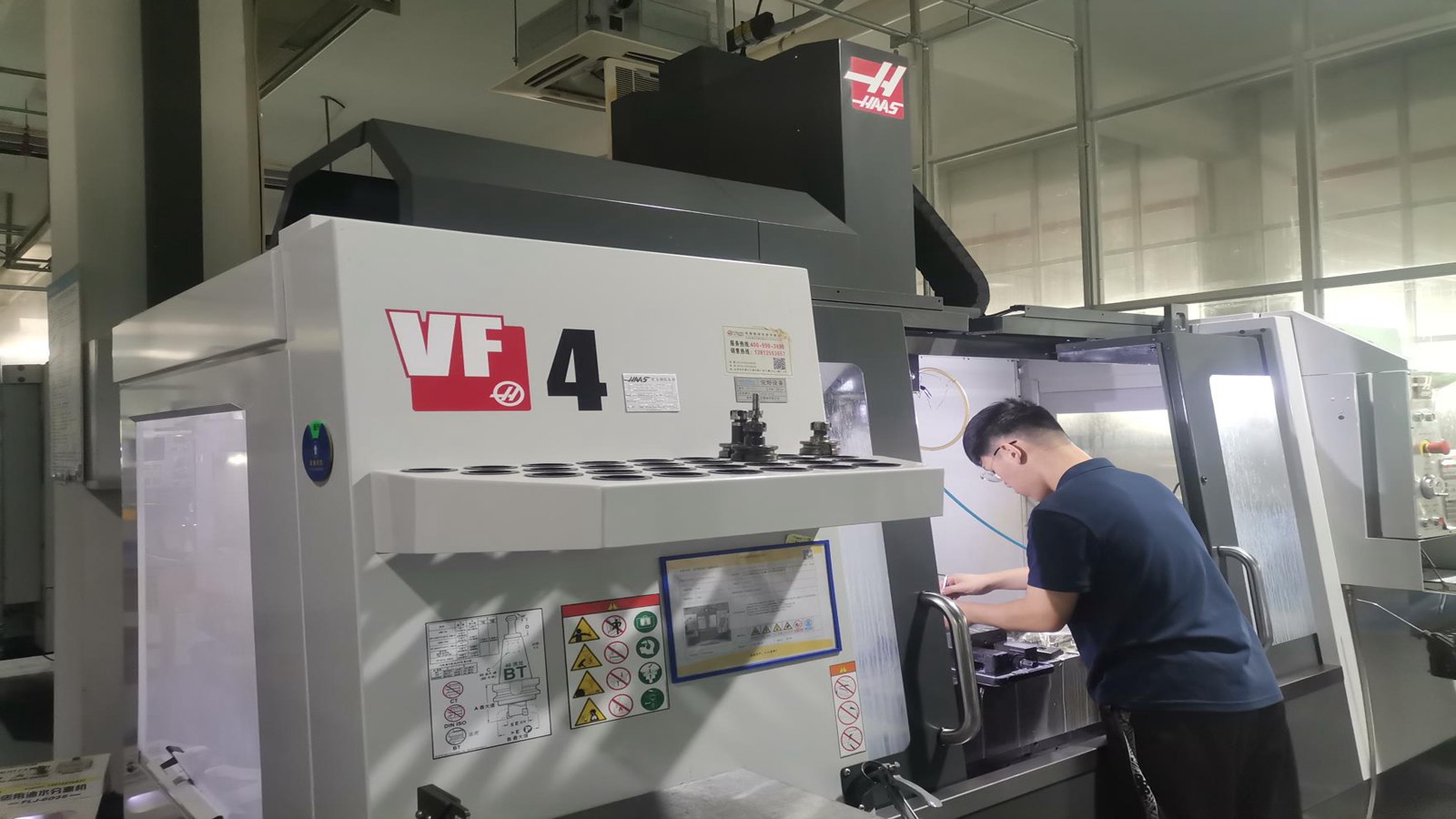
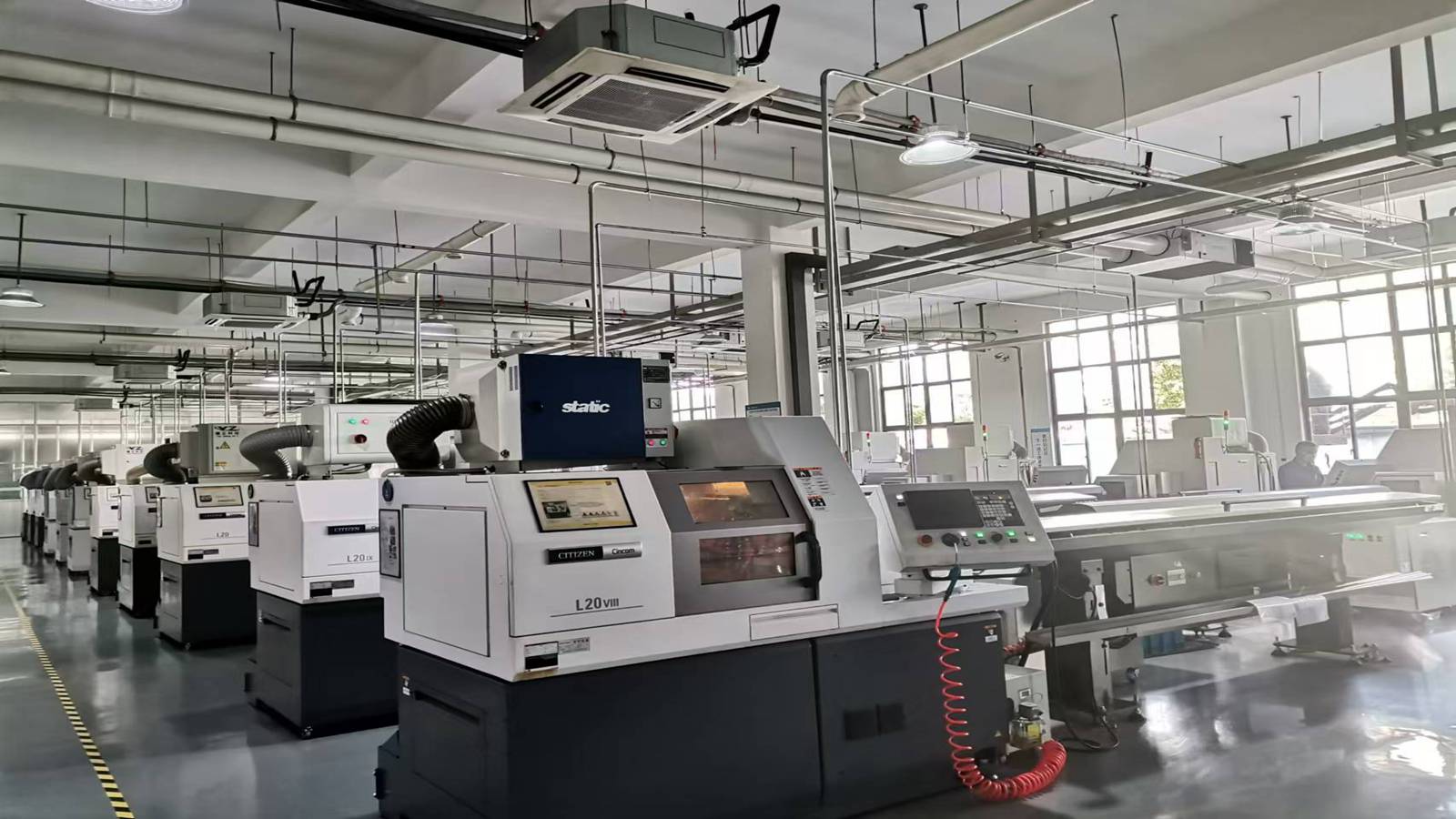
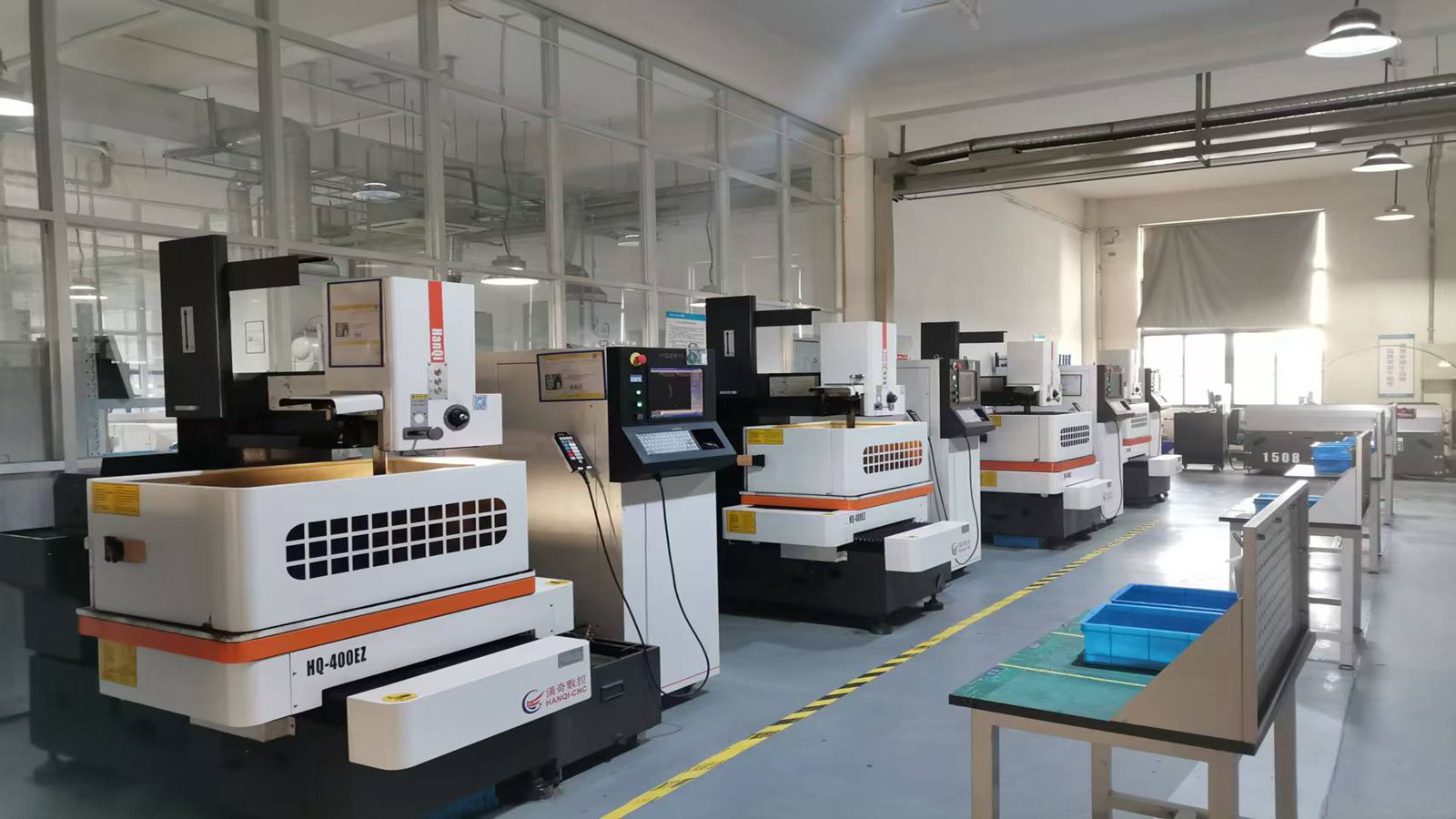
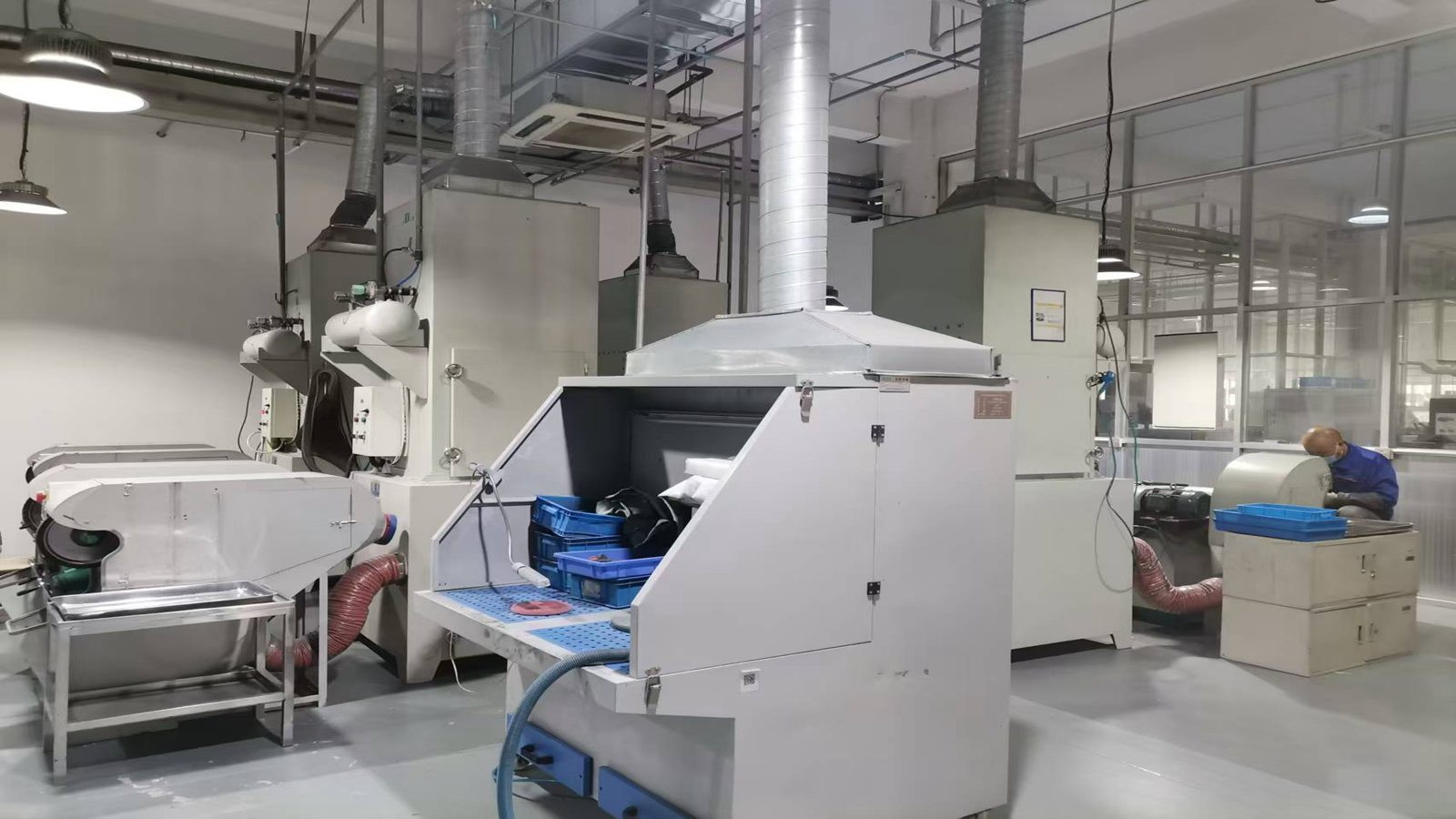
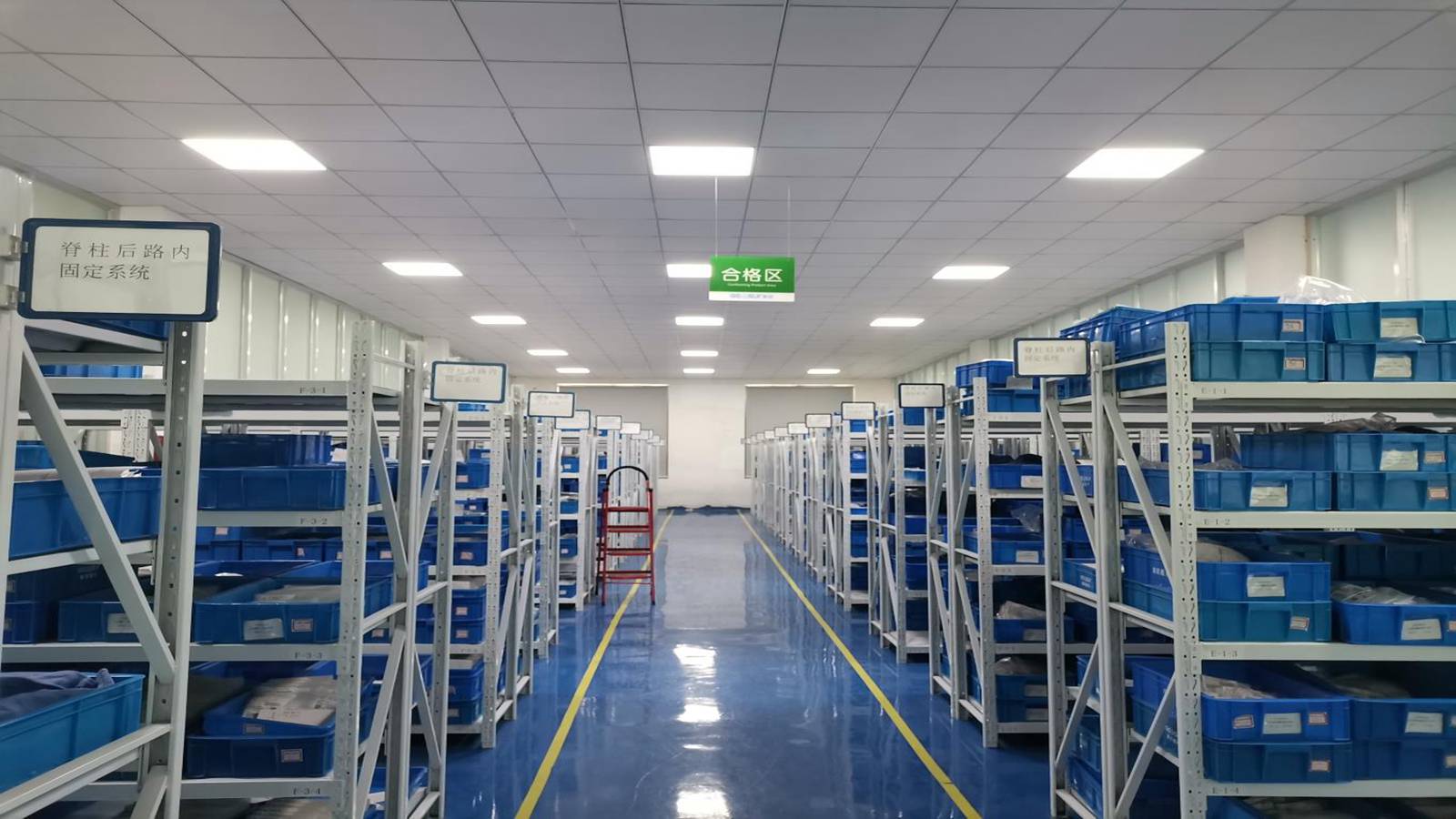
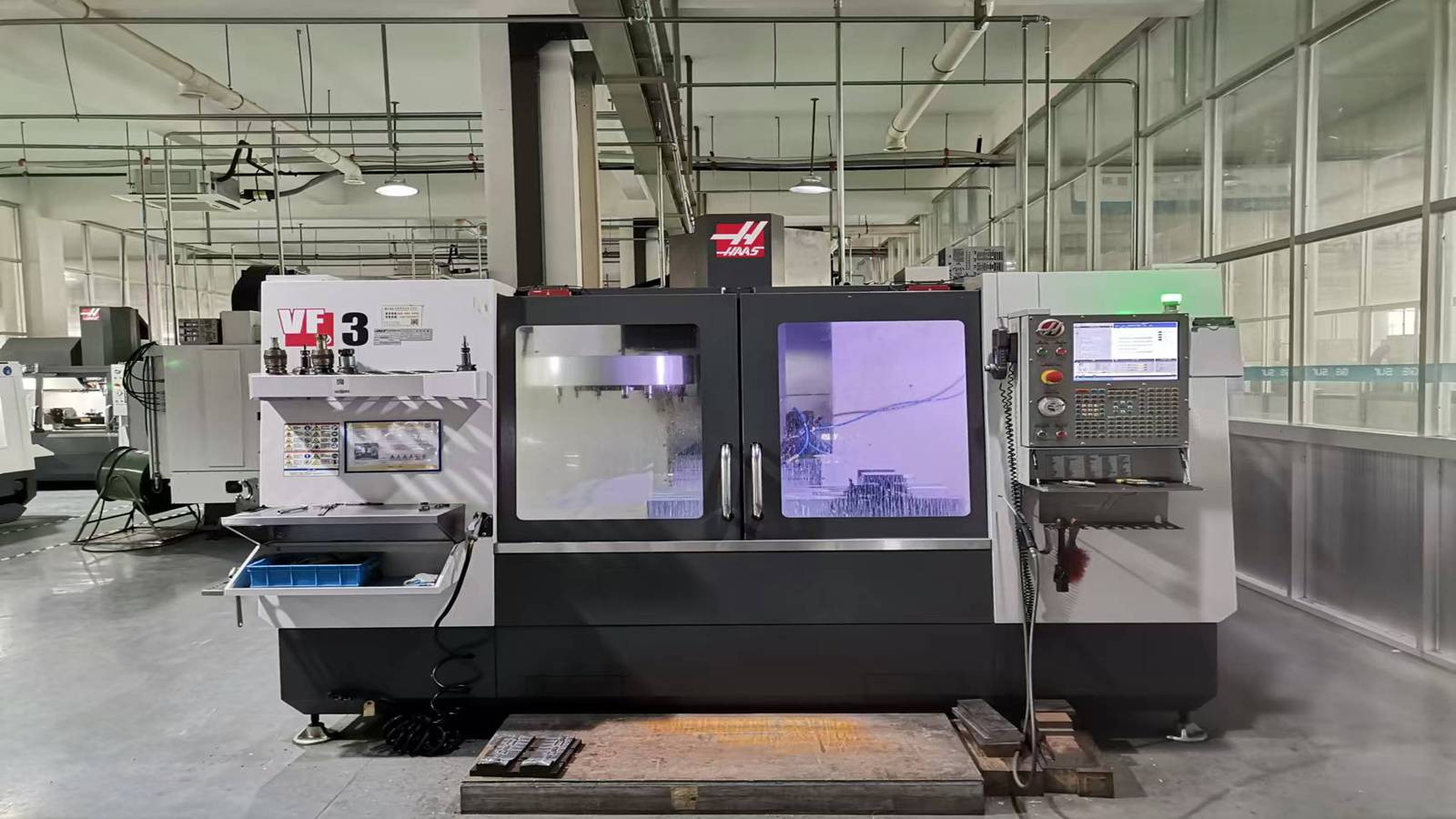
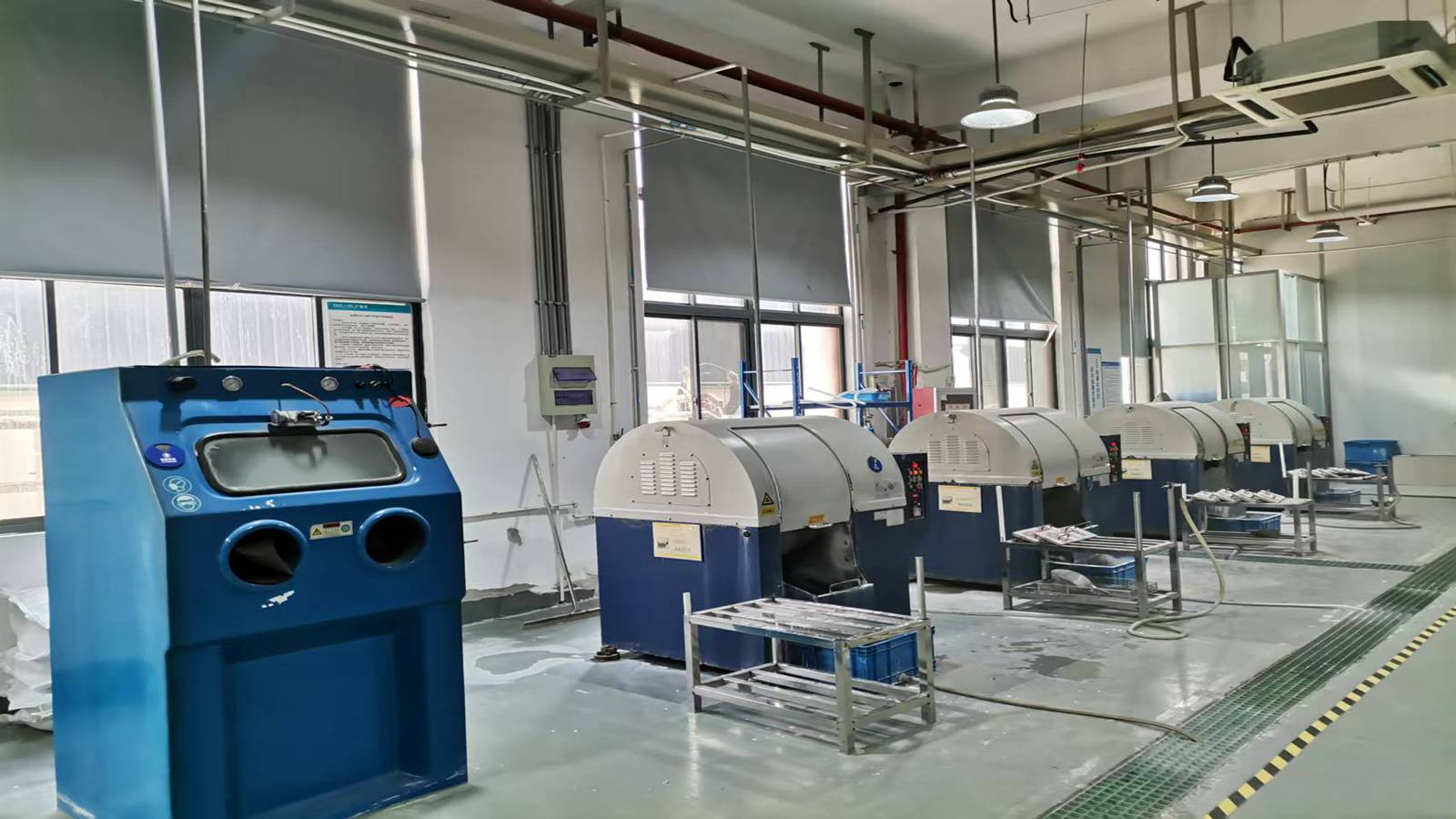
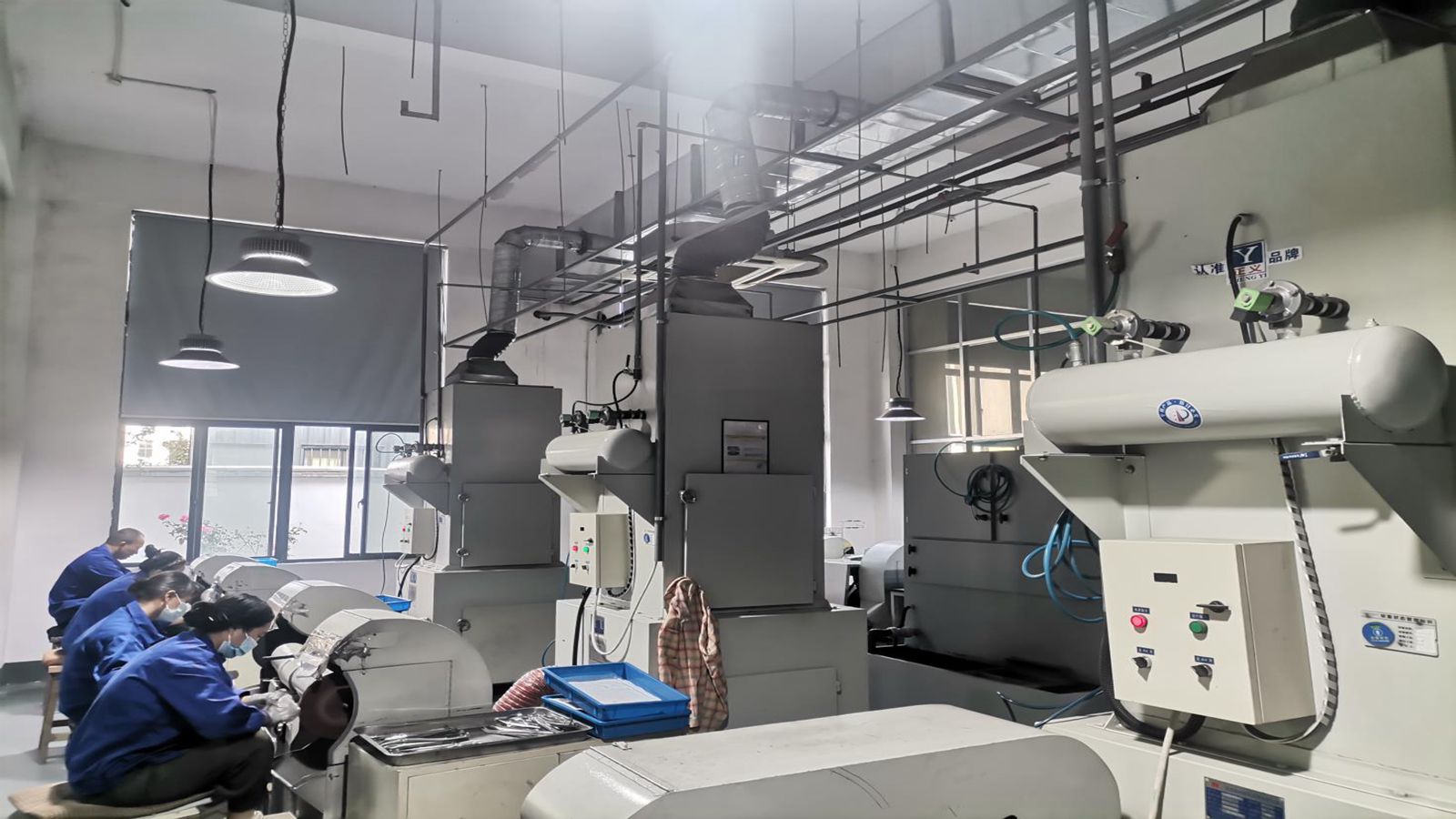
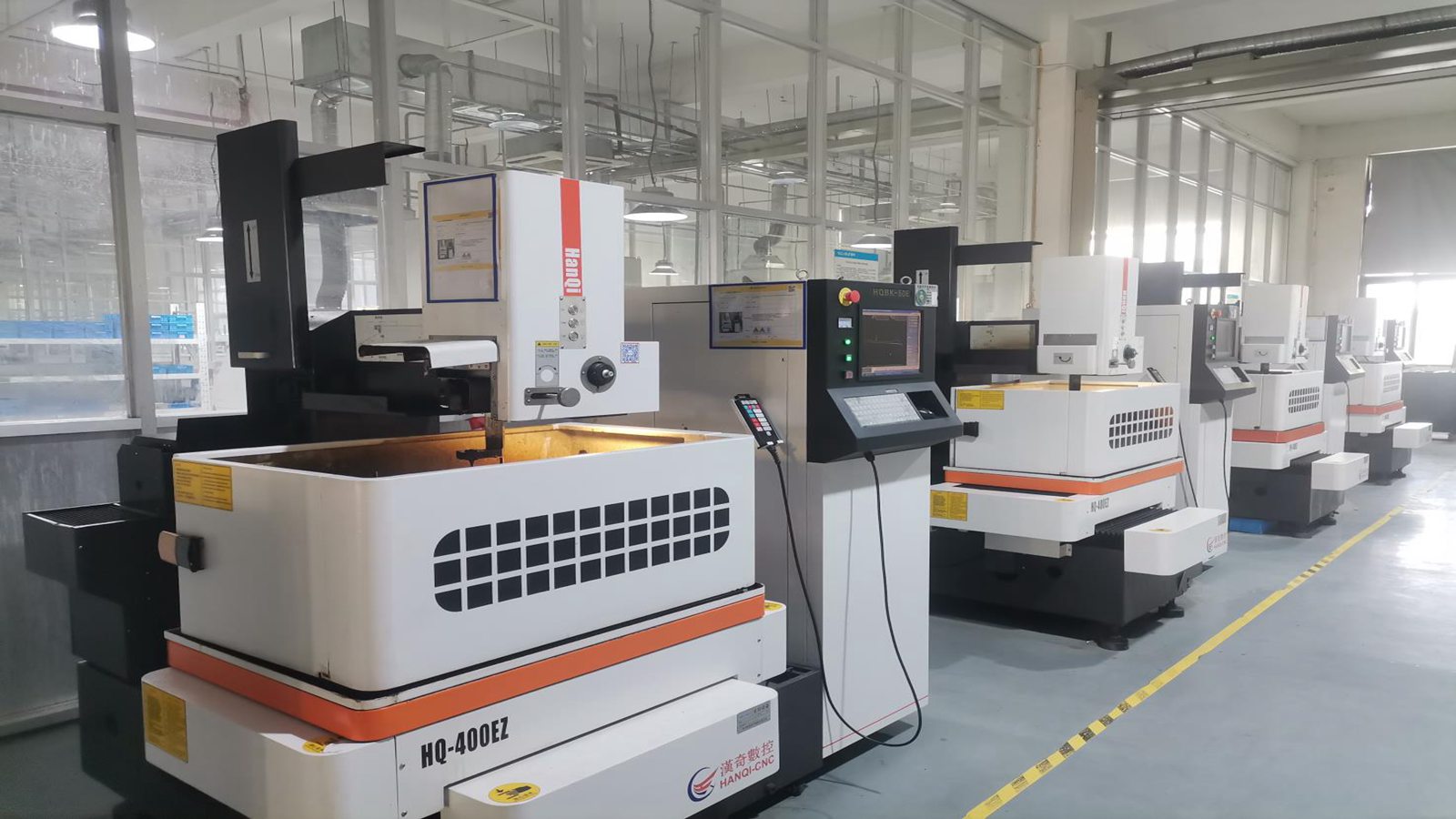
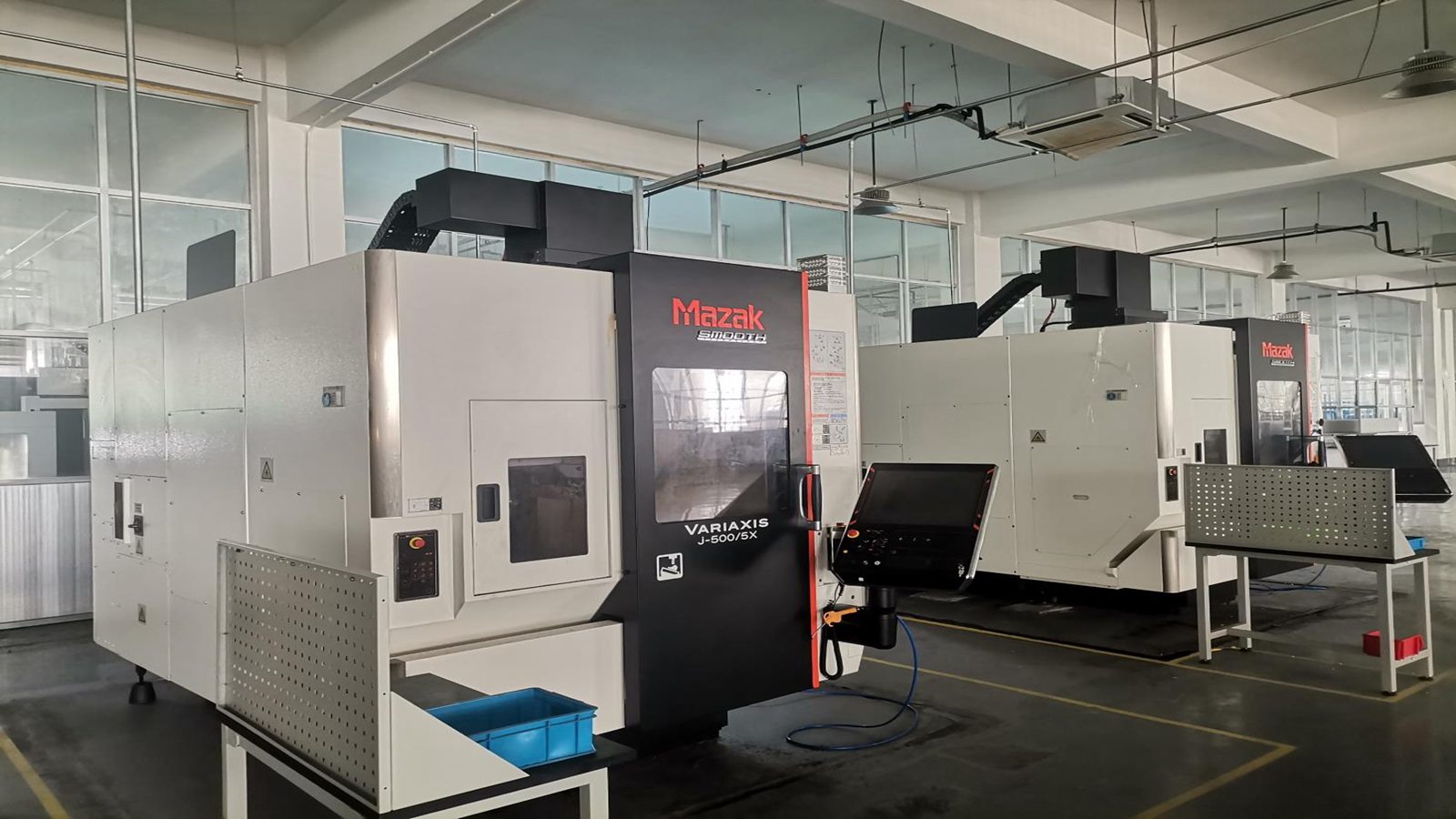
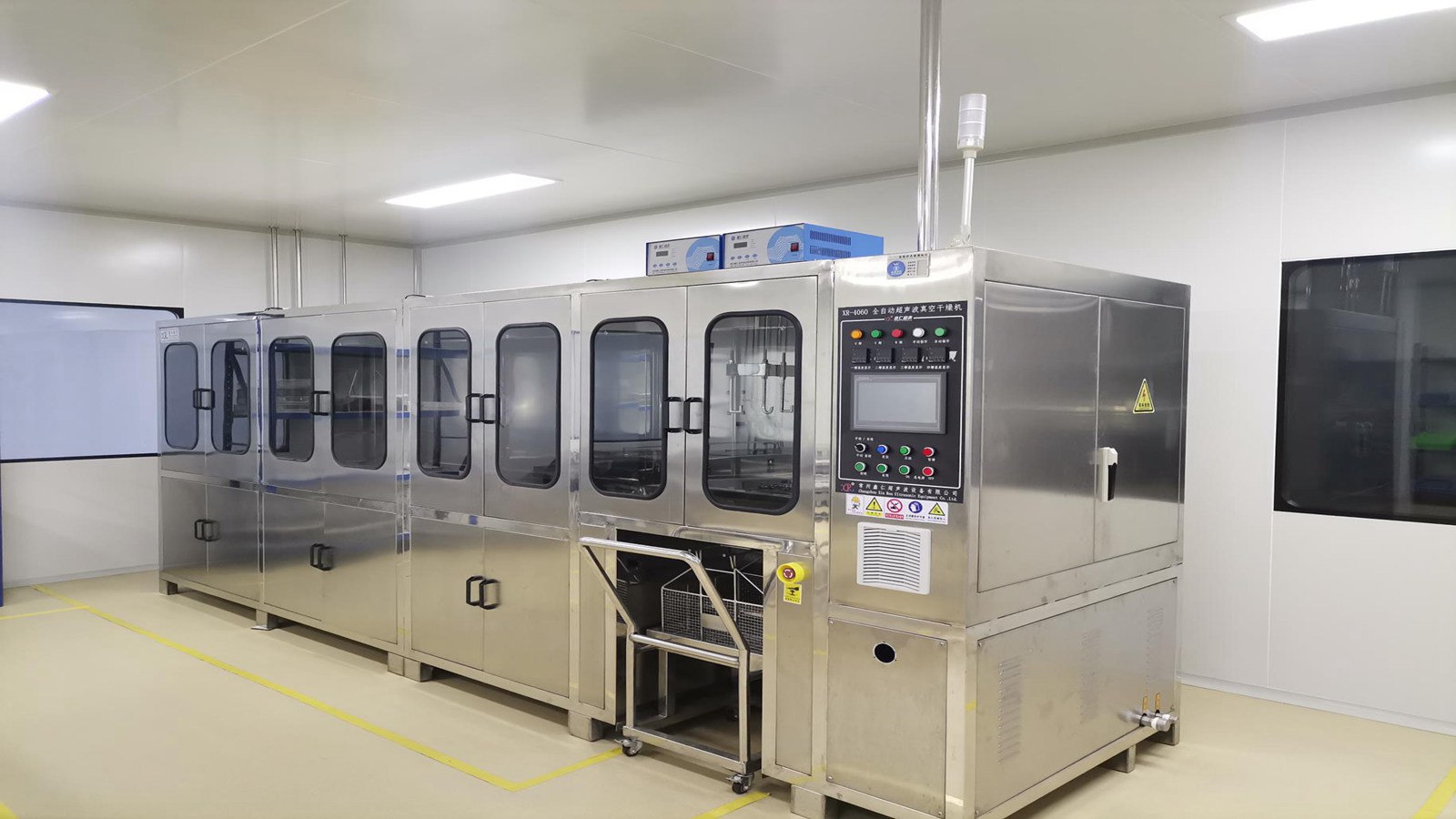
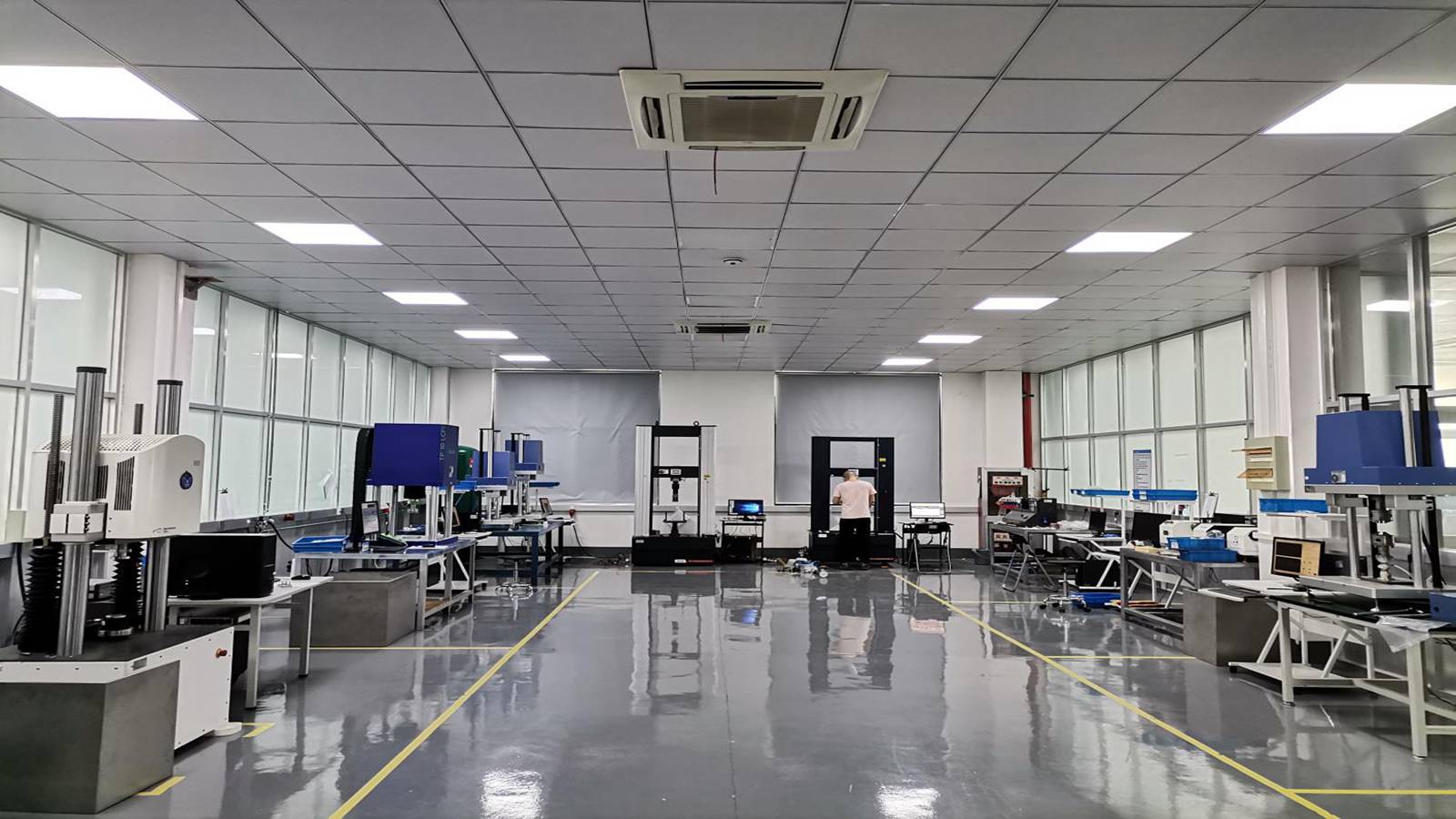
A look inside our 30,343㎡ cleanrooms, testing labs, and high-precision CNC machining centers where each implant is forged.


Essential regulatory, technical, and engineering inquiries answered by our Lead Research Directors.
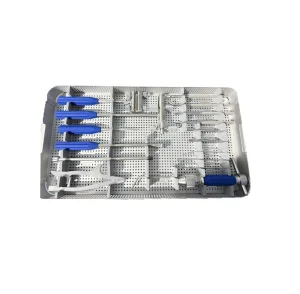
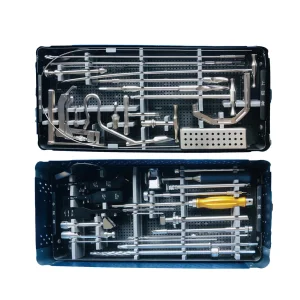
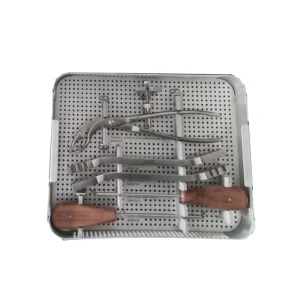
Explore our complete surgical instrument kits, external fixation frames, and specialty pedicle fixation systems.