Ease Medical Apparatus And Instruments
Choosing the right Spinal Instrument for surgery is crucial for successful outcomes. The global spinal surgical instrument market is projected to grow significantly, reaching $15 billion by 2026 (Market Research Future). This highlights the importance of selecting quality instruments. Surgeons must navigate numerous options, balancing efficacy and safety.
Various types of spinal instruments are available, each designed for specific needs. For instance, pedicle screws, rods, and interbody cages serve distinct purposes in spinal stabilization. Recent studies suggest that using advanced materials can reduce complication rates. Yet, selecting an instrument is not just a matter of preference. It involves understanding patient anatomy and surgical techniques.
Surgeons often face challenges in instrument selection. A misstep can lead to prolonged recovery or even complications. Therefore, ongoing education and consultation with experts in spinal surgery are vital. Reviewing data from multiple sources ensures informed decisions. Ultimately, selecting the best Spinal Instrument requires a blend of knowledge, experience, and reflection on past choices.
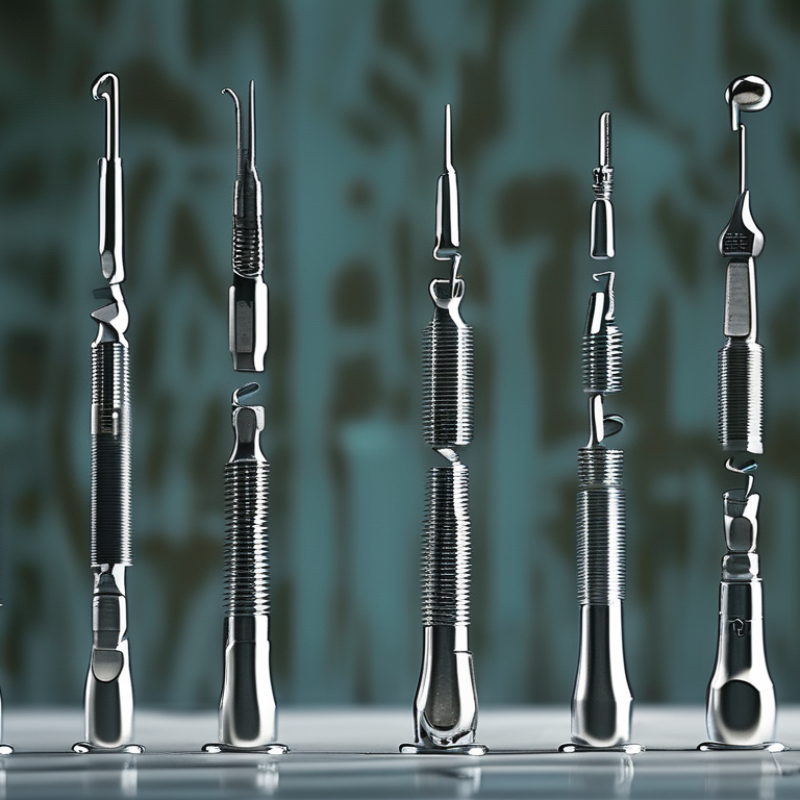
Understanding the importance of spinal instruments in surgery is crucial for successful outcomes. According to the World Health Organization, around 1.71 billion people worldwide suffer from musculoskeletal disorders. Spinal surgeries are often necessary to alleviate pain and restore mobility. The choice of instruments significantly impacts the effectiveness of these procedures.
Quality spinal instruments ensure precision during surgery. A report by MarketsandMarkets suggests that the spinal device market is projected to reach $15.6 billion by 2026. This growth highlights the increasing reliance on advanced technology in surgical practices. Surgeons require instruments that provide stability, strength, and flexibility to address various spinal conditions. Each instrument's design plays a critical role in minimizing complications and recovery time.
However, selecting the right instruments is not a straightforward process. Surgeons must consider several factors, such as the patient's specific condition, the anticipated surgical technique, and the instrument's compatibility with imaging systems. It's important to recognize that reliance on any single type of instrument can lead to suboptimal results. Continuous education on evolving surgical tools can enhance a surgeon's skills, enabling better patient outcomes in an ever-changing medical landscape.
Choosing the right spinal instruments for surgery is critically important. Surgeons must consider various factors that can impact patient outcomes. The design and material of the instruments play a major role in their effectiveness. Instruments should promote precision and reduce trauma to surrounding tissues.
It is vital to assess the ergonomics of the instruments. Comfortable handling can enhance a surgeon's performance during complex procedures. Look for features that allow a smooth grip and controlled movements. How instruments feel in the hand should not be underestimated; they can greatly influence surgery success.
Another key aspect includes the sterilization process. Instruments must withstand rigorous cleaning while maintaining their integrity. Many instruments show wear after several sterilization cycles. Regularly inspect them to ensure they meet safety standards. The choice of spinal instruments can greatly affect surgical outcomes, and attention to detail is essential.
When it comes to spinal surgery, selecting the right instruments is crucial. Spinal instruments come in various types, each designed for specific surgical needs. The most common include retractors, drills, and fixation devices. A 2022 report by the American Academy of Orthopaedic Surgeons indicates that using the appropriate retractor can significantly improve surgical visibility and reduce complication rates.
Retractors, like the self-retaining ones, are essential for holding back tissues during surgery. They allow surgeons clear access to the spine without excessive tissue trauma. Similarly, drills play a vital role in creating precisely sized pilot holes for screws or anchors, essential in spinal fusion procedures. The optimal drill type can vary based on the bone density of the patient, making an informed choice vital based on individual cases.
Fixation devices, such as rods and screws, are equally important. They stabilize the spine after decompression or fusion surgery. Research published in the Journal of Spinal Disorders shows that choosing the right material can impact patient recovery. Titanium instruments are lightweight and biocompatible, but they can be more expensive. This presents a challenge for many surgical facilities. Adapting to advancements in technology while managing budgets remains a common concern in the industry.
Choosing the right spinal instrument is crucial for surgical success. Quality and safety standards can significantly affect patient outcomes. According to recent industry reports, over 30% of complications arise from inadequate spinal instrumentation. Evaluating the standards of materials and manufacturing processes is essential for ensuring reliability.
When assessing spinal instruments, look for certifications from recognized regulatory bodies. Instruments should meet ISO 13485 standards for medical devices. These standards ensure consistent performance and safety. Reports indicate that instruments meeting these criteria show a 50% reduction in post-operative issues.
Consider the ergonomics and design as well. Instruments should allow for ease of use and precision. Complications may occur when instruments are difficult to handle. A comprehensive evaluation includes user feedback and clinical trial results. Engaging with experienced surgeons can provide valuable insights into instrument performance.
Too often, the focus is solely on cost. While budget is important, quality should never be compromised. Surgical outcomes must be prioritized over price, as long-term success depends on effective instrumentation. Relying on data and expert assessments can guide decisions toward safer and more effective surgical practices.
Choosing the right spinal instruments for surgery is crucial for patient outcomes. Collaborating with a skilled surgical team greatly enhances this process. Experienced surgeons bring invaluable insights into the specific needs of each procedure. Data from the American Academy of Orthopaedic Surgeons show that proper instrument selection can reduce operation times by 20% and improve recovery rates.
Effective communication among team members can identify the most suitable tools. Surgeons can discuss their experiences with different instruments and share preferences. This collaboration often leads to more informed decisions about equipment selection. It’s essential to consider the surgeon's expertise and the nuances of the case. Sometimes, conventional choices might not be the best fit for unique patient anatomies.
Engaging with a diverse surgical team fosters an environment of learning. New ideas and feedback can challenge existing practices. Reflecting on past surgeries helps teams identify any shortcomings in instrument choices. Using detailed case reviews can lead to better planning for future operations.
Utilizing data and feedback loops creates a culture of continuous improvement. The goal is always better outcomes for patients, and that begins with thoughtful instrument selection. Remember, each surgery is unique and may require non-standard solutions.
: Spinal instruments are vital for precise surgeries and impactful patient outcomes. They help alleviate pain and restore mobility.
Quality instruments minimize complications. This often leads to faster recovery times for patients after surgery.
Surgeons must assess the patient’s condition and the required surgical technique for the best instrument compatibility.
Yes, effective communication among the surgical team helps identify the best tools and share important insights about past experiences.
Experienced surgeons add valuable insights, significantly enhancing instrument selection and ultimately improving patient outcomes.
Reflecting on past surgeries through detailed case reviews can highlight areas where instrument choices may have failed.
No, relying on one type can lead to suboptimal results. Diverse tools may better meet unique patient needs.
Utilizing feedback loops creates a culture of continuous improvement, ensuring thoughtful decisions in instrument selection.
Continuous education on new instruments keeps surgeons knowledgeable, ultimately leading to better patient care.
Sometimes, conventional choices may not suit unique anatomies, risking less effective surgical outcomes.
Choosing the right spinal instrument for surgery is crucial for successful outcomes. Spinal instruments play a vital role in enhancing surgical precision and patient safety. When selecting the appropriate spinal instrument, there are several key factors to consider, such as the specific anatomical requirements of the patient, the complexities of the procedure, and the type of spinal instrument that best fits these needs.
Understanding the different types of spinal instruments and their specific uses can significantly impact the effectiveness of surgical interventions. Additionally, it is essential to evaluate the quality and safety standards associated with these instruments to ensure they meet regulatory guidelines. Collaborating closely with a surgical team can further optimize the selection process, leveraging their expertise to choose the best spinal instruments tailored to the unique demands of each surgery.
