 Ease Medical Apparatus And Instruments
Ease Medical Apparatus And Instruments
Ease Medical Apparatus And Instruments
China’s orthopedic trauma market is expanding, and intramedullary fixation remains central to modern fracture care. This guide examines China’s top 10 Intramedullary Nail Implant manufacturers through a clinical and manufacturing lens.
The list considers implant design, material quality, production capacity, surgeon feedback, regulatory documentation, and after-sales support. It also reviews practical details, such as nail diameter ranges, locking-screw accuracy, surface finishing, and packaging integrity. These factors matter when a surgeon plans fixation for a femoral, tibial, or humeral fracture.
Dr. Peter G. Tornetta III, a respected orthopaedic trauma specialist, has emphasized: “The implant must serve the fracture and the patient, not the other way around.” This principle keeps the discussion grounded. A polished catalogue does not prove clinical value. Real performance depends on anatomy, surgical technique, fracture biology, and follow-up care.
Some manufacturers may excel in complex trauma systems. Others may offer competitive pricing, flexible customization, or stronger domestic distribution. That difference deserves attention. A perfect ranking does not exist.
This overview is intended for hospitals, distributors, procurement teams, and orthopedic professionals comparing reliable Chinese suppliers. It does not replace clinical judgment or independent quality verification. Buyers should still review certifications, batch records, sterilization controls, clinical evidence, and complaint-handling procedures.
The market is promising, but not without weaknesses. Public data can be incomplete, product claims may vary, and supplier capabilities can change. Careful verification remains essential before any purchasing decision.
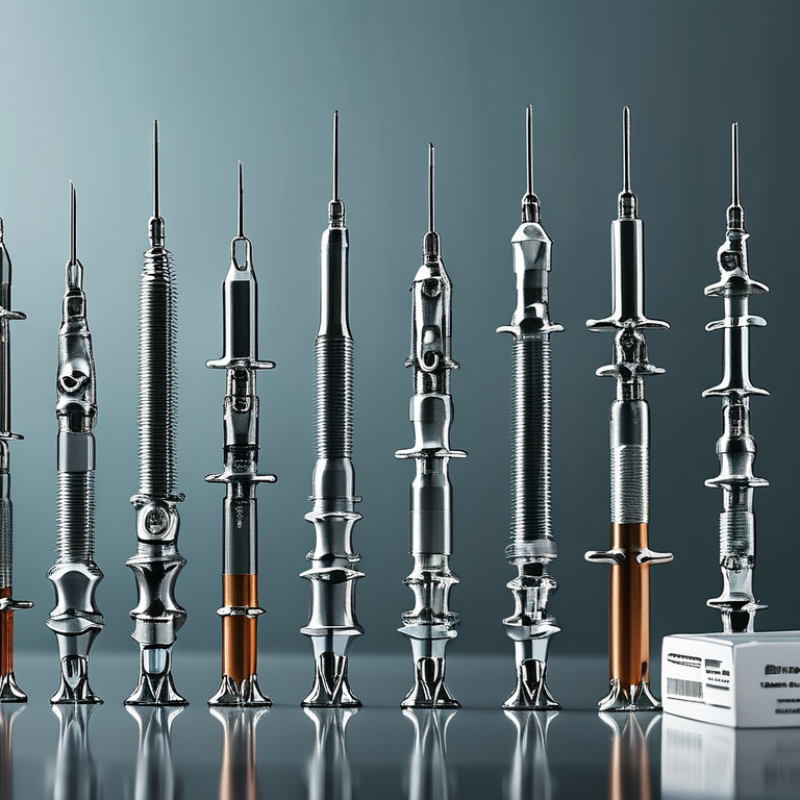
What Are Intramedullary Nail Implants and How Are They Used?
Intramedullary nail implants are metal rods placed inside a bone’s medullary canal. They commonly treat fractures of the femur, tibia, and humerus. The nail supports alignment while the bone heals under controlled load. Locking screws at both ends limit rotation and shortening. Surgeons select nail length, diameter, curvature, and screw position after reviewing X-rays or CT images. Patient age, fracture pattern, bone quality, and soft-tissue damage also matter. The procedure usually involves image guidance and careful positioning. Healing is not always predictable.
Tips: Ask whether the nail matches the fracture location and bone anatomy. Confirm the planned weight-bearing schedule. Keep follow-up appointments for imaging. Report increasing pain, fever, numbness, drainage, or unusual swelling promptly. Do not compare implant prices without checking material quality, sterilization records, traceability, and clinical evidence. Small details can affect recovery.
Intramedullary fixation often permits earlier movement than prolonged external support, but “earlier” does not mean unrestricted activity. Rehabilitation may include swelling control, joint motion, muscle activation, and gradual loading. Possible concerns include infection, delayed union, malalignment, hardware irritation, and persistent pain. These risks depend on the injury and the patient’s health. A reliable supplier should provide technical documentation, inspection records, and evidence of quality management. Manufacturing location alone does not prove safety. Clinical judgment remains essential. Some cases still need another treatment, and that limitation deserves honest discussion.
| No. | Intramedullary Nail Type | Primary Anatomy | Common Clinical Applications | Typical Design Features | Common Material | Typical Diameter Range | Locking and Imaging Considerations |
|---|---|---|---|---|---|---|---|
| 1 | Antegrade Femoral Nail | Femoral shaft and proximal femur | Femoral shaft fractures, selected subtrochanteric fractures, and segmental injuries | Curved nail profile, proximal and distal locking holes, optional reconstruction screws | Titanium alloy or stainless steel | Approximately 9–13 mm | Usually statically or dynamically locked; fluoroscopy is used for entry point, alignment, and screw placement |
| 2 | Retrograde Femoral Nail | Distal and shaft region of the femur | Distal femoral fractures, shaft fractures, and selected periprosthetic fracture patterns | Distal insertion through the intercondylar region with multiple distal locking options | Titanium alloy or stainless steel | Approximately 9–13 mm | Often uses several distal interlocking screws; careful assessment of the knee joint and implant trajectory is required |
| 3 | Cephalomedullary Nail | Proximal femur and femoral shaft | Intertrochanteric, subtrochanteric, and selected unstable proximal femoral fractures | Lag screw or helical blade directed into the femoral head and neck | Titanium alloy or stainless steel | Approximately 9–18 mm | Head-element position is verified with fluoroscopy; tip-apex distance is an important radiographic consideration |
| 4 | Tibial Nail | Tibial shaft and metaphyseal regions | Closed or open tibial shaft fractures and selected proximal or distal third fractures | Anterior entry design, multiple proximal and distal locking holes, and a tapered tip | Titanium alloy or stainless steel | Approximately 8–13 mm | Static locking is common in unstable fractures; alignment and rotation are checked under fluoroscopy |
| 5 | Humeral Nail | Humeral shaft | Selected humeral shaft fractures, especially unstable or segmental patterns | Shorter nail length, proximal and distal locking, and antegrade or retrograde insertion options | Titanium alloy or stainless steel | Approximately 7–10 mm | Fluoroscopy guides nail depth and locking; the radial nerve and shoulder structures require clinical consideration |
| 6 | Flexible Elastic Nail | Pediatric femur, tibia, and selected forearm bones | Length-stable pediatric long-bone fractures with an open physis | Two flexible nails provide balanced elastic three-point fixation | Titanium alloy or stainless steel | Approximately 2–4 mm per nail, depending on patient size | Typically does not use interlocking screws; nail diameter is selected according to the narrowest canal and patient age |
| 7 | Reconstruction Nail | Proximal femur and femoral shaft | Combined femoral neck, trochanteric, and shaft fracture patterns | Multiple proximal screws support the femoral neck and head while the shaft is stabilized by distal locking | Titanium alloy or stainless steel | Approximately 9–13 mm | Requires accurate three-dimensional imaging to confirm screw length, head position, and fracture reduction |
| 8 | Distal Tibial or Supramalleolar Nail | Distal tibia | Selected distal-third tibial fractures where controlled intramedullary fixation is appropriate | Multiple multidirectional distal locking holes and a design intended to improve metaphyseal control | Titanium alloy or stainless steel | Approximately 8–11 mm | Distal screw placement is highly dependent on fluoroscopic views and protection of nearby soft tissues |
| 9 | Short Cephalomedullary Nail | Proximal femur | Intertrochanteric fractures and selected fractures that do not extend far into the femoral shaft | Short nail with a cephalic lag screw or blade and limited distal locking | Titanium alloy or stainless steel | Approximately 9–18 mm | Designed to reduce insertion length; correct entry point and head-element placement remain essential |
| 10 | Small-Diameter Cannulated Nail | Radius, ulna, fibula, or other small long bones | Selected fractures of smaller long bones requiring minimally invasive internal support | Cannulated structure, tapered tip, and optional locking or end-cap features | Titanium alloy or stainless steel | Approximately 2–6 mm | Implant selection depends on the medullary canal, fracture pattern, and soft-tissue condition; imaging confirms alignment and depth |
Reference note: Intramedullary nail dimensions and locking configurations vary by indication, patient anatomy, and applicable medical-device specifications. The ranges above are general clinical reference values rather than specifications for any particular company or brand.
They may offer femoral, tibial, humeral, cephalomedullary, pediatric, and cannulated nails.
Titanium alloys and stainless steel are frequently used.
An ISO 13485 quality management certificate can support supplier evaluation.
Request evidence of fatigue, torsion, and bending assessments.
Request samples and compare them with approved technical drawings.
Review documented sterilization controls and packaging validation.
Approval depends on the destination market and specific product model.
Confirm lead times, minimum order quantities, replacement procedures, and technical support.
No. Certificates and price are only parts of the evaluation.
This article provides a practical guide to China’s intramedullary nail implant industry. It first explains what an Intramedullary Nail Implant is, how it is placed inside the medullary canal, and how it supports the stabilization and healing of long-bone fractures. The article then outlines key factors for evaluating manufacturers, including product quality, material selection, production capacity, design capabilities, clinical experience, quality-control systems, and regulatory compliance.
The guide also presents a structured comparison of ten leading types of Chinese manufacturers without focusing on brand names, highlighting their key product categories, engineering technologies, customization services, and relevant certifications. Finally, it offers recommendations for selecting a reliable supplier, such as reviewing technical documentation, verifying manufacturing standards, assessing communication and after-sales support, confirming traceability, and requesting appropriate samples or qualification records. These considerations can help hospitals, distributors, and medical-device purchasers make informed and responsible sourcing decisions.
