Ease Medical Apparatus And Instruments Ease Medical Apparatus And Instruments

10 Best Locking Plate Implant Manufacturers for Global Buyers

Time:2026-09-28 Author:Ethan
0%

Choosing a Locking Plate Implant is not a simple price comparison. These devices help surgeons stabilize fractures, while design details can affect handling, fit, and surgical workflow. For global buyers, the manufacturer matters too. Materials, production controls, documentation, and support all deserve careful review.

This guide introduces ten manufacturers serving different markets and product needs. It considers factors such as plate and screw options, instrument compatibility, published technical information, quality-management practices, and regional availability. Buyers may also want to check product registration requirements and confirm that documentation matches the destination market. Details count. A clearly labeled tray or a responsive technical team can make procurement easier, though neither replaces clinical judgment.

No ranked list can prove that one supplier suits every hospital or distributor. Product ranges change, and public information may not reveal the full picture. That is a limitation worth keeping in mind. Compare current specifications, request relevant quality documents, and involve qualified clinical and procurement professionals before making decisions. The manufacturers featured here offer useful starting points for research—not a substitute for local review or professional advice. Some comparisons may remain imperfect, but transparent criteria can make them more practical and fair.
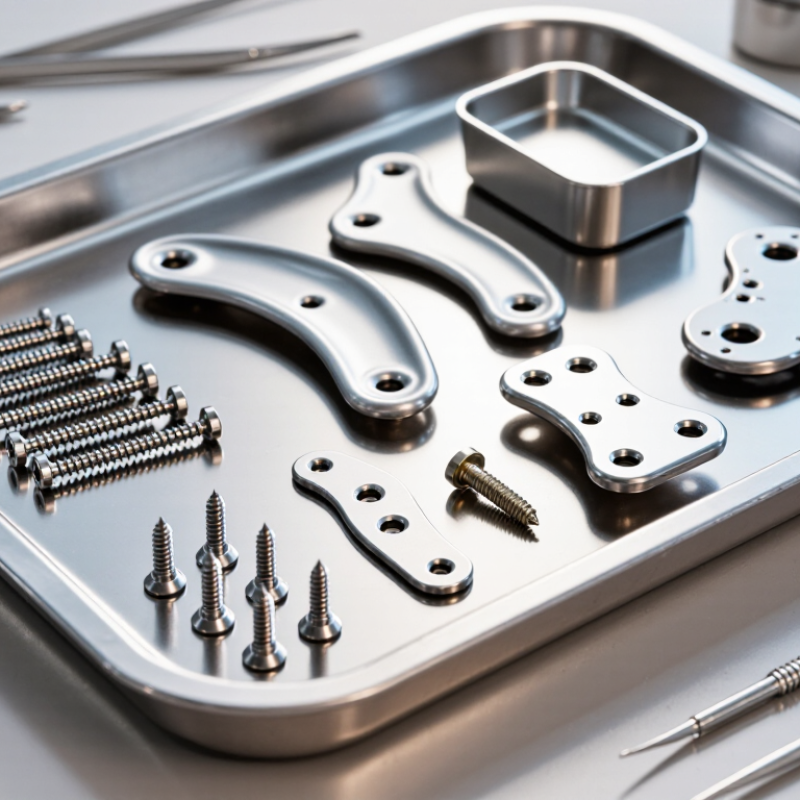
10 Best Locking Plate Implant Manufacturers for Global Buyers

What Locking Plate Implants Are and How They Work

A locking plate is a metal implant that stabilizes a broken bone while it heals. Unlike a conventional plate, its screws lock into threaded holes in the plate. This creates a fixed-angle structure, much like a small internal frame. Surgeons position it along the bone and select screw direction and length to suit the fracture. The plate can help maintain alignment without pressing tightly against the bone surface. It is not a magic fix. Bone quality, fracture pattern, surgical placement, and rehabilitation still matter.

The World Health Organization’s 2023 road-safety fact sheet reports

20–50 million non-fatal road injuries worldwide each year. These figures include many injury types, not just fractures or cases needing surgery, but they show the scale of trauma care.

In practice, a locking plate may be considered for complex fractures or weaker bone, where screw purchase can be a concern. Its stability can support earlier movement in some treatment plans, though timing is a clinical decision. More hardware does not always mean better healing. A plate that is too stiff, poorly positioned, or mismatched to the fracture can create problems; even sound technique cannot remove every uncertainty.

Key Designs, Materials, and Clinical Applications

Locking plates use threaded holes that secure screw heads, creating a fixed-angle construct. This can help maintain alignment when bone is fragile or fracture fragments are small. Many designs also accept conventional screws, allowing compression where appropriate. Plate shape matters: a contoured plate should sit close to the bone without excessive bending. Fit matters.

Material choice shapes handling and imaging. Titanium alloys are lightweight and generally produce less imaging artifact than stainless steel, though artifact levels depend on the scan and implant design. Stainless steel offers strength and familiar handling, but may be less suitable when imaging clarity is a priority. Neither material is automatically best. Surface finish, hole geometry, screw compatibility, and manufacturing consistency deserve close review.

Clinical applications include fractures around joints, metaphyseal fractures, and selected comminuted injuries. Variable-angle designs can give surgeons more freedom to direct screws around joint surfaces or existing hardware. That freedom still has limits. The chosen construct must match the fracture pattern, bone quality, anatomy, and soft-tissue condition. A plate cannot compensate for poor reduction or unsuitable fixation. Evidence and clinical judgment should guide selection; the trade-offs are not always obvious.

10 Best Locking Plate Implant Manufacturers for Global Buyers - Key Designs, Materials, and Clinical Applications
This comparison covers ten established locking-plate system categories, not individual manufacturers or a ranked product list. Available features and indications vary by specific system; confirm details in the applicable product documentation.
No. Locking Plate System Category Common Design Features Common Materials Typical Clinical Applications
1 Volar distal radius plate Contoured plate with a distal row of fixed-angle or, in some systems, variable-angle locking screw holes. Titanium alloy or implant-grade stainless steel. Fixation of selected distal radius fractures, including unstable or intra-articular patterns.
2 Proximal humerus plate Proximal screw cluster designed to support the humeral head, with shaft holes for diaphyseal fixation. Titanium alloy or implant-grade stainless steel. Fixation of selected proximal humerus fractures, including fractures in which bone quality is a concern.
3 Distal femur plate Typically a long lateral plate with distal locking options and multiple shaft fixation points. Titanium alloy or implant-grade stainless steel. Fixation of selected distal femur fractures, including some periprosthetic and osteoporotic fracture patterns.
4 Proximal tibia plate Plate contours and screw trajectories may support the tibial plateau; some designs use subchondral “raft” screws. Titanium alloy or implant-grade stainless steel. Fixation of selected proximal tibial and tibial plateau fractures.
5 Distal tibia plate Available in different shapes and approaches, including medial or anterolateral configurations, with distal locking options. Titanium alloy or implant-grade stainless steel. Fixation of selected distal tibia fractures, including some metaphyseal and periarticular patterns.
6 Clavicle plate Precontoured or contourable plates; certain systems offer superior or anteroinferior positioning options. Titanium alloy or implant-grade stainless steel. Fixation of selected clavicle fractures, including midshaft and, with dedicated designs, distal fractures.
7 Olecranon plate Dorsal plate profile with proximal screw options intended to capture the olecranon fragment. Titanium alloy or implant-grade stainless steel. Fixation of selected olecranon fractures, including comminuted patterns.
8 Distal humerus plate Medial and lateral plates can be used in parallel or orthogonal constructs, depending on the fracture and system. Titanium alloy or implant-grade stainless steel. Fixation of selected distal humerus fractures, including complex intra-articular fractures.
9 Calcaneal plate Anatomically shaped plate with multiple screw trajectories for fixation of the calcaneal body and fragments. Titanium alloy or implant-grade stainless steel. Fixation of selected calcaneal fractures; approach and implant choice depend on the fracture pattern and soft-tissue condition.
10 Small-fragment hand plate Miniature plates and screws in varied shapes; systems may include locking options for small bones and limited bone stock. Titanium alloy or implant-grade stainless steel. Fixation of selected metacarpal and phalangeal fractures when plate fixation is clinically appropriate.
Global buyer checks: Verify local regulatory authorization, intended indications, available sizes, screw and instrument compatibility, sterilization status, traceability, and access to surgical training and after-sales support. Material and design specifications should be confirmed against the current instructions for use.

How to Evaluate Manufacturers for Global Procurement

When evaluating locking plate implant manufacturers, look beyond catalog breadth. Ask for documented material specifications, dimensional tolerances, and inspection records for representative production batches. Can the supplier trace a finished plate back to its material lot? Details matter. Review evidence of a controlled quality system and ask how design changes are recorded. A certificate alone may not show how consistently a process is followed.

Request sample documentation for the exact plate family, including test methods and sterilization information where applicable. Compare hole patterns, plate lengths, screw compatibility, and packaging details against your procurement requirements. Check whether the manufacturer can provide stable lead times, clear export documents, and responsive technical support across time zones. Ask how complaints and product feedback are investigated, not just how quickly emails are answered. A small trial order can reveal gaps in labeling or communication before larger commitments. I would not judge a supplier from one smooth call; real consistency takes time to verify. These checks require effort, and no checklist removes every uncertainty.

Profiles of Ten Locking Plate Implant Manufacturers

Global buyers encounter several distinct profiles among locking plate implant manufacturers. Trauma-focused producers often build broad plate families for long-bone fixation. Large orthopedic suppliers may combine plates, screws, and instruments within one system. Regional manufacturers tend to know local clinical preferences well. Export-oriented firms usually emphasize documentation and distributor support. Details matter.

Some manufacturers stand out for precision machining, with close attention to hole alignment and plate contour. Titanium-focused producers may offer lightweight options, while stainless-steel specialists often compete on familiar materials and cost. Modular-system makers provide varied plate shapes and screw choices. Digitally supported manufacturers may use planning tools or detailed product libraries. Service-centered firms prioritize training, replacement parts, and communication with hospitals.

These profiles overlap, and the categories are imperfect. A polished catalogue does not prove consistent manufacturing quality. Buyers can compare material specifications, traceability records, inspection processes, and instrument compatibility. Ask how production lots are checked, and whether technical documents match the supplied product. A useful assessment also considers surgeon feedback and the availability of support after delivery. One detail is easy to miss: plate performance depends on the complete fixation system, not the plate alone. These points help distinguish manufacturers by practical strengths rather than promotional claims.

Regulatory, Quality, and Supply Considerations for Buyers

Regulatory, Quality, and Supply Considerations for Buyers

Locking plate implants must meet the regulatory requirements of each intended market. Ask manufacturers which registrations and device authorizations apply, and verify them through official records where available. Requirements differ by jurisdiction, so a certificate from one region does not automatically establish market access elsewhere. Request current technical documentation, labeling samples, and clear explanations of any exclusions. Small inconsistencies matter.

Quality review should extend beyond certificates. Examine the manufacturer’s quality system, risk controls, change-notification process, and complaint handling. Ask how material batches, machining records, and finished implants are traced. For sterile products, review sterilization validation, packaging integrity, and shelf-life evidence. A polished dossier can still hide gaps; buyers should resist judging quality by presentation alone. That check is easy to postpone.

Supply reliability deserves the same scrutiny. Compare stated lead times with recent delivery records, and ask how shortages, production changes, or transport delays are managed. Confirm whether critical components have qualified backup sources and whether substitutions require prior approval. Review minimum order quantities, forecast expectations, and stock rotation before committing. A low quoted price may not reflect the cost of delays or inconsistent availability. Keep questions written, assign owners, and document answers; even careful teams sometimes miss one detail.

Regulatory Milestones Relevant to Global Locking Plate Buyers

These dated milestones help buyers frame quality-system and market-access due diligence. The chart shows milestone years—not manufacturer rankings or measures of product quality.

Sources: ISO 13485:2016; EU Regulation 2017/745; FDA QMSR.

FAQS

What is a locking plate implant?

It is a metal plate that helps stabilize a broken bone during healing. Its screws lock into threaded holes, creating a fixed-angle structure.

How is a locking plate different from a conventional plate?

Its screws attach to the plate rather than relying only on pressure against the bone. The plate can help maintain alignment without pressing tightly against the bone surface.

When might a surgeon consider using one?

It may be considered for complex fractures or weaker bone. The choice depends on the fracture, bone quality, and clinical judgment.

Does a locking plate guarantee faster healing?

No. It can support earlier movement in some treatment plans, but timing is decided clinically. Healing still depends on several factors.

Can a locking plate cause problems?

Yes. A plate that is too stiff, poorly positioned, or mismatched to the fracture can create problems. Sound technique cannot remove every uncertainty.

What should buyers check when evaluating a manufacturer?

Ask for material specifications, dimensional tolerances, and inspection records. Check whether finished plates can be traced to their material lots.

What documents and practical details should buyers review?

Review test methods, sterilization information where applicable, screw compatibility, and packaging details. Confirm lead times, export documents, and technical support.

Is a certificate enough to assess a supplier?

Not by itself. Ask how design changes, complaints, and production checks are handled. A smooth call can be reassuring, but consistency takes time to verify.

Why assess the full fixation system?

Plate performance depends on compatible screws and instruments, not the plate alone. Check whether product documents match the supplied parts. A checklist still has limits.

Conclusion

This article explains what a Locking Plate Implant is and how its screw-and-plate design can help stabilize fractures. It outlines key differences in plate geometry, materials, and fixation options, along with the clinical needs that may influence implant selection. The goal is to give global buyers a clear foundation for comparing products and understanding how design choices relate to intended use.

The article also presents ten manufacturer profiles and a practical framework for evaluating suppliers. Buyers can consider product range, manufacturing capability, quality systems, regulatory documentation, and the consistency of supply when assessing potential partners. Attention to these factors can support informed procurement decisions while helping buyers confirm that products meet the requirements of their markets and clinical settings.

Ethan

Ethan

Ethan is a seasoned marketing professional with a deep expertise in our company's innovative product line. With a passion for sharing knowledge and insights, he takes the lead in regularly updating our corporate blog, where he explores industry trends, product features, and effective marketing......